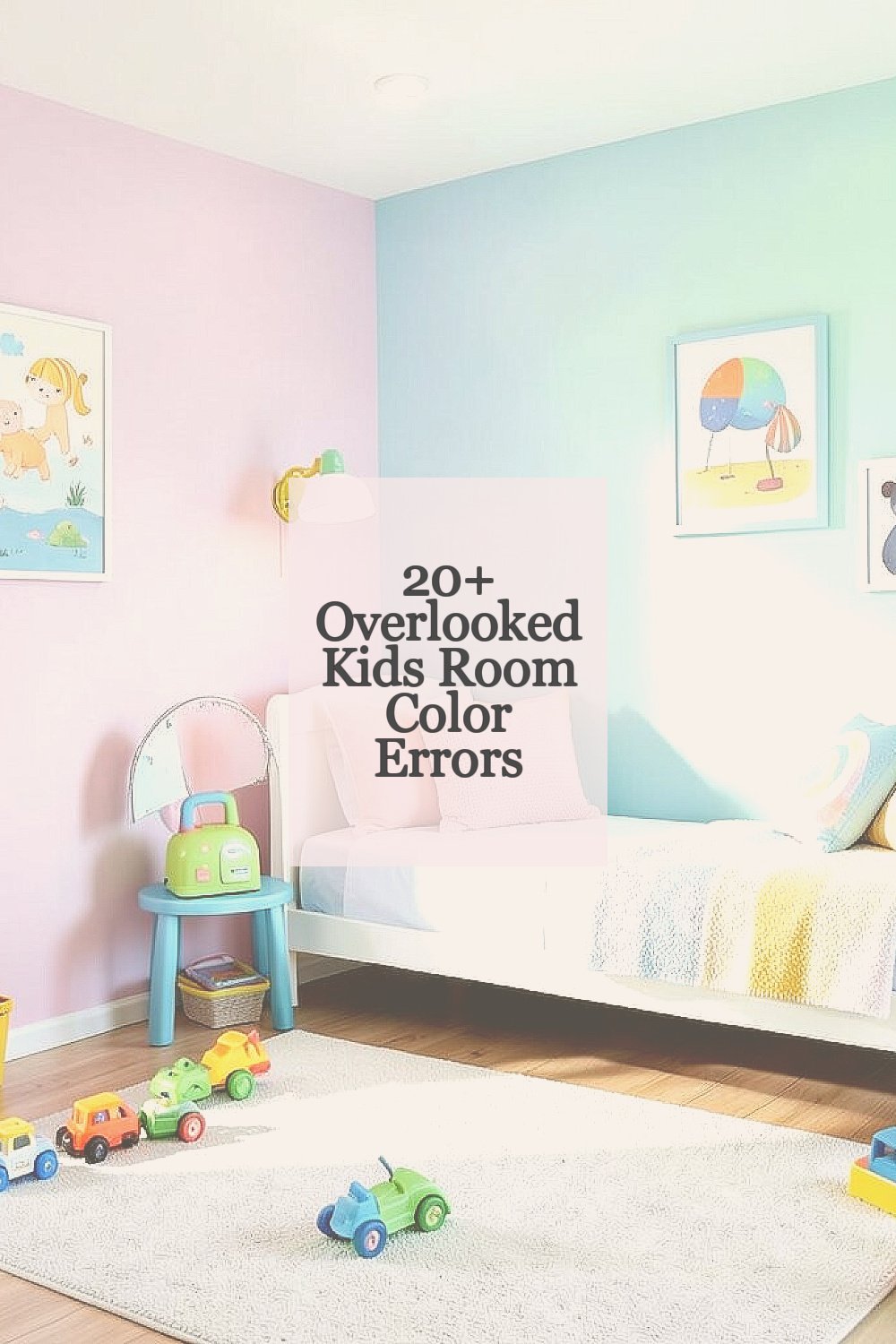
Walking into a kid’s room should feel like stepping into a world of imagination and fun. Sometimes, the colors we choose can turn playful dreams into jarring chaos, but it doesn’t have to be that way.
1. Overly Bright Walls
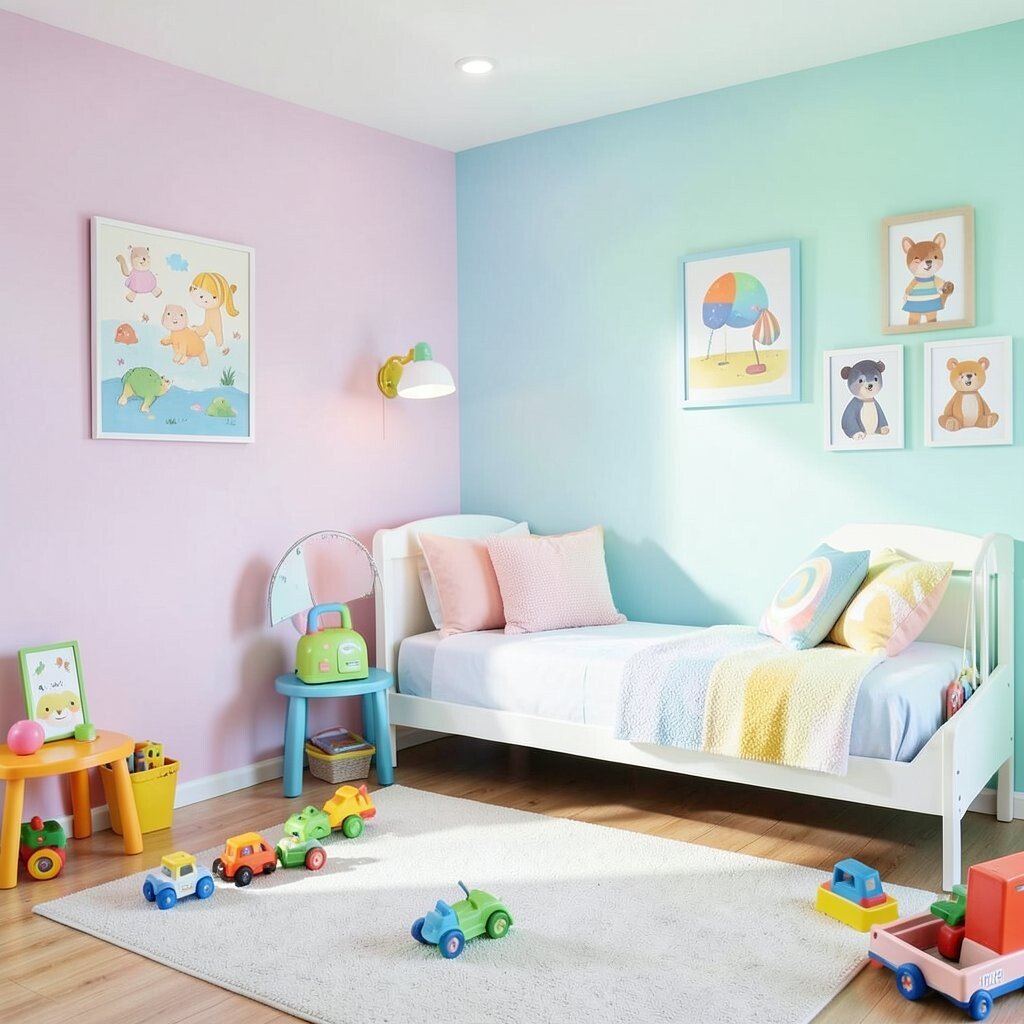
Bright colors can be exciting, but sometimes they can be too much. Using neon or overly bright walls can be overwhelming for both kids and adults.
Try using pastel or softer shades to create a calm and inviting space. These tones can be soothing and make it easier for kids to relax and play. You can still have fun with colors by adding bright accents through toys, pillows, or artwork.
2. Clashing Colors
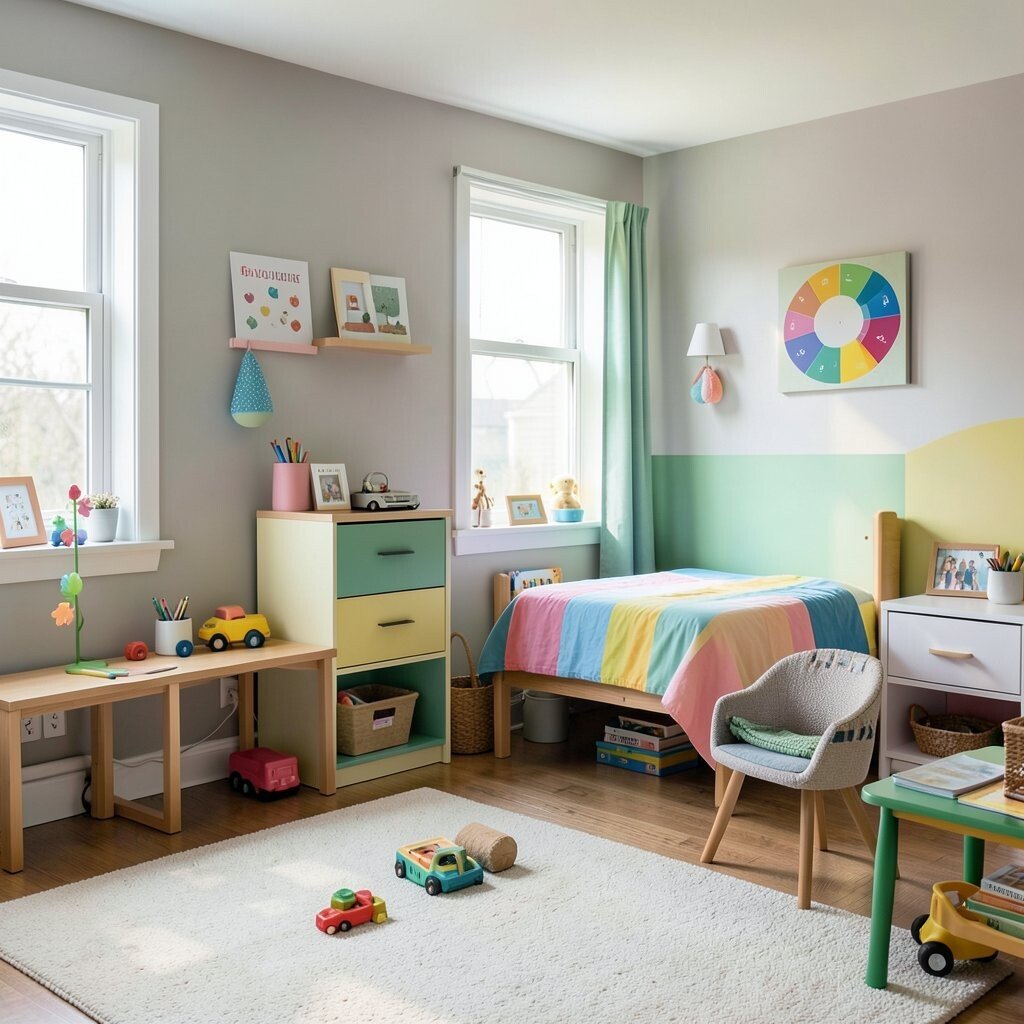
Mixing colors is fun, but some combinations can clash and create a chaotic look. It’s important to find a balance.
Consider using a color wheel to find colors that harmonize well together. Complementary colors can add vibrancy without the chaos. This approach makes the room look cohesive and thoughtfully designed.
3. Too Much White
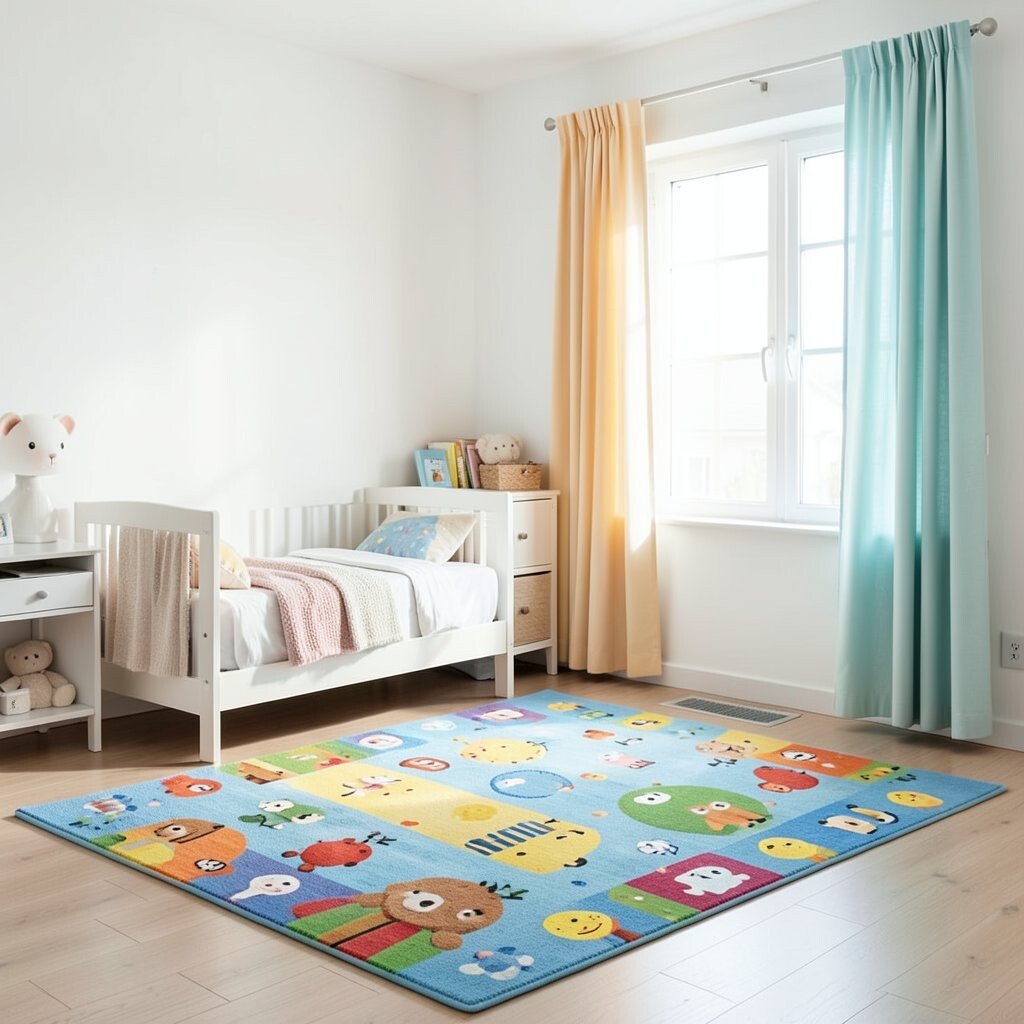
White can feel clean and fresh but too much can make a room feel sterile. A kid’s room should be lively!
Add pops of color with a rug or curtains to break the monotony. These additions not only bring warmth but also allow you to introduce your child’s favorite colors into the room.
4. Dark, Moody Colors
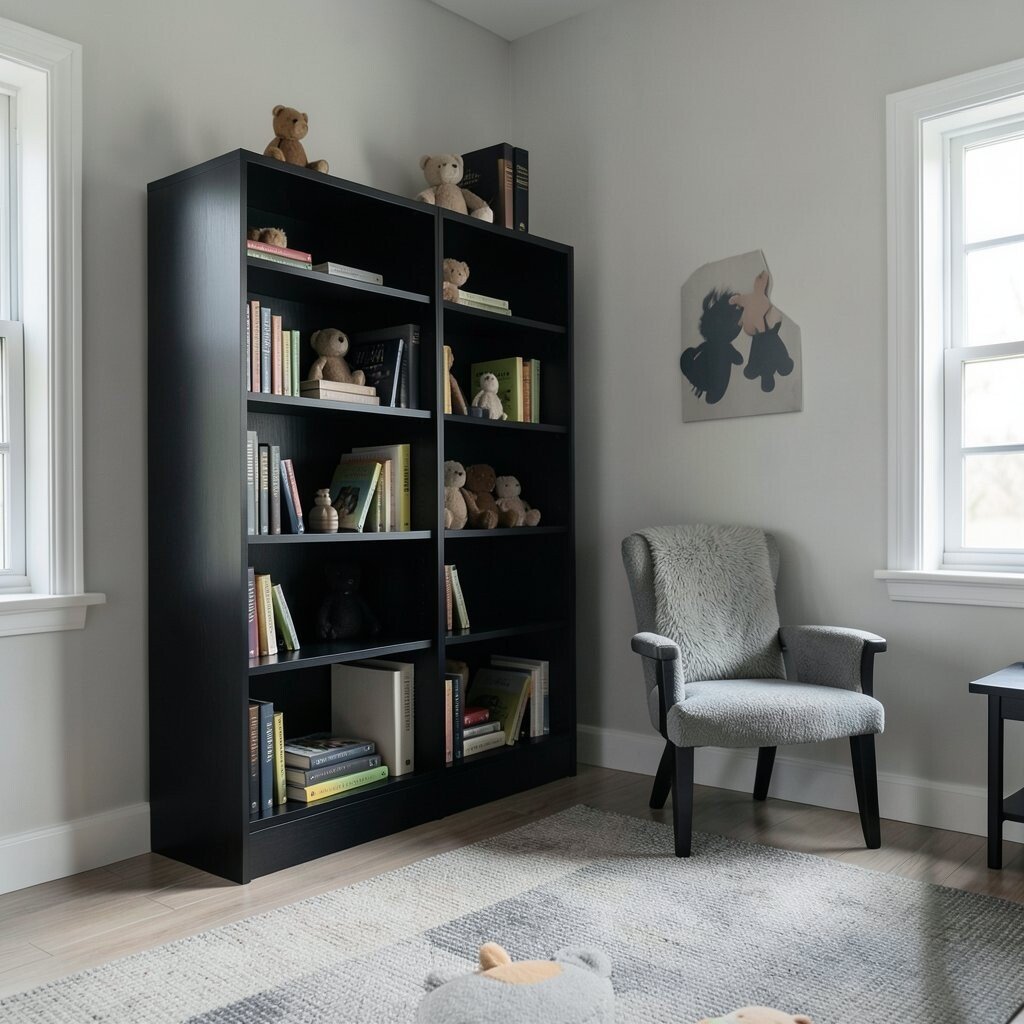
Dark colors can make a room feel smaller and gloomier, which is not ideal for an active child.
Instead, use these colors for accents or furniture. A dark bookshelf or chair against a lighter backdrop can create a striking, yet balanced effect.
5. Ignoring Natural Light
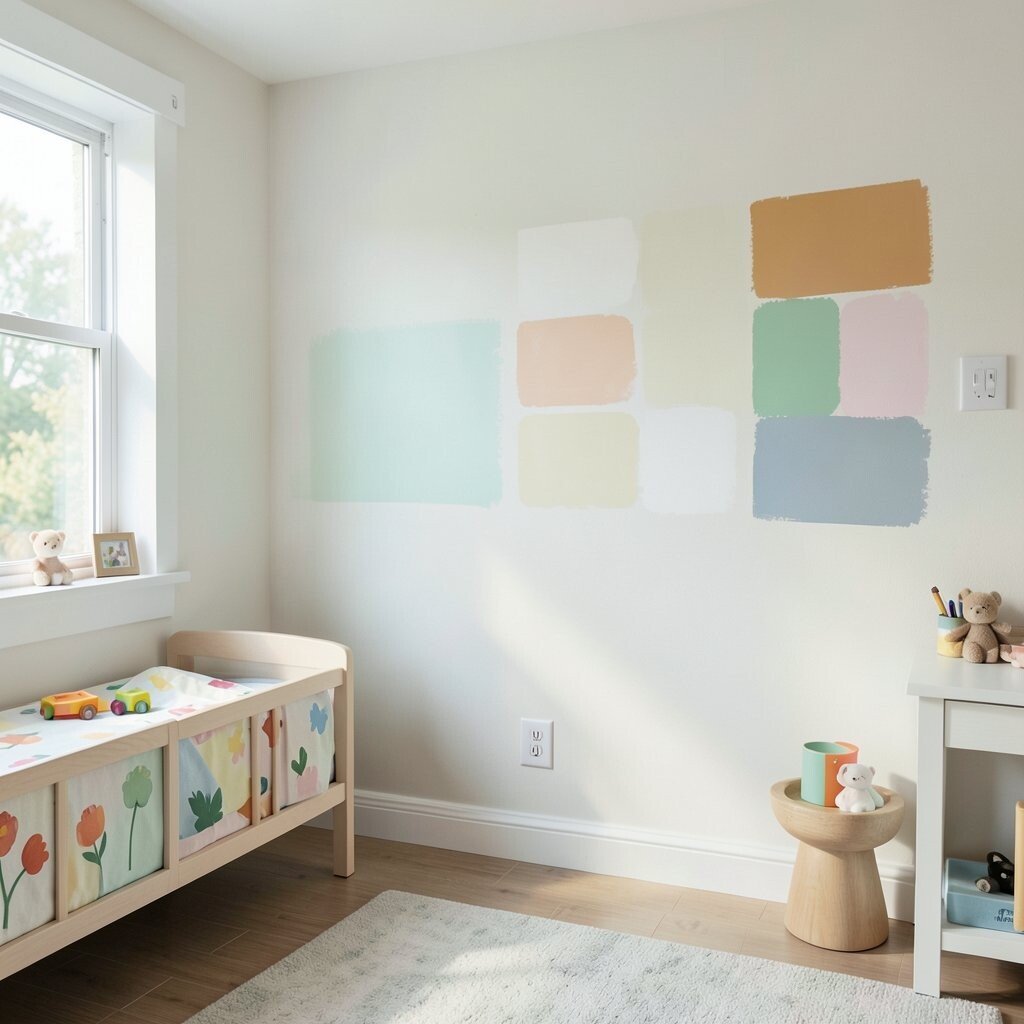
Natural light can change the way colors look, making them appear different at various times of the day.
Choose colors that look good in both artificial and natural light. Test paint samples on the wall to see how they change throughout the day.
6. Overusing Patterns
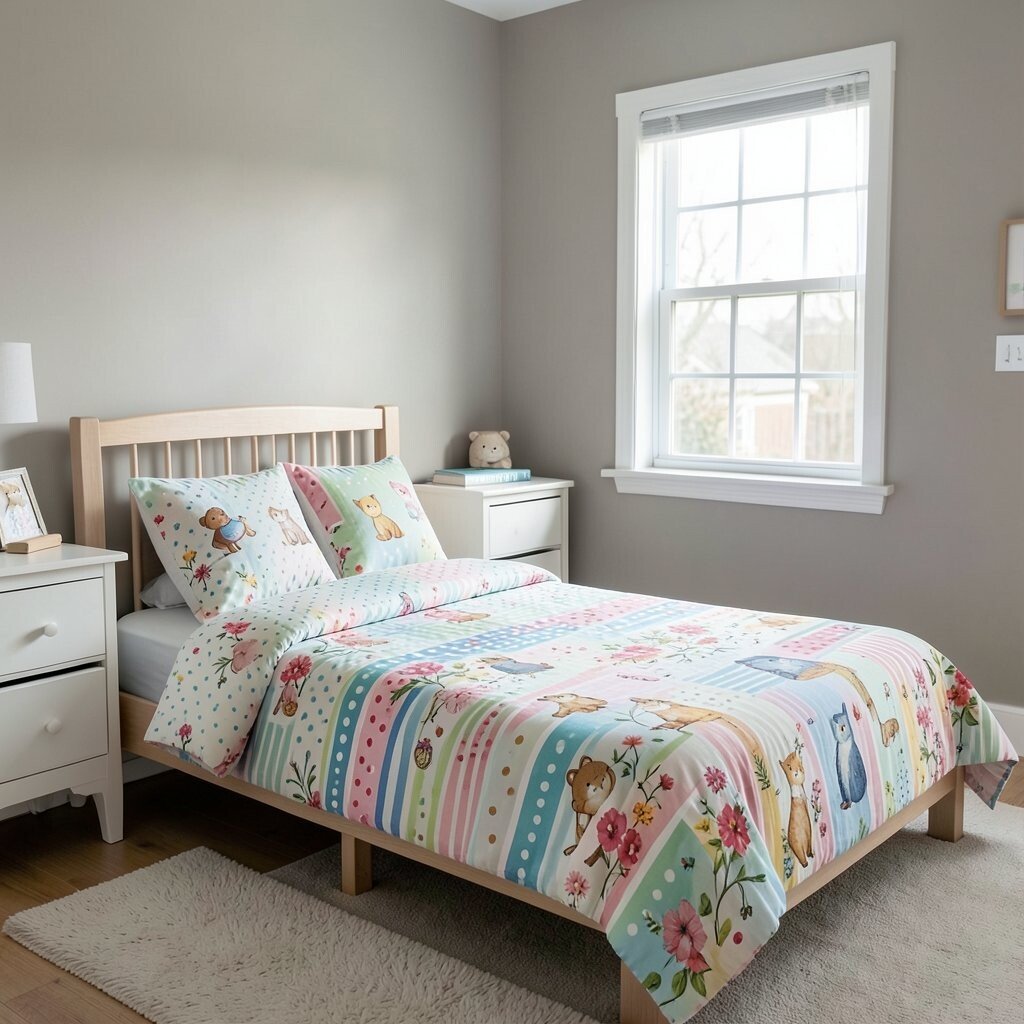
Patterns add interest, but too many can overwhelm the senses. It’s easy to go overboard with stripes, polka dots, and florals.
Limit patterns to one or two elements. A patterned bedspread paired with solid walls can create a nice balance. This also allows you to personalize the space with your child’s favorite themes without making it too busy.
7. Forgetting About Growth
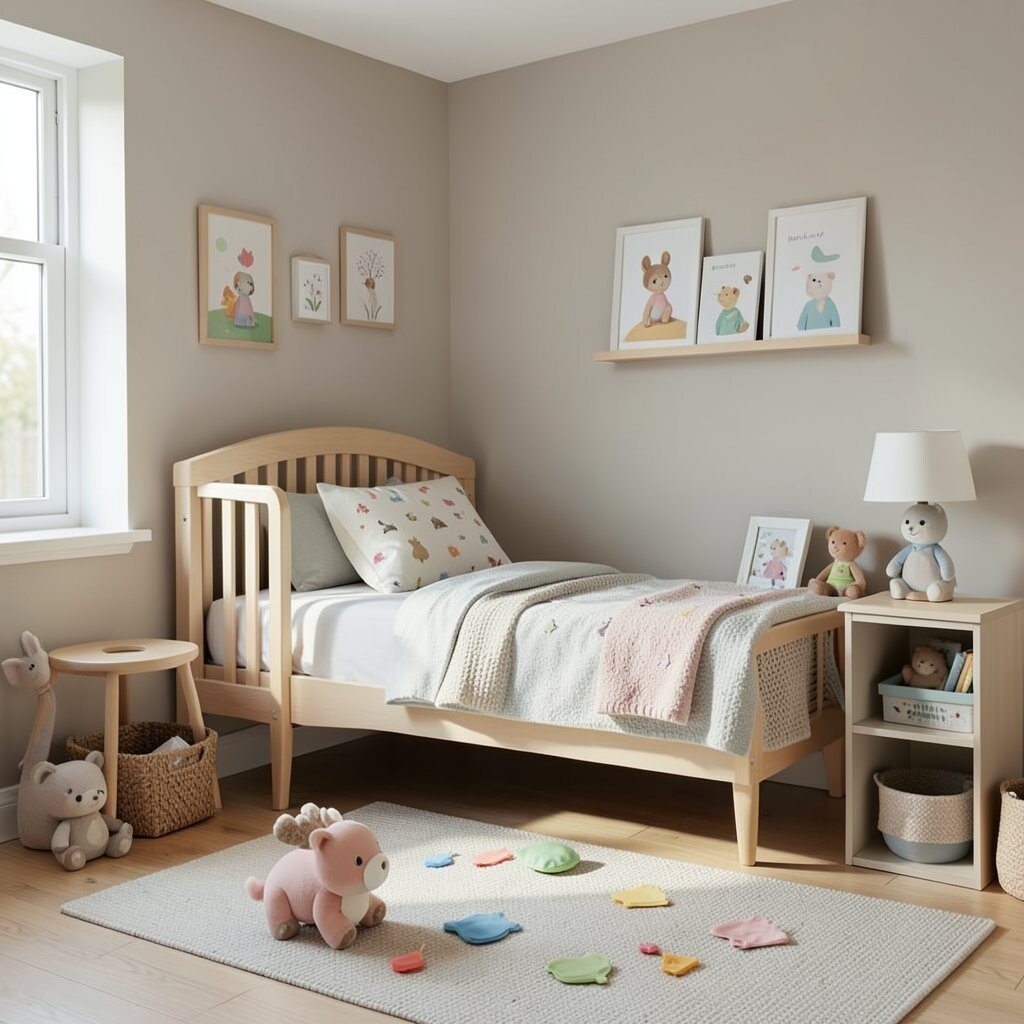
Kids grow up fast, and so do their tastes. A room that is too themed might not age well.
Choose a flexible color palette that can evolve as your child grows. Neutral walls with interchangeable accessories make it easy to update the room without a complete overhaul.
8. Lack of Personal Touch
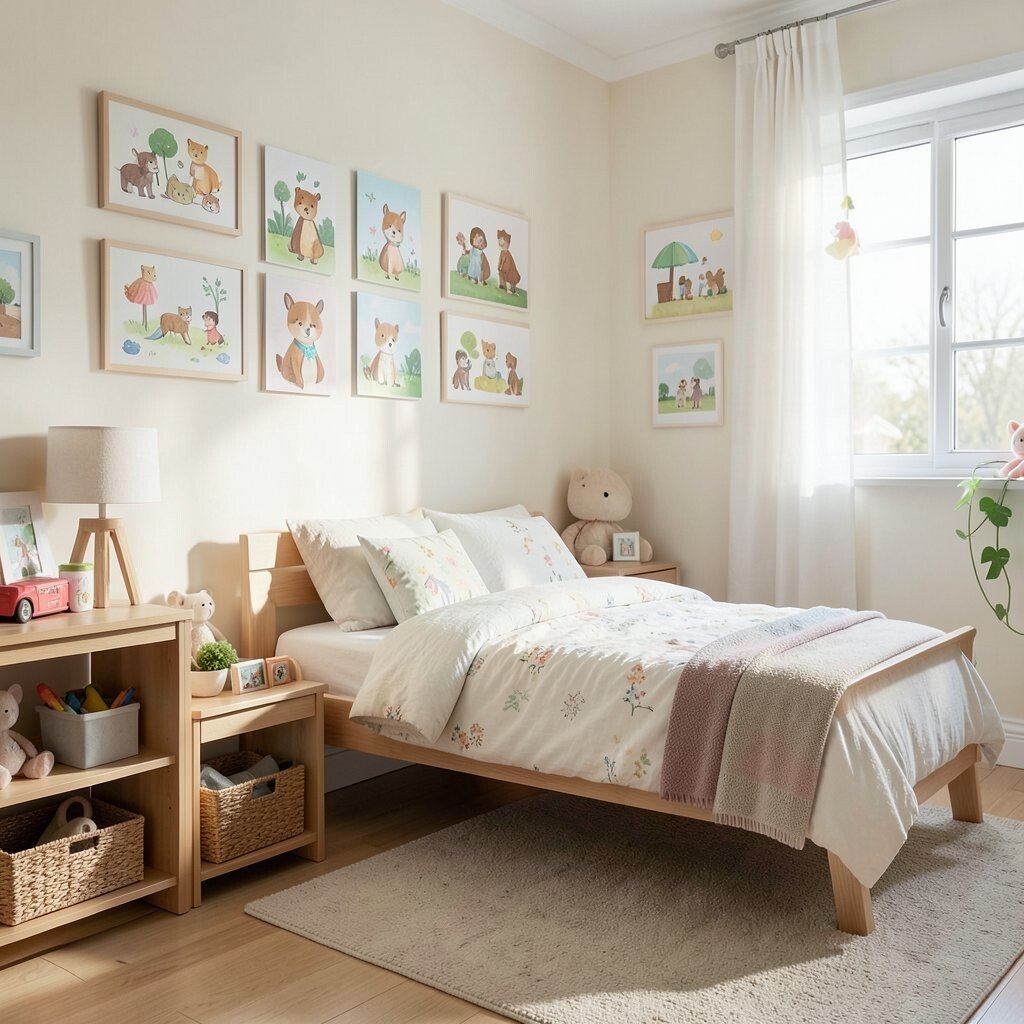
Sometimes a room can feel like it belongs in a magazine but not to your child.
Incorporate personal elements, like their artwork or favorite pictures. These touches make the room uniquely theirs and can easily be swapped out as their interests change.
9. Too Many Different Themes
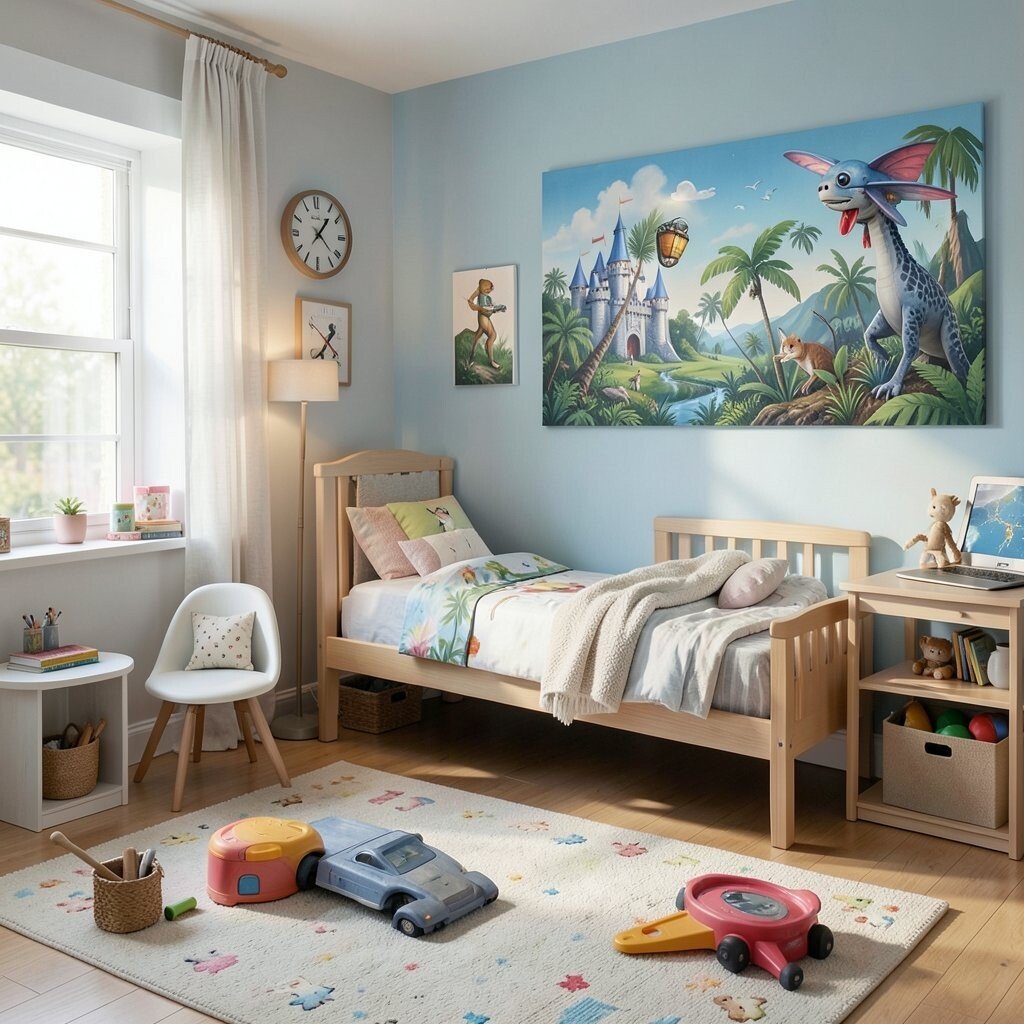
A room with multiple themes can feel scattered. A space with a castle, a jungle, and a spaceship might seem fun but can be confusing.
Choose one main theme and use smaller elements to add variety. This creates a more cohesive feel and makes the space more inviting.
10. Ignoring the Ceiling
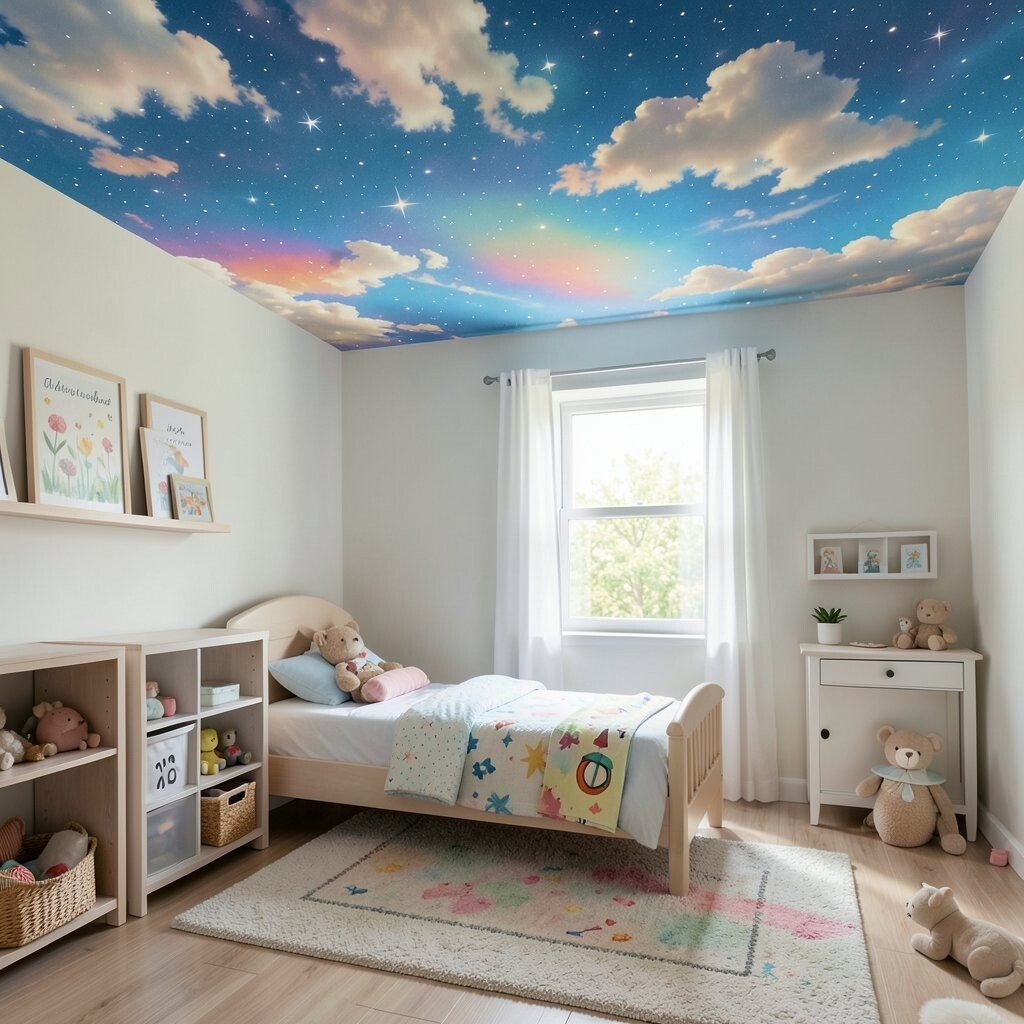
The ceiling is often overlooked, but it can be a canvas for creativity.
Add clouds, stars, or a splash of color to make the ceiling an integral part of the design. This can spark imagination and make the room feel more complete.
11. Monochrome Overload
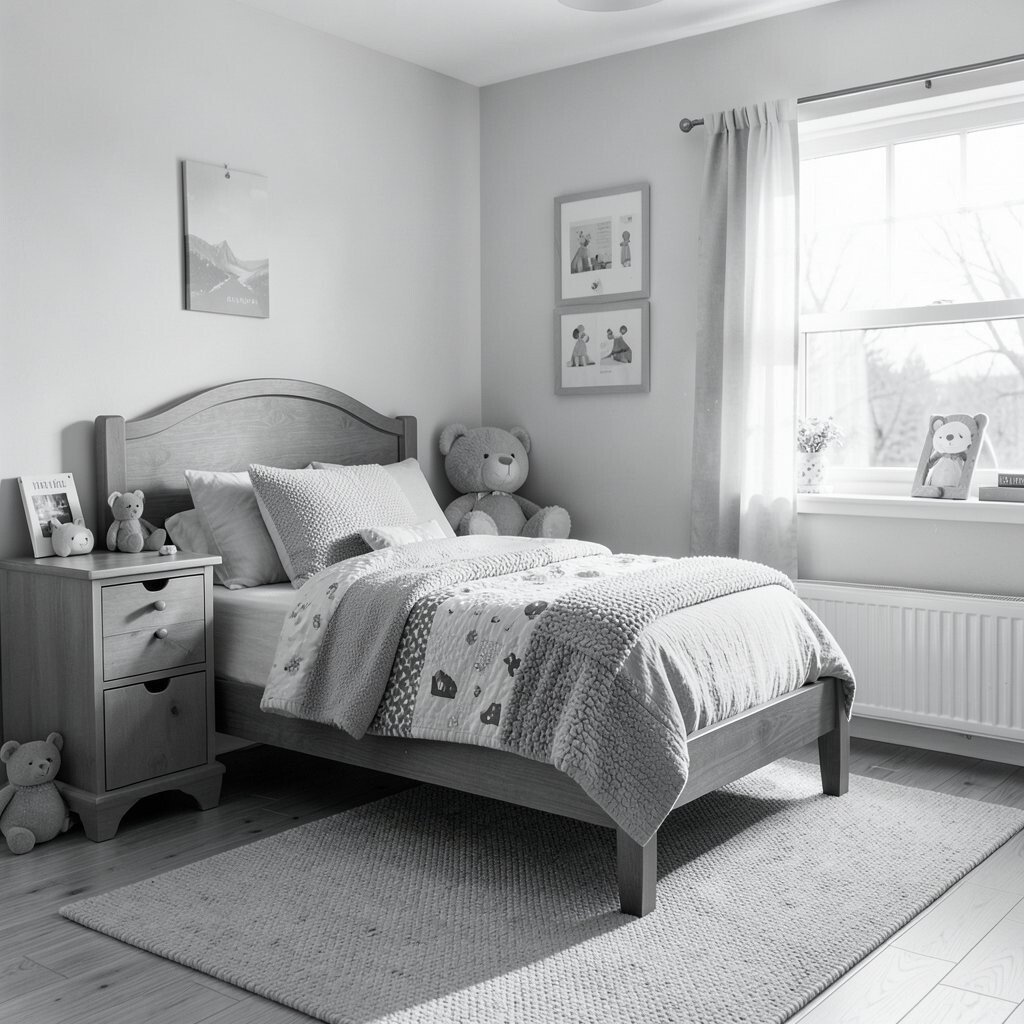
While monochrome can be sleek, it might lack excitement for a child’s room.
Introduce different textures and shades within the same color family to add depth. This keeps the room engaging without straying from a unified look.
12. Forgetting About Functionality
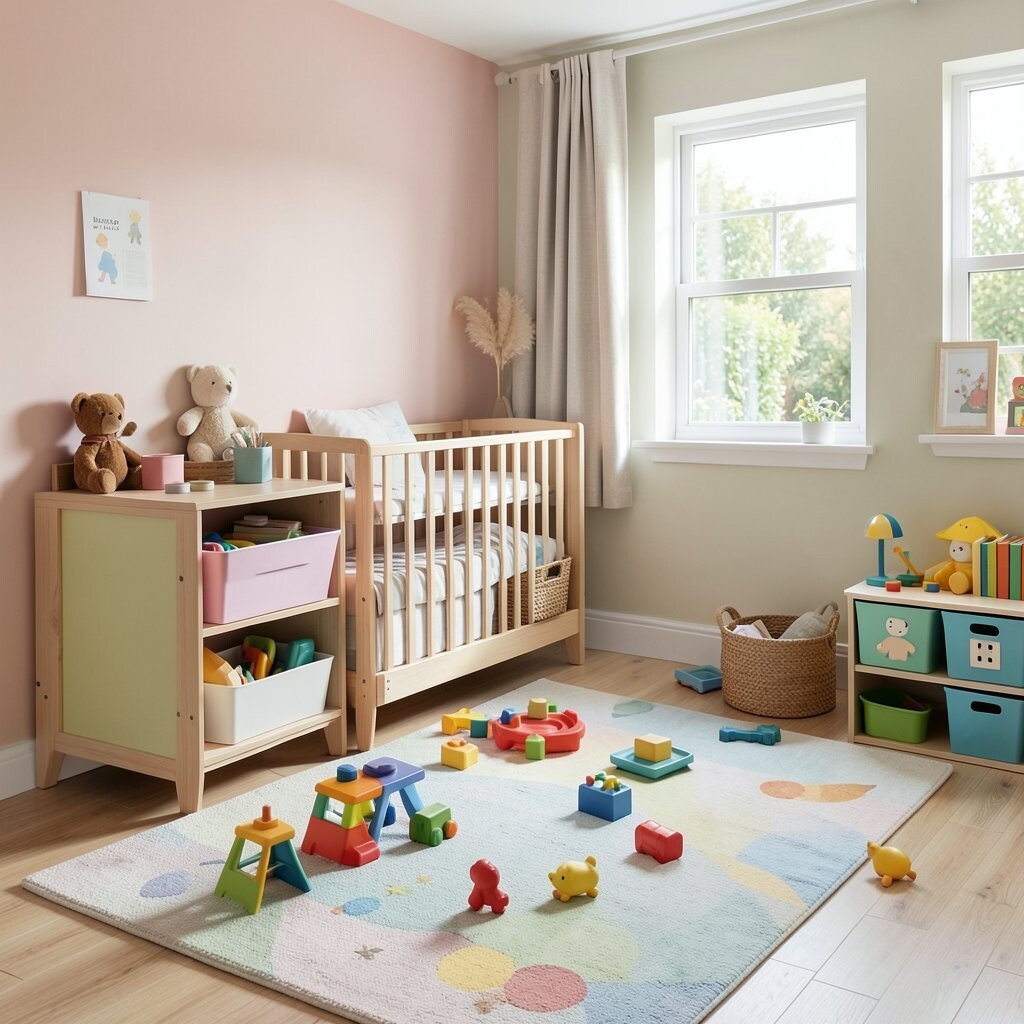
A pretty room is great, but it also needs to be practical for kids to use.
Choose durable and easy-to-clean materials in colors that hide wear and tear. This ensures the room stays looking good while being used for play and learning.
13. Not Considering the Child’s Opinion
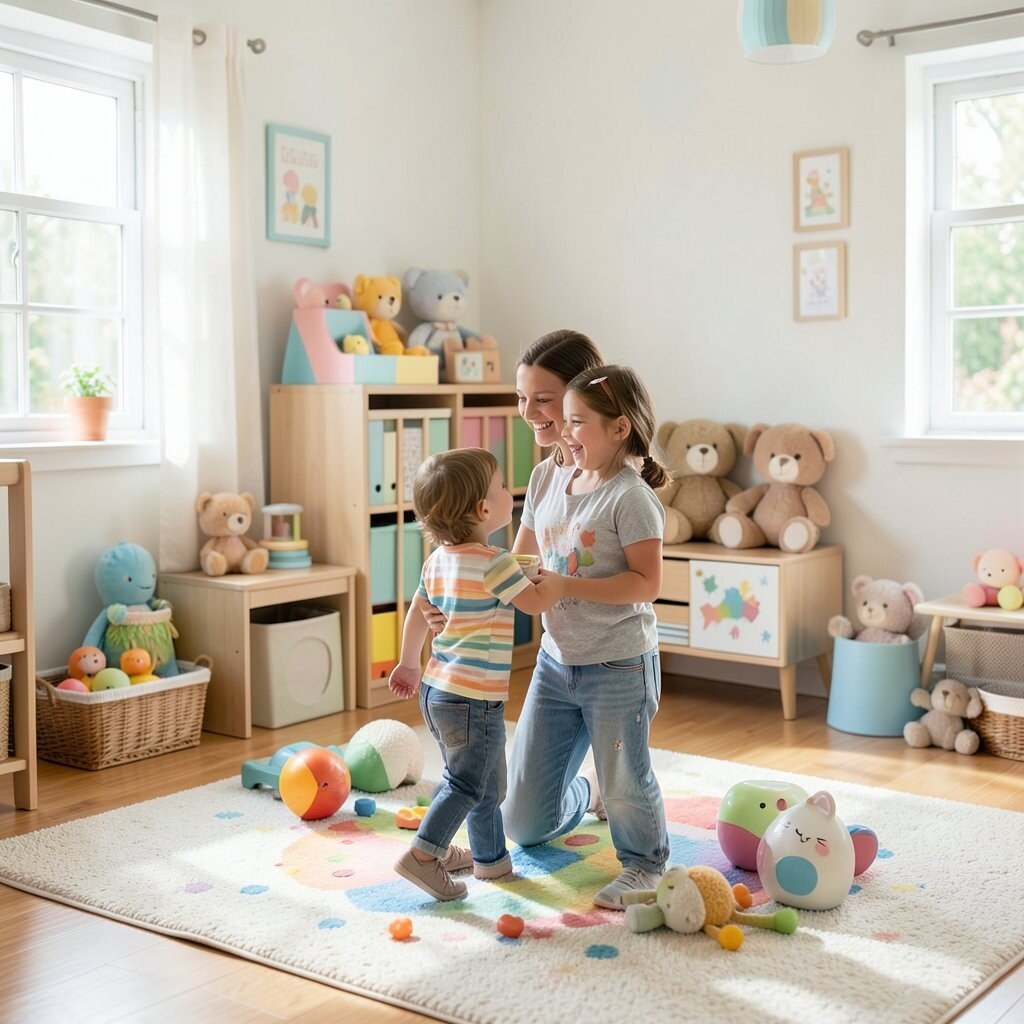
It’s easy to choose what adults think looks good, but kids have their own preferences.
Include your child in the color selection process. This empowers them and makes them more likely to enjoy their space.
14. Underestimating the Power of Accessories
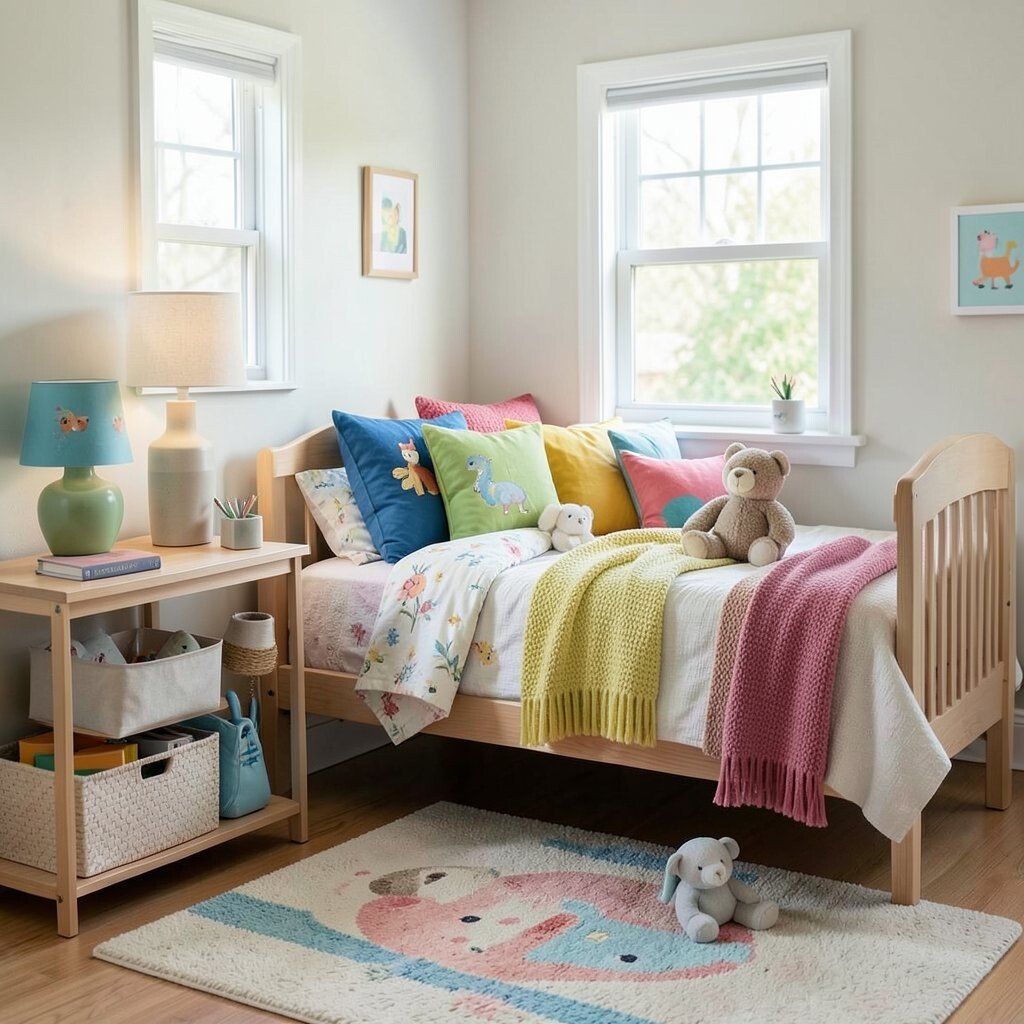
Sometimes the smallest elements can have the biggest impact.
Use colorful accessories like lamps, cushions, and throws to add vibrancy. These items are easy to change, making it simple to refresh the look as needed.
15. Neglecting Texture
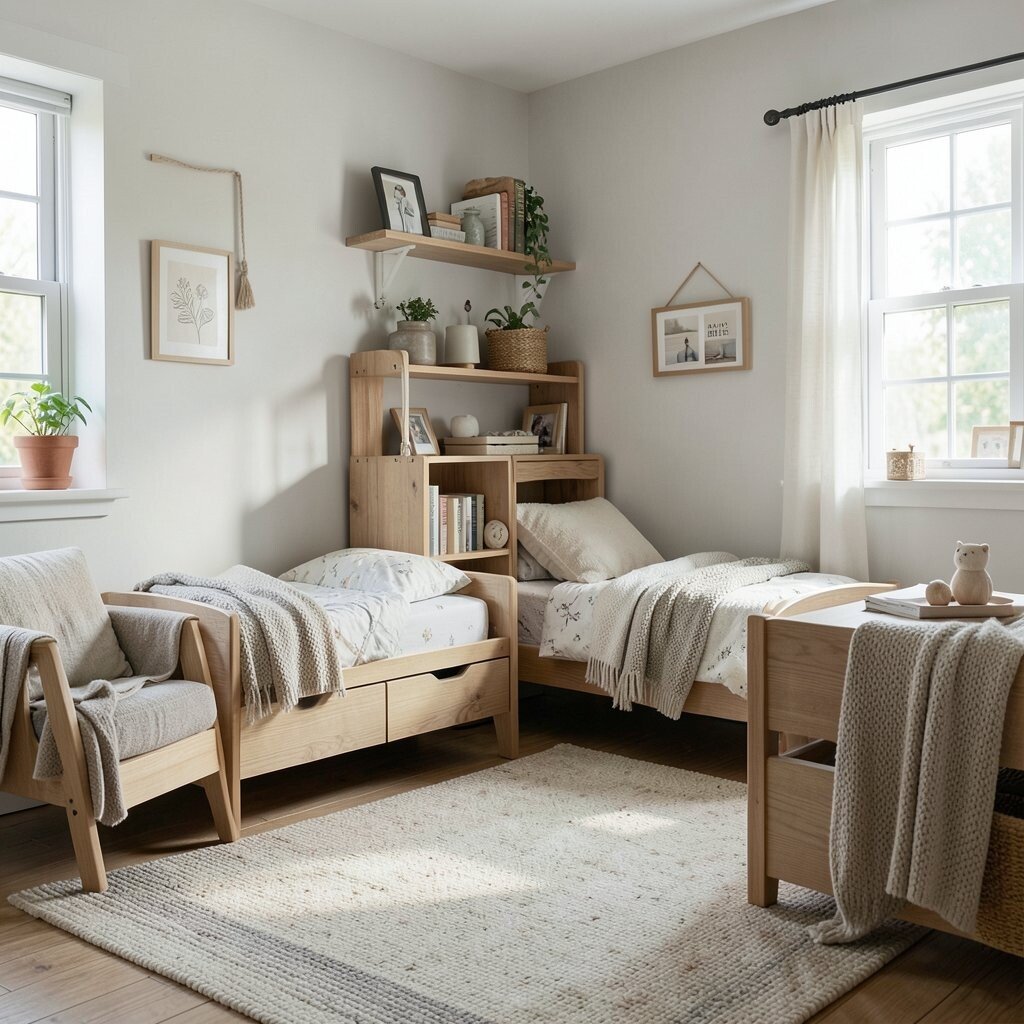
Color is important, but so is texture. A room full of flat surfaces can feel dull.
Incorporate different materials like wood, fabric, and metal to add interest. These textures can make a room feel cozy and inviting.
16. Too Many Bold Statements
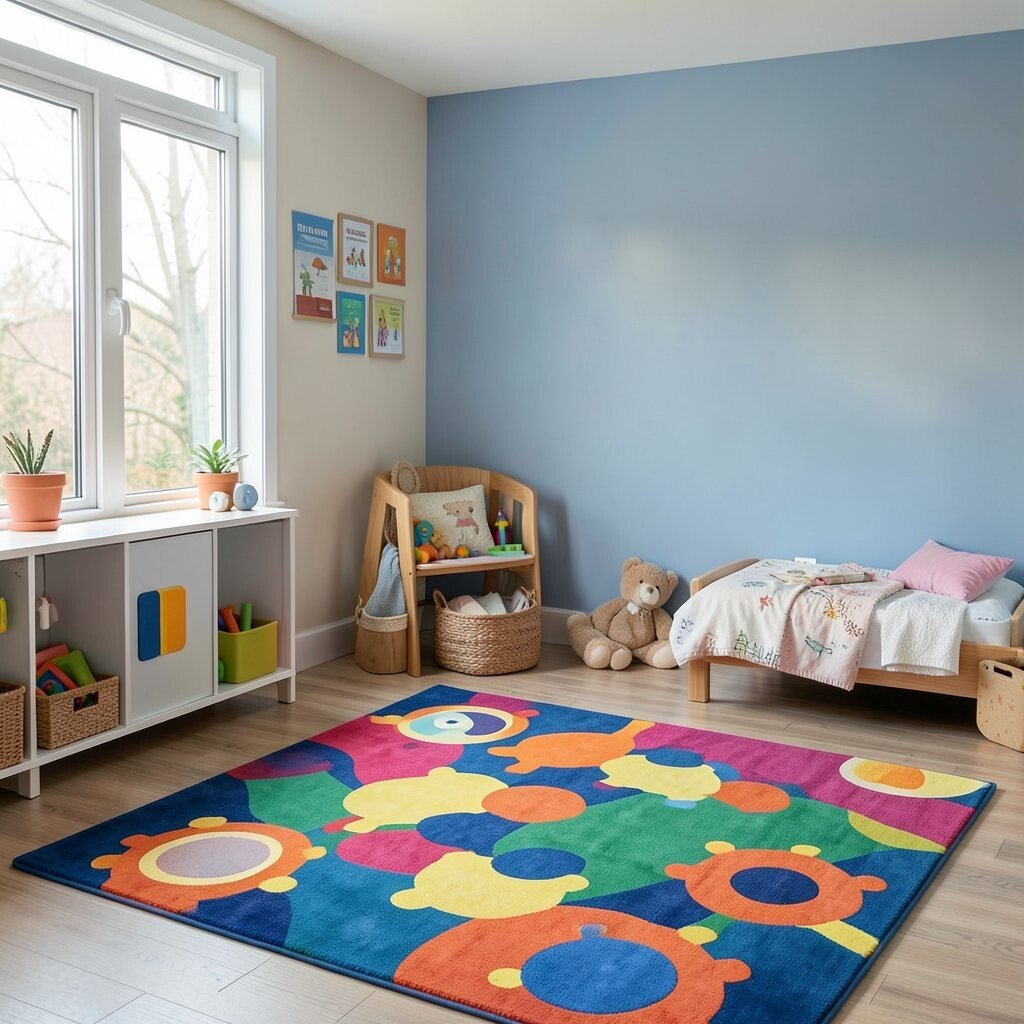
Bold colors and patterns can be fun, but too many can be overwhelming.
Choose one focal point, like a bold rug or a feature wall, to stand out. This makes a statement without overpowering the room.
17. Forgetting About Cohesion
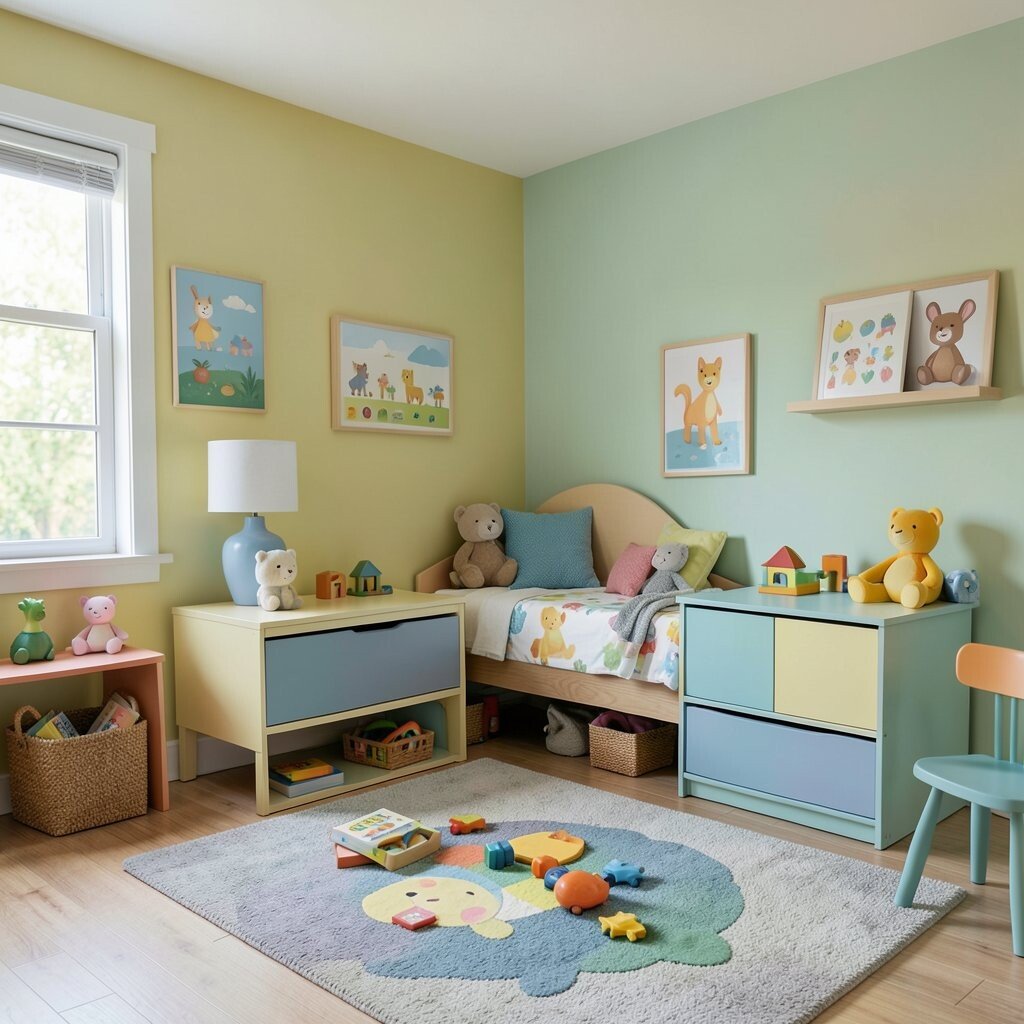
A room should feel like a unified space. Mismatched colors and styles can disrupt this unity.
Choose a color palette and stick to it throughout the room. This creates a harmonious and aesthetically pleasing environment.
18. Relying Too Much on Trends
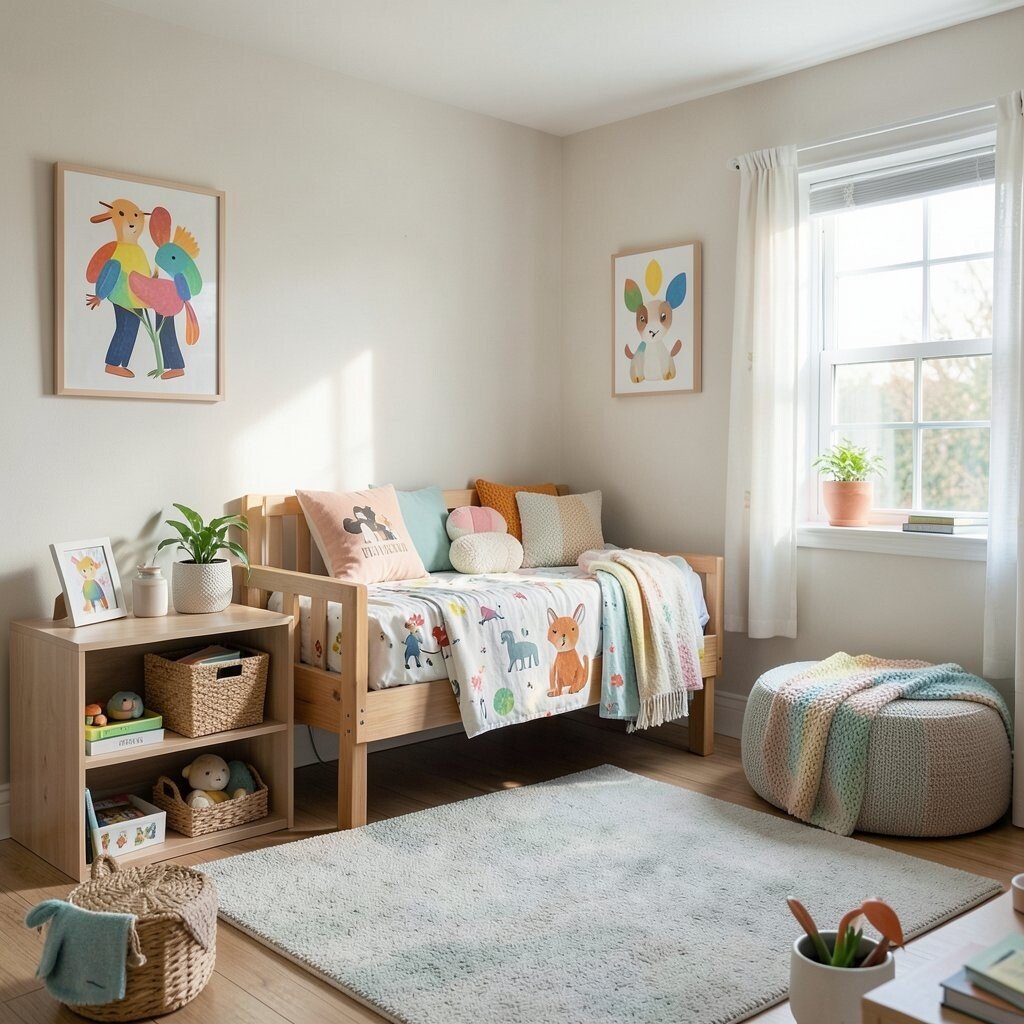
Trends can be tempting, but they often change quickly. A trendy room might feel outdated in just a few years.
Incorporate trends in small, easily changeable ways, like pillows or art. This way, you can keep the room updated without a full redesign.
19. Overlooking Storage Solutions
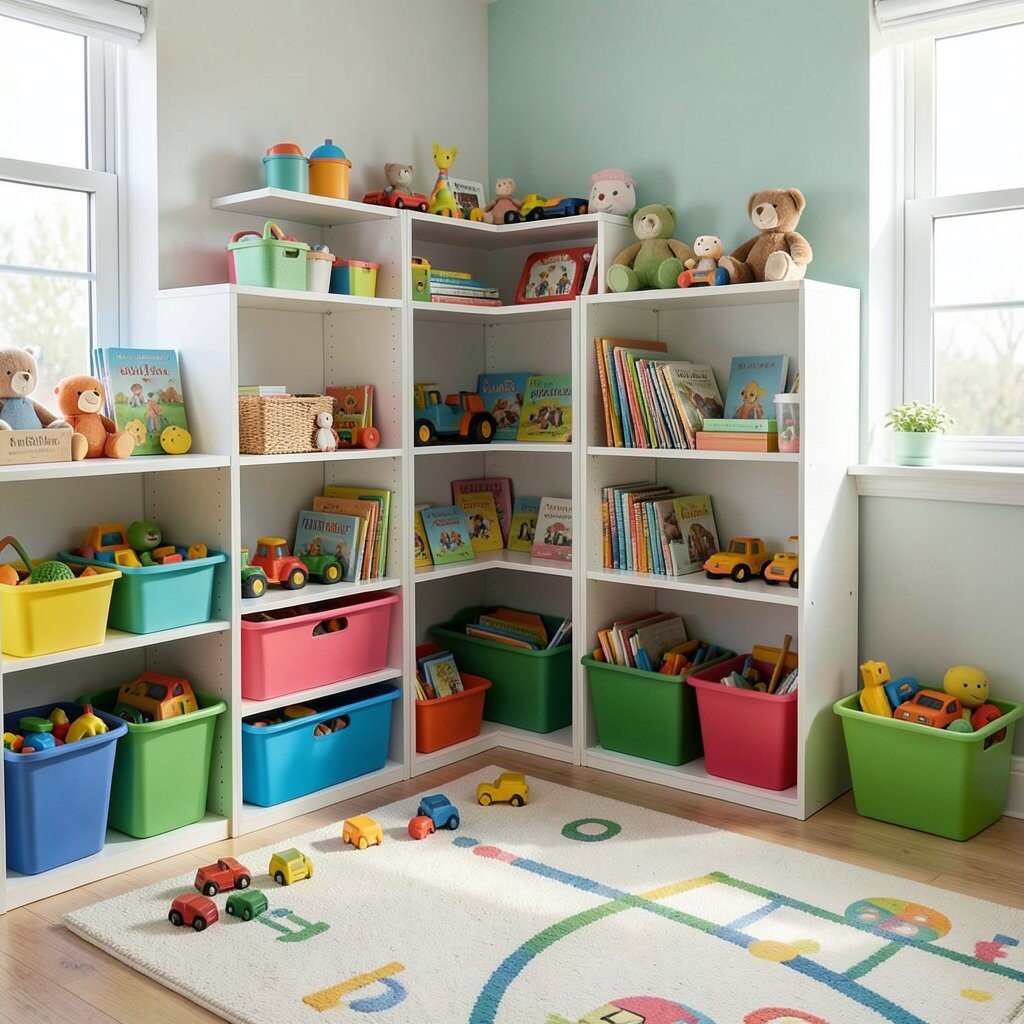
A room filled with toys and books needs good storage. Colorful bins and shelves can add to the decor.
Use storage that fits the color scheme and adds to the room’s style. This keeps the space tidy and visually appealing.
20. Ignoring Seasonal Changes
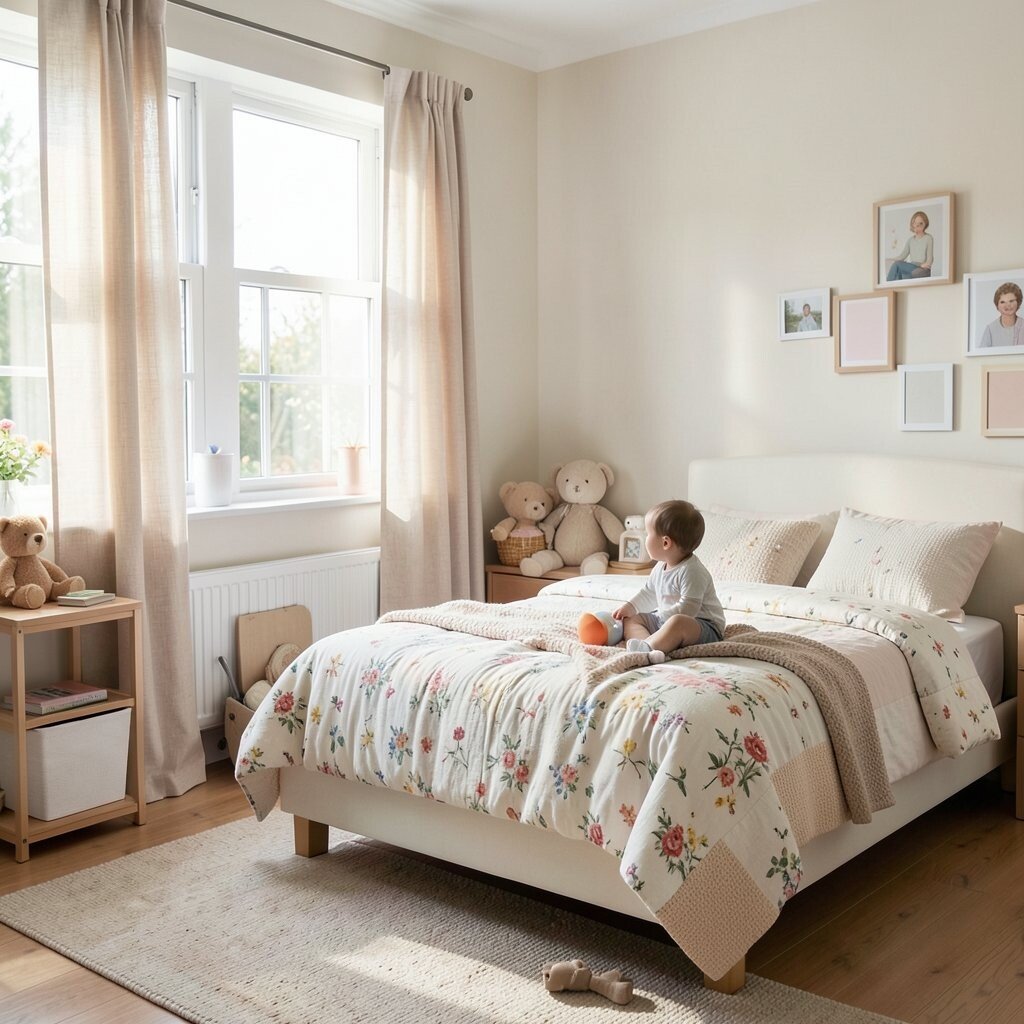
Seasons can influence how a room feels. A room that feels cozy in winter might feel stuffy in summer.
Change out textiles like curtains and bedding to suit the season. This keeps the room feeling fresh and comfortable year-round.
21. Missing Out on Educational Elements
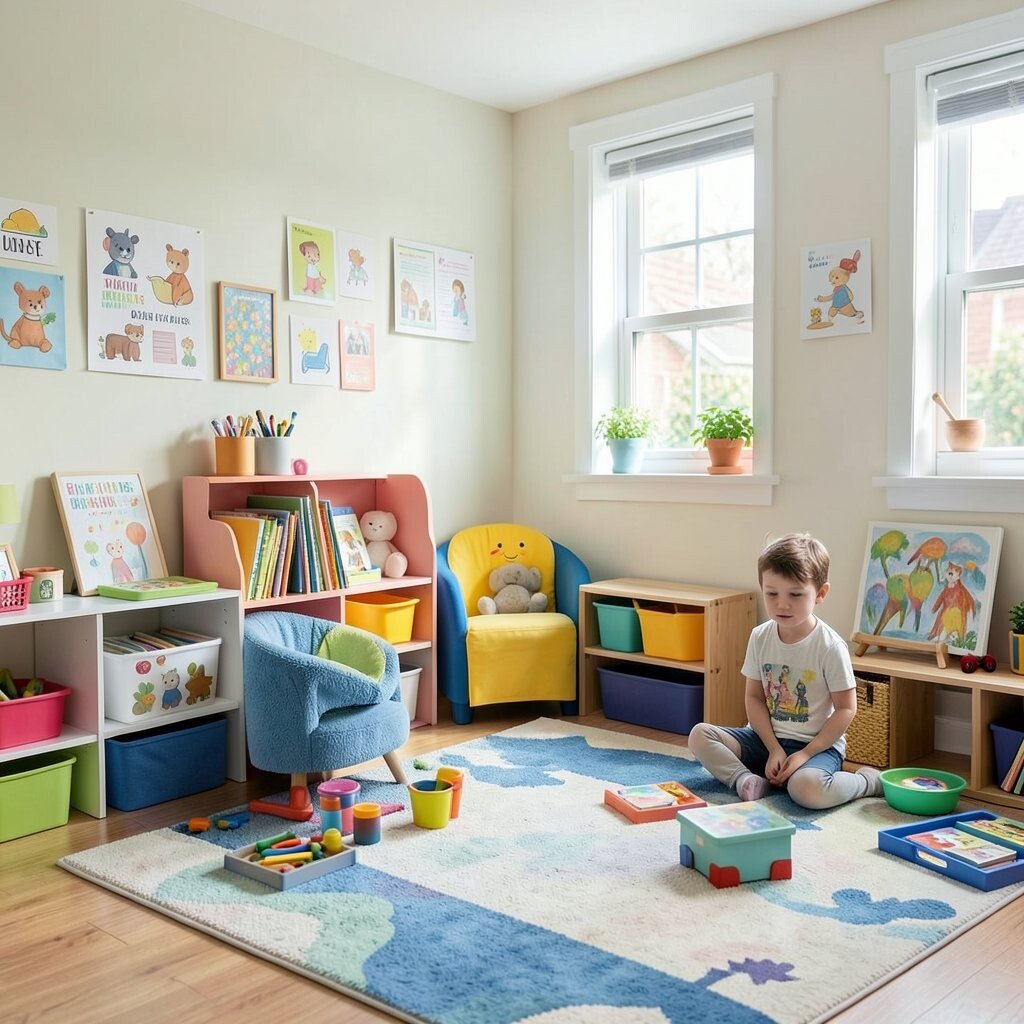
Why not make the room both fun and educational? Colors can help with learning.
Use colors to create learning zones, like a reading nook or an art corner. This not only adds purpose but also enriches your child’s development.