Paint brushes can change the mood of a whole project. The right one can make your ideas feel easier to reach.
1. Round Detail Brush
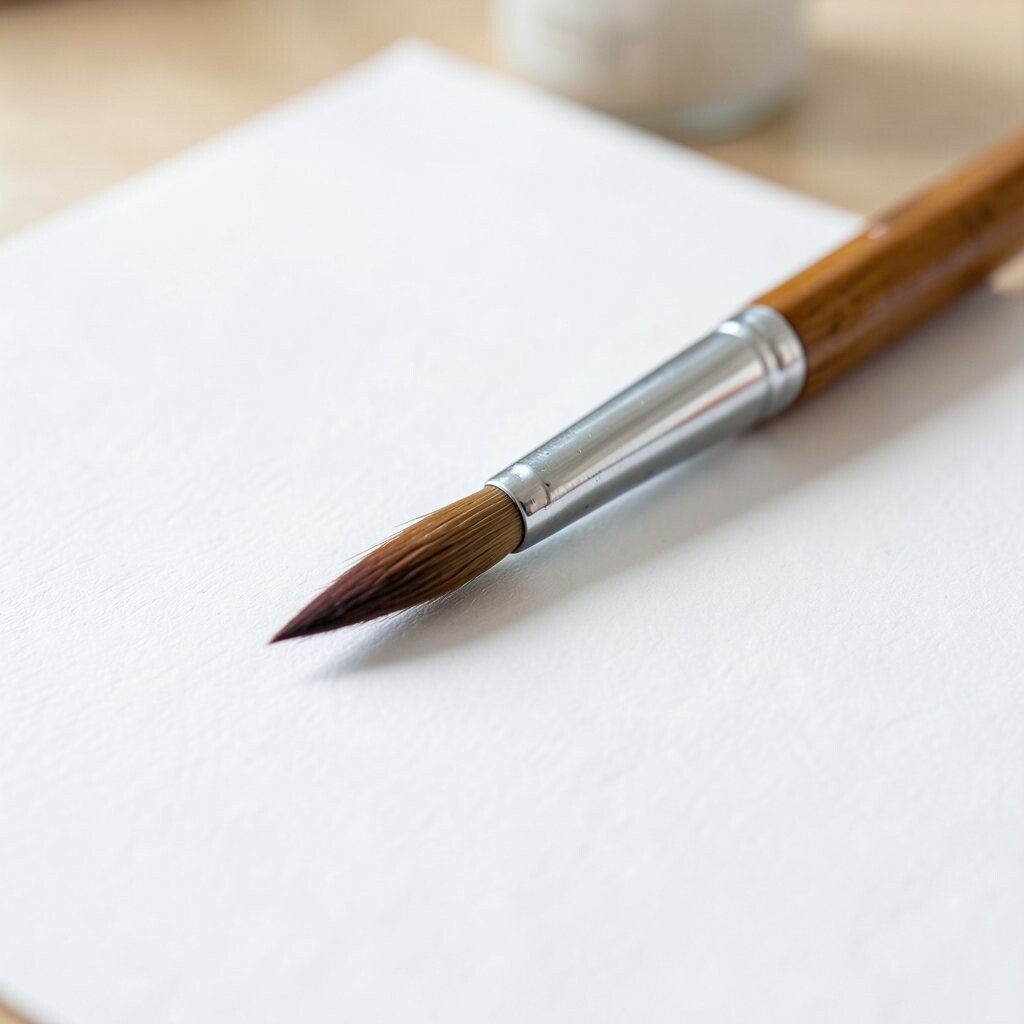
A round detail brush has a slim tip and a neat, pointed shape. It is great for tiny lines, small flowers, and careful edges.
This brush helps you work with control, so your hand feels steadier on the page. It is a smart pick for beginners because it is easy to understand and not too pricey. Try using it with your favorite color first, then add a second shade for a personal touch.
2. Flat Shader Brush
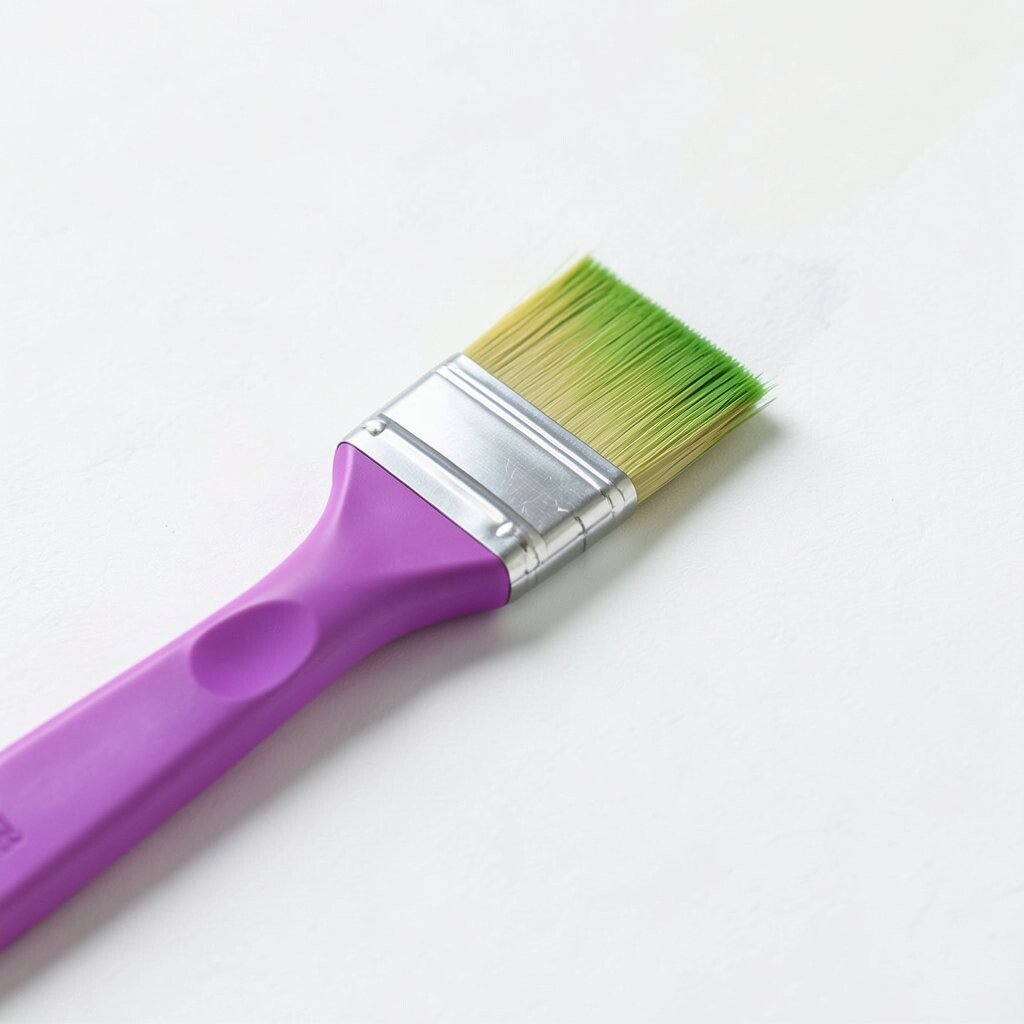
A flat shader brush looks bold and tidy, with a straight edge that can make clean marks. It can fill shapes fast and also create sharp corners.
Many artists like it for posters, block letters, and simple leaf shapes. It saves time and gives a smooth look that feels modern and fresh. If you want more style, try angling the brush or mixing it with bright colors from a low-cost paint set.
You can press lightly for thin marks or press harder for wide ones. That makes it useful for both practice and finished art. It is a nice brush to keep in a small kit because it works in many ways.
3. Fan Brush
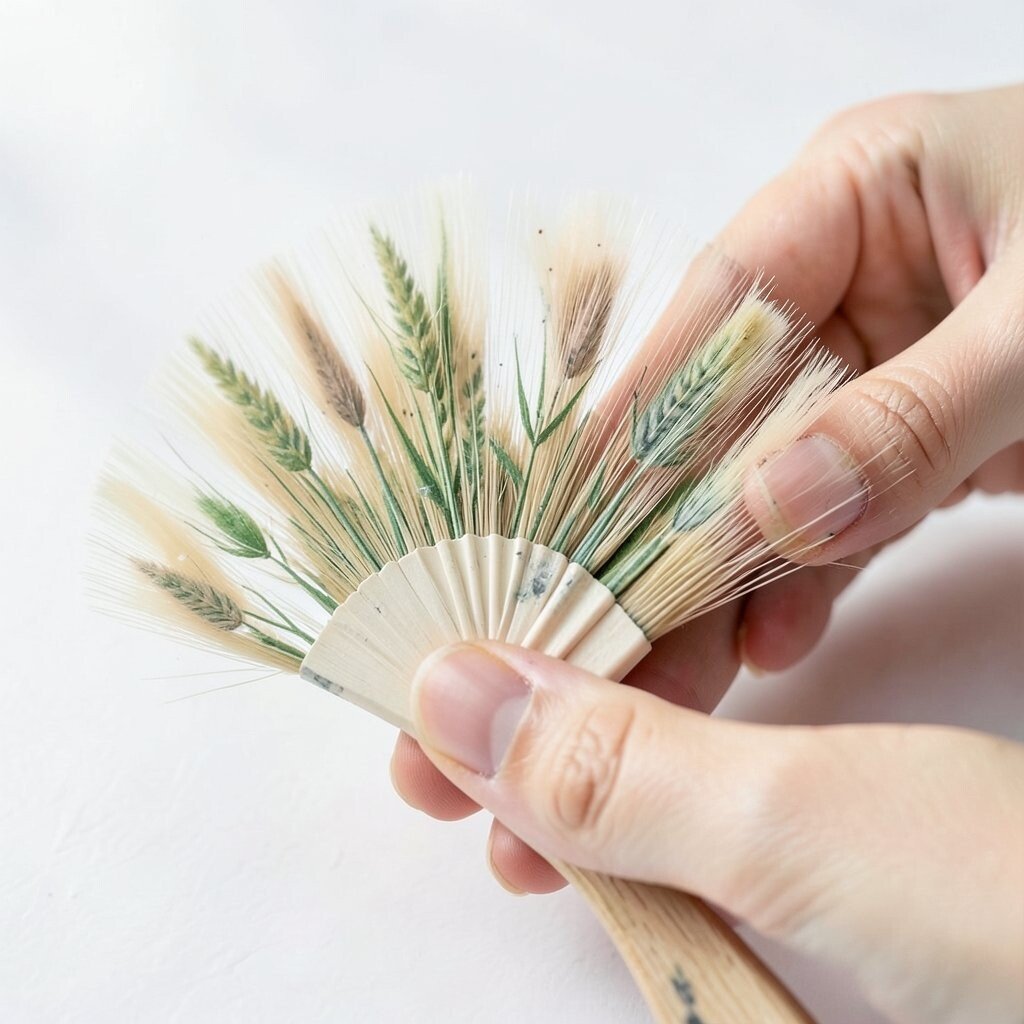
A fan brush spreads out like a tiny hand held open. The bristles make soft, feathery marks that look airy and light.
This brush is fun for grass, clouds, hair, and texture on trees. It can make a painting feel lively without much effort, which is great when you want quick results. Many people enjoy it because it adds a special look that other brushes cannot copy well.
Use a gentle touch so the bristles stay spread and pretty. You can also tap it for speckled effects or blend two colors for a dreamy feel. Fan brushes are often affordable, so they are a good way to try a trendy texture style without spending much.
4. Filbert Brush
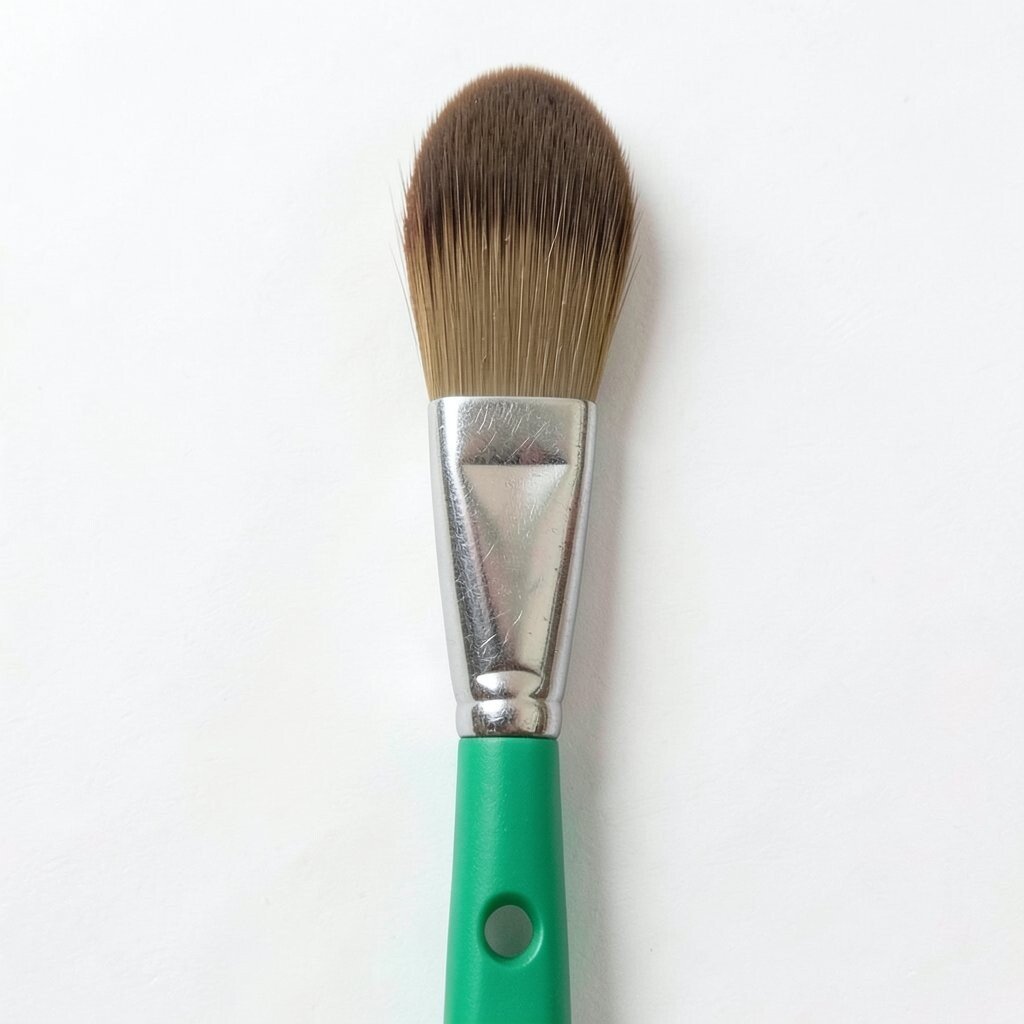
A filbert brush has a soft oval tip that sits between round and flat. It looks smooth and a little fancy, like it was made for gentle curves.
This shape is helpful for petals, faces, and rounded leaves. It blends edges in a calm way, so your art can look soft and friendly. If you like a more personal style, choose one with a wooden handle or a bright grip color.
5. Angled Brush
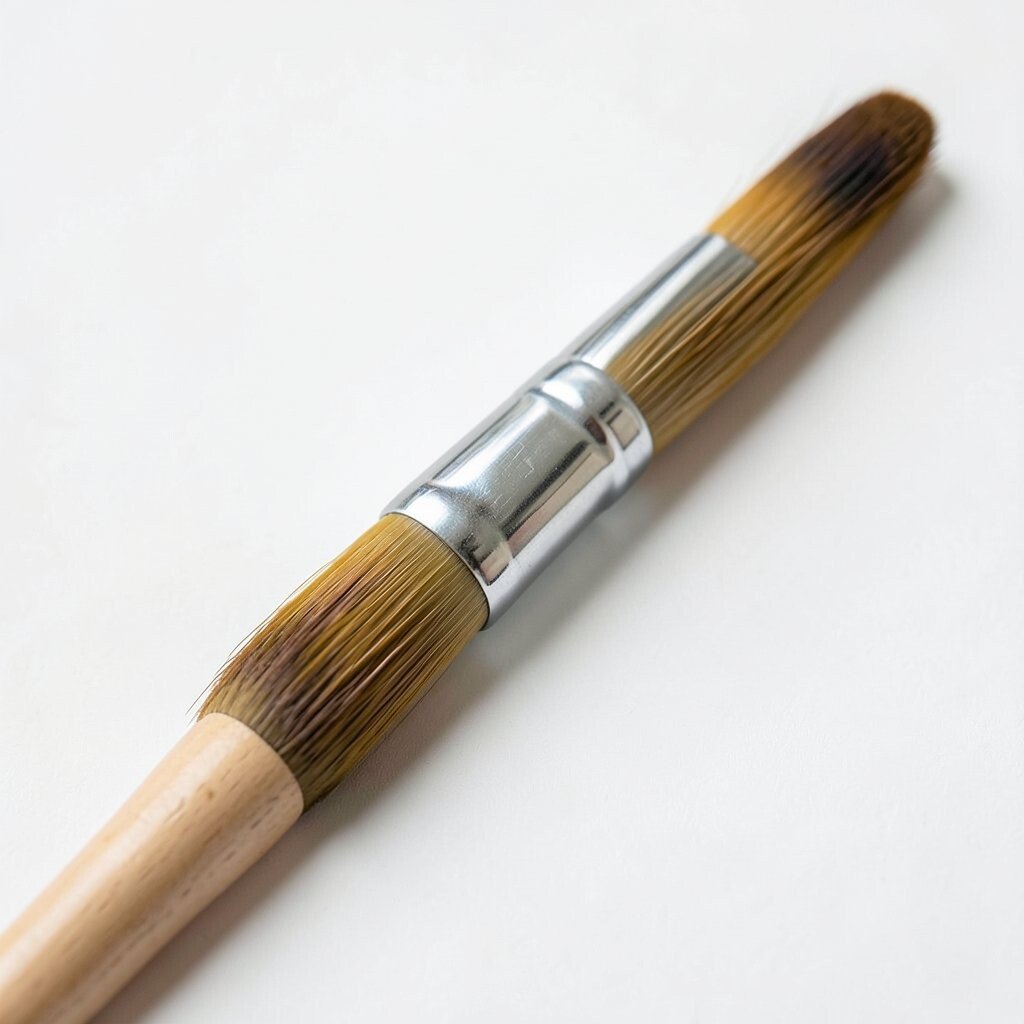
An angled brush has bristles cut on a slant, which gives it a sharp and lively shape. It can make corners, slashes, and neat curved lines with ease.
People love it for lettering, eyebrows in portraits, and sharp plant shapes. It feels useful and a little playful because one brush can do many jobs. For a cheaper starter set, look for one with firm bristles and a comfortable handle.
This brush is also popular in modern art and nail-style painting looks. You can turn it to change the line thickness and make your work feel more custom. Try it with bold colors if you want your marks to stand out fast.
6. Mop Brush

A mop brush is fluffy and full, with a round body that holds lots of water or paint. It looks soft, almost like a tiny cloud on a stick.
It is wonderful for washing color across a page and making smooth blends. The soft bristles help create gentle skies, washed backgrounds, and dreamy color fields. Because it holds a lot, it can save time when you want a big area covered well.
Many watercolor fans use it for a loose, relaxed style that feels current and calm. If you want a personal touch, try mixing two watery shades right on the paper. Good mop brushes can cost more, but they often last a long time if you care for them well.
7. Liner Brush
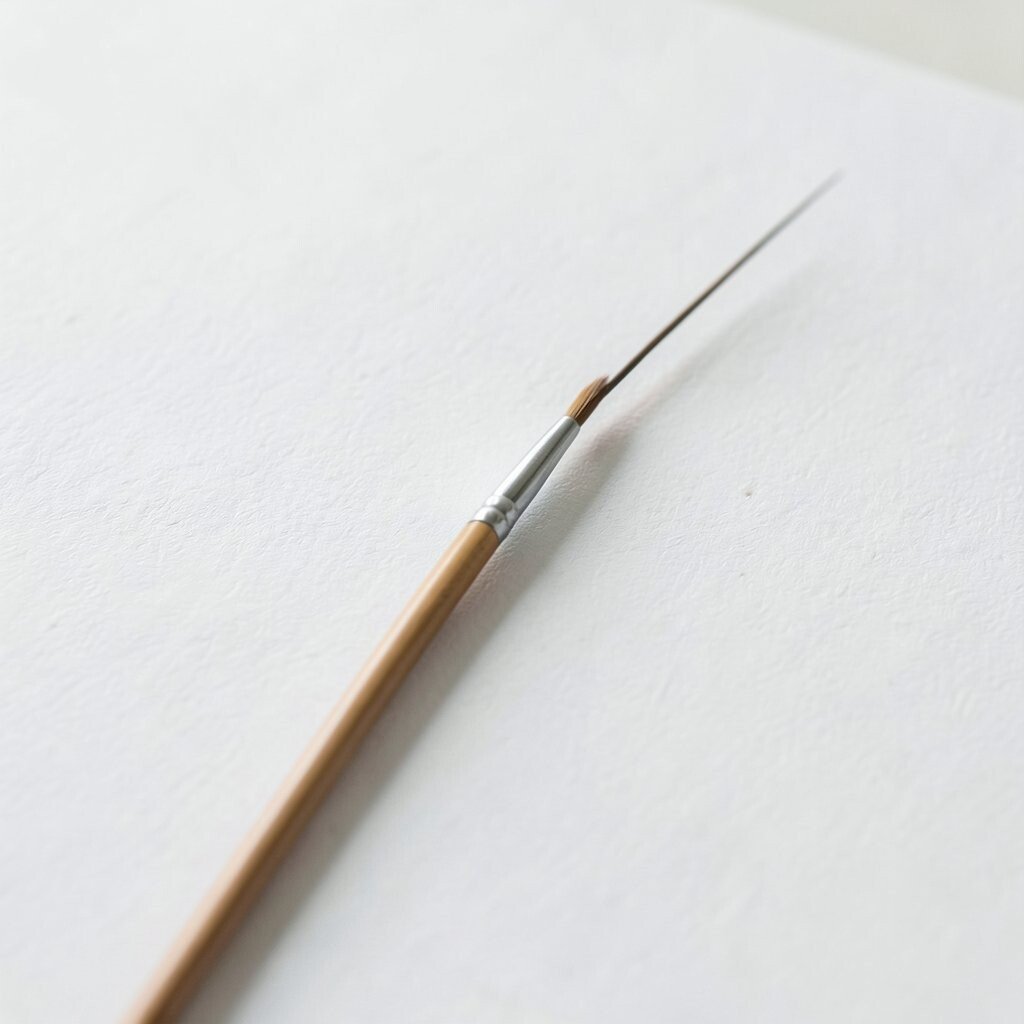
A liner brush is thin and long, with bristles that form a fine point. It looks delicate, almost like a tiny pen for paint.
This brush is perfect for whiskers, grass blades, vines, and little swirls. It helps you add tiny details that make artwork feel complete and smart. A small liner can also be a budget-friendly tool because it gives so much control for the price.
Use slow, steady strokes and keep your paint a bit thin for the best result. You can sign your name, add dots, or draw tiny stars to make the piece your own. It is a favorite for detail lovers who enjoy neat, crisp lines.
8. Wash Brush
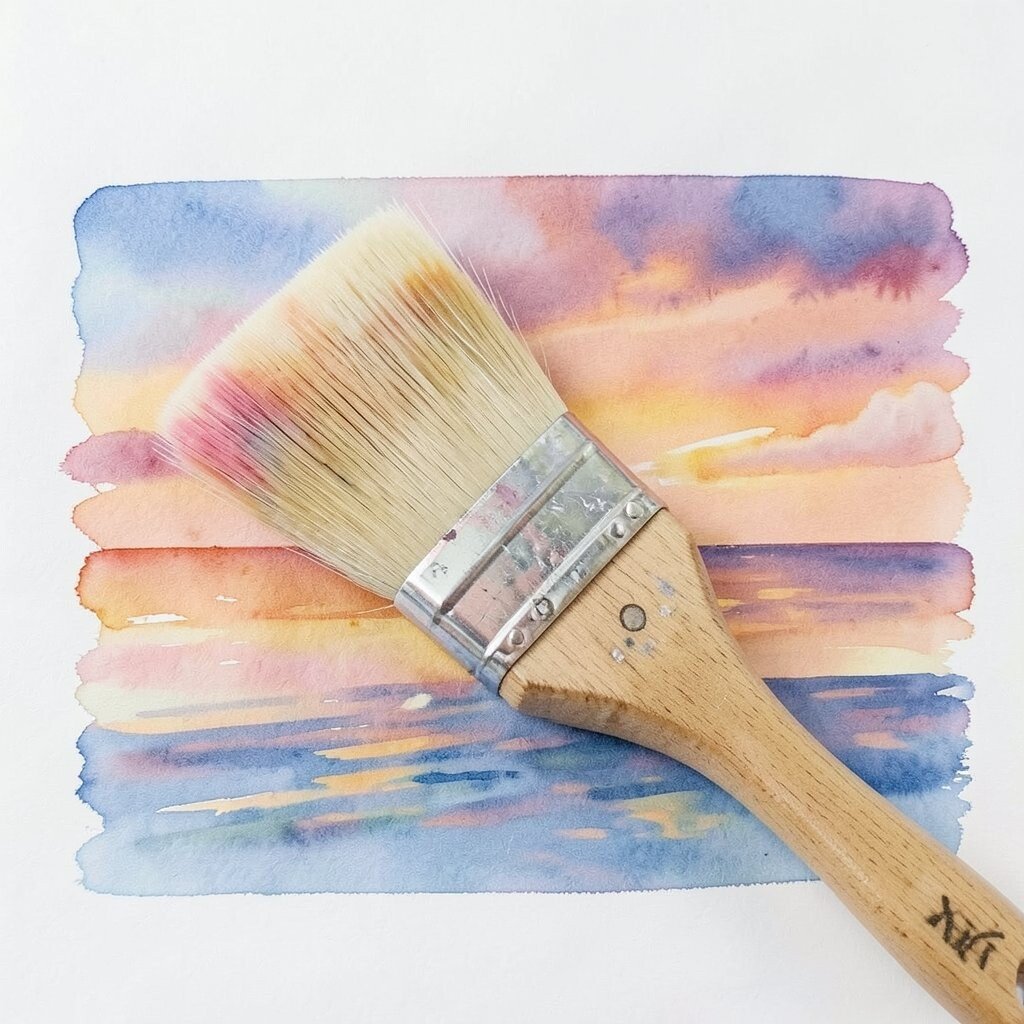
A wash brush is wide and soft, with a full body that covers space fast. It looks broad and calm, like it is ready for a big sky or sea.
This brush helps you paint large backgrounds without too many streaks. It is useful for watercolor, acrylic, and mixed media pages where you want smooth coverage. Because it can hold a lot of color, it makes painting feel quick and less messy.
Try using it for sunset washes, soft color blocks, or a base layer under later details. You can make the result more personal by choosing a brush with a colored handle or a recycled wood style. Many artists like wash brushes because they feel classic, yet still fit today’s loose painting trends.
9. Stippling Brush
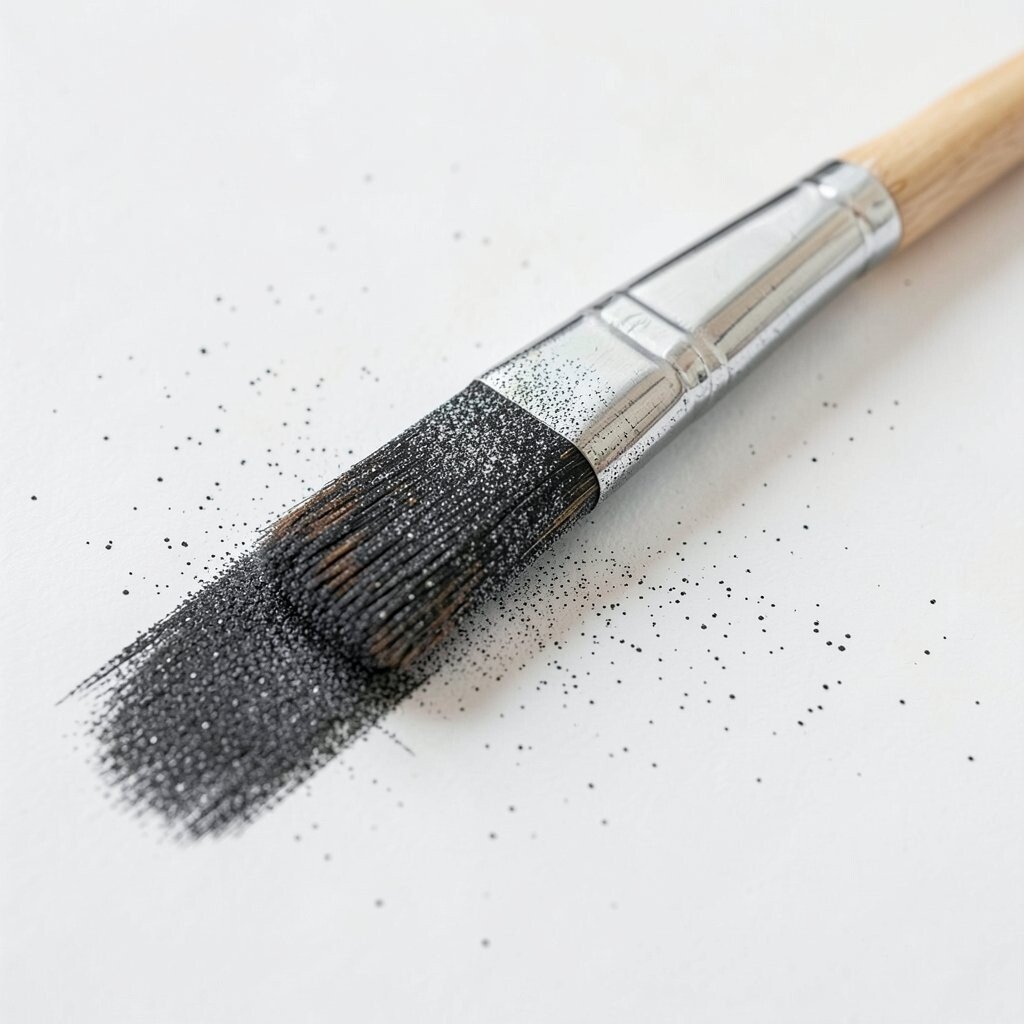
A stippling brush usually has short, stiff bristles that make tiny dot-like marks. It has a rough look that can add energy right away.
This brush is great for bark, fur, stone, and grainy shadows. It helps create texture that feels real and interesting, even in simple pictures. If you are watching your budget, a small stiff brush can do a lot of work for very little money.
Tap it lightly for soft specks or press more for stronger texture. You can mix colors on the tip to make your surface look even richer. It is a fun choice for artists who like bold, modern texture effects.
10. Script Brush
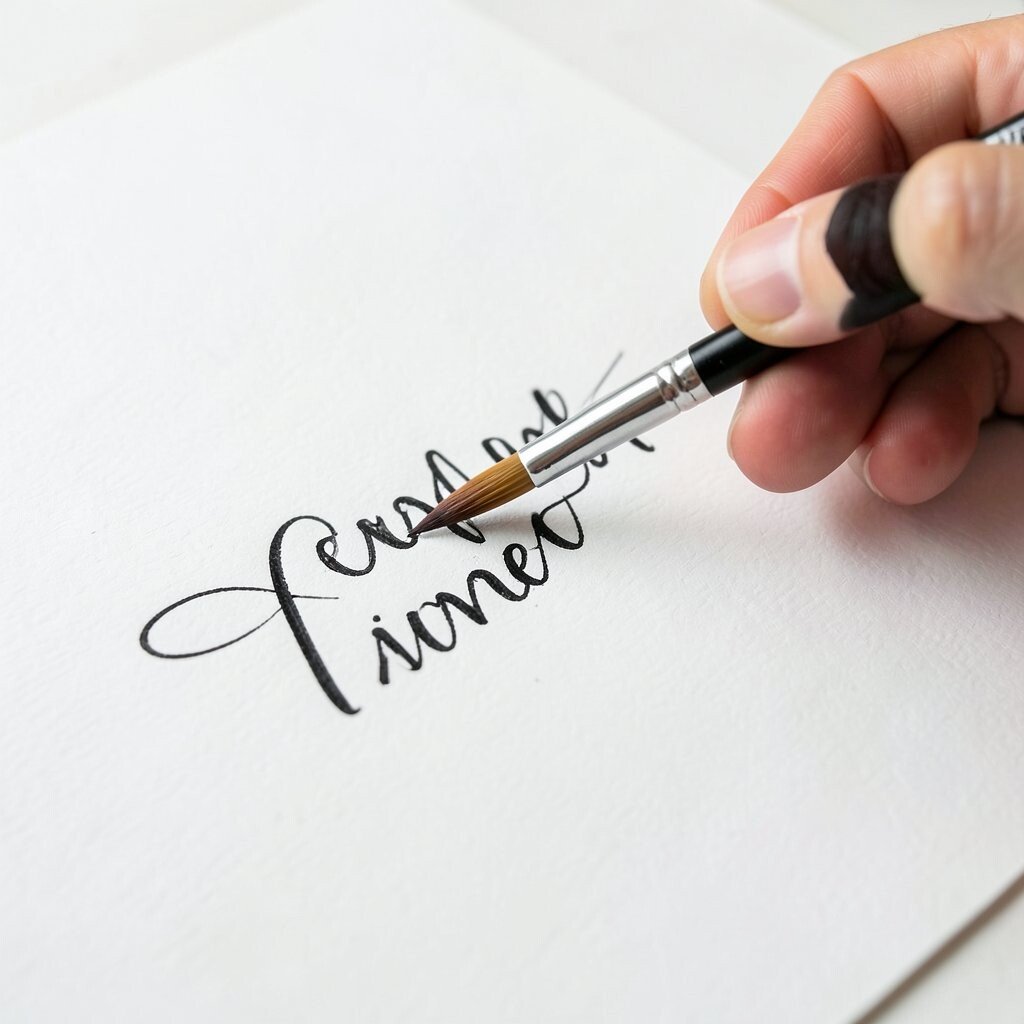
A script brush is thin, springy, and made for flowing lines. It bends easily, so it can feel graceful in your hand.
This brush is lovely for cursive writing, vines, ribbons, and long hair strands. It gives your work a smooth, elegant look that can feel special and personal. A good script brush can cost a bit more, but it often helps you make cleaner lines with less effort.
Try using it with ink-like paint for a stylish, trendy finish. You can also practice your name or favorite words to give your art a custom feel. Many people enjoy how it turns simple strokes into something lively and full of motion.
11. Oval Wash Brush
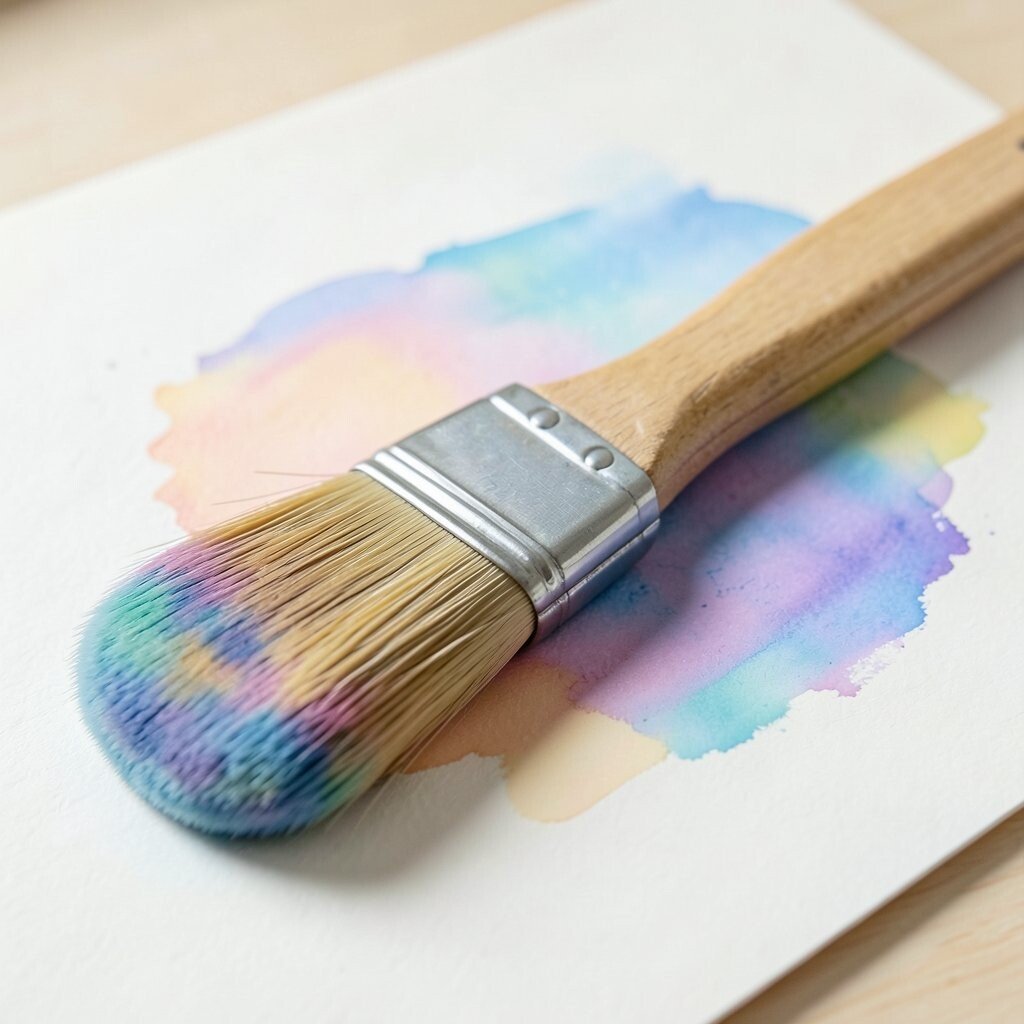
An oval wash brush has a rounded top and a broad body that looks soft yet strong. It can glide across the paper with a smooth, gentle touch.
This brush is useful for large washes, bold shapes, and soft edge blending. It gives you a nice balance of control and coverage, which makes it handy for many projects. If you want a brush that feels a little special, this shape can stand out in your kit.
It works well for sky scenes, abstract backgrounds, and layered color fields. You can personalize your work by using it with pastel shades or deep jewel tones. Because it is still a practical tool, it fits both simple practice and more polished artwork.
12. Bright Brush
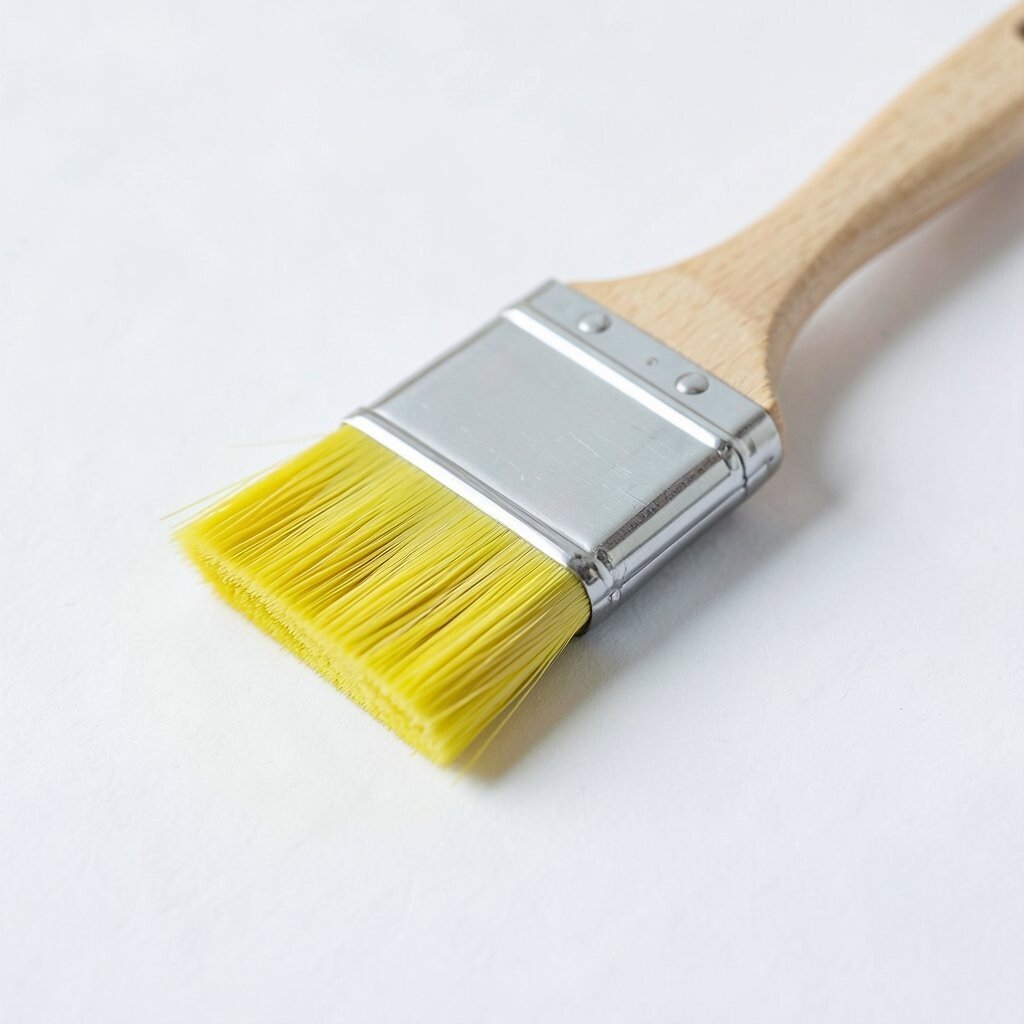
A bright brush has short bristles and a square shape that looks neat and firm. It can make bold marks that feel clean and direct.
This brush is helpful for sharp edges, small panels, and thick paint layers. It gives a strong, modern look that many artists like for posters and abstract work. If you want a low-cost option, bright brushes are often easy to find in basic sets.
Use it to push paint around with confidence and make blocks of color stand out. You can also turn it on its side for slimmer lines and more variety. It is a smart pick when you want your painting to feel crisp and fresh.
13. Cat’s Tongue Brush
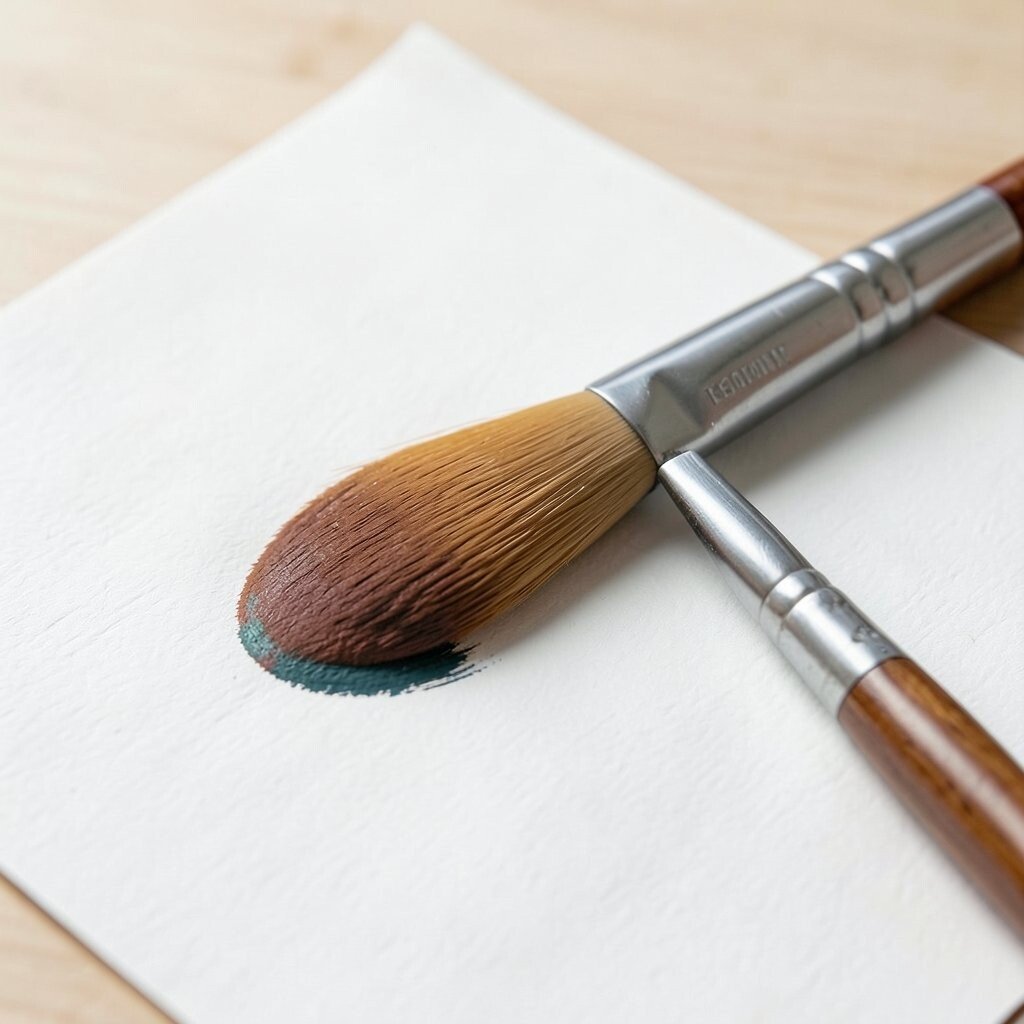
A cat’s tongue brush has a pointed oval shape that looks a little like its name. It feels smooth and flexible, with a tip that can make both fine and wide marks.
This brush is loved for petals, leaves, and soft curved strokes. It can give your painting a gentle, handmade look that feels warm and inviting. Many artists enjoy it because it works for both detail and bigger shapes, so it feels like a clever all-around choice.
Try rotating it while you paint to change the line shape in a natural way. You can use bright floral colors or soft earth tones to match your style. It is a nice brush to keep nearby when you want easy beauty without much fuss.
14. Sponge Brush
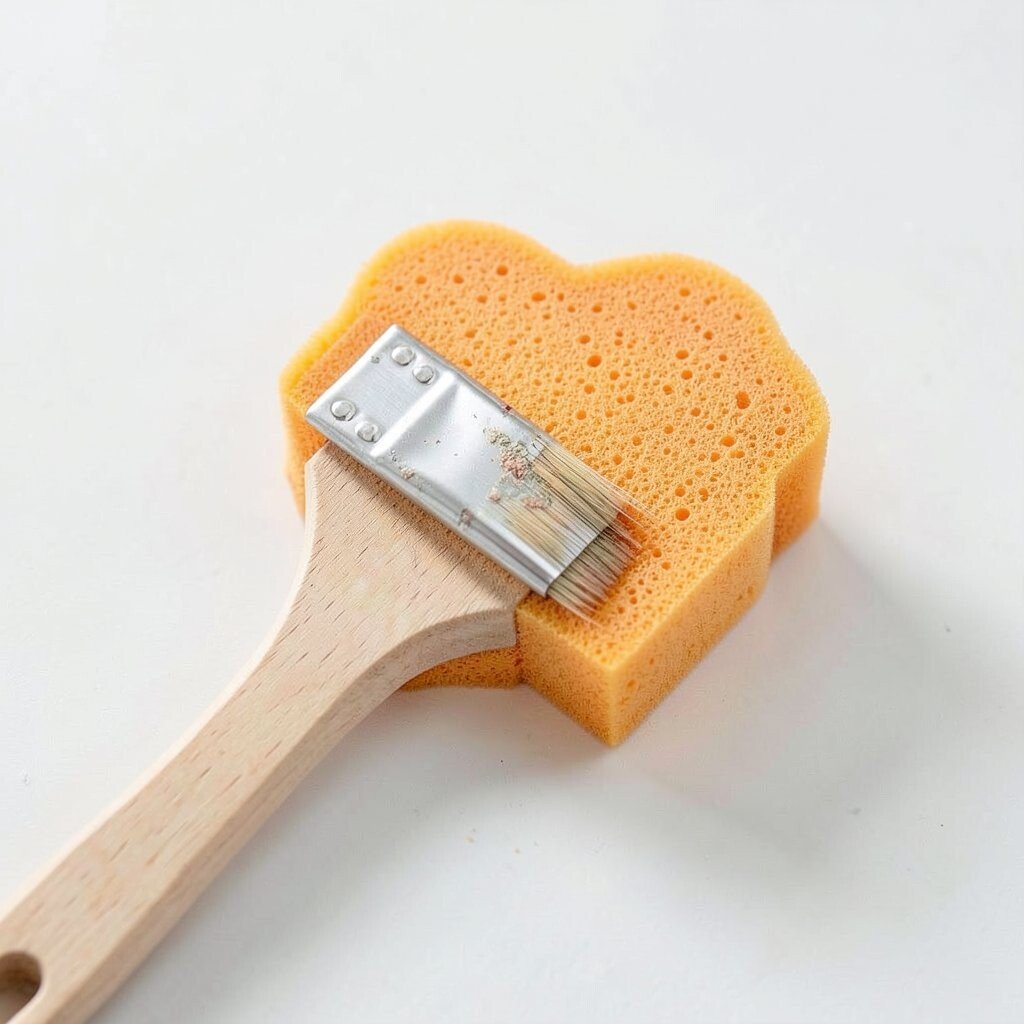
A sponge brush looks simple, with a soft foam head instead of bristles. It makes smooth, broad marks and can feel very fun to use.
This brush is useful for backgrounds, stencils, and playful texture. It can help kids and adults make art that feels loose, quick, and full of color. Since sponge brushes are usually cheap, they are great for trying new ideas without worrying about waste.
Use it for clouds, rough textures, or layered shapes that need a soft edge. You can cut the sponge into a custom shape if you want something more personal. It is also a trendy choice for mixed media makers who like easy texture with a handmade feel.