Stone underfoot has a way of making rooms feel instantly grounded. The right pebble floor can look soft, natural, and surprisingly practical.
Let’s look at a variety of styles that can fit different homes, budgets, and tastes, while still keeping your space comfortable and easy to live with.
1. Spa-Inspired River Pebble Entryway
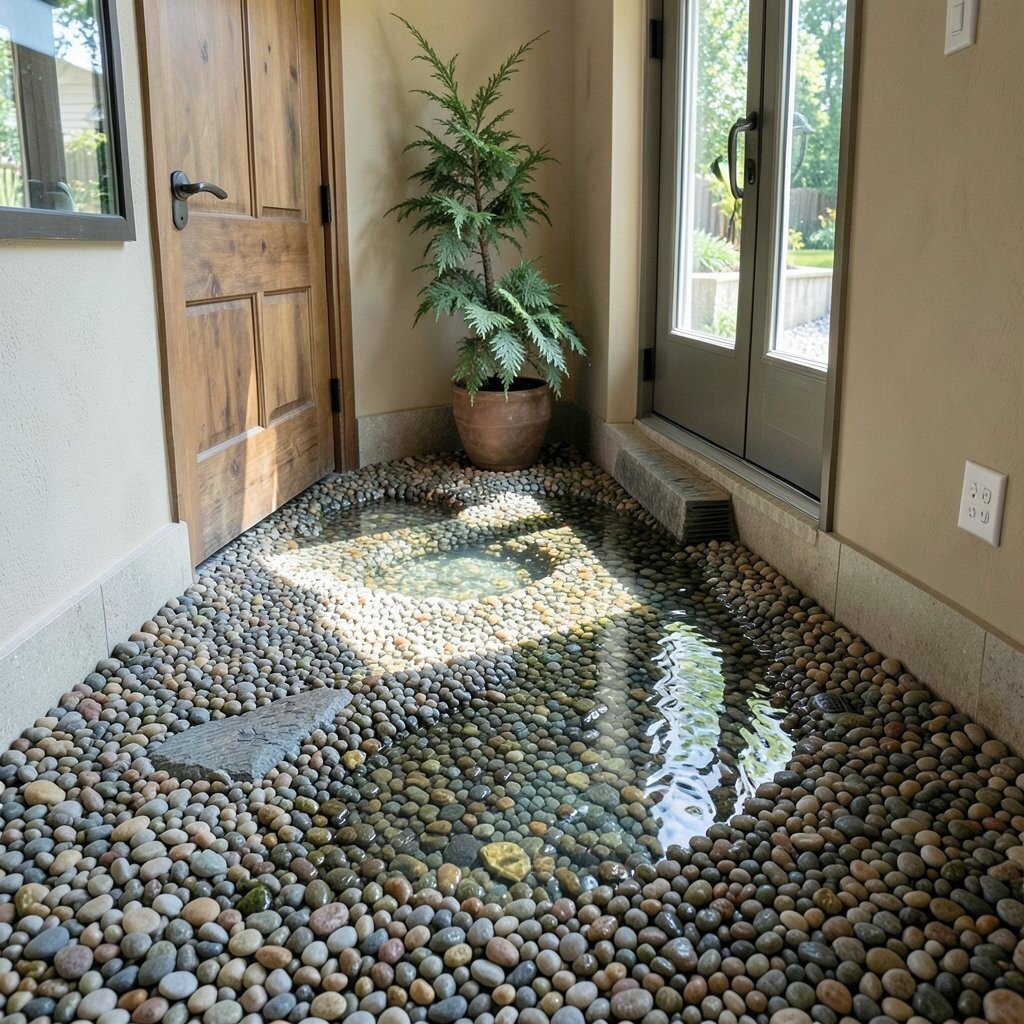
Picture a narrow hallway lined with smooth pebbles that look like they came from a calm riverbed. When light hits the tiny stones, you get gentle specks of color that feel welcoming and fresh.
Use pebbles in warm neutrals like tan, cream, and muted gray so the entry stays bright even in low daylight. Choose a water-resistant grout or resin system so muddy shoes and wet umbrellas don’t leave you stressed. For personalization, mix in a thin stripe of darker stones near the threshold to guide the eye and hide small stains.
2. Matte Sea Glass Pebble Shower Floor
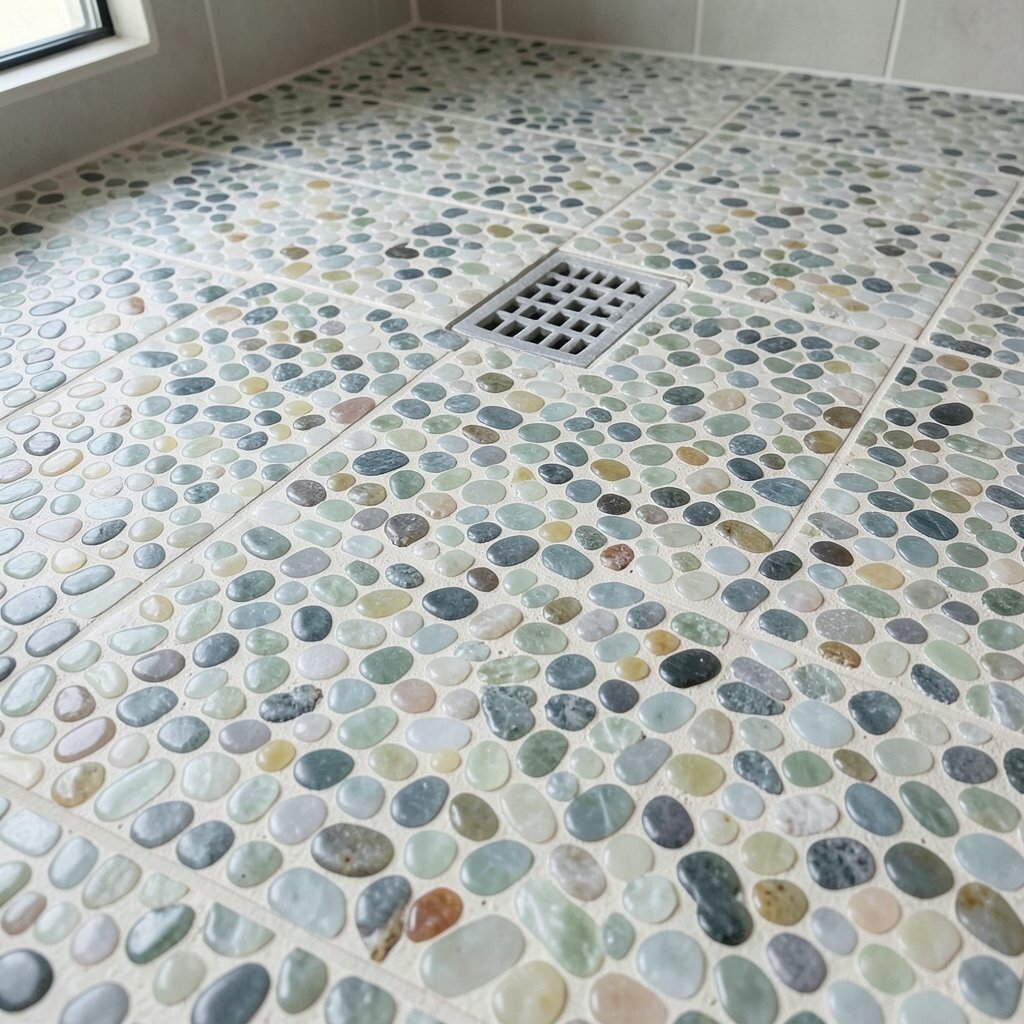
Imagine stepping into a shower where the pebbles mimic sea glass, softening every splash into a calm, coastal look. The surface feels textured without being sharp, which makes it comfortable underfoot.
For this style, pick small pebbles with consistent shapes and a non-slip finish so you stay safe when the floor is wet. Keep the color palette tied to your bathroom accessories, like matching the tones of your tiles or towel rings. If you want a practical upgrade, seal the stones with a breathable water-resistant sealer that helps prevent mildew buildup.
Budget-wise, you can reduce material costs by limiting the pebble area to the shower pan and keeping the rest of the floor on a simple tile. Add a slim border of plain tile around the pebble section for a clean, finished edge that hides transitions.
3. Pebble Mosaic Kitchen Backsplash With Matching Floors
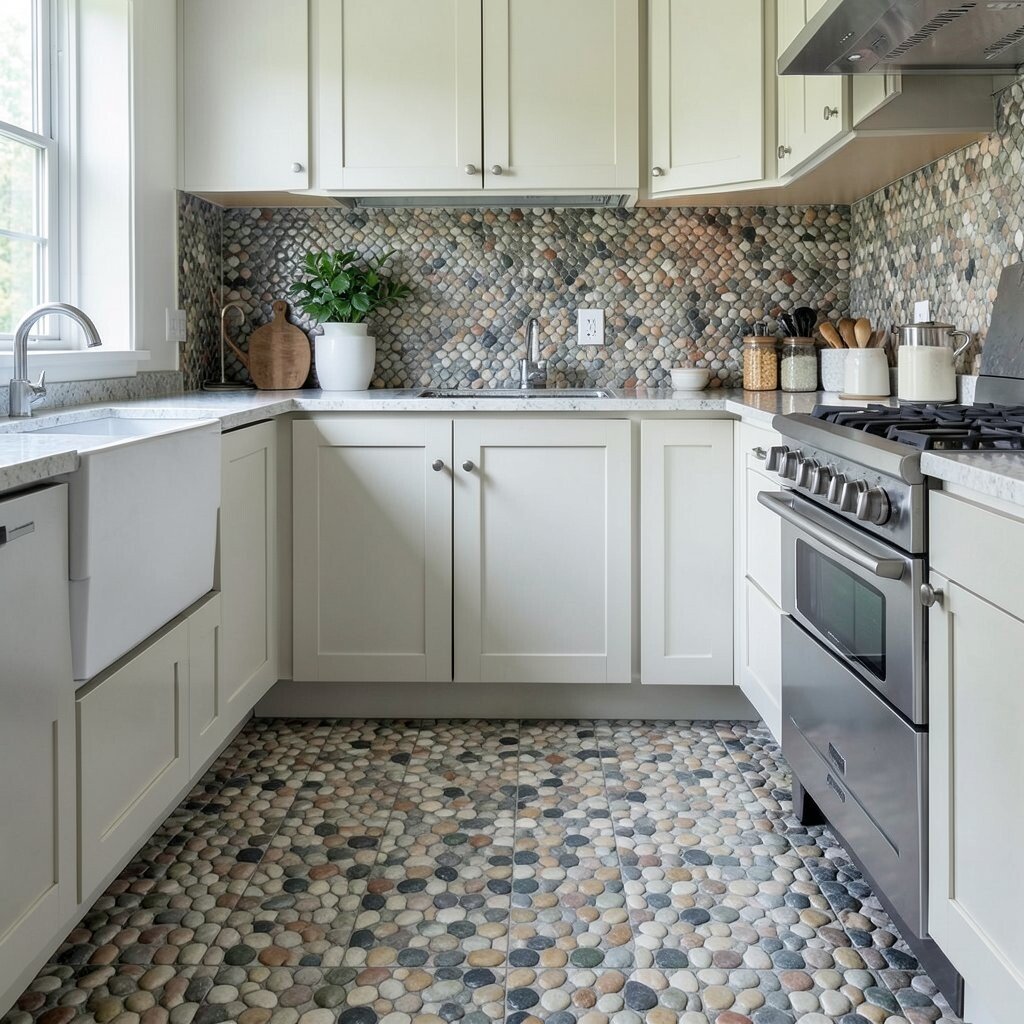
Your kitchen can feel lively when pebbles shift from subtle to bold as the light moves across them. Even if you keep the main floor simpler, a pebble mosaic theme can tie the whole room together.
Pair a pebble floor with a smaller pebble mosaic feature near the sink or cooktop so the textures feel intentional. Choose stones that resist staining and maintain a consistent color so food splashes don’t look messy. It also helps to seal regularly, especially in cooking zones where grease and water get attention.
If you’re working with a tighter budget, use pebbles in just a runner-like area from doorway to pantry. You can also personalize by selecting one accent color, like deep charcoal or seafoam green, and repeating it in both the floor and backsplash.
4. Warm Beige Pebble Living Room Accent Pad
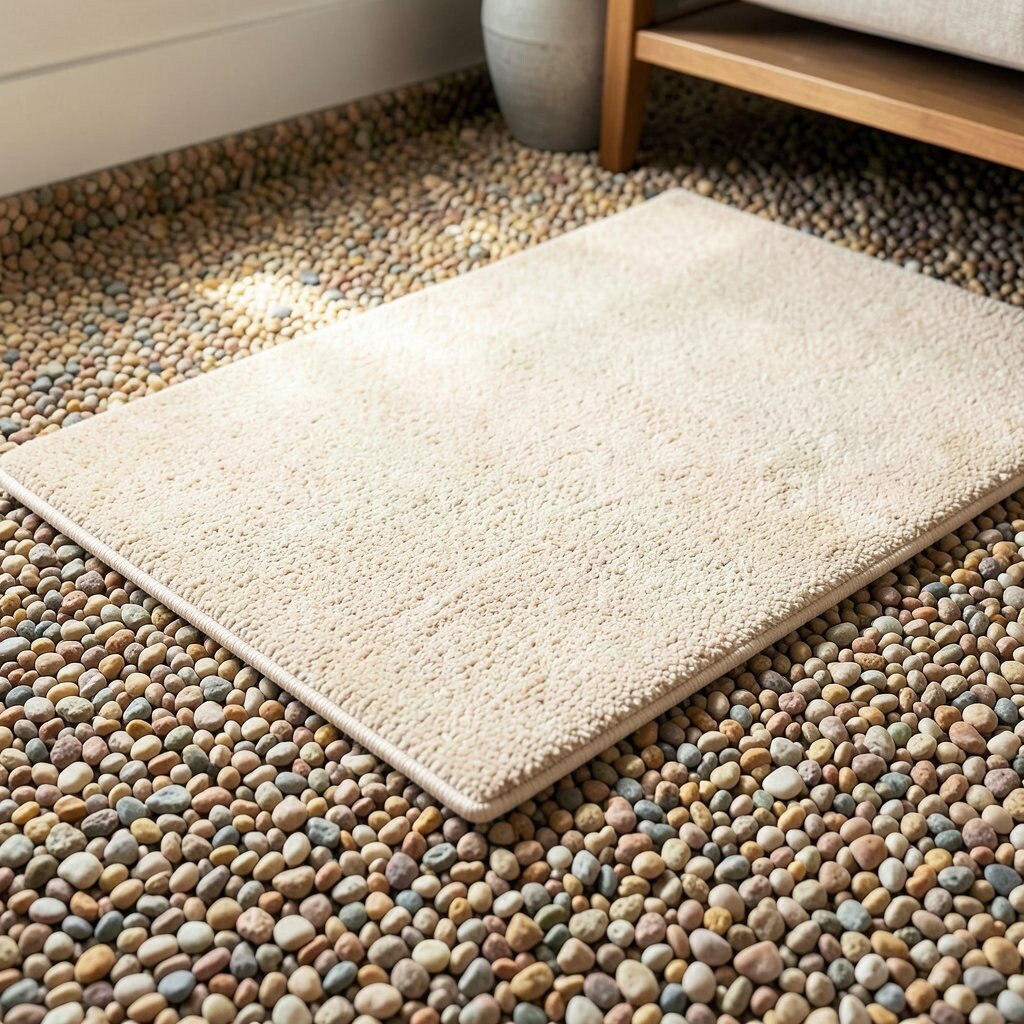
Think of a pebble floor segment that feels like an outdoor walkway, but indoors and cozy. A warm beige palette keeps it soothing, and the texture adds depth without overwhelming the room.
Install pebbles only where you want visual interest, such as a small area under a coffee table or in front of a fireplace. Use a clear or light grout choice so the stones look airy, not heavy. For practical comfort, consider adding a thin underlayment layer beneath the pebble area to soften impact when you walk.
5. Modern Monochrome Pebble Floor With Black Grout
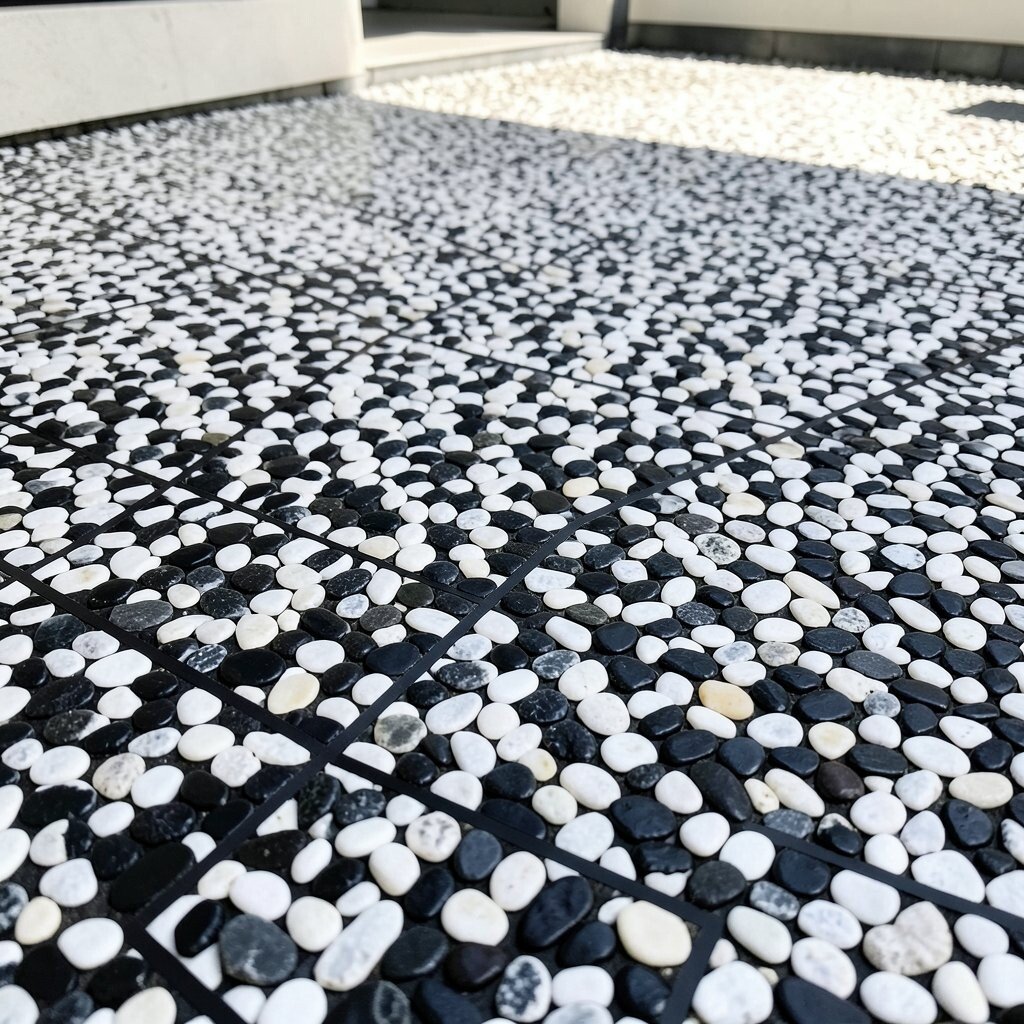
A monochrome pebble floor can look sleek and modern when the stones are similar in size and color. With black grout lines, the texture feels graphic, almost like a living artwork.
Stick to a curated range of grays or whites, and keep the pebble sizes consistent for a clean, tailored look. Black grout helps hide minor dirt, which is useful in busy households. To personalize, vary the stone mix slightly across the room so you get gentle gradient shading instead of flat uniformity.
If you’re thinking about cost, you can save money by using a smaller pebble format in the pattern and letting the grout do some of the visual work. Pair the floor with simple furniture legs and light walls so the texture becomes a feature rather than a burden.
6. Terracotta Pebble Patio Indoorscapes
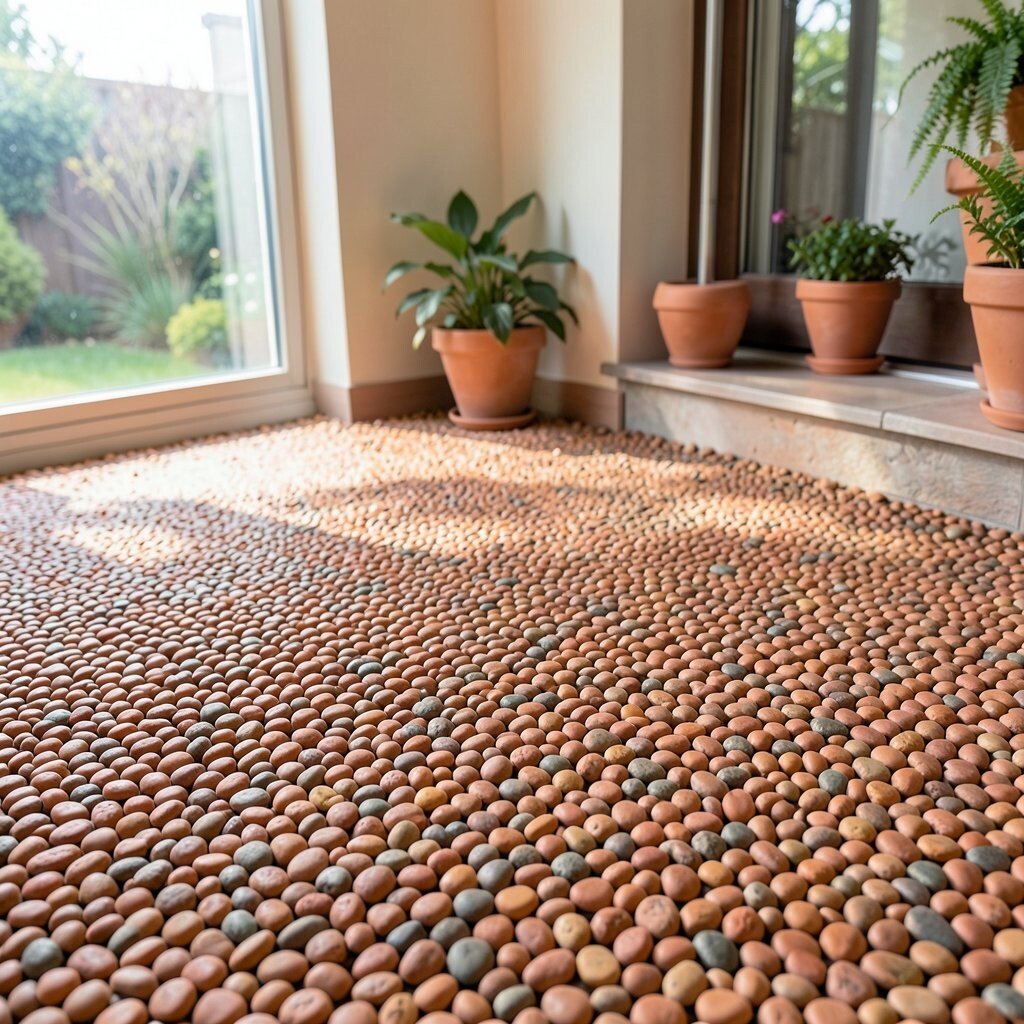
Bring the feeling of a sunlit patio into your home with terracotta-toned pebbles and warm earth colors. The floor looks inviting, and it pairs beautifully with wood, linen, and natural ceramics.
Choose pebbles that match your outdoor palette if you connect interior spaces to patios or covered porches. A sealed, slip-resistant finish matters here, because warm colors can show scuffs more clearly than cooler tones. For practical tips, keep a small doormat at entryways and sweep often so grit doesn’t grind into the surface.
You can personalize this look by selecting pebbles with subtle red-brown variation, then adding a thin band of cream stones around doorways. If you want to keep spending under control, cover only high-traffic zones and use cheaper flooring elsewhere while still keeping the same color mood.
7. White Pebble Bathroom Floor With Soft Coastal Vibes
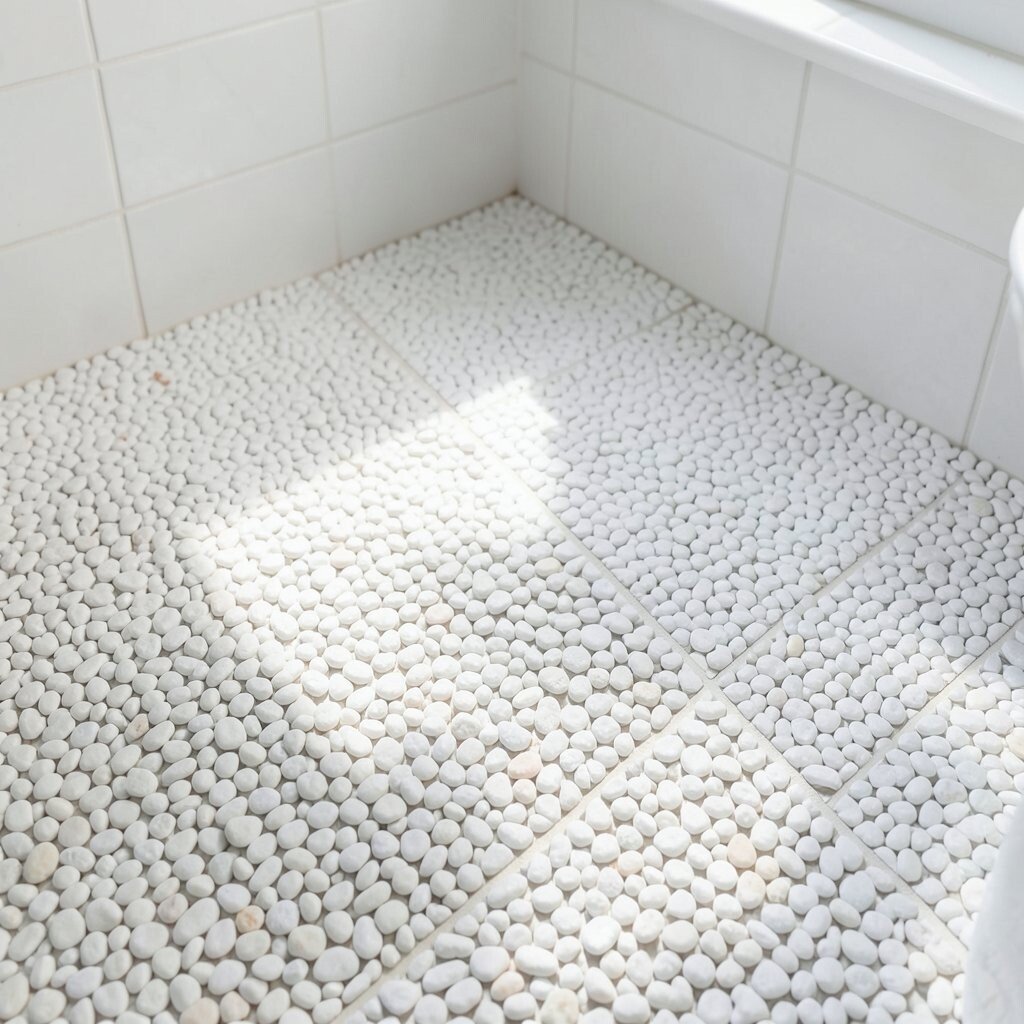
White pebble floors have a bright, airy feel that makes a bathroom feel bigger and calmer. They look especially good with minimal fixtures, because the stones become the main texture.
To keep the look clean, use white or light grout and seal the stones so water spots wipe away more easily. Choose smooth pebbles rather than jagged ones for comfort during daily routines. If you personalize, blend in a few pale gray pebbles for realistic depth so the floor doesn’t look flat.
8. Geometric Pebble Medallion in a Tile Field
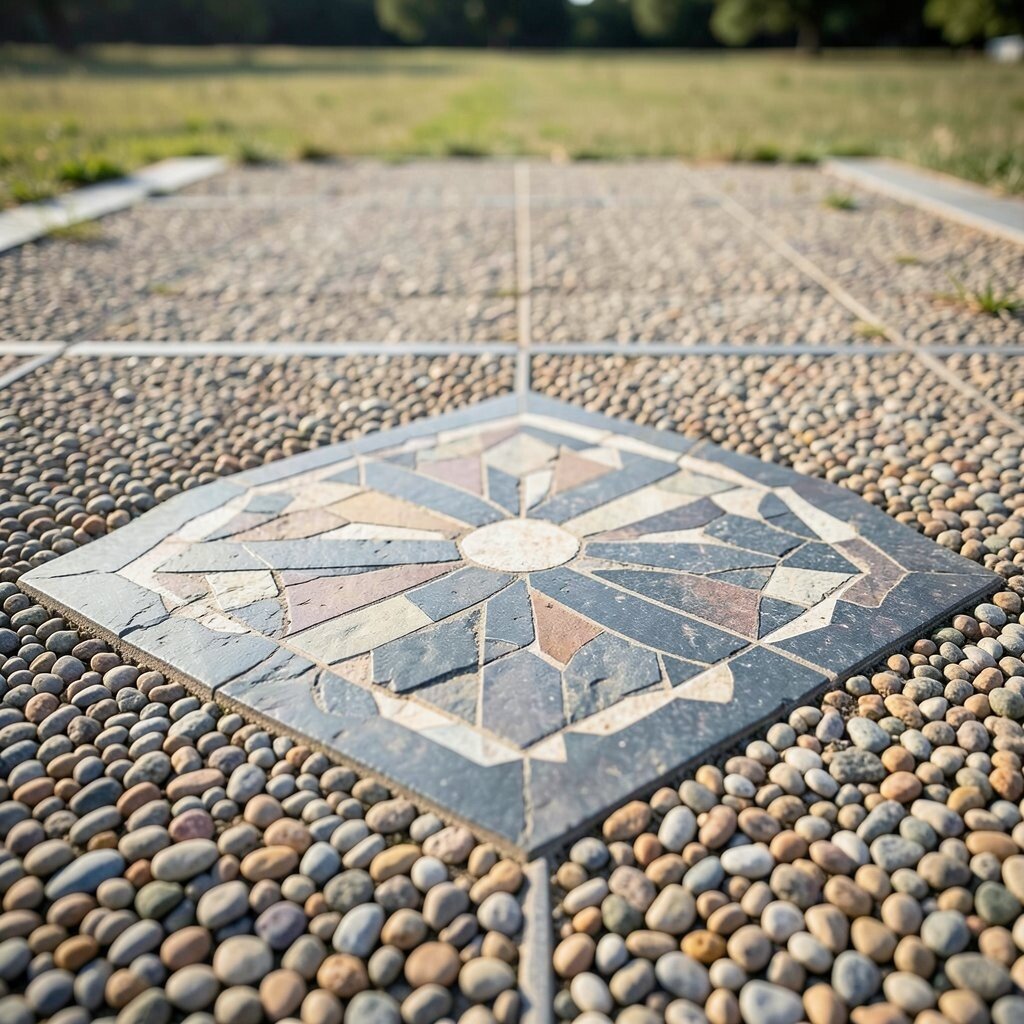
Instead of covering everything in pebbles, you can create a geometric medallion that acts like a focal point. Picture a circular or stepped pattern of stones sitting inside a calm tile background.
This method helps with budget because you’re using pebbles in a smaller area while still getting the signature look. It also makes maintenance easier since grout and sealing are focused on one section rather than the whole room. For practical results, measure carefully and dry-fit the pattern before installation so the lines stay crisp and centered.
Personalize the medallion with a color accent that matches your decor, like muted teal pebbles or a line of bronze-tinted stones. Current styles often favor simple shapes, so a clean circle or gentle hexagon can look modern for years.
9. Dark Walnut Accent With Mixed Pebble Tones
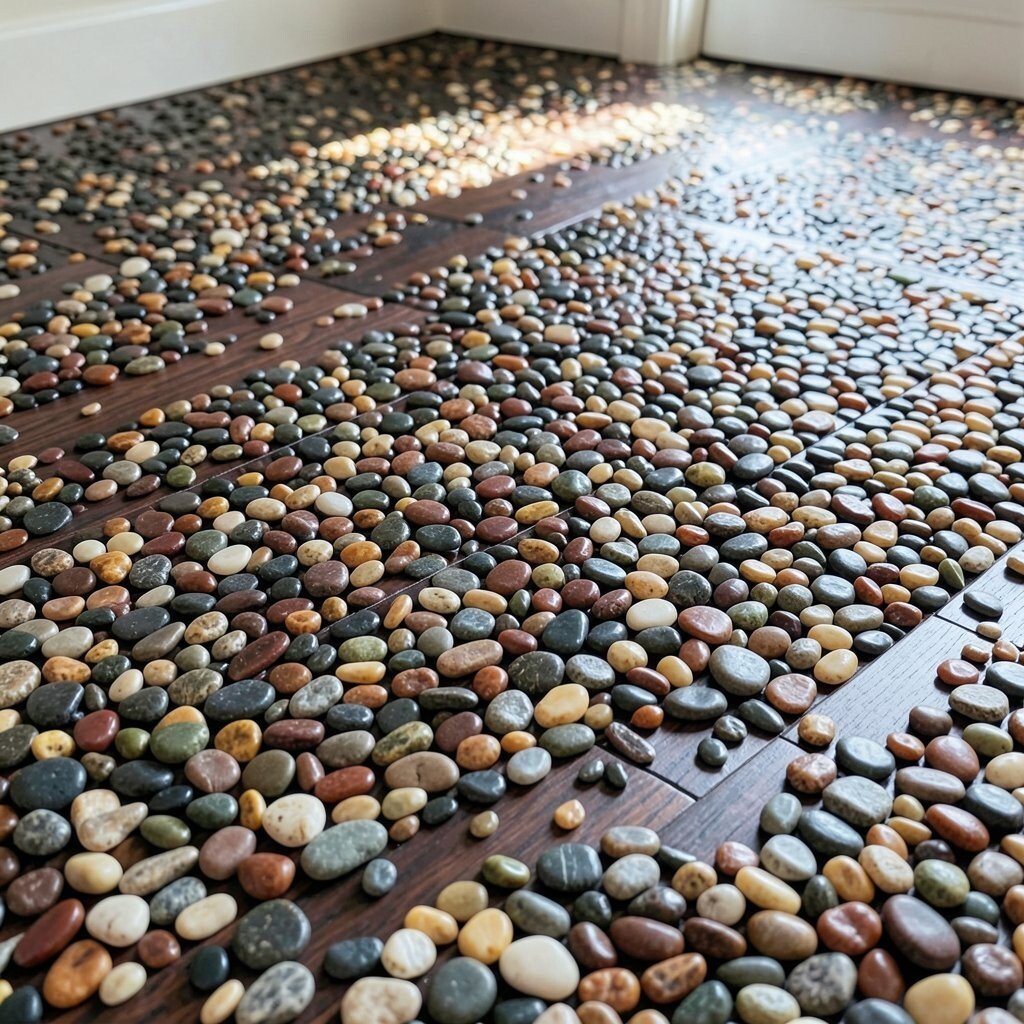
Warm wood tones look amazing beside pebbles that include deep browns and smoky grays. The contrast makes the stones feel richer, and the whole space can feel like a cozy cabin without going rustic.
Use mixed pebble tones to avoid stark repeating patterns, which can look unnatural. Choose a grout color that supports the mood, like a medium taupe, so the floor looks balanced. If you want practical personalization, blend in a few lighter stones in a scattered rhythm to brighten the area where you usually stand or place decor.
Cost can stay reasonable by limiting the pebbles to a walkway or kitchen transition zone. That way you get the wow factor where it matters most, while keeping the rest of the flooring more budget-friendly.
10. Pebble Staircase Steps for Indoor Drama
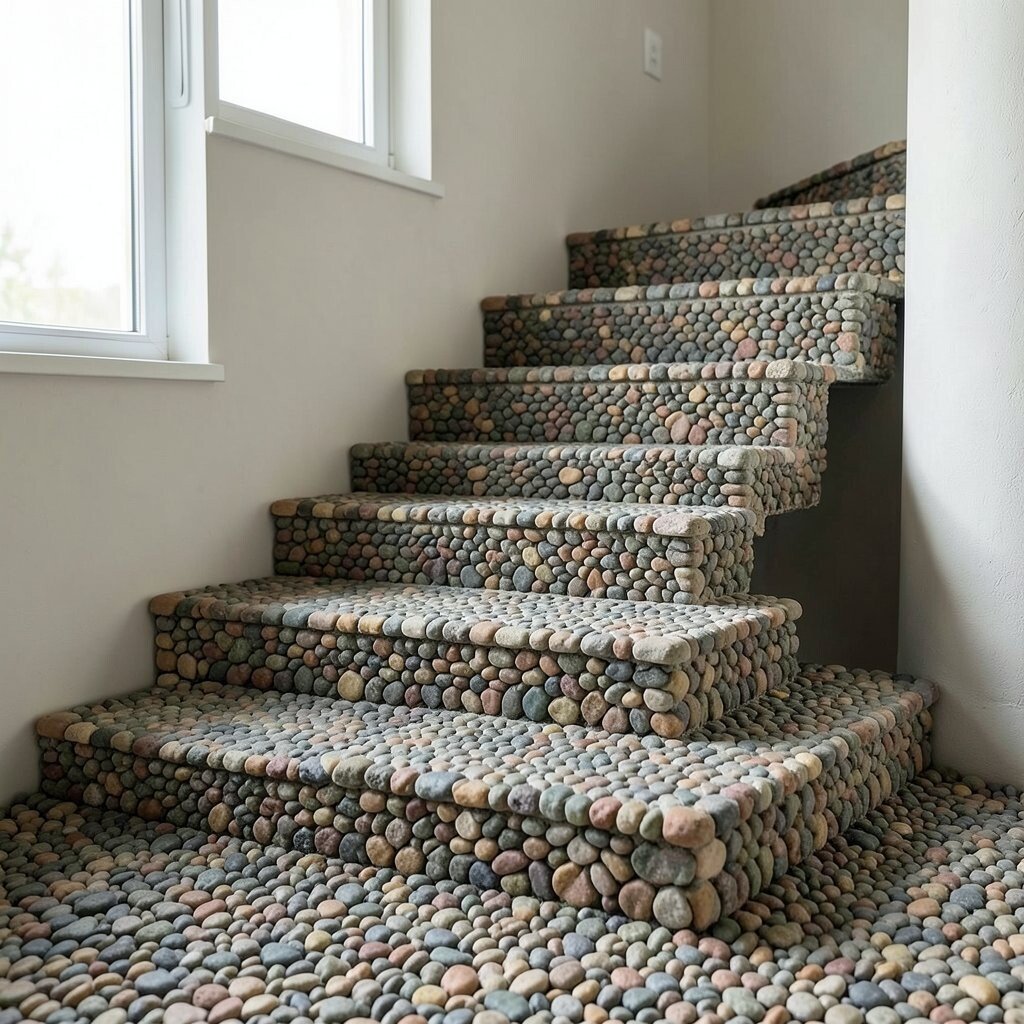
A pebble staircase can feel like a gentle waterfall underfoot, guiding you upward with texture. When each step is finished consistently, the whole staircase looks custom and high-end.
Use smaller pebbles for stair treads so the surface stays even, and always add a slip-resistant finish that meets safety needs. For practical tips, check the subfloor and ensure proper leveling before installing, because stair surfaces demand extra precision. You can personalize the staircase by placing slightly darker stones along the edges to visually define each step.
If budget is a concern, focus pebbles on the tread surface while keeping the risers simple. That approach gives you the dramatic look where feet land most, and it keeps the project manageable.
11. Pebble Fireplace Surround and Hearth Blend
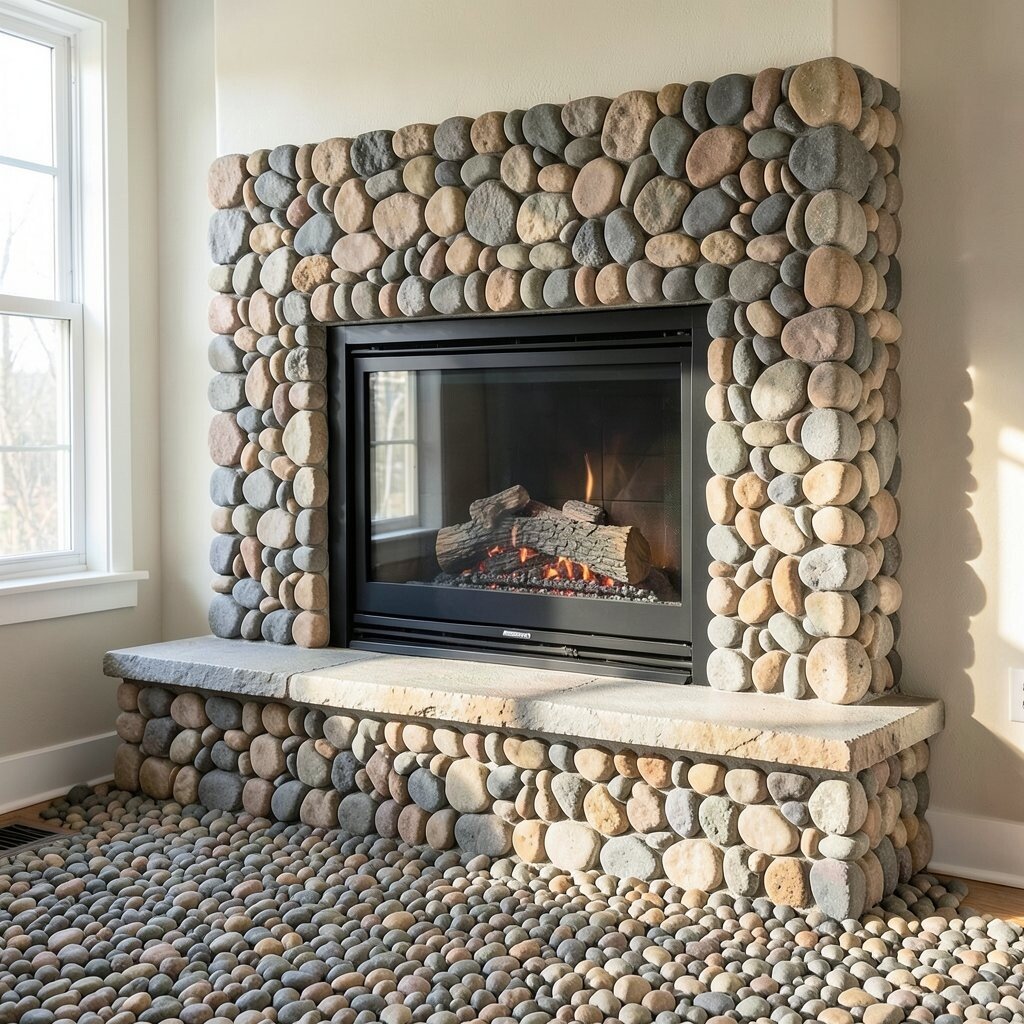
Close your eyes and picture a fireplace hearth framed with pebbles that look like smooth stones warmed by sun. The texture softens the hard look of stone or tile and makes the hearth feel more inviting.
To make it practical, choose pebbles rated for heat-adjacent installations and seal them properly so dust and ash clean up easily. Keep the palette consistent with the rest of your room, like pairing warm beiges with light cabinetry. For personalization, add a narrow “stream” of stones that runs from the hearth outward, giving the space a natural flow.
12. Rainbow-Edge Pebble Border for Play Spaces
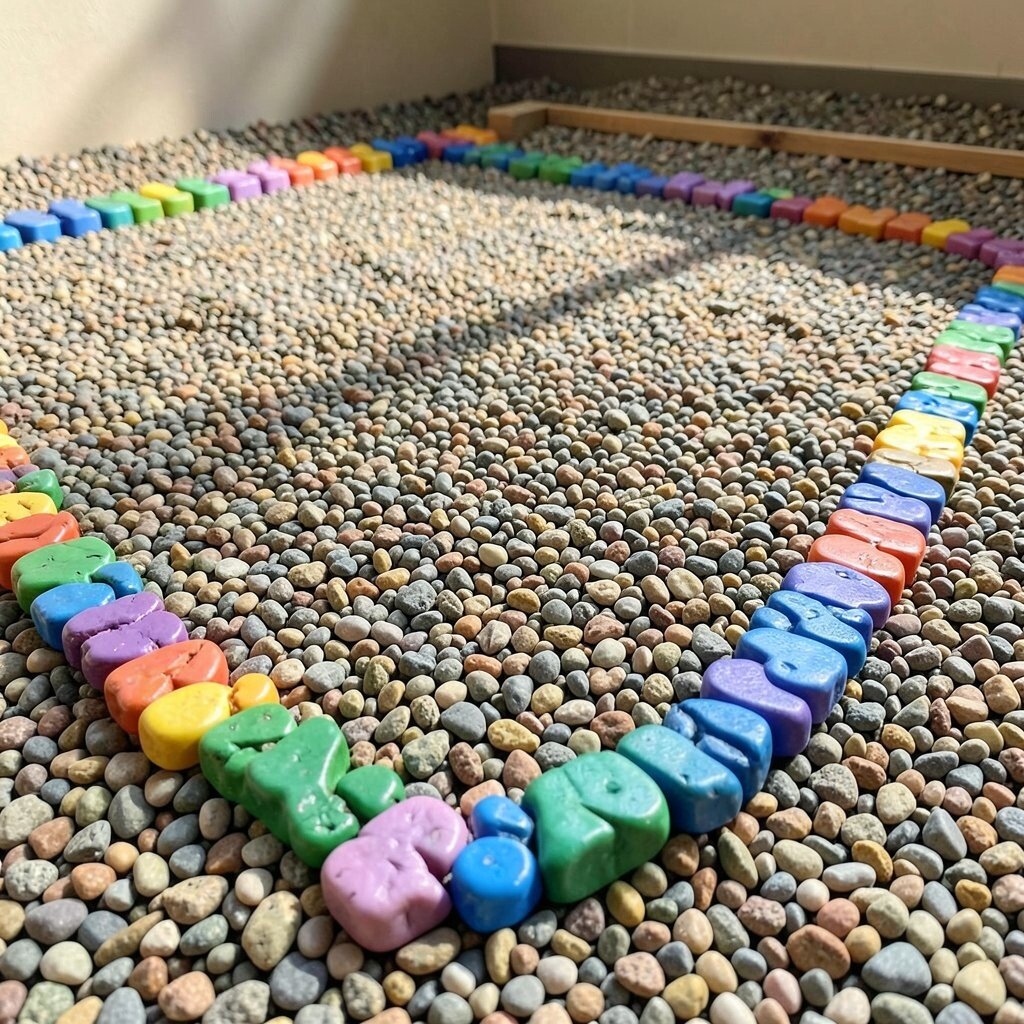
If you want your room to feel joyful, try a pebble floor border with playful, muted colors. Think of tiny stones that hint at rainbow hues without looking loud or childish.
Use pebbles as an edging layer around a main floor, like a thick border that frames a carpet or light tile area. This helps with cost because you’re using less stone while still getting the texture people notice right away. For practical tips, choose rounded pebbles and a durable sealer so the surface holds up to everyday play and spills.
Personalize the border by matching the color chips you already use in toys, art, or wall accents. Current trends often favor subtle color pops, so soft rainbow tones can feel modern when paired with neutral floors.
13. Pebble Tile Entry Wall for a Full Texture Moment
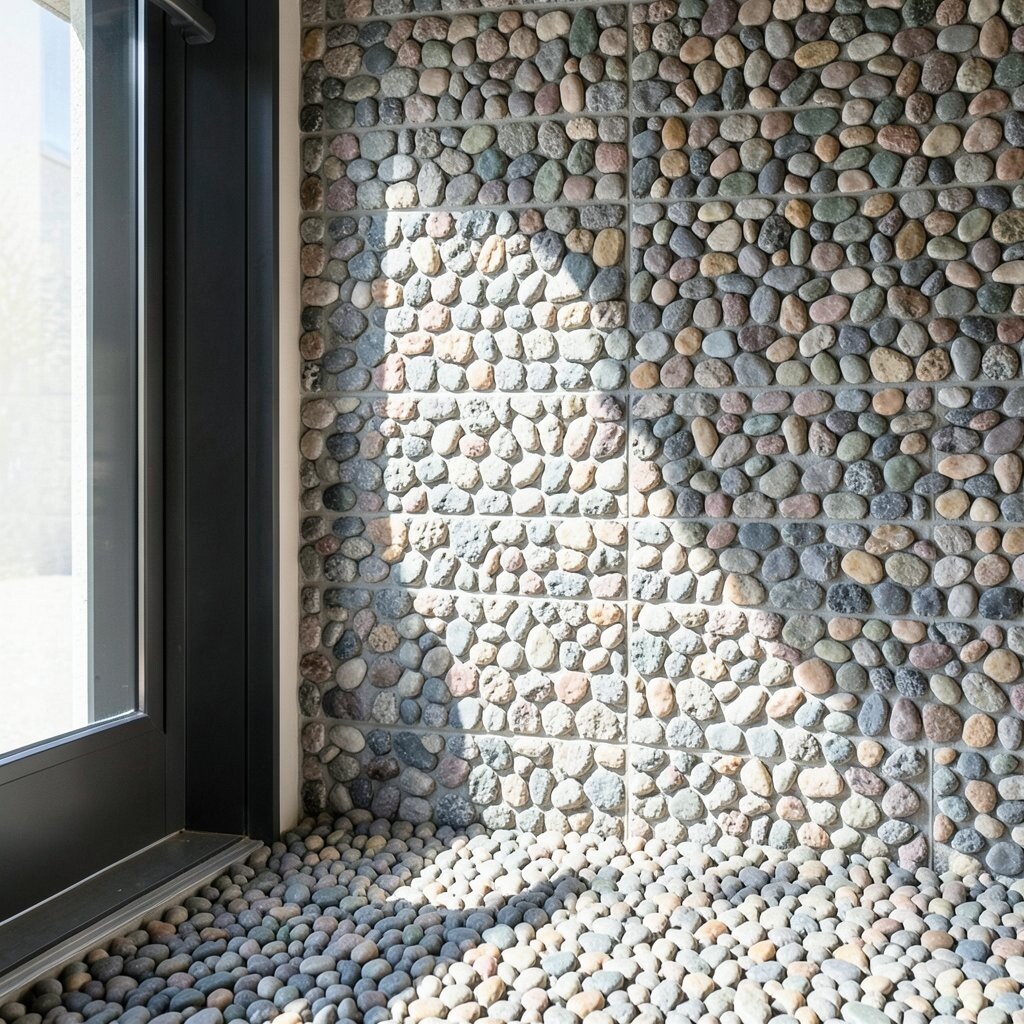
Texture doesn’t have to stay on the floor. A pebbled wall section in the entry area creates a striking, tactile moment that complements a pebble floor.
Choose stones that connect visually, like using similar pebble colors on the wall and matching grout tone on the floor. This makes the space feel designed rather than accidental. For practical comfort, seal the wall surface too, since entry areas gather dust and fingerprints.
Budget-wise, a small wall feature is a smart way to get the pebble look without covering large square footage. Personalize by carving a gentle wave-shaped boundary where the pebbles stop, so the texture feels organic and intentional.
14. Lush Green Pebble Floor With Mossy Undertones
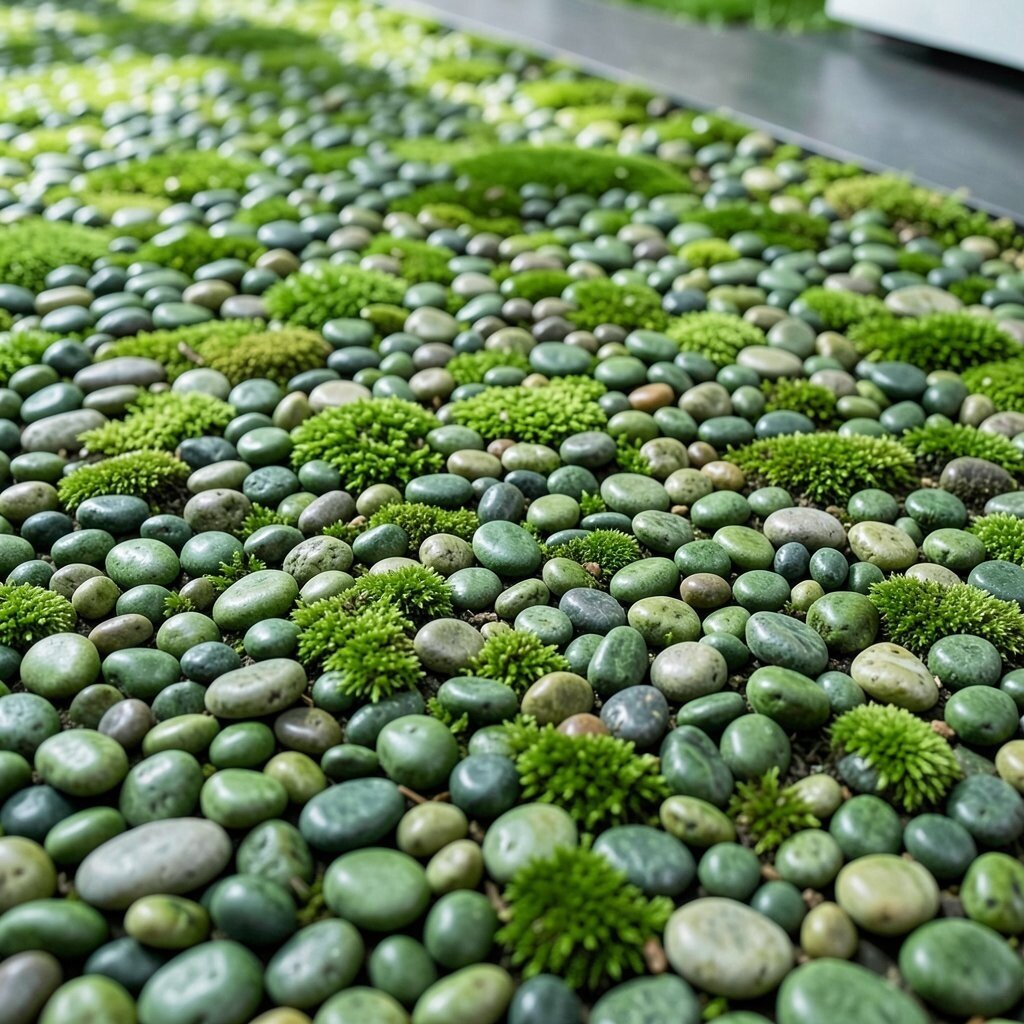
A green pebble floor can feel like stepping into a shaded garden, especially when the stones include mossy undertones. It pairs beautifully with plants, natural wood, and matte ceramics.
Pick pebbles that lean toward muted greens rather than bright neon shades, so the floor feels calming and not overly busy. For practical tips, seal well to make cleaning easier, and use a non-slip finish if the area gets wet. Personalize by selecting a few warmer stones, like golden tan accents, to mimic sunlight hitting leaves.
Cost considerations are simple here: you can use fewer pebbles for a partial coverage area, like under a plant stand or near a sunroom seating zone. If you’re updating your space on a timeline, adding a smaller green pebble zone can deliver big visual impact without waiting for a full renovation.
15. Pebble Floor With Hidden Storage-Friendly Zones
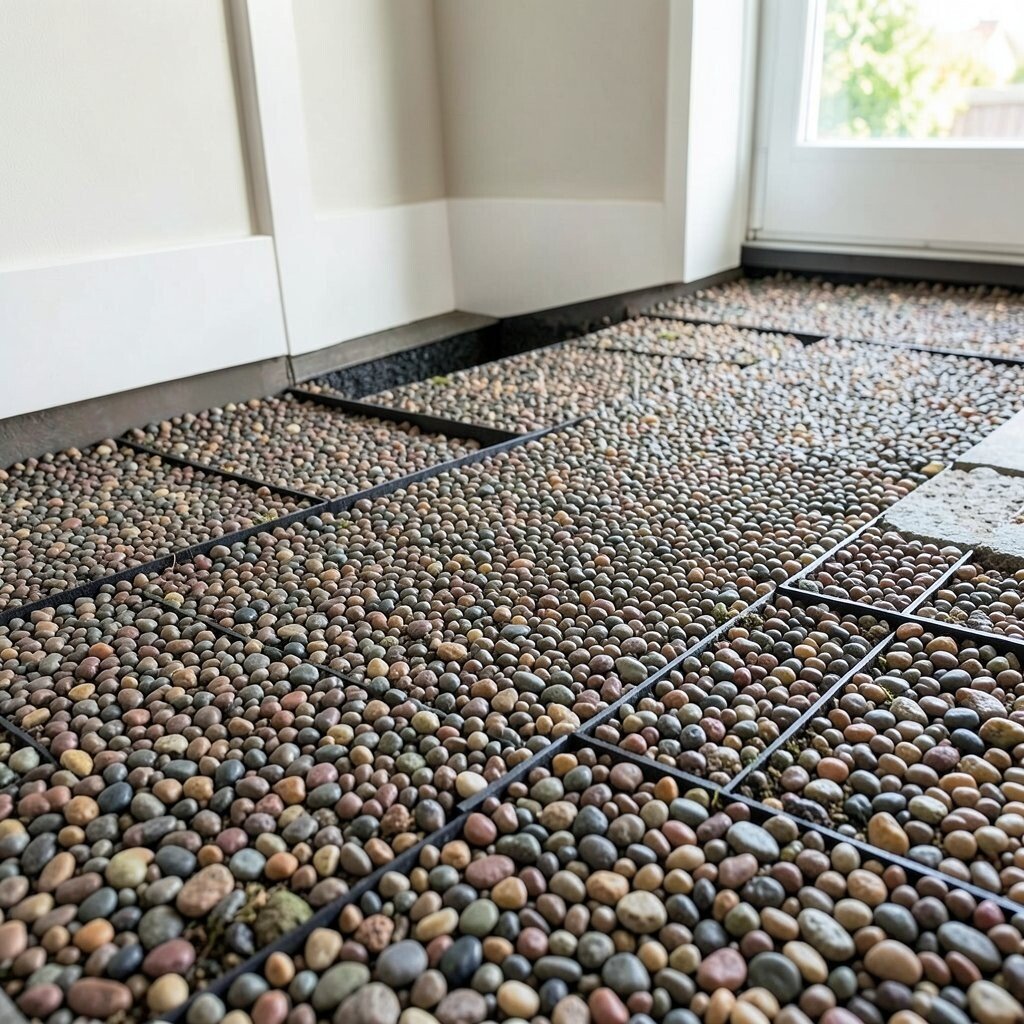
Texture can be practical when you plan the layout around everyday life. A pebble floor section placed near built-in seating or storage can look stylish while still making the room useful.
Design the pebble area around furniture legs, drawers, and entry flow so you can open storage without blocking paths. Choose durable grout and a proper sealer so cleaning stays manageable, even with bags, shoes, and daily mess. For personalization, outline storage zones with a slightly different pebble tone to make the design feel intentional.
If you want to manage cost, keep pebbles in zones that receive the most foot traffic and visual attention, then use simpler materials in quieter areas. This fits current trends toward layered design, where one standout texture anchors the room and the rest stays calm and functional.