
Imagine walking into your kitchen and being greeted by the delightful aroma of fresh herbs. You might think of potted herbs as just another plant, but they hold secrets to a thriving garden. Their vibrant colors and scents can transform any space into a lush oasis.
1. Choose the Right Pot and Soil
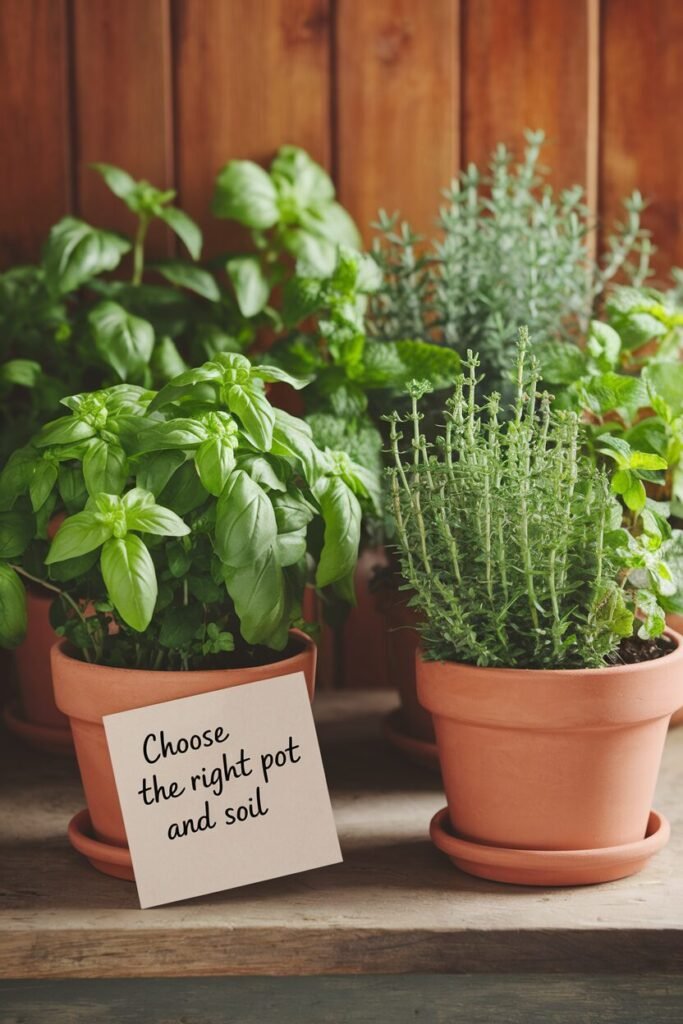
Picking the perfect pot is like choosing the right outfit for a special occasion. It needs to be the right size, have a good drainage system, and fit the aesthetic of your home. A pot that’s too small will make your herbs feel cramped, while one that’s too big could drown them.
Opt for pots made from natural materials like clay or terracotta. These materials allow the soil to breathe and help prevent root rot. Plus, they add a rustic charm to your home decor that never goes out of style.
When it comes to soil, not all dirt is created equal. Use a high-quality potting mix that drains well yet retains enough moisture to keep the herbs happy. Consider adding perlite or vermiculite to improve aeration and drainage.
Investing in good pots and soil can be budget-friendly. Look for deals at garden centers or second-hand shops for unique pots that have character. This way, you’re not just growing herbs; you’re creating a personalized garden space.
2. Provide Proper Light and Water
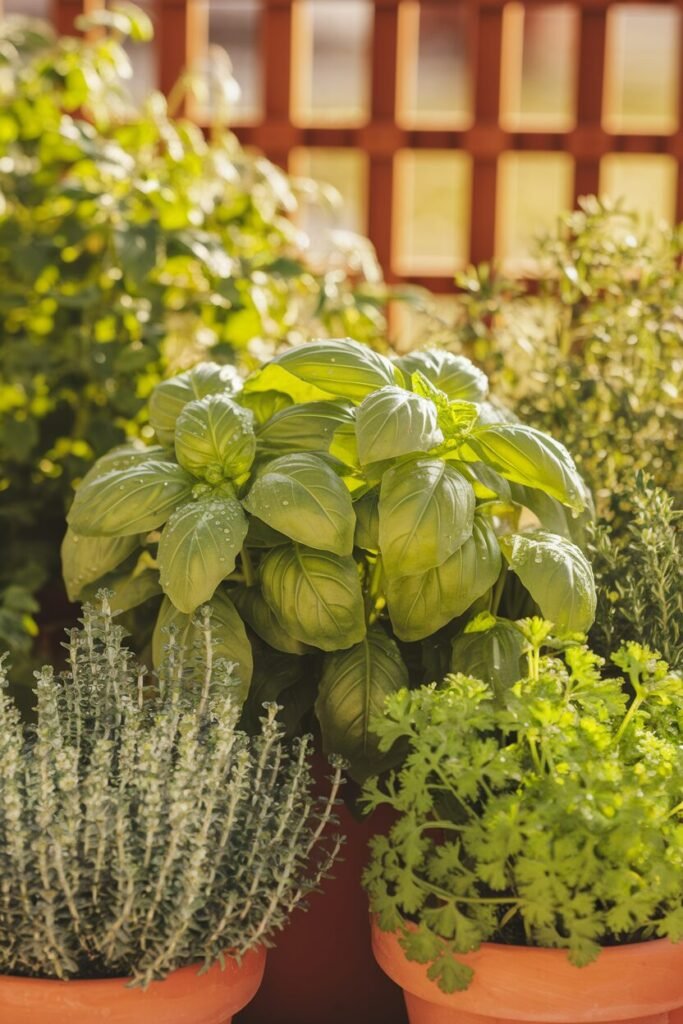
Herbs are a bit like sunbathers; they love to soak up the sun! Place your potted herbs where they can get at least six hours of sunlight each day. A sunny windowsill or a spot in your garden that catches morning light is ideal.
If your home doesn’t get much natural light, don’t worry. You can use LED grow lights to mimic the sun’s rays. These are energy-efficient, cost-effective, and can be styled to blend with your home decor.
Watering your herbs is all about balance. Too much water can drown them, while too little can leave them parched. Check the soil moisture by sticking your finger an inch deep; if it feels dry, it’s time to water.
Every herb has its own personality and watering needs. Basil, for example, likes to stay consistently moist, while rosemary prefers to dry out between waterings. Personalize your watering routine to match each herb’s preference for a thriving garden.
3. Regular Pruning and Harvesting
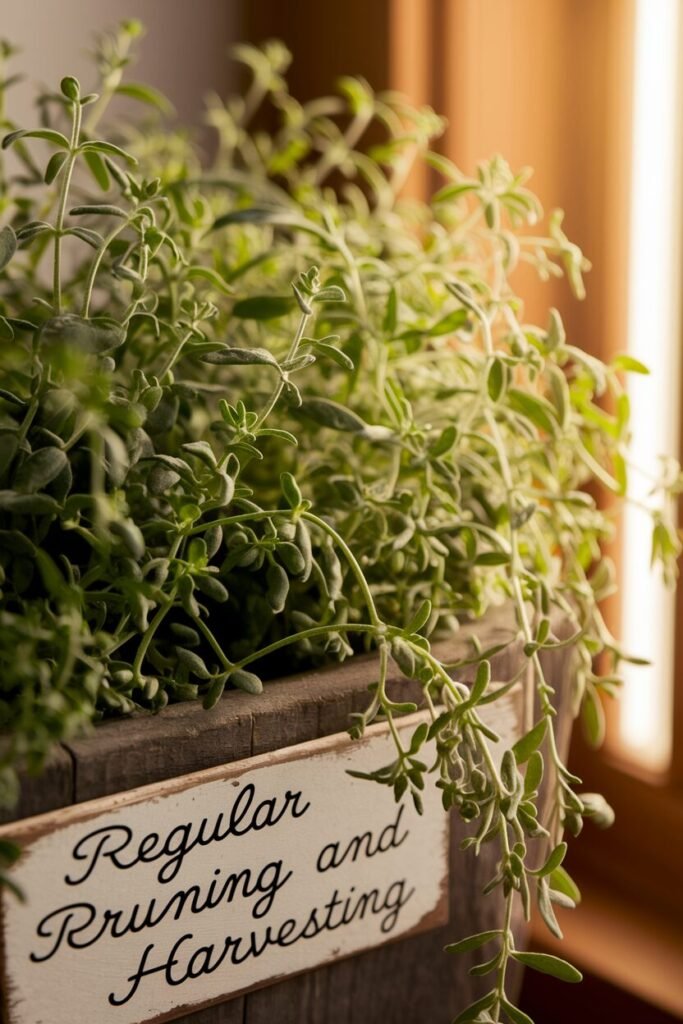
Pruning might sound like a chore, but it’s like giving your herbs a refreshing haircut. Regularly trimming your herbs encourages new growth and keeps them looking lush and full. It also prevents them from becoming leggy and sad-looking.
When you harvest your herbs, do it in the morning when their oils are most potent. This ensures you get the most flavorful and aromatic leaves. Plus, regular harvesting means you always have fresh herbs at your fingertips.
Embrace the uniqueness of each herb’s growth pattern. Mint can be aggressive and may need more frequent pruning, while thyme is more laid-back. Understanding these differences lets you connect with your plants on a personal level.
Pruning and harvesting don’t cost a dime but reward you with bountiful herbs and a beautiful garden. It’s a simple, satisfying way to maintain your garden’s health and your culinary creativity. So grab your scissors and start snipping away!