
Imagine the sweet aroma of lemons wafting through your living space, or the vibrant green leaves adding a touch of nature to your decor. Caring for a potted lemon tree can be a fulfilling and rewarding experience, and we’ve gathered some ideas to inspire your journey.
1. Choosing the Right Pot
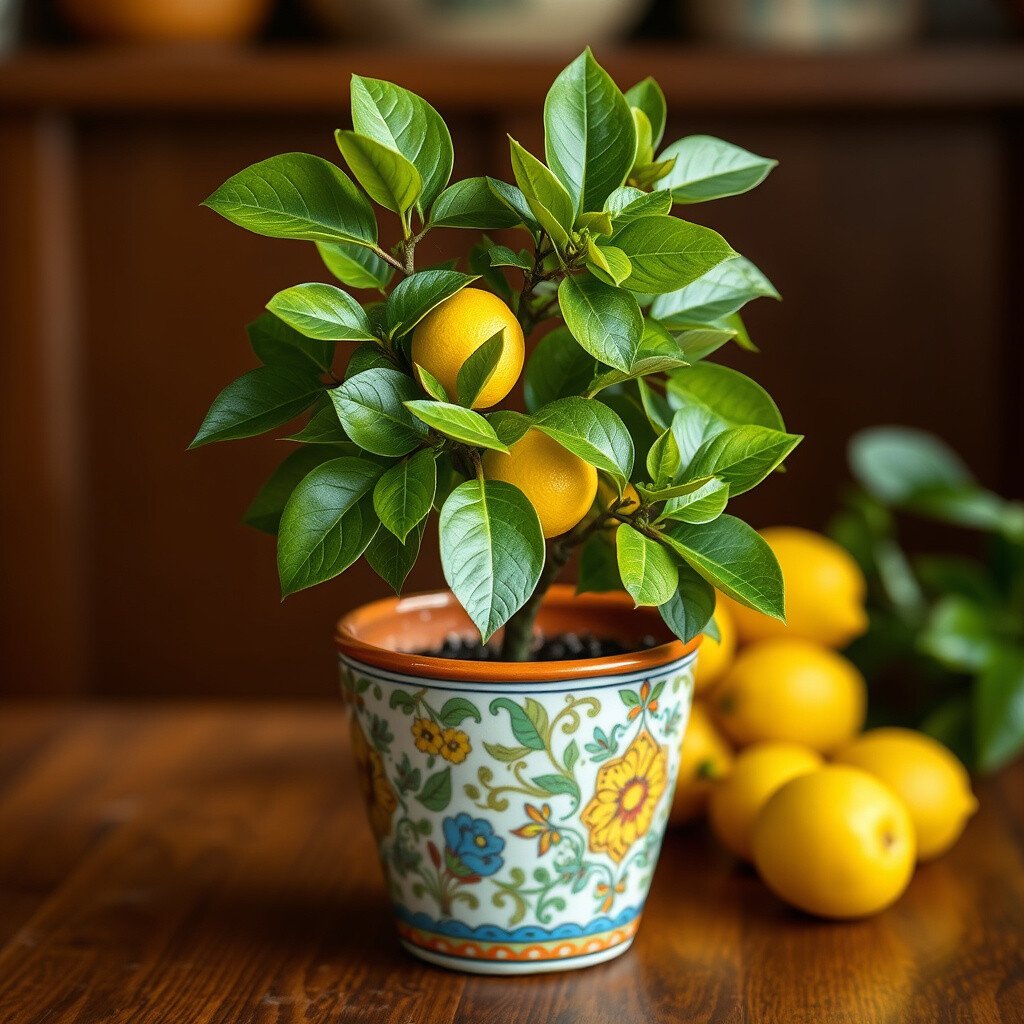
The pot is the home of your lemon tree, so choose one that’s both functional and stylish. Opt for a pot with good drainage holes to prevent waterlogging.
Consider a ceramic pot with colorful designs that can add a pop of color to your space. It’s not just about function; it’s about making a statement.
Prices can vary, but you can find beautiful pots starting at $20. It’s a small investment for a big impact.
2. Perfect Potting Mix
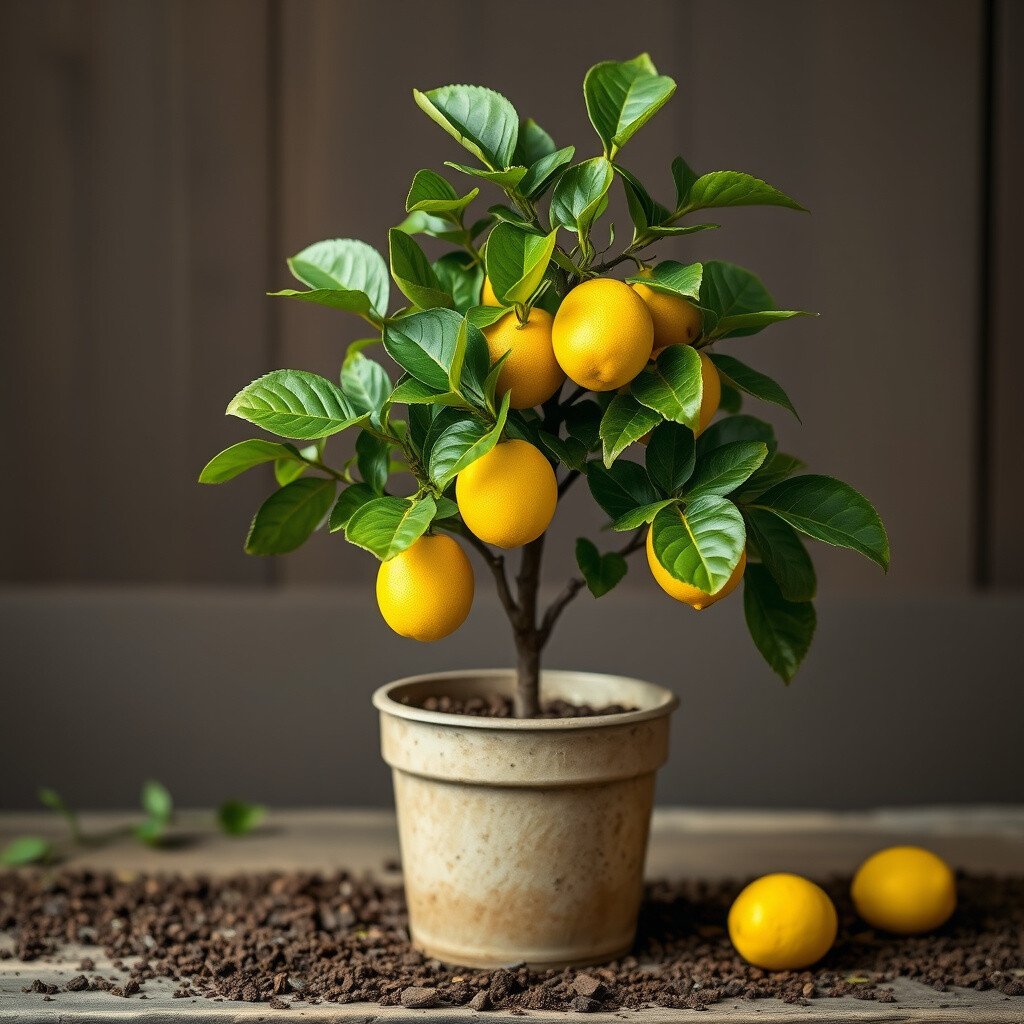
A well-draining potting mix is essential for your lemon tree’s health. A mix of peat, perlite, and vermiculite works wonders.
This blend ensures your tree gets the right nutrients while preventing root rot. Think of it as giving your tree a balanced diet.
Potting mixes can cost around $10 to $15, making it an affordable step towards lush, green leaves.
3. Sunlight Strategies
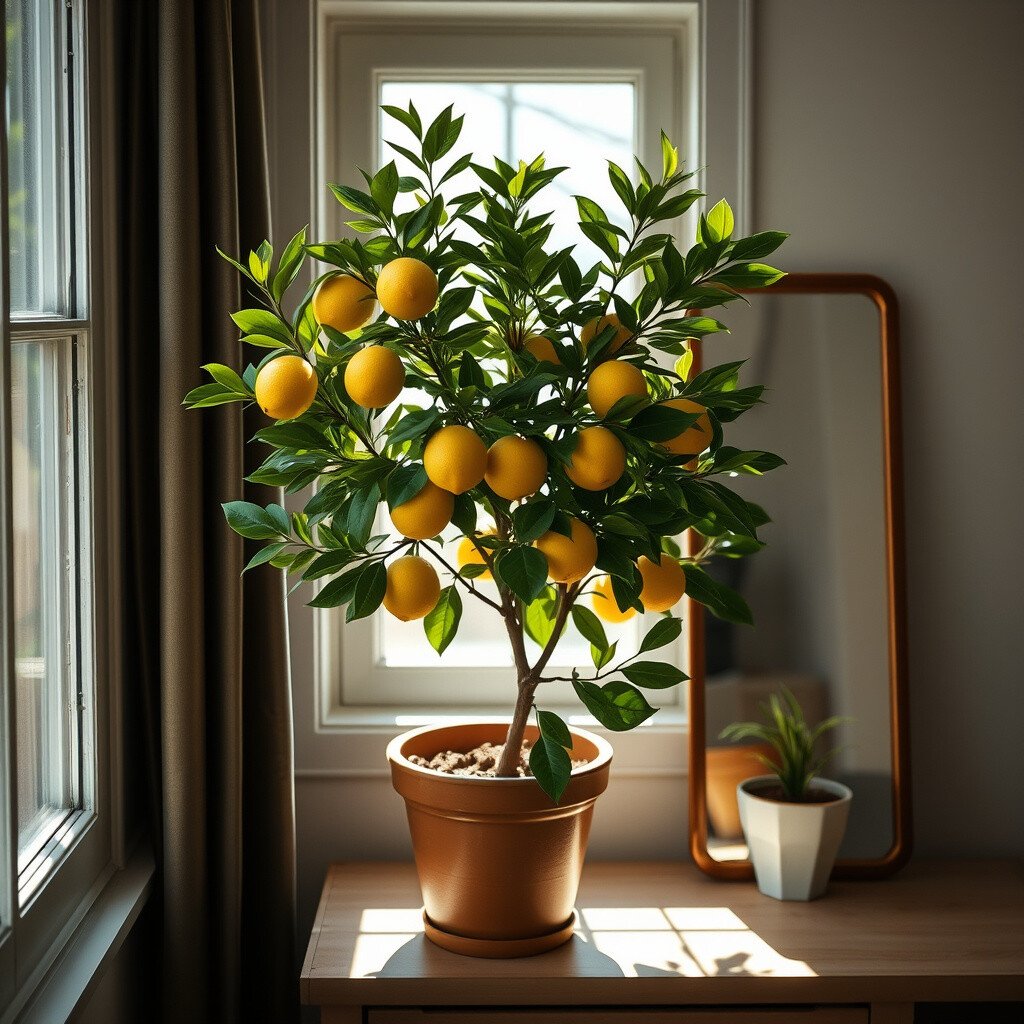
Lemon trees love sunlight, so place your pot in a sunny spot. A south-facing window is perfect.
Consider using mirrors to reflect more light onto your tree. This can be a fun way to play with light and shadow in your decor.
Free sunlight, creative reflection – a cost-effective way to keep your tree happy.
4. Water Wisely
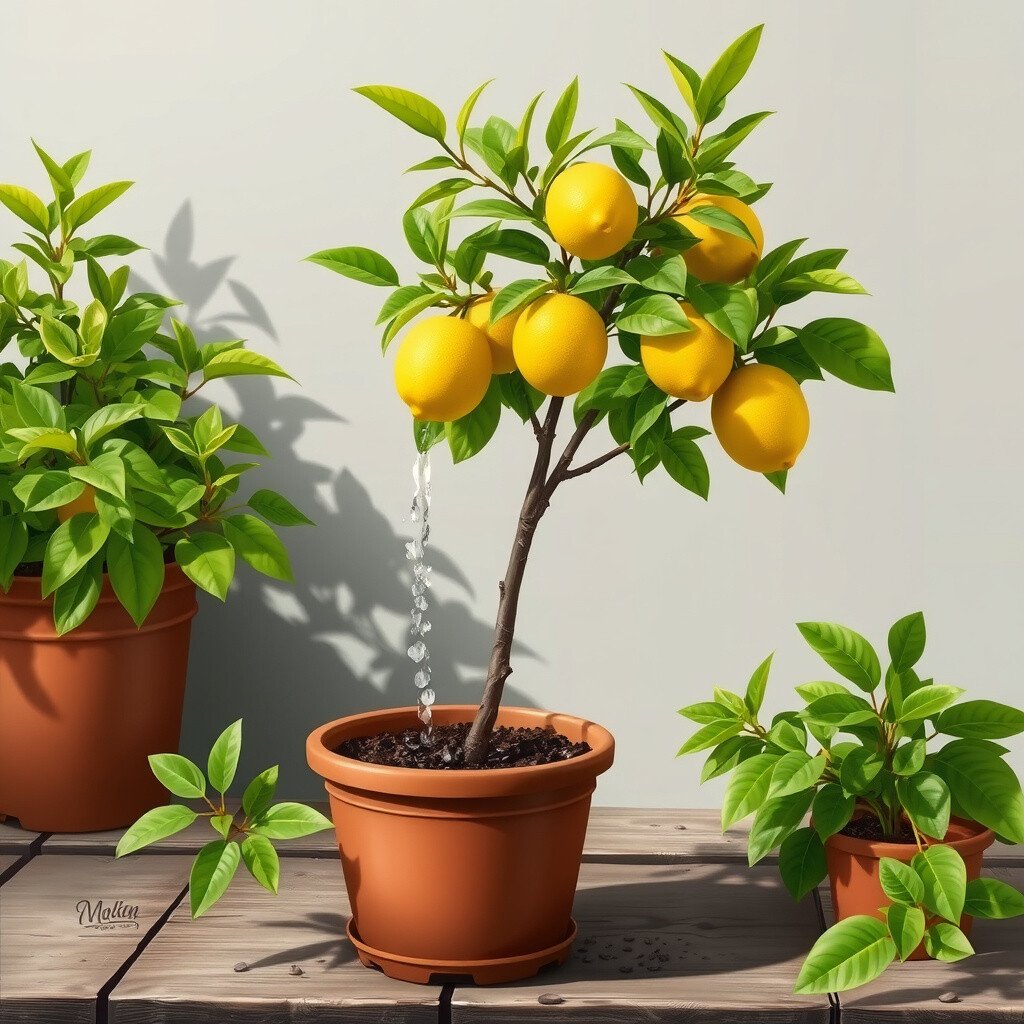
Watering is an art. Too much or too little can stress your tree. Aim for moist, not soggy soil.
Use a moisture meter to take the guesswork out of watering. It’s like having a secret gardening tool.
Moisture meters are available for as low as $10. A small gadget for a big difference.
5. Fertilization Facts
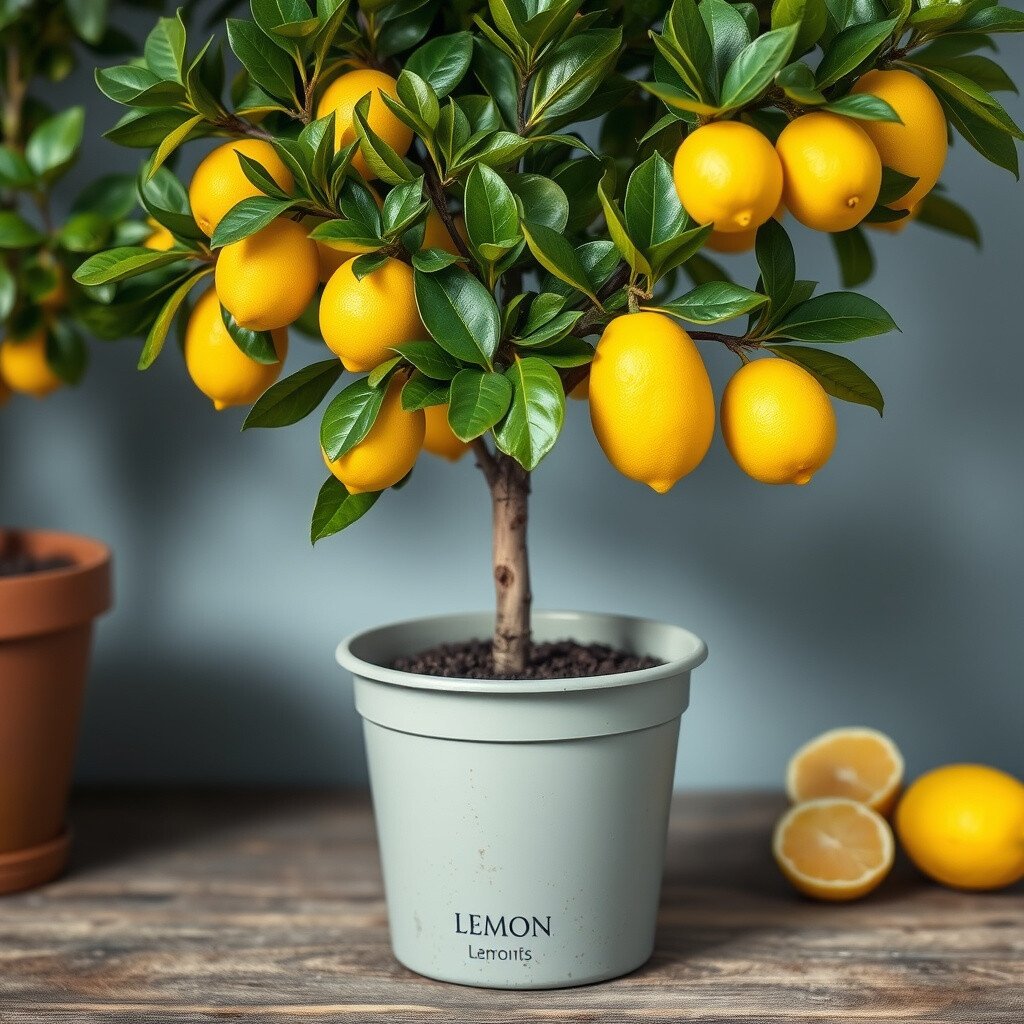
Boost your tree’s growth with the right fertilizer. Look for a citrus-specific one to give it the nutrients it craves.
Fertilizing every few months keeps your tree vibrant and productive, much like a regular boost of vitamins.
With options starting at $15, it’s an easy way to ensure your tree thrives.
6. Pruning for Productivity
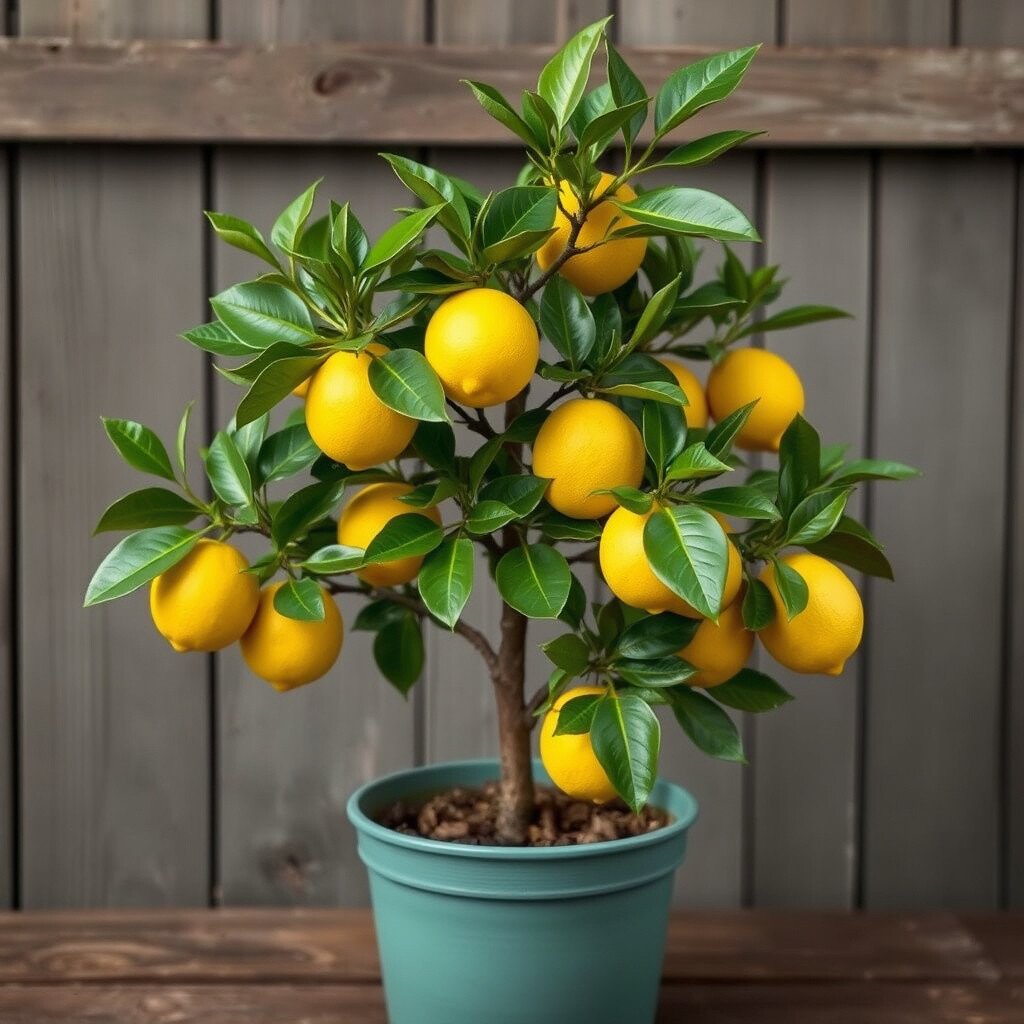
Pruning helps maintain a healthy shape and encourages fruiting. Trim away dead branches or those growing inward.
Think of it as giving your tree a stylish haircut, keeping it neat and tidy.
All you need is a good pair of pruning shears, which can be found for around $20.
7. Pest Patrol
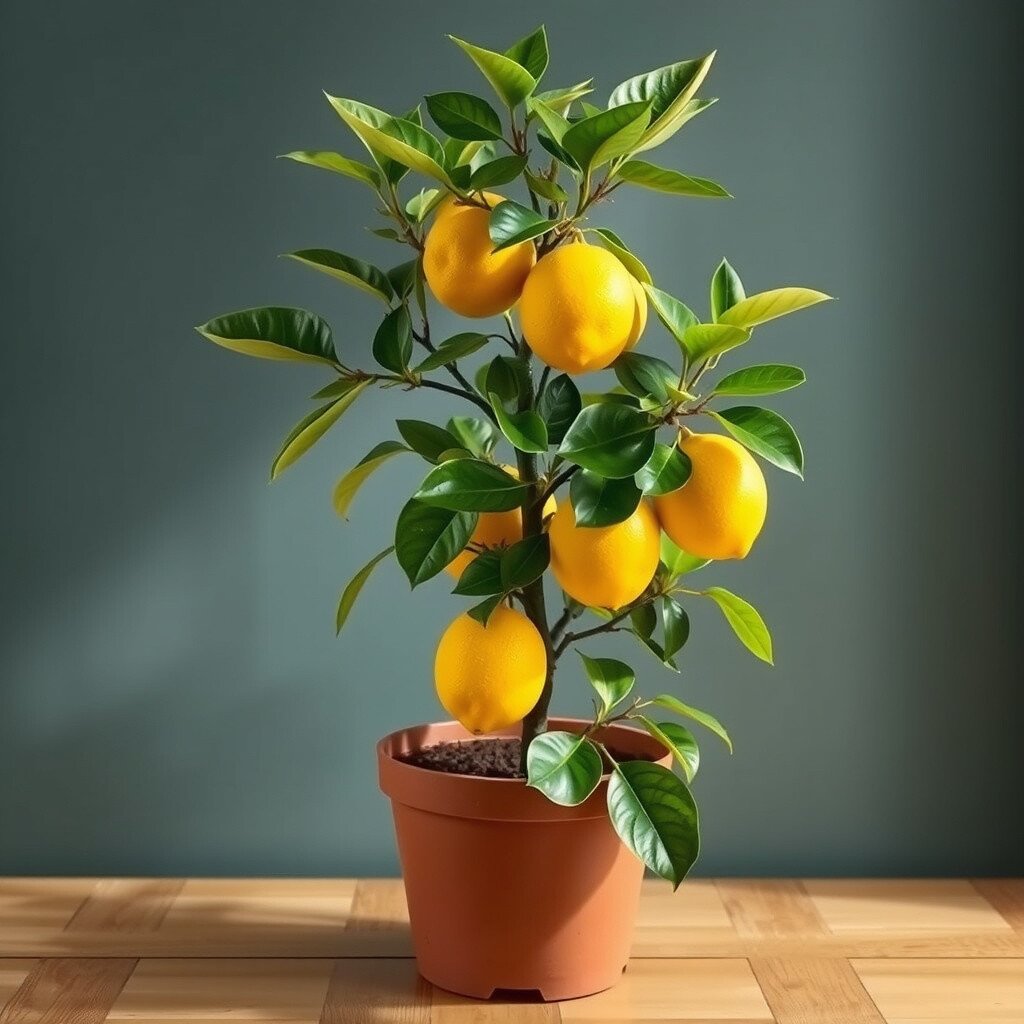
Keep pests at bay with natural remedies. Neem oil is effective and safe for indoor plants.
Regular checks under leaves ensure your tree stays pest-free, like a mini inspection routine.
Neem oil costs about $10, providing peace of mind and healthy leaves.
8. Seasonal Care
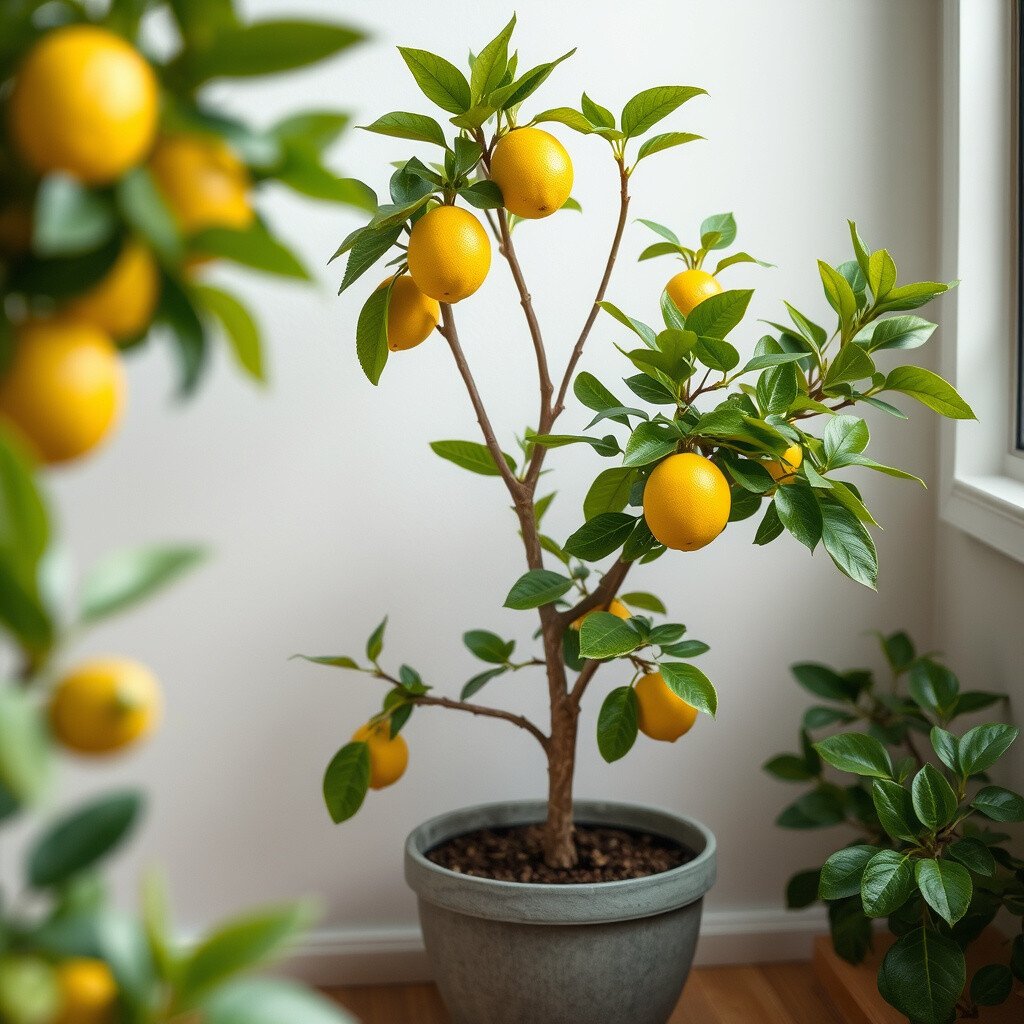
Adjust your care routine with the seasons. In winter, reduce watering and bring your tree indoors if it’s outside.
This adaptability keeps your tree thriving all year, much like dressing for the weather.
Seasonal care doesn’t cost a thing, just a little attention and love.
9. Companion Planting
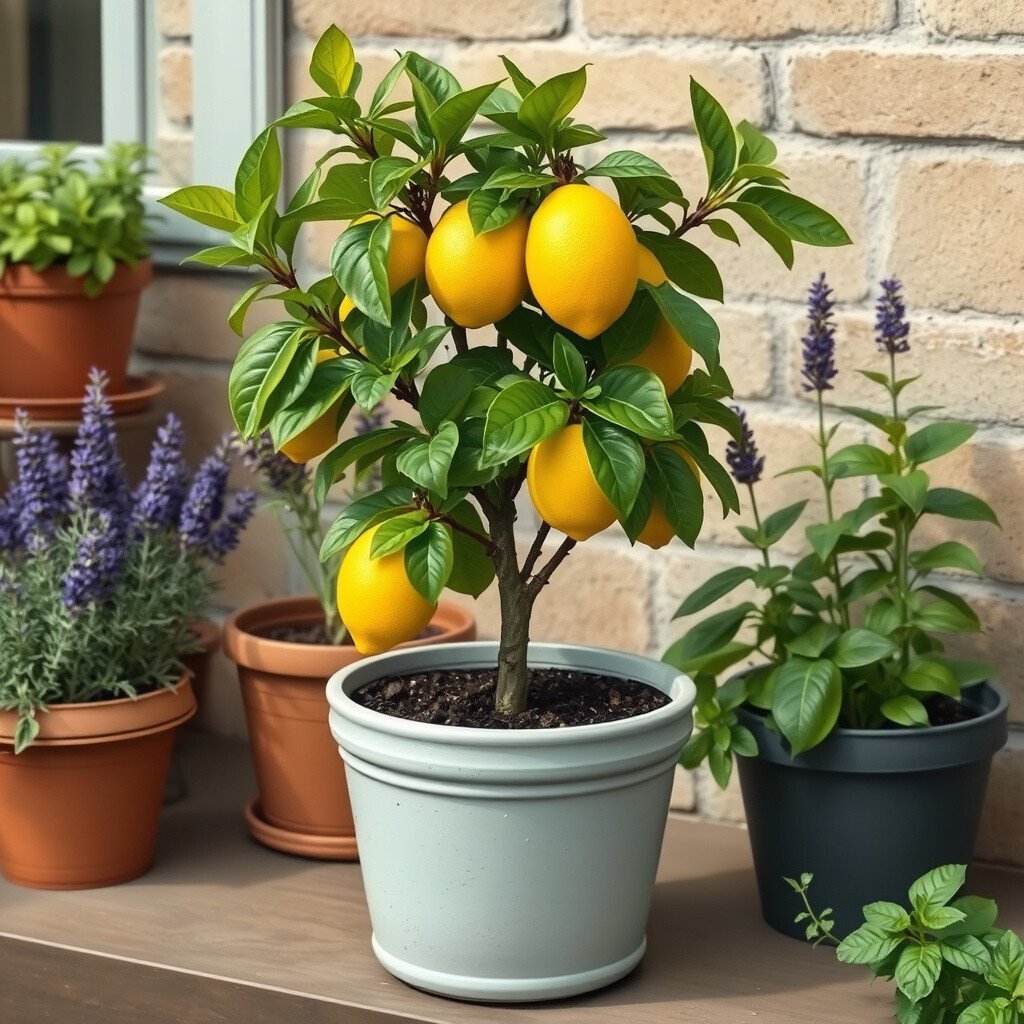
Companion plants can enhance the growth of your lemon tree. Try basil or lavender in nearby pots.
These plants not only look great together but also help deter pests naturally.
Seeds or small plants start at $5, a bargain for a thriving plant community.
10. Decorative Mulching
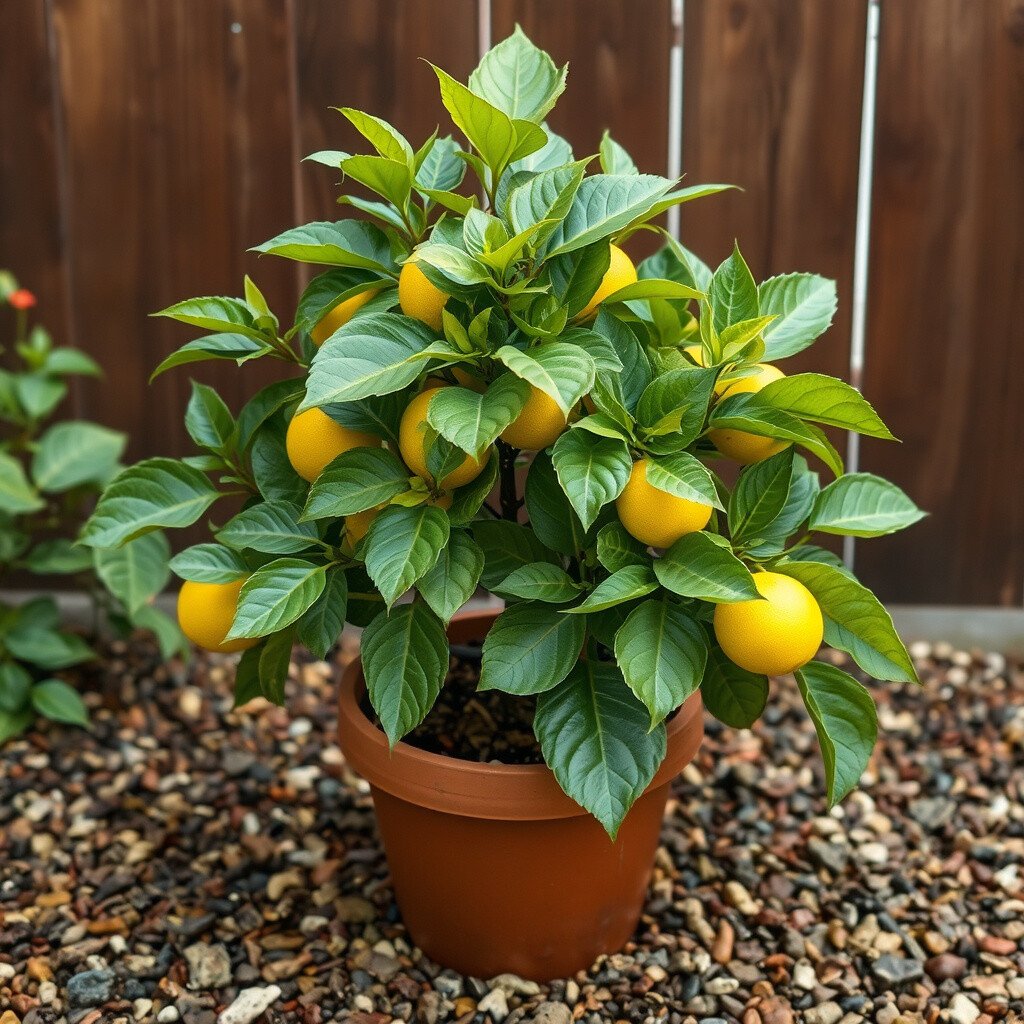
Mulch isn’t just practical; it can be decorative too. Use colored stones or bark to top your pot.
This not only retains moisture but also adds an artistic touch to your pot.
A bag of decorative mulch costs around $10, a small price for beauty and function.
11. Temperature Tactics
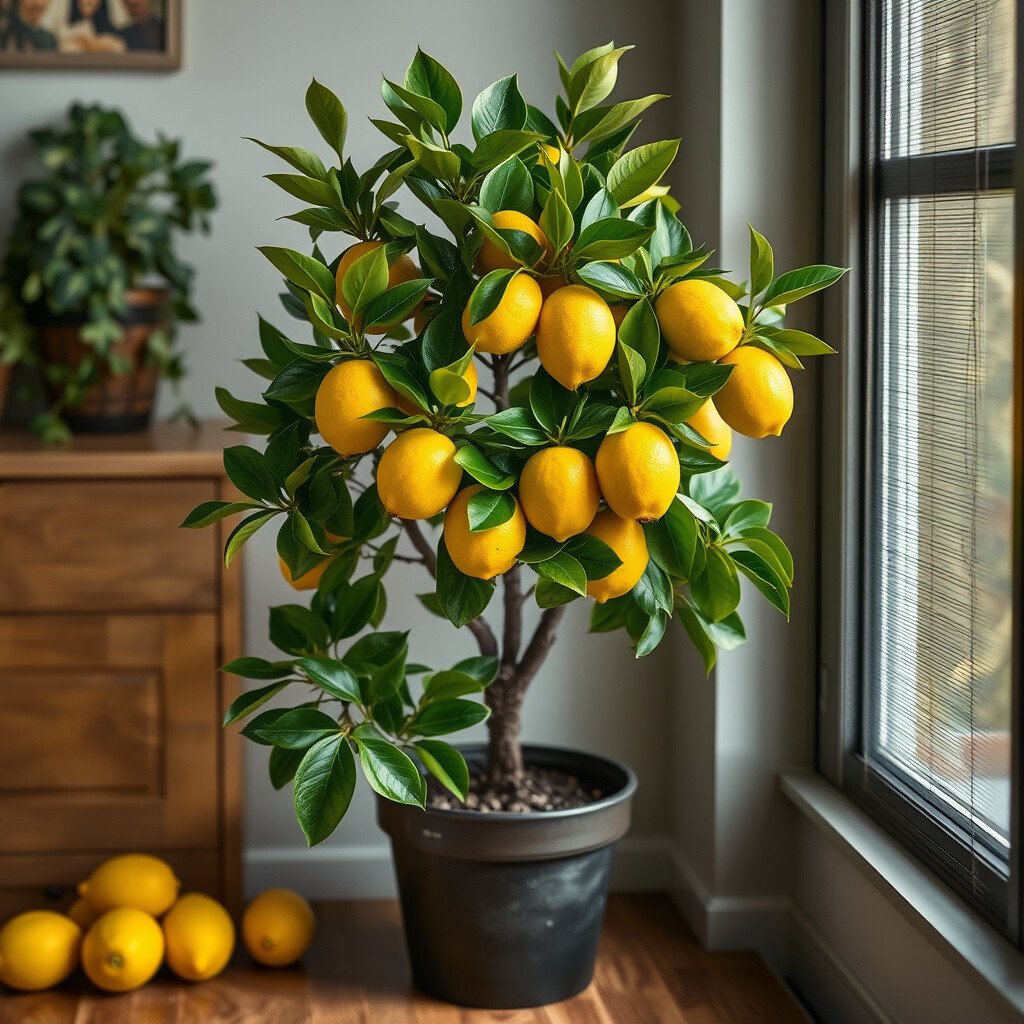
Maintain a stable temperature for optimal growth. Lemon trees prefer it warm but not scorching.
Keep your tree away from drafts or heat sources. A cozy corner is ideal.
This doesn’t require spending, just a little thoughtful placement.
12. Humidity Help
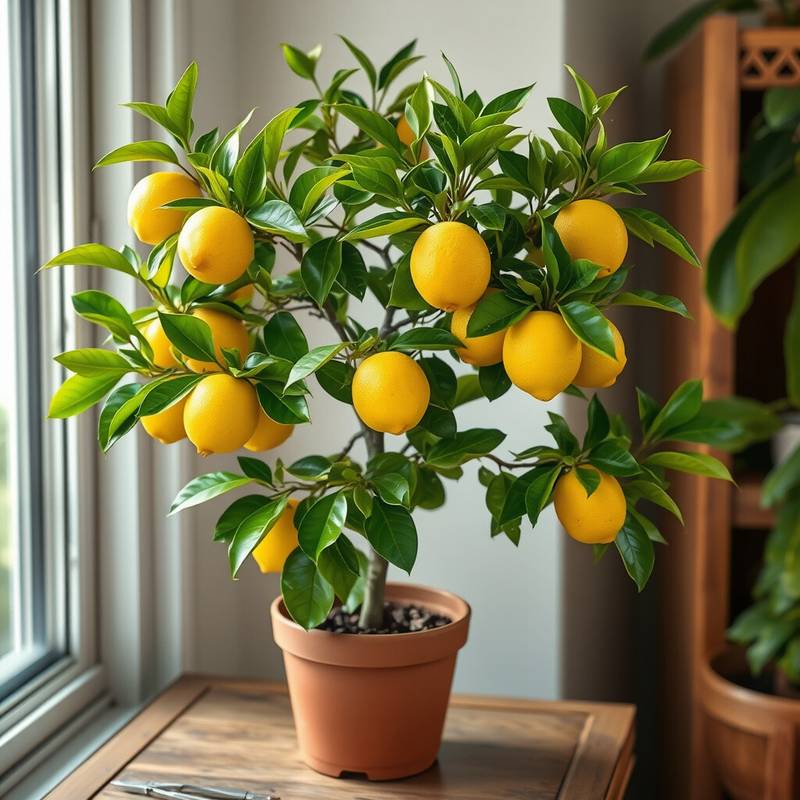
Lemon trees love humidity. If your home is dry, consider a pebble tray or a small humidifier nearby.
It’s like creating a mini-tropical paradise right in your living room.
Humidifiers can be found for $20 and up, a nifty gadget for happy leaves.
13. Creative Styling
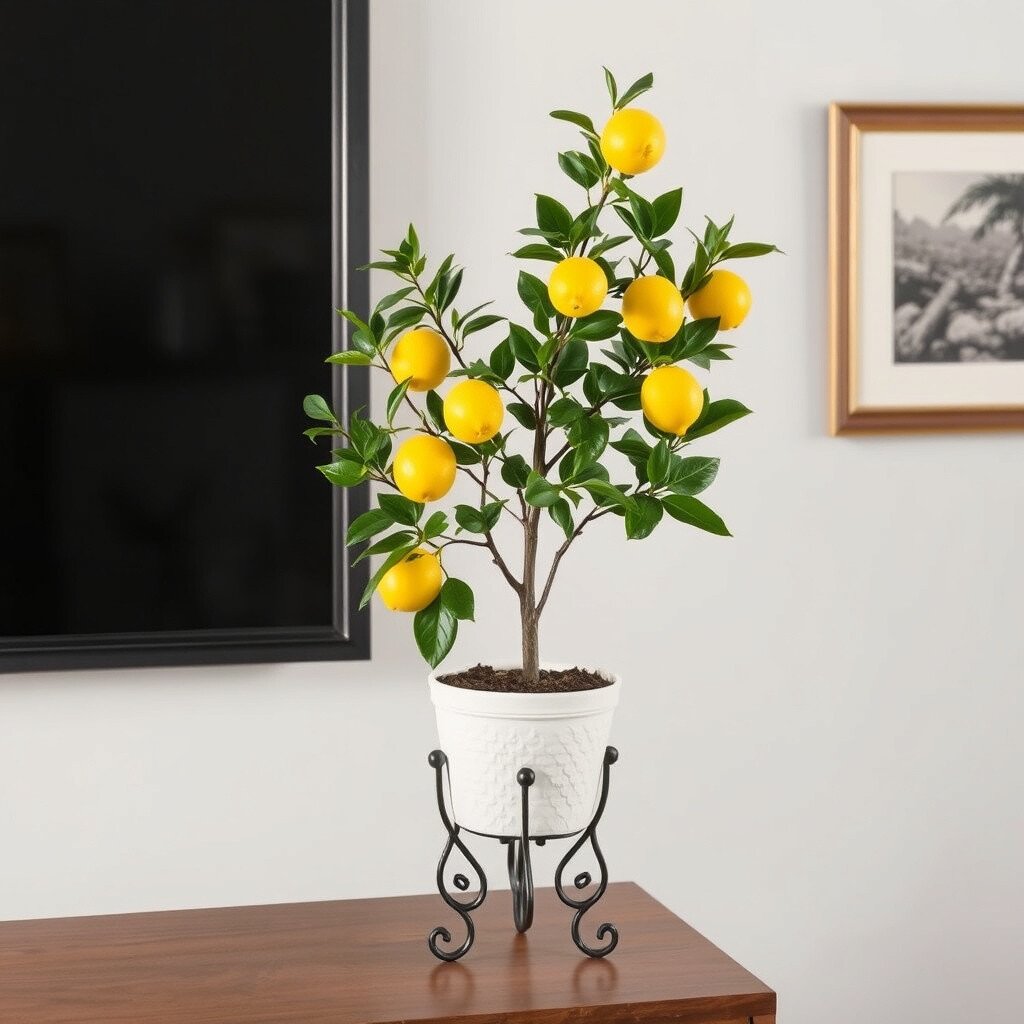
Make your lemon tree a centerpiece. Use a decorative plant stand to elevate it.
This not only showcases your tree but also creates visual interest in your space.
Plant stands range from $15 to $50, depending on style and material.
14. Protective Barriers
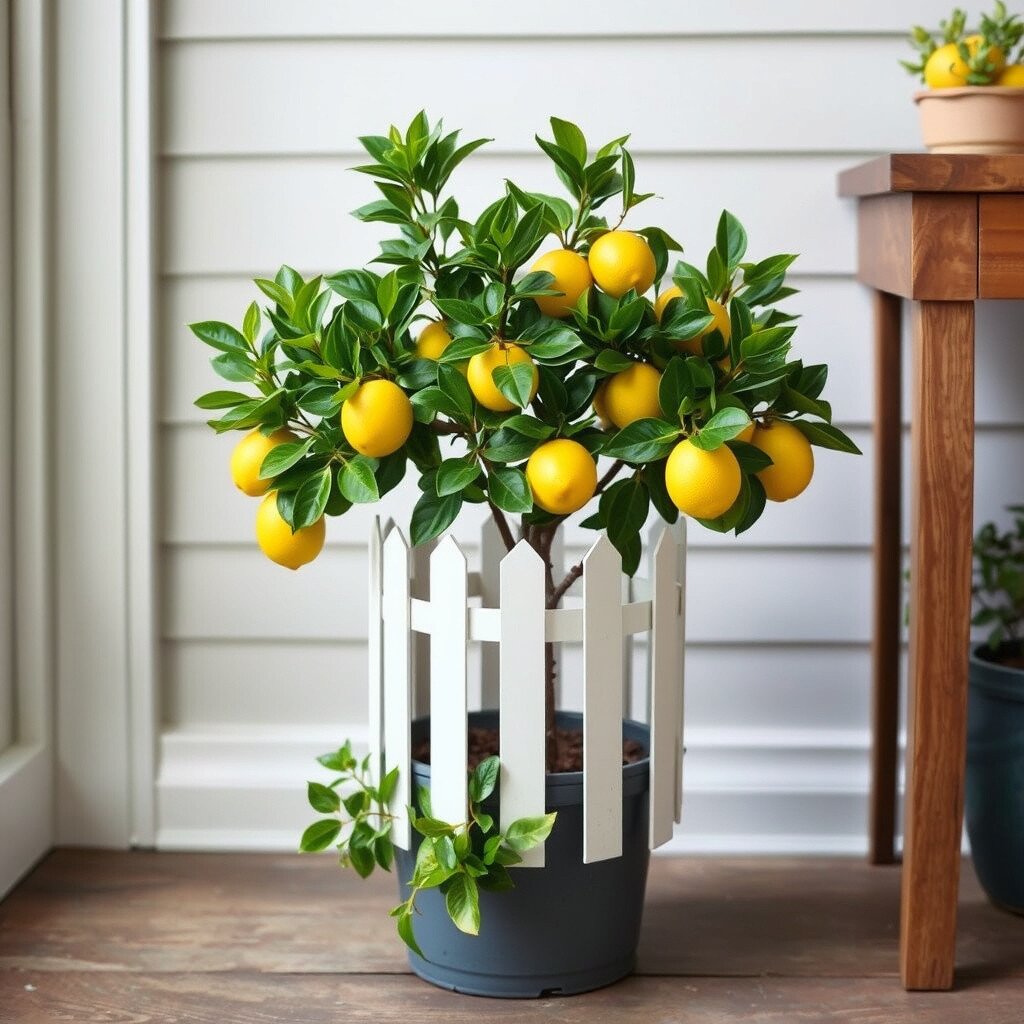
If pets or kids are a concern, consider a decorative fence around your pot. This keeps curious hands (or paws) away.
It’s a practical yet stylish way to protect your investment.
DIY options can be very affordable, starting at $10.
15. Interactive Labels
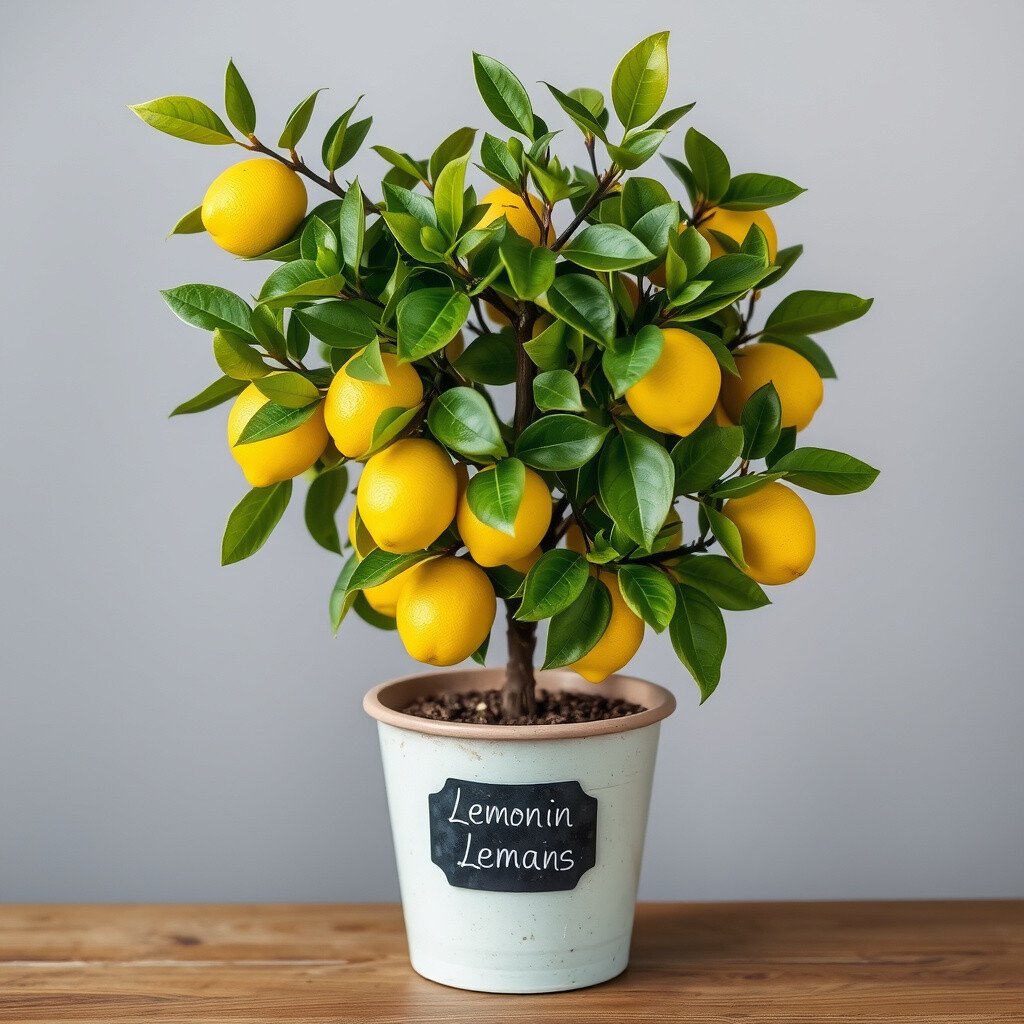
Add labels with care instructions or fun facts about lemon trees. Use chalkboard paint or tags.
This adds an educational element and a personalized touch to your plant care.
Labels and paint can be found for around $5, a simple way to engage and inform.
16. Aromatic Additions
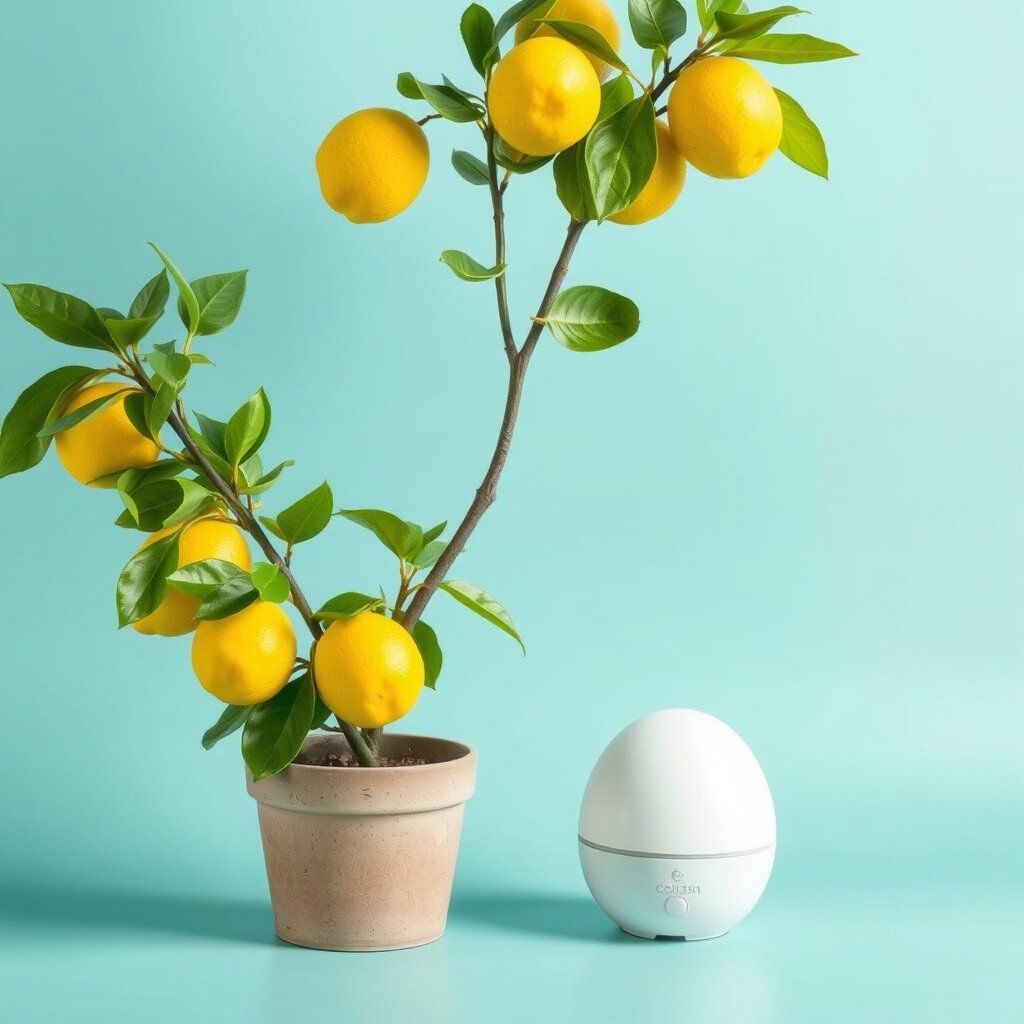
Enhance the lemony scent by placing essential oil diffusers nearby with citrus scents.
This complements the natural aroma and creates a refreshing environment.
Diffusers start at $15, a delightful addition to your scent decor.
17. Growth Journals

Keep a journal of your tree’s growth and changes. Documenting can be fun and informative.
It’s like keeping a plant diary, full of milestones and memories.
All you need is a notebook, which can be as low as $2.
18. Seasonal Decorations
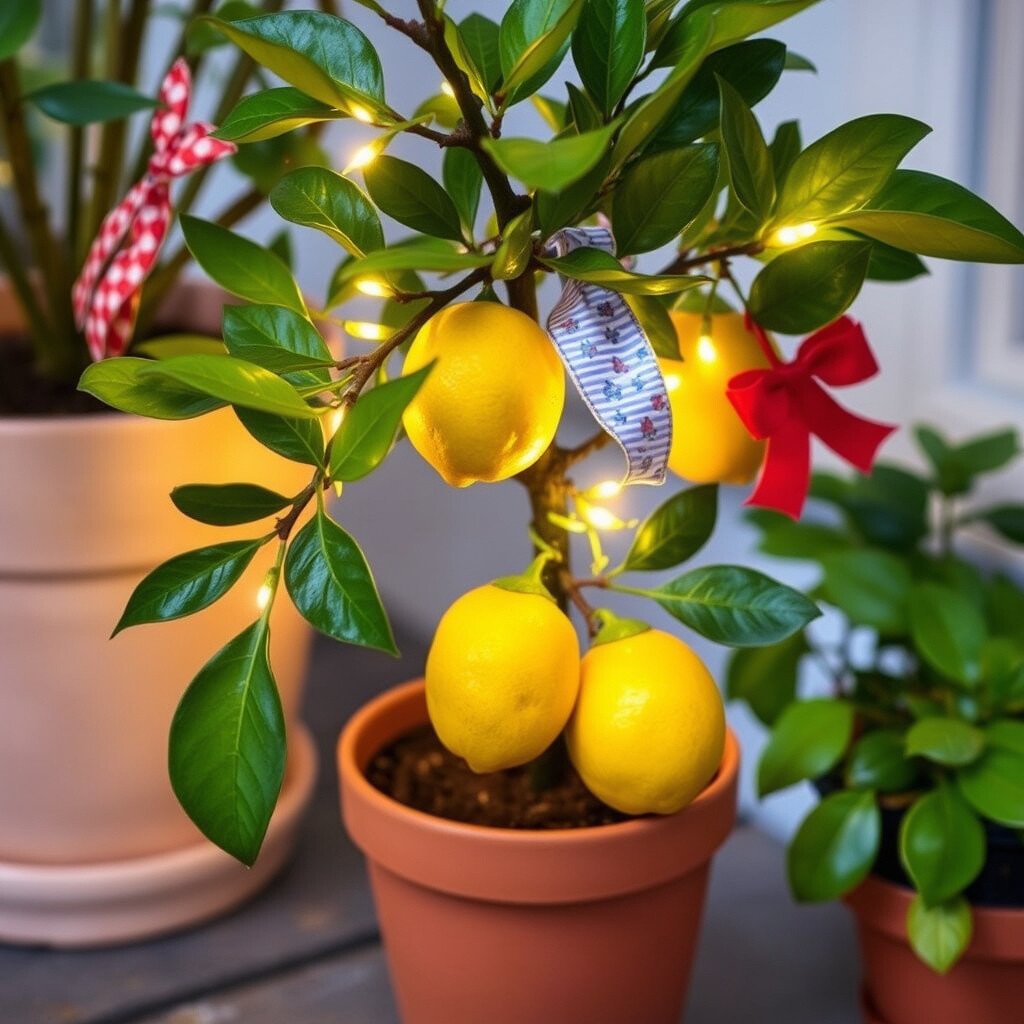
Dress up your pot with seasonal decorations – tiny lights for holidays or themed ribbons.
This keeps your plant area festive and ever-changing, like a mini celebration.
Decorations can be reused, making it a cost-effective way to keep things lively.
19. Sharing and Swapping
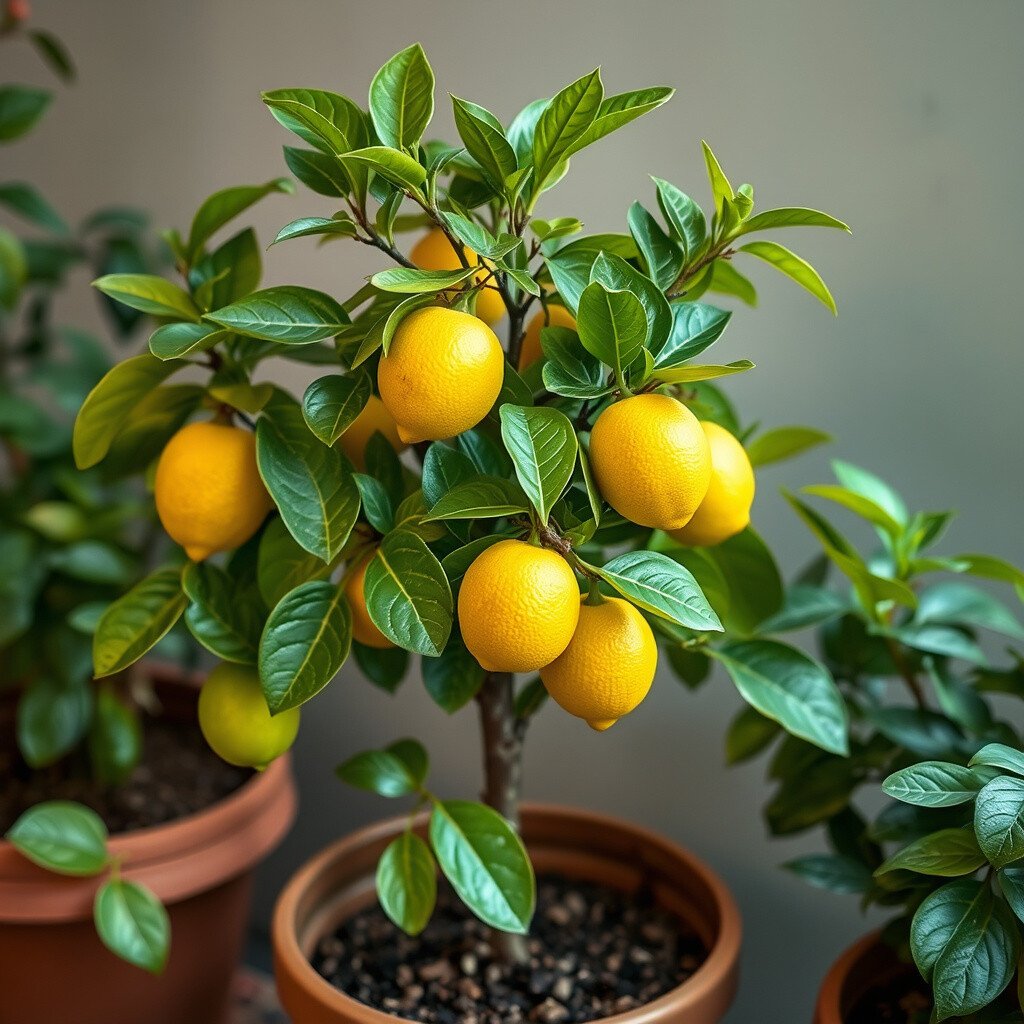
Join plant swaps or communities to exchange tips and even cuttings. It’s a great way to learn and share.
Connecting with fellow plant lovers can be enriching and inspiring.
Most plant swaps are free, a wonderful way to expand your plant family.