Biology at home can be a wondrous adventure with your little ones. These delightful activities will spark curiosity and foster a love for the natural world.
1. Miniature Garden Ecosystem
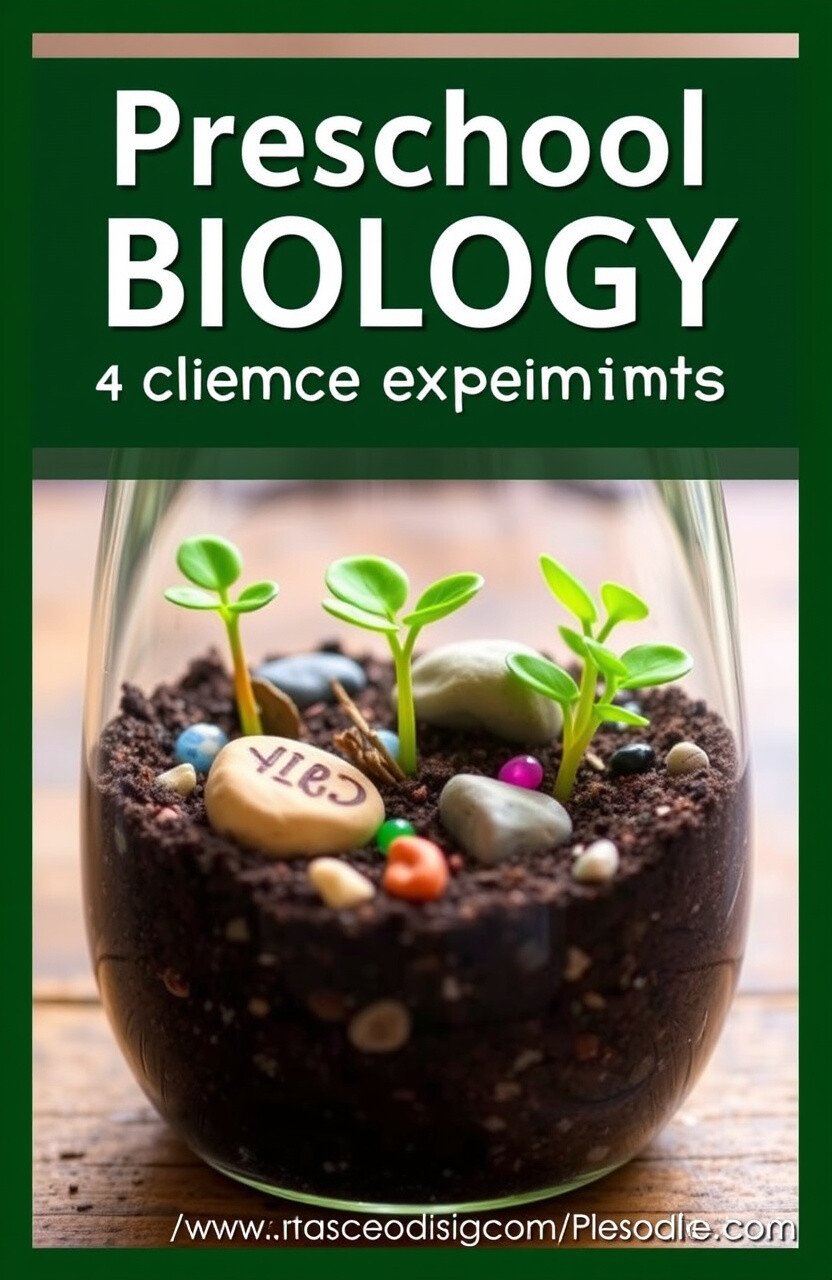
Create a tiny garden in a jar or a small pot, using soil, rocks, and small plants. This little world can help kids understand how plants grow and what they need to thrive.
Personalize it with colorful pebbles or miniature figurines. It’s a beautiful way to teach children about ecosystems, and the best part is watching it grow!
A small investment in plants and soil can result in an enriching experience. It’s like having a piece of nature right in your home!
2. Butterfly Life Cycle Craft
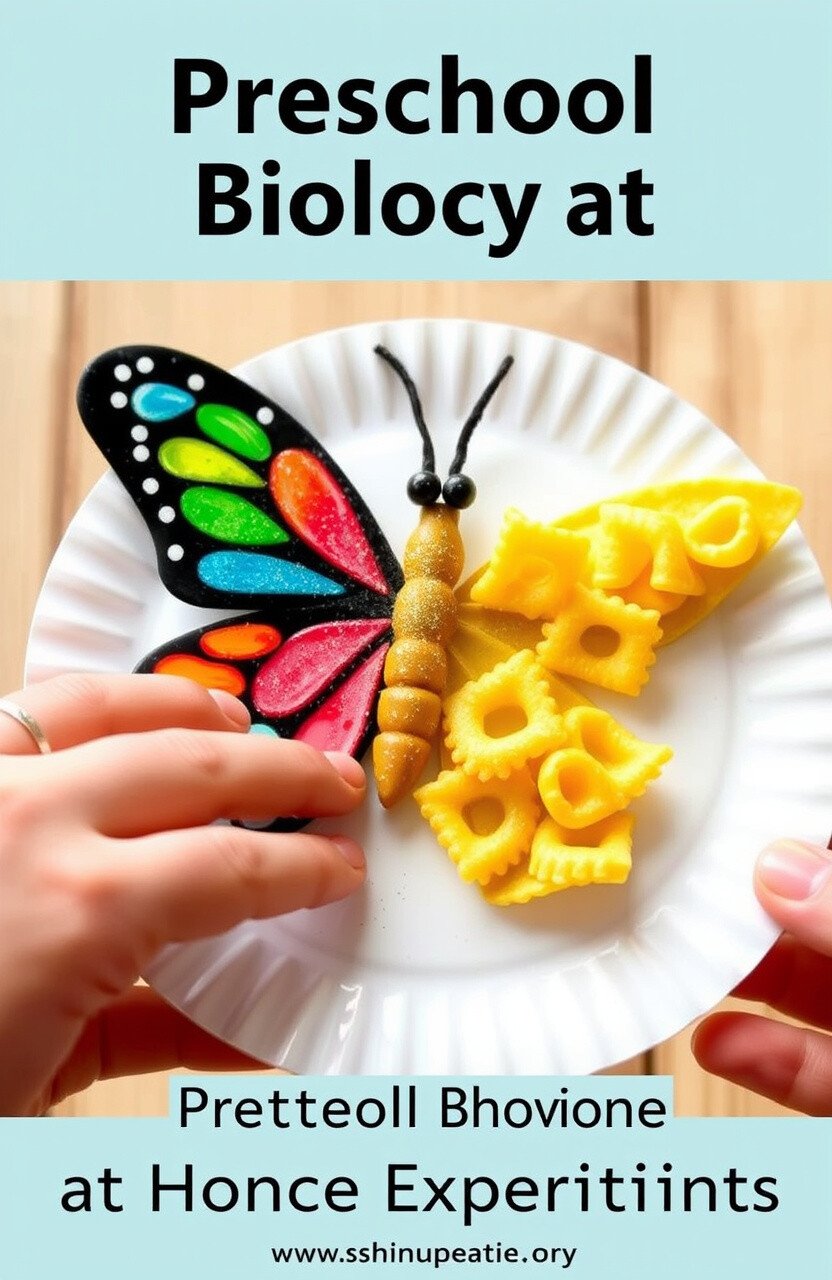
Use pasta shapes to represent different stages of a butterfly’s life cycle. Kids can paint and glue the pasta to a paper plate, turning it into an educational masterpiece.
This activity is both fun and educational, showing the transformation from caterpillar to butterfly. Add some glitter for a magical touch!
Inexpensive and creative, this craft is a trendy way to bring biology to life in your living room.
3. Ocean in a Bottle

Combine water, oil, and blue food coloring in a bottle to create a mesmerizing ocean effect. This simple activity is perfect for demonstrating how oil and water don’t mix.
Shake it up and watch the waves form! Kids will be fascinated by the calming motion and beautiful colors.
With just a few household items, you can create an engaging and visually stunning project.
4. Leaf Printing
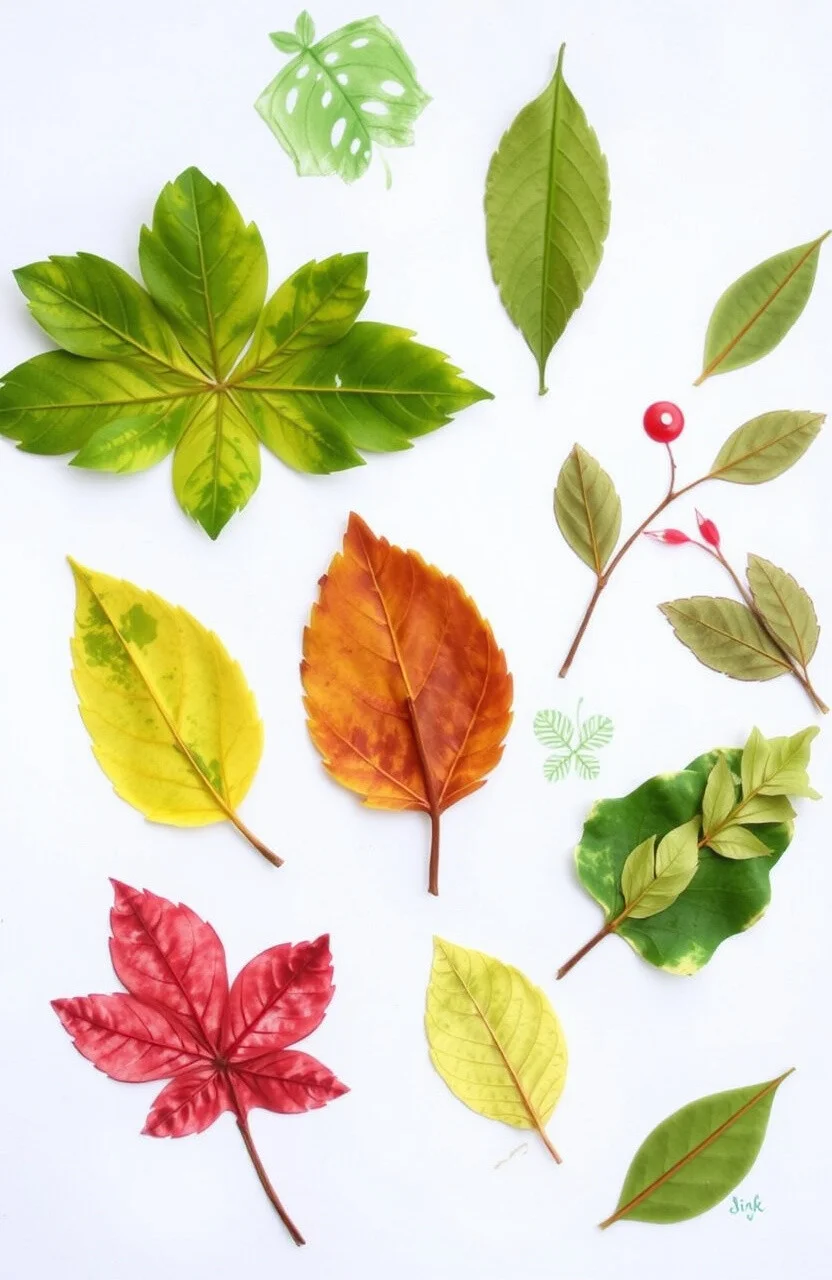
Gather leaves from outside and use them to create prints on paper with paints. Each leaf leaves a unique pattern, showcasing the beauty of nature.
It’s a tactile way to explore different leaf shapes and textures. Plus, kids love getting their hands a little messy with paint!
This art project is practically free and provides a wonderful opportunity for creativity and learning.
5. Eggshell Seed Starters
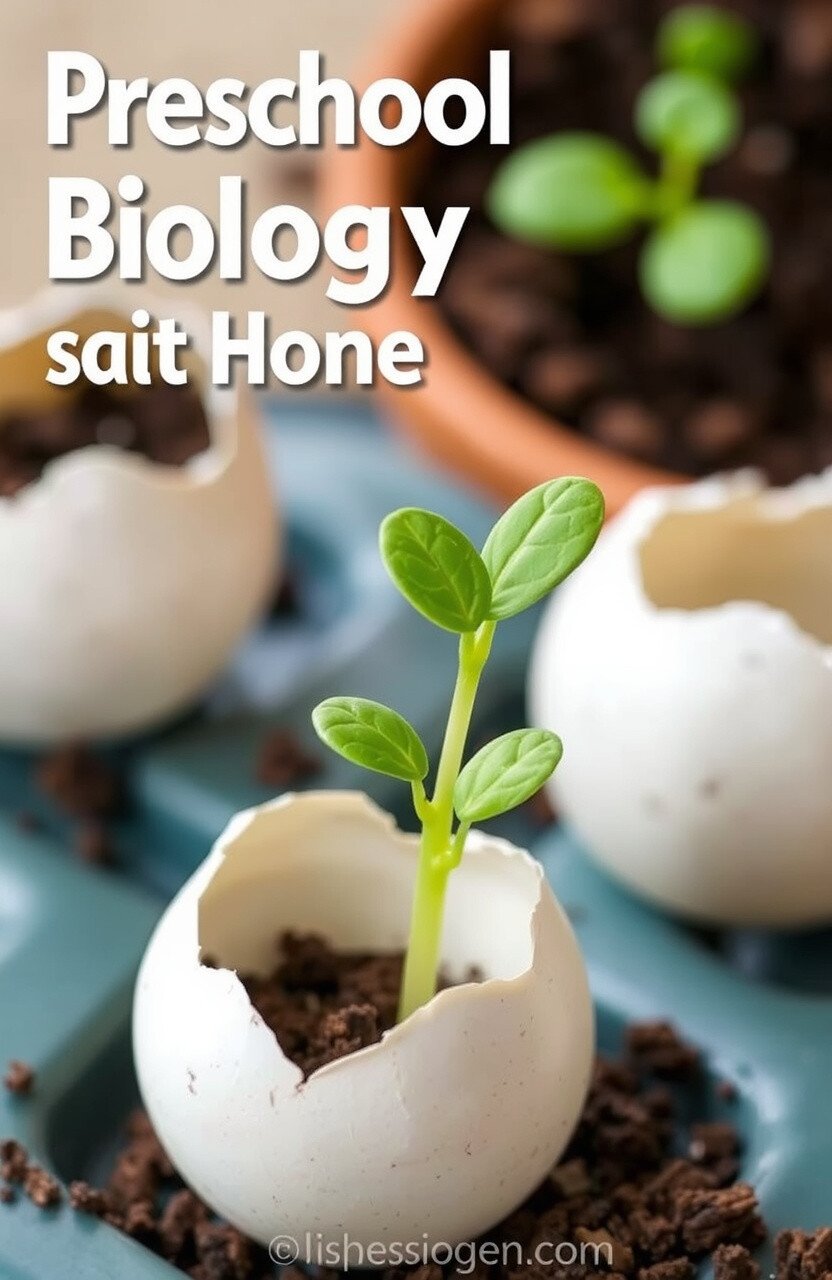
Use empty eggshells as tiny pots to start growing seeds. Paint the shells for added fun and plant them in soil once the seedlings are ready.
Watch as your mini garden begins to sprout! It’s a neat way to teach kids about plant growth and recycling.
This project is cost-effective and adds a personal touch to learning about biology.
6. Rainbow Celery Experiment
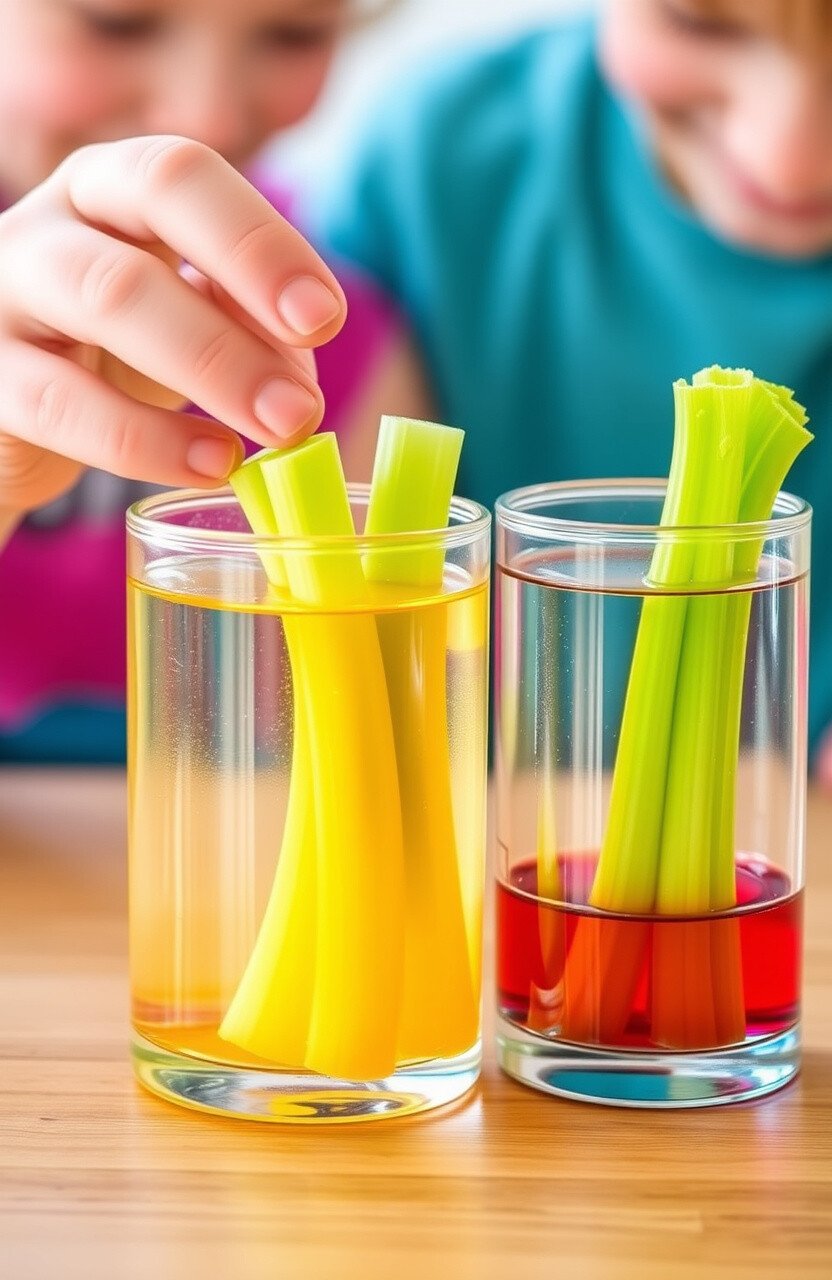
Place celery stalks in colored water and watch them change color over a few days. It’s a fascinating demonstration of how plants absorb water.
Your kids will be amazed at the vibrant colors that appear, making this experiment both fun and educational.
With just some food coloring and celery, you have an exciting activity that doesn’t break the bank.
7. Homemade Fossils
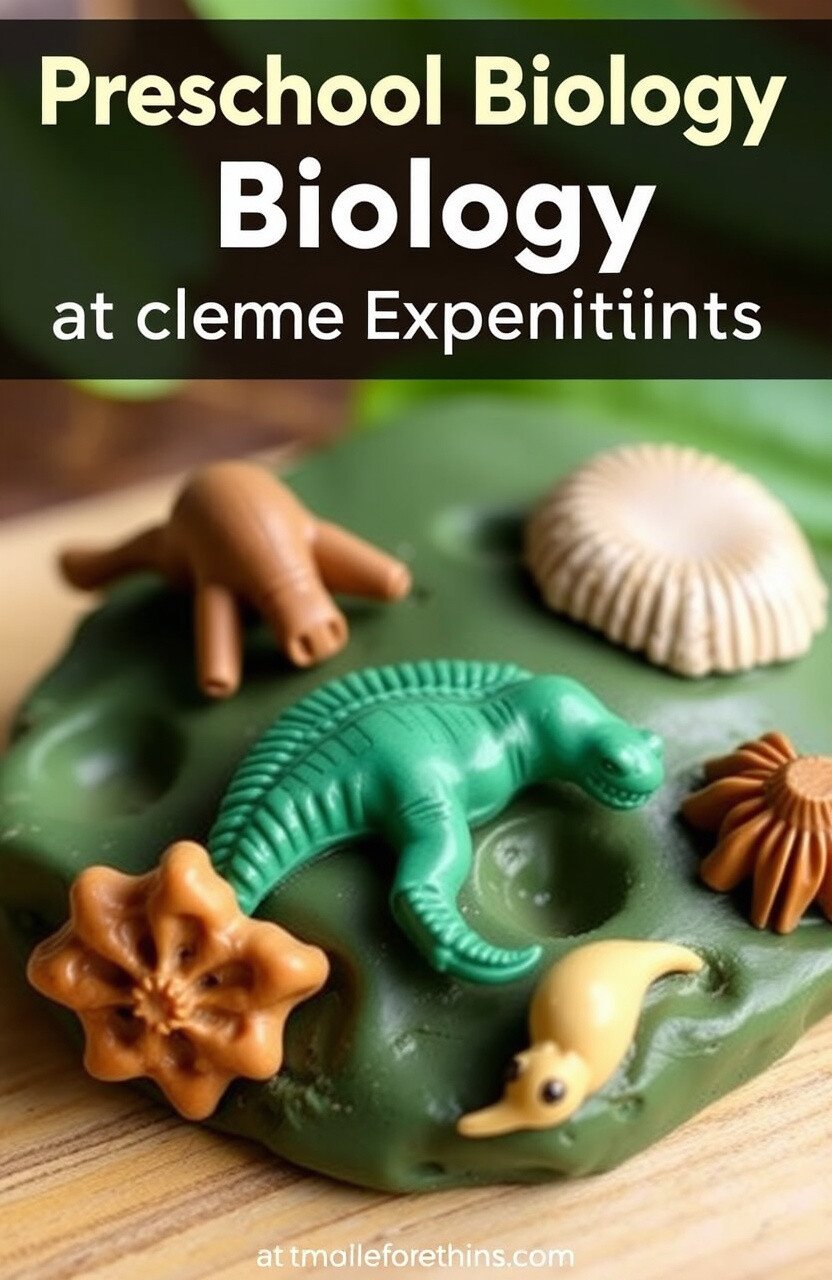
Create fossils using clay and small toys or shells. Press them into the clay, let it dry, and paint for a realistic finish.
This activity is a great introduction to paleontology and helps kids understand how fossils are formed.
It’s a creative project that allows for personalization and is perfect for little archaeologists in the making!
8. Nature Collage

Go on a nature walk and collect leaves, flowers, and twigs. Use these to create a stunning collage on paper.
This hands-on activity connects kids with the natural world and encourages them to see art in everyday objects.
It’s a budget-friendly project that results in a beautiful keepsake full of personalized charm.
9. DIY Bird Feeder
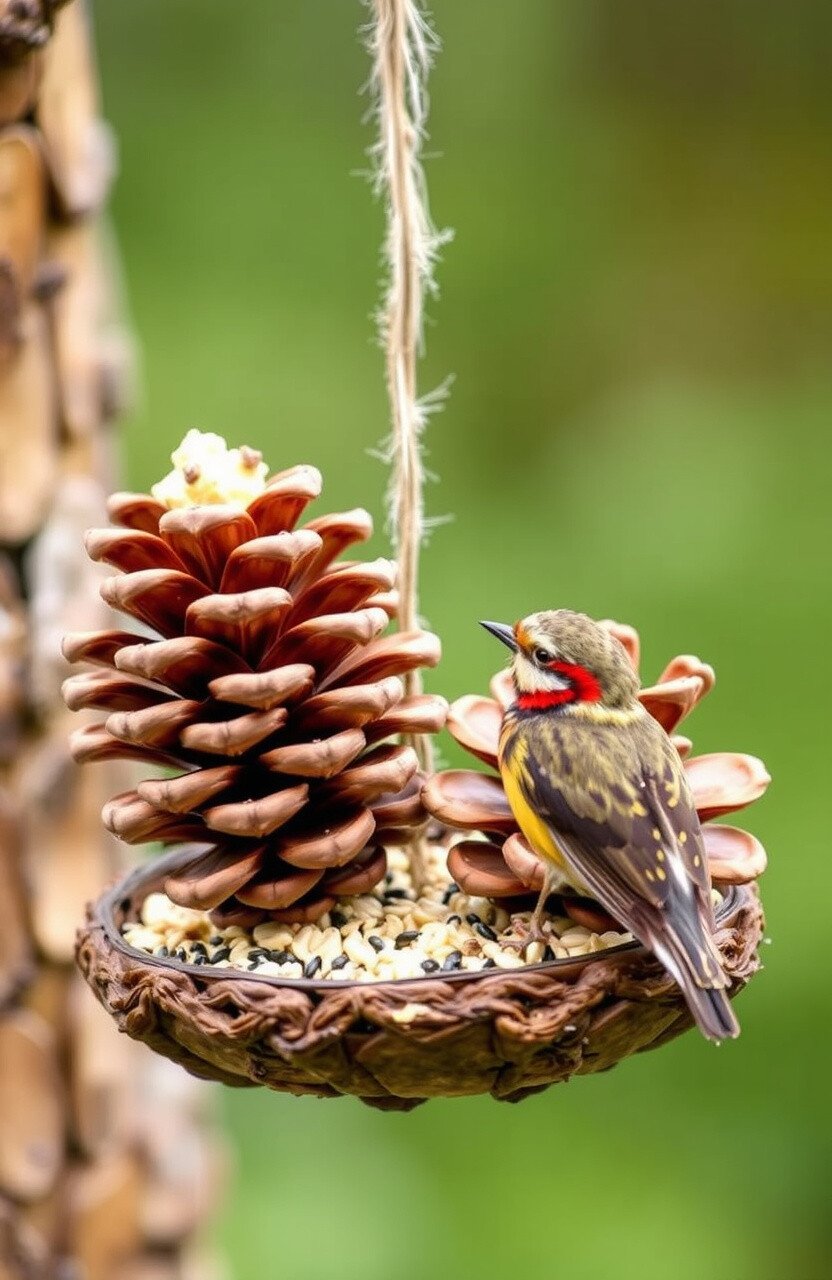
Make a simple bird feeder using pine cones, peanut butter, and birdseed. Hang it outside and watch the birds come!
Kids love seeing different bird species visit their creations, making it a rewarding experience.
With minimal cost, you can create a project that brings nature closer to home.
10. Worm Farm
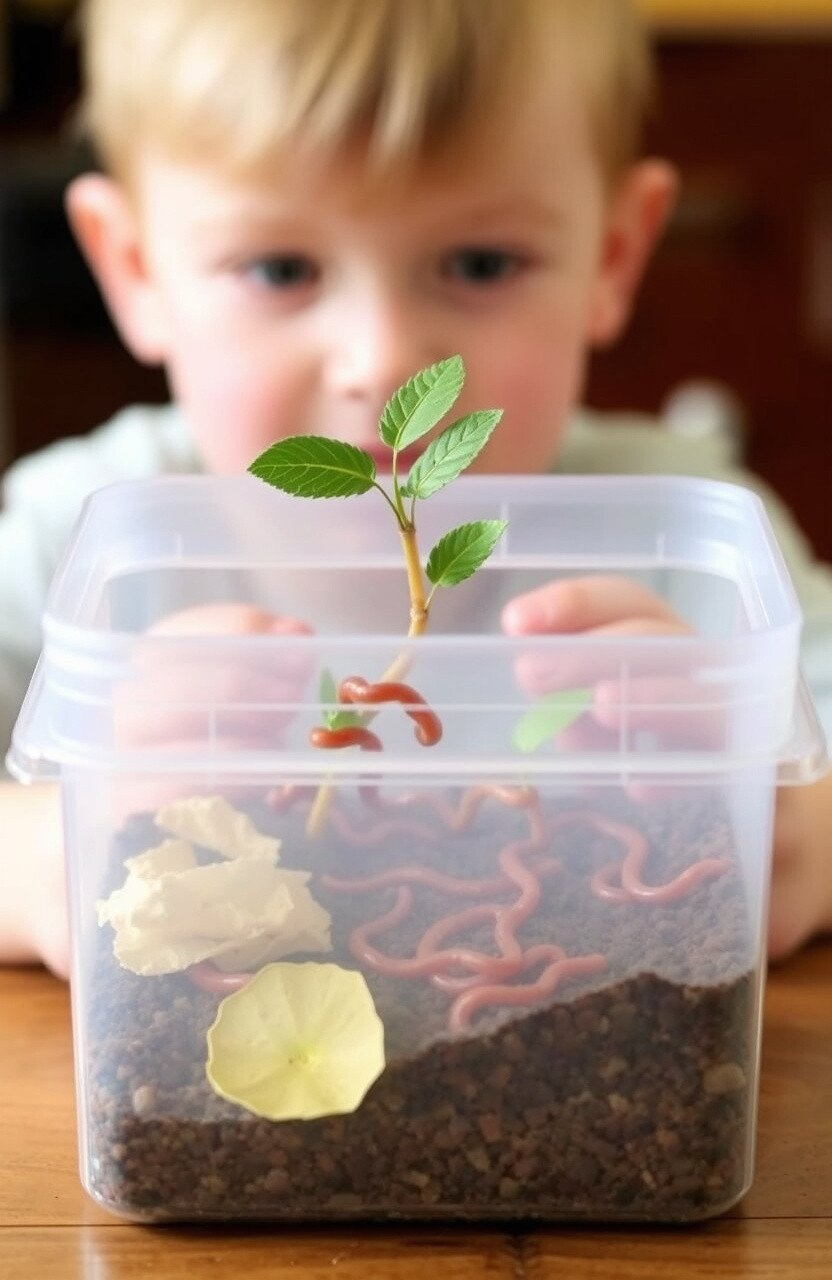
Create a small worm habitat using a plastic container, soil, and kitchen scraps. It’s a great way to teach kids about decomposition and recycling.
Watch the worms work their magic as they turn waste into nutrient-rich soil. This project is both educational and environmentally friendly!
With simple materials, you can foster a deeper understanding of biology and earth sciences.
11. Color-Changing Flowers
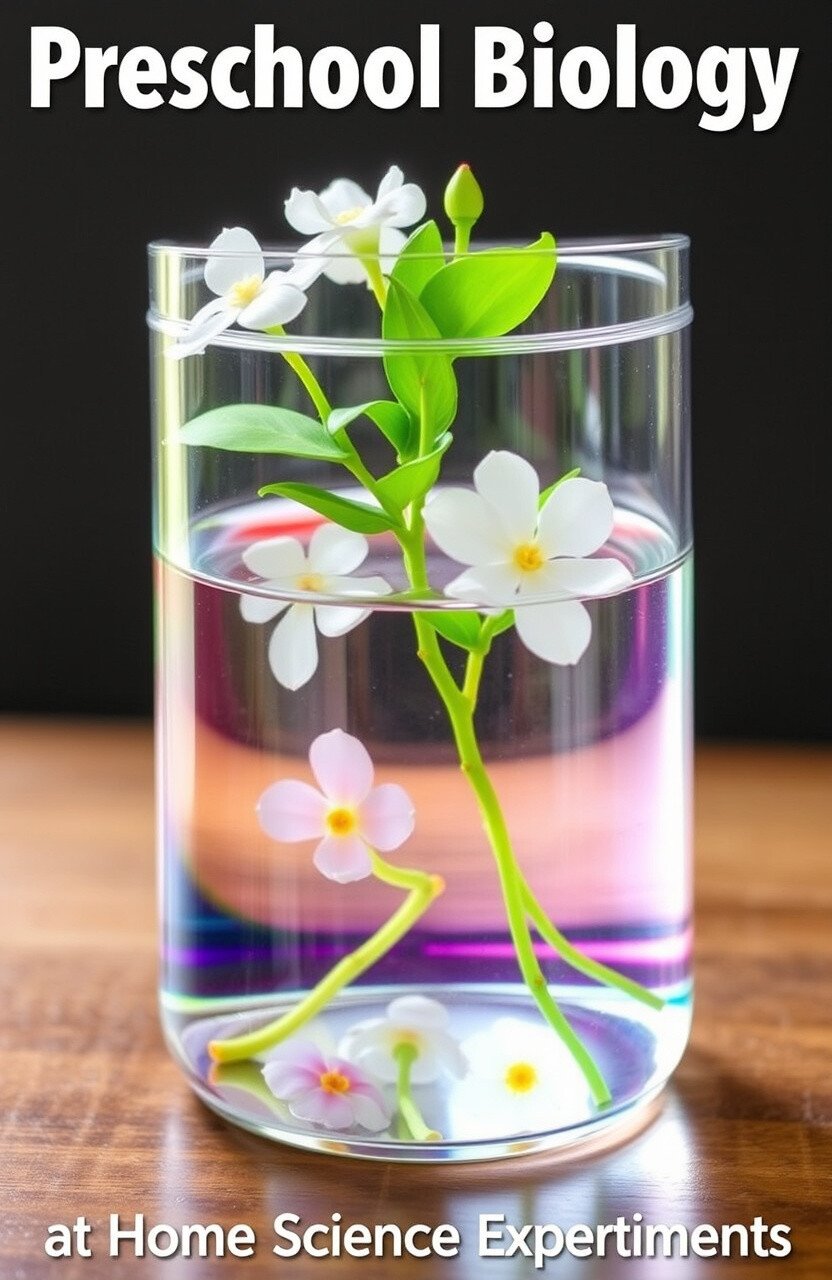
Place white flowers in colored water and observe how they change color over time. It’s a magical way to learn about plant biology.
This experiment is visually stunning and provides instant gratification as colors appear.
Affordable and easy, this activity is sure to captivate young minds.
12. Potato Battery
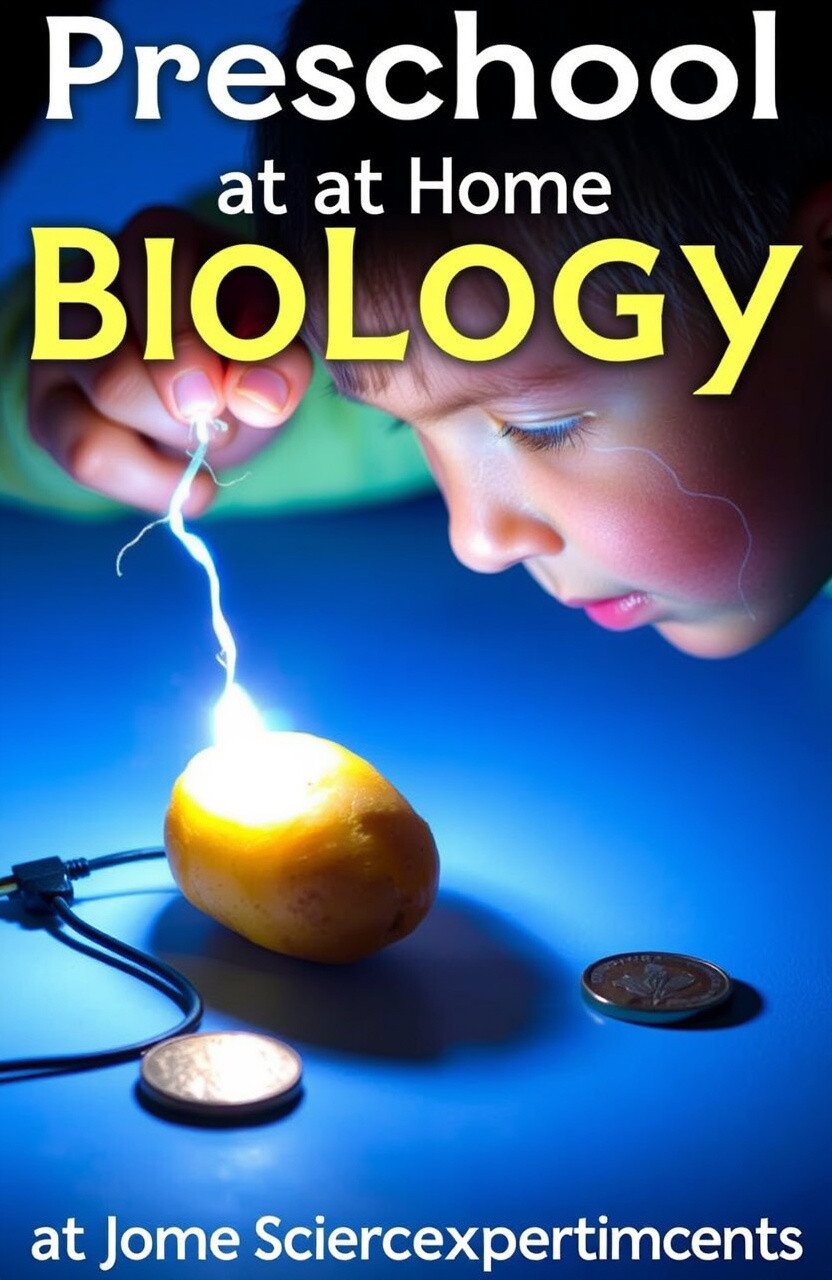
Use potatoes, copper coins, and zinc nails to create a simple battery. It’s an exciting way to explore the basics of electricity.
Kids will be amazed at how a potato can power a small LED light! This project combines science with a touch of magic.
This low-cost experiment is a fun introduction to the world of energy and circuits.
13. Insect Hotel
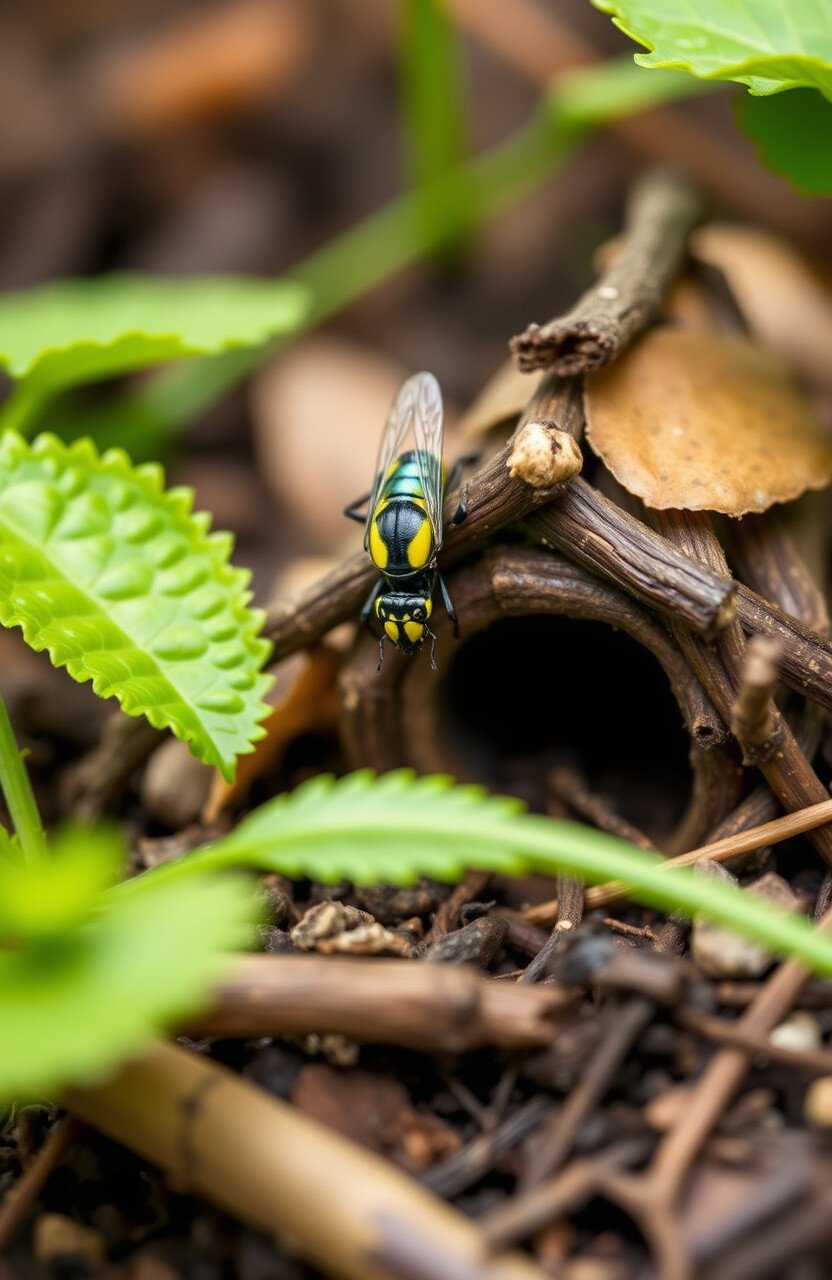
Build a cozy home for insects using sticks, leaves, and recycled materials. It’s a great way to learn about different insect habitats.
Place it in the garden and watch as insects move in. This project encourages kids to care for and understand the importance of insects in our ecosystem.
With creativity and a few materials, you can create a thriving habitat that supports biodiversity.
14. Floating Egg Experiment
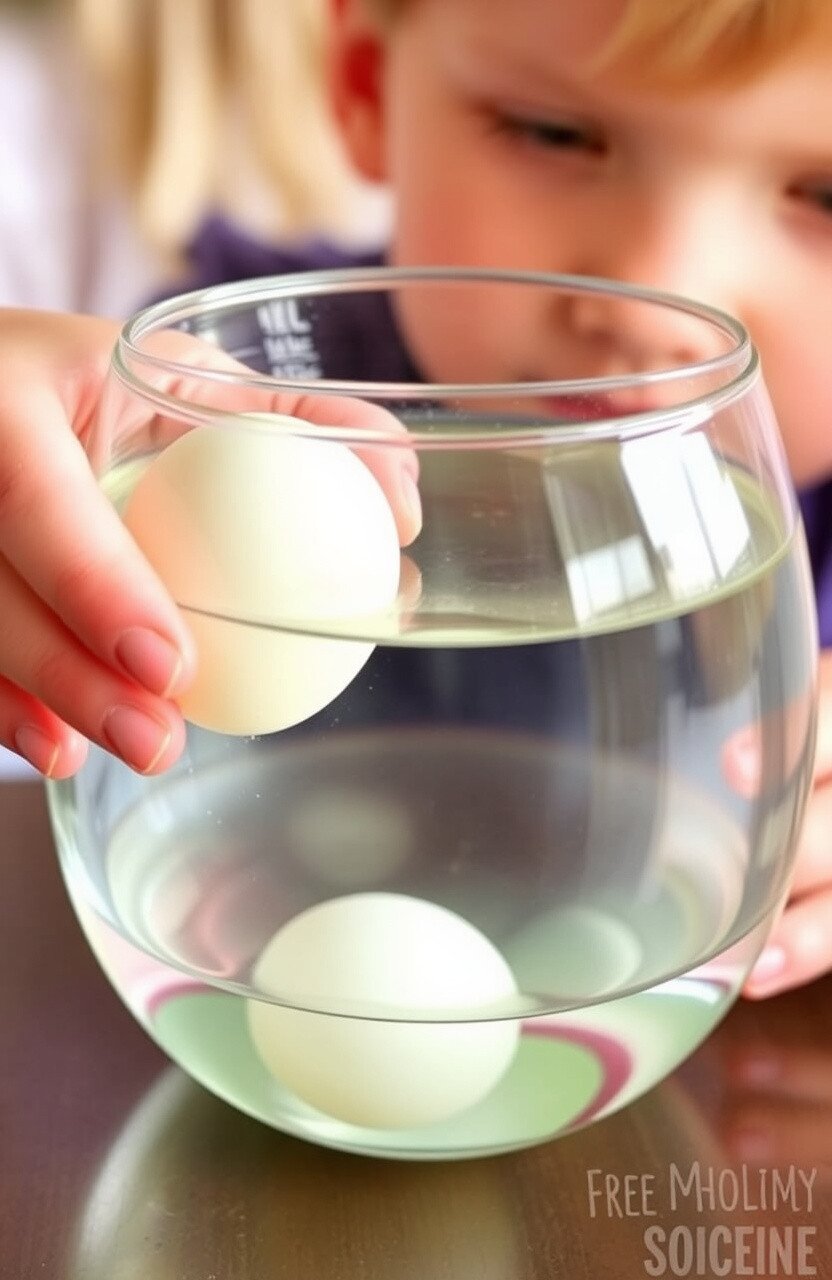
Discover the science of buoyancy by placing eggs in water with varying salt levels. It’s a fun way to learn about density and flotation.
Kids will love predicting whether the egg will sink or float and seeing the results of their experiments.
Using common kitchen ingredients, this activity is a simple and effective way to engage young scientists.
15. Growing Crystals
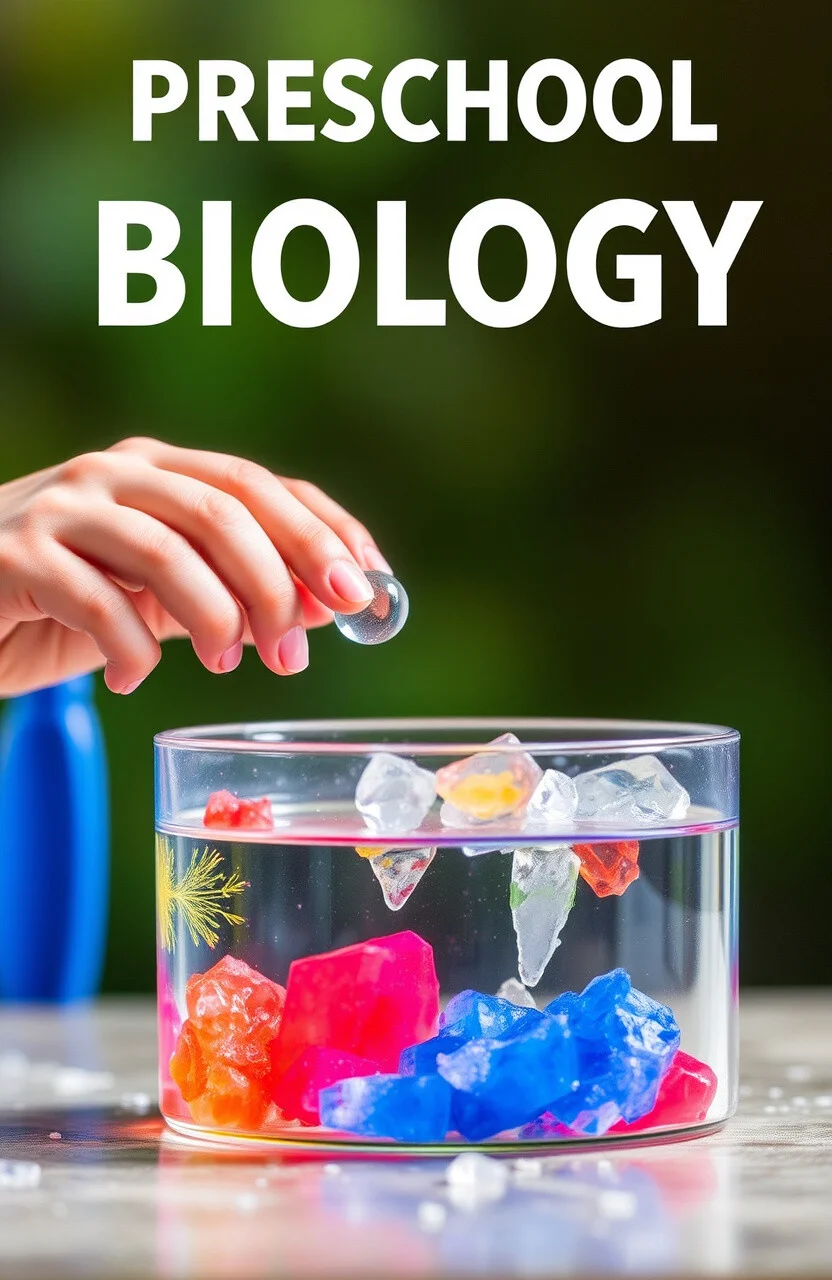
Make your own crystals using sugar, water, and food coloring. It’s a magical process that reveals the beauty of crystallization.
Kids can watch as their creations grow over time, resulting in stunning crystal formations.
With basic supplies, you can create an enchanting experience that blends science and art.
16. Dinosaur Dig
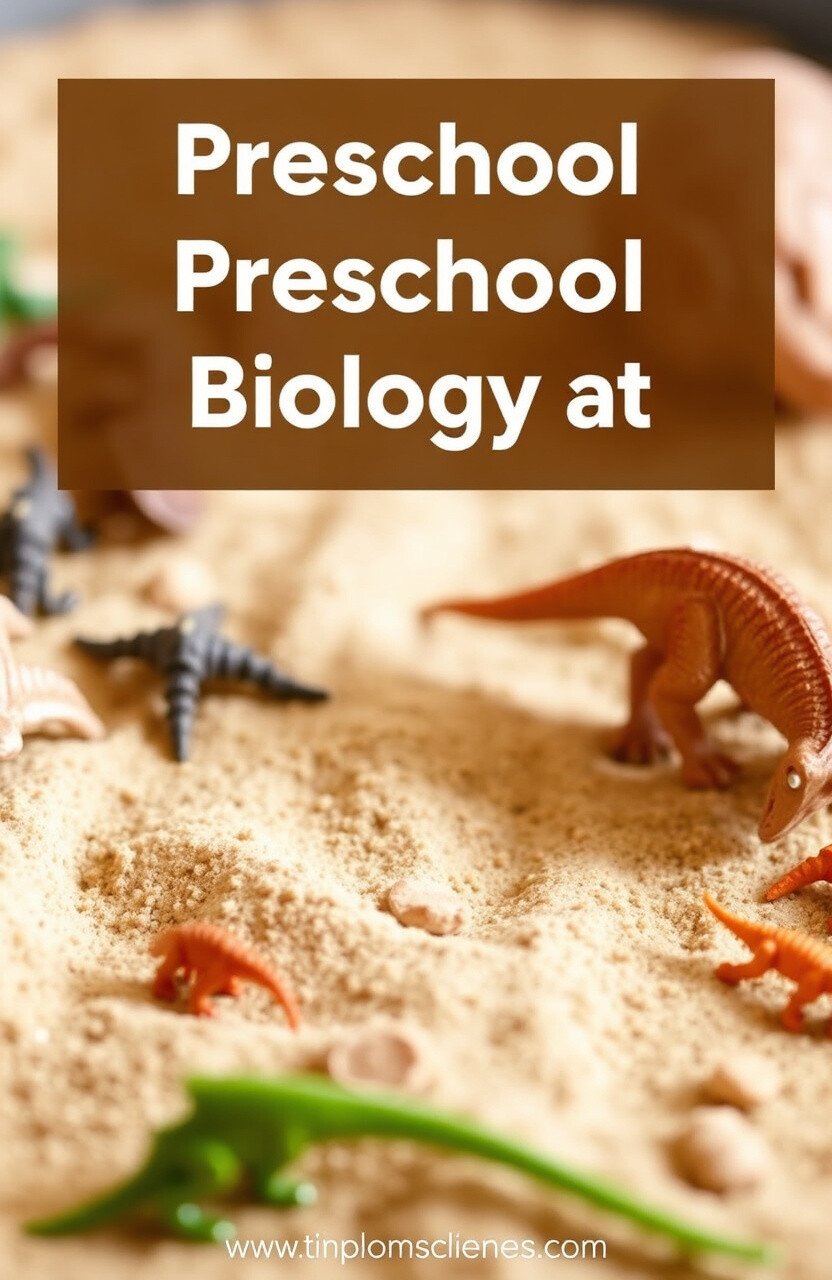
Set up a dinosaur excavation site using sand and toy dinosaur bones. This imaginative play encourages exploration and discovery.
Kids can pretend to be paleontologists, digging up fossils and learning about ancient creatures.
This activity is affordable and easy to set up, providing hours of fun and learning for little adventurers.