
Unleash the magic of biology with your preschoolers as you step into the enchanting world of tiny critters, vibrant plants, and mysterious growth. This adventure will bring the wonders of nature right to your fingertips, sparking curiosity and joy.
1. Rainbow Celery Stalks

Turn celery into a colorful wonder with just food coloring and water. Watch as the vibrant hues travel up the stalk, creating a rainbow effect. It’s like a magic trick right before your eyes!
This experiment is a fantastic way to teach children about how plants absorb water. Plus, the colorful results are simply delightful. All you need is celery, water, and a few drops of food coloring—an affordable and memorable science activity.
2. Eggshell Seed Starters

Use empty eggshells as little planters for seeds. It’s a fun, eco-friendly way to see seeds sprout and grow. You can even decorate the shells for an extra touch of creativity!
Kids will love planting and nurturing their seeds. It’s a gentle introduction to responsibility and patience. This project is unique because it combines recycling with gardening, making it both cheap and sustainable.
3. Dancing Raisins

Turn a simple glass of soda into a stage for dancing raisins. The carbonation in the soda makes raisins bob up and down, creating a mesmerizing dance.
This experiment is all about buoyancy and gas. It’s inexpensive and needs just soda and raisins. Kids are sure to giggle at the sight of raisins bouncing up and down in the glass.
4. Homemade Fossils

Create fossils using dough and small objects like leaves or toy dinosaurs. Press them into the dough and let them dry for a cool keepsake.
This hands-on activity teaches kids about how fossils are formed. It’s a fun way to connect with ancient history using materials you probably already have at home.
5. Leaf Rubbing Art

Gather leaves and place a sheet of paper over them. Use crayons to rub over the paper, and watch the leaf’s texture appear like magic.
This artistic experiment helps children appreciate the intricate details of different leaves. It’s a colorful, tactile experience that blends art with nature exploration.
6. Mini Volcano Eruption
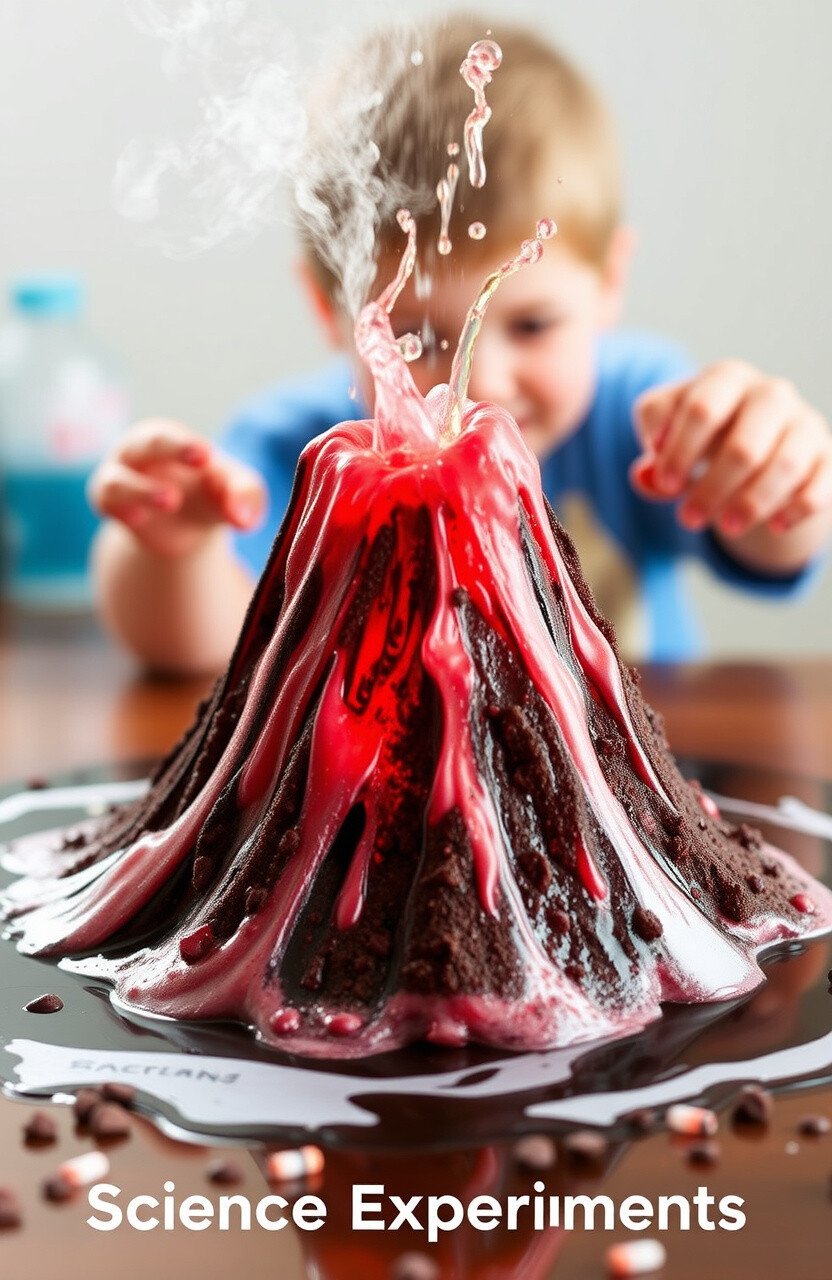
Create a volcano using baking soda, vinegar, and a bit of dish soap. Watch it bubble and fizz like a real volcano!
Children will be thrilled by the chemical reaction. This experiment is safe, exciting, and provides a dramatic visual display. Plus, it’s a great introduction to basic chemistry.
7. Sunlight and Shadow Study

Trace shadows at different times of the day to see how they change. Use chalk on a sunny day for best results.
This experiment explores the Earth’s rotation and how sunlight affects shadows. It’s a simple, zero-cost activity that encourages outdoor play and observation.
8. Nature Suncatchers
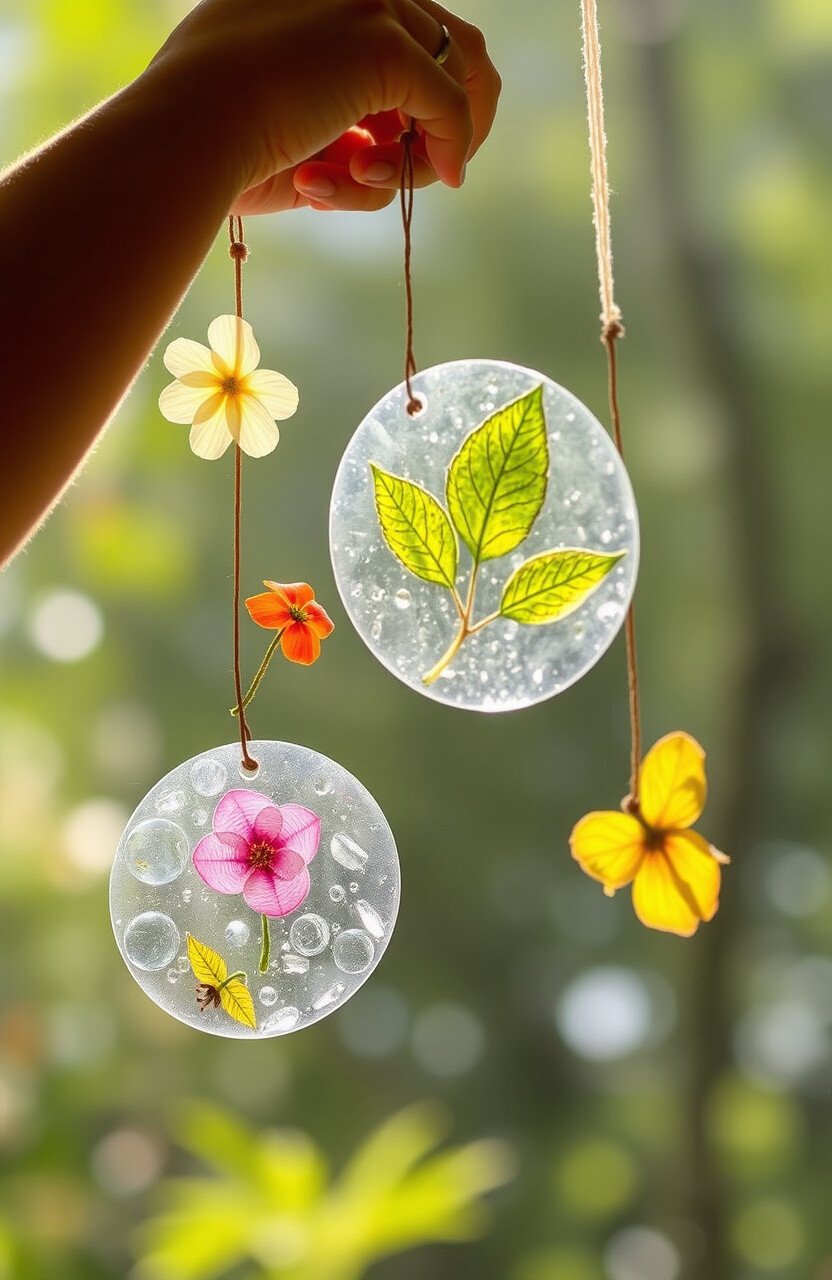
Collect flowers, leaves, and other natural items to press in clear contact paper. Hang them in a sunny window to catch the light.
These suncatchers bring the beauty of nature indoors. They’re a lovely way to preserve seasonal treasures and make for charming decorations.
9. Bug Hotel Construction

Build a small bug hotel using twigs, leaves, and other natural materials. Observe the tiny guests that come to stay.
This project encourages children to respect and appreciate insects. It’s a creative use of garden debris and fosters an understanding of ecosystems.
10. Ice Excavation

Freeze small toys or natural items in an ice block. Use salt and warm water to excavate them, like a real-life archaeologist!
Kids will love the challenge of freeing their treasures. This activity is perfect for hot days and teaches about states of matter and melting.
11. Colorful Carnations

Place white carnations in colored water to see them change color. It’s a simple yet stunning transformation.
This experiment demonstrates capillary action in plants. It’s visually striking and allows kids to play with color mixing.
12. Mud Pie Kitchen

Set up an outdoor kitchen with mud, leaves, and stones as ingredients. Encourage imaginative play and “cooking.”
This is the ultimate sensory experience. Kids can experiment with textures and smells while engaging in creative play. It’s free and wonderfully messy!
13. Snail Racing

Find some snails and create a racecourse using chalk. See which snail is the fastest in a friendly competition!
This quirky activity is a fun way to observe animal behavior. Kids will learn patience and empathy for these slow-moving creatures.
14. Cloud Observation Journal

Lie back and watch the clouds drift by. Draw what you see and create a cloud journal full of imaginative shapes.
This is a peaceful, meditative activity that encourages creativity. It’s a lovely way to spend a quiet afternoon and costs nothing at all.
15. Worm Farm Adventure

Create a worm farm in a clear container. Use soil, leaves, and food scraps to see how worms improve the earth.
Children will be fascinated by the worms’ wriggly movements. This experiment teaches about decomposition and recycling in nature.
16. Rain Gauge Creation

Make a simple rain gauge from a plastic bottle to measure rainfall. Keep track of rainy days and compare results.
This project is a great introduction to meteorology. It’s easy to make and encourages record-keeping and data analysis.
17. Nature Scavenger Hunt

Create a list of natural items to find, like pinecones or dandelions. Head outside for a day of exploration and discovery.
This activity promotes observation skills and an appreciation for nature. It’s adaptable for any environment and can be personalized with items unique to your area.
18. Pinecone Bird Feeder

Spread peanut butter on a pinecone and roll it in birdseed. Hang it outside and watch the birds come to feast.
This is a delightful way to attract birds and observe them up close. It’s a simple craft that supports local wildlife and is fun to make.
19. Seed Packet Design

Create your own seed packets with decorated envelopes. Fill them with seeds collected from the garden or store-bought.
This project combines art and gardening, allowing kids to express creativity. It’s a personalized gift idea and a delightful way to learn about seed storage.
20. Water Cycle in a Bag

Draw the water cycle on a ziplock bag, add some water, and tape it to a sunny window. Observe condensation and precipitation right at home.
This experiment offers a visual understanding of the water cycle. It’s cost-effective and brings weather science indoors in a fun, interactive way.