Imagine a world where curiosity opens doors to endless possibilities. In the realm of preschool biology, tiny hands and inquisitive minds can uncover secrets of the living world in the most delightful ways.
1. Rainbow Celery Experiment

With just a few stalks of celery, water, and food coloring, you can create a colorful spectacle. Place celery in cups of colored water and watch as the stalks change hues over time.
This experiment helps kids learn about plant absorption. It’s magical to see how plants “drink” water, and it brings the concept of capillary action to life.
Encourage kids to predict what will happen, and let them be amazed as they see the results. It’s a budget-friendly experiment, costing only a few dollars.
2. Dancing Raisins

Who knew raisins could dance? By adding them to a cup of soda, you can see them bob up and down, creating a fun, bubbly performance.
This experiment introduces kids to the concept of buoyancy and gas bubbles. Plus, it’s an exciting way to watch science in action.
For a twist, try different types of carbonated drinks and see which one makes the raisins dance the most. The cost is minimal, just a bottle of soda and some raisins.
3. Egg in a Bottle
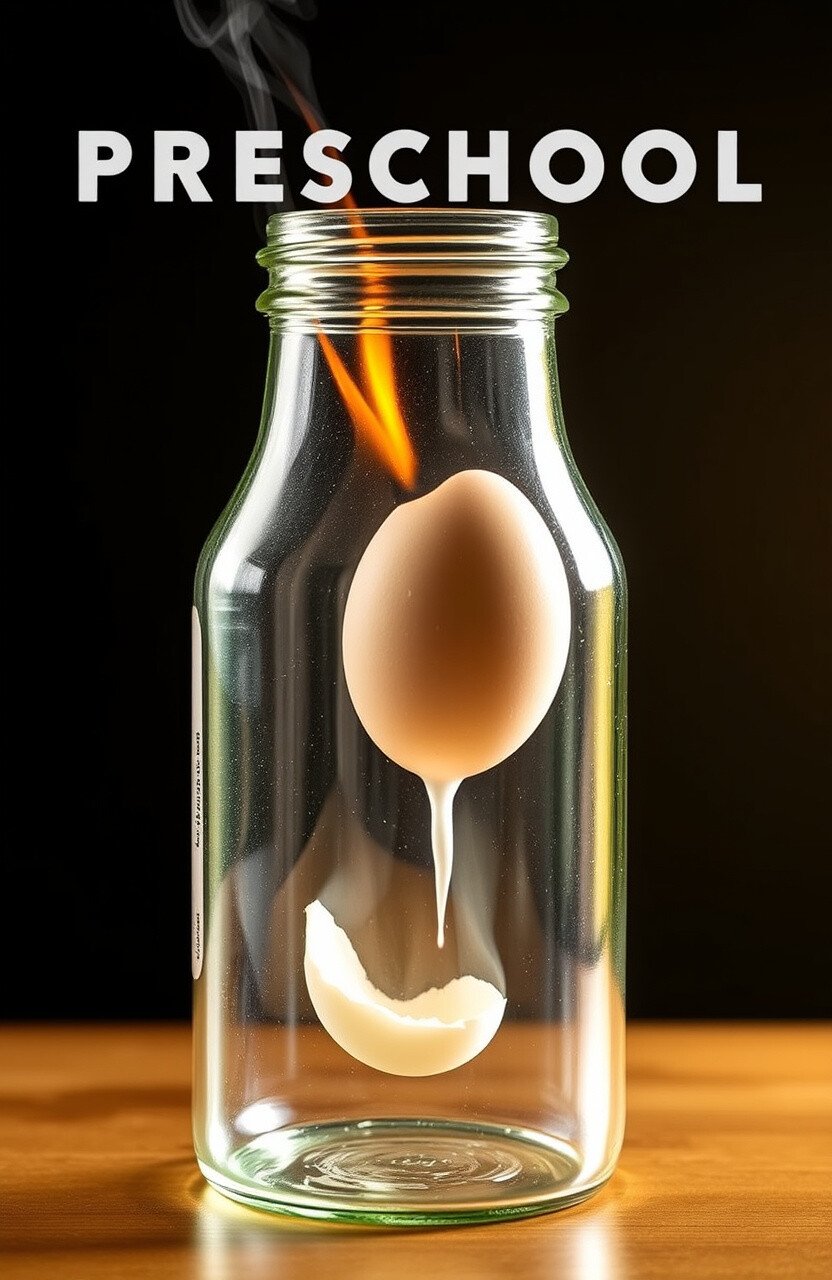
A hard-boiled egg, a glass bottle, and a little heat create a mesmerizing trick. Light a piece of paper, drop it in the bottle, place the egg on top, and watch it get sucked inside.
This teaches children about air pressure in the most captivating way. The egg’s journey into the bottle is like a magic show.
Make sure to use a bottle with a neck slightly smaller than the egg. Kids will be left in awe, and the materials are very inexpensive.
4. Growing Beans in a Bag

Place a damp paper towel and some beans in a clear plastic bag, and tape it to a window. Watch as the beans begin to sprout and grow over days.
This experiment is perfect for teaching about plant life cycles and germination. Kids can observe roots and stems emerging firsthand.
It’s fascinating to see how quickly the beans grow. All you need are beans and a plastic bag, making it a cost-effective project.
5. Homemade Butter

Shake heavy cream in a jar, and you’ll soon have homemade butter. It’s a delicious and educational way to learn about physical changes.
Children learn about the process of emulsification. Plus, they get to taste the butter they’ve created, which is always a hit.
Add a dash of salt for flavor, and enjoy with some bread. This is a low-cost experiment with a delightful reward at the end.
6. Mini Volcano

With baking soda, vinegar, and a little food coloring, you can create a mini volcanic eruption. It’s an explosive way to explore chemical reactions.
Kids are always fascinated by the fizzy explosion, and it’s a great way to introduce them to acid-base reactions.
Use different colors to make each eruption unique. The materials are common household items, so it’s very affordable.
7. Leaf Chromatography

Crush leaves, use rubbing alcohol, and a coffee filter to separate leaf pigments. Watch as vibrant colors spread across the filter.
This experiment is like art and science combined. It shows how leaves contain multiple pigments beyond just green.
Try it with leaves from different plants and see how the colors vary. It’s an inexpensive experiment that reveals hidden beauty.
8. Floating Egg

By adding salt to water, you can make an egg float. It’s a simple yet mind-boggling way to learn about density.
Kids love the mystery of seeing an egg float. This experiment vividly demonstrates how saltwater is denser than freshwater.
Challenge children to guess how much salt is needed. The materials are minimal and very cost-effective.
9. Seed Bombs

Mix seeds with clay and soil to create seed bombs. Once dry, throw them into the garden and watch new plants grow.
This activity combines crafting with biology. It’s a fun way for kids to learn about seed dispersal and plant growth.
Personalize the seed bombs with different flower or herb seeds. It’s a budget-friendly project that brings a splash of color to any garden.
10. Color Changing Flowers

Place white flowers in colored water and watch as they change colors. It’s a beautiful experiment that illustrates how plants absorb water.
This experiment is visually stunning and teaches kids about plant physiology. They love watching the flowers transform.
Use multiple colors for a rainbow effect. It’s an inexpensive project that brings science and art together.
11. Bubble Snakes

Cut the bottom off a plastic bottle, cover with a sock, dip in soap solution, and blow to create long bubble snakes.
This experiment is a blast! It introduces children to concepts like air pressure and bubble formation.
Add food coloring to the solution for colorful snakes. The materials are simple and often already available at home.
12. Potato Power

Use a potato to power a small clock or LED. It’s a fascinating way to learn about chemical energy.
Kids are amazed to see a potato generate electricity. This experiment introduces them to basic concepts of chemistry and physics.
Try using different fruits or vegetables to see which works best. The cost is low, and the lesson is powerful.
13. Paper Towel Plant Maze

Create a maze with paper towel rolls and guide a growing plant through it. It’s a creative way to explore plant growth.
This experiment teaches kids about plant tropism and problem-solving. Watching the plant navigate the maze is exciting.
Decorate the maze for added fun. The materials are inexpensive and encourage creativity.
14. Edible DNA

Use candy and licorice to build a DNA model. It’s a tasty way to learn about molecular biology.
Kids enjoy constructing and eating their DNA models. It provides a fun introduction to genetics.
Explore with different candy colors for customization. It’s a sweet and affordable educational treat.
15. Balloon Rocket
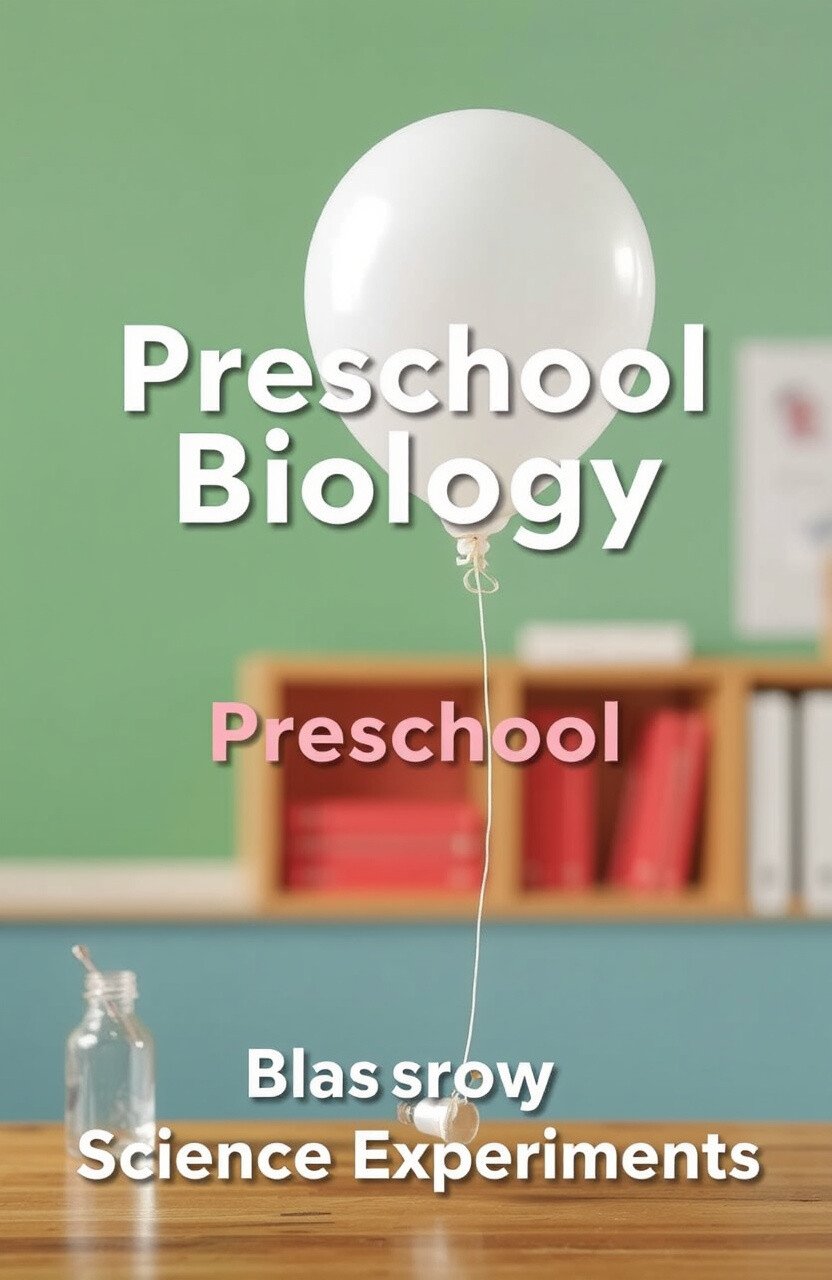
Attach a balloon to a string and watch it zoom across the room. It’s an exhilarating way to learn about propulsion.
Children love the speed and movement in this experiment. It demonstrates the principles of action and reaction.
Race multiple balloons for added excitement. The materials are simple and very low cost.
16. Ice Cream in a Bag

Shake cream, sugar, and vanilla in a bag with ice and salt to make ice cream. It’s a delicious way to explore freezing points.
Kids are thrilled to make their own ice cream. This experiment teaches about temperature and phase changes.
Experiment with different flavors for variety. The ingredients are affordable, and the result is a tasty treat.