
Imagine turning your kitchen into a magical lab where colors bubble, fizz, and surprise everyone. With just a few ingredients, you can create enchanting experiments that spark curiosity and endless giggles.
1. Baking Soda and Vinegar Volcano

Have you ever seen a volcano erupt in your backyard? With baking soda and vinegar, you can create an exciting eruption that is sure to captivate. Simply mound some baking soda and drizzle vinegar to watch the bubbly reaction!
The fizzing and bubbling mimic real volcanic activity, making it an educational and mesmerizing experience. This activity is a fantastic way to introduce the concept of chemical reactions to young minds.
Customize your volcano with food coloring to make it even more visually appealing. Best of all, the cost is minimal, requiring only common household items.
2. Rainbow Milk Magic

Turn plain milk into a swirling rainbow with just a drop of dish soap and food coloring. As the colors dance and mix, it’s a brilliant way to see the science of surface tension in action.
This eye-catching experiment is not only beautiful but also teaches kids about how soap breaks down fat molecules. You can personalize it by using whole milk for richer colors or skim milk for softer hues.
This low-cost activity needs only milk, soap, and food coloring, making it a perfect afternoon project.
3. Dancing Raisins
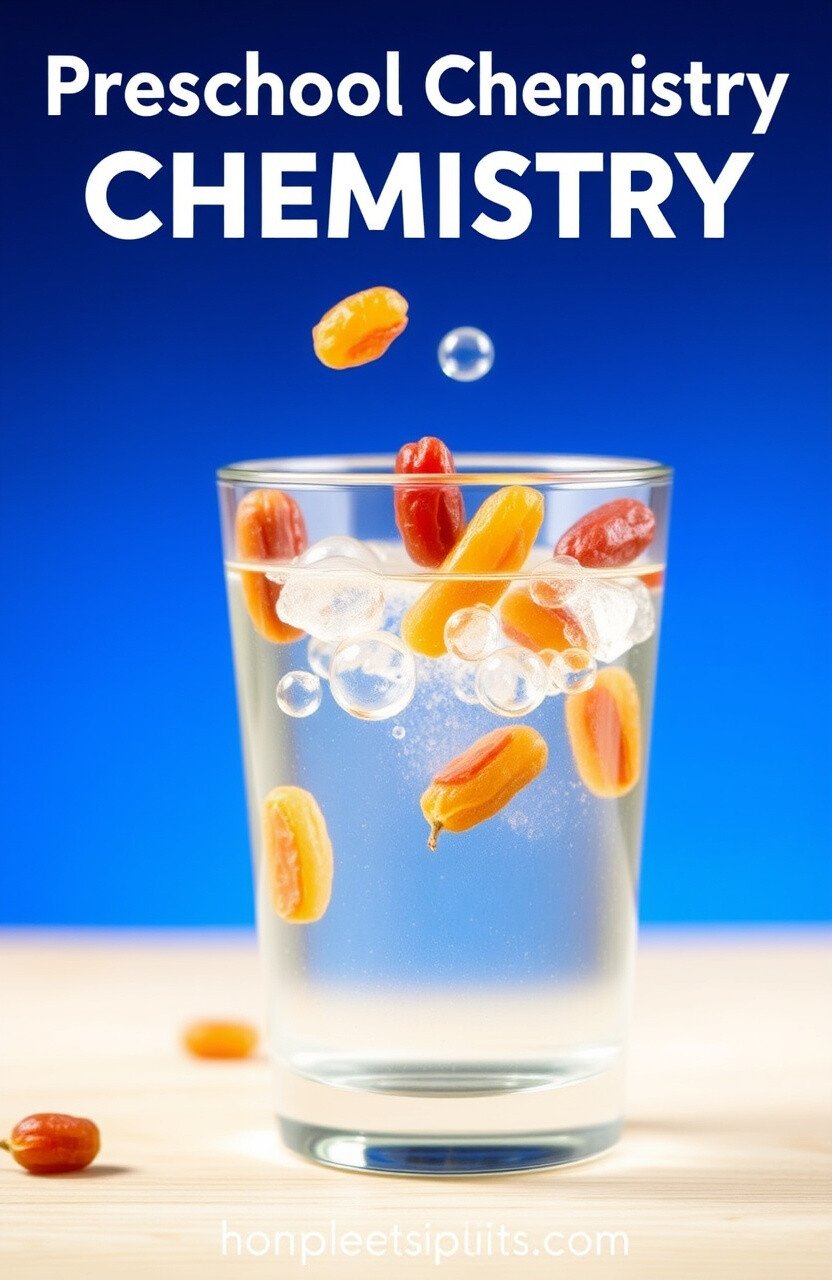
Watch raisins boogie in a glass of fizzy soda in this simple yet captivating experiment. As the bubbles attach to the raisins, they rise and fall, creating a mini dance party.
This experiment is a fun way to explore buoyancy and gas formation with your little ones. It’s unique because it combines chemistry and a bit of physics, all in a glass.
Use different sodas to see which one makes the best raisin dancers, and enjoy the show at a very low cost!
4. DIY Playdough Chemistry
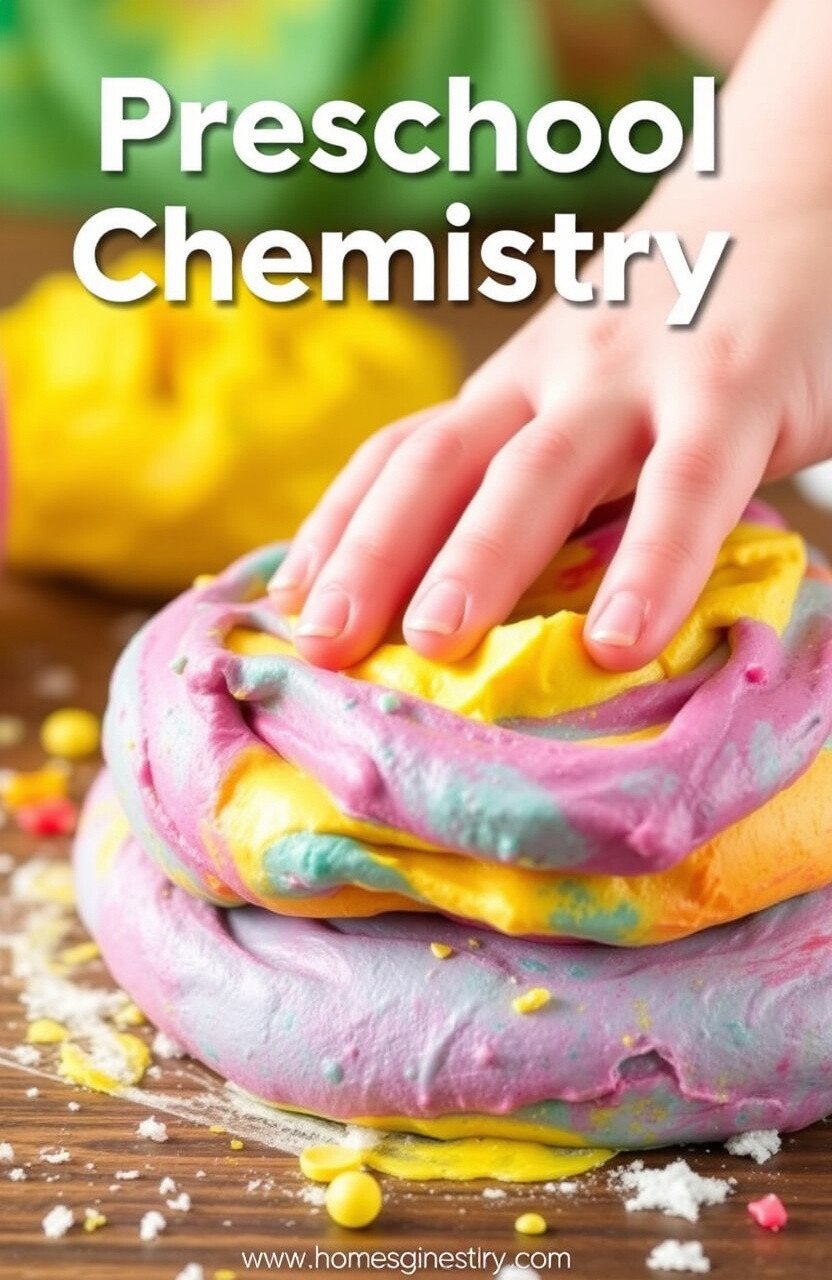
Create squishy, colorful playdough with a few pantry staples like flour, salt, and water. Add a splash of food coloring to personalize your batch for endless creative play.
This homemade playdough is not just fun to make but also gives kids a hands-on understanding of mixing and reactions. It’s a wonderful way to engage their senses and creativity.
Customization options are endless, and since you’re using ingredients from your kitchen, it’s an affordable activity that can be done anytime.
5. Ice Cream in a Bag

Whip up delicious ice cream without an ice cream maker! Mix milk, sugar, and vanilla in a small bag, place it in a larger bag filled with ice and salt, and shake until you have a tasty treat.
This activity introduces the concept of freezing point depression and is a sweet way to learn about chemistry. Plus, the reward is a yummy dessert!
Try different flavors by adding chocolate syrup or fruit, and enjoy this cool experiment that’s both educational and delicious.
6. Color-Changing Cabbage Juice
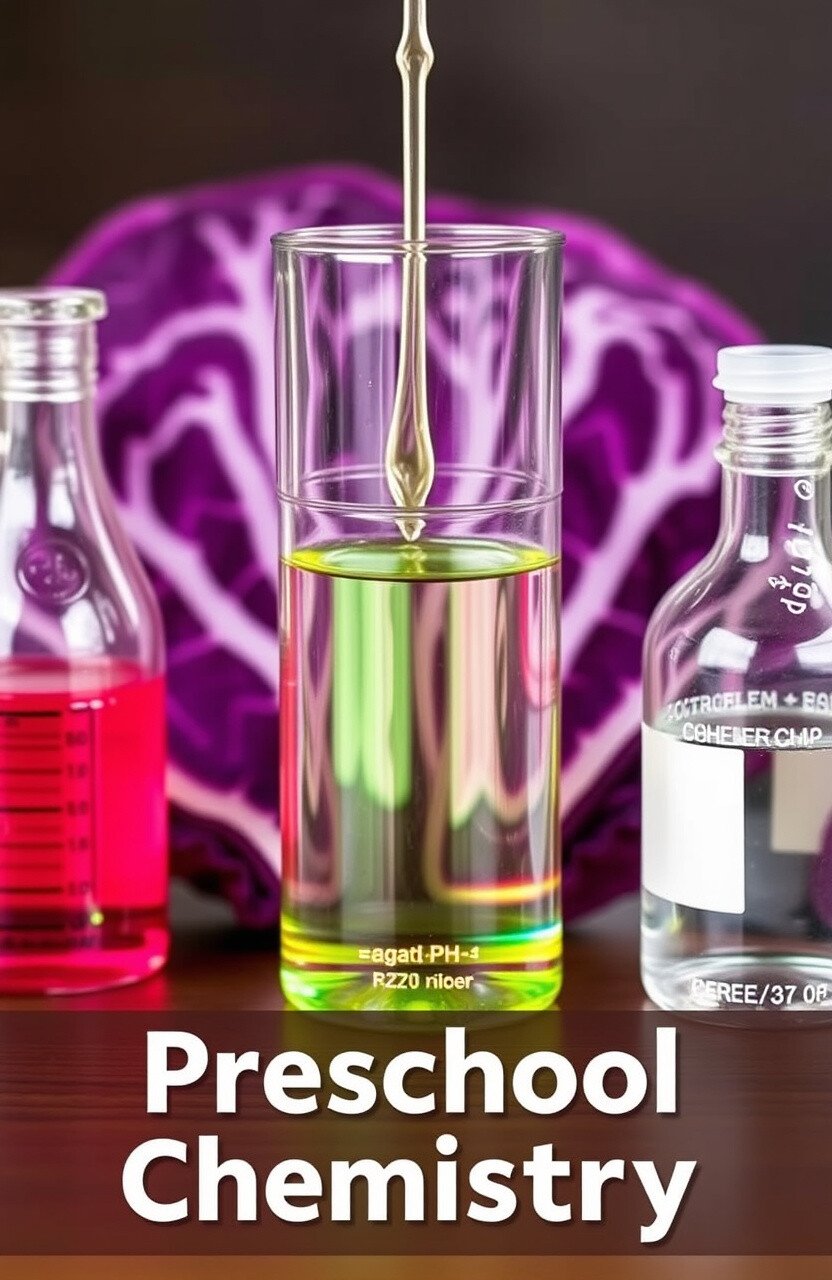
Use red cabbage juice to create a natural pH indicator. Mix it with different acids and bases to see a rainbow of colors appear right before your eyes!
It’s an amazing way to introduce kids to acids, bases, and pH levels without any harsh chemicals. The vibrant colors make it a visual treat.
This experiment is unique because it’s all-natural and can be done with items from your kitchen, making it both eco-friendly and cost-effective.
7. Fizzy Lemon Volcano
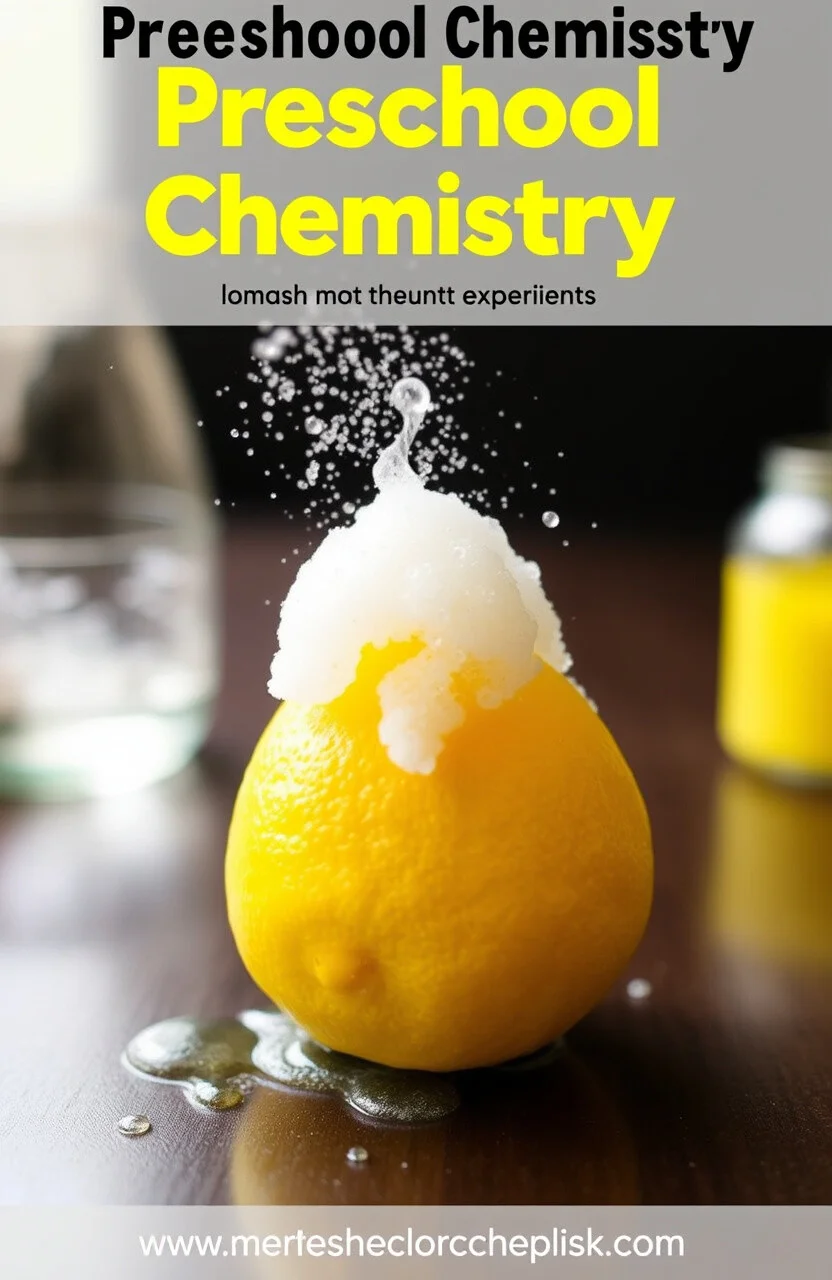
Turn a lemon into a mini volcano! Squeeze in some dish soap, add baking soda, and watch the citrusy eruption. The combination of acids and bases creates a fizzy foam that spills over.
This activity combines chemistry with sensory play, offering a fun way to learn about reactions while feeling, seeing, and smelling. The lemony scent adds an extra layer of enjoyment.
It’s a refreshing twist on the classic volcano experiment and is very budget-friendly with items you likely already have.
8. Invisible Ink Messages

Write secret messages with lemon juice and reveal them with a heat source like a light bulb. As the heat oxidizes the juice, the message appears, just like magic!
This experiment is great for teaching oxidation and can be a fun way for kids to pass notes. It’s both mysterious and educational!
Personalize your messages with drawings or symbols, and enjoy this low-cost activity that feels like a spy mission.
9. Sugar Crystal Lollipops
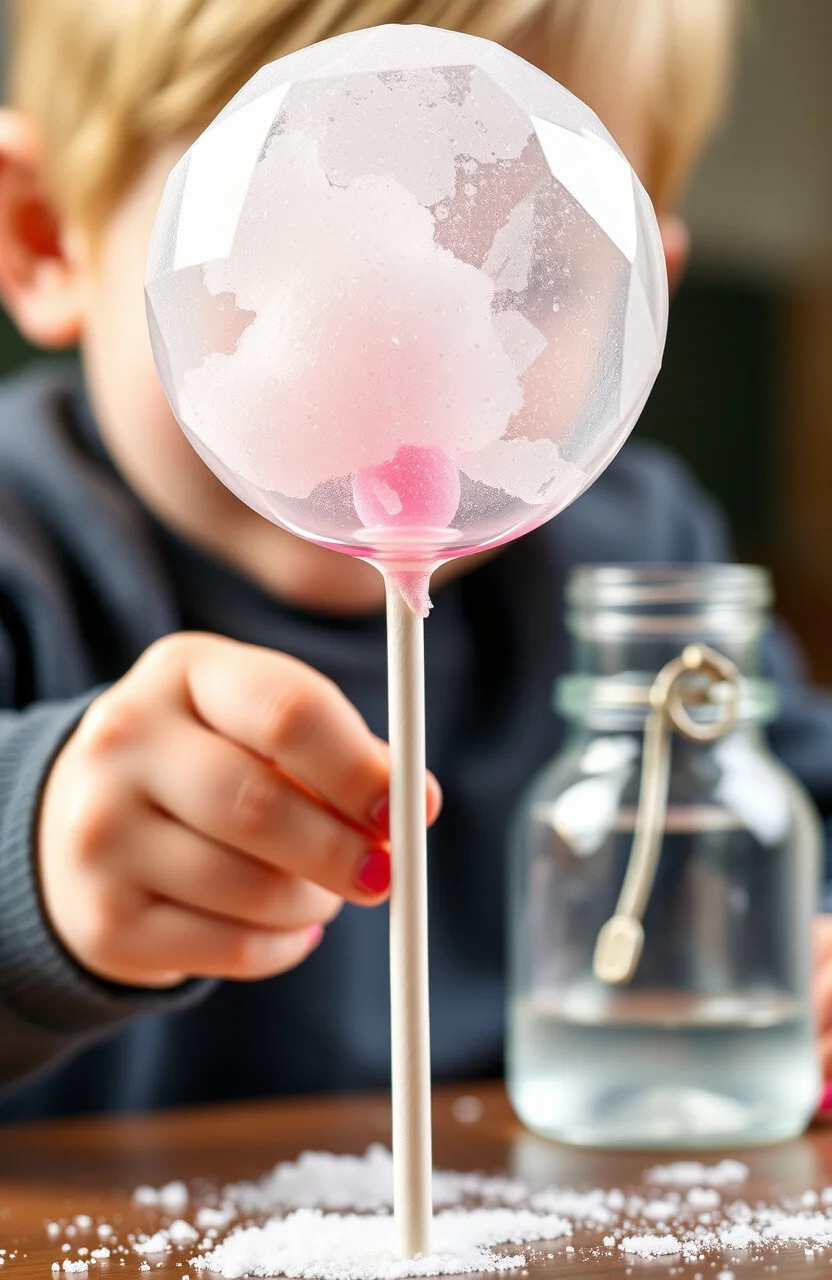
Grow your own sugar crystals on a stick and create homemade lollipops. Dissolve sugar in boiling water, let it cool, and watch the crystals form over days.
This sweet experiment teaches kids about crystallization and patience. It’s a slow but rewarding process that results in a tasty treat.
Experiment with different flavors or colors to make unique lollipops, and enjoy this affordable and delicious science project.
10. Tornado in a Bottle

Create a swirling vortex in a bottle using water, dish soap, and glitter. With a quick spin, watch the tornado form and marvel at its motion.
This activity is an exciting way to learn about vortexes and fluid dynamics. The glitter adds a sparkly twist that makes it even more fun.
Customize the look with different colors of glitter and soap, and enjoy this visually captivating experiment at little to no cost.
11. Homemade Lava Lamp

Craft a groovy lava lamp using oil, water, food coloring, and an effervescent tablet. The blobs of color move up and down, creating a mesmerizing display.
This experiment is a fun way to explore density and immiscibility. Kids will love watching the colorful blobs dance and float.
Change up the colors to match your mood or decor, and enjoy this retro-inspired activity that’s easy on the wallet.
12. Marshmallow Puff Lab

Use a microwave to puff up marshmallows to giant sizes! The heat causes the air inside to expand, creating fluffy, oversized treats.
This simple experiment introduces the concept of gas expansion and is a delightful way to see science in action. Plus, the marshmallows are fun to eat afterward!
Try different sizes or types of marshmallows to see which ones puff best, and enjoy this sweet and inexpensive experiment.
13. Balloon-Powered Car
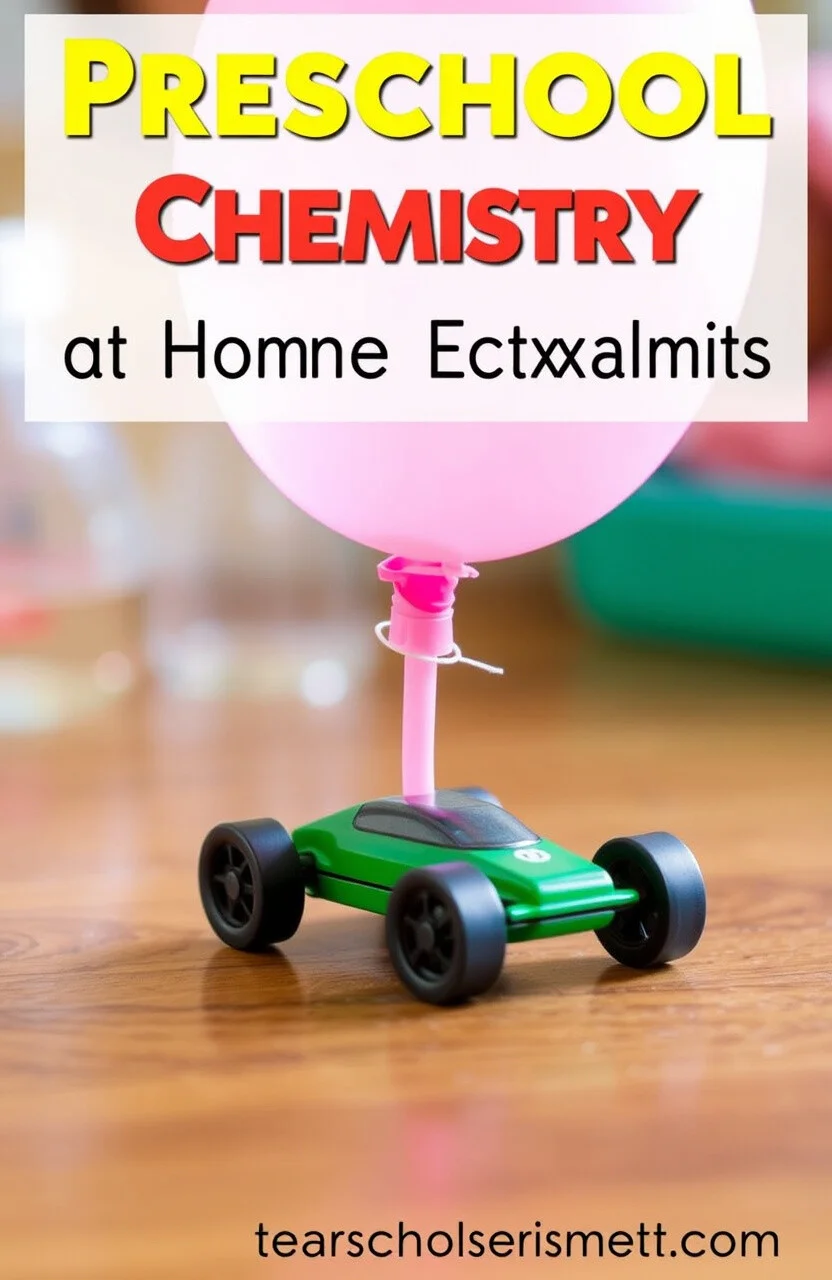
Create a car that moves using the power of air! Attach a balloon to a straw on a small car, blow it up, and let it go. The air escaping propels the car forward.
This activity is a fantastic introduction to physics principles like propulsion and motion. Kids will have a blast designing and racing their cars.
Decorate your car with markers or stickers for a personalized touch, and enjoy this budget-friendly engineering project.
14. Slime Time Chemistry
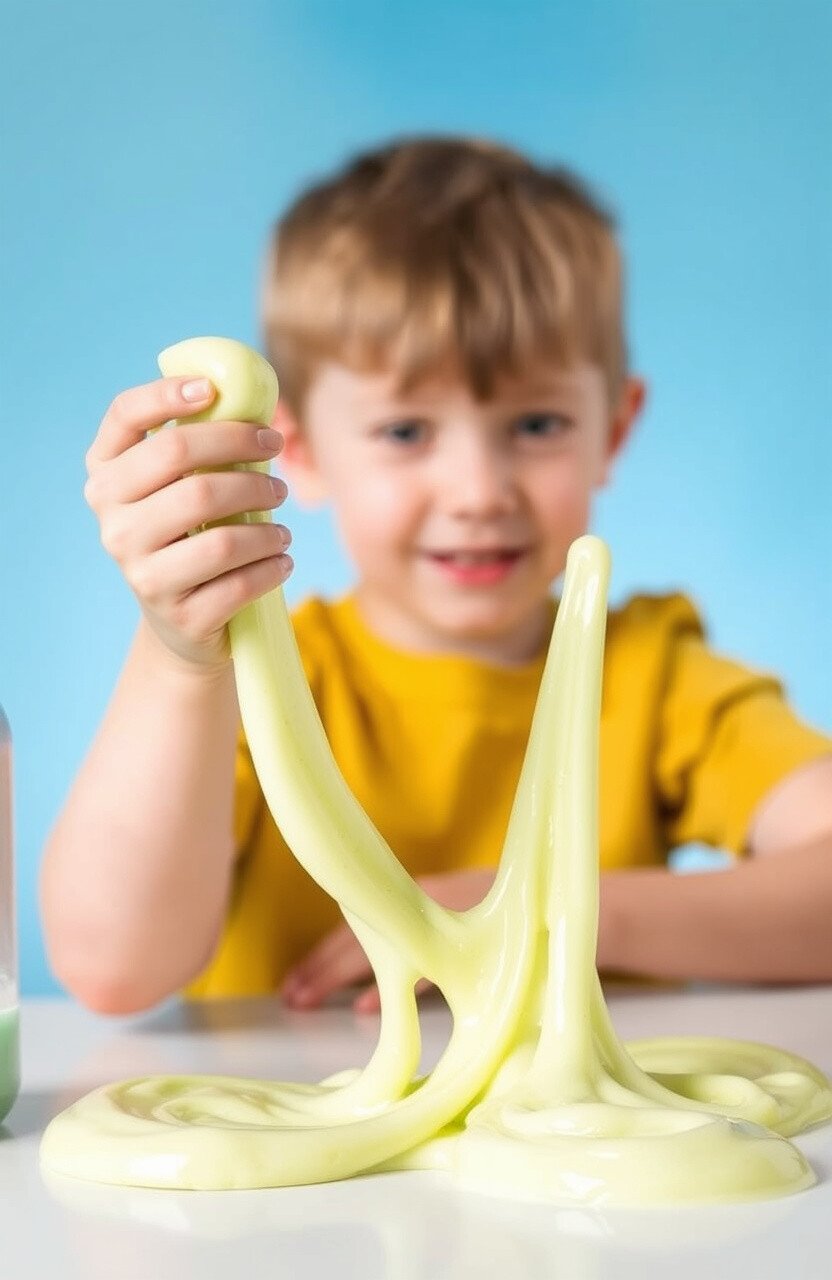
Whip up a batch of gooey slime with glue, water, and a bit of borax. Mix until you get the perfect oozy consistency that’s both fun and educational.
This hands-on experiment is great for teaching about polymers and non-Newtonian fluids. Kids will love stretching and squishing their creations.
Add glitter or food coloring for custom slime, and enjoy this trendy, tactile activity that’s surprisingly affordable.
15. Magic Balloon Inflation
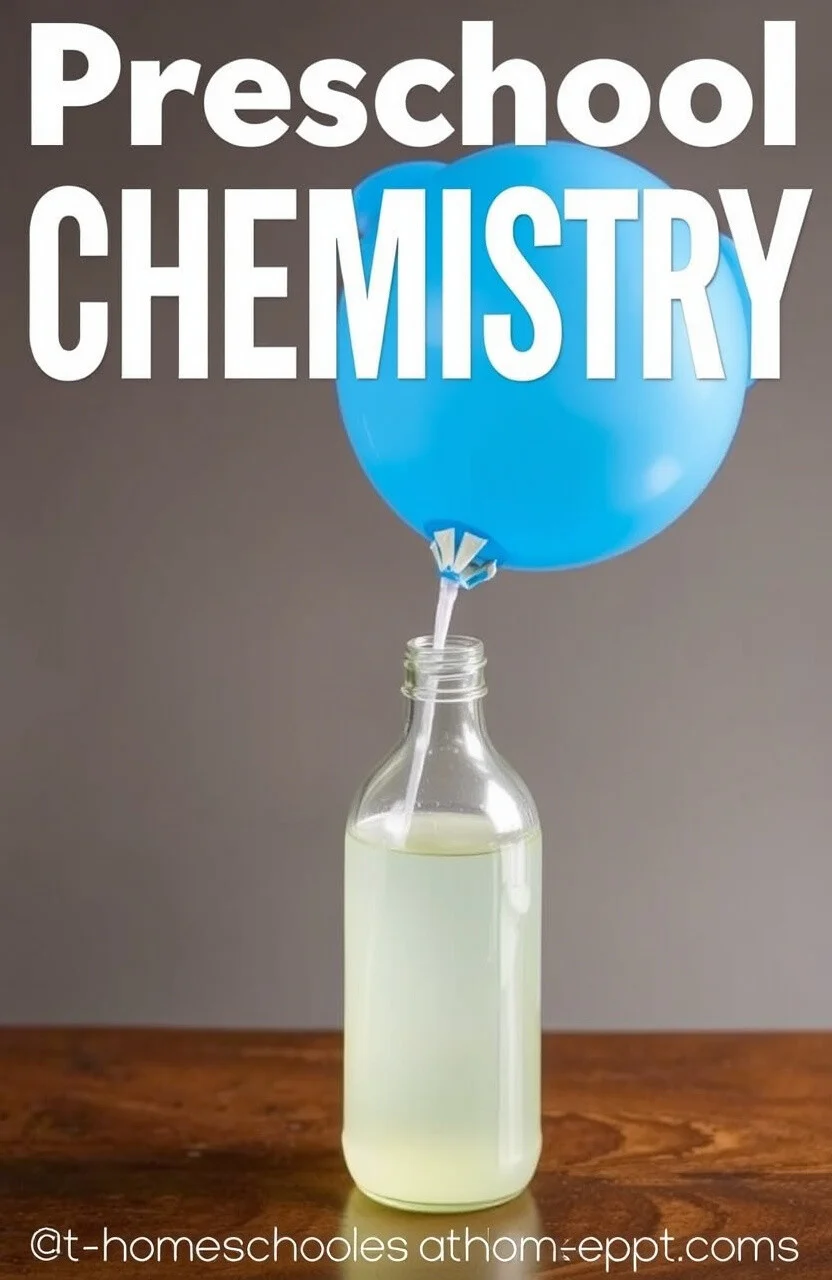
Blow up a balloon without using your breath! Combine baking soda and vinegar in a bottle, cap it with a balloon, and watch it inflate as gas forms inside.
This experiment is a fun way to learn about gas production and pressure. It’s both exciting and educational for young scientists.
Try different-sized balloons for varied effects and enjoy this simple yet impressive low-cost experiment.
16. Erupting Soap

Turn a bar of soap into a fluffy cloud with the power of a microwave! As the soap heats, it expands into a soft, cloud-like form.
This experiment is a wonderful way to explore physical changes and is a sensory delight. The resulting soap cloud is fun to touch and play with.
Use different brands or colors of soap to see what works best, and enjoy this unexpected and affordable experiment.