Imagine a world where colorful reactions bubble up in your own kitchen, captivating young minds. These delightful chemistry experiments promise to fill your preschooler’s day with wonder and a splash of magic.
1. Magic Milk Colors

Grab a plate of milk, a few drops of food coloring, and a dash of dish soap, and watch the colors dance in mesmerizing swirls. This simple experiment will have your child wide-eyed with amazement.
The beauty of this experiment lies in its simplicity and the endless patterns it can create. It’s a fantastic way to introduce young ones to the concept of surface tension.
All you need are items already in your kitchen, making it a cost-effective adventure. Let your child’s imagination run wild by experimenting with different color combinations.
2. Baking Soda Volcano
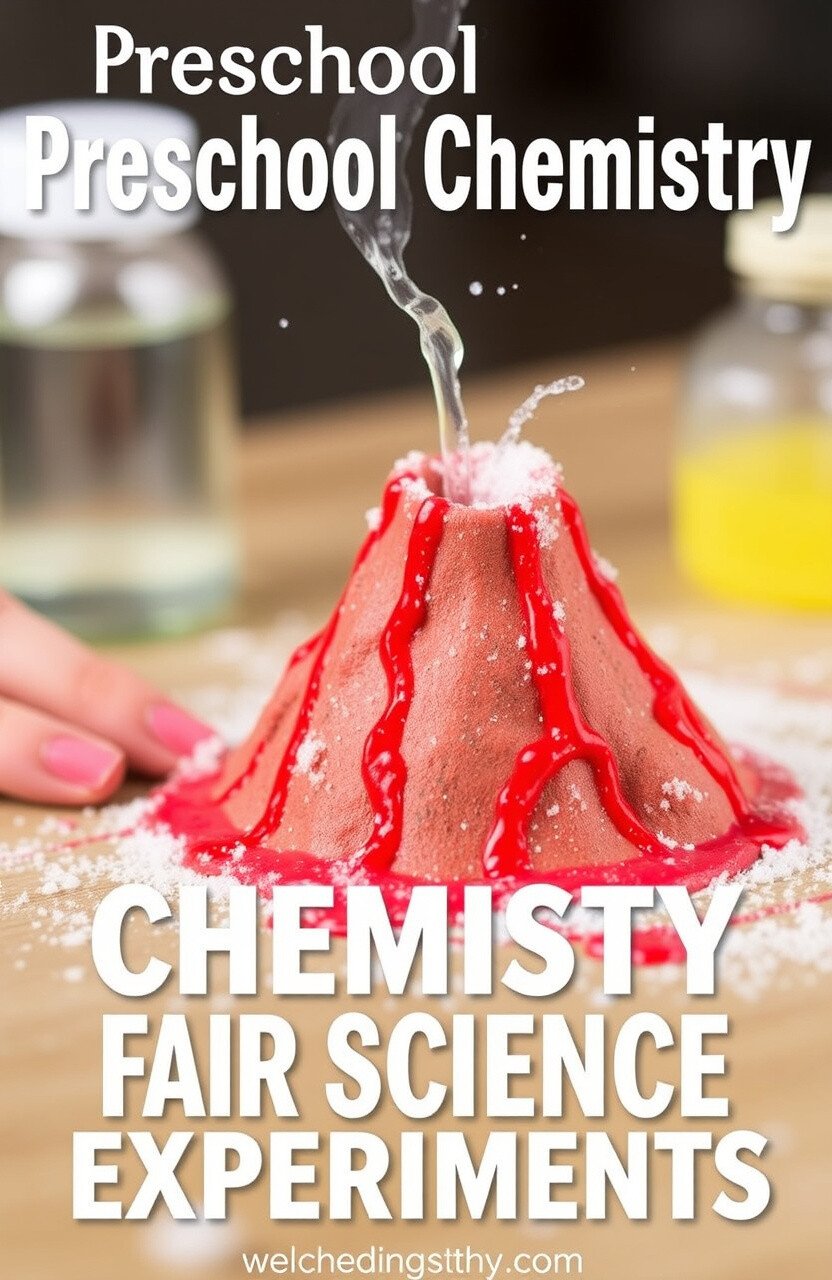
Construct a mini-volcano using clay or playdough, and witness an eruption with baking soda and vinegar. The fizzing spectacle never fails to excite.
This classic experiment is a great way to teach kids about chemical reactions. Plus, building the volcano adds a crafty element that many children enjoy.
With household ingredients, this experiment is both affordable and engaging. To add a twist, try adding some red food coloring for a more ‘lava-like’ appearance.
3. Rainbow Water Walking
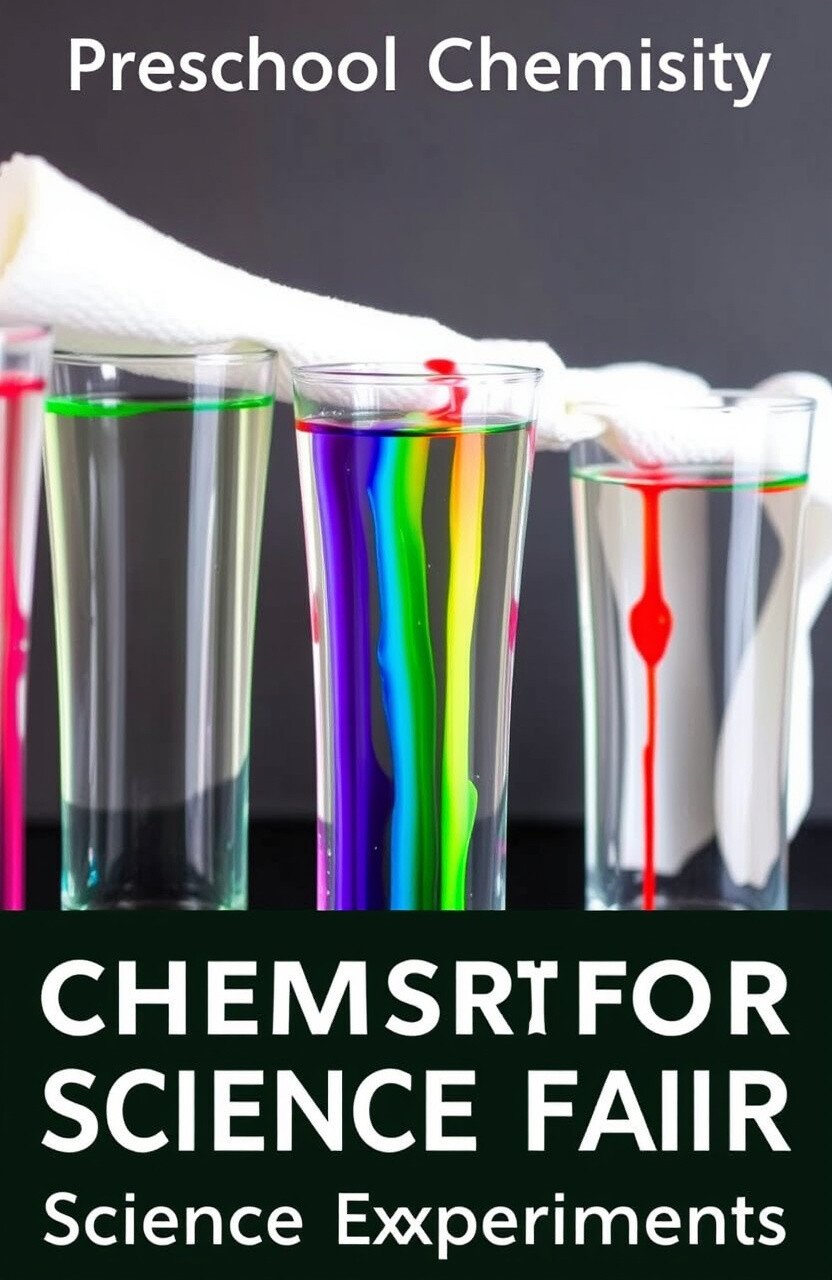
Fill several glasses with water and food coloring, then connect them with paper towels. Watch as the colors magically climb and mix to create a rainbow.
This experiment illustrates capillary action in a visually stunning way. It’s perfect for sparking a conversation about how plants absorb water.
Personalize the experience by allowing your child to choose their favorite colors. It’s a low-cost experiment that requires only patience and a few household items.
4. Fizzy Lemonade

Mix lemon juice, baking soda, and sugar to create a fizzy, bubbly drink that tickles the tongue. It’s a tasty treat with a scientific twist!
Beyond the fizzy fun, this experiment introduces the concept of acid-base reactions. Plus, it’s a delicious way to refresh on a warm day.
Consider using different citrus fruits to see how the taste and fizz change. It’s an economical activity that doubles as a snack.
5. Balloon Blow-Up

Use baking soda, vinegar, and a balloon to create an expanding spectacle. As the gas forms, watch the balloon inflate on its own.
This experiment is perfect for explaining gas production and pressure. It’s like magic but with a scientific explanation.
It’s a budget-friendly activity that can be done repeatedly for endless fun. Try different-sized balloons to see which inflates the most.
6. Rainbow Bubble Snakes

Create long, colorful bubbles using a plastic bottle, sock, and dish soap. These snakes are sure to delight and amaze.
This activity is fantastic for outdoor play, combining creativity with the science of bubbles. Kids will love the process of making and chasing the bubbles.
Cost-effective and easy to set up, this experiment can be personalized with various colors. It’s a great way to spend a sunny afternoon.
7. Ice Excavation

Freeze small toys in a block of ice and let your child ‘excavate’ them using salt and warm water. It’s a chilly challenge with a rewarding outcome.
This hands-on experiment teaches about melting points and the effects of salt on ice. Plus, it’s an exciting treasure hunt.
Keep it affordable by using toys you already own. Personalize the experience by selecting different themes or toy sets.
8. Invisible Ink Messages
Use lemon juice to write secret messages. Once dry, reveal the hidden words by gently heating the paper.
A classic experiment that introduces the idea of oxidation, this activity is as mysterious as it is educational.
It’s cost-effective, needing only basic kitchen supplies. Encourage creativity by having your child write notes or draw pictures.
9. Dancing Raisins
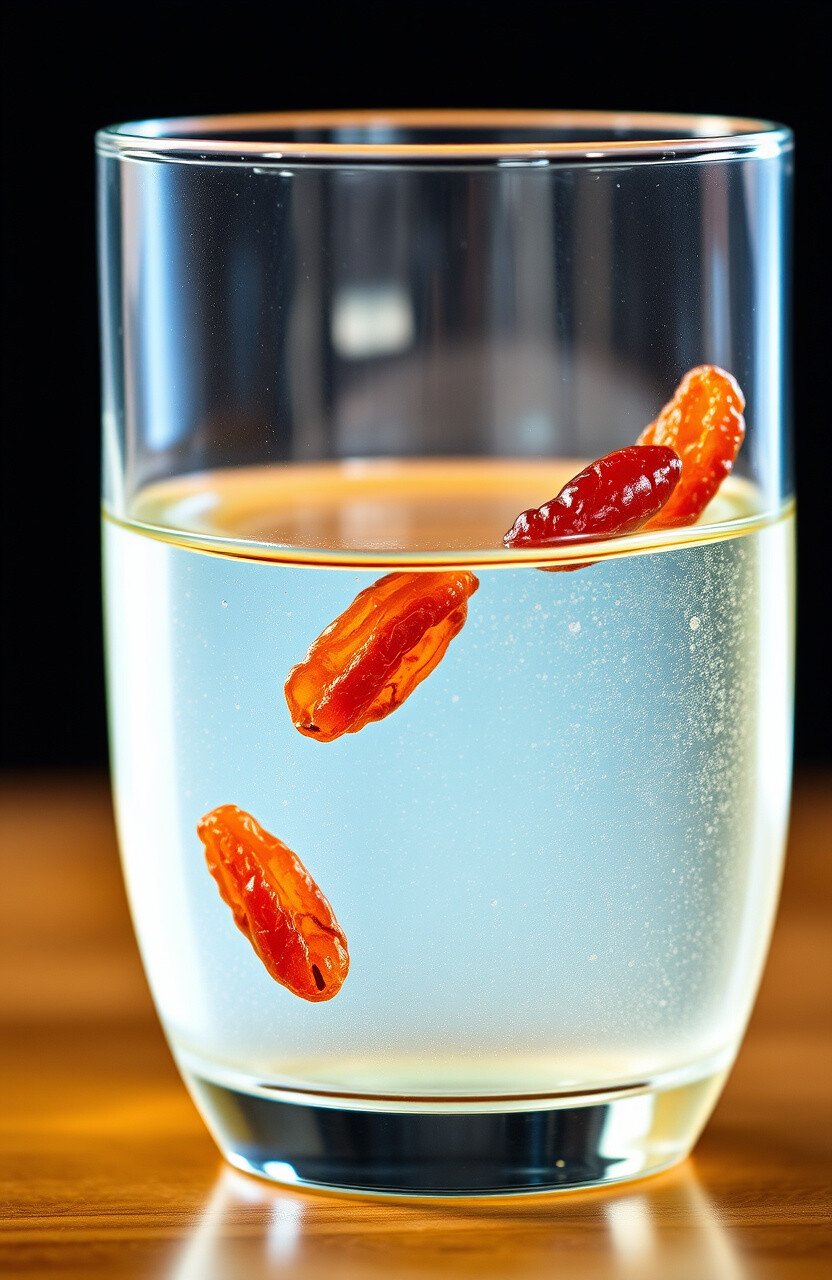
Drop raisins into a glass of soda and watch them bob up and down like tiny dancers. This simple yet captivating experiment is sure to entertain.
It’s a great way to explain buoyancy and gas bubbles to young learners. Plus, it’s an amusing sight to behold.
With minimal cost, this experiment can be repeated with different carbonated drinks. It’s a joyous activity that never gets old.
10. Color-Changing Flowers

Place white flowers in colored water and watch as they gradually change color. This experiment is a blend of art and science.
It beautifully demonstrates how plants absorb water and nutrients. Kids will be thrilled to see the transformation over time.
Affordable and easy, this experiment can be personalized with favorite colors. It’s a gentle way to introduce the concept of plant biology.
11. Instant Snow

Mix water with a superabsorbent polymer to create fluffy ‘snow.’ It’s a cool way to enjoy winter fun indoors.
This experiment is perfect for sensory play, allowing kids to explore texture and volume. It’s a winter wonderland any time of the year.
Though slightly more costly, the results are worth it for the joy it brings. Personalize by adding glitter for a sparkling effect.
12. Glowing Water

Use a highlighter and a blacklight to create glowing water. It’s a magical, nighttime experiment that feels like a science fiction movie.
This activity introduces fluorescence in an exciting way. Kids will love the glow-in-the-dark effect.
While a blacklight is needed, the overall cost is low. Try it out during a sleepover for added fun.
13. Exploding Sandwich Bag
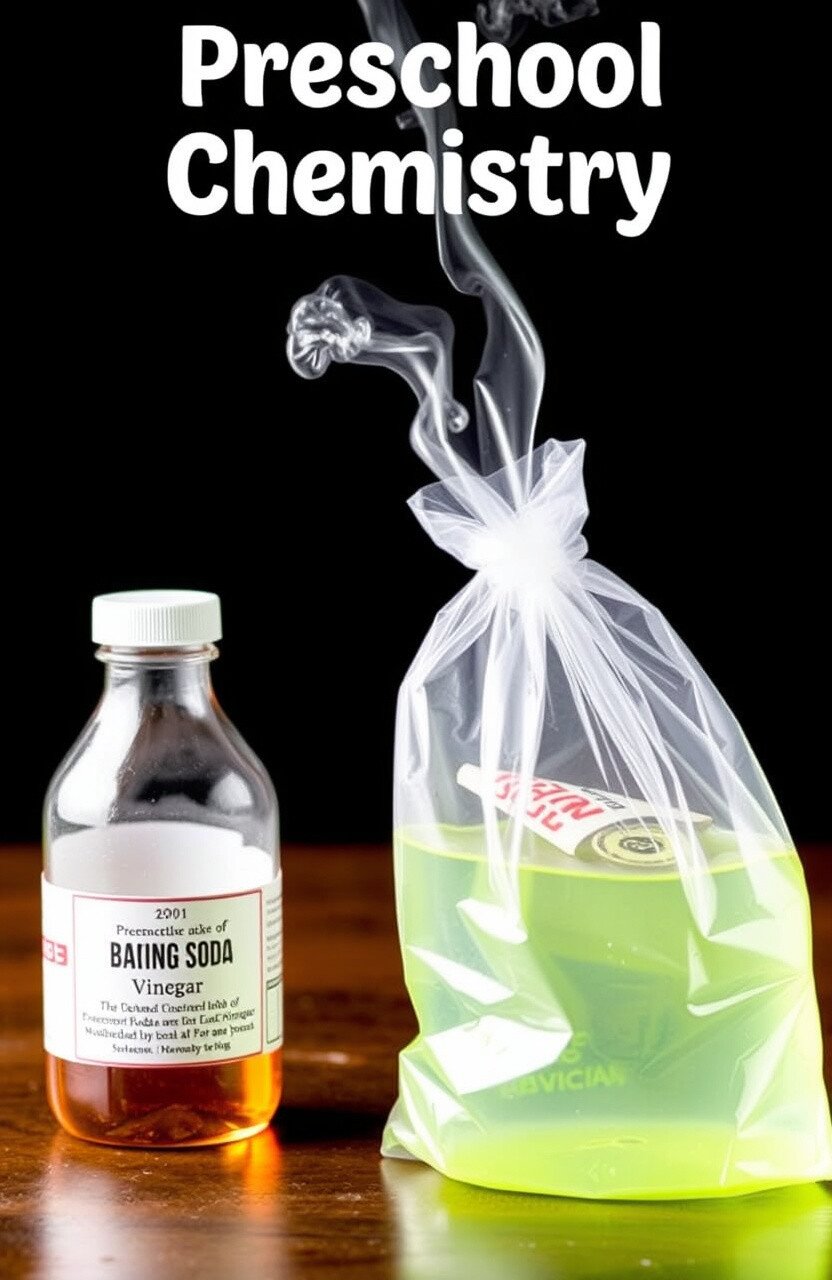
Seal a sandwich bag filled with baking soda and vinegar, then watch it expand and pop. It’s a thrilling, explosive reaction.
This experiment is a fantastic way to discuss chemical reactions and pressure. Kids will be on the edge of their seats waiting for the pop.
With everyday items, this experiment is cost-effective and exciting. Supervise closely for safety and let the fun begin.
14. Crystal Growing

Grow beautiful crystals using sugar or salt. This slow but rewarding experiment results in stunning crystal formations.
It’s an excellent introduction to the concept of crystallization. Kids will love checking in on their crystals each day.
Affordable and fascinating, this experiment can be personalized with different colors. It’s a project that teaches patience and observation.
15. Gooey Slime
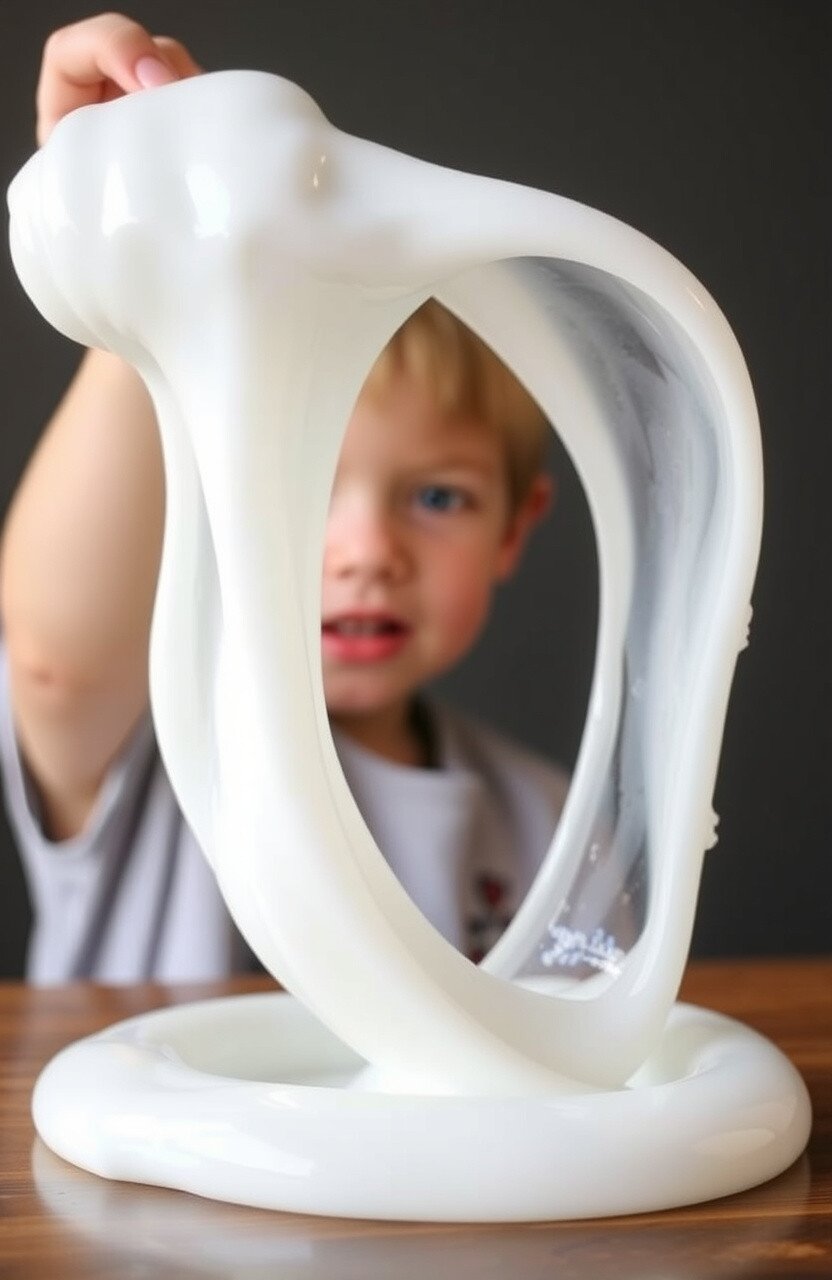
Create stretchy slime with glue, baking soda, and contact lens solution. It’s a tactile treat that kids can’t resist.
Slime making introduces polymer science in a hands-on way. It’s a sensory delight that encourages creativity.
While glue can be a bit pricey, the joy of making and playing with slime is priceless. Customize with glitter or scents for extra fun.
16. Lava Lamp Bottles

Fill a bottle with oil, water, and food coloring, then add an effervescent tablet to create a lava lamp effect. It’s a groovy science lesson.
This experiment demonstrates density and chemical reactions in a mesmerizing way. Kids will love the bubble show.
Cost-effective and visually stunning, this activity can be done with ease. Make it a family project by trying different color combinations.
17. Color-Changing Potion
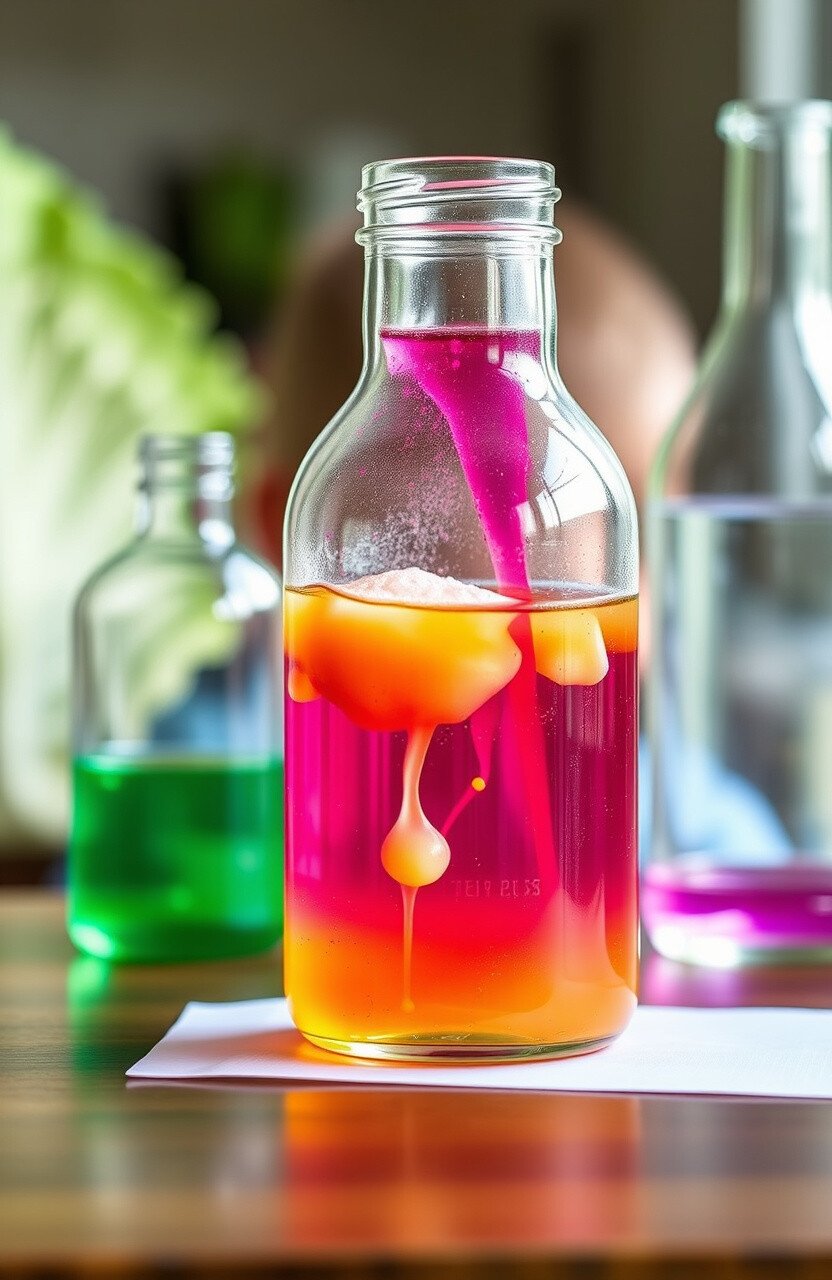
Mix cabbage juice with different household liquids to create a magic potion that changes color. It’s a chemistry lesson in a bottle.
This experiment introduces the concept of pH in a fun, interactive way. Kids will be enchanted by the color transformations.
Using common kitchen ingredients, it’s a low-cost activity. Personalize by experimenting with various liquids for different effects.
18. Soap-Powered Boats
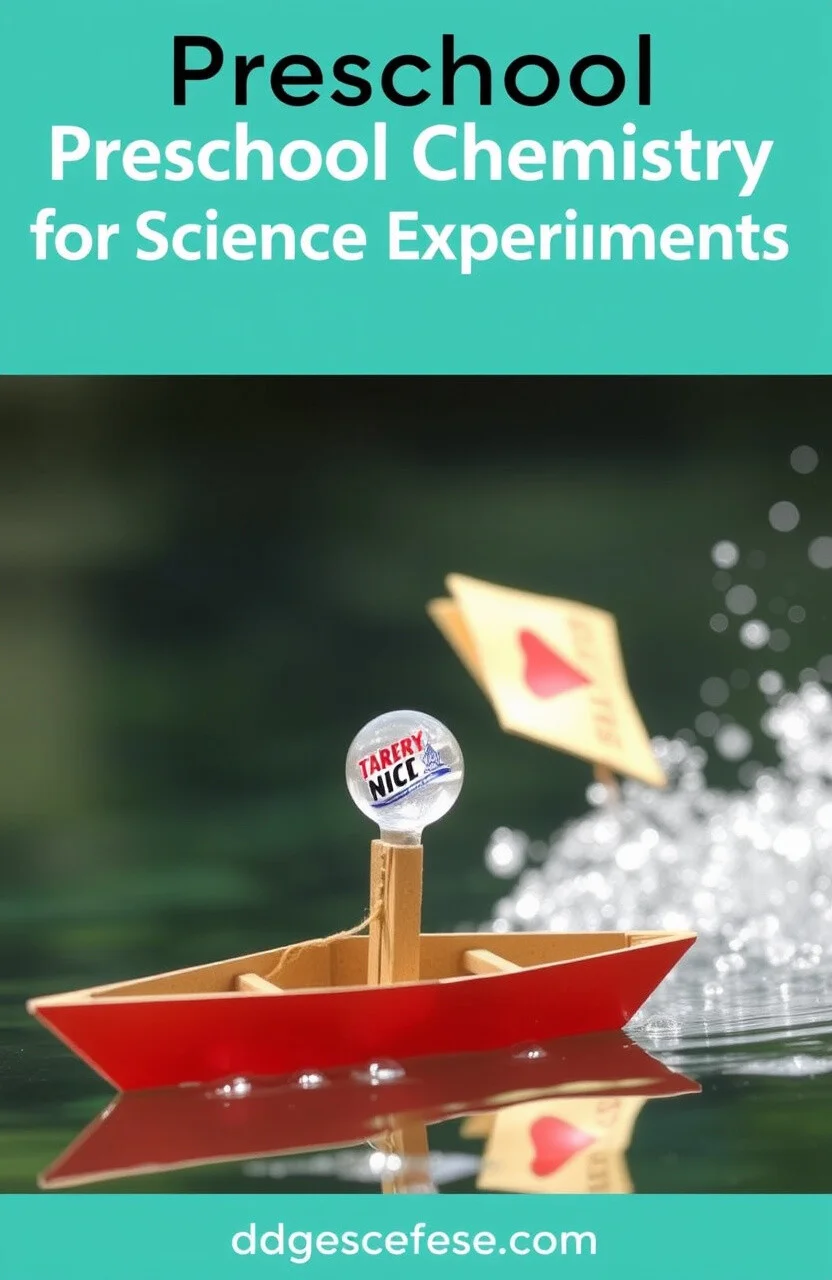
Create simple boats from cardboard and power them across water with a drop of dish soap. It’s a race powered by chemistry.
Perfect for teaching about surface tension and propulsion, this experiment is both educational and entertaining.
Inexpensive and easy to set up, it’s a great outdoor activity. Let kids personalize their boats with designs or colors.
19. Elephant Toothpaste

Mix hydrogen peroxide, yeast, and dish soap to create a foamy eruption. This giant reaction is a visual treat.
This experiment is a fun way to discuss exothermic reactions. The foam ‘eruption’ is always a crowd-pleaser.
Slightly more costly due to the hydrogen peroxide, but the spectacle is worth it. Supervise closely and enjoy the foamy fun.
20. Vinegar and Egg Experiment

Soak an egg in vinegar to dissolve the shell and reveal a bouncy egg. It’s a tactile, surprising experiment that amazes.
This activity introduces the concept of acid-base reactions in a tangible way. Kids will love the surprise of the rubbery egg.
Affordable and simple, this experiment can be done with ease. Try experimenting with different types of vinegar for varied results.