
Imagine a world where colors fizz and bubbles burst with excitement, where the smallest hands can create the biggest reactions. These magical chemistry ideas will invite young minds to play, learn, and marvel at the wonders of science.
1. Color-Changing Milk

Watch as a simple plate of milk turns into a swirling rainbow of colors right before your eyes. All you need is milk, food coloring, and a drop of dish soap to create this mesmerizing effect.
This activity not only captivates children with its bright colors but also introduces them to the concept of chemical reactions. It’s a great way to explain how molecules interact with each other.
For a personalized touch, let the kids choose their favorite colors to add. It’s cost-effective and easy on the budget, using items you probably already have at home.
2. Baking Soda Volcanoes

Who doesn’t love the classic baking soda volcano? It’s a fantastic way to demonstrate an exciting chemical reaction using just baking soda, vinegar, and a bit of food coloring.
The eruption is always a hit, sparking curiosity and excitement. This experiment teaches children about acids and bases in a memorable way.
To make it more unique, try using different containers or adding some glitter for extra sparkle. This activity is very affordable and can be done repeatedly with minimal cost.
3. Magic Potion Bottles
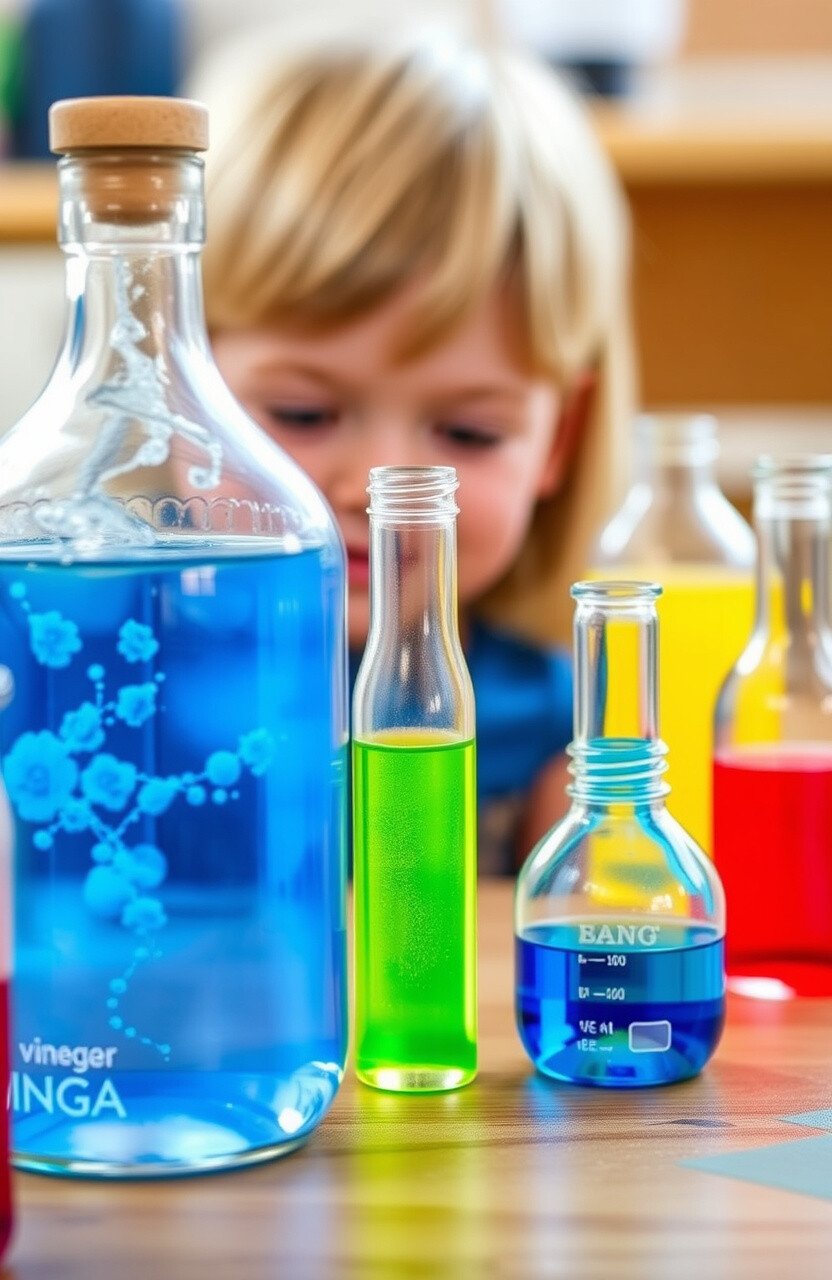
Turn clear liquids into magical, fizzy potions with just a few ingredients. Using vinegar, baking soda, and some food coloring, you can create a colorful, bubbly reaction in a bottle.
This is a great sensory activity that also introduces basic chemistry concepts. Children love the mystery and excitement of creating their own potions.
Encourage kids to invent their own potion recipes for added creativity. The materials are inexpensive and reusable, making it a perfect classroom project.
4. Rainbow in a Jar

Create a stunning layered rainbow using just sugar, water, and food coloring. By dissolving sugar in water at different concentrations, you can layer the colored solutions to form a beautiful rainbow.
This activity helps kids understand density and solution concentration in a visual and engaging way. It’s like creating a piece of art with science!
Let children choose the order of the colors for a personal touch. The cost is minimal, and the results are always impressive and photogenic.
5. Dancing Raisins
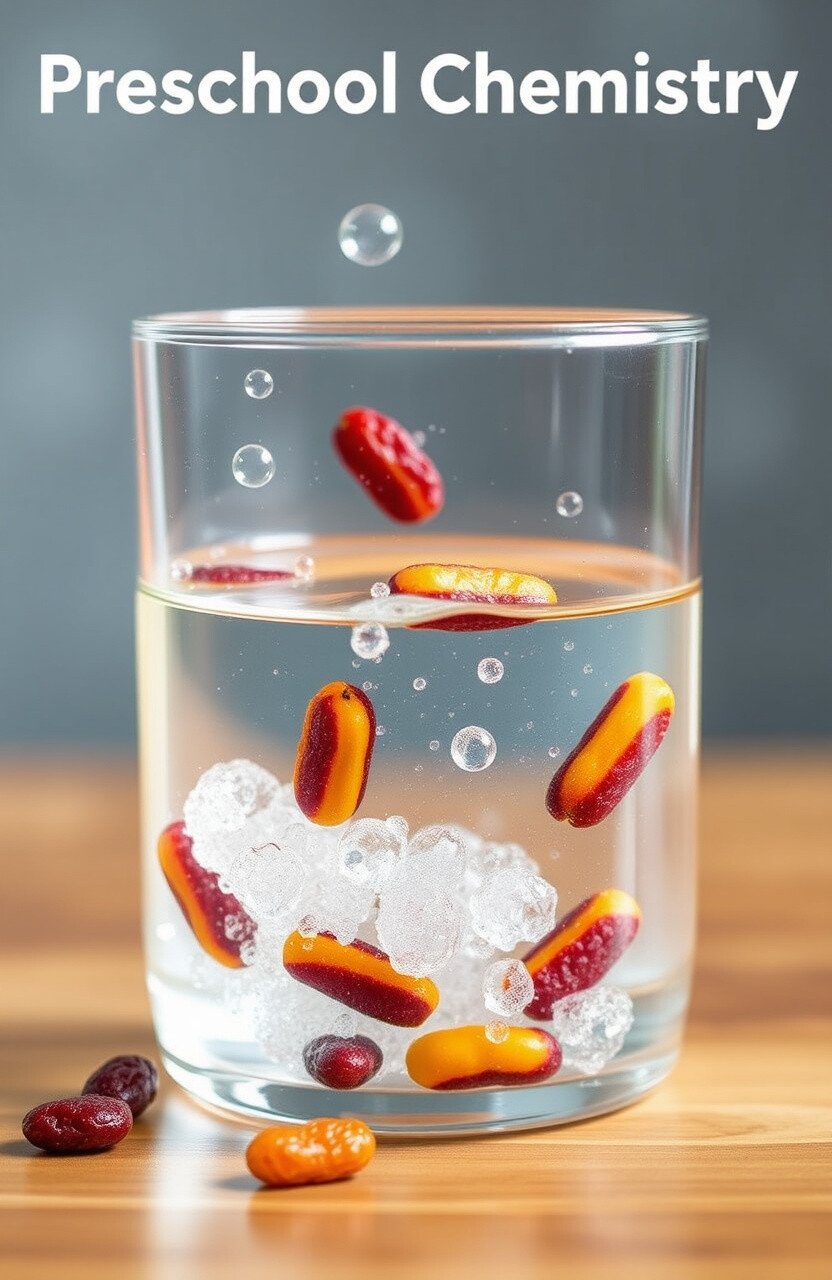
With a bit of carbonated water and raisins, you can create a fun and educational experiment where raisins “dance” up and down in the bubbles.
This simple activity introduces children to the concept of buoyancy and gas formation. It’s a great way to show how gases can move solids.
Try using different fruits or candies for varied results. The materials are very affordable, making this an easy and cost-effective activity.
6. Crystal Growing
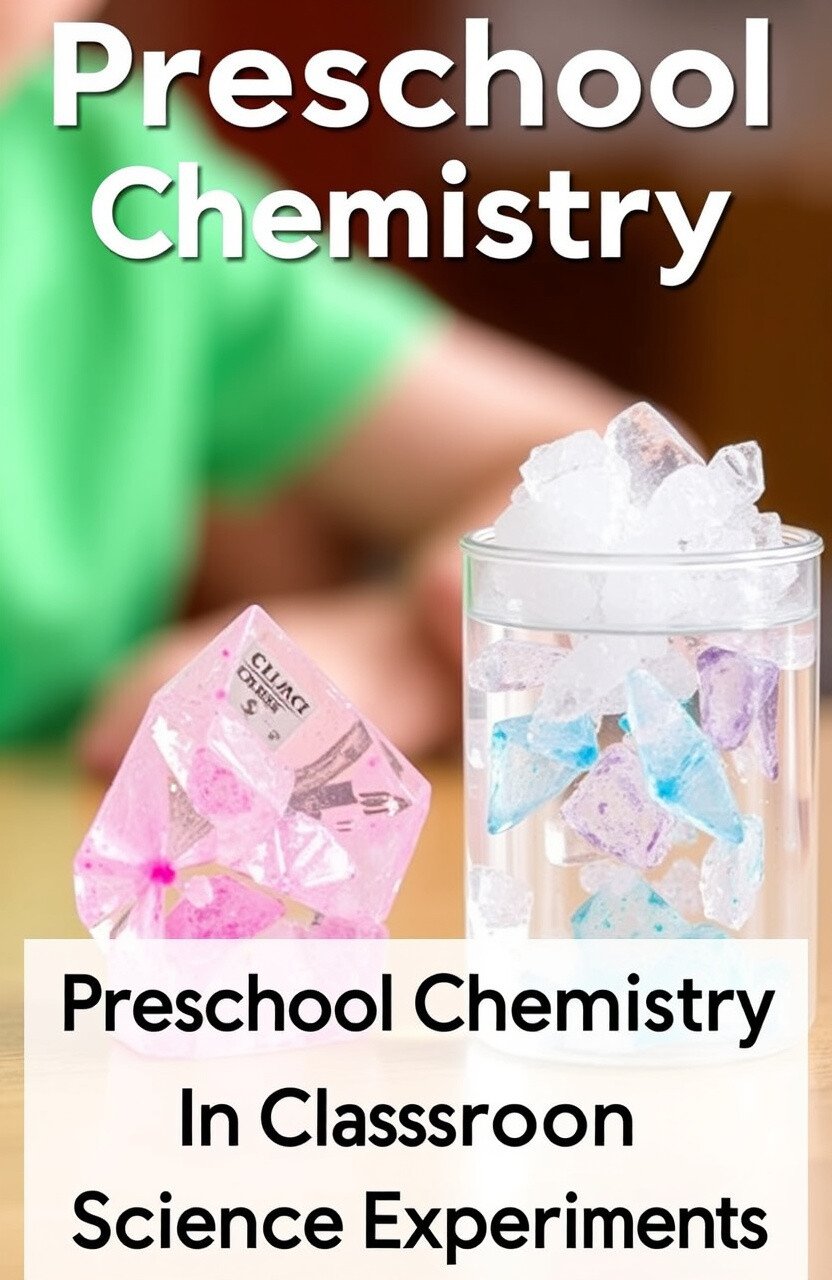
Growing crystals can be a magical experience for children. Using sugar or salt, water, and a bit of patience, kids can watch their crystals form and grow over time.
This activity teaches patience and observation while introducing the basics of crystallization. It’s like watching nature in slow motion!
For a bit of flair, dye the crystals with food coloring. The supplies are inexpensive, and the end result is a beautiful keepsake.
7. Fizzy Ice Cubes

Combine the thrill of fizzing reactions with the fun of ice play. By freezing baking soda in ice cube trays with water, kids can watch the cubes fizz when vinegar is poured over them.
This experiment is perfect for sensory play and introduces the concept of temperature affecting chemical reactions. It’s a cool way to learn on a hot day!
Add food coloring to the ice for an extra splash of color. The materials are simple and inexpensive, and the activity is endlessly entertaining.
8. Homemade Slime
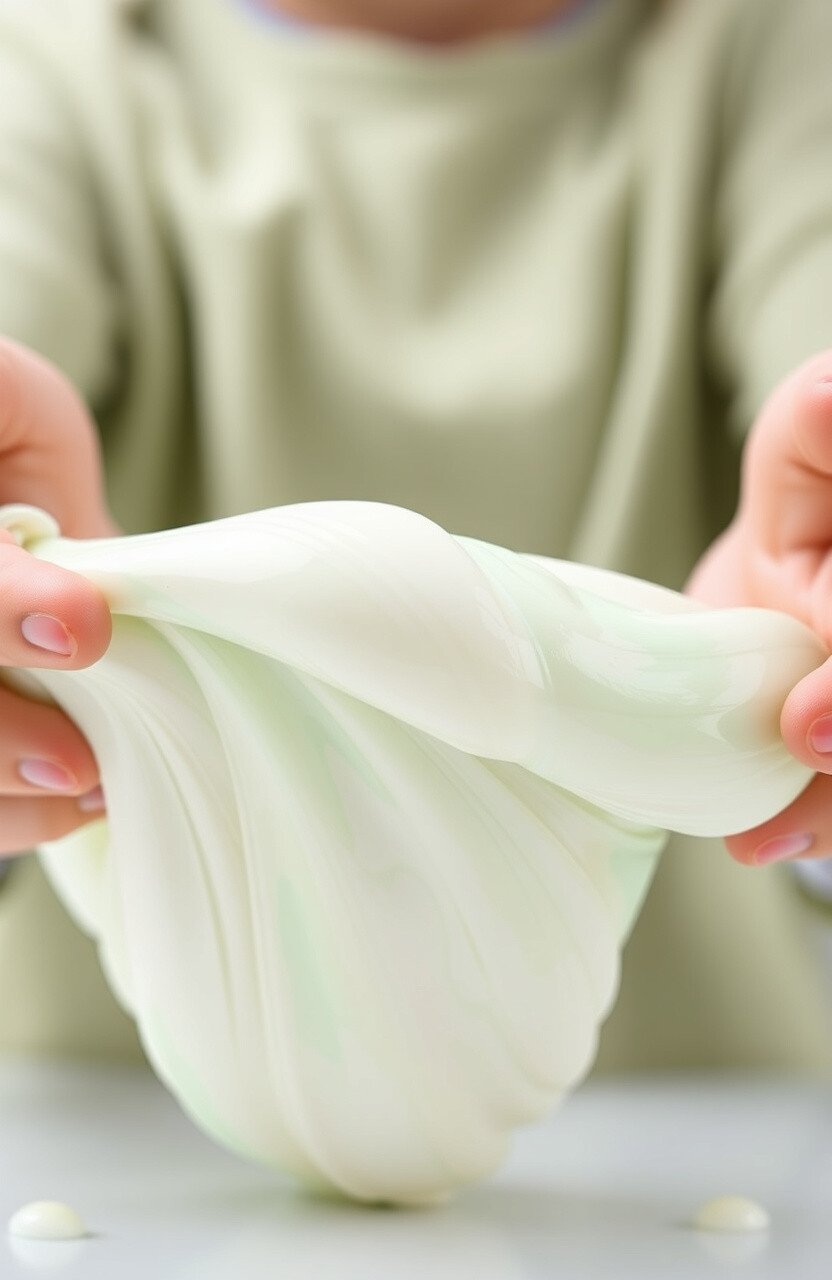
Slime is a favorite among kids, and making it at home is a fun chemistry project. You only need glue, baking soda, and contact lens solution to create this stretchy, squishy substance.
This activity is great for teaching about polymers and non-Newtonian fluids. It’s a tactile experience that captivates children of all ages.
Customize the slime with glitter or scents for a unique twist. The cost is reasonable, and the fun is endless.
9. Invisible Ink

Send secret messages with invisible ink made from lemon juice. When heated, the writing becomes visible, revealing the hidden message.
This activity combines chemistry with creativity, teaching kids about oxidation in a fun way. It’s like being a spy with a science twist!
Encourage kids to write secret notes to each other for a personal touch. The materials are cheap and easy to find, perfect for a classroom activity.
10. Popcorn Dancing
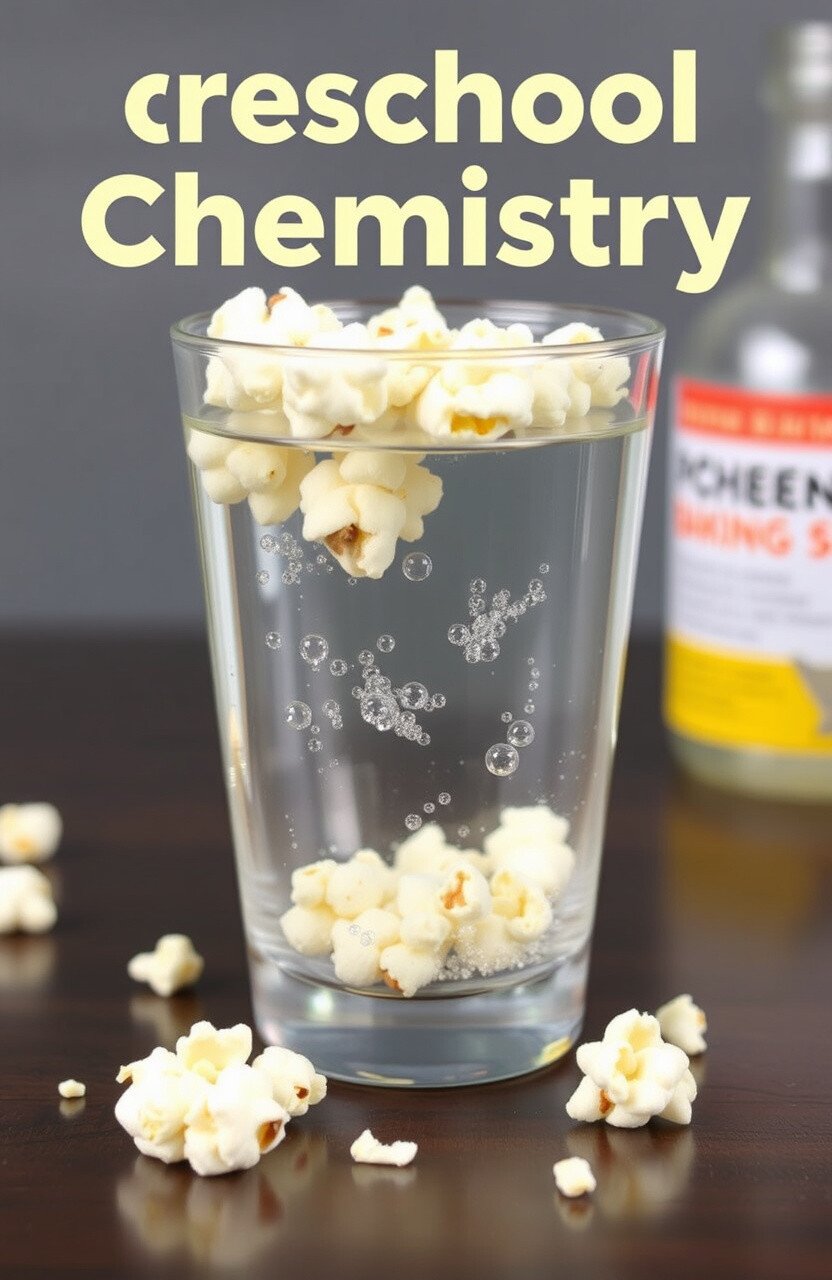
Watch popcorn kernels dance in a glass of vinegar and baking soda. The bubbles lift the kernels, creating a fun and lively dance.
This experiment introduces concepts of buoyancy and gas formation. It’s an entertaining way to learn with a snackable twist!
Try using different items like rice or lentils to see varied effects. The materials are inexpensive, making this an accessible and enjoyable activity.
11. Lava Lamps

Create a homemade lava lamp using water, oil, and food coloring. Add a fizzing tablet to see bubbles rise and fall, creating a mesmerizing effect.
This classic science project introduces density and polarity in a fun, visual way. Kids love watching the colorful blobs move around.
Let children pick their favorite colors for a personalized lamp. The cost is low, and the results are always captivating.
12. Eggshell Geodes

Create stunning geodes using eggshells, water, and alum powder. As the solution evaporates, crystals form inside the shells, resembling natural geodes.
This activity teaches about crystallization and evaporation. It’s like creating your own treasure from scratch!
Paint the eggshells for a colorful, personalized touch. The materials are affordable and the end result is a beautiful, unique keepsake.
13. Bouncing Bubbles

Create bubbles that bounce on a special glove using a simple mixture of water, dish soap, and glycerin. The bubbles are strong enough to withstand a gentle touch.
This activity introduces surface tension and elasticity in a fun, hands-on way. Kids love trying to keep the bubbles bouncing without popping them.
Experiment with different bubble wands for varied bubble sizes. The cost is minimal, and the joy it brings is immeasurable.
14. Oobleck

Oobleck is a non-Newtonian fluid made from cornstarch and water. It behaves like a solid when squeezed and a liquid when released.
This activity is perfect for sensory play and introduces the concept of viscosity. It’s always a hit with kids, who love squishing and playing with it.
Add food coloring for a colorful twist. The ingredients are cheap and easy to find, making it a great rainy-day activity.
15. Rainbow Skittles
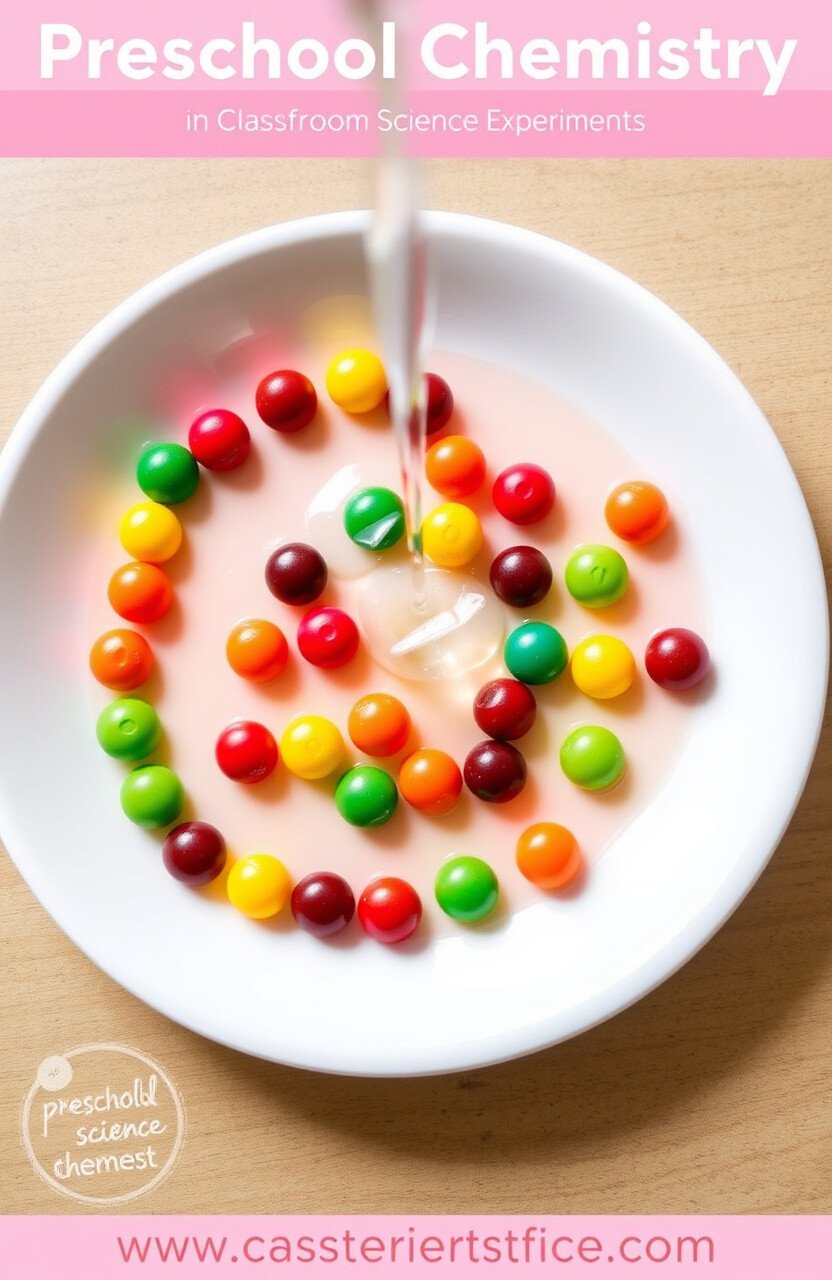
Arrange Skittles in a circle on a plate and pour warm water over them. Watch as the colors melt and create a beautiful rainbow pattern.
This simple activity introduces concepts of solubility and color mixing. It’s a visual treat that’s quick and easy to set up.
Let kids arrange the Skittles in different patterns for a personalized touch. The materials are inexpensive, and the effect is always delightful.
16. Starry Night Jar

Create a galaxy in a jar using cotton balls, glitter, and water mixed with paint. Layer the materials to create a starry night effect.
This activity combines art and science, teaching about layers and solubility. It’s a calming project that produces a beautiful, decorative jar.
Encourage creativity with different color schemes for a unique galaxy. The cost is low, and the result is a stunning keepsake.
17. Static Electricity Butterflies

Create fluttering butterflies using tissue paper and a balloon. Rub the balloon on your hair and hold it near the butterflies to make them move.
This activity introduces static electricity in a fun and interactive way. Kids love making the butterflies dance with just a balloon.
Decorate the butterflies with markers for a personal touch. The materials are inexpensive and easy to find, making it a great classroom project.
18. Water Xylophone
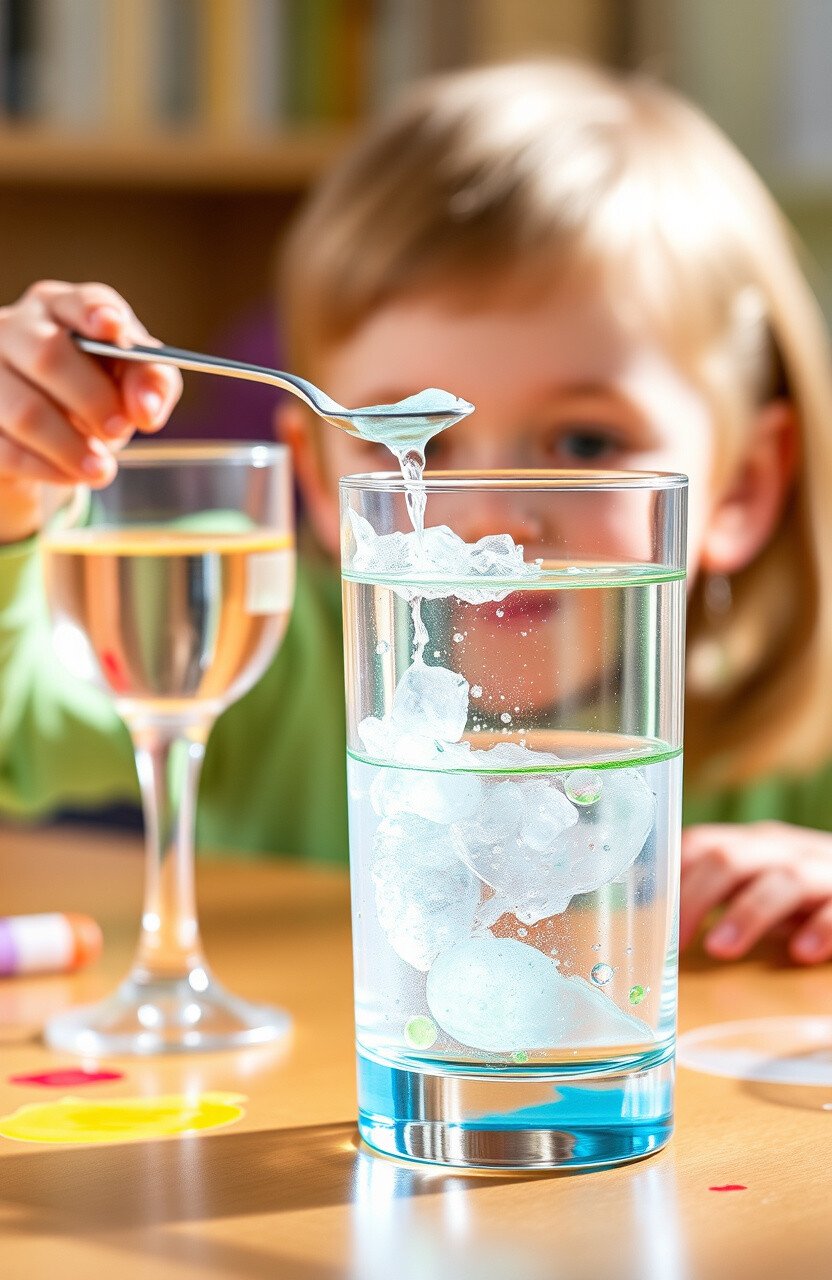
Fill glasses with different amounts of water and tap them with a spoon to create musical notes. Arrange them to play simple tunes.
This activity introduces sound waves and frequency in a playful, musical way. Kids love experimenting with different sounds.
Paint the glasses with watercolors for a colorful, personalized touch. The cost is minimal, and the joy of creating music is endless.