Imagine a world where the backyard is a laboratory and every child a scientist. These exciting chemistry experiments bring learning to life in colorful, bubbly, and even explosive ways!
1. Rainbow Bubble Snakes

With just a plastic bottle, an old sock, some dish soap, and food coloring, you can create mesmerizing rainbow bubble snakes. Just dip and blow to see endless bubbles in a vibrant array of colors.
This activity is perfect for a sunny day and teaches kids about surface tension. Plus, it’s easy on the wallet with items you probably already have at home.
Personalize the bubble solution with different scents for an added sensory experience. Imagine the delight on the kids’ faces as they watch their creations float away!

2. Volcano Eruption with Mud
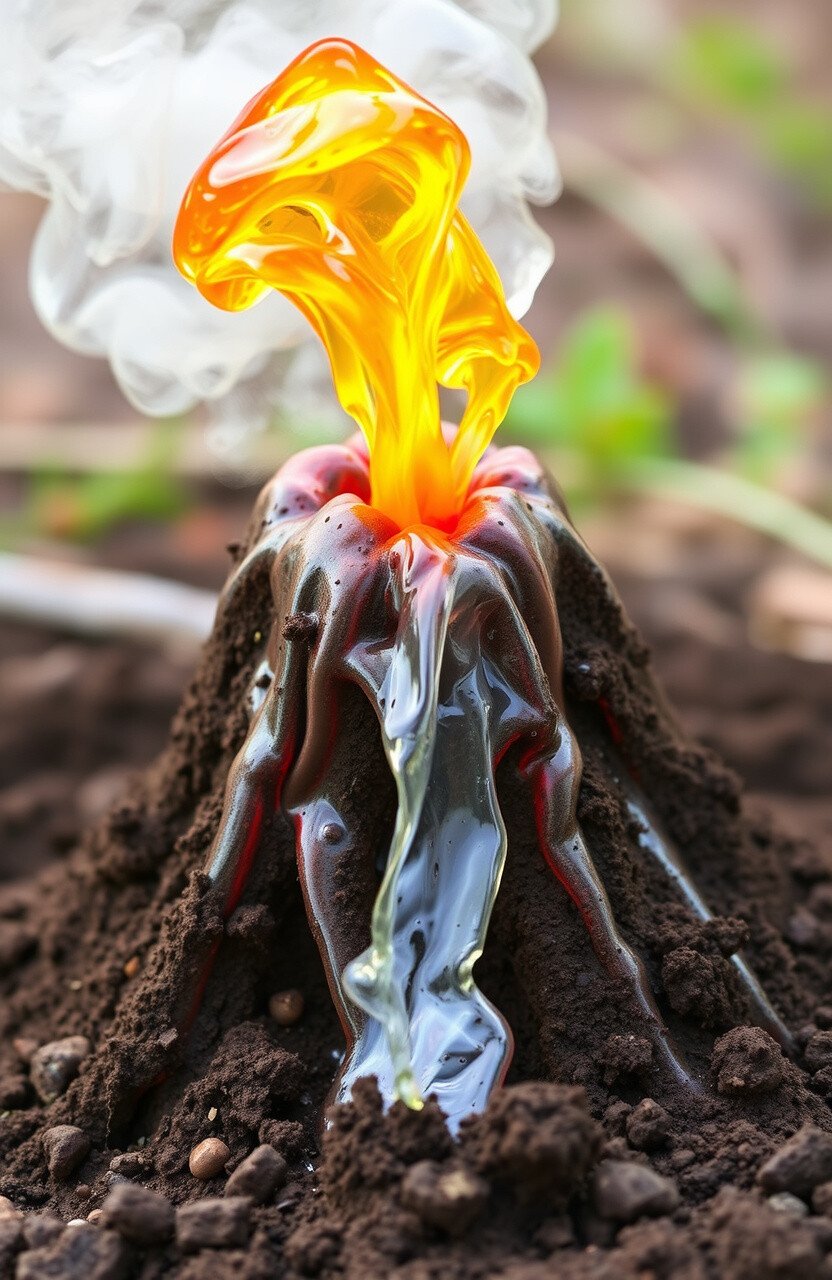
Combine baking soda and vinegar in the great outdoors to create a thrilling volcano eruption. Add some mud to the mix for an authentic volcanic look!
This experiment is not only fun but also a lesson in chemical reactions. It’s a fantastic way to learn about gases and pressure.
Make it unique by adding food coloring to the vinegar. Kids will love the colorful “lava” that comes bubbling out!

3. Nature’s Color Palette
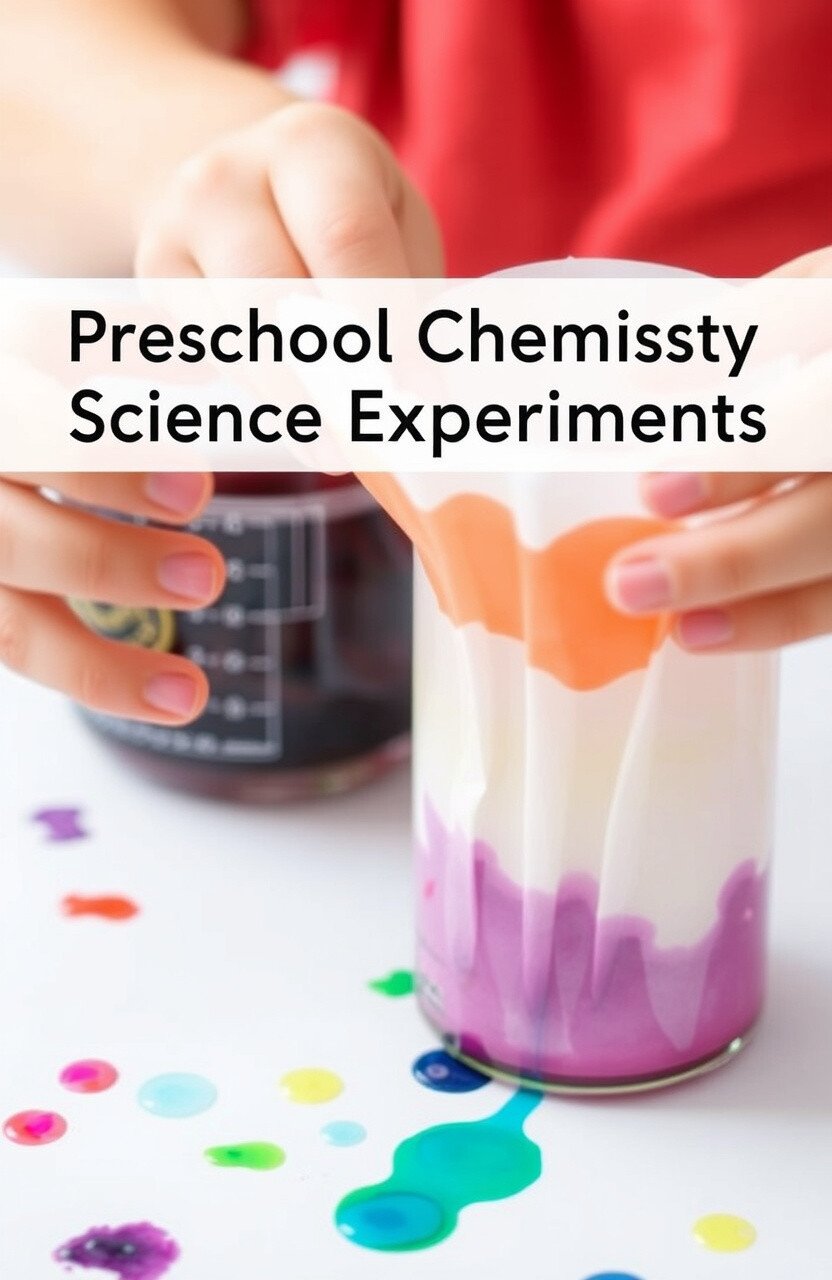
Use flowers, leaves, and other natural items to extract colors. With a little rubbing alcohol and a coffee filter, you can create a beautiful spectrum of natural dyes.
This experiment teaches about chromatography and the hidden colors in nature. It’s an eco-friendly activity that costs next to nothing.
Encourage kids to document their findings in a journal. They’ll feel like true explorers uncovering nature’s secrets!

4. Frozen Bubble Experiment
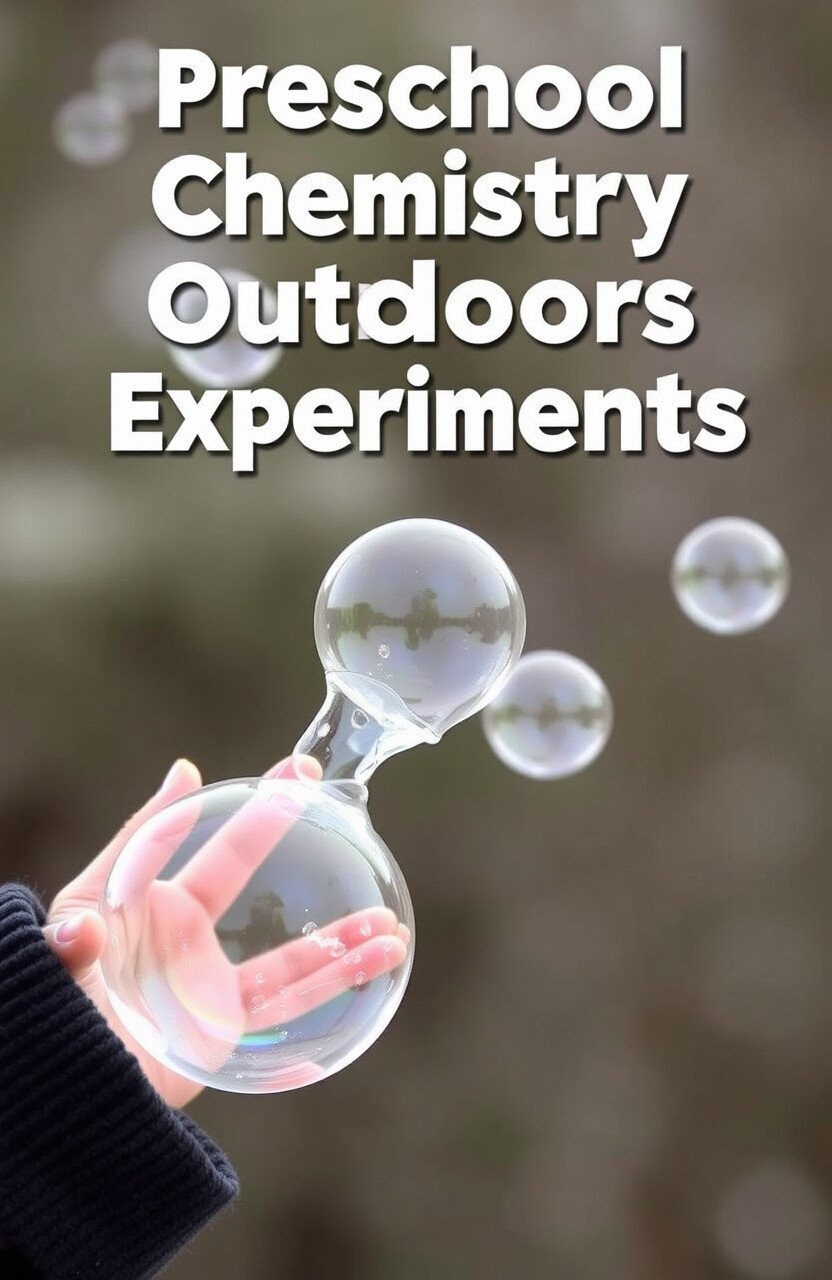
Blow bubbles in the chilly air and watch them freeze like magic! This experiment is perfect for winter days.
Children learn about temperature and states of matter. It’s a magical experience watching bubbles turn into delicate sculptures.
Try using different bubble solutions to see which work best in the cold. It’s a simple but enchanting way to spend a winter afternoon.

5. Fizzy Lemonade Lab
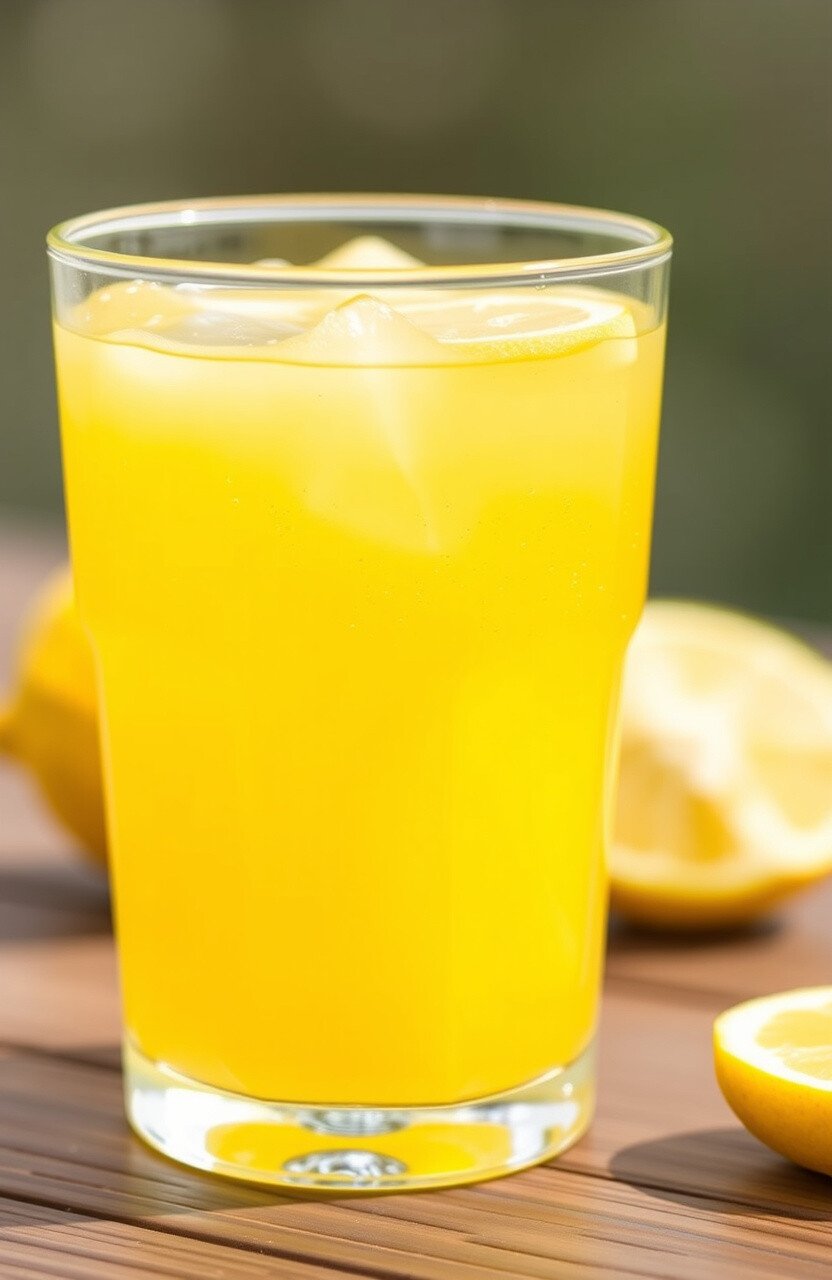
Mix lemon juice with baking soda to create a fizzy drink that’s both tasty and educational. Kids love the tangy fizz!
This experiment demonstrates acid-base reactions in a fun, hands-on way. Plus, it’s a delicious treat after all the bubbling excitement.
Personalize by adding a bit of sugar or honey for sweetness. It’s a fizzy sensation you can sip on a hot day!

6. Magic Milk and Food Coloring
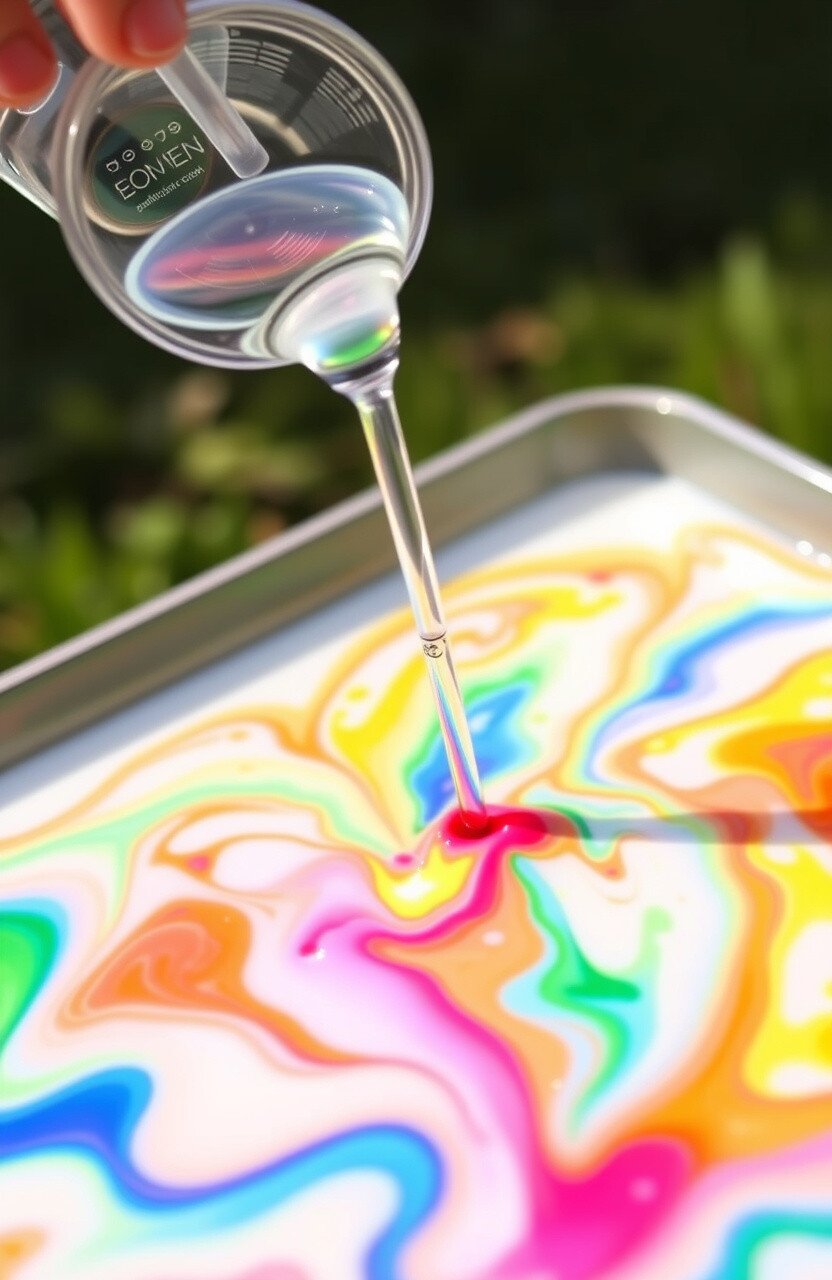
Watch as colors dance and swirl in a tray of milk when you add a drop of dish soap. It’s a stunning visual experiment!
This activity introduces concepts like surface tension and chemical reactions. Kids will be mesmerized by the kaleidoscope of colors.
Try using different types of milk or soap to see varying effects. It’s an art and science combo that never gets old.

7. Baking Soda and Vinegar Rockets
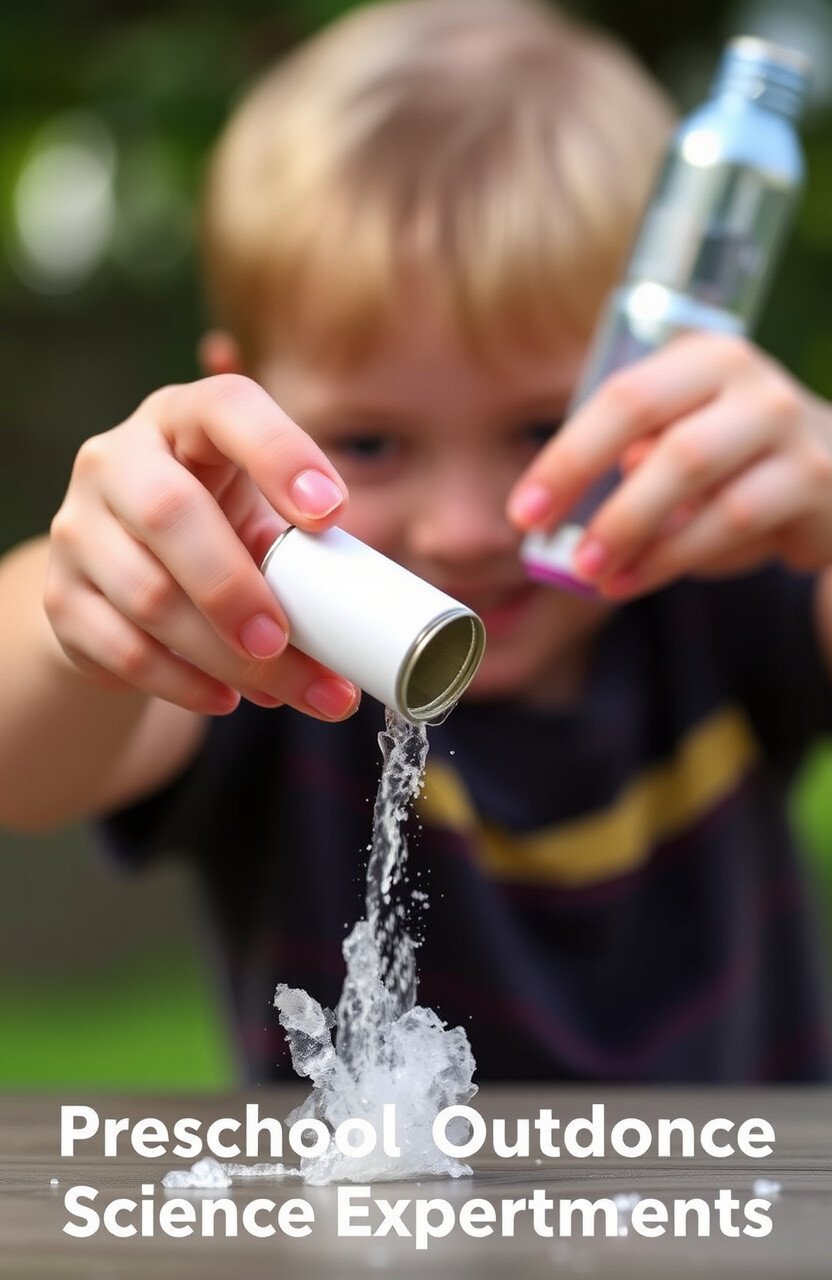
Create a mini rocket using a film canister, baking soda, and vinegar. Watch it take off with a satisfying pop!
This classic experiment teaches propulsion and chemical reactions. The excitement of a launching rocket is unmatched!
Experiment with different amounts of ingredients for varied results. It’s a blast that will have everyone cheering!

8. Solar-Powered S’mores

Use a pizza box, aluminum foil, and plastic wrap to harness the sun’s power and make delicious s’mores. It’s a sweet outdoor treat!
This project teaches about solar energy and the greenhouse effect. Kids will be amazed at cooking with just sunlight.
Personalize with different types of chocolate or marshmallows. It’s a delightful way to enjoy both science and dessert.

9. Water Xylophone

Fill glasses with varying levels of water and gently tap to create different musical notes. It’s a symphony of science!
This experiment introduces sound waves and vibrations. Kids can explore pitch and volume with this simple setup.
Use food coloring for a visual twist, creating a rainbow xylophone. It’s music to the eyes and ears!

10. Crystal Sun Catchers
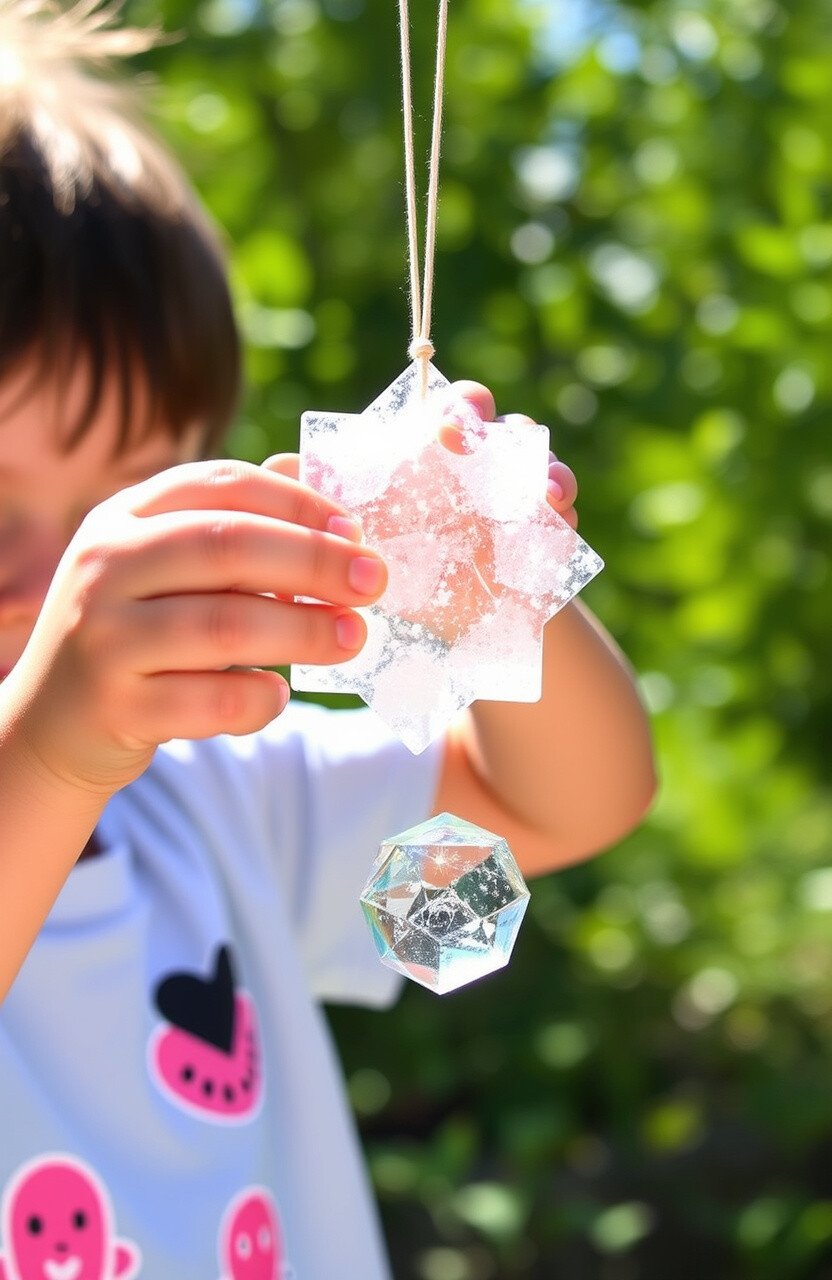
Create sparkling crystal sun catchers using salt or sugar solutions. Hang them in the sun for a dazzling display!
This experiment is a lesson in evaporation and crystallization. It’s a beautiful way to see science in action.
Try different shapes and sizes for your sun catchers. Kids can personalize with food coloring for extra sparkle.

11. Muddy Treasure Hunt
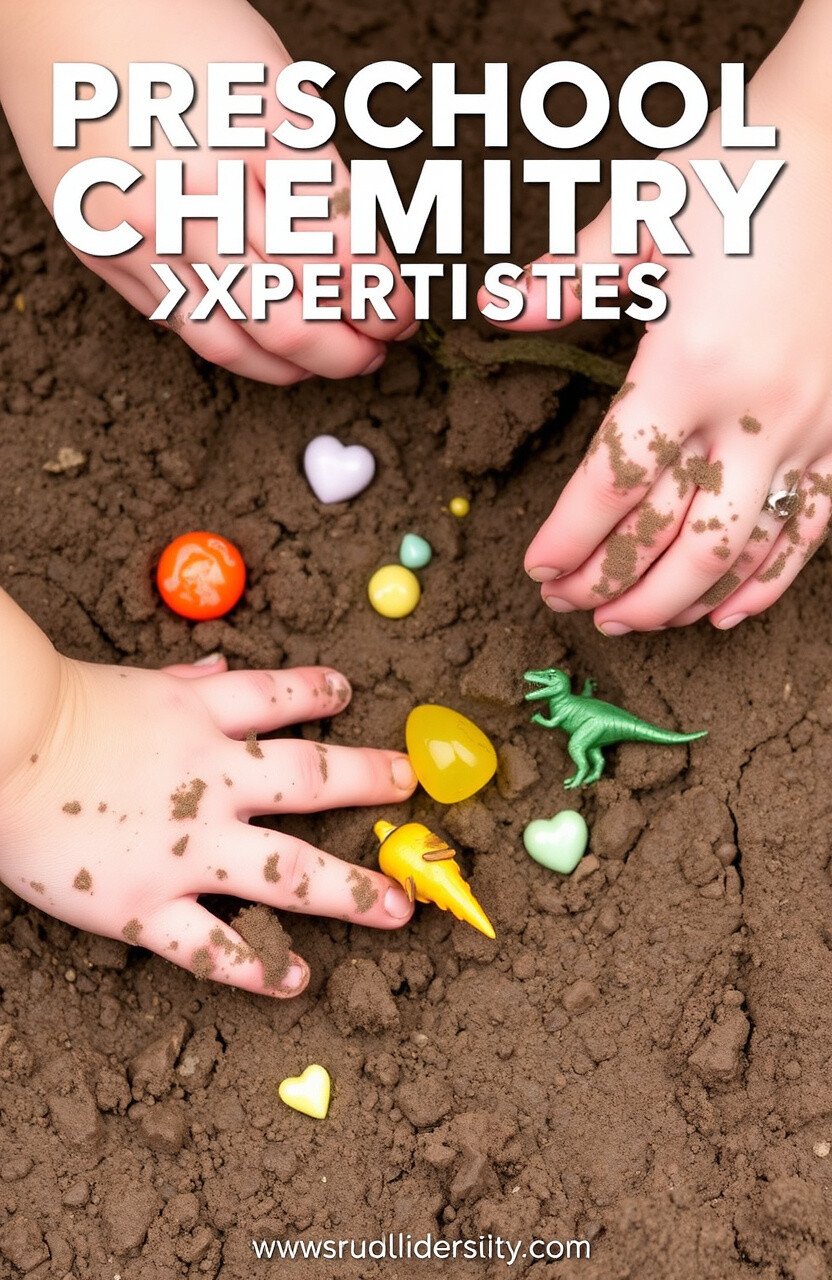
Hide small objects in a patch of mud and let the kids dig for them. It’s a hands-on way to learn about soil and sediment layers.
This activity is all about exploration and discovery. It’s messy, fun, and educational!
Personalize by using themed treasures, like dinosaurs or gems. It’s a muddy adventure kids will love.

12. Eggshell Geodes

Fill eggshells with a solution of water and alum to grow your own crystal geodes. It’s a sparkly surprise waiting to happen!
This activity teaches about crystal formation and patience. The results are stunning and worth the wait!
Experiment with different colors for your crystals. It’s a dazzling way to combine art and science.

13. Leaf Rubbing and Acid Test

Rub leaves onto paper to see their patterns, then test with vinegar to explore acid reactions. It’s a two-in-one science art project!
This experiment combines art with chemistry. Kids learn about plant structure and acid-base reactions.
Try different leaves and papers for unique effects. It’s a natural way to create and learn.

14. Wind-Powered Pinwheels

Create colorful pinwheels that spin in the wind using paper and straws. It’s a breezy way to study wind energy!
This project demonstrates the power of wind and kinetic energy. It’s simple, fun, and full of motion.
Decorate your pinwheels with stickers or drawings. It’s a personal touch that makes science come alive!

15. Floating Chalk Prints

Draw with chalk on water and gently lay paper on top to capture the design. It’s a floating masterpiece!
This experiment explores surface tension and absorption. The prints are unique and beautiful every time.
Use different colors and papers for endless creativity. It’s an artistic twist on traditional chalk art.

16. Fizzy Color Mixing

Combine baking soda, vinegar, and food coloring in a tray to watch colors fizz and mix. It’s a sensory explosion!
This experiment is a hands-on way to learn about color mixing and chemical reactions. Kids love the vibrant fizz!
Try using different tools to manipulate the colors. It’s an interactive and colorful chemistry experience.

17. Nature’s Perfume Lab
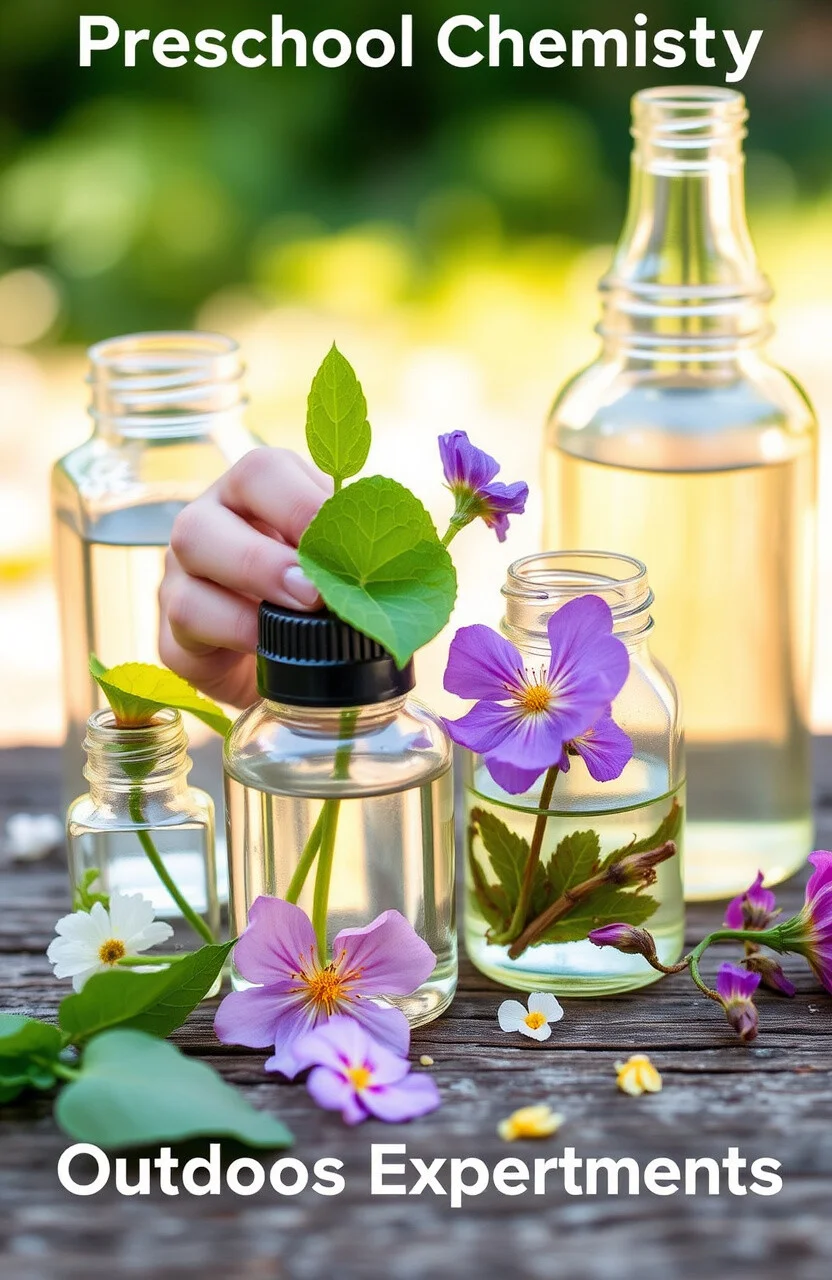
Collect flowers and leaves to create natural perfumes using water and jars. It’s a fragrant science experiment!
This activity teaches about essential oils and extraction. Kids can create their own scents from nature’s bounty.
Encourage creativity by mixing different plants. It’s a sensory journey that smells as good as it feels.
