Imagine a world where the magic of physics comes alive right in your living room. With the simplest materials and a dash of curiosity, you can create wonders that captivate the minds of young explorers.
1. Balloon Rockets

Who would have thought balloons could zoom across the room like rockets? All you need is a balloon, string, a straw, and some tape. Thread the string through the straw and tape it to the blown-up balloon. Let go, and watch it soar!
Kids will be thrilled to see how air pressure can send their “rocket” flying. It’s a perfect way to introduce them to action and reaction forces. Plus, it’s a super cheap activity since most materials are already in your home.
For a unique twist, create races with different balloon shapes or sizes. This simple tweak can lead to endless fun and experimentation.
2. Magic Milk

A splash of color makes everything magical. Pour some milk into a shallow dish and add drops of food coloring. Then, dip a cotton swab in dish soap and touch the milk. Watch as colors swirl and dance!
This visual treat is a great way to show surface tension and chemical reactions. Kids will love making predictions about what will happen next. It’s also a low-cost activity with items from your kitchen.
Try using different types of milk to see how they affect the results. This can spark discussions about fat content and its role in the magic.
3. Gravity-Defying Water
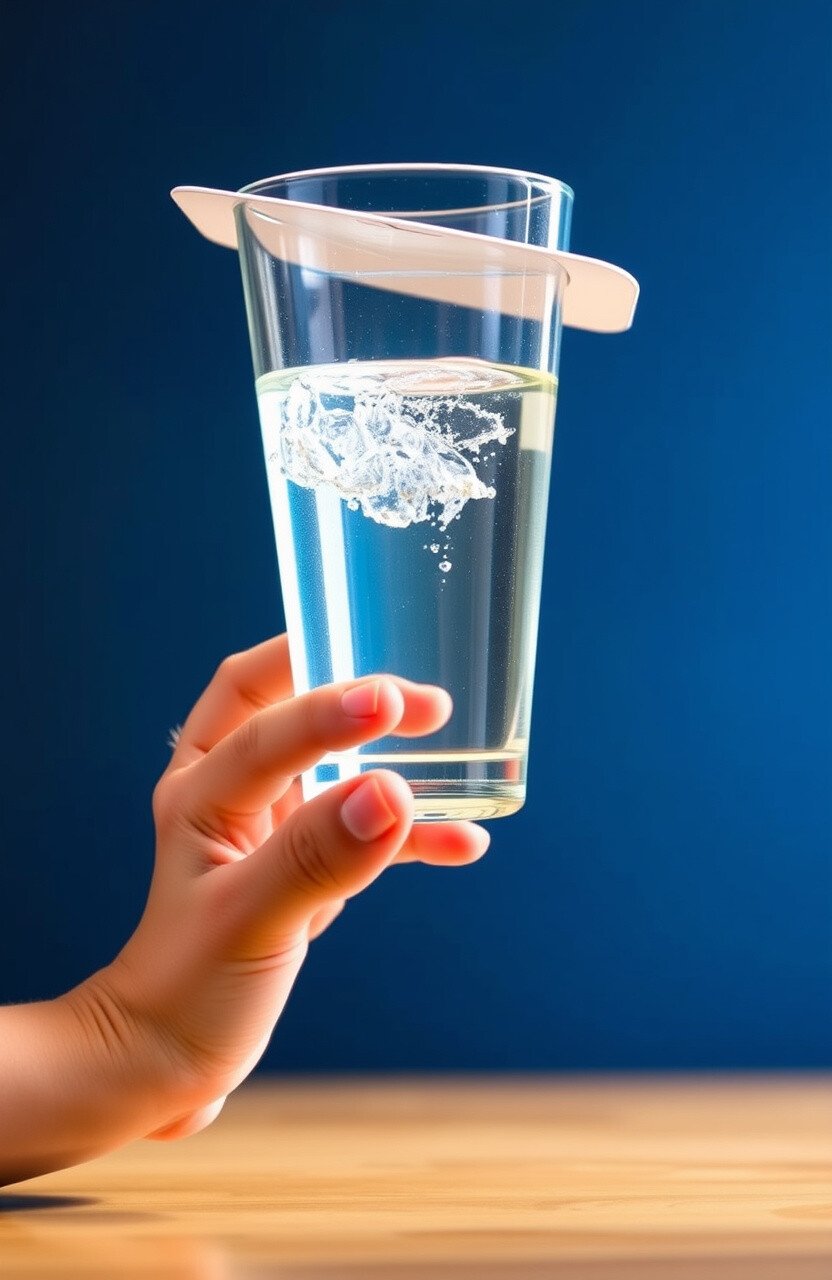
What if water could defy gravity? Fill a glass with water, cover it with a card, then flip it upside down. Remove your hand, and the water stays put!
This surprising trick demonstrates air pressure in a fun way. It’s a perfect opportunity for kids to learn about the invisible forces around us. The best part? It costs nothing but a little bit of your time.
Experiment with different sizes of glasses or types of cards to see how they impact the outcome. Personalize the activity by using colored water for an extra visual appeal.
4. Simple Machines with Toys
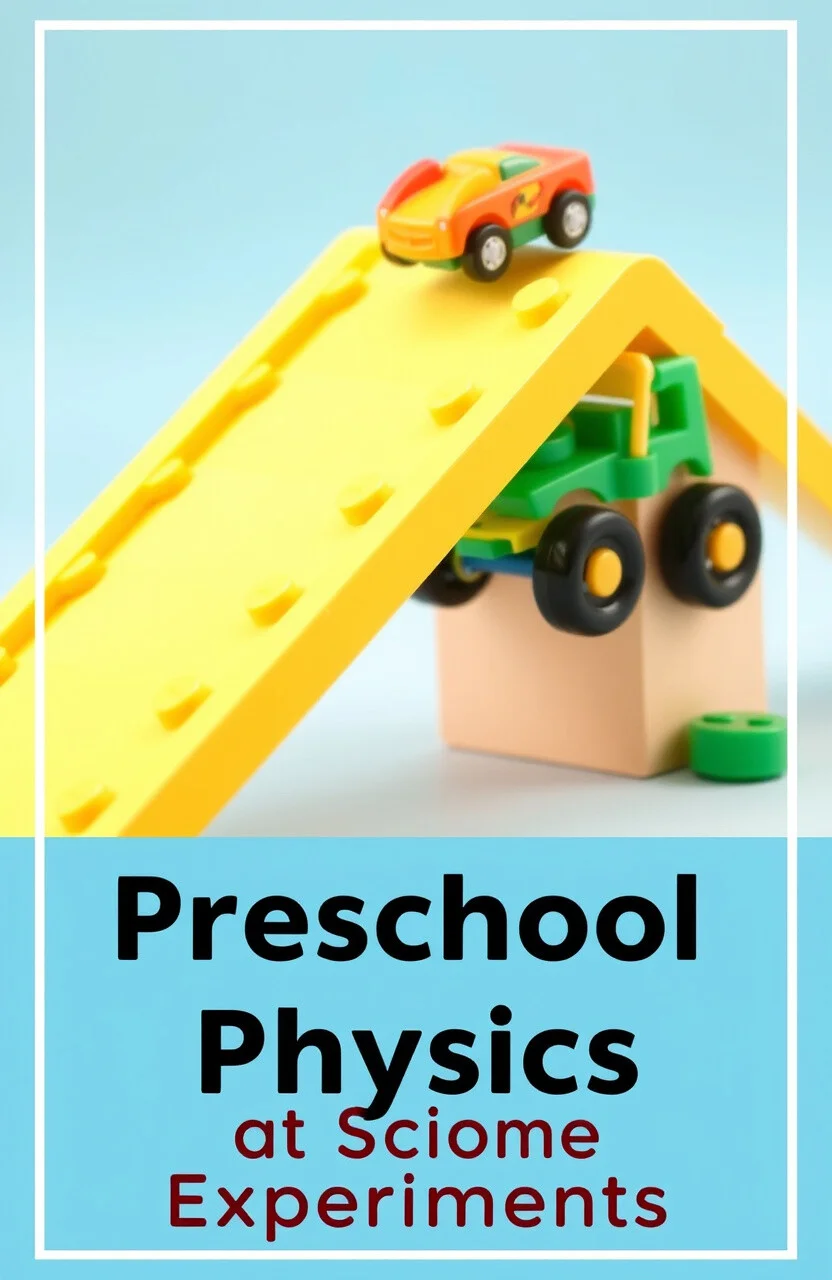
Transform toy cars and building blocks into a lesson on simple machines. Create ramps, levers, and pulleys using what you have at home. Watch as toys move with ease and little effort.
This tactile experience helps kids understand concepts like force, work, and energy. It’s a hands-on way to see how simple machines make life easier. Plus, it’s a great way to repurpose toys for educational play.
Challenge kids to build the tallest ramp or the most efficient pulley system. They’re sure to enjoy the engineering aspect of this activity.
5. Floating and Sinking
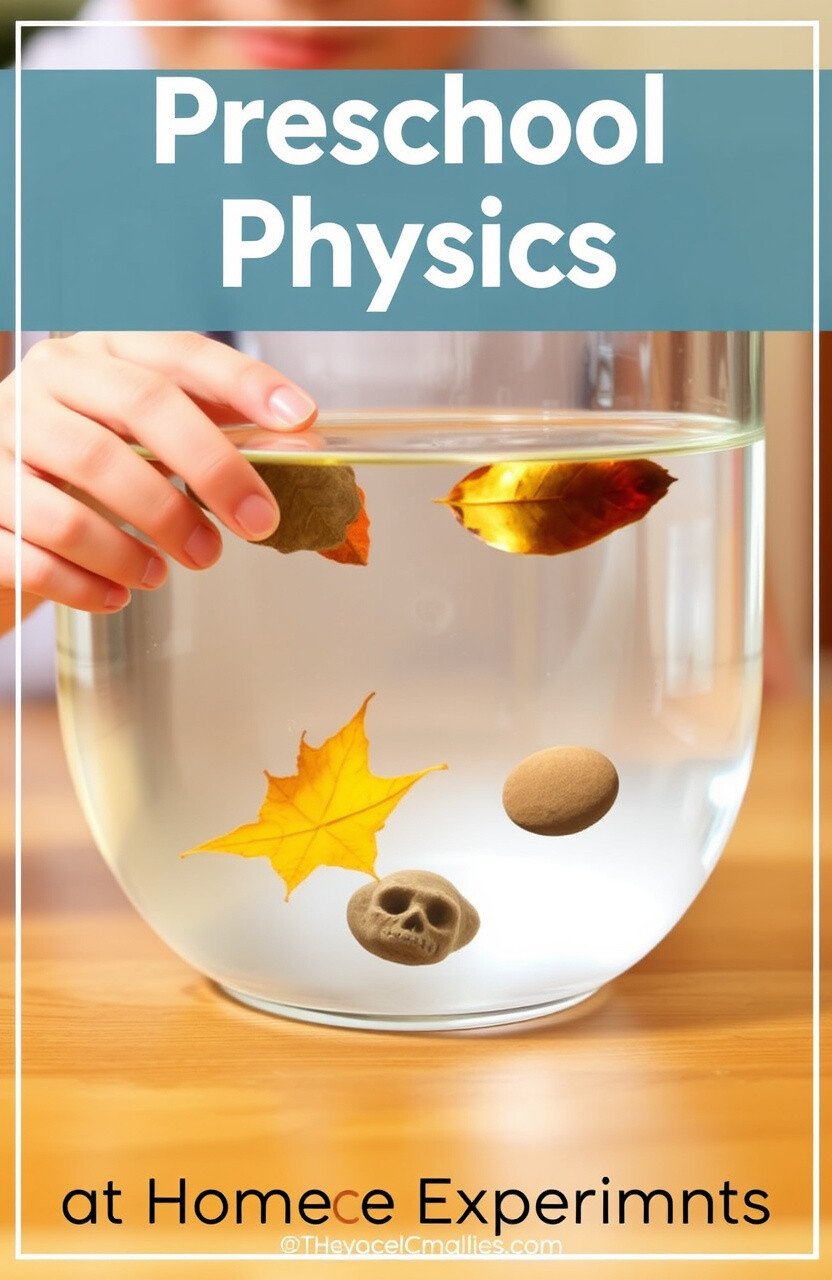
Does it float, or does it sink? Fill a tub with water and gather various objects from around the house. Let kids guess which will float and which will sink before testing their predictions.
This guessing game teaches about density and buoyancy in a fun and interactive way. It’s a simple setup with a big payoff in terms of learning and engagement. Best of all, it costs nothing.
Make it a seasonal activity by using objects from nature, like leaves and rocks. It’s a wonderful way to connect science with the world around them.
6. Homemade Volcano
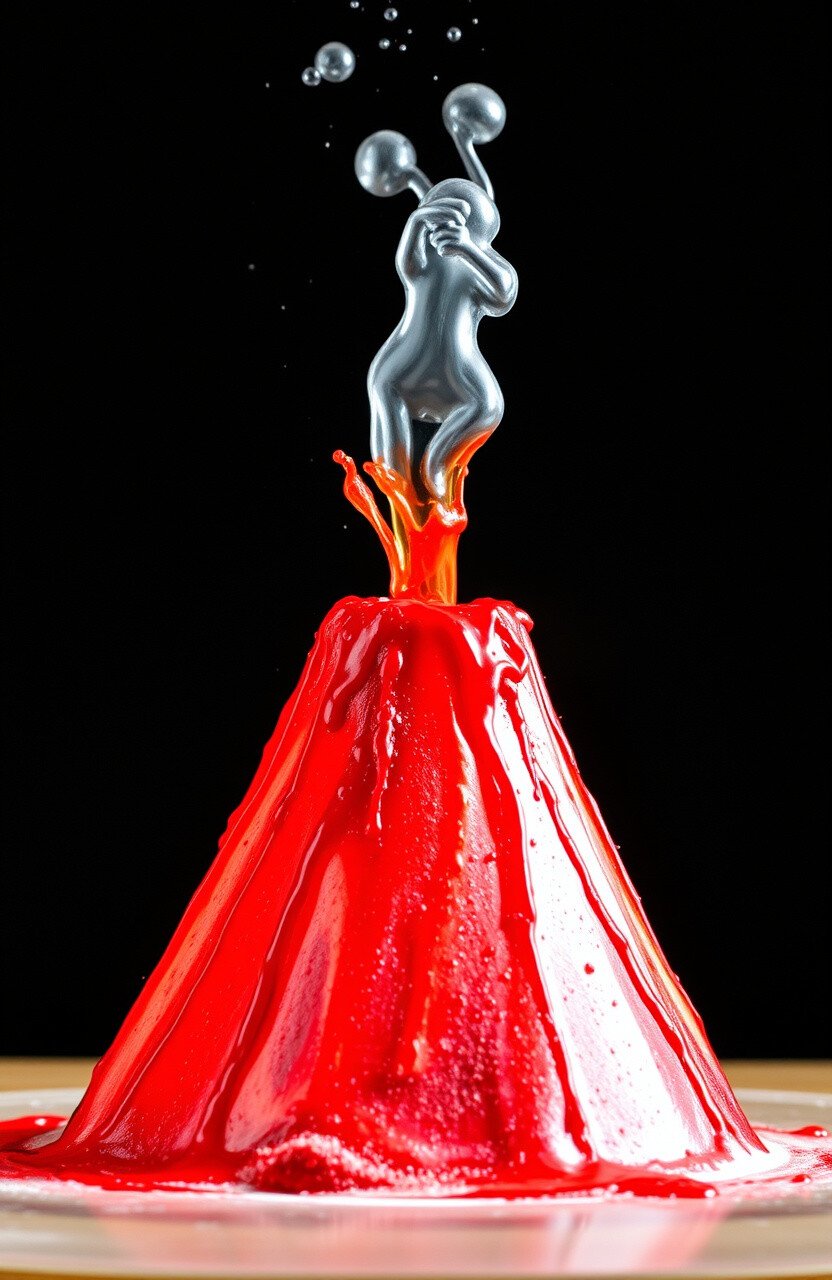
Nothing beats the thrill of a homemade volcano. Using baking soda, vinegar, and a bit of red food coloring, create an eruption that will leave kids wide-eyed with wonder.
This classic experiment is a fantastic way to teach about chemical reactions. It’s as much about the anticipation as it is about the boom! The materials are inexpensive, and the excitement is priceless.
For a personalized touch, let kids decorate their volcano with play dough or paper mâché. They’ll feel like real scientists in their lab.
7. Static Electricity Butterflies

Make butterflies dance with the power of static electricity. Cut out paper butterflies, rub a balloon on your hair, and watch them flutter as you bring the balloon close.
This mesmerizing activity demonstrates static electricity in a way that’s easy to understand. Kids will love seeing how invisible forces can create movement. Plus, it’s a no-cost activity using items you already have.
Encourage creativity by letting kids design their butterflies with colored paper and markers. Each one will be as unique as their imagination.
8. Ice Fishing

Catch ice cubes without touching them! Fill a bowl with ice water, sprinkle salt over the ice, and use a string to “fish” for cubes. The salt melts the ice, letting the string freeze into it.
This cool experiment introduces concepts of freezing point depression and the science of salt and ice. Kids will be fascinated by the idea of fishing indoors! With just a few kitchen supplies, it’s an affordable way to play with physics.
Try adding food coloring to the water for a colorful twist. It’s a fun way to see how ice and salt interact in different conditions.
9. Rainbow in a Jar
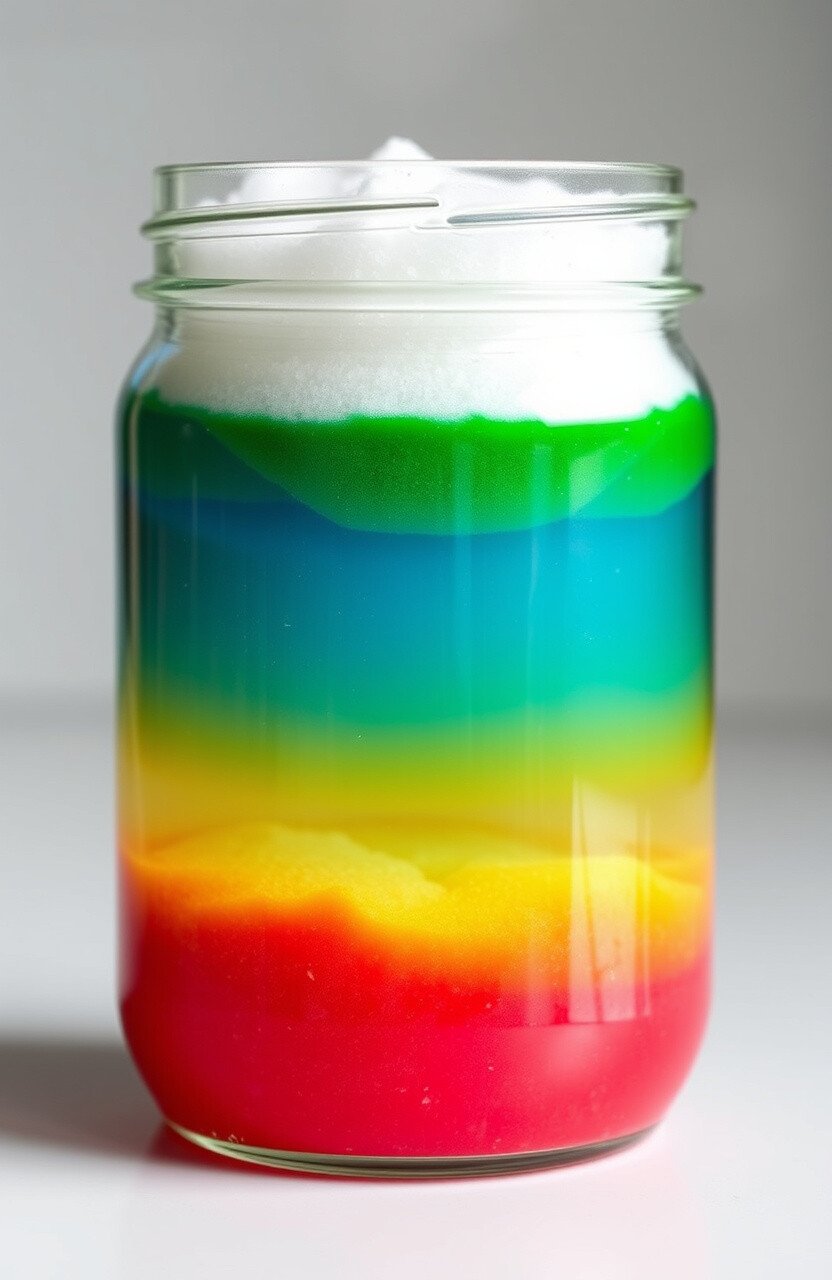
Create a rainbow in a jar using sugar, water, and food coloring. Different sugar concentrations will create layers of colors that stack on each other without mixing.
This beautiful experiment teaches about density and the properties of liquids. Kids will be amazed at how the colors stay separate! It’s a visually stunning activity that doesn’t require much in terms of materials.
Encourage your kids to mix colors and create their unique rainbow combinations. They’ll love the personalized touch in their colorful creation.
10. Egg Drop Challenge
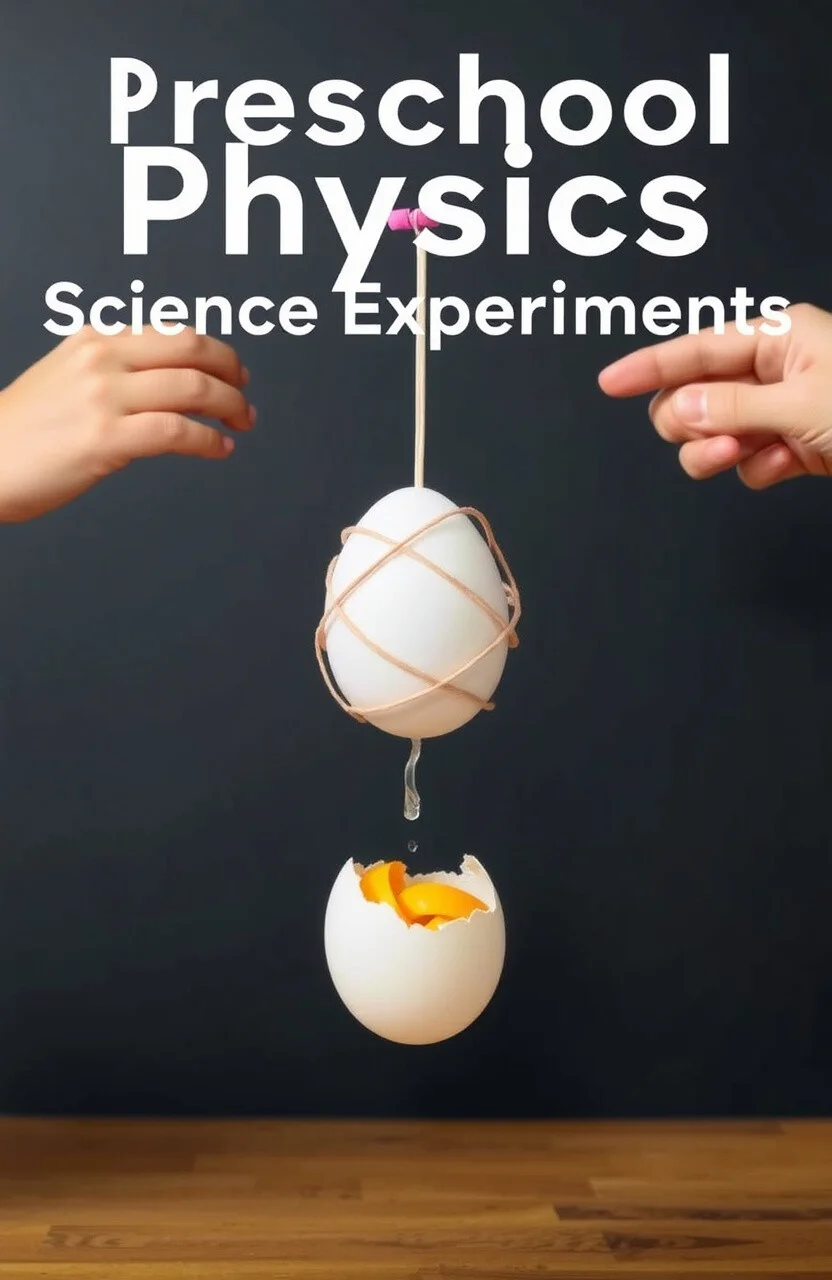
Can you protect an egg from a high fall? Use materials like straws, tape, and cotton balls to design a protective cradle for the egg. Then, let it drop and see if it survives!
This engineering challenge is all about creativity and problem-solving. Kids learn about gravity, impact, and how design can influence outcomes. It’s a fantastic way to repurpose household items for a fun physics experiment.
Turn it into a competition by seeing who can drop their egg from the highest height without breaking it. It’s a thrilling way to engage young minds.
11. Water Filtration Experiment

Teach kids about clean water with a simple filtration system. Using sand, gravel, and a coffee filter, create a mini water filter and see how it purifies dirty water.
This experiment demonstrates the principles of filtration and the importance of clean water. Kids will be fascinated by the transformation of muddy water into clear water. It’s an affordable activity with a powerful message.
Discuss how this relates to real-world water purification and the impact on communities. It’s an educational activity with a meaningful story behind it.
12. Paper Airplane Physics
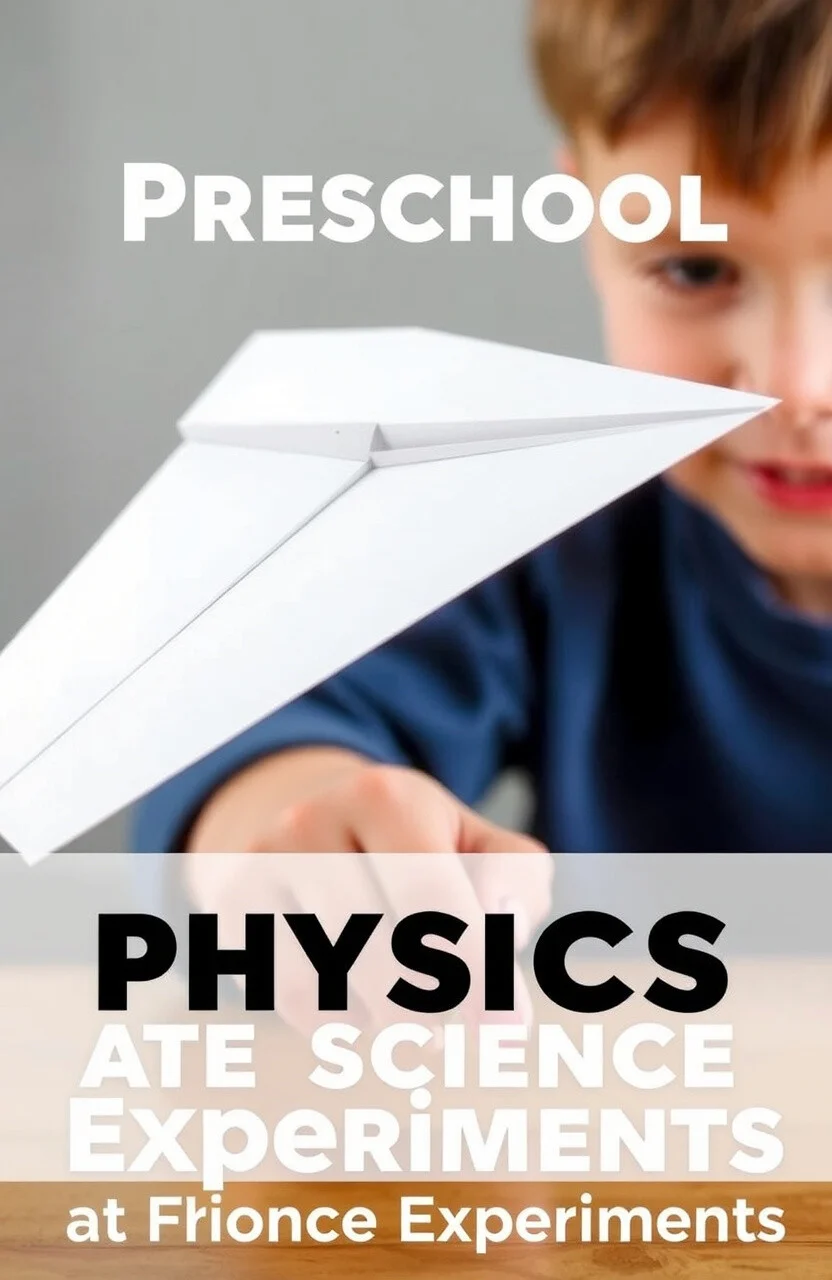
Take paper airplanes to the next level by exploring how design affects flight. Experiment with different folds and weights to see how they change the distance and speed of flight.
This hands-on activity is a great way to introduce aerodynamics and the forces of lift and drag. Kids will enjoy tweaking their designs for optimal performance. Plus, it’s budget-friendly with just paper and creativity needed.
Host a paper airplane contest to see whose design flies the farthest or fastest. It’s a playful way to turn physics into a friendly competition.
13. Sound Waves with Water
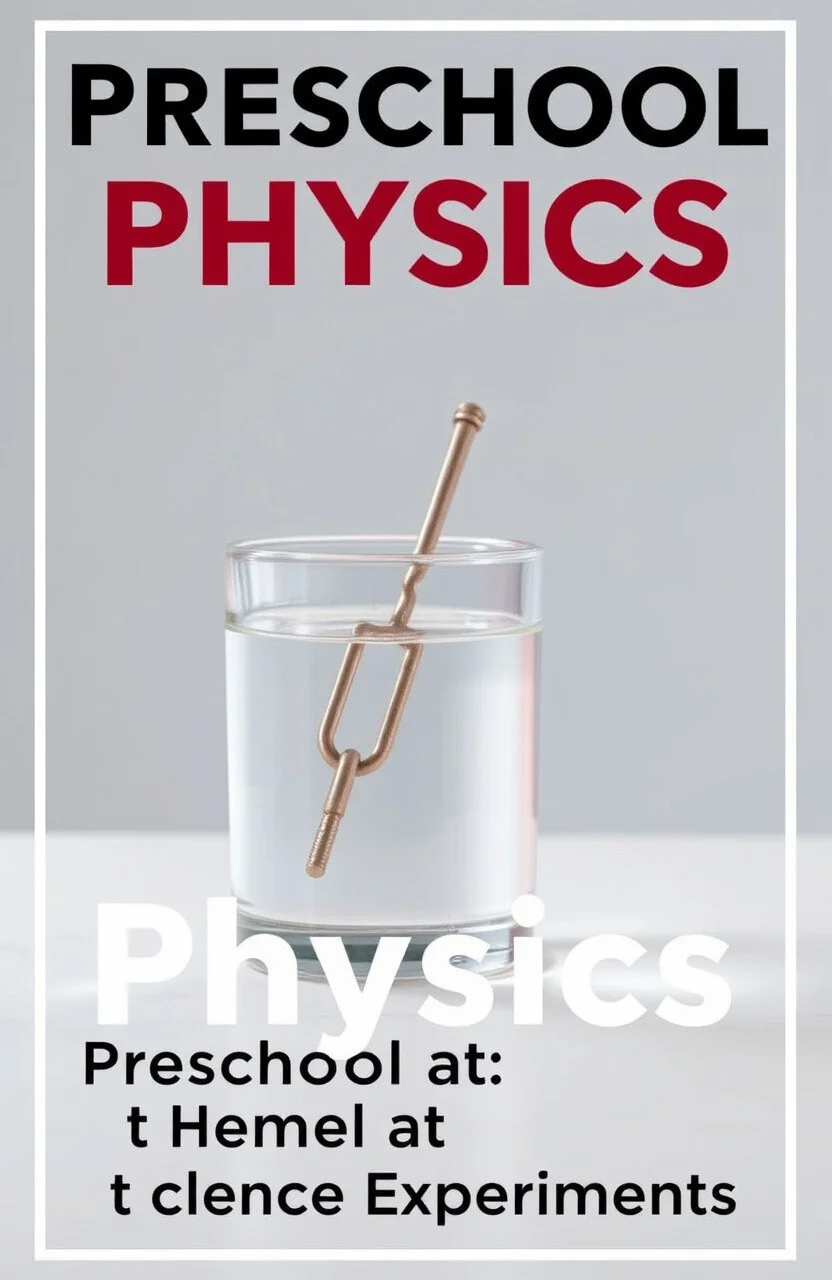
Visualize sound waves using water and a tuning fork. Strike the fork, place it near the water, and watch the ripples form.
This simple experiment shows how sound waves travel through different mediums. Kids will be surprised to see sound in action! It’s a fascinating way to explore physics with minimal materials.
Encourage kids to test different objects to see how they affect the water. It’s a unique way to engage with sound and vibration.
14. Friction Ramp Race
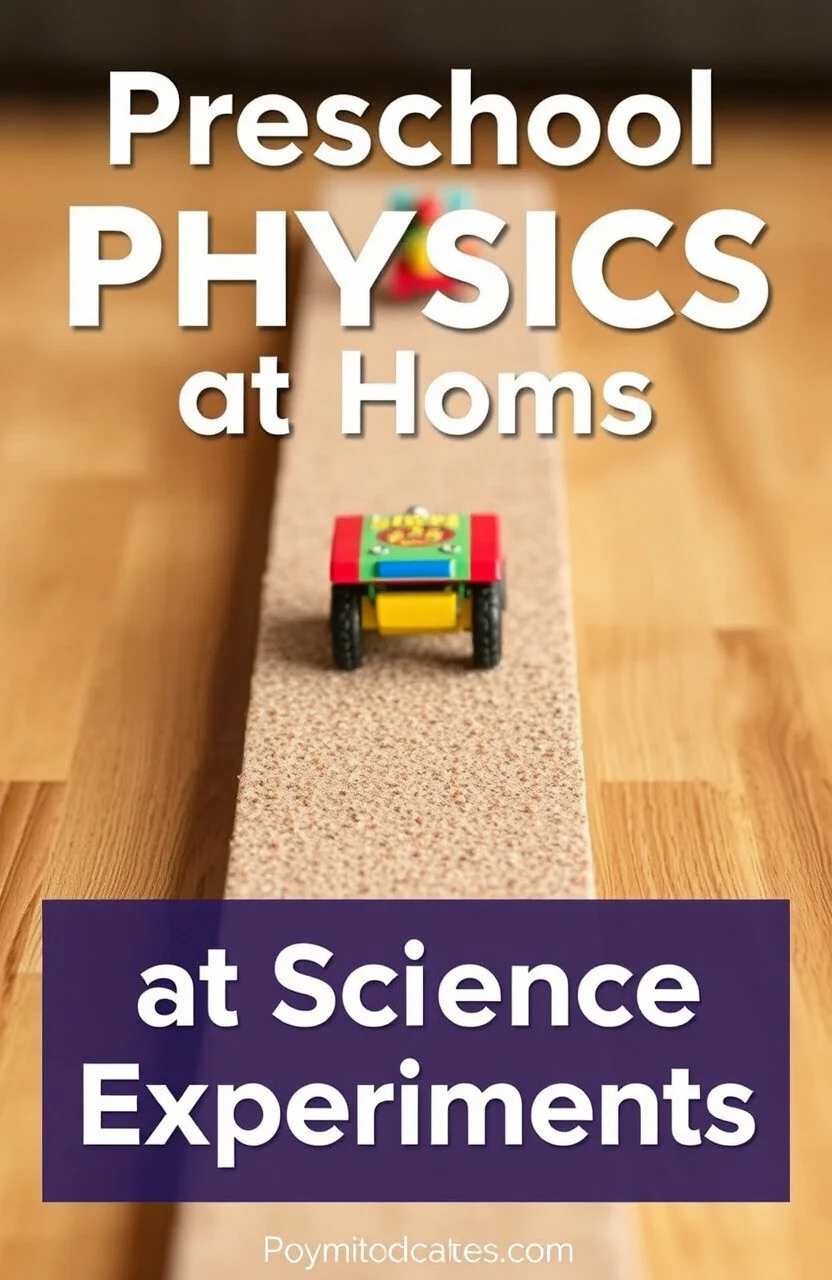
Create ramps with different surfaces and race items down them to explore friction. Use materials like sandpaper, foil, and fabric to see how they affect speed.
This activity is perfect for understanding how friction impacts motion. Kids will love racing their favorite toys and seeing which surfaces are the fastest. It’s an engaging way to learn about physics through play.
Combine surfaces for a multi-textured ramp that adds complexity to the race. It’s a fun way to experiment with different types of friction.
15. Homemade Sundial
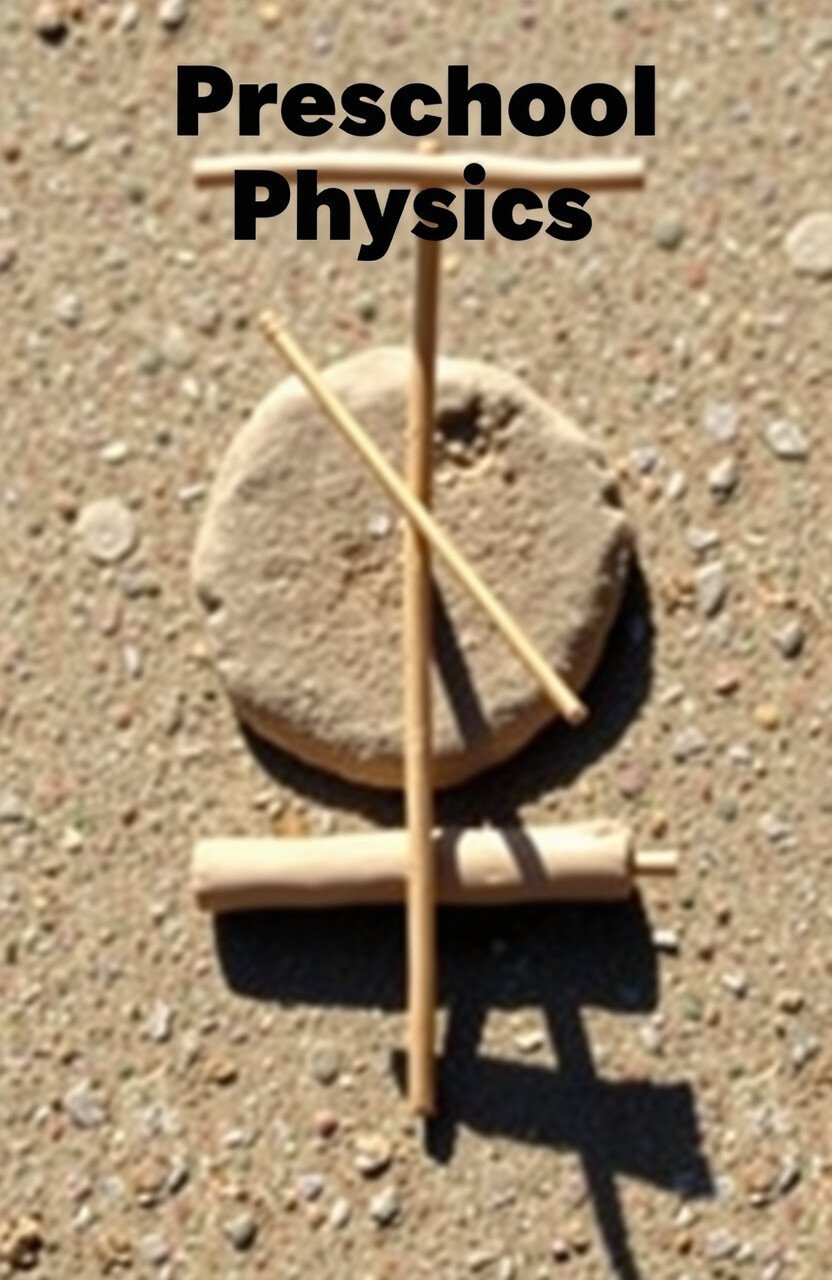
Make time-telling an adventure with a homemade sundial. Use a stick and some stones to mark the shadow’s position throughout the day.
This outdoor activity teaches about the Earth’s rotation and the movement of the sun. Kids will be fascinated by how shadows can tell time. Best of all, it’s a natural, zero-cost activity.
Personalize it by decorating the sundial with paint or markers. It’s a creative project that combines art and science.
16. Bouncy Ball Chemistry
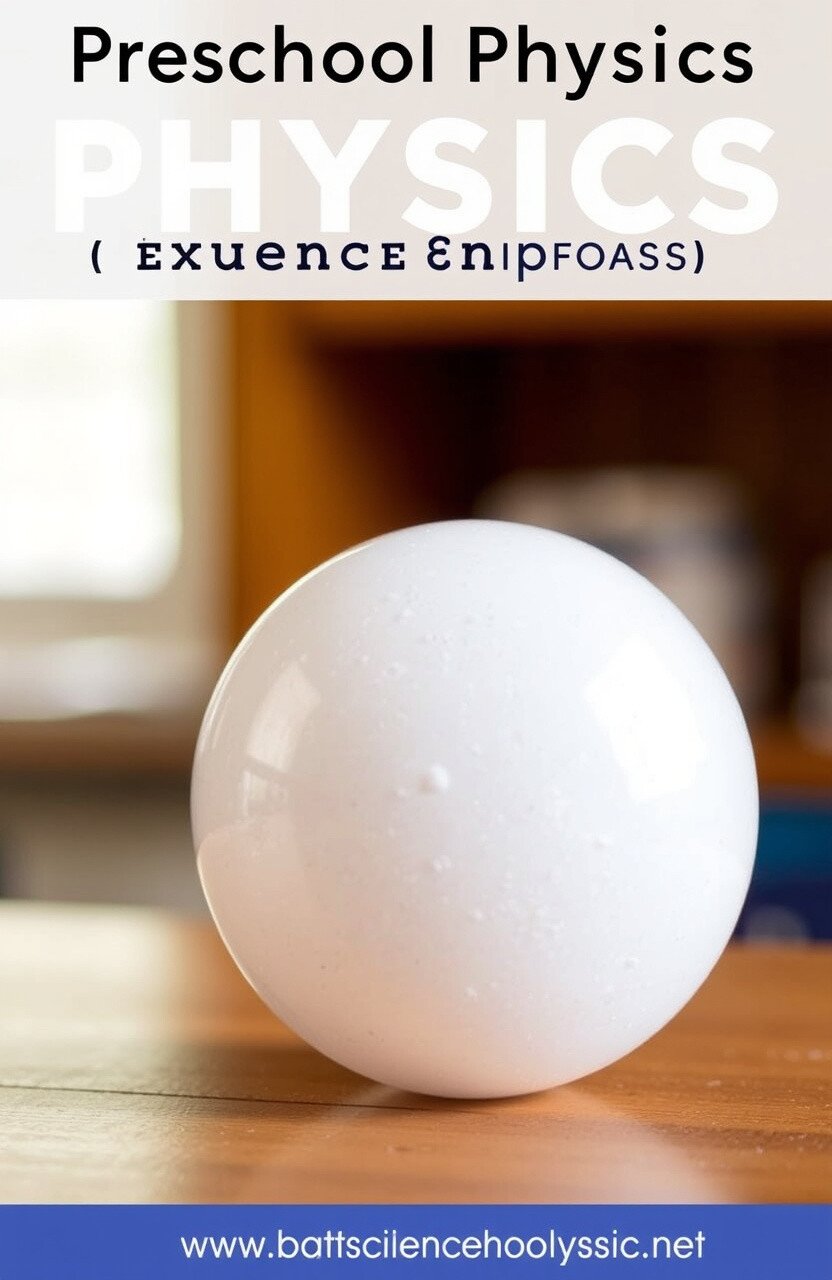
Create your own bouncy ball with simple ingredients like glue, borax, and cornstarch. Mix them together and shape it into a ball that bounces high!
This fun chemistry experiment shows how materials can change states and properties. Kids will love playing with something they made themselves. It’s a low-cost way to bring a bit of science into playtime.
Experiment with different ratios to see how they affect the ball’s bounce. It’s a personalized science project that’s full of surprises.
17. Invisible Ink Messages
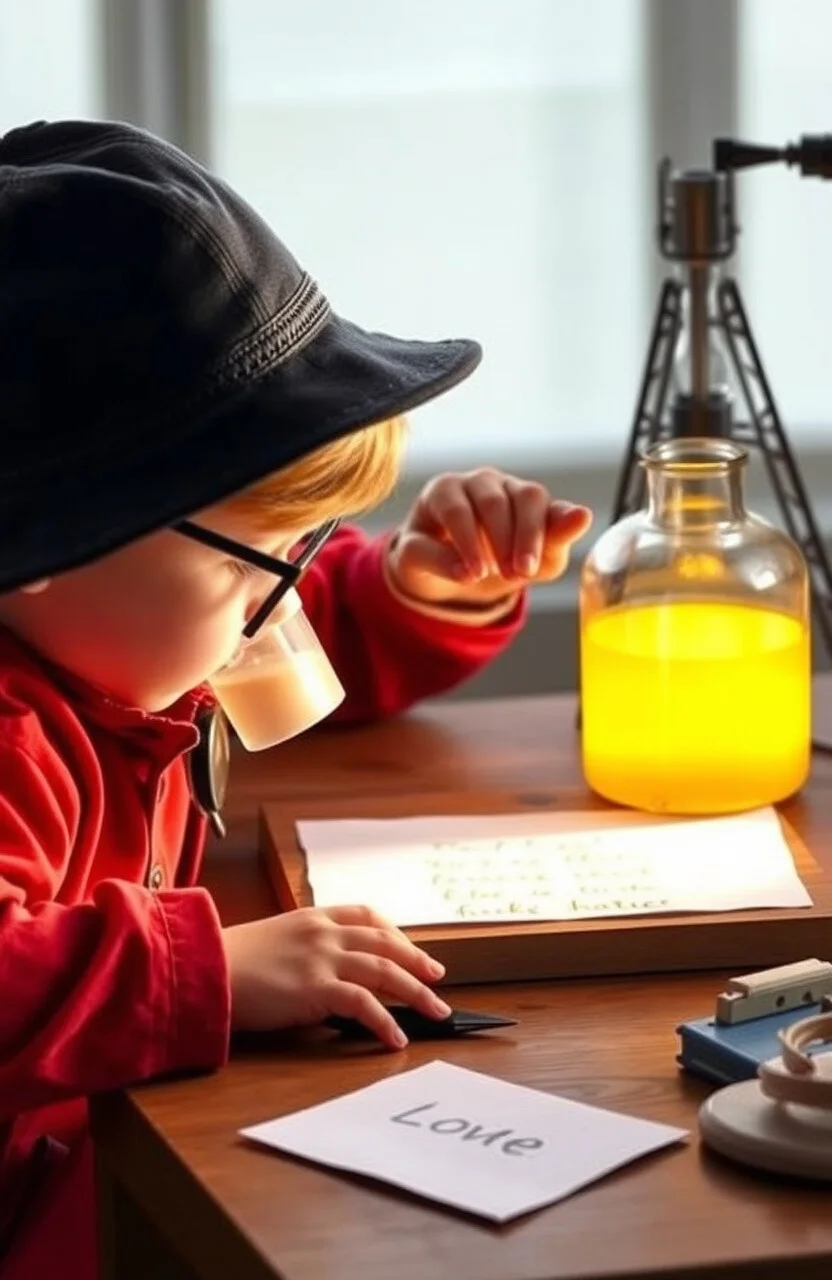
Write secret messages with invisible ink made from lemon juice. Once dry, hold the paper over a heat source and watch the message appear!
This classic spy activity introduces kids to acid-base reactions and the science of oxidation. Kids will be thrilled to send and decode secret notes. It’s an inexpensive activity with a touch of mystery.
Encourage kids to create a whole spy adventure with clues and codes. It’s a playful way to combine creativity with science.
18. Salt Crystal Art

Grow sparkling salt crystals on paper to create beautiful art. Mix salt and water, paint it onto paper, and watch the crystals form as it dries.
This artistic science experiment shows how crystals form and grow. Kids will be amazed at the delicate patterns they can create! It’s an engaging way to explore chemistry through art.
Use colored water for extra vibrant crystals. It’s a fun way to personalize the artwork and make it truly unique.
19. Parachute Engineering

Design parachutes using plastic bags, string, and small weights. Test different designs to see which one lands the slowest and safest.
This engineering challenge teaches about air resistance and the forces that affect parachutes. Kids will enjoy the creativity involved in crafting their designs. It’s a budget-friendly way to spark interest in physics.
Host a parachute drop contest to see whose design works best. It’s a thrilling way to end a day of scientific exploration.