Young minds brim with wonder, and the realm of physics offers a playground like no other. Imagine a world where marbles can defy gravity and magnets lead a merry dance.
1. Magical Marbles and Ramps
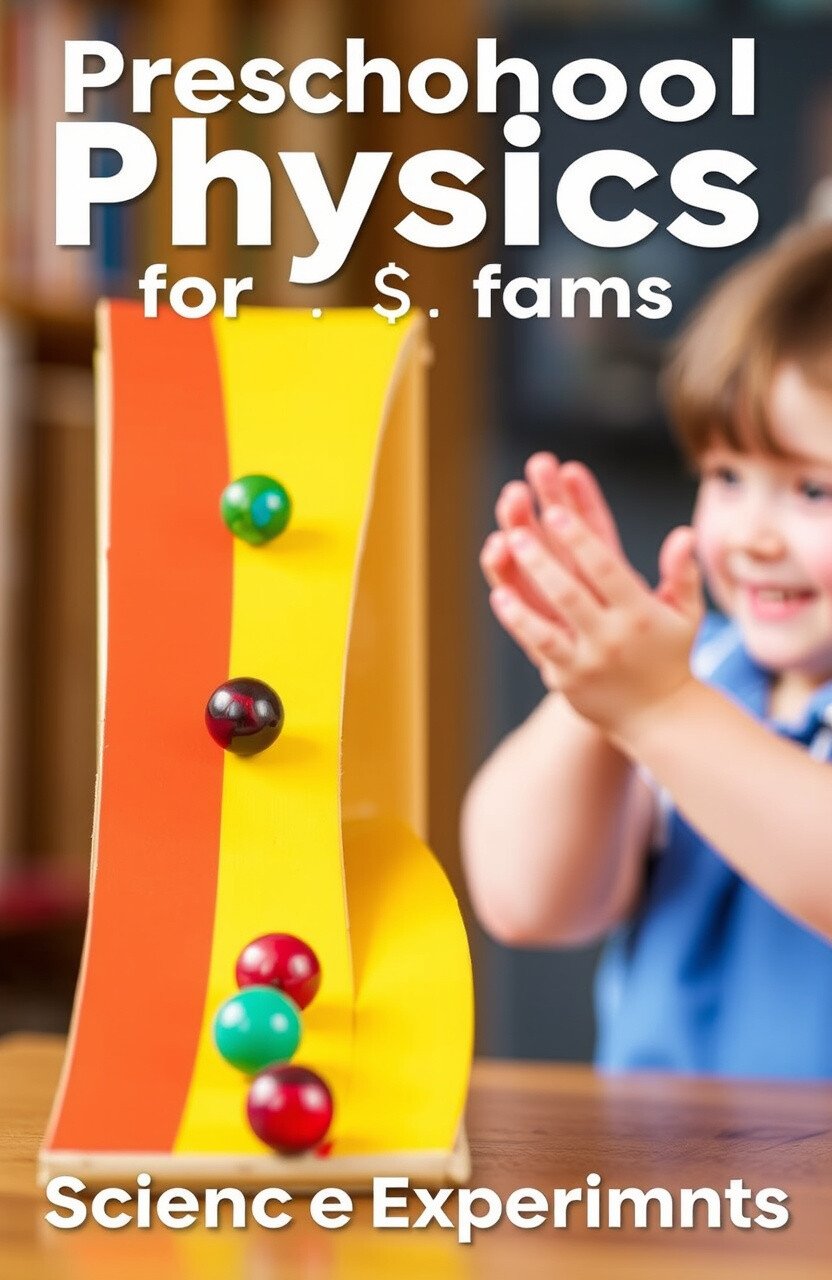
Picture this: a colorful ramp, marbles racing down, and little hands clapping in joy. This idea is all about building ramps using cardboard tubes, wooden planks, or even books.
The beauty lies in its simplicity and the sheer joy of watching marbles zip down. It’s unique because gravity becomes visible as marbles speed up and slow down. Kids learn about speed and angles without even realizing it.
For a personalized touch, paint the marbles or decorate the ramps. This project is budget-friendly, with most materials already at home. It’s a classic blend of fun and learning!
2. Floating and Sinking with Fruits
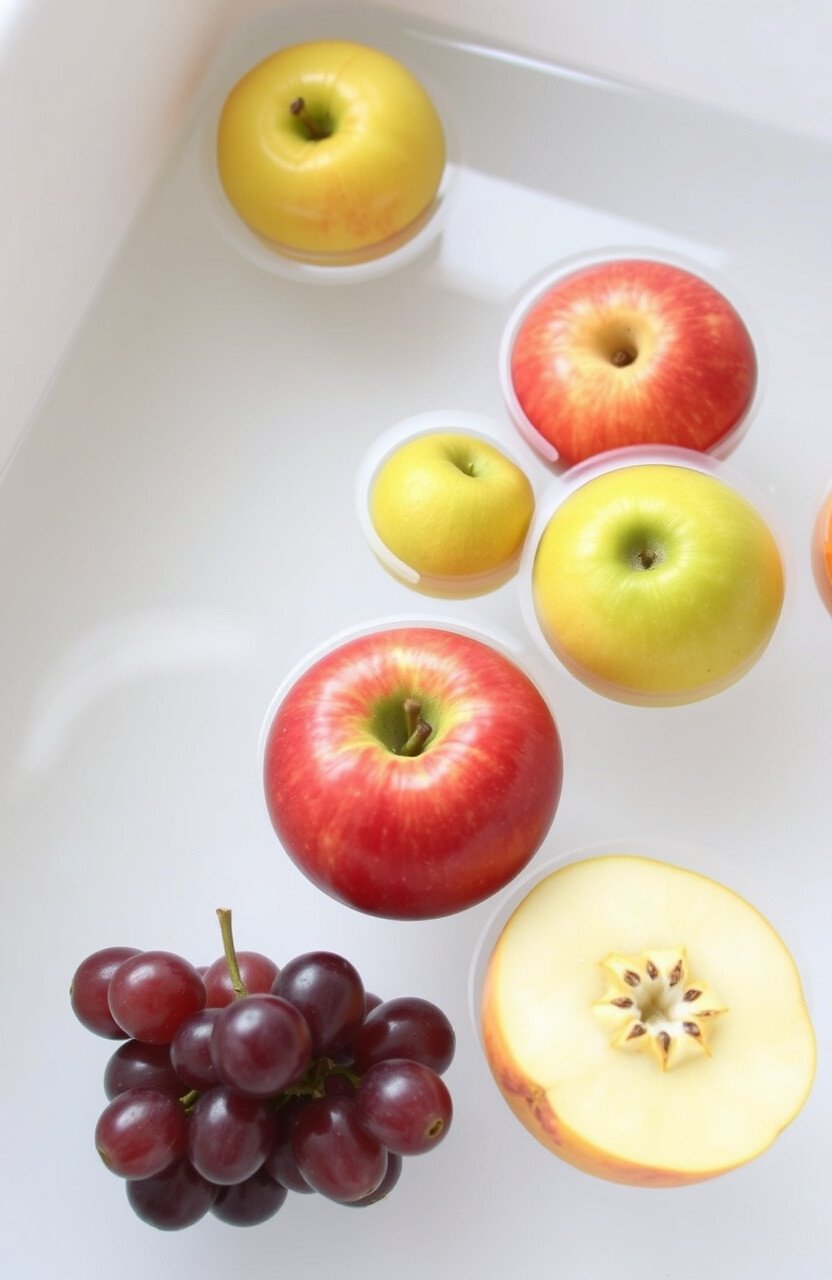
Fill a tub with water and gather various fruits. The question is: will it float or sink? This activity is a delightful mix of prediction and observation.
As kids watch apples float and grapes sink, they begin to understand density. The uniqueness lies in using everyday items to teach complex ideas. Encourage them to guess which fruits will float before testing.
It’s a cost-effective way to introduce buoyancy. Plus, after the experiment, you can enjoy a healthy fruit snack!
3. Balloon Rockets
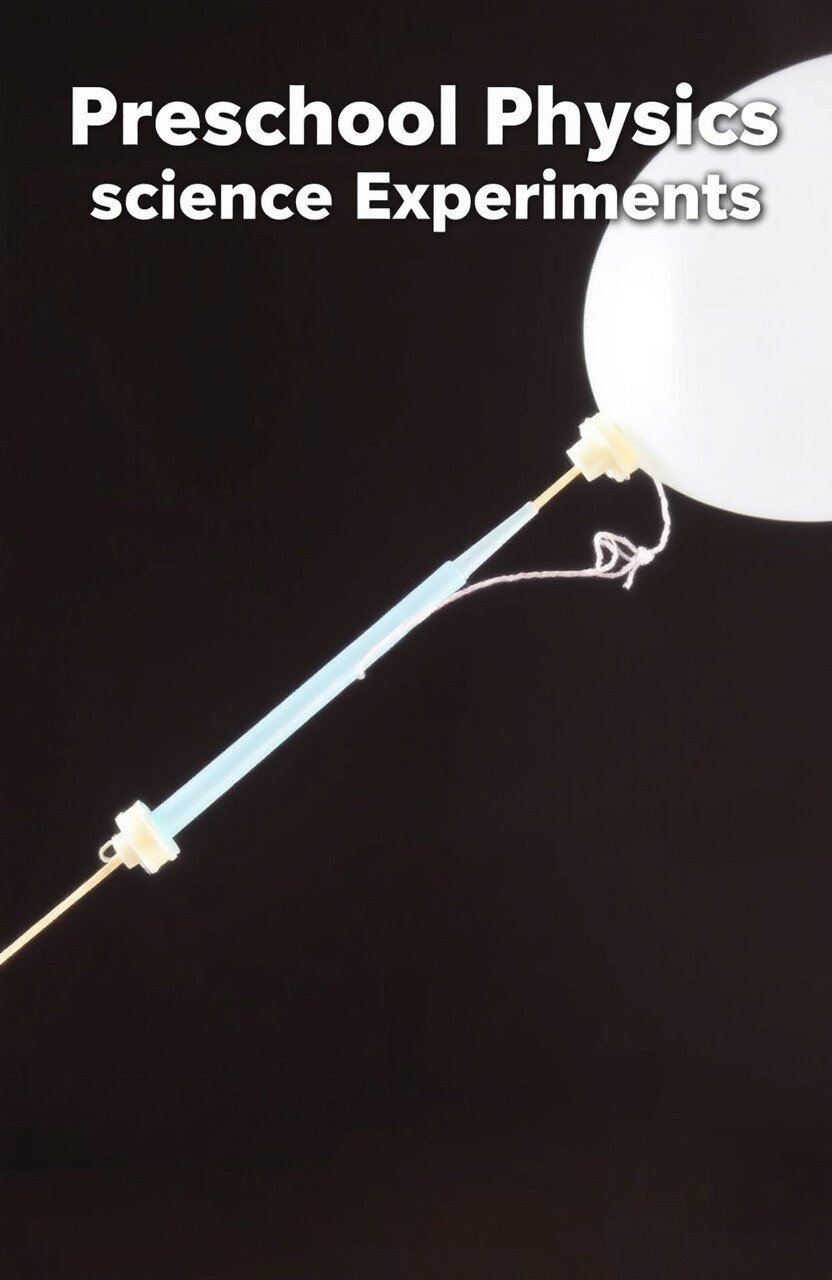
A balloon, a straw, and some string create a high-flying adventure. As the balloon deflates, it zooms along the string, much to the delight of young scientists.
This project is thrilling because it combines movement and sound. Kids learn about propulsion and air pressure. The uniqueness is in its simplicity and the excitement it generates.
Try using different balloon sizes to see which goes fastest. It’s a low-cost idea with endless fun possibilities!
4. Shadow Puppets and Light
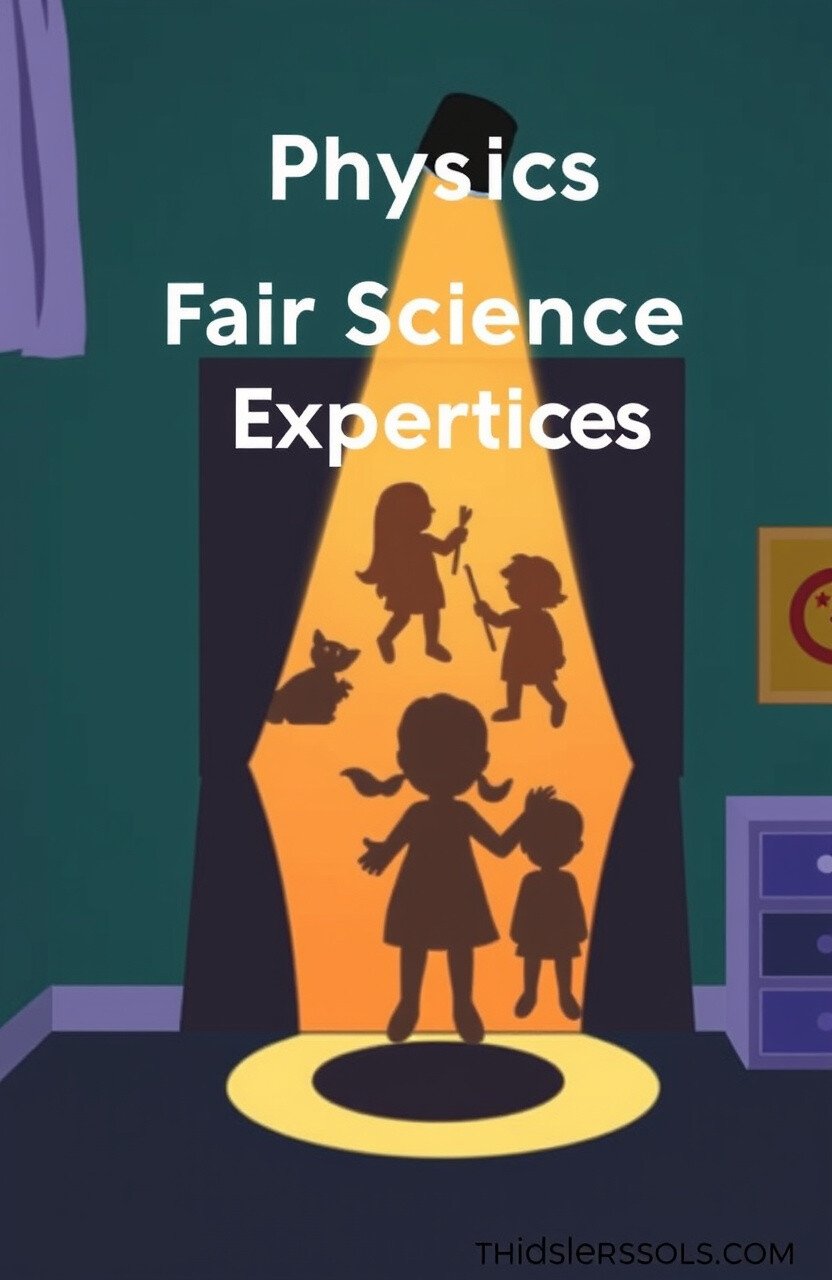
A flashlight and some paper cutouts can turn any room into a theater. This project explores how light and shadows work.
Kids will love creating characters and watching them dance on the wall. It’s unique because it merges storytelling with science. They learn how light travels and creates shadows without even realizing it.
Personalize by crafting a story or using colored paper for different effects. It’s an inexpensive way to harness the power of imagination and light.
5. Tornado in a Bottle
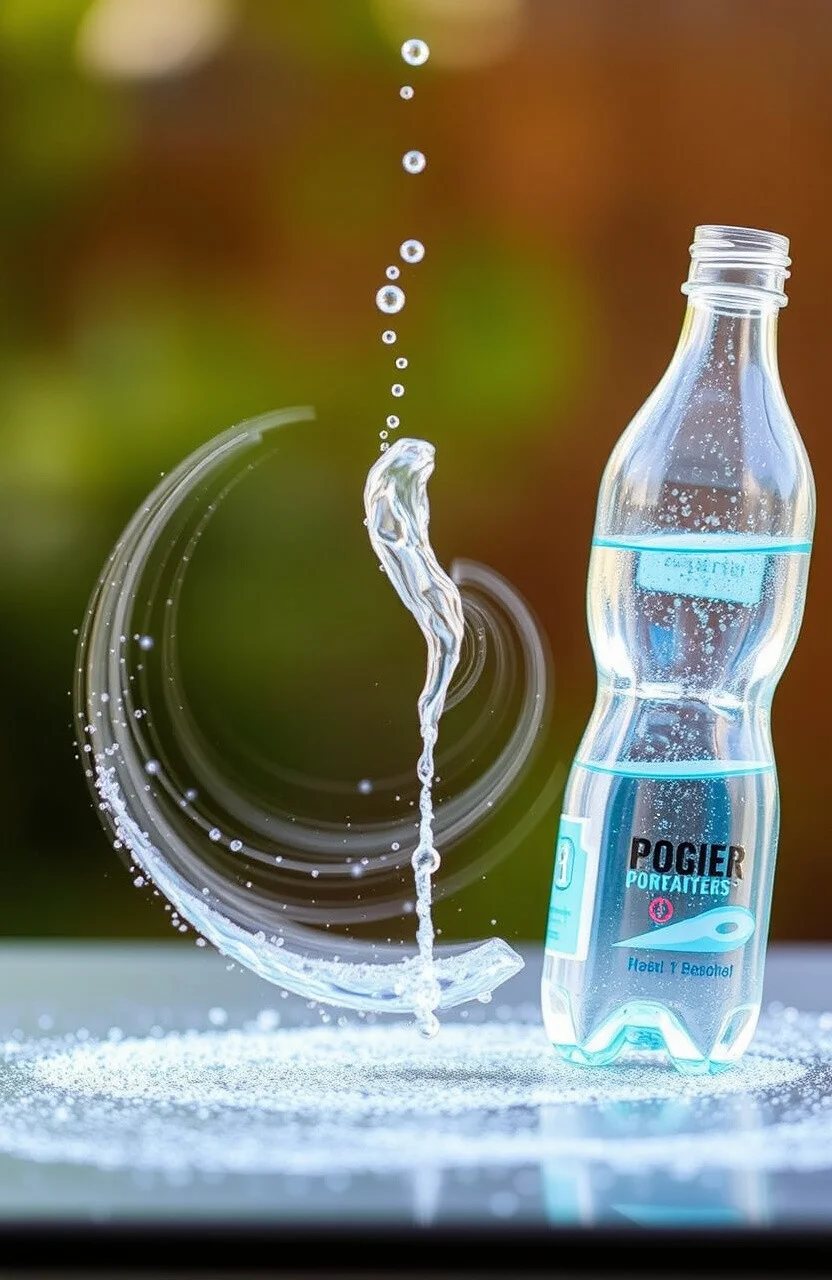
Two bottles, water, and a touch of glitter can create a mesmerizing mini-tornado. Twirl it around and watch the magic happen.
This project captivates with its swirling beauty. It’s unique because it visually represents vortexes and centripetal force. Children learn by observing the water’s movement.
For a personal touch, add food coloring for a colorful storm. It’s an affordable way to bring the power of nature indoors!
6. Magnet Magic
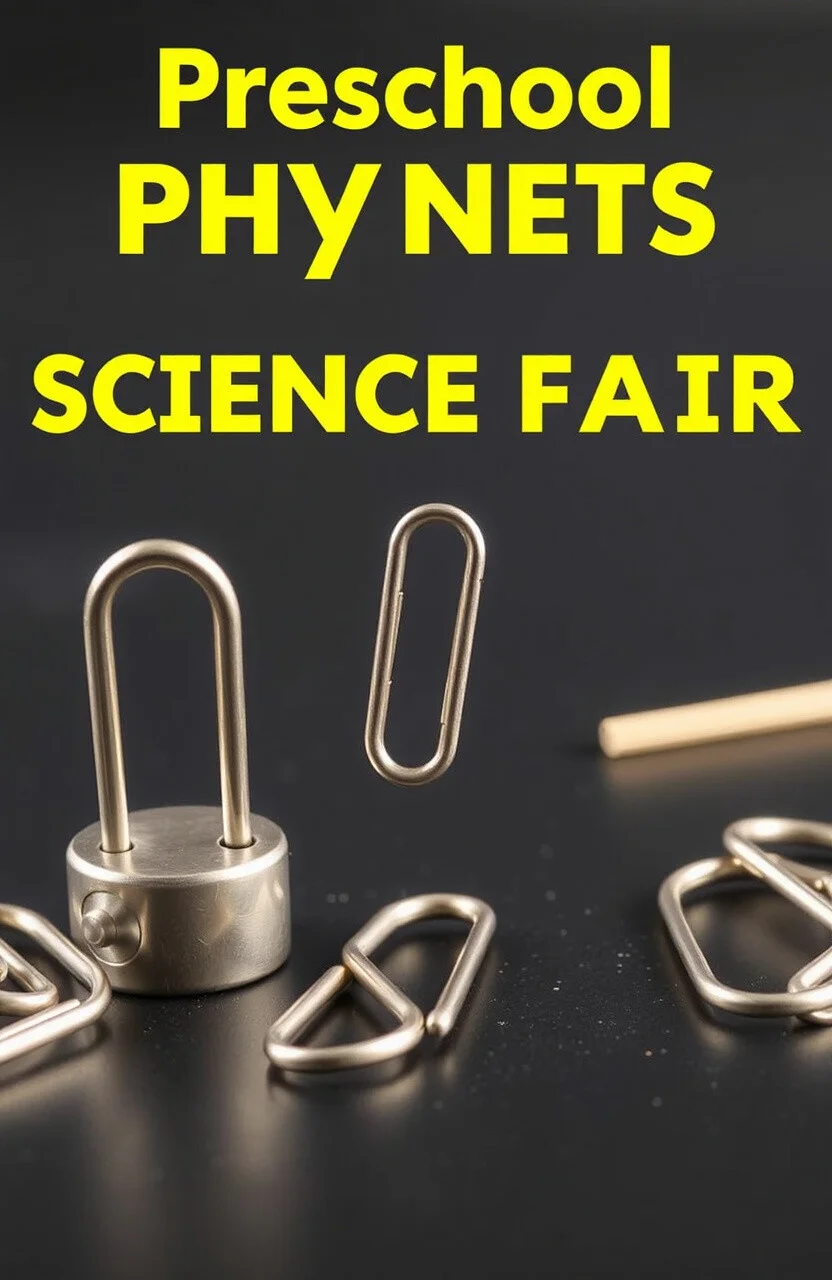
Magnets have an uncanny ability to fascinate. Gather some paper clips and different magnets for an enchanting experience.
This idea is all about attraction and repulsion. Kids will be amazed at how magnets can move objects without touching them. The uniqueness lies in the invisible forces at play.
Try different shapes and sizes of magnets for varied effects. It’s a cost-effective way to introduce magnetic fields and forces.
7. Colorful Milk Swirls
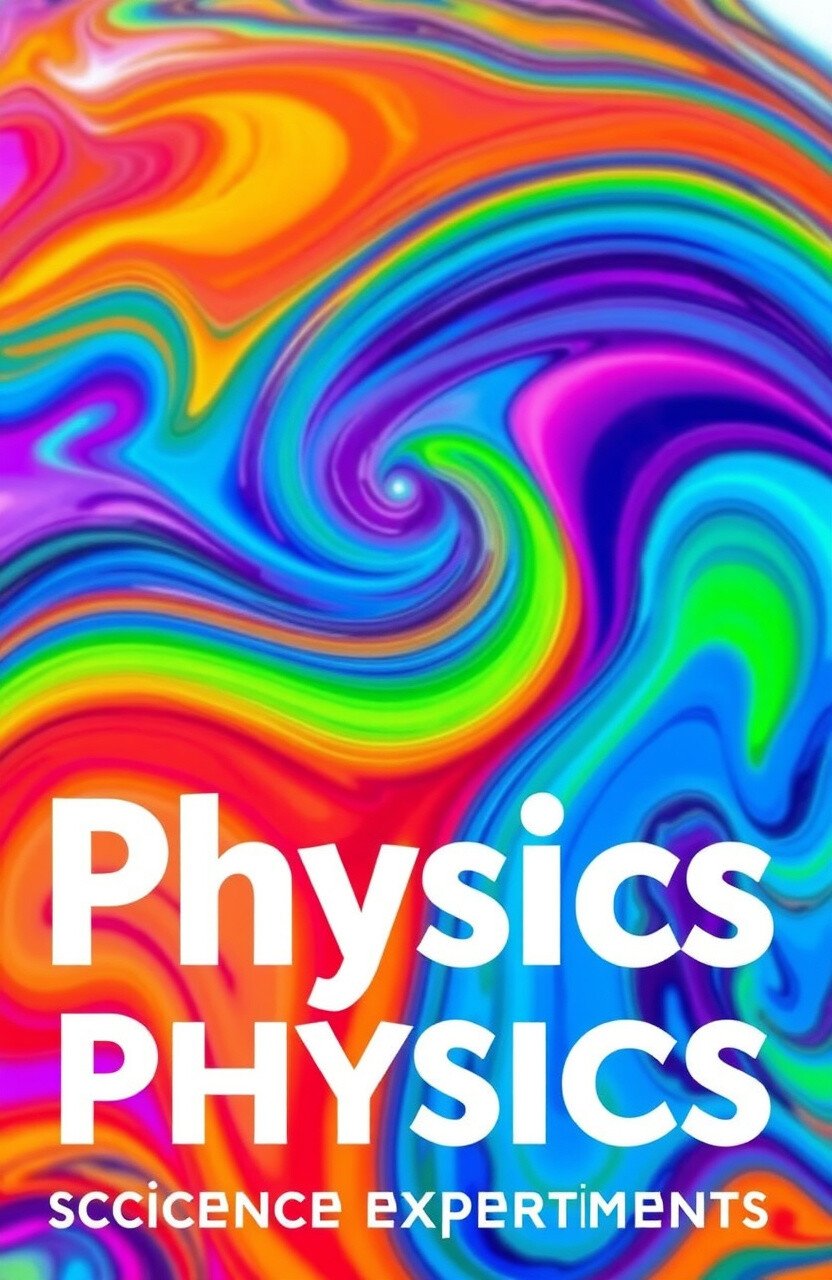
A bit of milk, food coloring, and dish soap create a swirling masterpiece. It’s like watching a rainbow dance in front of your eyes.
This project is all about surface tension. Kids learn as colors mix and move. The uniqueness is in the vivid, living art it creates.
For a personalized touch, try different types of milk or colors. It’s a budget-friendly way to make science vibrant and fun.
8. Bouncy Egg Experiment
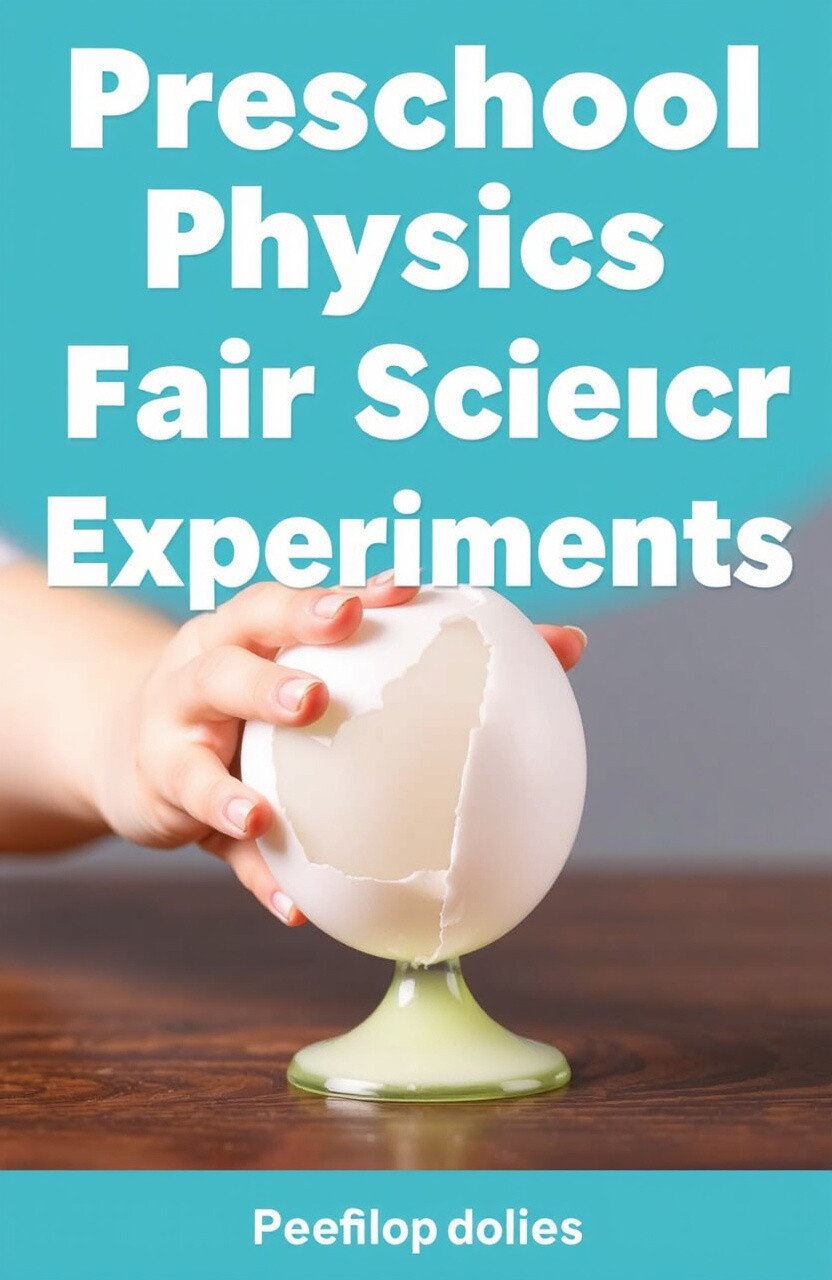
Take an egg, add vinegar, and witness the transformation. The shell dissolves, leaving a bouncy, rubbery egg.
Kids are fascinated by the change in texture. This project uniquely shows how chemical reactions work. They learn about acids and calcium carbonate in an engaging way.
For an extra twist, use food coloring to dye the egg. It’s an inexpensive experiment with a surprising outcome!
9. Paper Airplane Science
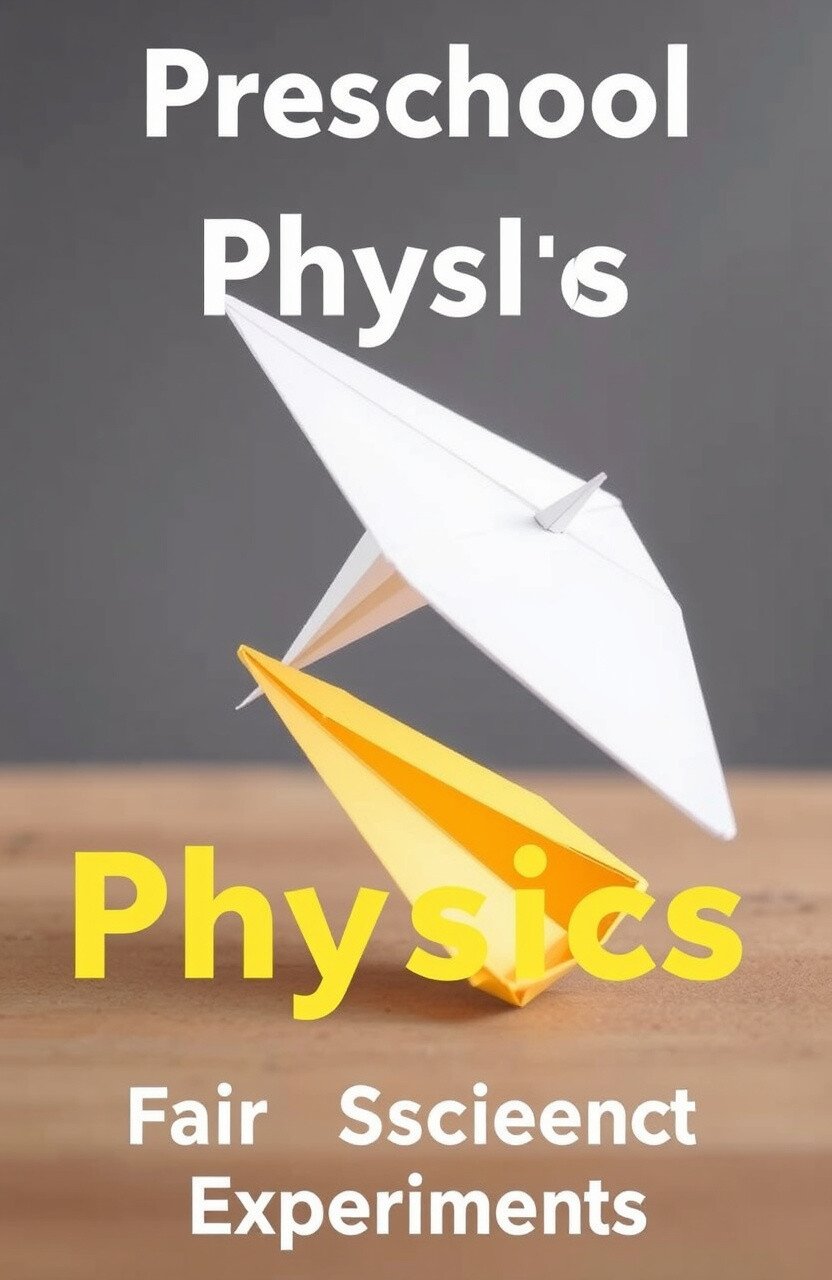
Folding paper airplanes teaches aerodynamics. It’s a hands-on way to see how planes fly.
Kids love crafting their planes and testing how far they can fly. The uniqueness lies in tweaking designs to see changes in flight. They learn about lift, drag, and gravity through play.
Encourage creativity with different paper types and designs. It’s an affordable way to make physics soar!
10. Rainbow in a Jar
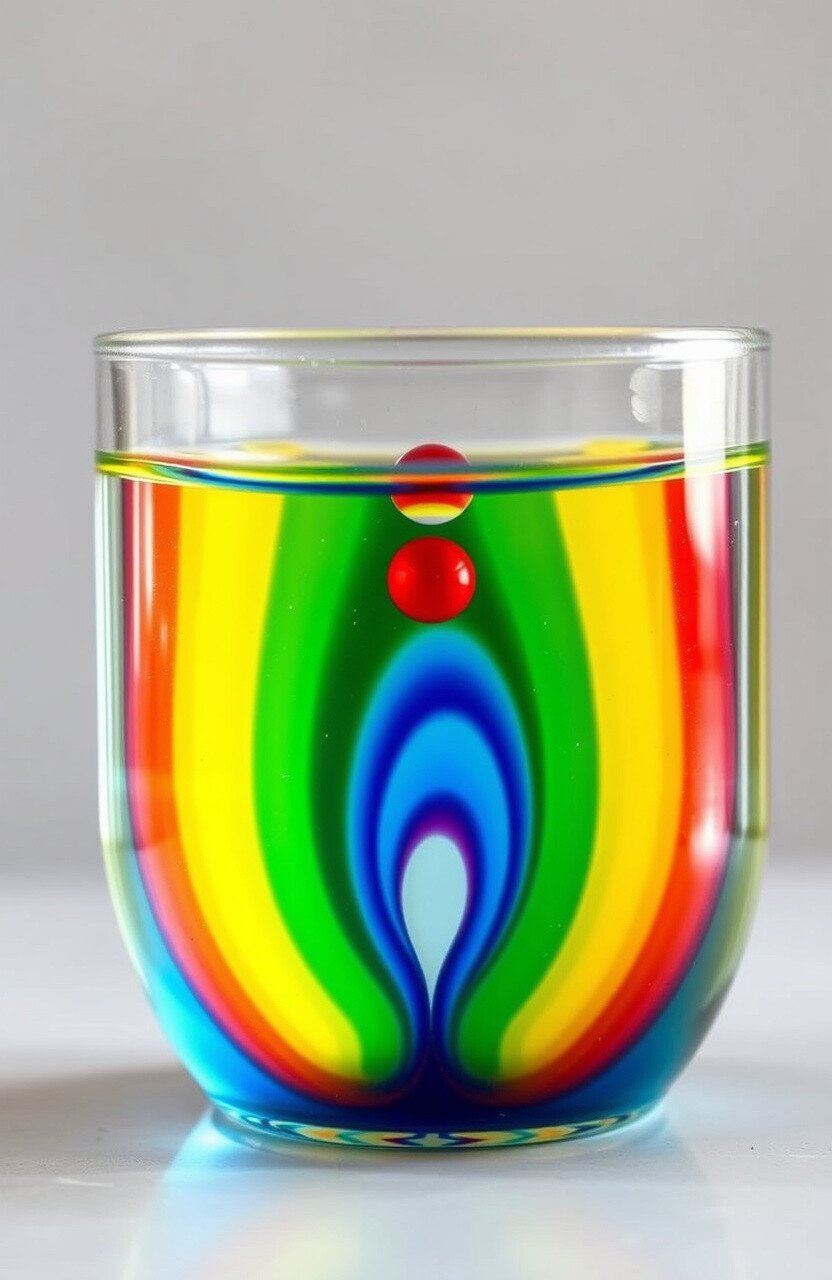
Layering different liquids creates a beautiful rainbow. It’s a stunning way to learn about density.
Kids watch in wonder as colors stack without mixing. The uniqueness is in the visual appeal and the lesson on density. They learn why some liquids float while others sink.
Try adding small objects to see where they float. It’s a cost-effective way to create a colorful spectacle.
11. Static Electricity Butterflies
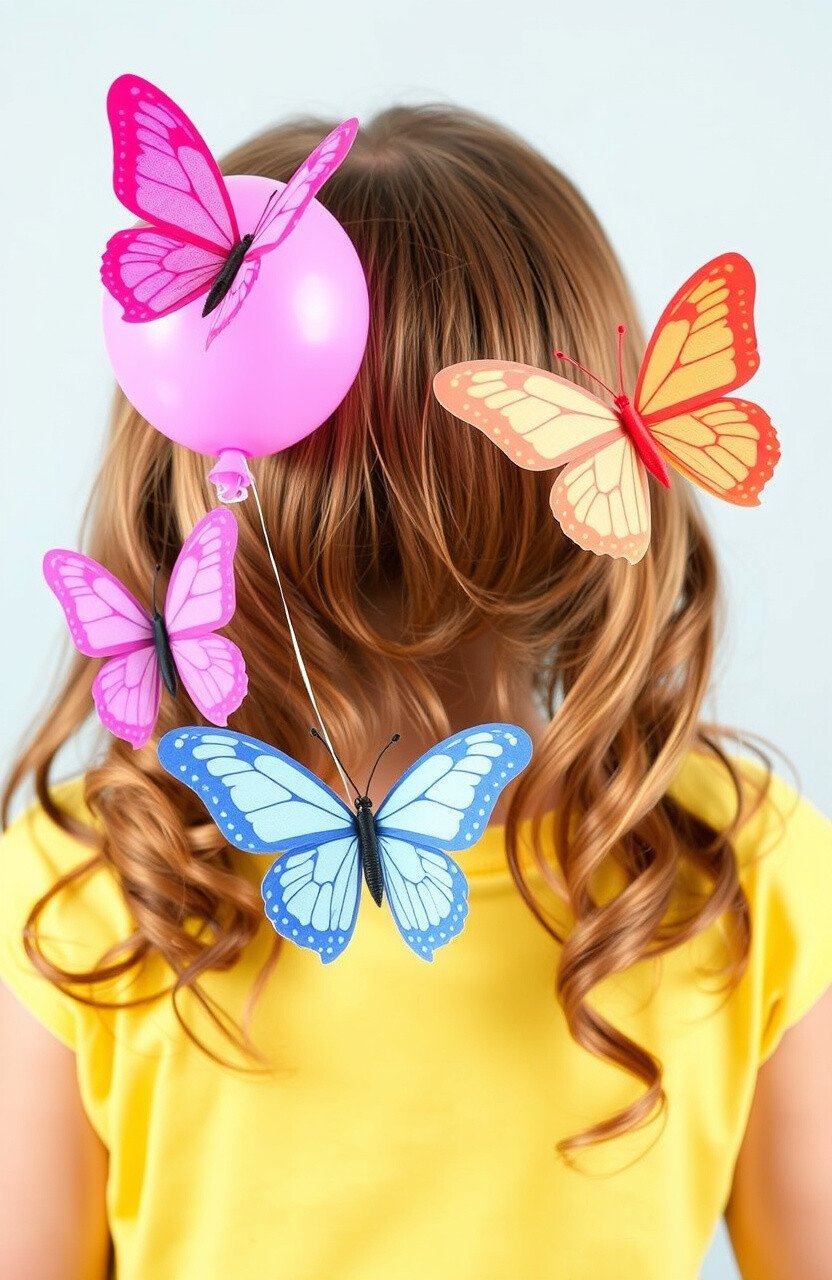
Rubbing a balloon on hair creates static electricity. Use it to make paper butterflies dance!
This project is a delightful mix of art and science. Kids learn about static electricity and attraction. The uniqueness lies in the playful interaction between balloons and paper.
Personalize by decorating the butterflies. It’s an inexpensive way to make science come alive with creativity.
12. Sound Waves with a Spoon
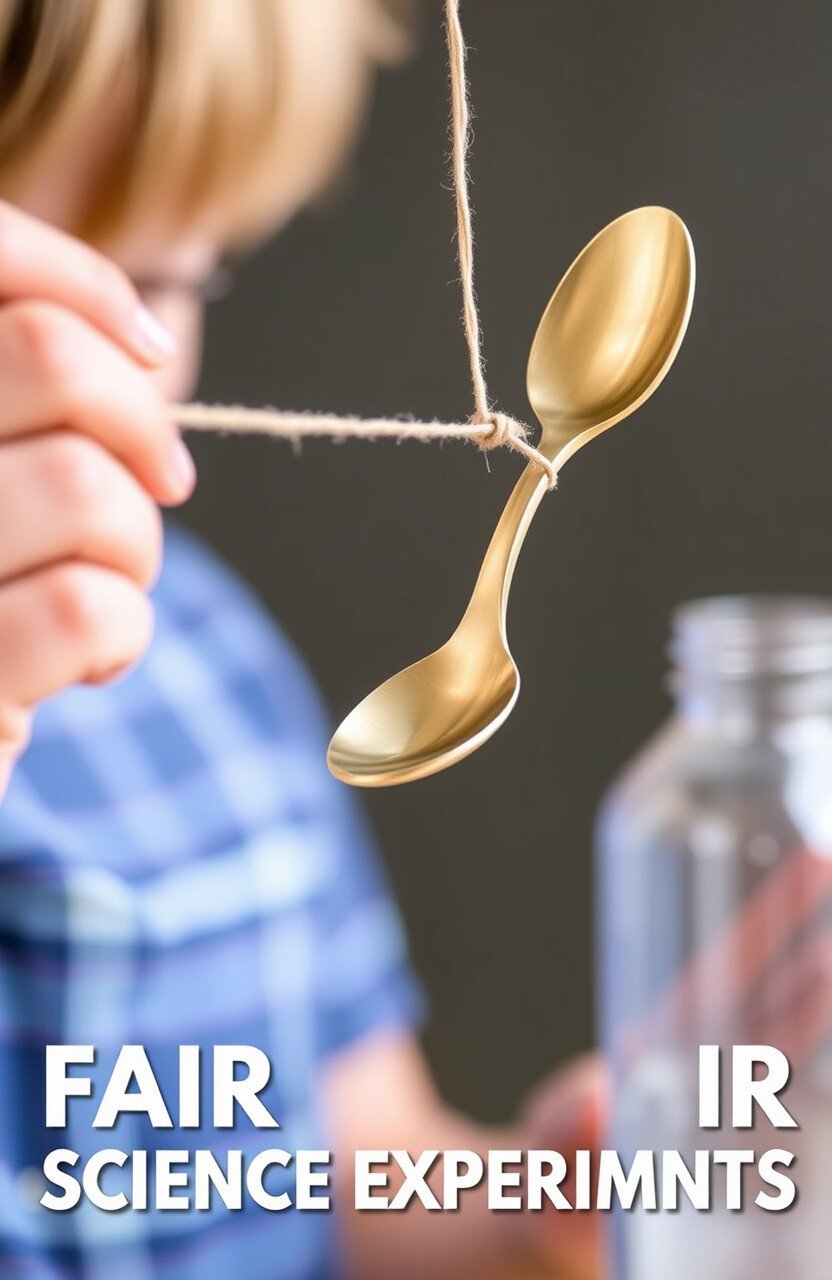
A simple spoon and string can create musical magic. Kids can hear sound travel through different mediums.
This idea is unique because it makes sound waves visible. Children learn how sound travels through vibrations. They can experiment with different strings and spoons for varied effects.
It’s a low-cost way to tune into the world of sound. Personalize by trying different materials and lengths. It’s a symphony of science waiting to be explored!