Imagine a world where everyday objects turn into magical portals of learning. Physics experiments can transform ordinary classroom moments into extraordinary adventures.
1. Rainbow Milk Experiment
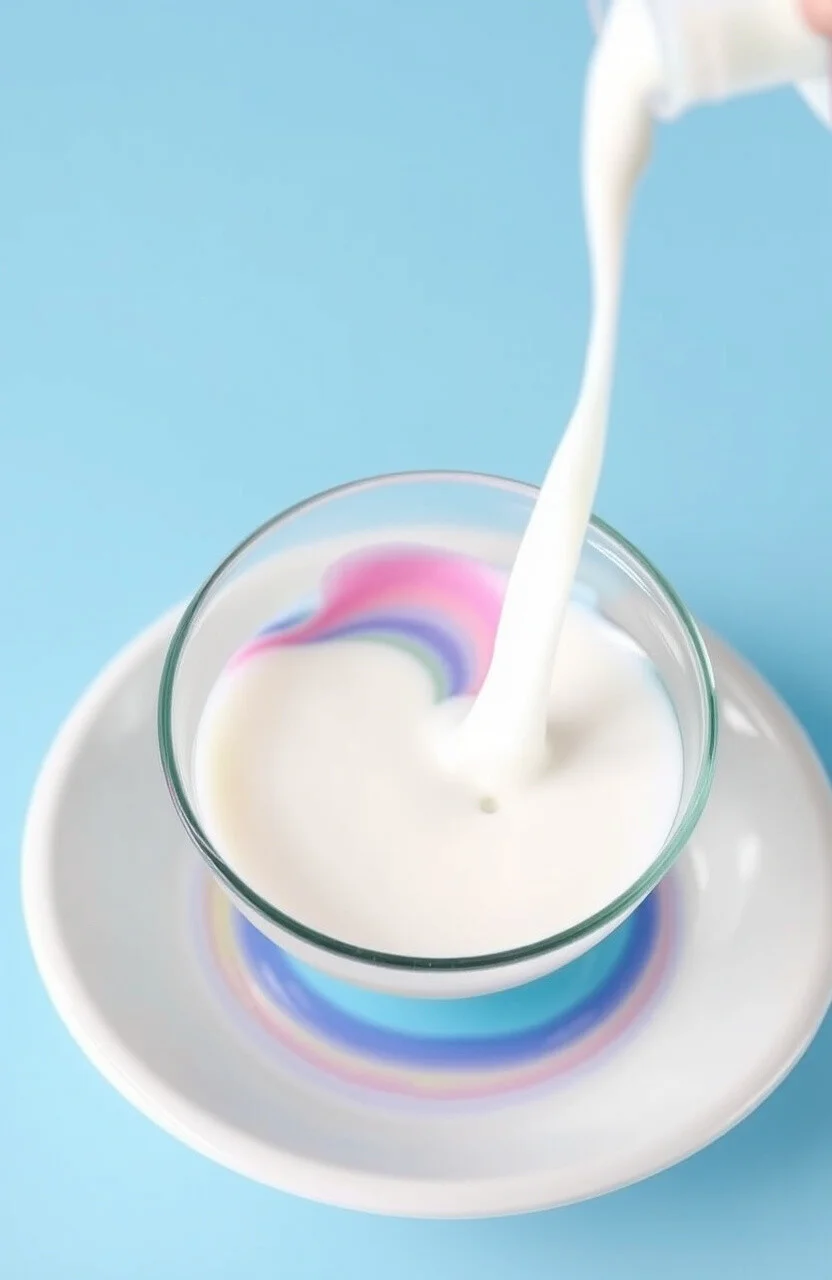
Get ready to wow the kids with a milk and soap dance! Pour some milk into a dish, add a few drops of food coloring, and then a drop of dish soap. Watch as colors swirl like a magical rainbow.
This experiment is not only a visual treat, but it also introduces kids to concepts like surface tension. It’s a splash of color and science that’s sure to captivate their imaginations.
And the best part? It’s super affordable and easy to set up. Just grab some milk, dish soap, and food coloring from your kitchen. It’s like a little art show on a plate!
2. Balloon Rocket

Who knew balloons could fly like rockets? Thread a piece of string through a straw, attach it between two chairs, and tape an inflated balloon to the straw. Let it go and watch it zoom!
This activity is a fantastic way to introduce the concept of propulsion. The kids will love the thrill of seeing how far their balloon can travel.
Personalize it by using different balloon shapes and sizes for endless fun. It’s a cost-effective experiment that only requires balloons, string, and tape.
3. Sink or Float
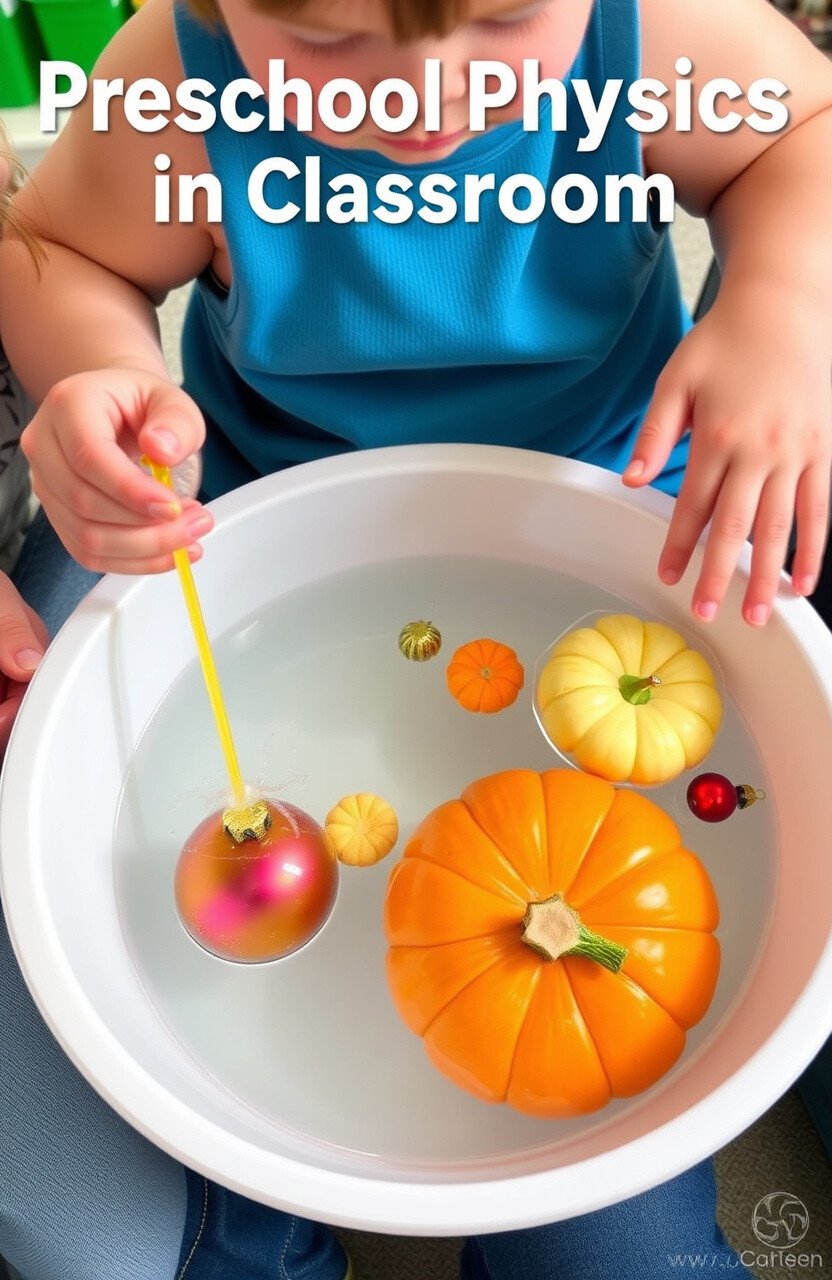
Turn a tub of water into a scientific exploration. Gather various objects and predict whether they’ll sink or float before testing them out. It’s simple yet endlessly fascinating!
Kids learn about density and buoyancy while having a blast. It’s a hands-on activity that encourages curiosity and critical thinking.
You can make it even more engaging by using seasonal items – think pumpkins in the fall or ornaments during winter. Plus, all you need are items you already have at home.
4. Static Electricity Butterflies
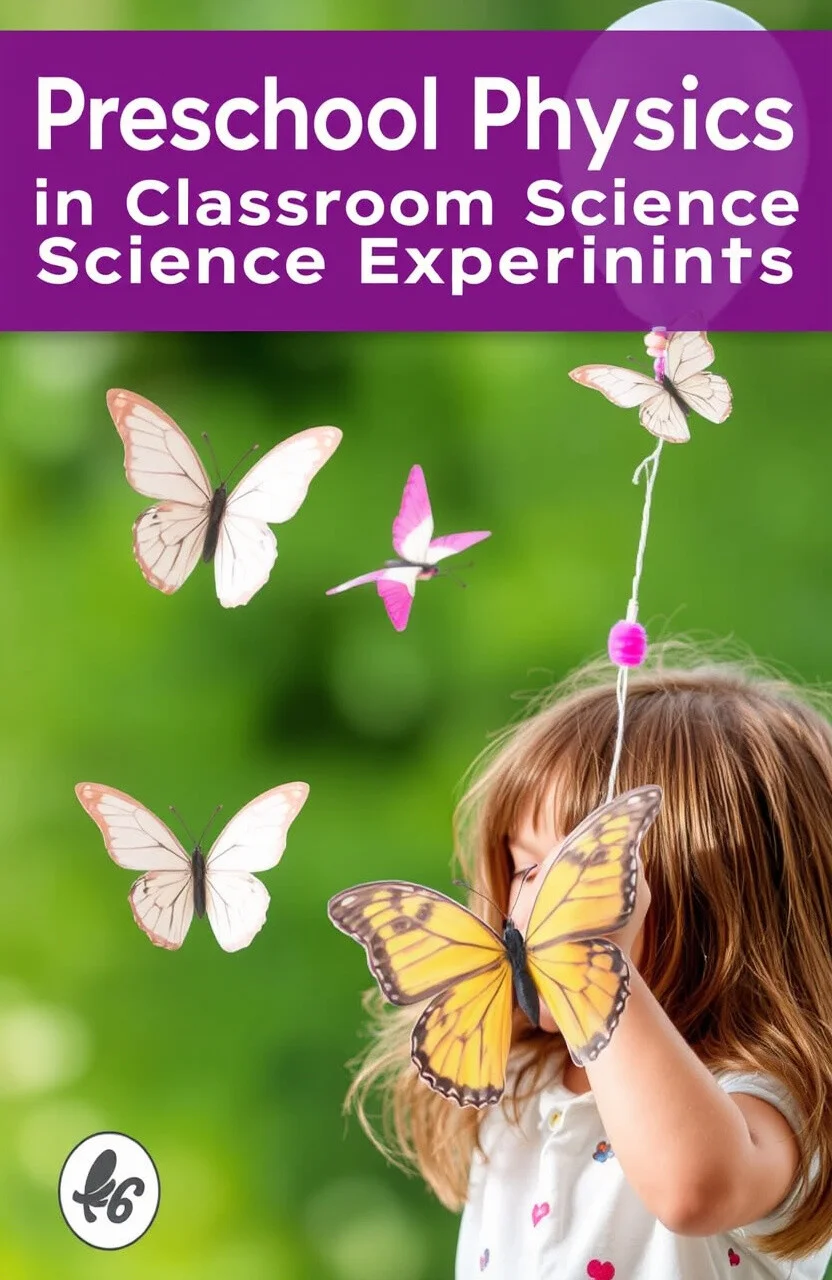
Watch paper butterflies come to life with just a balloon and some static electricity. Cut out paper butterflies, rub a balloon on your hair, and watch as the butterflies magically cling to it.
This experiment is a whimsical way to teach about static electricity. It’s like a science magic show that leaves kids giggling with delight.
It’s incredibly affordable. All you need is some paper and a balloon. Plus, it’s perfect for a quick and fun science lesson.
5. Homemade Lava Lamp
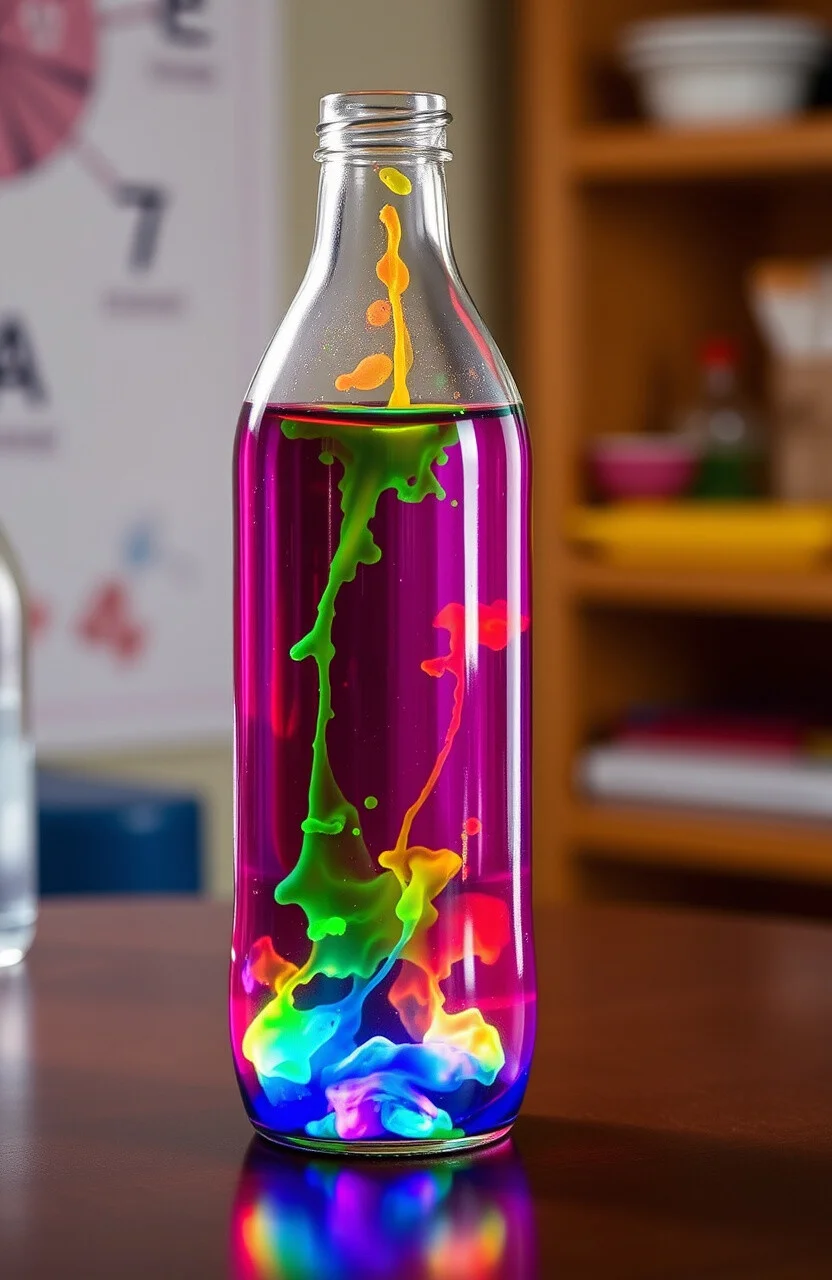
Bring the 70s back to life with a homemade lava lamp! Fill a bottle with water, add vegetable oil, and a few drops of food coloring. Drop in an Alka-Seltzer tablet and watch the magic happen.
This experiment is a mesmerizing way to teach about liquid density and chemical reactions. It’s like having a science party in a bottle!
Let the kids personalize their lamps with different colors. It’s an affordable experiment that uses items you probably already have in your kitchen.
6. Shadow Play

Turn off the lights and let shadows dance on the walls. Use a flashlight and various objects to create shadow puppets and stories. It’s a simple, delightful way to explore light and shadow.
Kids learn about light sources and how shadows are formed. It’s an imaginative activity that combines science with storytelling.
Encourage kids to create their own shadow puppets. All you need are some household items and a flashlight, making it a budget-friendly experiment.
7. Magnetic Maze
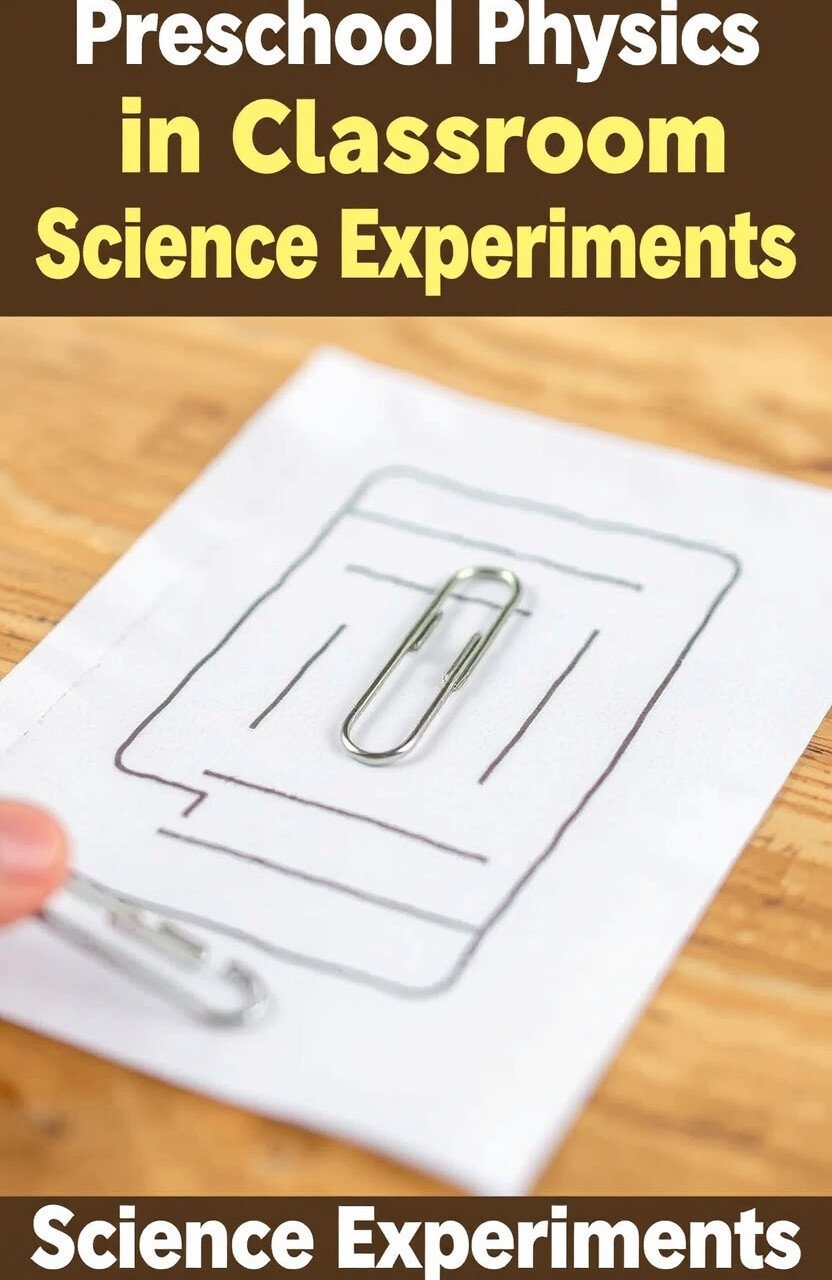
Guide a paperclip through a maze using a magnet under a piece of paper. Draw a maze on paper, place a paperclip at the start, and use a magnet to guide it through.
This experiment introduces the concept of magnetism in a fun and interactive way. It’s a puzzle and a science lesson rolled into one.
Design creative mazes and see who can guide their paperclip the fastest. It’s a cost-effective activity that only requires a magnet and a paperclip.
8. Dancing Raisins

Watch raisins dance in a glass of soda. Drop raisins in a glass of clear soda and see them bob up and down like tiny dancers.
This experiment is a fun way to explore buoyancy and carbonation. It’s like a mini dance party in a glass!
Let the kids try different sodas to see which makes the best dancers. It’s an inexpensive activity that uses items you probably already have at home.
9. Egg Drop Challenge

Can you protect an egg from breaking after a tall drop? Use various materials to create a protective casing and see if your egg survives the fall.
This challenge is a great way to teach about impact and engineering. It encourages creativity and problem-solving.
Let kids choose their own materials for a personalized touch. It’s a budget-friendly activity that uses household items like straws, bubble wrap, and cotton balls.
10. Color Mixing with Ice
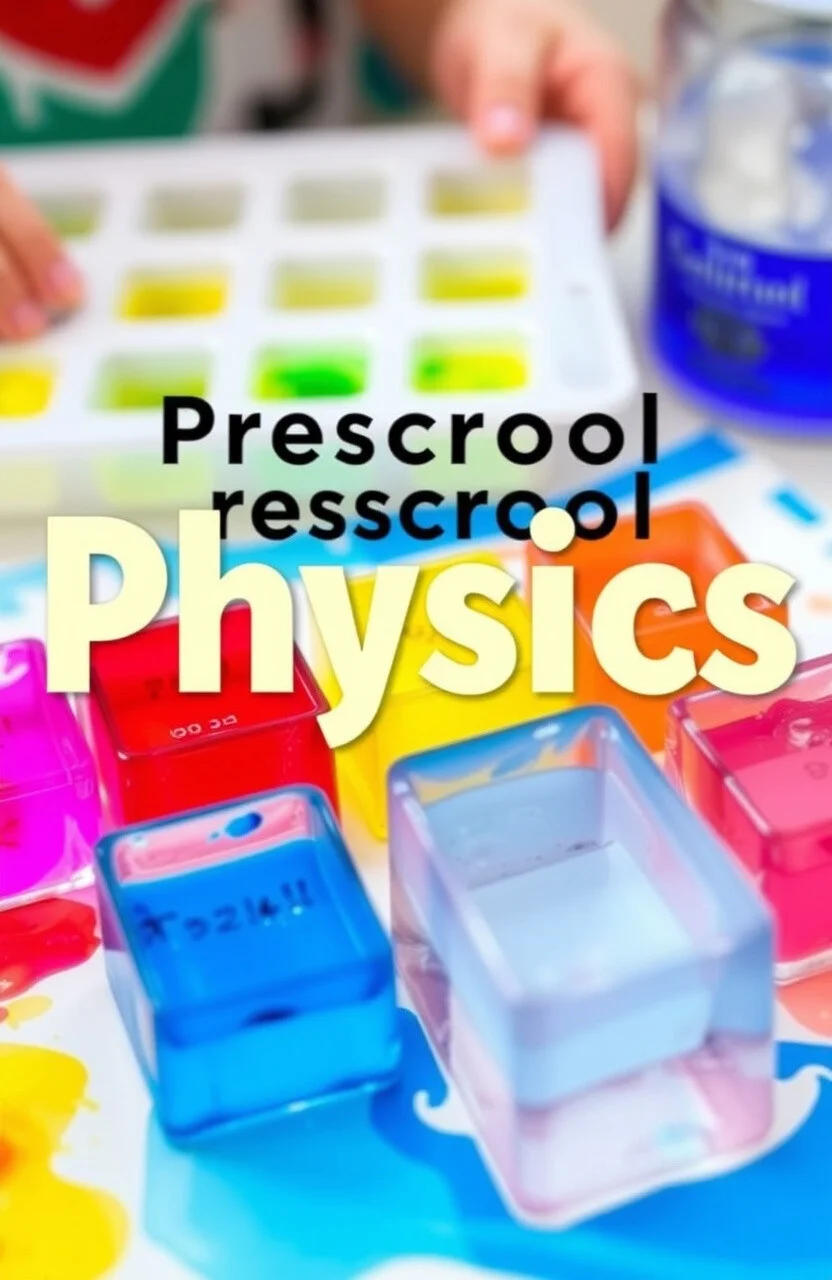
Explore color mixing with frozen paint cubes. Freeze different colored water in ice cube trays, then let them melt on paper to create beautiful artworks.
This experiment combines art and science, teaching about colors and states of matter. It’s a colorful, hands-on activity that sparks creativity.
Encourage kids to predict what colors will appear as the cubes melt. It’s easy to set up and only requires food coloring and an ice tray.
11. Fizzy Lemon Volcano
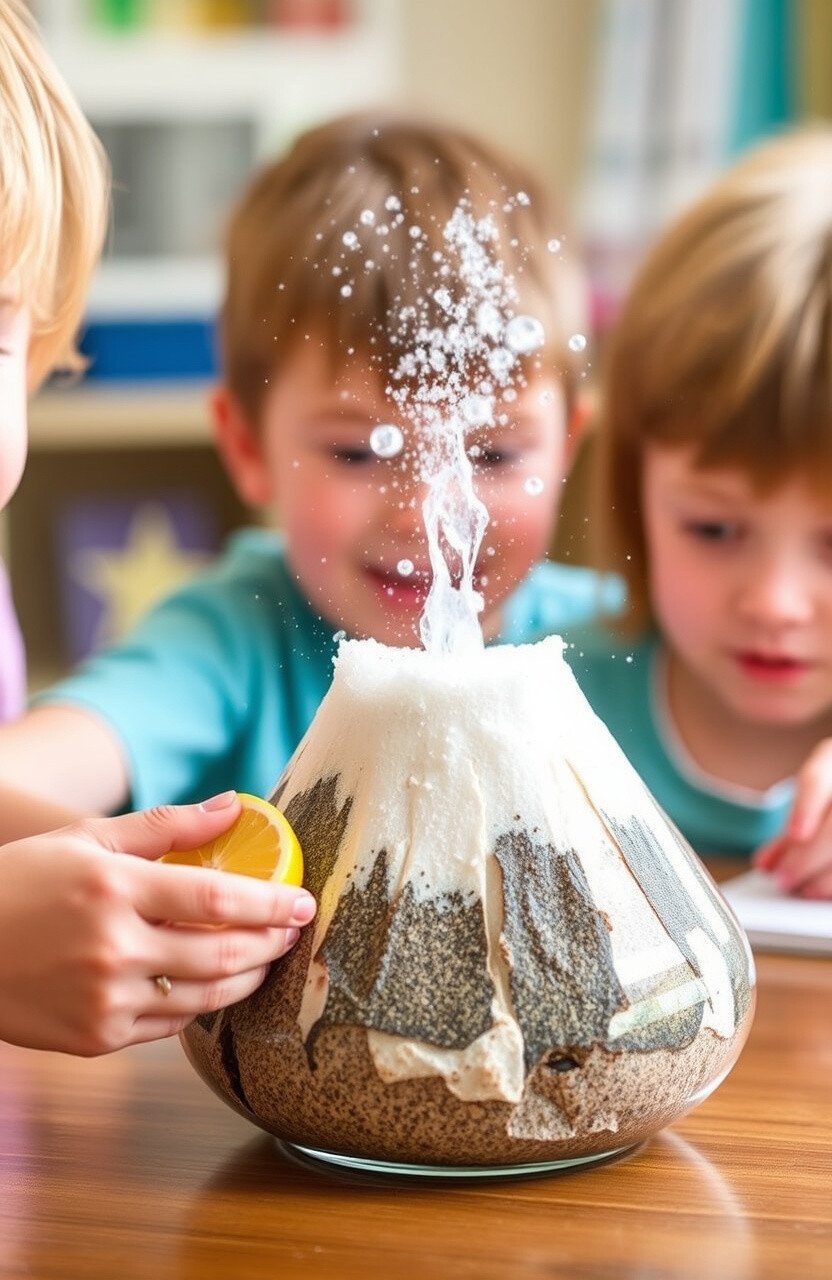
Turn a lemon into a fizzy volcano! Cut a lemon, add baking soda, and watch a bubbly eruption take place.
This experiment is an exciting way to learn about acid-base reactions. It’s a mini eruption that’s both educational and thrilling.
Try using different citrus fruits for varied reactions. It’s a low-cost experiment using items you probably already have in your kitchen.
12. Walking Water Experiment
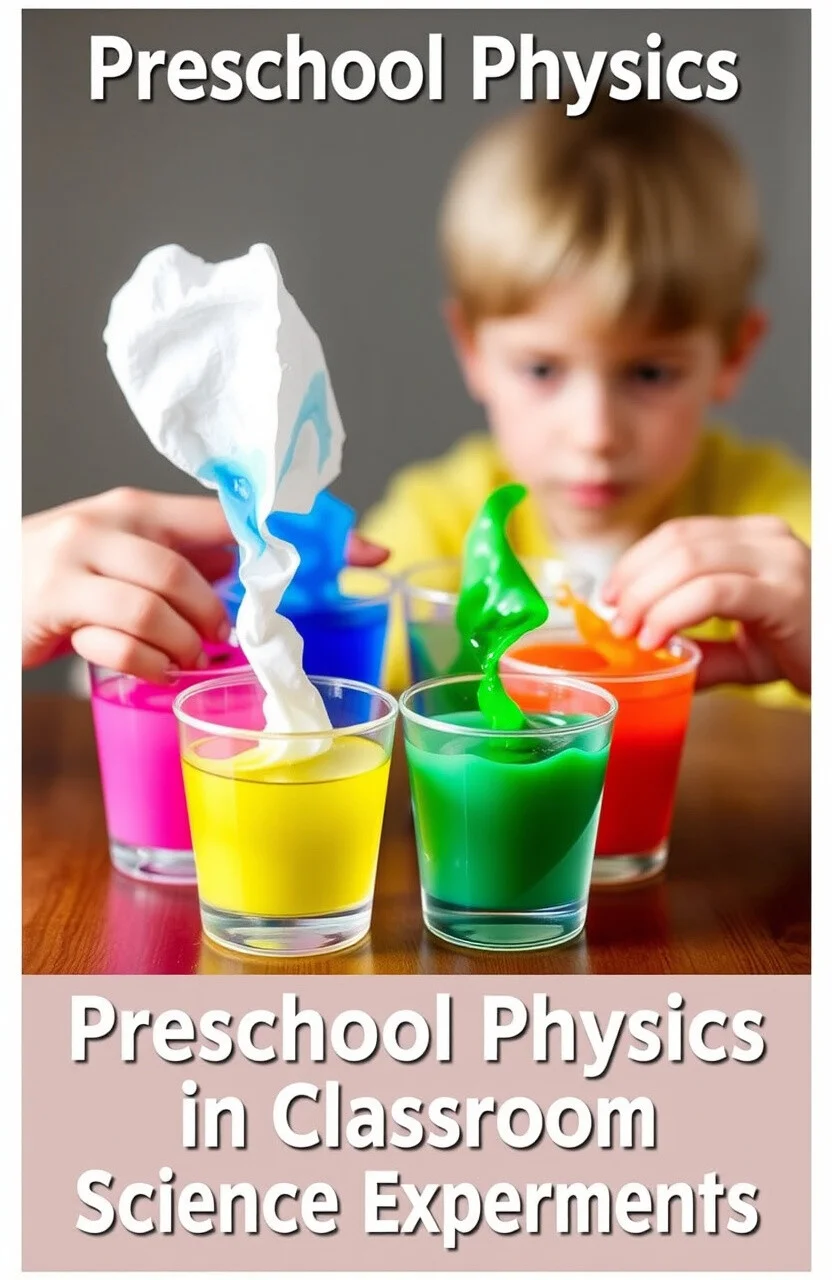
See water walk from cup to cup! Arrange cups in a circle, fill every other cup with colored water, and use paper towels to connect them. Watch as colors move and mix.
This experiment teaches about capillary action in a visually appealing way. It’s like watching a magic trick with water.
Experiment with different colors for a unique experience each time. It’s an affordable activity that requires just water, paper towels, and food coloring.
13. Marshmallow Catapult
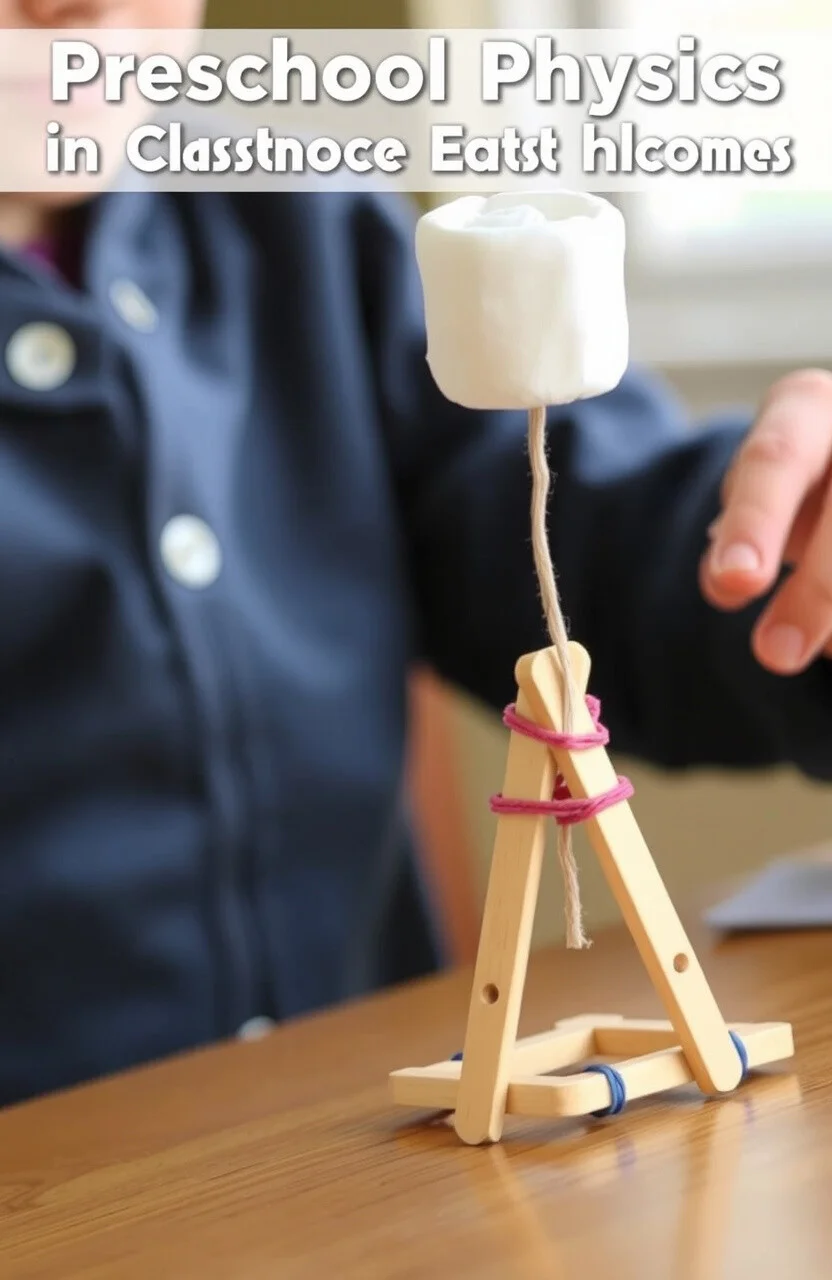
Launch marshmallows with a homemade catapult. Build a simple catapult using popsicle sticks and rubber bands, then see how far your marshmallow can fly.
This activity introduces basic physics concepts like force and trajectory. It’s a fun and tasty way to learn about science.
Personalize the catapult with decorations or by changing its design. It’s an inexpensive project using items you likely have around the house.