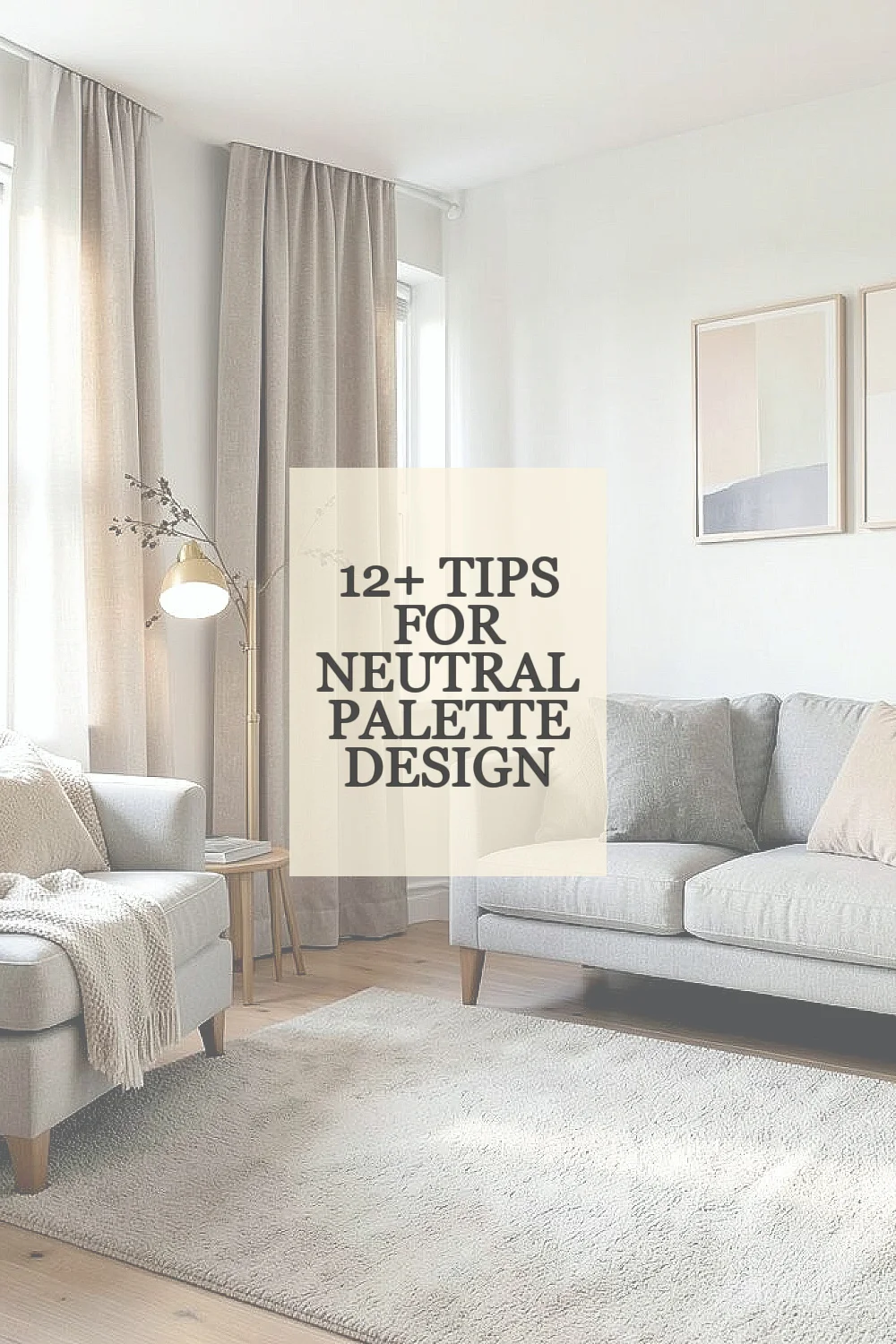
Neutral colors can feel quiet, but they rarely stay boring for long. The right mix can make a room glow.
1. Start With A Warm Or Cool Direction
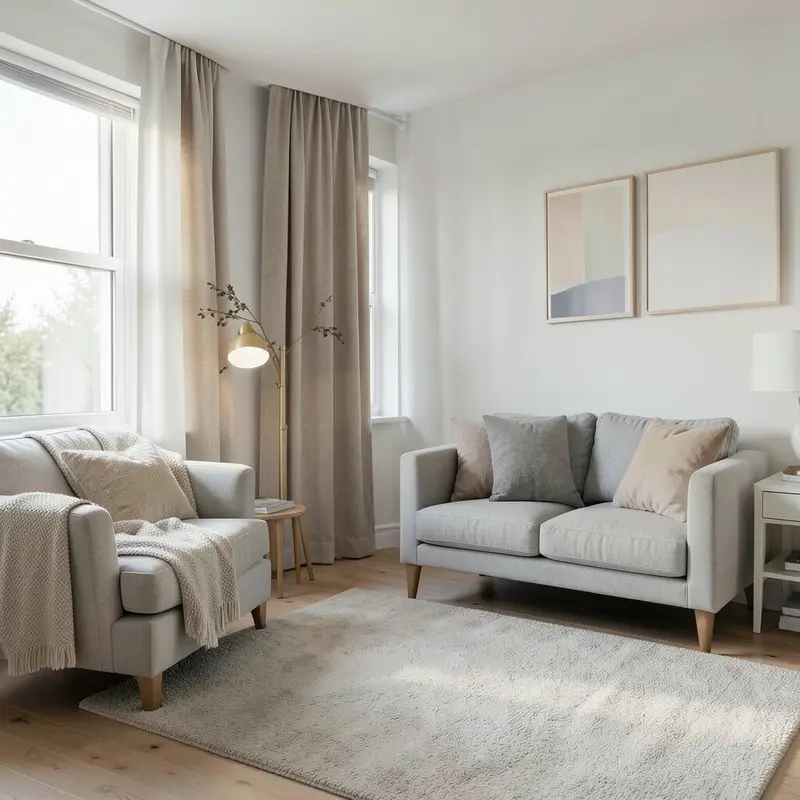
Neutral palettes work best when you pick a clear mood from the start. Warm shades like cream, sand, and taupe feel cozy, while cool shades like gray, stone, and soft white feel crisp and calm.
This simple choice gives the room a visual path, so everything feels tied together. It also helps you avoid that flat look that can happen when too many middle tones sit side by side. If you want a personal touch, think about the light in your room and the feeling you want when you walk in.
2. Mix Textures To Keep The Space Alive
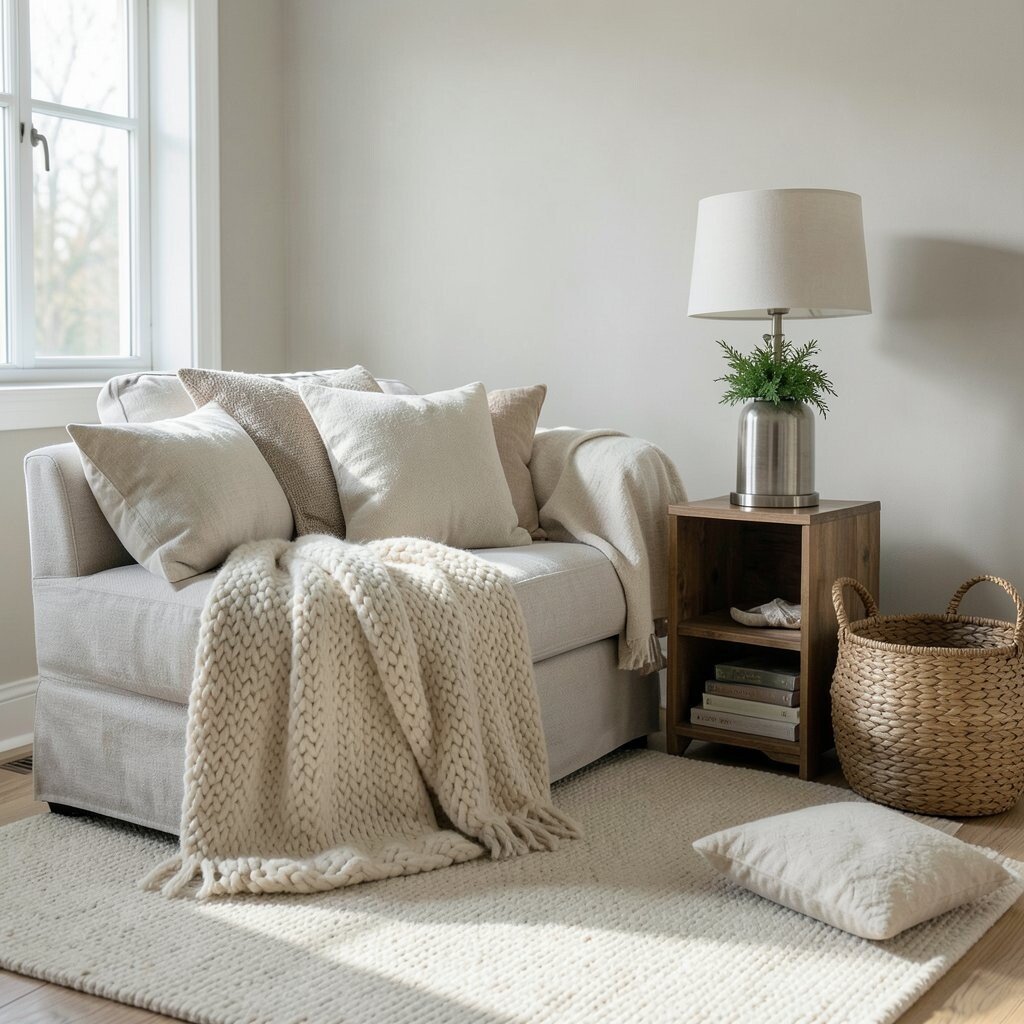
A neutral room can look rich when the surfaces feel different from one another. Try pairing smooth cotton with chunky wool, matte wood with shiny metal, or soft linen with woven baskets.
These layers add depth without adding loud color. They also make a room feel more welcoming and custom, which is great if you want a style that feels special instead of plain.
Texture is also a smart budget trick because small swaps can make a big change. A new pillow, rug, or lamp base can refresh the whole space without a full makeover.
3. Use Contrast To Shape The Room
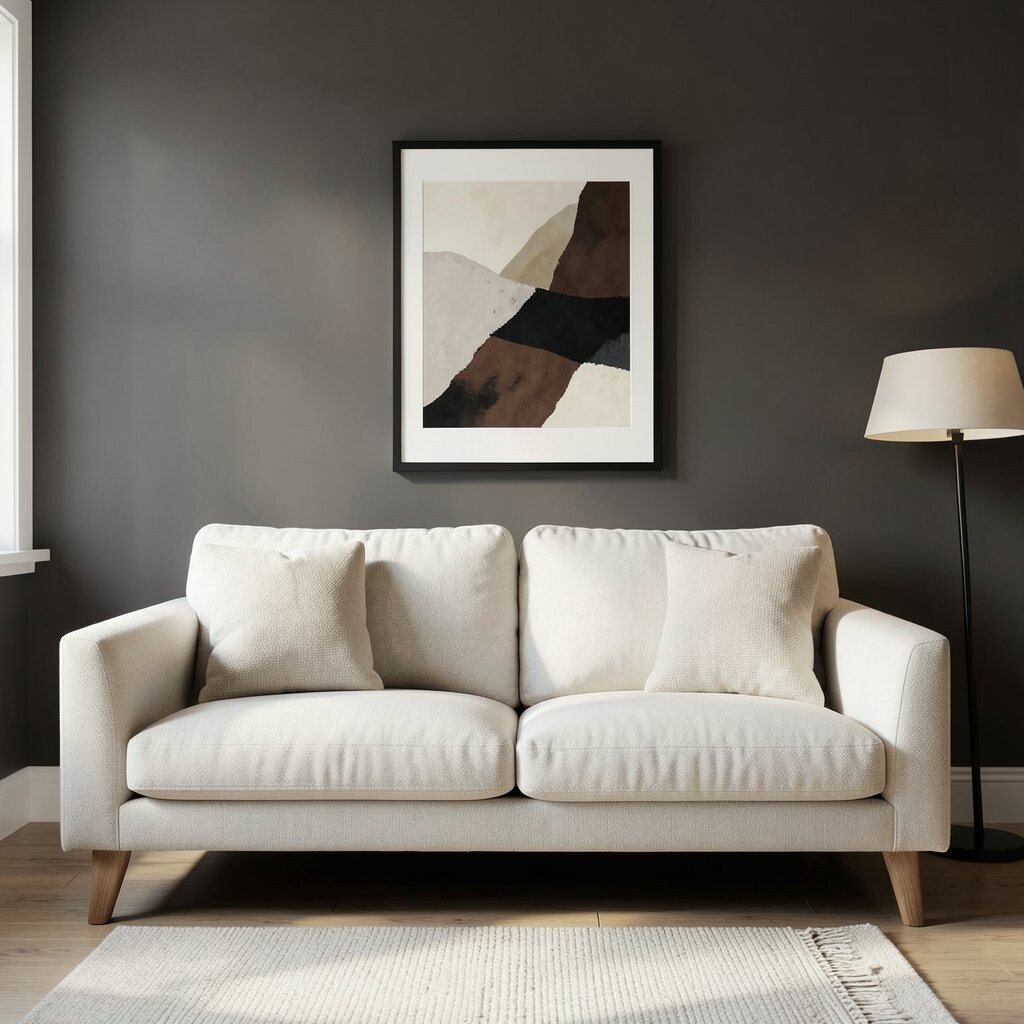
Even in a soft palette, contrast gives your eye something fun to follow. A pale sofa can stand out against a darker wall, and a black frame can make a creamy print look sharper.
This kind of contrast brings out the beauty of each item and keeps the room from blending into one blur. It also makes the space feel more planned, which is a big plus for modern homes that lean simple and clean.
If your style is more relaxed, keep the contrast gentle with warm beige next to oatmeal or stone gray beside ivory. If you want more drama, use deep brown, charcoal, or ink accents in small spots.
That balance helps the room feel unique while still staying calm. It can also make thrifted or low-cost pieces look more polished.
4. Let Natural Light Do Part Of The Work
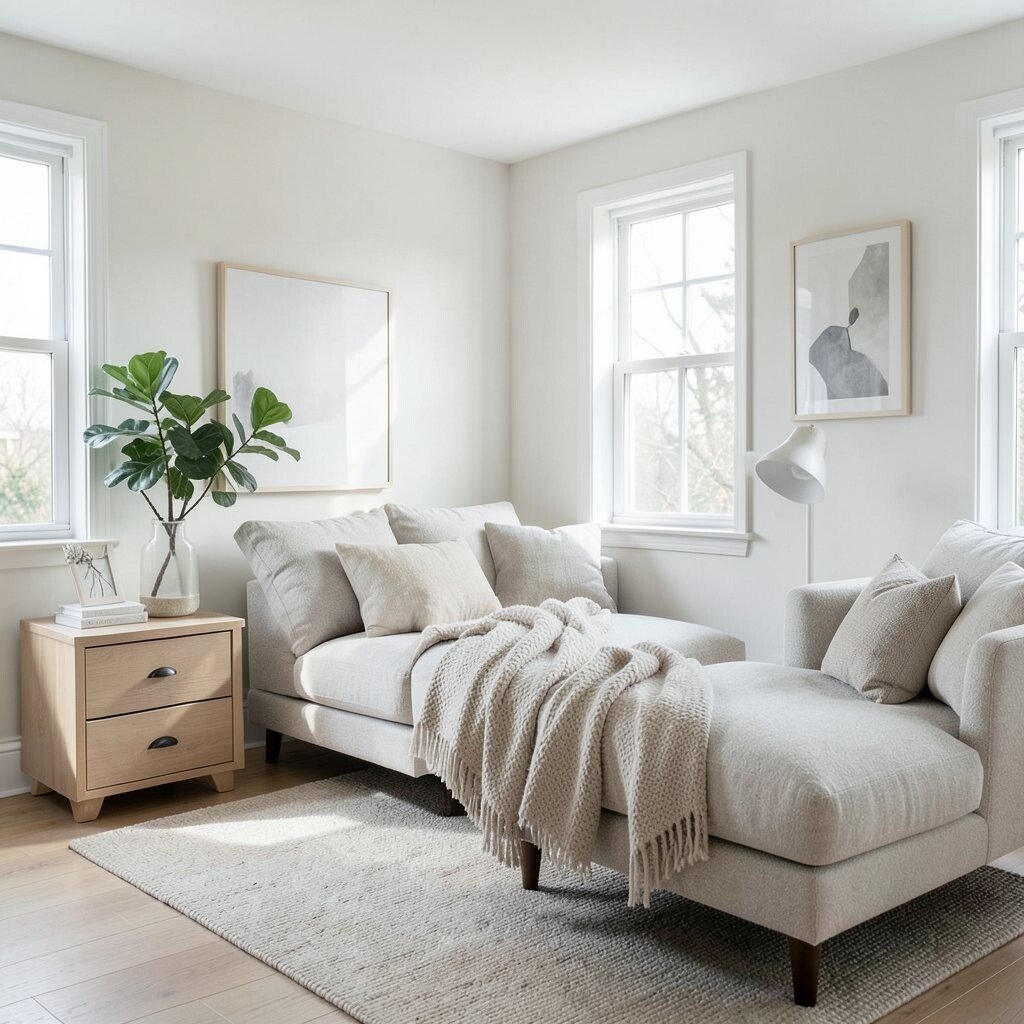
Neutral shades change a lot with daylight, so always watch them at different times. A soft white that looks fresh in the morning may feel creamy by afternoon.
This shifting look can make a room feel alive and full of movement. It also means you may need fewer bold accents because the light itself becomes part of the design.
5. Add One Strong Anchor Piece
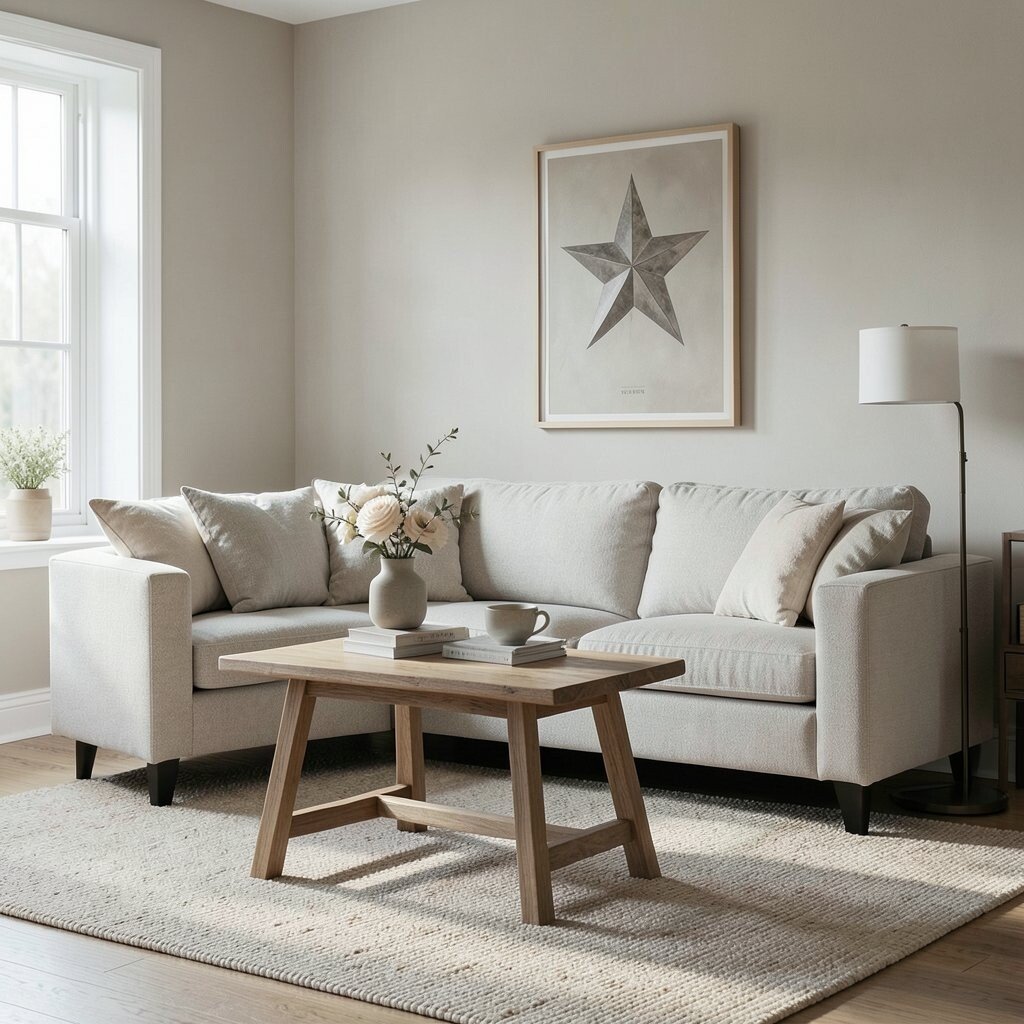
Every neutral room needs a star, even if it is a quiet one. A large sofa, a wooden table, a textured rug, or a simple art print can hold the whole look together.
That anchor gives the eye a place to rest and keeps the room from feeling scattered. It also makes decorating easier because you can build the rest of the palette around that one piece.
Choose something that feels like you, not just something trendy. A handmade chair, a vintage cabinet, or a clean-lined lamp can make the room feel personal and fresh at the same time.
6. Layer Shades Instead Of Using Just One
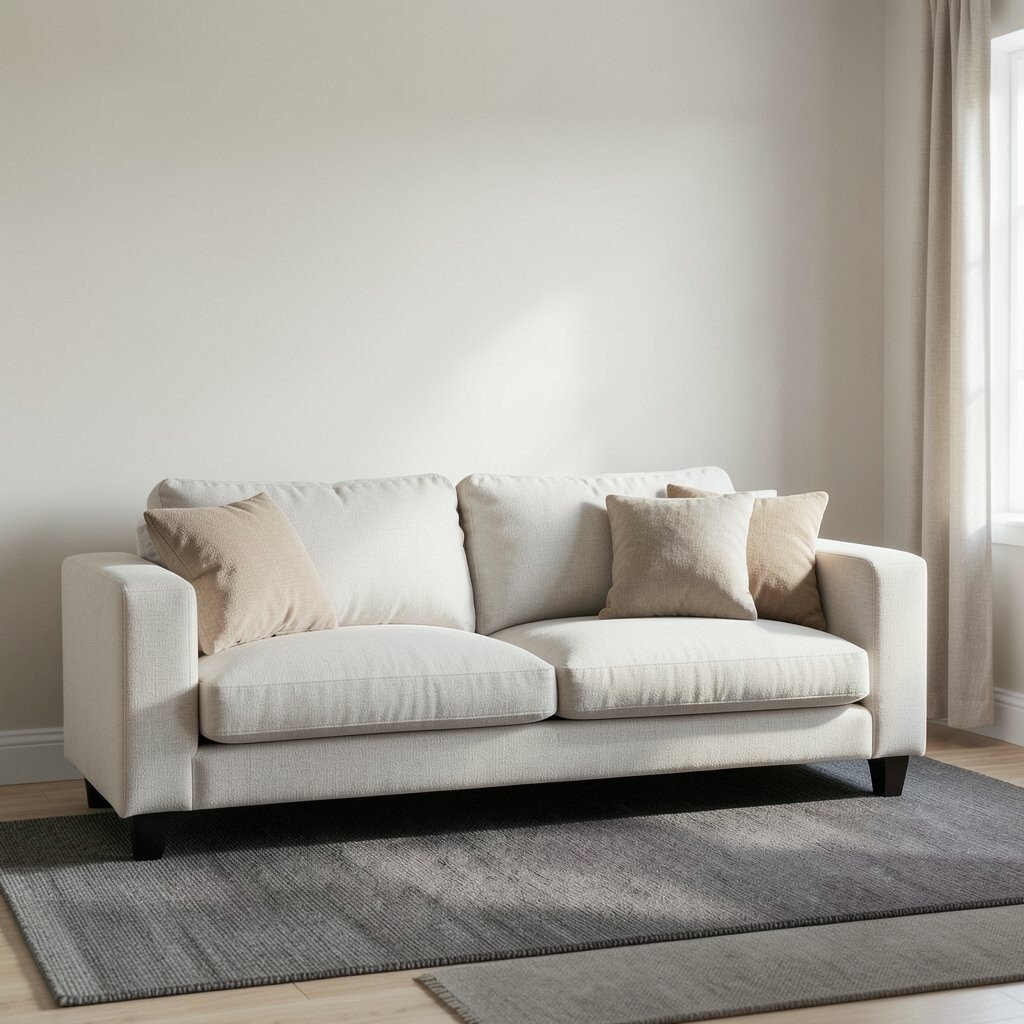
A room with only one neutral can feel flat, even when the color is lovely. Mixing ivory, beige, greige, tan, and soft brown creates a gentle shift that feels smooth and natural.
This layered look adds depth without making the room busy. It also gives you more freedom to swap items later, since many neutral shades work well together.
Try placing lighter shades higher up and deeper shades lower down for a grounded feel. For example, use pale walls, a mid-tone sofa, and a darker rug or table base.
This trick can make the room feel bigger and more balanced. It is also one of the easiest ways to make budget pieces look more thoughtful.
7. Bring In Shapes That Feel Soft Or Clean
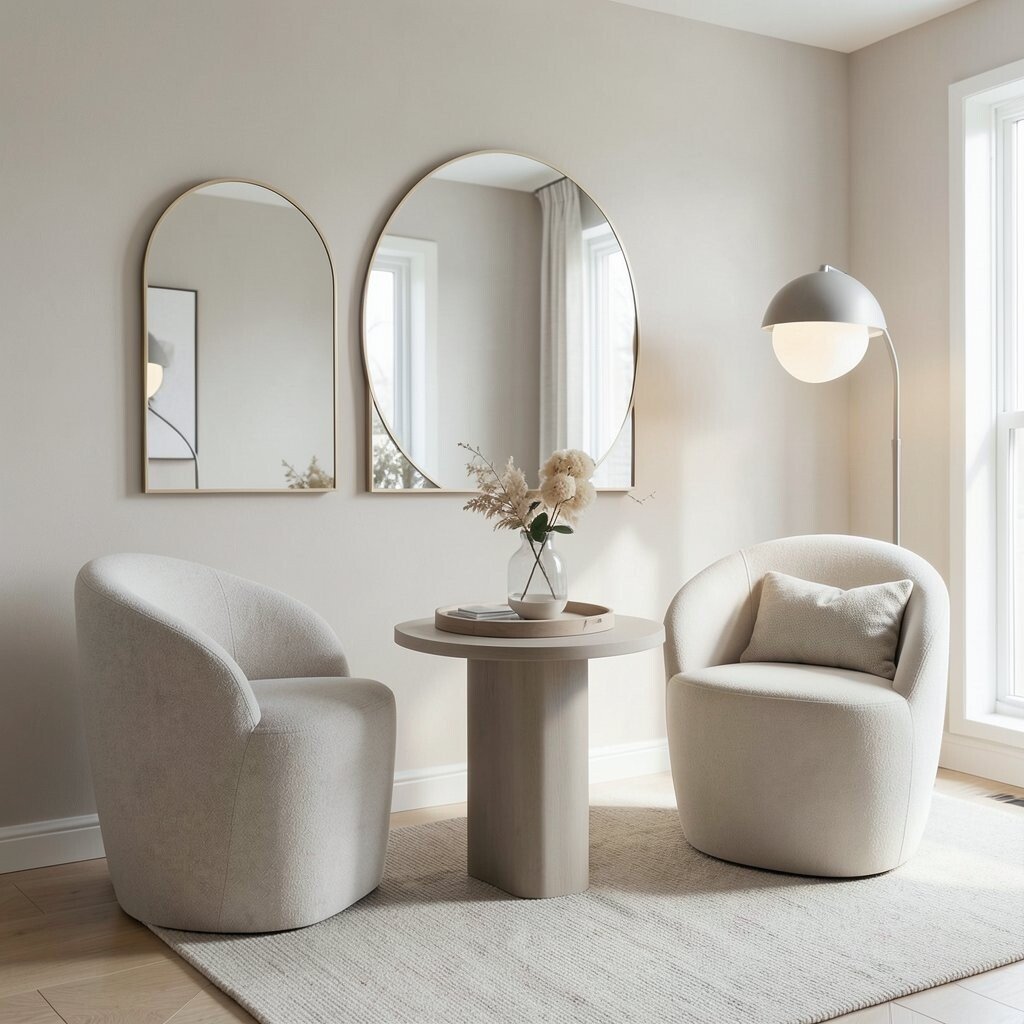
Neutral design is not only about color; shape matters just as much. Rounded chairs, arched mirrors, curved lamps, and simple blocky tables all change the mood in different ways.
Soft shapes can make a room feel friendly and calm, while clean lines can make it look sharp and neat. Mixing both can create a look that feels current and full of life.
Right now, many homes are using curved forms to soften modern rooms. If you want that trend in a small way, try a round tray, a pill-shaped pillow, or a mirror with a gentle edge.
8. Use Art To Add Quiet Personality
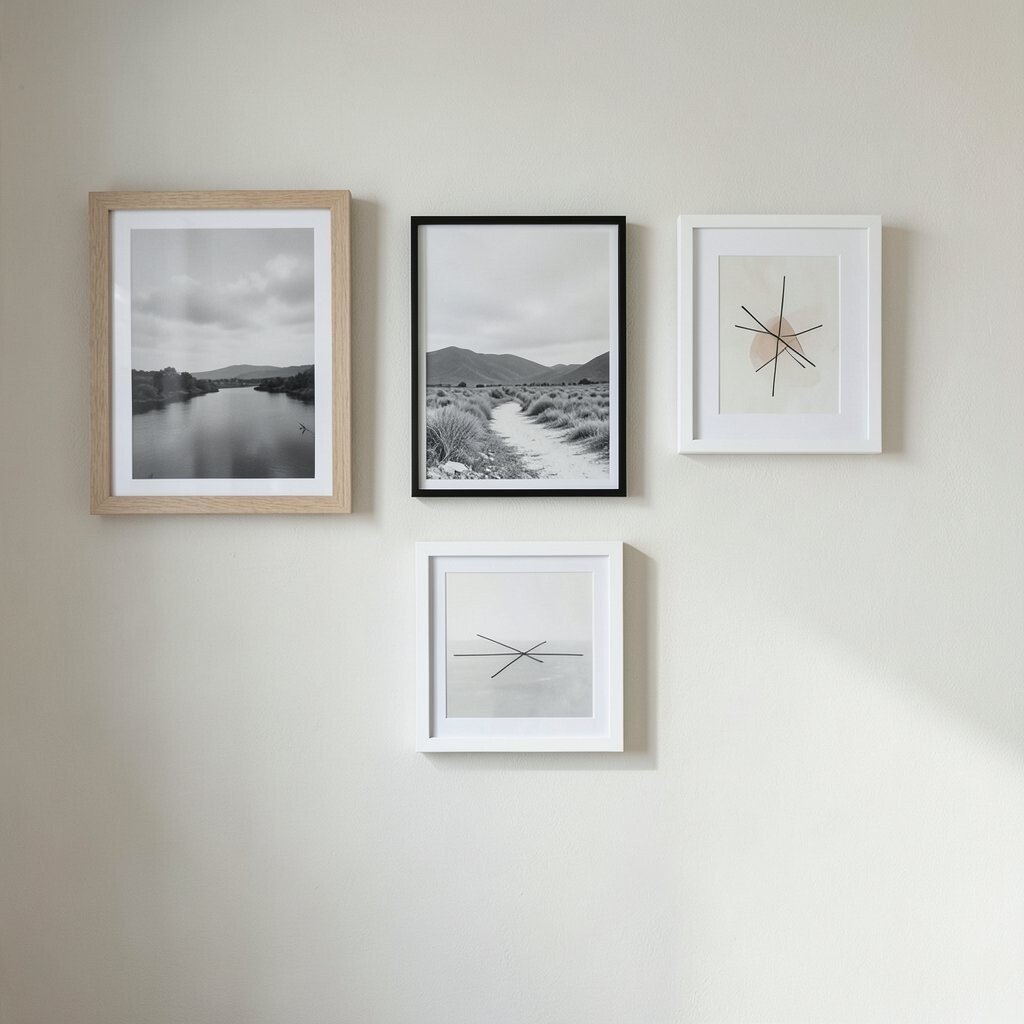
Art can give a neutral room a voice without breaking the calm feel. A black-and-white photo, a soft landscape, or a simple abstract print can add style in a clean way.
This is a great place to show what you love, since art can be very personal. It also brings in small hints of color or line that keep the space from feeling too plain.
For a low-cost option, frame fabric scraps, postcards, or your own photos. Grouping a few pieces together can make a wall feel special without needing expensive decor.
Keep the frames simple if you want the palette to stay quiet. Thin wood, black metal, or white frames often work well in neutral rooms.
9. Pay Attention To Undertones
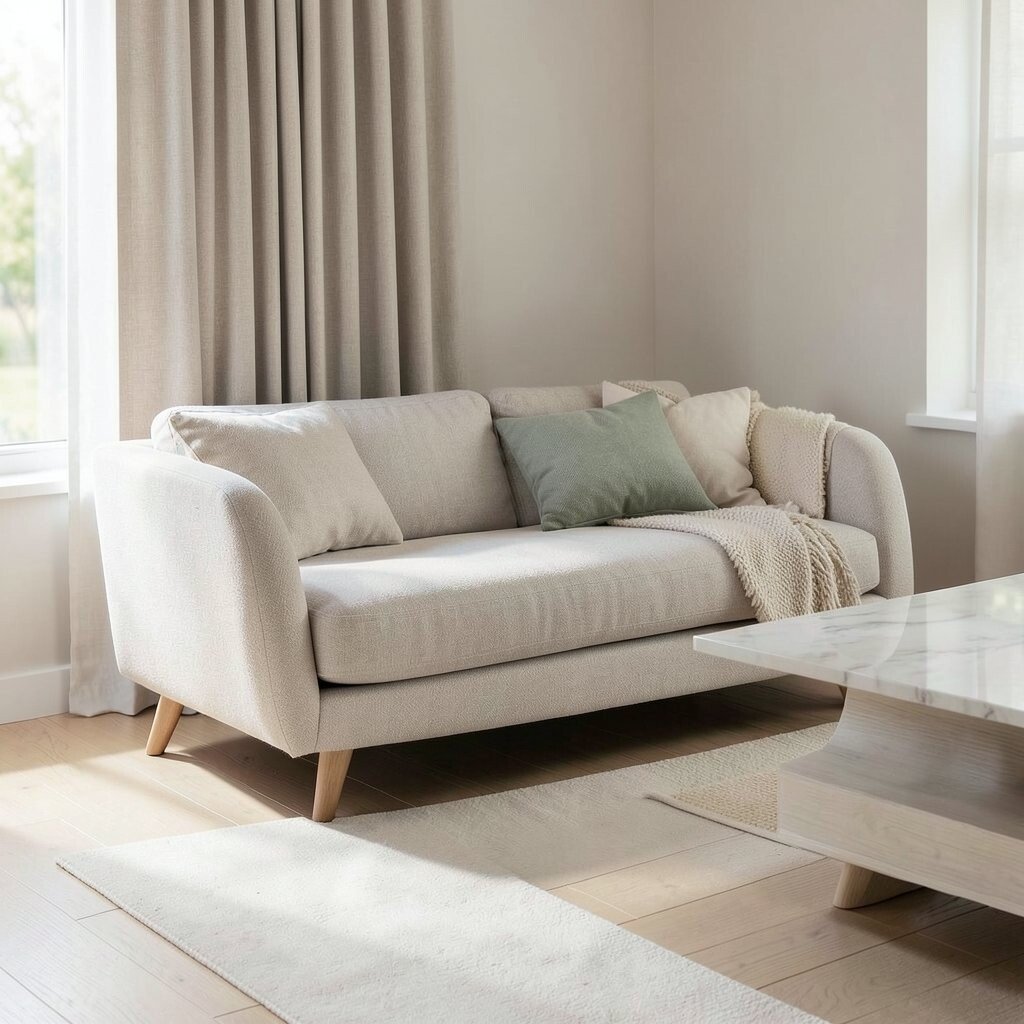
Undertones matter a lot when you are working with soft colors. A beige with pink in it will look very different from a beige with yellow or green in it.
When the undertones match, the room feels smooth and easy on the eyes. When they clash, even lovely pieces can seem off, and the whole palette may feel messy.
To test colors, place samples next to your floor, sofa, and curtains before you buy. This small step can save money and help you avoid returns or repainting later.
10. Keep The Room Open And Breathing
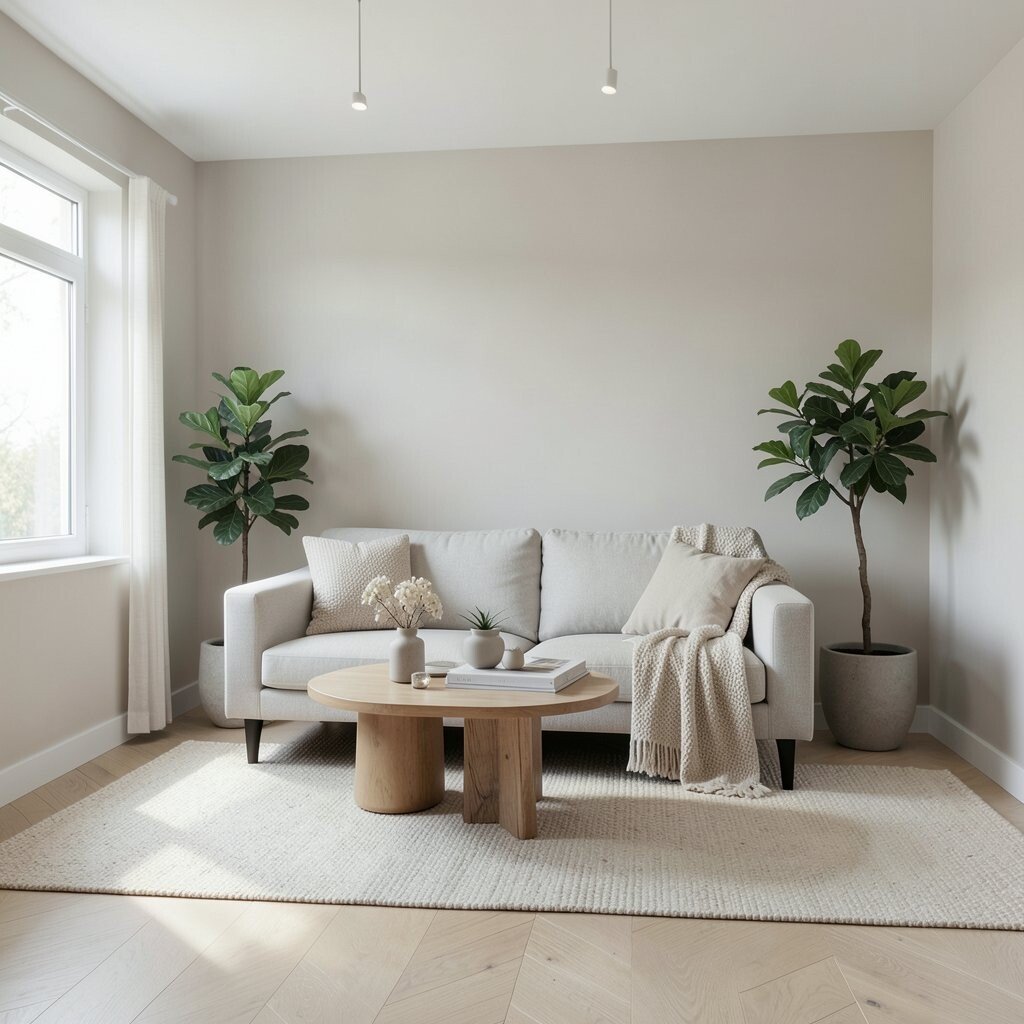
Neutral spaces often look best when they are not crowded. A little open space gives each item room to stand out and makes the whole room feel calm.
This open feel can make a home look bigger and more peaceful. It also fits well with current design trends that favor simple rooms, fewer objects, and a cleaner look.
That does not mean the room should feel empty. It means every piece should have a reason to be there, from a soft throw on the couch to a plant in the corner.
If you want a more personal feel, choose objects that mean something to you instead of filling shelves just to fill them. A few meaningful items will usually look better than many random ones.
11. Use Plants For A Fresh Soft Touch
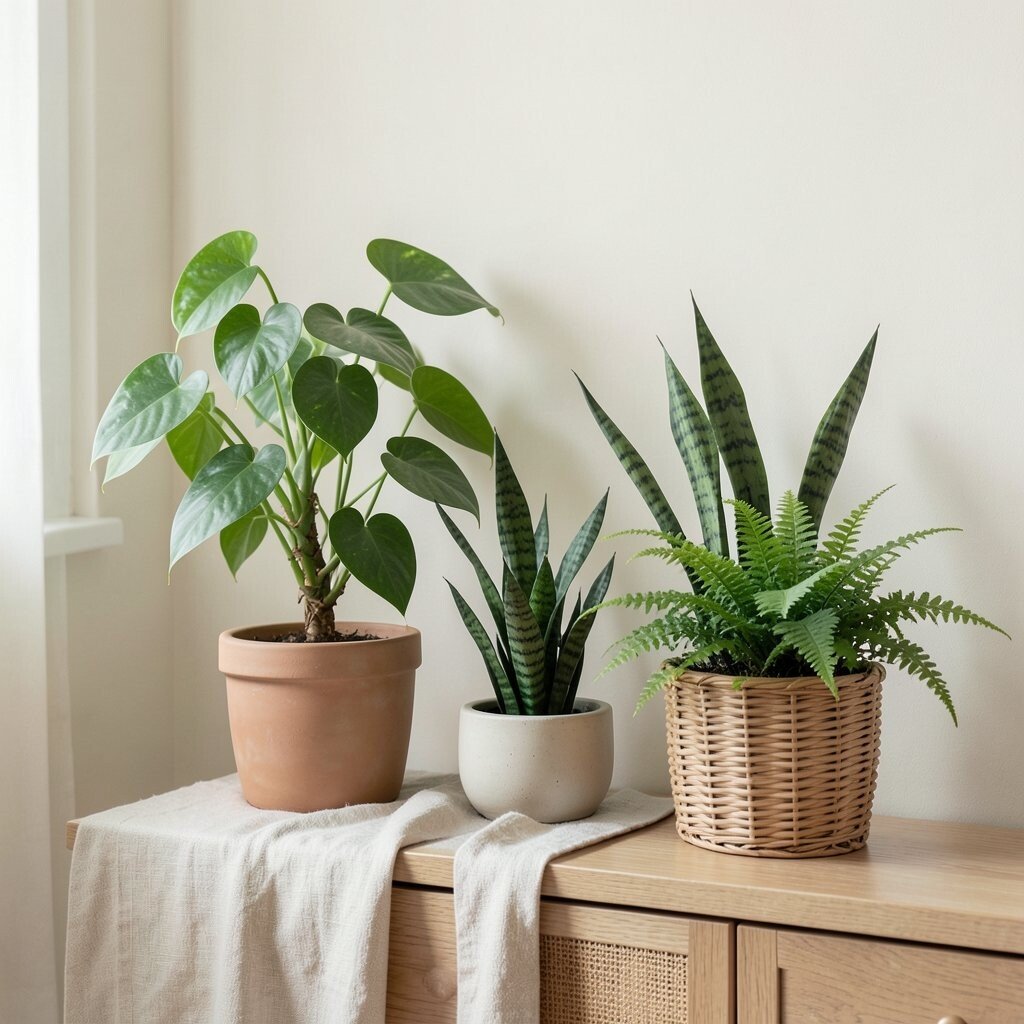
Green plants are a natural friend to neutral design because they add life without shouting. Their leaves look beautiful against cream walls, wood furniture, and pale fabrics.
Plants bring a fresh shape and a little movement into the room. They also make the space feel cared for, which can lift the whole mood in a simple way.
If you want low cost and low stress, begin with easy plants like pothos, snake plant, or a small fern. A woven planter or plain clay pot can keep the look calm and stylish.
Even one plant can make a big difference in a quiet room. If you have more space, group a few plants of different heights for a soft, layered effect.
12. Choose Materials That Feel Honest
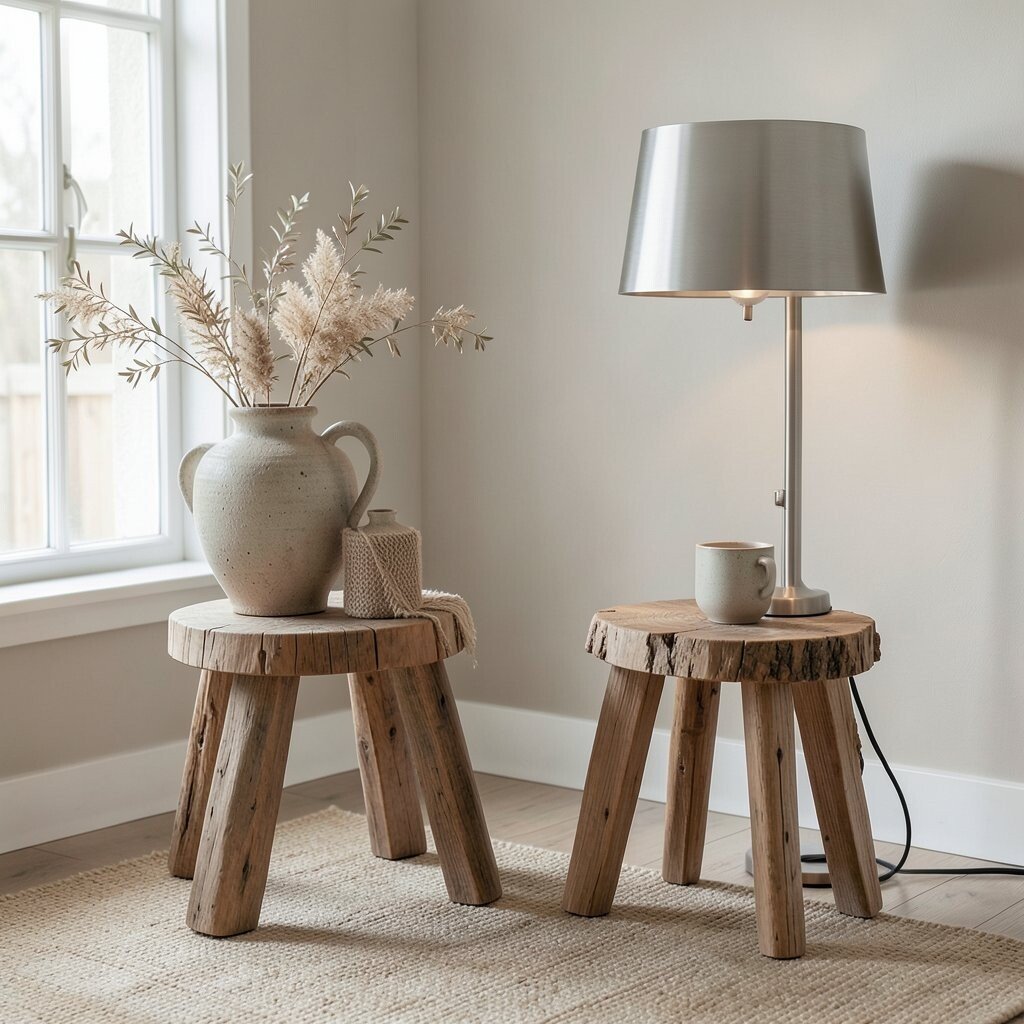
Neutral palettes look especially good when the materials feel real and simple. Wood, stone, linen, wool, ceramic, and metal all bring a natural charm that suits soft colors well.
These materials add a sense of quality, even when the pieces are not expensive. They also age in a nice way, which is helpful if you want a room that stays attractive over time.
Current trends often lean toward earthy finishes and handmade-looking pieces. A rough ceramic vase, a raw wood stool, or a brushed metal lamp can make a neutral room feel current without losing its calm mood.
13. Add Small Pops Of Tone Through Everyday Items
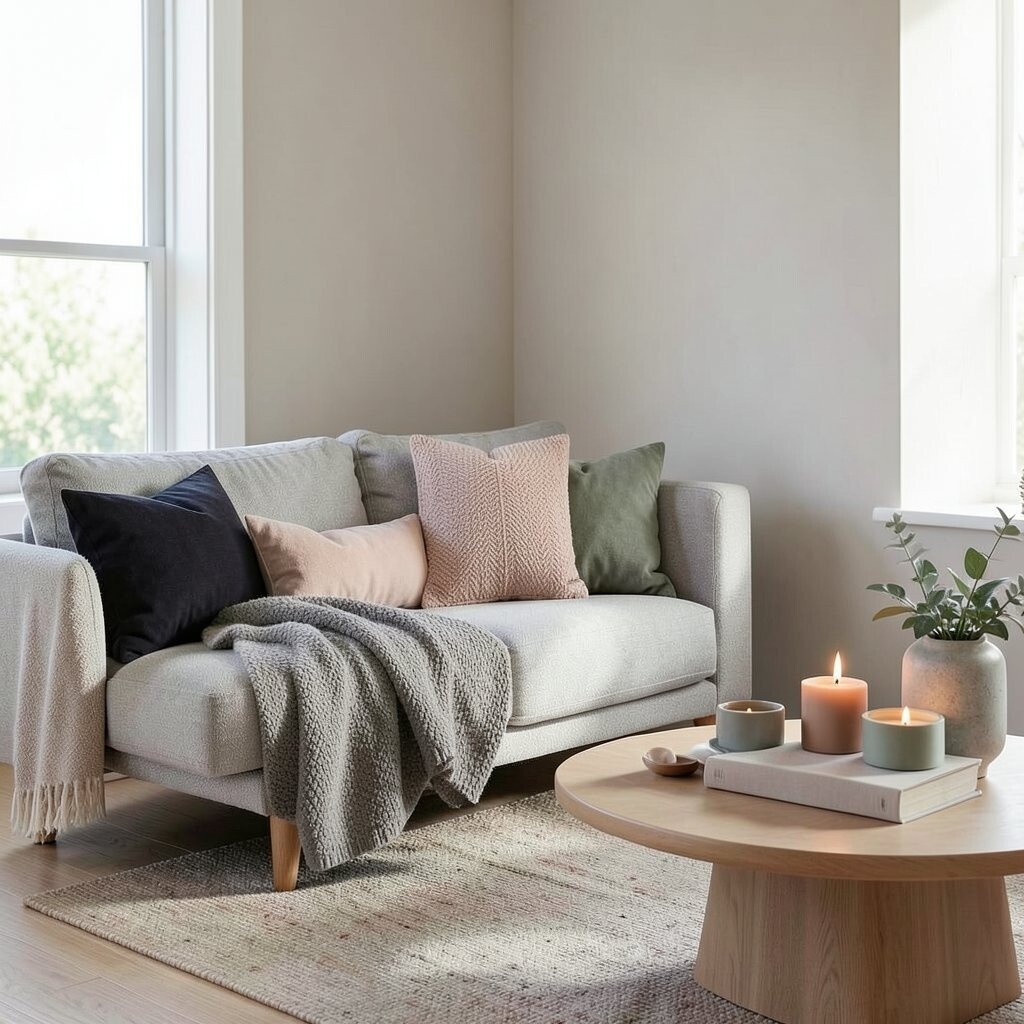
Neutral rooms do not need to stay all the same all the time. Small items like books, candles, bowls, and pillows can bring in tiny changes that keep the space fun.
These little shifts are easy to swap with the seasons or your mood. They also let you personalize the room without making a big, costly change.
Try soft blush, moss, clay, or dusty blue if you want a gentle hint of color. If you prefer a stricter look, stay with black, espresso, or deep gray for a more grounded finish.
Because these accents are small, they are easy on the budget and easy to replace. That makes them a smart way to keep a neutral palette feeling fresh, warm, and truly your own.