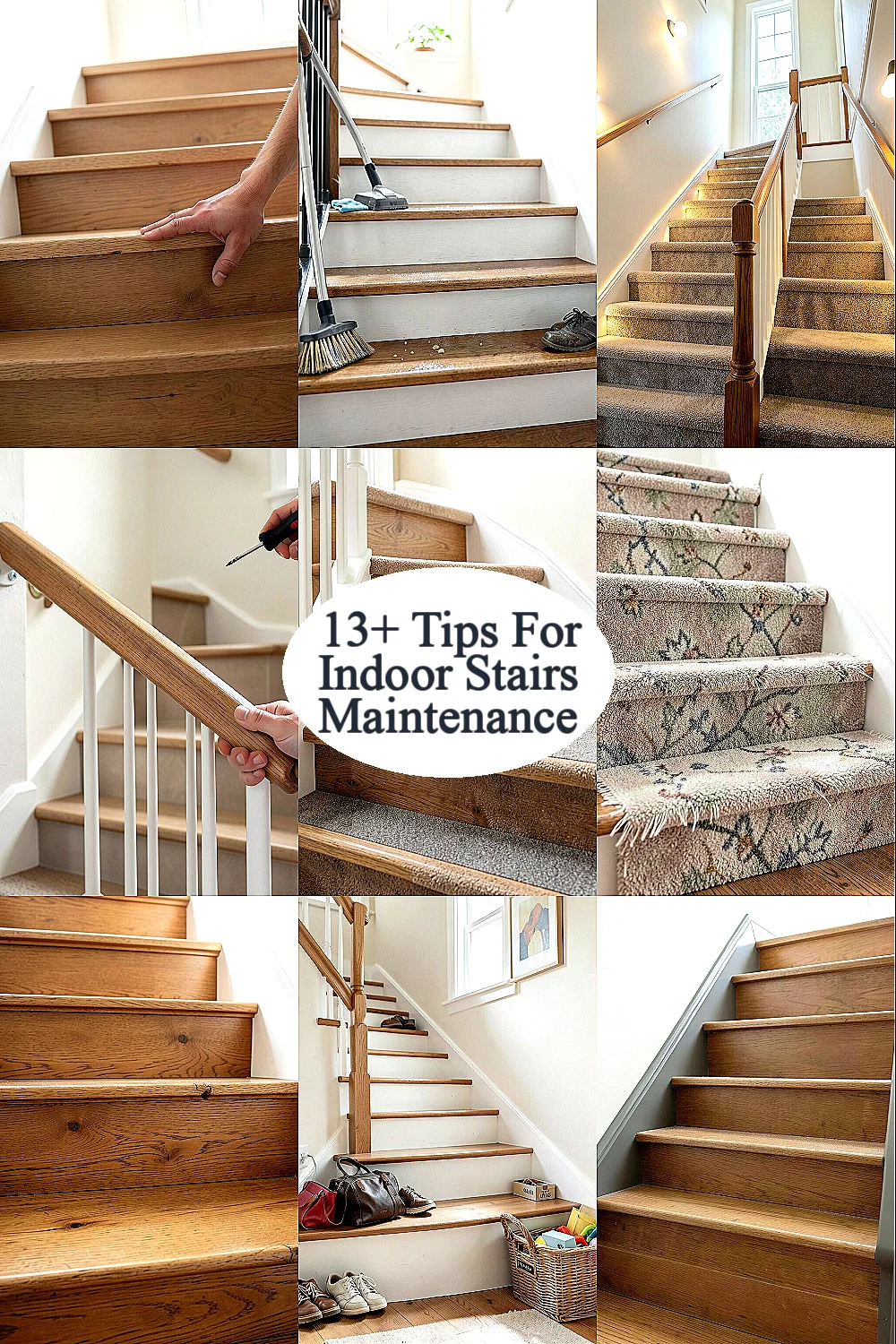
Indoor stairs can look simple, but they work hard every day. A few small habits can keep them safe and fresh.
1. Check Each Step for Loose Spots
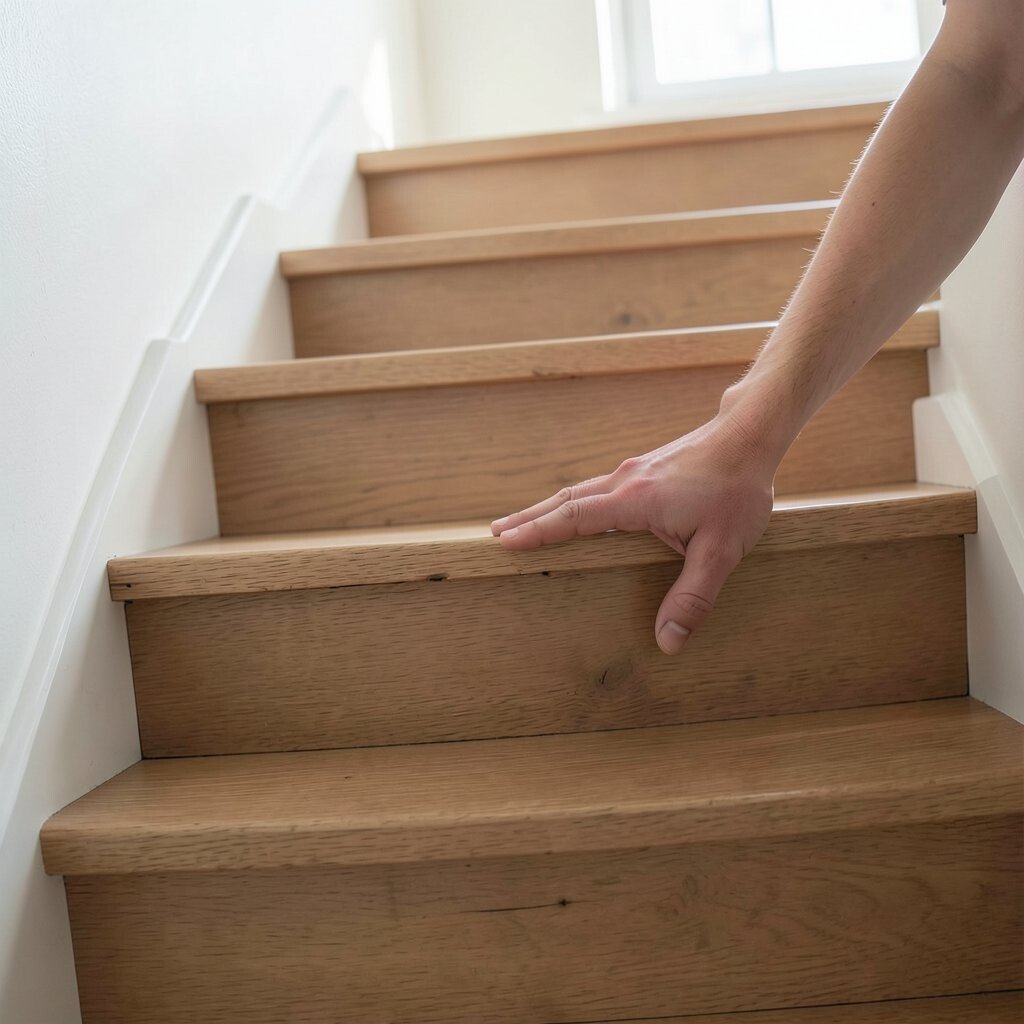
Run your hand along the steps and feel for wobble, gaps, or soft spots. A stair that feels firm underfoot gives a calm, sturdy look.
Loose boards can make a loud creak and turn into a bigger repair later. Tight steps help stop slips, save money, and keep the whole stairway feeling solid. If your home has a modern style, clean lines and smooth treads can make repairs less visible and more neat.
2. Keep the Stair Surface Clean and Dry
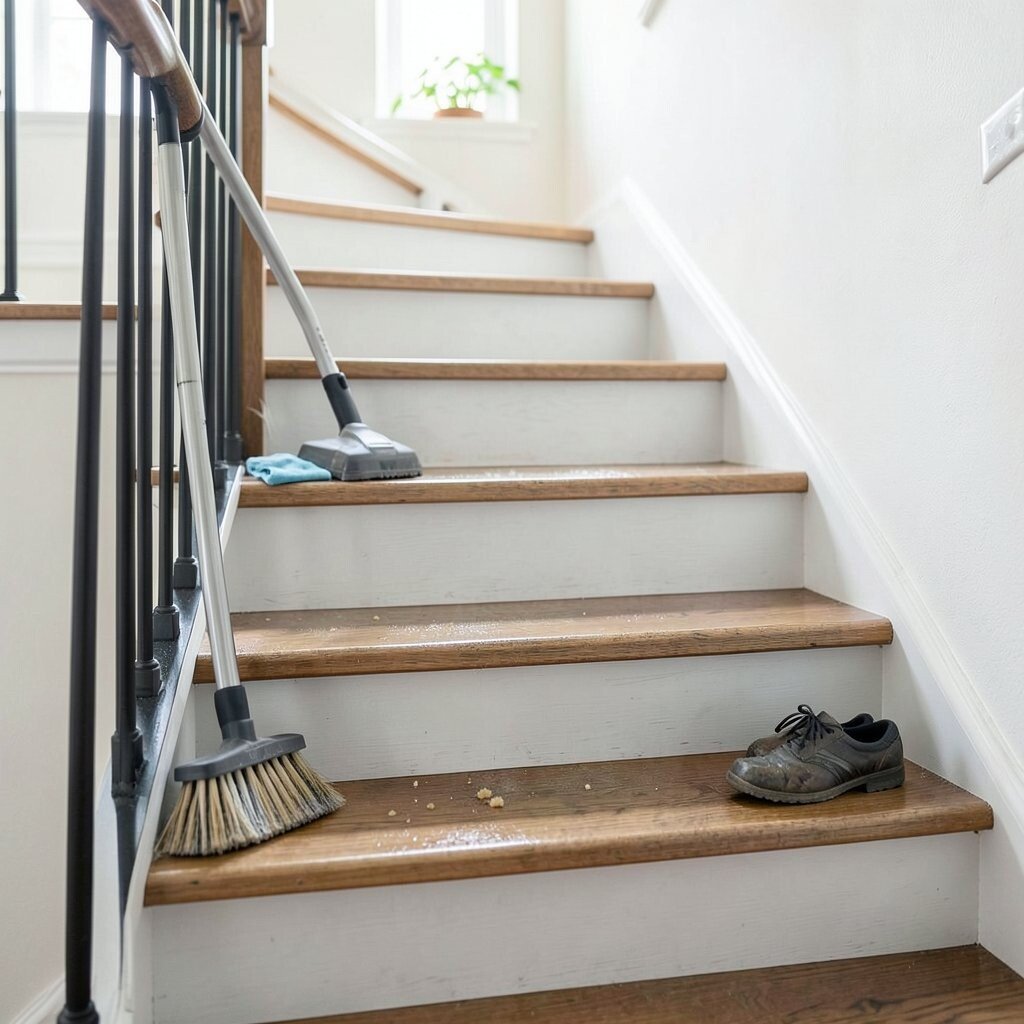
Dust, crumbs, and damp shoes can make stairs slick fast. A clean stairway also looks bright and cared for.
Use a broom, vacuum, or microfiber cloth to clear each step often. Dry up spills right away so the surface stays safe under feet. Many families now keep a small cleaning caddy near the stairs, which makes quick cleanups easy and low cost.
For a personal touch, choose a cleaner that smells nice or use a cloth in a color that matches your home. Small details can make this simple job feel less like work. A little daily care can help your stairs stay neat and welcoming.
3. Add Strong Lighting on Every Level
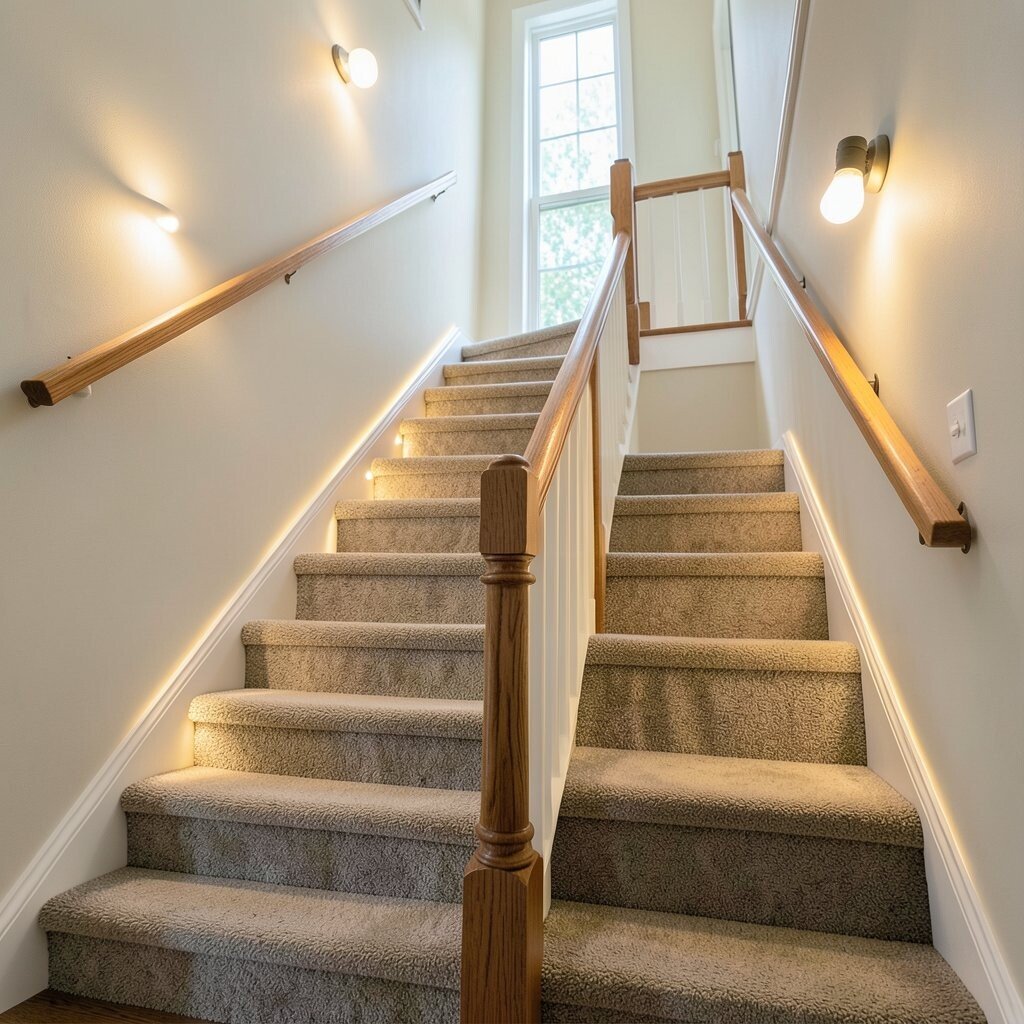
Bright stairs are easier to see, especially at night or early in the morning. Good light also makes wood grain, carpet texture, and trim look more beautiful.
Check bulbs, wall lights, and overhead fixtures often. Swap weak bulbs for brighter ones that still feel soft to the eyes. LED lights are a popular choice now because they last long and use less power.
You can add a warm glow with small strip lights under the handrail or along the wall. Motion lights are handy for kids and guests who forget the switch. The cost can stay low if you start with just one stair light and build from there.
4. Tighten Handrails and Wall Brackets
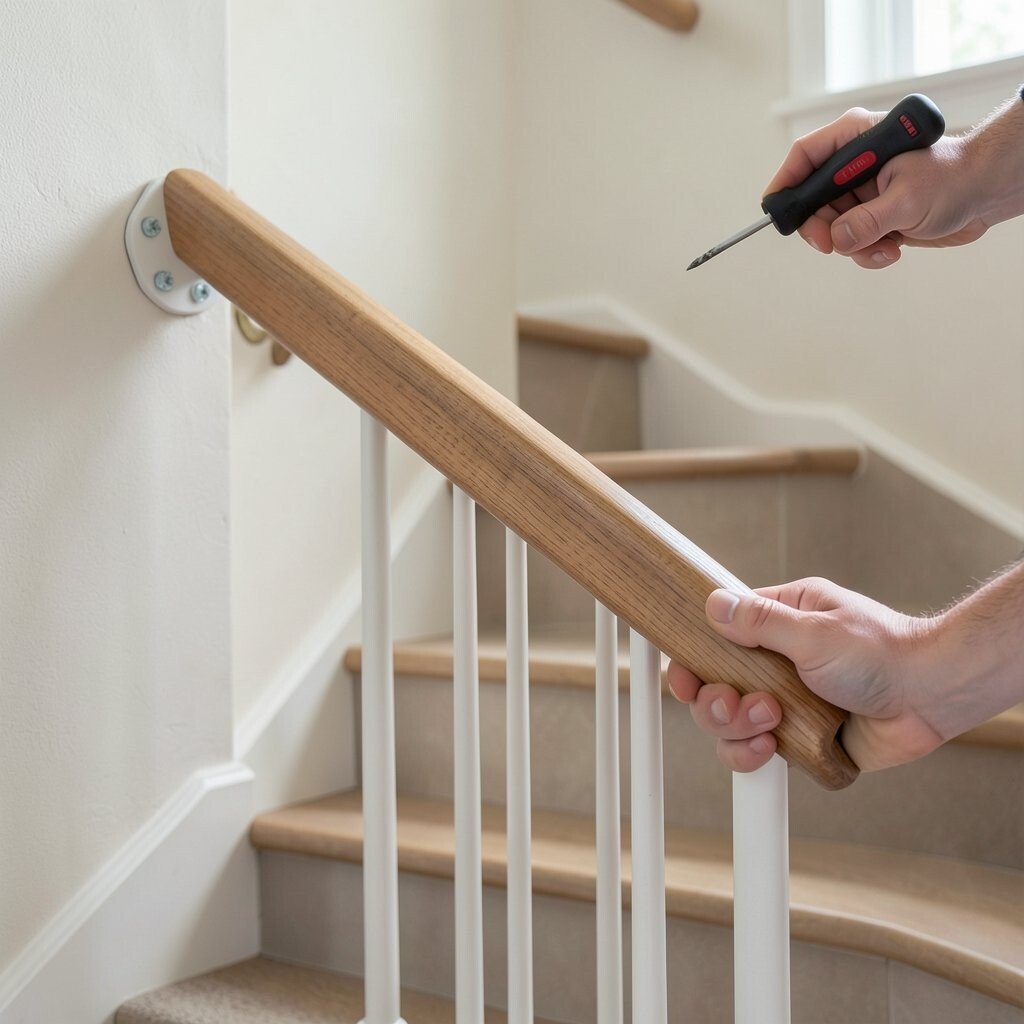
A handrail should feel steady when someone holds it. If it shakes, the stairs may not feel safe or strong.
Use a screwdriver to check rail screws and brackets. Tight hardware helps prevent accidents and gives peace of mind. A rail with a clean wood finish or painted color can also add charm to the stair area.
5. Use Non-Slip Treads or Strips
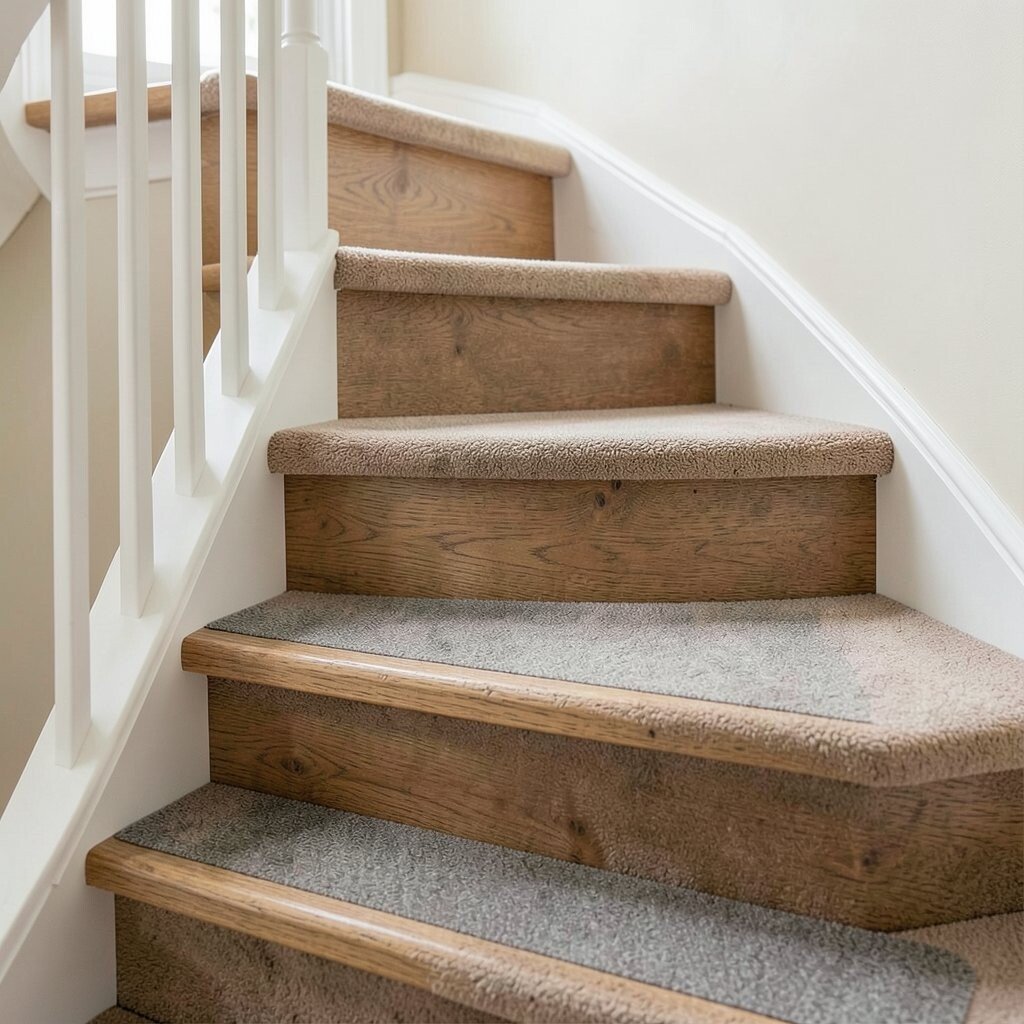
Non-slip strips can help shoes grip the steps better. They also add a neat look when matched to the stair color.
These strips are a smart pick for homes with kids, pets, or older adults. They come in many styles, from clear bands to bold edge strips. Some are very affordable, and many can be put on without special tools.
If you like a custom look, choose treads that blend with your carpet or wood. That way the stairs stay safe without losing style. This small upgrade can make a big difference in daily use.
6. Watch for Worn Carpet or Loose Edges
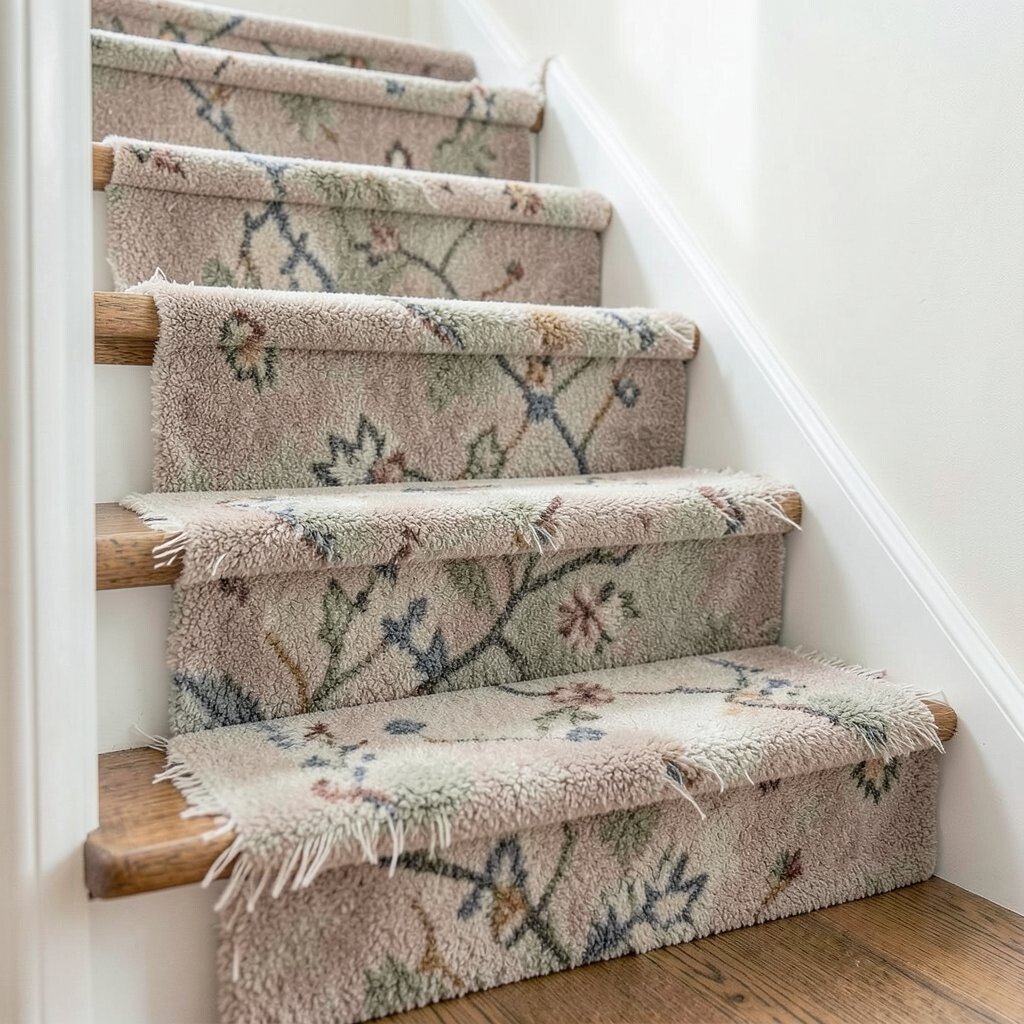
Frayed carpet can look fuzzy, but it can also catch toes and shoes. A smooth stair surface feels cleaner and more polished.
Press down on the carpet edges and look for lifting corners. Trim loose threads before they spread, and repair any lifted spots fast. Carpet stair runners are still trendy because they add color, softness, and grip at the same time.
Repair kits can be cheap, and a small patch can save the whole stair from bigger damage. If you want a cozy style, pick a runner with a pattern that hides dirt well. That choice can make upkeep easier and the stairs feel more personal.
7. Inspect Wood for Cracks and Splinters
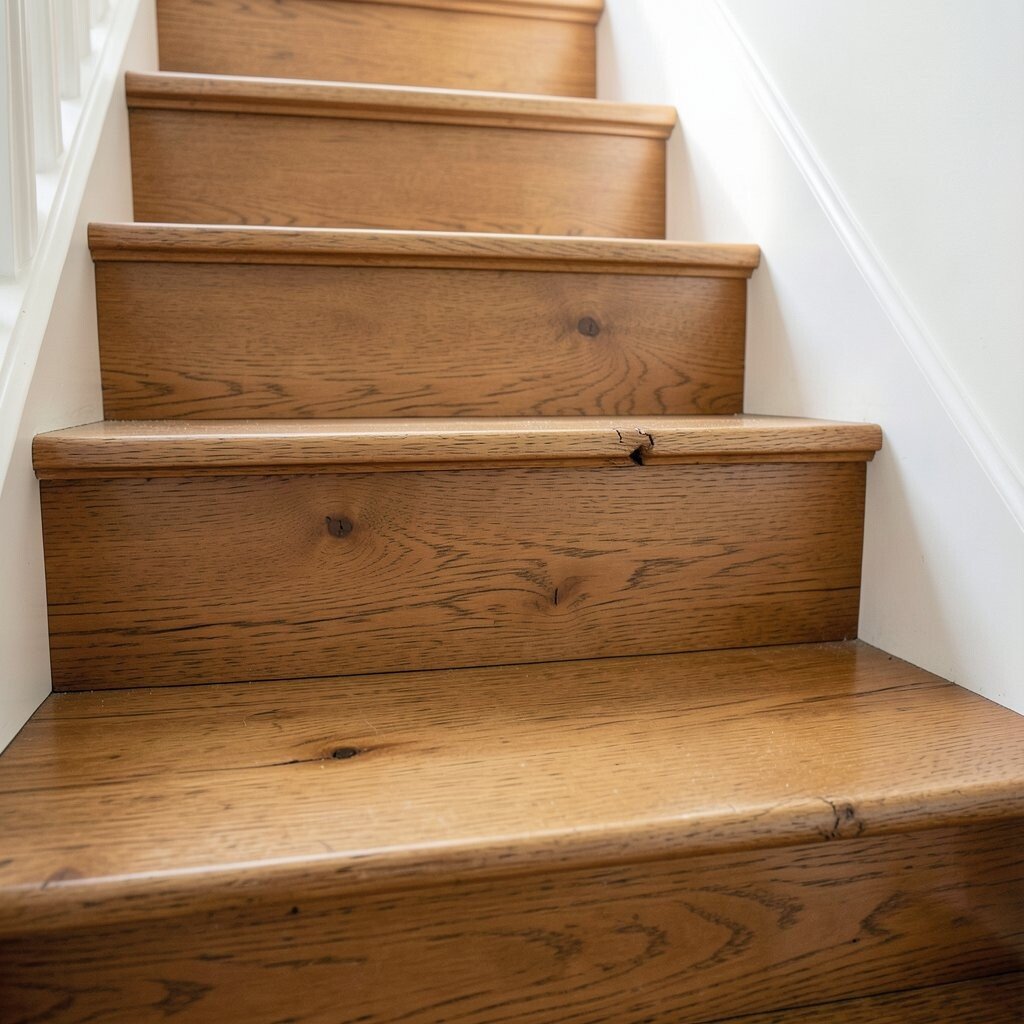
Wood steps can dry out and crack over time. Rough spots can snag socks and scratch bare feet.
Look closely at each tread and riser under good light. Sand small splinters smooth and fill tiny cracks before they grow. A clean wood stair can look warm, classic, and very inviting.
If you like a natural feel, use a finish that brings out the wood grain. If you want less upkeep, try a protective coat that helps block wear. The cost of a small repair now is usually far less than replacing a whole step later.
8. Keep the Stair Area Free of Clutter
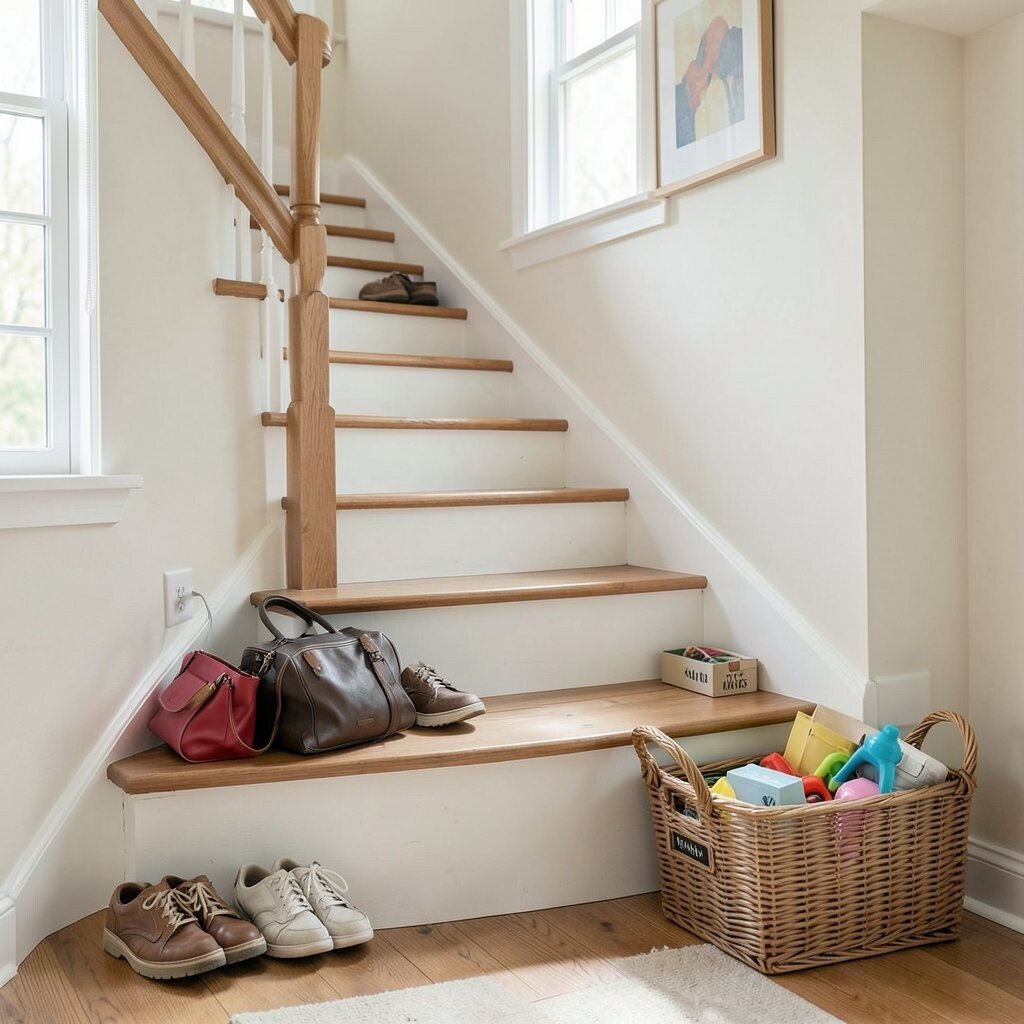
Shoes, bags, toys, and boxes can turn stairs into a busy spot. A clear path makes every step easier to see and use.
Set a basket or shelf near the stairs for things that do not belong there. This simple habit helps stop trips and keeps the home looking tidy. Many homes now use slim storage benches that fit well beside the stairway.
You can make the space feel more like your own with a basket in a favorite color or a small sign for family items. The best setup is one that fits your daily life and your budget. When clutter stays away, the stairs feel open and calm.
9. Clean Stair Edges and Corners Often
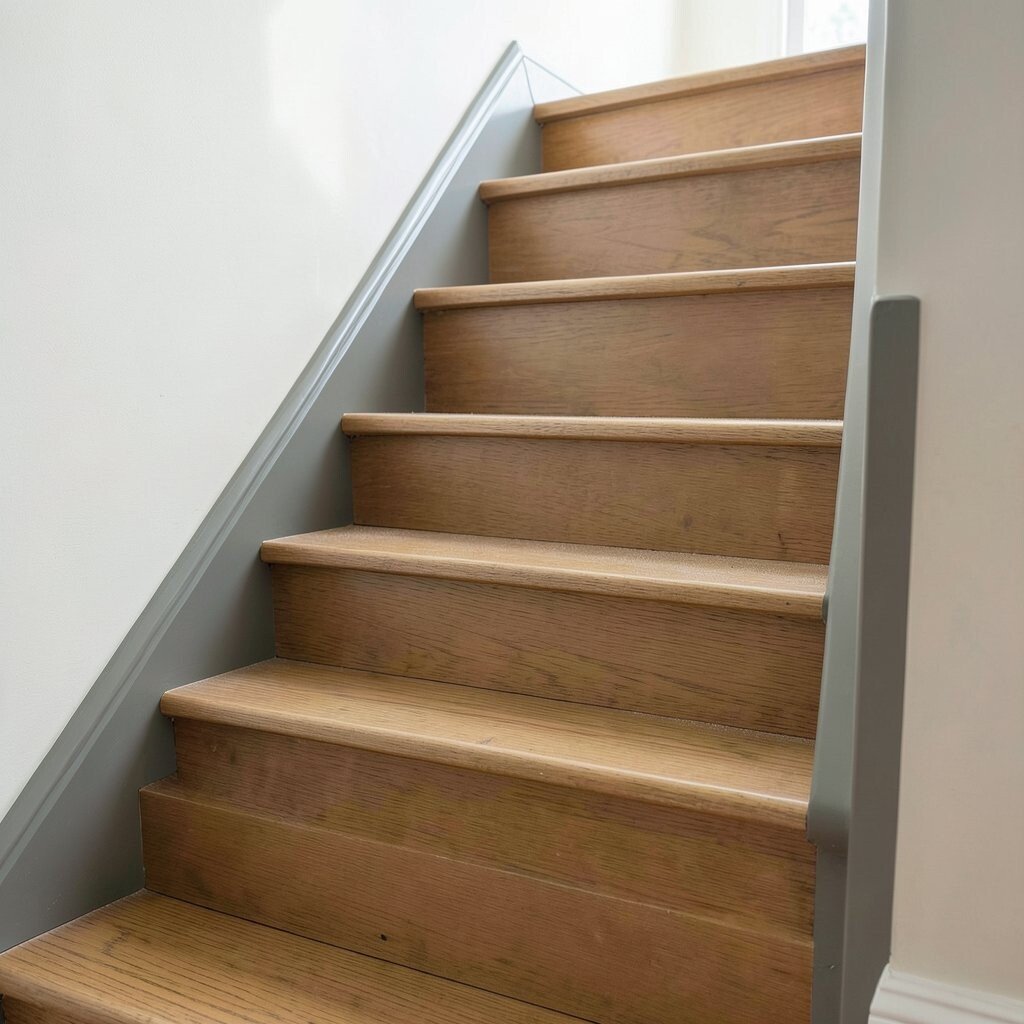
Dust loves to hide where the tread meets the wall. Those small corners can make even a neat stairway look dull.
Use a small brush, vacuum tool, or cloth to reach the edges. Clean corners help the whole staircase look brighter and well kept. This is a quick task, but it can make a big visual change.
For a more custom look, paint the trim in a crisp shade that makes dirt easier to spot. Some people also use a hand vacuum for fast touchups. The cost is low, and the result is a stairway that feels fresh and cared for.
10. Test the Noise and Squeaks
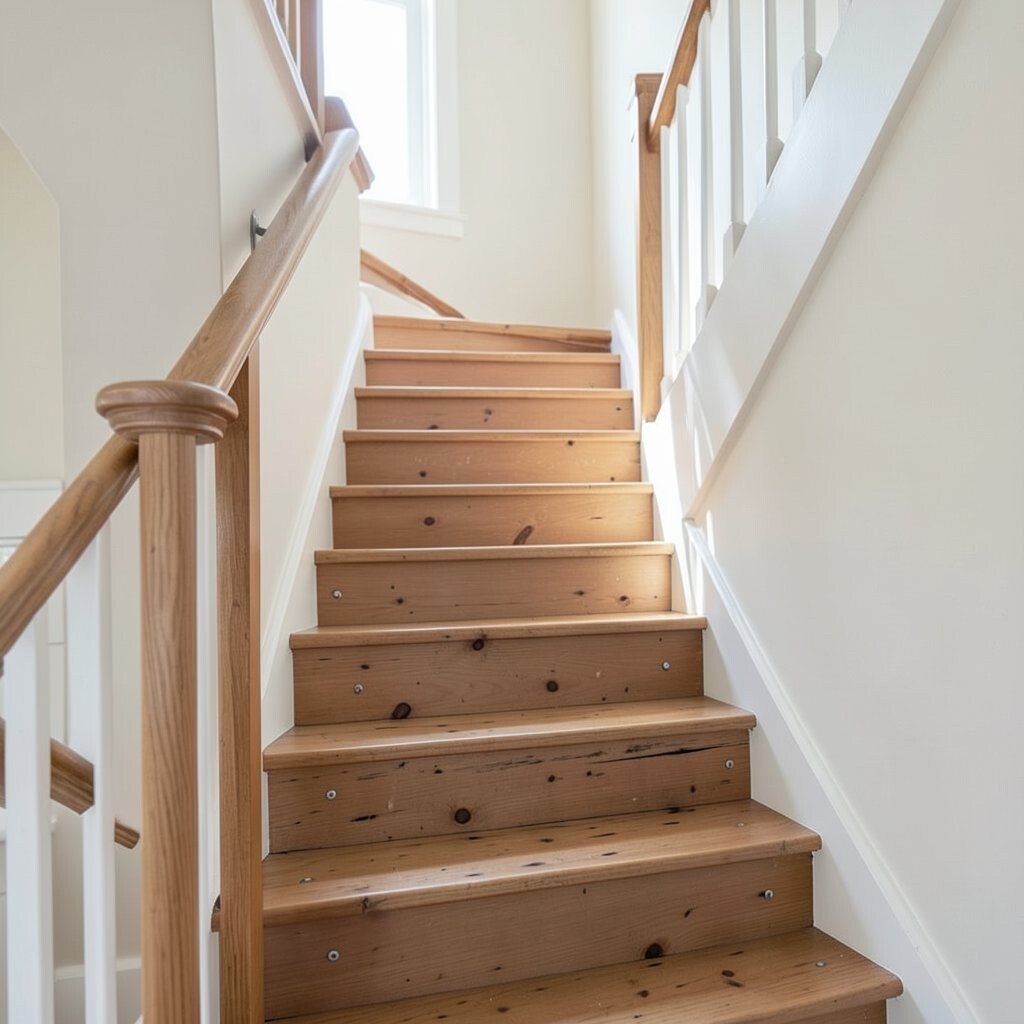
Squeaky stairs can be annoying, but they also give clues about wear. A quiet stair often feels more secure and comfortable.
Walk up and down slowly and listen for pops or creaks. Mark the noisy spots and check the screws, joints, or boards below. Quiet stairs are a nice trend in modern homes because they feel calm and well built.
If the sound is small, a simple fix may be enough. Some people use wood glue, shims, or added screws to settle the movement. A little repair work can save money and make the home feel more peaceful.
11. Refresh Paint or Stain When It Starts to Fade
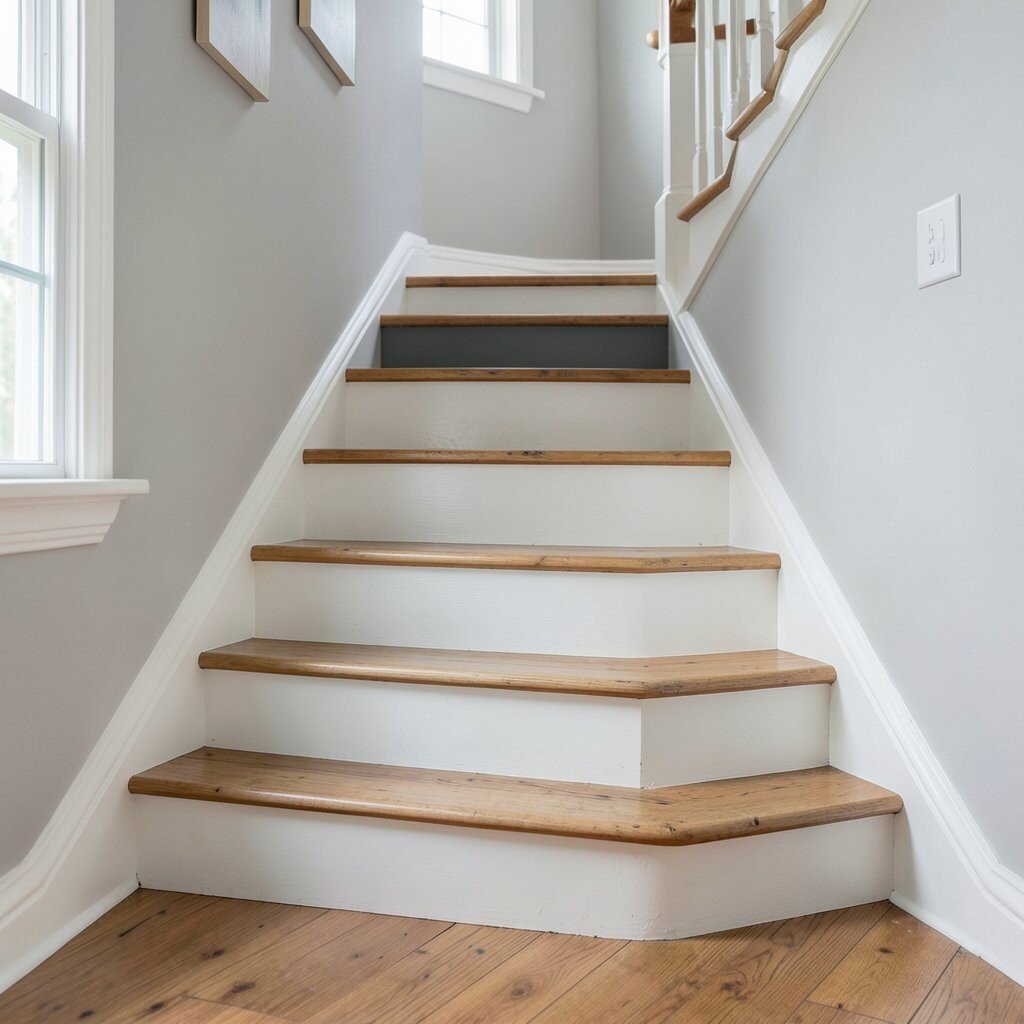
Faded stairs can look tired even when they are still strong. A fresh coat can bring back rich color and a neat finish.
Look for chips, dull spots, or peeling edges. Touch up small areas before they spread and make the stairs look old. Soft gray, warm white, and natural wood tones are popular right now because they fit many home styles.
You can also choose a color that matches your wall art or rug for a more personal feel. Small paint jobs are often cheaper than full replacement and can be done one section at a time. That makes this tip friendly for both style and budget.
12. Check Stair Rugs and Runners for Fit
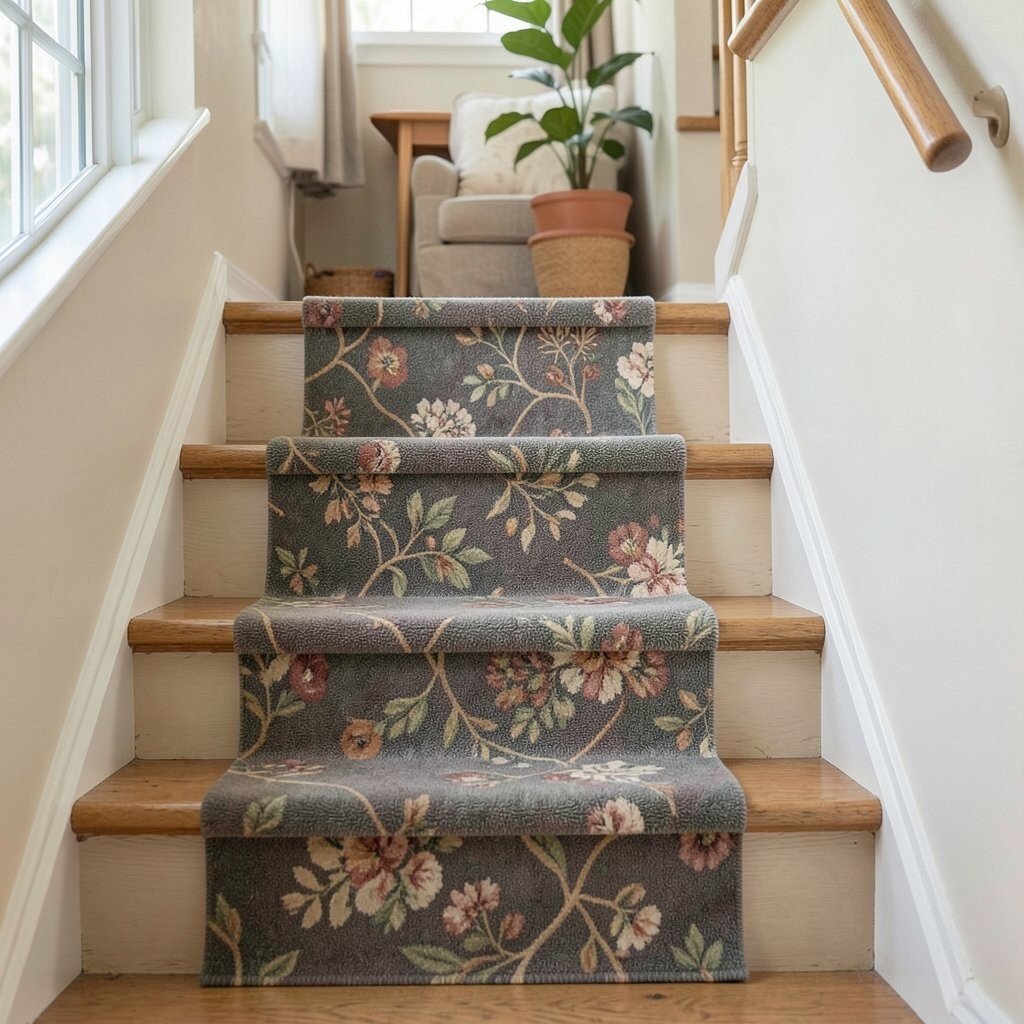
A stair runner should lie flat and stay in place. When it fits well, it adds comfort and a cozy look.
Look for bunching, curling, or loose fasteners. A runner that shifts can become a trip risk, so fix it fast. Many people like patterned runners now because they add personality and help hide small marks.
If your home has kids or pets, pick a material that is easy to clean. A simple runner clip or tack can be a low-cost fix that makes a big safety boost. You can also choose colors that echo your curtains or sofa for a pulled-together look.
13. Keep Moisture Away from the Stairway
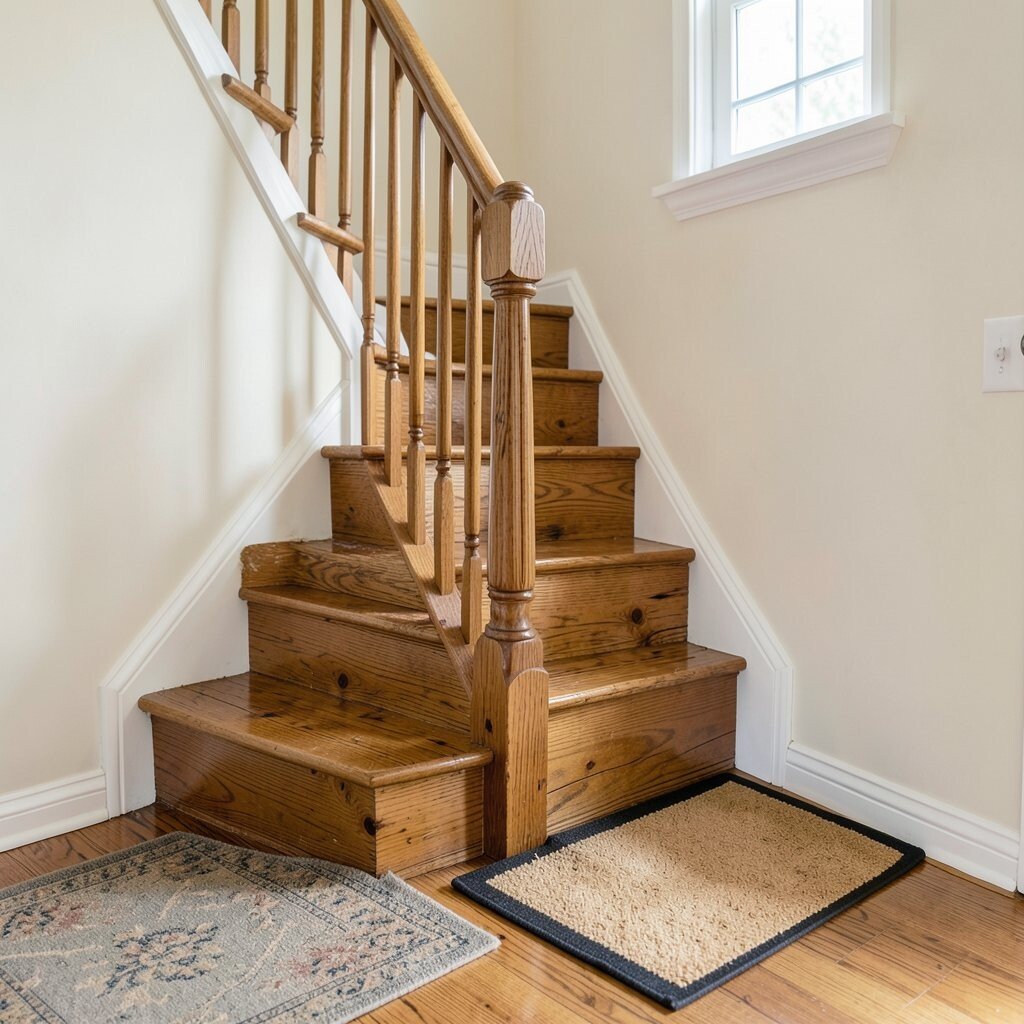
Water is one of the biggest enemies of indoor stairs. Damp spots can swell wood, loosen glue, and make surfaces slippery.
Watch for wet umbrellas, dripping shoes, or leaks near nearby walls. Place a mat close by and dry the area quickly after rain or spills. Homes with busy entryways often use water-resistant mats and sealants to keep things safer.
If you want a neat style, choose a mat that matches the stair trim or floor color. This keeps the area looking planned instead of messy. Preventing moisture damage is usually much cheaper than fixing warped steps.
14. Set a Simple Stair Care Routine
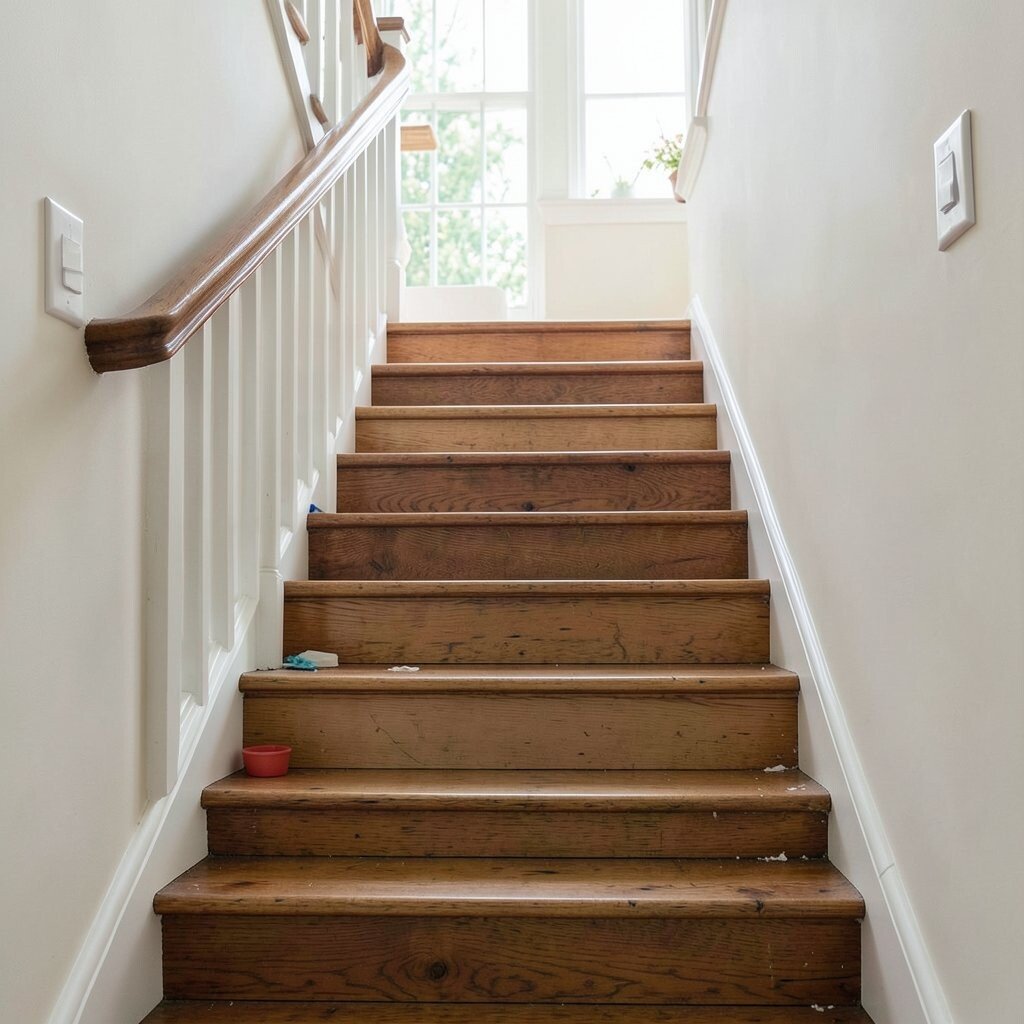
Small stair checks work best when they happen often. A routine keeps the whole staircase looking good without much stress.
Pick a day for cleaning, a day for safety checks, and a time to look for wear. This habit helps you spot tiny problems before they grow. Many families now use phone reminders or home checklists to stay on track.
You can personalize the routine to fit your home size and daily pace. Some people do a fast check after dinner, while others pair it with weekly floor cleaning. The cost is almost nothing, but the payoff is a safer stairway that stays ready for every step.