Retail spaces are transforming into magical realms where shopping becomes an experience rather than a chore. Imagine stepping into a store that feels like an adventure, where every corner holds a delightful surprise.
1. Interactive Window Displays
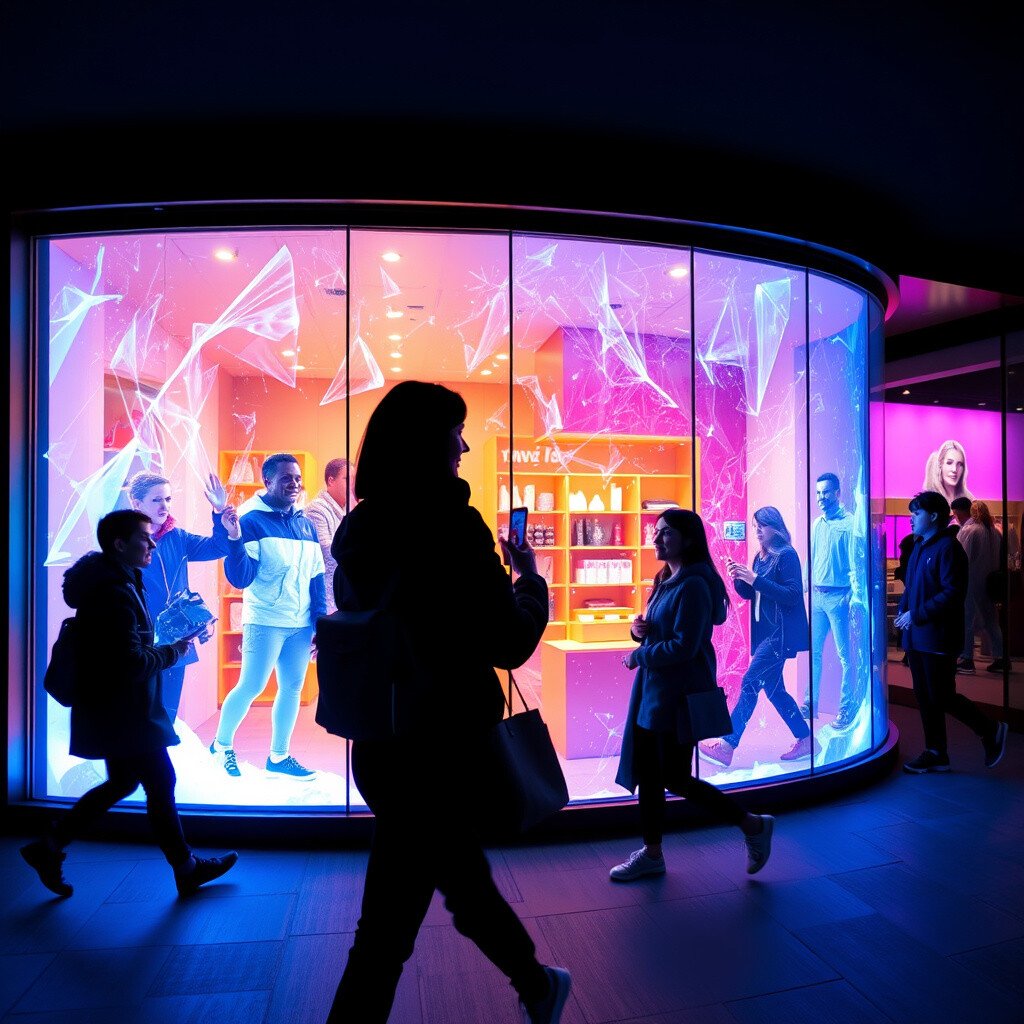
Imagine walking past a store and seeing a window display that reacts to your movements. Interactive window displays use sensors and digital screens to create dynamic visuals that engage passersby. They can showcase products in action or tell a story that draws customers in.
These displays are unique because they offer a personalized experience. Customers might see themselves in the display, making them feel special and more connected to the brand. It’s a great way to catch the eye of busy pedestrians and invite them into the store.
Though the initial cost might be higher due to technology, the benefits of increased foot traffic and brand engagement make it worthwhile. Consider partnering with tech companies to bring these imaginative displays to life.
2. Themed Pop-Up Shops
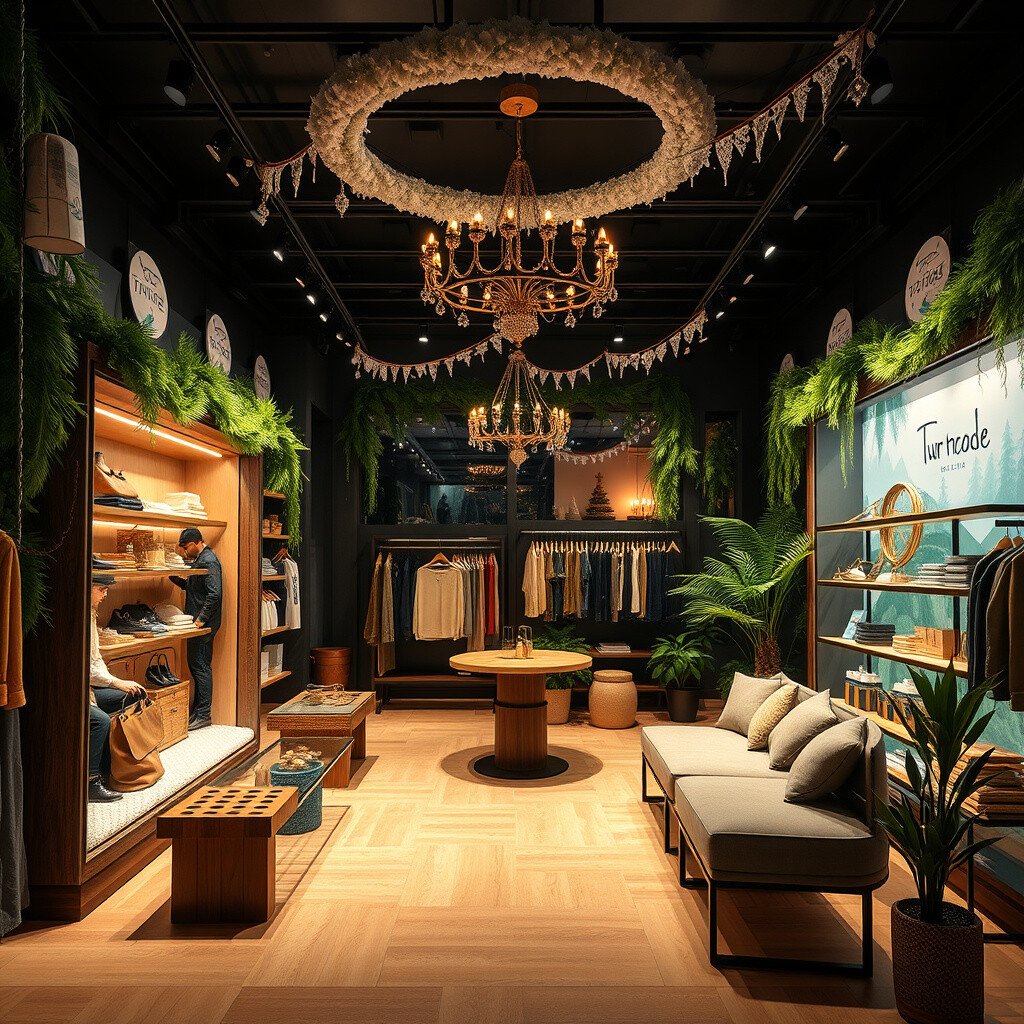
Pop-up shops are temporary, but their impact can be lasting. A themed pop-up shop creates an immersive experience, transporting customers to another world. It could be anything from a winter wonderland to a tropical paradise.
The uniqueness of pop-up shops lies in their exclusivity. They create a buzz and urgency that attracts curious shoppers. Plus, they give brands a chance to test new products and markets with minimal risk.
Keep costs down by using rented spaces and simple decor. Focus on creating a memorable atmosphere rather than extravagant design. Collaborate with local artists or influencers to enhance the experience.
3. Live Demonstrations
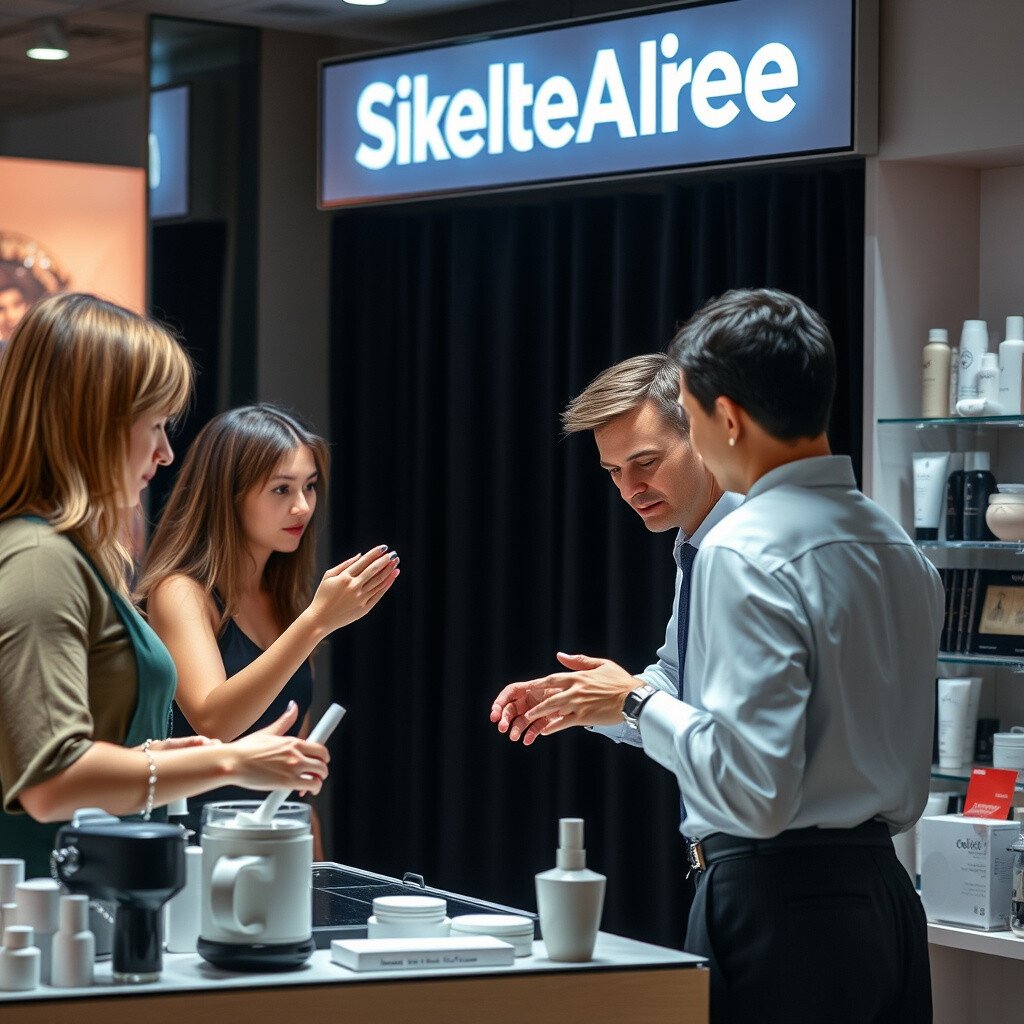
Seeing products in action can be a game-changer. Live demonstrations allow customers to witness the benefits and features of a product firsthand. This can be especially effective for beauty products, cooking gadgets, or tech devices.
Demonstrations offer authenticity and build trust. Customers can ask questions and get immediate answers, making their shopping experience more informative and personal. It’s like having a mini-show right in the store!
To keep costs low, use store staff or brand representatives who are already knowledgeable about the products. Schedule demonstrations during peak hours to maximize audience reach.
4. Augmented Reality Experiences
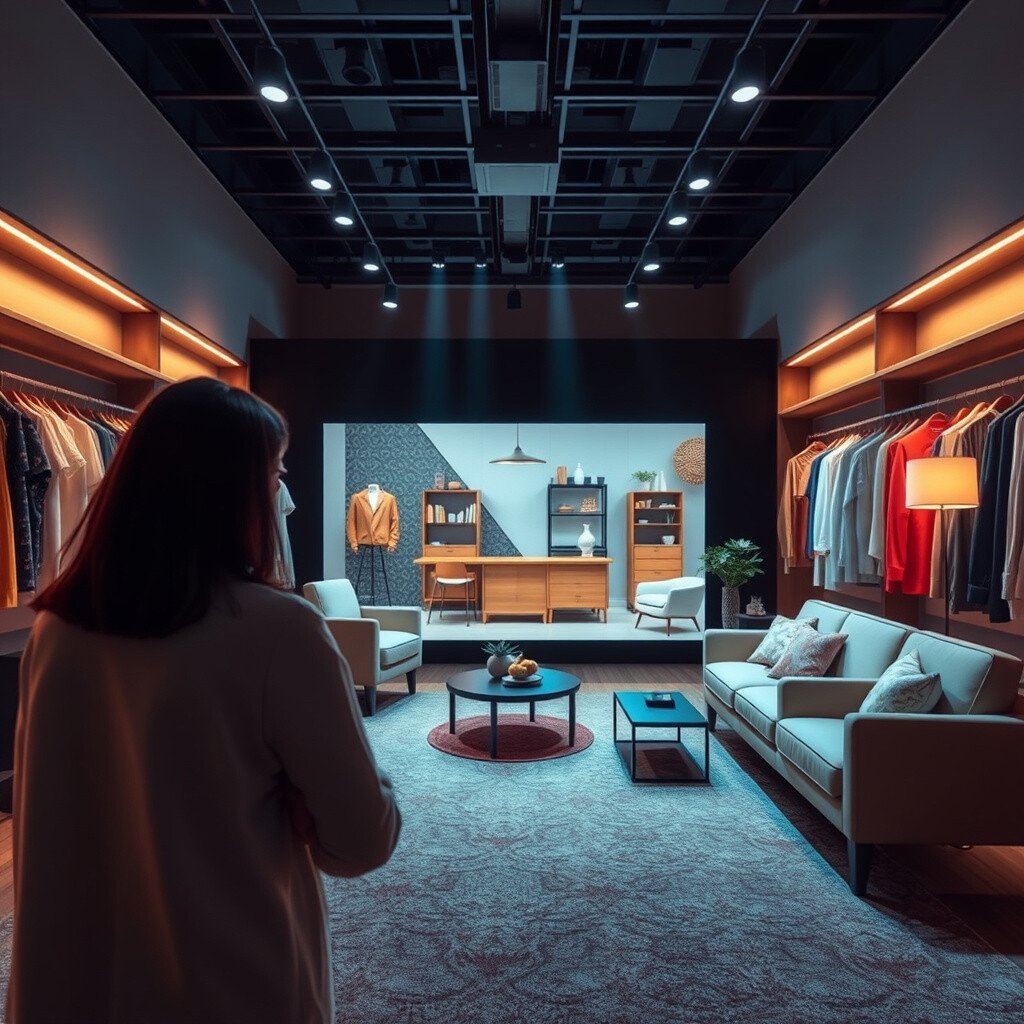
Imagine trying on clothes or testing furniture without ever leaving the store. Augmented Reality (AR) experiences bring digital elements into the real world, allowing customers to visualize products in a new way. It’s like having a fitting room or showroom right in your pocket!
AR experiences are unique because they offer a blend of technology and personalization. Customers can see how products fit into their lives, making them more likely to purchase. It’s an innovative way to stand out in a competitive market.
While AR technology can be costly, many platforms offer affordable solutions for retailers. Start small by integrating AR into your existing mobile app or website.
5. In-Store Workshops
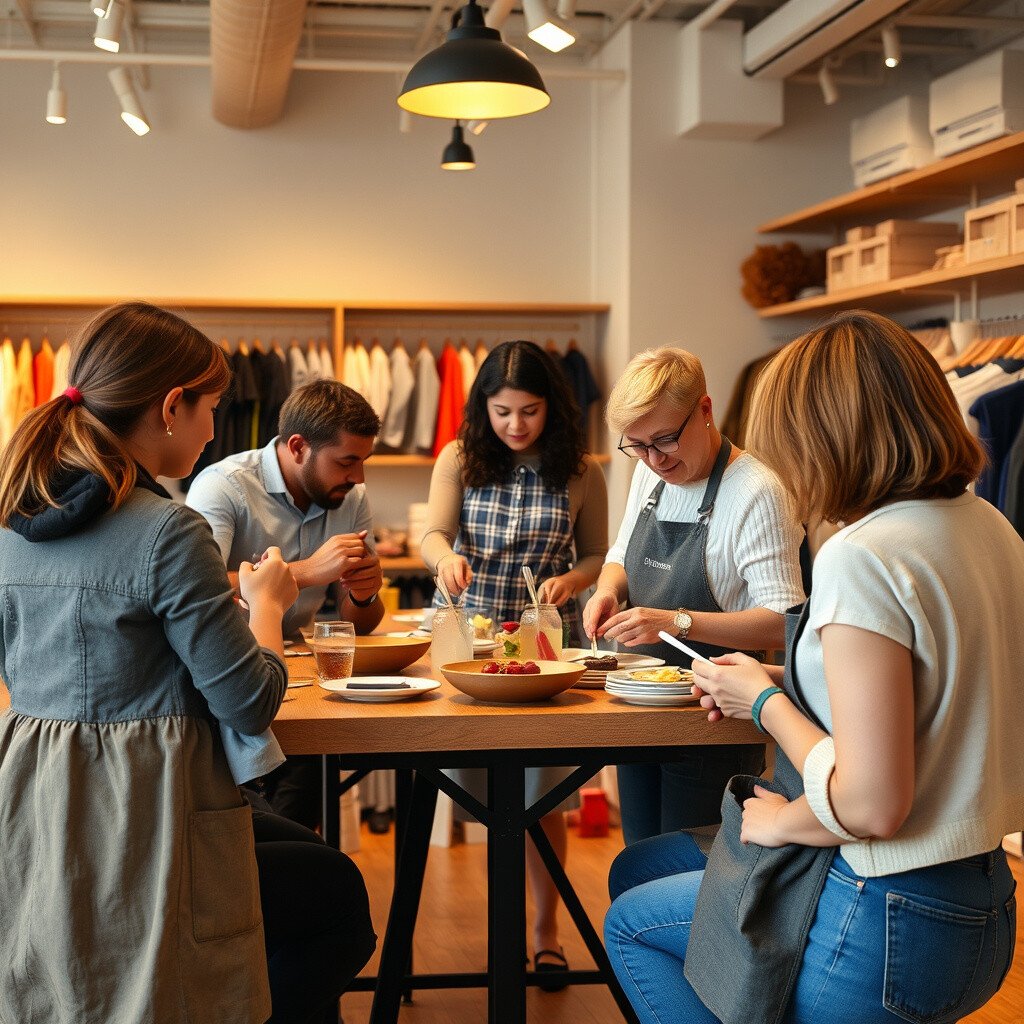
Hosting workshops in-store not only educates customers but also builds a community around your brand. Whether it’s a crafting class, a cooking session, or a fashion styling event, workshops can be a fun way to engage customers.
The uniqueness of workshops lies in their ability to create lasting relationships. Customers leave with new skills and a positive impression of your brand. Plus, they might even share their experience on social media, expanding your reach.
Keep costs low by using local experts or staff as instructors. Provide all necessary materials and encourage participants to share their creations online.
6. Virtual Reality Adventures
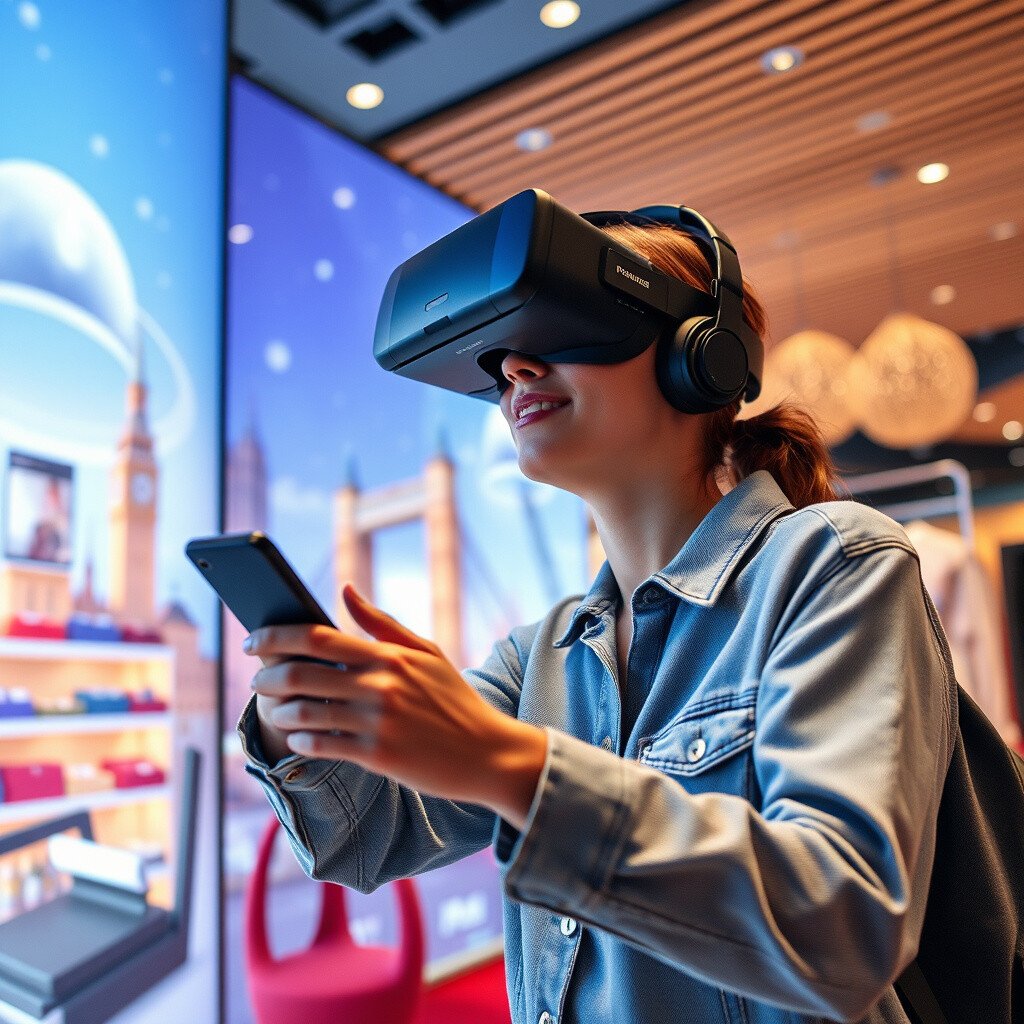
Transport customers to another world with Virtual Reality (VR). Whether it’s exploring a new city, going on a treasure hunt, or experiencing a product in a new way, VR offers endless possibilities for engagement.
VR is unique because it offers an escape from reality. Customers can experience something completely different, adding excitement to their shopping trip. It’s a memorable way to differentiate your brand.
While VR setups can be expensive, partnering with tech companies or using mobile VR solutions can reduce costs. Offer short, impactful experiences to keep customers coming back for more.
7. Personalized Shopping Assistance
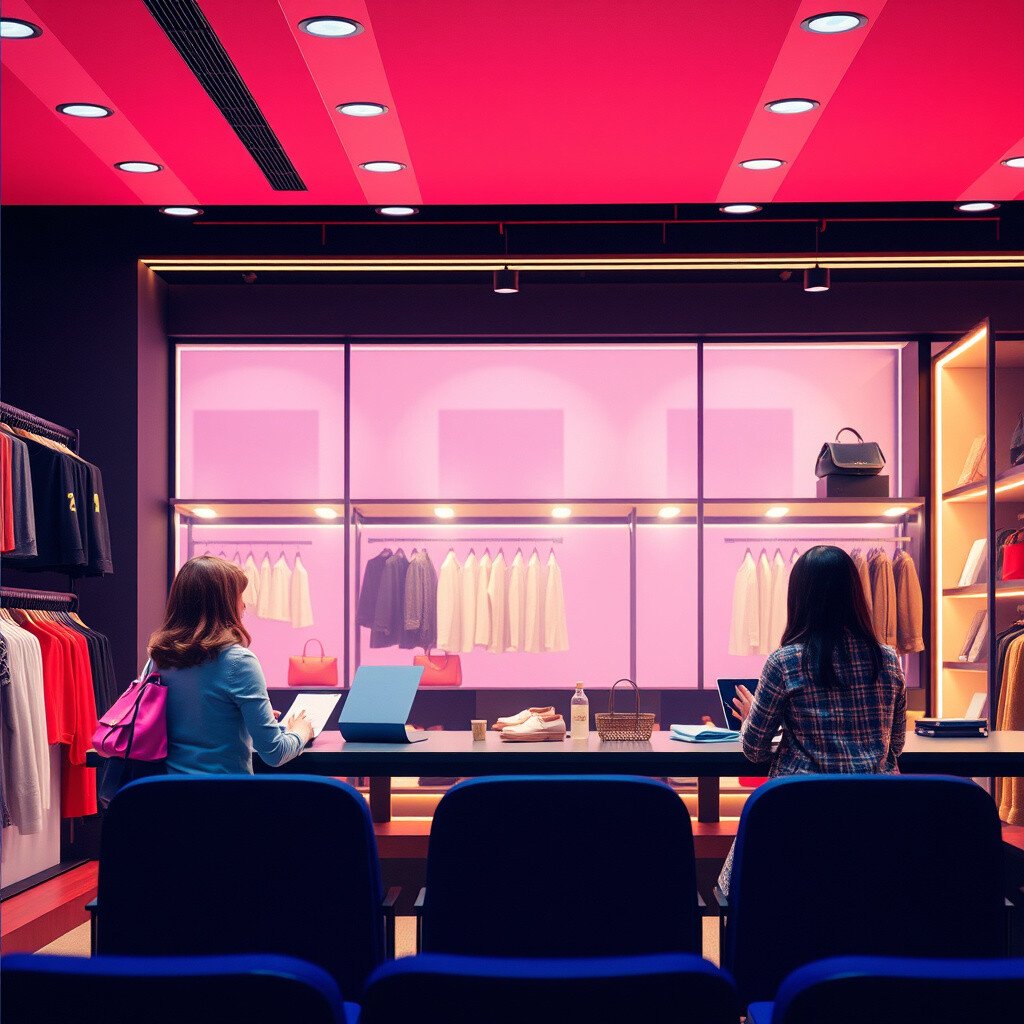
Imagine walking into a store and having a shopping assistant who knows your preferences and suggests products just for you. Personalized shopping assistance uses data and technology to tailor the shopping experience to each customer.
This service is unique because it makes customers feel valued and understood. They get recommendations that match their style and needs, enhancing their overall shopping experience.
Implementing personalized assistance doesn’t have to be costly. Use customer data from loyalty programs or online interactions to inform your suggestions. Train staff to offer personalized advice and create a welcoming atmosphere.
8. Storytelling Spaces
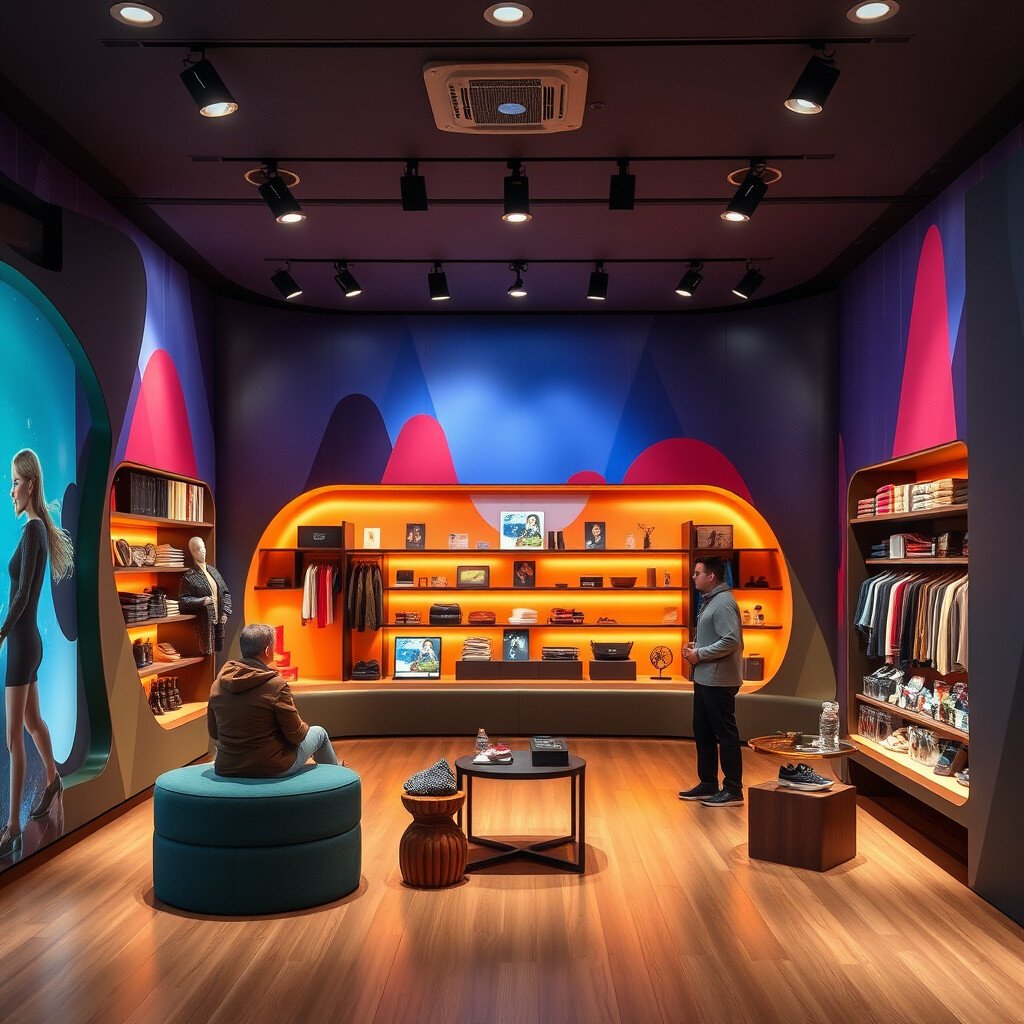
Every brand has a story, and storytelling spaces bring that narrative to life. Create areas in-store that immerse customers in your brand’s history, values, or future vision. Use visuals, audio, and interactive elements to tell your story.
The uniqueness of storytelling spaces lies in their ability to connect emotionally with customers. They create a deeper understanding of the brand, fostering loyalty and trust. It’s a chance to inspire and engage on a personal level.
To keep costs down, use existing store elements to create storytelling zones. Collaborate with artists or designers to bring your story to life in a creative and impactful way.
9. Sensory Experiences
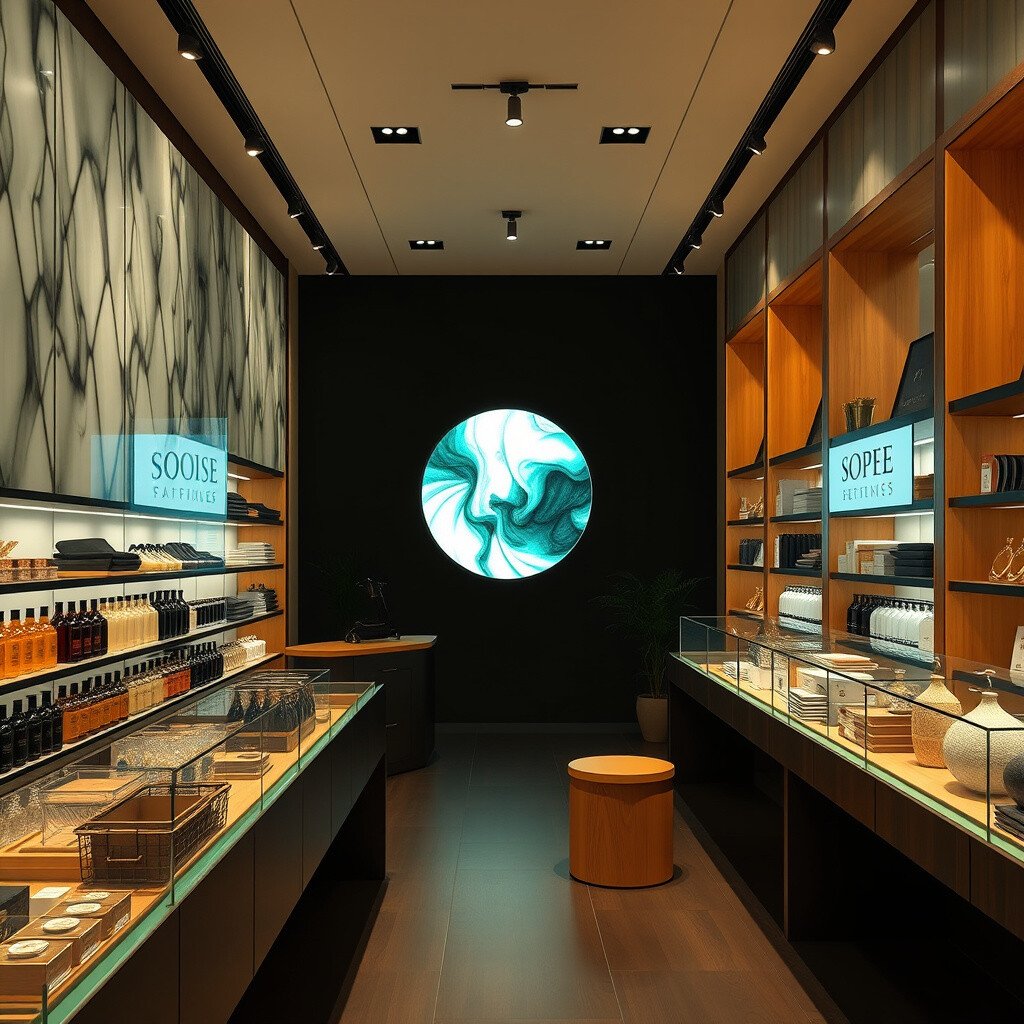
Engage all five senses to create a memorable shopping experience. From scent marketing to tactile displays, sensory experiences can make customers feel more connected to your products and brand.
Sensory experiences are unique because they tap into emotions and memories. They can make a space feel more welcoming and enjoyable, encouraging customers to stay longer and explore more.
Implementing sensory elements doesn’t have to be expensive. Use simple techniques like scent diffusers or textured materials to enhance the shopping experience. Experiment with different combinations to find what resonates with your audience.
10. Immersive Product Installations
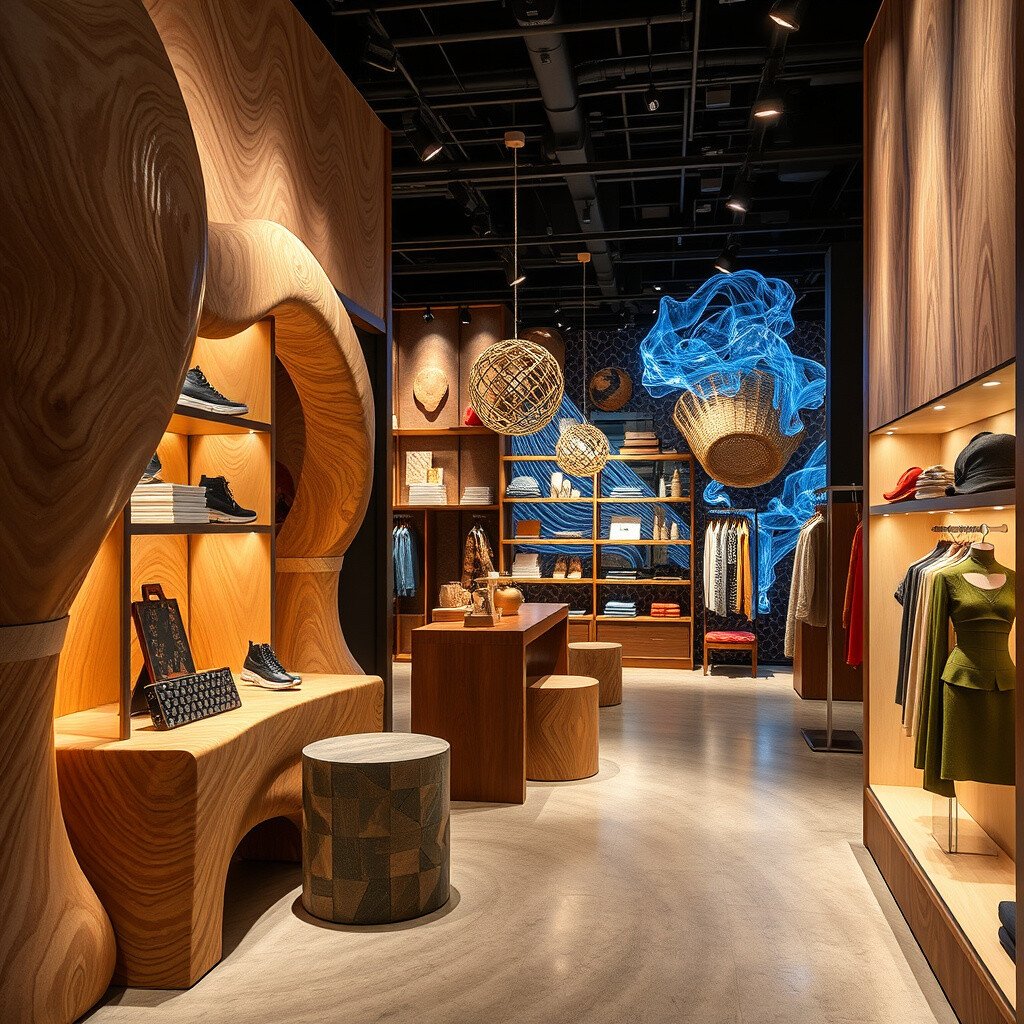
Transform your store into a gallery with immersive product installations. These creative setups showcase products in an artistic and engaging way, making them the center of attention.
Installations are unique because they turn shopping into an art form. They invite customers to interact with products in new ways, sparking curiosity and inspiration. It’s a chance to highlight your best offerings in a memorable way.
To keep costs down, use recycled materials or collaborate with local artists. Focus on creating visually striking displays that captivate and inspire.
11. Community Events
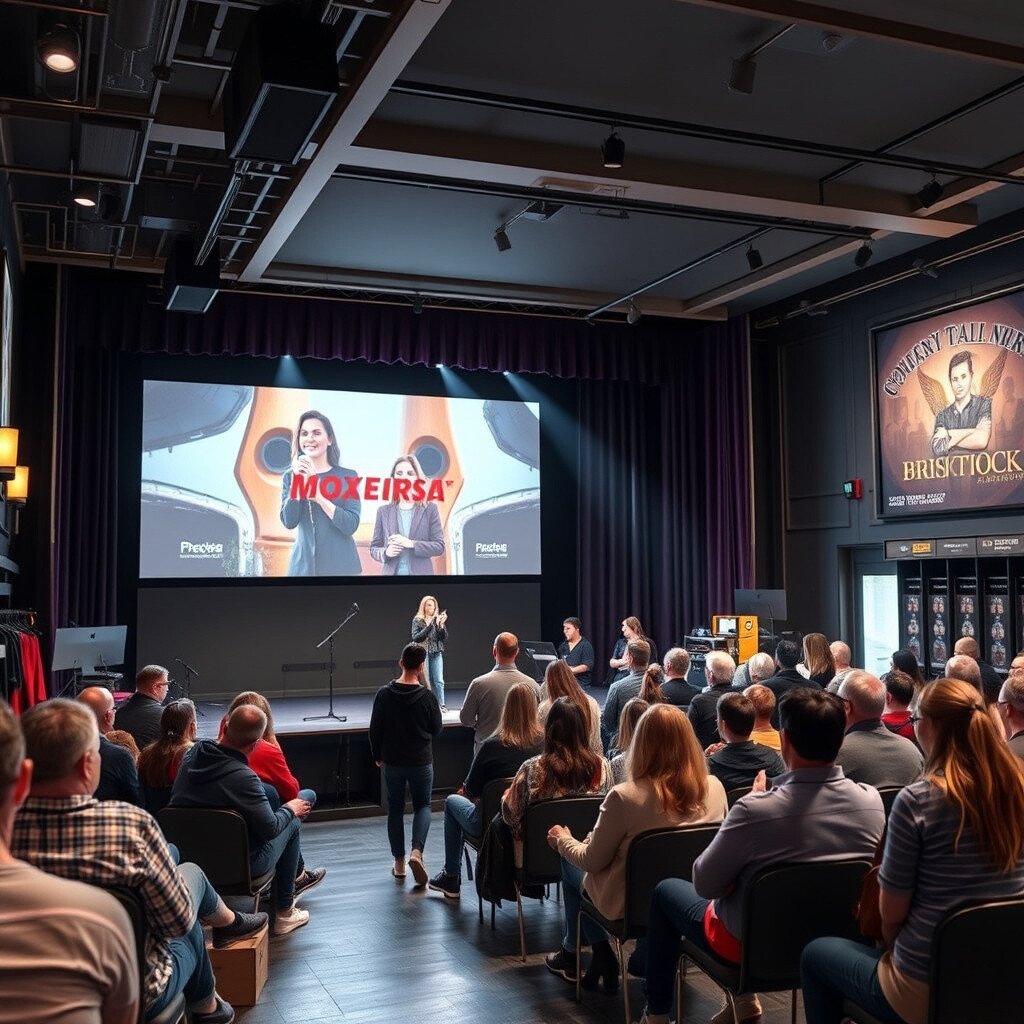
Build a sense of community by hosting events in-store. From charity fundraisers to local artist showcases, events can attract new customers and strengthen relationships with existing ones.
Community events are unique because they bring people together. They create a sense of belonging and support, making customers feel more connected to your brand.
Keep costs low by partnering with local organizations or businesses. Use social media to promote events and encourage attendees to share their experiences online.
12. Seasonal Decor Transformations
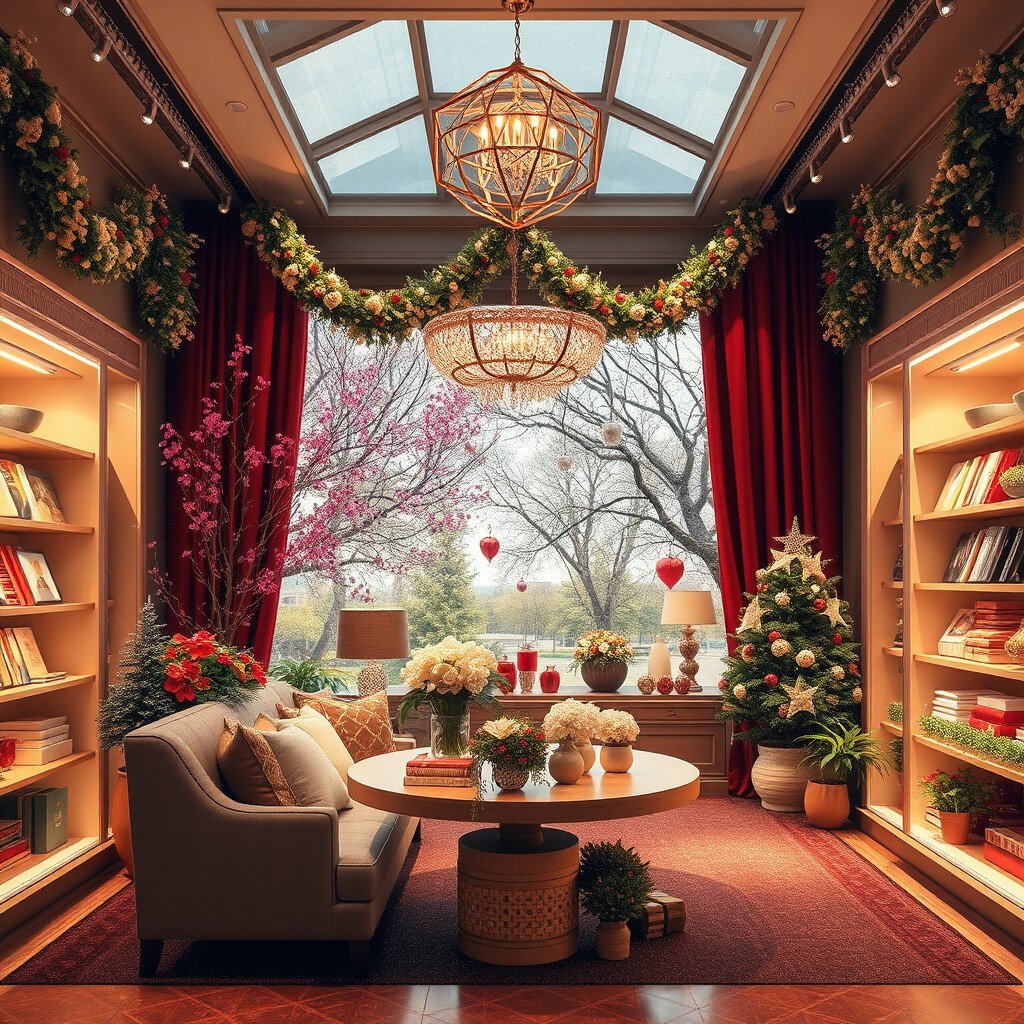
Transform your store with seasonal decor that reflects the changing times. Whether it’s a winter wonderland or a spring garden, seasonal transformations can create excitement and draw customers in.
The uniqueness of seasonal decor lies in its ability to keep the shopping experience fresh and engaging. Customers are more likely to visit regularly to see what’s new and exciting.
To keep costs down, use versatile decor that can be reused or repurposed. Collaborate with local designers to create unique and impactful displays.
13. Mystery Shopping Experiences
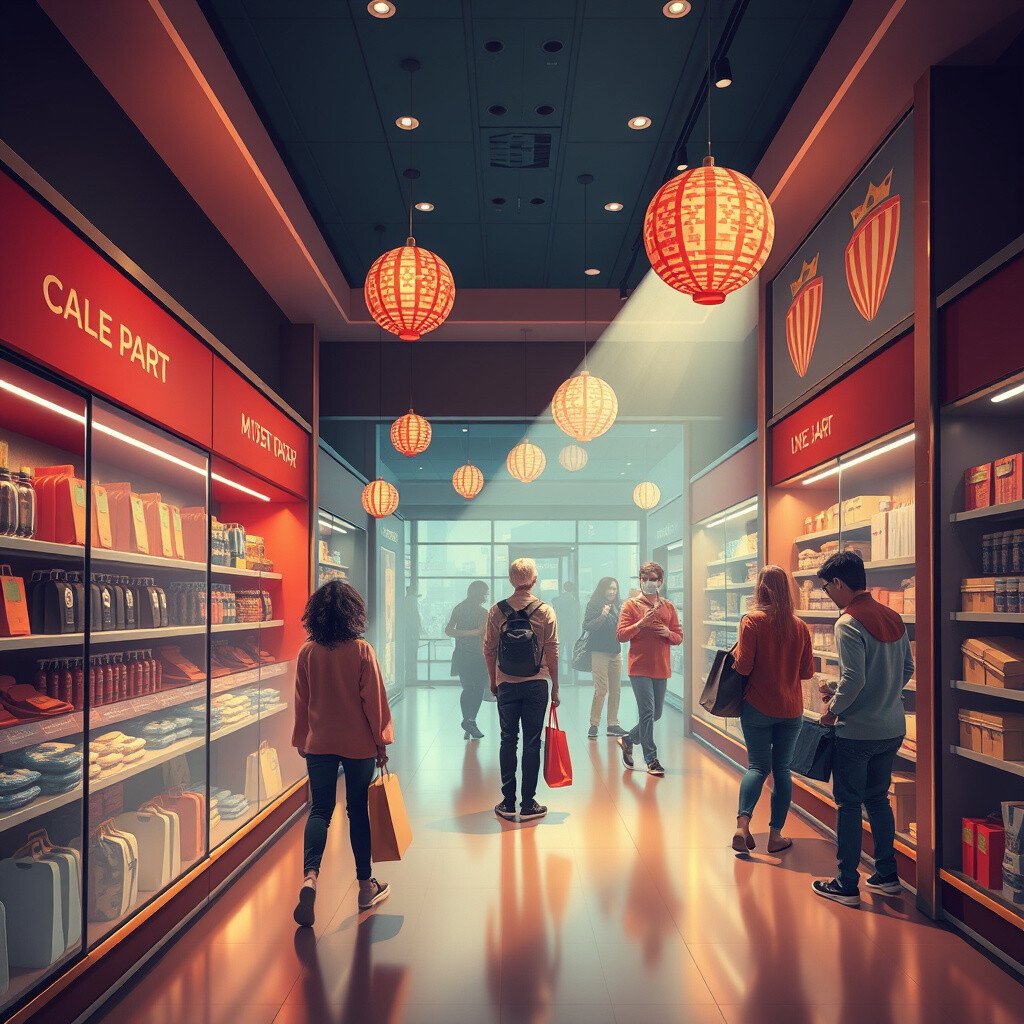
Add an element of surprise with mystery shopping experiences. Create treasure hunts or scavenger hunts that lead customers through the store, discovering new products along the way.
Mystery shopping experiences are unique because they turn shopping into a game. They encourage exploration and curiosity, making the shopping trip more fun and memorable.
Keep costs low by using existing store elements as clues or destinations. Offer small prizes or discounts to participants to encourage participation.
14. Art Installations
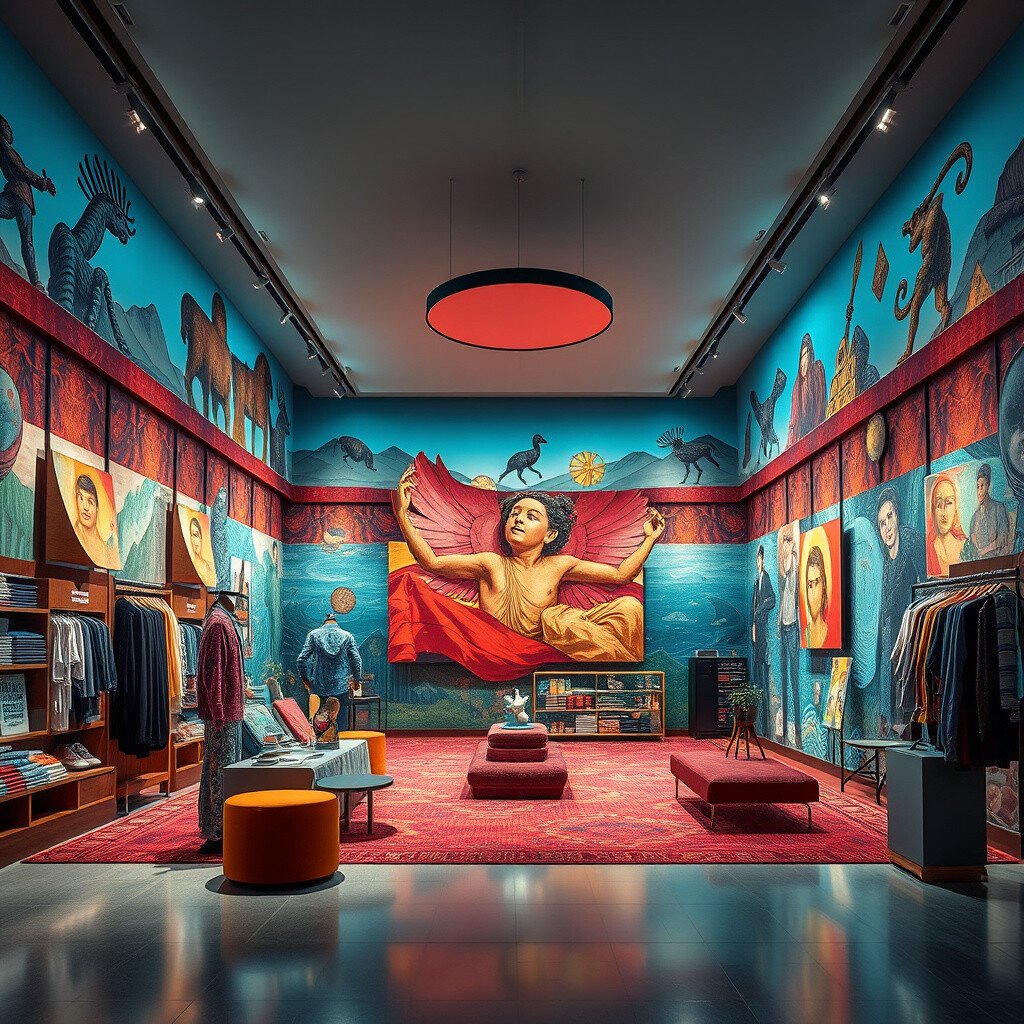
Incorporate art into your retail space with installations that captivate and inspire. From murals to sculptures, art can transform a store into a cultural hotspot.
Art installations are unique because they offer a visual and emotional experience. They attract art enthusiasts and curious shoppers, creating a buzz around your brand.
To keep costs down, collaborate with local artists or art students. Use temporary installations to keep the space dynamic and ever-changing.
15. Interactive Product Displays
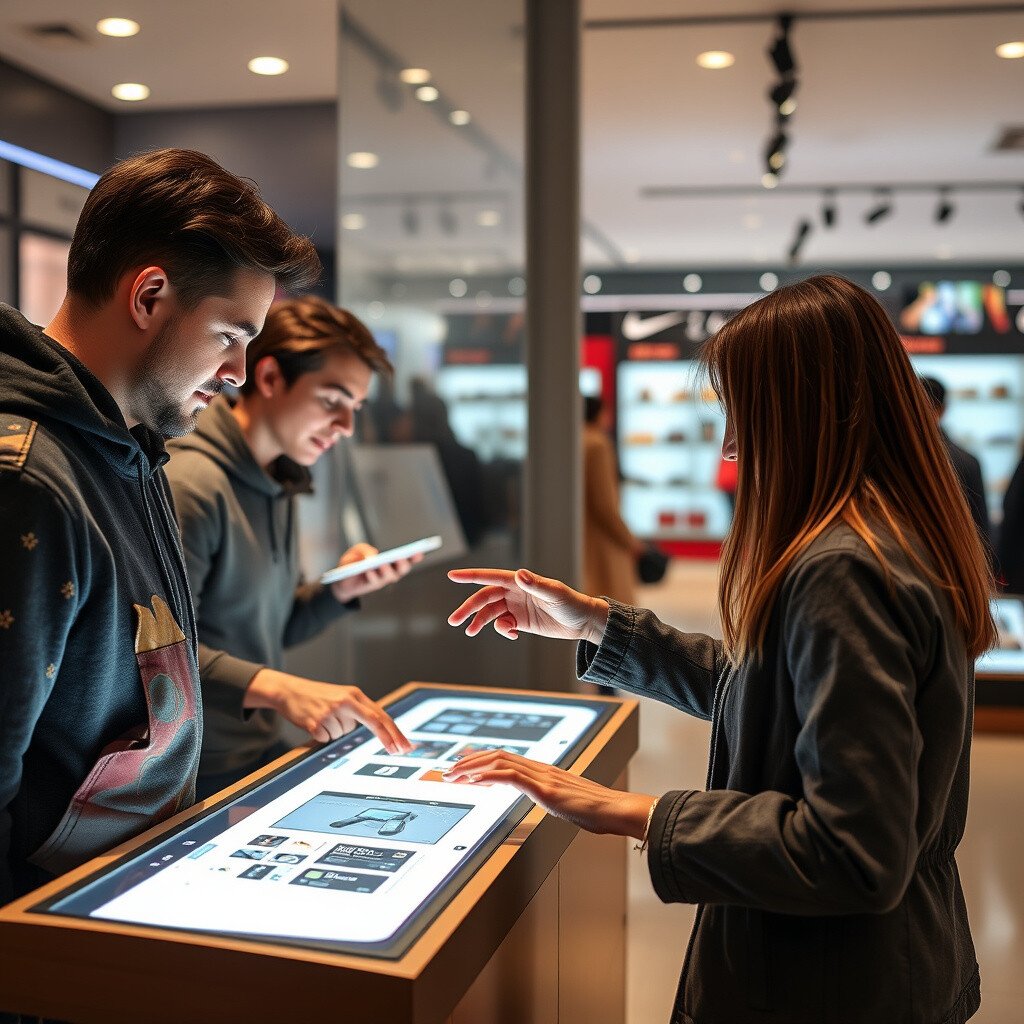
Let customers interact with products in a hands-on way. Interactive displays allow customers to touch, test, and explore products, making the shopping experience more engaging.
These displays are unique because they offer a tactile experience. Customers can feel the quality and functionality of a product, increasing the likelihood of purchase.
To keep costs low, use simple technology or DIY solutions. Focus on creating displays that are intuitive and easy to use, enhancing the overall shopping experience.