Clutter has a way of sneaking into every corner of a home. With a few smart storage moves, your rooms can feel calmer fast.
If you want practical organization that looks good too, IKEA-style solutions can make it surprisingly simple.
1. Entryway Welcome Stations That Actually Work
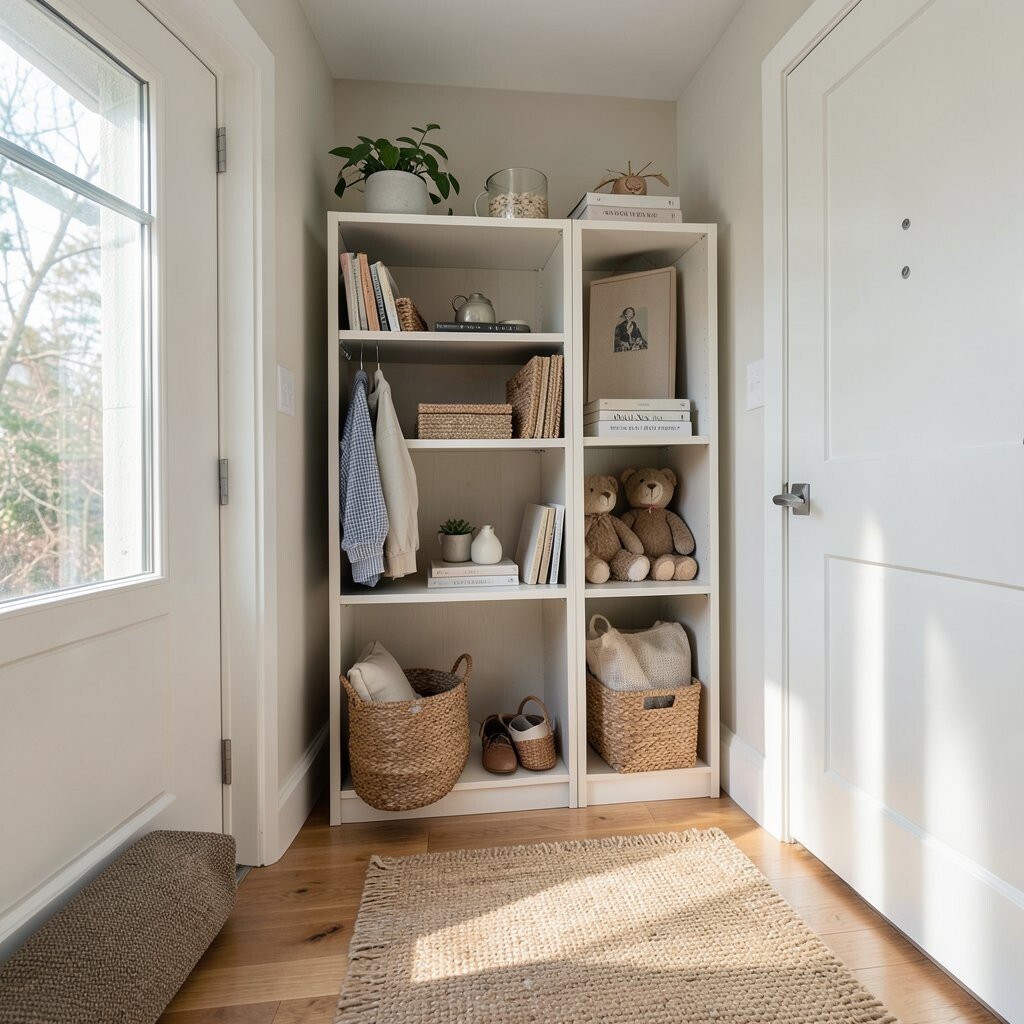
The entryway is the first place your home shows its mood. A tidy entry can make mornings feel smoother and less rushed.
Try using slim shelving and shallow bins to create a landing zone for keys, mail, and small daily items. Add a wall-mounted tray or a small organizer so items have one obvious home and guests notice how neat it feels. Choose baskets in different sizes so you can match them to gloves, chargers, and everyday extras without piling everything on a bench.
If your space is tight, go vertical with wall storage and keep the floor clear for shoes. Use labeled tags on the inside edge of bins so you can personalize the system and still keep the look clean. This kind of setup is budget friendly because you can start with only the pieces you need and grow over time.
2. Living Room Media Walls With Open and Hidden Storage
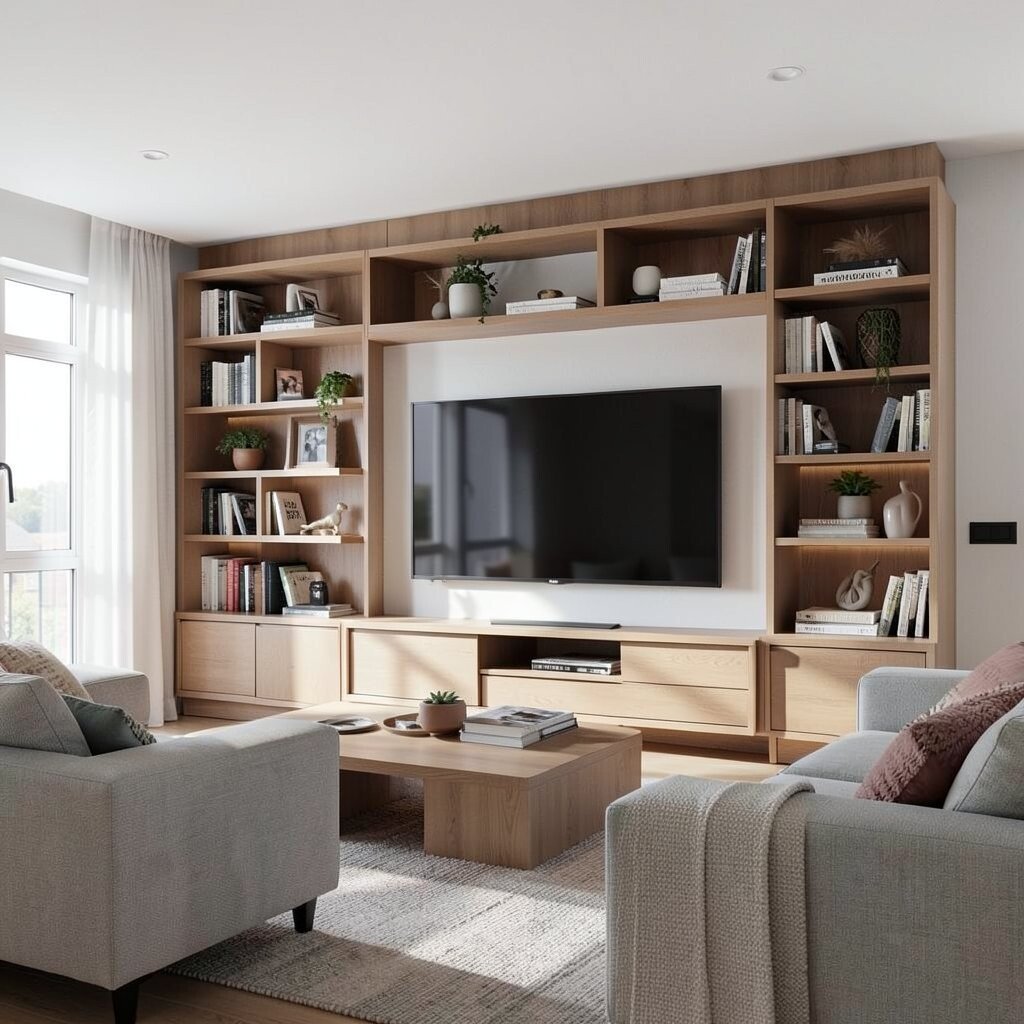
A media wall can make your living room feel designed instead of accidental. You can hide mess while still keeping favorite things in view.
Pair an open shelf for books and decor with closed cabinets for remotes, extra cables, and game pieces. Keep cords organized by routing them behind the furniture and using small clips so nothing droops into sight. Place storage bins on the inside shelves so you can grab items quickly during movie night.
For a current look, mix natural wood tones with simple neutral baskets and add a soft rug beneath the layout. Consider how you use the space and adjust shelf heights so tall games, board games, and DVDs fit without squeezing. Even if you shop carefully, you can get the look without spending a lot by choosing a core unit and adding only a few accent shelves.
Personalize the wall by using a consistent color for baskets, like black, beige, or light gray, so everything feels tied together. When you set up the system, keep one bin for “today only” items so the rest stays orderly.
3. Bedroom Clothing Zones That Make Getting Dressed Easier
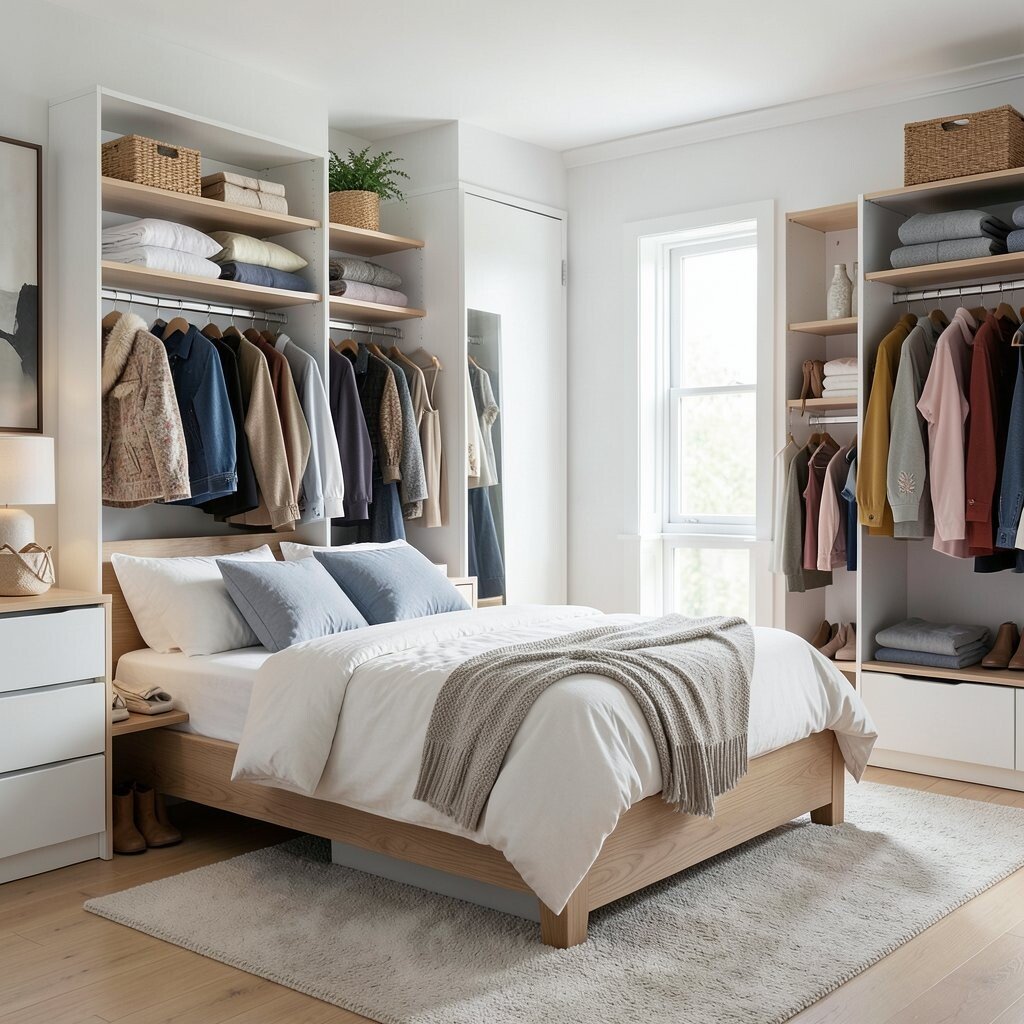
Your bedroom storage should support your routine, not fight it. When clothes have a clear path, mornings get simpler right away.
Use wardrobe organizers to separate everyday wear from special outfits, then add drawers for items you want out of sight. Folding tools and drawer dividers help you keep shirts stacked neatly instead of turning into a messy tower. Put a small tray inside a drawer for jewelry so rings and earrings stop getting lost.
If you share closet space, create matching zones for each person so everyone knows where things go. Consider seasonal storage by using labeled bins on higher shelves, then swap them when the weather changes. This helps you keep the visible parts of the closet calm while still giving everything a home.
To keep costs in check, focus on one area first, like drawer organization or a set of shelf bins. Pick styles that match your room, such as white, oak, or darker finishes, so the storage blends naturally with your decor. Try adding a small mirror or hook nearby to make the routine feel even more comfortable.
4. Kitchen Pantry Shelving That Uses Every Inch
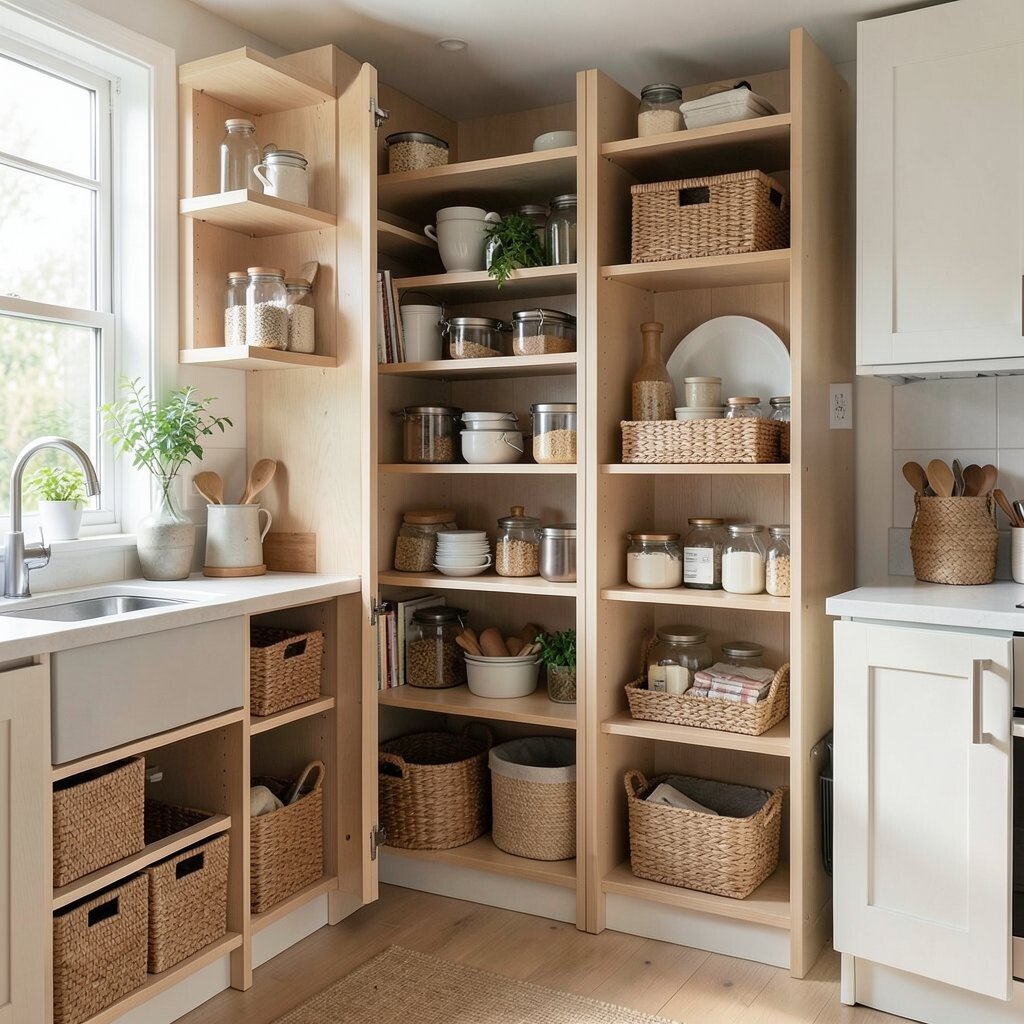
A kitchen pantry can quickly become a jumble of bags and half-used containers. Clear organization helps you see what you have and avoid buying duplicates.
Choose sturdy shelving and add containers that match your pantry height, so items sit evenly and don’t tip. Use a mix of clear jars for dry goods and opaque bins for snacks that you don’t need to stare at daily. Keep tall items like cereal boxes toward the back and place grab-and-go items at eye level for easy access.
For a practical approach, store baking essentials together and keep cleaning supplies in a separate section. Use a label maker or simple stickers to personalize your pantry, then adjust categories as your cooking habits change. When you want to control spending, buy a few high-quality organizers first and reuse jars you already have.
Current trend vibes are leaning toward uniform containers and clean lines. If you love that look, focus on matching jar sizes for the most visible shelves, and you will still feel the effect even with a smaller budget.
5. Bathroom Storage That Keeps Countertops Clear
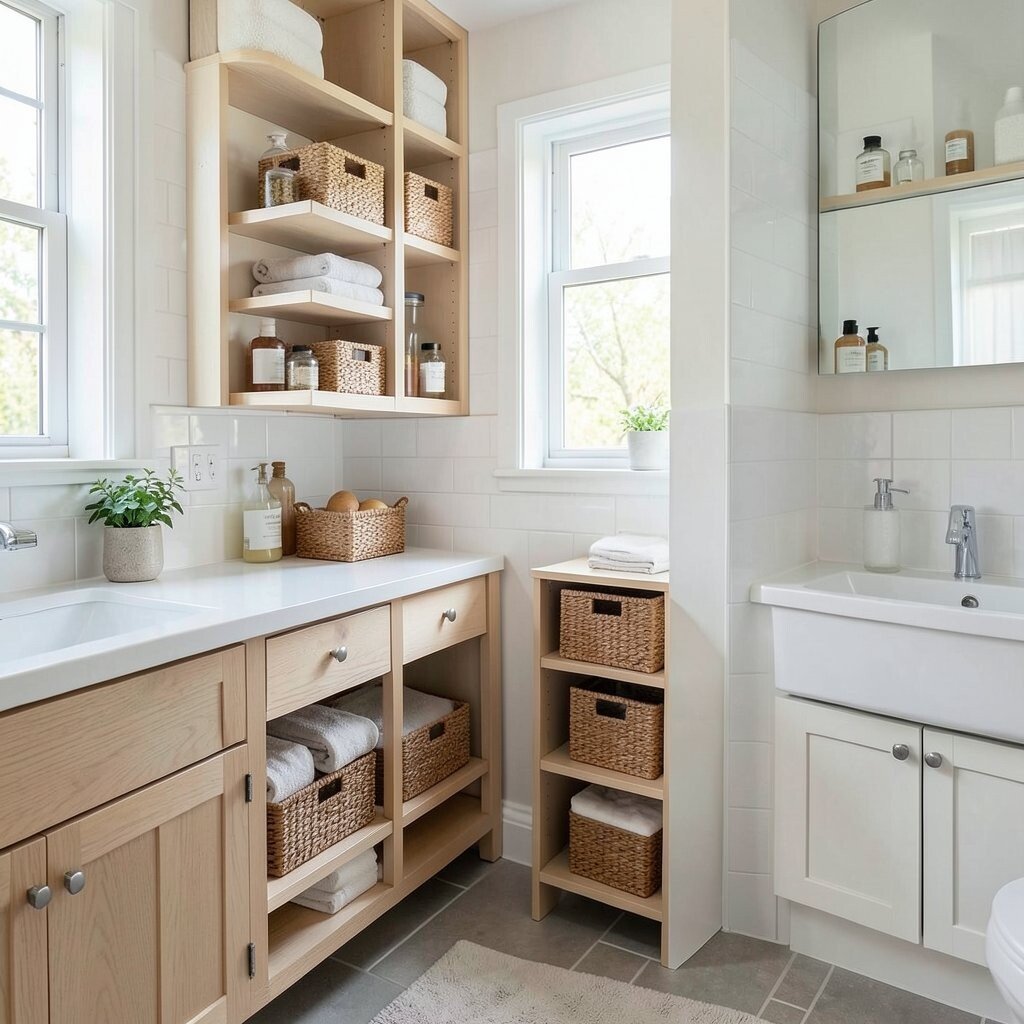
Bathroom clutter makes daily routines feel stressful. When products have a home, you spend less time searching and more time getting ready.
Use tall cabinets, under-sink bins, and wall organizers to move bottles off the counter. Store everyday items in front and backup supplies in deeper areas so you can restock without chaos. Add small dividers for bottles, cotton pads, and hair tools to prevent everything from sliding around.
If you want it to feel special, choose baskets that match your towels and room colors. Keep a tiny tray for frequently used items like a toothbrush holder and skincare so mornings flow faster. Since bathrooms often get damp, pick storage pieces that handle moisture well and wipe down easily.
This type of setup is usually a smart investment because the right organizers last for years. Start with one area, like under the sink, and then expand when you see how much calmer the space feels.
6. Home Office Layout With Desk-Level Organization
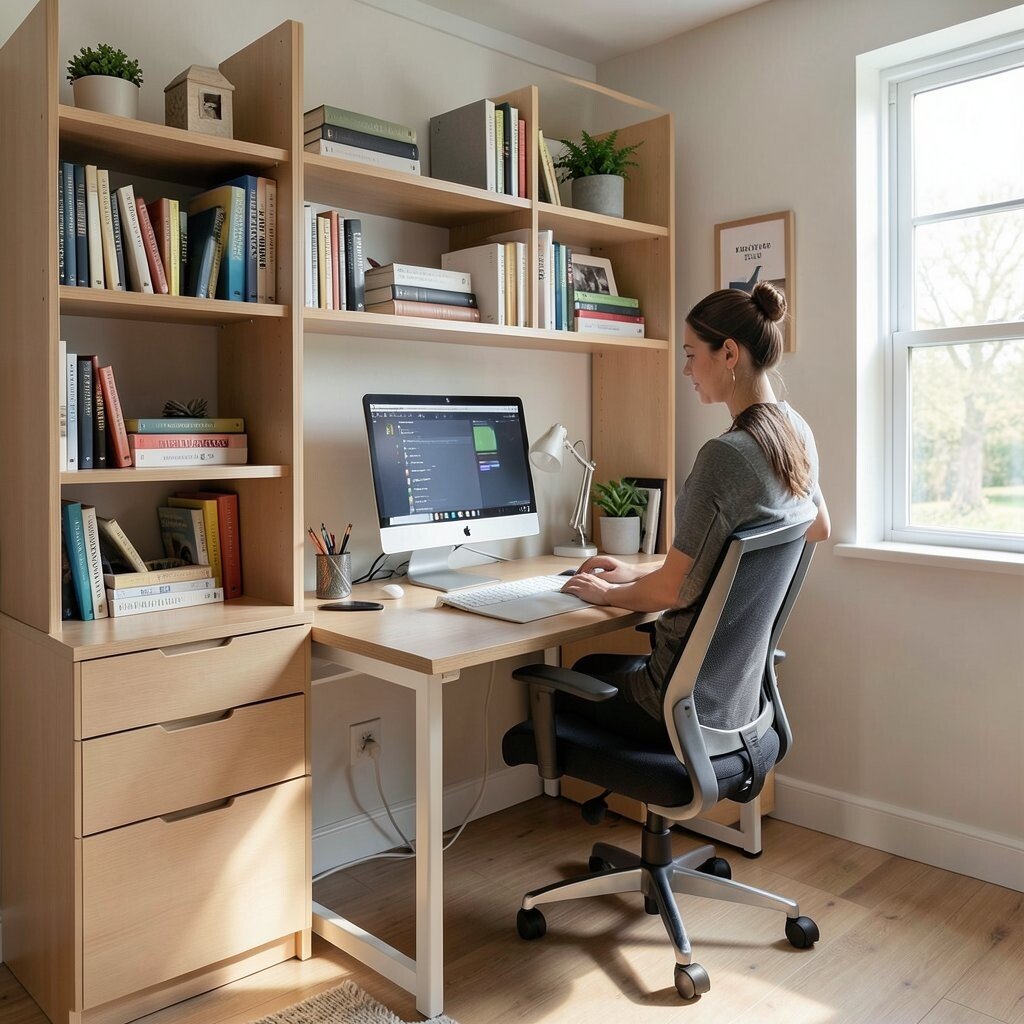
Your desk should feel like a command center, not a storage pile. When supplies are within reach, you waste less time switching tasks.
Try building a system that keeps the most used items on the desk and everything else in nearby shelves. Use drawer organizers for pens, sticky notes, and cables, and place a small tray for mail and paperwork. A bookcase or wall shelf can hold reference folders so they don’t take over the workspace.
For a modern feel, mix open storage for books and closed storage for paperwork so the room looks neat even when you work. Cable management is a big deal, so route chargers through a small organizer and keep the rest tucked behind. Personalize by using color-coded folders based on your projects.
If you are working within a budget, prioritize storage where you touch it daily, like drawers and a single shelf. Then add smaller items later to round out the system as your needs grow.
7. Kids Room Storage With Low Shelves and Easy Cleanup
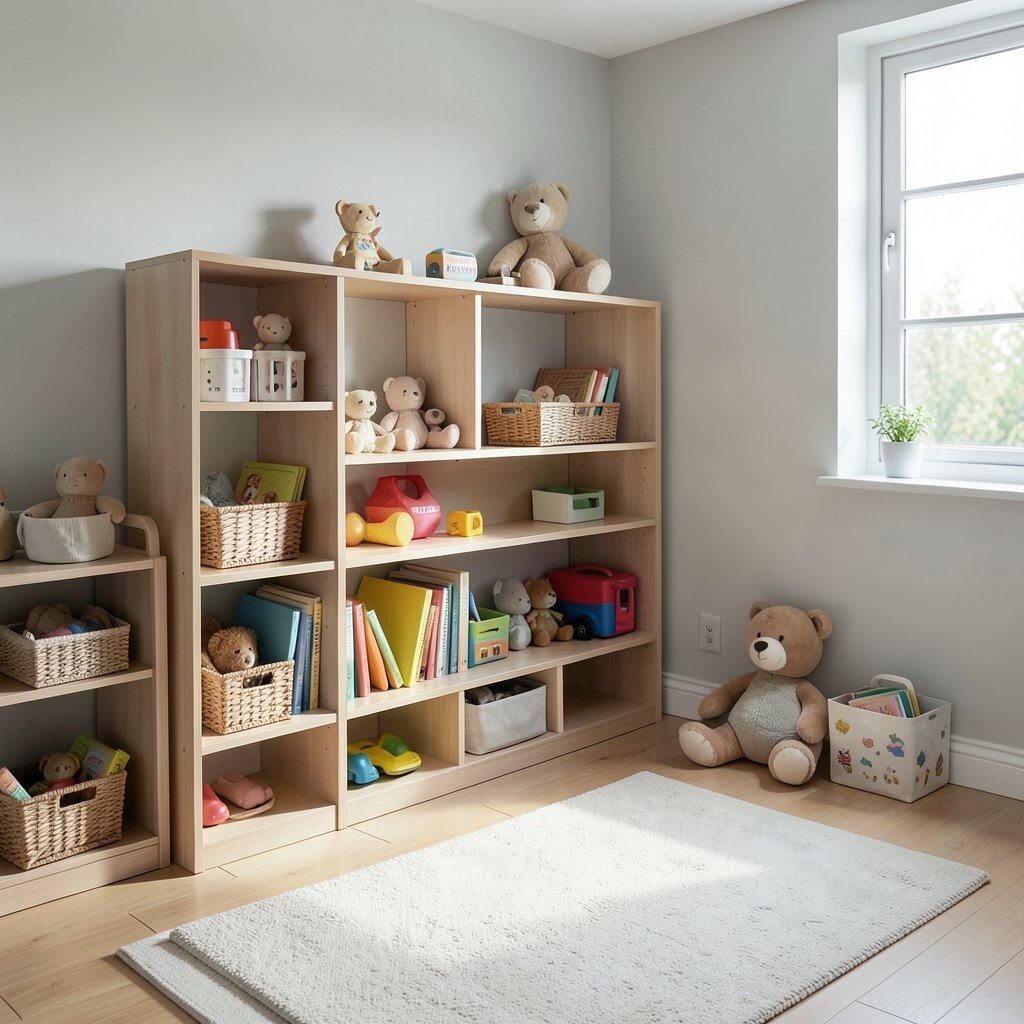
Kids can’t tidy what they can’t reach, so storage needs to match their height. When cleanup is simple, it happens more often.
Use low shelving and bins so toys and books have visible homes. Choose storage with clear fronts when you want quick decisions, and choose fabric baskets when you want a softer look. Rotating toys every couple of weeks keeps the room feeling fresh while reducing the amount that is out at once.
For uniqueness, try a color theme like pastel bins or matching animal handles so the storage feels like part of their world. Add a “return zone” near the play area so kids know where to put things when they finish. You can also label bins with simple pictures so personalization supports real daily use.
When cost matters, buy a few durable bins and use them across the room. Add a shelf later when the collection grows, which helps you avoid overspending early.
8. Laundry Room Solutions That Handle Sorting Like a Pro

Laundry day gets easier when sorting happens on autopilot. With the right setup, clothes move smoothly from hamper to wash.
Use stacked bins or a sorting cart system that separates lights, darks, and delicates without extra stress. Place hampers at easy height so you don’t have to shuffle laundry across the room. Add a small shelf above for detergent and stain tools so everything stays grouped.
To make it visually tidy, choose matching baskets and keep cleaning supplies in closed containers under the counter. Use small hooks for drying cloths or bags, which reduces mess on the floor. Personalize the arrangement by placing your most used items where your hands naturally reach.
This approach stays cost friendly because you can start with a simple set of sorting bins and build out later. A clean laundry zone also matches current trends toward functional, uncluttered spaces.
9. Dining Room Storage for Table Tools and Extra Linens
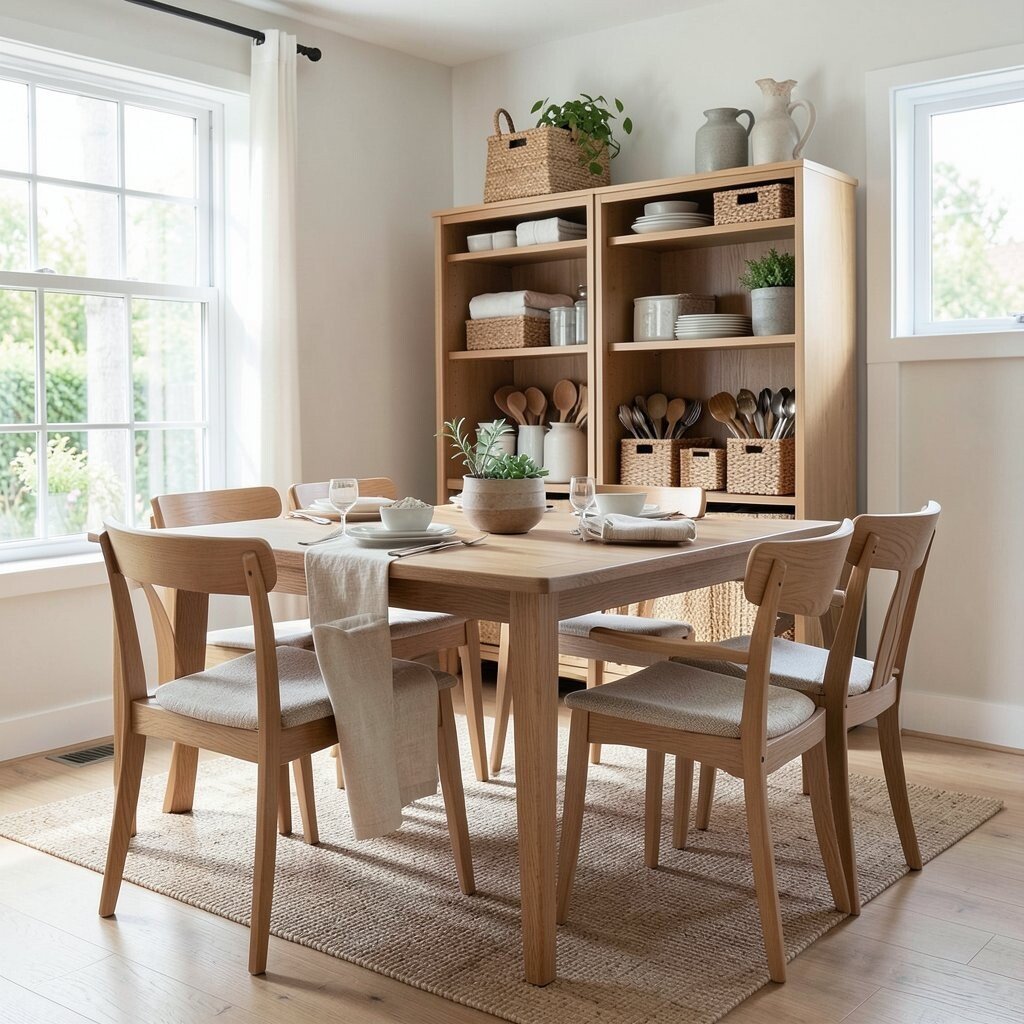
Dining rooms often collect small items that don’t belong on the table. When you store them well, your hosting setup feels ready all the time.
Use a cabinet with adjustable shelves for extra napkins, placemats, and serving tools. Add shallow drawers or boxes for things like corkscrews, candle holders, and small batteries for timers. Keep the most used serving pieces near the top so they are easy to grab when you host.
For uniqueness, match storage containers to your table style, like woven baskets for a warm look or sleek boxes for a modern vibe. Consider adding a small label set so everyone in the household can find items quickly. This helps you reduce wasted time and keeps your dining room feeling polished.
In terms of cost, you can choose one storage unit and fill it gradually. If you prefer a lighter look, open shelves with neatly folded linens can still feel organized, especially when you use consistent colors.
10. Garage and Storage Closets With Clear Categories

A garage can become a catch-all if storage isn’t planned from the start. Clear categories help you find tools fast and keep the area safer.
Use wall-mounted racks for frequently used items and add bins for smaller pieces like screws, batteries, and paint accessories. Store similar tools together so you don’t have to open five containers to find one thing. For a clean look, keep bulky items like ladders on designated spots and use labeled shelves for smaller supplies.
Personalize your system by choosing labeled organizers that match the way you work, like one bin for fasteners and one for hobby supplies. The trend right now is toward visible, grid-like organization that makes everything easier to scan. Even if your budget is tight, you can start with a few pegboard-style areas and then add more storage as you go.
If you are worried about spending, focus on the most frustrating problem area first. The moment you find tools without digging, the investment feels worth it.
11. Small Apartment Storage Using Vertical Stacking

In a small home, every inch matters and every surface can become clutter fast. Vertical storage is the best friend of compact living.
Use tall cabinets, stacked shelves, and hanging organizers to keep items off tables and floors. Add baskets on higher shelves for seasonal clothes, and use bins at mid-level for everyday accessories. When you place storage above eye level, the room feels lighter and easier to walk through.
To personalize, choose finishes that blend with your walls so the furniture looks like part of the room. Current trend favors light, airy colors and clean lines, so consider white or light wood for a calm feel. Keep a single “daily drop” container near the entry or near the couch so small items don’t scatter.
Cost considerations matter in small spaces, so start with one vertical system that covers multiple needs. You will often save money by buying pieces that you can use in more than one room later.
12. Closet Organization With Adjustable Bins and Shelf Height Control
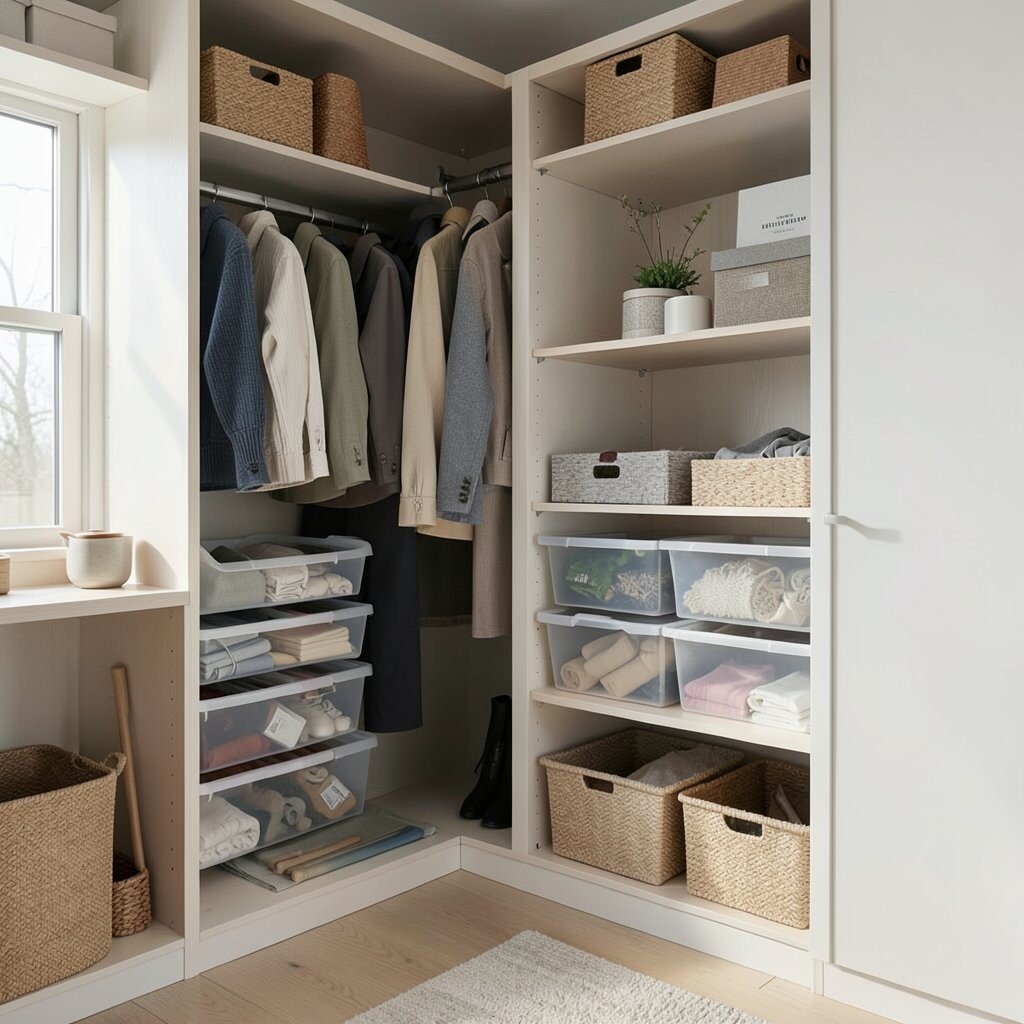
A closet feels best when it fits your real life, not a generic layout. With adjustable storage, you can keep it working as your needs change.
Set up bins for shoes, bags, and accessories, then adjust shelf heights as your collection grows. Use clear or breathable containers depending on what looks better to you and what keeps items tidy. Add a small drawer for items like belts and small socks so they don’t get tangled.
Uniqueness comes from how you group things, so think about your routine and store what you grab most at the front. For personalization, use a color palette that matches your wardrobe, like black bins for darker clothing and light bins for lighter items. This makes the closet look cohesive even when you switch seasons.
To keep costs under control, prioritize adjustable shelving or a main wardrobe unit, then add a few bins at a time. Many people find the best value comes from organizing the areas that create the most daily mess first.
13. Living Room Reading Nooks With Books and Cozy Storage

A reading nook can make a living room feel warm and welcoming. When storage supports the nook, you can keep it cozy without clutter.
Use a small bookcase near the chair for your current reads and add side bins for blankets, chargers, and small games. Place a narrow shelf at arm height for tea, tissues, and a notebook so you never have to stand up for everything. This setup looks thoughtful because it mixes visible books with hidden comfort items.
For a unique look, arrange books by color or height and add a couple of small decor pieces so the space feels curated. Consider adding a storage ottoman or a low cabinet where blankets can disappear when guests arrive. Trends lately focus on warm textures like woven baskets and soft textiles, which pair well with simple storage units.
Cost wise, you can build the nook slowly by adding one shelf or bin at a time. Start with what makes you happiest right now, like a place for blankets, and expand when your collection grows.
14. Entry, Hall, and Mudroom Hooks With Hidden Bin Storage
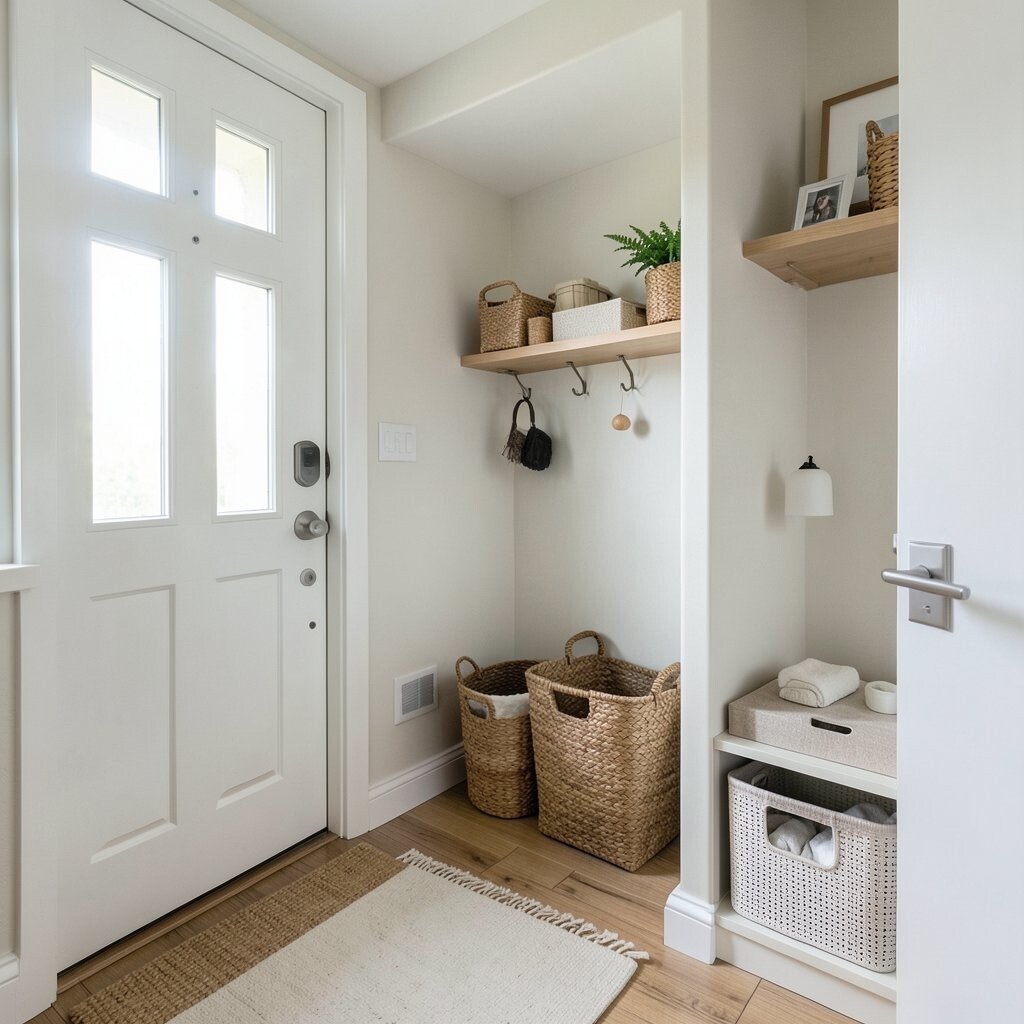
Hooks are great until coats and bags start piling around them. A smart mudroom system keeps things neat and prevents the “where do I put this” moment.
Install a row of hooks at a comfortable height and pair them with a bench or cabinet that holds bins underneath. Use bins for umbrellas, scarves, and small backpacks so everything has a landing zone. Add a small tray for wallets and sunglasses so daily essentials stay together.
Personalize the look by choosing bins with colors that match your home or by using woven baskets for a cozy feel. Current organizing trends emphasize simple, repeated shapes and consistent spacing, which makes hallways look tidy even when life is busy. When you plan the system well, you will notice fewer mess spots and less time searching for items.
To manage cost, start with hooks and one storage bench, then add bins as needed. This approach is flexible and feels upgrade-like without the big price tag of a full renovation.