
Curiosity is a wonderful thing, isn’t it? Imagine a world where every day feels like an adventure, with new wonders waiting to be uncovered.
1. Baking Soda Volcano
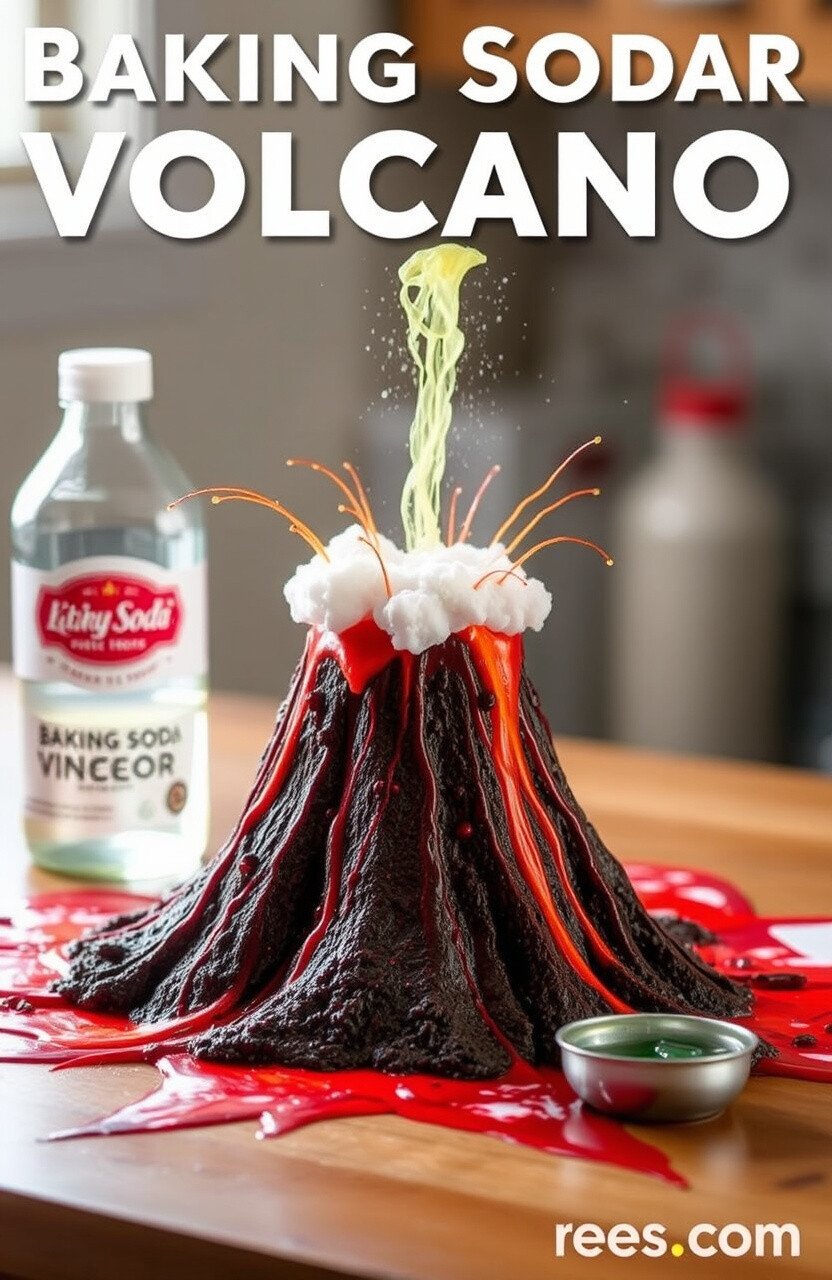
Picture a small volcano erupting right on your kitchen table! A baking soda volcano is a classic, and it’s perfect for sparking excitement. With just baking soda, vinegar, and a bit of food coloring, you can create a foamy eruption.
It’s a fantastic way to learn about chemical reactions. Kids love it, and so do adults! Try using different colors to make it even more exciting. It’s affordable, with most supplies already in your pantry.
2. Magic Milk
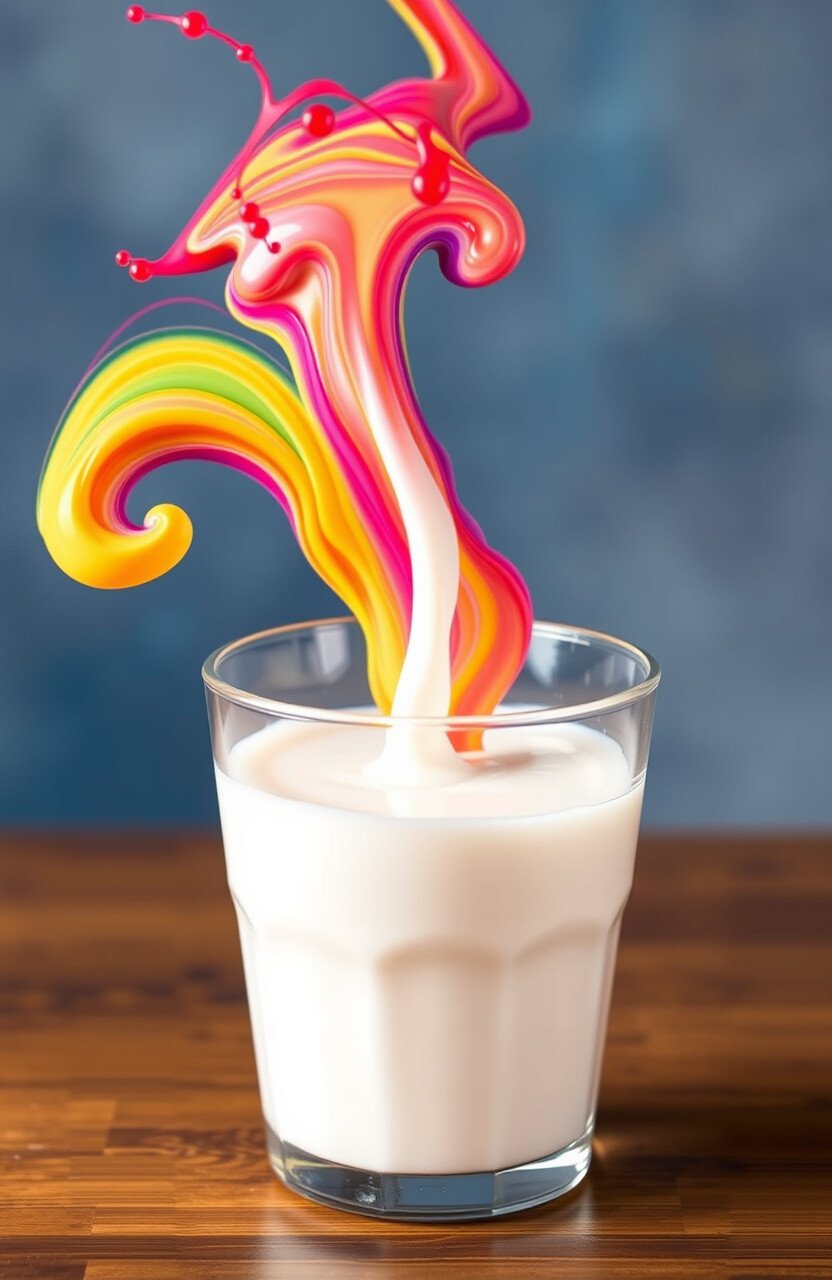
Have you ever seen colors dance? Magic milk is a beautiful experiment where food coloring twirls and spins in milk with the help of dish soap. It’s like watching a mini rainbow swirl in a cup.
This experiment introduces surface tension concepts. It’s unique because it looks like a piece of art. Use different types of milk and see how it changes. The cost is minimal, using everyday kitchen items.
3. Rainbow in a Jar

Imagine holding a rainbow in your hands. By layering liquids of different densities, you can create a vibrant, colorful jar. It’s like having a piece of the sky on your shelf.
It teaches about density and how different liquids interact. The visual appeal is stunning, and it’s a great conversation starter. Try adding a bit of glitter for extra sparkle. It’s low-cost, using household liquids.
4. Invisible Ink

Become a secret agent with invisible ink! Using lemon juice or milk, you can write secret messages that only reveal themselves under heat.
This experiment is all about chemistry and oxidation. It’s like a magic trick that never gets old. Use a candle or a light bulb to reveal your message. It’s practically free, needing just a lemon and paper.
5. DIY Lava Lamp
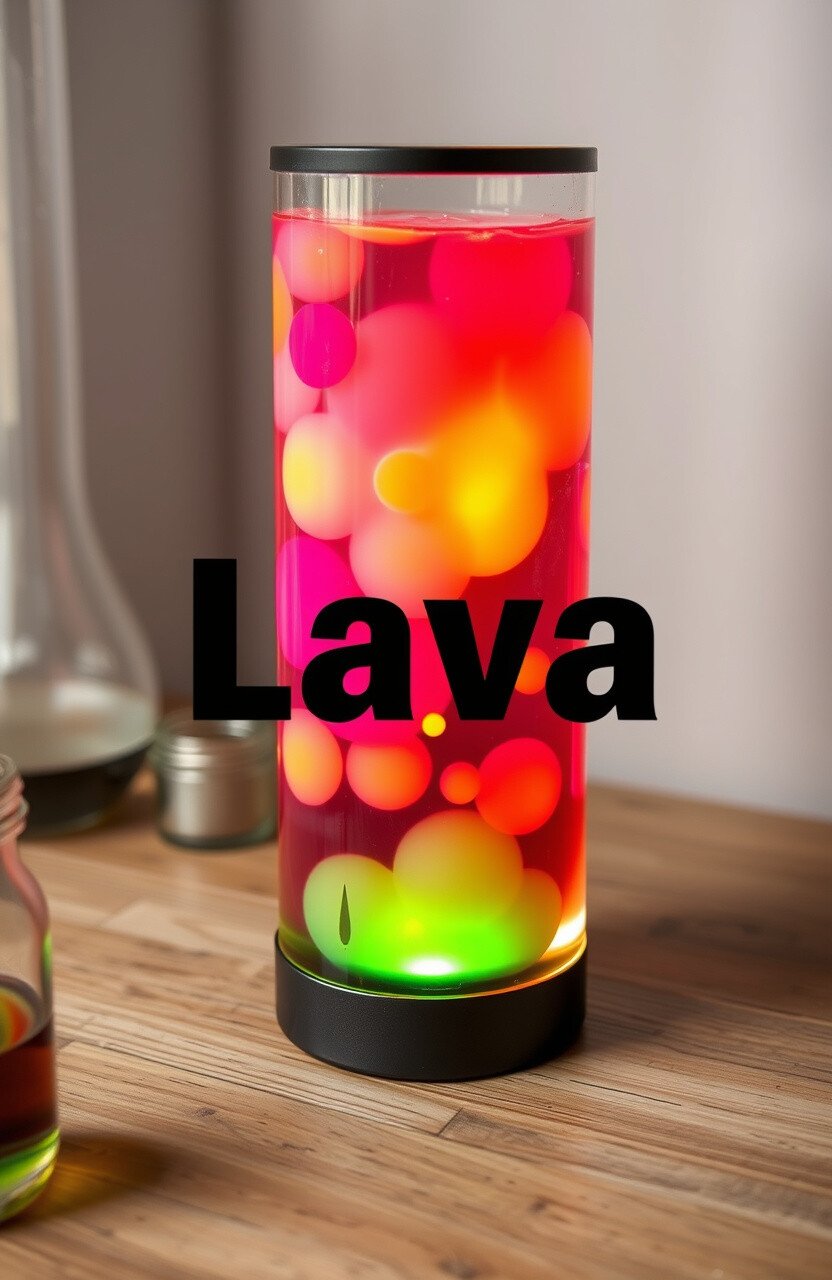
Create a groovy lava lamp using oil, water, and a fizzy tablet. Watch as blobs of color float up and down like a retro light show.
This is a lesson in density and polarity. It’s a mesmerizing display that’s unique every time. Experiment with different color combinations to match your room’s decor. Affordable and easy to make with kitchen ingredients.
6. Egg in a Bottle
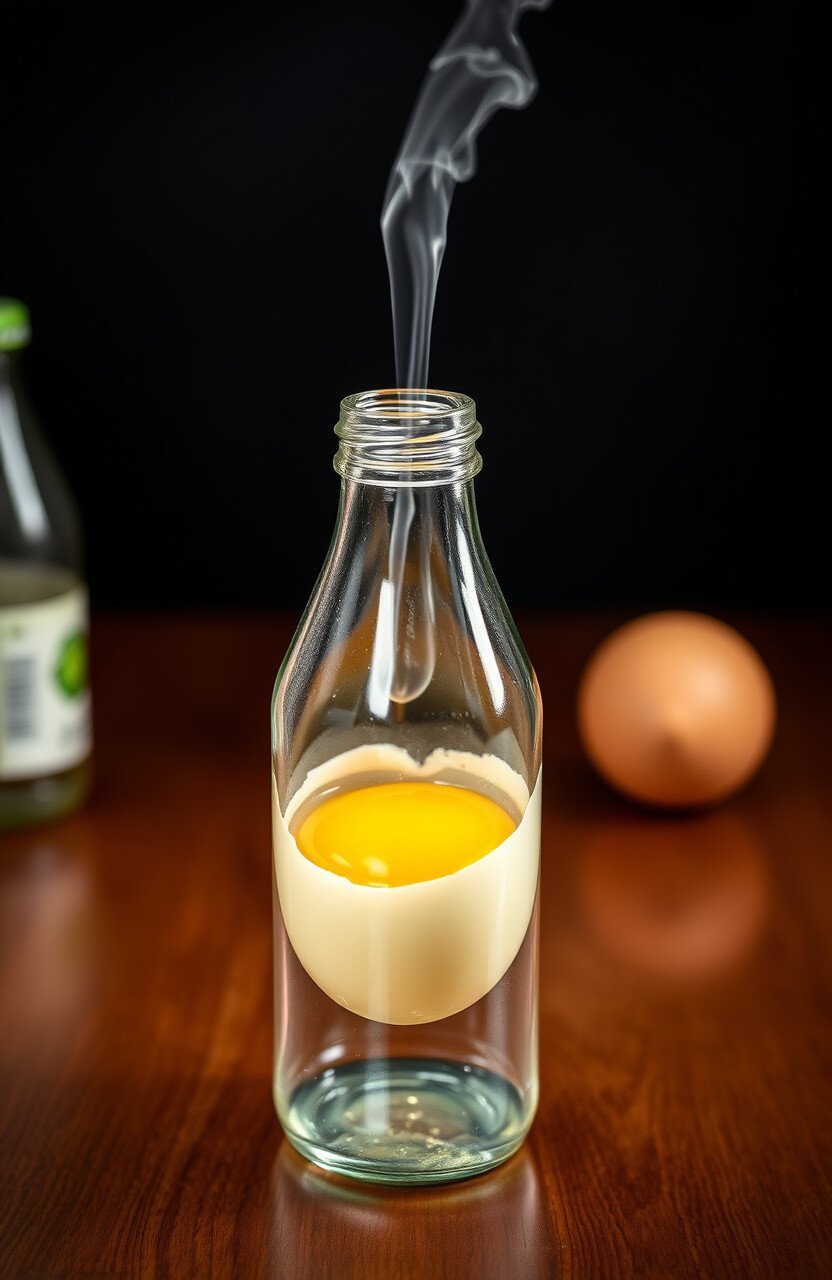
Can an egg get sucked into a bottle? With a little science magic, it can! Using heat and air pressure, you can make it happen.
This demonstrates air pressure in a fun way. It’s like a puzzle that amazes everyone. Offer different-sized bottles to see what works best. It’s a low-cost experiment with a wow factor.
7. Floating M in Water
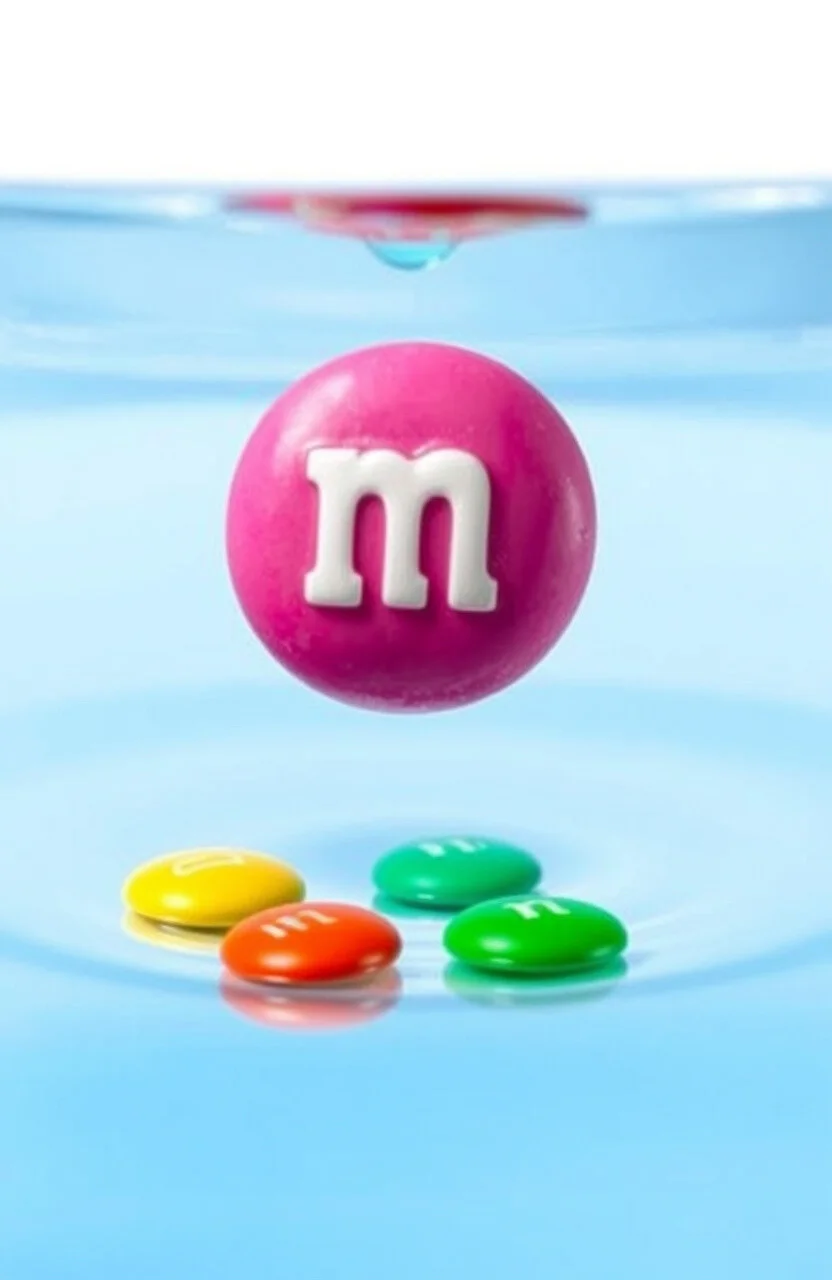
See the letter ‘M’ float off an M&M candy and dance on water. It’s a sweet surprise that captivates kids and adults alike.
Learn about dissolving and surface tension. It’s unique because the ‘M’ seems to have a life of its own. Try different candy colors for variety. It’s as cheap as a bag of M&Ms.
8. Balloon Rocket
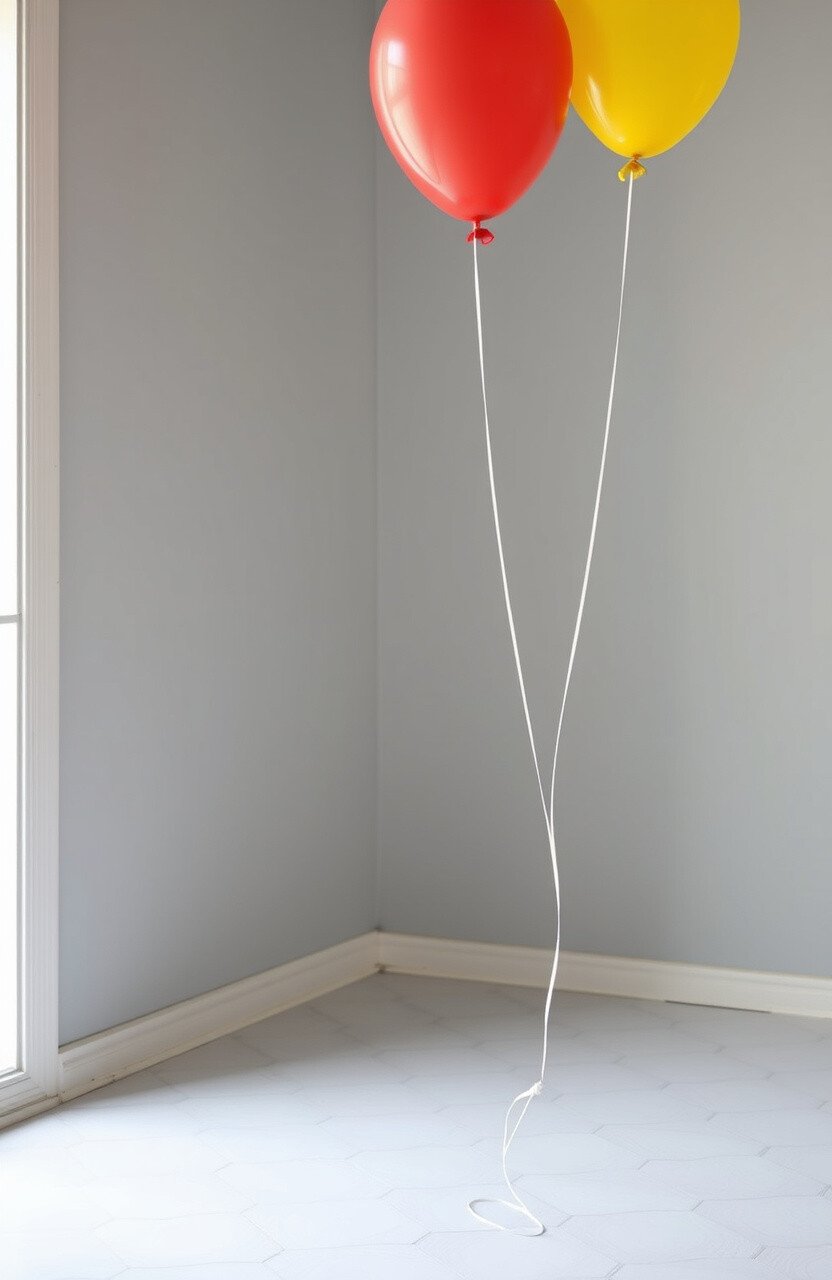
Send a balloon zooming across the room on a string. It’s like having your own space mission right at home!
This simple experiment explains Newton’s Third Law of Motion. It’s unique because it combines learning with action. Use different balloon sizes for fun variations. The cost is just a pack of balloons and some string.
9. Homemade Slime
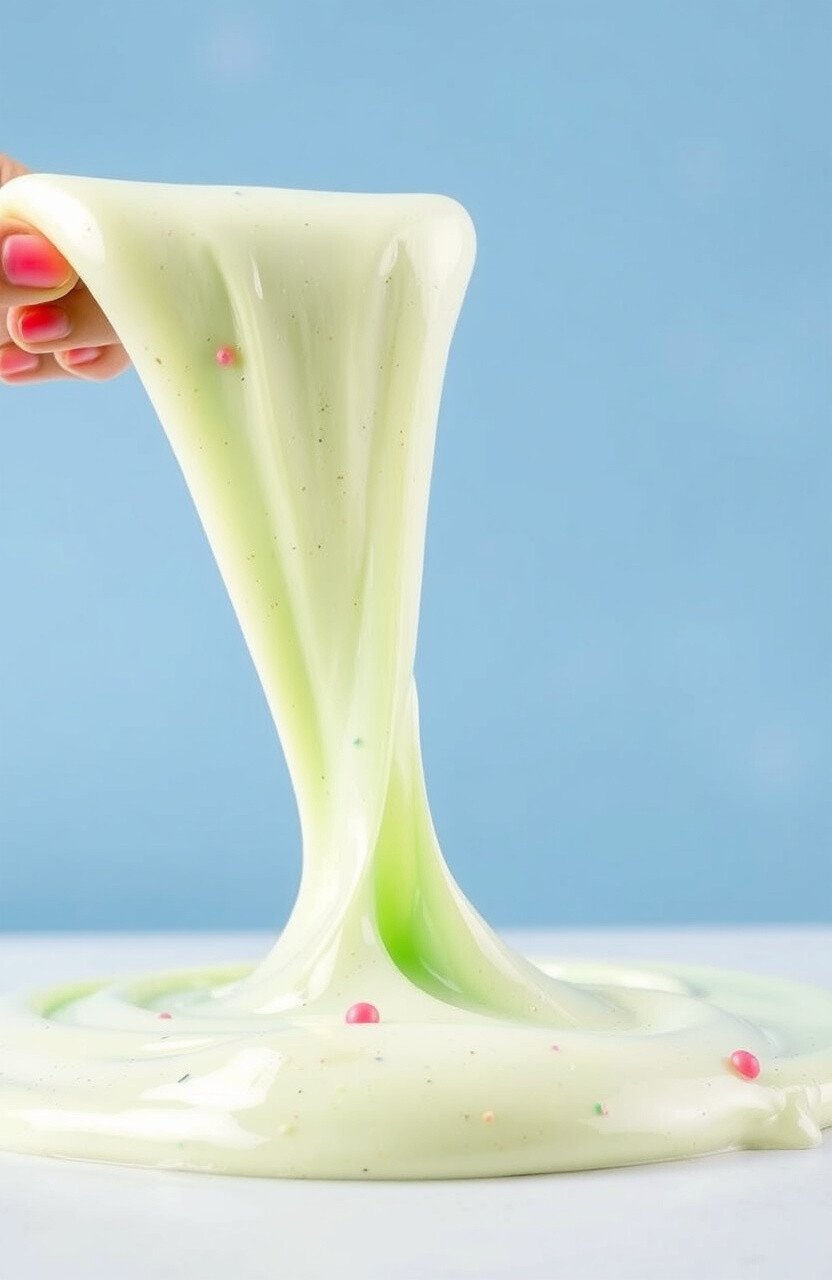
Get your hands gooey with DIY slime. With glue and a few other ingredients, create a stretchy, bouncy substance that’s fun to play with.
Slime is a tactile way to explore polymers. It’s unique because of its endless customization options. Add glitter, scents, or colors for personalization. It’s a budget-friendly activity with items from a craft store.
10. Walking Water
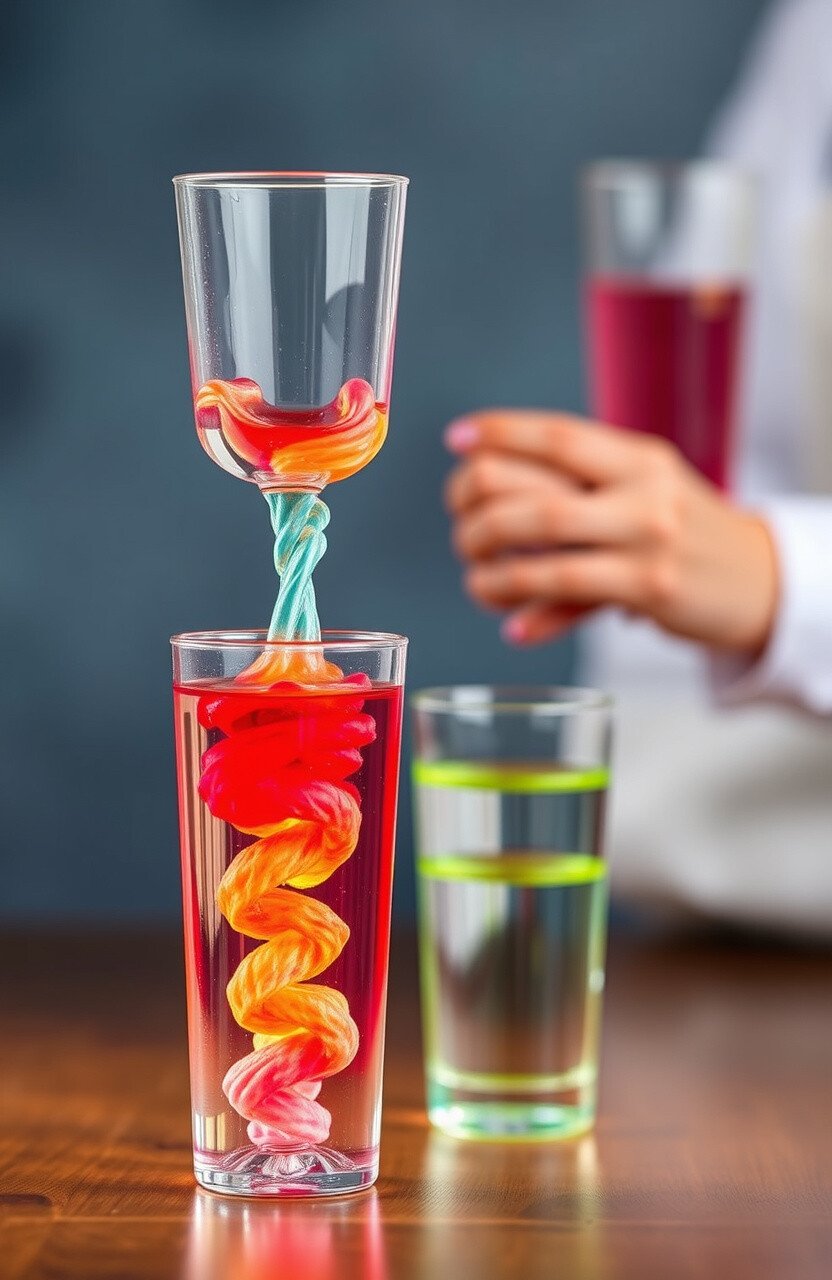
Watch as water seems to walk from one cup to another. With paper towels and colored water, you can create a rainbow chain.
This experiment shows capillary action in a vibrant way. It’s unique because it appears almost magical. Try using different colors for a beautiful effect. It’s cost-effective, using materials you already have.
11. Static Electricity Butterfly
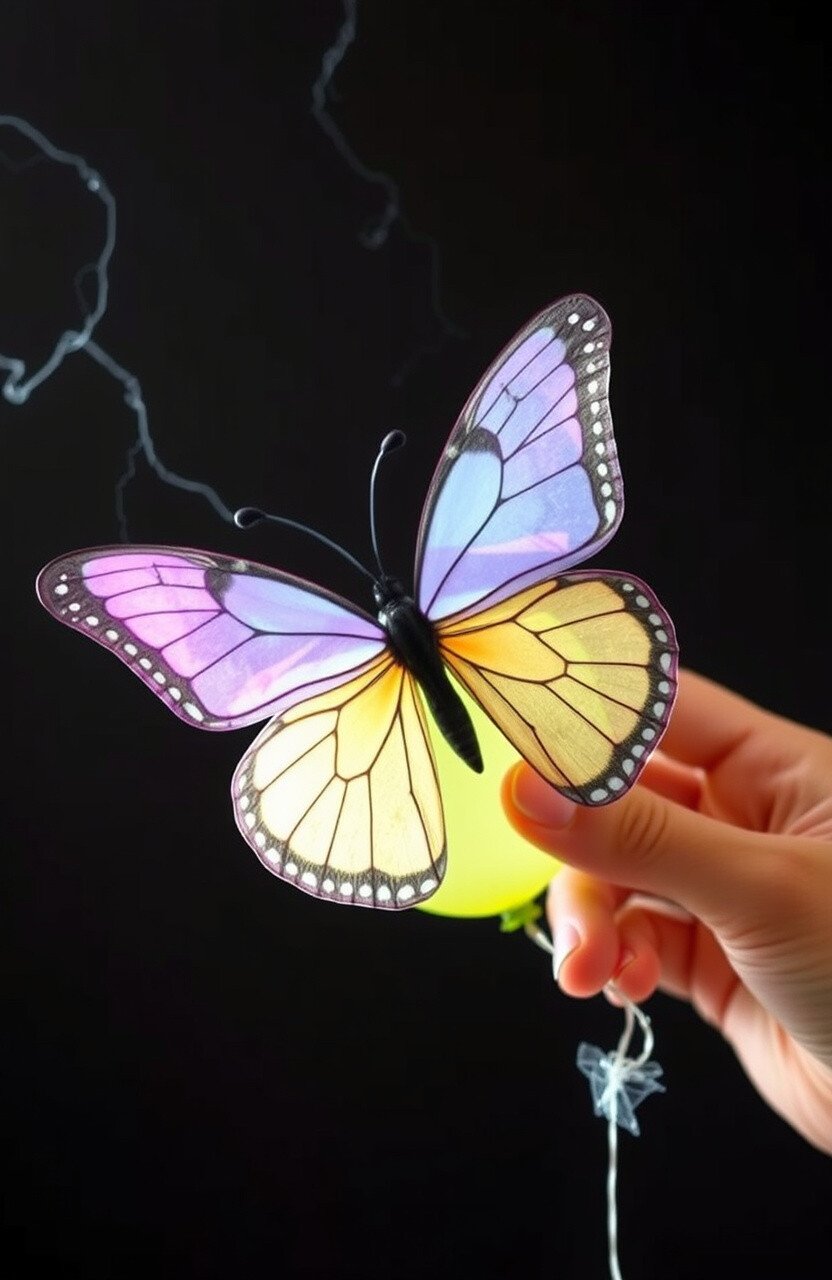
Make a butterfly flap its wings with static electricity. Using tissue paper and a balloon, you can bring this delicate creature to life.
This is a fun way to explore static electricity. It’s unique because it combines art with science. Experiment with different shapes and colors. It’s an inexpensive activity with art supplies and a balloon.
12. Homemade Fossils

Preserve a piece of history with homemade fossils. Using clay and small objects, you can create your own ancient relics.
This experiment delves into geology and paleontology. It’s unique because you create a keepsake. Use different objects for varied textures. It’s affordable with clay and small toys or leaves.
13. Color-Changing Flowers
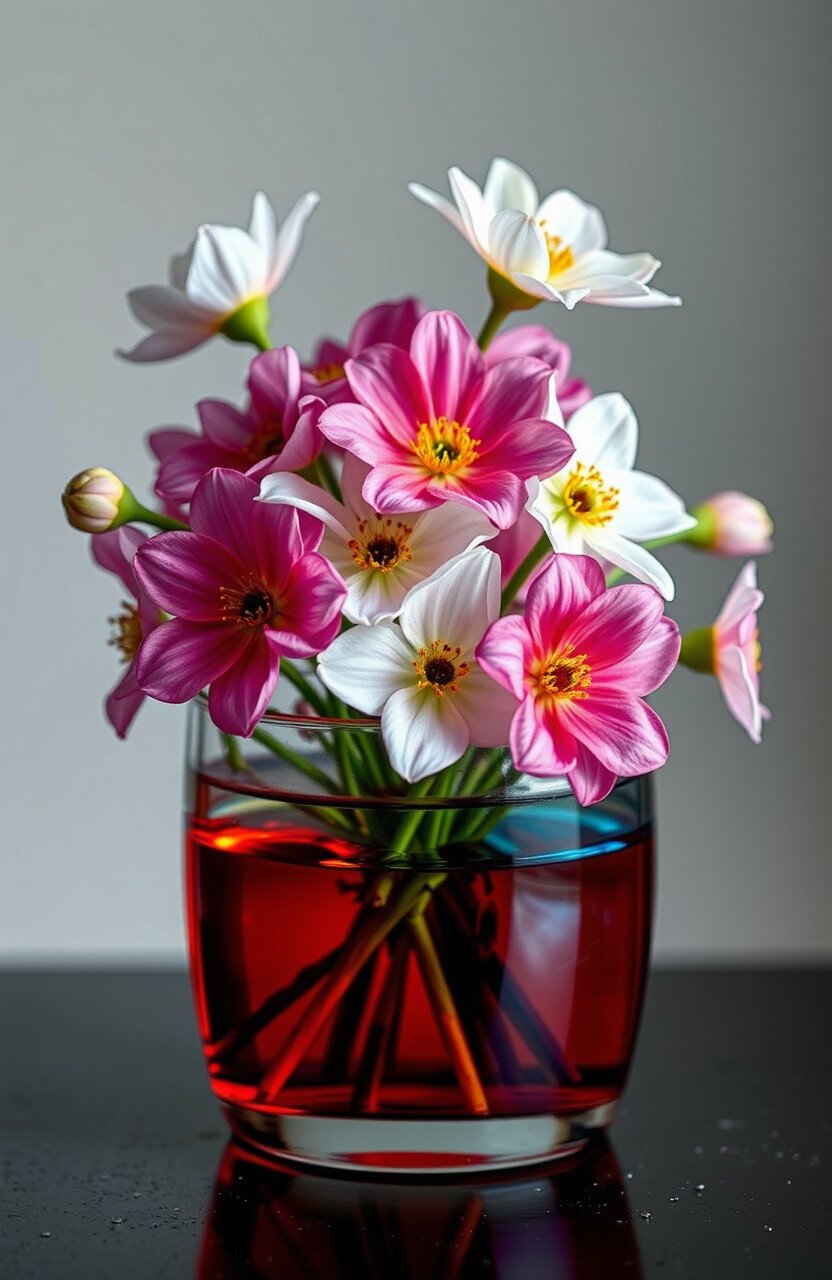
Turn white flowers into a bouquet of colors. By placing them in colored water, watch them transform over time.
This shows how plants absorb water. It’s unique because it’s like having a live art installation. Experiment with different flower types. It’s a low-cost activity with flowers and food coloring.
14. Mentos and Soda Fountain
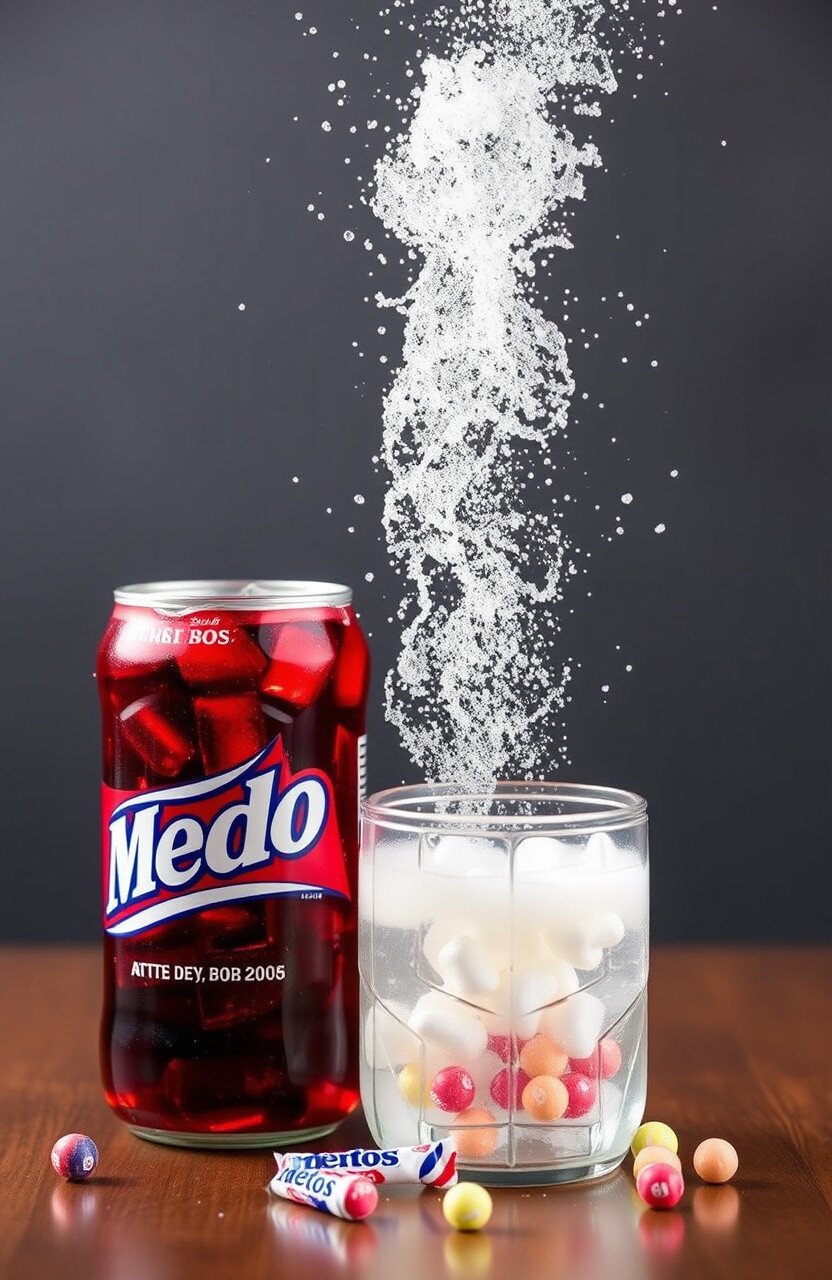
Create a soda geyser with Mentos candies. It’s a fizzy spectacle that’s sure to get everyone excited.
This is a fun way to explore nucleation. It’s unique because the reaction is instant and dramatic. Try different soda brands to see which works best. It’s an inexpensive thrill with soda and candy.
15. Cloud in a Jar
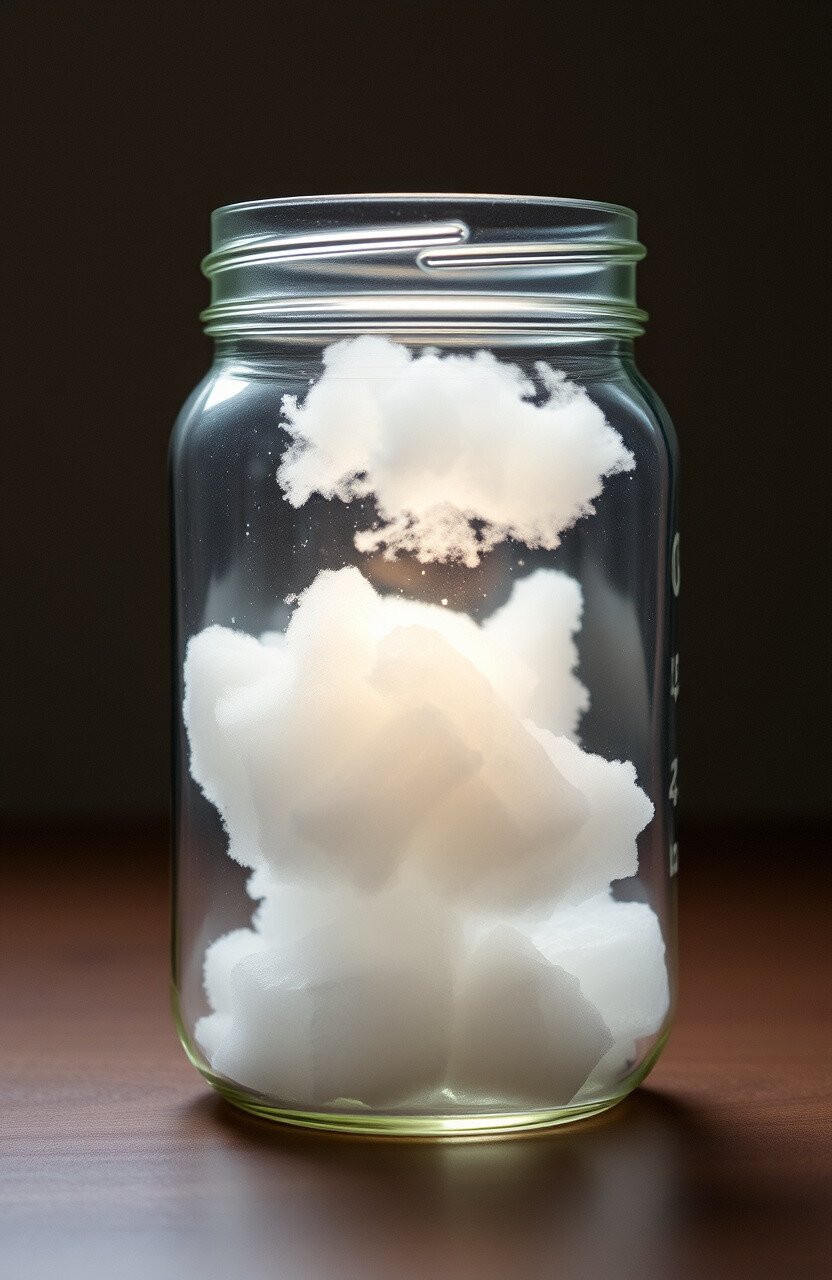
Capture a cloud in a jar and watch it swirl. With a jar, hot water, and ice, you can create a tiny weather system.
This experiment explains condensation and cloud formation. It’s unique because you can see the atmosphere in action. Use a flashlight to illuminate your cloud. It’s a low-cost project with common kitchen items.
16. DIY Water Filter
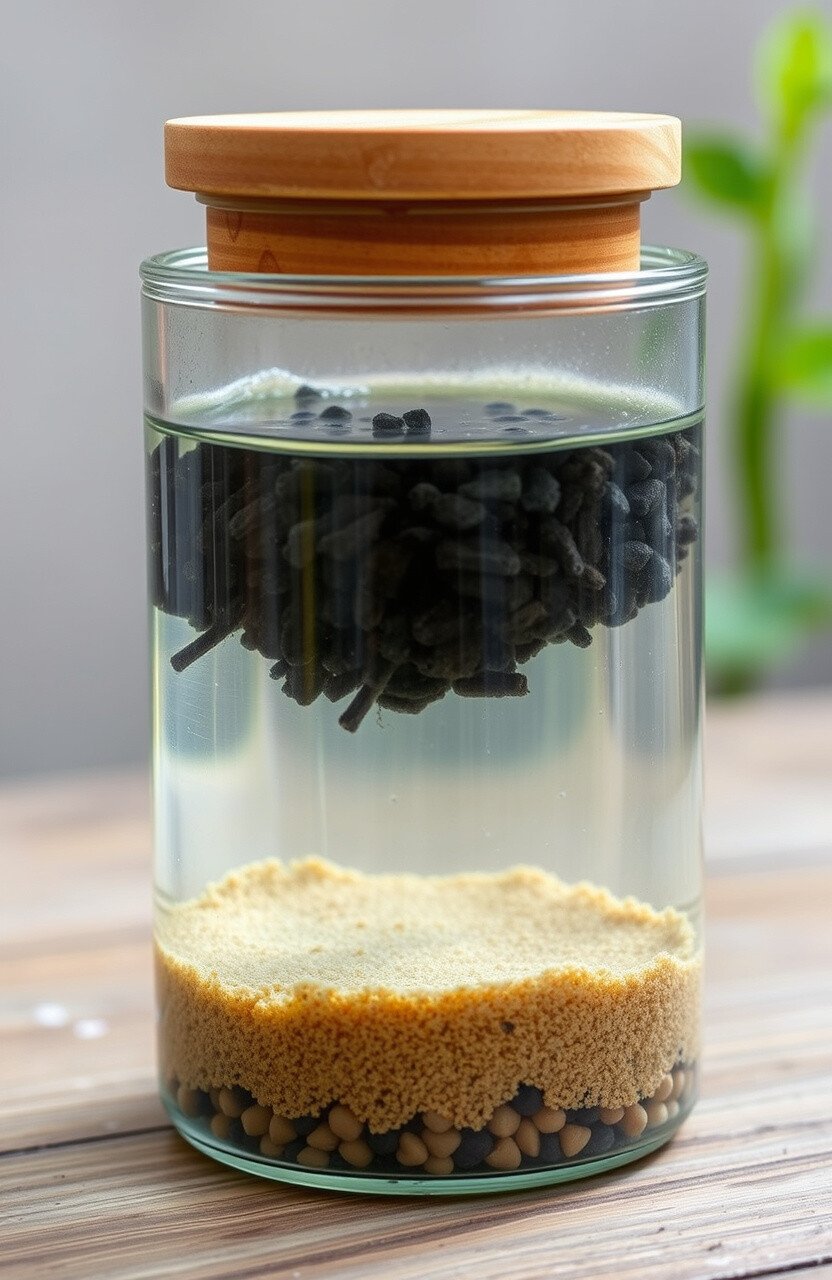
Create a simple water filter and watch dirty water become clean. Using layers of sand, gravel, and charcoal, you can build a mini filtration system.
This experiment teaches about water purification. It’s unique because it shows practical science. Experiment with different filter materials. It’s an economical activity with materials from the garden and kitchen.
17. Salt Crystal Garden

Grow a garden of crystals with salt and water. Over a few days, see beautiful crystals form on a sponge or string.
This introduces crystallization and evaporation. It’s unique because the crystals grow in fascinating shapes. Add food coloring for vibrant crystals. It’s a budget-friendly project using salt and water.
18. Balloon-Powered Car
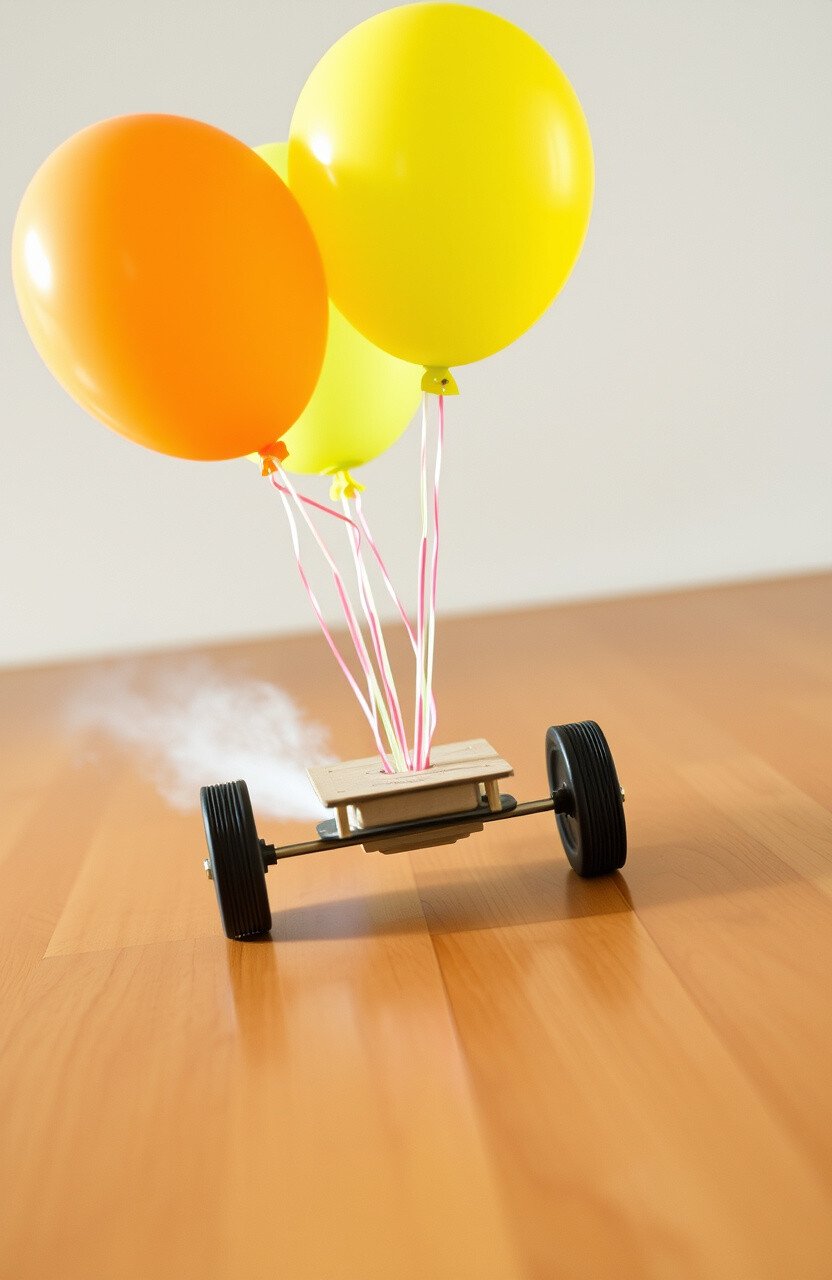
Build a car powered by balloons and watch it zoom across the floor. With a few simple materials, you can engineer a speedy little vehicle.
This experiment explores propulsion and motion. It’s unique because you create a working model. Try different designs for faster cars. It’s an inexpensive challenge with materials like cardboard and straws.