Have you ever walked through a science fair and felt mesmerized by some of the creative displays? These boards are more than just a backdrop; they’re a canvas bursting with innovation and stories waiting to be told.
1. Storyboard Your Journey
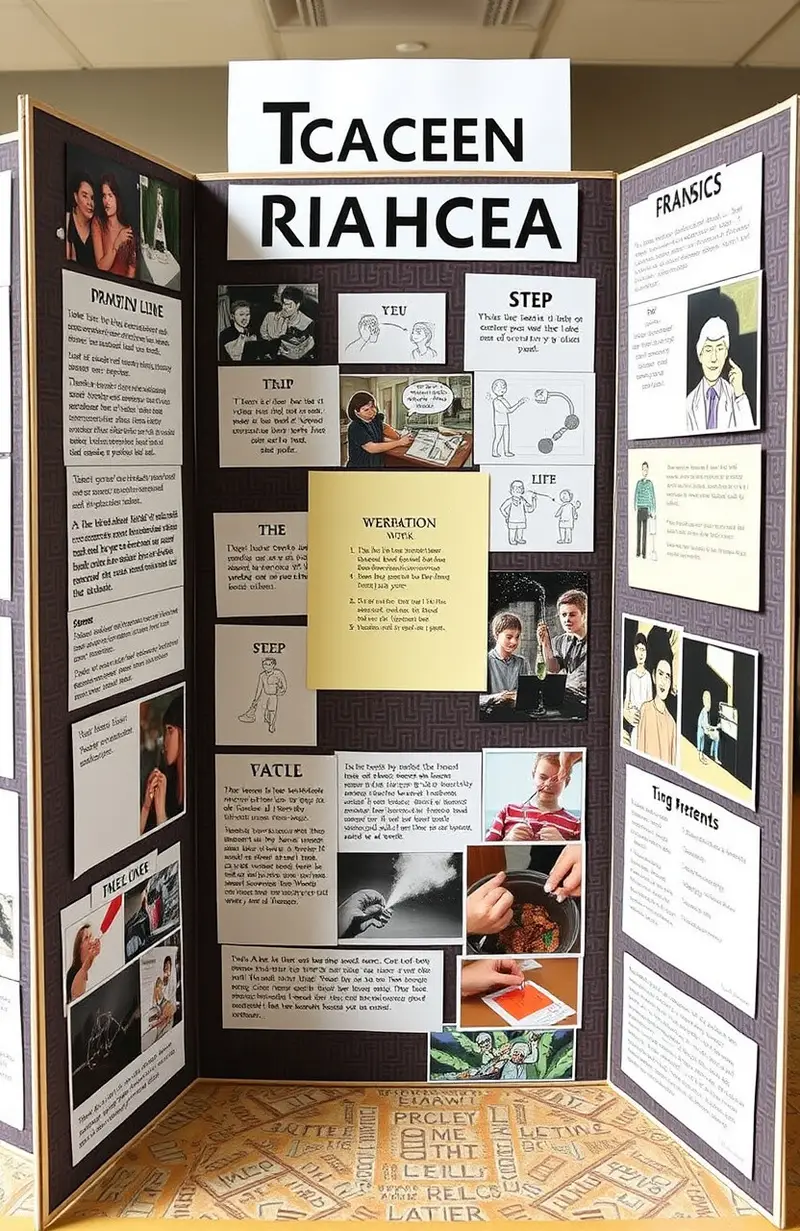
Imagine your science fair project as a movie, with you as the star. A storyboard helps tell your project’s story from start to finish. It’s like a comic strip that shows every step you took, with pictures and captions.
Using a storyboard makes your board unique because it adds a personal touch. It shows not just the results, but the process. You can draw your own images or print them out, and it doesn’t cost much beyond some paper and markers.
2. Pop-Up Elements
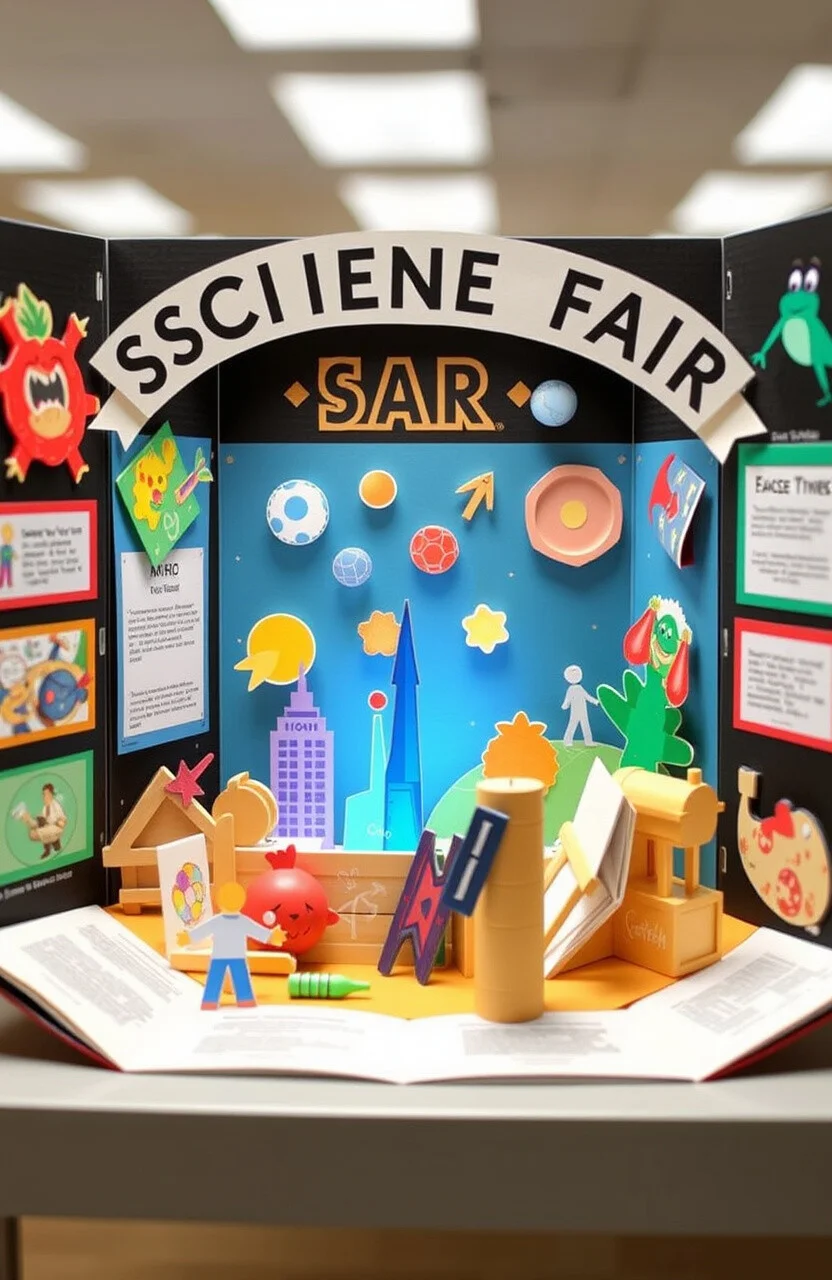
Remember pop-up books? They’re magical! Adding pop-up elements to your board can make your project more exciting. It gives a 3D effect, making your board stand out.
The benefit is that it draws attention and makes people curious. You can use cardstock and some simple folding techniques. It’s a fun, interactive way to engage your audience, and it’s quite affordable.
3. Interactive QR Codes
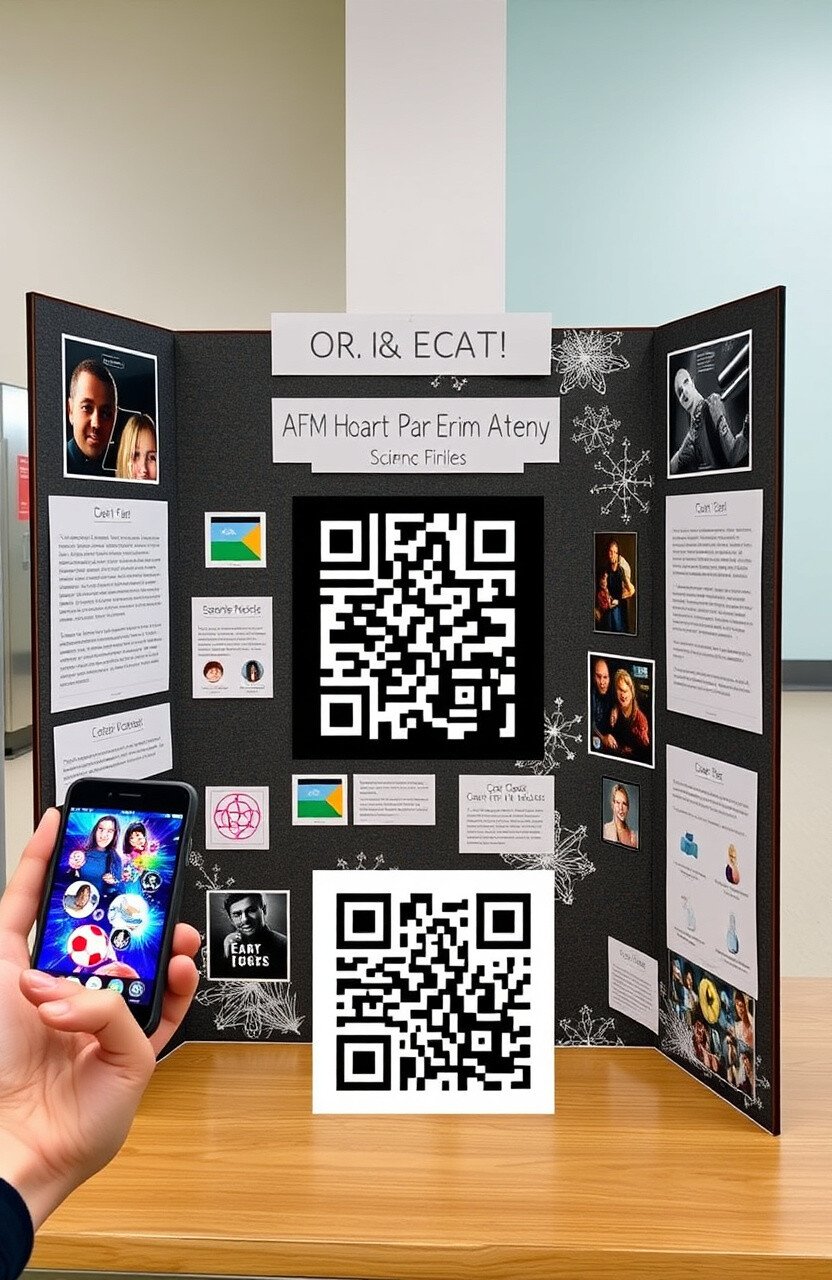
QR codes can be like little doors to more information. When someone scans a QR code on your board, it can take them to a video, a website, or even a slideshow about your project.
This idea is unique because it merges technology with your board. It’s a trend that’s gaining popularity because it’s easy and free to create QR codes online. Just make sure you have a device to test them!
4. Bright LED Lights
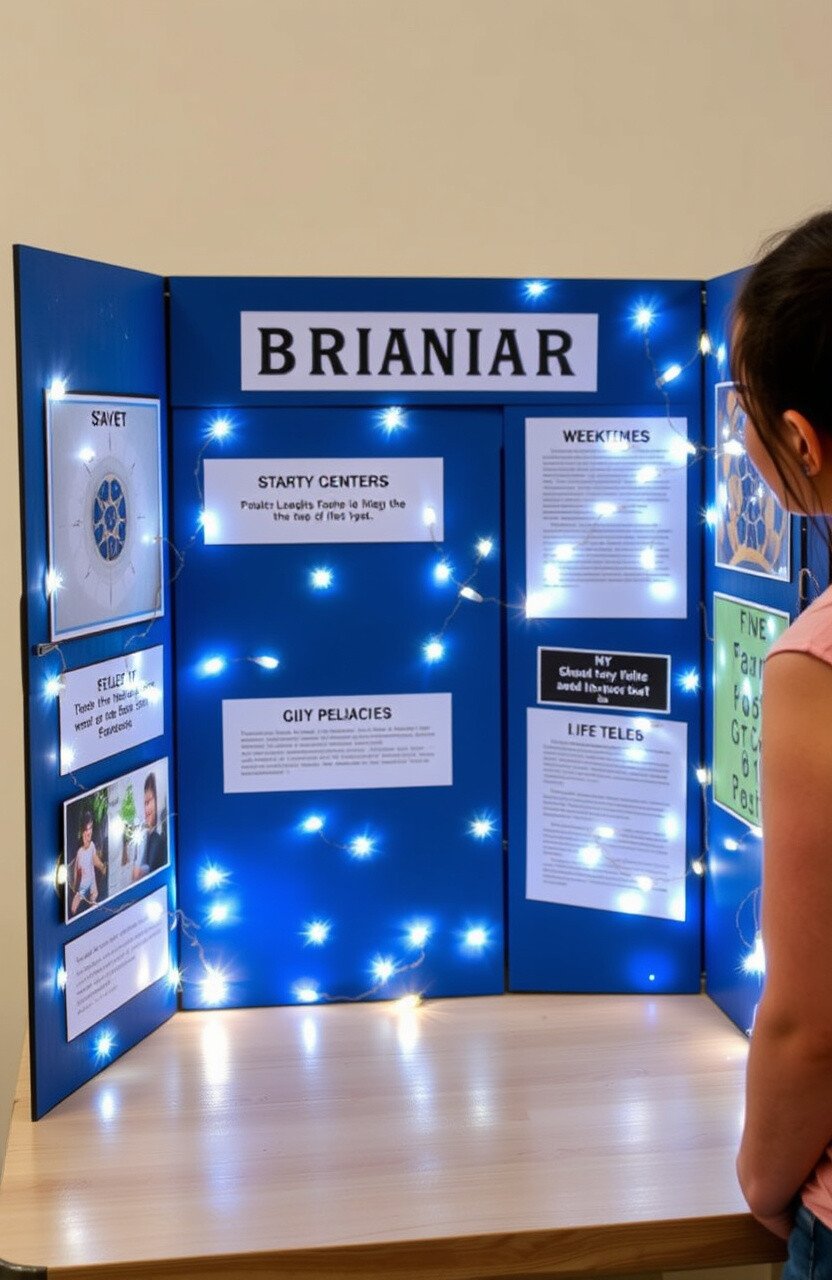
Adding tiny LED lights can make your board sparkle! They’re like twinkling stars that can highlight important parts or create a theme.
LEDs catch the eye, especially in a room full of boards. You can find affordable LED kits in craft stores or online. Just be sure to use them sparingly, so they don’t overwhelm your board.
5. Textured Materials
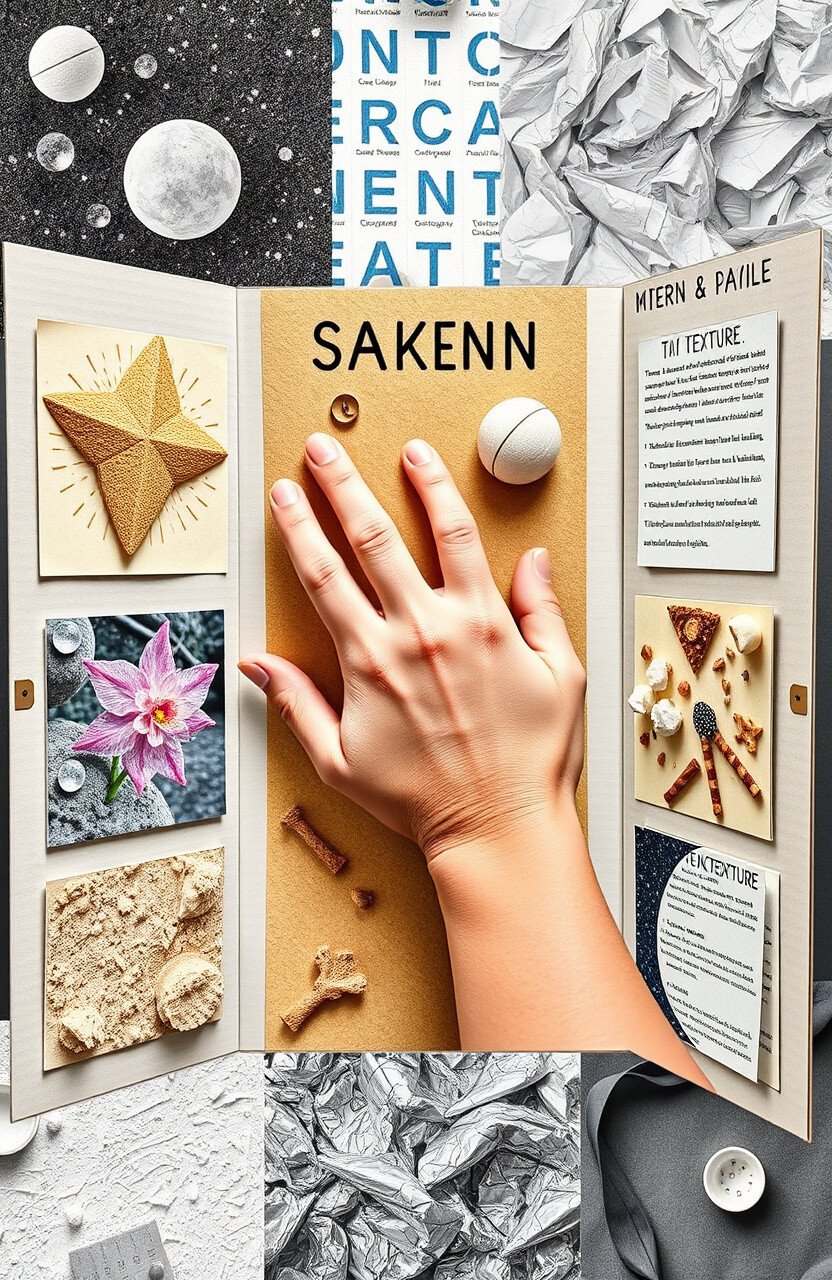
Imagine touching a board and feeling different textures. You can use materials like sandpaper, fabric, or foil to add a tactile element to your project.
This makes your board interactive and memorable. It’s a creative way to engage people, and you can find these materials around your house or at a craft store at a low cost.
6. Flip-the-Flap Surprises
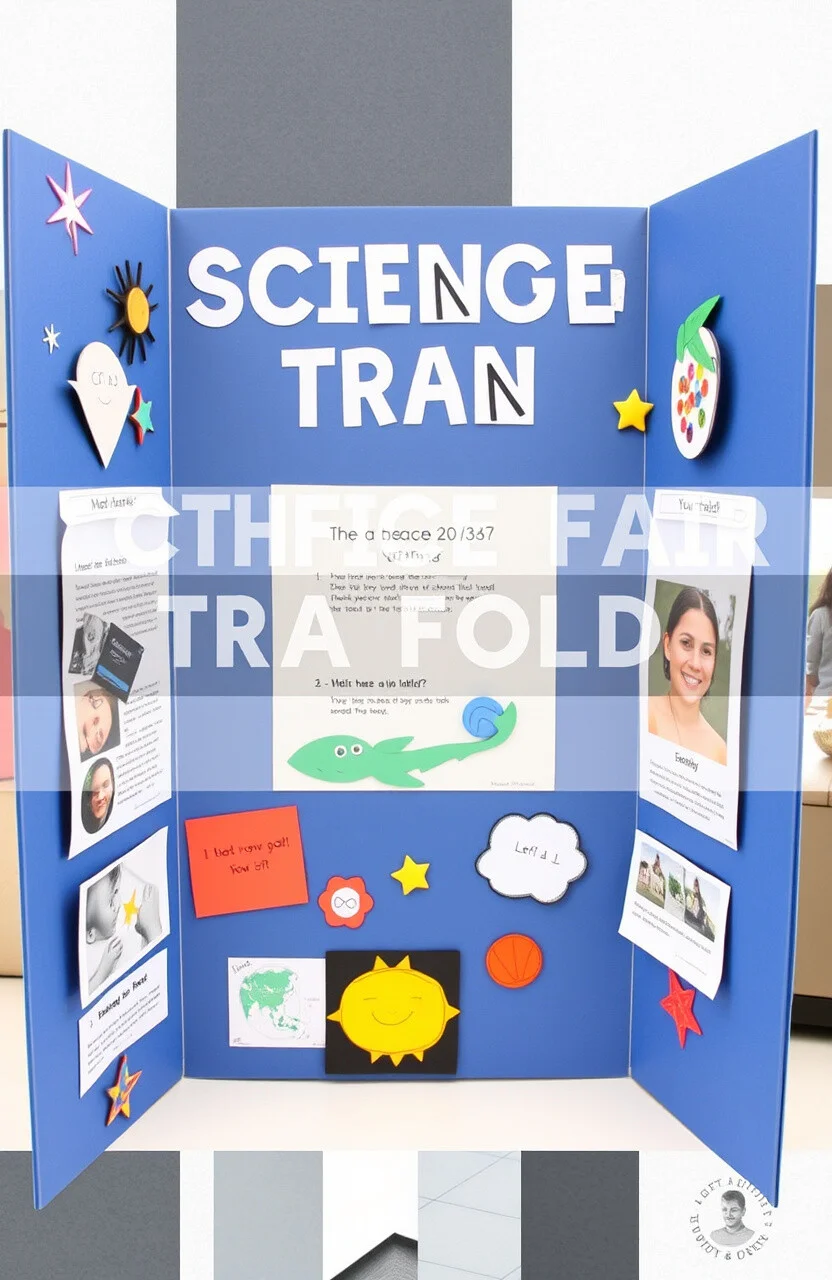
Flaps are like little secrets waiting to be discovered. You can hide information or fun facts under them, making your board interactive.
They’re easy to make with paper and glue, and they invite people to explore your board more closely. Plus, they’re inexpensive and can be customized to fit your theme.
7. Timeline of Experiments
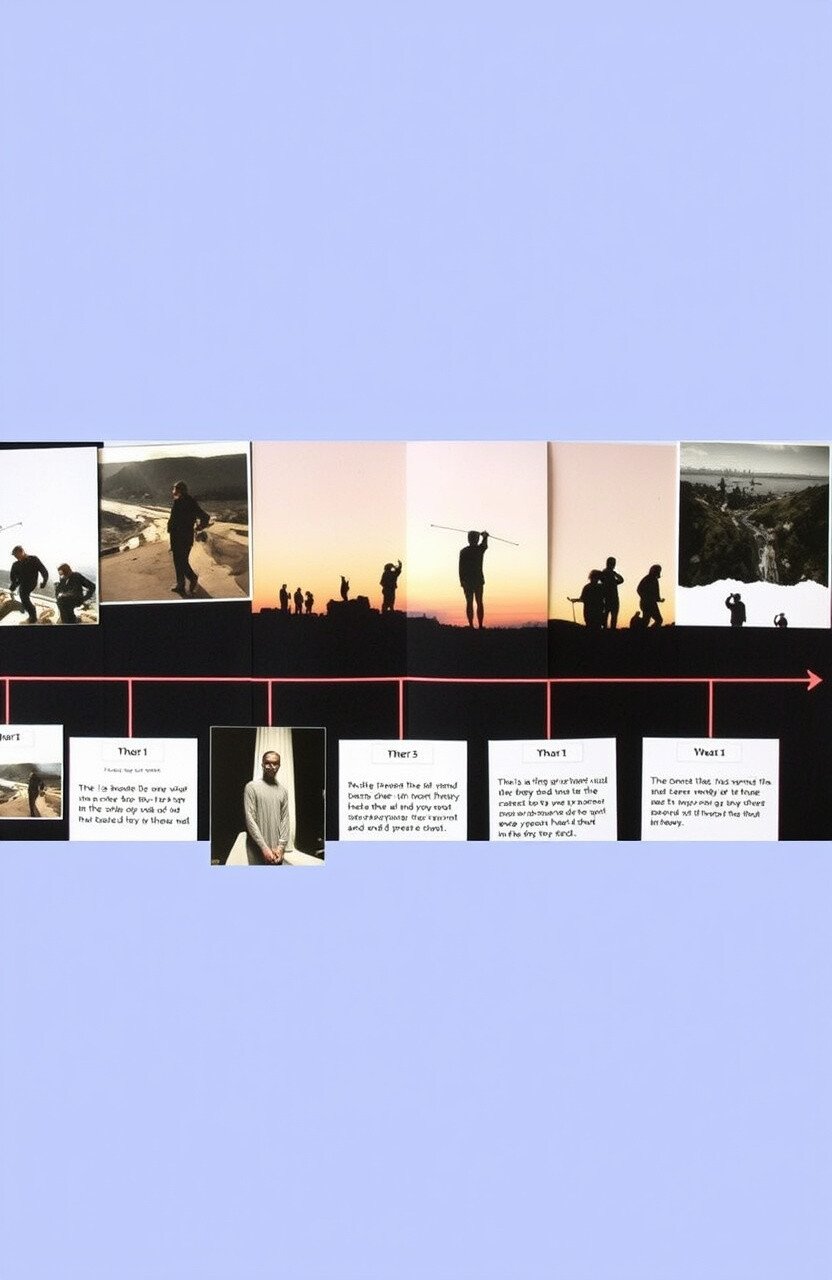
Creating a timeline is like drawing a map of your journey. It shows all the steps you took in your project, from the beginning to the end.
This helps organize your information clearly. You can add photos or drawings along the timeline. It’s a simple yet effective way to present your work, and it only requires paper and markers.
8. Puzzle Pieces
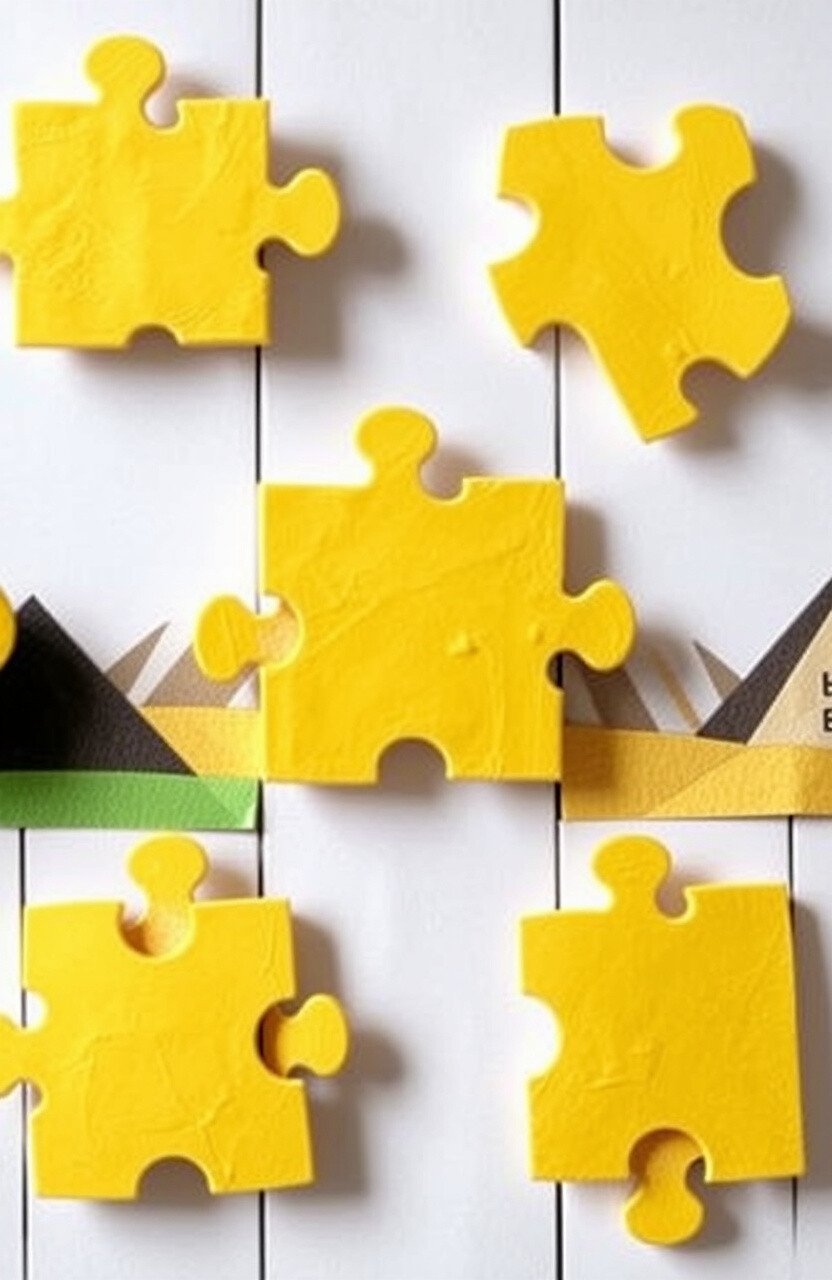
Turn your board into a puzzle! Each piece can represent a part of your project. When put together, they form the complete picture of your research.
This idea makes your board interactive and fun. You can cut out pieces from cardstock and decorate them. It’s an affordable way to make your board engaging and memorable.
9. Miniature Models
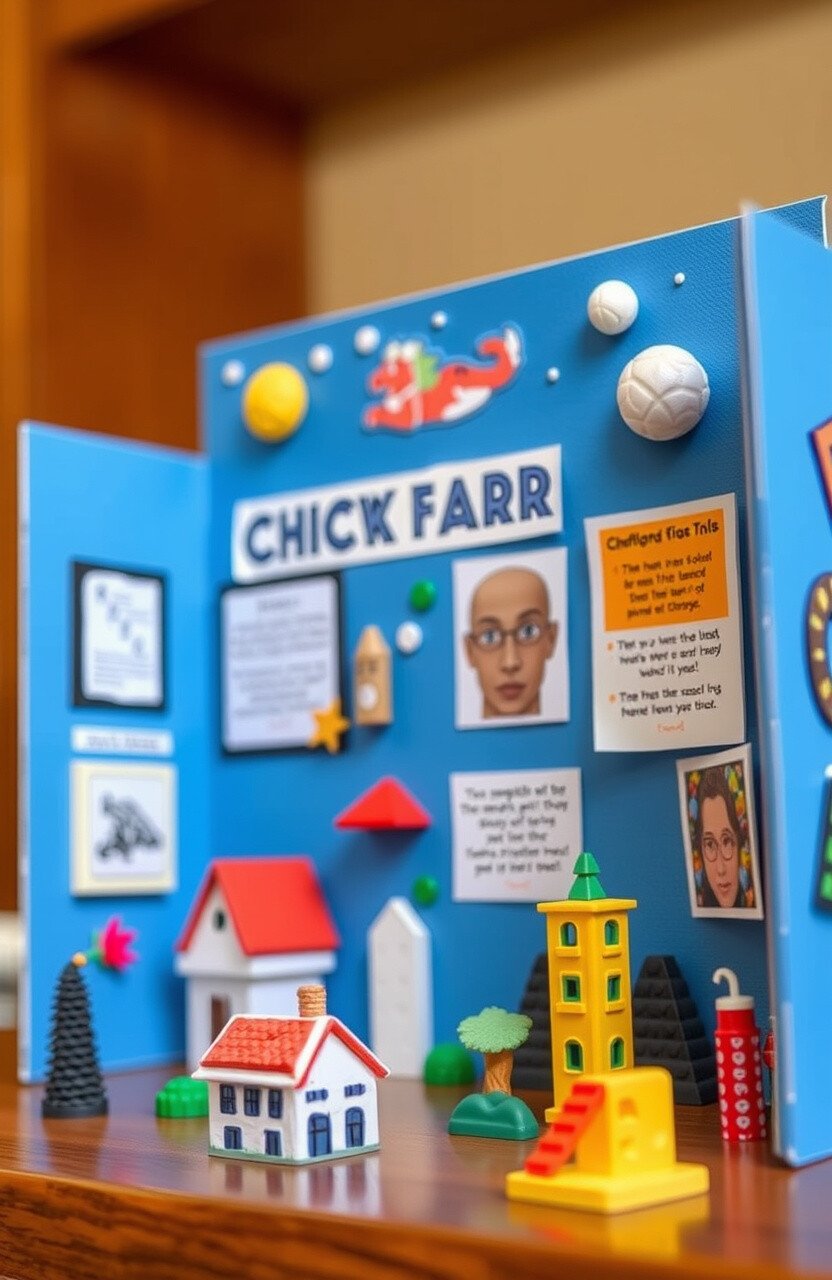
Building tiny models can bring your project to life! They give a 3D view of what you’re presenting, making your work more tangible.
Models are unique because they provide a visual representation of your ideas. You can use clay, paper, or recycled materials, which are often inexpensive or free.
10. Color-Coded Sections
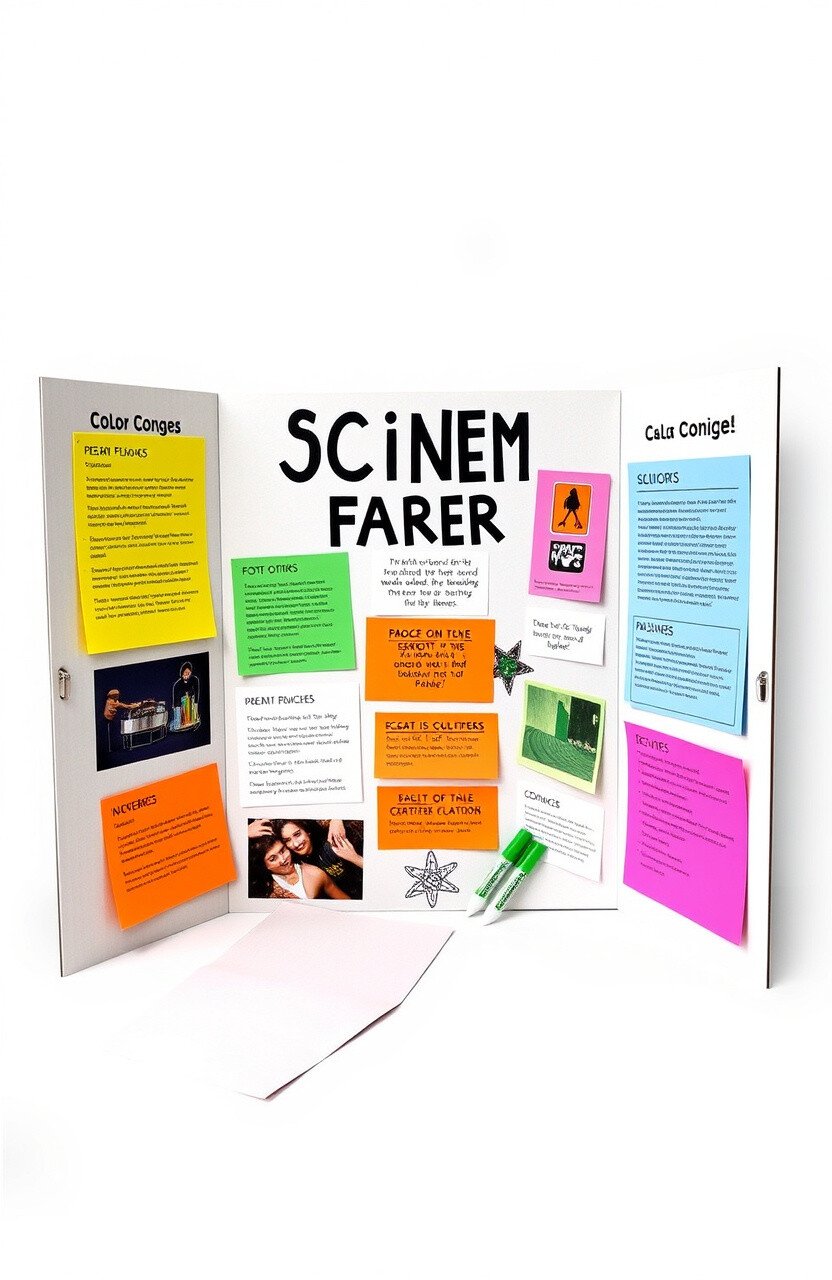
Colors can help organize your board. By using different colors for sections, you make it easy to follow and understand.
Color-coding is visually appealing and helps highlight important parts. You can use colored paper or markers, which are budget-friendly and readily available.
11. Infographic Magic
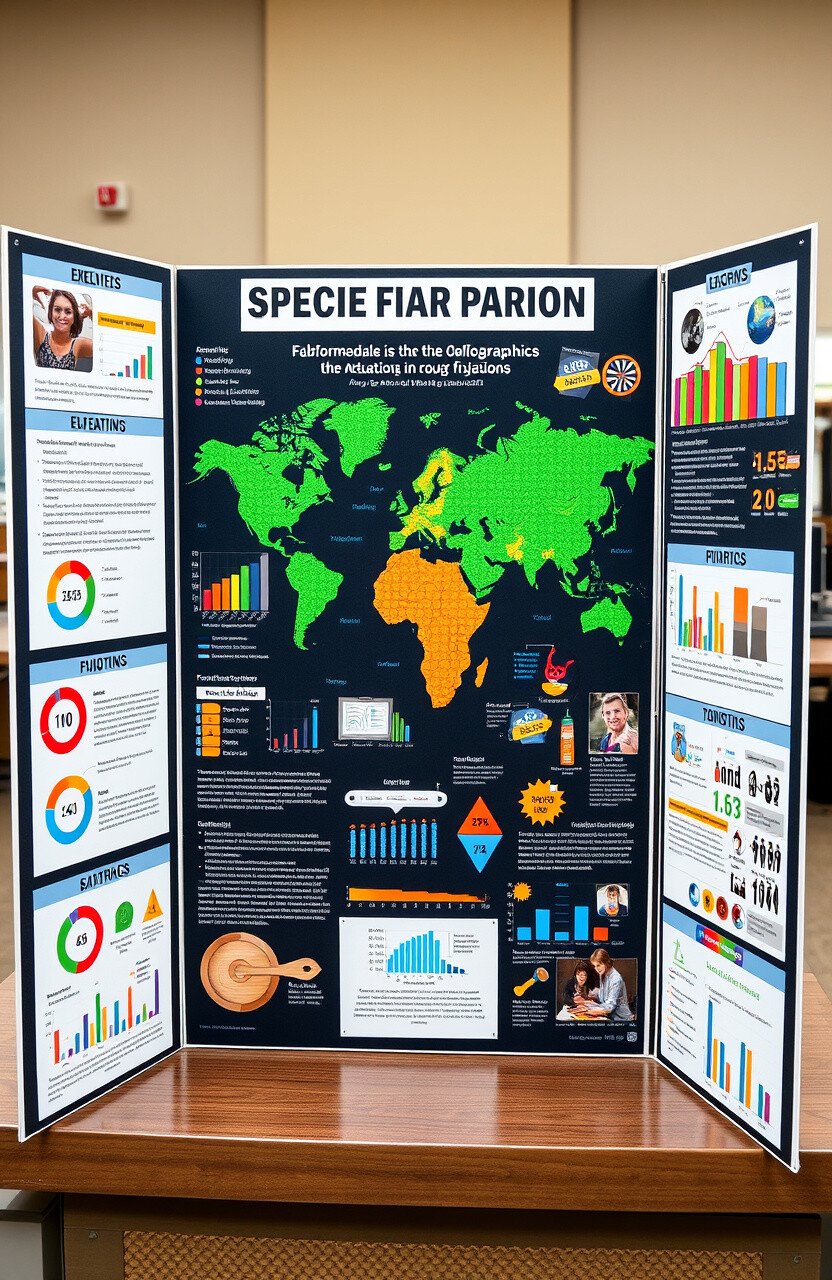
Infographics turn complex data into simple visuals. They’re like colorful maps that guide you through information.
Creating infographics can make your board unique and easy to understand. There are free online tools to design them, making it a cost-effective option.
12. Thematic Decorations
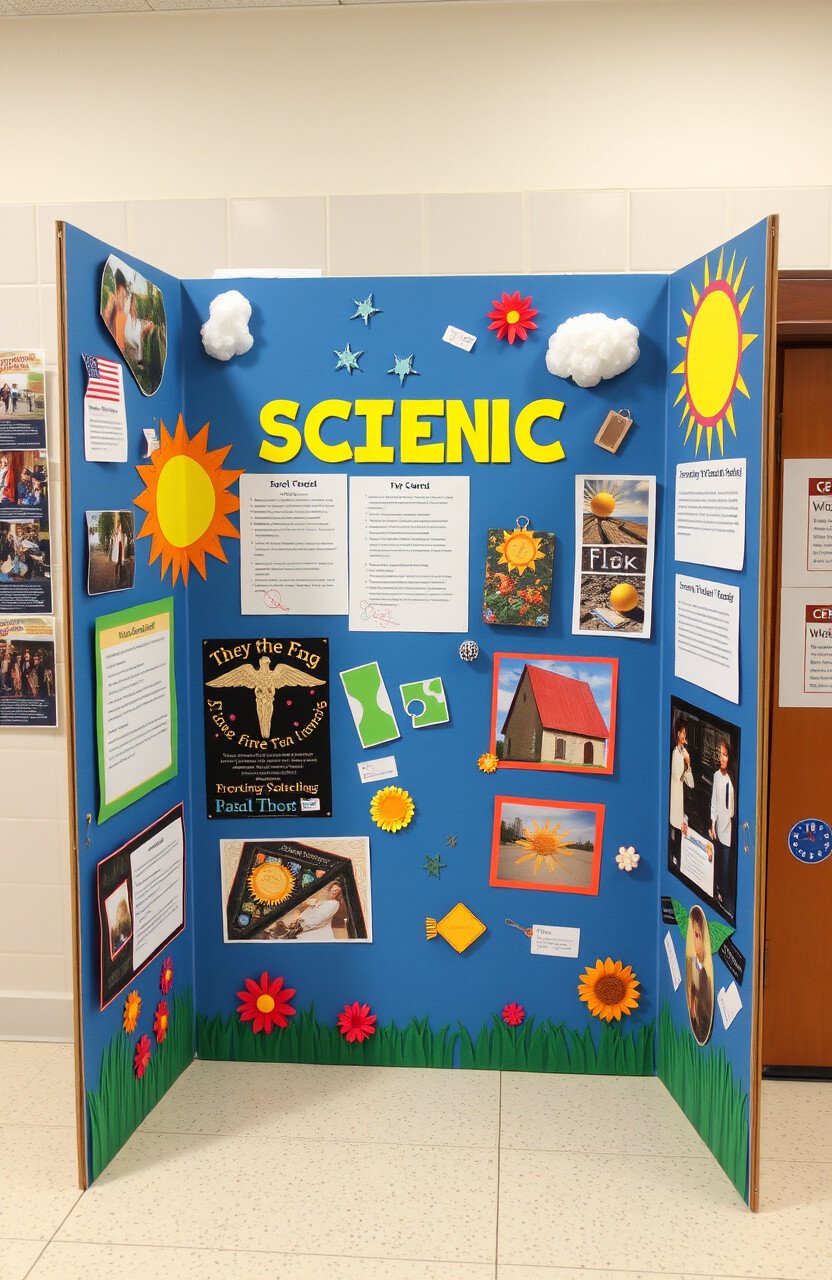
Decorate your board around a theme related to your project. It’s like setting the stage for a play, making everything cohesive.
This adds flair and can make your board unforgettable. You can use props or themed colors, and it doesn’t have to be expensive—sometimes, simple decorations are the most effective.
13. Personalized Font Styles
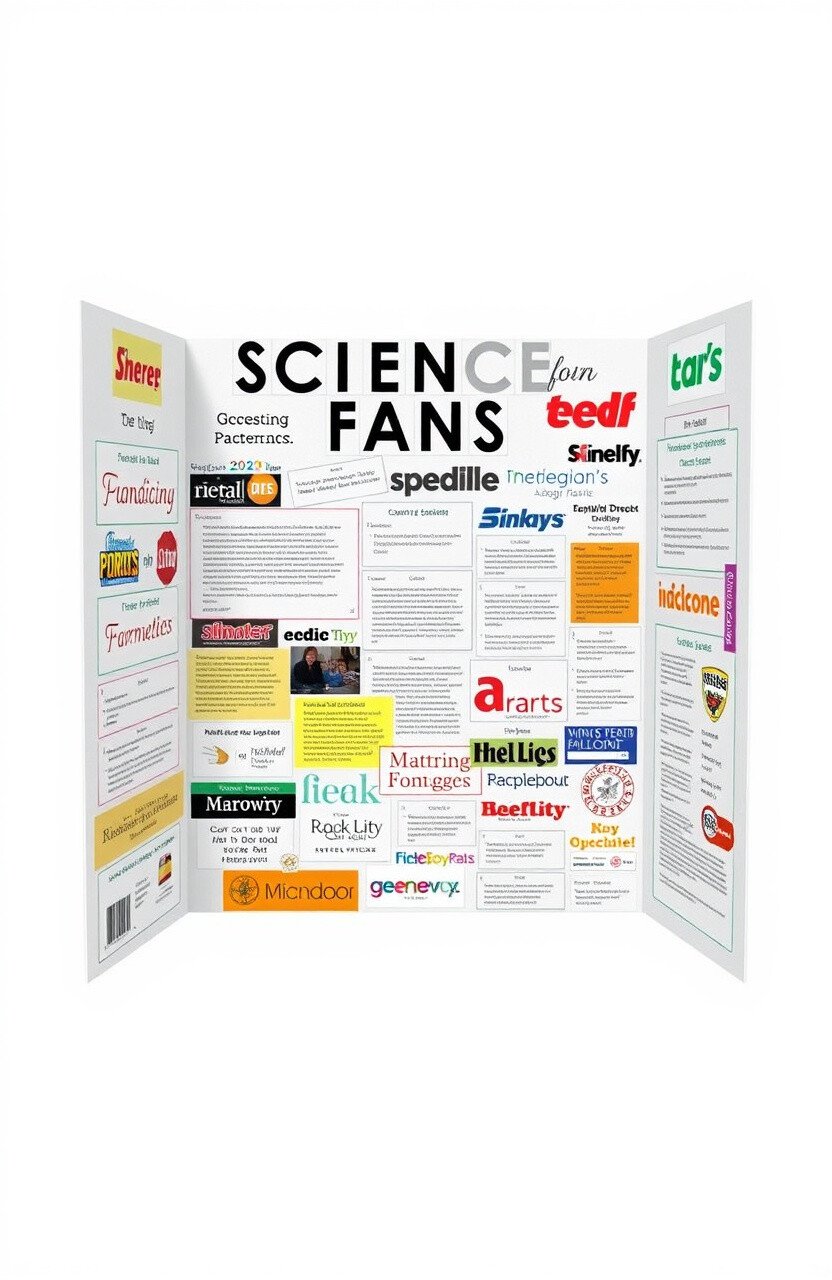
Your choice of fonts can express your project’s personality. Use different styles for titles, captions, and body text to add character.
Playing with fonts makes your board visually interesting. You can print them from a computer or hand-draw them, which can be done at little to no cost.
14. Photo Collage
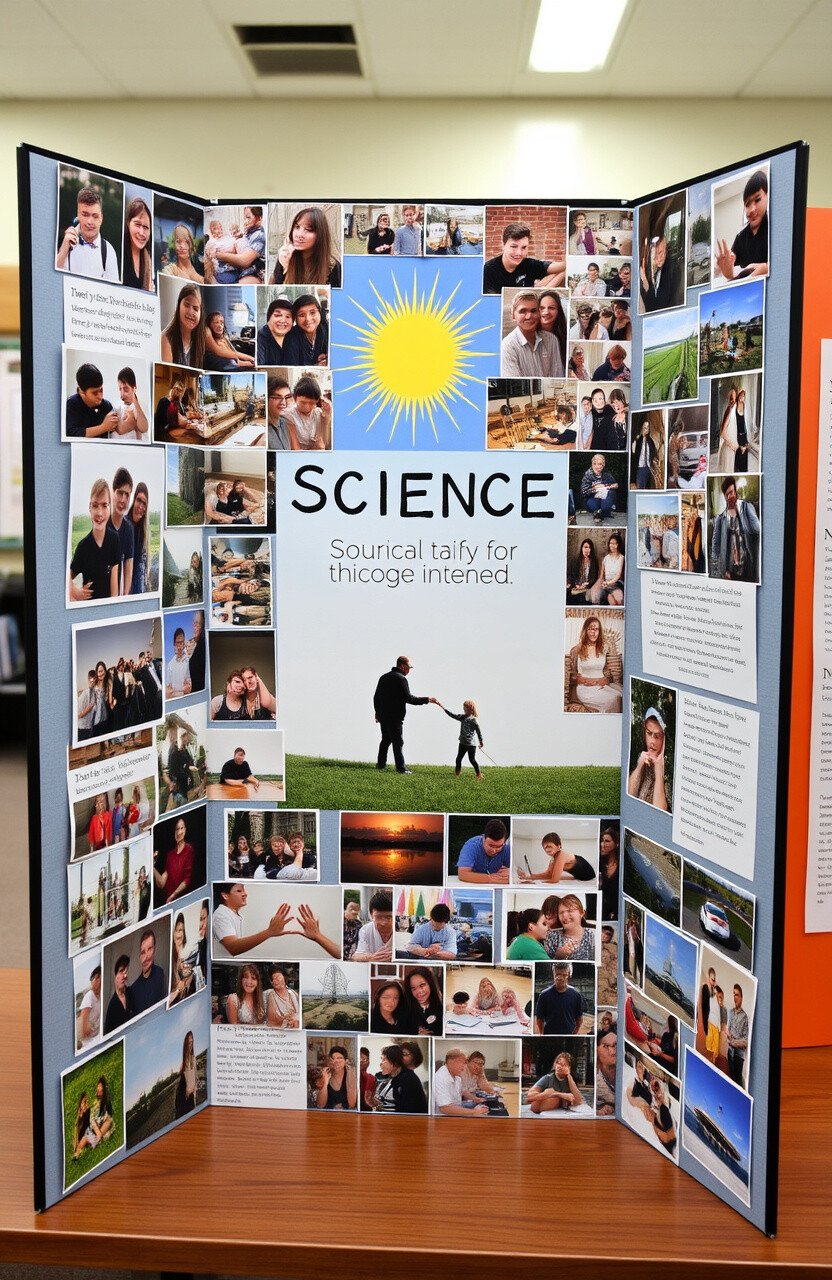
A collage of photos can tell a story at a glance. It’s like a scrapbook that captures the essence of your project.
Collages are engaging and personal. You can use printed photos or even cutouts from magazines. It’s a creative and inexpensive way to decorate your board.
15. Science Fair Scrapbook
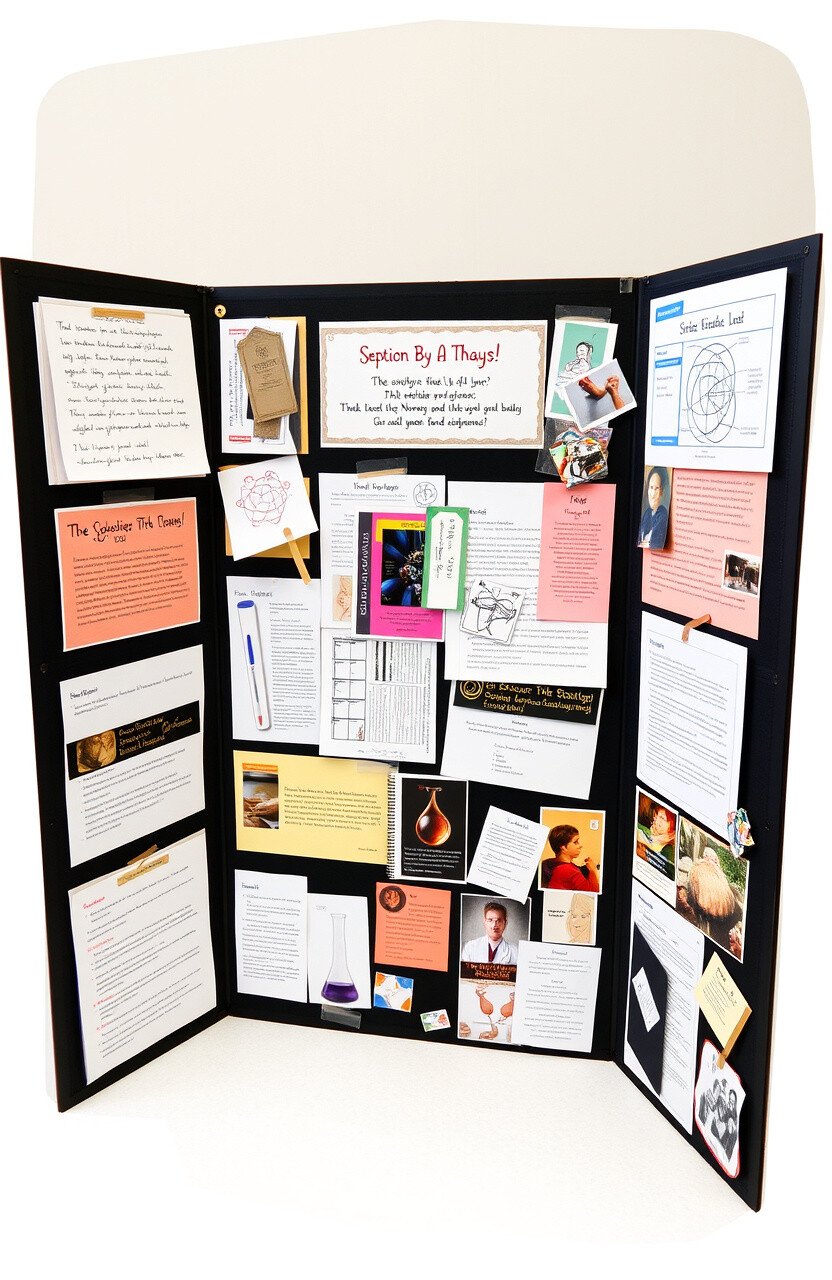
Turn your board into a scrapbook filled with notes, sketches, and clippings. It’s a personal diary of your scientific adventure.
This approach makes your board unique and personal. You can use materials you already have, making it a cost-effective and charming option.
16. Dynamic Charts and Graphs
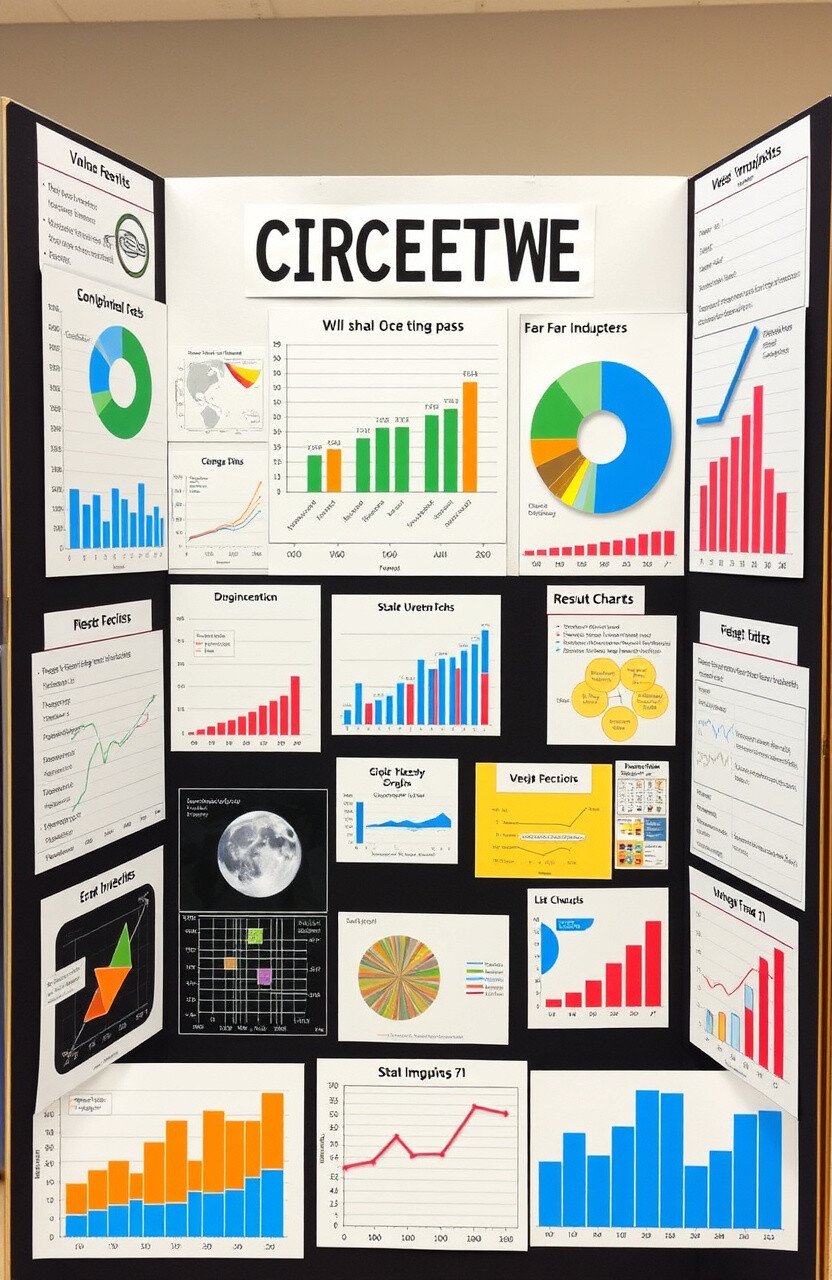
Charts and graphs can make data visually appealing and easy to understand. They help tell the story of your results.
Creating dynamic visuals can make your board stand out. Use bright colors and clear labels. Tools for making charts, like spreadsheet software, are often free.
17. Recycled Material Art
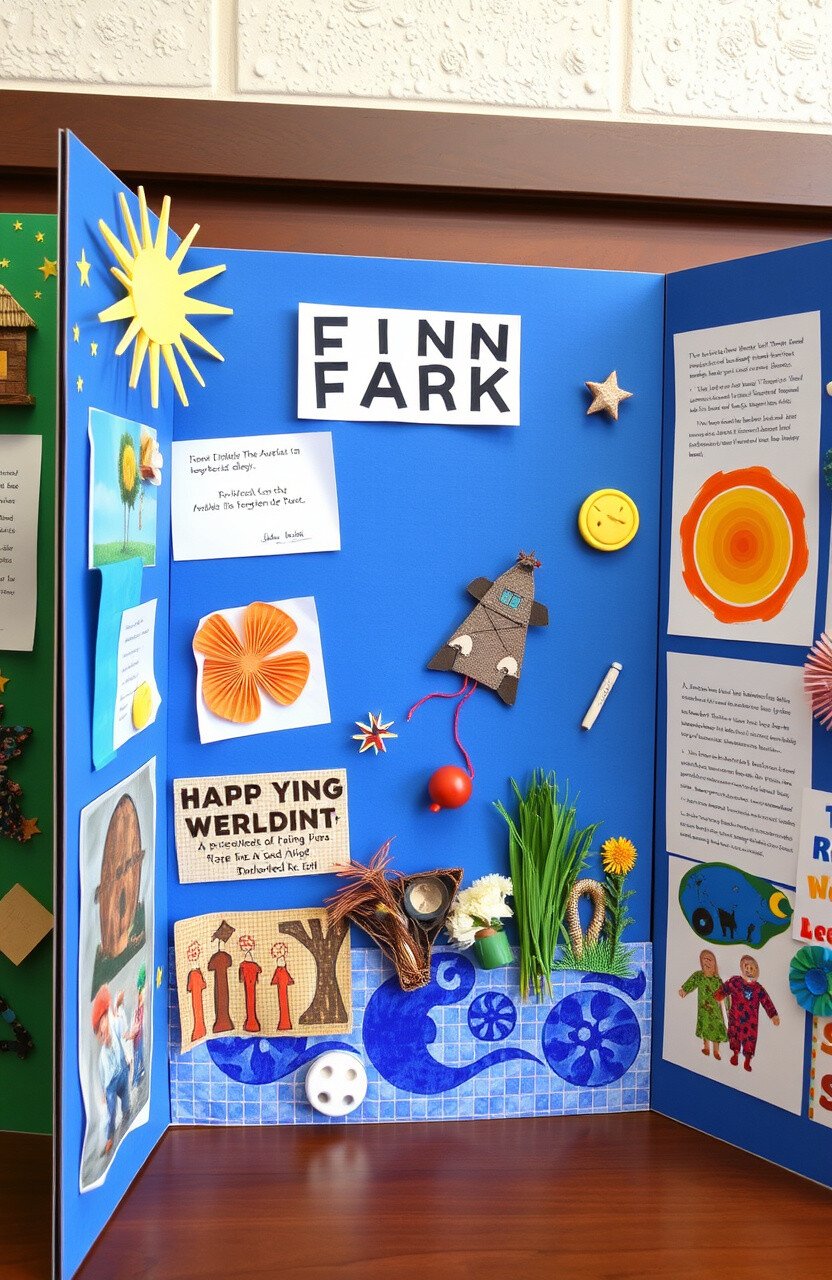
Use recycled materials to create art for your board. It’s like treasure hunting for materials that can be turned into something new.
This is a sustainable and creative way to decorate. You can save money by using things you already have, adding a unique and environmentally friendly touch.
18. Creative Title Banner
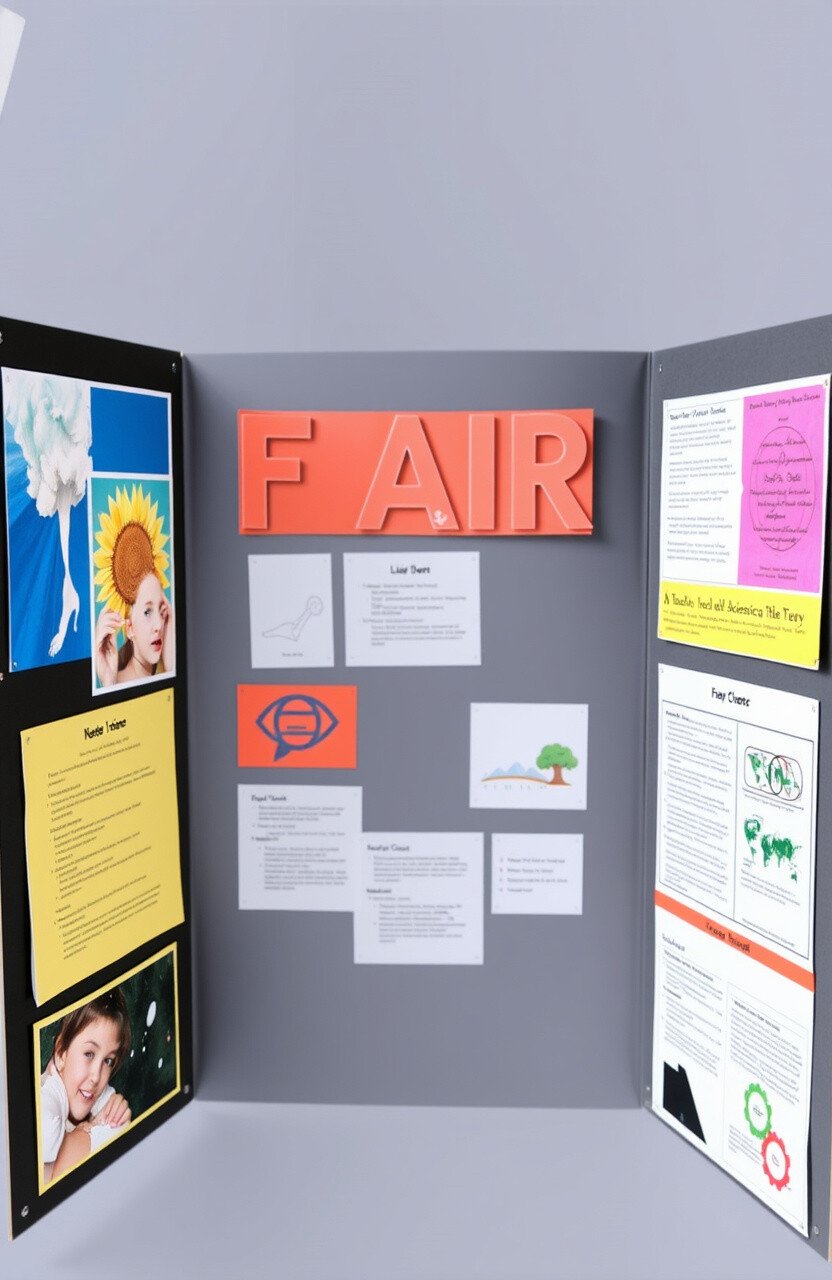
A creative title banner can grab attention right away. It’s like the headline of a newspaper that sparks interest.
Making a bold and colorful banner can make your board inviting. You can use paper, fabric, or even digital prints, which are affordable and easy to create.
19. Emotional Touchpoints
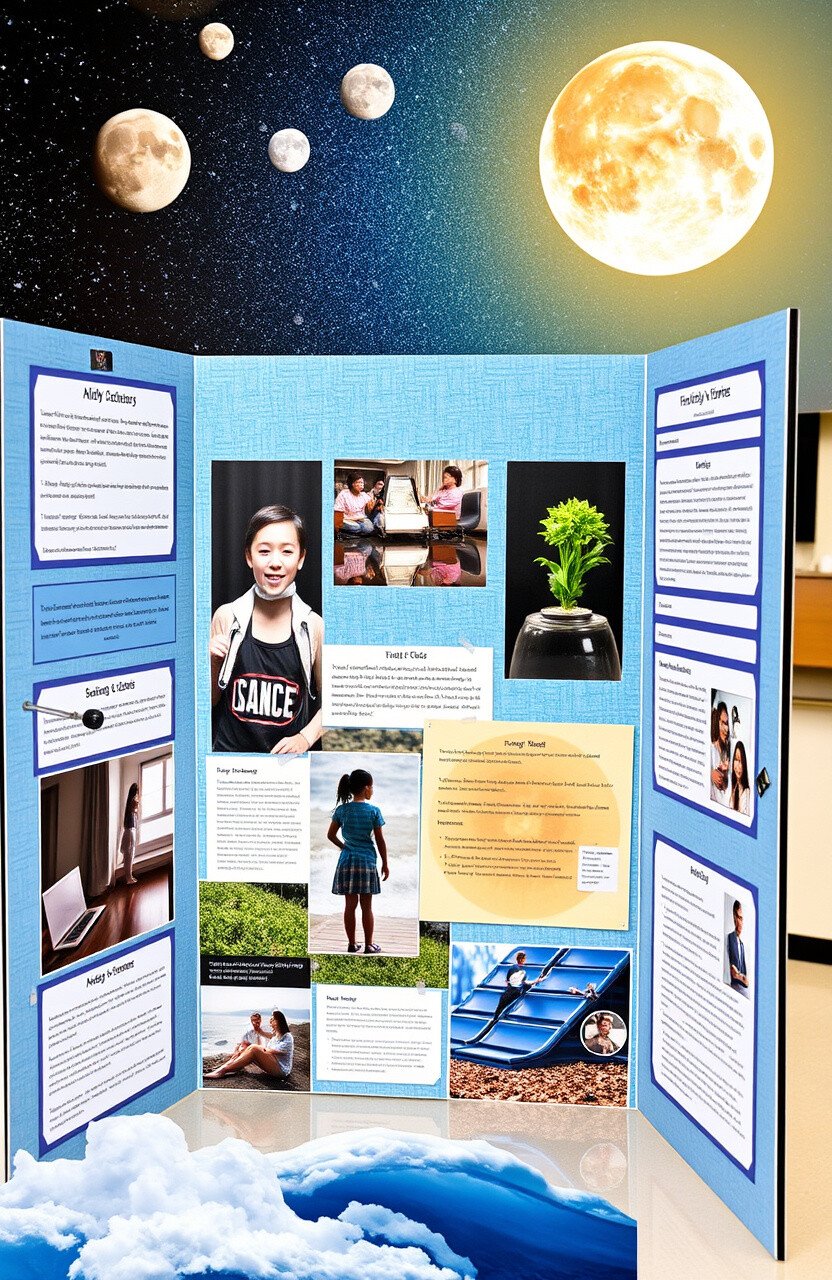
Add elements that evoke emotions, like stories or quotes. It’s like adding a heart to your project, making it resonate with people.
Emotional touchpoints make your board memorable. Use personal anecdotes or inspiring quotes, which are free and add depth to your presentation.