Some rooms feel louder than others, even when the volume is the same. Sensory stations turn everyday moments into playful invention.
When you set up small corners of sound, scent, texture, and light, your brain starts connecting ideas faster than usual. Each station can be gentle, hands-on, and easy to adapt for any age or space.
1. Echo Wall for Whole-Sentence Thinking
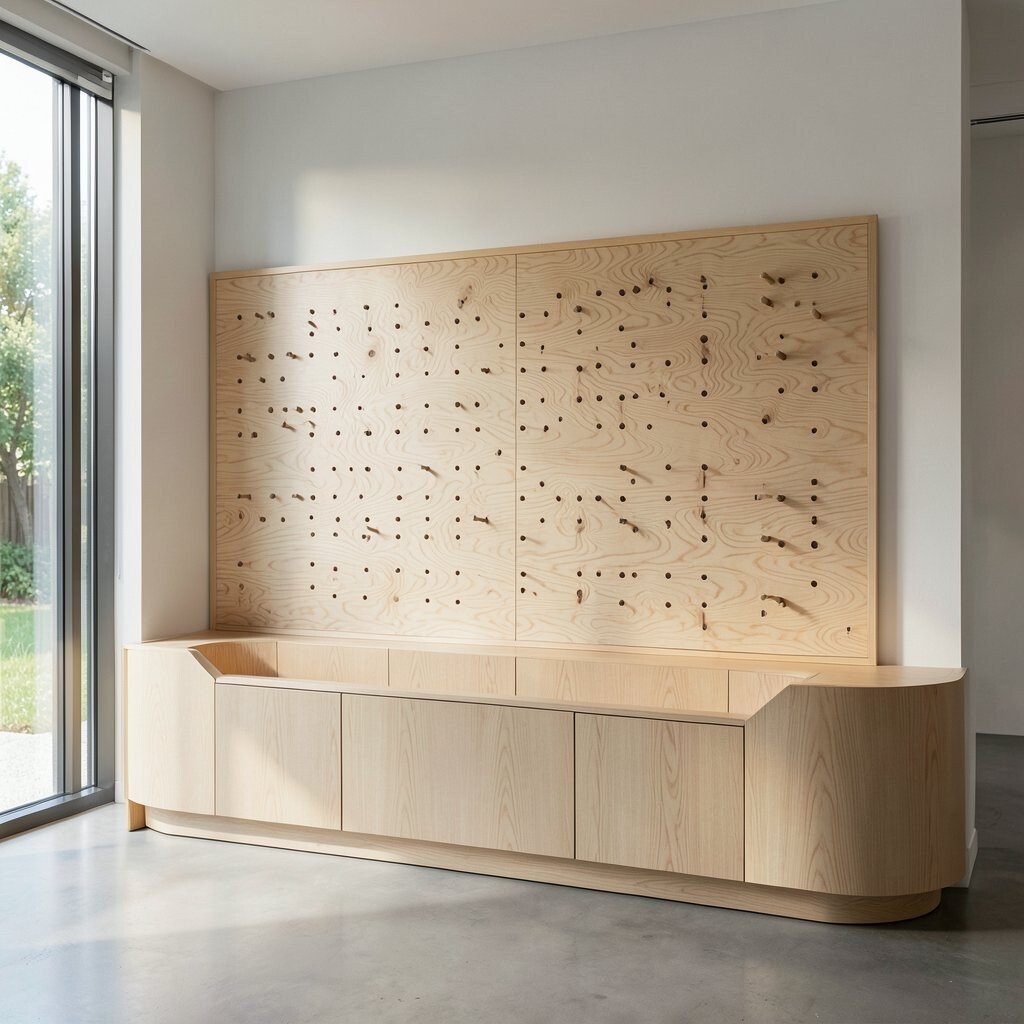
Pick a section of wall or whiteboard and add simple items that create clear sounds, like a paper cup on a string, a small bell, and a few rhythm makers. Stand back and clap or tap, then listen as the room “answers” you.
Use a soft, consistent pattern so kids can predict and respond with their own beats. You can ask them to make up short “story sounds” that match what they hear, which helps language come out naturally.
2. Lightbox Layers With Safe Color Filters
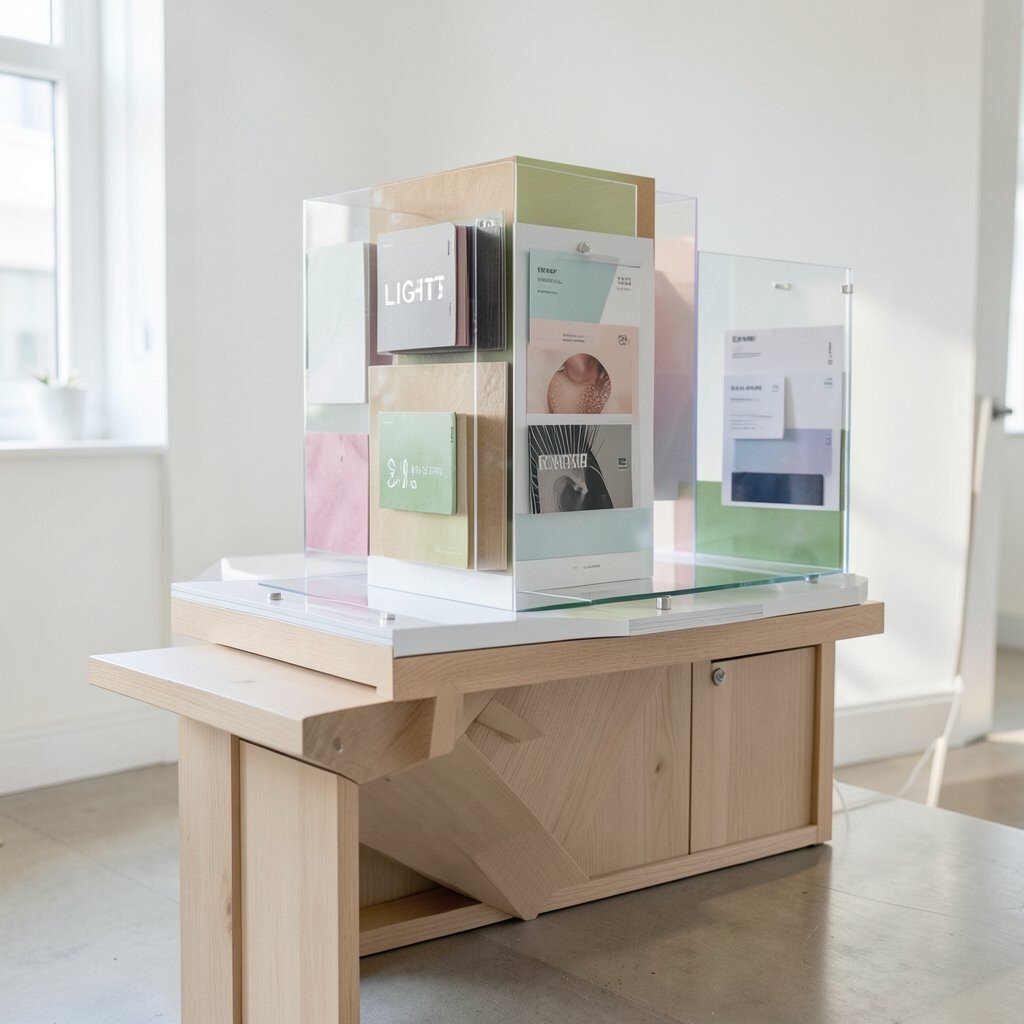
Place a low table lamp or LED tracing pad under a clear plastic sheet and stack colored cellophane pieces on top. Watch how the light shifts as colors overlap and fade into new shades.
This station is great for visual planning because it makes color mixing feel physical, not just theoretical. Keep sheets labeled with tape so kids can reset the layers fast and move on to new combinations.
To personalize, add themed color sets like ocean blues, sunset reds, or “mystery” colors with unusual names written on masking tape. For cost, start with what you already have: old transparencies, craft paper, and a cheap LED light can work well.
3. Texture Trail for Story-Building Feet
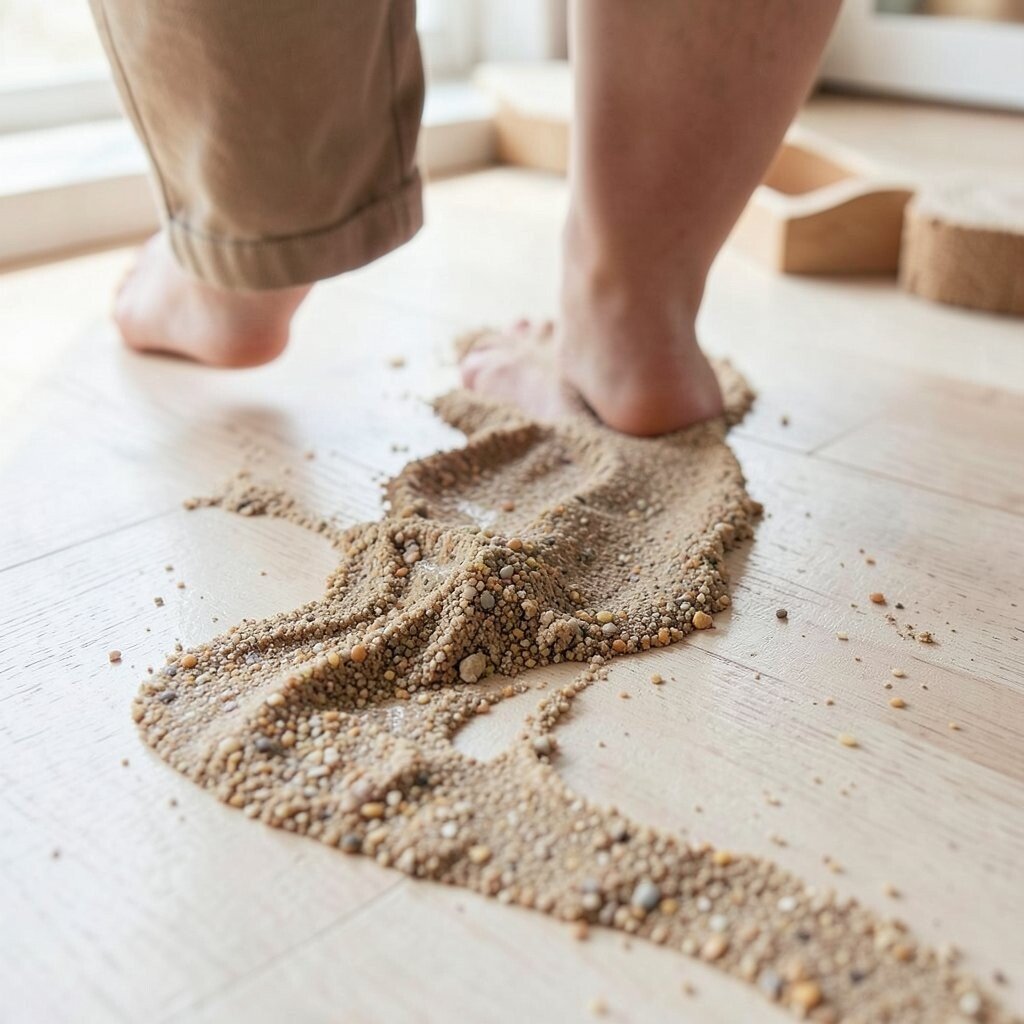
Create a floor path using different materials laid in a line, such as bubble wrap, felt, sandpaper (covered with tape on the edges), fabric scraps, and a soft mat. Let everyone walk it slowly and notice how each step changes their mood.
After the trail, invite them to talk about what the textures “feel like,” then build mini tales around those words. You’ll often hear surprisingly creative stories because their body is already collecting clues.
For practical setup, keep the materials in separate bins so switching trails is quick. Add personalization by matching textures to themes like space, dragons, or beach days using simple picture cards.
To keep it safe, use items that are easy to clean and avoid anything that sheds bits onto the floor. With a little planning, this station becomes a repeat favorite with very low cost.
4. Scent Jar Garden for Memory-Made Metaphors
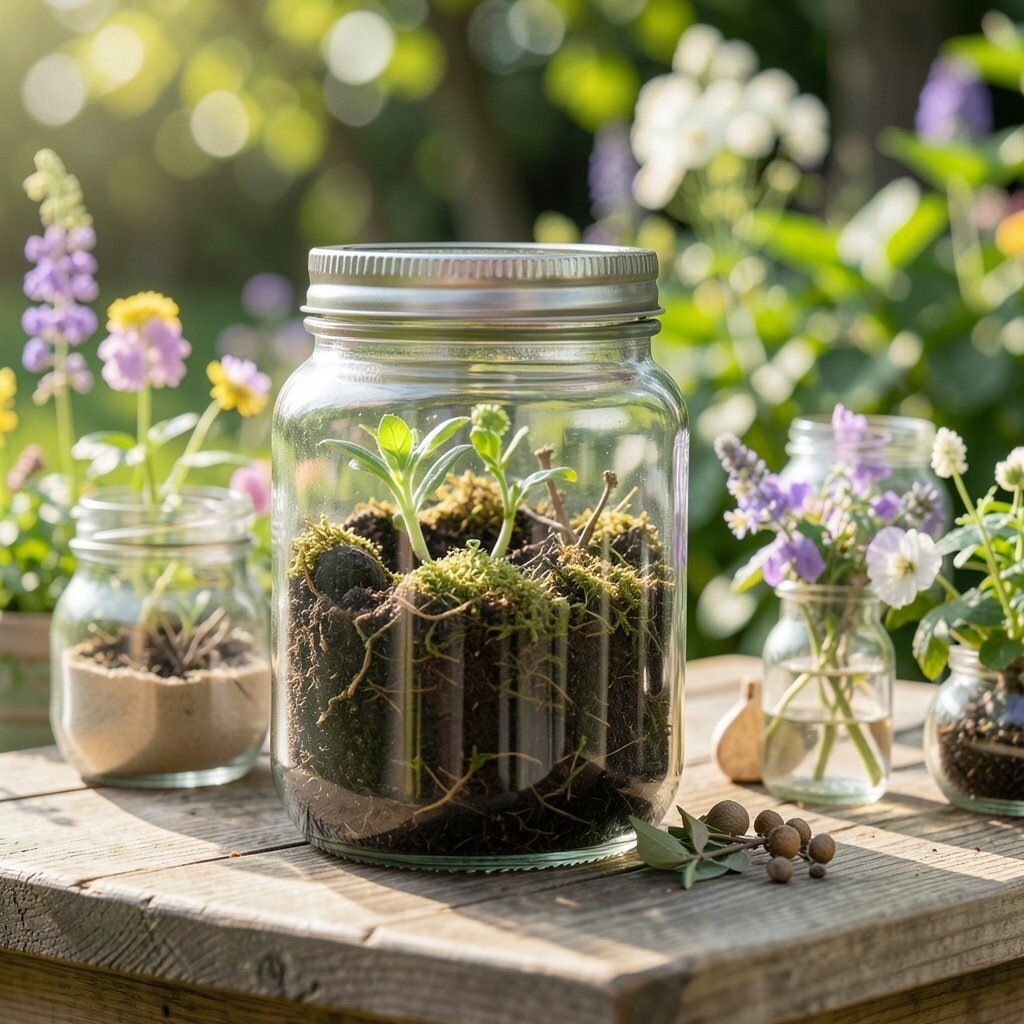
Use small jars with lids to hold safe, craft-friendly scents like dried citrus peel, cinnamon, vanilla, coffee grounds, and peppermint. Place them in rows with a short visual cue, like a small leaf sticker for “garden” jars and a star sticker for “winter” jars.
When someone smells a jar, ask them to describe the first feeling it gives, then connect it to a character or place. This strengthens attention and helps kids practice emotional vocabulary through something familiar.
To personalize, let each person choose one scent as “their character signature” and build a scene around it. Keep cost low by using spices and kitchen scraps you already buy.
For current trend energy, many classrooms now use “sensory storytelling” where smell and memory feed writing prompts. You can mirror that by pairing each scent jar with a picture prompt and letting the words come out.
5. Wind Chime Map for Listening Patterns
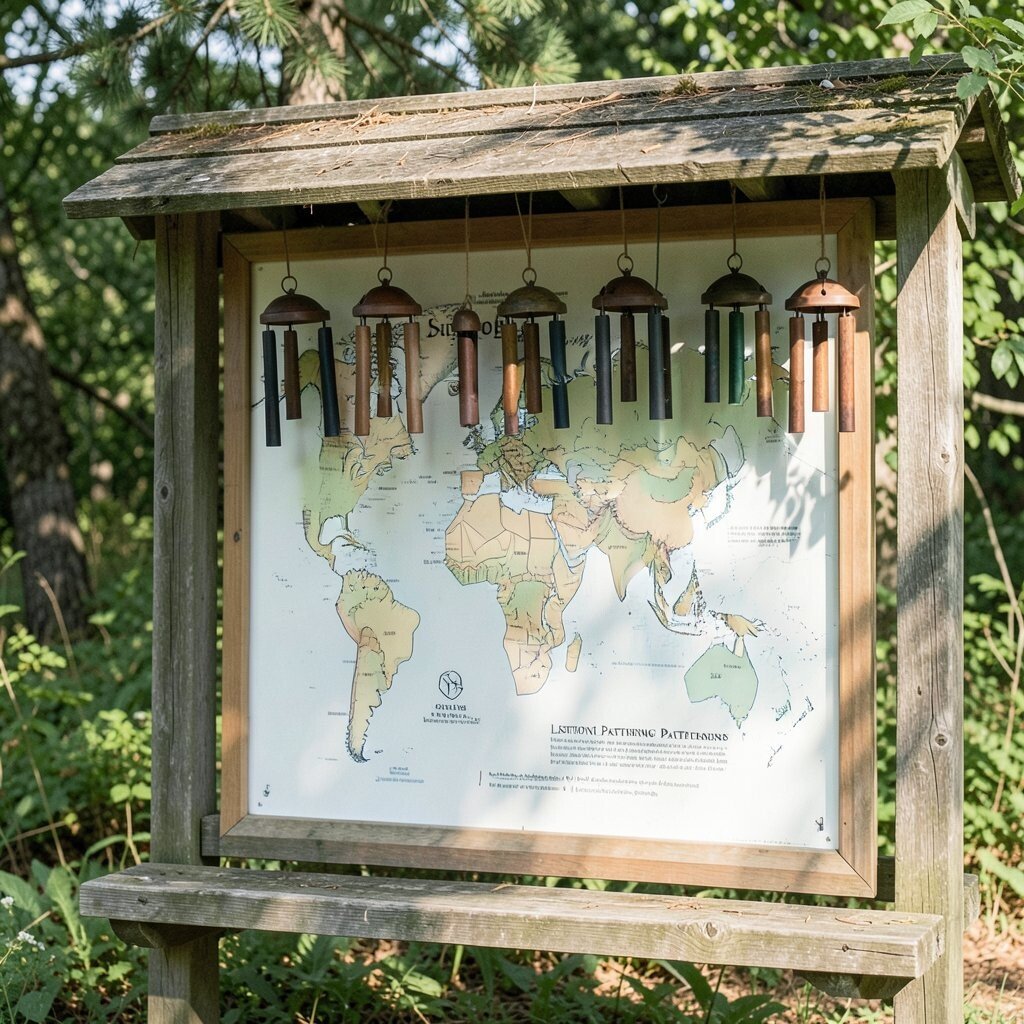
Hang lightweight chimes in a doorway or on a wall and add a simple map card showing where the chime strings are attached. Move gently so air makes different notes, then have kids point to the spot that matches the sound they hear.
This builds fine listening skills and gives kids a playful way to practice comparing sounds. Add a benefit for creativity by encouraging kids to name the notes, like “tiny rain” or “robot ping,” then use the names in their stories.
To make it practical, use chimes that are easy to replace and keep string lengths short so nothing tangles. Personalize with theme colors or seasonal stickers, like autumn leaves or summer waves, so the station feels special.
6. Story Cookie Station With “Taste” Visuals
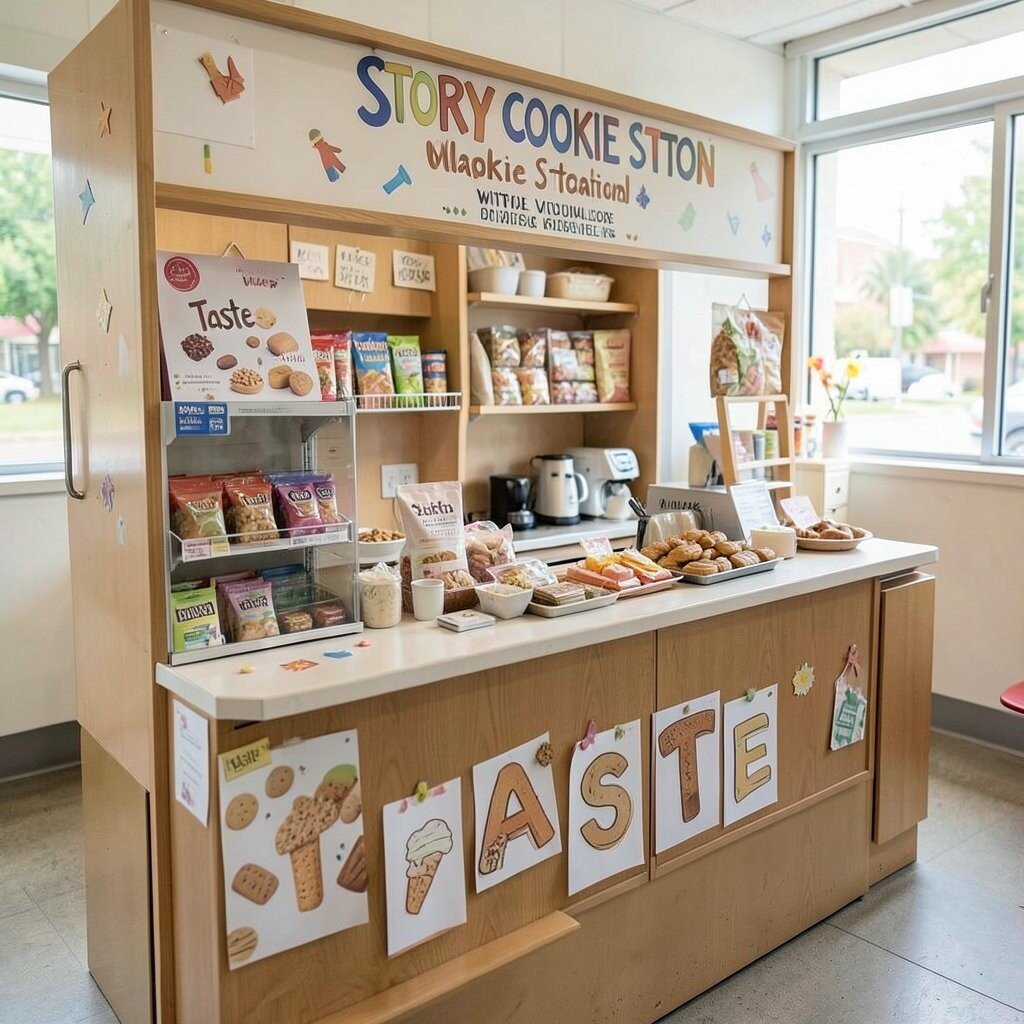
Set out small cards with pictures of tastes, like sweet, sour, salty, and cozy, then place real crackers, fruit slices, or yogurt drops beside them. Let kids match a card to what they are tasting and describe the texture they notice too.
This station supports planning and sequencing because kids naturally talk about what happens first and what happens next. It also helps picky eaters feel included when the station focuses on noticing rather than judging.
For personalization, offer “mood flavors” such as brave, calm, silly, or focused and have kids pick one mood card before they taste. Keep cost in mind by using snack-size portions and repeating the station on a rotation schedule.
7. Shadow Shapes With Repositionable Cutouts
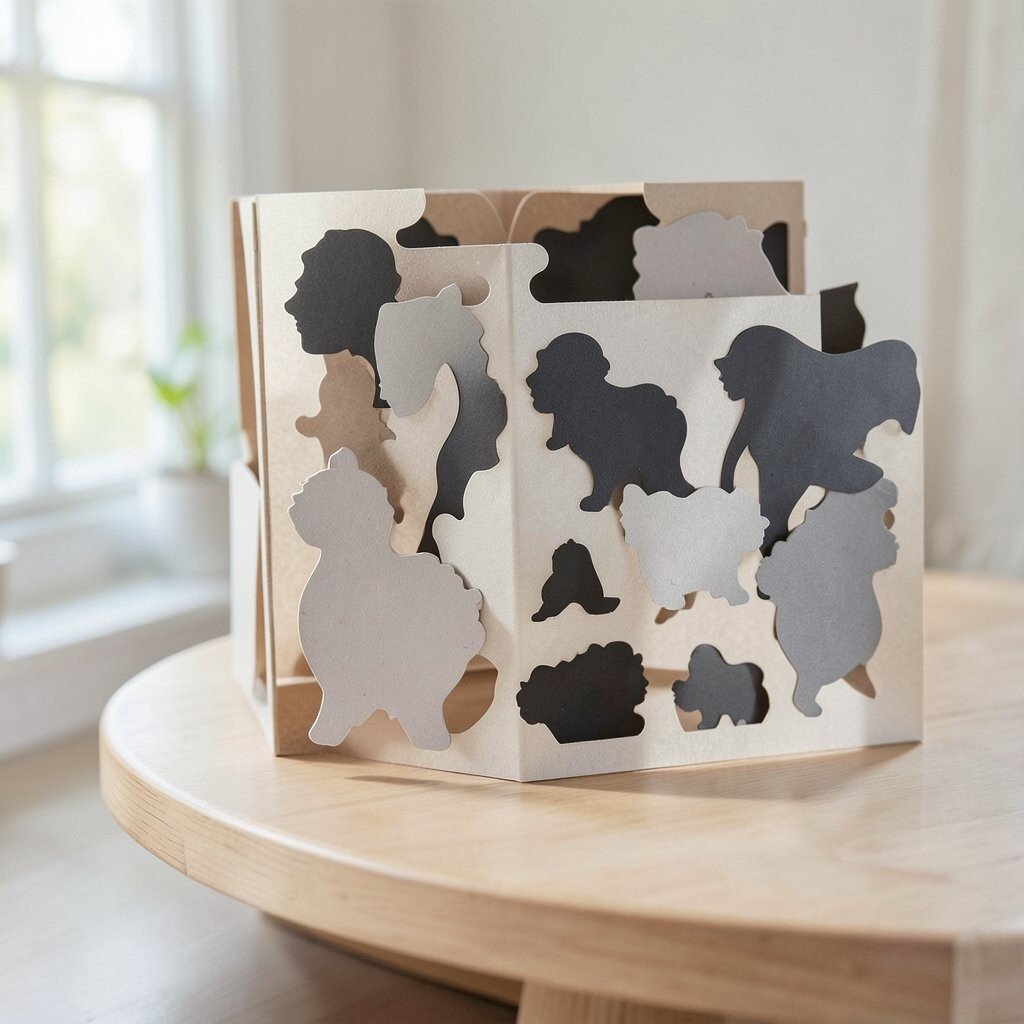
Place a lamp or flashlight on a low stand and slide cutout shapes on a screen, then change their positions to create different shadows. Use plain paper cutouts, cardboard silhouettes, or transparent shapes taped behind wax paper.
As shadows stretch and overlap, kids can describe what they see and invent new creatures. This station is unique because the “same” shape becomes something new every time it moves.
For practical tips, use a stable base so the light stays steady, and use masking tape to mark safe “drop spots” on the floor. Personalize by creating cutouts themed to current interests like dinosaurs, superheroes, or favorite shows, so kids want to return again and again.
8. Watercolor Drift Tray for Quiet Decisions
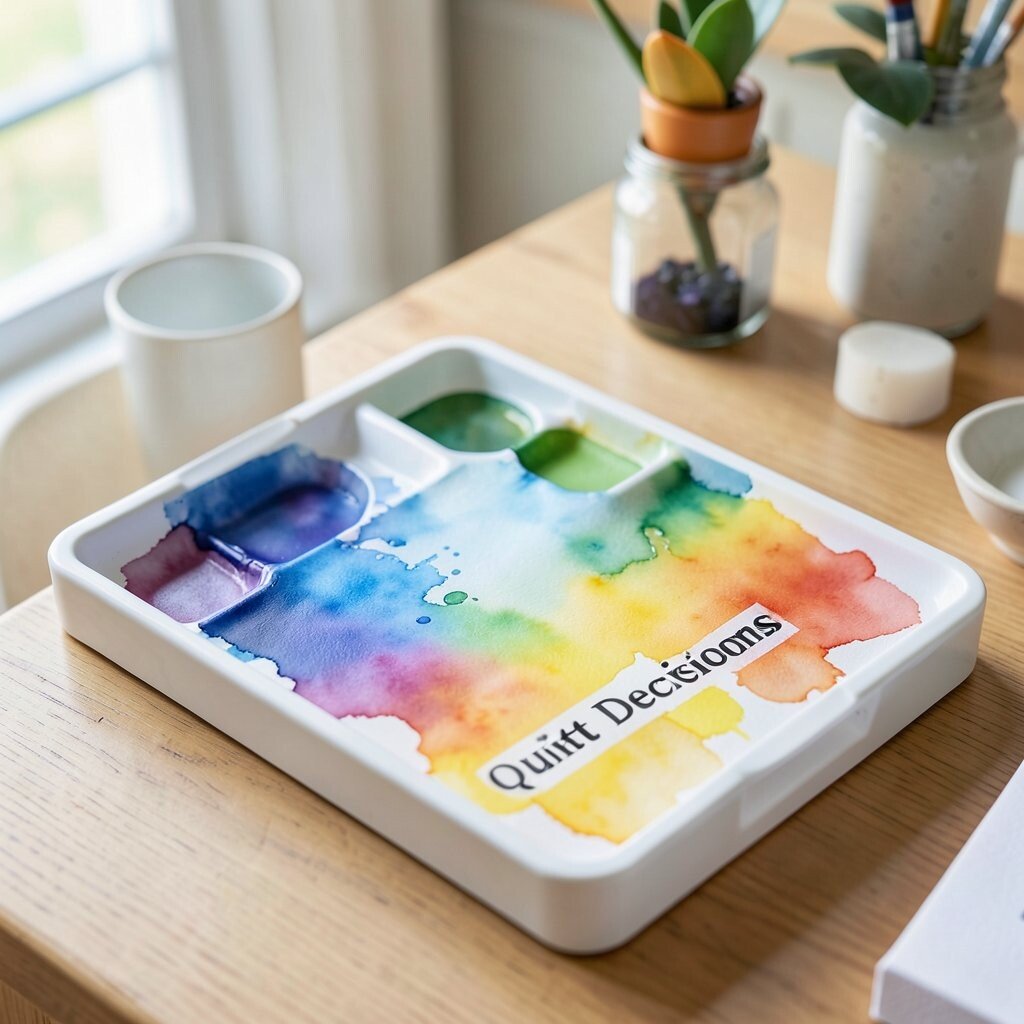
Fill a shallow tray with water and place a few drops of watercolor on the surface using droppers. Watch how colors spread into soft clouds, then lift paper gently to capture the drifting patterns.
The visual magic encourages calm focus, and it’s a real benefit for kids who need a steadier pace. Creativity grows because they can decide how to steer the color with a tool like a cotton swab.
To personalize, add small floating objects like leaf shapes made from paper, then suggest building a “water character” from what appears. Keep cost low by using a small tray, a towel nearby, and inexpensive watercolor sets.
9. Rhythm Corner With Everyday Objects
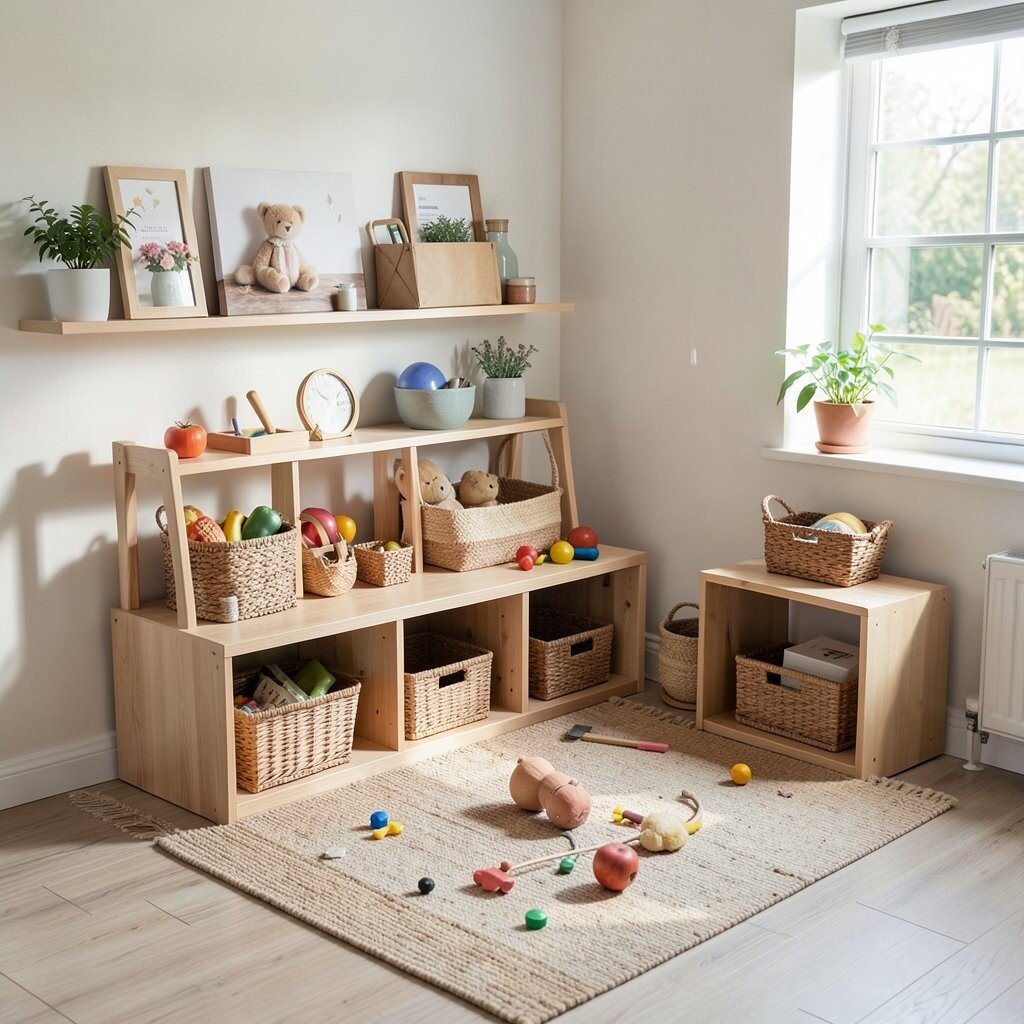
Collect everyday items that make different sounds, such as rice in a container, rubber bands, spoons, and stackable cups. Put them on a shelf with clear visual separation so kids can grab one tool at a time.
This station helps kids organize ideas into a sequence, which supports both music and storytelling. It also creates a friendly social space because everyone can join without needing special skills.
For practical tips, keep a “quiet reset” option like soft fabric to muffle sound when the room gets too loud. Personalize by matching rhythms to themes like space missions, rainy days, or a class’s favorite character walk.
10. Cold-to-Warm Touch Bench With Safety Gloves
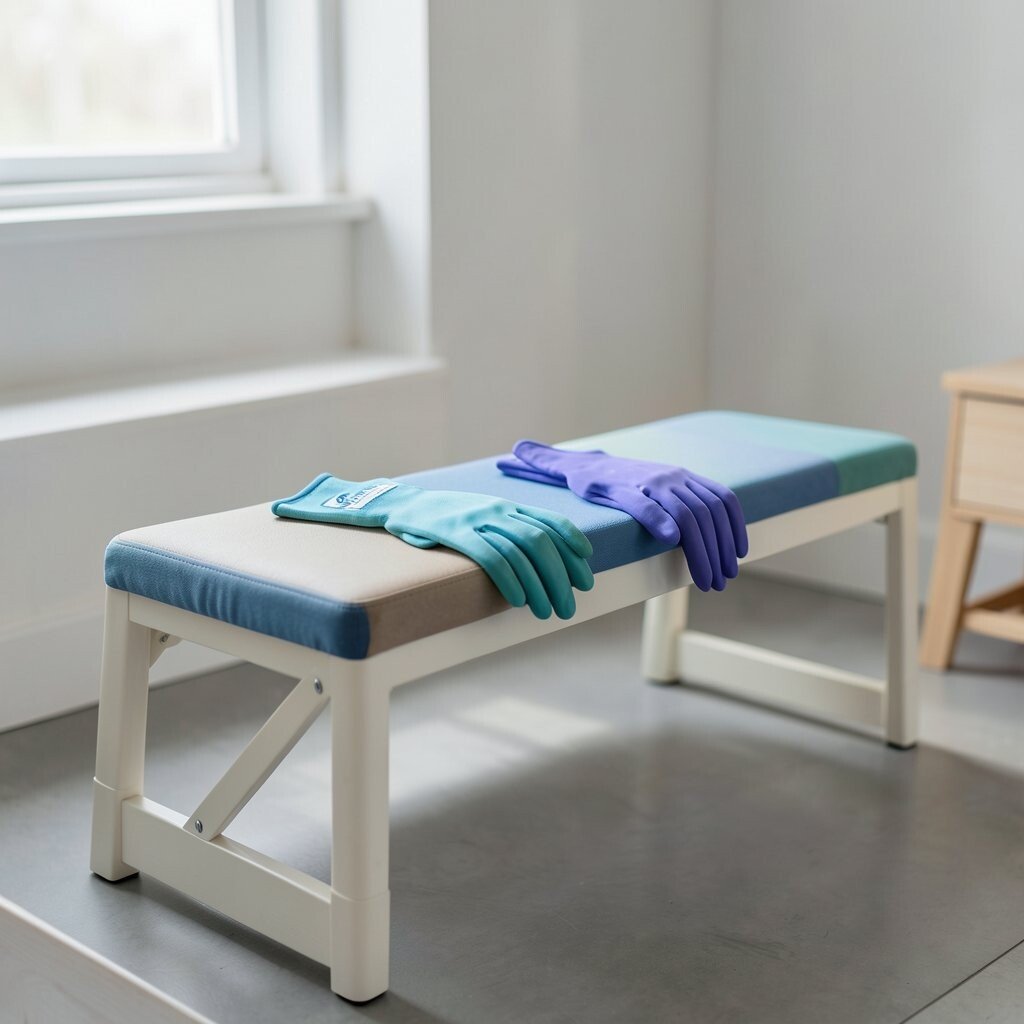
Create two bins: one with cool washcloths or chilled items and one with warm cloths kept safely at a gentle temperature. Provide soft gloves or finger-safe barriers so handling stays comfortable for everyone.
This station strengthens body awareness because kids notice changes in sensation right away. It’s also unique since “temperature characters” can guide creative writing, like a chilled hero who thinks fast or a warm helper who comforts friends.
For practical setup, keep temperatures consistent and set clear time limits so nothing feels too extreme. Personalize by letting kids name the sensations and draw the characters after each touch.
11. Magnetic Poetry Panels for Instant Word Play
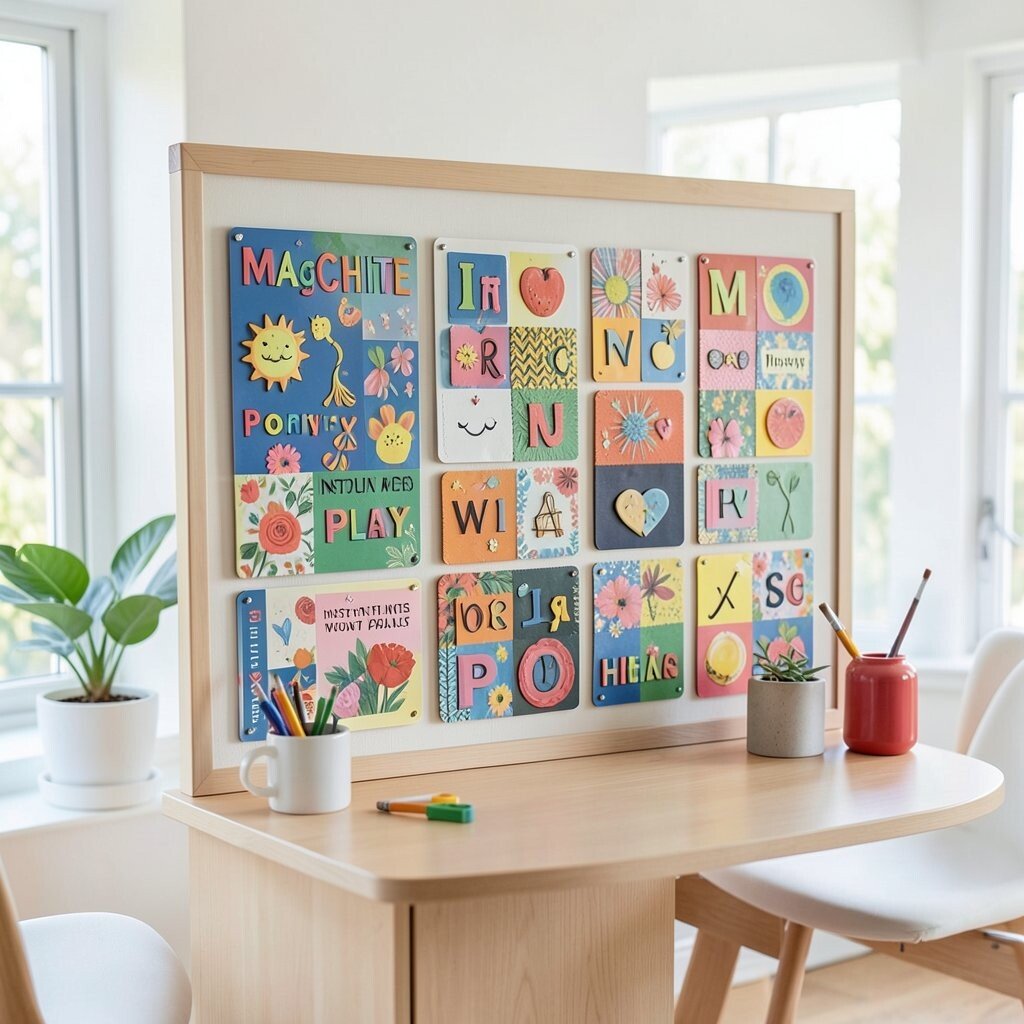
Use a metal cookie sheet or magnetic whiteboard and add magnets shaped like letters, plus extra magnets shaped like symbols. Encourage kids to build sentences, moods, or short scenes, then rearrange them until something feels right.
This station is a strong benefit for creative momentum because the words move quickly and mistakes become part of the process. Visual organization also helps kids who get overwhelmed by blank paper.
To personalize, add themed magnet sets, such as “space verbs” or “mystery adjectives,” and store them in labeled small bags. If budget is tight, make your own magnets with cardboard and adhesive magnets, which keeps cost low and adds a handmade feel.
12. Balance Beam Imagination With Marked Paths
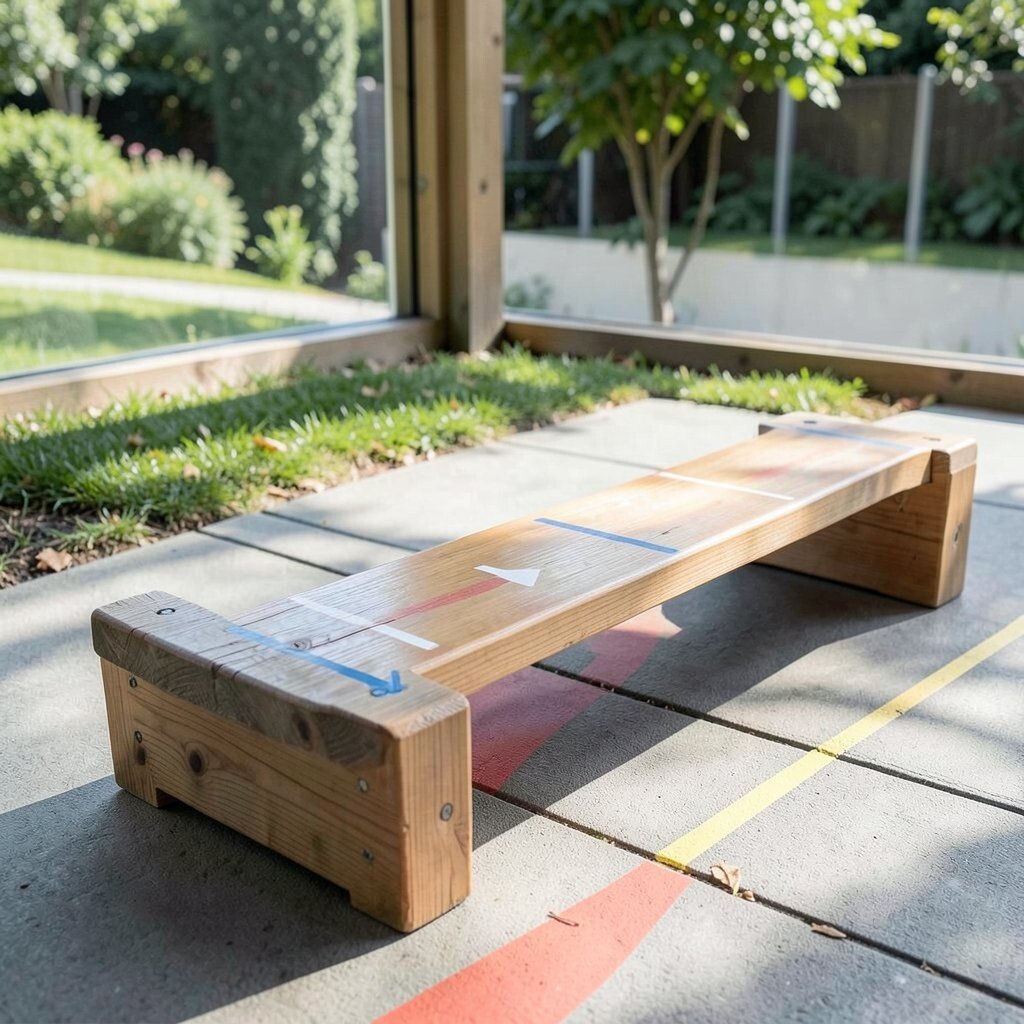
Use painter’s tape or foam strips to form a simple balance beam on the floor, then add “landing zones” marked with symbols like clouds, stars, and waves. Encourage slow steps and gentle pauses, then ask what story the symbols suggest.
This station blends movement with creativity, and it helps kids focus their attention through action. The uniqueness comes from how the body “checks in” while the mind invents, so ideas feel earned rather than forced.
For practical tips, make the beam wide enough for safe stepping and place a support wall or chair nearby. Personalize by changing symbols each day, following current trends like favorite character worlds, favorite colors, or seasonal themes so kids look forward to the next path.