Pets move fast, but stairs can slow them down in a hurry. A smart handrail setup can make every step feel calmer and safer.
1. Wall-Mounted Wooden Handrail With Pet Grip
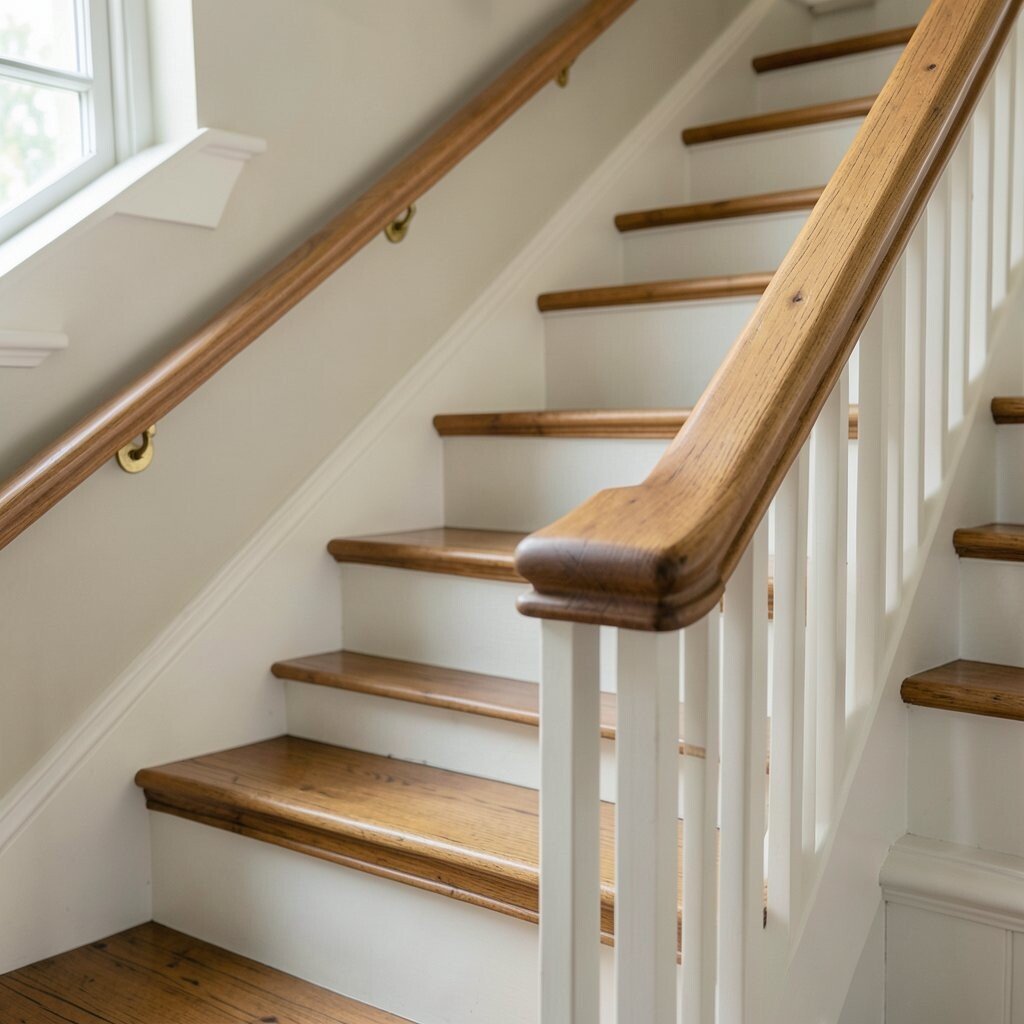
A smooth wooden handrail brings a warm, homey look to the stairway. It also gives pets a steady place to guide themselves as they go up and down.
This style works well in classic homes and cozy spaces. You can paint it to match trim, stain it for a rich look, or keep it natural for a softer feel.
2. Clear Acrylic Handrail for an Open Look
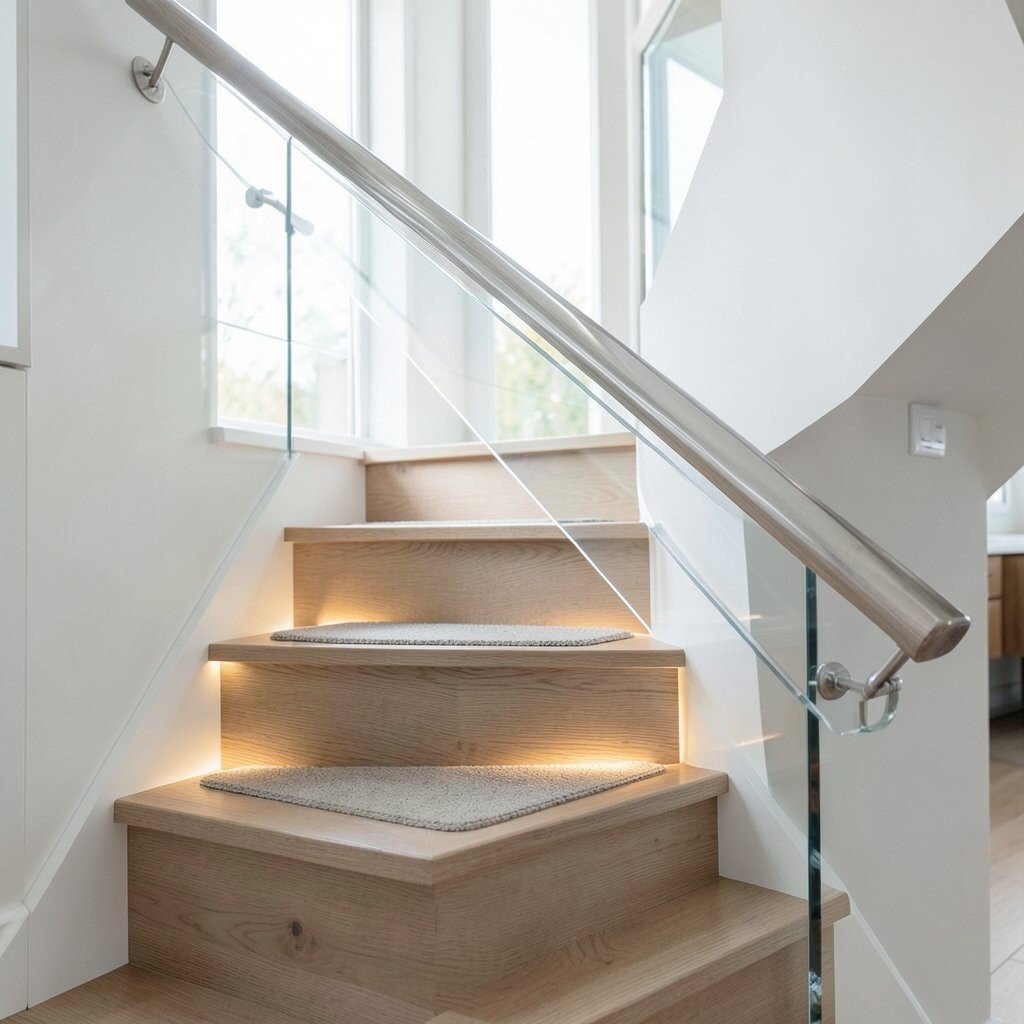
Clear acrylic handrails keep the stair area bright and airy. They help pets stay safe without making the space feel crowded.
This is a nice choice for modern homes that want a clean look. It can cost more than basic wood, but the sleek style and easy visibility often make it worth it.
Pair it with non-slip steps for extra help, especially for older pets. If you want a custom touch, add soft edge lighting so the stair path feels easy to follow at night.
3. Metal Handrail With Rounded Edges
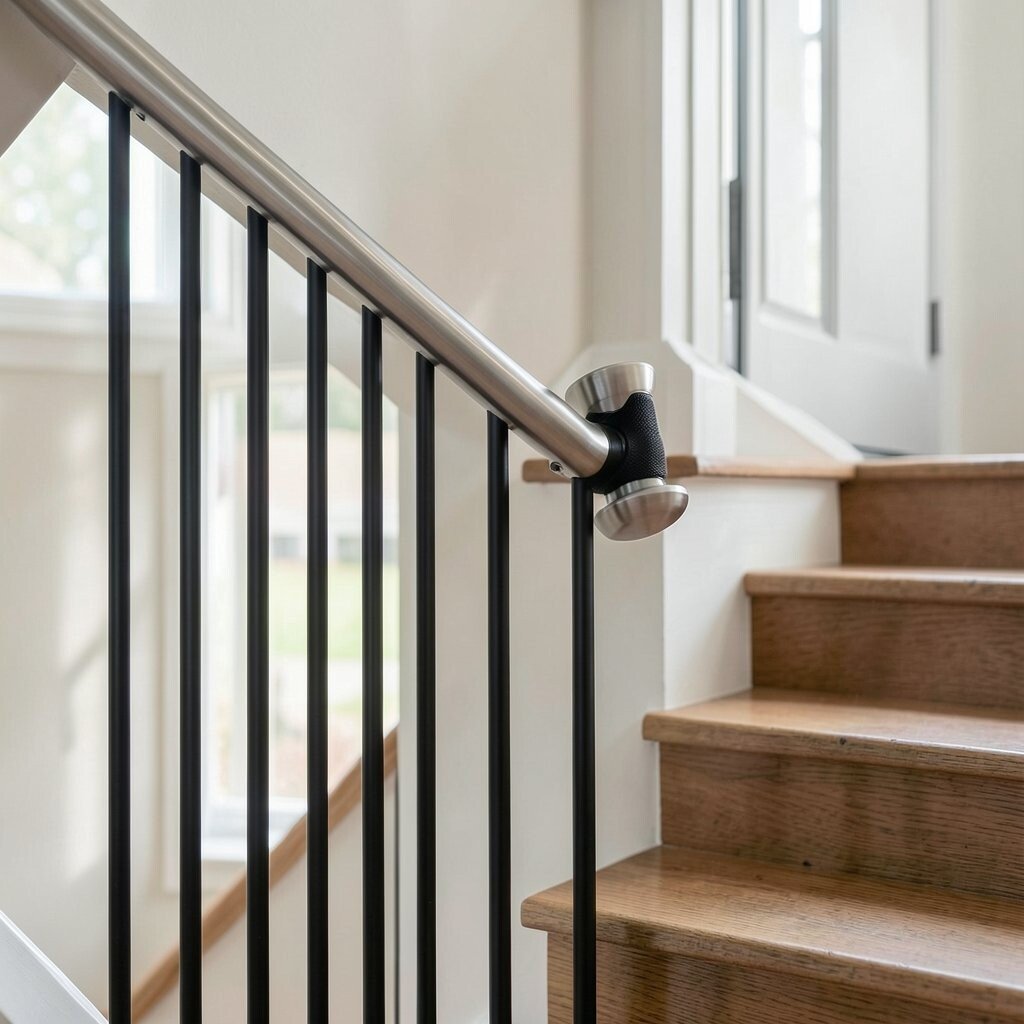
Metal handrails can look neat and strong at the same time. Rounded edges matter because they feel safer for pets that brush against the rail while moving.
This option is a good fit for busy homes with lots of traffic. It is often long-lasting, so the cost may balance out over time.
Many people now choose matte black or brushed nickel finishes for a fresh, current style. You can also add a small grip wrap if your pet needs a little extra hold.
For a personal touch, match the rail color to your door handles or stair spindles. That small detail can make the whole stair area feel pulled together.
4. Double Handrail Setup for Small and Large Pets
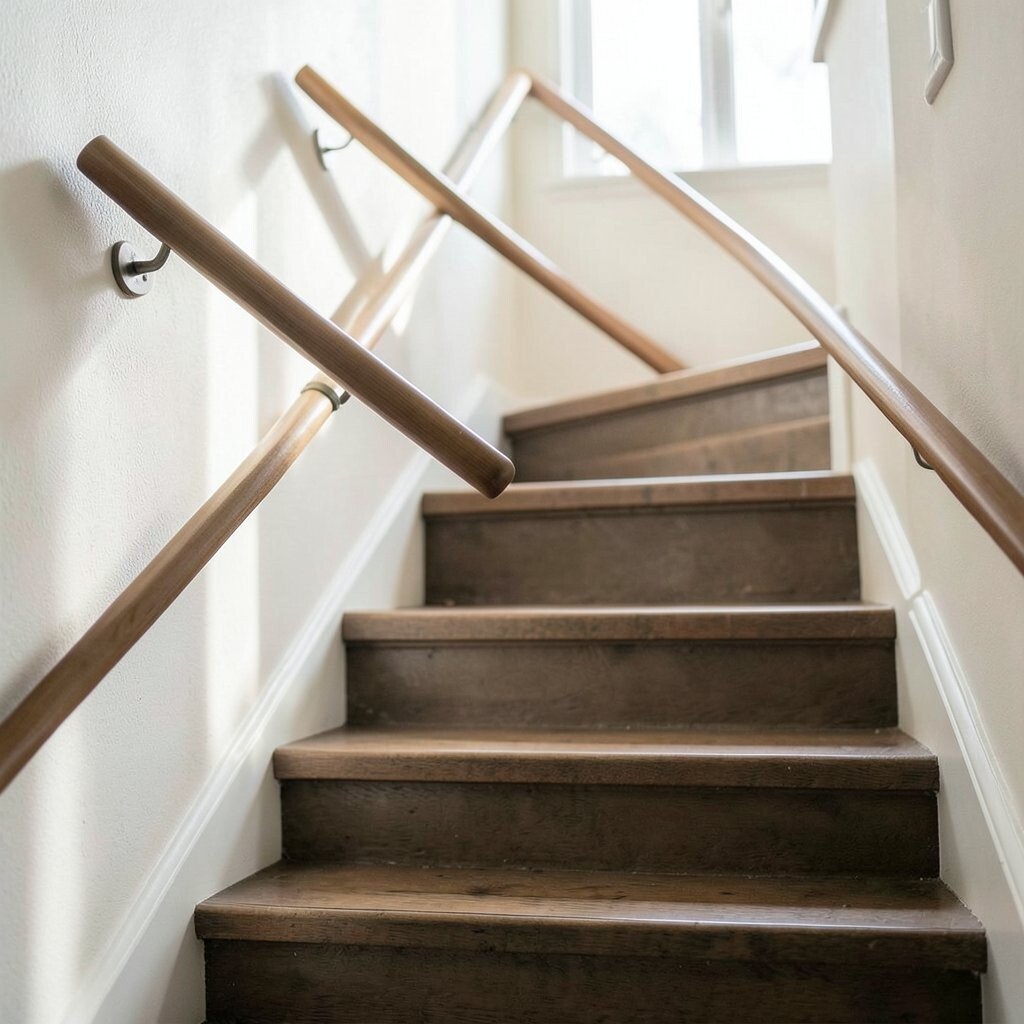
A double handrail gives pets more than one place to steady themselves. This can be very helpful for tiny dogs, senior pets, or pets with short legs.
One rail can sit lower for paw-level support, while the other stays at a comfortable human height. The setup may cost more to install, but it adds real peace of mind.
5. Painted Handrail With High-Contrast Color
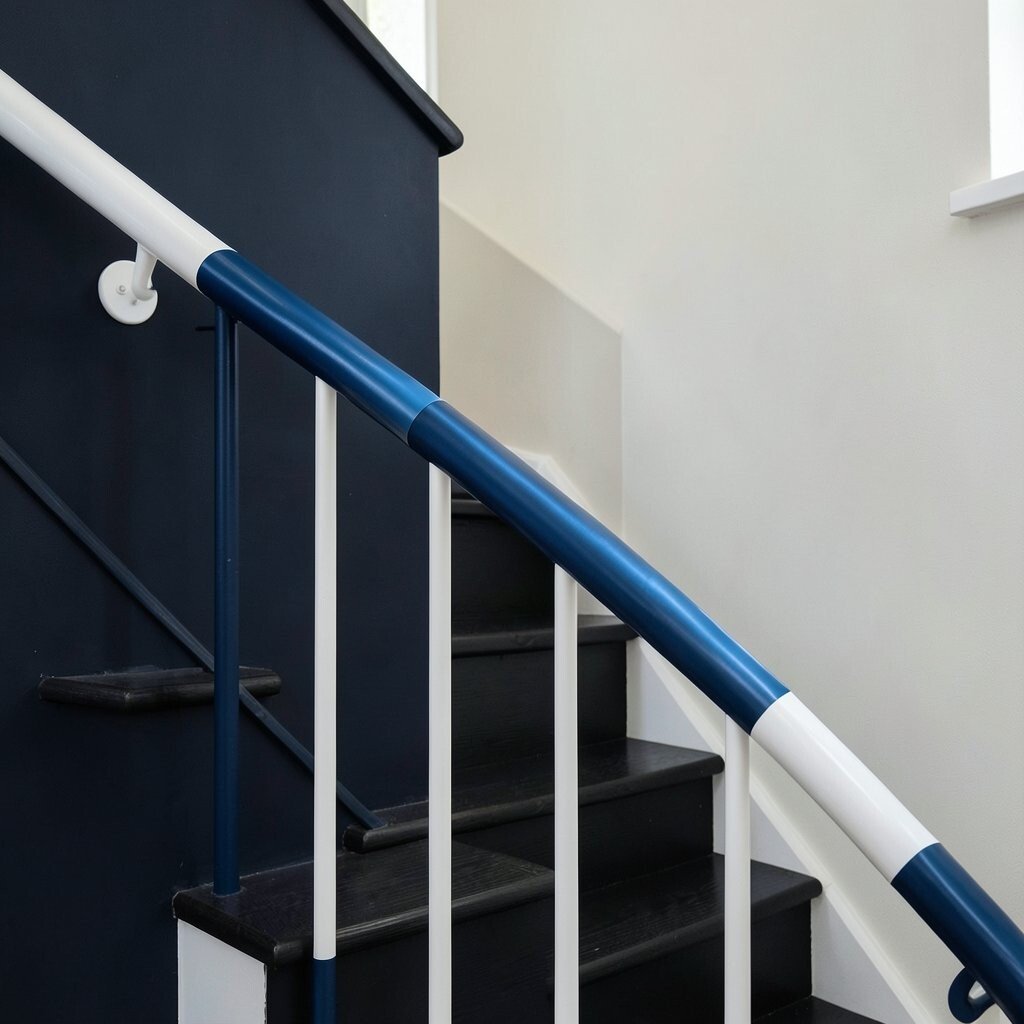
A handrail in a bold color can stand out against the wall and help pets and people see it fast. High contrast is especially useful on darker stairs or in low-light hallways.
This idea is simple, low-cost, and easy to refresh later. Bright white on a dark wall, or deep navy on a pale wall, can make the rail pop in a stylish way.
For a fun custom look, choose a color that matches your pet’s bed, collar, or room decor. Adding a satin finish can also help the rail wipe clean more easily.
6. Rope-Wrapped Handrail for a Soft Touch
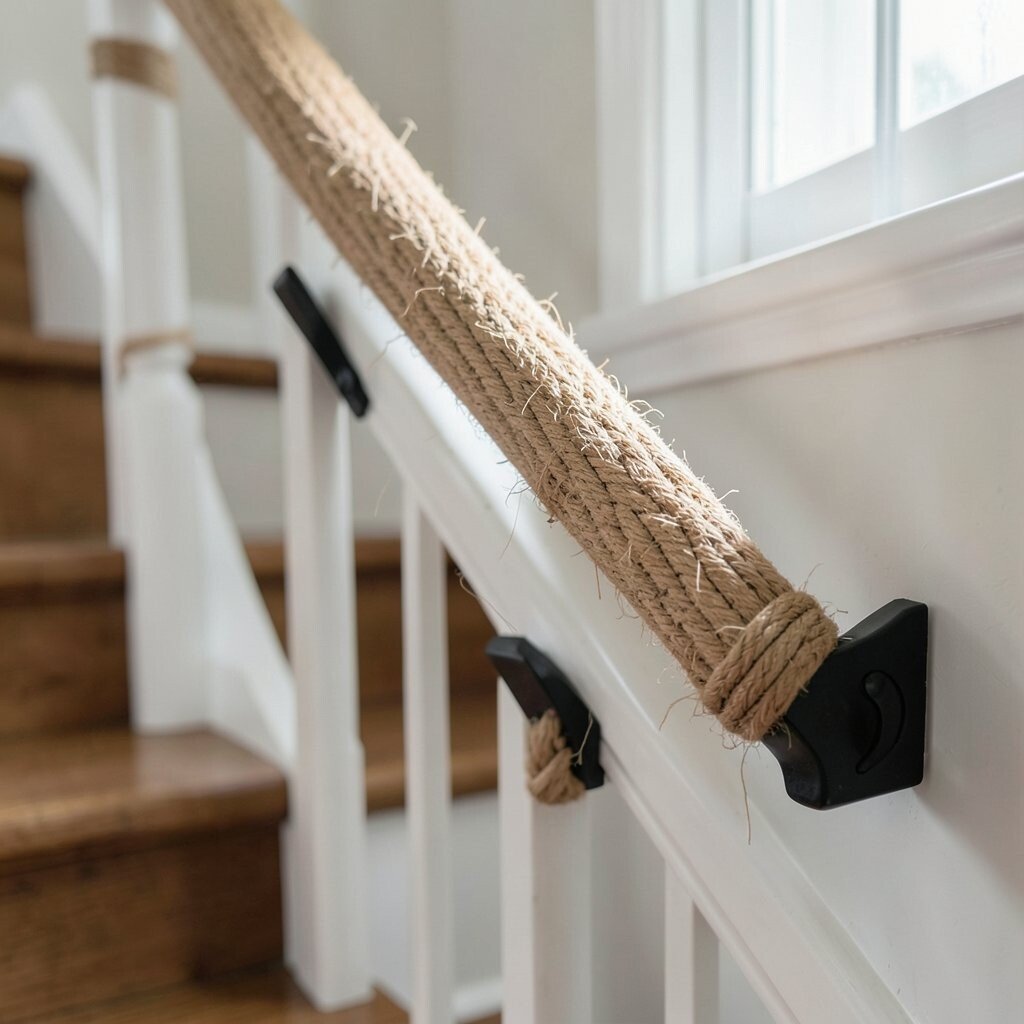
A rope-wrapped handrail adds texture that can feel more secure under a paw or hand. It also gives the stairway a relaxed, coastal, or cabin-style look.
This design is unique and budget-friendly if you like DIY projects. Natural rope can be wrapped around an existing rail, which keeps the cost lower than a full replacement.
Choose a tight wrap so it stays neat and does not snag. If you want a trendier style, mix rope with black brackets for a modern rustic feel.
Pets that like to rub along surfaces may enjoy the soft texture. Just be sure the wrap is secure and smooth all the way down the rail.
7. Curved Handrail for Smooth Stair Turns
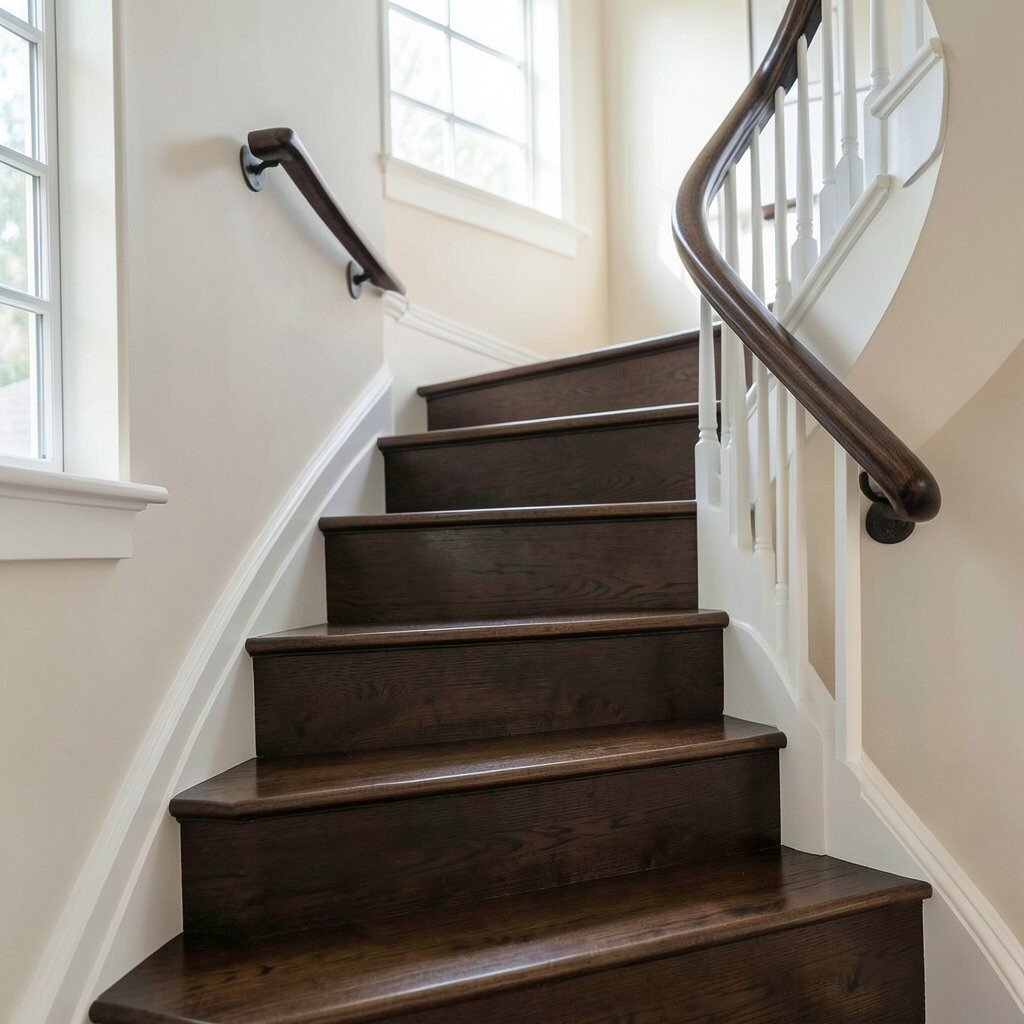
A curved handrail follows the shape of the stairs in a gentle way. It can help pets move more naturally around turns and landings.
This style looks graceful and custom, so it often feels special in the home. It may cost more than a straight rail, but the finished look can be very polished.
Curved rails work well in homes with winding staircases or wide entry halls. You can stain the wood dark for drama or keep it light for a softer mood.
8. Handrail With Built-In Night Lighting
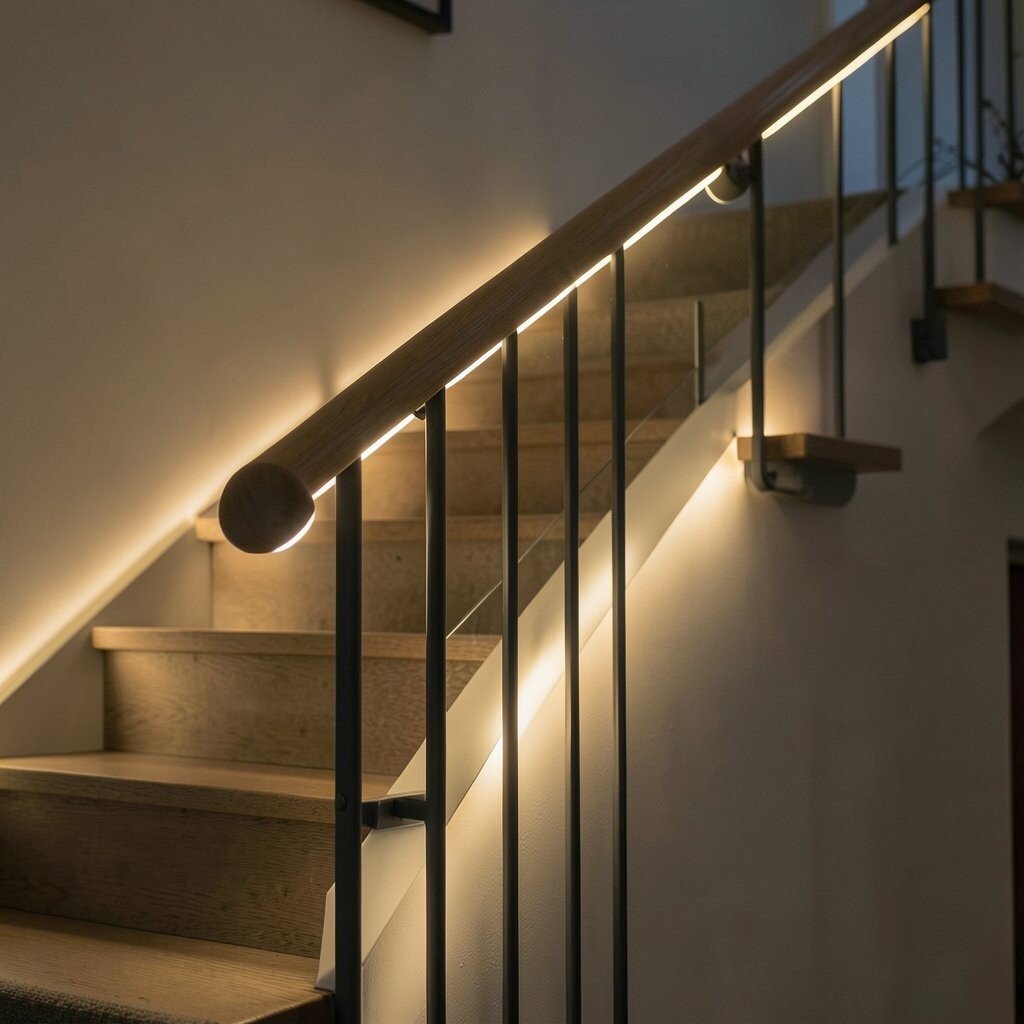
Handrails with built-in lights help pets see the stair path after dark. The glow can make nighttime trips feel less scary and more controlled.
This is a strong trend in modern homes because it blends safety and style. LED strips are often energy-friendly, and they can be placed under the rail or along the wall side.
Pick a warm light color so it feels gentle on the eyes. Motion sensors are a smart upgrade if your pet moves around at odd hours.
For a personal look, choose a dimmer setting that fits your home mood. The result can feel cozy, calm, and very pet friendly.
9. Wrought Iron Handrail With Decorative Scrolls
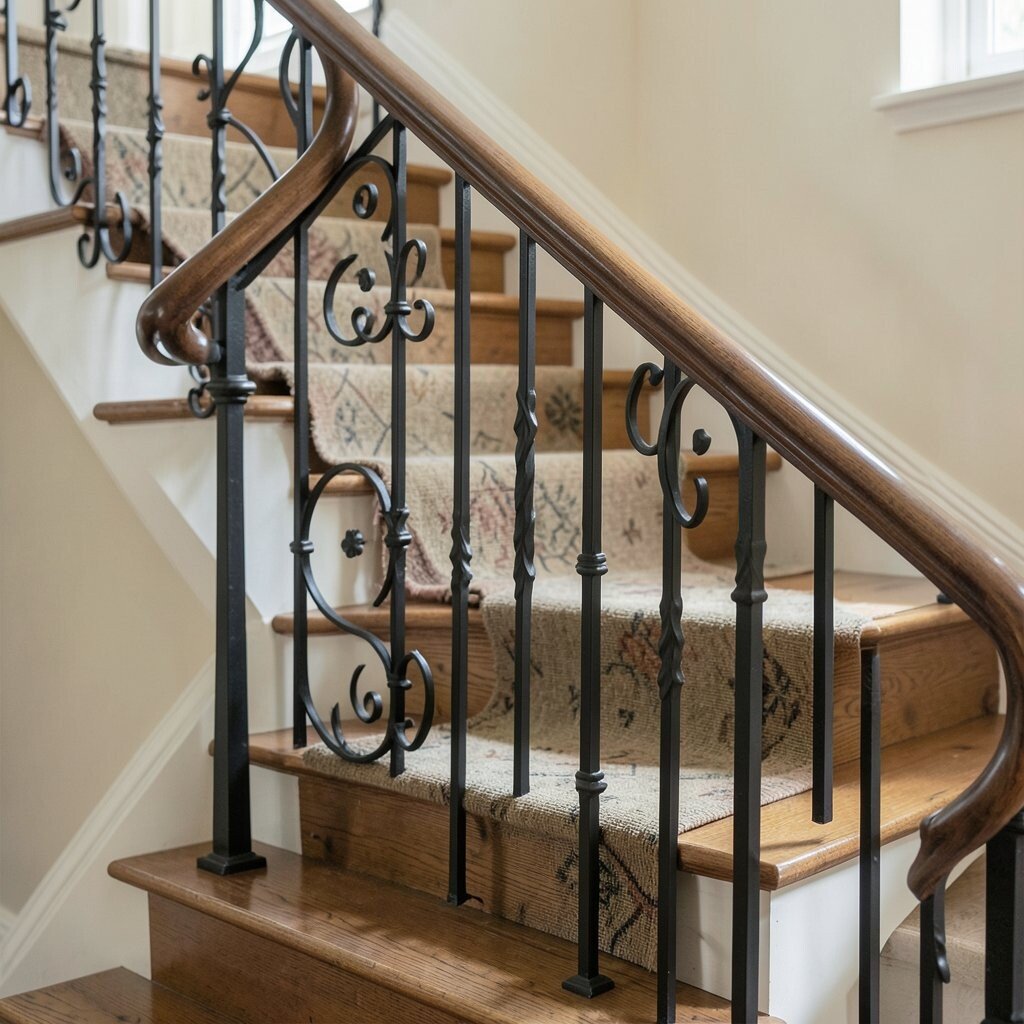
Wrought iron brings a bold, elegant feel to the stairs. Decorative scrolls can make the rail look special while still giving pets a solid edge to follow.
This option suits homes with classic or vintage style. It is usually sturdy and long-lasting, though the price can be higher than simple wood.
To keep it pet safe, choose a design with smooth curves and no sharp ends. A powder-coated finish can help protect the metal and make cleaning easier.
You can personalize it with a finish that matches your stair runner or nearby furniture. That small match can make the whole stair area feel more planned and inviting.
10. Floating Handrail for a Clean Wall Line
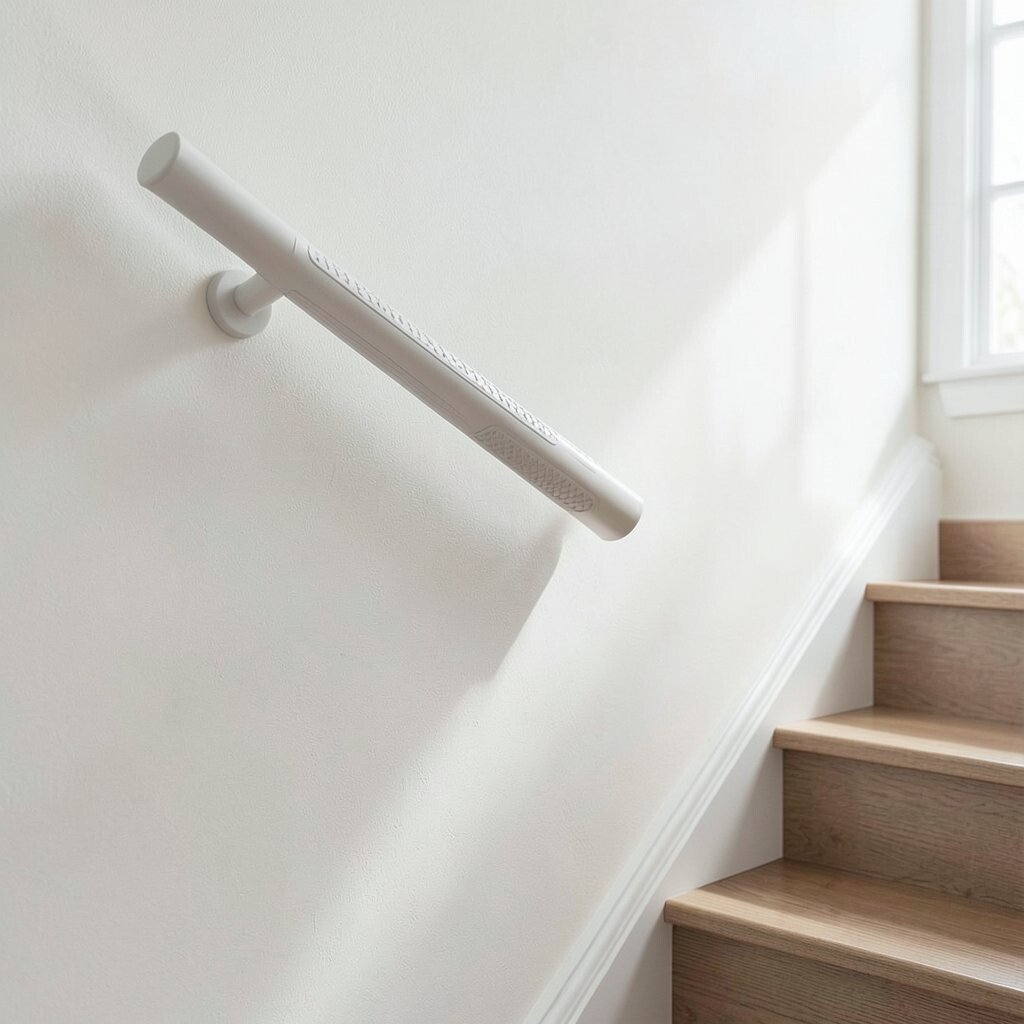
A floating handrail looks light and modern because it seems to hover near the wall. It keeps the stairway open while still giving pets a clear guide.
This style is great in small homes where every bit of space matters. It may cost less than a full railing system, and it can make the stairs feel less crowded.
Many current designs use slim brackets and simple lines for a neat look. If your pet is nervous on stairs, add a textured grip strip to make the rail easier to trust.
11. Handrail With Textured Grip Tape
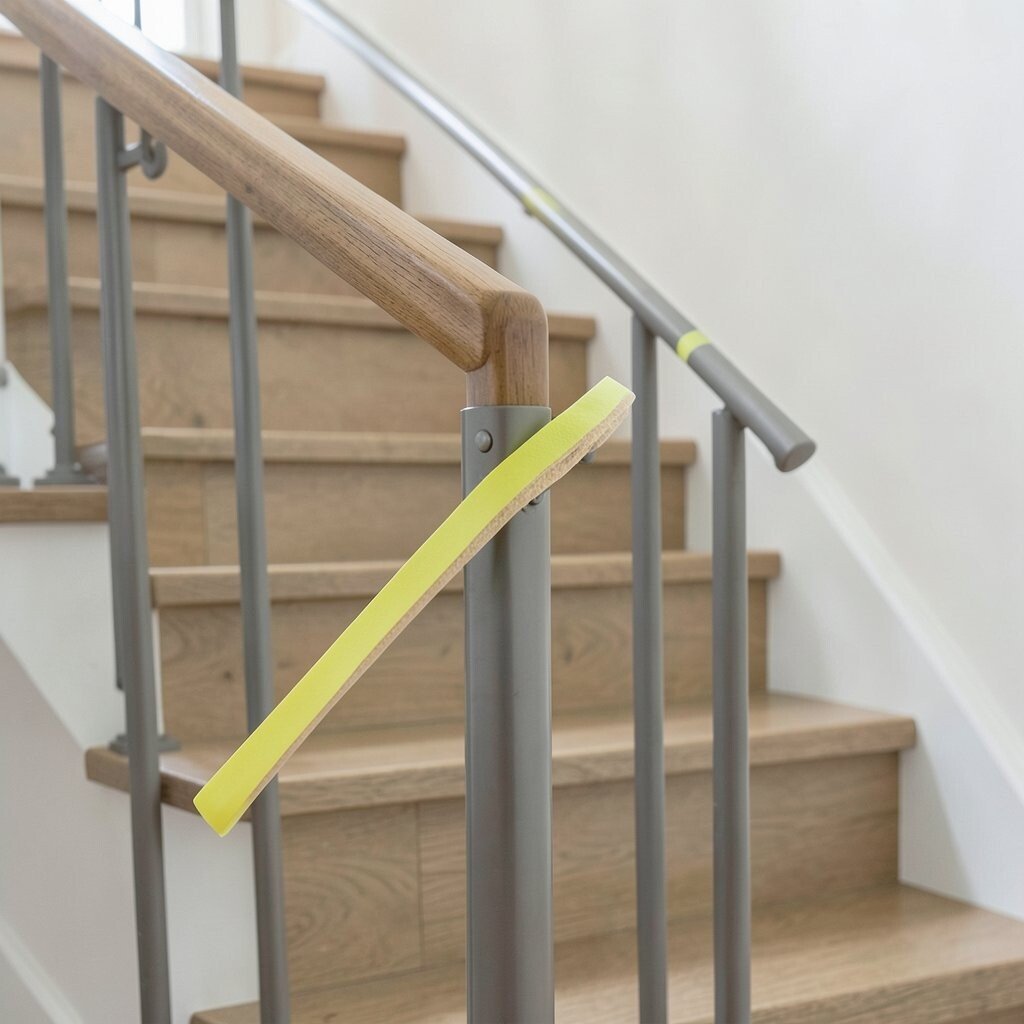
Grip tape can make a basic handrail much more useful for pets. The extra texture helps paws and hands stay steady, especially on smooth surfaces.
This is one of the easiest and least expensive ideas on the list. You can add it to wood, metal, or even painted rails without changing the whole staircase.
Choose a color that blends in if you want a quiet look, or pick a bright strip for a bold safety cue. It is a simple upgrade, but it can make a big difference for older pets.
Some pet owners use narrow strips only on the most used stair sections. That keeps the rail neat while still giving support where it matters most.
12. Rustic Farmhouse Handrail With White Brackets
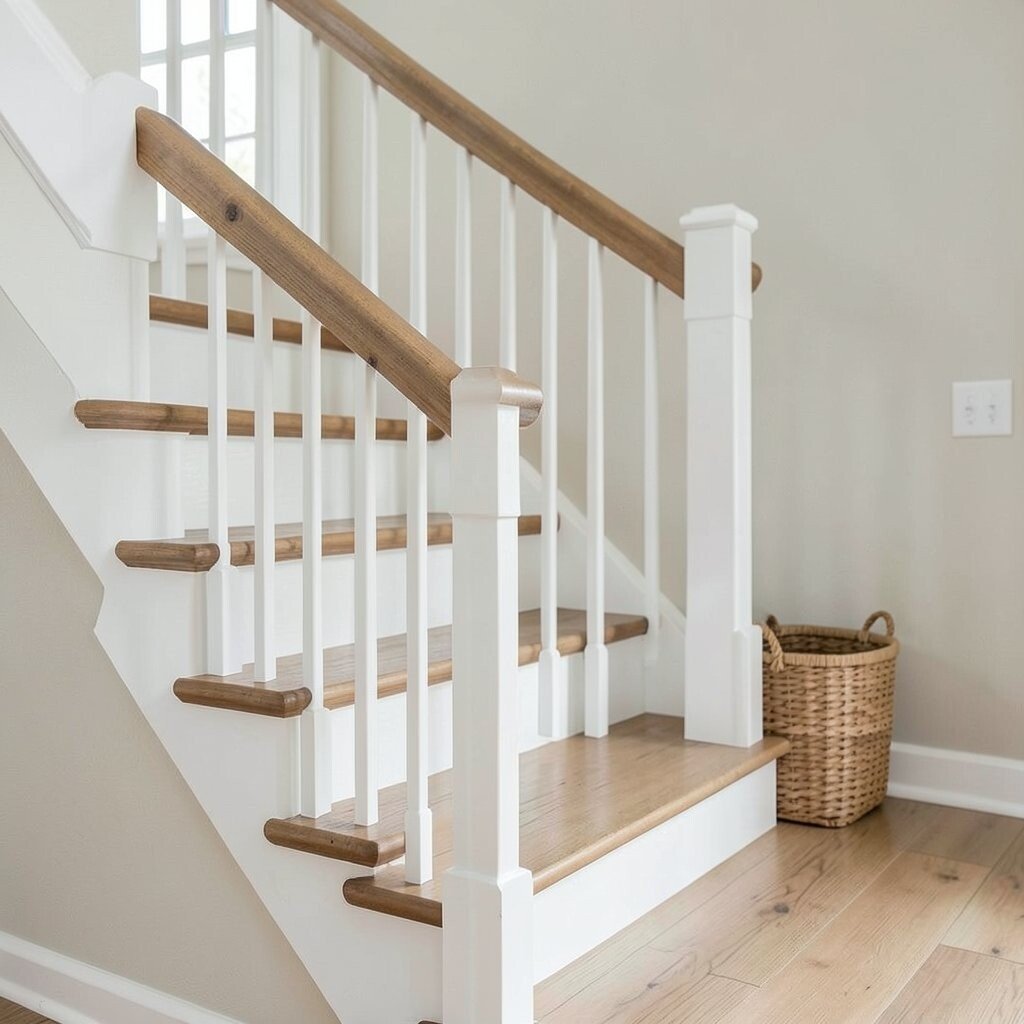
A farmhouse-style handrail brings charm and comfort to the stairway. The mix of wood and white brackets can feel bright, friendly, and easy to live with.
This look is popular because it feels warm without being fussy. It often fits well with budget-friendly materials, so you can get a nice style without a huge spend.
For pets, the smooth wood surface gives steady guidance on the move. You can personalize the rail with a stain that matches your floors or a paint color that softens the hallway.
Adding a small basket or pet gate near the stairs can make the whole setup even more helpful. The rail then becomes part of a safe, welcoming corner.
13. Slim Black Handrail for Modern Homes
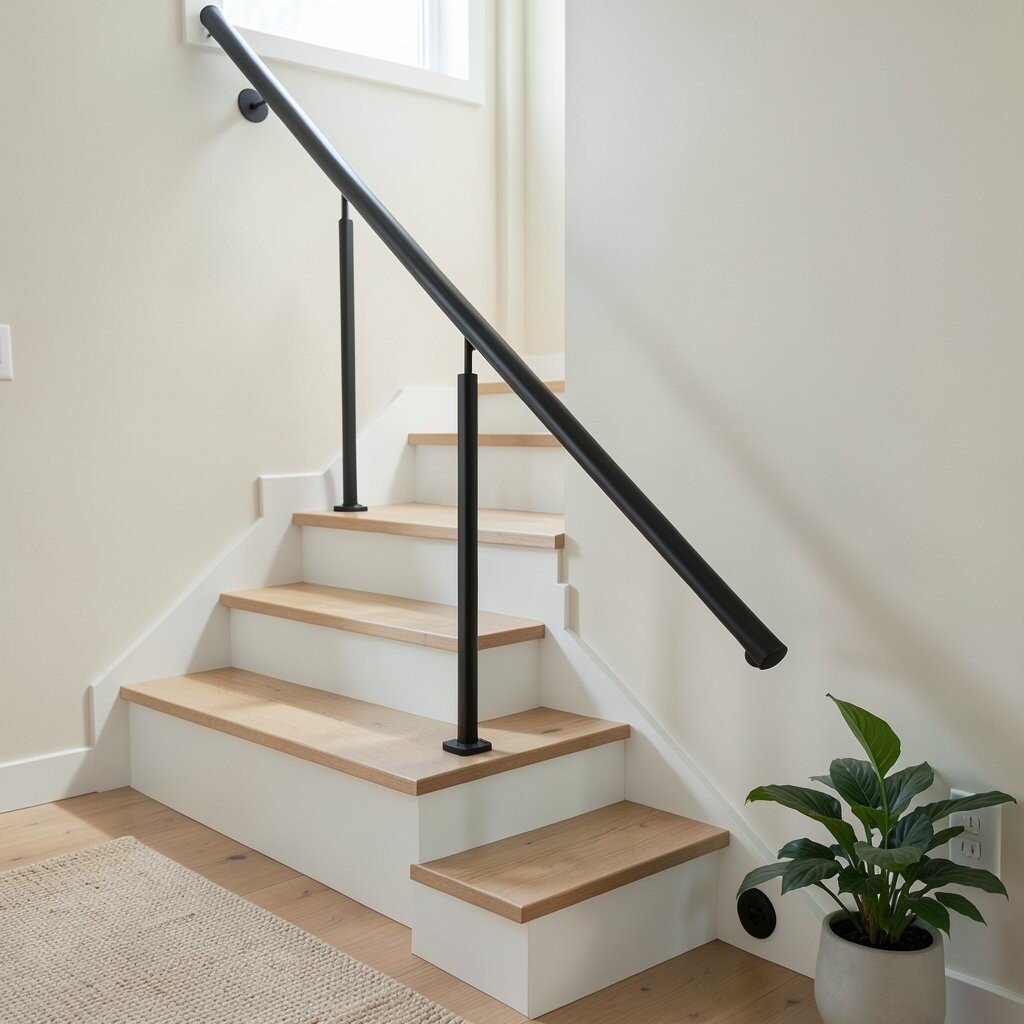
A slim black handrail gives the stairs a sharp, clean line. It stands out nicely on light walls and can help pets follow the edge with ease.
This style is very current and works well with simple decor. It is often made from metal, which can be durable and easy to maintain.
Because the design is minimal, it does not crowd the room. You can soften the look with a nearby runner rug or a plant at the bottom of the stairs.
If you want a custom touch, use a black finish that matches cabinet pulls or light fixtures. That creates a smooth, connected look throughout the home.
14. Handrail With Soft Corner Caps
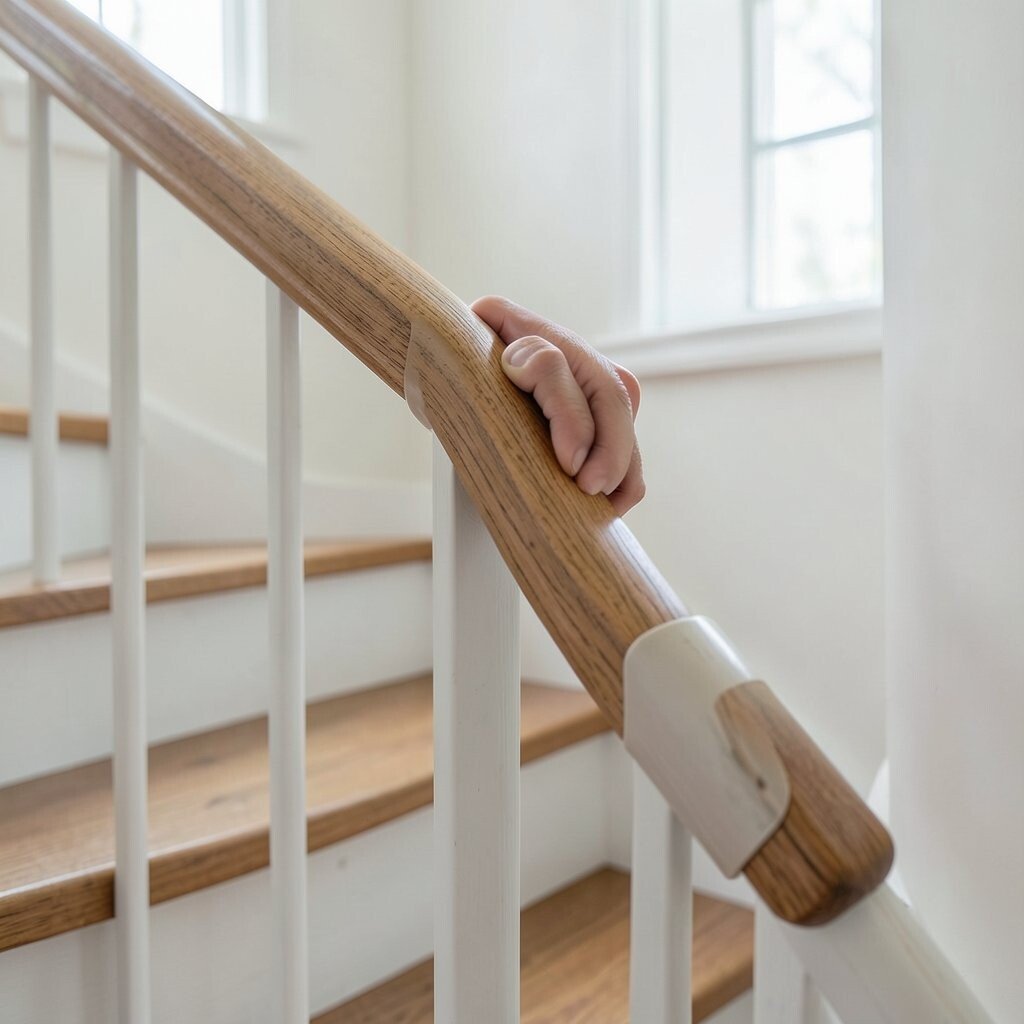
Soft corner caps can make a stair handrail feel safer right away. They help reduce bumps and make the ends look smoother and more finished.
This is a smart choice for homes with playful pets that move fast. It is also helpful in narrow stair areas where tails and shoulders can brush the rail ends.
The cost is usually modest, especially if you add caps to an existing rail. You can choose matching colors or go with clear caps for a quieter look.
Many pet owners like this small upgrade because it feels practical without changing the whole stair design. It is a tiny detail that can bring a lot of comfort.
15. Handrail Paired With Stair Runner
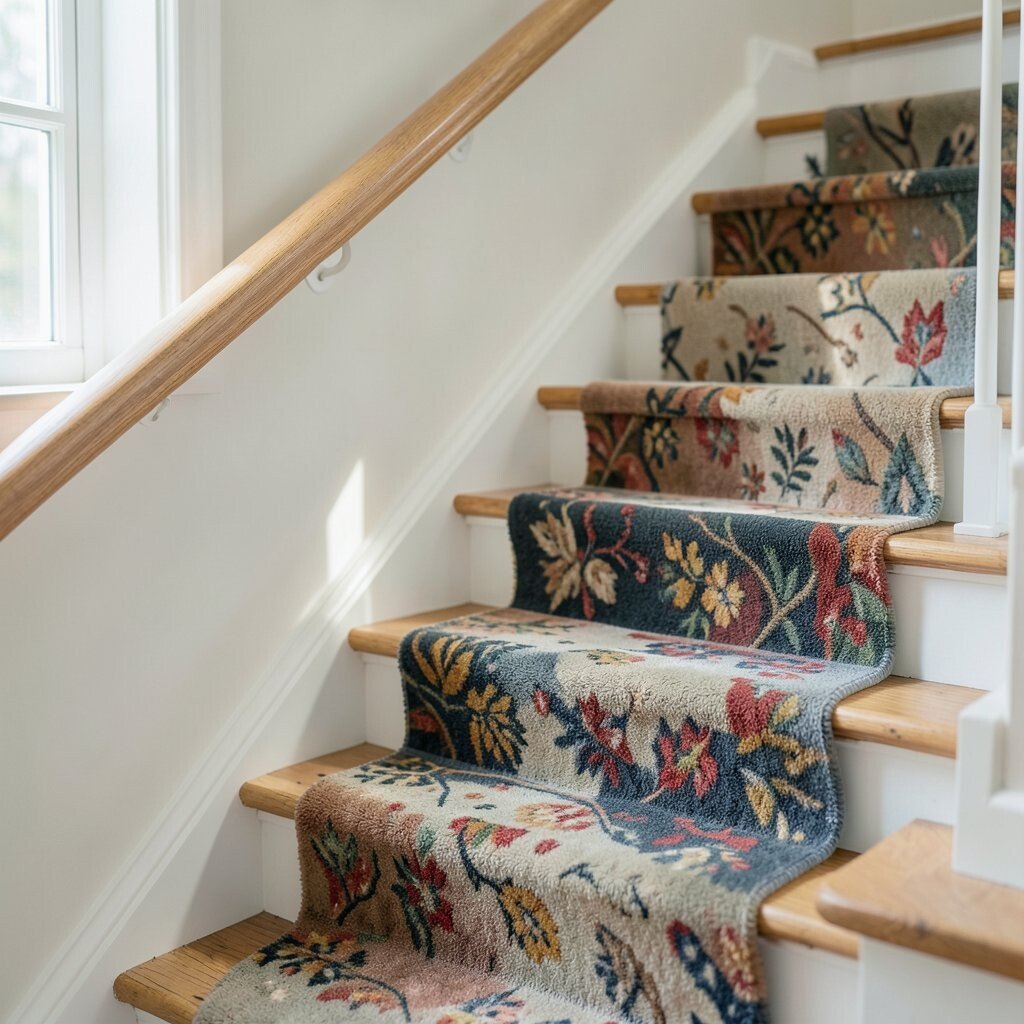
A stair runner and handrail work well together as a safety team. The rail gives side support, while the runner helps paws stay steady on each step.
This pairing is great for pets that slip on bare wood or tile stairs. It can also make the stairway look softer and more finished.
Cost can vary based on fabric choice, but there are many good budget options now. A patterned runner can hide wear and add a lively touch to the space.
Choose colors that fit your home and do not show dirt too quickly. If your pet is older, a low-pile runner is often easier to walk on and easier to clean.
16. Handrail With Wall Art Alignment
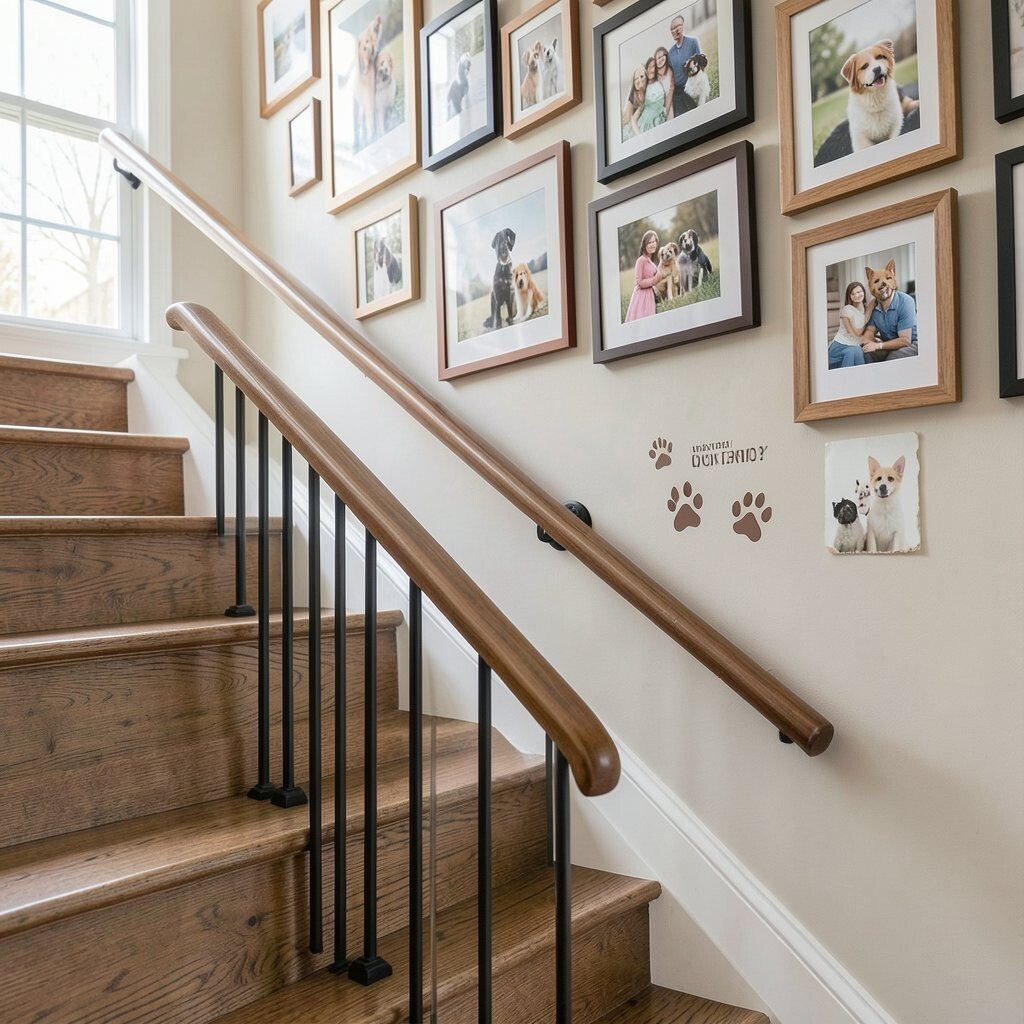
A handrail can be styled to line up with wall art or framed photos. That makes the stairway feel like part of the home story instead of just a utility space.
This idea is unique because it blends safety with decoration. It works well when the rail sits beside a gallery wall or a row of family pictures.
The cost can stay low if you use simple frames and a basic rail. You can also personalize the area with pet photos, paw prints, or a favorite quote near the stairs.
Current home trends often favor these layered, lived-in looks. Pets benefit too, because the familiar wall area can make the stair zone feel less strange.
17. Handrail With Low Profile Support Bar
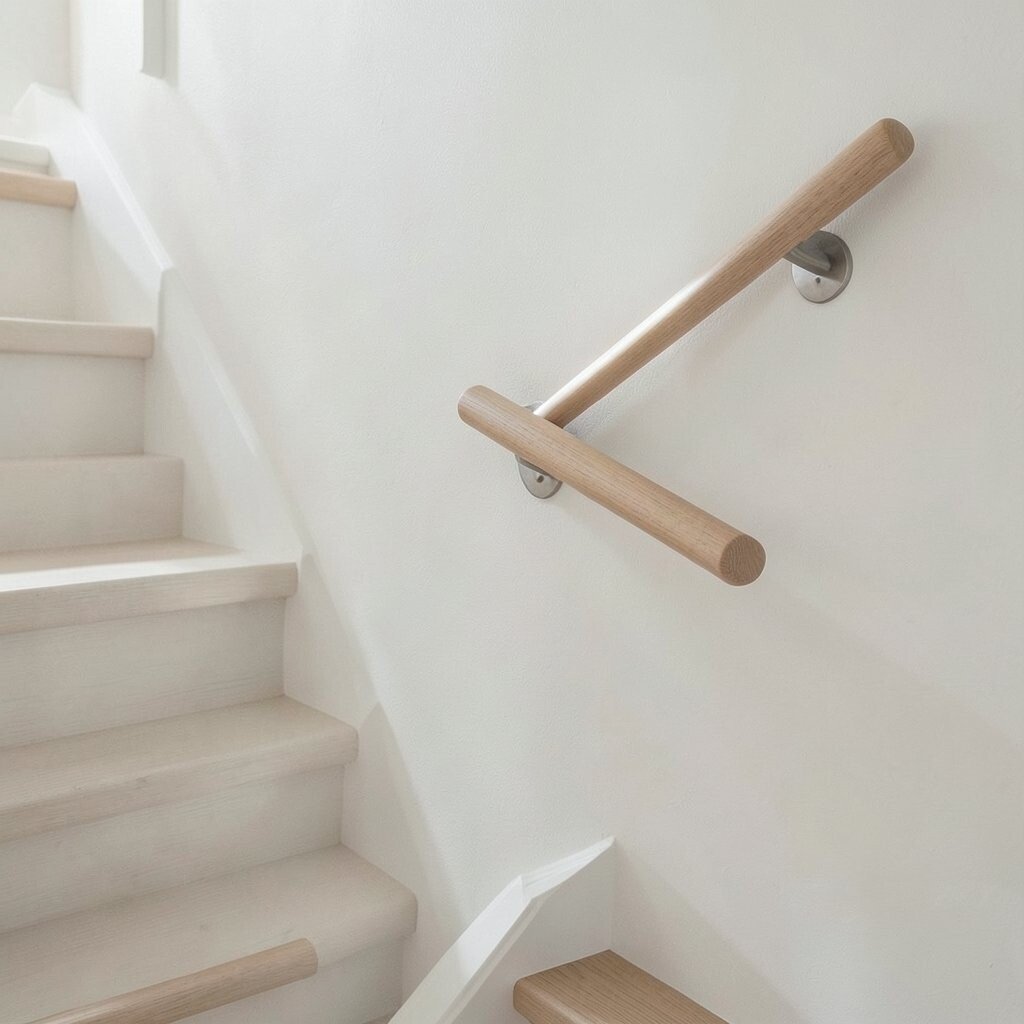
A low profile support bar gives pets a smaller guide that does not take over the wall. It is handy for homes that want a subtle safety feature.
This design can work well for cats, small dogs, and pets that like to stay close to the wall. It keeps the stair area neat while still offering a clear path.
Because it uses less material, the cost may be lower than a full rail system. You can choose wood, metal, or painted finishes based on your style.
Adding a second matching bar on a longer stair run can make the look feel complete. That also gives pets more steady support from top to bottom.
18. Handrail With Built-In Pet Ramp Section
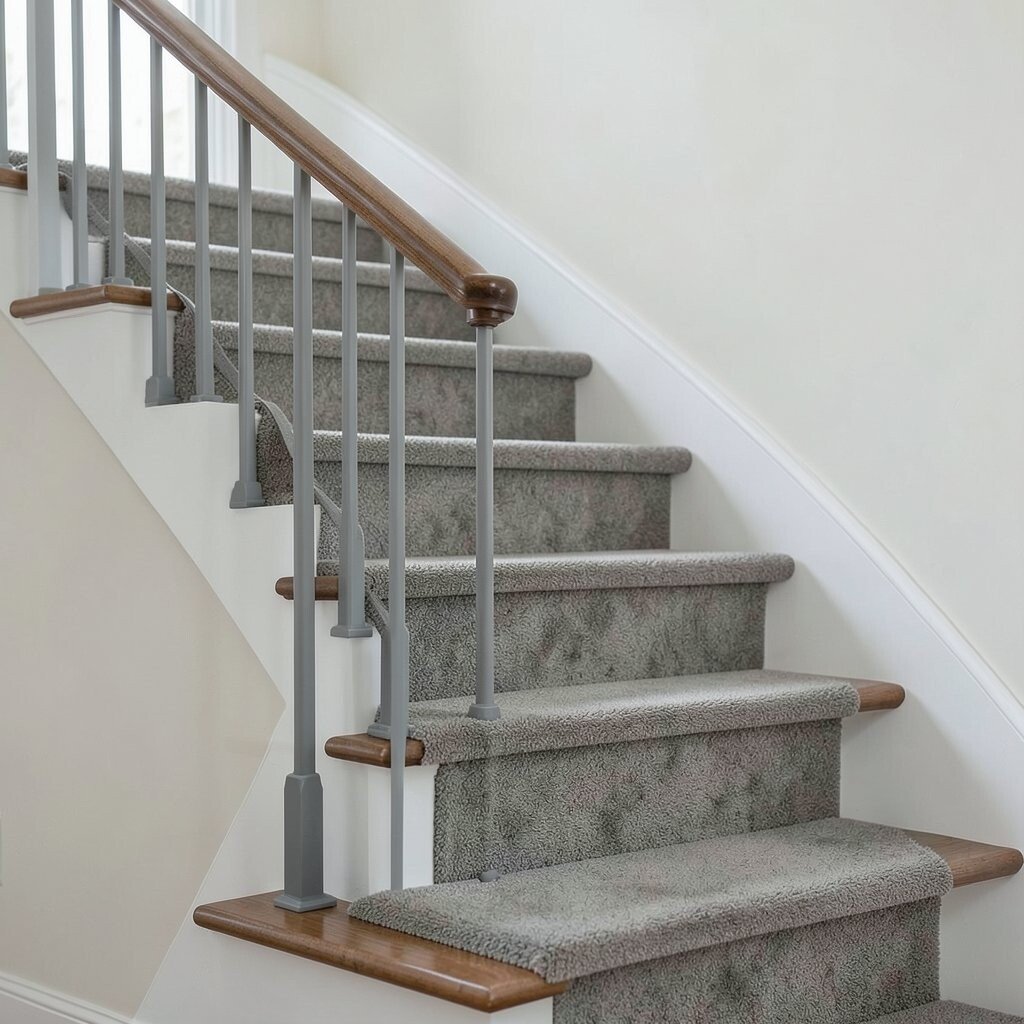
Some stair setups mix a handrail with a short ramp section near the bottom or top. This can help pets who struggle with the first step or the last step.
It is a thoughtful option for older pets, injured pets, or very small breeds. The ramp section makes the stair change feel less sudden and more gentle.
This custom idea may cost more, but it can be worth it for daily comfort. A carpeted ramp surface can improve grip and make the path feel softer.
To make it fit your home, match the ramp finish to the stairs and rail. A clean, blended look can keep the feature useful without making it stand out too much.
19. Handrail With Brass Accents
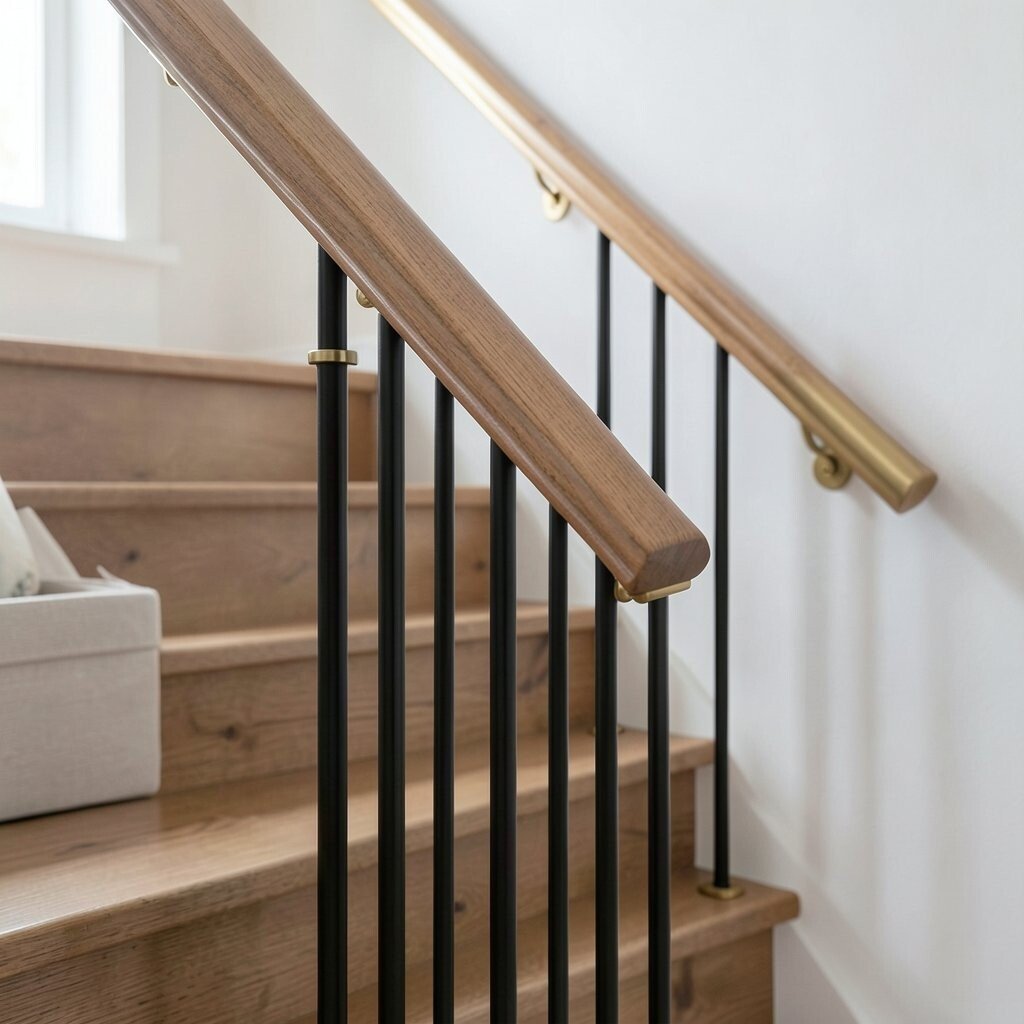
Brass accents can add a warm glow to a stair handrail. The metal detail makes the rail feel a little fancy while still staying practical for pets.
This style is a current favorite in many homes because it feels rich without being too heavy. It pairs well with wood, white walls, and soft colors.
Brass can cost more than plain hardware, so it helps to use it as an accent instead of covering the whole rail. Small touches like end caps or brackets can still give the look you want.
For a personal twist, mix brass with a wood tone that matches your pet furniture. That can make the stair area feel coordinated and special.
20. Handrail With Pet Gate Integration
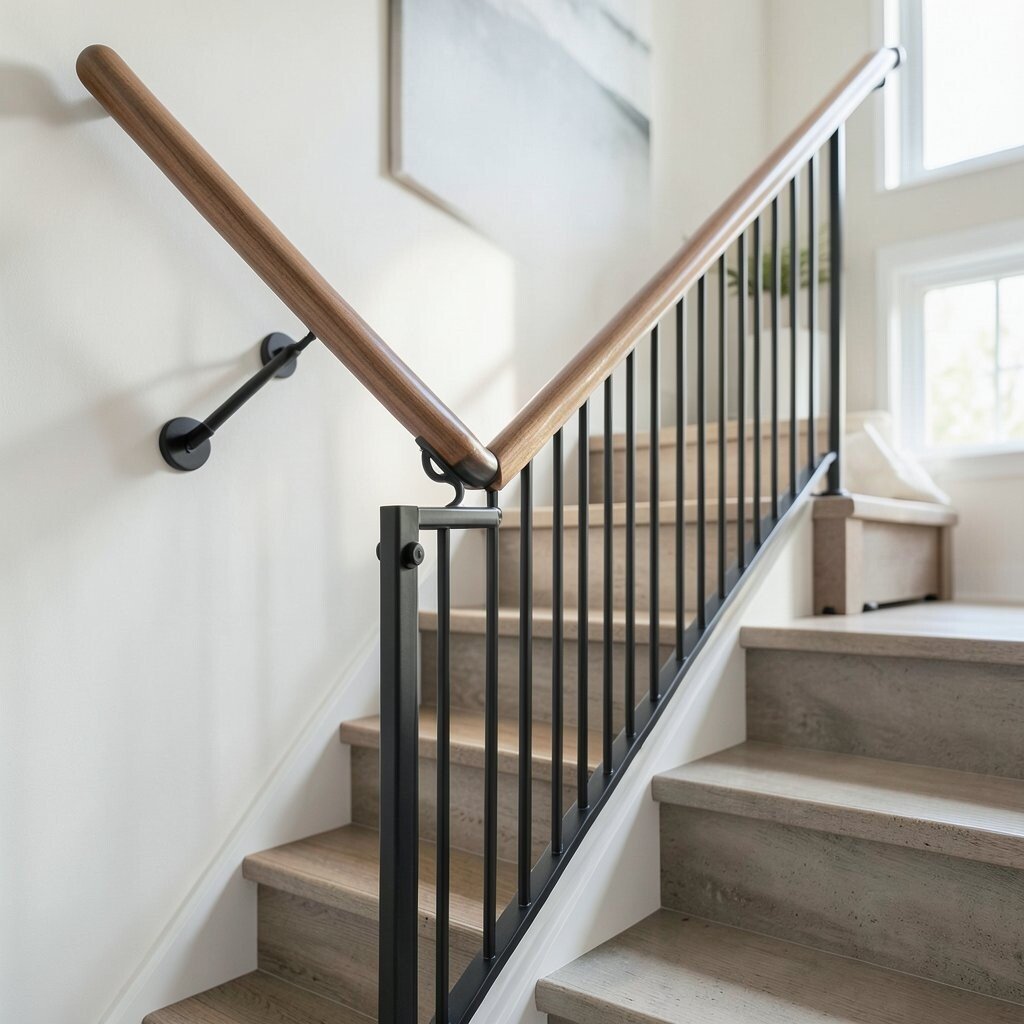
A handrail that works with a pet gate can make the stairs much safer. The gate helps control access, while the rail supports careful movement when the stairs are open.
This is a smart choice for homes with puppies, kittens, or pets that need limits. It can reduce stress for owners and give pets a clear routine.
The cost depends on the gate style and how it attaches to the rail, but many good options are available. Some newer designs look sleek and fit better with modern decor than older bulky gates.
Choose a gate finish that matches the handrail so the setup feels planned. A clean match can make safety features look like part of the design.
21. Handrail Made From Reclaimed Wood
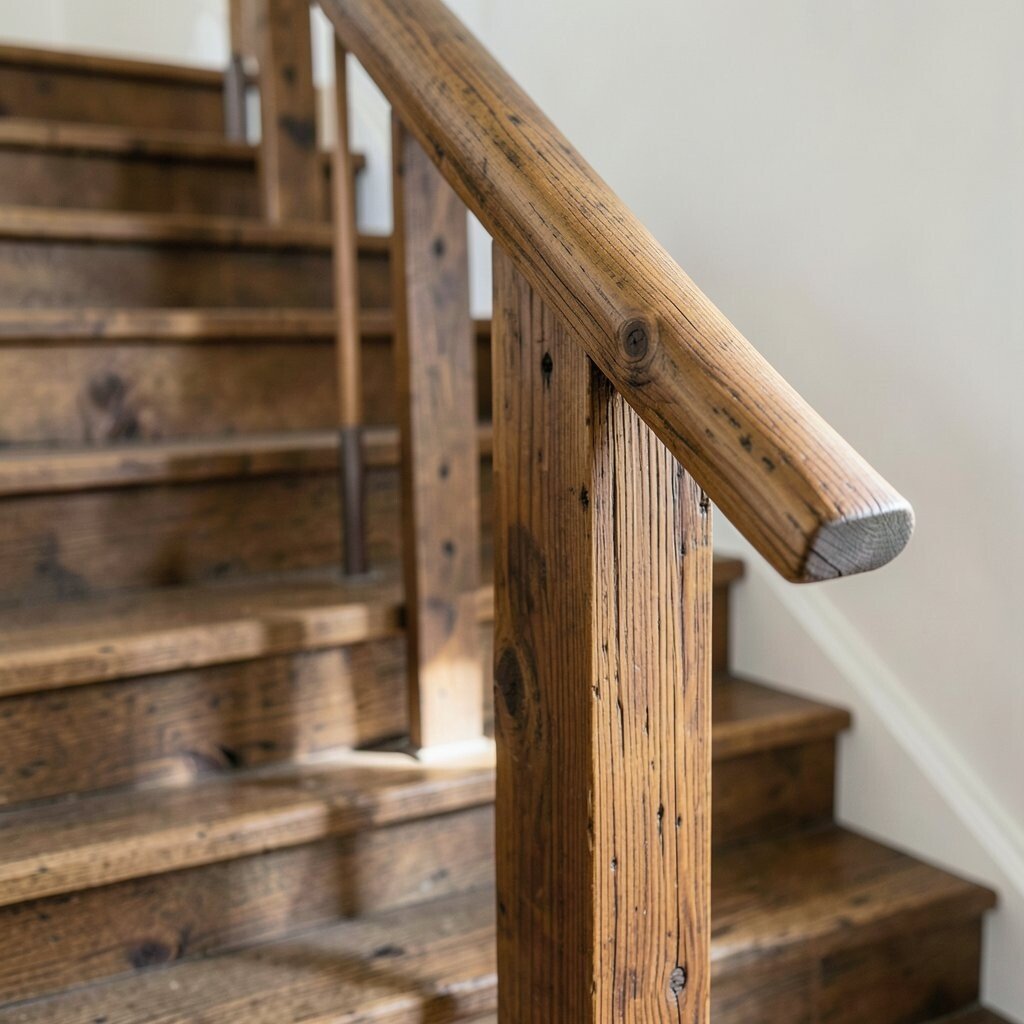
Reclaimed wood brings character and a lived-in feel to the stairway. Each piece can have its own grain, marks, and color shifts that make the rail feel one of a kind.
This option is popular with people who like natural, eco-friendly choices. It can also be a smart way to manage cost if you find quality wood from local sources.
Pets benefit from the warm, steady surface, and owners enjoy the unique style. Seal the wood well so it stays smooth, clean, and easy to wipe down.
You can personalize it by choosing wood with a story, like barn wood or old floor boards. That gives the stair area a special look that feels rich in meaning.
22. Handrail With Soft Glow Underlighting
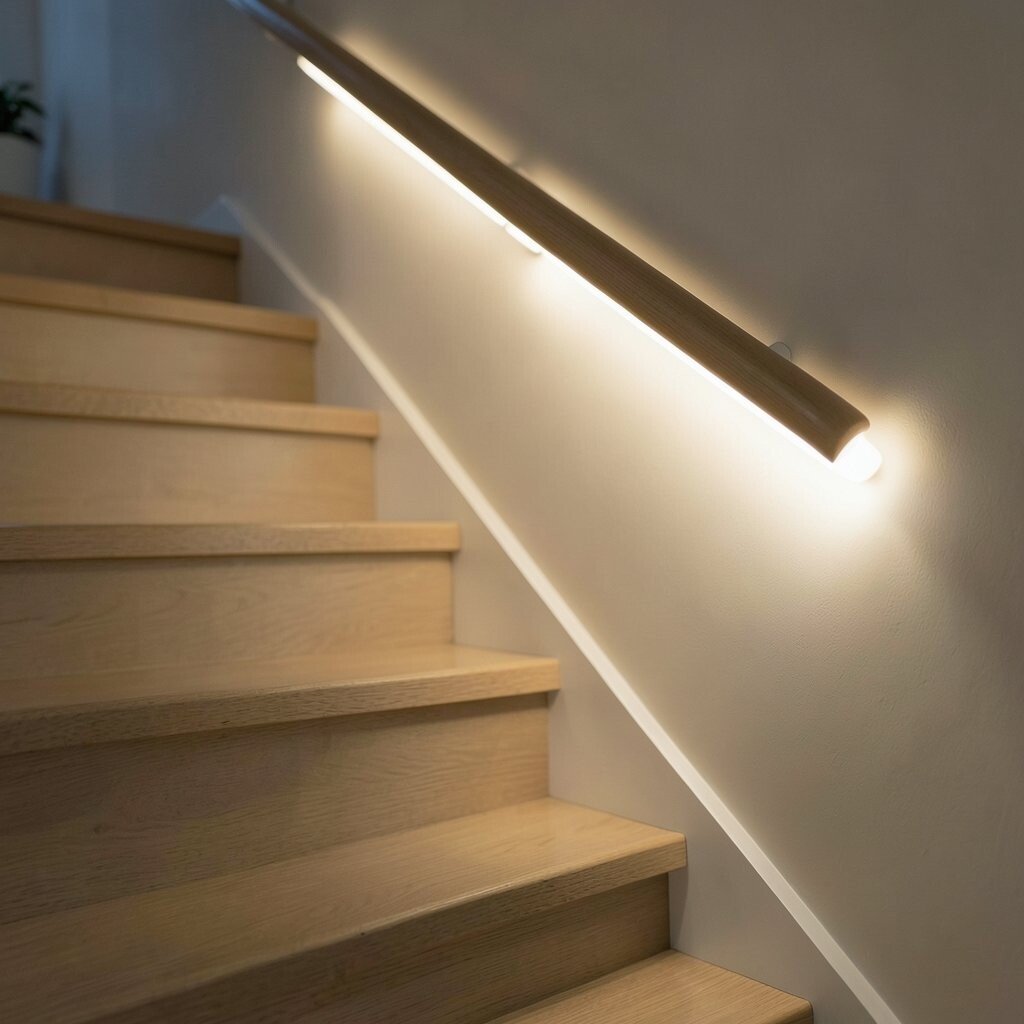
Soft glow underlighting makes a handrail feel calm and easy to follow. The light sits below the rail, so it marks the path without shining too hard in the eyes.
This is a stylish trend that also helps pets feel less unsure at night. It is especially useful in hallways where the stairs blend into the wall color.
LED strips are often the best choice because they use less power and last a long time. The cost can stay reasonable if you keep the lighting simple and focused.
Warm white light usually feels the most soothing for pets and people. You can also set it on a timer so it turns on when the house gets quiet.
23. Handrail With Soft Fabric Wrap
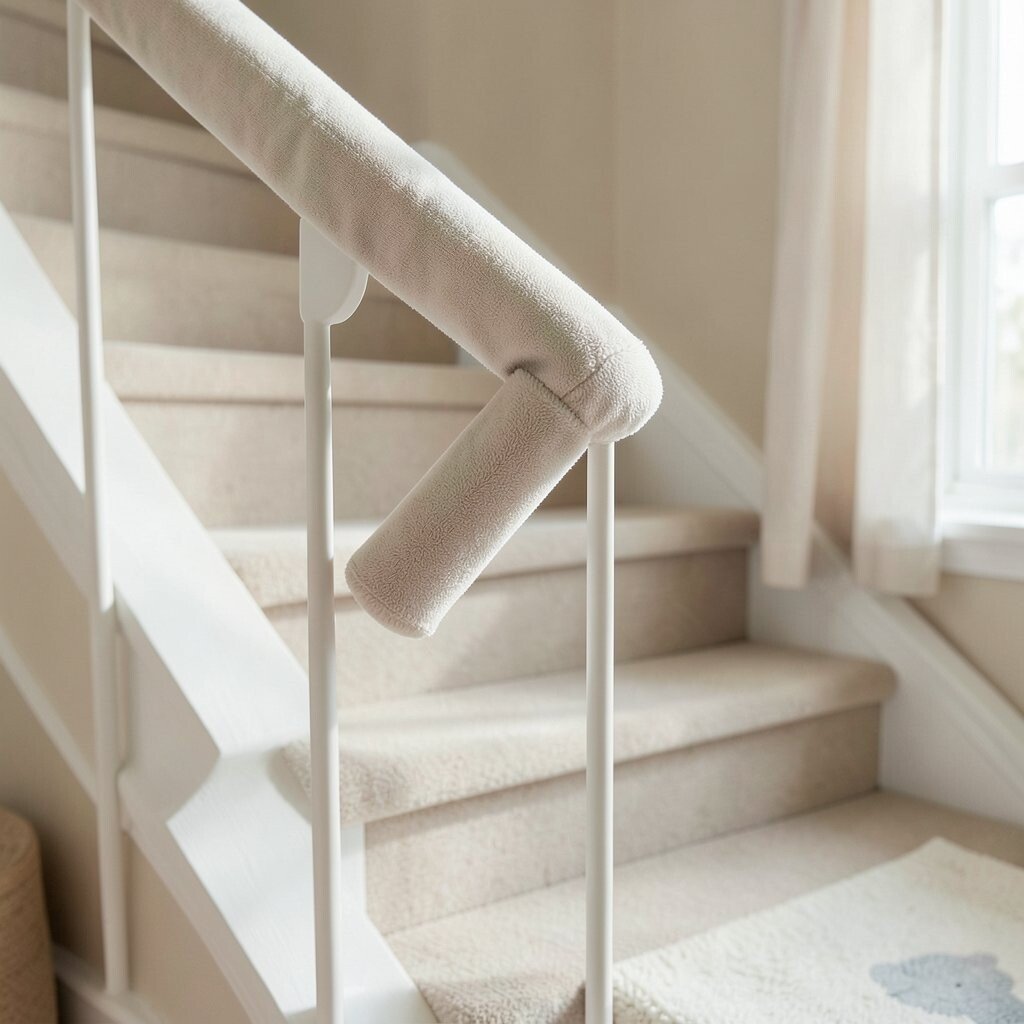
A fabric-wrapped handrail can feel gentle and cozy in the hand. It may also be easier for pets to brush against without feeling cold or hard.
This idea works well in bedrooms, nurseries, or calm family spaces. It has a soft look that can make the stairway feel less sharp and more inviting.
Fabric choices can keep the cost low if you use simple materials like canvas or durable upholstery cloth. Pick a washable fabric so cleaning stays simple over time.
For personalization, match the wrap to cushions, curtains, or a pet blanket nearby. That helps the stair area feel like part of the room instead of a separate feature.
24. Handrail With Extra-Wide Top Surface
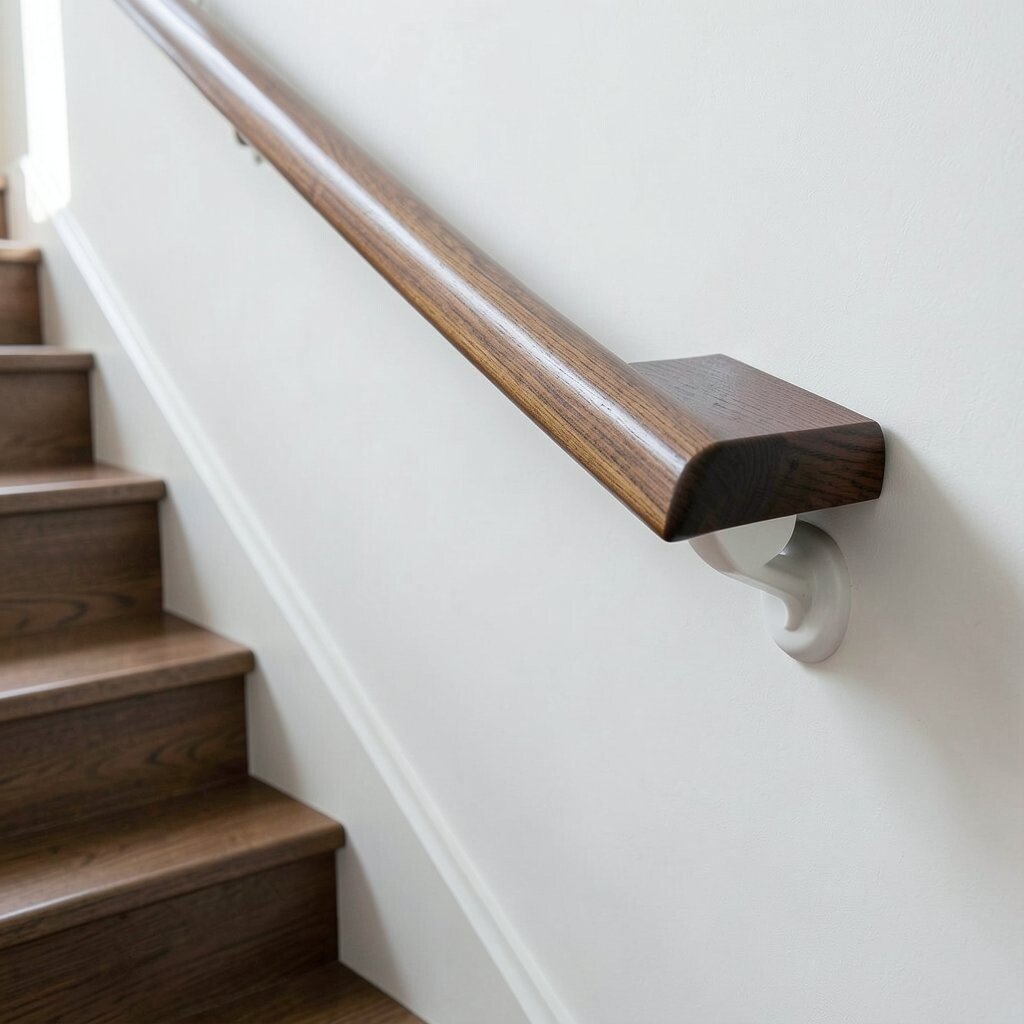
An extra-wide handrail top gives pets a larger area to steady themselves beside. It can be especially helpful for larger dogs or pets that need more confidence on stairs.
This style looks bold and sturdy, almost like a shelf built into the wall. It may cost more because it uses more material, but the added support can be worth it.
Wide rails are growing in popularity because they mix function with a strong design look. You can stain the top in a rich tone or paint it to match a clean modern wall.
If your pet likes to pause on the stairs, this wider surface can feel more reassuring. Just keep the edges rounded so the look stays soft and safe.
25. Handrail With Matching Stair Treads
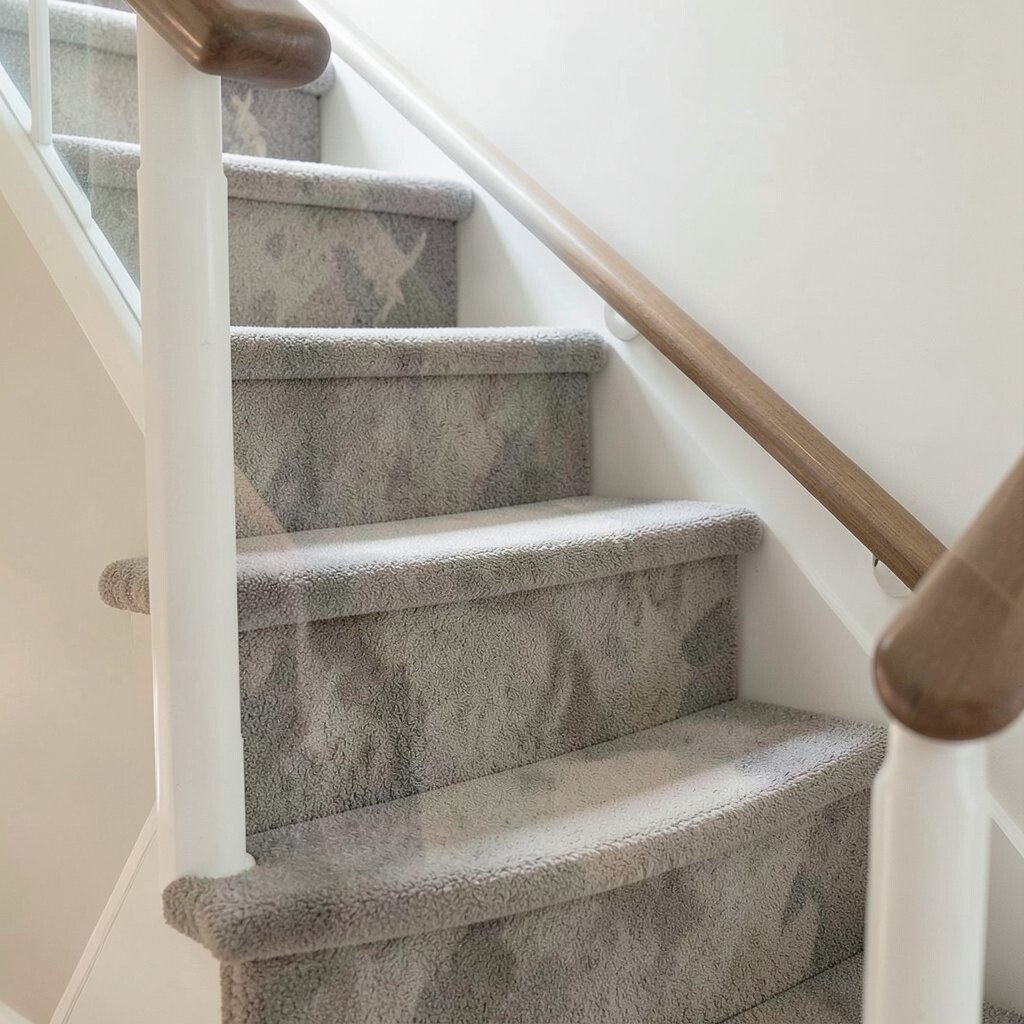
Matching stair treads and a handrail create a full safety set. The treads help paws grip each step, while the rail gives a steady line to follow.
This coordinated look feels polished and thoughtful. It can also help a pet understand the stair path more quickly because the whole area looks connected.
Costs vary based on material, but simple carpet treads can be very budget-friendly. If you want a more finished look, choose a pattern that matches the rail color or room style.
Personal touches like trim color or embroidered pet initials can make the setup feel special. The key is to keep the surface soft, secure, and easy to clean.
26. Handrail With Minimalist Hidden Brackets
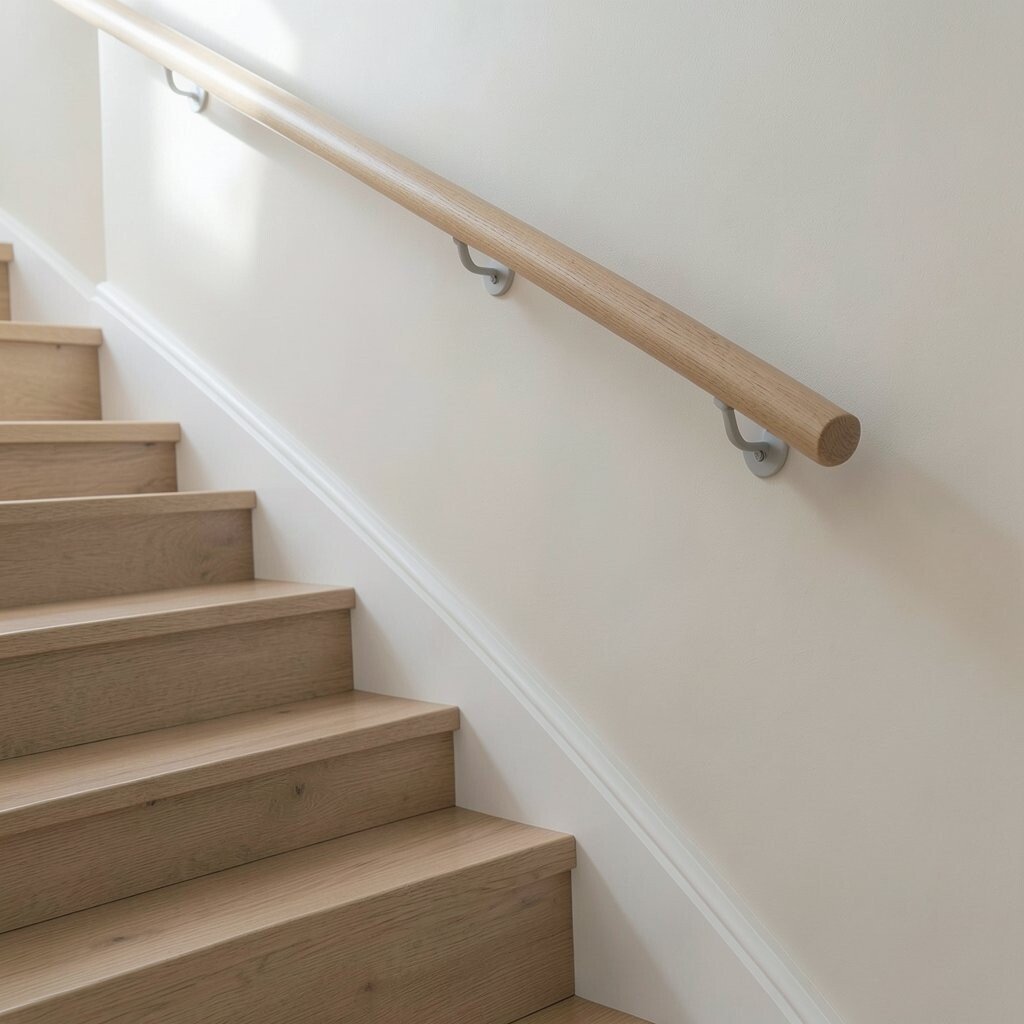
Hidden brackets make a handrail look sleek and simple. The clean lines can help the stairway feel open while still giving pets a dependable guide.
This modern style is a favorite in homes that like uncluttered spaces. It often works well with neutral colors, smooth walls, and light wood floors.
Because the brackets stay out of sight, the rail can look more like part of the wall. The cost is often moderate, and the result can feel custom without being too flashy.
You can make it more personal by choosing a wood tone that fits your furniture. A subtle finish can keep the focus on safety while still looking stylish.
27. Handrail With Custom Pet Name Detail
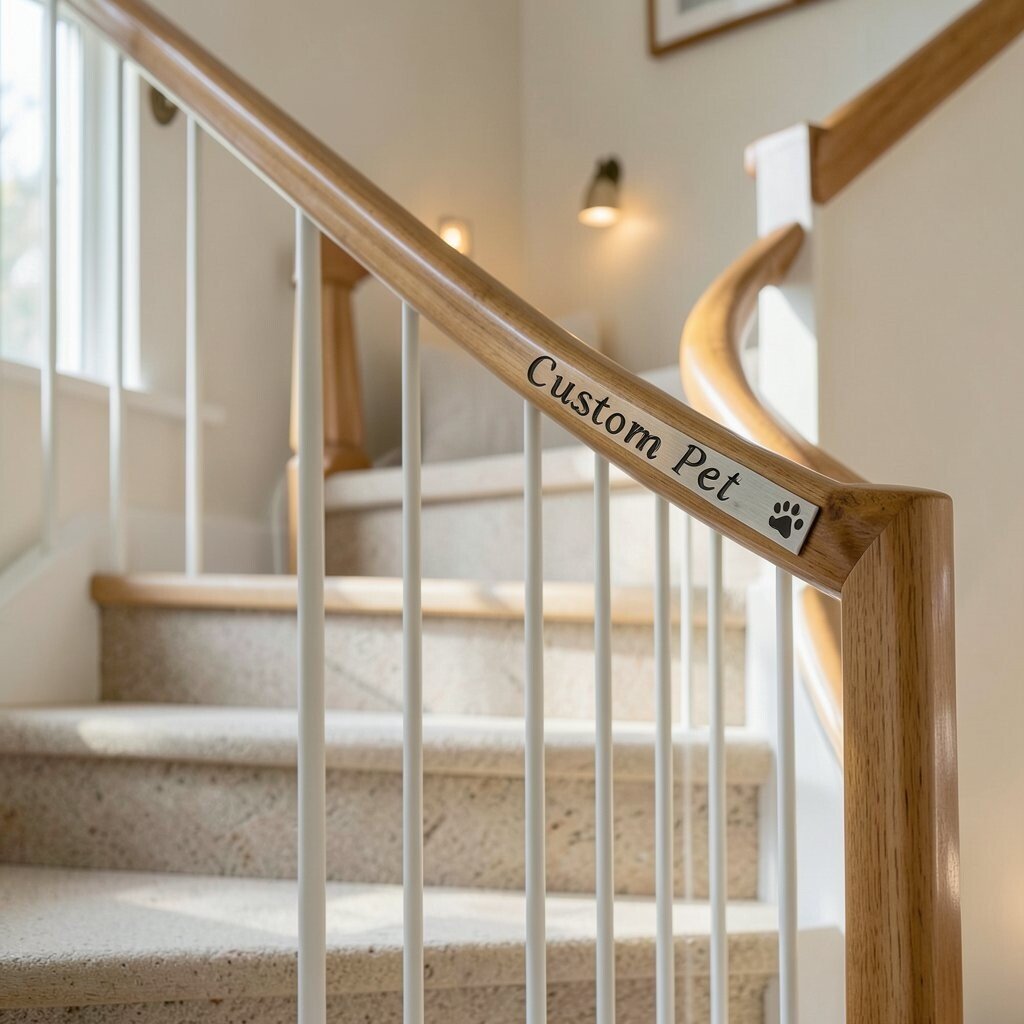
A custom handrail with your pet’s name adds heart to the stairway. It turns a safety feature into something warm and personal.
This idea can be done with engraving, painted lettering, or a small metal plaque. The cost depends on the method, but even a simple detail can make the rail feel special.
It is a lovely trend for families who want their home to feel more personal. You can pair the name detail with a favorite color, paw print art, or a small light nearby.
Pets may not read the name, of course, but the design can still make the space feel loving and cared for. That feeling matters when you want the stairs to seem calm, friendly, and safe.