Imagine stepping into a world where learning meets style, where every corner bursts with creativity. A place where education becomes an adventure, and the environment sparks curiosity and excitement. This listicle unlocks the secrets of creating such an enchanting homeschool space.
1. Cozy Reading Nook
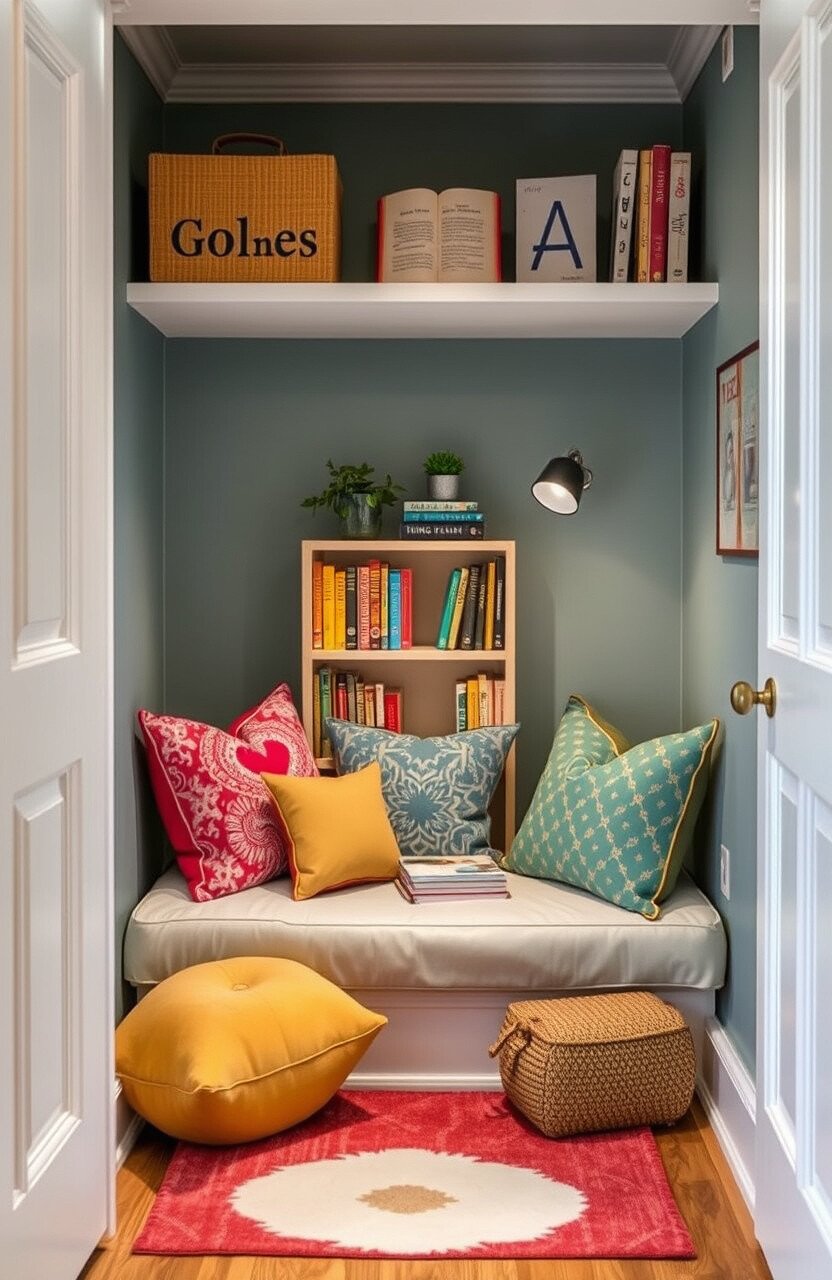
Picture a corner filled with soft cushions and a tiny bookshelf. It’s a magical spot for diving into books and letting imaginations run wild.
This nook provides a personal retreat, making reading feel like a special adventure. It encourages a lifelong love for books.
Use colorful pillows and a small rug to create a cozy atmosphere. Personalize it with your child’s favorite books.
You can set this up without spending much. Use items you already have at home for a budget-friendly option.
2. Nature-Inspired Classroom
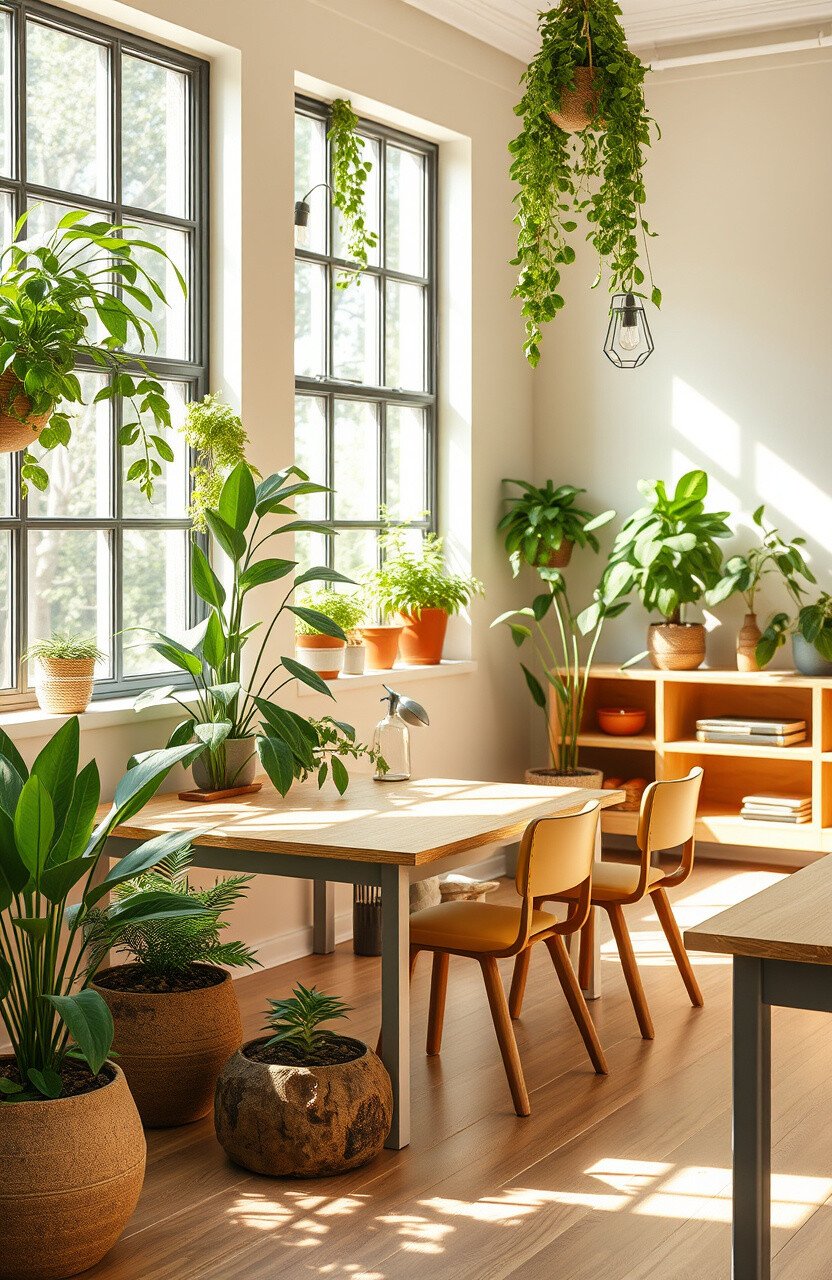
Bring the outdoors in with plants, natural light, and earthy tones. It creates a calming environment for focused learning.
Studies show that nature can boost concentration and creativity. It’s a perfect way to make learning more enjoyable.
Add a few potted plants or a small indoor garden. Use natural materials like wood and stone for a fresh feel.
Look for plants that are easy to care for and inexpensive. Even small changes can make a big impact.
3. Interactive Wall

Turn a plain wall into a learning playground. Chalkboard paint or whiteboard sheets can make this happen.
This wall invites creativity and hands-on learning. It becomes a canvas for exploration and discovery.
Use it for daily lessons, drawing, or brainstorming. Change the content often to keep things exciting.
Chalkboard paint is affordable, and whiteboard sheets can be reused. It’s fun and practical.
4. Colorful Storage Solutions
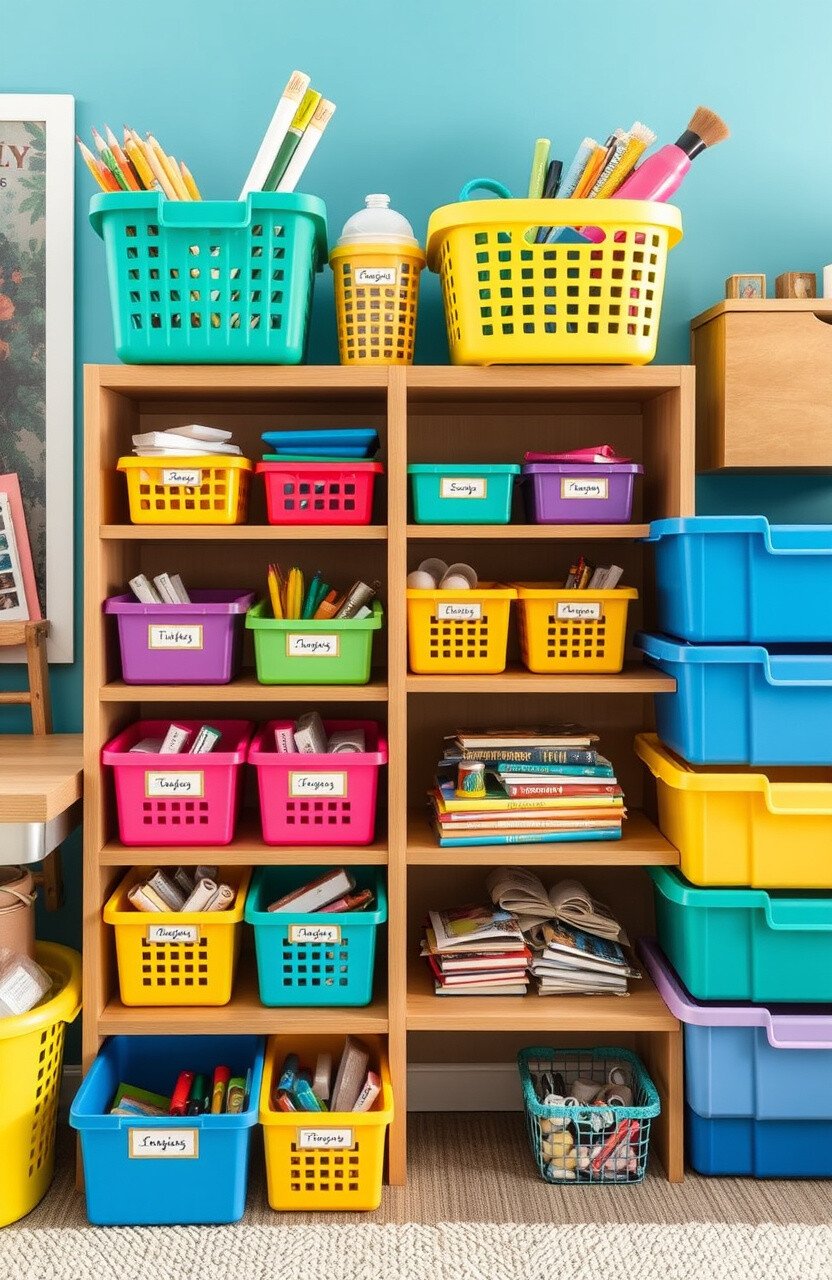
Bright baskets and bins can make organizing supplies fun. They add a splash of color and keep things tidy.
Organized spaces help kids focus and find what they need quickly. It’s a win-win for learning and style.
Mix and match colors for a lively look. Label each bin to make finding things easy.
Use what you have or find budget-friendly options at local stores. It’s an easy upgrade.
5. DIY Art Gallery

Showcase your child’s artwork in a special place. Frames or clipboards can turn walls into a personal gallery.
Displaying art boosts confidence and adds character to the room. It’s a personalized touch that inspires creativity.
Change the art regularly to keep the gallery fresh. Encourage kids to create new pieces for their collection.
Inexpensive frames or clipboards can be found at thrift stores. It’s a charming addition to any homeschool space.
6. World Map Feature

A large world map can open up a world of learning. It’s a window to geography, culture, and adventure.
Maps spark curiosity about places far and wide. They make learning about the world interactive and fun.
Use pins or stickers to mark places you’ve studied. It turns the map into a living, growing project.
Maps can be affordable, and you can even print your own. It’s an engaging way to explore the globe.
7. Flexible Seating Options
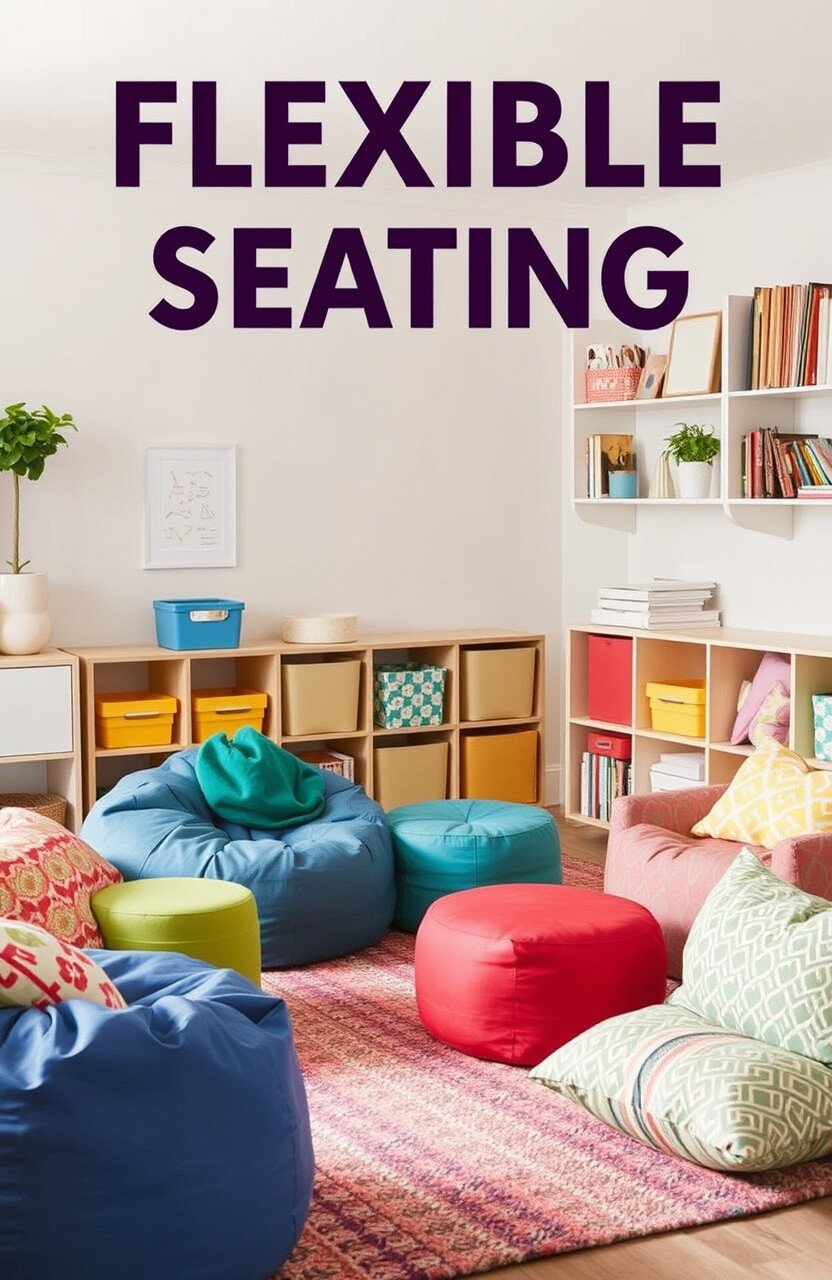
Offer a variety of seating choices, like bean bags, floor cushions, or stools. It makes learning comfortable and adaptable.
Different seats let kids choose what feels best for them. It supports different learning styles and needs.
Mix and match to create an inviting space. Allow kids to rearrange things for a new experience.
Look for sales or use what you have at home. It’s a customizable and cozy solution.
8. Science Corner
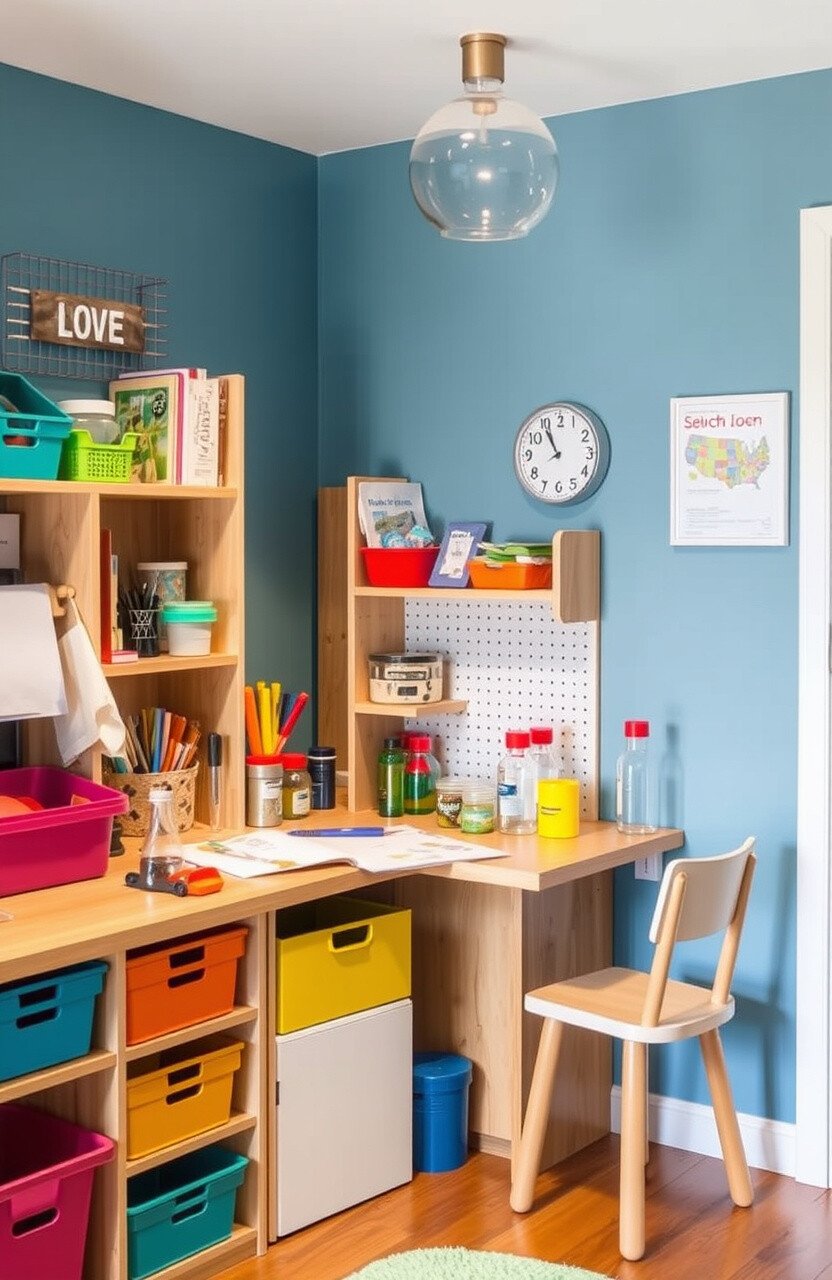
Dedicate a small space to science experiments and exploration. It’s a hub for curiosity and discovery.
Hands-on activities make science come alive. It encourages kids to ask questions and seek answers.
Stock it with simple supplies like magnifying glasses and test tubes. Rotate experiments to keep interest high.
Science kits can be found at various price points. It’s an investment in curiosity and learning.
9. Creative Craft Zone
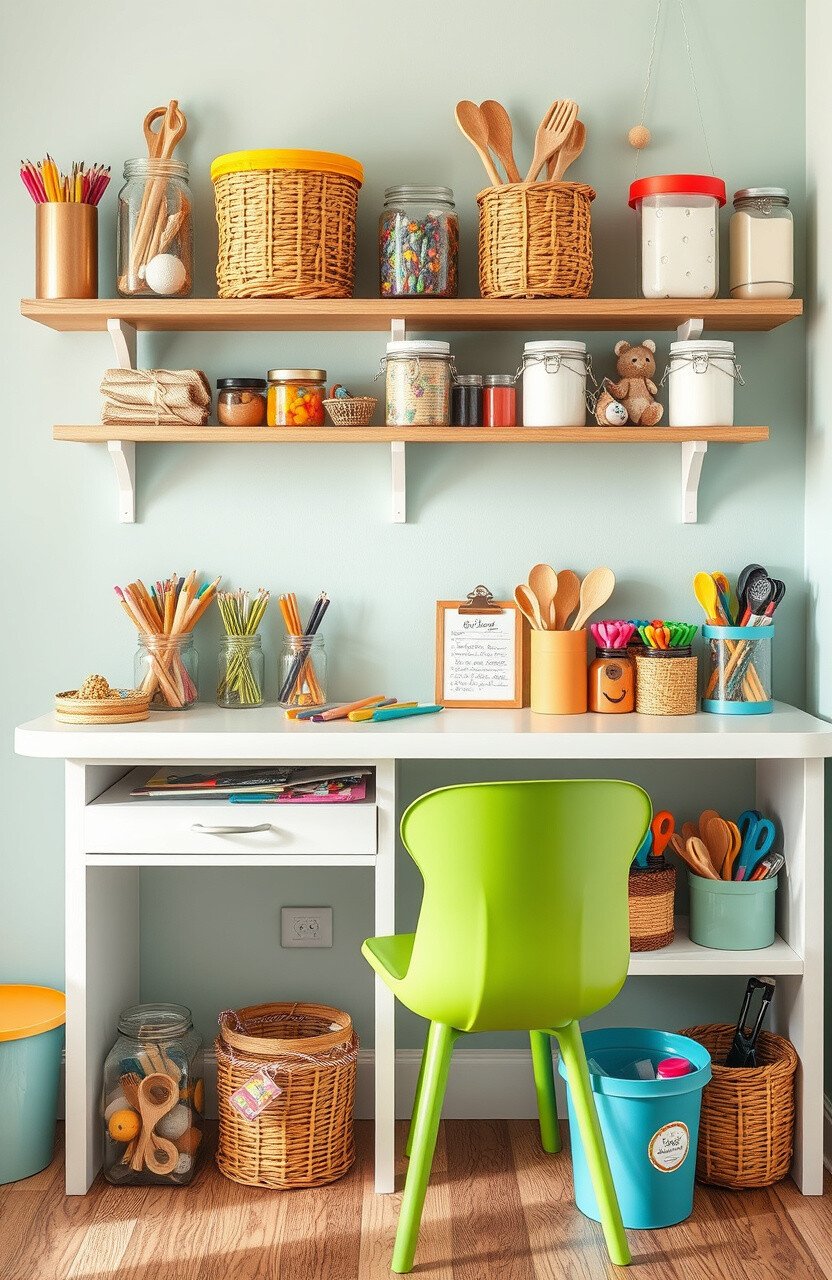
Set up a space for arts and crafts with supplies ready to go. It inspires creativity and hands-on fun.
Having everything in one place makes crafting easy and spontaneous. It encourages self-expression and innovation.
Use jars or baskets to organize supplies. Encourage kids to create and display their work.
Craft supplies can be found on sale or bought in bulk. It’s an exciting addition to any homeschool room.
10. Learning Loft
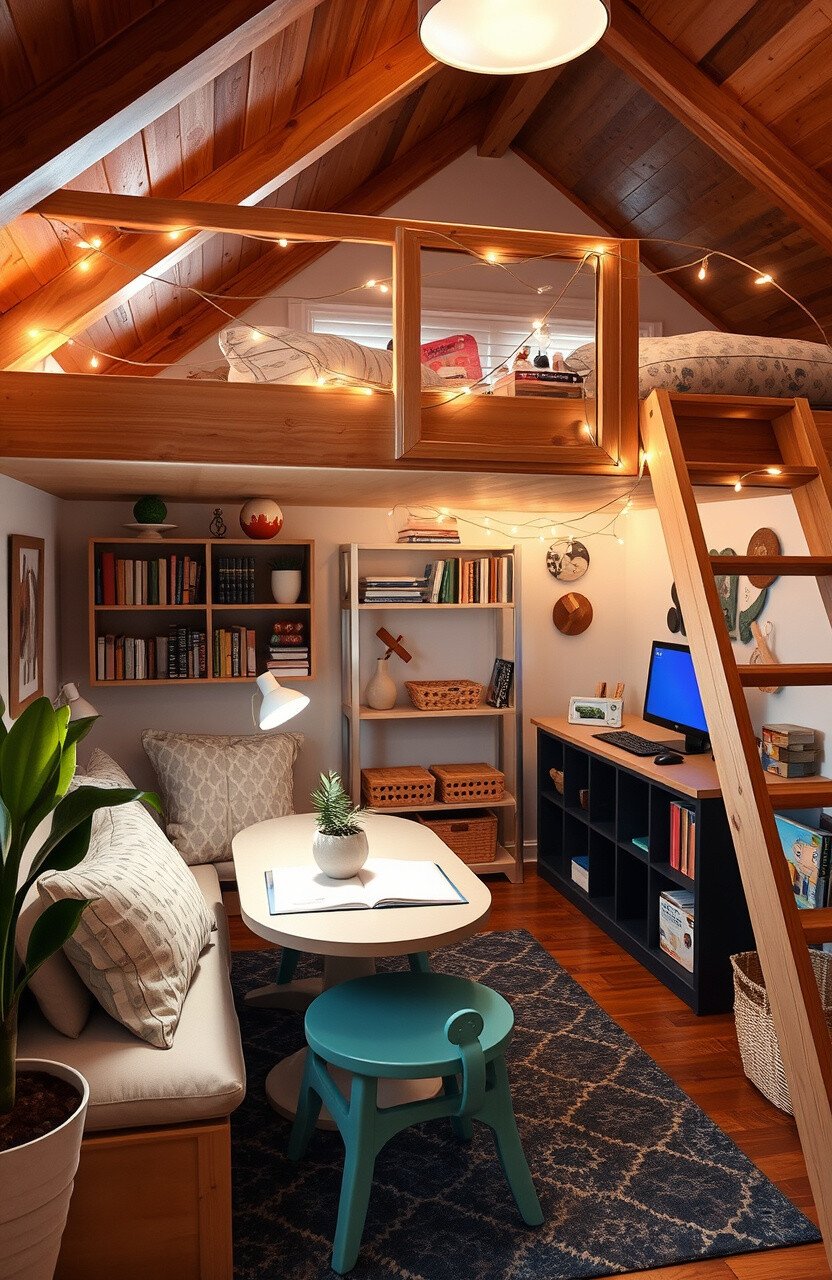
If space allows, a loft can add a unique dimension to learning. It’s a fun and cozy hideaway.
Lofts provide a special place for focused study or imaginative play. It feels like a private escape.
Use cushions and a small table for a comfortable setup. Decorate with twinkle lights for a magical touch.
Building a loft can be a larger project, but it adds a unique charm. Consider it an investment in creativity.
11. Inspirational Quote Wall
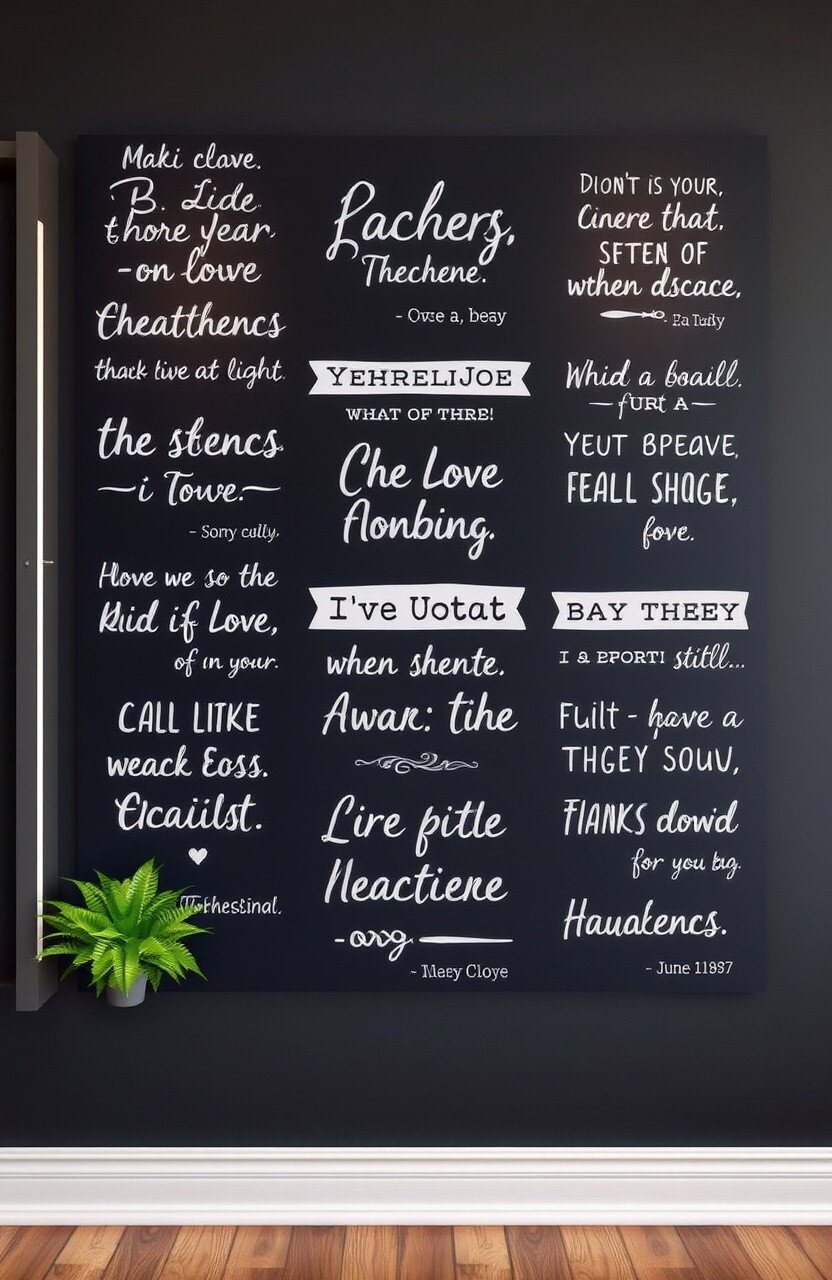
Fill a wall with quotes that motivate and inspire. It’s a daily reminder of positivity and encouragement.
Words have power, and seeing them every day can uplift spirits. It’s a source of strength and inspiration.
Print or handwrite quotes that resonate with your family. Change them occasionally to keep things fresh.
Quotes can be printed at home or found in books. It’s a heartfelt and meaningful addition to any space.
12. Tech-Friendly Zone

Create a space for technology and digital learning. It’s a bridge to modern education and resources.
Technology opens doors to endless information and interactive learning. It’s essential for today’s homeschool environment.
Set up a desk with a computer or tablet. Ensure good lighting and a comfortable chair.
Look for deals on tech accessories and furniture. It’s an investment in modern learning.
13. Sensory Play Area
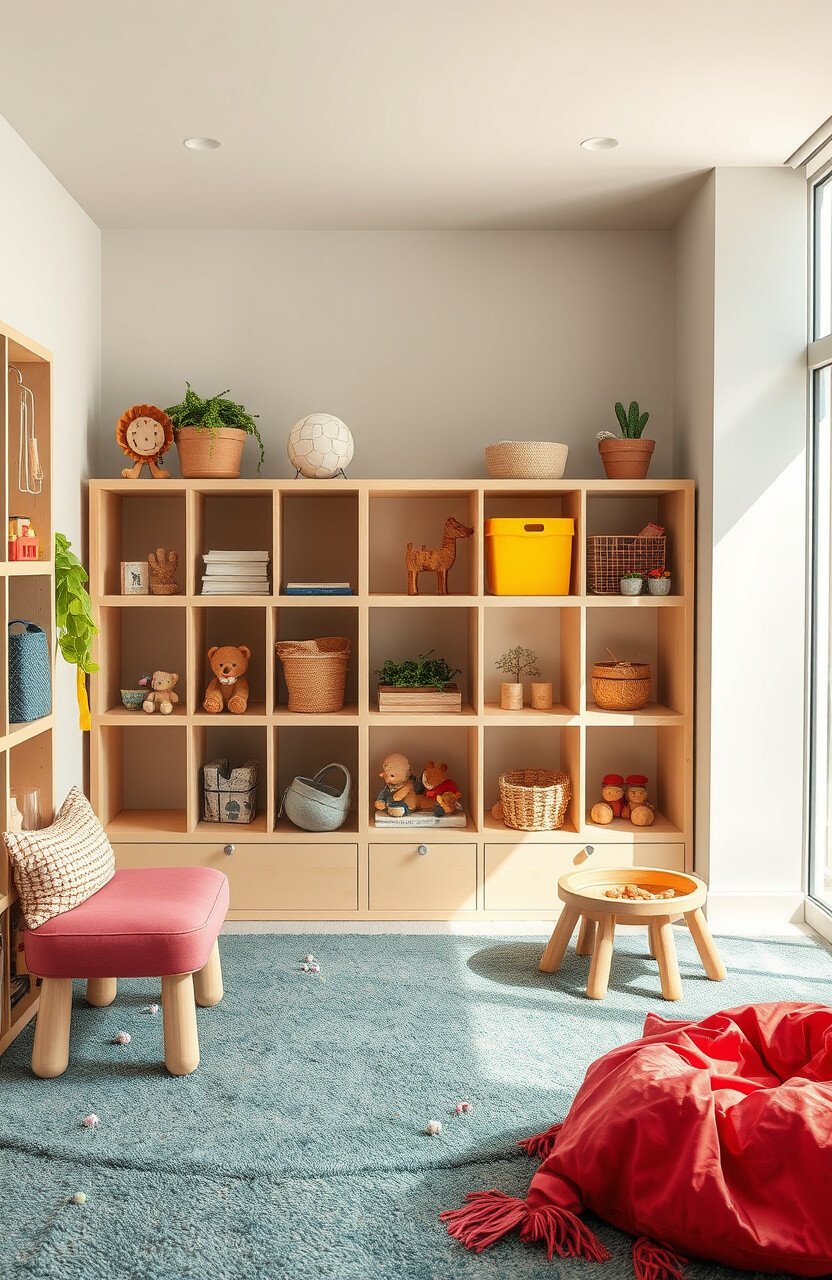
A sensory area with different textures and tools can be calming and engaging. It’s a sanctuary for exploration.
These activities stimulate the senses and support various learning styles. It’s a playful and soothing addition.
Include items like sand, water, or textured fabrics. Rotate materials to keep interest alive.
Sensory tools can be homemade or purchased. It’s an affordable way to enhance learning.
14. Minimalist Workspace
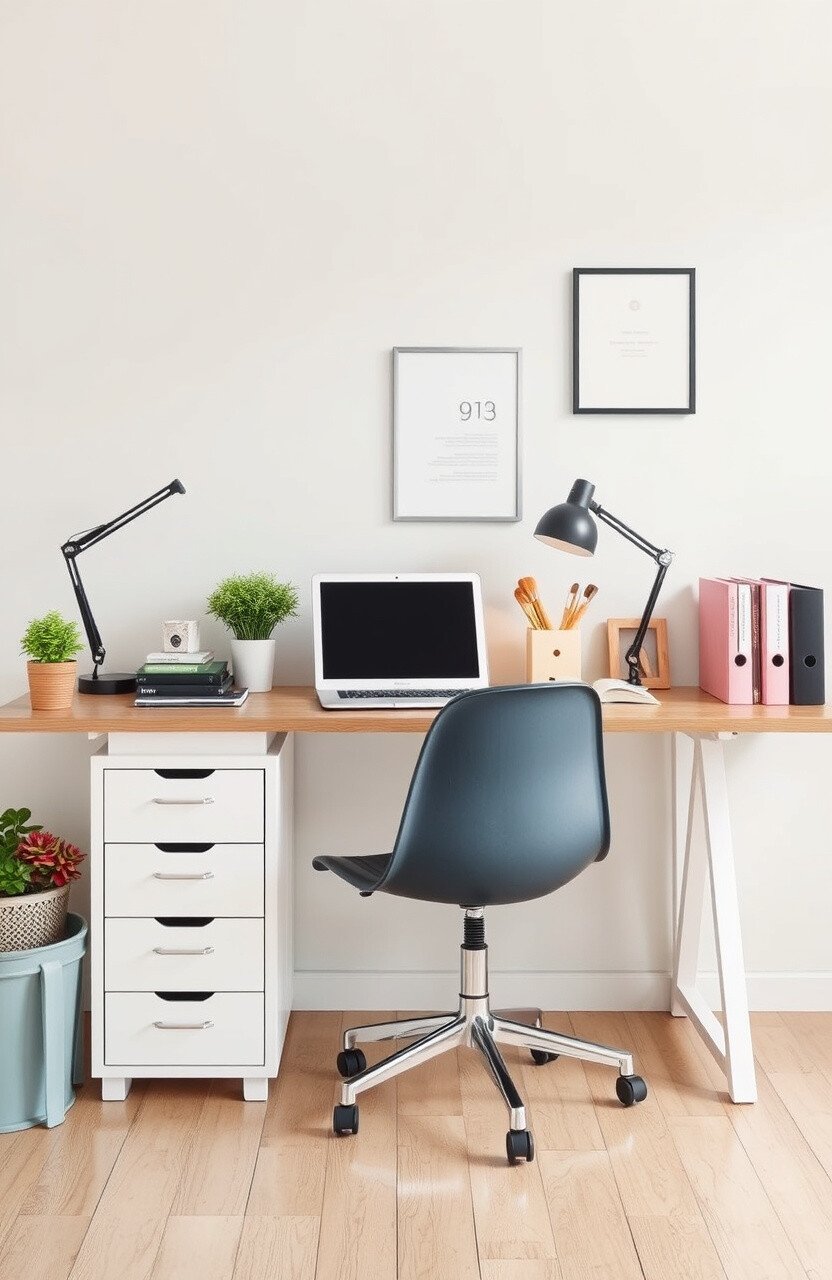
A clutter-free desk with just the essentials can boost focus. It’s a space for clear thinking and productivity.
Minimalism helps reduce distractions and create a sense of calm. It’s about simplicity and efficiency.
Choose a simple desk and chair. Keep supplies organized and within reach.
This setup can be budget-friendly. It’s a clean and effective workspace.
15. Vintage Schoolhouse Vibe
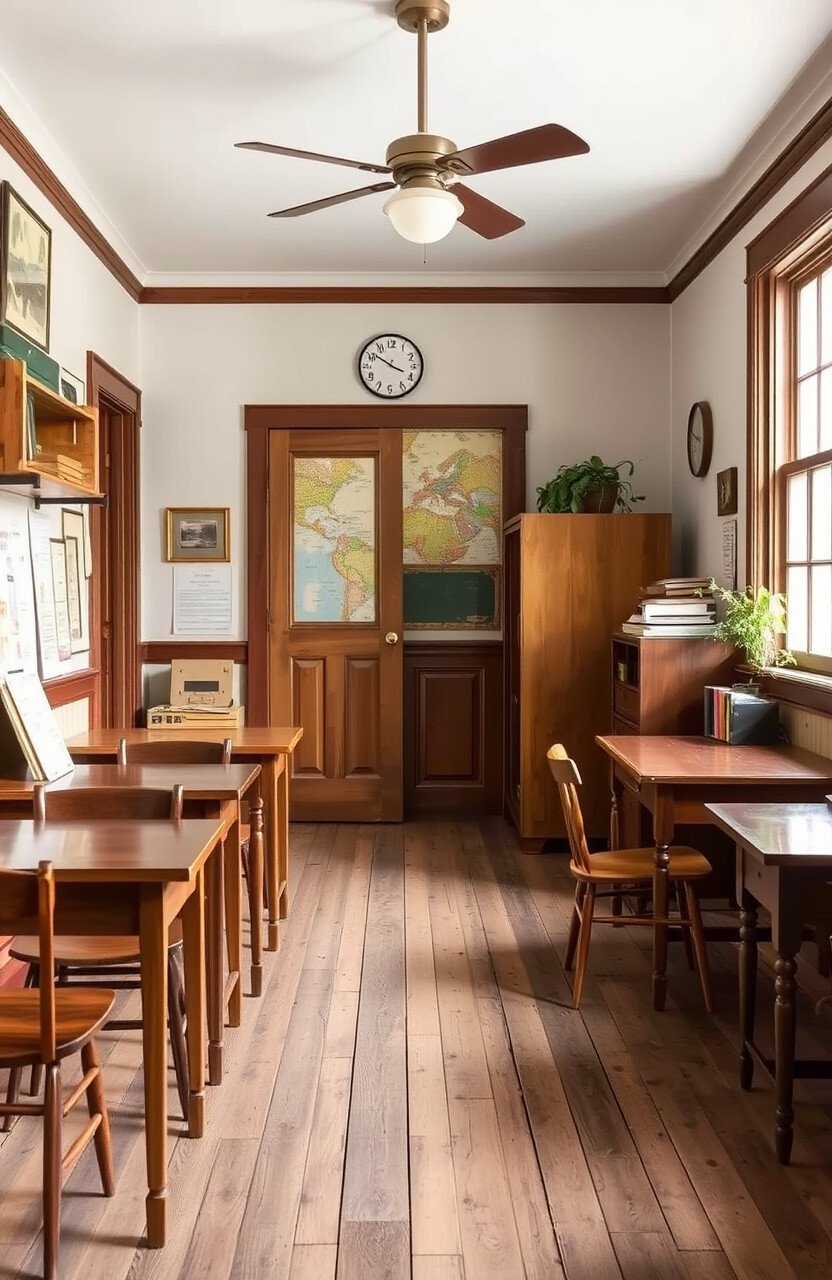
Incorporate elements like old maps and wooden furniture for a nostalgic feel. It’s a nod to classic education.
This style adds character and warmth to the learning environment. It’s charming and full of history.
Look for vintage items at thrift stores or online. Mix them with modern touches for balance.
Vintage finds can be affordable and unique. It’s a delightful theme to explore.
16. Themed Learning Rooms
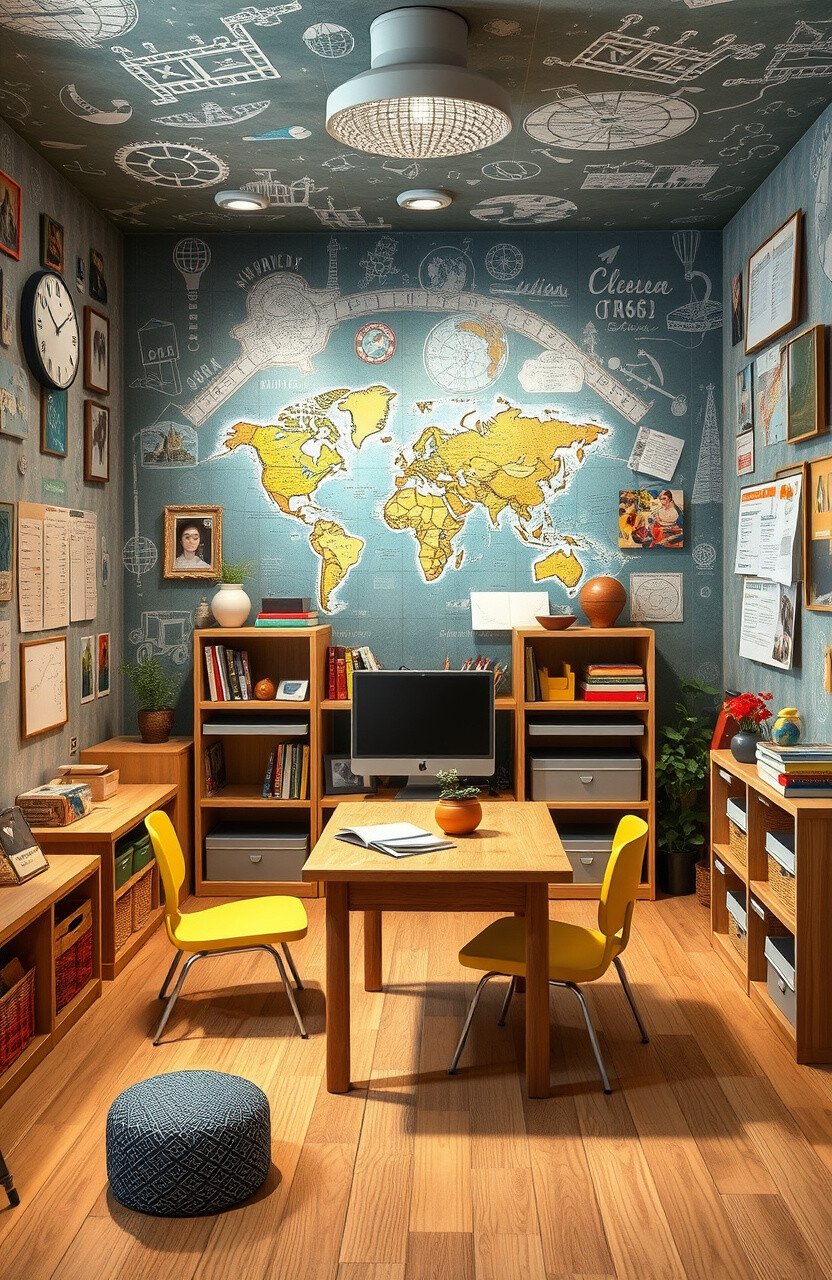
Create rooms based on subjects like science, art, or history. It’s an immersive way to dive into learning.
Themes make education feel like an adventure. They spark interest and enthusiasm.
Decorate each room with relevant materials and decor. Involve kids in choosing themes.
Themed decor can be found or made at home. It’s a fun and engaging project.
17. Calming Zen Space
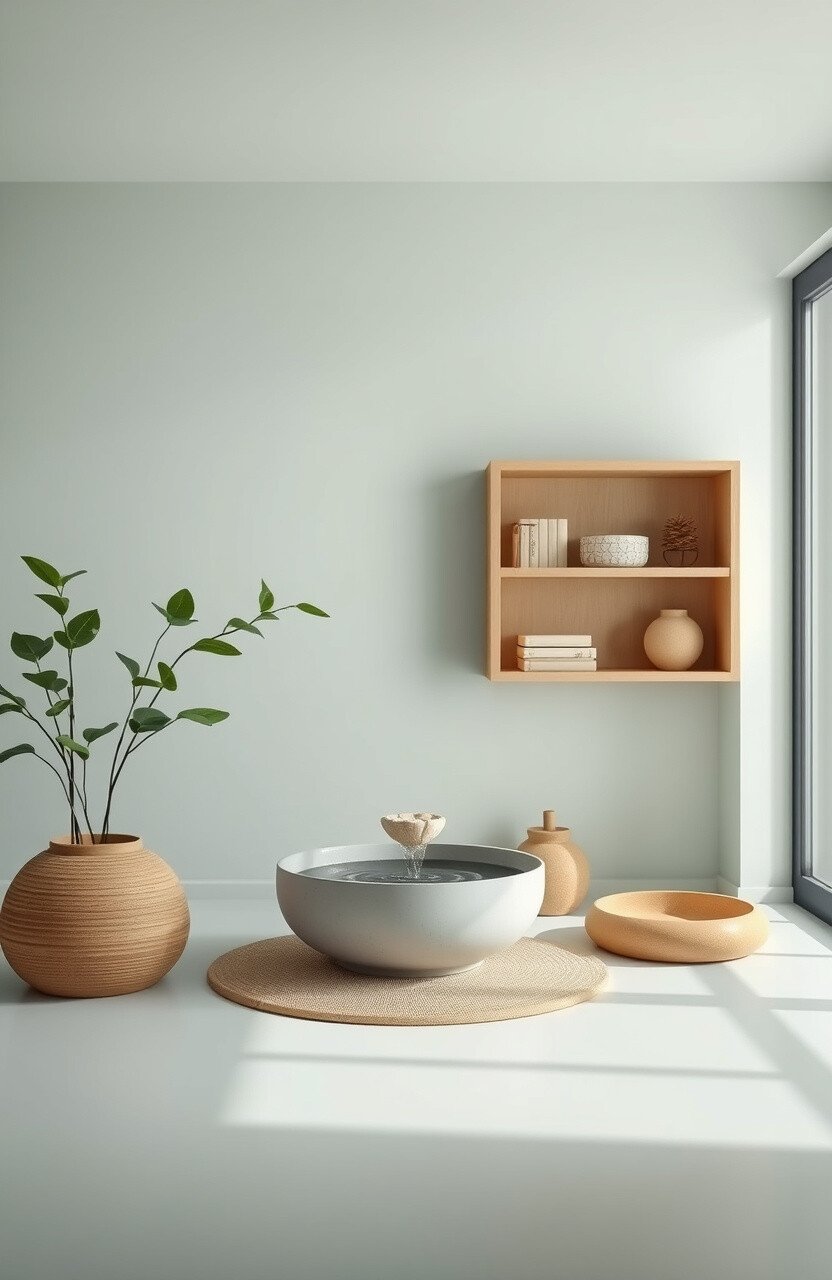
A zen space with soft colors and simple decor creates tranquility. It’s a haven for relaxation and focus.
Calm surroundings help reduce stress and improve concentration. It’s a peaceful retreat within the home.
Use soothing colors like blues and greens. Add a small fountain or soft music.
Zen decor can be inexpensive and DIY-friendly. It’s a serene and thoughtful design choice.
18. Interactive Learning Stations
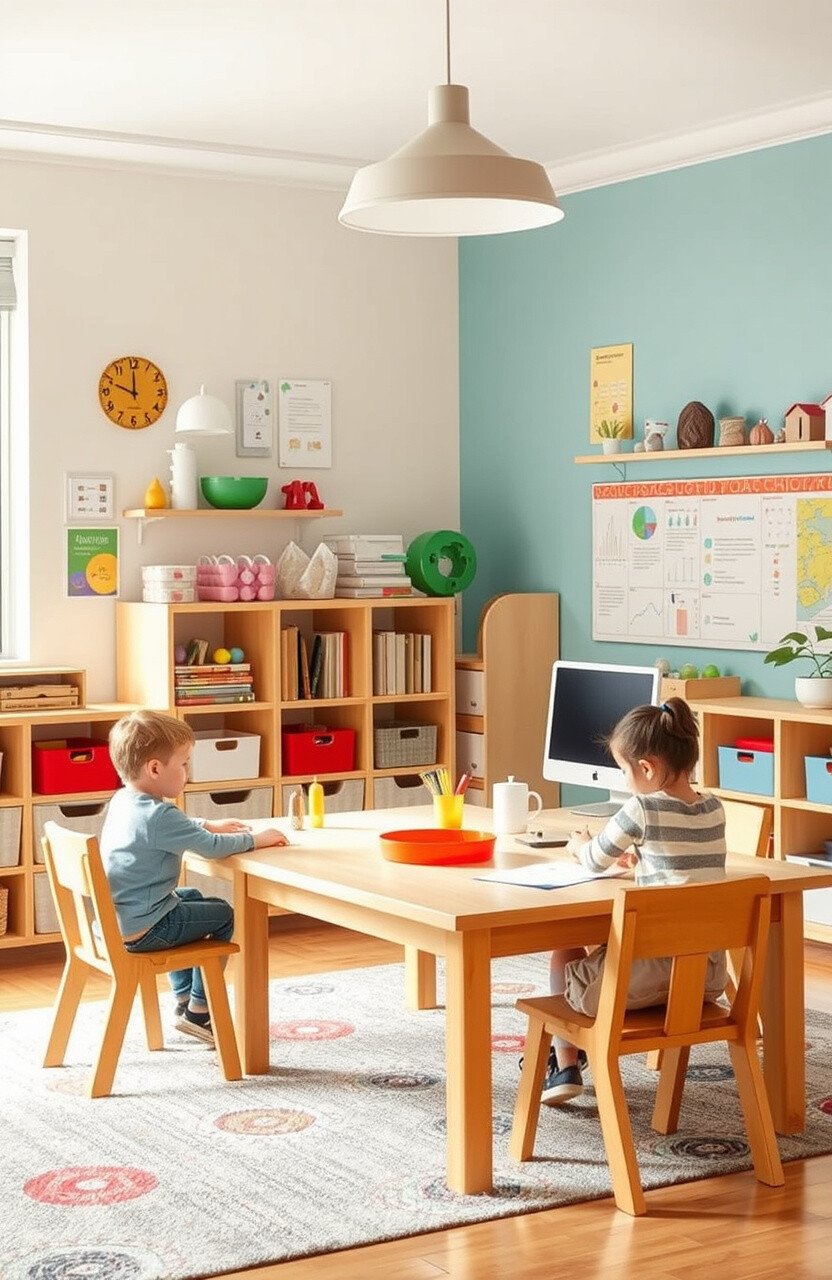
Set up stations with different activities and challenges. It’s a dynamic and engaging way to learn.
Stations encourage exploration and hands-on learning. They keep the learning environment exciting.
Rotate activities to match current lessons. Encourage kids to try new things.
Materials for stations can be simple and low-cost. It’s a versatile and lively setup.
19. Personalized Study Area
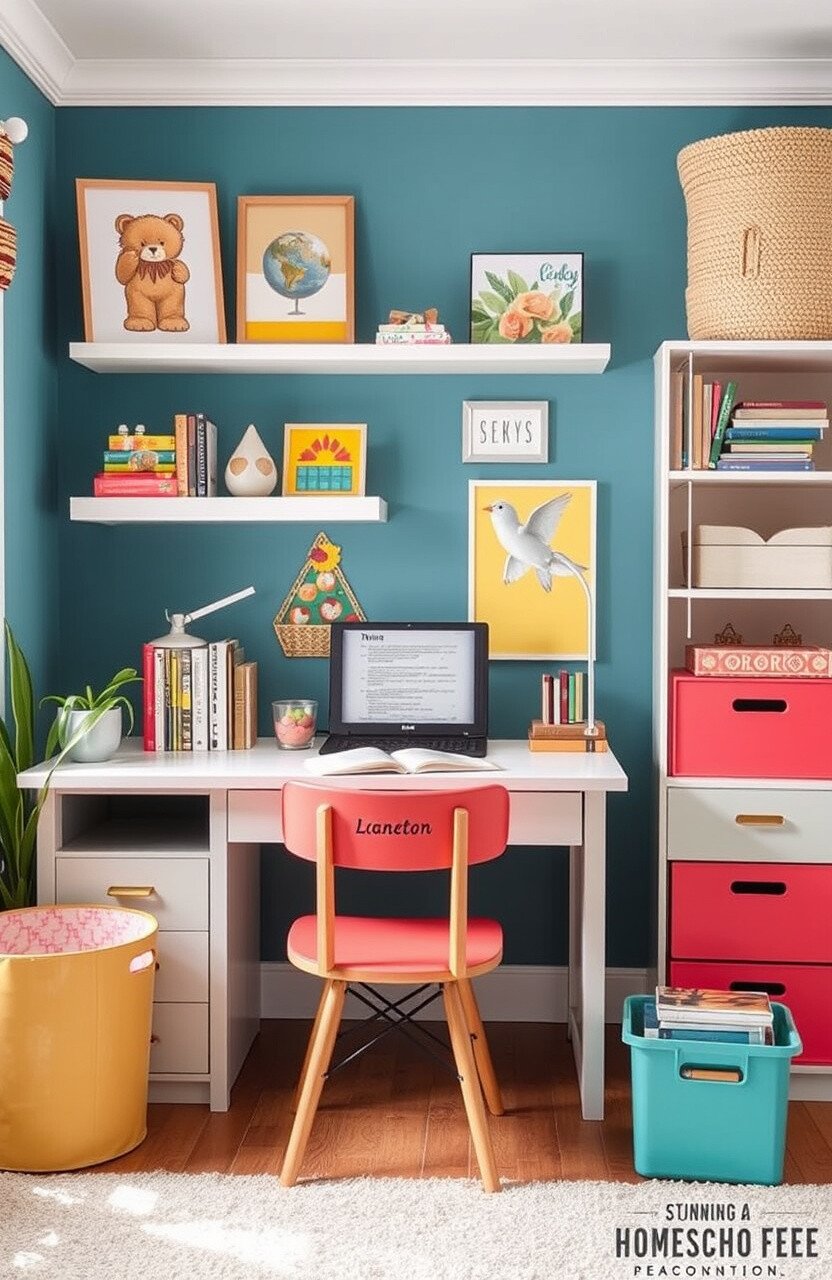
Create a dedicated space for each child with personalized touches. It’s a special spot for focused learning.
Personalization makes kids feel valued and motivated. It supports individual learning styles.
Use favorite colors and decor items. Add a nameplate or personalized chair.
Personal touches can be DIY or purchased. It’s an endearing and supportive design idea.
20. Open Floor Plan
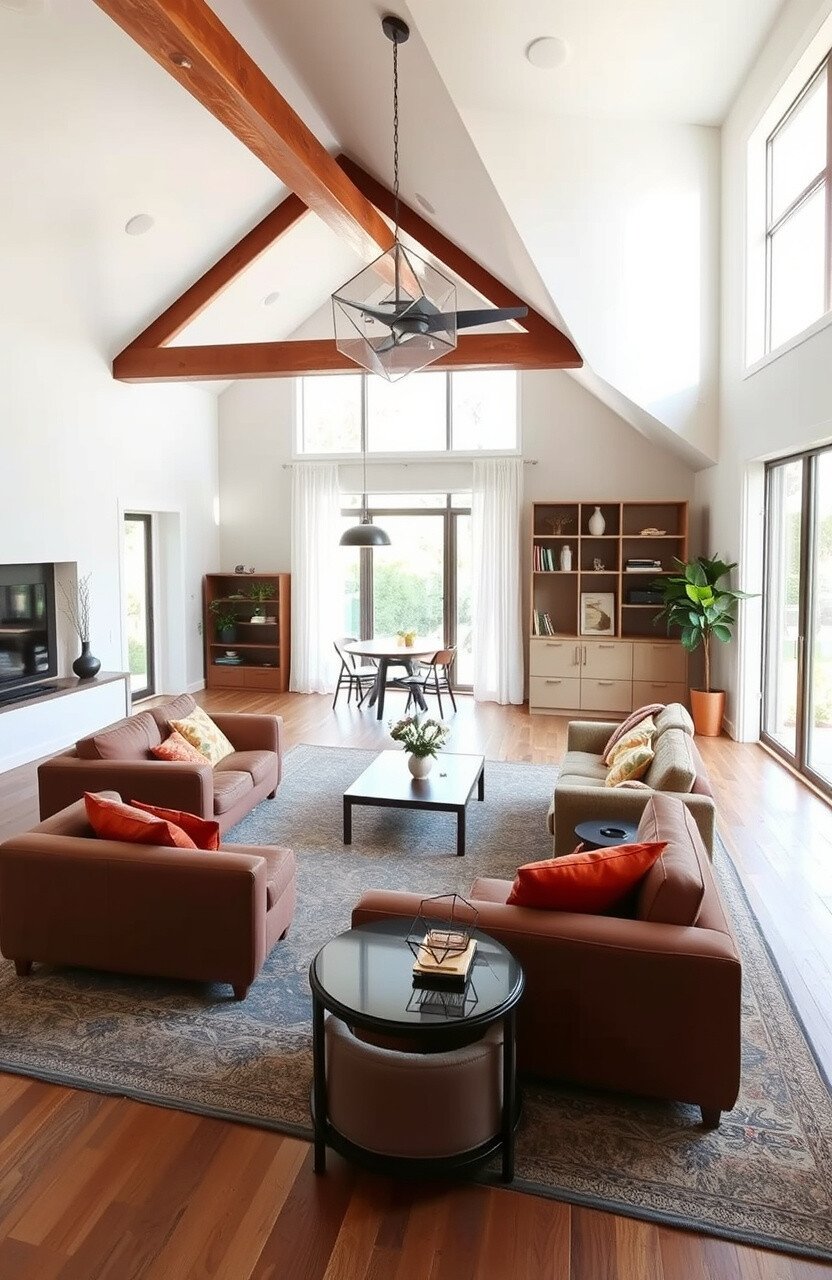
An open layout allows for flexibility and movement. It’s a spacious and adaptable environment.
Open spaces encourage collaboration and creativity. They offer room to grow and change.
Remove unnecessary furniture. Use rugs to define areas.
This idea can be executed with existing furniture. It’s a liberating and practical design.
21. Learning Through Play
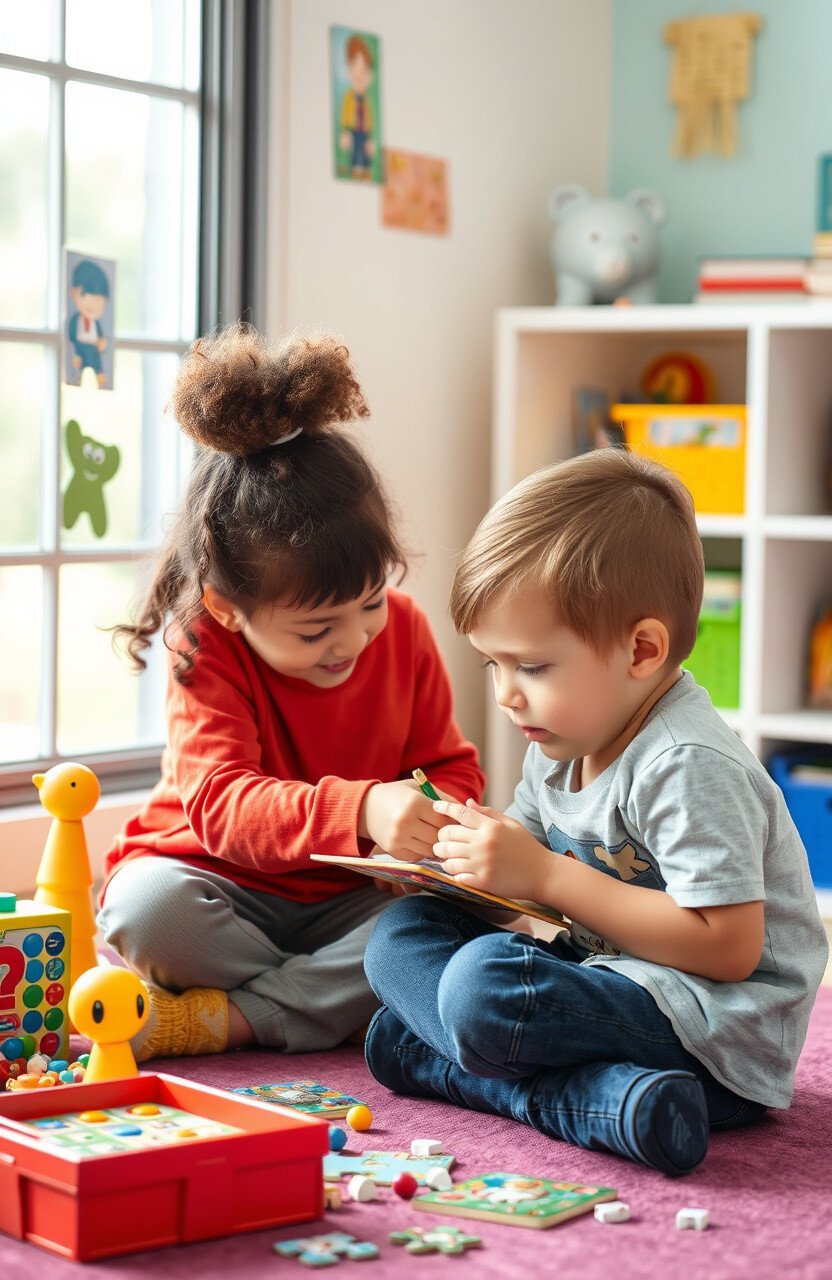
Incorporate playful elements like games and puzzles. It’s an enjoyable way to reinforce lessons.
Play enhances learning by making it more engaging. It’s effective and entertaining.
Use educational toys and games. Rotate them to align with current topics.
Games and puzzles can be found at various price points. It’s a delightful way to learn.
22. Multi-Purpose Furniture
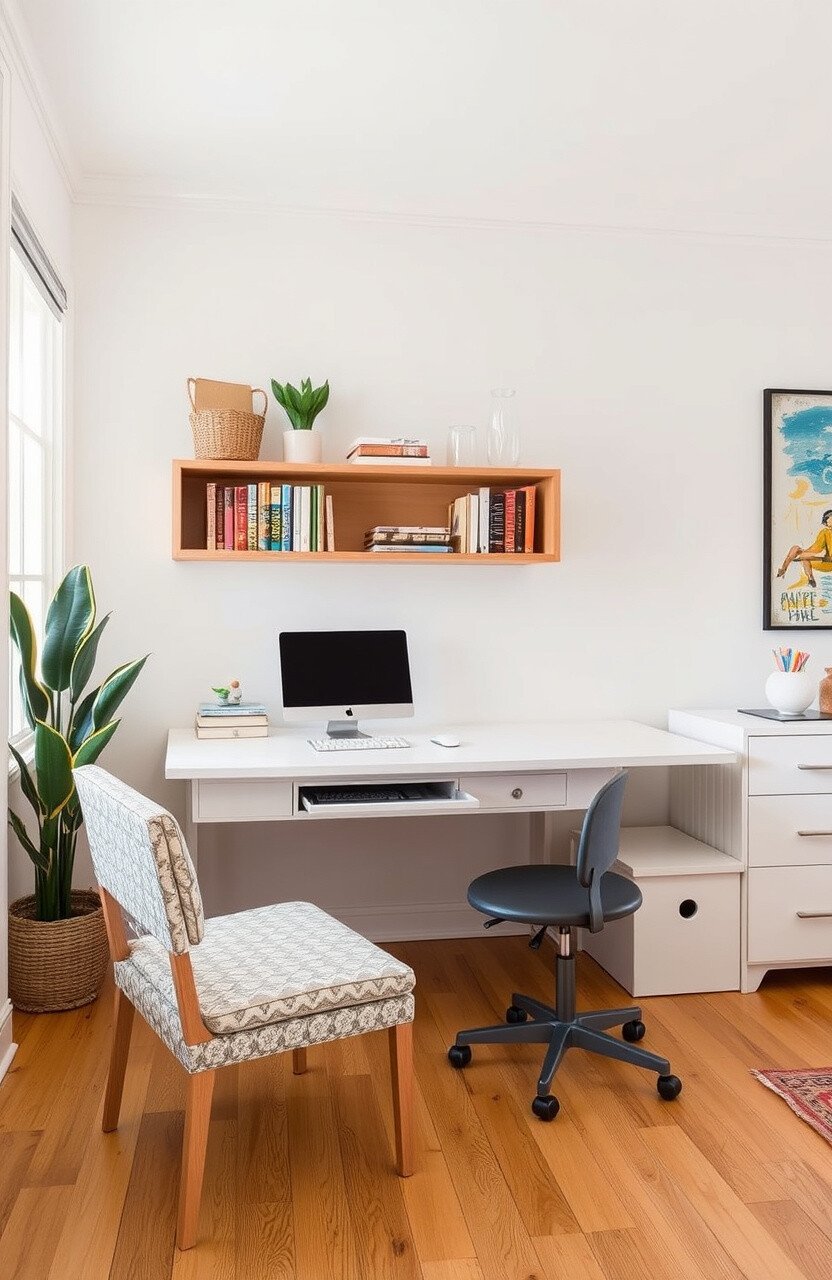
Choose furniture that serves multiple functions, like a desk that converts to a table. It’s space-saving and practical.
Multi-purpose pieces maximize space and functionality. They adapt to changing needs.
Look for convertible desks or storage benches. Use them creatively in your space.
This furniture can be a smart investment. It’s efficient and versatile.
23. Window Learning Stations
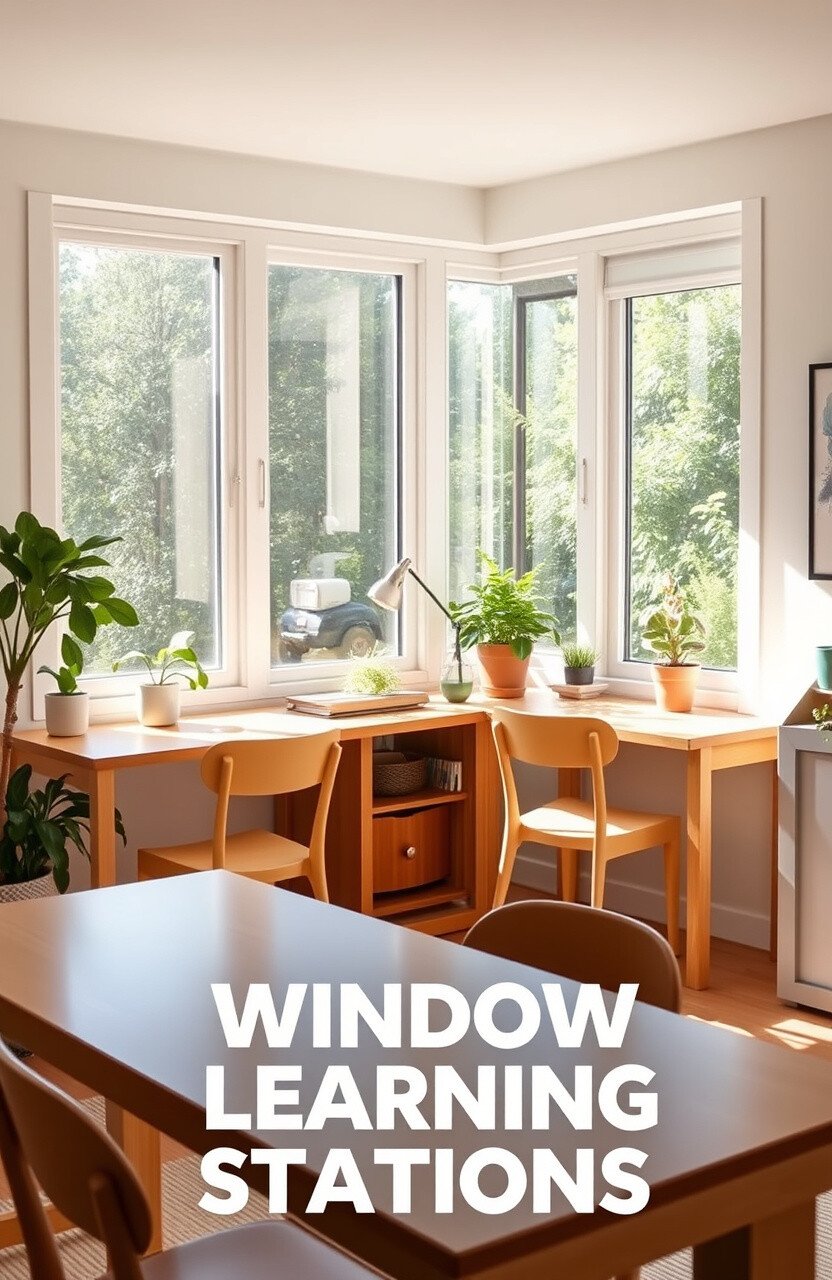
Set up desks by windows for natural light and inspiration. It’s a bright and uplifting learning spot.
Natural light boosts mood and energy levels. It enhances the overall learning experience.
Arrange desks to face windows. Add plants for a fresh touch.
Rearranging existing furniture can achieve this. It’s a refreshing and simple idea.
24. Artistic Wall Murals
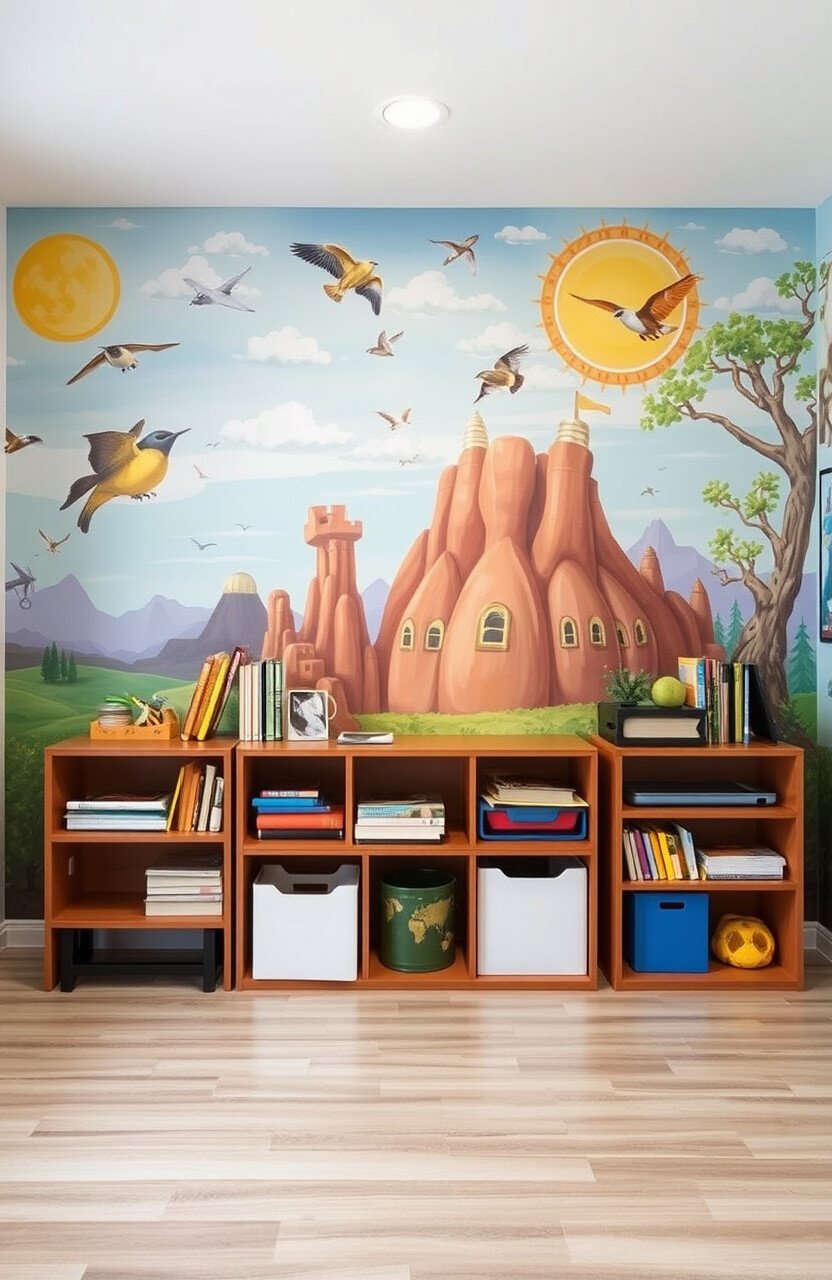
Paint or decal a wall with educational themes or scenes. It’s an artistic and immersive backdrop.
Murals add visual interest and stimulate imagination. They create a vibrant learning atmosphere.
Choose themes that align with subjects or interests. Encourage kids to contribute ideas.
DIY murals can be a fun family project. It’s a creative and eye-catching feature.
25. Bookshelf Hideaway
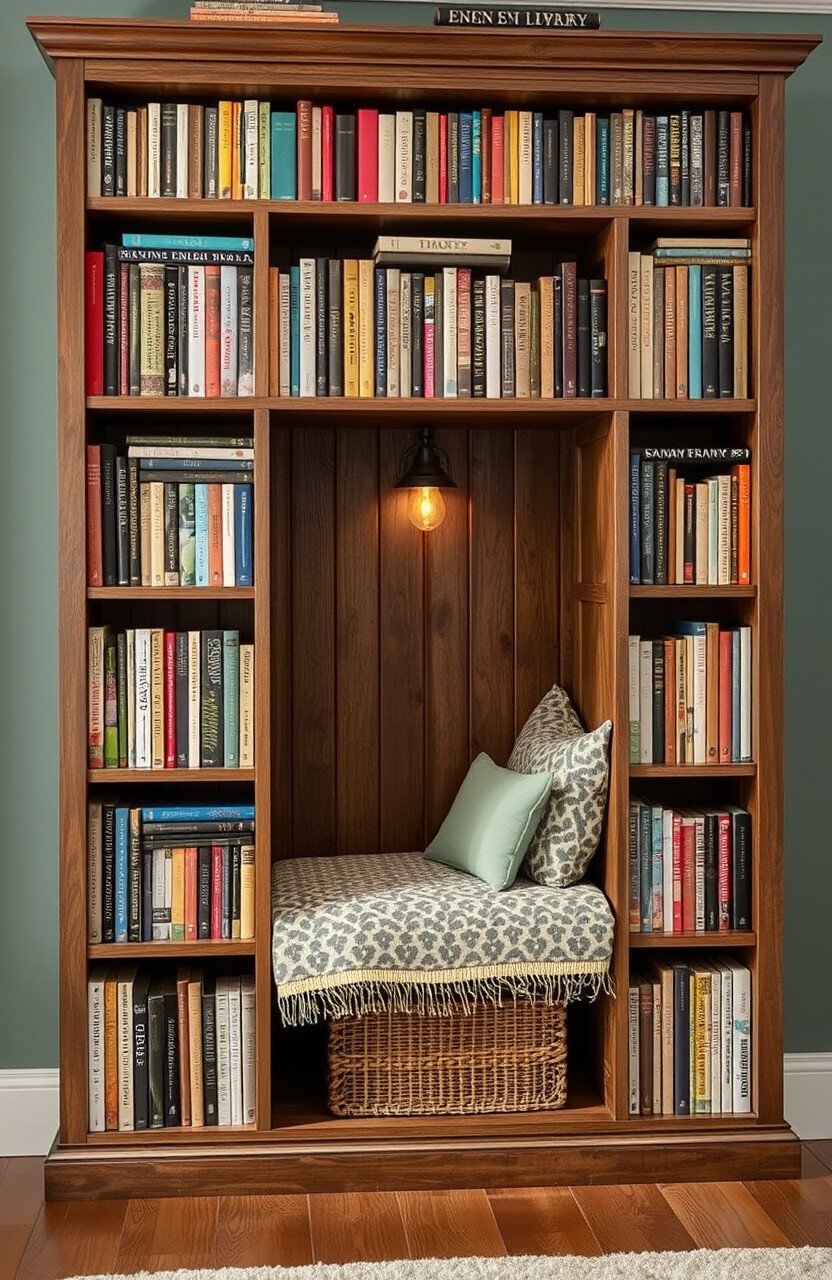
A bookshelf with a hidden reading nook is like a secret library. It’s a cozy and enchanting space.
This hideaway invites kids to lose themselves in stories. It’s a special corner for quiet time.
Use a bookshelf with a built-in seat or create your own. Add pillows and a small light.
Thrift stores can have suitable bookshelves. It’s a whimsical and charming idea.
26. Magnetic Wall for Learning

A magnetic wall allows for interactive displays and lessons. It’s an engaging and versatile tool.
Magnetic surfaces encourage hands-on learning and creativity. They make lessons more dynamic.
Use magnetic paint or sheets. Display maps, charts, or artwork.
Magnetic supplies can be affordable and easy to use. It’s a flexible and interactive concept.
27. Cozy Cabin Vibe
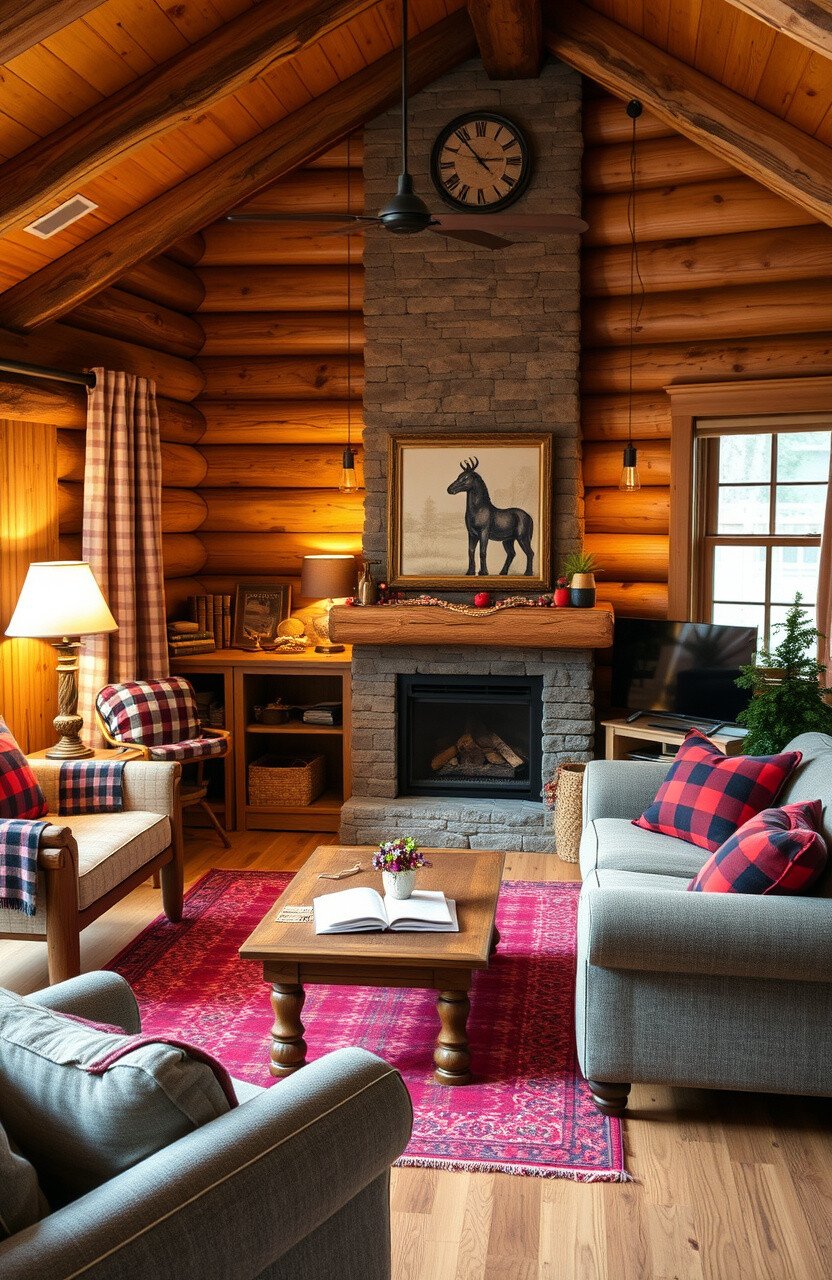
Use wood tones and rustic decor for a cabin-like feel. It’s a warm and inviting learning environment.
This style creates a sense of comfort and relaxation. It’s perfect for focused study and leisure.
Incorporate wooden furniture and plaid textiles. Add a faux fireplace for coziness.
Rustic decor can be found or made. It’s a cozy and charming theme.
28. Rotating Art Display
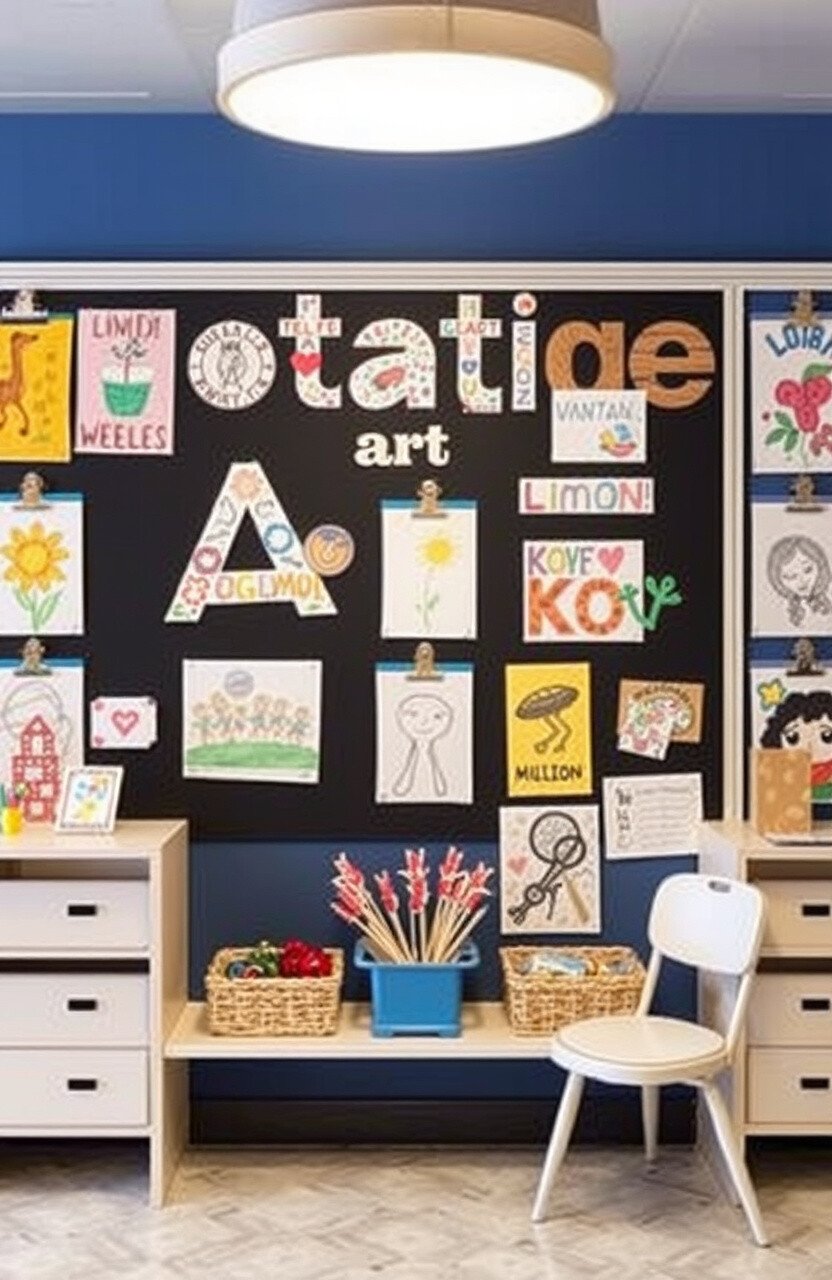
A space for rotating art keeps things fresh and exciting. It’s a dynamic showcase of creativity.
Regularly changing displays encourage ongoing artistic expression. It’s a lively and inspiring feature.
Use clipboards or frames for easy updates. Let kids choose what to display.
This display can be set up with simple materials. It’s an engaging and personal touch.
29. Under-the-Stairs Study Nook
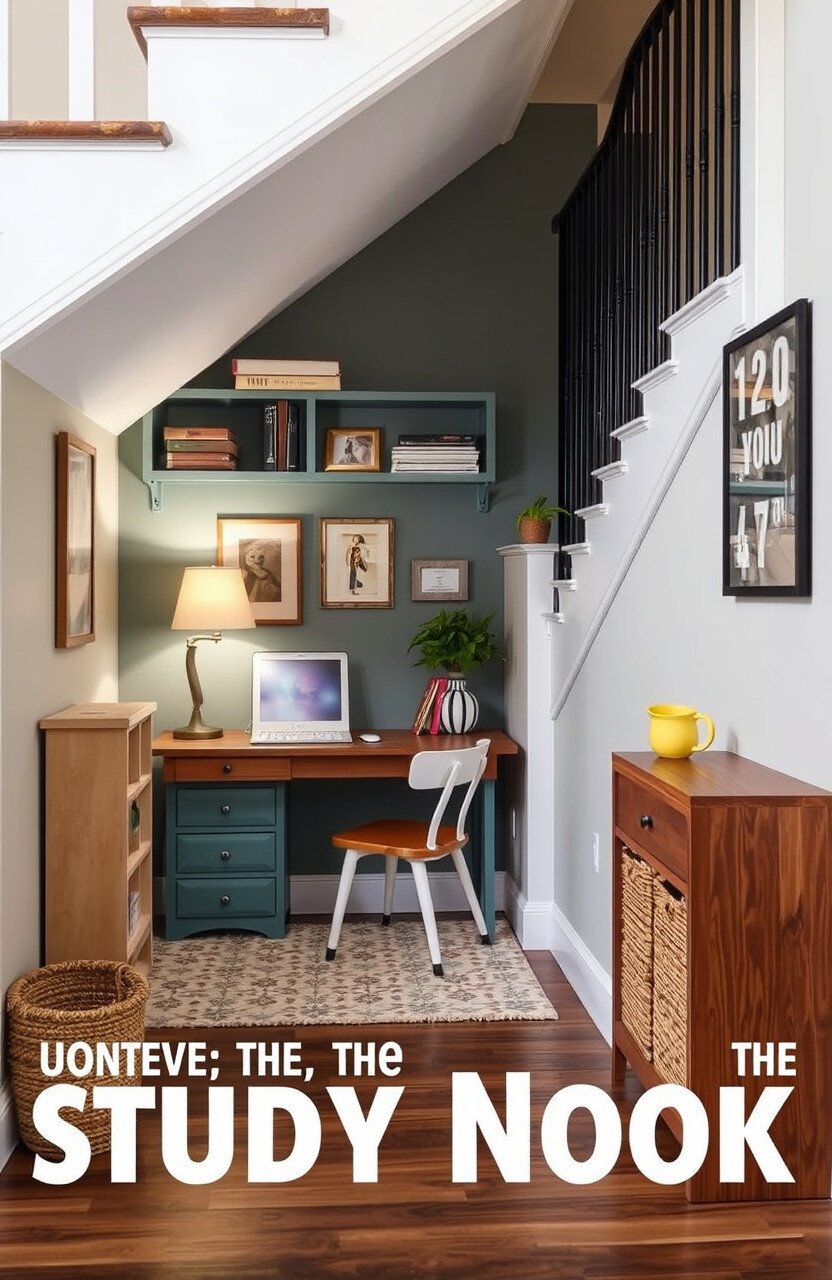
Turn unused space under the stairs into a study nook. It’s a creative and efficient use of space.
This nook offers a private and cozy study area. It’s perfect for focused learning.
Install a small desk and shelves. Add a lamp for good lighting.
Use existing furniture or thrift finds for this project. It’s a clever and snug idea.
30. Inspirational Lighting
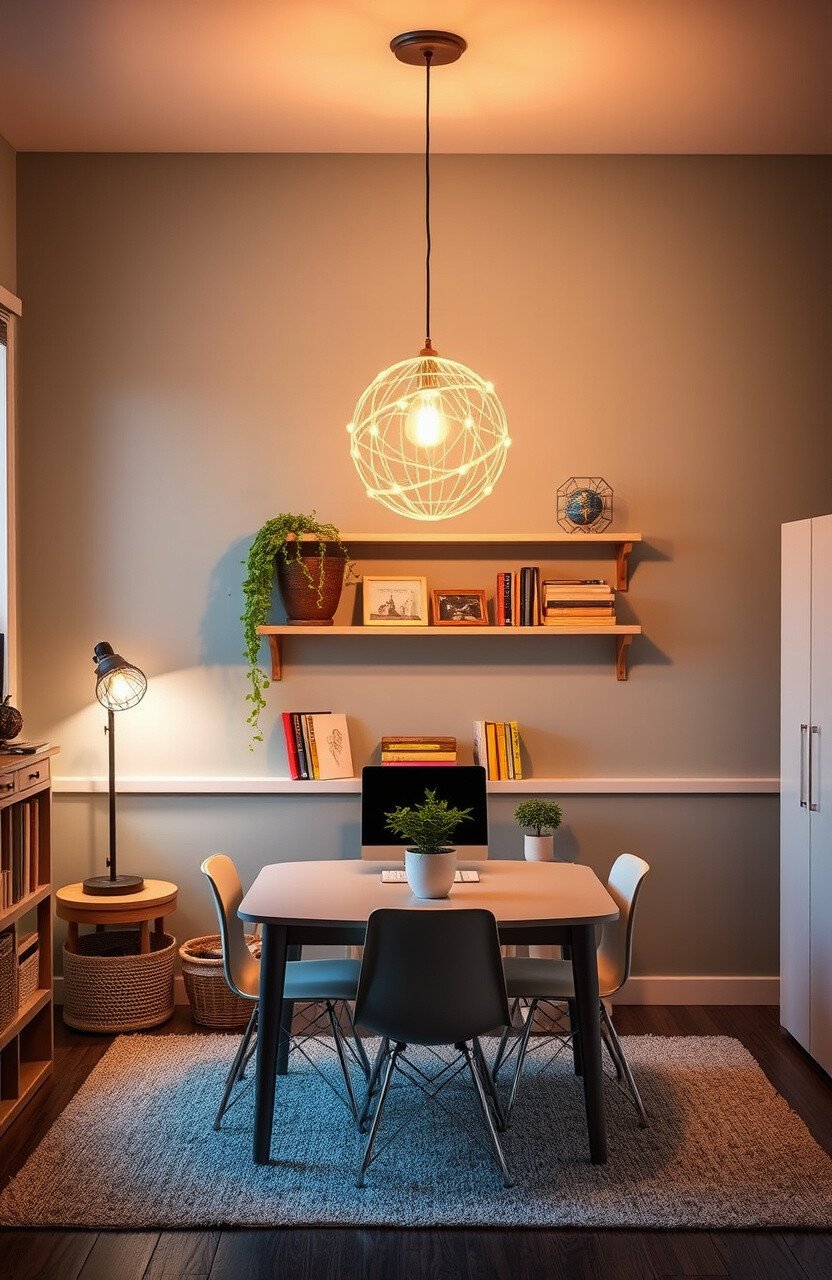
Use unique lighting fixtures to create ambiance. It’s a bright and uplifting addition.
Lighting sets the mood for learning and creativity. It enhances the overall environment.
Choose lamps with interesting designs. Consider string lights for a magical touch.
Lighting can be found at various price points. It’s an illuminating and stylish choice.
31. Musical Learning Space
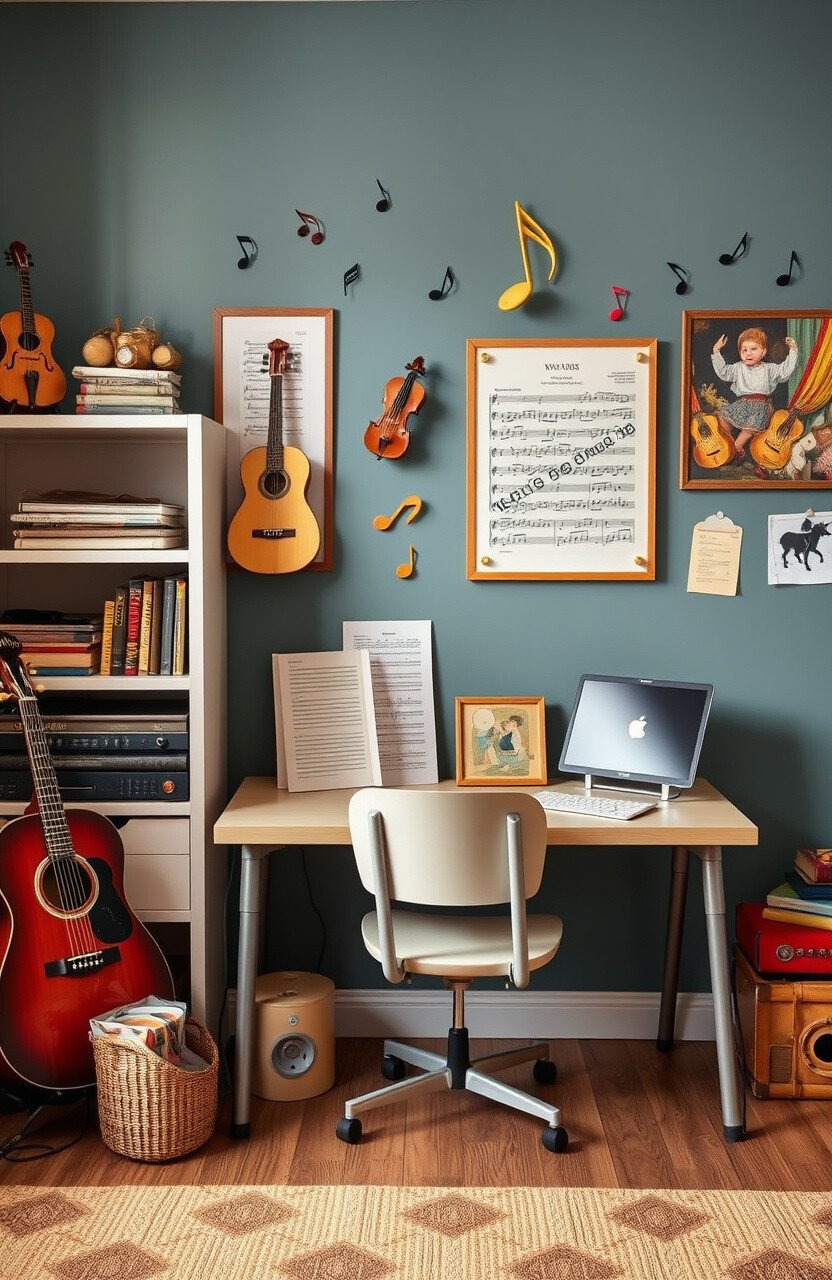
Incorporate instruments and music-themed decor. It’s a harmonious and creative environment.
Music stimulates the mind and enhances learning. It’s a joyful and educational addition.
Set up a corner with instruments and sheet music. Decorate with musical notes and symbols.
Look for instruments at thrift stores or sales. It’s a melodious and inspiring space.
32. Seasonal Decor Updates
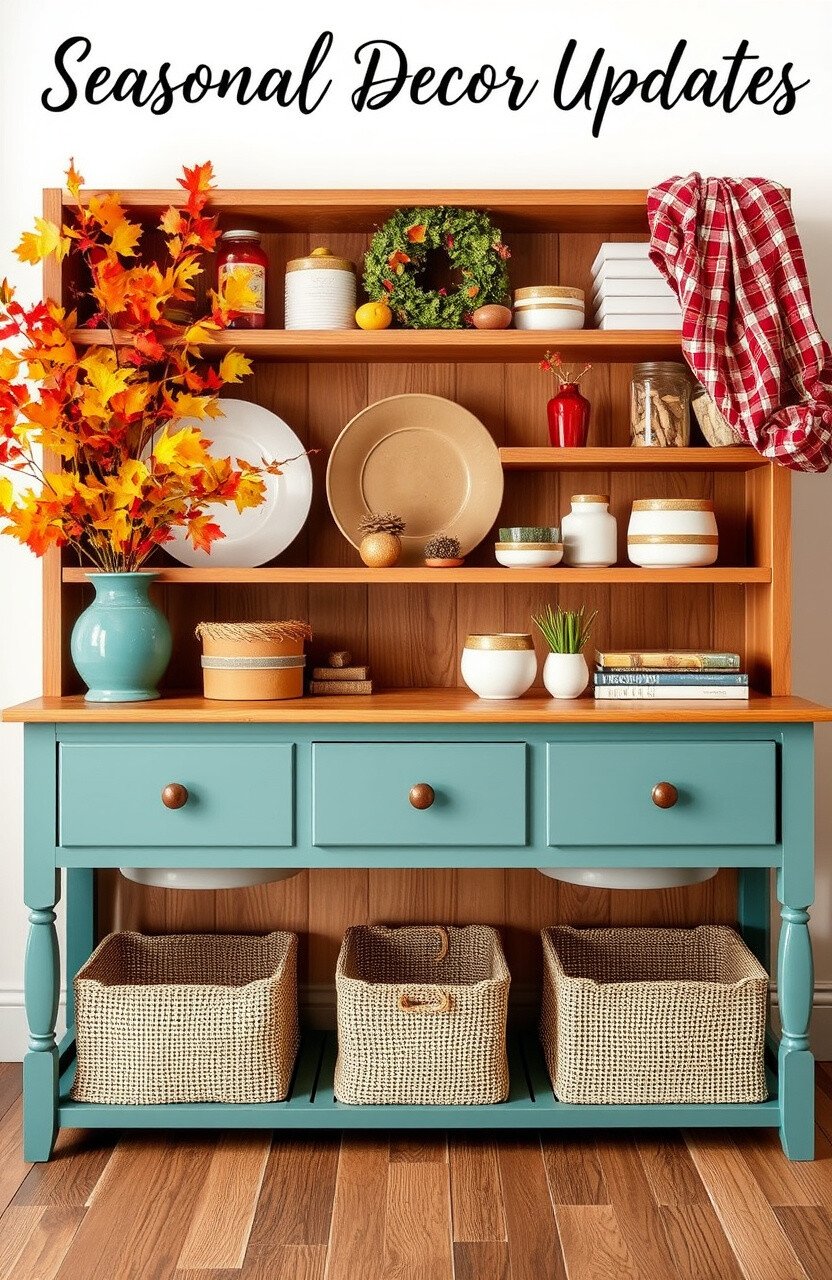
Change decor with the seasons for a fresh look. It’s an ever-changing and engaging environment.
Seasonal updates keep things exciting and new. They reflect the world outside.
Use nature-inspired decor and colors. Involve kids in decorating.
Seasonal items can be DIY or found in nature. It’s a delightful and dynamic idea.
33. Modular Furniture
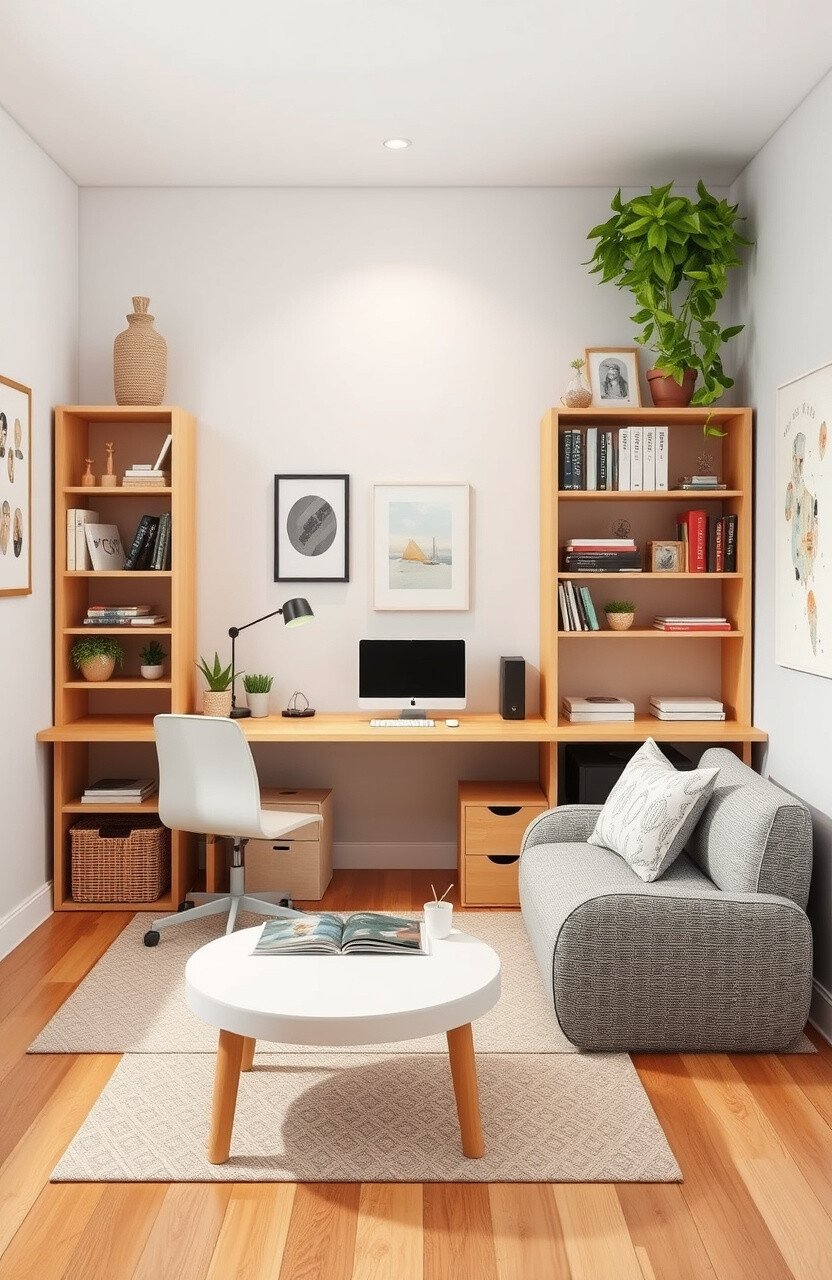
Use furniture that can be easily rearranged. It’s flexible and adaptable to different needs.
Modular pieces offer endless possibilities for change. They grow with your family’s needs.
Choose desks and shelves that can be stacked or moved. Experiment with different layouts.
Modular furniture can be a smart investment. It’s a versatile and practical design.
34. Vintage Map Wall
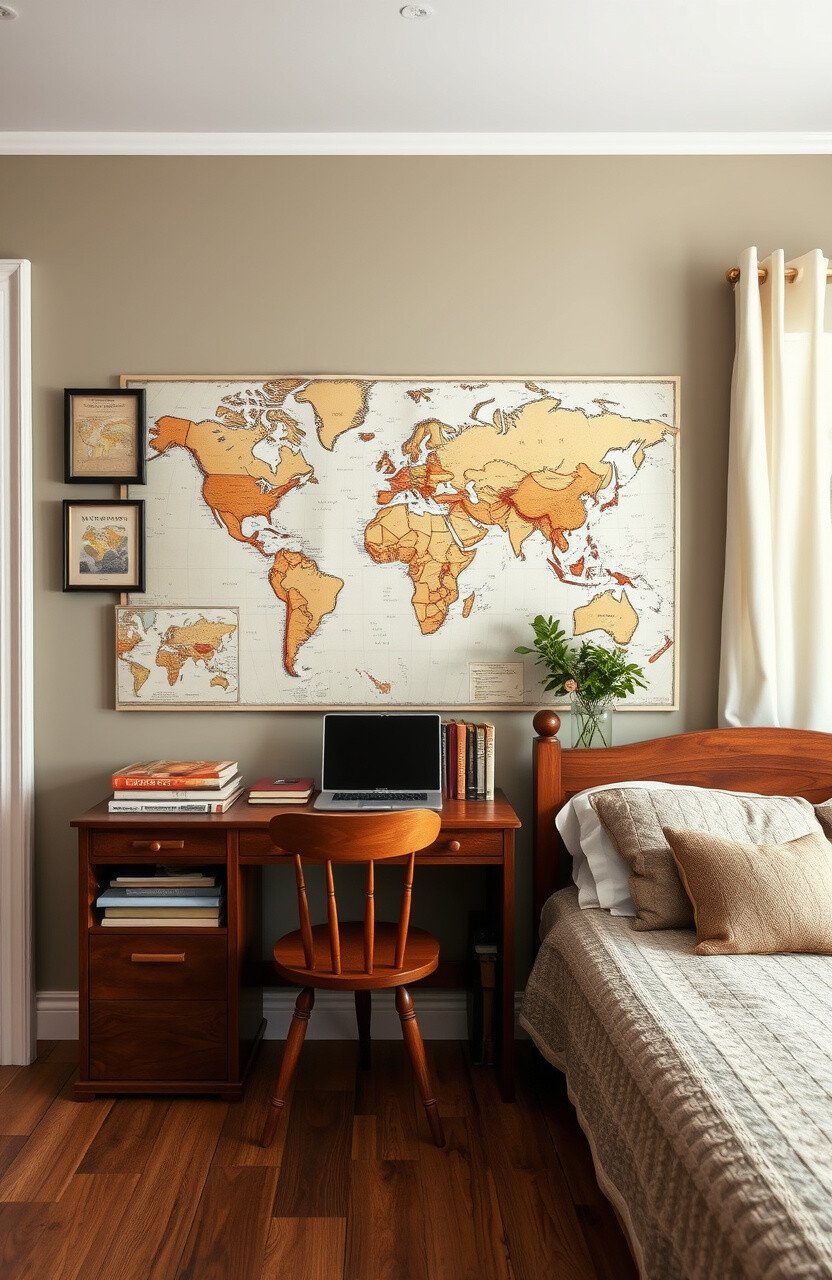
Decorate a wall with vintage maps for a classic look. It’s a timeless and educational backdrop.
Maps add character and intrigue to the space. They inspire curiosity about the world.
Use maps from different eras or regions. Frame them for a polished look.
Vintage maps can be found online or in stores. It’s a captivating and historical touch.
35. DIY Learning Tools
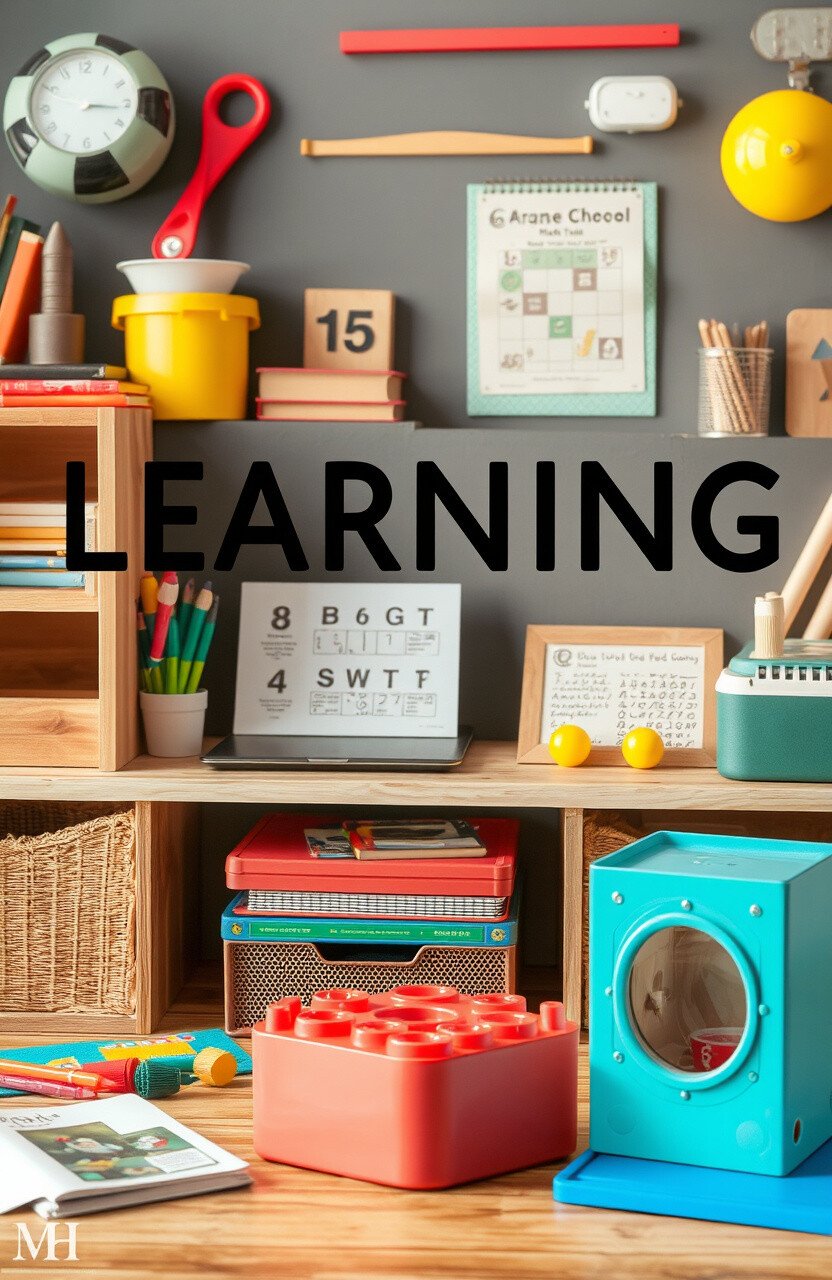
Create your own educational tools and games. It’s a personalized and creative approach.
DIY tools encourage innovation and problem-solving. They’re unique and customizable.
Use household items to create games and activities. Encourage kids to invent their own.
This approach is budget-friendly and imaginative. It’s a hands-on and inventive idea.
36. Outdoor Learning Area
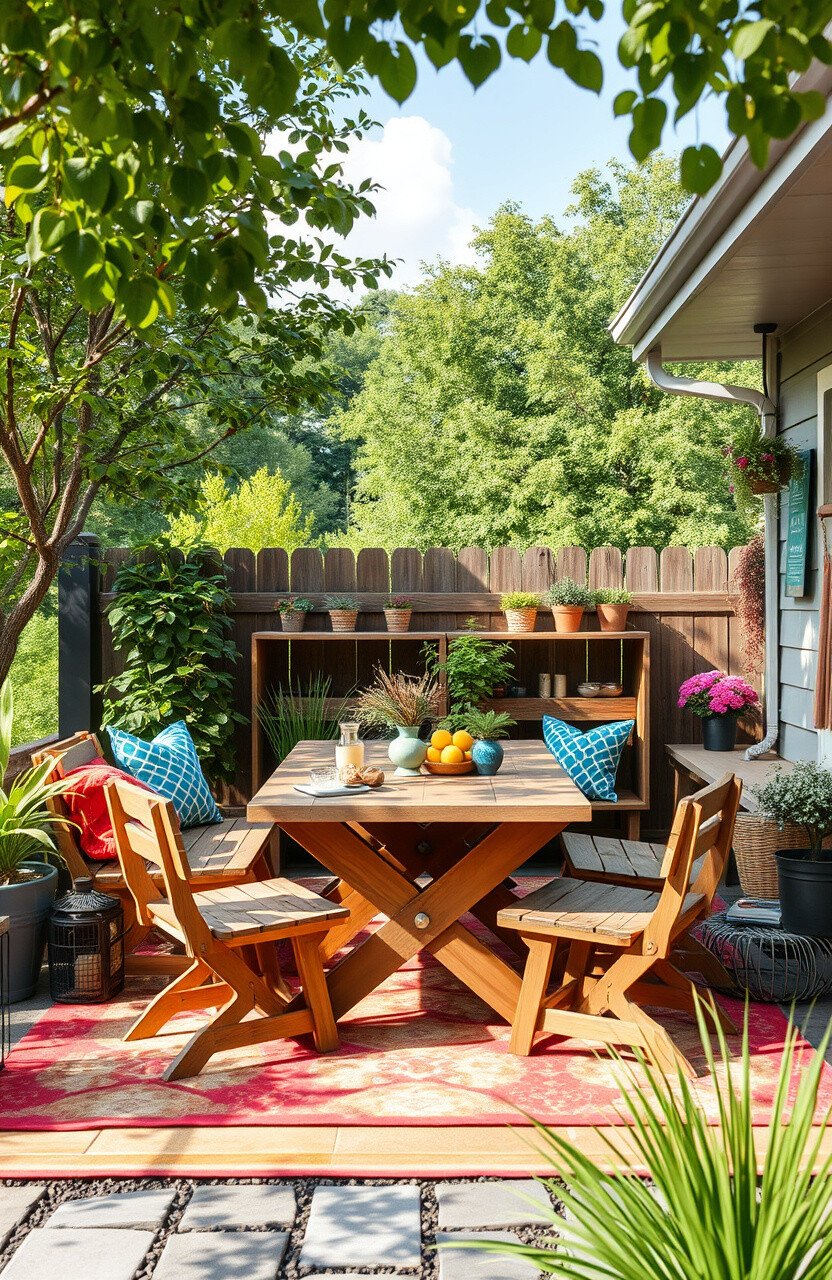
Set up a space outside for fresh air and learning. It’s a refreshing and natural environment.
Outdoor learning connects education with nature. It’s invigorating and fun.
Use a table and chairs or a picnic blanket. Incorporate nature into lessons.
Outdoor spaces can be created with what you have. It’s a lively and healthy design.
37. World Cultures Corner
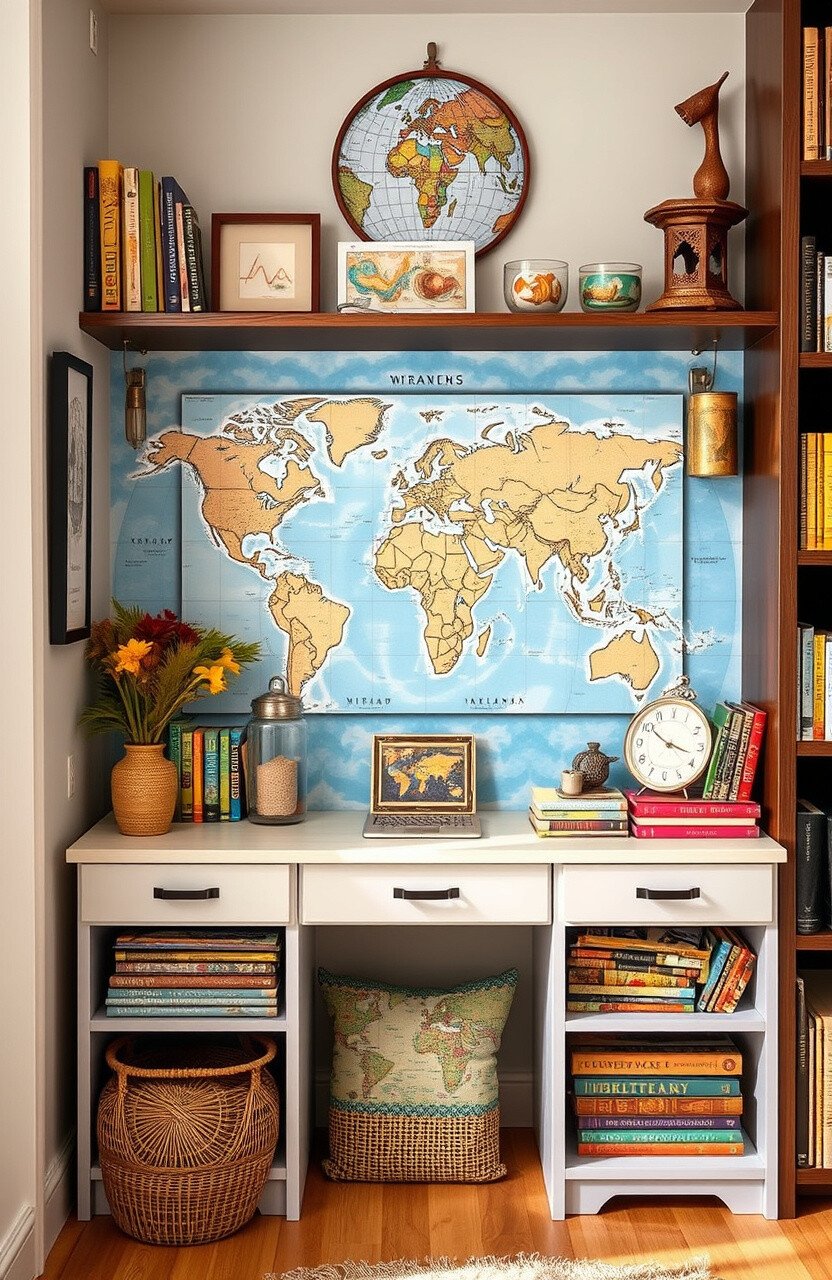
Explore different cultures with themed decor and resources. It’s a gateway to global understanding.
Cultural learning broadens perspectives and empathy. It’s fascinating and enriching.
Use artifacts, books, and maps from various cultures. Change themes regularly.
Items can be found or made. It’s a worldly and insightful addition.
38. Relaxation and Meditation Space

Create a quiet area for relaxation and reflection. It’s a peaceful and restorative corner.
Relaxation supports mental health and focus. It’s a calming and essential space.
Use soft cushions and calming colors. Add a small fountain or essential oils.
This space can be set up with simple items. It’s a soothing and thoughtful design.
39. Learning Through Nature
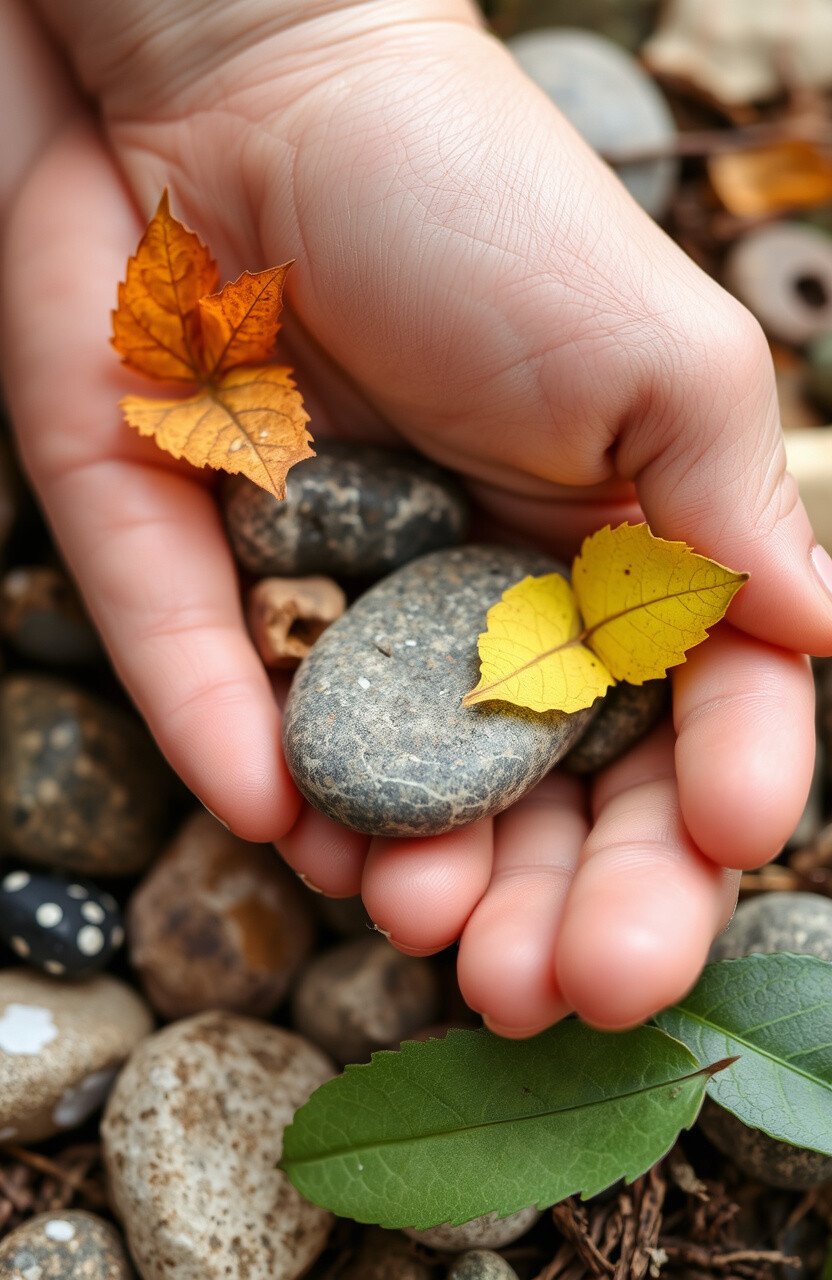
Incorporate natural elements like stones and leaves into lessons. It’s an organic and tactile approach.
Nature-based learning fosters curiosity and observation. It’s grounding and insightful.
Collect items from nature walks. Use them in crafts and experiments.
This method is cost-effective and engaging. It’s a natural and enriching idea.