Imagine a world where your home not only looks stunning but also supports the planet. These innovative materials can turn that dream into reality.
1. Reclaimed Wood
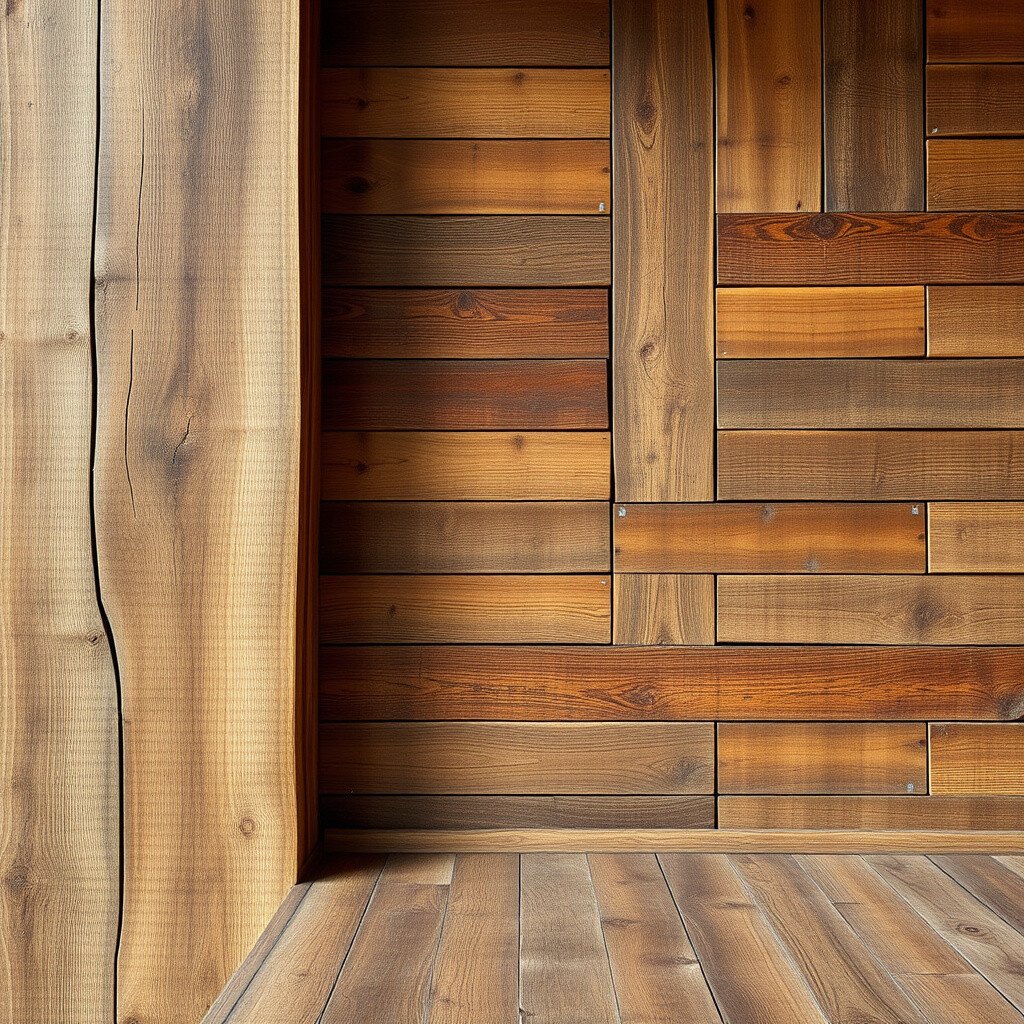
Reclaimed wood is like giving a second life to trees. This material is not only environmentally friendly but also adds a touch of history and character to any space. It’s perfect for those who love a rustic or vintage look.
The uniqueness of reclaimed wood lies in its previous life. Each piece has its own story, with nail holes and weathered textures that make it one-of-a-kind. Consider it for flooring, walls, or furniture pieces.
While it may cost a bit more than new wood, the charm it brings is worth every penny. Plus, by using it, you’re helping reduce deforestation.
2. Bamboo
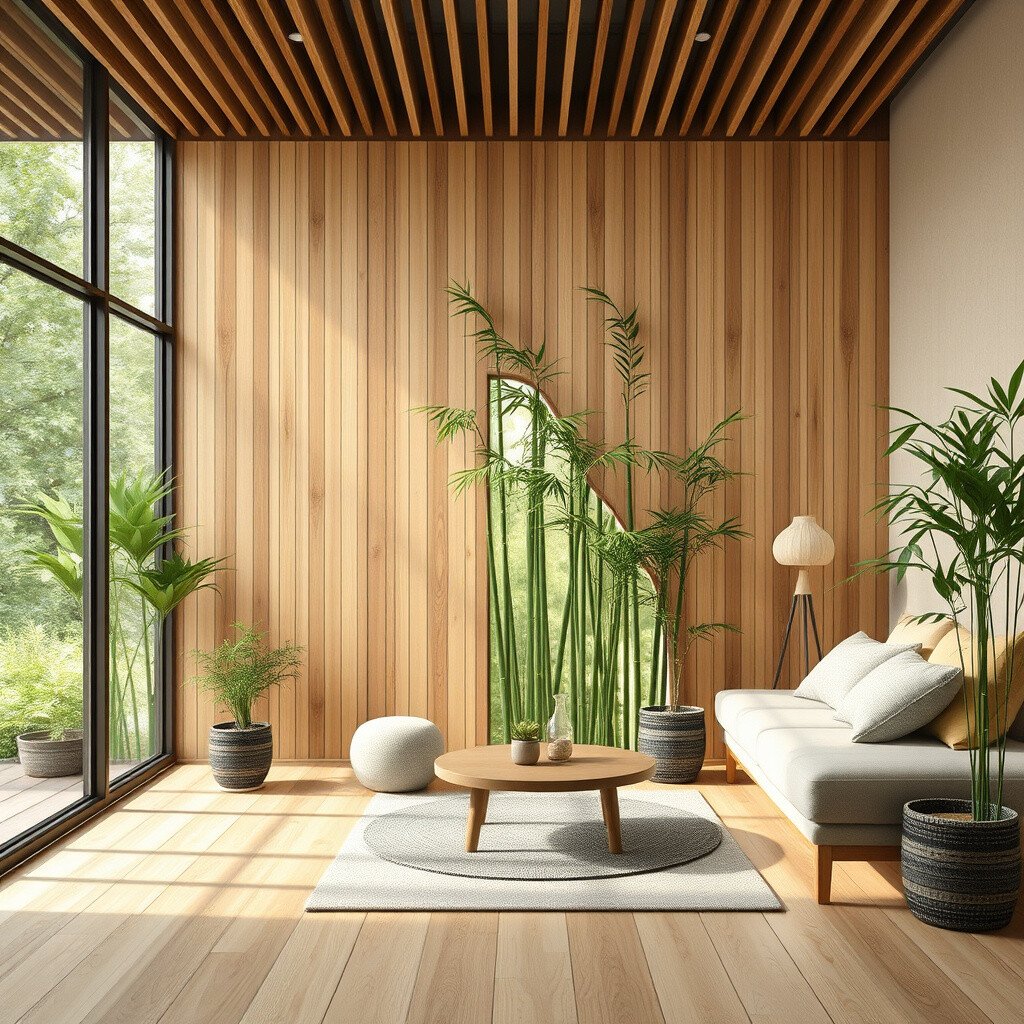
Bamboo is a superstar in the world of sustainable materials. It grows incredibly fast and is very versatile. You can use it for floors, walls, and even furniture.
Its light color and smooth texture can brighten up any room. Bamboo is also surprisingly durable, making it a great choice for high-traffic areas.
Cost-wise, bamboo is affordable, especially considering its benefits. It’s a popular choice for those looking to create a modern, clean aesthetic.
3. Cork
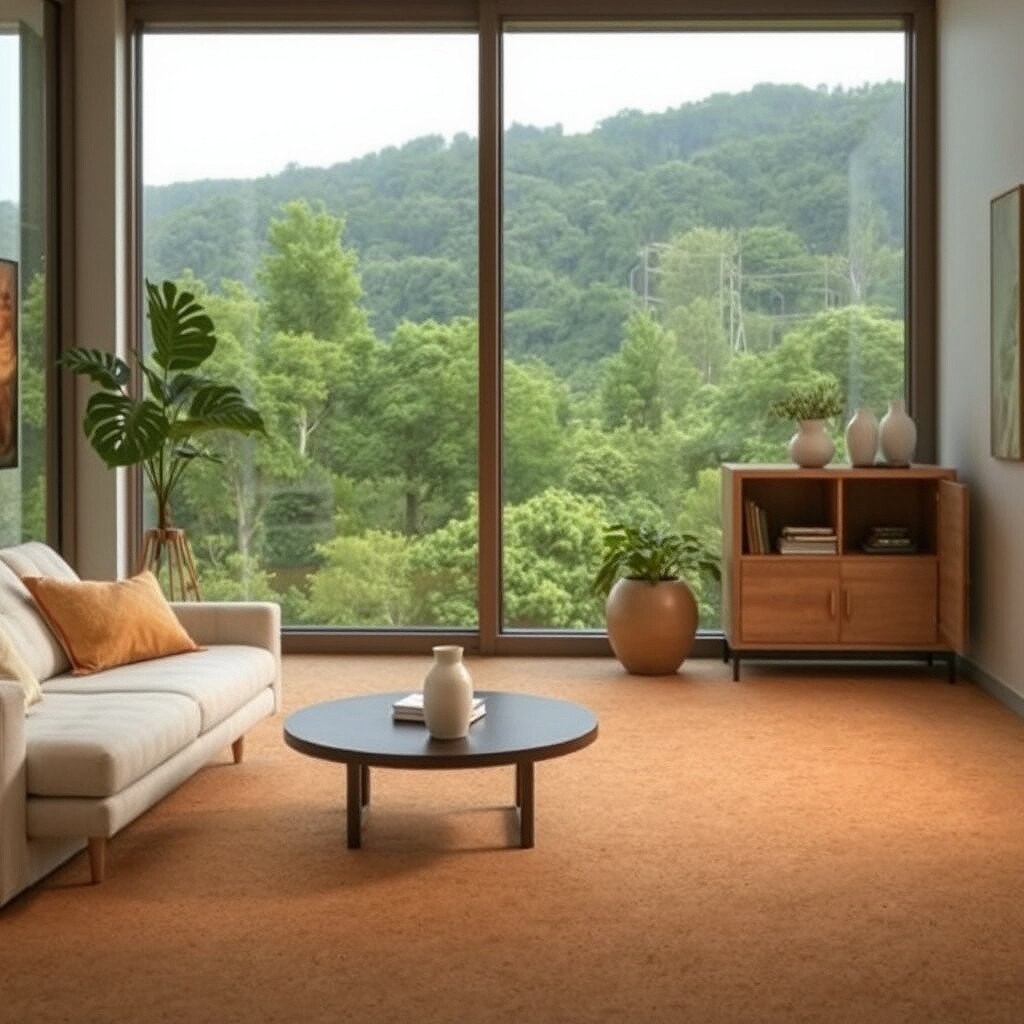
Cork isn’t just for wine bottles! This renewable resource is harvested from the bark of cork oak trees, which regrow after harvesting. This makes it super sustainable and a great choice for flooring and wall coverings.
Its natural texture and warmth make spaces feel cozy and inviting. Cork is also soft underfoot and provides excellent insulation, both thermal and acoustic.
You’ll find that cork flooring is easy to install and relatively low-cost. Its earthy tones fit well with many design styles.
4. Recycled Metal
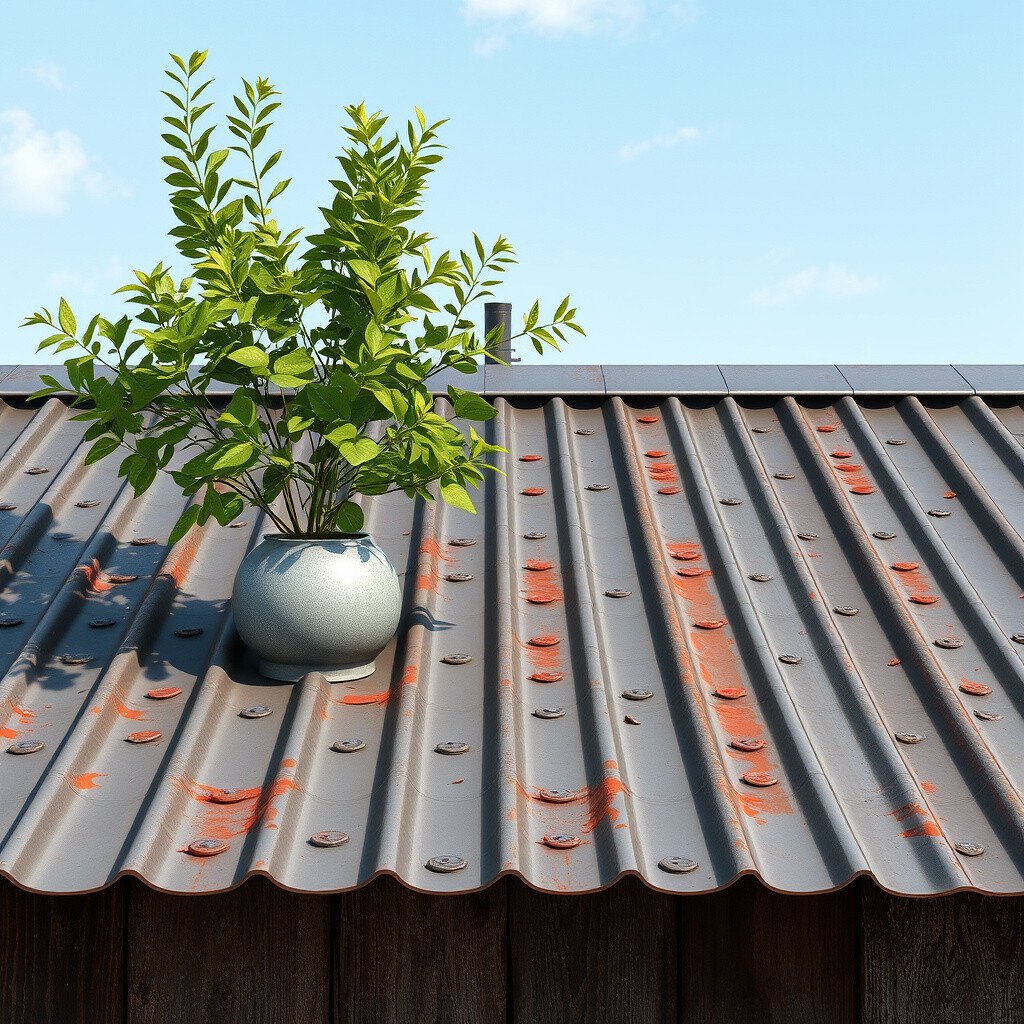
Recycled metal is both eco-friendly and chic. It’s perfect for those who love a modern, industrial look. Think countertops, roofing, and even art pieces.
This material is highly durable and can withstand the test of time. Using recycled metal cuts down on the energy required to produce new metal, reducing your carbon footprint considerably.
Although it might be a bit more expensive than traditional materials, the sleek, contemporary style it offers is unbeatable. Personalize it with different finishes to suit your taste.
5. Straw Bales
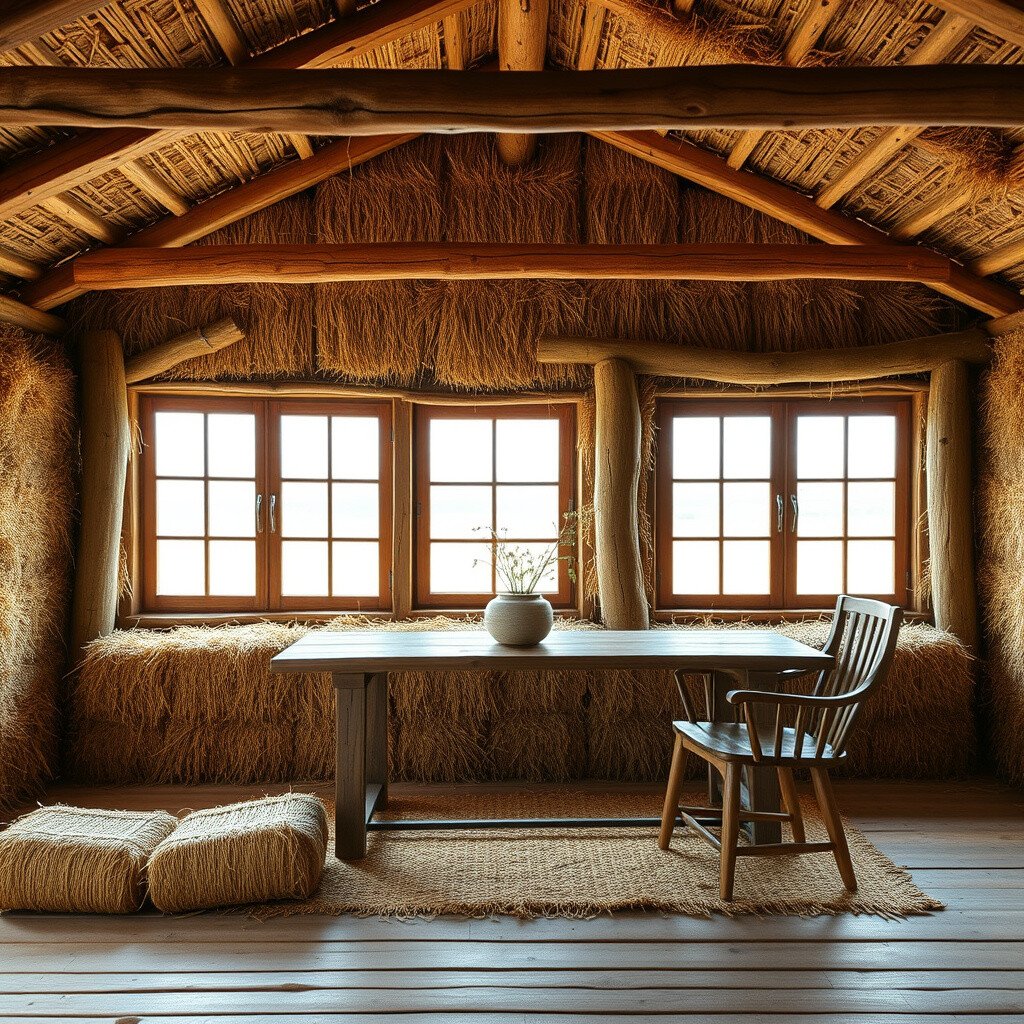
Straw bales might sound unusual, but they’re excellent insulators. They are used in walls to create energy-efficient and cozy homes.
This material is affordable and readily available, especially in rural areas. Plus, it’s a great way to use agricultural waste.
Consider pairing straw bales with plaster for a smooth finish. The result is a warm and inviting home with a rustic touch.
6. Rammed Earth
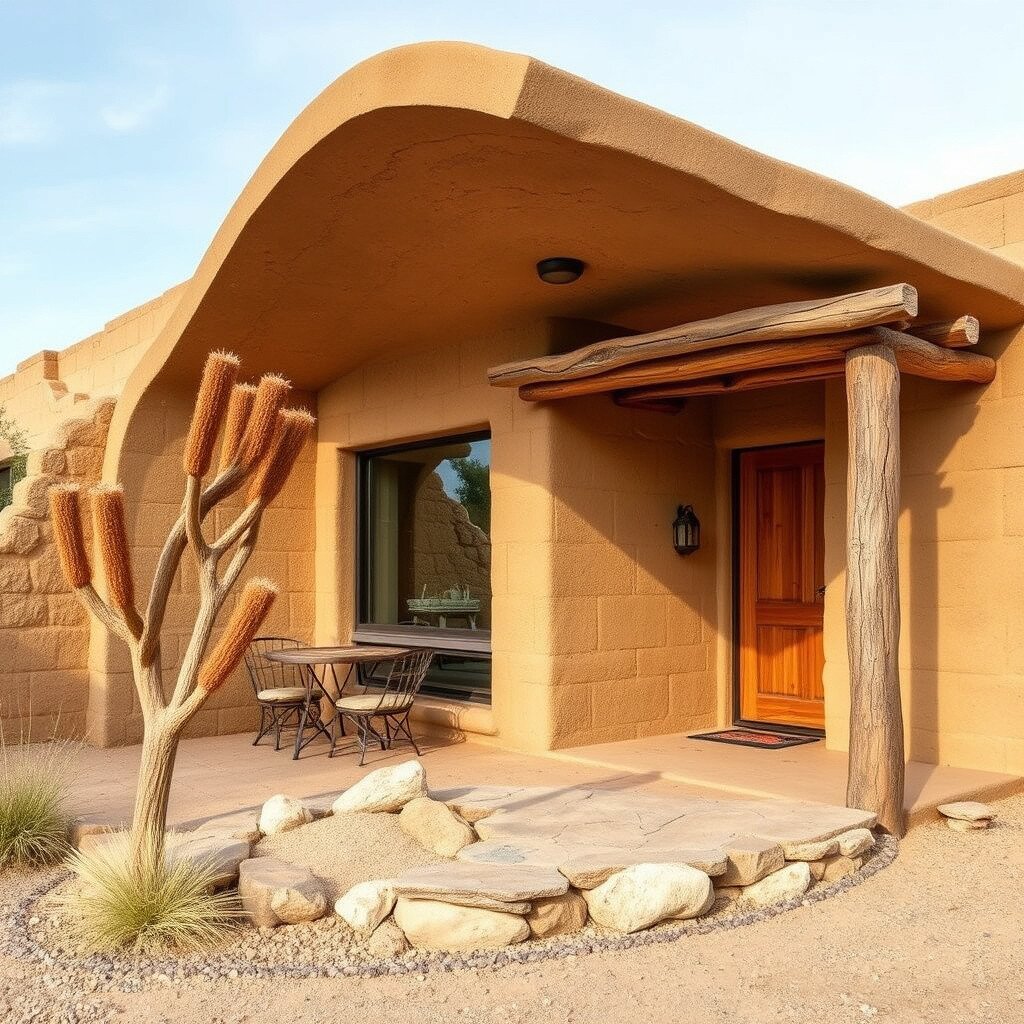
Rammed earth structures are as ancient as they are sustainable. This technique uses natural materials like earth and clay to create beautiful, durable walls.
The natural color variations in rammed earth add a unique aesthetic to homes. It’s also incredibly energy-efficient, maintaining consistent temperatures throughout the year.
While the initial costs can be higher due to labor, the long-term energy savings make it a worthy investment. Personalize it with natural pigments for added beauty.
7. Sheep’s Wool

Sheep’s wool is a fantastic natural insulator. Not only is it sustainable, but it’s also highly effective at regulating temperature and humidity.
Using sheep’s wool is like wrapping your home in a cozy blanket. It’s perfect for those who want a warm, snug home without compromising on sustainability.
While it might be pricier than synthetic options, the comfort and eco-friendliness it offers are second to none. Consider it for attic and wall insulation.
8. Recycled Glass
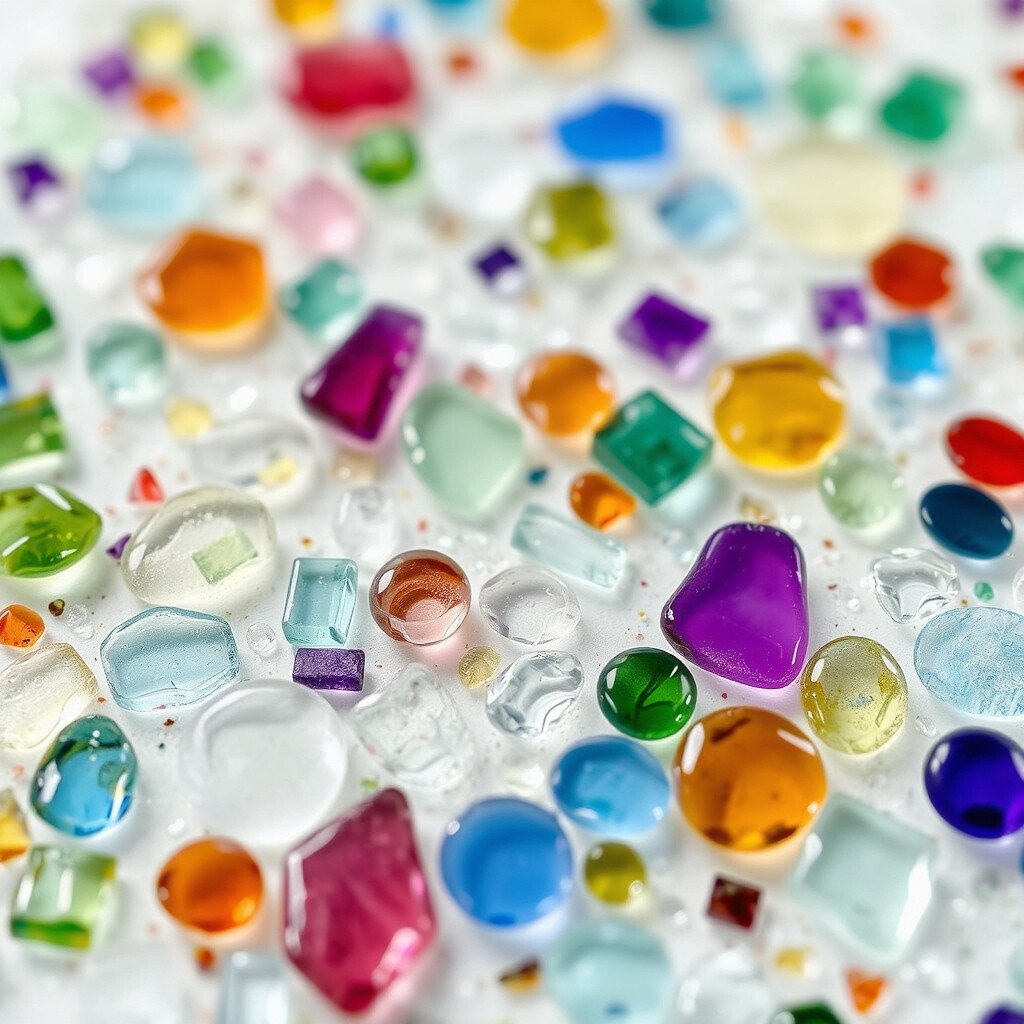
Recycled glass is a dazzling choice for countertops, tiles, and decorative elements. It’s made from glass waste, transforming trash into treasure.
The vibrant colors and patterns available make recycled glass a favorite for those looking to add a splash of color to their spaces. It’s also non-porous and easy to clean.
Although custom designs can be costly, the artistic flair and eco-credibility are worth considering. Mix and match colors for a personalized touch.
9. Mycelium

Mycelium is an innovative material grown from fungi. It’s biodegradable and can be molded into various shapes, making it perfect for insulation and packaging.
The lightweight and fire-resistant nature of mycelium makes it an exciting alternative to traditional materials. It’s also an excellent conversation starter!
Although still emerging in the market, mycelium is relatively inexpensive and offers a futuristic aesthetic. Experiment with it for unique design elements.
10. Hempcrete
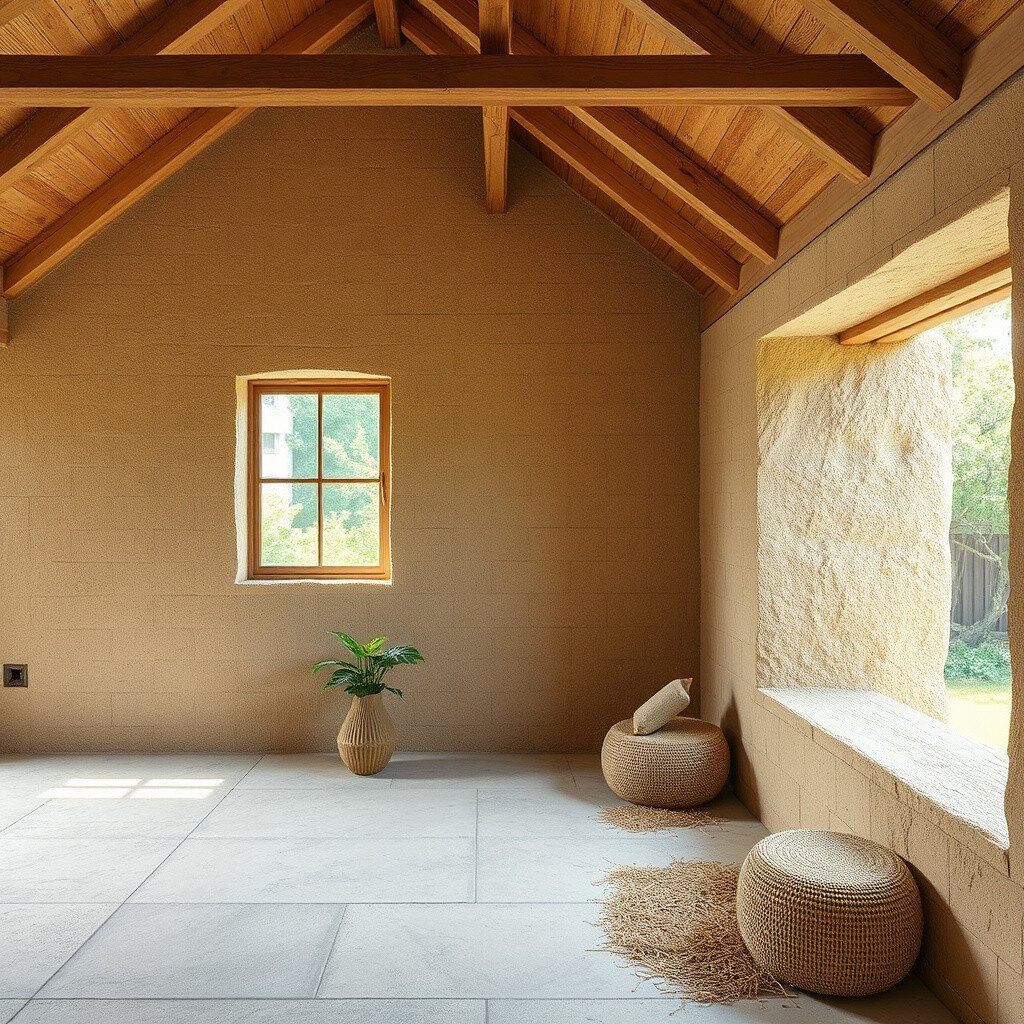
Hempcrete is made from the inner fibers of the hemp plant. It’s a light, durable material used for insulation and wall construction.
What makes hempcrete special is its ability to absorb carbon dioxide, making it a carbon-negative building material. It’s perfect for eco-conscious builders.
While installation costs can vary, the environmental benefits and thermal performance make it a worthy contender. Its neutral tones blend well with various styles.
11. Ferrock
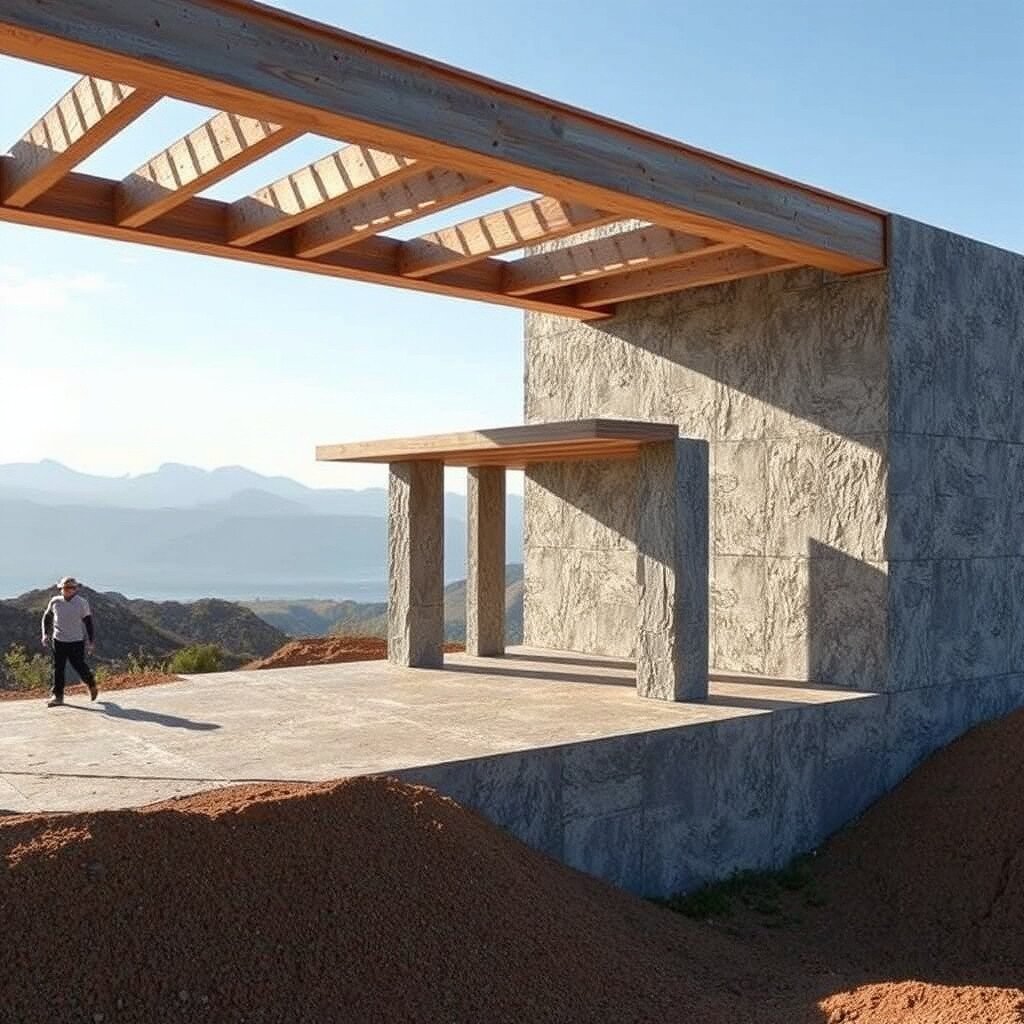
Ferrock is a remarkable alternative to concrete, made from recycled steel dust. It’s incredibly strong and durable, ideal for foundations and structural applications.
This eco-friendly material actually absorbs CO2 as it hardens, making it a sustainable choice for construction projects. Its strength surpasses that of traditional concrete.
Though it may require specialized knowledge to work with, the sustainability and strength of ferrock make it a cutting-edge option for green builders.
12. Cross-Laminated Timber (CLT)
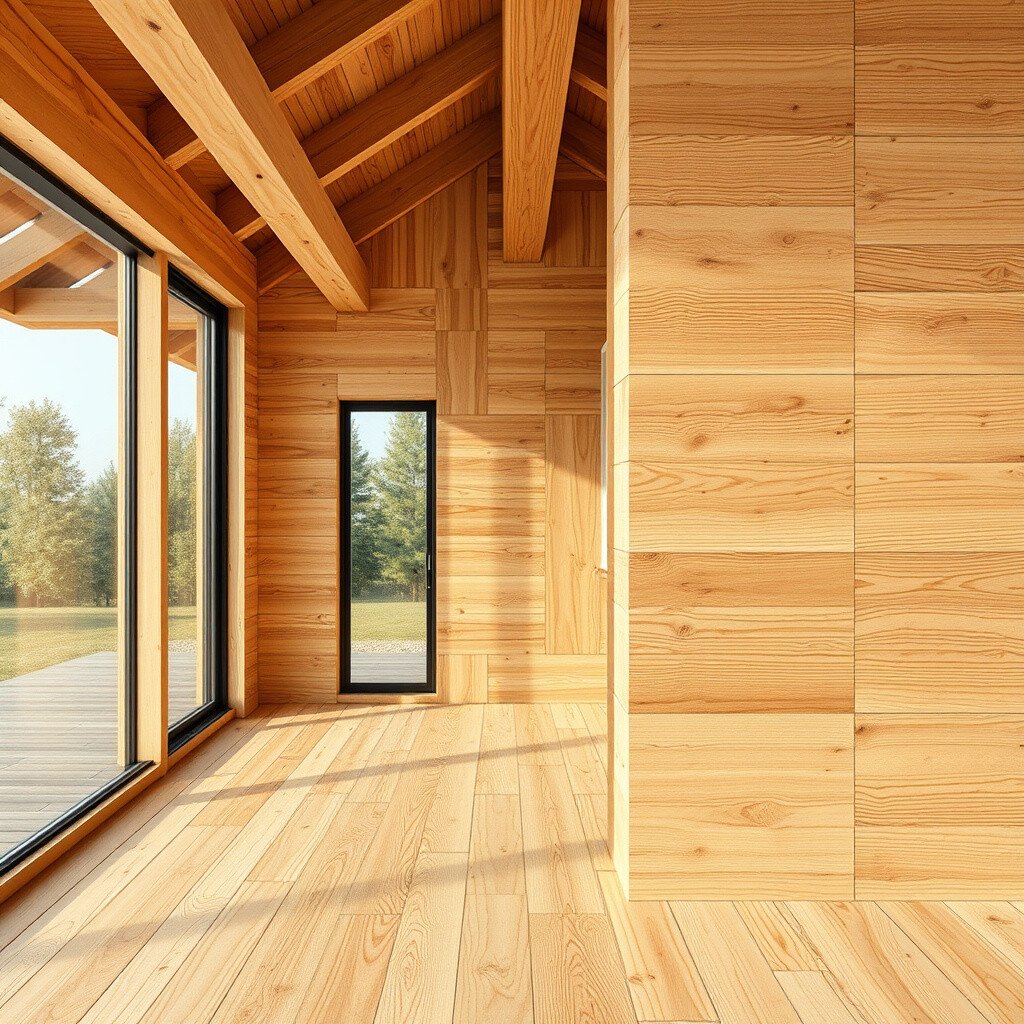
Cross-laminated timber is an engineered wood product known for its strength and stability. It’s used in walls, floors, and roofs, creating solid and sustainable structures.
The layered construction of CLT gives it unique aesthetic appeal, allowing for creative architectural designs. It’s also faster to assemble than traditional construction methods.
While the cost can be higher than conventional wood, the reduced construction time and sustainable nature make it a worthwhile choice. Play with various wood stains for a personalized look.
13. Geopolymer Concrete
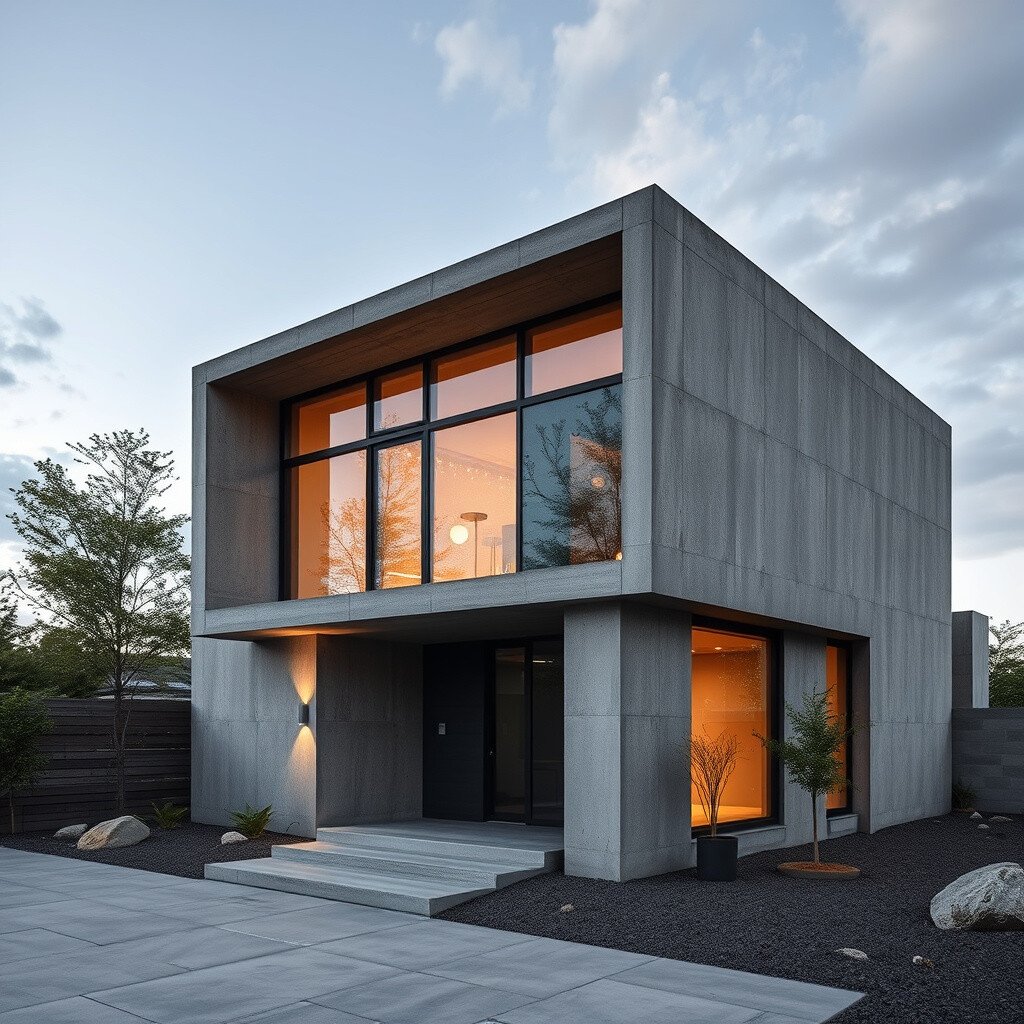
Geopolymer concrete is an innovative material that uses waste products like fly ash and slag. It’s a sustainable alternative to traditional concrete.
This material is not only eco-friendly but also offers high thermal resistance and durability. It’s perfect for builders looking to reduce their carbon footprint.
While it might be less known and slightly more expensive, the environmental benefits and performance make it an exciting option. Use it for a modern, industrial vibe.