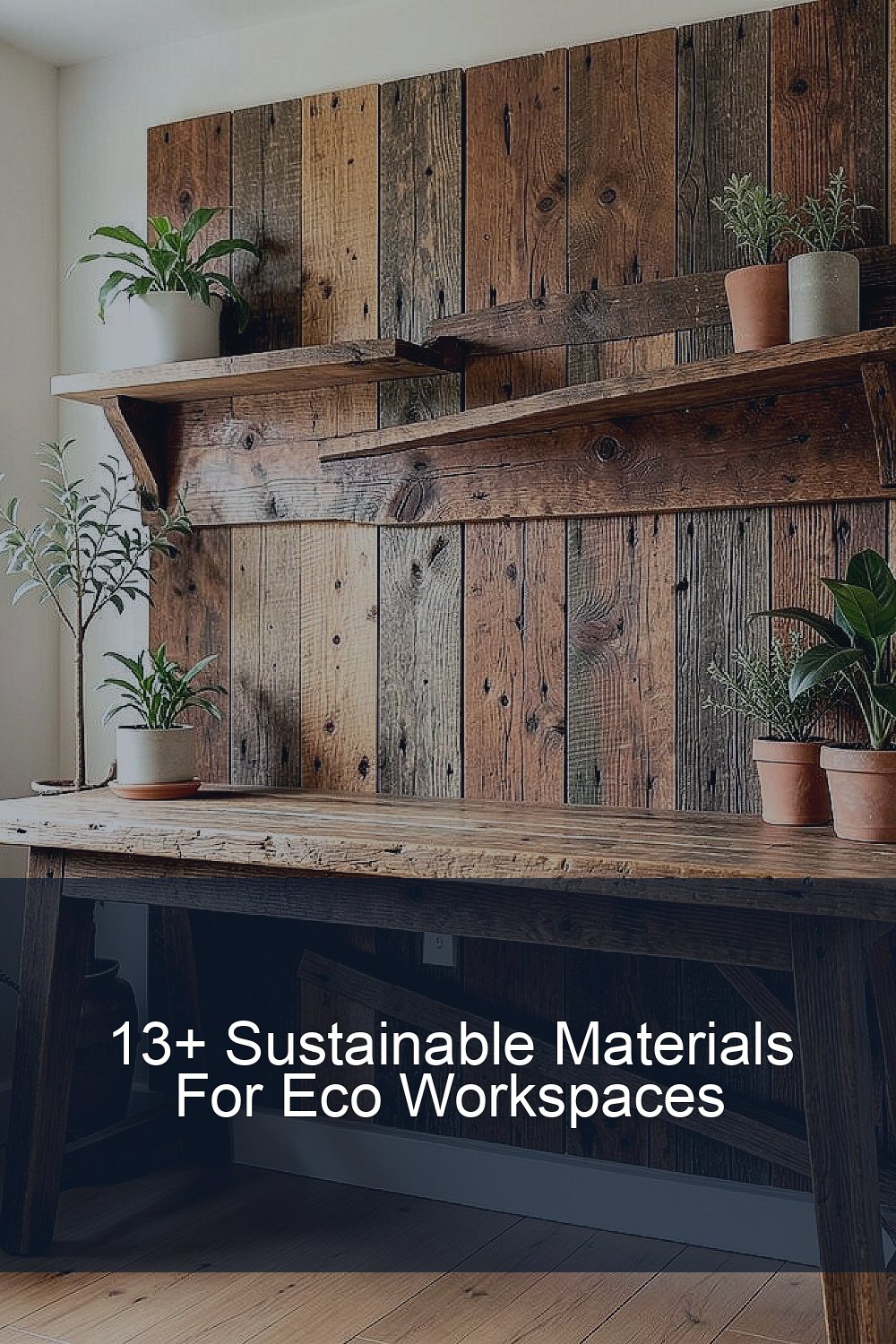
Green workspaces can feel calm, bright, and full of life. Small material choices can change the whole mood of a room.
Some of the best options are also the easiest to use. A few smart swaps can make a desk, wall, or chair feel fresh and planet-friendly.
1. Bamboo
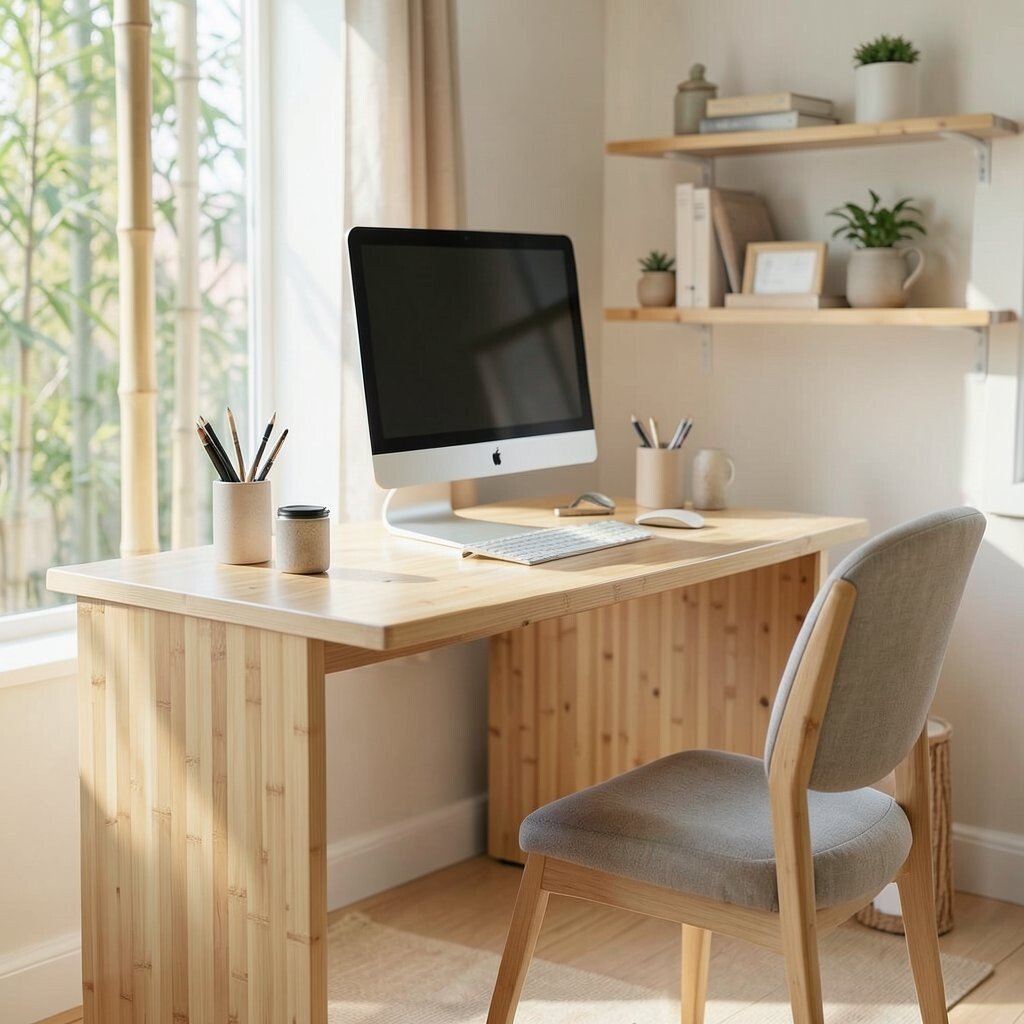
Bamboo brings a clean, warm look that fits modern offices and cozy home work areas. Its pale color and smooth grain make a room feel light and calm.
This material grows fast, so it is a popular pick for eco-friendly design. Try bamboo desks, monitor stands, pen holders, or shelving to add a natural touch without a heavy feel.
2. Reclaimed Wood
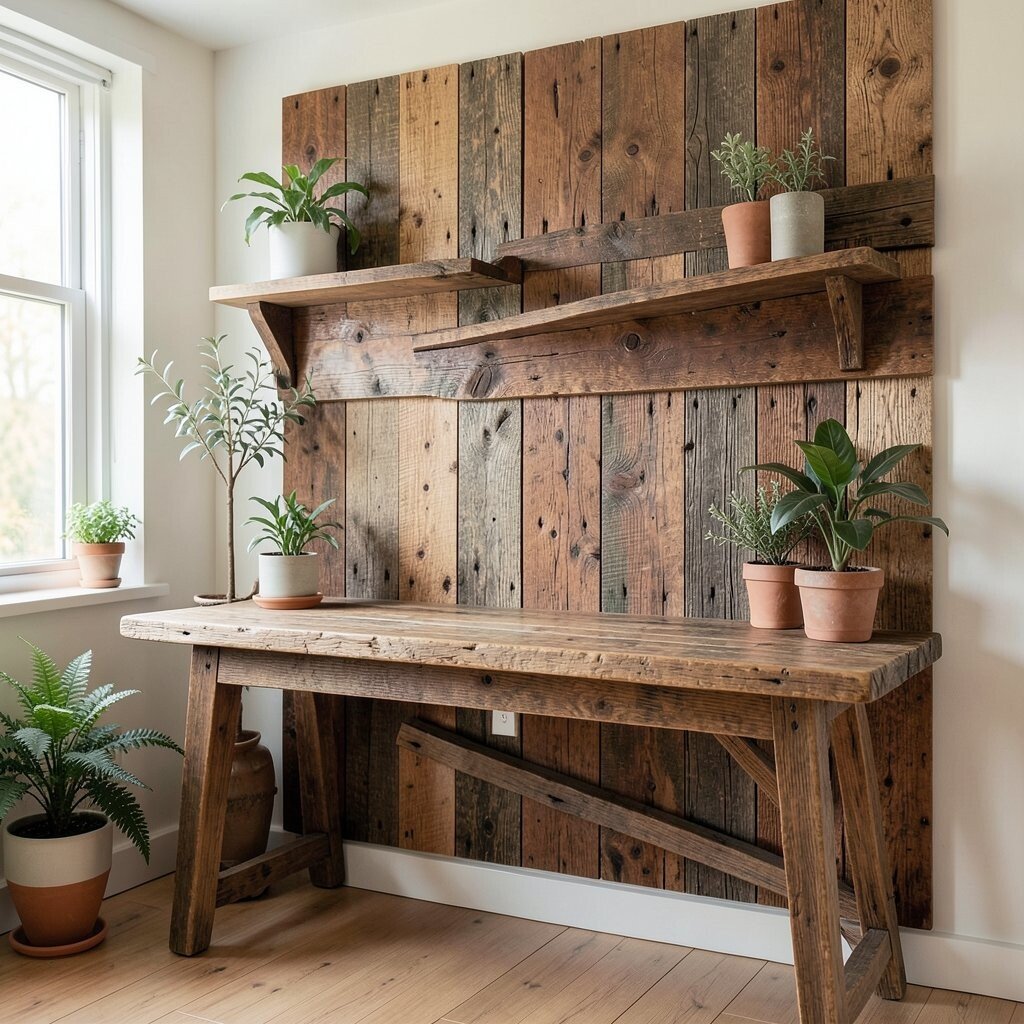
Reclaimed wood has rich color, knots, and marks that tell a story. It can make a workspace feel more personal and less plain.
This choice can also cost less than brand-new hardwood, depending on the source and finish. Use it for desks, wall shelves, or accent panels, and pair it with soft plants for a balanced look.
Many people like reclaimed wood because no two pieces look the same. If you want a custom feel, choose boards with old paint, saw marks, or deep grain patterns.
3. Cork
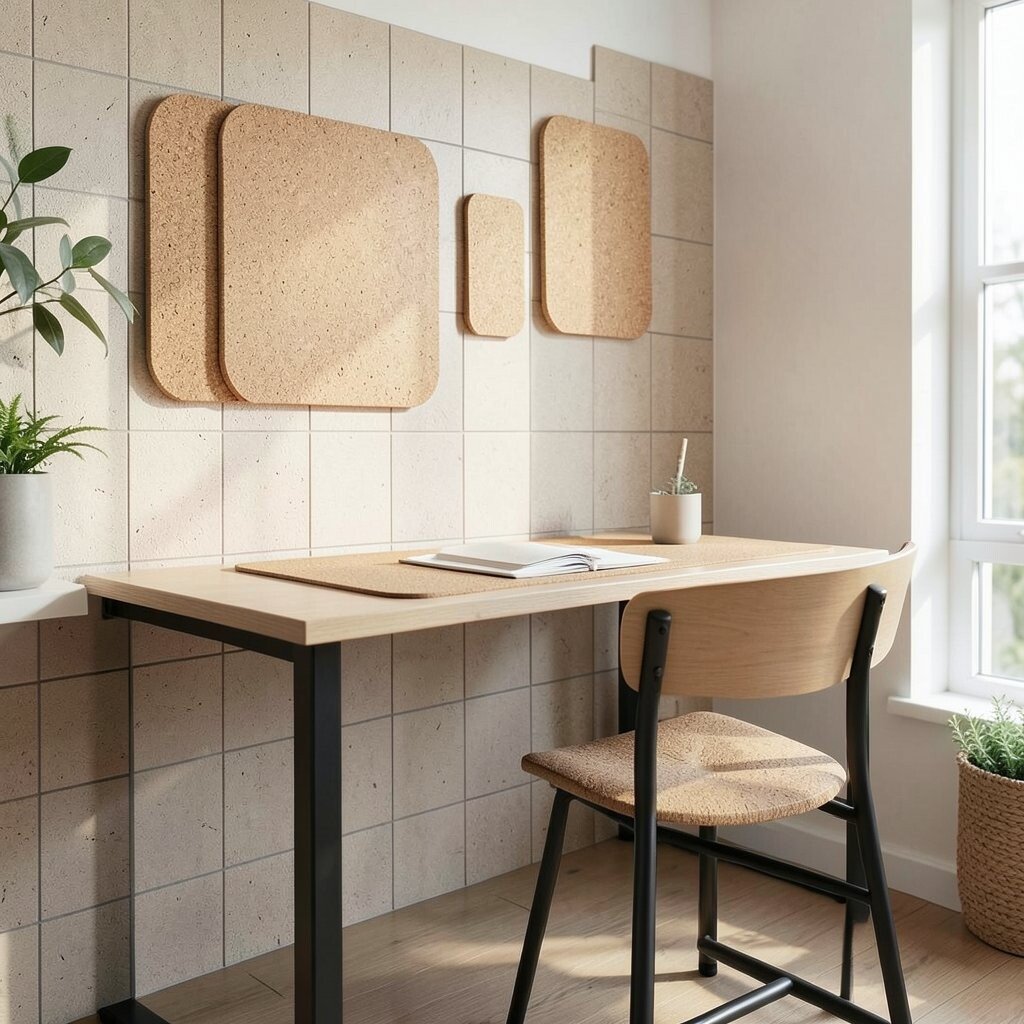
Cork has a soft, earthy look that feels friendly right away. It works well as wall tiles, pinboards, desk mats, and even chair parts.
It is light, quiet, and easy to handle, which makes it great for small spaces. Cork also helps soften sound, so busy rooms feel calmer and less echoey.
For a personal touch, choose cork pieces with rounded edges or mix them with black metal for a modern style. Prices can stay reasonable, especially for smaller items like boards and coasters.
4. Recycled Metal
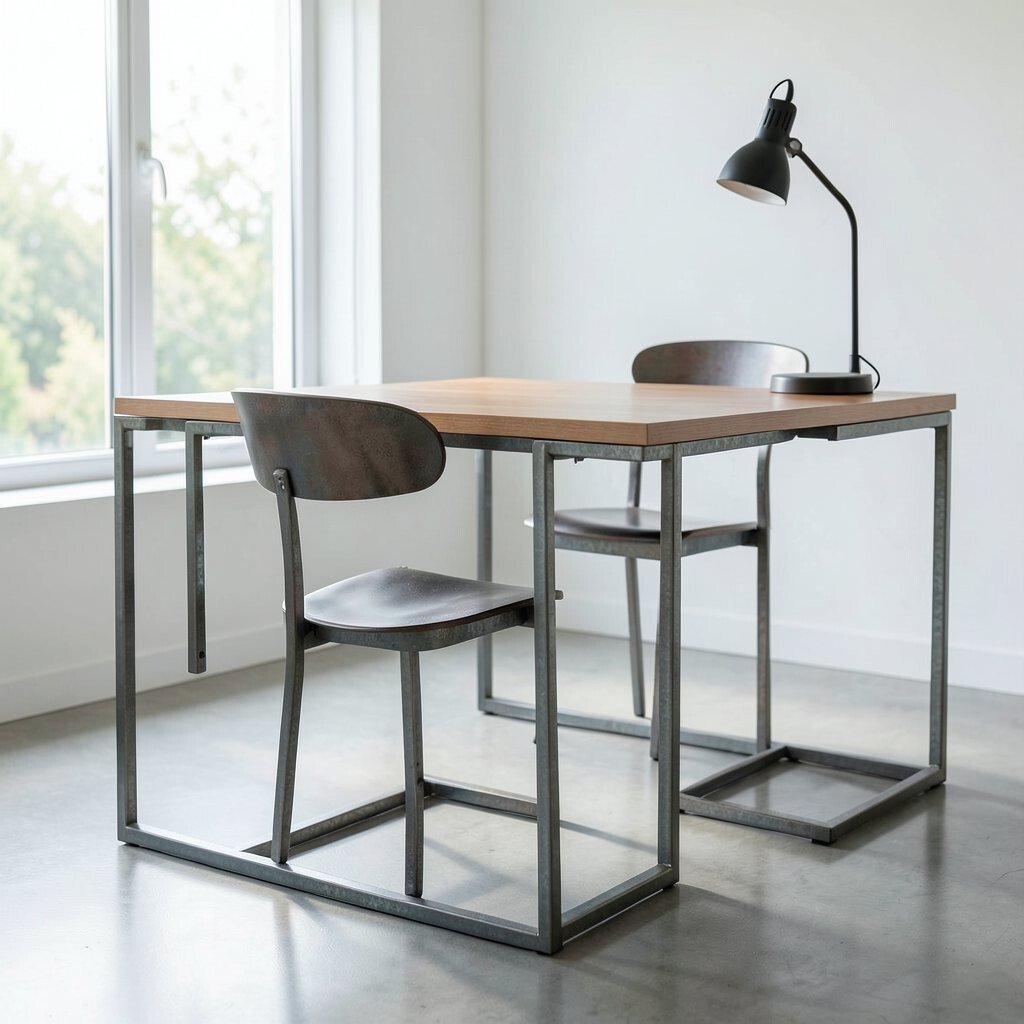
Recycled metal gives a workspace a crisp, strong look with a bit of shine. It can make a room feel neat and orderly, especially with simple lines and clean edges.
This material is often used in chair frames, lamp bases, storage racks, and desk legs. It is durable, so it can last a long time and cut down on waste.
5. Organic Cotton
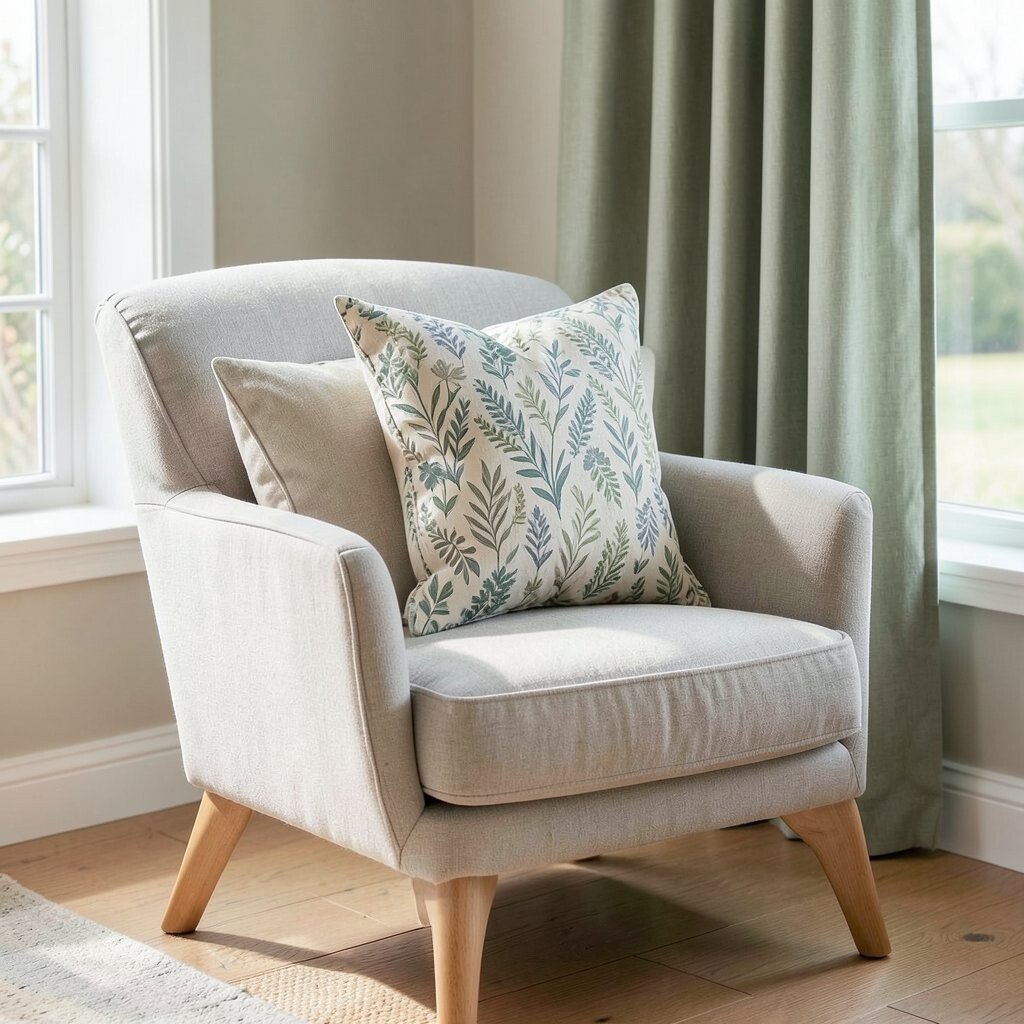
Organic cotton adds a soft, friendly feel to chairs, cushions, and curtains. Its simple texture can make a space feel warmer without looking busy.
It is a nice choice for people who want comfort and a cleaner material story. Use it for seat covers, throw pillows, or window shades in calm colors like sand, gray, or leaf green.
Cost can vary, but small changes often make a big difference without a huge bill. A patterned cotton cushion or curtain can also bring in your brand colors or favorite tones.
6. Hemp
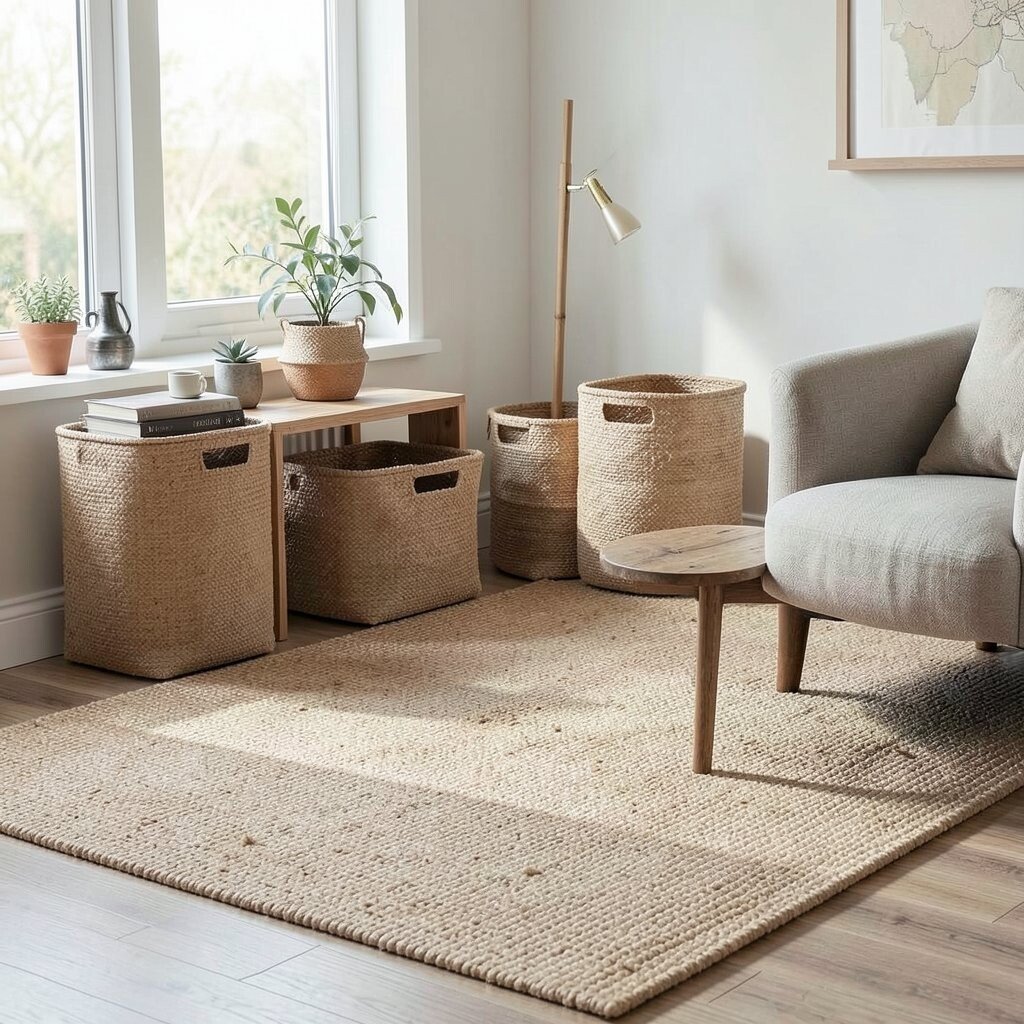
Hemp has a natural, slightly textured look that feels strong and relaxed. It can work well in workspaces that aim for a simple, earthy style.
This material is sturdy, so it can be a smart pick for rugs, fabric bins, and upholstery. It also tends to age nicely, which helps a room look settled instead of worn out.
If you want a more custom feel, mix hemp with wood, linen, or metal details. Hemp items may cost more at first, but their long use can make them worth it over time.
7. Recycled Plastic
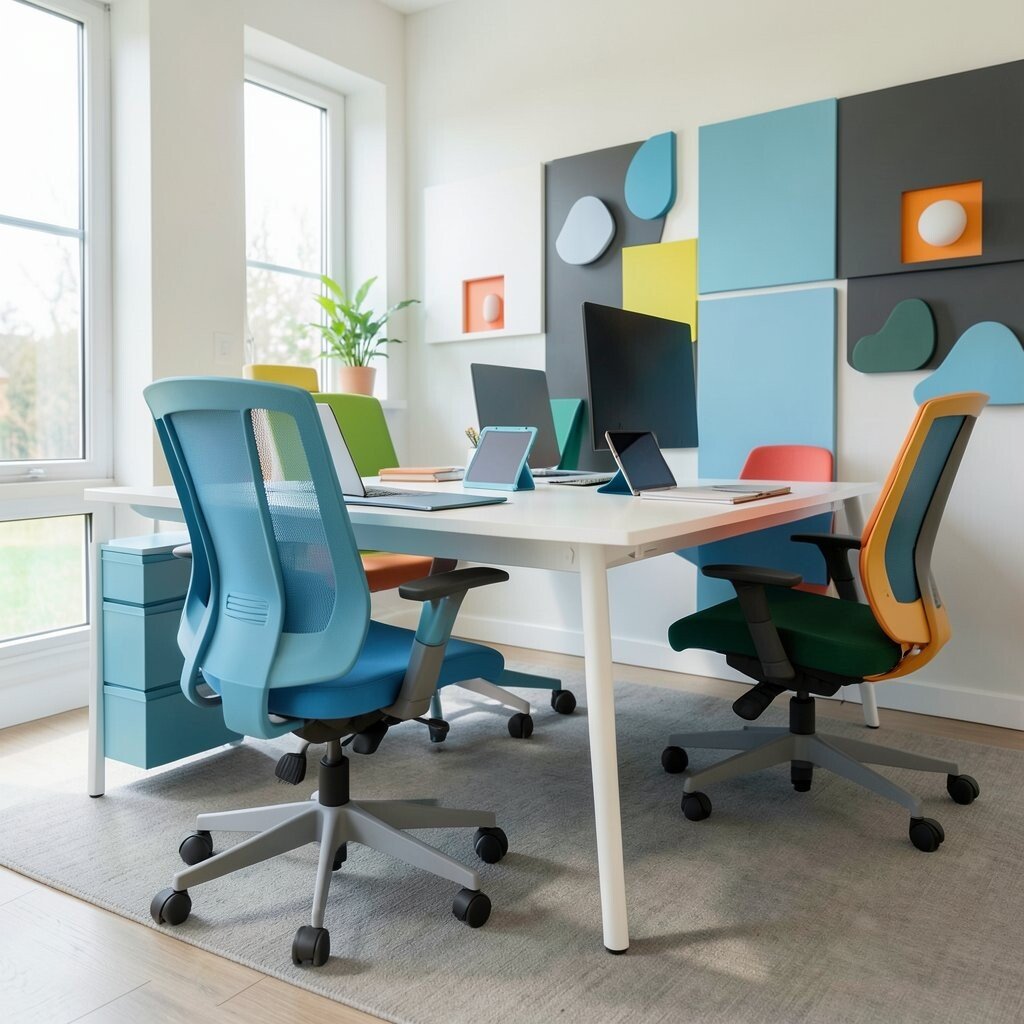
Recycled plastic can be bright, smooth, and surprisingly stylish. It is showing up in office chairs, drawer trays, tablet stands, and even decorative panels.
This is a useful choice for busy spaces because it is easy to clean and often very durable. It also supports a current trend toward bold color blocks and playful shapes in work areas.
Choose recycled plastic in soft white, ocean blue, or charcoal for a polished look. If you want a more lively space, mix in colorful pieces that match your team spirit or home style.
8. Linoleum
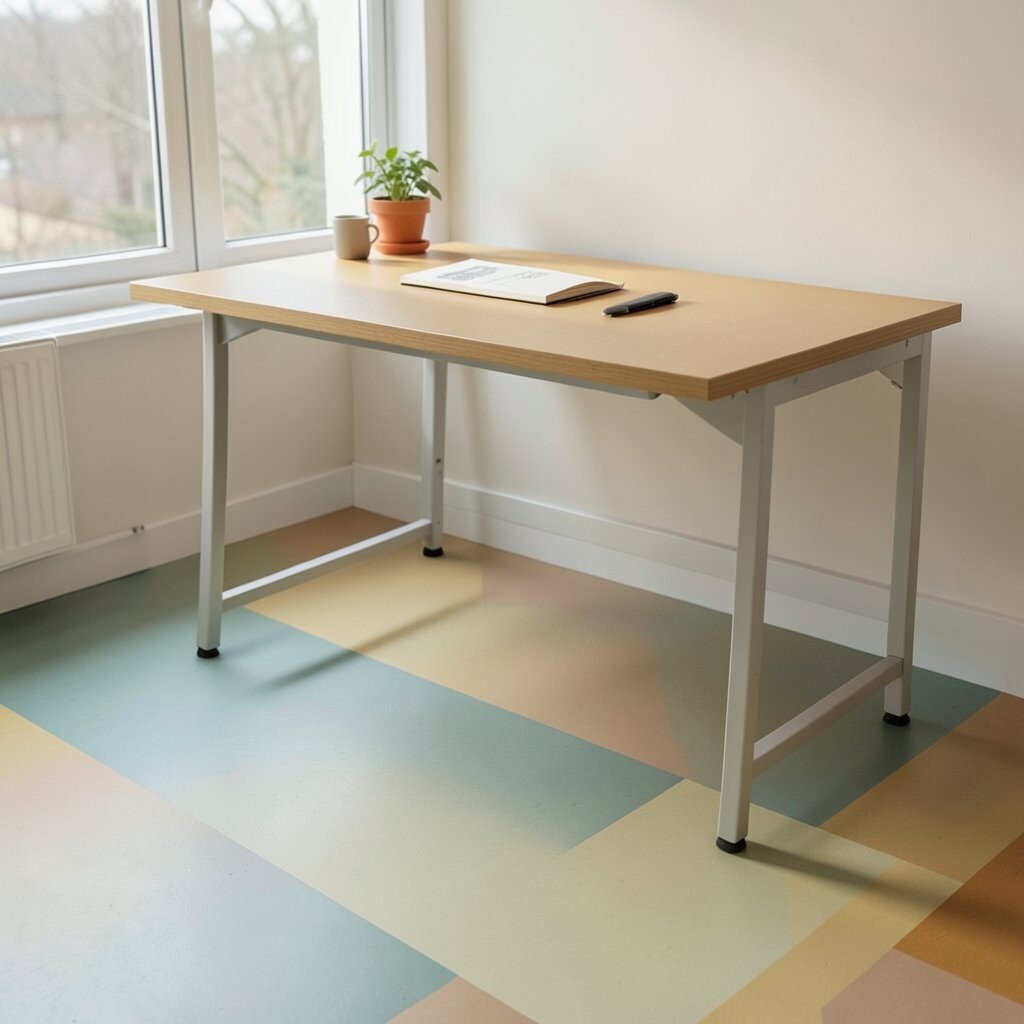
Linoleum has a simple, matte finish that can make floors and desktops look tidy. It comes in many colors, from soft neutrals to cheerful tones.
Made from natural ingredients, it is a practical pick for people who want a lower-waste surface. It also feels comfortable underfoot and can handle daily use well.
For a custom workspace, use linoleum on a desktop top or as a bold floor accent. Prices are often fair, and the wide color range makes it easy to match your style.
Many designers like its retro charm because it can feel both fresh and classic. It works well in creative studios, home offices, and shared work zones.
9. Natural Stone
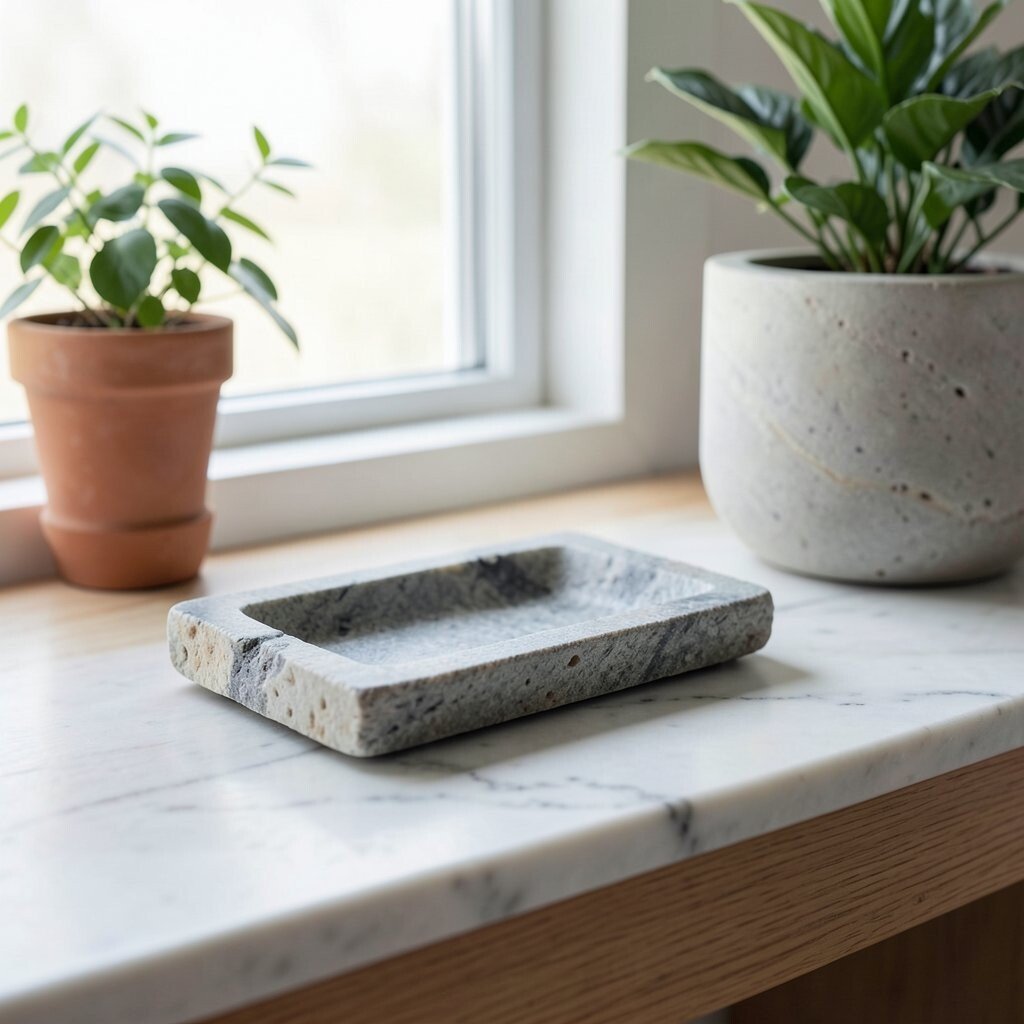
Natural stone adds a cool, solid look that feels calm and lasting. A small stone tray, desk top, or planter can make a workspace feel more grounded.
This material is unique because each piece has its own color lines and tiny marks. It can be a higher-cost choice, so many people use it in small accents instead of large surfaces.
Try marble, slate, or soapstone in places where you want a touch of quiet style. Pair stone with wood or plants to keep the space from feeling too hard or cold.
10. Glass
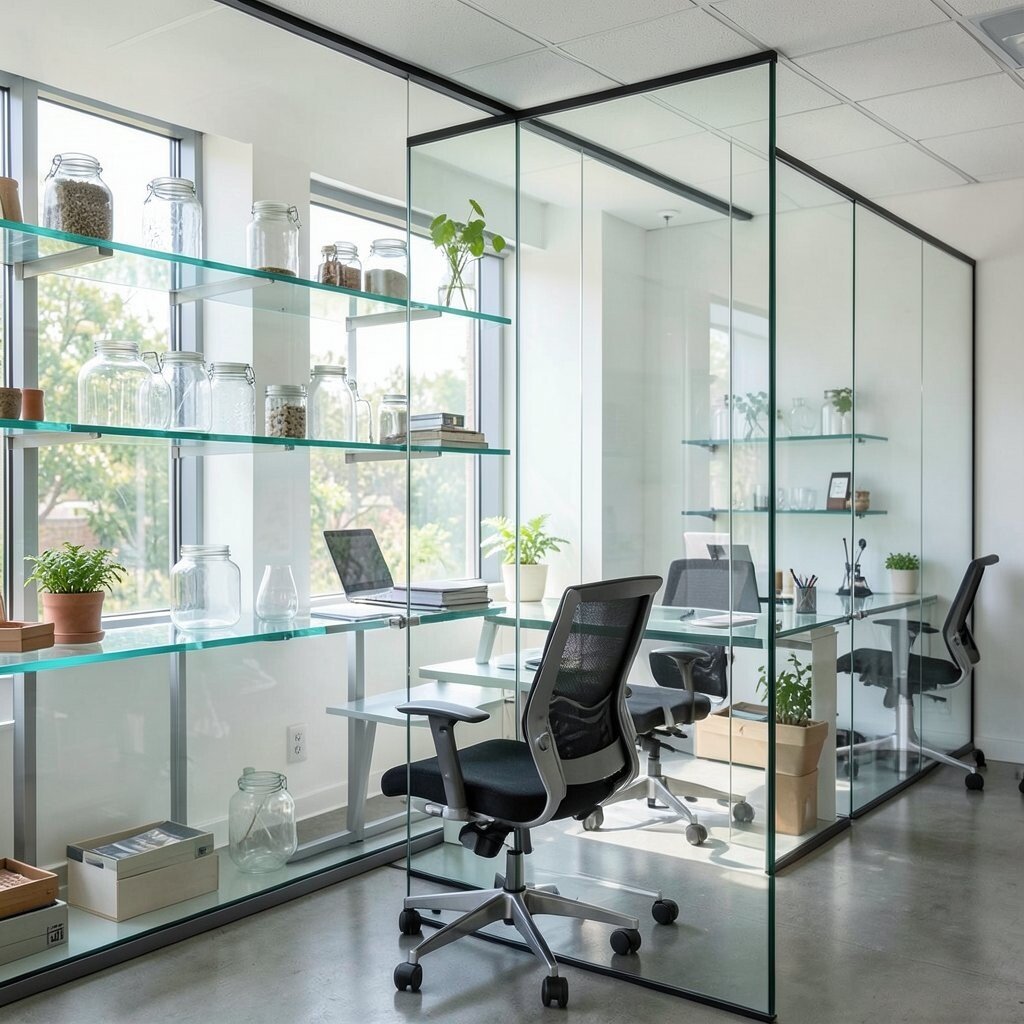
Glass gives a workspace a clear, open look that can help a room feel bigger. It reflects light nicely, which is helpful in darker corners or small offices.
Reused or recycled glass is a smart material for shelves, tabletops, jars, and desk organizers. It is also easy to wipe clean, which makes daily care simple.
11. Felt Made From Recycled Fibers
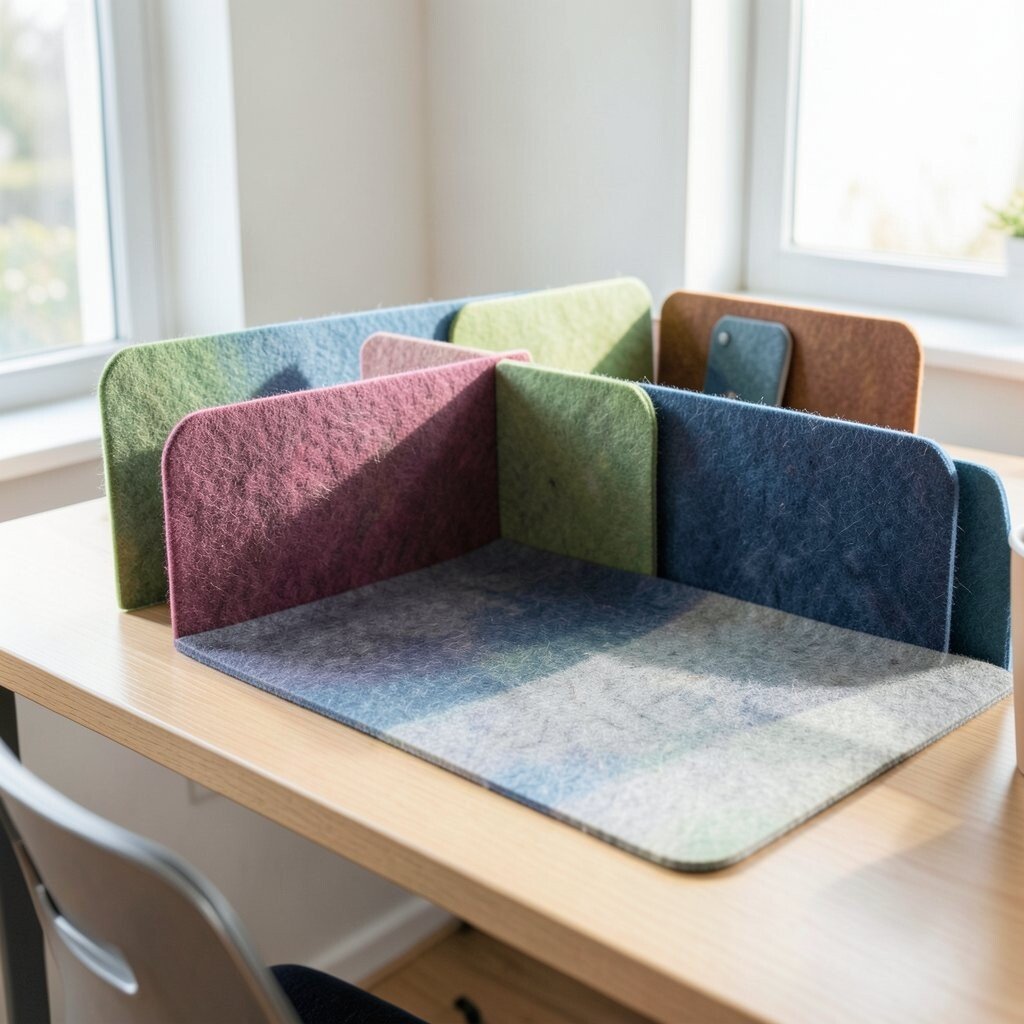
Recycled-fiber felt has a soft, fuzzy look that makes a workspace feel friendly and quiet. It is often used for desk dividers, laptop sleeves, and chair pads.
This material helps reduce noise, which is great in shared rooms or busy homes. It also comes in many colors, so it can fit a playful or serious design style.
For a personal twist, choose felt in your brand colors or mix several shades in one area. Prices are often moderate, and the small size of many felt items makes them easy to test first.
Because it is light, felt is simple to move when your layout changes. That makes it a good pick for people who like to refresh their space often.
12. Terracotta
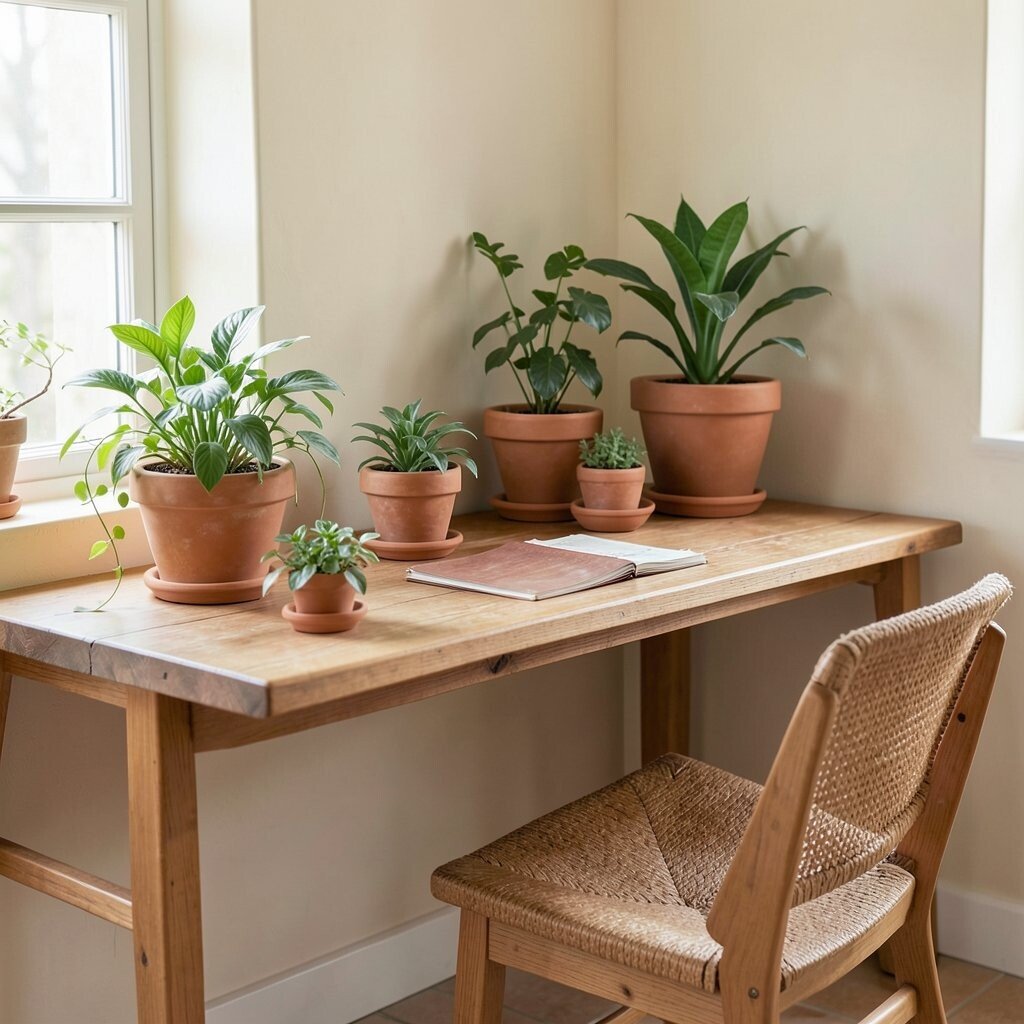
Terracotta brings a warm, sunbaked color that feels cheerful and natural. It works beautifully in planters, pen cups, and decorative storage pieces.
This material is popular in current earthy decor trends because it pairs well with green plants and soft neutrals. It can make a desk feel more alive without adding clutter.
Use terracotta in small touches if you want a low-cost update that still stands out. You can also paint nearby walls in cream or clay shades to keep the look soft and welcoming.
13. Leather Alternatives Made From Plants
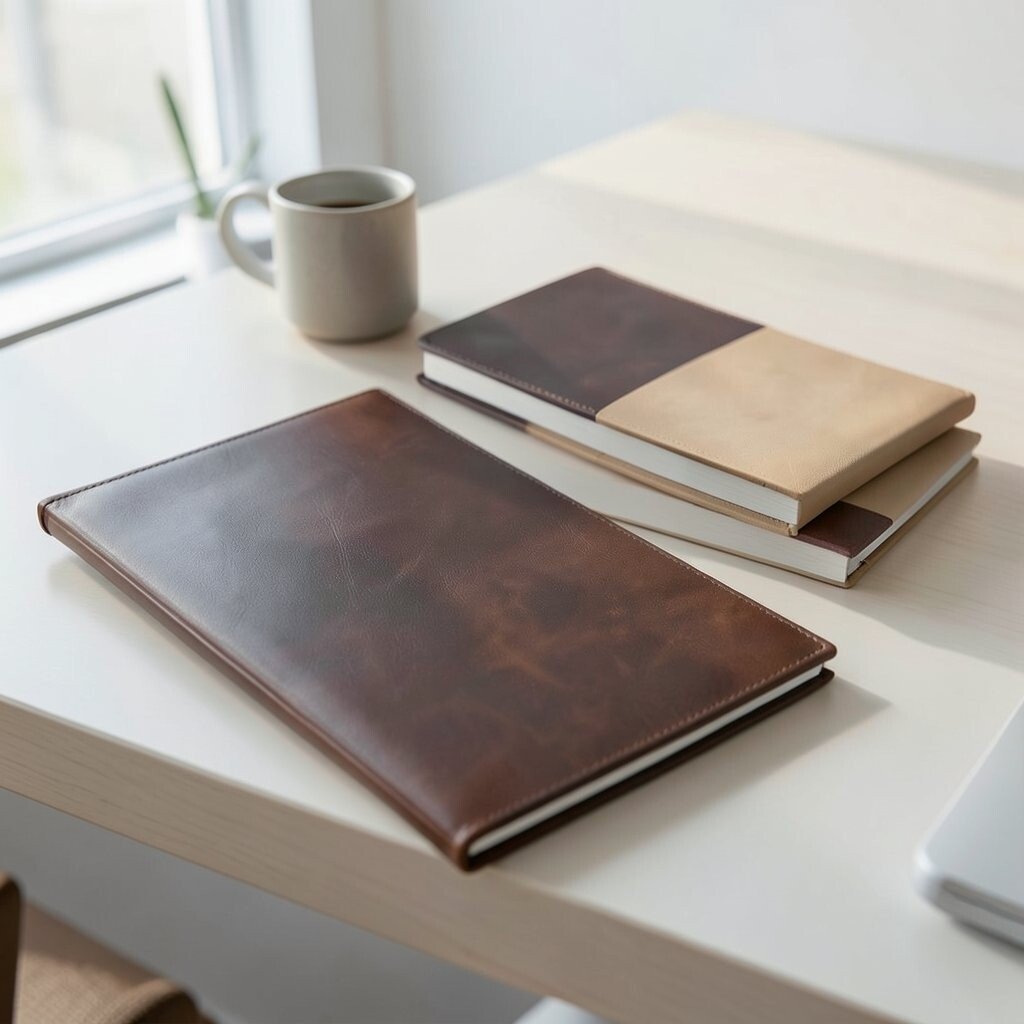
Plant-based leather alternatives can give chairs, folders, and accessories a smooth, polished look. They often feel modern and sleek, which works well in clean office setups.
These materials are a strong fit for people who want a stylish surface without using animal leather. Some options are made from cactus, pineapple, or apple waste, which makes them extra interesting.
Pick darker shades for a classic office feel or lighter tones for a softer look. Costs can vary, so it helps to start with one item like a notebook cover or desk pad.
Many of these materials are part of a growing trend in eco-friendly design. They can make a workspace feel current while still keeping the mood simple and neat.
14. Fast-Growing Paper Composite
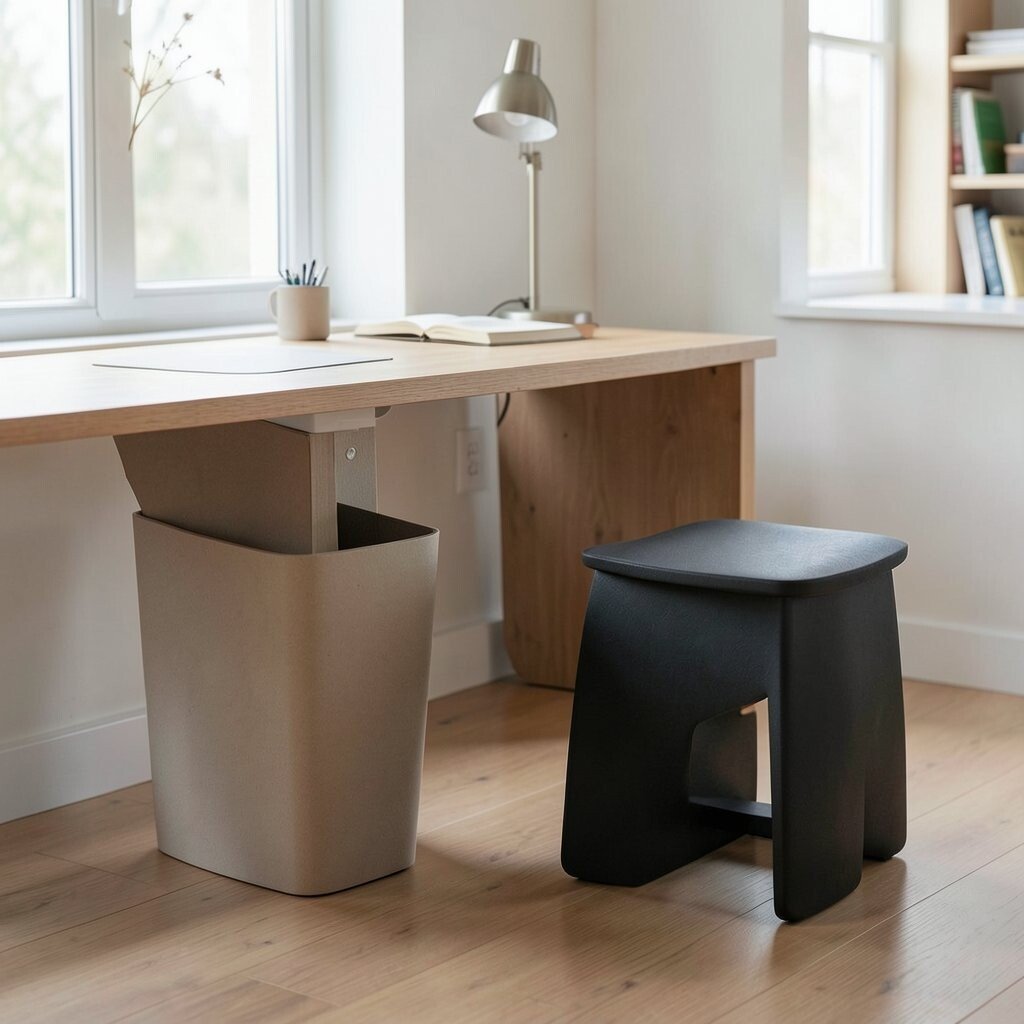
Paper composite has a smooth, modern look that can surprise people. It can be shaped into bins, stools, trays, and even small desk furniture.
This material is often made from paper fibers and safe binders, which helps reduce the need for heavier resources. It is a clever choice for people who want a light, artistic feel in their workspace.
Try it in a neutral shade for a calm, gallery-like style, or choose a darker finish for a bolder mood. It can be a mid-range purchase, but its unique look often makes it feel special right away.
Because it is easy to pair with wood, metal, or fabric, it works in many room styles. A paper composite stool or side table can act like a small art piece and still be useful every day.