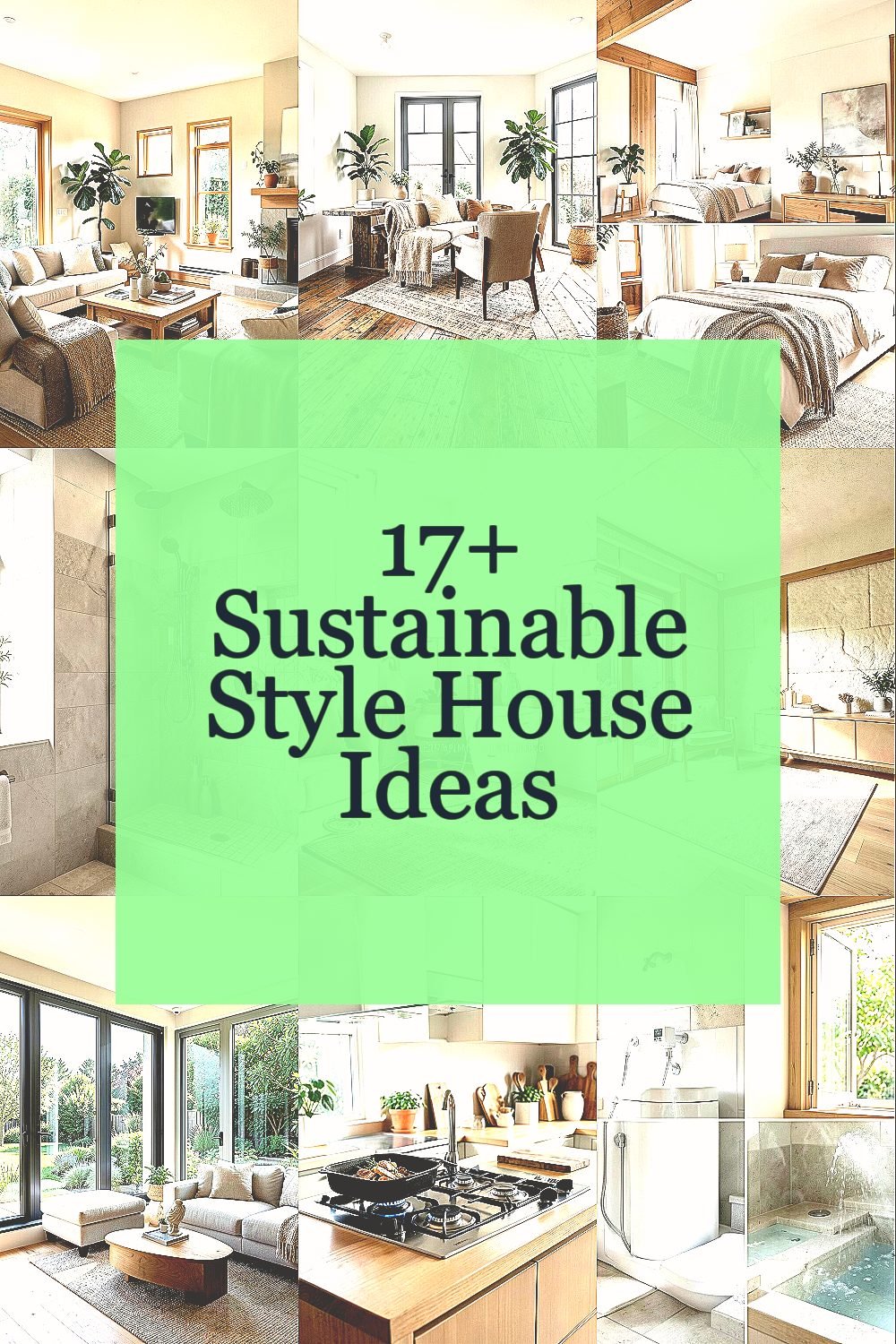
The right home style can feel like a soft promise to the future. Eco-conscious choices can also look warm, personal, and totally inviting.
1. Passive Solar Living Rooms
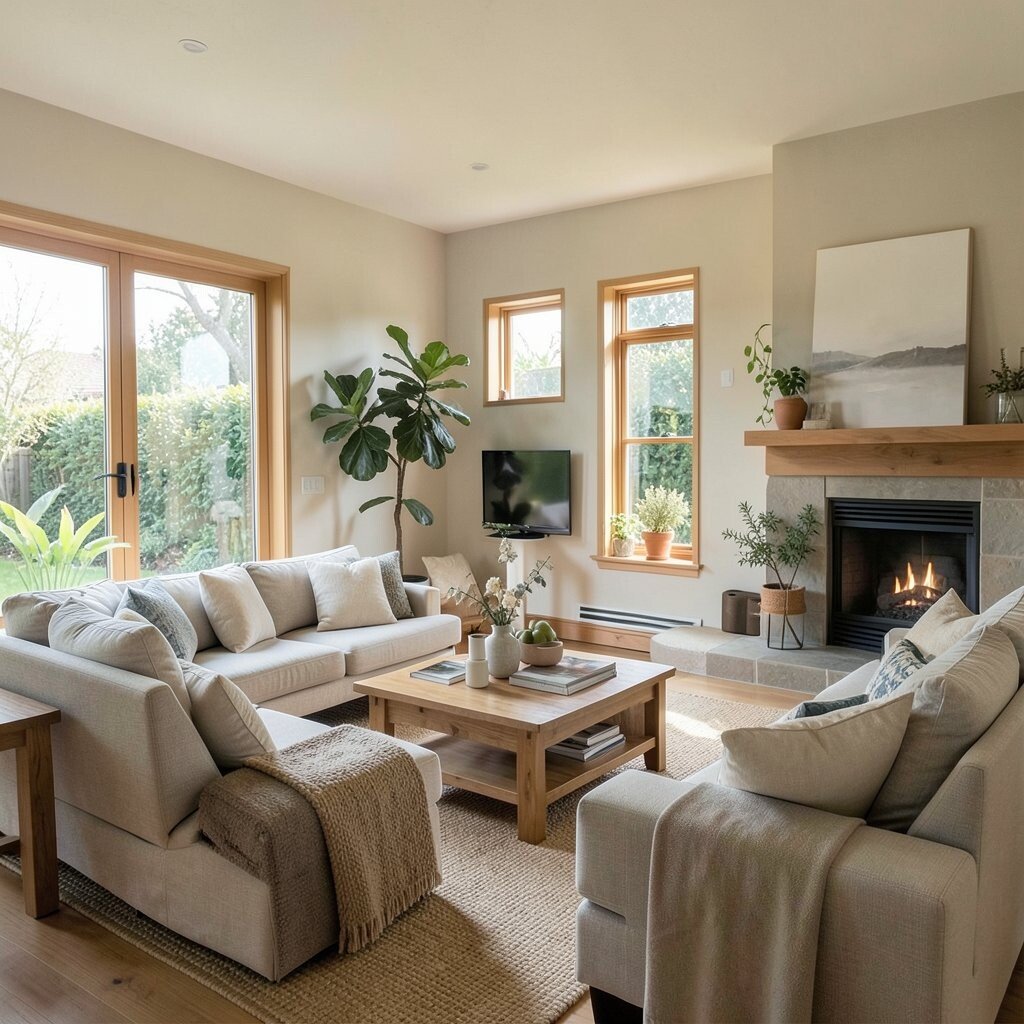
Picture a living room where the light moves across the floor like a daily painting. Large south-facing windows pull in gentle sun, while deep overhangs help keep summer glare under control.
Not only does this reduce energy use for heating and cooling, it also makes the space feel bright without turning on every light. Try using sheer curtains during the day and layering rugs to make the room feel cozy at night. If you plan updates, choose low-emissivity glass and add draft sealing around frames to avoid heat leaks.
2. Reclaimed Wood Statement Floors
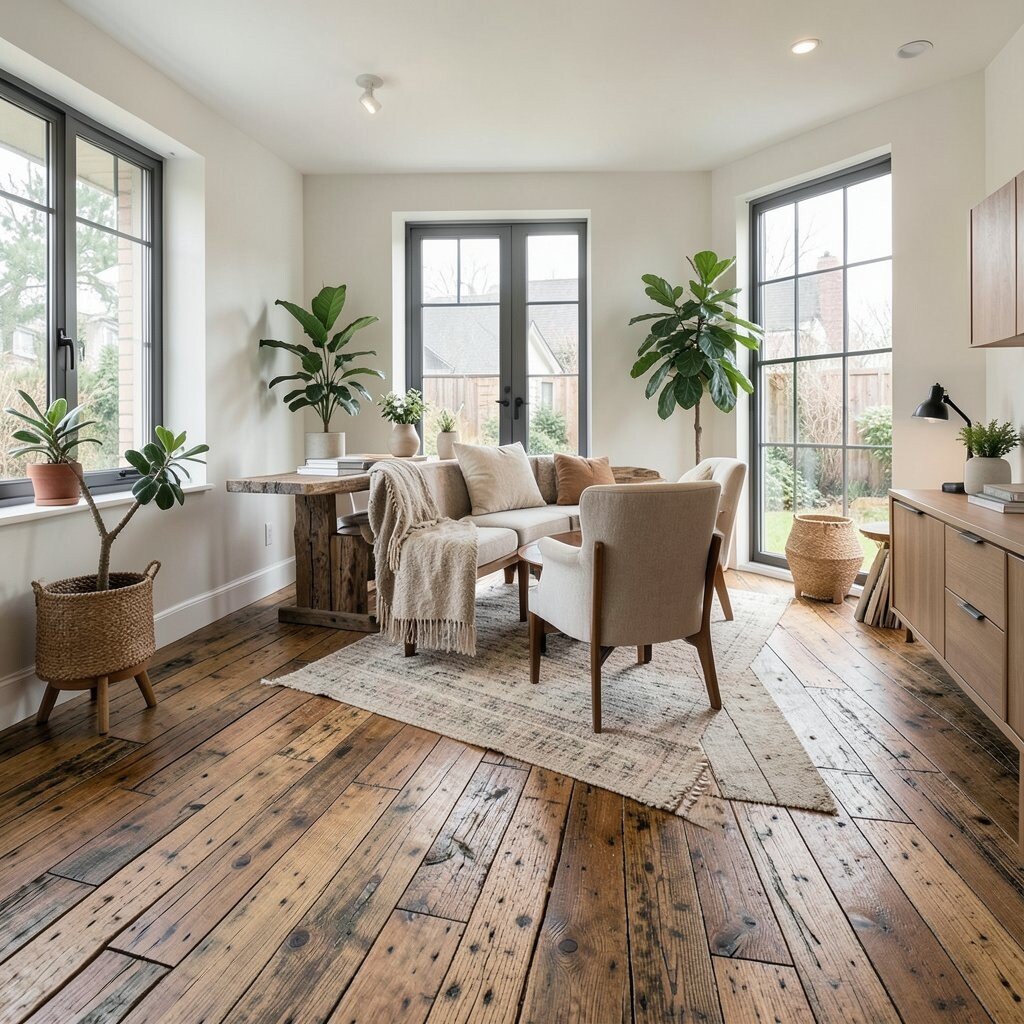
Imagine walking on floors with tiny knots and timeworn tones that look full of stories. Reclaimed wood can bring rich color to kitchens, hallways, and bedrooms without the look of “factory new.”
This material can lower demand for fresh timber and adds character you can’t easily copy. Pair it with a water-based finish for a cleaner indoor feel, and keep a few extra boards for future repairs. For personalization, mix plank widths in a subtle way or match the wood tone to your cabinet hardware.
If budget is tight, focus on one standout zone like entry steps or a dining nook. Salvage stores and local mills often offer more affordable grades, especially if you’re flexible on stain shade. Current trends lean toward warm neutrals, so choose reclaimed stains that sit comfortably in that palette.
3. Cross-Ventilated Bedroom Plans
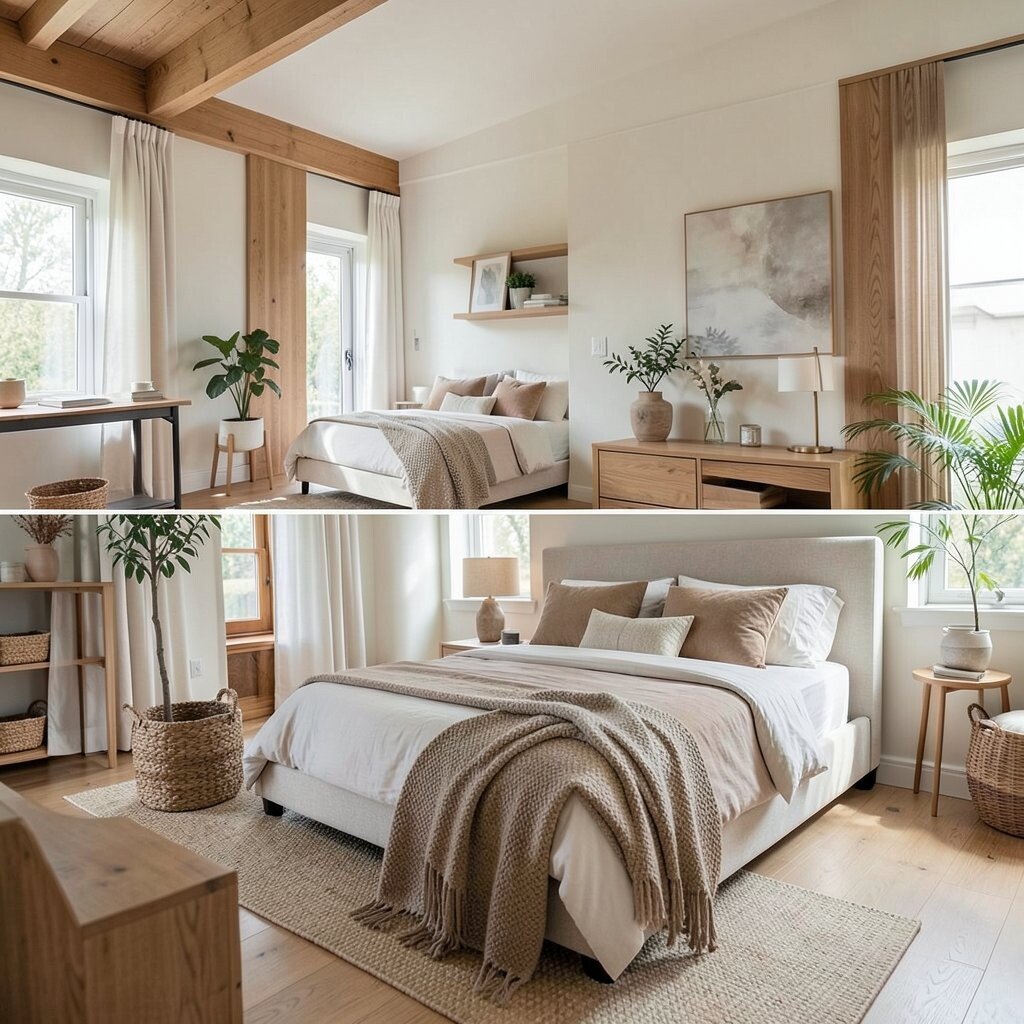
Think of a bedroom where air naturally flows through openable windows on opposite sides. When your layout supports cross-ventilation, fresh air can sweep through without needing constant fans.
This can cut down on cooling energy and helps rooms feel fresher between sleep cycles. Install window screens for comfort and use privacy glass or frosted films where needed. To make it even more functional, place operable windows near ceiling level in stair-like areas so breezes can rise.
For personalization, choose calming window coverings like light linen or bamboo shades that also soften the look. If you’re remodeling, consider using louvered vents in interior doors to keep airflow moving. Even small changes, like clearing vents and sealing gaps, can make a noticeable difference.
4. Low-Flow Fixtures With High-Style Showers
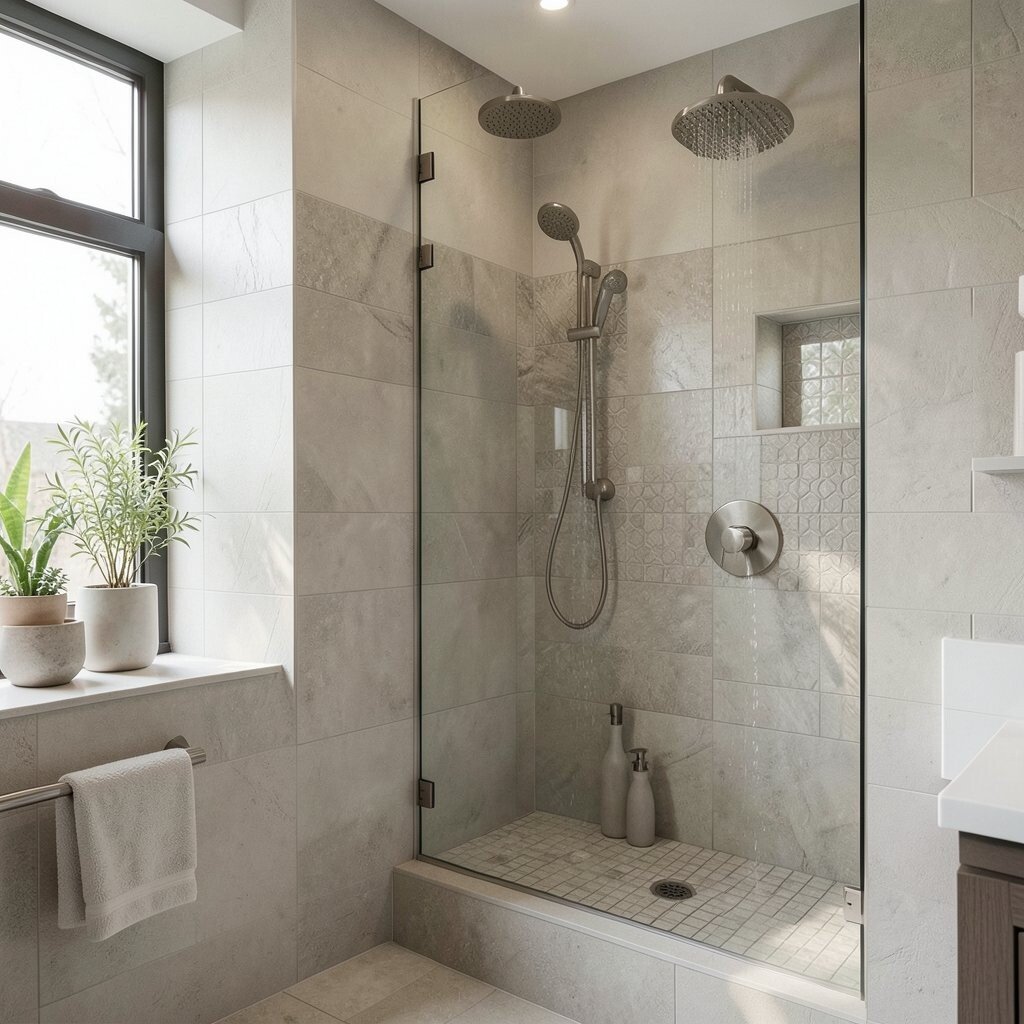
Picture a shower that feels luxurious while using less water. Modern low-flow showerheads can deliver strong pressure through smarter internal design, so the experience stays satisfying.
You can reduce water use and save money on utilities without giving up comfort. Choose fixtures with easy-clean nozzles to prevent mineral buildup, which also keeps performance consistent. If your home has older pipes, check for leaks and consider a pressure regulator to keep flow steady.
5. Smart Thermostat Scheduling
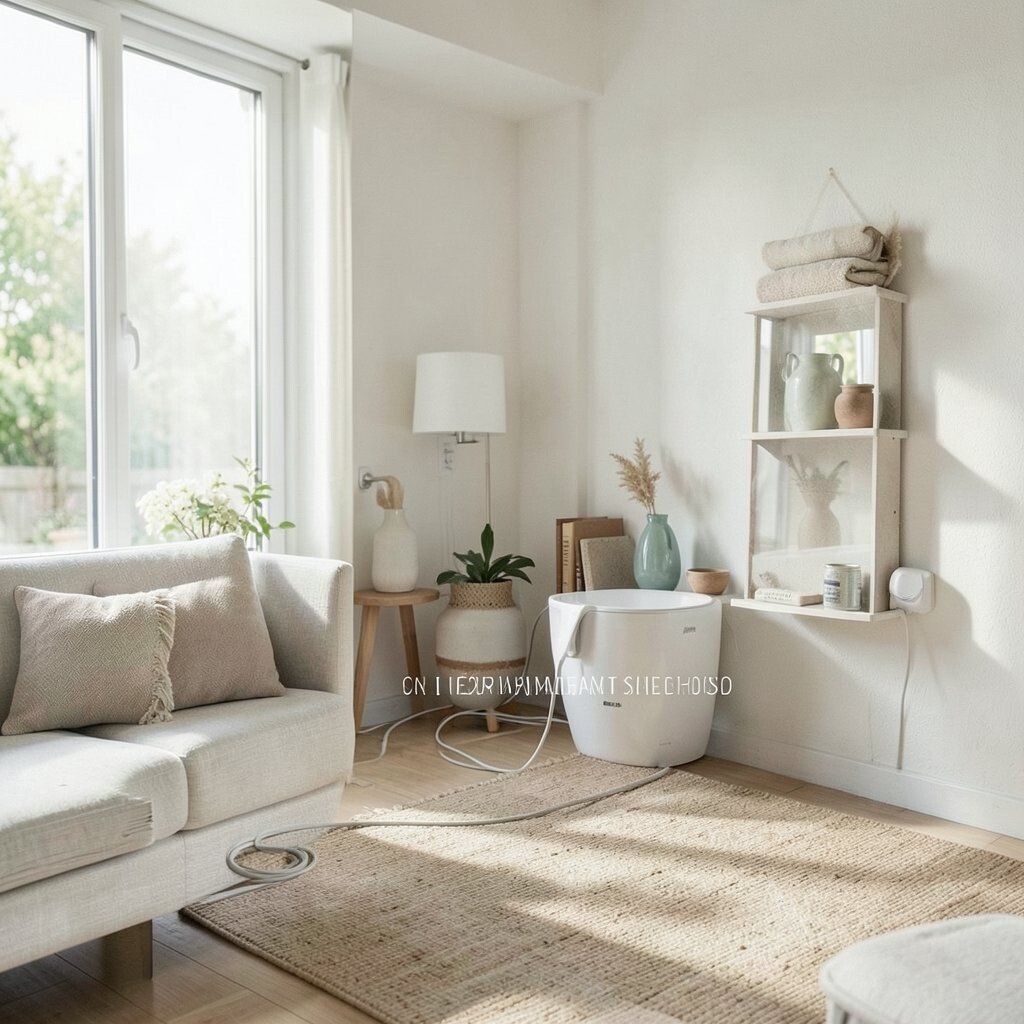
Imagine your home gently adjusting temperatures as your day changes. A smart thermostat can learn habits and help you avoid heating or cooling empty rooms.
This supports energy savings and can reduce wear on your heating and cooling system. Set schedules around real routines, then use eco modes during evenings or when everyone’s away. For personalization, create different profiles for weekends, guest stays, or remote work days.
Pick models that show clear usage data in plain language so you can make changes without guesswork. Current trends favor user-friendly apps with simple charts, which helps keep decisions grounded. If you’re budget-conscious, start with the thermostat and then upgrade insulation later when funds allow.
6. Insulation That Feels Like Comfort
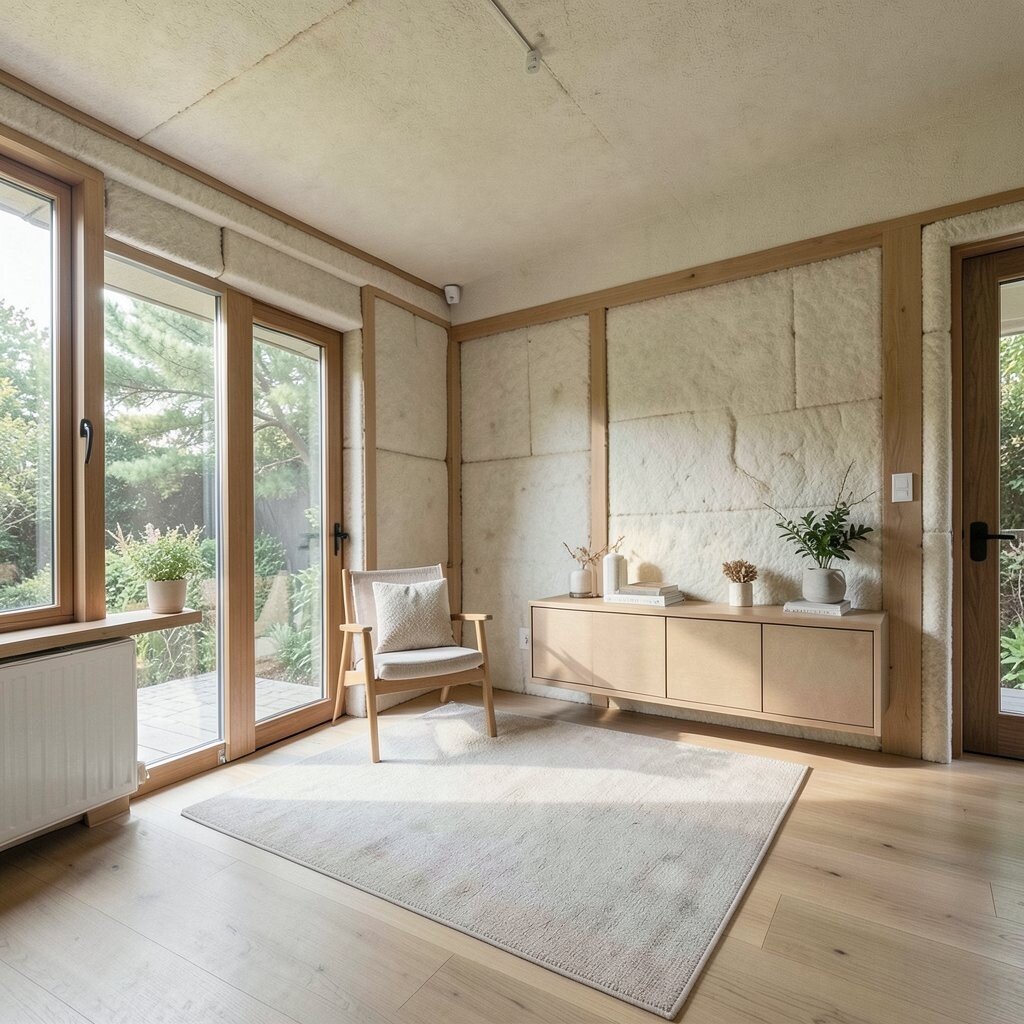
Think of quiet walls and steady indoor temperatures, even on windy days. Quality insulation improves the feel of every room by reducing drafts and hot spots.
You’ll likely notice lower energy bills and more consistent comfort from room to room. Consider air-sealing first, because small gaps around windows and outlets can undo insulation efforts. Choose materials that match your climate, and ask about blown-in options for attics or dense board for rim areas.
For personalization, take a whole-building approach when you can, so comfort matches the style you’re building. If you’re renovating, align insulation upgrades with siding or drywall work to save labor. Even if the upfront cost feels bigger, the long-term savings and comfort often make it worth it.
7. Energy-Efficient Windows With Great Views
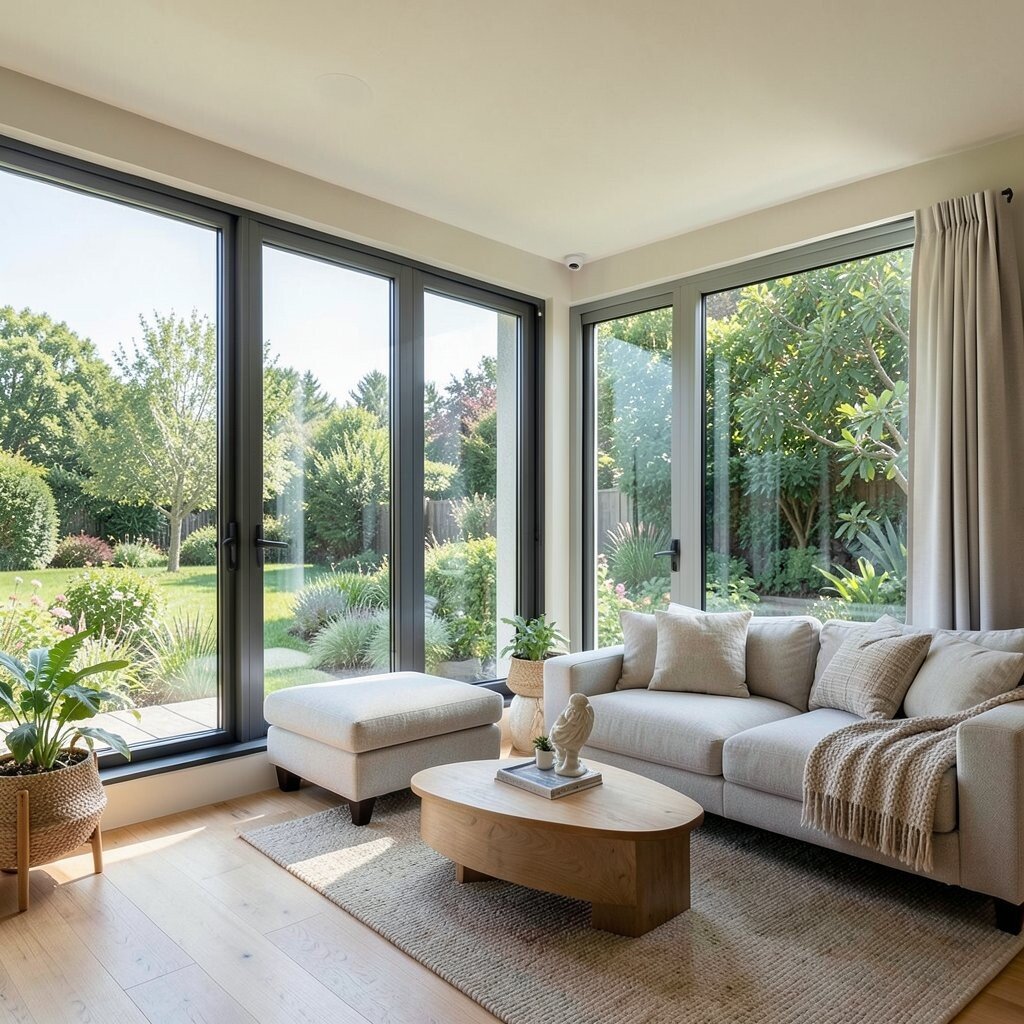
Picture tall windows that frame your yard like a living gallery. High-performance glazing can help maintain view quality while cutting energy loss.
This can reduce heating and cooling costs and also improve comfort near window areas. Look for options with strong insulation value, and pay attention to frame quality, not just glass. To personalize the look, choose trims and finishes that match your exterior style, from modern metal accents to classic wood tones.
If replacement is out of reach, start with window sealing and weatherstripping on the worst offenders. Many homeowners also use insulated curtains as a temporary upgrade that still looks stylish. When you shop, compare warranties and energy ratings so you can pick something that truly fits your home.
8. Induction Cooking for Clean Efficiency
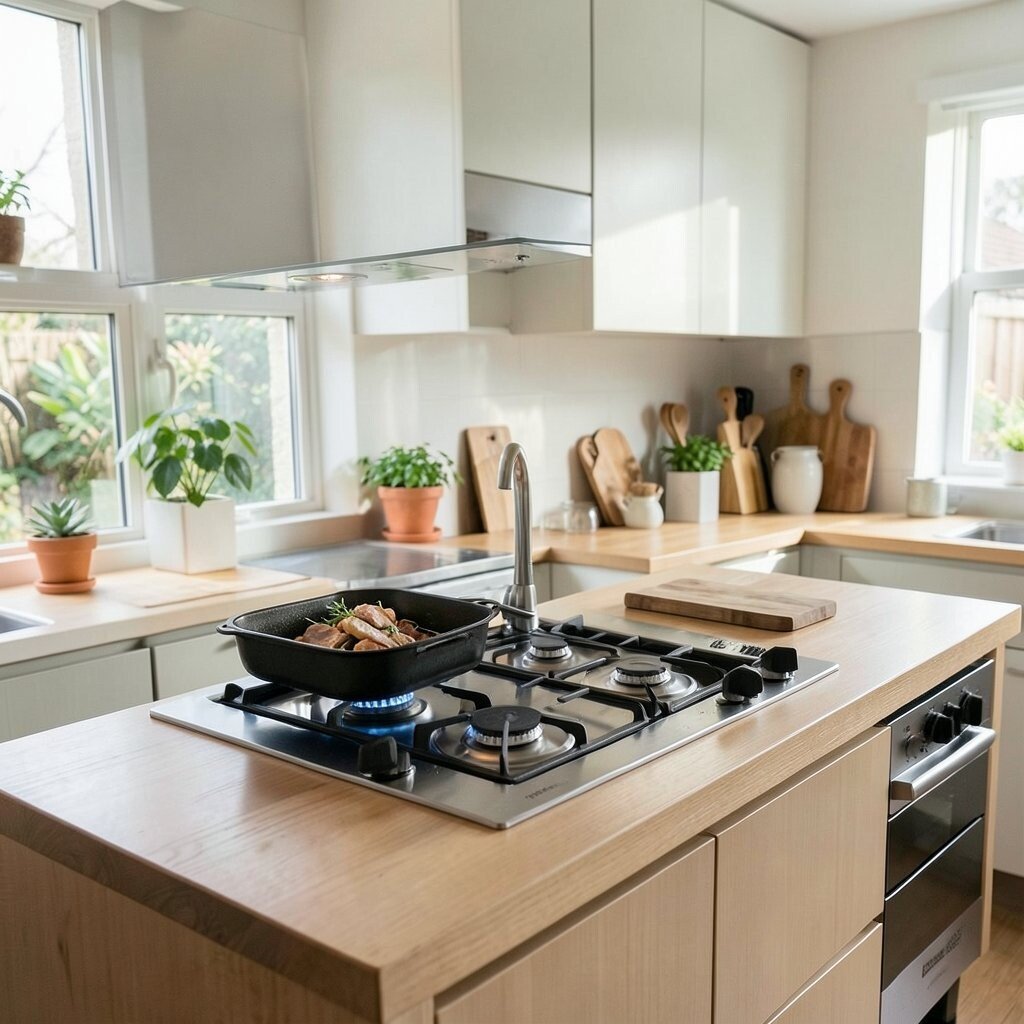
Imagine cooking with fast, even heat that responds instantly when you stir. Induction ranges bring a sleek, modern look to kitchens while using energy in a more efficient way.
You can also reduce wasted heat in the kitchen because the cookware drives the heat, not the air. This can feel especially helpful in warmer climates or during summer evenings. For personalization, pick a color that matches your cabinetry hardware and consider built-in vent hoods that don’t fight the design lines.
9. Heat-Pump Water Heating
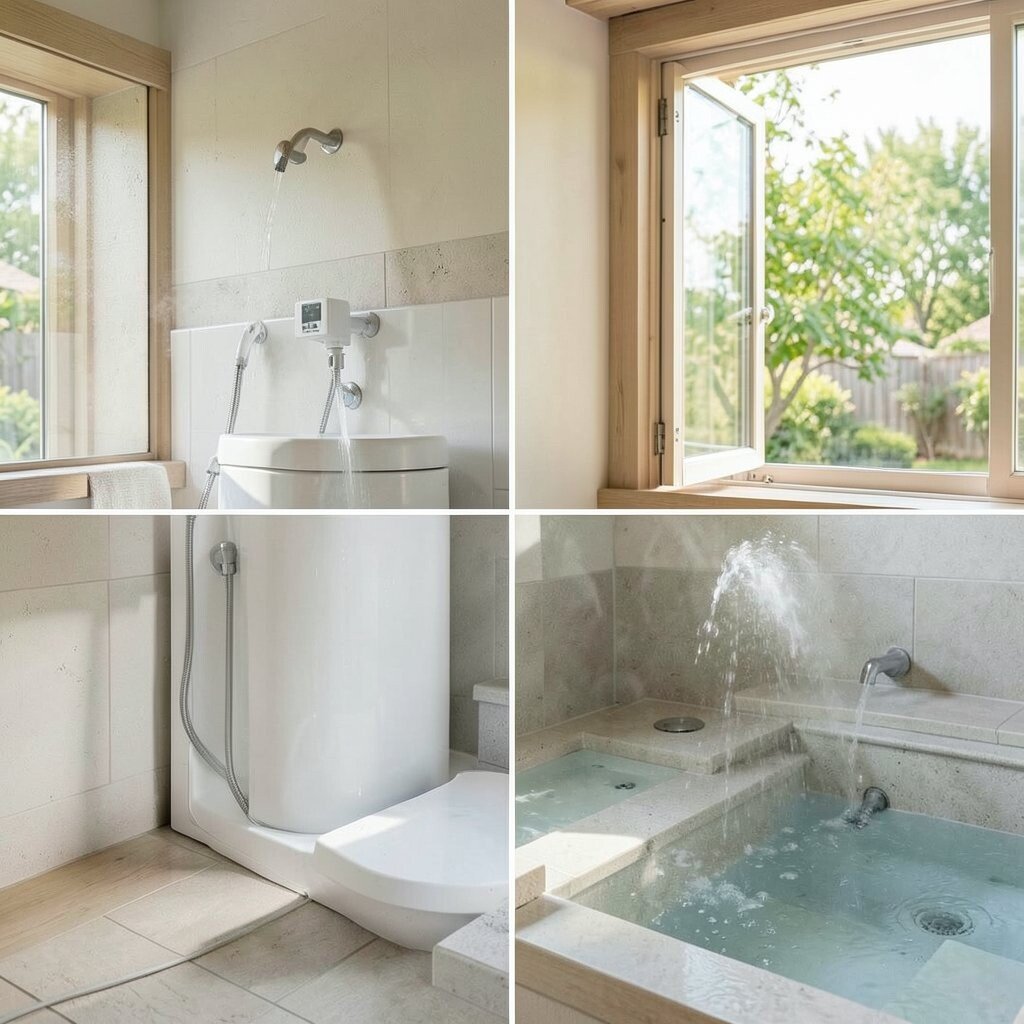
Think of hot water that’s made in a smarter way with less energy. Heat-pump water heaters move heat instead of generating it the hard way, which can cut electricity use.
This helps lower operating costs and can also free up space by replacing older bulky units. Many current models work quietly and include smart controls for scheduling. If you want the installation to fit your home, place it in a utility area that already has decent ventilation.
For budget planning, compare rebates and utility incentives, since many areas offer support for efficient upgrades. You can also lower costs by setting vacation modes and using timers that match your household routine. Add a small checklist of maintenance tasks like filter checks so performance stays steady.
10. Native Landscaping for Year-Round Beauty
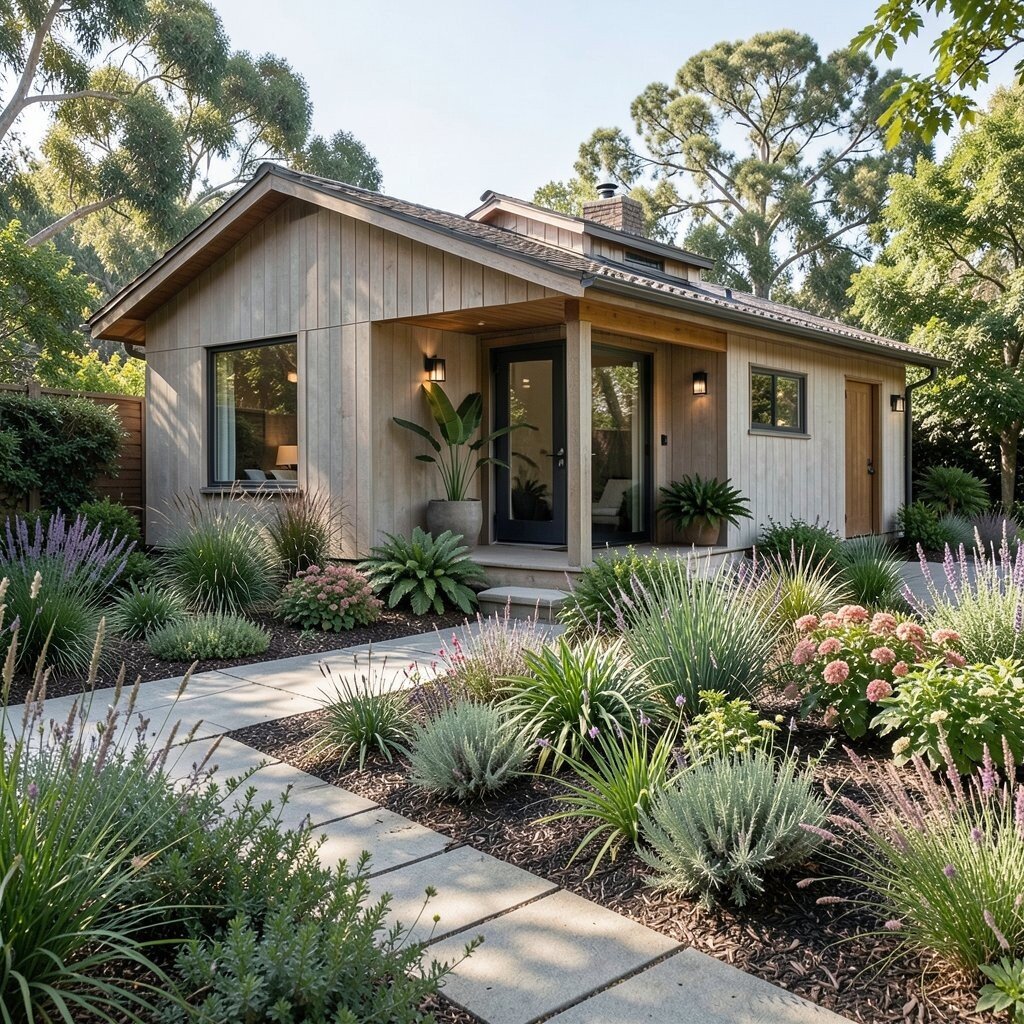
Imagine your yard changing with the seasons while needing less water. Native plants often fit local rainfall patterns and tend to support local pollinators too.
This is a practical way to reduce irrigation and create a more resilient outdoor space. Use layered planting, mixing taller grasses with flowering shrubs and ground cover to build depth. For personalization, choose colors that match your home’s exterior palette and aim for a style that feels curated, not chaotic.
You can start small by swapping the most water-hungry plants first, then expanding over time. Current trends lean toward wildlife-friendly gardens, so adding a small water feature or native habitat can feel very on trend. If you’re planning a redesign, group plants by sun needs so maintenance becomes easier.
11. Permeable Driveways and Walkways
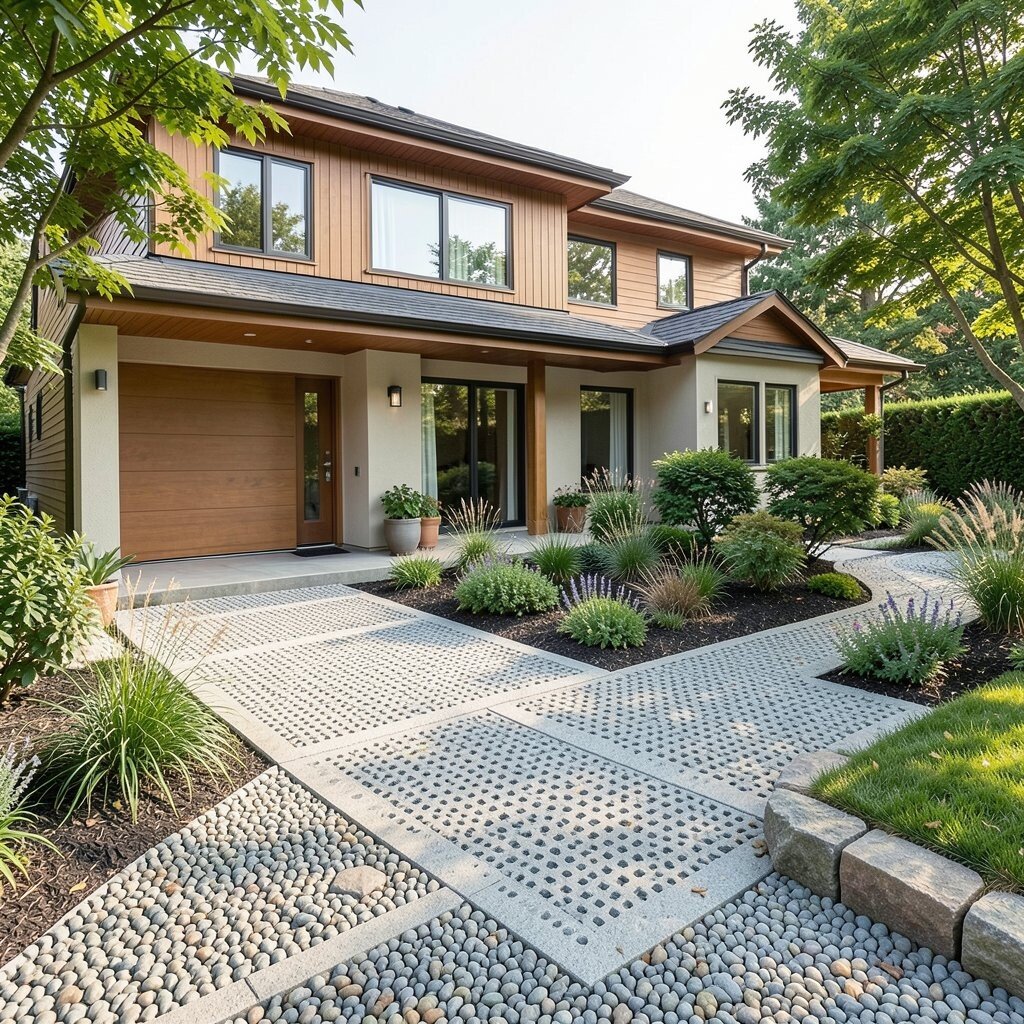
Picture a path that looks tidy while also helping stormwater soak into the ground. Permeable pavers and porous surfaces can reduce runoff and help prevent puddles.
This supports better water management and can protect nearby landscaping roots from erosion. Choose materials that match your home style, from modern flat pavers to rustic stone textures. For personalization, vary patterns in small sections to create a subtle design rhythm near the entry.
When planning cost, consider how much of the driveway truly needs replacement, because phased upgrades can be more manageable. Proper base preparation matters for long-term performance, so don’t skip the foundation work. If you live in a rainy area, prioritize systems that handle water well so the look stays crisp after storms.
12. Solar Panels With a Roofline That Looks Right
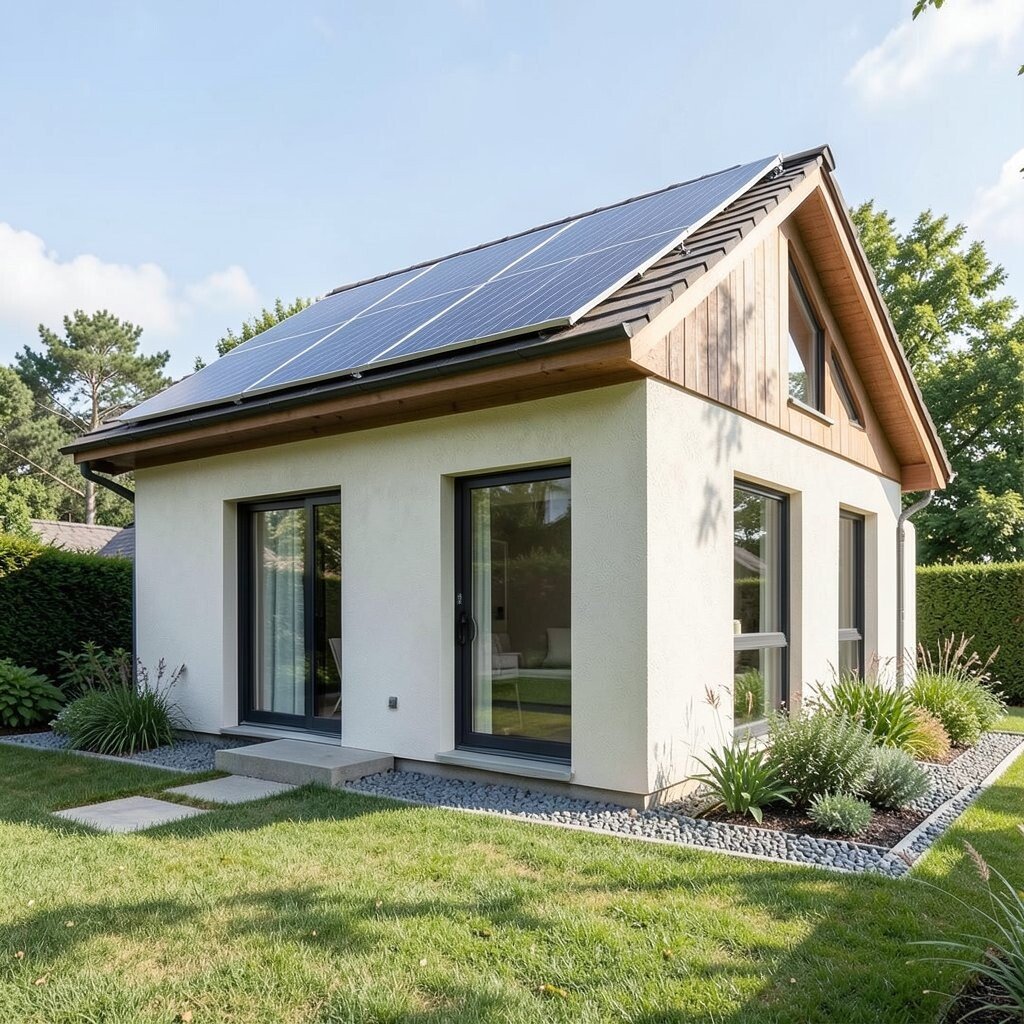
Imagine clean rooflines that still carry a powerful energy story. Modern solar panels can blend better than older styles, especially when installed with careful planning and matching hardware.
This can lower electricity costs and reduce your home’s carbon footprint over time. If aesthetics matter, choose a mounting approach that fits your roof pitch and consider arranging panels to keep the design neat. For personalization, coordinate panel placement with dormers, skylights, and roof details so nothing feels accidental.
Costs vary based on roof size and local incentives, so check programs through your utility and state. You can also plan for future battery storage by choosing inverters that support upgrades. A professional site assessment helps you avoid overspending and ensures your system fits real sunlight conditions.
13. Battery Storage for Smarter Backup Power
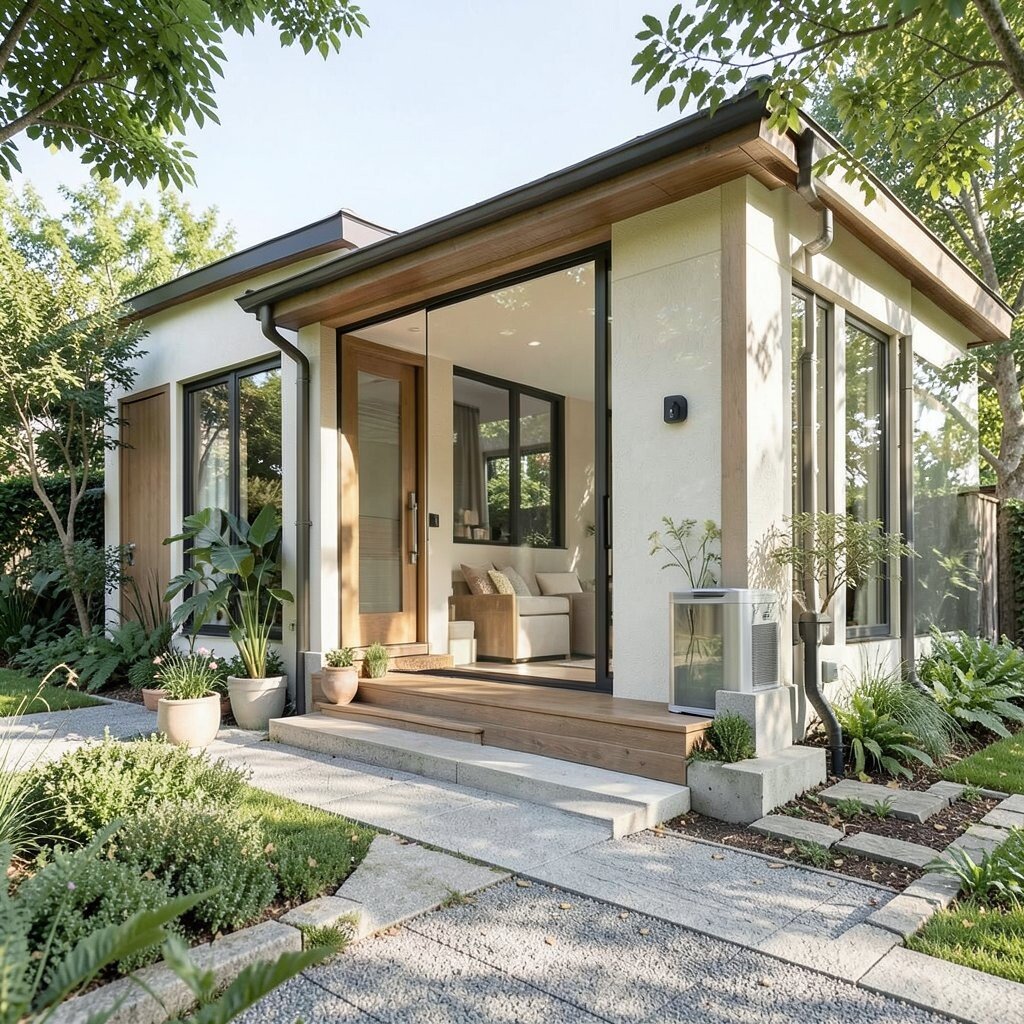
Picture the peace of mind that comes with backup power during outages. A home battery stores energy for later use, which can help smooth daily energy needs.
This supports resilience and can make solar power more useful after sunset. You can also use smart settings to protect essential circuits first, like refrigerators, internet, and charging stations. For personalization, plan the system so it matches how you actually live, including work-from-home needs and evening lighting preferences.
Upfront cost can be higher, but incentives and planned solar sizing can make it feel more attainable. Choose brands with solid warranties and user-friendly monitoring so you understand your performance. If you’re starting with solar, ask installers how battery readiness affects your design choices.
14. Sustainable Siding Materials With Real Curb Appeal
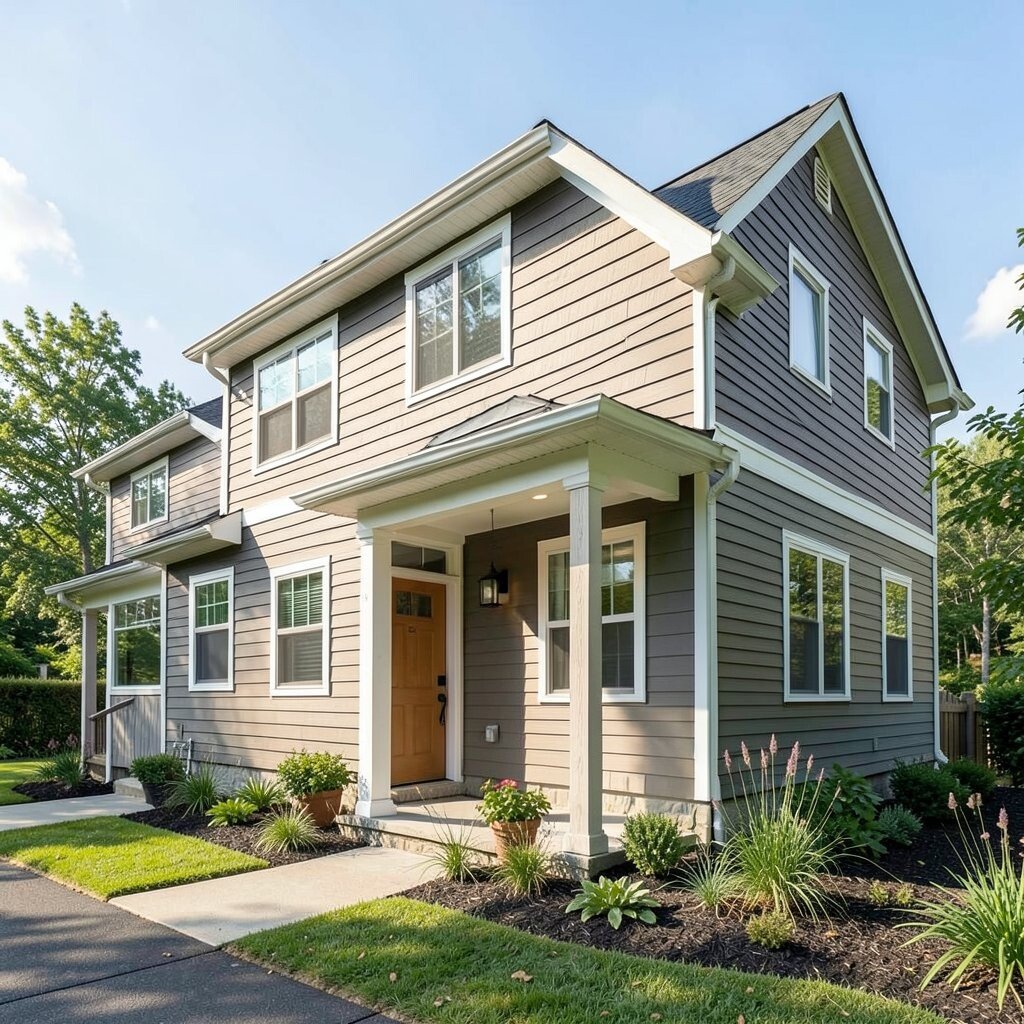
Imagine exterior walls that feel sturdy and look sharp for years. Durable eco-friendly siding options can include fiber cement, reclaimed wood looks, or insulated panels that add comfort.
Choosing long-lasting materials can reduce replacement cycles and lower waste over time. Pick finishes that resist fading and match your trim details so the home still feels cohesive. For personalization, explore textures and colors that fit your neighborhood style without losing your own taste.
Cost considerations matter here, so compare life-cycle value, not only purchase price. Some options cost more at first but can save money through reduced maintenance. When you’re planning exterior work, align siding upgrades with insulation improvements to get more value from each contractor visit.
15. Natural Light Staircases and Skylights
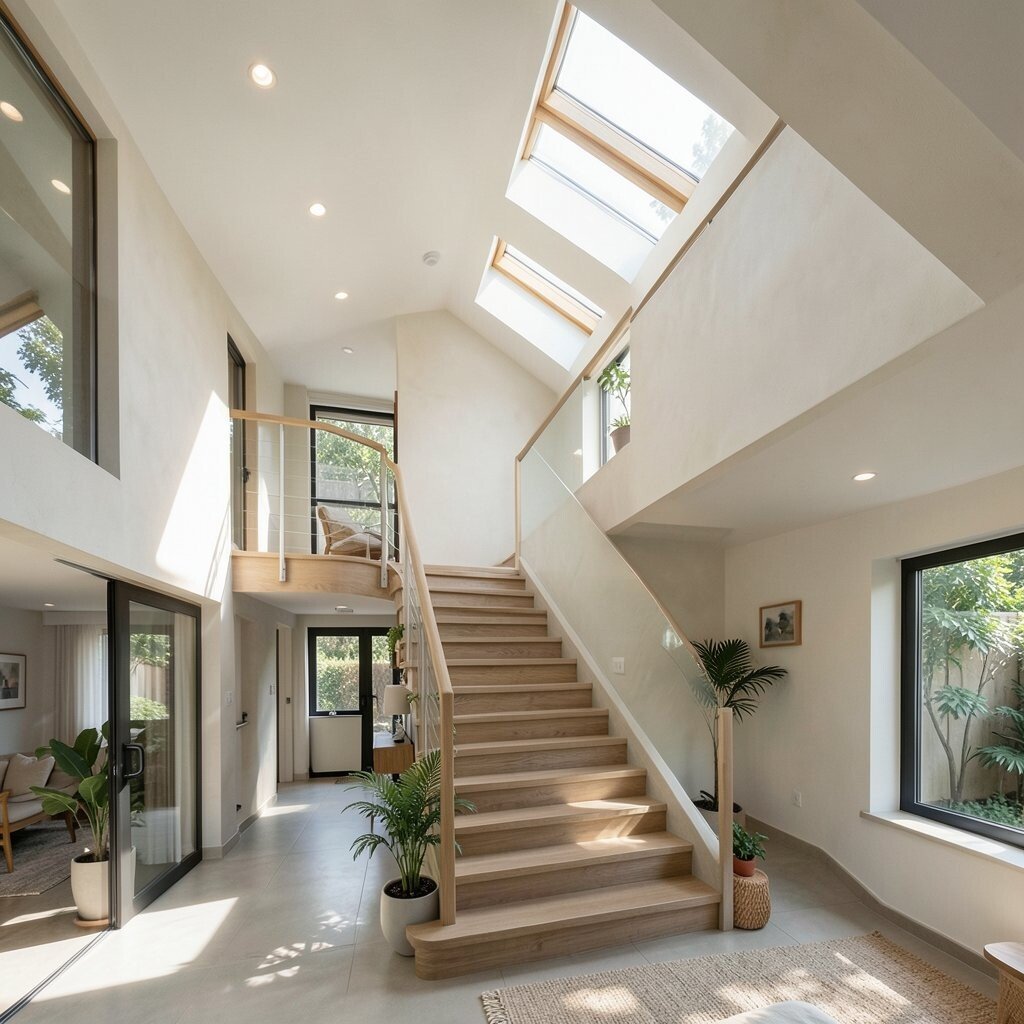
Picture a staircase where daylight spills down and makes hallways feel less cramped. Skylights and clerestory windows bring natural brightness into interior spaces, which often reduces the need for electric lights.
This can improve mood and help your home feel open, especially in multi-level houses. Choose glazing that supports energy efficiency and includes shading options for glare control. For personalization, select skylight shapes that match the architecture, like modern rectangular forms or softly arched designs.
If you’re worried about heat gain, plan ventilation for the skylight area and use smart blinds. Current trends favor warm, inviting interiors, and natural light is one of the easiest ways to achieve that. When budgeting, request options that include leak protection and quality installation, since that impacts long-term comfort.
16. Water-Saving Landscaping Irrigation Controls
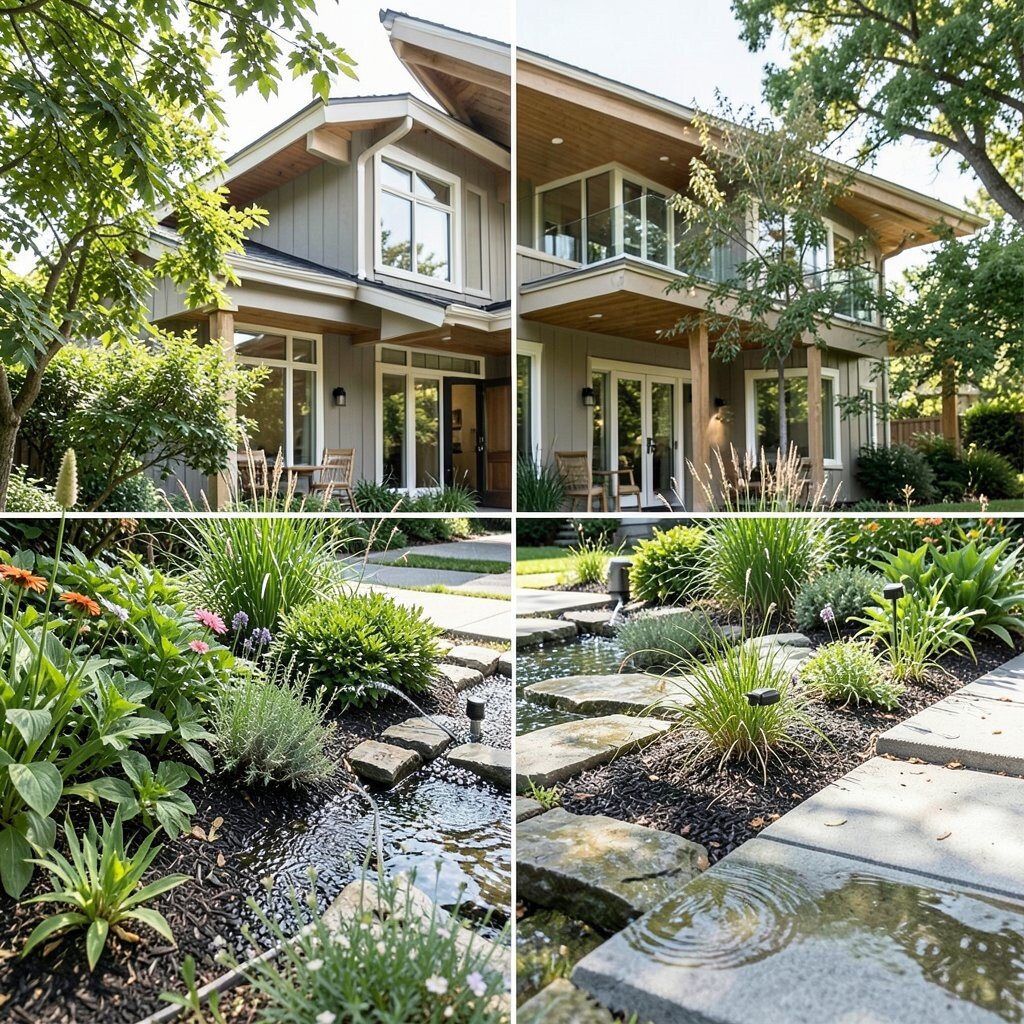
Imagine watering that happens only when plants truly need it. Smart irrigation controllers adjust schedules based on weather and soil signals, so the landscape stays healthy without waste.
You can reduce water use and keep costs under control during hot spells. Choose zoning so different parts of your yard can get different amounts, which supports better plant survival. For personalization, set seasons and reminders that match your local climate habits.
If you’re keeping it simple, start by retrofitting sensors to existing sprinklers before replacing everything. Many homeowners see faster results when they fix leaks and misaligned heads first. The latest systems often provide clear app dashboards, which makes fine-tuning feel manageable.
17. Non-Toxic Paint and Low-VOC Finishes
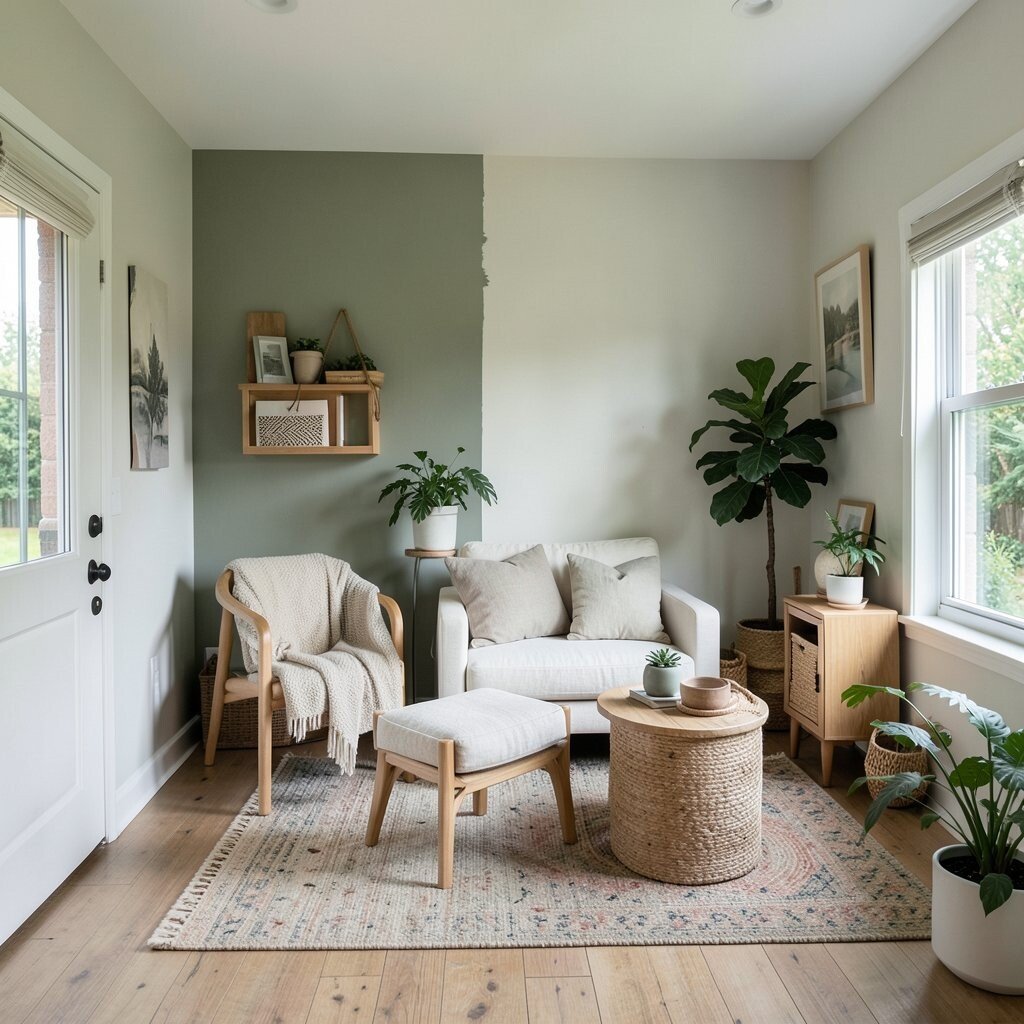
Picture a fresh room where the air feels clean and calm. Low-VOC paints and safer finishes help reduce strong odors and support healthier indoor spaces.
This can benefit daily comfort, especially for kids, pets, and anyone sensitive to fumes. Choose finishes that are durable so you can repaint less often, which reduces waste. For personalization, sample swatches in different light, then pick shades that match your natural materials like wood and stone.
Cost considerations are usually similar to mainstream options, but quality can vary, so compare coverage per gallon. If you’re doing flooring or cabinetry, coordinate timing so ventilation is built into your schedule. Current trends often lean toward earthy colors, which pair beautifully with greener finishes.
18. Modular Storage Built From Better Materials
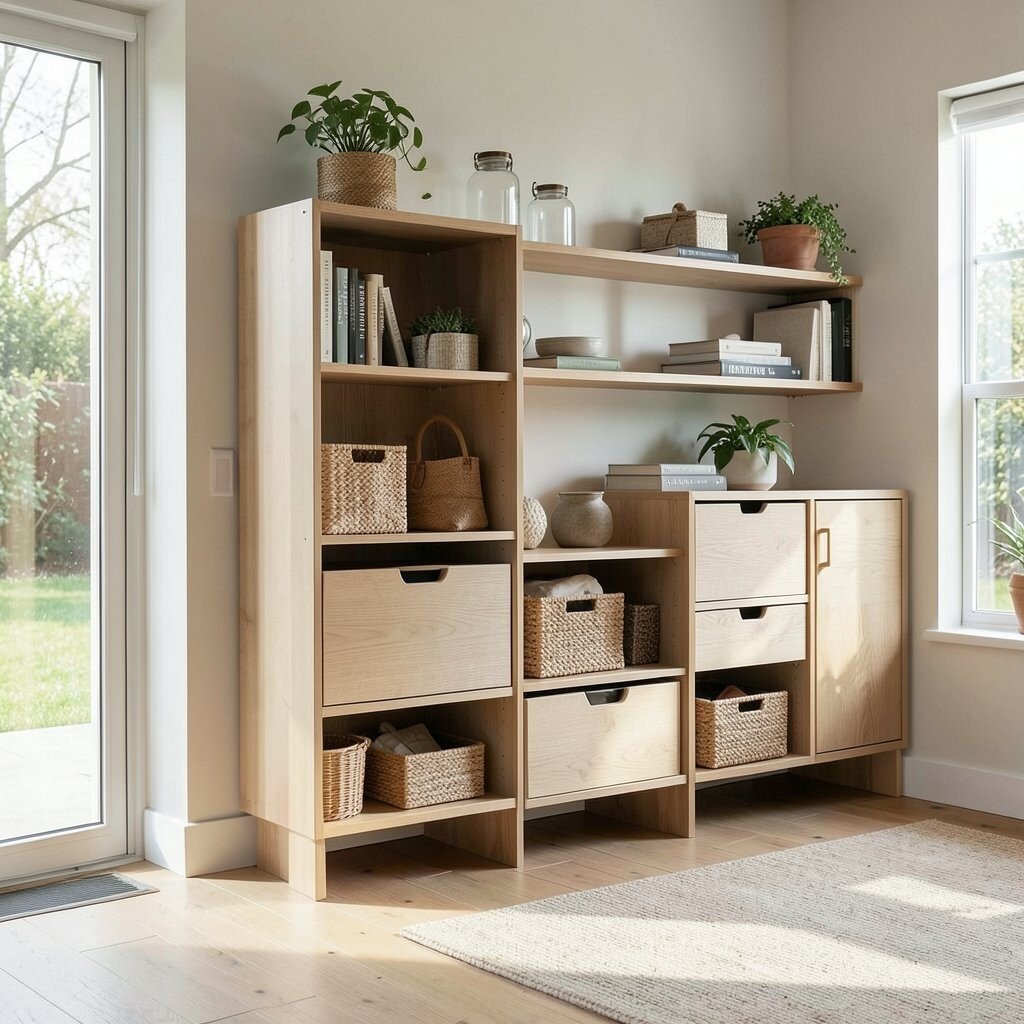
Imagine storage that looks neat and feels calm, with fewer things out in the open. Thoughtful modular shelving and cabinetry can support a clutter-free home while using responsible materials.
This helps you live efficiently, because organized spaces reduce the urge to buy replacements and make it easier to maintain what you own. Look for cabinets made with certified wood products and safer laminates, and choose hardware that’s built to last. For personalization, match the storage style to your room, like sleek rails for modern spaces or warm wood tones for traditional looks.
If budget is a concern, start with high-impact areas such as entryways and bedrooms. You can also reuse existing frames and upgrade doors or shelves to cut waste. For a current, stylish feel, consider open cubbies for baskets and concealed compartments for everyday items.