A great bar can feel like a secret everyone wants to keep. The best ones look effortless, but every detail is working hard.
1. The front edge matters more than you think
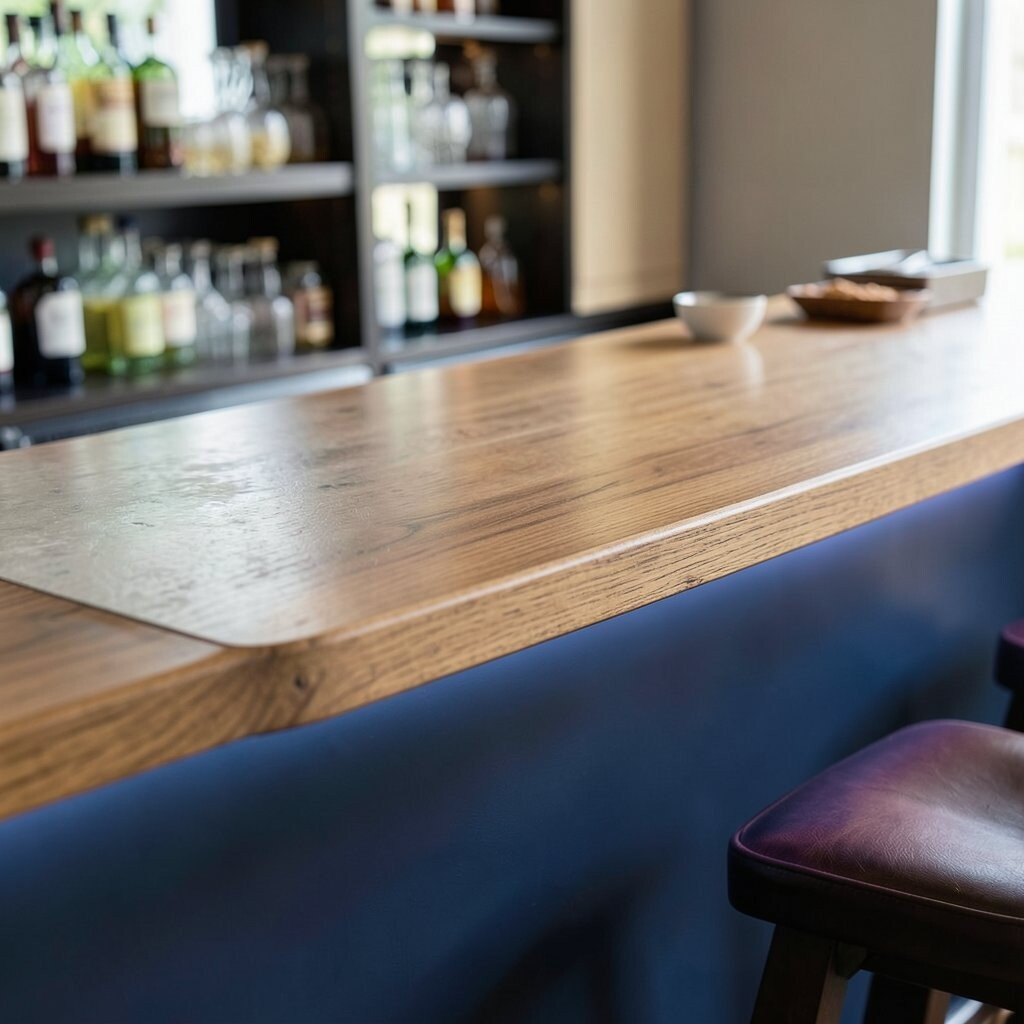
The bar top is the first thing people touch, lean on, and remember. A smooth edge, a warm wood grain, or a cool stone finish can shape the whole mood of the room.
It also affects comfort, which matters more than many owners expect. A good edge keeps guests happy during long visits and helps staff move fast without bumps and bruises. If you want a personal touch, try mixing a classic top with a bold base color or a hidden LED glow.
2. Lighting can make or break the whole place
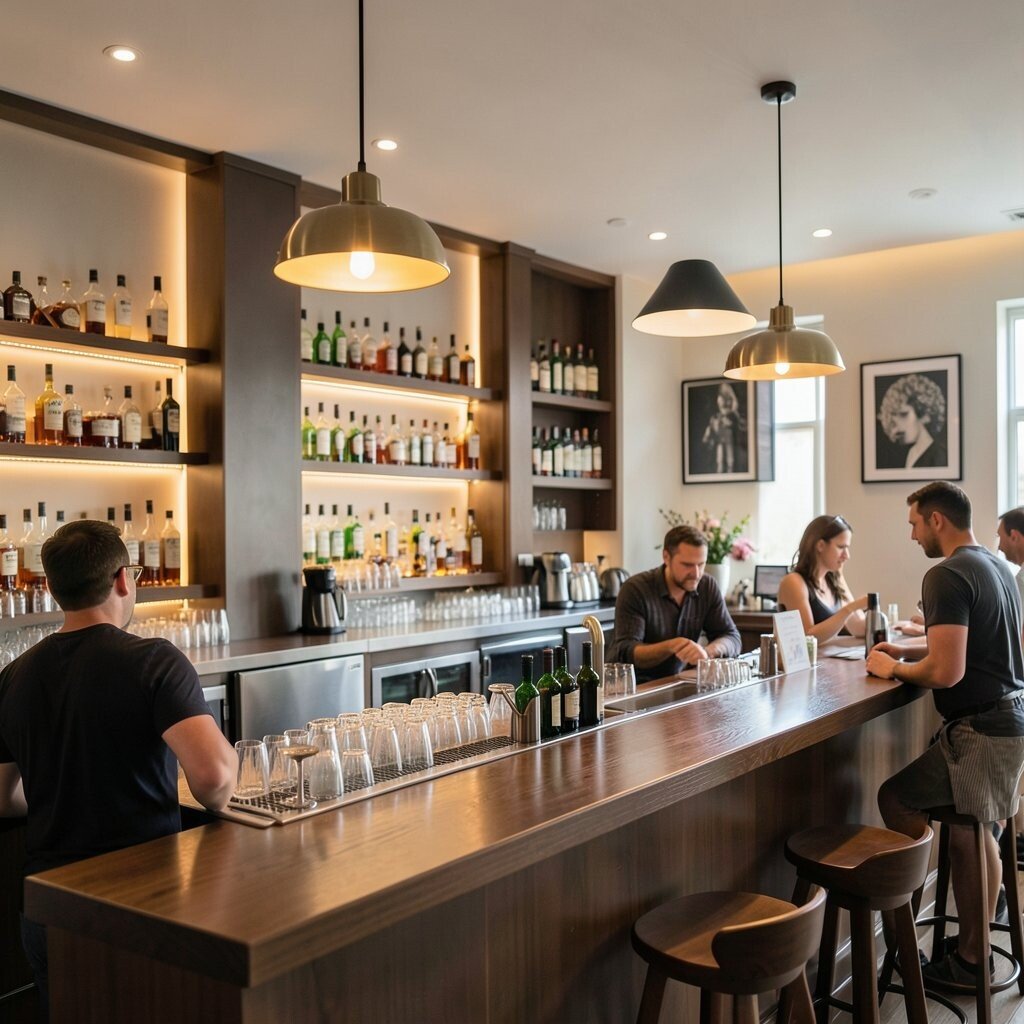
Harsh light can make a bar feel cold, while soft light can make it feel easy and welcoming. People tend to stay longer when the room feels warm and calm.
Good lighting also helps drinks look better, which is a quiet win for sales. Many modern bars use layered light with pendants, wall glow, and tiny accent strips. To keep costs in check, start with dimmers and a few strong fixtures before adding extras.
For a unique look, aim light at bottles, shelves, or art instead of blasting the whole room. This gives the bar a richer feel and makes small spaces seem more special. A custom color temperature can also match your brand, from cozy amber to crisp white.
3. Storage is the hidden star behind the scenes
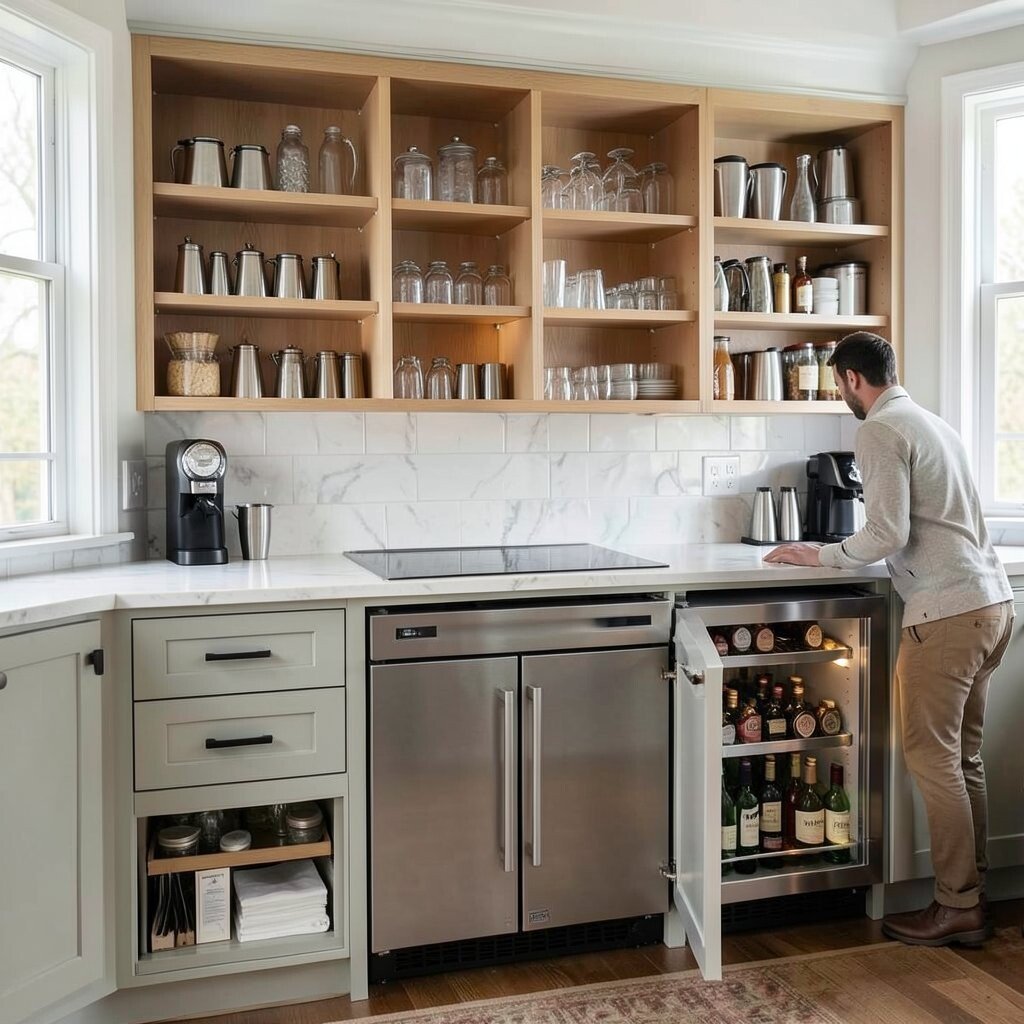
Guests may only see the pretty shelves, but the real magic lives in the drawers, coolers, and hidden cabinets. A bar that stores tools well feels faster, cleaner, and calmer.
When storage is planned well, bartenders waste less time searching for shakers or napkins. That means quicker service and fewer mistakes during busy hours.
Built-in storage can cost more at first, but it often saves money later by cutting clutter and damage. You can personalize it with labeled zones, secret compartments, or open display spaces for special bottles. A mix of open and closed storage also keeps the bar looking sharp.
4. The best bars feel custom, not copied
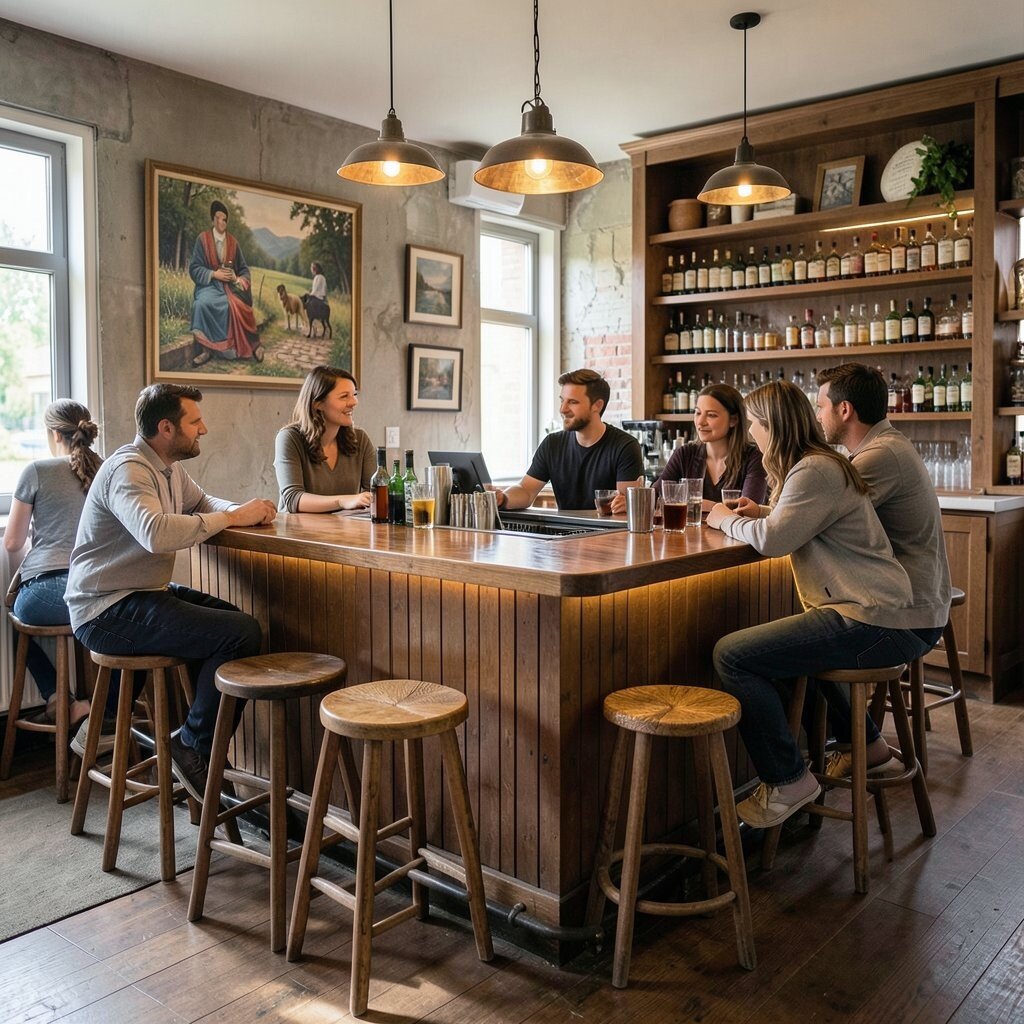
People notice when a space has its own voice. A bar with local art, handmade stools, or a one-of-a-kind shape feels more alive than a copy of every other place.
That uniqueness can become part of the brand story. Guests may come in for the drinks, but they stay for the feeling that the room was made for them.
5. Seating changes how long people stay
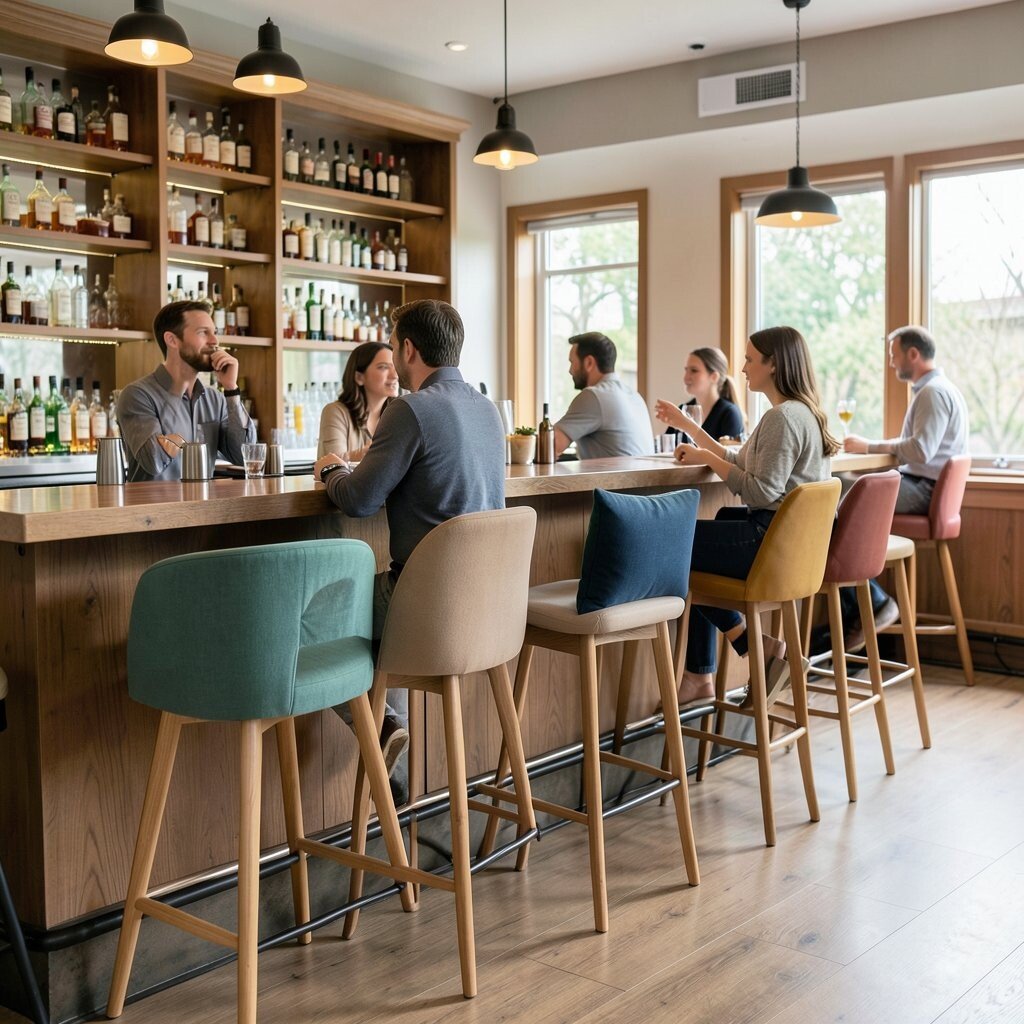
Bar stools are not just furniture; they are part of the experience. If they are too tall, too hard, or too close together, guests get restless fast.
Comfortable seating can raise satisfaction and help people linger for another round or dessert. It also gives the room a more polished look, especially when colors and materials match the bar style.
For a personal touch, mix stool heights, add backs for support, or use cushions in a brand color. Trendy bars often choose simple shapes with soft fabrics or wood that feels natural. Cost-wise, a few quality stools are better than many cheap ones that wobble or wear out quickly.
6. A bar needs a clear path for busy feet
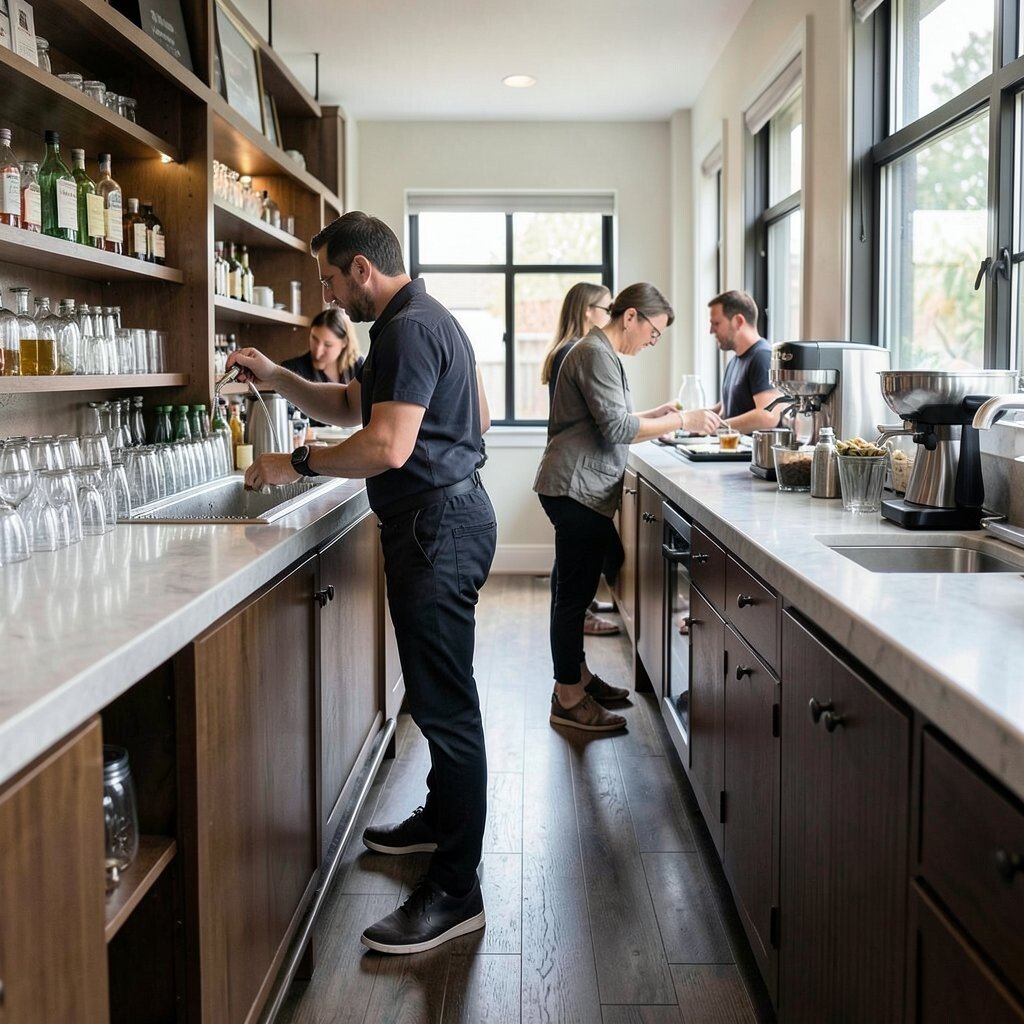
Behind the bar, every step should feel easy and safe. Tight corners and awkward layouts slow people down and can turn a busy shift into a mess.
When the work path is smart, staff can pour, grab, rinse, and serve without crossing each other. That speed helps guests get drinks sooner and keeps the room running smoothly.
Think about where ice, glassware, sinks, and mixers live before you choose pretty finishes. You can personalize the flow for your team’s habits, which is a smart way to cut stress. The right layout may cost more to plan, but it often saves more in labor and repairs.
7. Shelves can do more than hold bottles
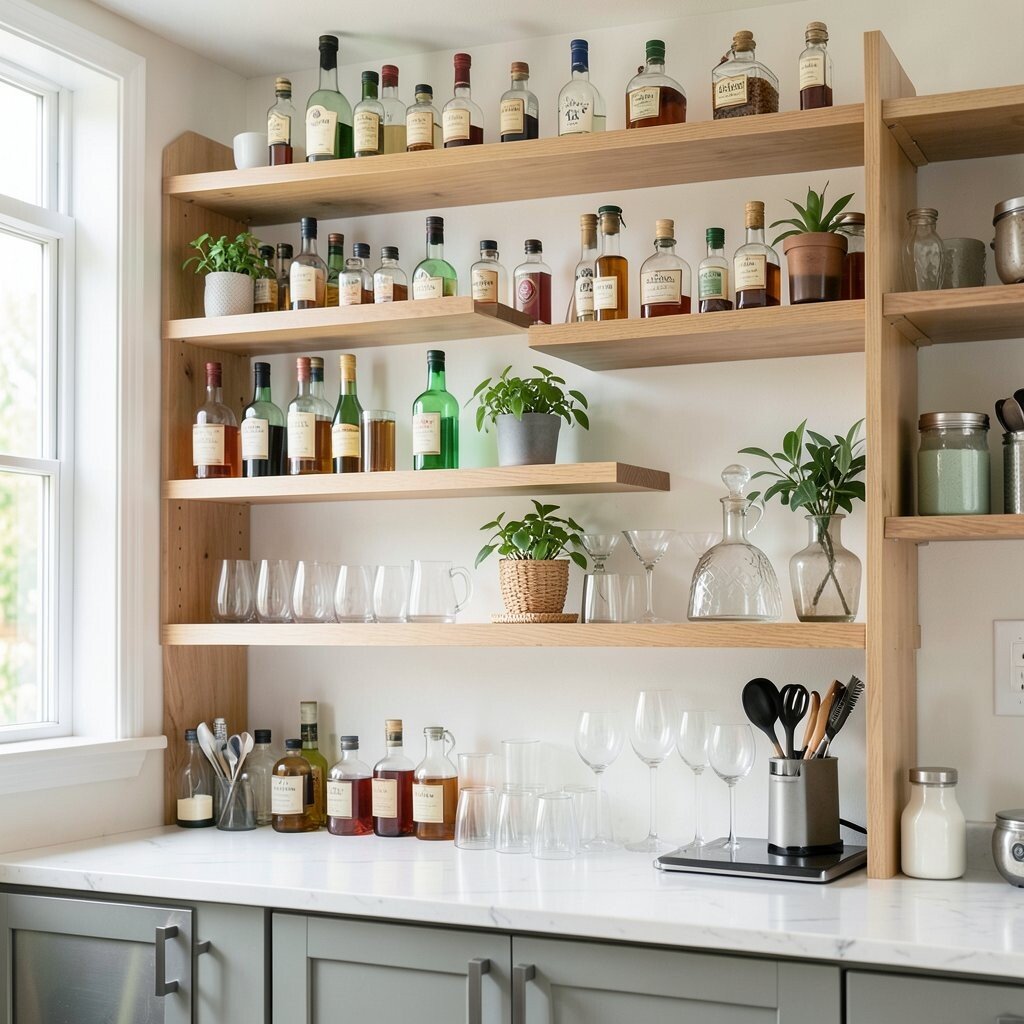
Open shelving gives a bar a bright, lively look. It also turns bottles, glassware, and tools into part of the decor.
This can make a small room feel larger and more open. It also helps guests see your style right away, which is a nice boost for personality.
To keep shelves from looking messy, group items by shape, color, or use. Add a few standout pieces, like a vintage decanter or a plant, for a custom feel. If you want a lower-cost option, use simple wood shelves with good lighting instead of expensive built-ins.
8. The back bar tells a story
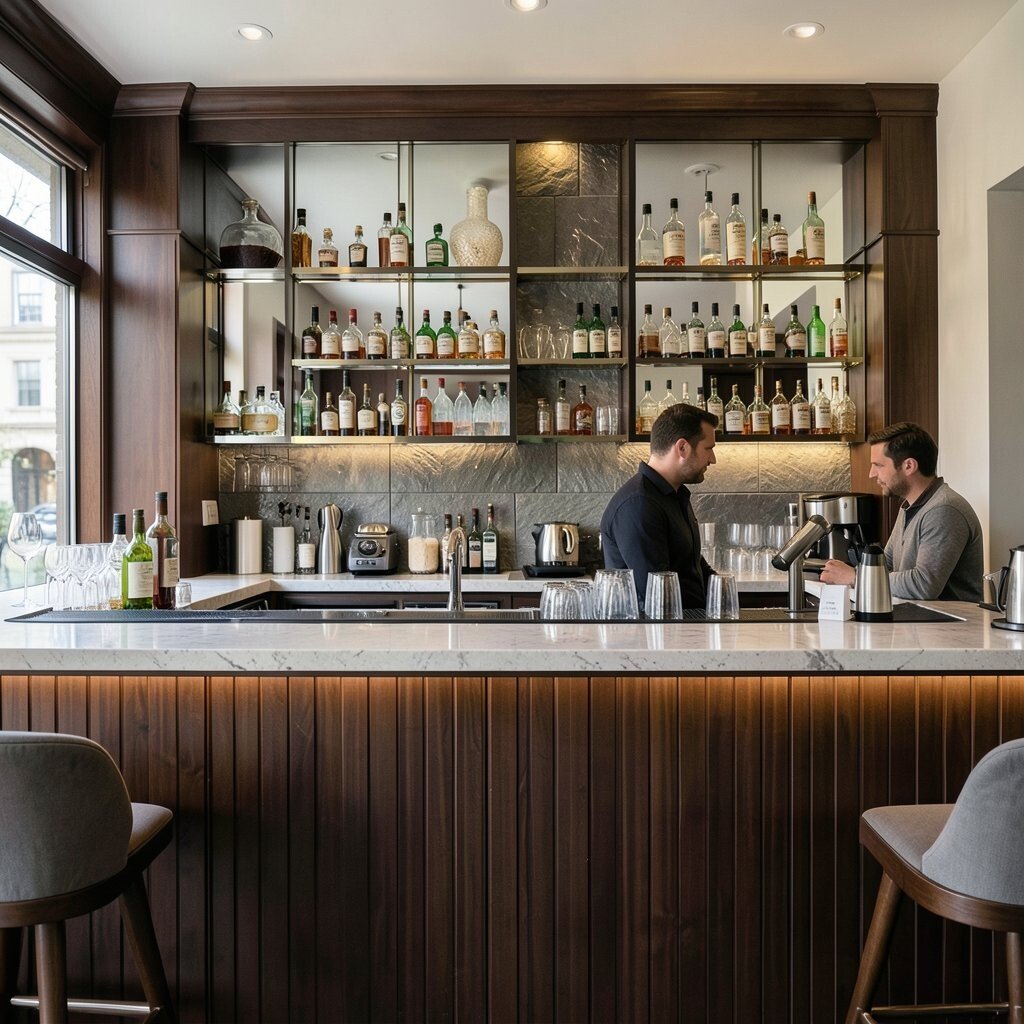
The wall behind the bar is prime visual space. It can look sleek and simple, or it can feel rich with bottles, mirrors, and texture.
A strong back bar helps guests understand the mood before they even order. It also gives bartenders a useful place to work and display the drinks they want to feature.
Mirrors can make a room feel bigger, while dark wood can make it feel warm and classic. Many current designs use mixed materials like metal, tile, and stone for a layered look. A custom back bar may cost more, but it can become the signature image people share online.
9. Sound matters as much as style
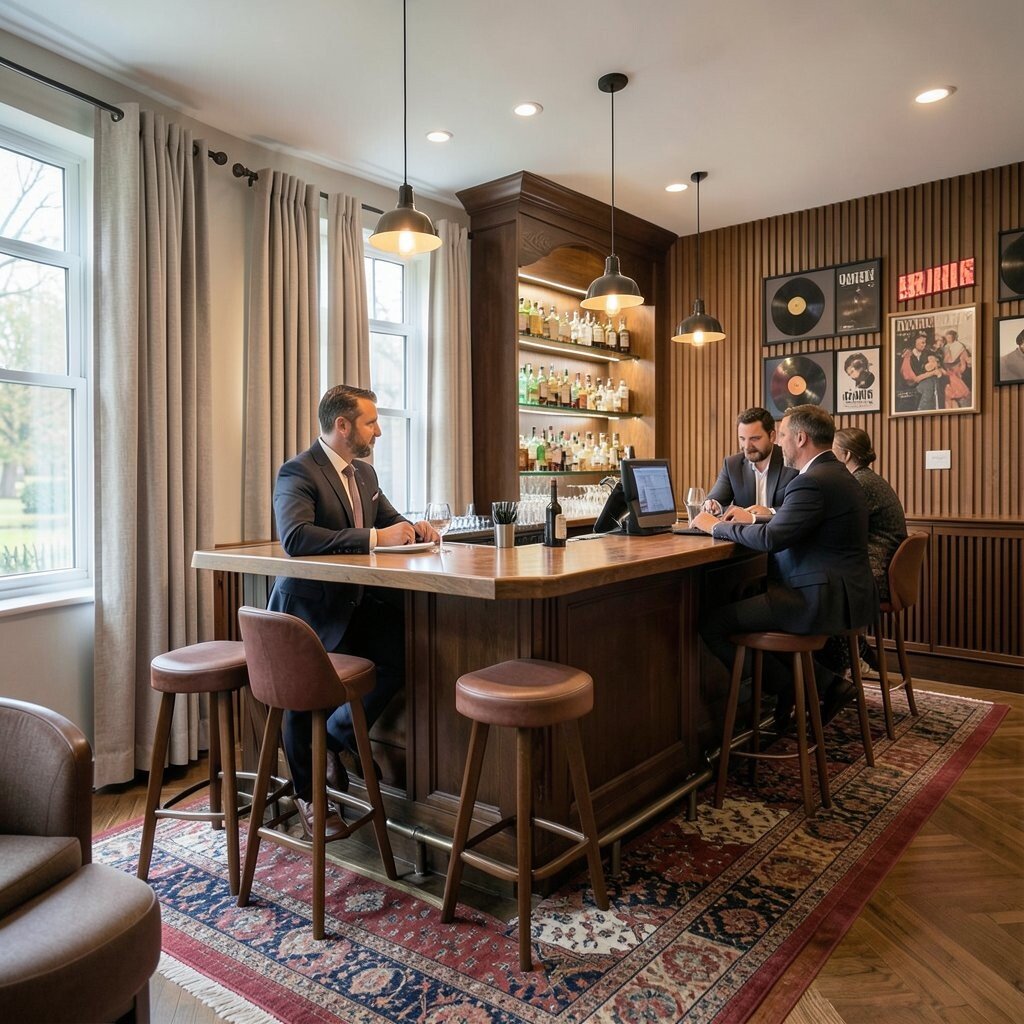
A beautiful bar can still feel wrong if it is too loud or echoey. Hard surfaces bounce sound around, while soft materials help calm the room.
Good sound control makes conversation easier and keeps guests comfortable. It also helps the staff hear orders without shouting across the room.
You can add rugs, curtains, fabric panels, or wood slats to soften noise without hurting the look. Personal touches like record art or a music wall can fit the brand while helping with the sound. Some of these fixes are low cost and make a big difference right away.
10. A small bar can still feel big
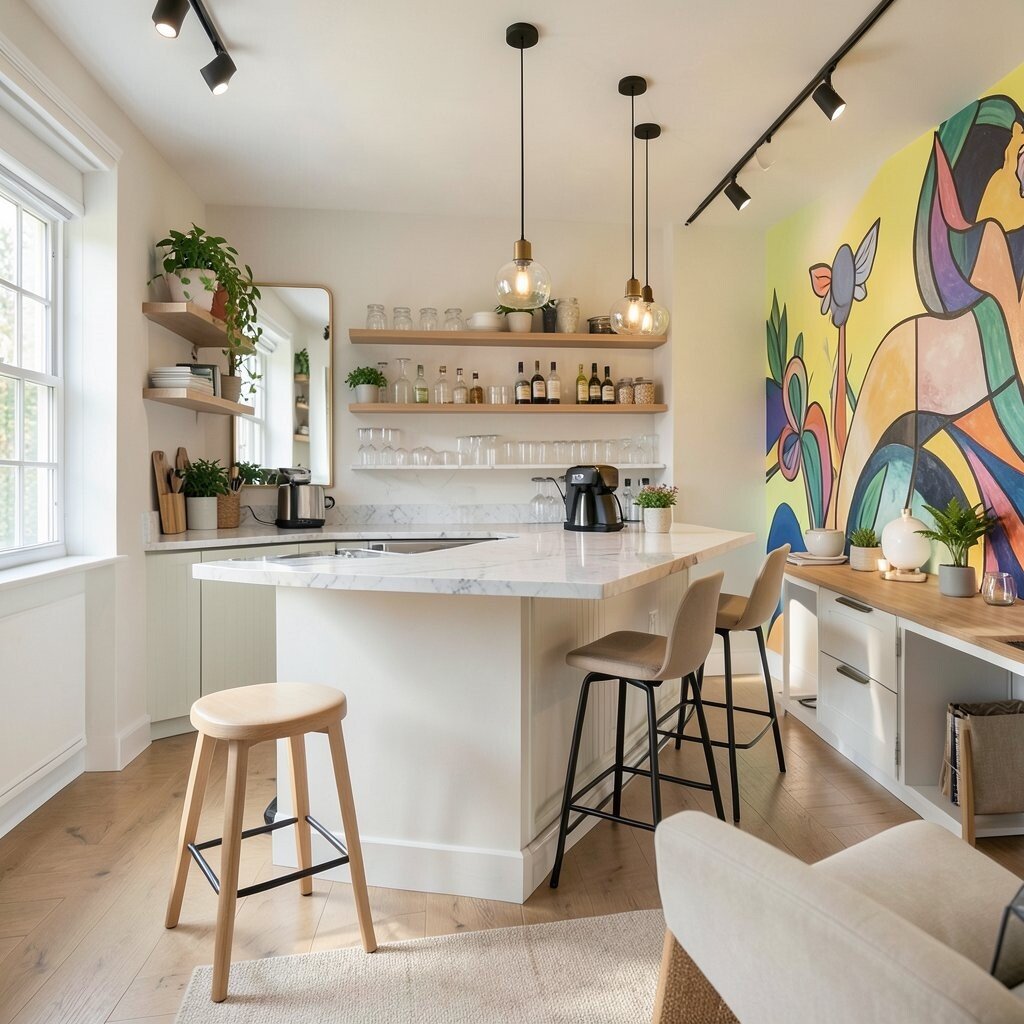
Compact bars often have the most charm because every inch has a job. With the right plan, a small space can feel smart, cozy, and full of life.
Light colors, mirrors, and slim furniture can open the room visually. That sense of space helps guests relax and makes the bar feel less crowded.
Fold-away counters, narrow shelves, and built-in storage are great for tight footprints. A custom color palette or a bold mural can make the place feel unique without taking up space. If the budget is tight, focus on one strong feature instead of many small ones.
11. Materials say a lot before anyone speaks
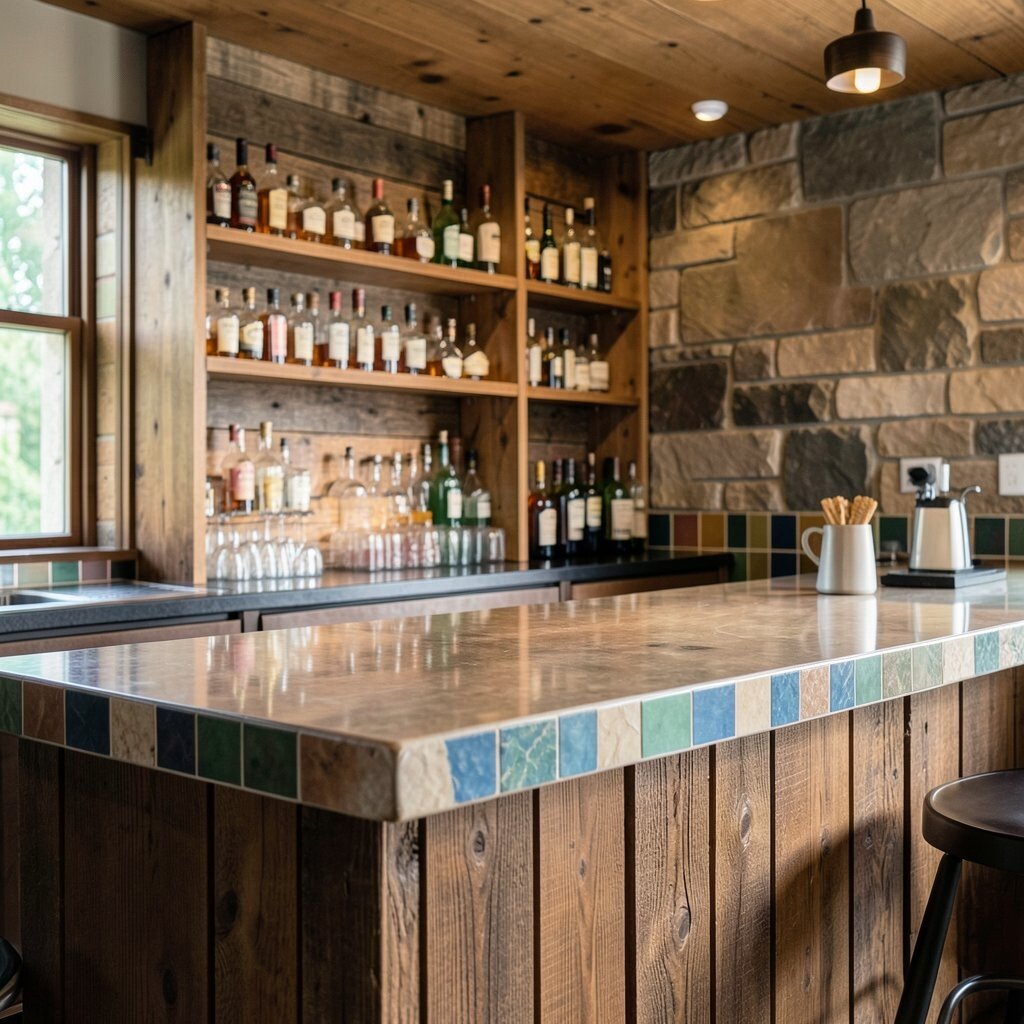
Wood feels warm, metal feels sharp, and stone feels solid. The mix you choose sends a message about the kind of night people can expect.
Durable materials also save money over time because they stand up to spills, bumps, and heavy use. That is a big deal in a place that never really gets a break.
Many popular bars now pair rough textures with smooth ones for a richer look. You can personalize the space with reclaimed wood, colored tile, or a special countertop edge. It is smart to spend more on the surfaces people touch most and save on decorative extras.
12. The menu and the room should match
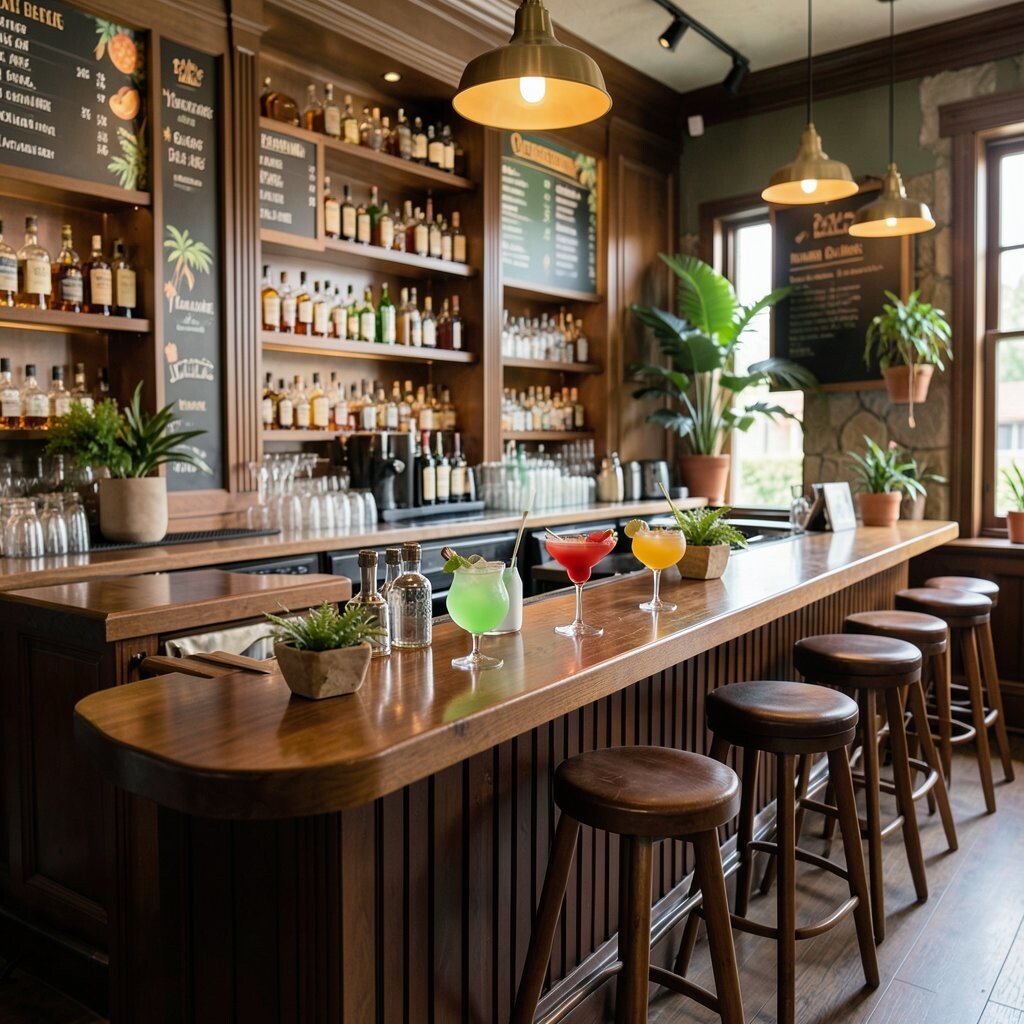
A bar that serves bright cocktails should not feel dark and heavy unless that contrast is part of the plan. The room should support the drinks, not fight them.
When the menu and design work together, guests understand the brand faster. That can make the whole place feel more polished and memorable.
For example, a tropical menu pairs well with warm colors, plant accents, and playful shapes. A whiskey bar may suit deeper tones, leather, and strong wood details. This kind of matching does not need a huge budget if the style choices are clear and focused.
13. Flexibility is worth paying for
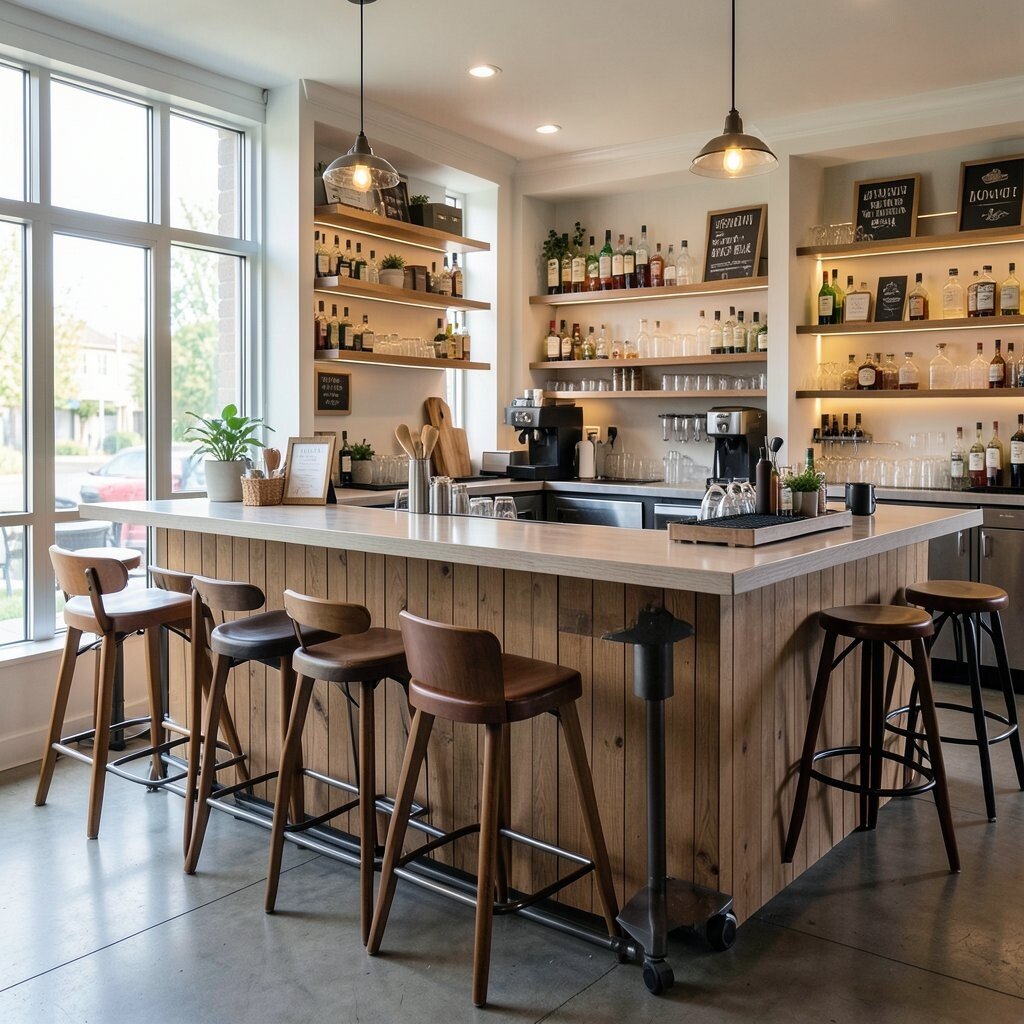
Bars change over time, and a smart design can change with them. Movable tables, adjustable shelves, and modular pieces make updates much easier.
This flexibility helps with events, seasonal menus, and busy nights. It also protects your investment because you do not need to rebuild everything when your needs shift.
Some current trends lean toward multi-use spaces that can host happy hour, live music, or private parties. You can personalize a flexible bar with swap-in decor, rolling service carts, or changeable signage. The upfront cost may be higher, but the long-term value can be much better.
14. The best bars feel like they know you
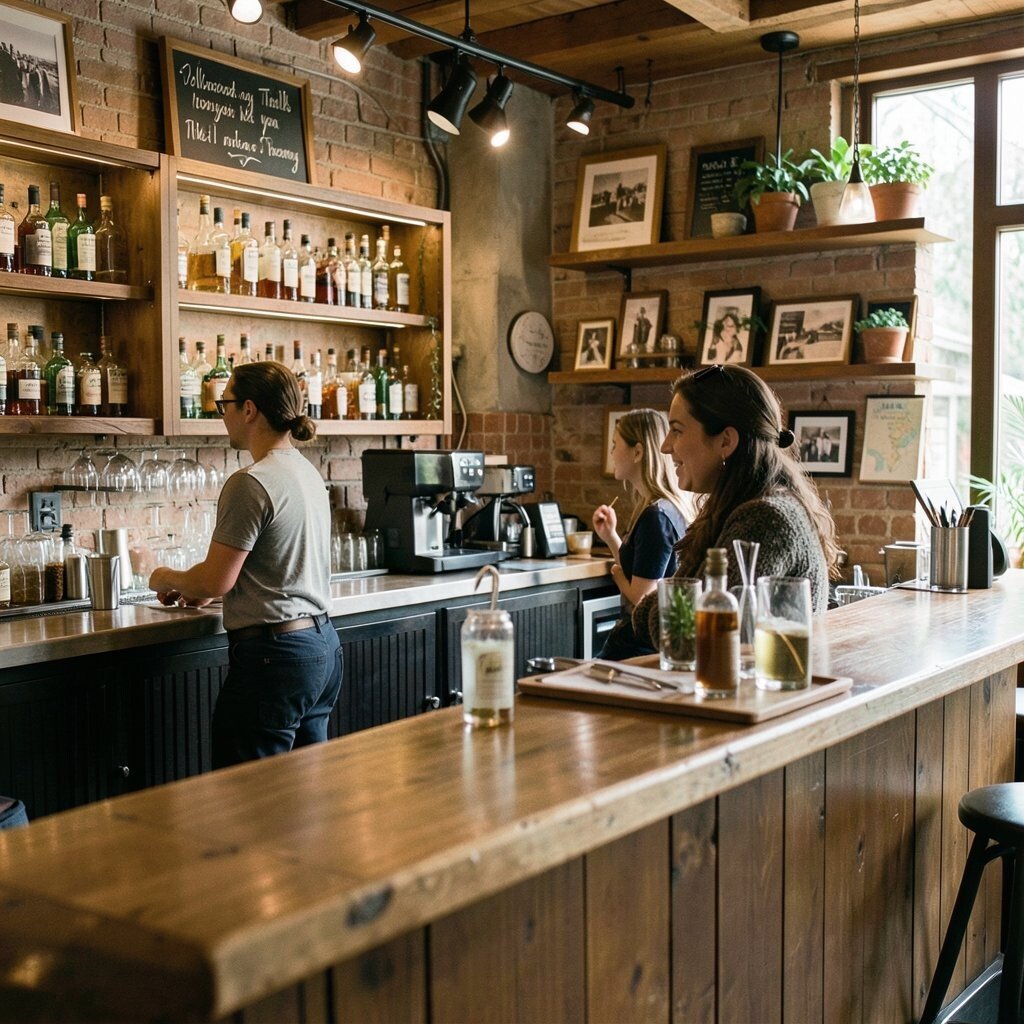
People remember how a space makes them feel, not just how it looks. A bar that feels personal, warm, and thoughtful can turn first-time guests into regulars.
That feeling often comes from small details like a favorite color, a local photo, or a custom drink rail. It also comes from design choices that make guests feel seen and comfortable.
Personalization does not need to be loud or expensive to work well. A handwritten sign, a local map, or a special shelf for featured drinks can add charm fast. When a bar feels like it has a heartbeat, people notice right away.