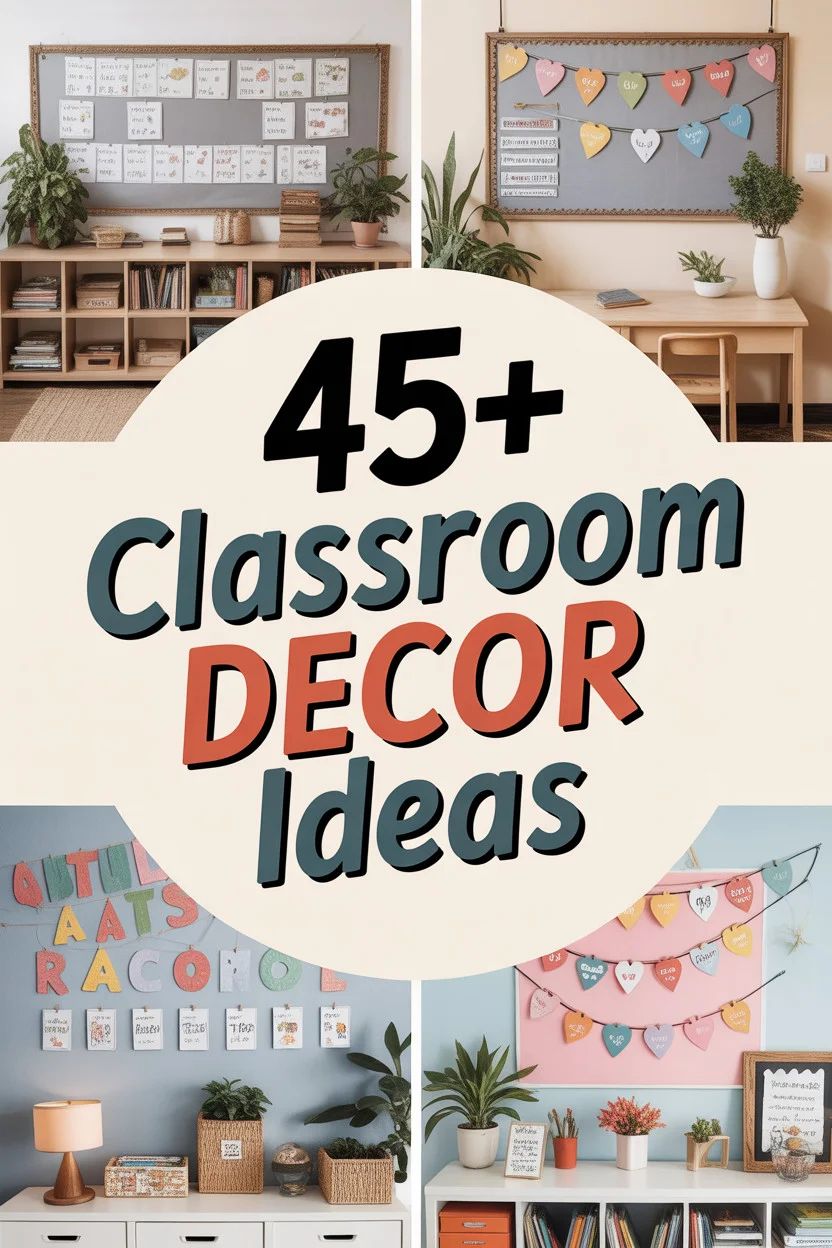
Imagine walking into a classroom where every corner sparks joy and curiosity. Each detail is a colorful whisper inviting students to explore, play, and learn. The world of classroom decor is brimming with possibilities that can turn any space into a magical learning environment.
1. Colorful Bulletin Boards

Colorful bulletin boards can light up any classroom. They provide a space for showcasing student work and important information.
The bright colors help grab attention and can be changed with every season or lesson. Try using different themes like seasons or favorite stories.
This idea is unique because it allows personalization and can be a fun group activity. Plus, it’s easy on the budget.
Colorful paper and borders are inexpensive, making this a cost-effective way to bring life to bare walls. Encourage students to contribute their own creations.
2. Inspirational Quotes

Inspirational quotes on the walls can motivate and encourage students. This simple addition can foster a positive classroom culture.
Choose quotes that resonate with the class values or current learning themes. It’s a great way to start the day with positive thoughts.
Using different fonts and colors makes each quote pop. This can be a creative exercise for students to participate in.
Printing quotes at home or using inexpensive art prints keeps costs low. Rotate quotes regularly to keep the inspiration fresh.
3. Themed Reading Nooks
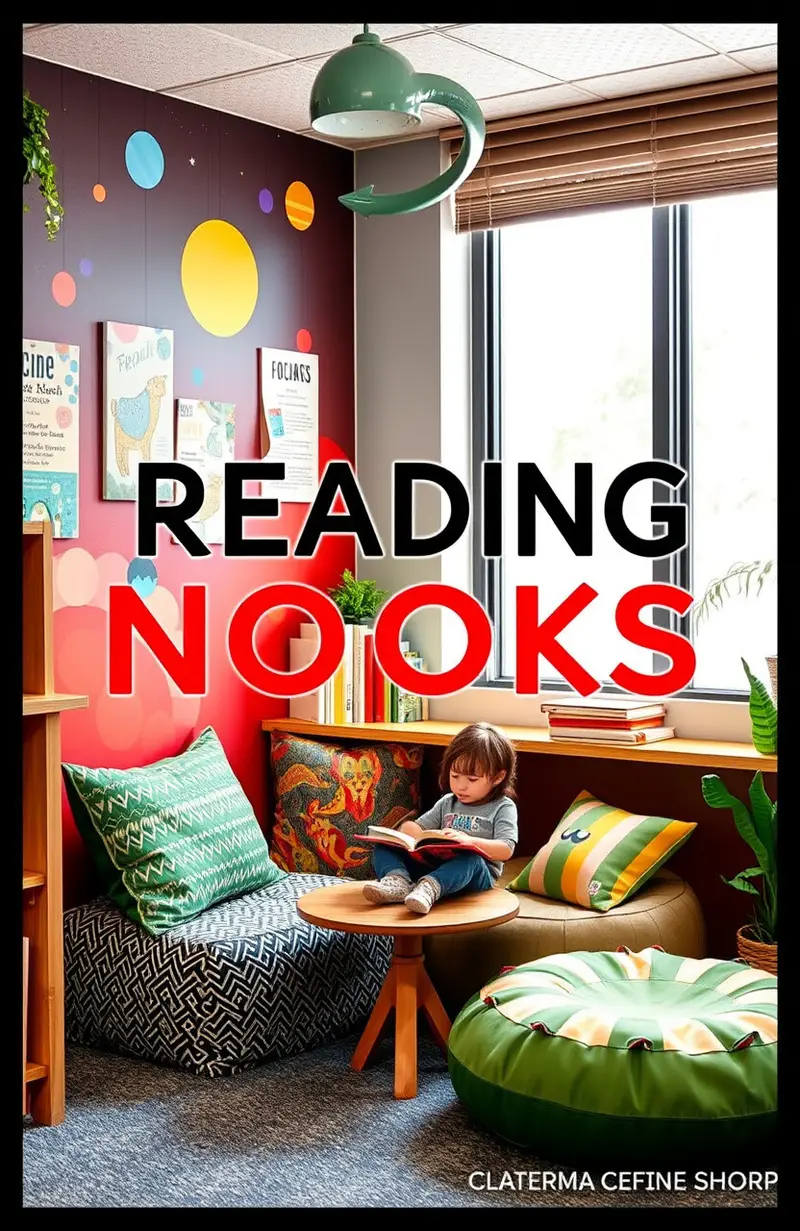
A themed reading nook can create a cozy spot for students to read and relax. Themes like outer space or jungle adventures make reading time exciting.
This idea benefits by making reading appealing and fun. Students are more likely to enjoy books in a special setting.
Personalize the space with student suggestions and help them feel part of the creation. Use pillows and bean bags for comfort.
Look for affordable cushions and decorations at second-hand stores or sales. A few items can completely change the vibe of the corner.
4. Interactive Whiteboards
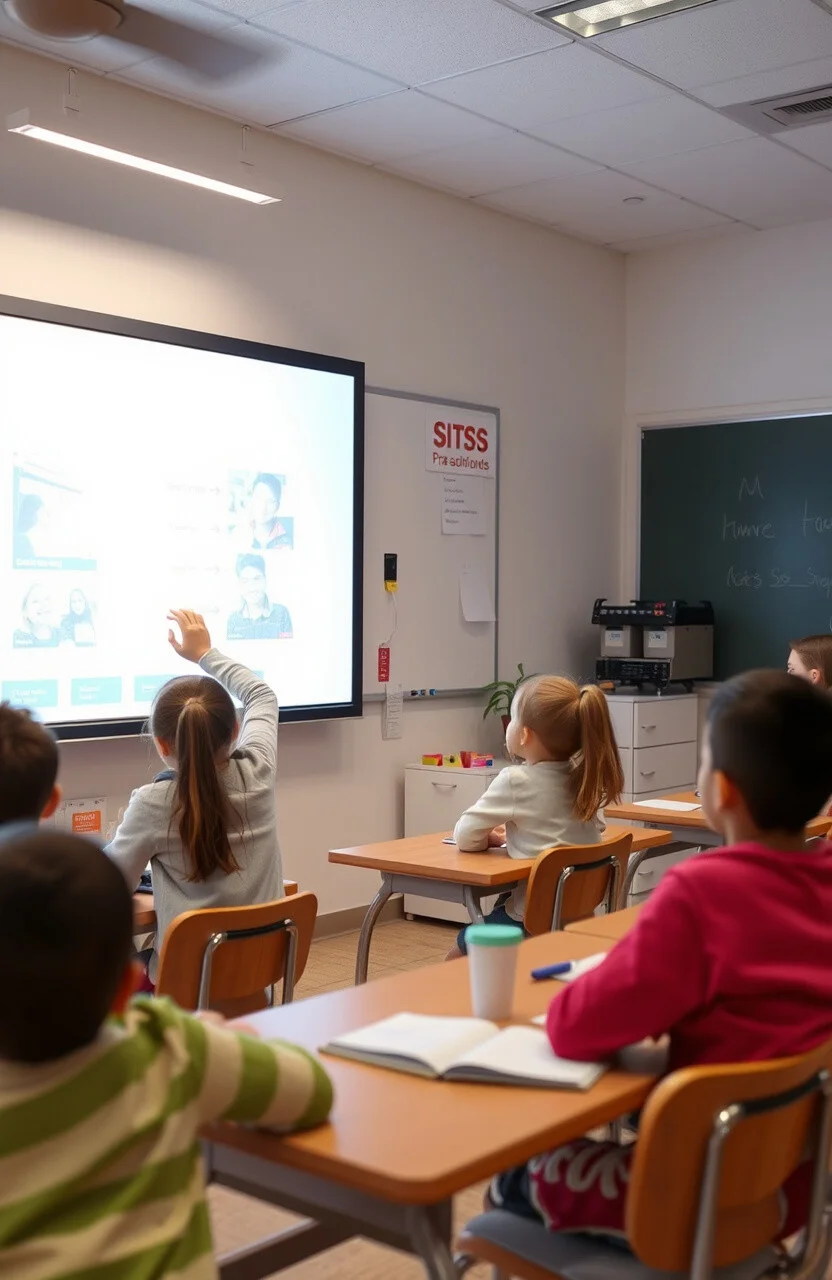
Interactive whiteboards are a dynamic way to engage students. They make learning more interactive and fun with touch features.
These boards are beneficial for visual learners and can be used for games and interactive lessons. They can change the way students engage with the material.
Unique for their technology-based approach, they can be personalized with different apps and tools. It’s a modern addition to any classroom.
While the initial cost might be higher, the long-term benefits of increased engagement are worth it. Search for educational discounts or grants.
5. Nature Elements

Bringing nature into the classroom can create a calm and inspiring environment. Plants and natural light can boost mood and concentration.
Natural elements help students feel connected to the outside world and can improve air quality. It’s a breath of fresh air in learning spaces.
Incorporate student-chosen plants to personalize the space. Use small, easy-to-care-for plants for a low-maintenance option.
Plant cuttings or inexpensive succulents are budget-friendly. Use recycled containers for a sustainable touch.
6. Flexible Seating
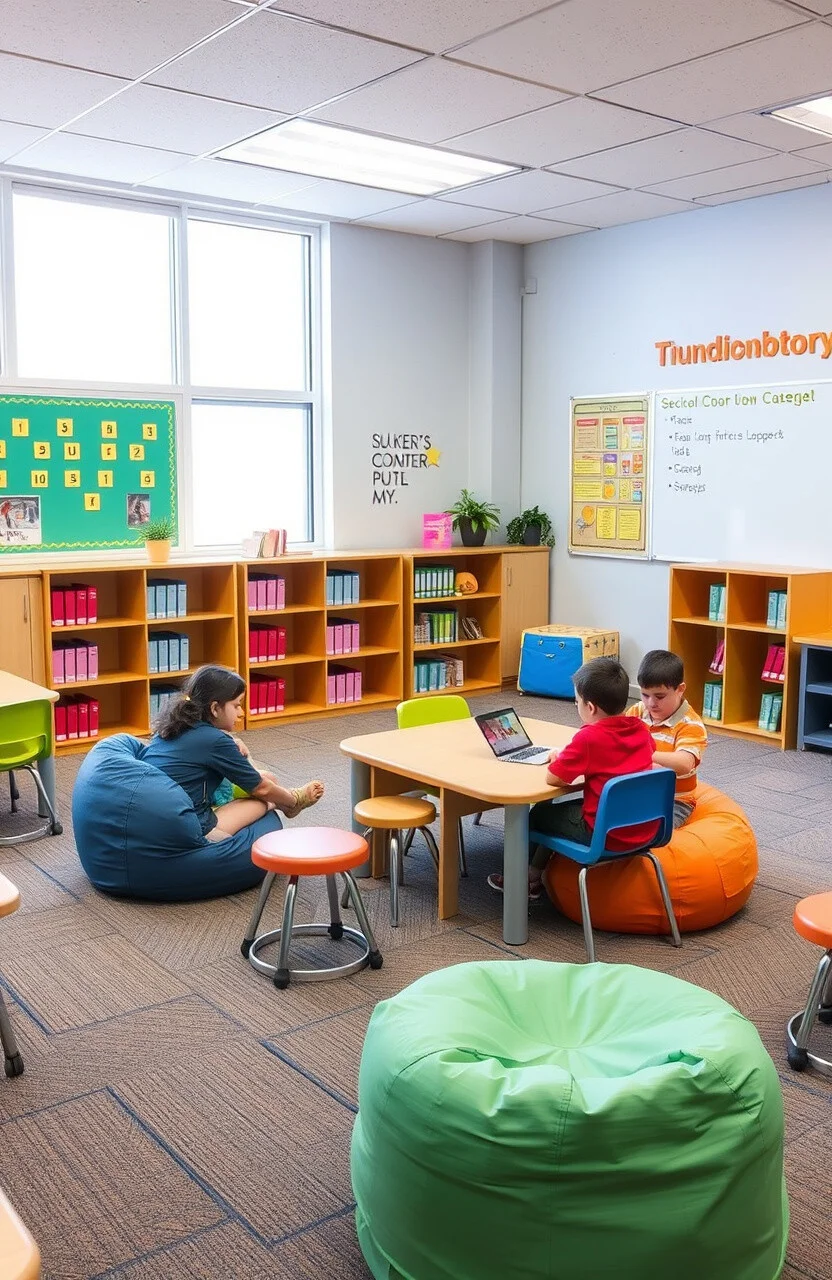
Flexible seating allows students to choose where and how they sit, fostering independence. Options like bean bags and stools can be exciting.
This idea promotes comfort and can improve focus and collaboration. Students learn in environments that suit their needs best.
Personalize with student suggestions for seating arrangements. It’s a great way to make them feel involved and valued.
Cost can be minimized by using thrifted furniture or DIY projects. Mix and match different styles for a unique look.
7. Chalkboard Walls

Chalkboard walls are versatile and can be used for lessons, doodles, or messages. They offer an ever-changing canvas for creativity.
Students can express themselves freely and share ideas. It’s a great tool for interactive and collaborative learning.
Encourage students to take turns writing or drawing, making it a dynamic class feature. It’s as simple as painting one wall with chalkboard paint.
Chalkboard paint is affordable and easy to apply. It transforms any wall into a creative space without breaking the bank.
8. DIY Art Displays

DIY art displays allow students to showcase their art creations. It adds color and showcases talent, making everyone feel appreciated.
These displays make students proud of their work and can boost self-esteem. It’s a visual treat for everyone who enters the room.
Create personalized frames or boards for displaying art. Students can rotate their artworks to keep the display fresh and exciting.
Use inexpensive materials like string and clothespins or recycled frames. It’s a fun project that involves creativity and teamwork.
9. Educational Posters
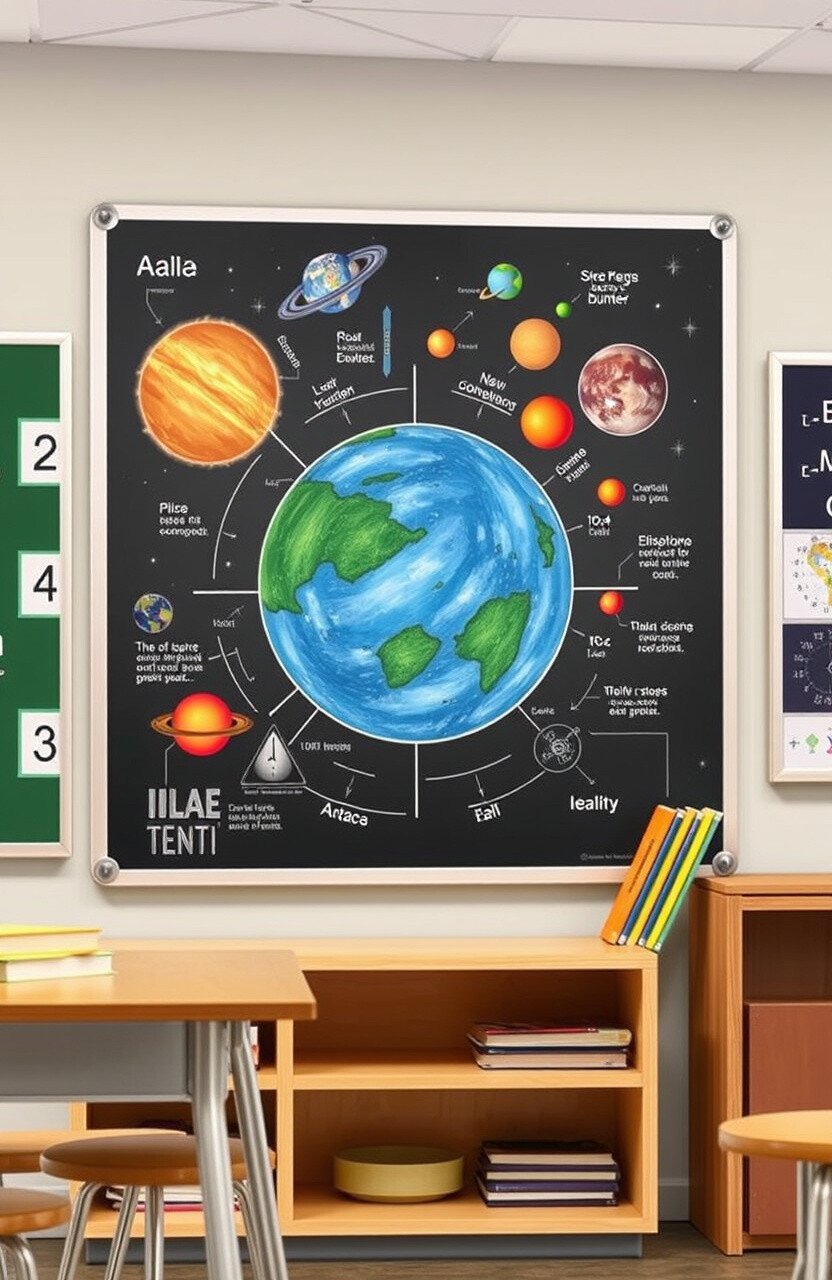
Educational posters are a classic way to decorate while providing learning aids. They can cover topics like the solar system or math formulas.
Posters are beneficial for visual learners and can reinforce lessons. They add color and interest to the classroom walls.
Personalize with posters related to current topics or students’ interests. It keeps the learning environment vibrant and relevant.
Many educational websites offer free printable posters. Laminating them ensures durability for long-term use.
10. Cozy Rugs
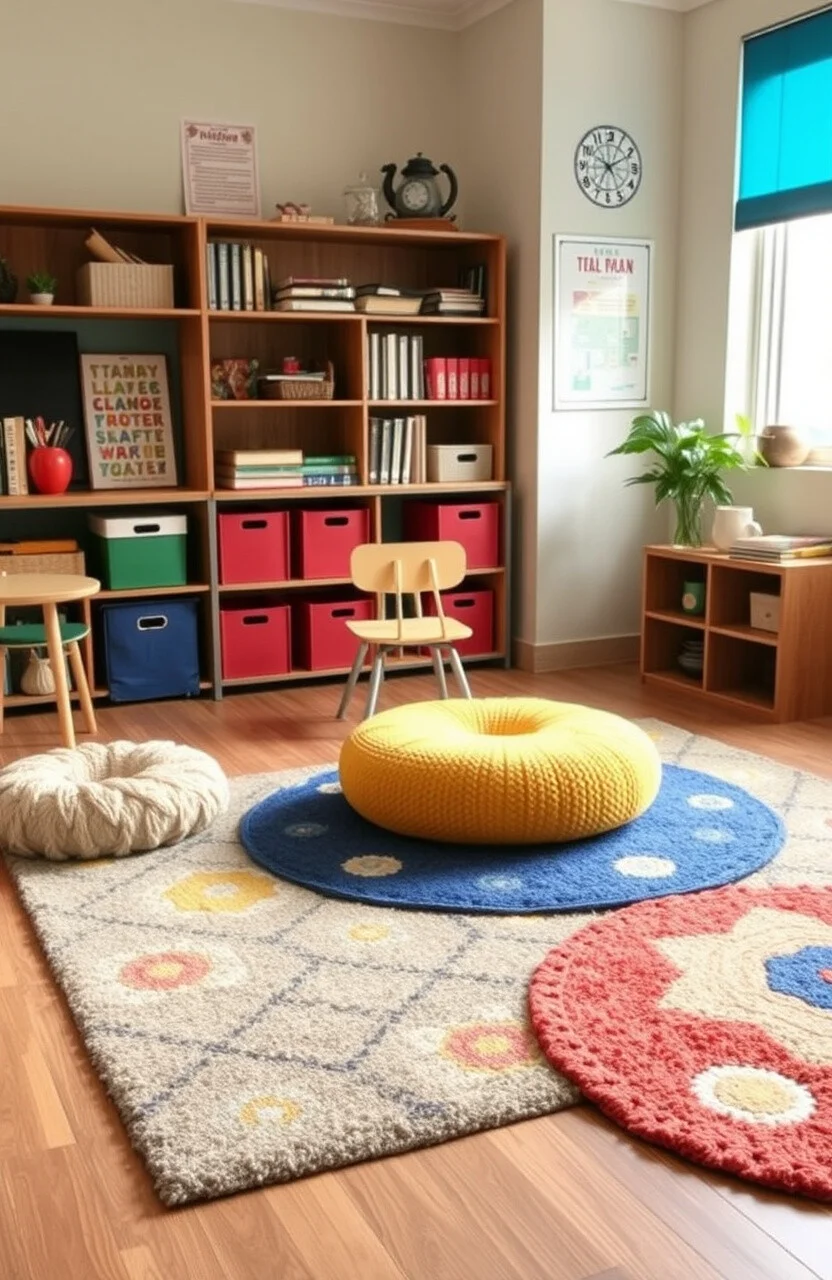
Cozy rugs provide a comfortable spot for group activities or quiet reading time. They add warmth and texture to the room.
Rugs can be beneficial for defining spaces within the classroom. They create an inviting atmosphere that encourages learning.
Choose rugs with patterns or colors that match the classroom theme. Students will love having a soft spot to gather and learn.
Look for durable, easy-to-clean options on sale or at second-hand stores. A single rug can make a big difference in the room’s feel.
11. Window Clings
Window clings are an easy way to add color and fun without permanent changes. They come in various shapes and themes.
These clings can be beneficial for seasonal decorations or specific learning topics. They let in light while adding personality to windows.
Students can help choose and apply clings, making it a group activity. Change them regularly to keep the excitement alive.
Window clings are affordable and reusable. Collections can be built over time for different occasions and lessons.
12. Motivational Banners

Motivational banners can uplift spirits and encourage students to do their best. They add a pop of color and positivity to the room.
Banners are beneficial for setting the tone of the classroom and establishing a welcoming environment. They can focus on themes like kindness or perseverance.
Create personalized banners with student input to make them feel connected. It’s an art project that also decorates the room.
DIY banners using craft supplies or printable templates keep costs low. They can be easily updated or replaced as needed.
13. Classroom Plants

Classroom plants bring life and freshness into the learning environment. They can teach responsibility and care for living things.
Plants improve air quality and can have calming effects, making them beneficial for student well-being. They also add a touch of nature indoors.
Ask students to help choose and care for the plants, fostering a sense of ownership. It’s a hands-on learning experience.
Start with inexpensive, hardy plants like succulents. Use decorative pots for a personalized touch.
14. String Lights
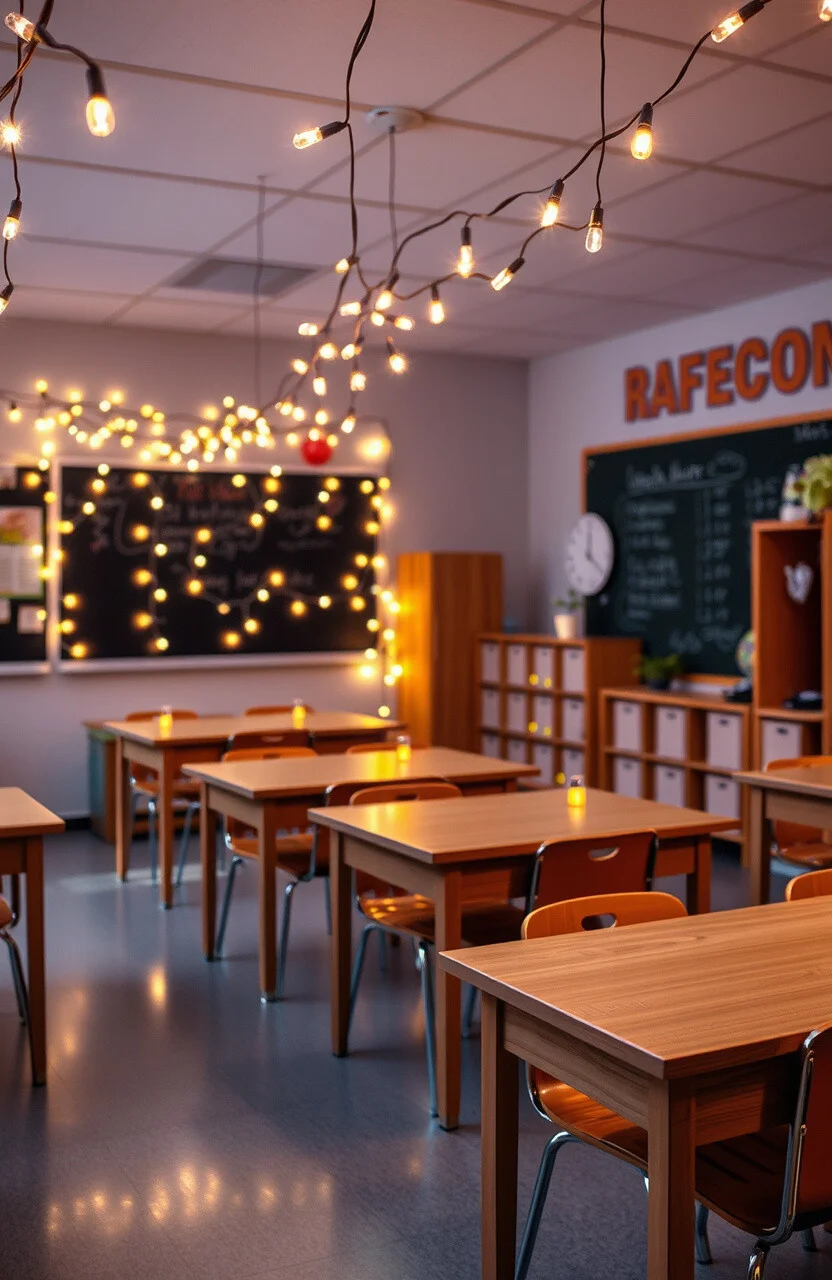
String lights add a magical glow to any classroom, creating a cozy and inviting atmosphere. They can be draped or hung in creative ways.
These lights are beneficial for creating a calming ambiance, perfect for quiet reading times or relaxing breaks. They make spaces feel special.
Use them to highlight specific areas or create a starry sky effect. Students will love the whimsical touch they add.
Look for energy-efficient LED options to keep costs down. Sales or seasonal discounts can make this an affordable decor choice.
15. Personalized Name Tags

Personalized name tags can make students feel recognized and valued. They’re a simple yet effective way to welcome everyone into the class.
These tags are beneficial for building a sense of community and belonging. Students enjoy seeing their names in creative designs.
Create tags with colorful designs or themes that reflect each student’s personality. It’s a fun way to start the school year or a new term.
Use cardstock or recycled materials for an eco-friendly option. Involve students in the design process to add a personal touch.
16. Wall Murals

Wall murals can transform a classroom into an immersive learning environment. They offer a large-scale canvas for creativity and inspiration.
Murals are beneficial for creating a themed atmosphere, like an underwater world or historical timeline. They captivate students’ imaginations.
Get creative with student participation in designing and painting the mural. It’s a collaborative project that leaves a lasting impression.
DIY murals with paint or removable decals keep costs manageable. Look for community volunteers or art students to assist if needed.
17. Interactive Maps

Interactive maps can make geography lessons engaging and hands-on. They encourage exploration and curiosity about the world.
Maps are beneficial for visual learners and can spark discussions about different cultures and places. They bring learning to life.
Personalize maps with pins or stickers for places students have visited or want to explore. It’s a great way to share experiences.
Printable maps or thrifted finds can keep this idea budget-friendly. Add DIY elements for a unique twist.
18. Creative Storage Solutions
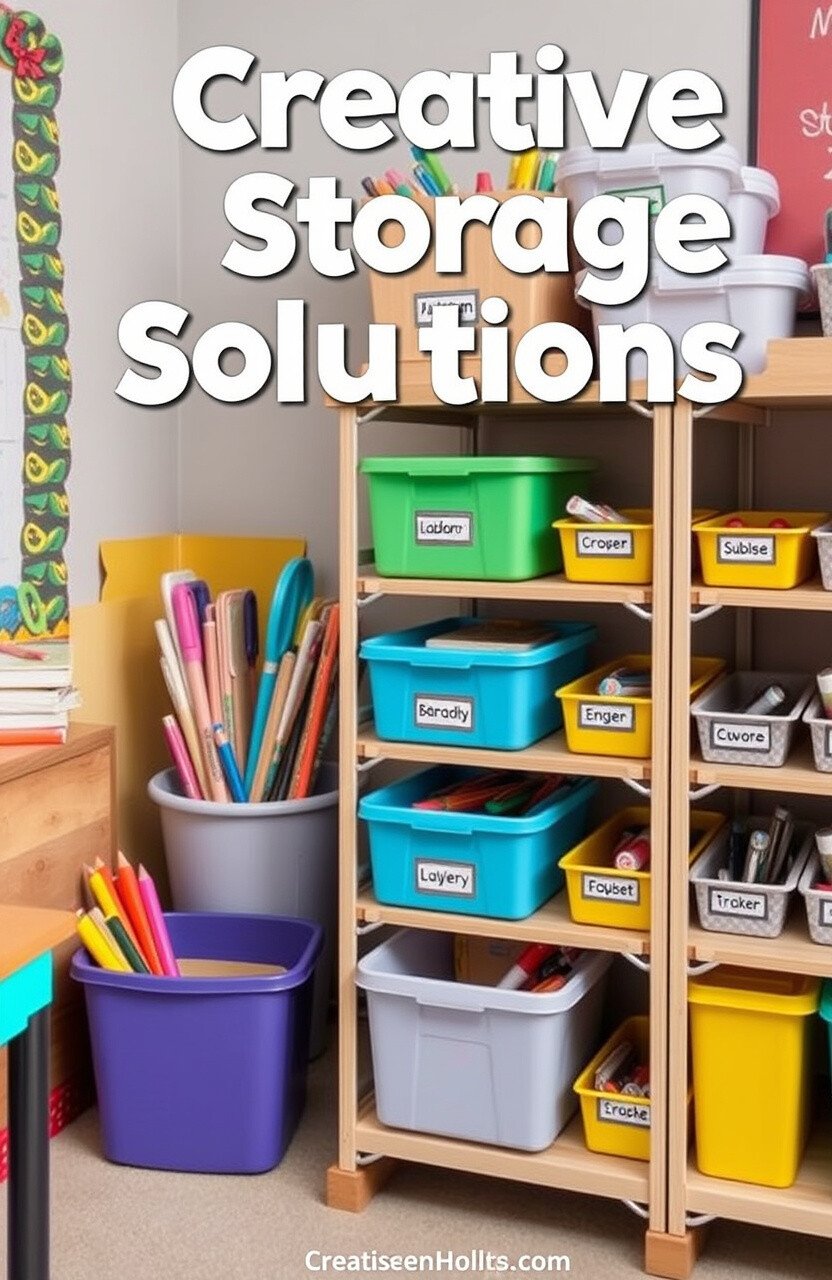
Creative storage solutions can keep the classroom organized and clutter-free. They add functional decor that also looks stylish.
These solutions are beneficial for maximizing space and making supplies easily accessible. They teach students the importance of organization.
Customize storage with labels or colors that match the classroom theme. It’s a practical project that involves creativity.
Use recycled containers or thrifted shelves to save money. Personal touches like student-made labels make it special.
19. Seasonal Decor
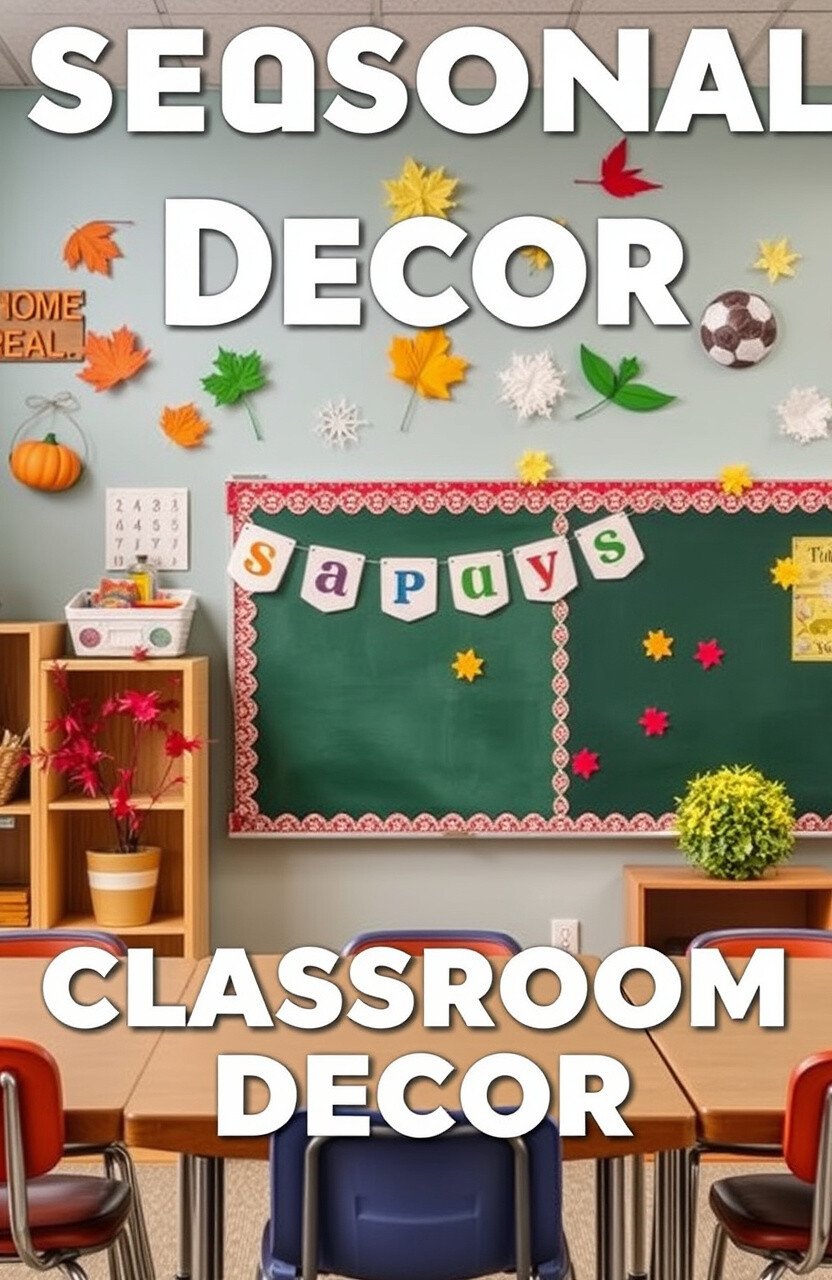
Seasonal decor keeps the classroom fresh and exciting throughout the year. It reflects changes in nature and holiday celebrations.
This decor is beneficial for teaching about seasons and cultural events. It adds a festive touch to everyday learning.
Involve students in creating or choosing decorations for each season. It’s a fun way to explore creativity and teamwork.
Use recycled materials or DIY projects to keep costs low. A few seasonal touches can make a big impact.
20. Puzzle Corners

Puzzle corners provide a quiet area for students to work on puzzles and problem-solving activities. They encourage critical thinking and patience.
These corners are beneficial for developing focus and teamwork. They offer a different kind of learning experience.
Personalize with a variety of puzzles and brain teasers. It’s a space that can grow with students’ interests and skills.
Thrift stores or online sales can offer affordable puzzle options. Rotate puzzles to keep the corner engaging.
21. Calming Colors

Calming colors in the classroom can create a peaceful and focused environment. Soft blues, greens, and neutrals can reduce stress.
These colors are beneficial for maintaining a serene atmosphere that supports concentration and learning. They make the space feel welcoming.
Choose colors based on student preferences or themes. It’s a simple change that has a big impact on the mood of the room.
Paint samples or small cans can be a cost-effective way to add calming colors. Focus on key areas for the most impact.
22. Art Supply Stations

Art supply stations give students easy access to creative materials. They encourage spontaneous creativity and artistic expression.
These stations are beneficial for fostering imagination and providing a creative outlet. They make art a central part of learning.
Organize supplies in colorful containers or bins for easy access. Personalize with student input on supplies and arrangement.
Look for sales or donations to stock the station affordably. Encourage students to contribute materials they no longer need.
23. Science Corners

Science corners offer a dedicated space for experiments and exploration. They make learning about the world hands-on and exciting.
These corners are beneficial for fostering curiosity and a love for science. They provide a space for discovery and invention.
Personalize with student-chosen experiments or displays. It’s a dynamic area that evolves with the curriculum.
Use everyday materials and DIY kits to keep costs down. Encourage students to bring in items from home for experiments.
24. Classroom Libraries

Classroom libraries create a cozy corner for students to enjoy books. They promote a love of reading and lifelong learning.
These libraries are beneficial for providing easy access to diverse reading materials. They make books an integral part of the classroom.
Organize books by genre or student recommendations. Personalize with comfy seating and student-made bookmarks.
Thrift stores or book donations can help build the library affordably. Encourage students to share their favorite reads with the class.
25. Word Walls

Word walls display key vocabulary and concepts, making them visible and accessible. They support language development and retention.
These walls are beneficial for reinforcing learning and aiding memory. They make words a vibrant part of the classroom environment.
Customize with words related to current lessons or student interests. It’s a dynamic feature that grows with the class.
Use colorful paper and markers for an inexpensive setup. Rotate words regularly to keep the wall relevant and engaging.
26. Theme-Based Decor

Theme-based decor brings a unified look to the classroom, making it feel cohesive and immersive. Themes can be based on subjects or fun ideas.
This decor is beneficial for creating an engaging and memorable environment. It makes learning feel like an adventure.
Involve students in choosing the theme and decorations. It’s a collaborative project that enhances their connection to the space.
Reuse and repurpose decorations from previous themes to save money. Mix and match elements for a unique look.
27. Photo Galleries
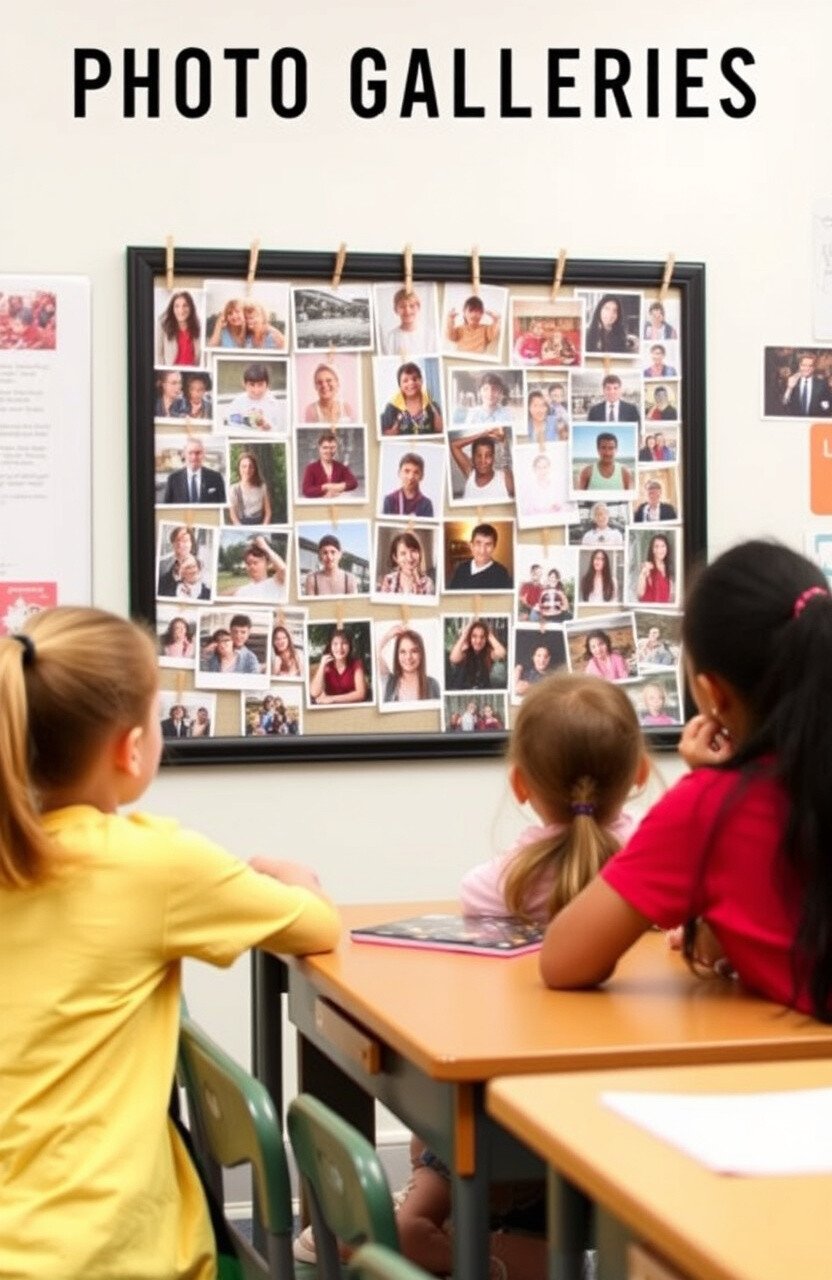
Photo galleries showcase student experiences and memories, creating a sense of community. They make the classroom feel personal and welcoming.
These galleries are beneficial for celebrating achievements and special moments. They remind students of fun times and learning milestones.
Encourage students to contribute photos and captions. It’s a living display that evolves with the school year.
Use inexpensive frames or DIY options with string and clips. Rotate photos to keep the gallery fresh and exciting.
28. Collaborative Projects
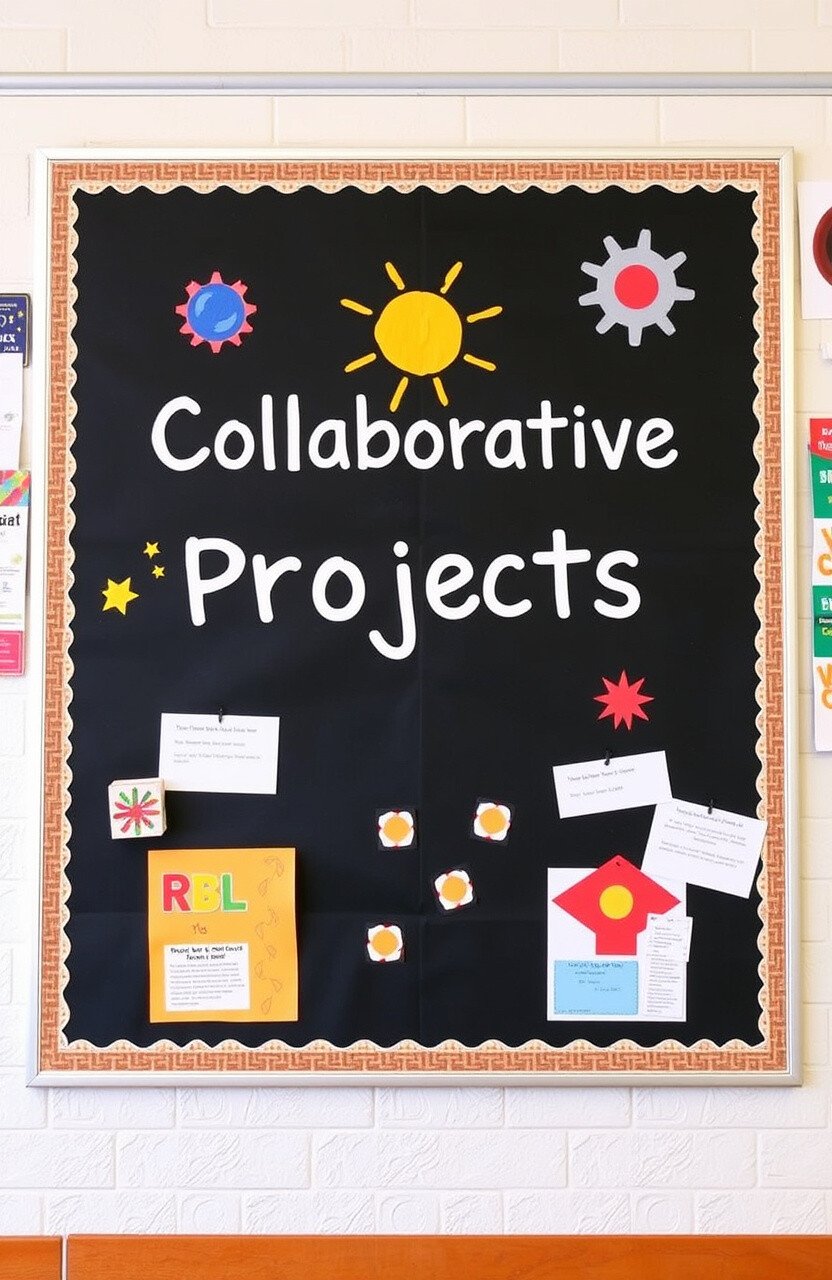
Collaborative projects displayed in the classroom showcase teamwork and creativity. They highlight student efforts and shared achievements.
These projects are beneficial for building collaboration skills and fostering pride in shared work. They make the classroom feel like a community.
Display projects prominently and rotate them to showcase different groups. It’s a visual reminder of the power of teamwork.
Use recycled materials or donations for project supplies to keep costs low. Encourage creativity and resourcefulness in materials.
29. DIY Craft Stations
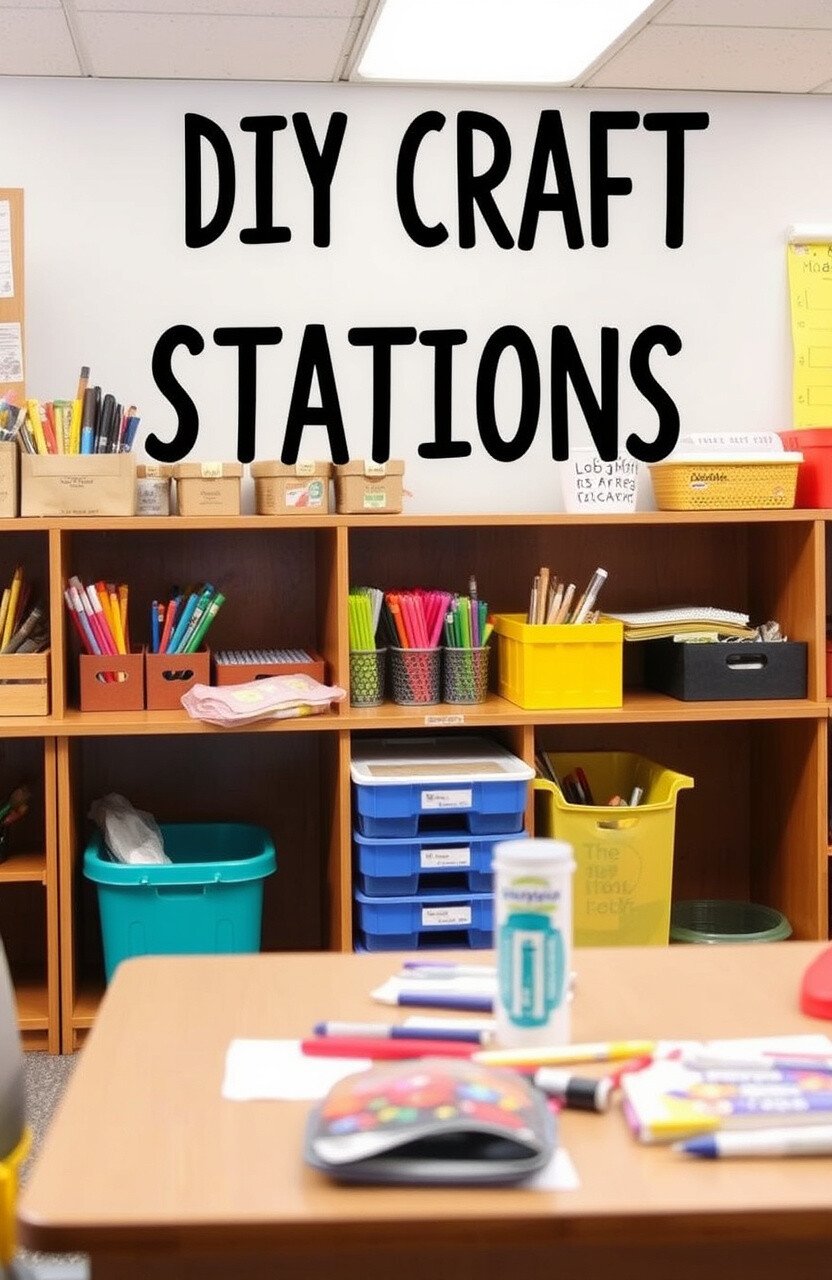
DIY craft stations offer a place for students to express creativity and make things with their hands. They encourage innovation and problem-solving.
These stations are beneficial for providing a creative outlet and promoting hands-on learning. They make art a fun and regular activity.
Organize supplies in an accessible way and encourage student input on crafts. It’s a space that can change with student interests.
Stock with affordable or recycled materials. Look for craft supply sales or ask for donations to keep the station well-stocked.
30. Mindfulness Corners
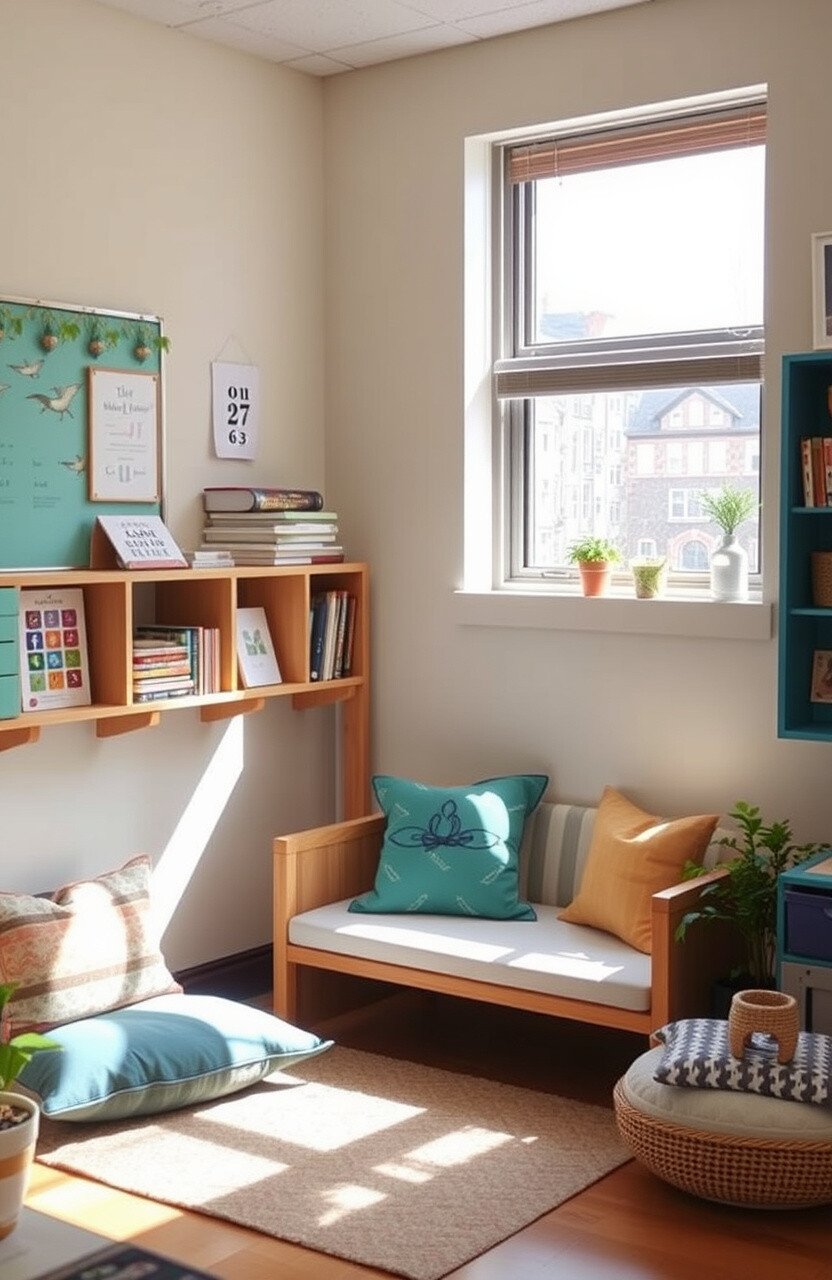
Mindfulness corners provide a quiet space for reflection and relaxation. They encourage mental well-being and focus.
These corners are beneficial for teaching stress-reduction techniques and self-awareness. They offer a peaceful retreat within the classroom.
Personalize with calming elements like cushions, soft lighting, or nature sounds. Encourage students to use the space for breaks or meditation.
Use thrifted or donated items to create the corner affordably. Encourage students to contribute ideas or items that promote calmness.
31. Book-Themed Decor
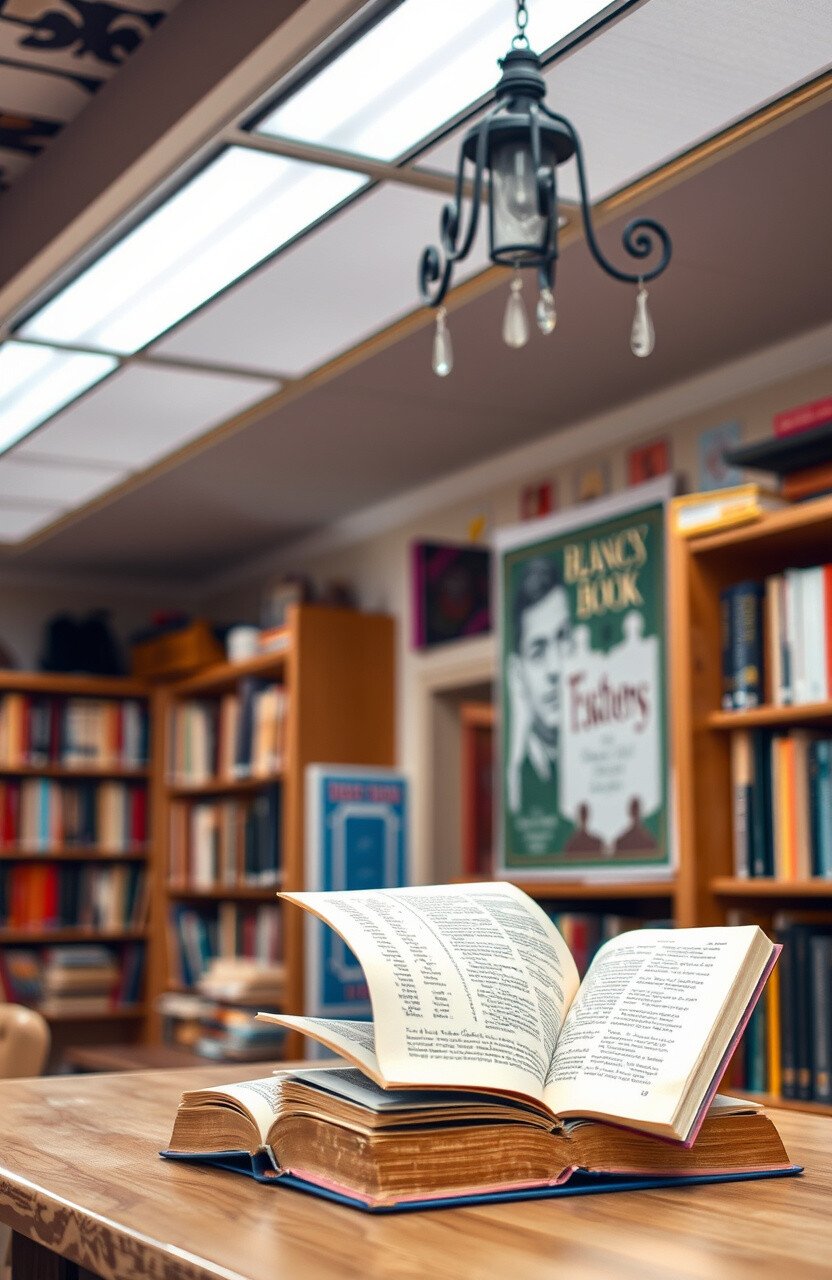
Book-themed decor celebrates literature and storytelling in the classroom. It makes the space feel like a magical library.
This decor is beneficial for inspiring a love of reading and connecting students to stories. It adds a literary charm to the space.
Use book covers, quotes, or characters to personalize the decor. It’s a fun way to integrate favorite reads into the classroom.
Thrifted books or printable cover art can keep costs low. Rotate themes based on current reading lists or student favorites.
32. Student Work Showcase
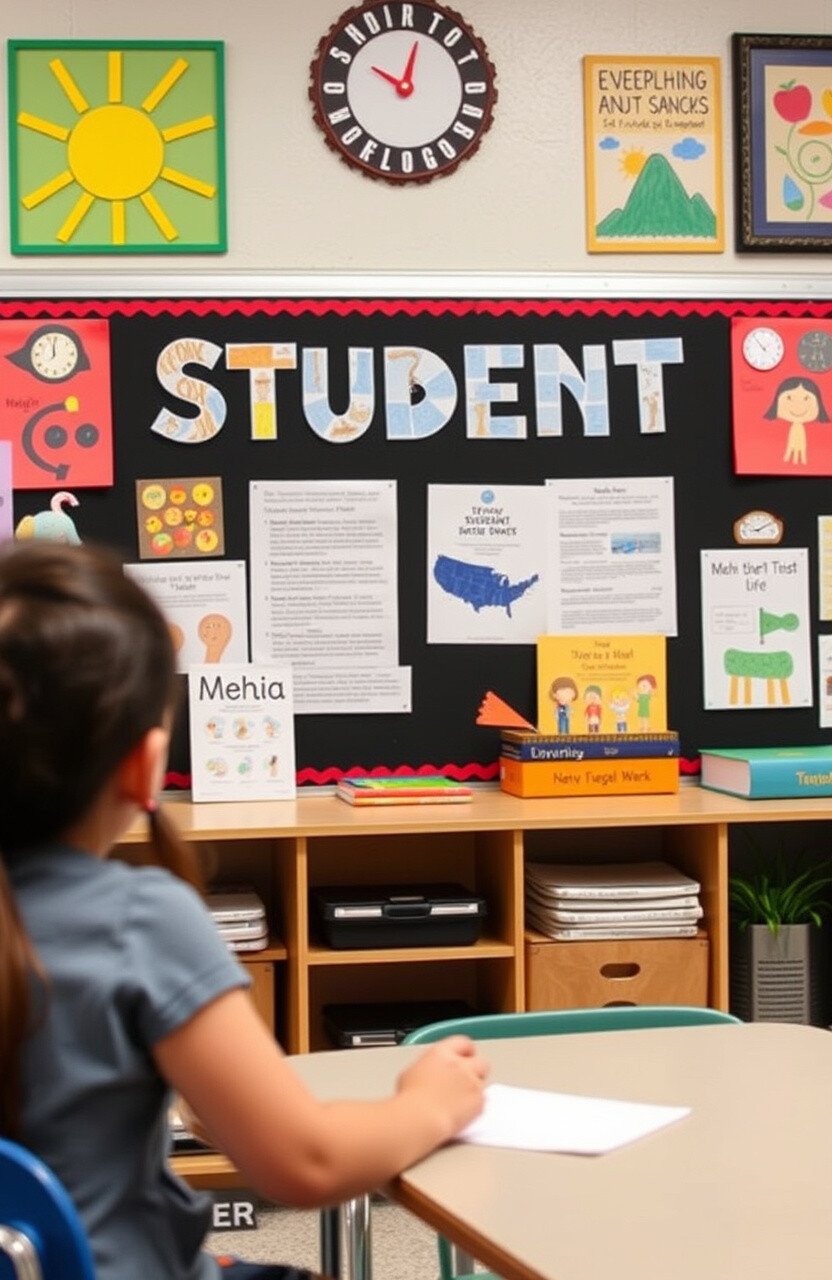
Showcasing student work celebrates achievements and creativity. It makes students feel proud and valued for their efforts.
This showcase is beneficial for building self-esteem and encouraging effort. It adds personal touches to the classroom environment.
Rotate displays to feature different projects and students. It’s a dynamic way to keep the classroom visually stimulating.
Use simple display boards or DIY frames to keep costs low. Encourage students to contribute ideas for presenting their work.
33. Interactive Timelines
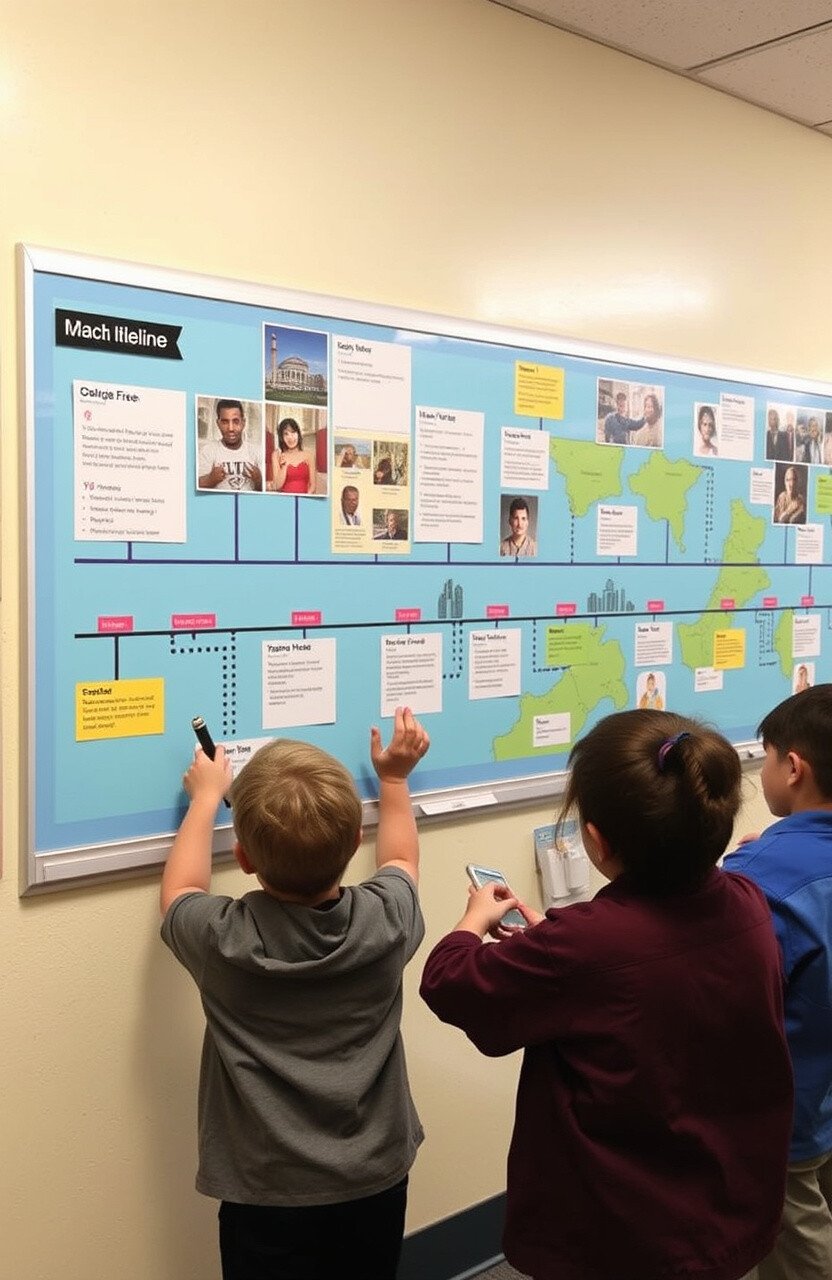
Interactive timelines bring history lessons to life with visual aids. They encourage exploration of events and historical figures.
These timelines are beneficial for visual learners and make history engaging. They offer a hands-on way to connect with the past.
Encourage students to add events or personal stories to the timeline. It becomes a collaborative project that grows over time.
Printable resources or DIY materials can keep costs manageable. Update timelines regularly to align with current lessons.
34. Art-Inspired Decor
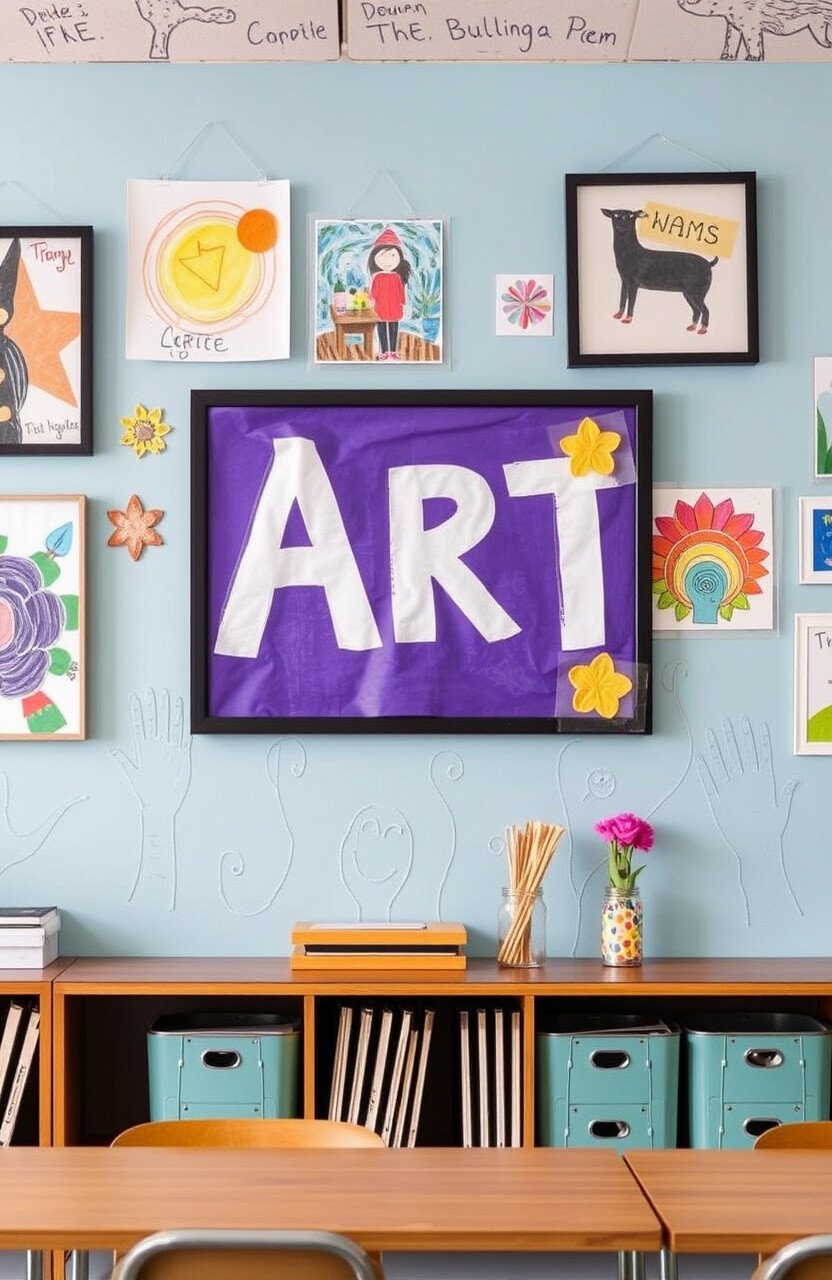
Art-inspired decor brings creativity and color into the classroom. It makes the space feel like an art gallery.
This decor is beneficial for inspiring artistic expression and appreciation. It adds visual interest and stimulates creativity.
Use student artwork or famous pieces to personalize the decor. It’s a celebration of creativity that everyone can enjoy.
Recycled frames or DIY display boards are cost-effective options. Rotate art pieces to keep the display fresh and exciting.
35. Cultural Displays
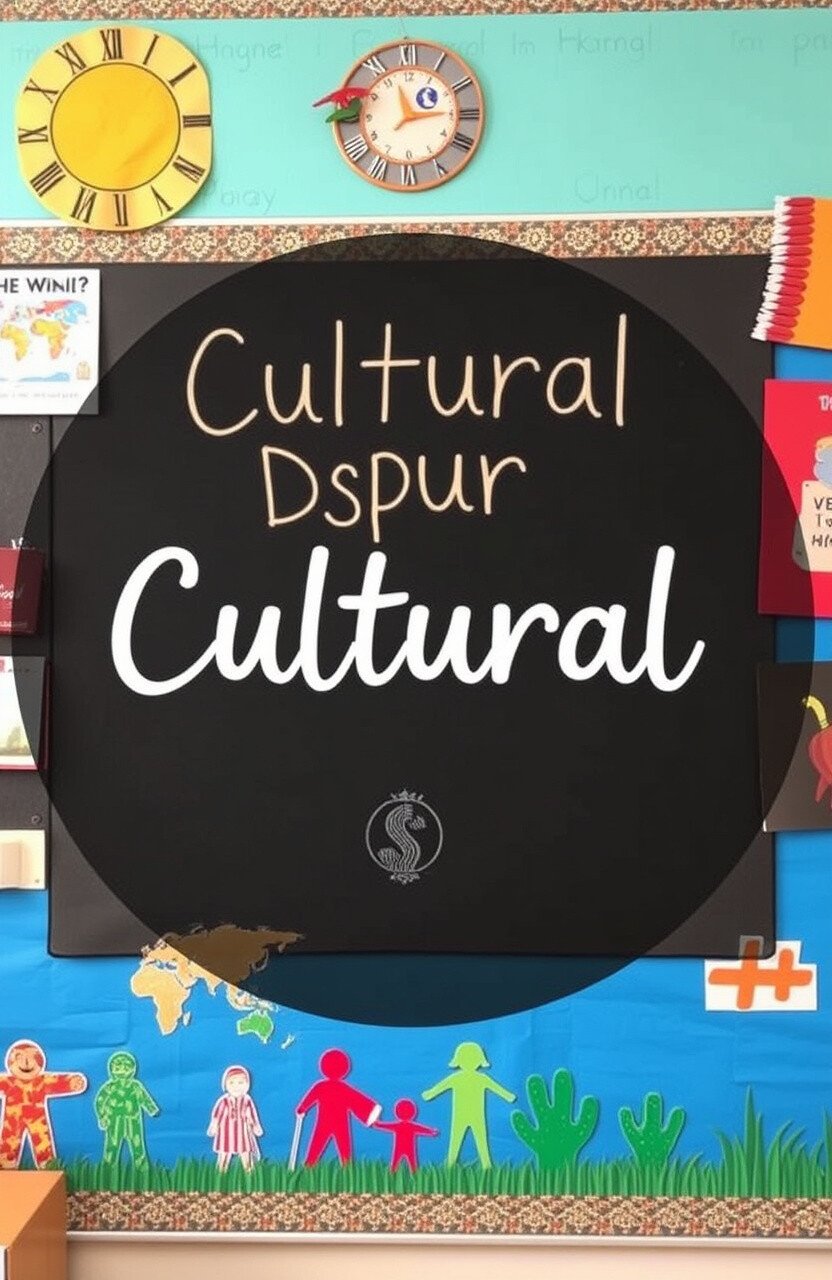
Cultural displays celebrate diversity and global awareness in the classroom. They encourage learning about different cultures and traditions.
These displays are beneficial for fostering inclusivity and respect. They make the classroom a welcoming space for all students.
Invite students to contribute items or stories from their cultures. It’s a dynamic display that evolves with contributions.
Use thrifted or donated items to create displays affordably. Encourage creativity in how cultures are represented and celebrated.
36. Tech-Friendly Spaces

Tech-friendly spaces integrate technology into the classroom seamlessly. They provide a modern learning environment for digital natives.
These spaces are beneficial for enhancing digital literacy and engagement. They make technology an accessible part of learning.
Incorporate student input on tech tools and resources. It’s a collaborative effort to create a tech-savvy classroom.
Look for grants or donations to support tech integration. Use affordable tools and apps to enhance learning experiences.
37. Storytelling Corners
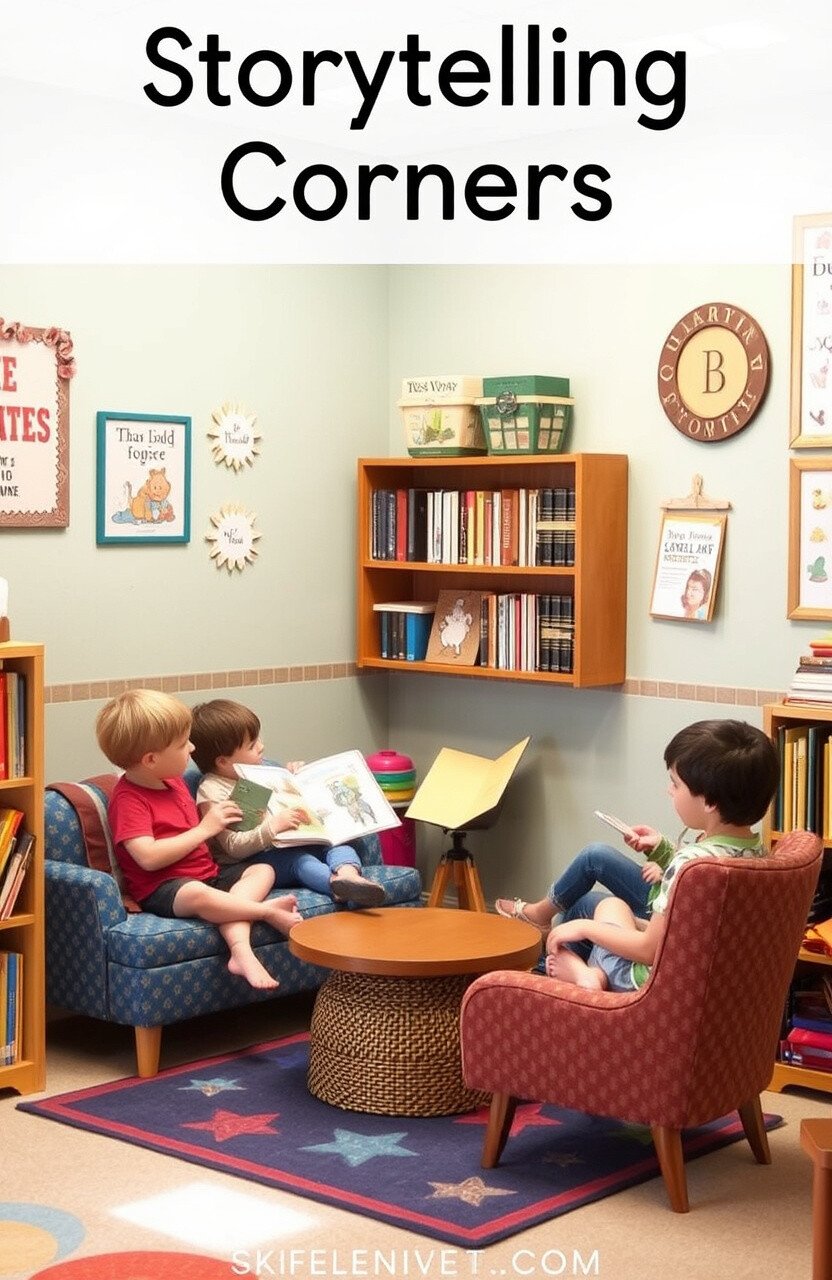
Storytelling corners offer a cozy space for sharing stories and imagination. They encourage oral language skills and creativity.
These corners are beneficial for fostering a love of storytelling and listening. They make sharing stories a special experience.
Personalize with comfortable seating and story prompts. It’s a space that invites students to share and listen to tales.
Use inexpensive seating options or donations to create the corner. Encourage students to bring stories or create their own.
38. Music-Inspired Decor
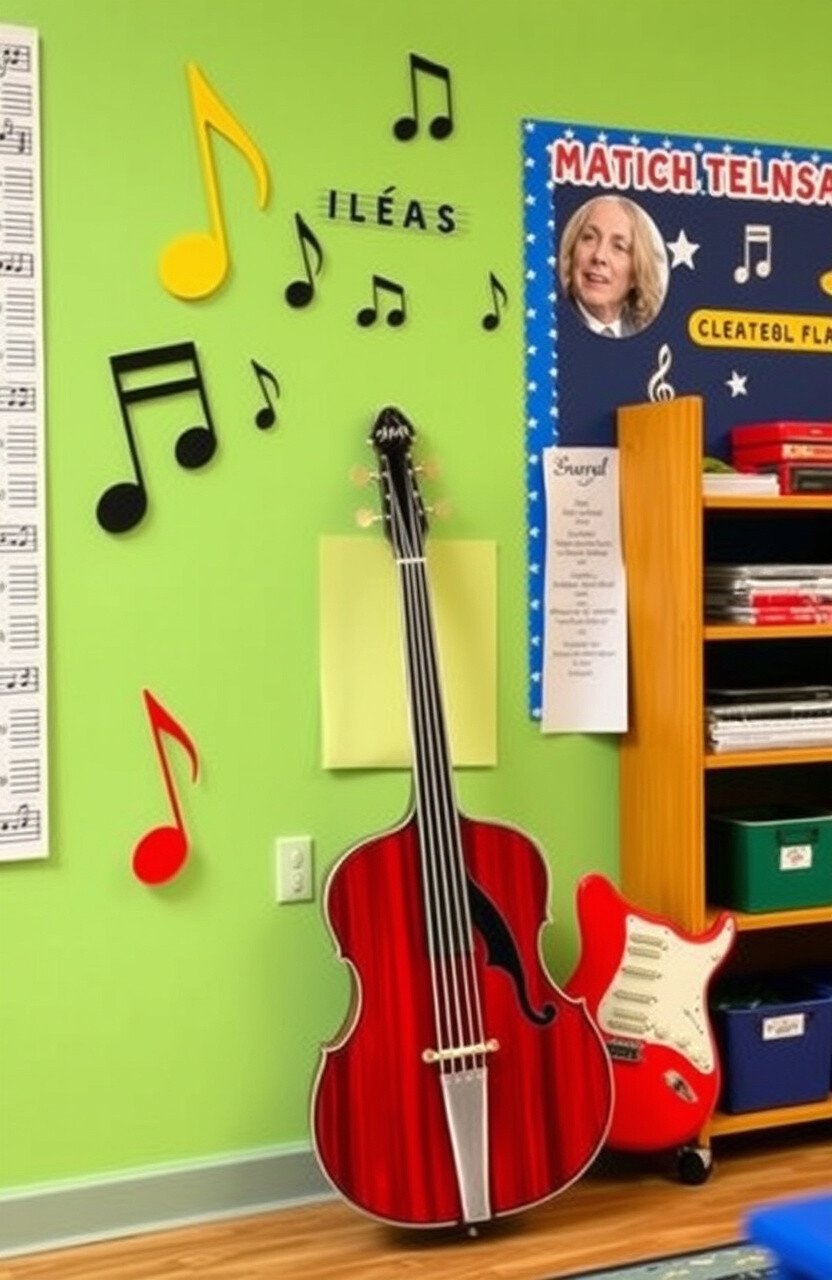
Music-inspired decor adds rhythm and melody to the classroom. It celebrates music and its role in learning and expression.
This decor is beneficial for inspiring a love of music and creativity. It makes the classroom feel dynamic and lively.
Use musical notes, instruments, or famous musicians to personalize the decor. It’s a celebration of sound and creativity.
Printable music sheets or thrifted items can keep costs manageable. Rotate displays to feature different musical themes.
39. STEM Stations

STEM stations provide hands-on learning experiences in science, technology, engineering, and math. They encourage exploration and innovation.
These stations are beneficial for fostering problem-solving skills and curiosity. They make STEM subjects accessible and exciting.
Organize with student input on activities and resources. It’s a space that evolves with interests and discoveries.
Use affordable materials or donations to stock the stations. Encourage DIY projects and creativity in STEM exploration.
40. Light-Up Displays

Light-up displays add a magical glow to classroom features. They highlight important areas and create a captivating atmosphere.
These displays are beneficial for drawing attention and adding excitement. They make the classroom feel special and inviting.
Use lights to accentuate student work or thematic areas. It’s a creative way to enhance the classroom’s visual appeal.
Look for sales or energy-efficient options to keep costs down. Experiment with different lighting effects and arrangements.
41. Interactive Learning Walls
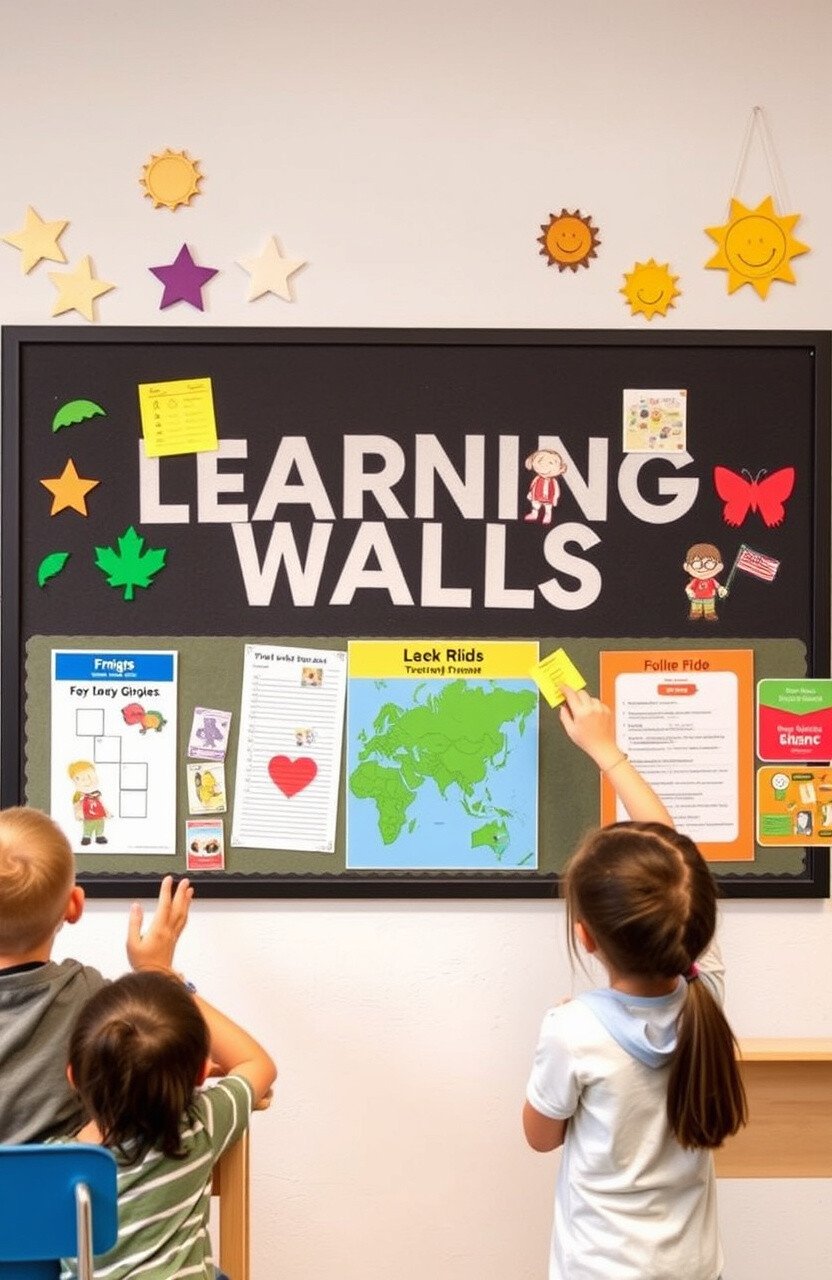
Interactive learning walls engage students with hands-on activities and challenges. They offer a dynamic way to learn and explore.
These walls are beneficial for fostering engagement and critical thinking. They make learning a tactile and interactive experience.
Encourage students to contribute ideas for activities and themes. It’s a collaborative effort that enhances learning.
Use affordable materials like felt or Velcro for DIY setups. Rotate activities regularly to keep the wall fresh and engaging.
42. Visual Schedules
Visual schedules help students understand and manage their daily routines. They provide structure and predictability in the classroom.
These schedules are beneficial for reducing anxiety and increasing independence. They make the day easier to navigate.
Customize with icons or images that represent different activities. It’s a visual tool that supports all learners.
Printable resources or DIY options keep costs low. Update schedules regularly to reflect changes in routines.
43. Classroom Gardens

Classroom gardens bring nature and hands-on learning into the classroom. They teach responsibility and the science of growing plants.
These gardens are beneficial for fostering a love of nature and sustainable practices. They offer a living, breathing learning experience.
Involve students in planning and caring for the garden. It’s a collaborative project that connects them to the environment.
Use recycled containers and affordable seeds to start the garden. Encourage creativity in garden design and plant choices.
44. DIY Wall Art
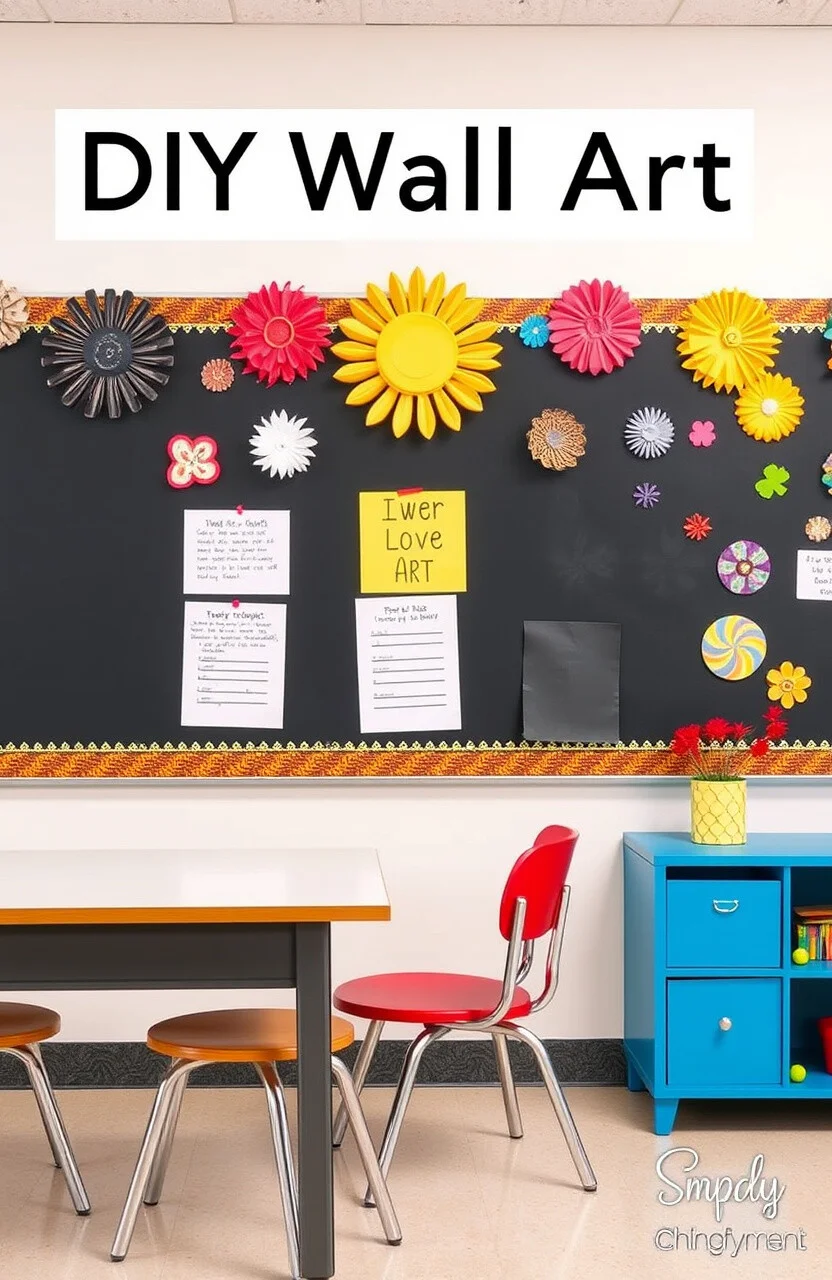
DIY wall art adds unique, personalized touches to the classroom. It encourages creativity and artistic expression.
This art is beneficial for making the space feel personal and inviting. It transforms walls into canvases for imagination.
Involve students in creating or choosing designs. It’s a collaborative project that reflects the class’s personality.
Use affordable materials like paper and paint for DIY projects. Rotate art pieces to keep the walls fresh and inspiring.
45. Language Corners
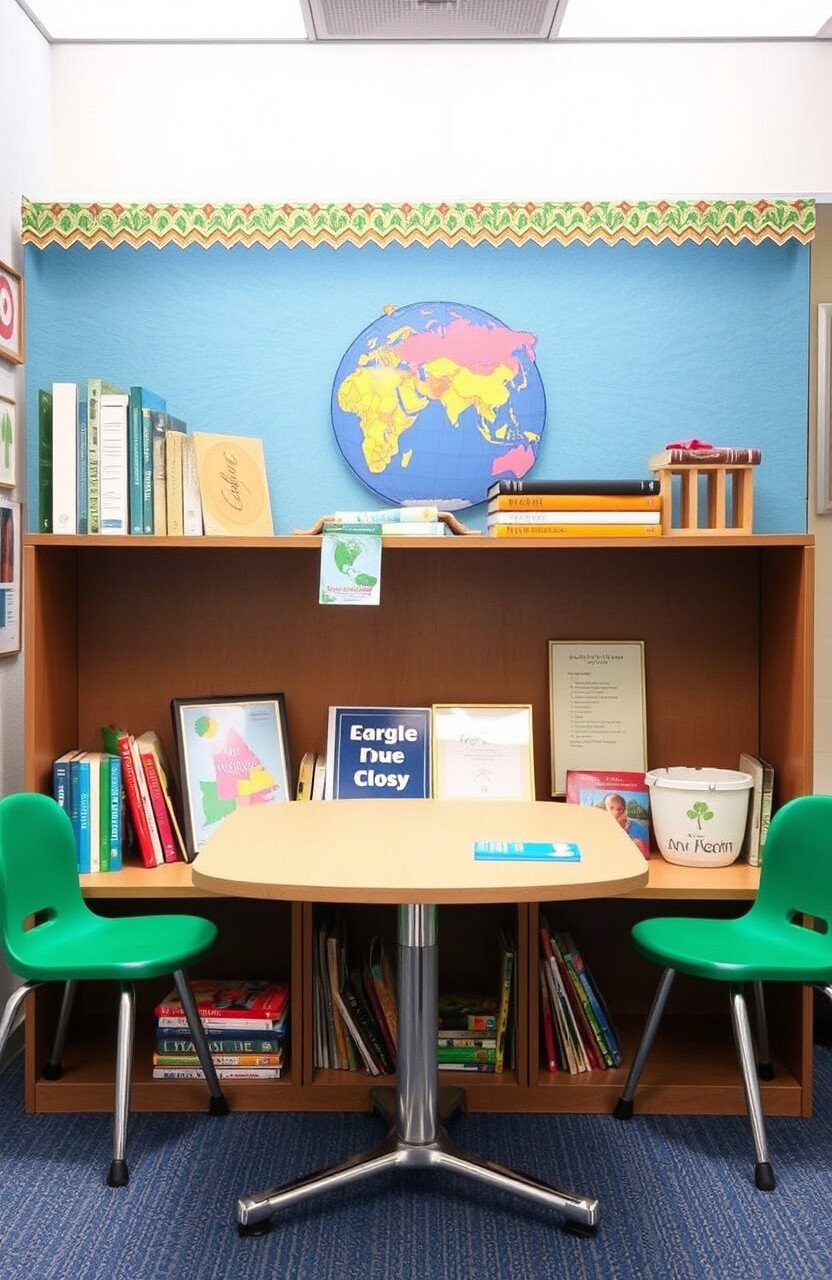
Language corners provide a space for exploring words and languages. They encourage language development and cultural appreciation.
These corners are beneficial for fostering communication skills and curiosity. They make language learning interactive and fun.
Include resources like dictionaries, flashcards, or language games. Personalize with student input on languages and activities.
Use thrifted books or printable resources to keep costs low. Rotate materials to align with current language lessons.
46. Eco-Friendly Decor
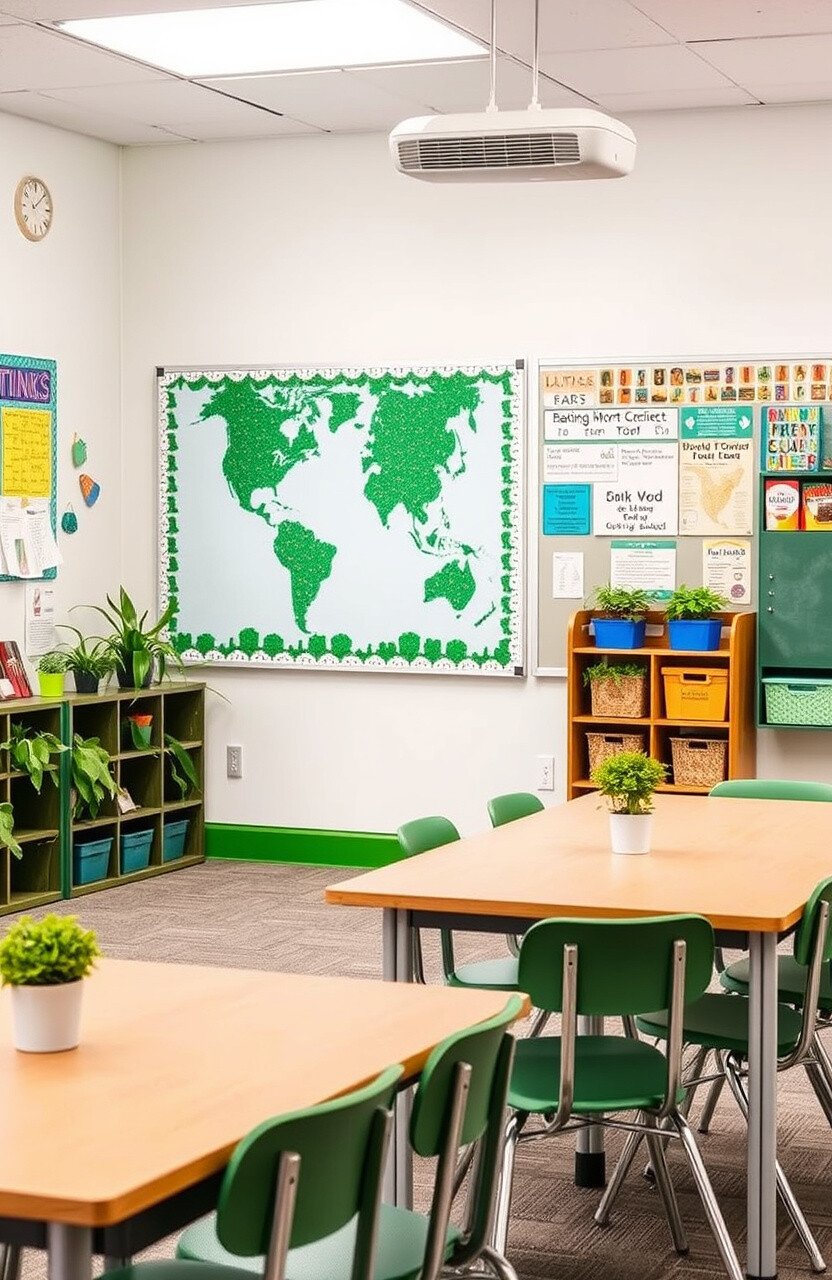
Eco-friendly decor promotes sustainability and environmental awareness in the classroom. It encourages students to think green.
This decor is beneficial for teaching the importance of caring for the planet. It makes the classroom a model of sustainability.
Involve students in creating or choosing eco-friendly elements. It’s a collaborative effort that supports environmental education.
Use recycled materials and sustainable products to keep costs down. Encourage creativity in eco-friendly decor design.