The steel shines, but the work can get messy fast.
Behind the big machines, every small choice matters.
1. The Kitchen Looks Like a Machine Room Until Service Starts
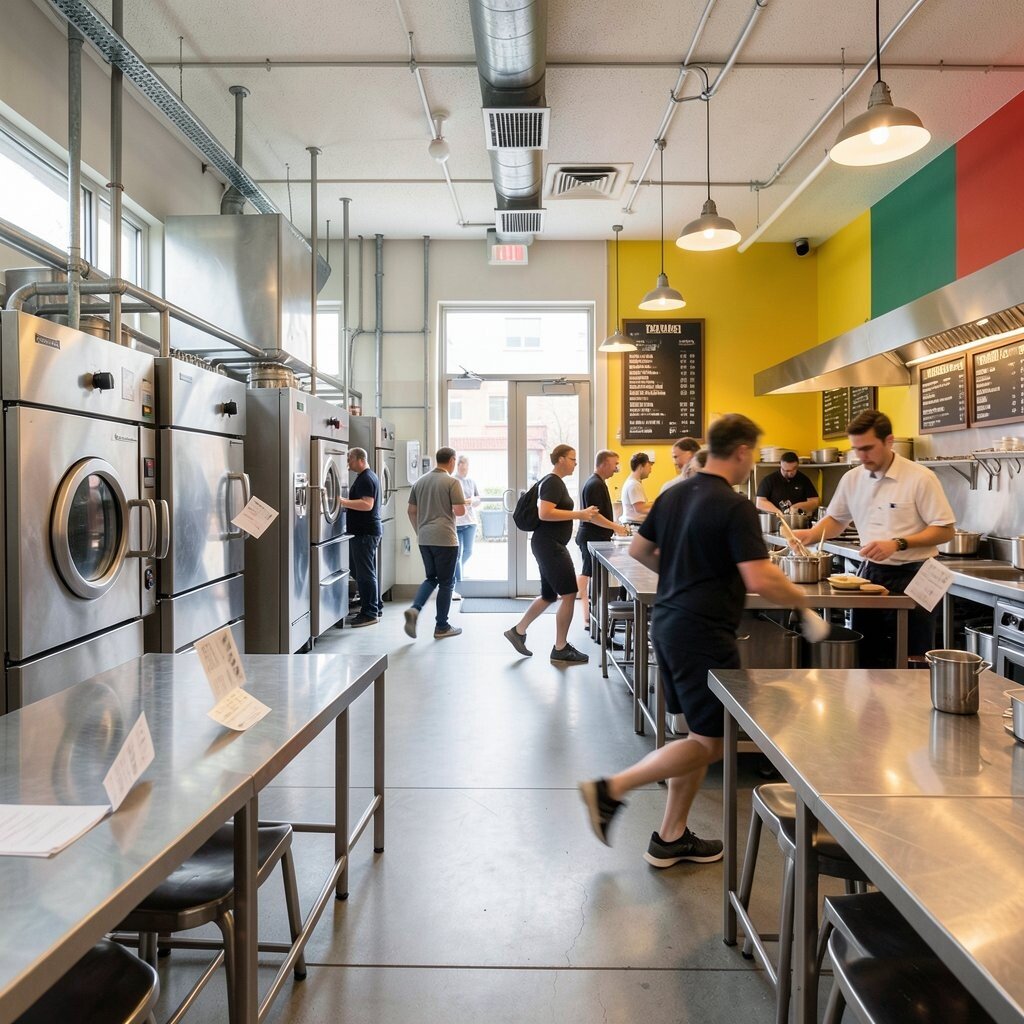
At first glance, an industrial restaurant can feel calm and clean, with shiny metal tables, tall shelves, and heavy-duty ovens lined up like factory tools. Then the doors open, the tickets start flying, and the whole space turns into a fast-moving machine with people as the parts.
The benefit of this setup is speed, because strong equipment can handle a lot without slowing down. To keep that power useful, label every station, keep paths open, and give each worker a clear job. A personal touch can still shine through with warm lighting, custom menu boards, or a bold color on the walls that softens the steel.
2. Big Equipment Can Eat Your Budget
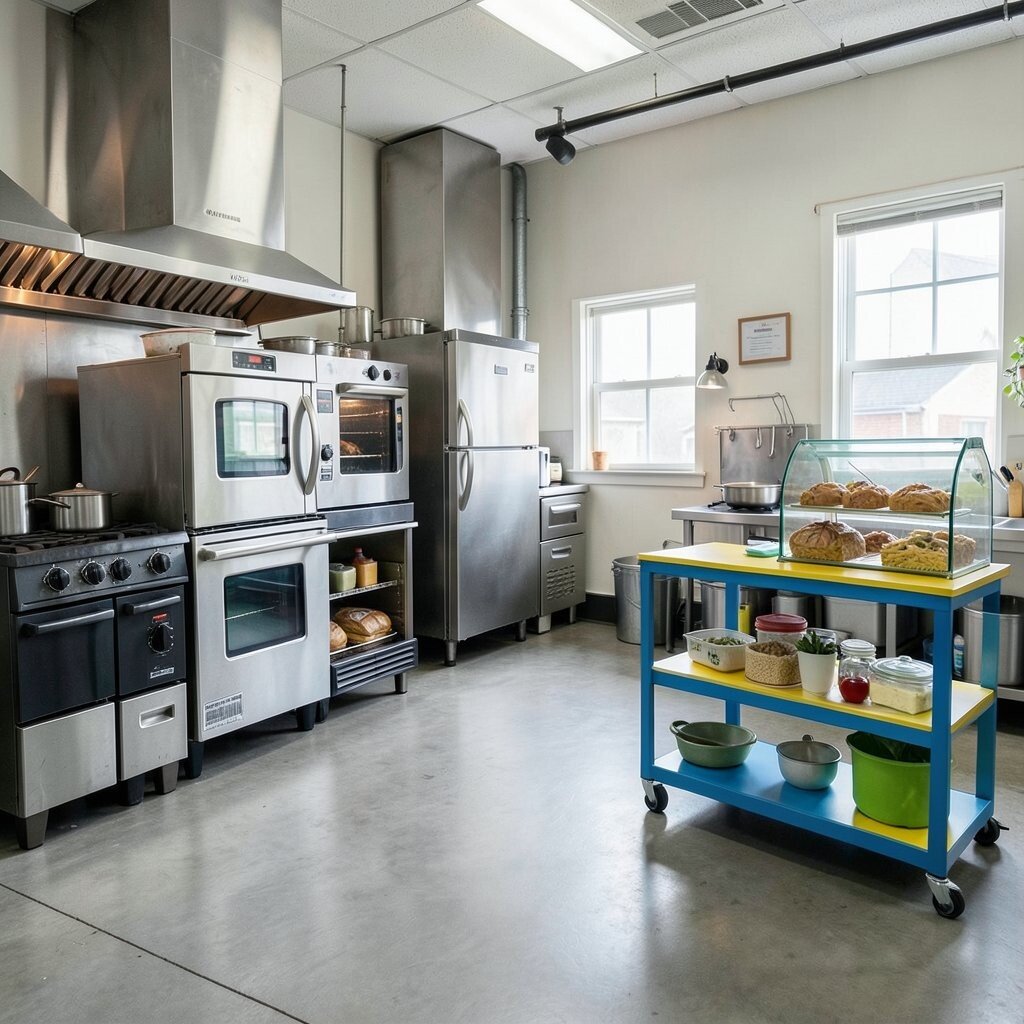
Industrial kitchens look tough, but the price tags can be even tougher. A single oven, fryer, or walk-in cooler can cost more than a small car, and the install fees can surprise new owners.
That cost can pay off when the gear lasts longer and works harder than home-style tools. It helps to compare repair plans, energy use, and warranty terms before buying, since cheap machines often cost more later. Many owners now choose smart equipment that tracks heat and power, which can save money and make daily work easier.
If you want the space to feel unique, mix one showpiece item with practical basics, like a bright prep cart or a branded dessert case. Small style choices can make the room feel custom without adding a huge bill. The best rule is simple: spend on what helps service, then decorate around it.
3. Noise Becomes Part of the Menu
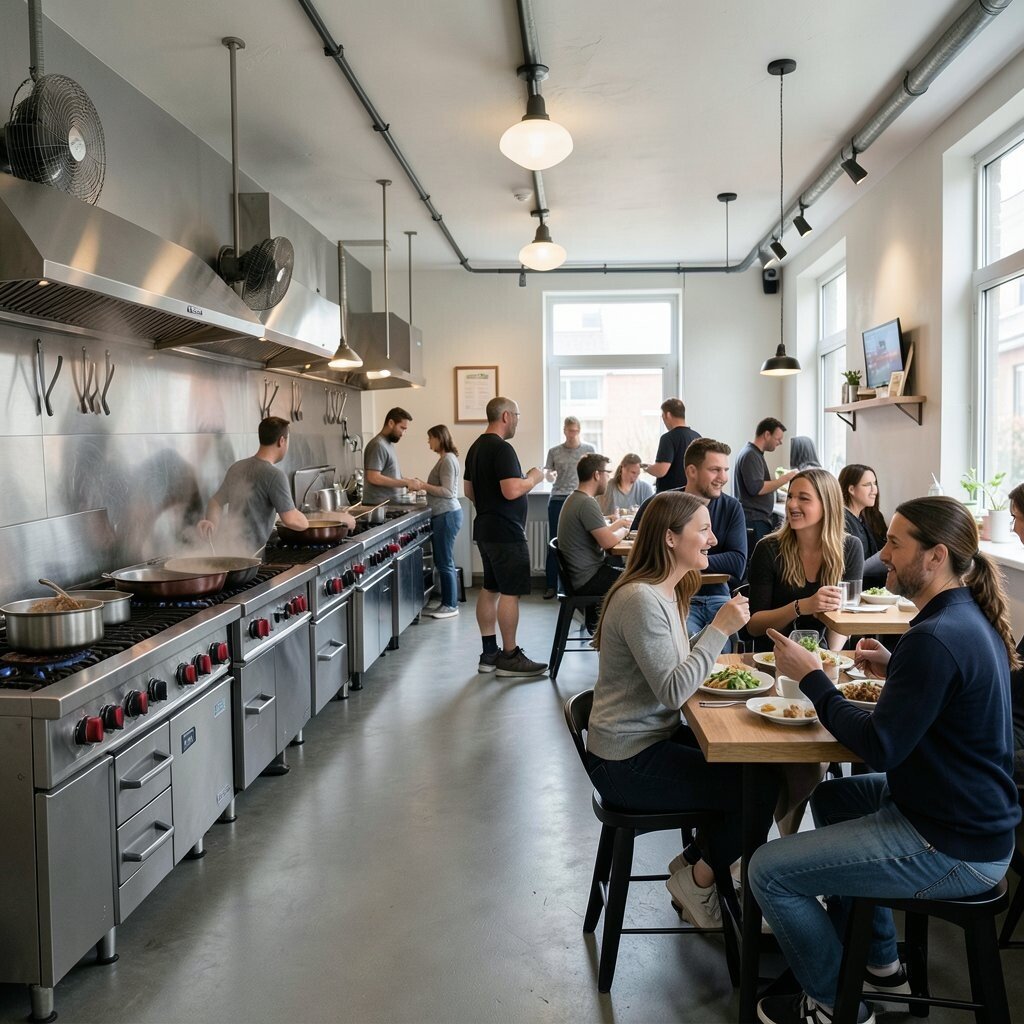
The hum of fans, the clank of pans, and the beep of timers never really stop in an industrial restaurant. At first, that sound can feel loud and wild, but soon it becomes the heartbeat of the place.
A busy soundscape can make the room feel alive and full of energy. Still, too much noise can tire staff and make guests rush their meals, so soft wall panels, rubber feet under equipment, and better spacing can help a lot.
Some owners now add quiet zones near dining areas or use music that matches the pace of service. You can personalize the mood with a playlist that fits your brand, from cool and modern to warm and upbeat. A calmer room often leads to better talks, longer visits, and happier teams.
It also helps to train staff to use hand signs for common tasks so they do not need to shout. That small habit cuts stress and keeps the line moving.
4. Storage Is a Full-Time Puzzle
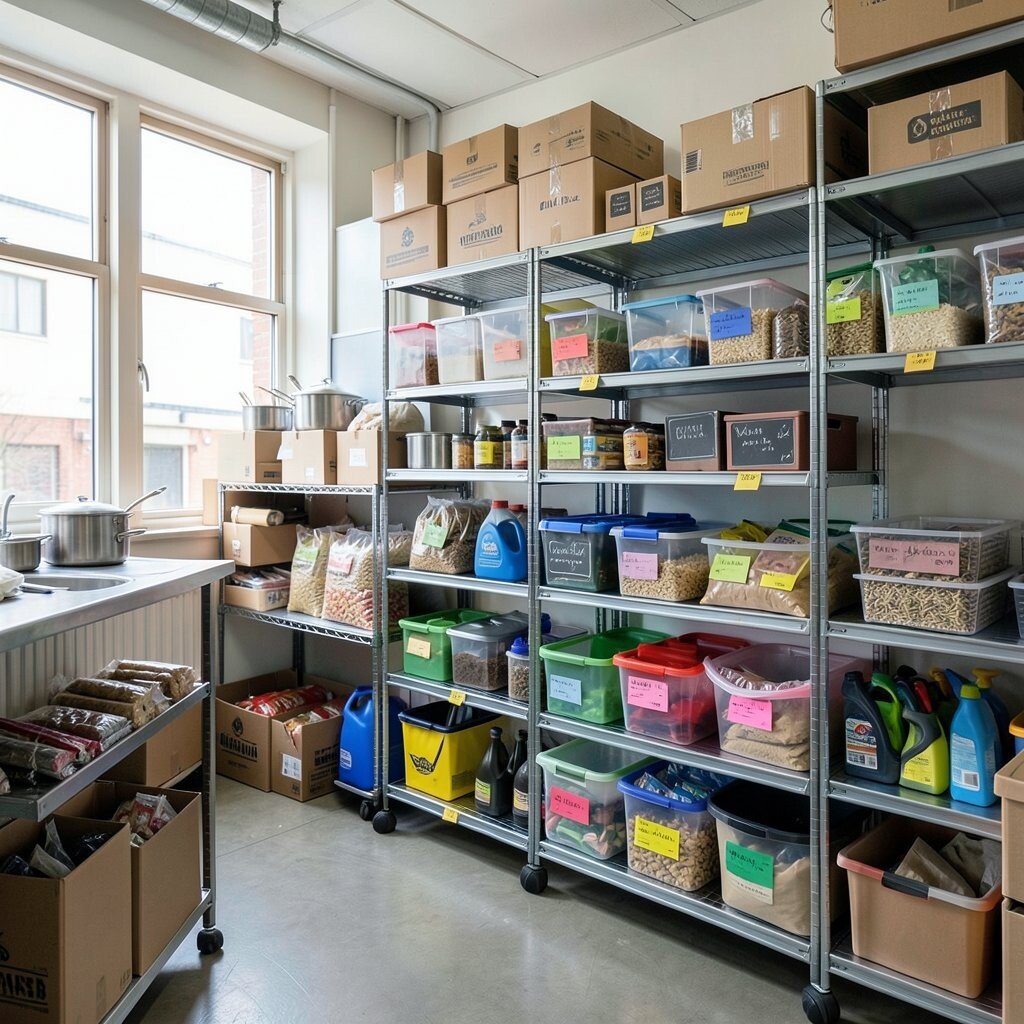
In a place built for volume, storage can vanish faster than you expect. Boxes, pans, spices, cleaning gear, and dry goods all need a home, and every inch counts.
Good storage makes the kitchen safer and faster, since workers spend less time hunting for what they need. Rolling racks, clear bins, and high shelves can help, but they must be easy to reach and simple to clean. For a personal touch, use color labels, chalk tags, or custom shelf signs that match your brand style.
5. The Menu Has to Match the Room
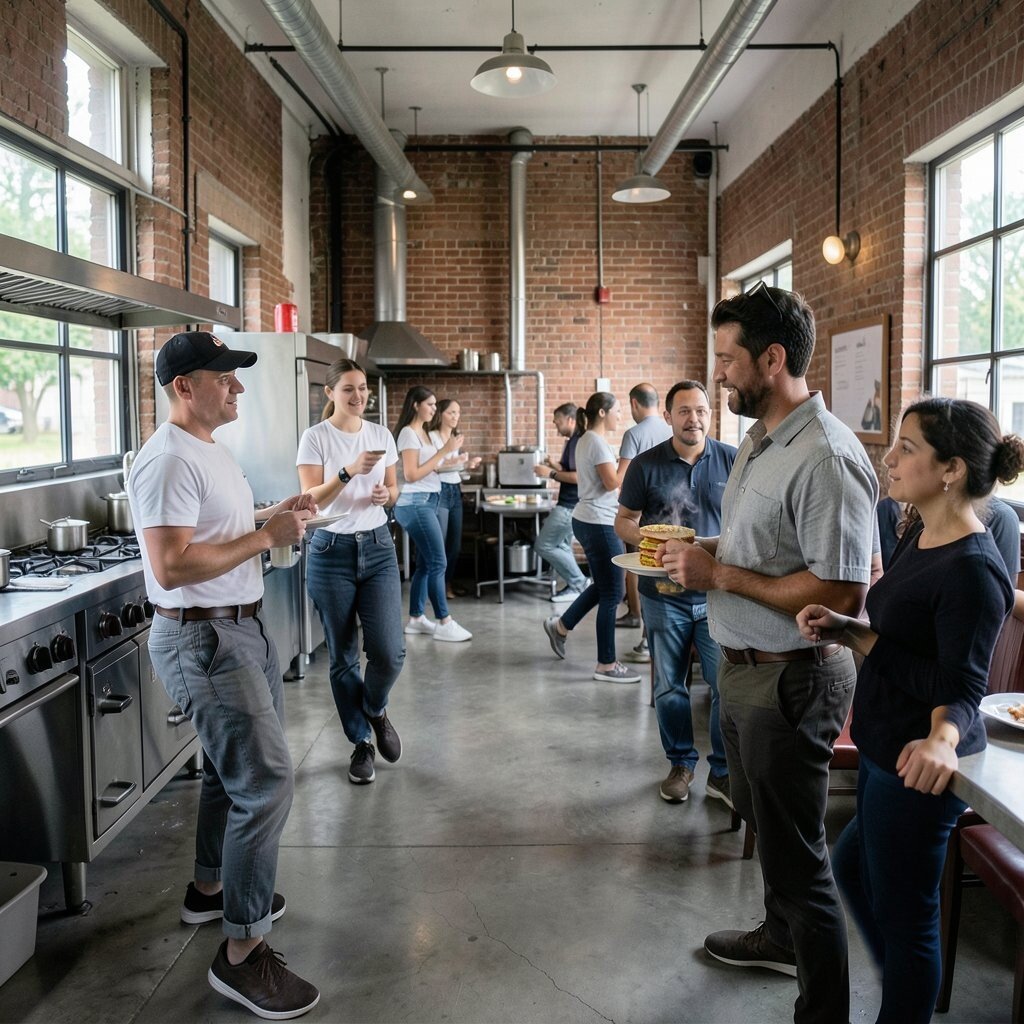
An industrial restaurant works best when the menu fits the equipment, the team, and the flow of the space. A long list of tricky dishes can slow everything down and make the kitchen feel packed.
That is why many owners build menus around strong, repeatable items that can move fast and still taste great. A focused menu can also reduce waste, improve quality, and make training much easier for new staff. If you want to stand out, add one or two signature items with a bold look, like a smoked plate, a stacked sandwich, or a bright sauce drizzle.
Trends now lean toward flexible menus that can shift with the season or the lunch rush. You can offer small swaps, like extra spice, different bread, or a plant-based version, so guests feel seen. That kind of choice makes the restaurant feel personal without slowing the line.
6. Cleaning Takes Longer Than You Think
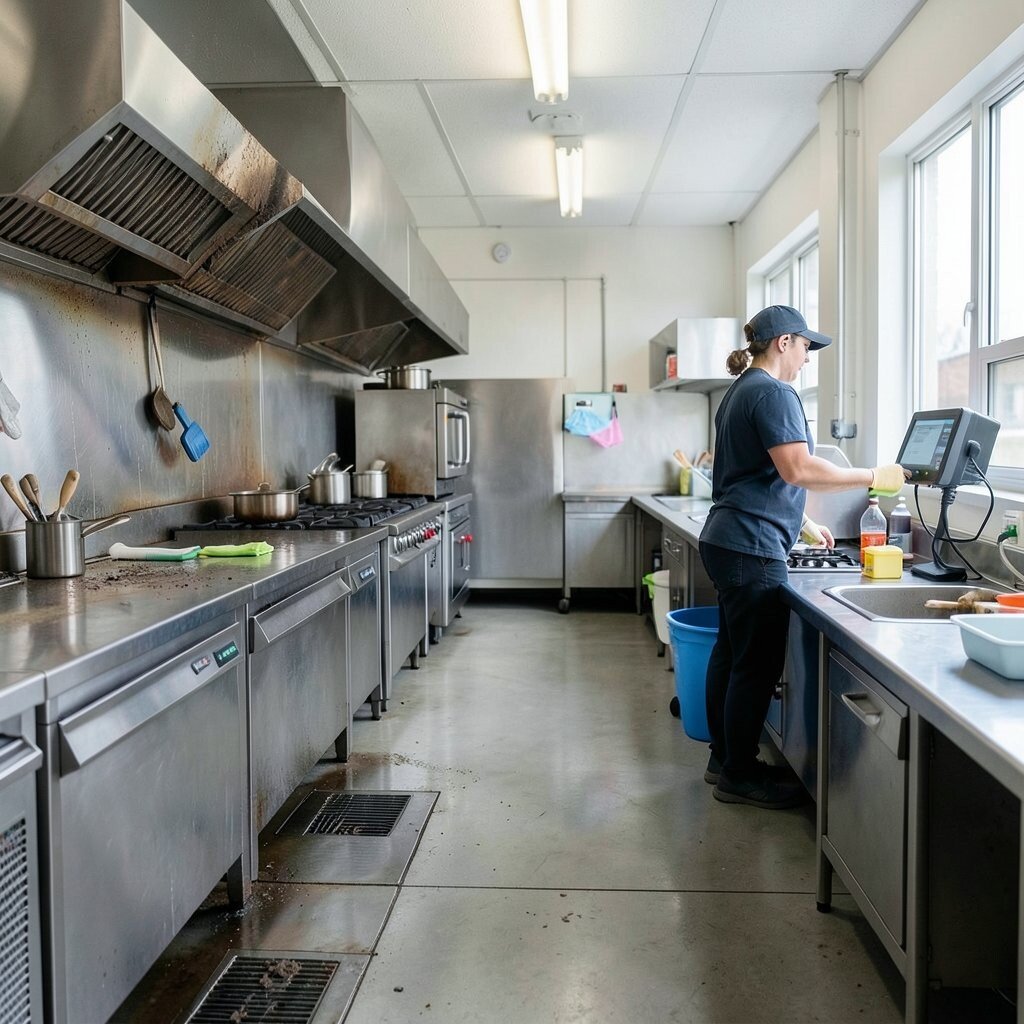
Industrial kitchens may look easy to wipe down, but the truth is a little harsher. Grease hides under counters, dust settles on vents, and heavy tools collect grime in places you cannot see right away.
Regular cleaning protects food, keeps staff safe, and helps expensive gear last longer. A good plan includes end-of-shift wipe downs, deep cleans for hard spots, and clear rules for who handles each task. To make it less boring, some teams use checklists with bright colors, short notes, or even fun names for each cleaning zone.
The cost of skipping cleaning can be huge, from broken machines to health code trouble. That is why many owners now invest in easy-clean surfaces, floor drains, and power washers that save time. When the room is spotless, the whole place feels sharper and more trustworthy.
7. Staff Training Never Really Ends

In a busy industrial restaurant, training is not a one-time event. New recipes, new tools, and new service habits keep showing up, so the team has to keep learning.
Strong training helps everyone work faster, make fewer mistakes, and feel more confident during rush hour. It also keeps the restaurant unique because your team learns your own way of doing things, not just a generic routine. Short demos, side-by-side practice, and simple picture guides can make lessons easy to remember.
Many owners now use short video clips or phone-based guides so workers can review steps on the fly. That can save time and cut down on repeat questions during a busy shift. If you want staff to feel valued, add little personal touches like name tags, role cards, or a wall of team wins.
8. Lighting Changes the Whole Feel
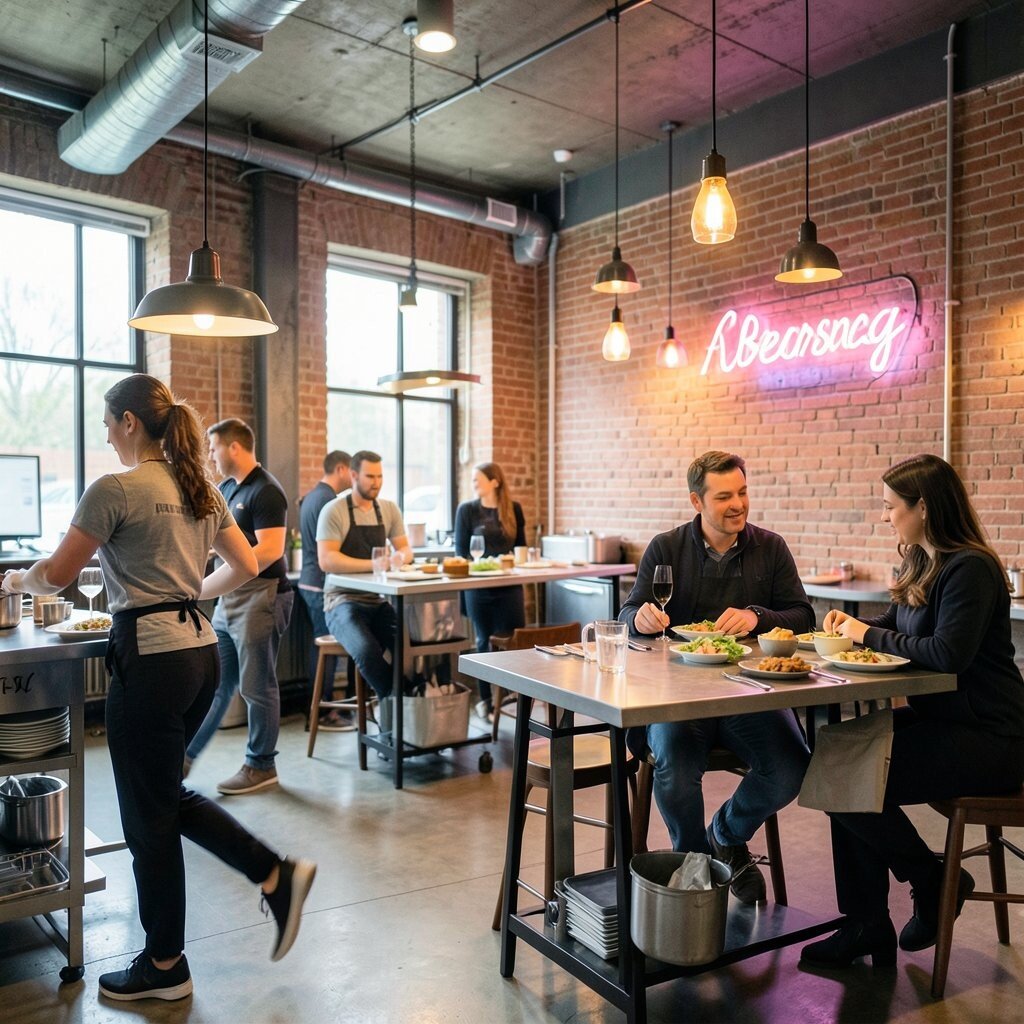
Bright lights can make an industrial restaurant look crisp and clean, but they can also feel cold if they are not balanced well. The right mix of overhead light, task light, and soft glow can turn a hard space into one that feels welcome.
Good lighting helps cooks see clearly, helps servers move safely, and makes food look better on the plate. It can also shape the guest experience, since warm light often feels cozy while cooler light feels modern and sharp. For a personal style, try pendant lights over the dining area or a neon sign that shows off your brand voice.
9. Air Flow Can Make or Break Comfort
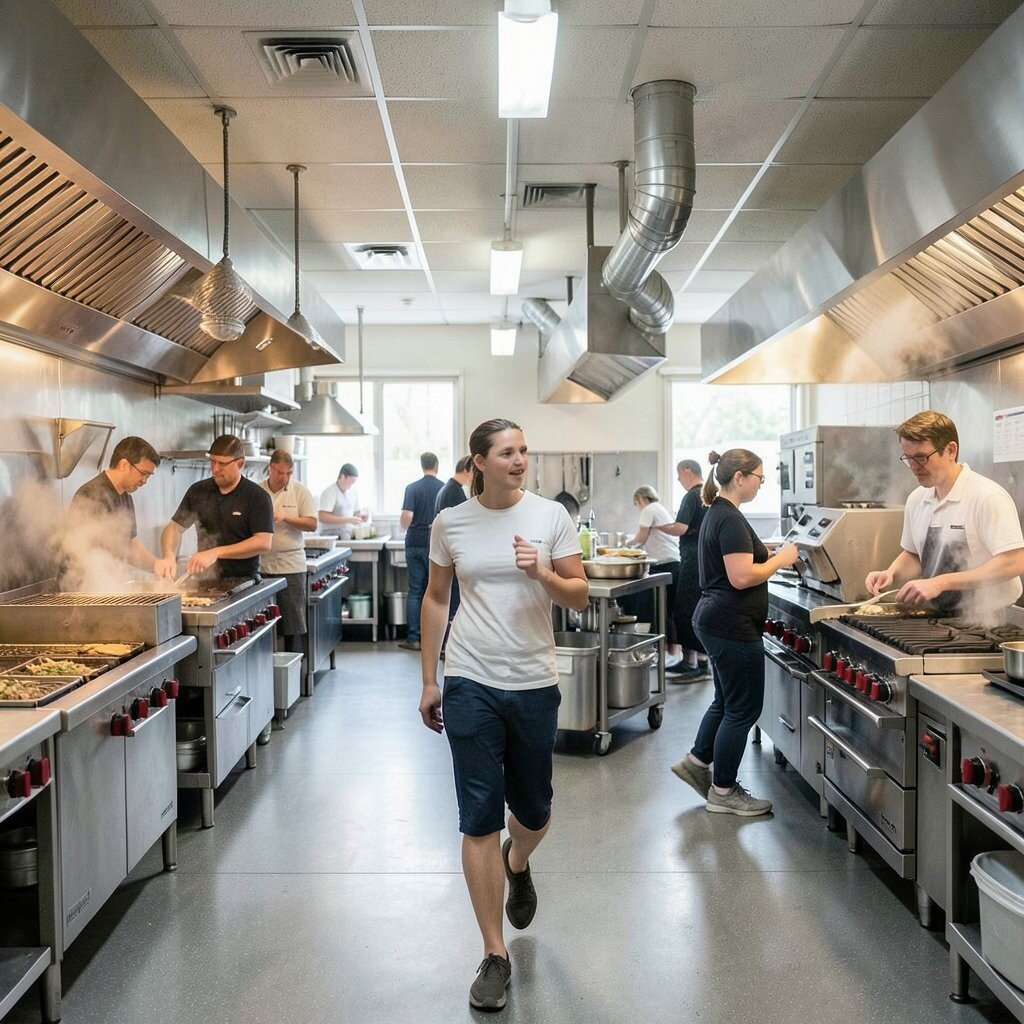
Hot ovens, fryers, and grills create a lot of heat, and that heat can build up fast. Without strong air flow, the kitchen can feel sticky, tired, and hard to work in.
Proper vents, fans, and hood systems keep the room safer and more pleasant for everyone. They also protect equipment and help food smell right instead of mixed and heavy. A smart tip is to walk the space at different times of day so you can spot hot corners, cold drafts, or smoky spots before they become a real problem.
Air systems can be expensive, but they are worth the money when they keep the team moving well. Some newer restaurants use sensors that adjust airflow based on heat and activity, which is a growing trend in busy kitchens. When the air feels right, the whole place works better.
10. Guest Expectations Can Be Very High
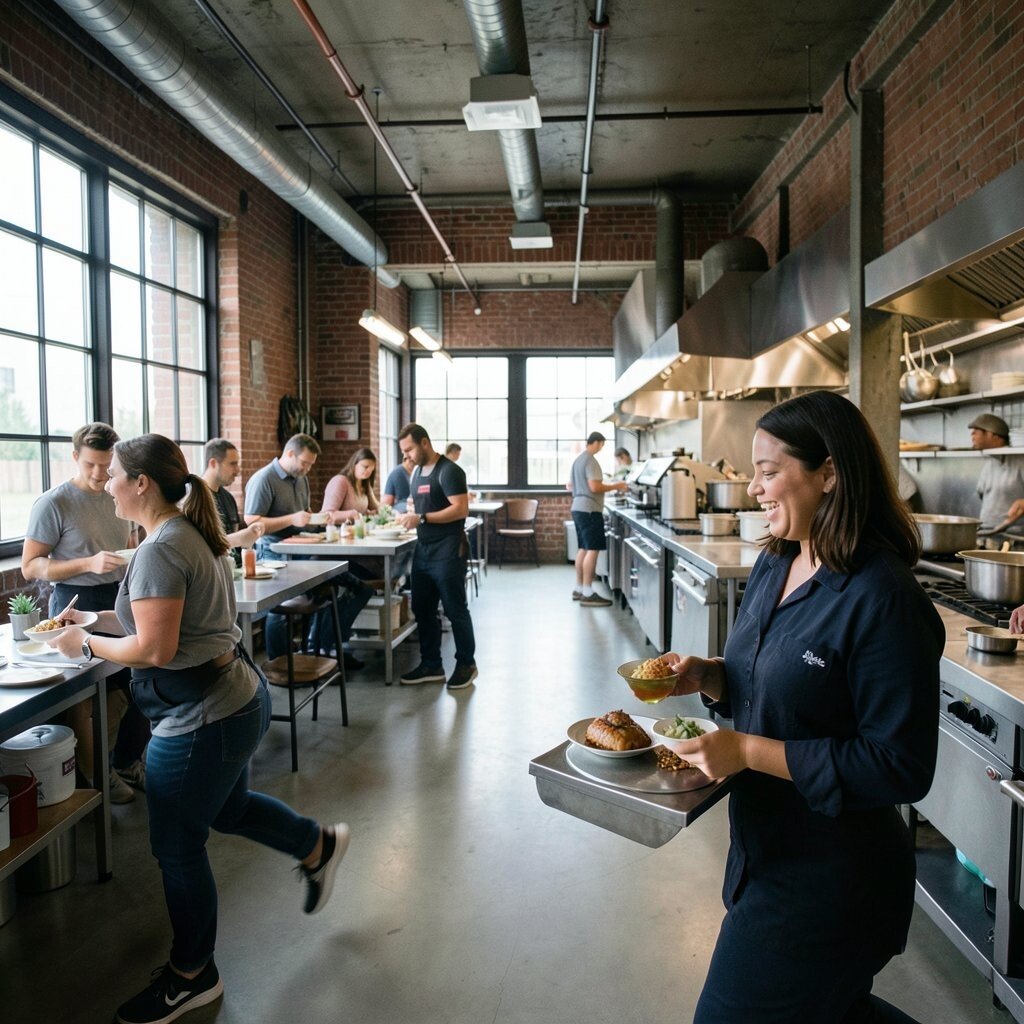
People often expect an industrial restaurant to be fast, bold, and a little dramatic in the best way. They want to see action, but they also want the food to arrive hot, neat, and on time.
That means the room has to do more than just look cool. Service should feel smooth, signs should be easy to read, and the path from kitchen to table should stay clear. A personal touch, like a hand-written special or a server greeting by name, can make the big space feel friendly.
Current trends lean toward open kitchens and visible prep areas, because guests enjoy watching the process. That can be a big win if your team stays organized and calm under pressure. The trick is to make the action feel exciting, not stressful.
11. The Best Systems Are the Ones Nobody Notices
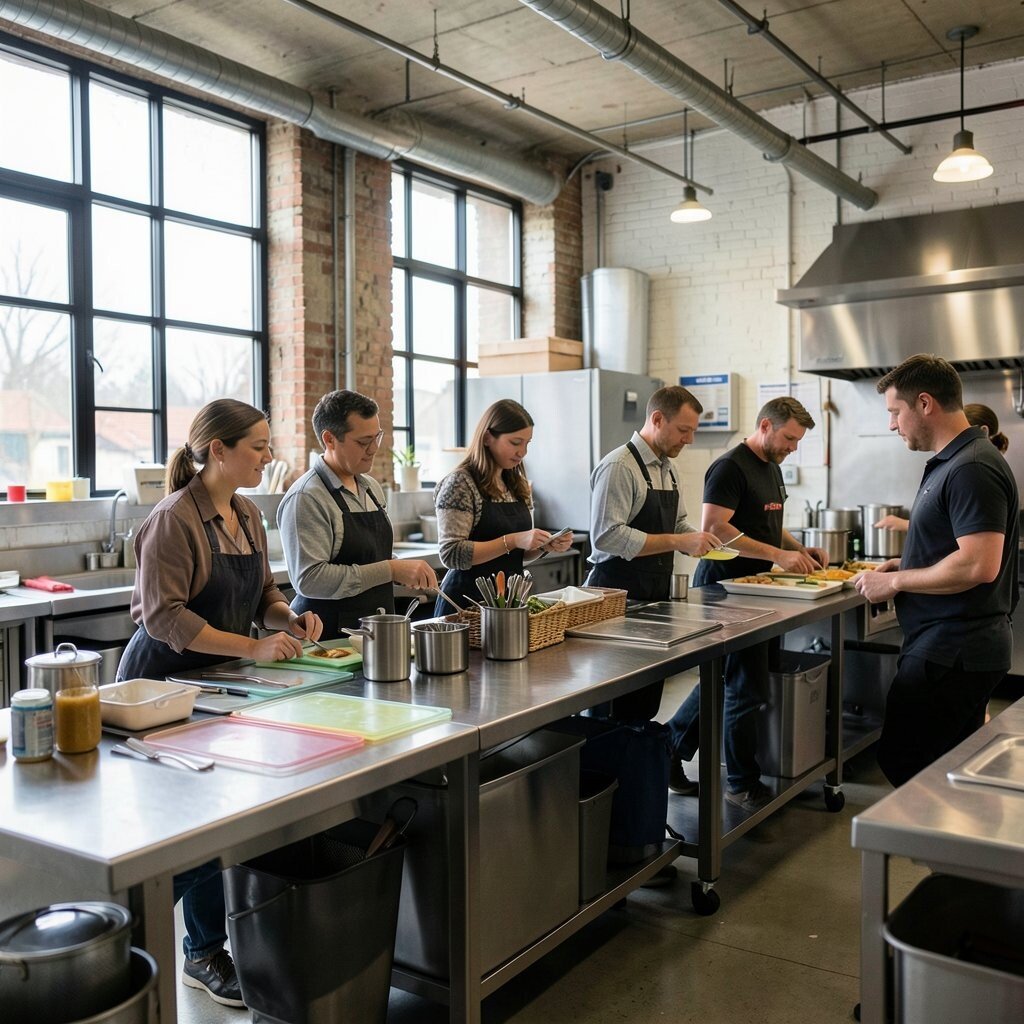
When an industrial restaurant runs well, most guests never see the systems behind it. They just feel the smooth flow, the fast service, and the steady rhythm of the room.
That hidden order comes from smart layouts, clear roles, and tools placed in the right spots. It can save time, lower waste, and make each shift feel less chaotic. To personalize the system, some owners build custom prep maps or color-coded zones that match the way their team thinks and works.
12. Waste Adds Up in Sneaky Ways
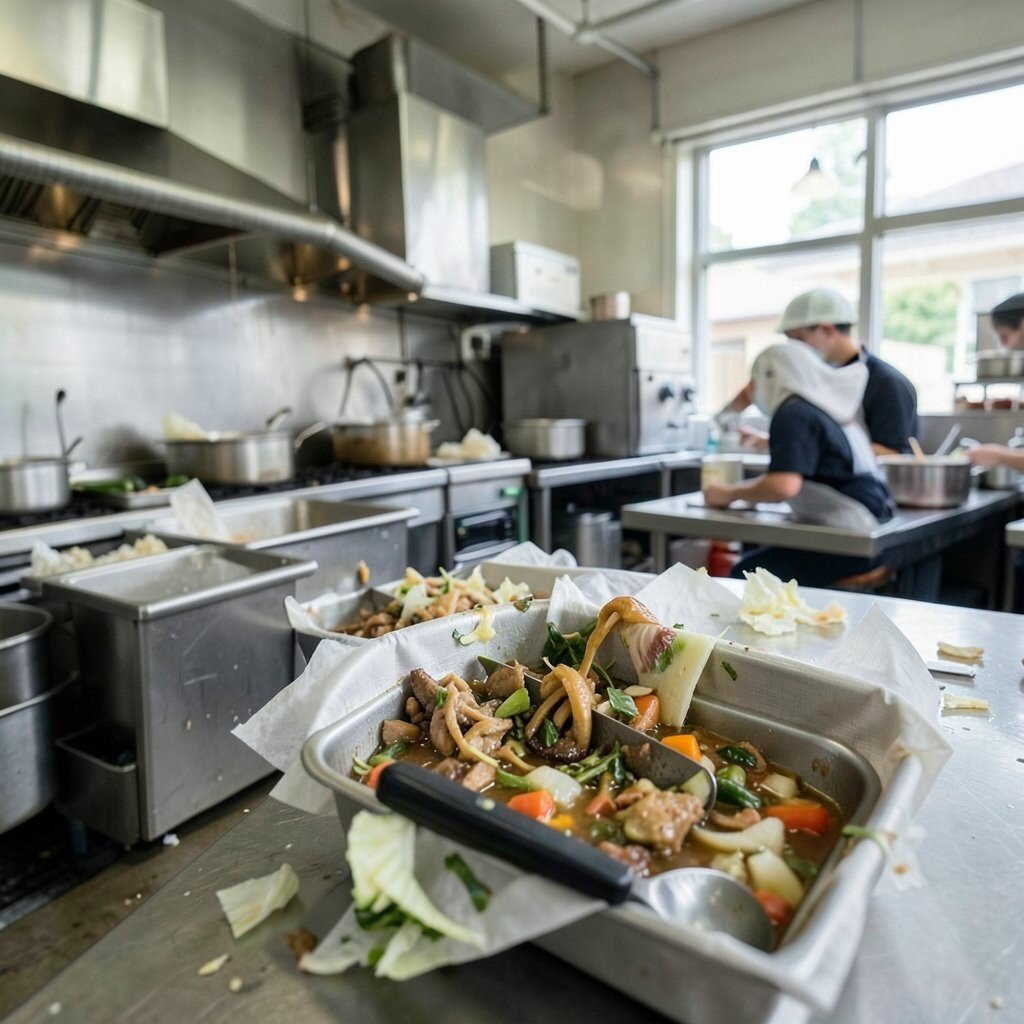
Food waste, water waste, and power waste can hide in plain sight. A few extra scraps here and a few forgotten lights there may not seem like much, but they grow fast over time.
Watching waste closely can protect your profits and help the planet too. Trim prep lists, store food the right way, and use smart portion tools so you only make what you need. Many restaurants now track waste daily with easy apps, which makes the problem more visible and easier to fix.
There is also room for creativity here, like turning trim into soup, sauce, or staff meals. That kind of habit gives the kitchen a unique identity and makes the team feel clever instead of wasteful. It also helps cut costs without making the food feel cheap.
13. Branding Has to Work in Metal and Steam
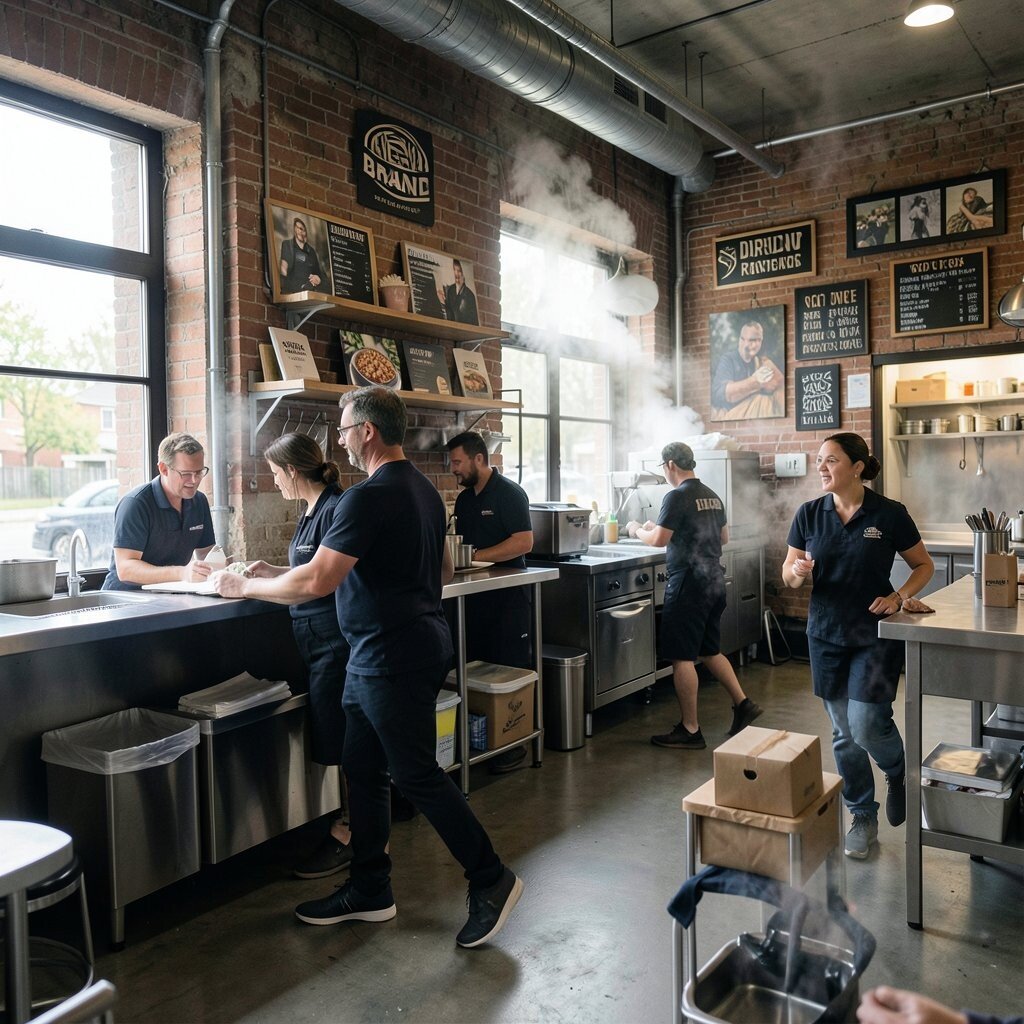
In an industrial restaurant, your brand is not just a logo on a cup. It has to live on walls, menus, uniforms, packaging, and even the way the room feels when someone walks in.
That makes design choices very important, because steel and steam can swallow weak branding fast. Bold fonts, strong colors, and clear signs help guests remember you. A useful tip is to repeat the same look in small places, like napkins, shelf tags, and takeout boxes, so the whole space feels connected.
Personalization can make a huge difference here. Some owners add custom murals, local art, or a story wall that shares where the food comes from. These touches give the restaurant a one-of-a-kind feel without changing how the kitchen works.
14. The Team Mood Shapes Everything
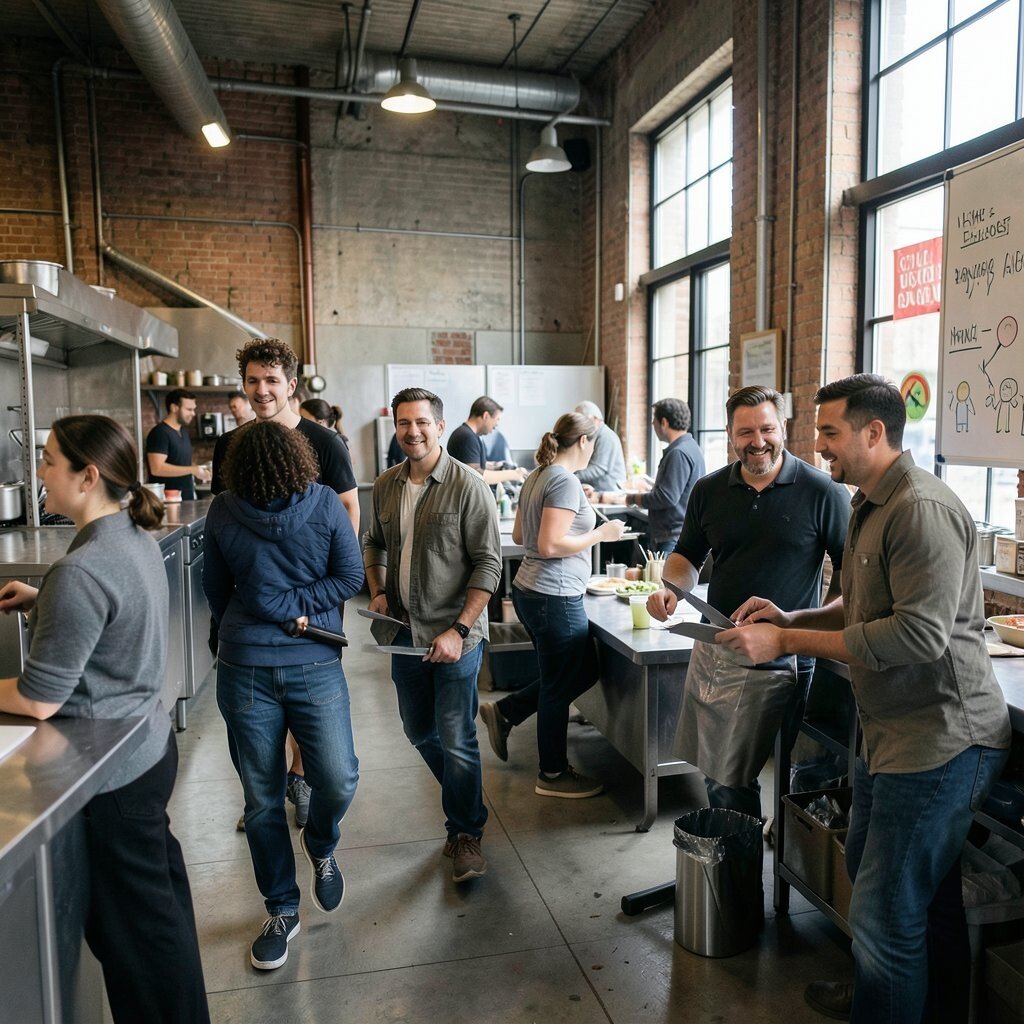
In a hard-working industrial restaurant, the mood of the team can change the whole day. If people feel rushed, unseen, or worn out, the service gets shaky and the room feels tense.
But when the team feels supported, the space comes alive with energy and pride. That is why breaks, fair schedules, and kind leadership matter just as much as sharp knives and clean floors. A simple way to personalize the workplace is to let staff help name stations, decorate the break area, or add their own ideas to a shared board.
Owners are also paying more attention to mental health, flexible shifts, and better communication, which is a smart trend in a tough business. Those choices may cost a little more at first, but they can lower turnover and keep good people around longer. In a place built on speed and steel, a cared-for team is often the real secret ingredient.