
Vinyl plank flooring can look amazing, but it comes with surprises. Once you know them, your project feels calmer and more certain.
You can make choices that match your lifestyle, your budget, and your home’s style. Small details make a huge difference in how the finished floor feels every day.
1. The “Quiet” Look Still Needs a Good Underlayment
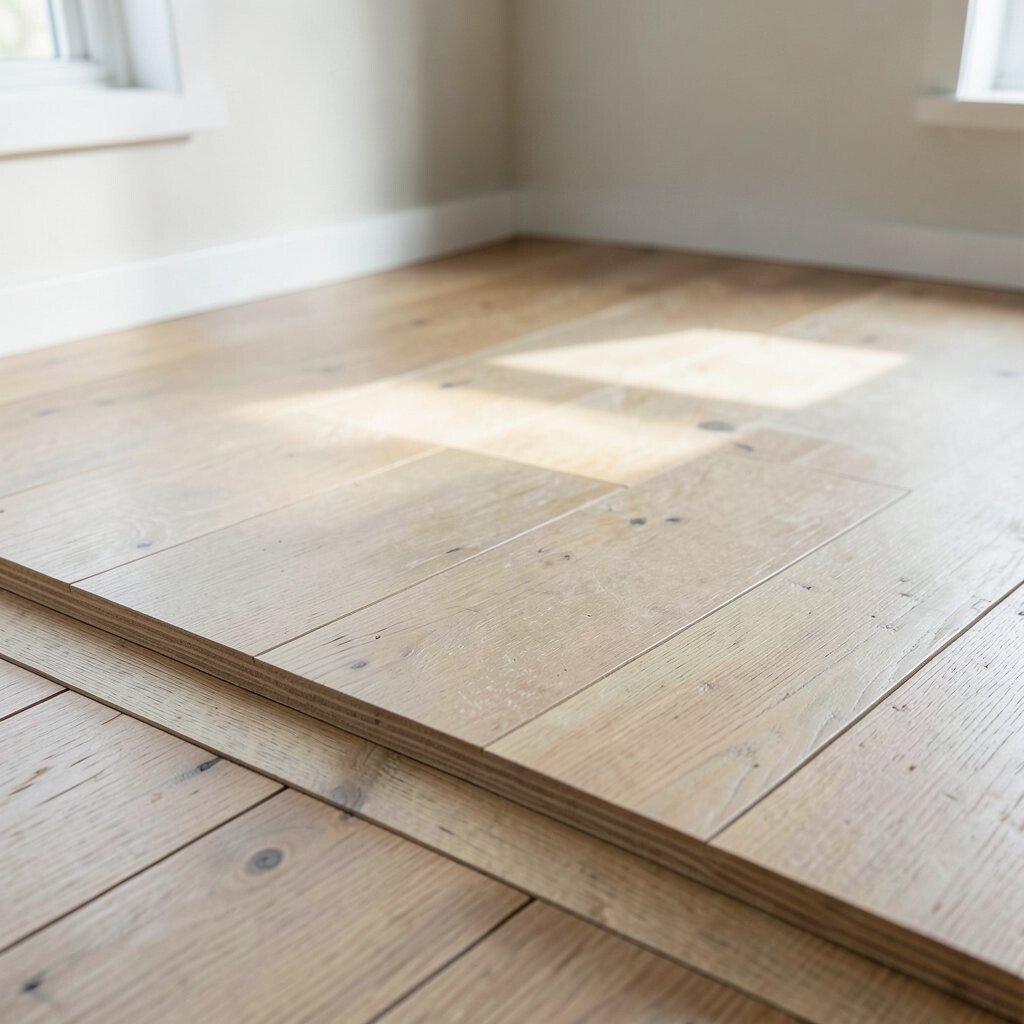
Vinyl plank can feel soft underfoot, but only if the layers work together. Pay attention to the underlayment or attached pad, because it changes how sound travels through your home.
When you walk across the boards, listen for hollow steps and notice how solid the floor feels. If you have noise complaints below or beside you, choosing the right underlayment can make everyday living feel more peaceful. For best results, keep the subfloor flat and clean before installation, since uneven spots can cause clicking or extra noise.
2. Grain Patterns Matter More Than You Think
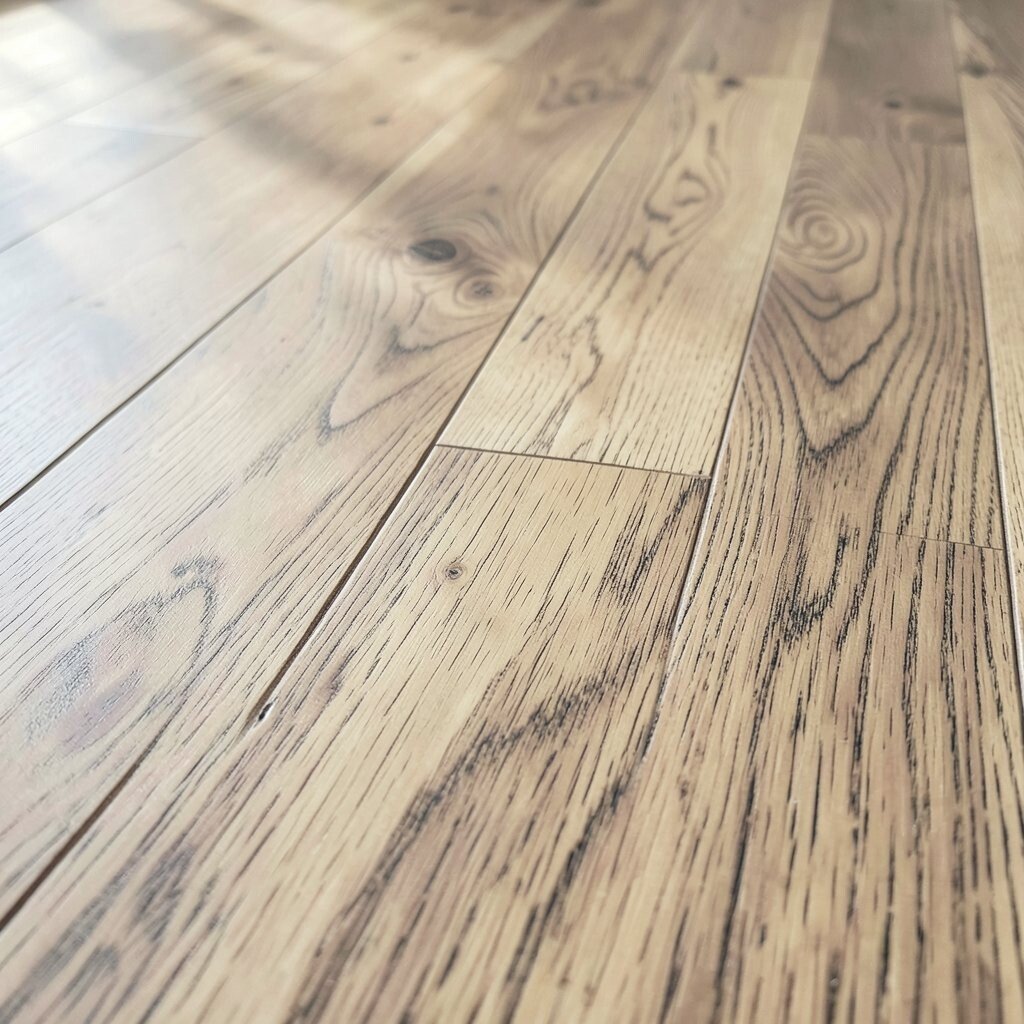
Many vinyl planks are printed to look like real wood, but the grain repeat can create a very specific vibe. Some patterns look calm and natural, while others feel busy and dramatic right away.
Hold a few sample planks up next to each other and view them from the doorway and from eye level. If the grain lines line up in a way that feels too uniform, you may end up staring at the pattern instead of enjoying the room.
To personalize, mix boards from different boxes so the variation looks more organic. This also helps hide small differences in print density or color, especially in rooms with strong daylight.
3. Click-Lock Planks Can Look Seamless or Slightly Off
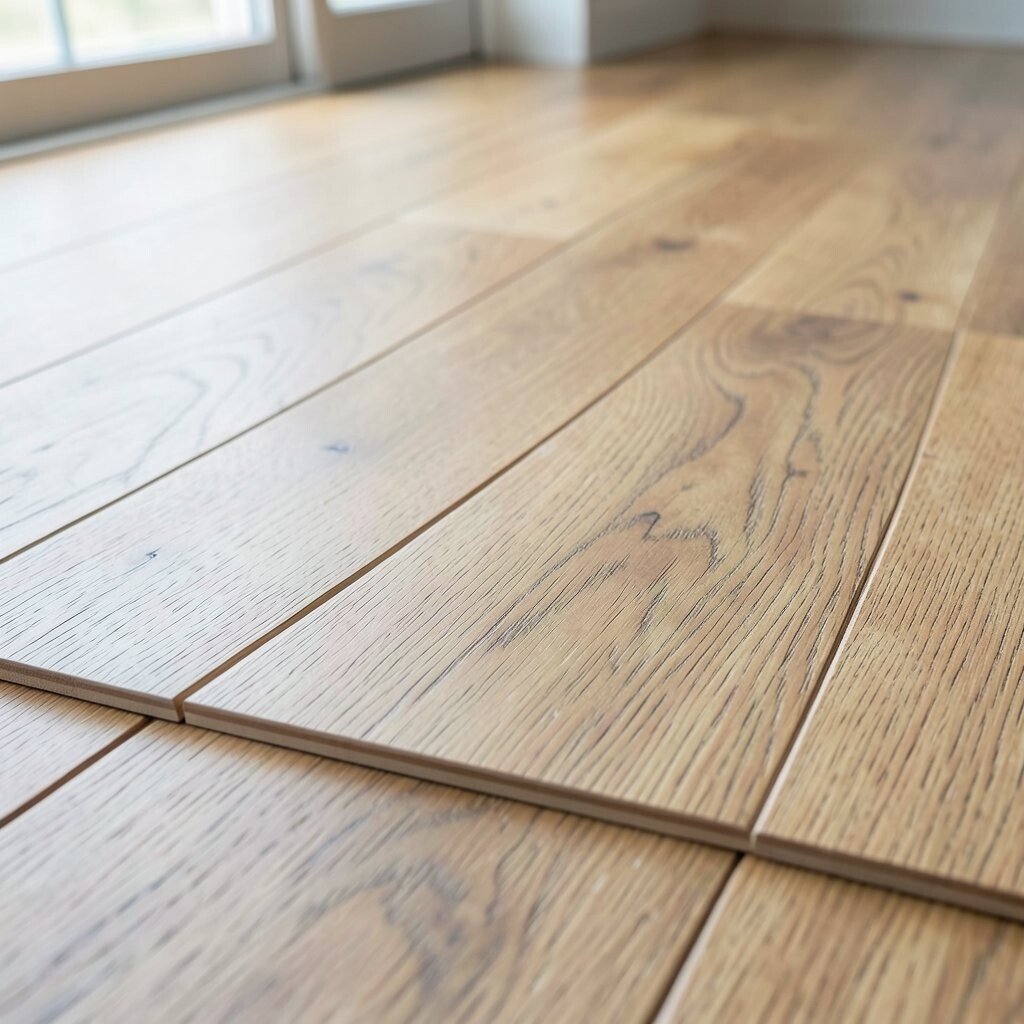
The way the planks lock together affects the look of the seams. A good installation hides joints, while a rushed one can show thin lines that catch the light.
Before you commit, check how the edge profile fits and practice on a small section. Make sure the tongue and groove align fully and don’t force boards into place, since small gaps can grow over a long run.
Plan your layout so seams don’t line up with high-traffic paths where you’ll notice them. When you stagger rows thoughtfully, the floor often looks more like natural boards laid by a careful installer.
Also remember to leave the required expansion gap at walls and fixed objects. That tiny space helps the floor move without buckling, which keeps seams looking tidy for years.
4. Sunlight Can Change Color, Even If It’s “Good” Vinyl
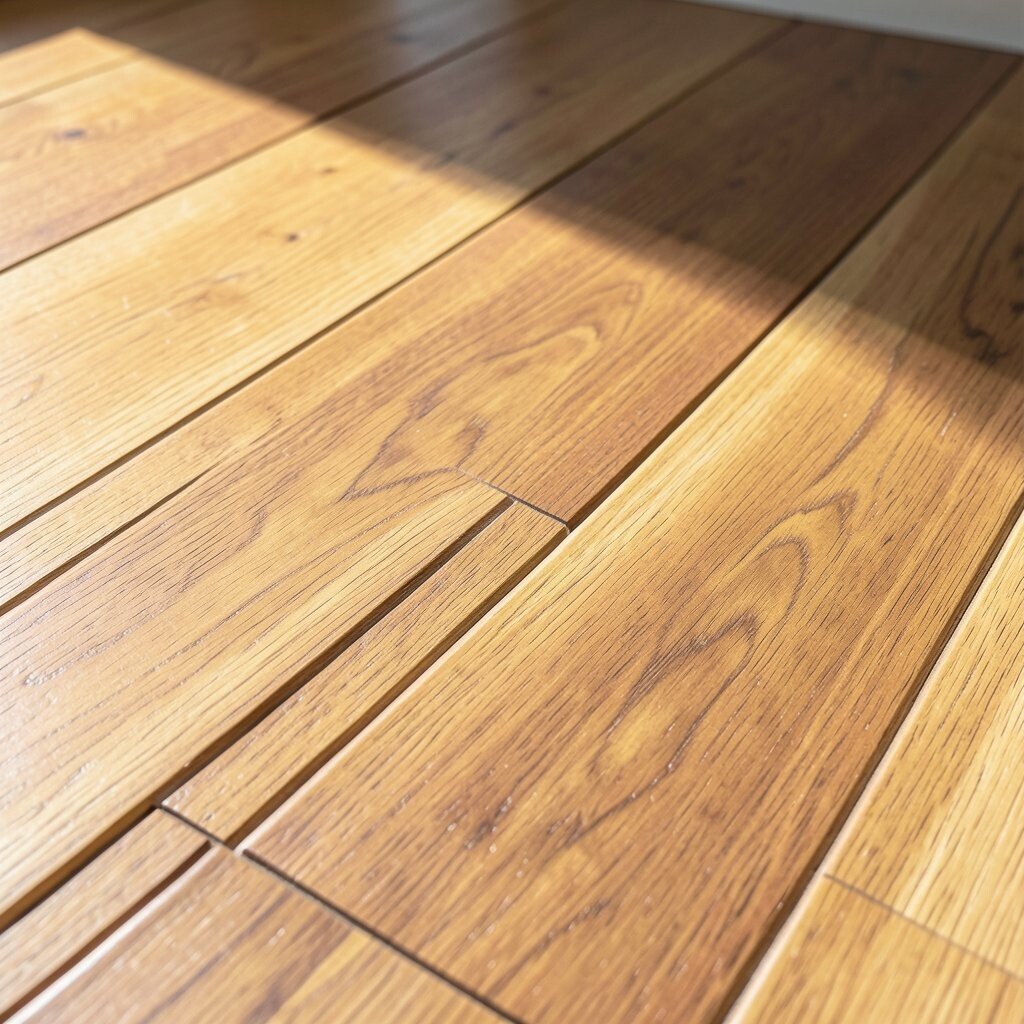
Bright windows are beautiful, but they can fade many flooring styles, including vinyl. If your room gets strong direct sun, the color may warm or lighten over time.
Try samples at different times of day so you can see how the tone shifts in morning light and evening light. You can also use rugs or curtains in sun-heavy areas to slow down the change and keep the look steady.
5. The Same Shade Can Feel Different in Different Rooms
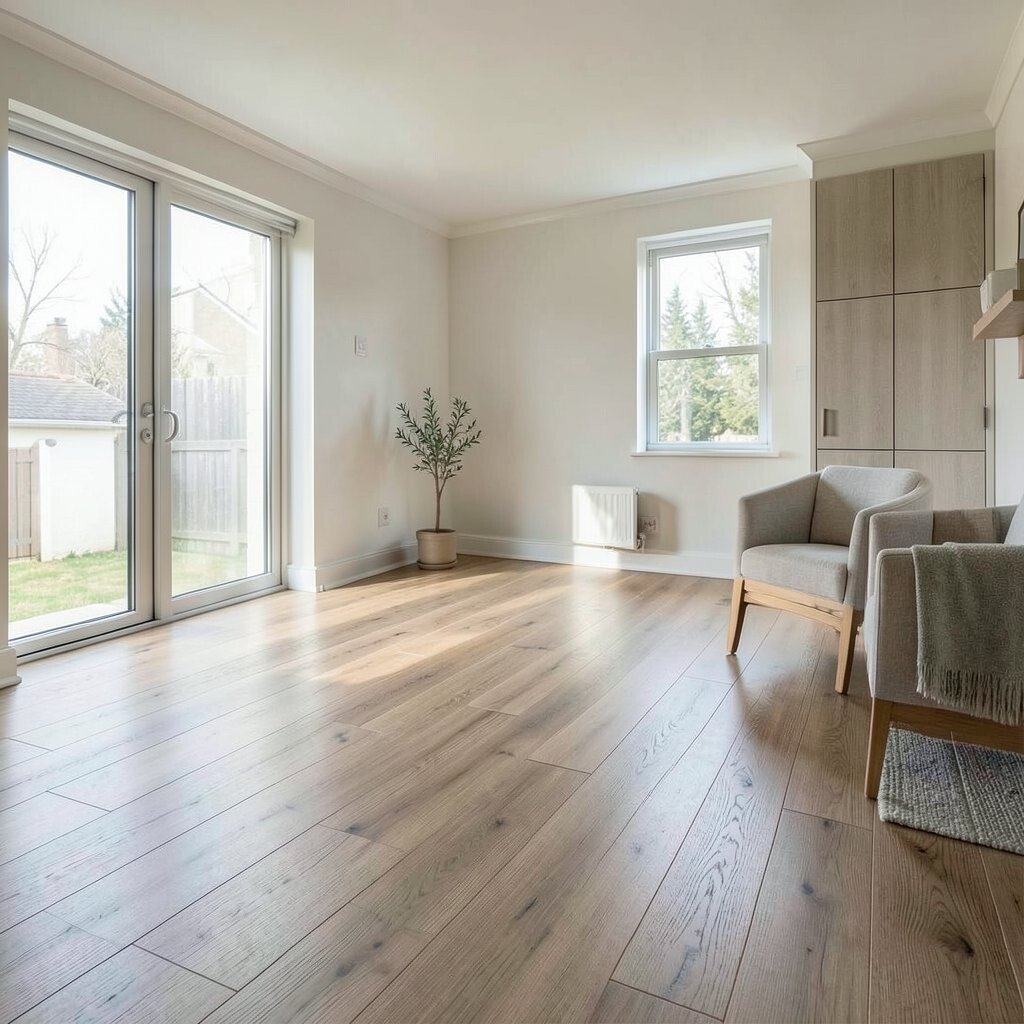
A “gray oak” plank can look cool and modern in one space, but cozy and creamy in another. Lighting style, wall color, and even the color of your furniture change how the floor reads.
Bring home a few sample pieces and place them against your wall and next to your cabinets. Move them around so you can see the tone near countertops, trim, and hardware.
Don’t forget to check the floor after dark, since warm bulbs can shift a neutral plank toward amber. This is one of the easiest ways to avoid buying a shade that looks right on a store wall but wrong in your real home.
6. Your Subfloor’s Flatness Is a Hidden Project Driver
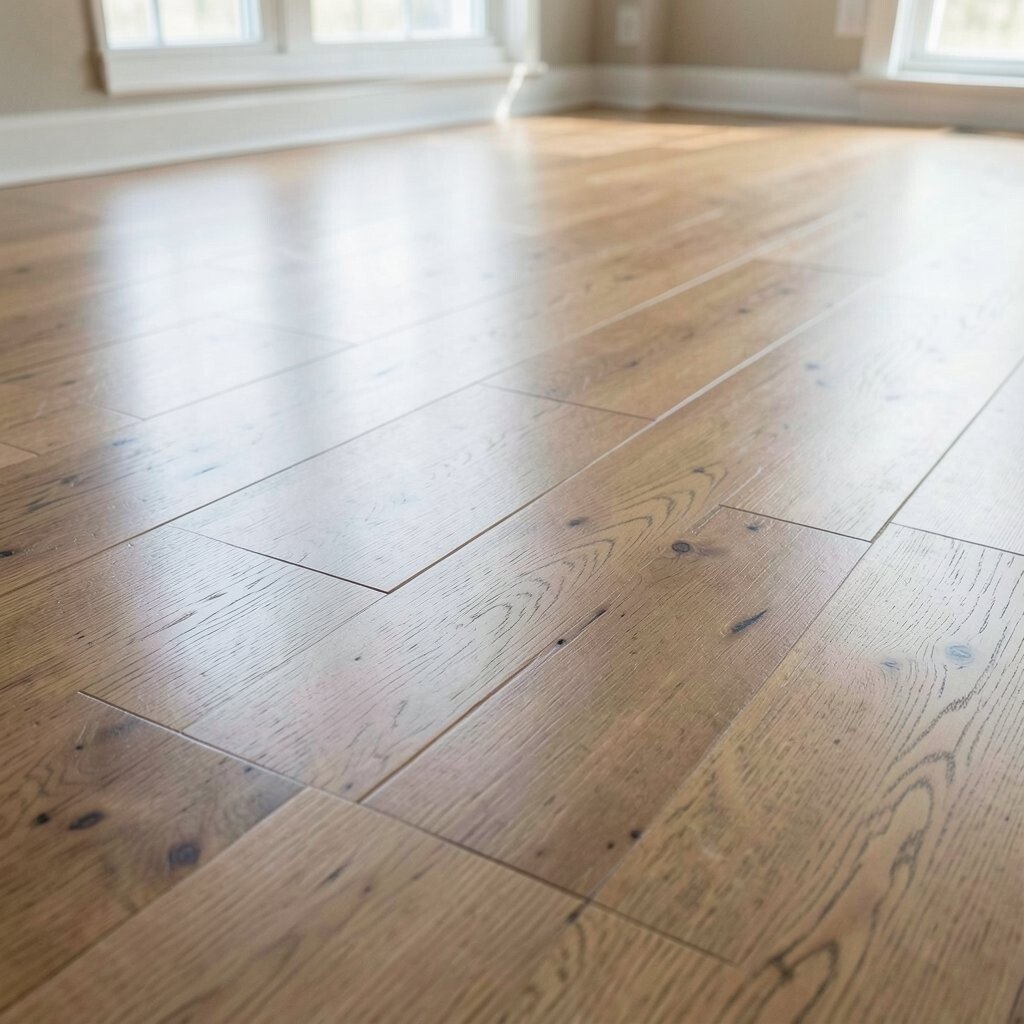
Vinyl plank is forgiving, but it’s not magic. If the subfloor has dips, ridges, or loose spots, those imperfections can show through later.
Use a straightedge to check for high and low areas, and fix issues before installation. A flatter base helps the boards lock smoothly and keeps the floor feeling solid when you walk.
7. DIY Installation Still Needs Measuring Confidence
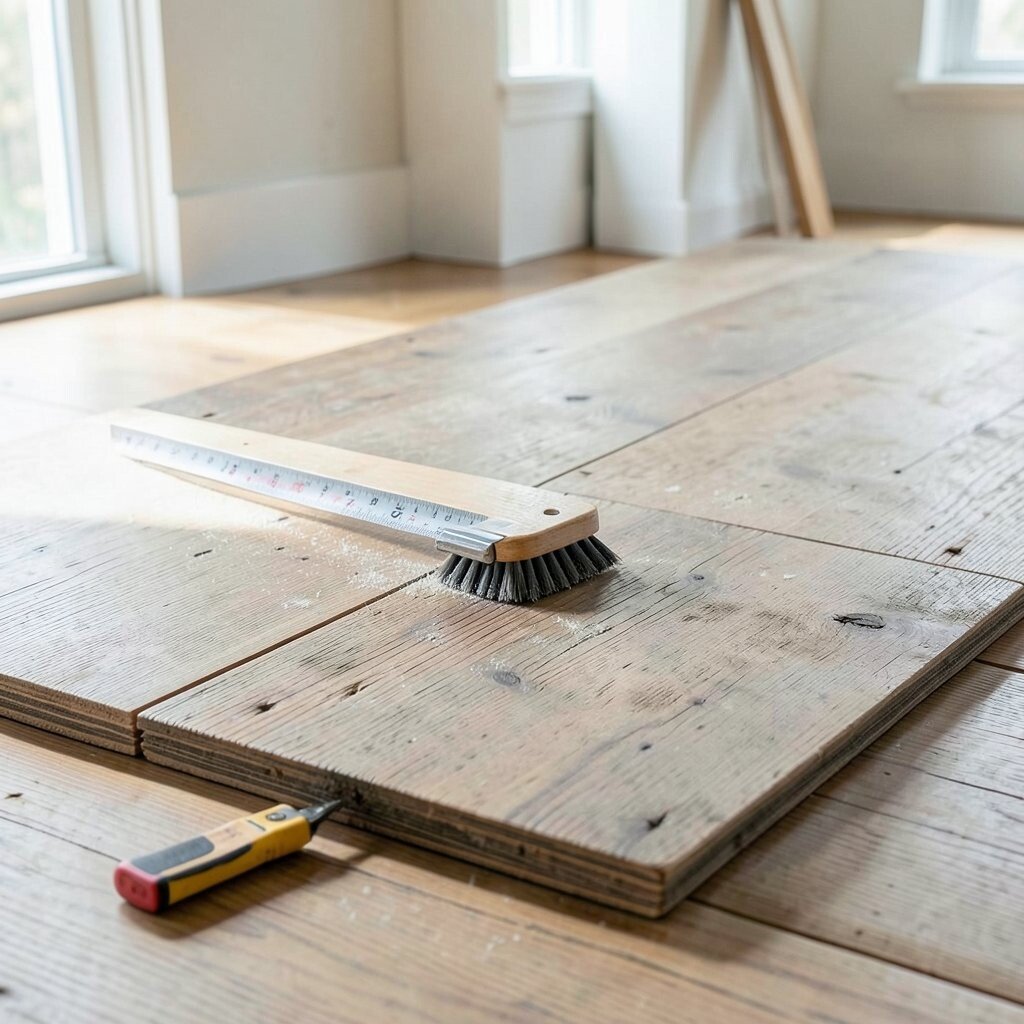
You don’t need to be a pro to install vinyl plank, but you do need calm measuring skills. The temptation to “eyeball” layouts can lead to narrow cuts near walls.
Take time to plan your first row and remember to account for expansion gaps. If you start off square, the rest usually goes faster and looks better.
Use a chalk line or laser level to guide your rows, especially in long rooms. When the layout stays straight, the whole floor looks intentional, even in casual spaces.
8. Waterproof Marketing Doesn’t Mean You Can Ignore Spills
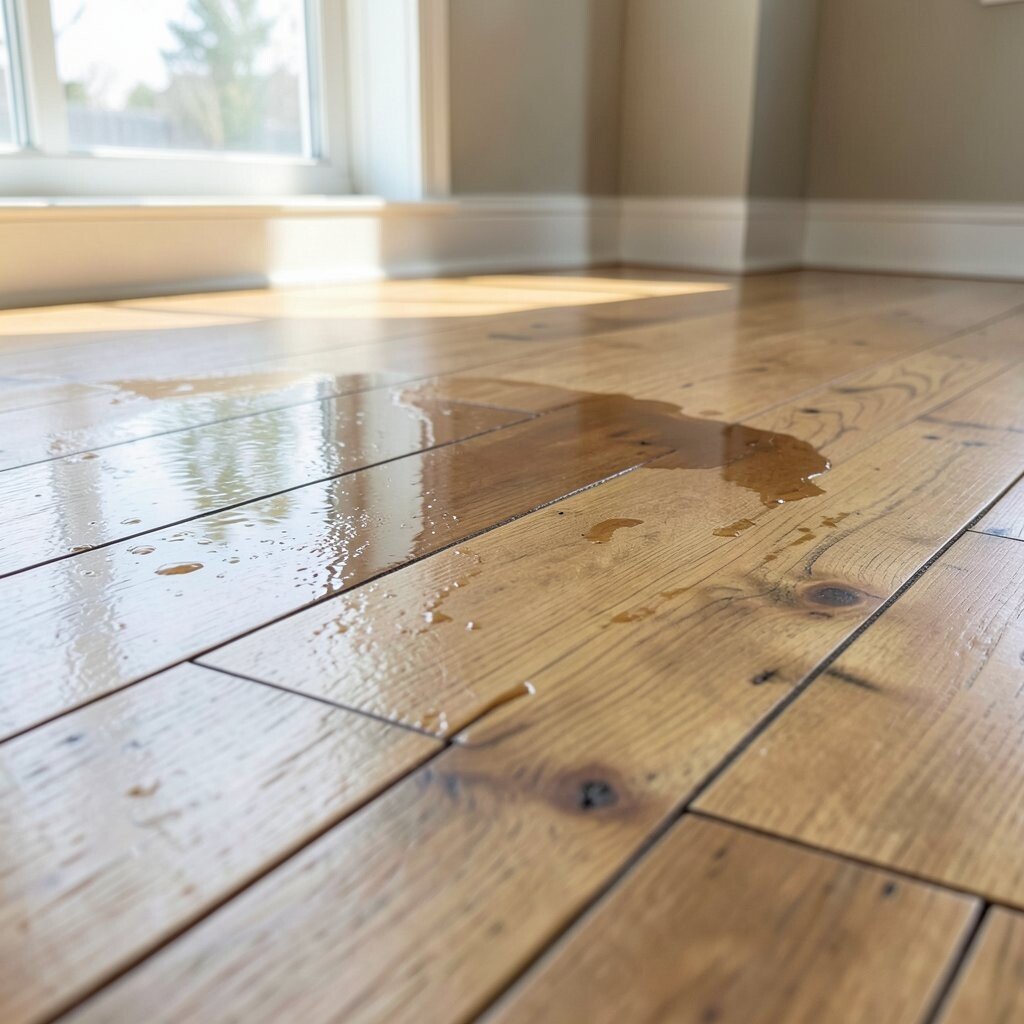
Many vinyl planks resist water, yet water can still sneak into gaps if spills sit long. The finish is meant to handle everyday life, not endless puddles.
Wipe spills quickly, and dry around the edges where moisture could linger. If you have pets or kids, keep cleaning supplies nearby so small messes don’t become big problems.
9. The Most “Real” Floors Use Texture, Not Just Color
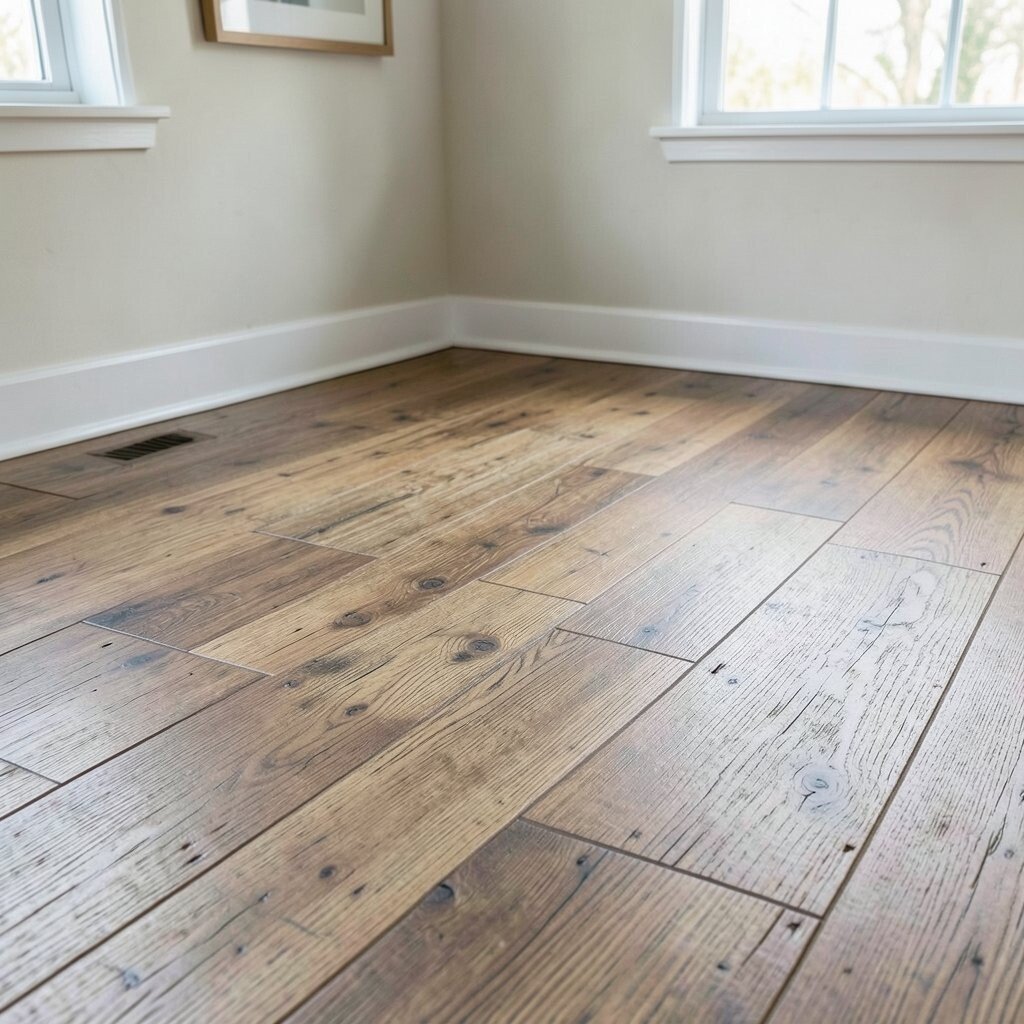
If you want the floor to feel like real wood, look for embossing and surface texture. The best-looking planks create a tactile story, not only a visual one.
Press your hand gently on the sample and notice the pattern under your fingertips. Some finishes feel smooth and sleek, while others have a grain-like relief that makes walking barefoot feel more natural.
Texture also helps hide light scuffs, which keeps the floor looking good as your home gets busy. Just remember that very deep embossing can trap grit, so regular sweeping matters.
10. Stair Steps and Landing Transitions Need Extra Thought
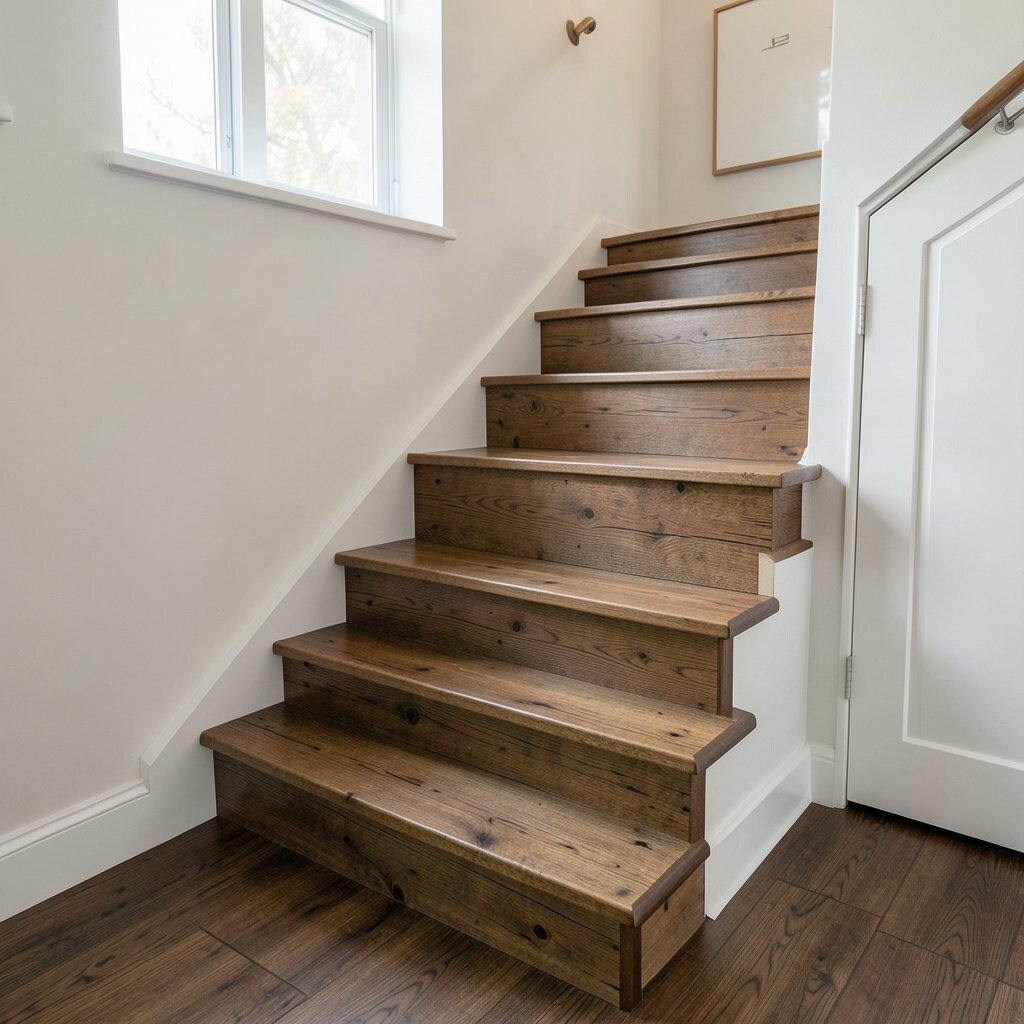
Vinyl plank can be used on stairs in some systems, but transitions are where people often stumble. Edges, nosing, and risers need careful matching so the steps don’t look awkward.
Plan the transition points early and consider using stair tread kits designed for vinyl or LVP. When you add a proper nosing piece, the stairs look finished and feel safer to walk on every day.
11. Pattern Staggering Can Make the Floor Look Custom
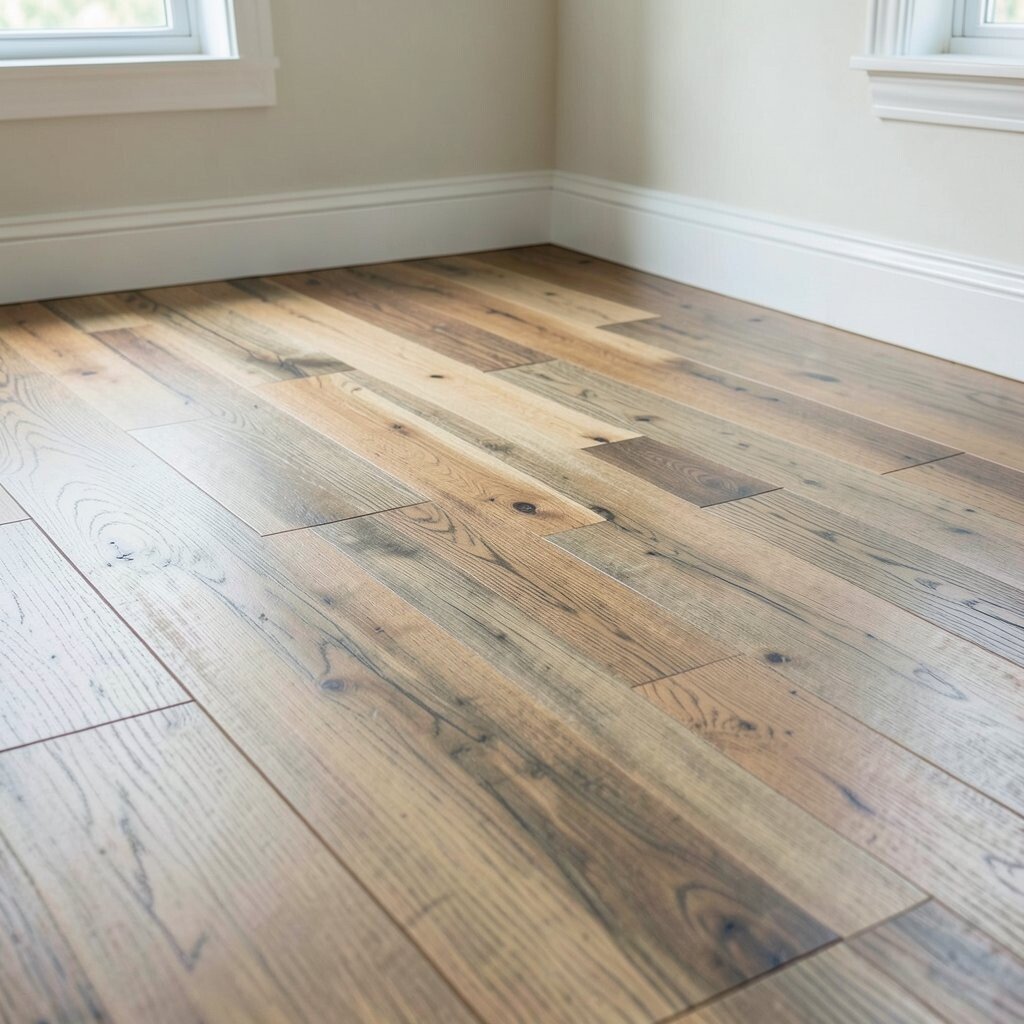
Even if the planks are the same product, how you stagger rows creates a new personality. A random stagger looks relaxed, while a tight repeat can feel too manufactured.
Pick a staggering rhythm that fits your room size, especially if you have large open spaces. When you mix longer and shorter offsets, the floor usually looks more like it came from a skilled installation.
12. Budget-Friendly Planks Can Still Look High-End With Smart Choices

Not every vinyl plank needs to be the most expensive to look beautiful. What matters is the look you love plus the features that protect your lifestyle.
Set your priorities based on your home, like thickness, attached pad, and stain resistance. You can often spend less on visuals that you won’t notice up close, then invest in comfort and wear layers.
Also watch for good sales and seasonal bundles that include accessories. The right underlayment, transition strips, and trim pieces can change the final look more than you might expect.
13. Matching Trim Changes Everything, From Edges to “Crisp” Lines
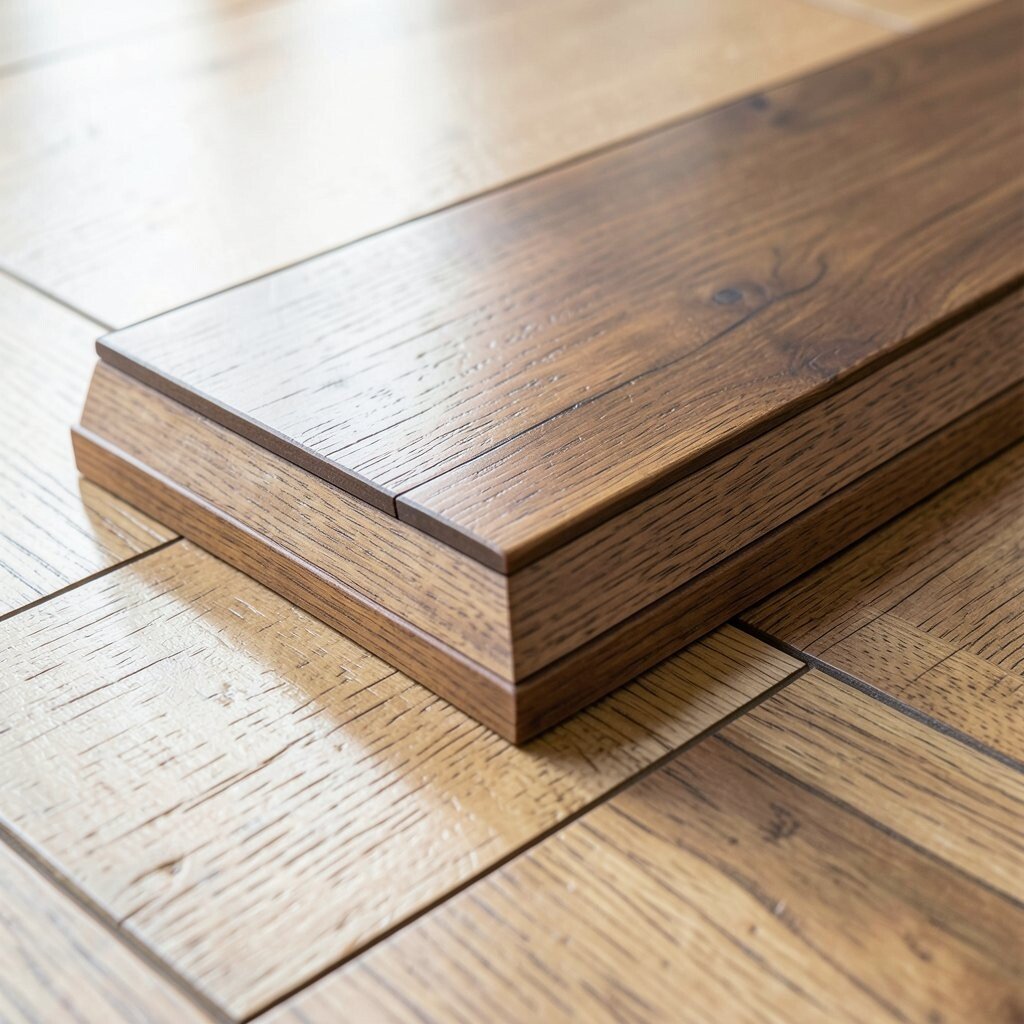
Vinyl plank looks best when the edges are framed neatly. Baseboards, quarter rounds, and transitions can make the floor feel built-in rather than temporary.
Bring your trim pieces into the decision, not just your plank color. If you have warm wood trim, a plank with subtle warmth usually blends better than a plank that looks overly cool.
Use color-matched transitions for doorways and hallways so seams don’t become the star of the room. When edges look clean, the entire floor reads more expensive.
14. Rolling Furniture Is Easier With the Right Finish
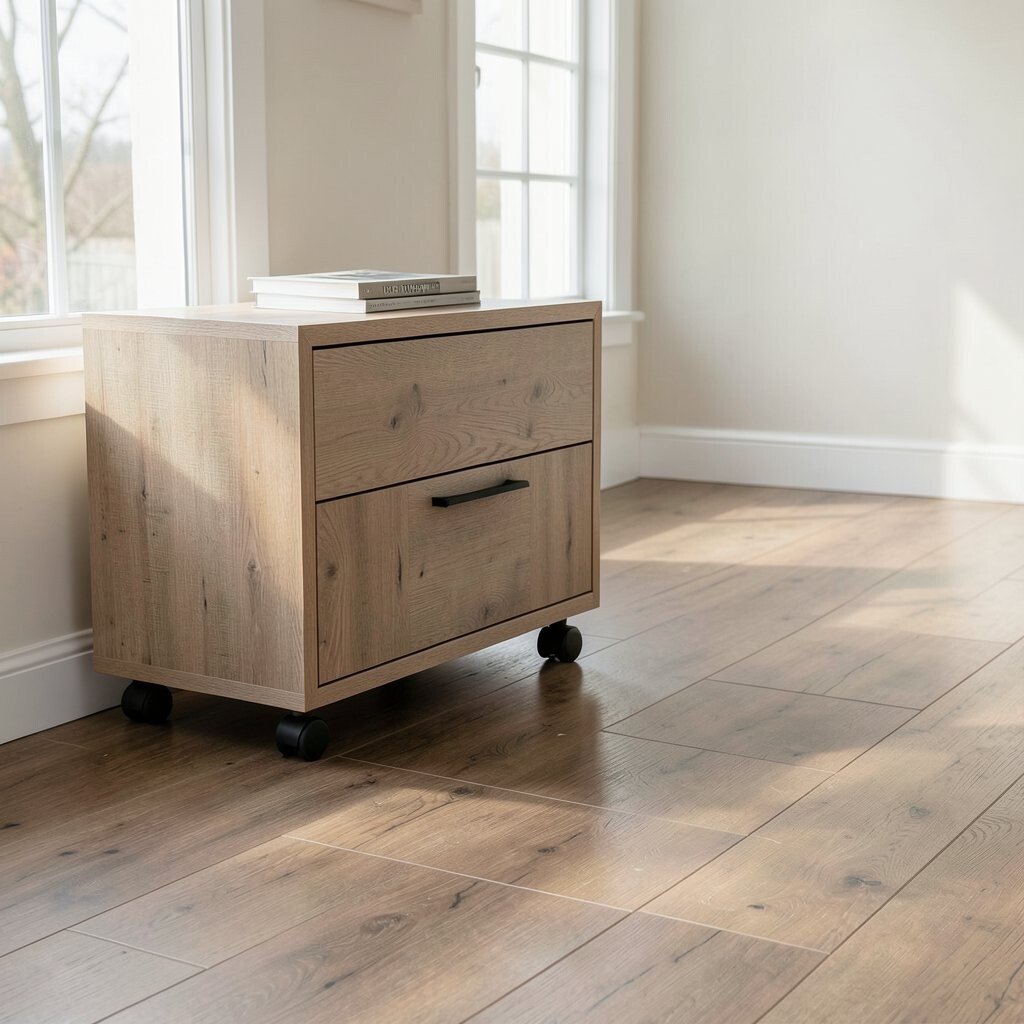
If you use office chairs, rolling carts, or move furniture often, your plank surface matters. Some finishes handle wheels better and shed dirt more easily.
Try a protective felt pad or a chair mat in rolling areas to reduce tiny scratches. You’ll also want to keep grit off the floor because sand-like particles can act like sandpaper on any surface.
15. Small Rooms Benefit From Plank Direction and Layout Tricks
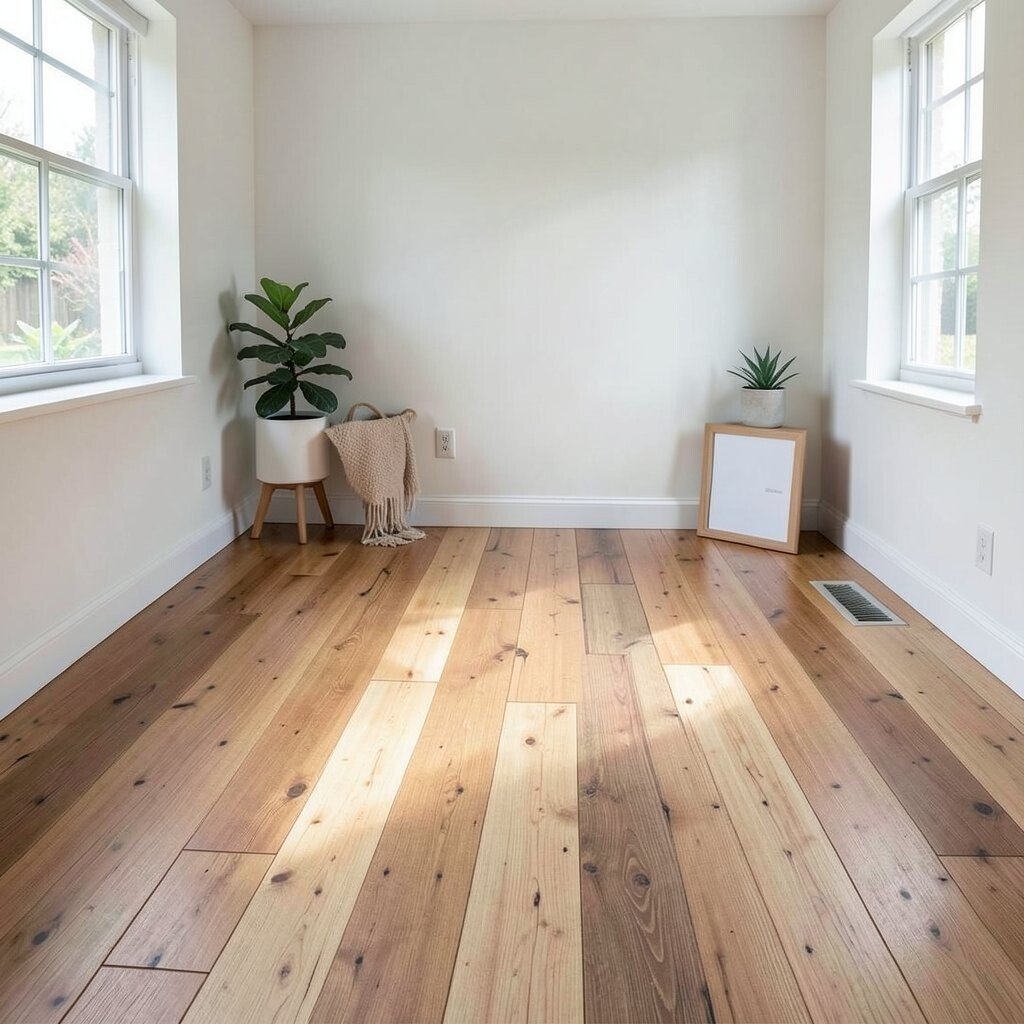
In a small room, plank direction can make the space feel wider or more boxed in. Many people choose the direction of the longest wall, and that often works well visually.
If you want a hallway to feel longer, run planks lengthwise to guide the eye down the path. For rooms with odd corners, try a layout that keeps cuts minimal and seams less noticeable.
Always start with a plan for your first row so you don’t end up with a thin sliver near the far wall. A floor that looks balanced feels more calming, which matters in cozy spaces.
16. Maintenance Is Simple, But Your Tools Make It Better

Vinyl plank cleaning usually stays easy, yet the wrong products can leave streaks or dull shine. Stick to gentle cleaners made for vinyl and use soft tools that won’t scratch.
A microfiber mop helps remove dust without grinding it into the surface. If you use a spray, don’t soak the floor, since extra liquid can seep into edges over time.
For stubborn spots, a careful spot-clean approach works better than aggressive scrubbing. Keeping your routine consistent helps the floor look fresh instead of just “not bad.”
17. Bathroom Use Can Be Great, But Plan the Edges Like a Pro
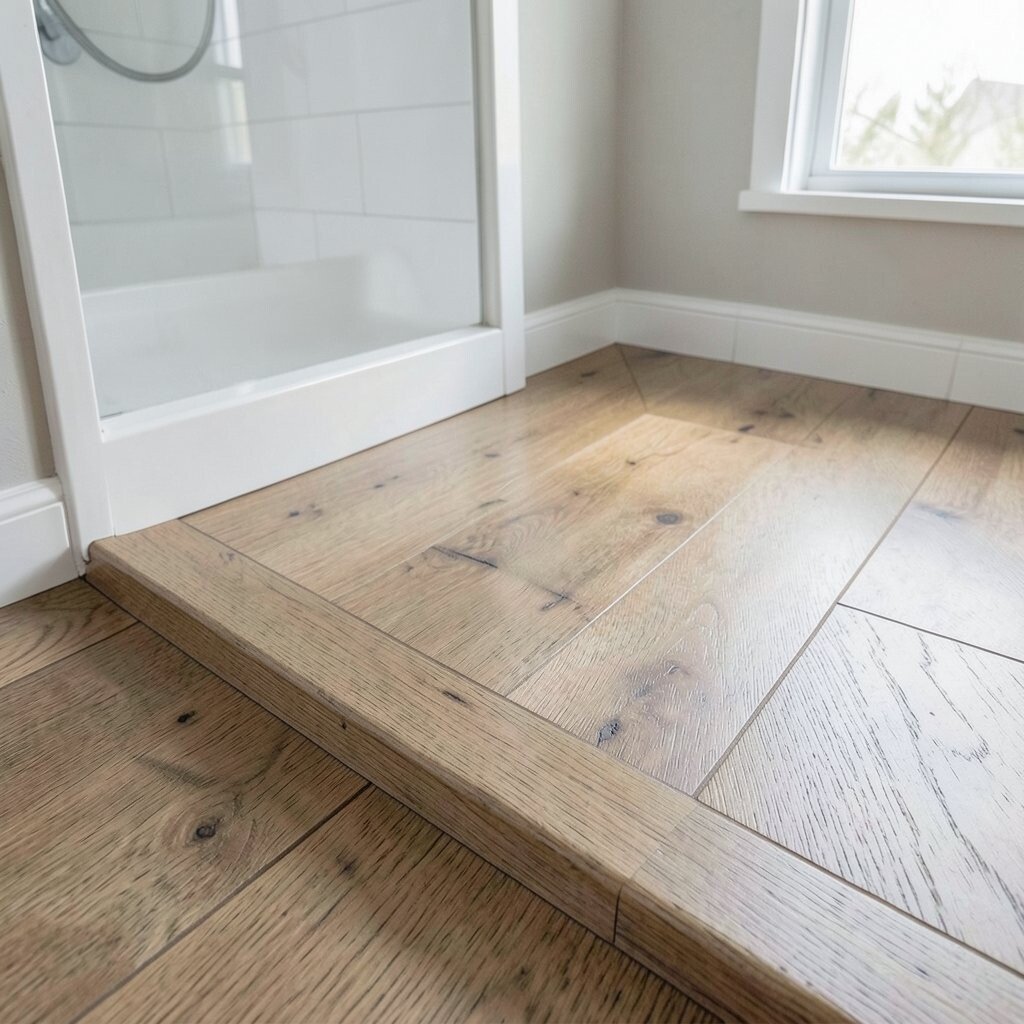
Vinyl plank ideas often include bathrooms because the material resists water. Still, the room details matter most, especially around the toilet, vanity base, and shower-adjacent walls.
Choose planks rated for wet areas and use the right underlayment or sealing system if your product calls for it. Keep water from collecting at transitions and use proper caulk at the places where the floor meets fixed surfaces.
If your bathroom has moisture swings, make sure ventilation is working. A dry room helps prevent odor and keeps the surrounding materials in better shape.
Always follow the manufacturer’s guidance for expansion gaps and edge treatment. That small compliance step is what keeps your floor looking clean and staying secure.
18. Mixed Finishes Can Look Incredible When You Match the Undertones
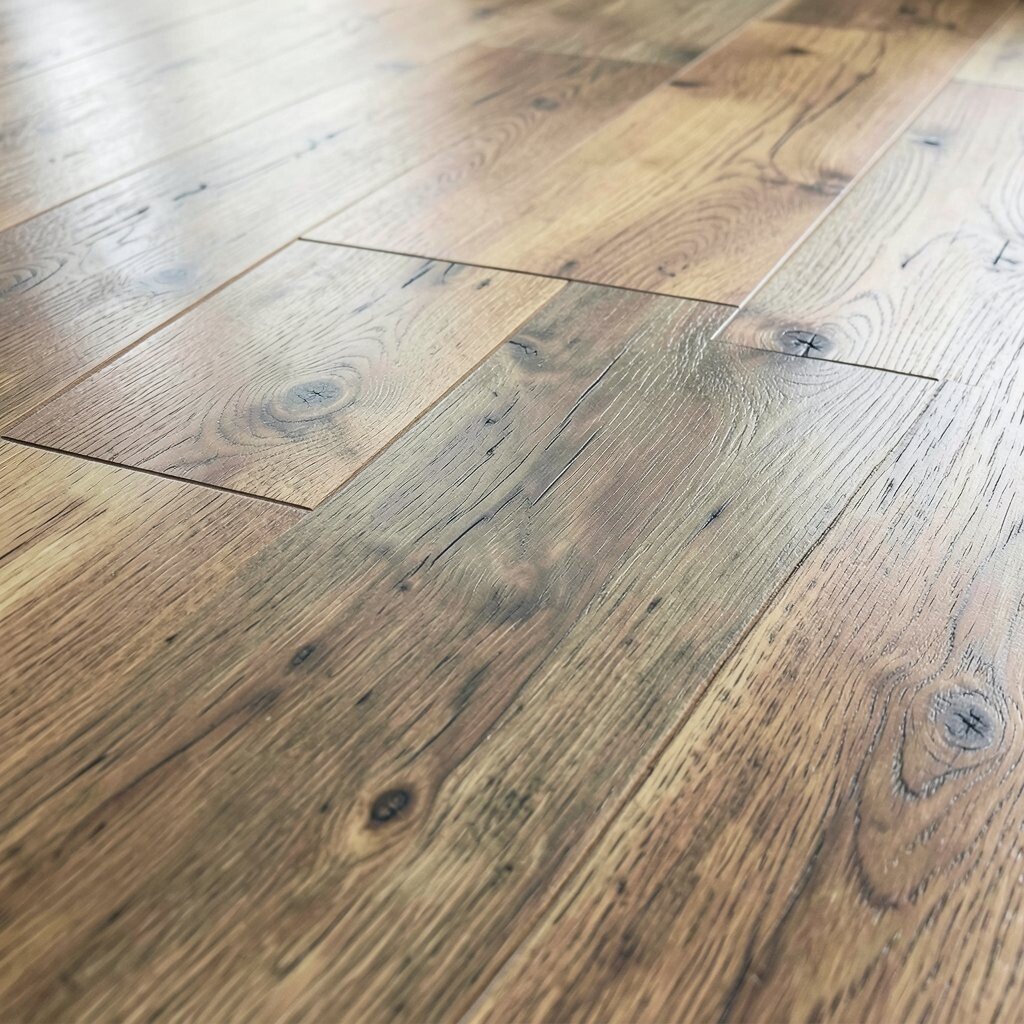
Modern homes often combine wood, metal, stone, and painted surfaces, and vinyl plank can fit right in. The trick is matching undertones, not chasing a perfect color match.
Pair cooler grays with cooler metals like brushed steel, and pair warm planks with brass or warm hardware. When undertones agree, the room feels cohesive even with different materials.
19. Patterned or Mixed-Width Planks Create Instant Personality
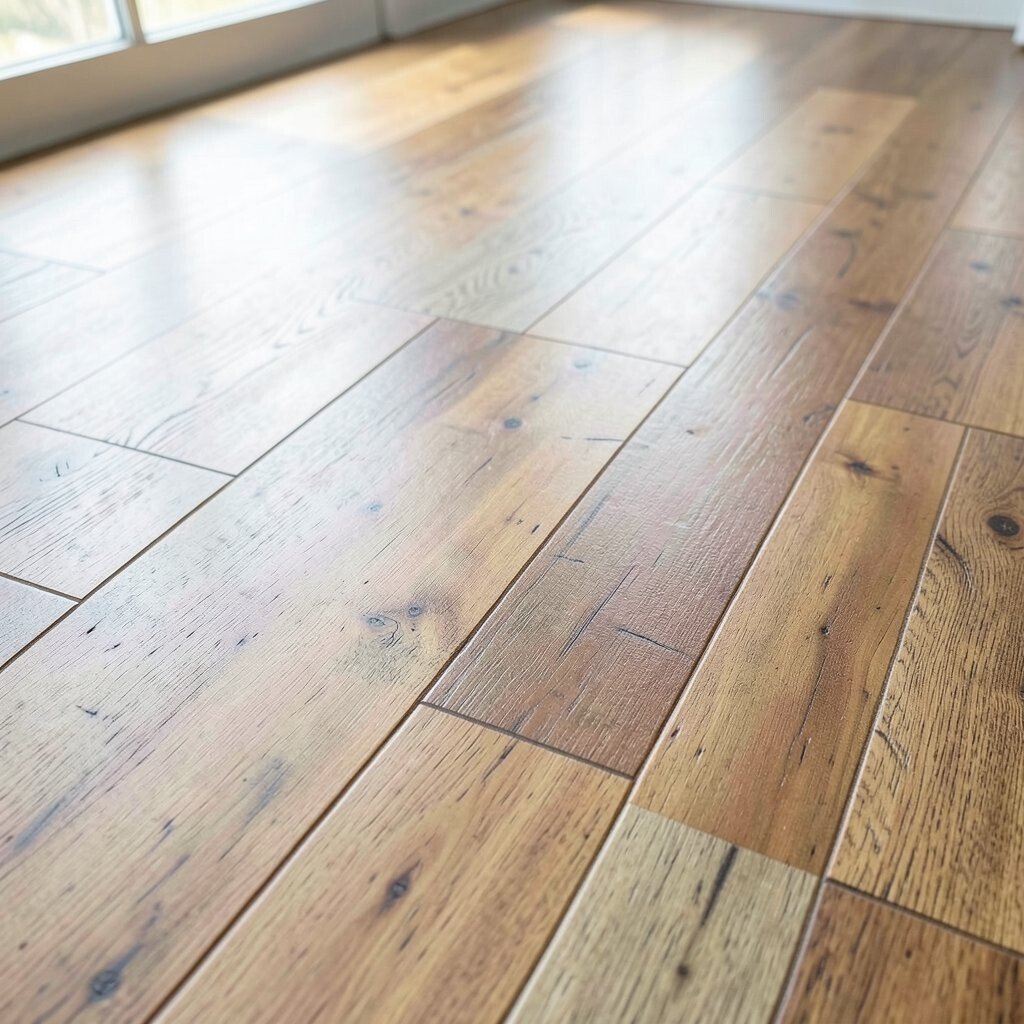
Some vinyl plank ideas use varied widths or subtle painted variation to mimic designer floors. These styles can feel artsy while still being practical for daily life.
If you like a statement, choose a pattern that supports your room, not fights it. A busy kitchen might benefit from calmer plank variation, while a quiet living room can handle more visual energy.
Before buying, check how the pattern looks near your furniture and rug. If your rug is already loud, a simpler plank usually keeps the room comfortable.
20. Acclimation, Handling, and Timing Affect the Final Fit
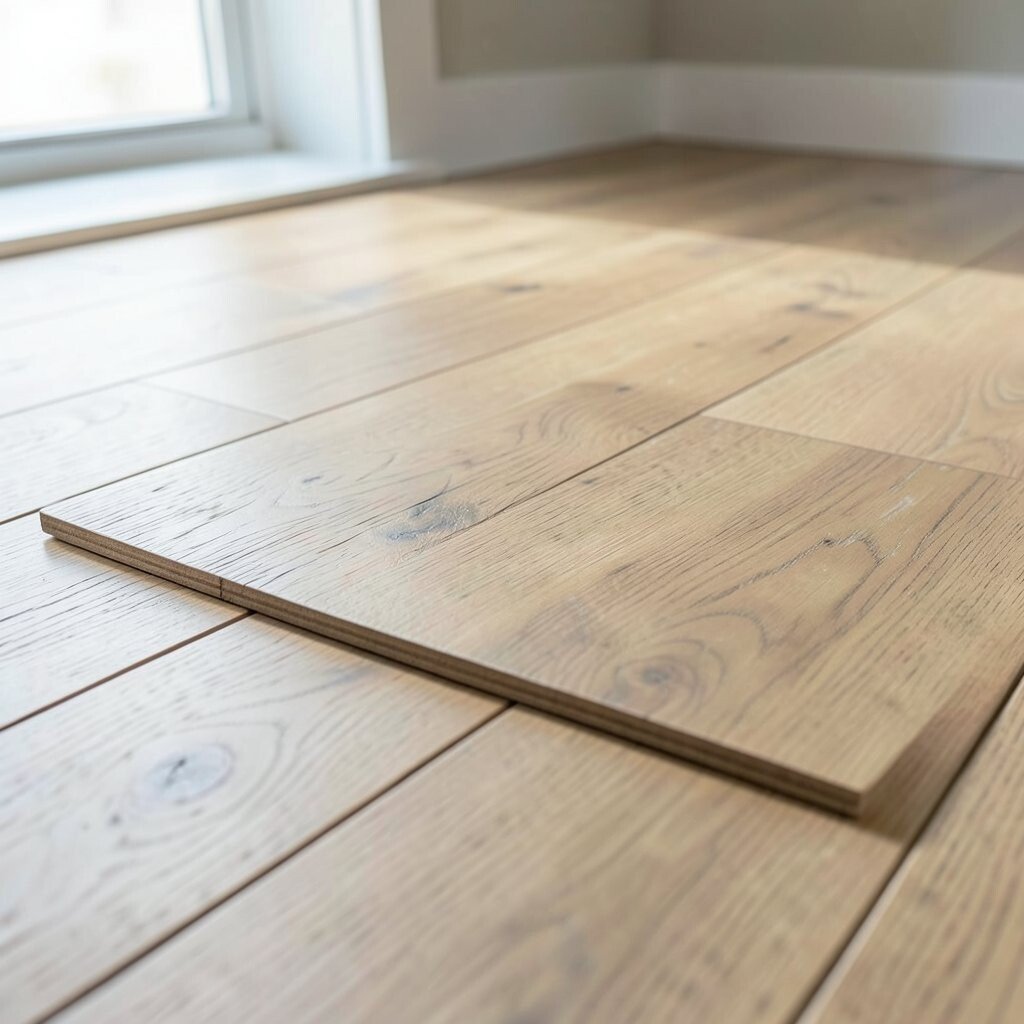
Vinyl plank behaves differently depending on temperature and humidity. If you install it too quickly after bringing it home, you can get expansion or gaps that look wrong.
Store the boxes in the room where you’ll install them for the recommended time, and avoid working in extreme conditions. Handle planks carefully so edges don’t chip or warp before installation, especially around locking joints.
This is one of those details nobody brags about, but it’s why many floors go together smoothly. When the boards are stable, your seams line up better and the floor feels more confident underfoot.
21. The “End Result” Costs More Than the Planks Themselves

When people calculate vinyl plank cost, they often forget the extras that make it look finished. Underlayment, transition strips, leveling materials, and trim can add up quickly.
Plan your full budget by estimating every material that touches the floor. Even small items like blades, adhesives for certain products, or protective floor pads for tools can matter.
To save money without sacrificing quality, shop in stages and compare accessory compatibility with your exact plank. When you budget for the complete system, you avoid mid-project runs to the store and keep the look consistent.
Choose installation upgrades based on your priorities, like better wear layers for busy households or thicker boards for comfort. The smartest spending is often on the parts you’ll feel every day.