Floor tiles can change a room fast. But the best results come from smart planning.
1. Know What the Room Really Needs
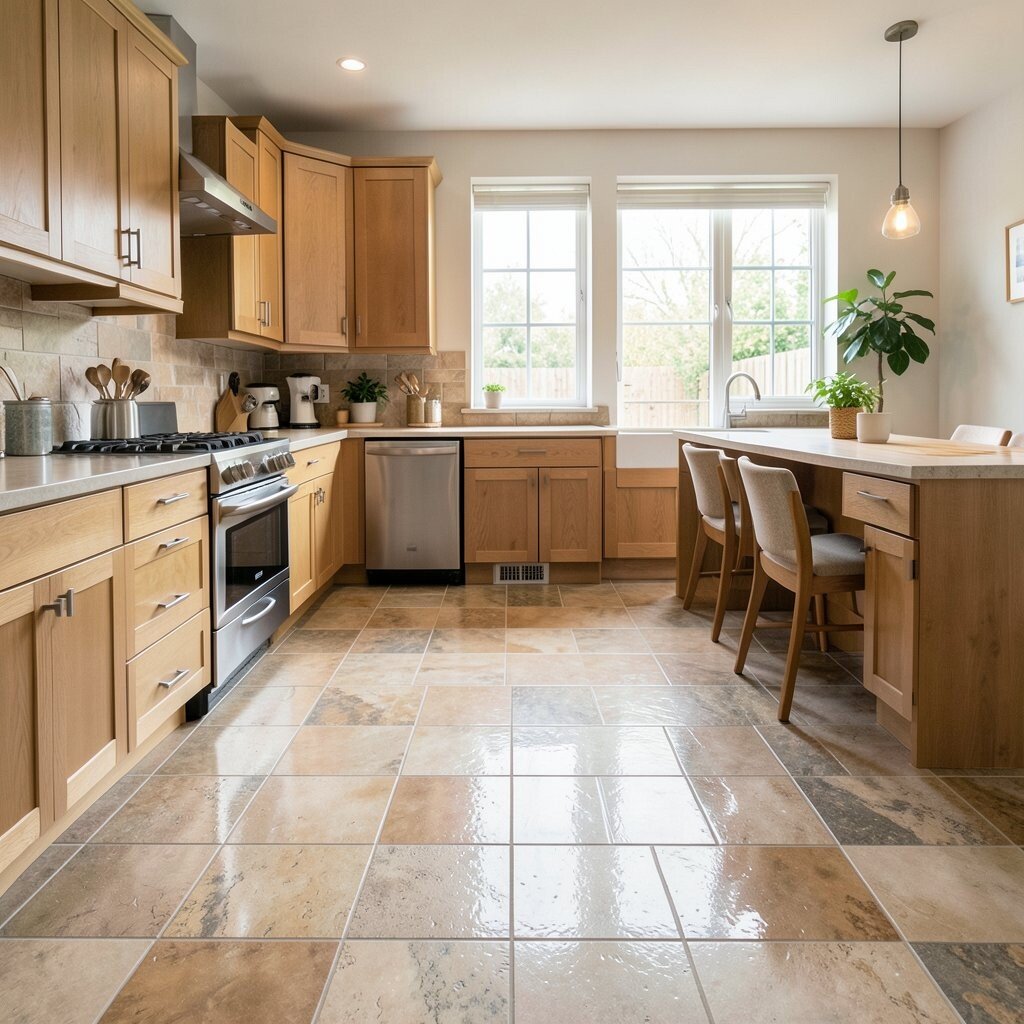
Every room has its own job, and the tile should match it. A busy kitchen needs a different floor than a quiet bedroom.
Think about water, heat, foot traffic, and how much mess the space gets. A shiny tile may look lovely in a photo, but a softer matte finish can feel safer and easier to live with. If you want a cozy look, warm stone tones or wood-look tiles can make the room feel calm and welcoming.
2. Pick a Tile Style That Fits Your Home
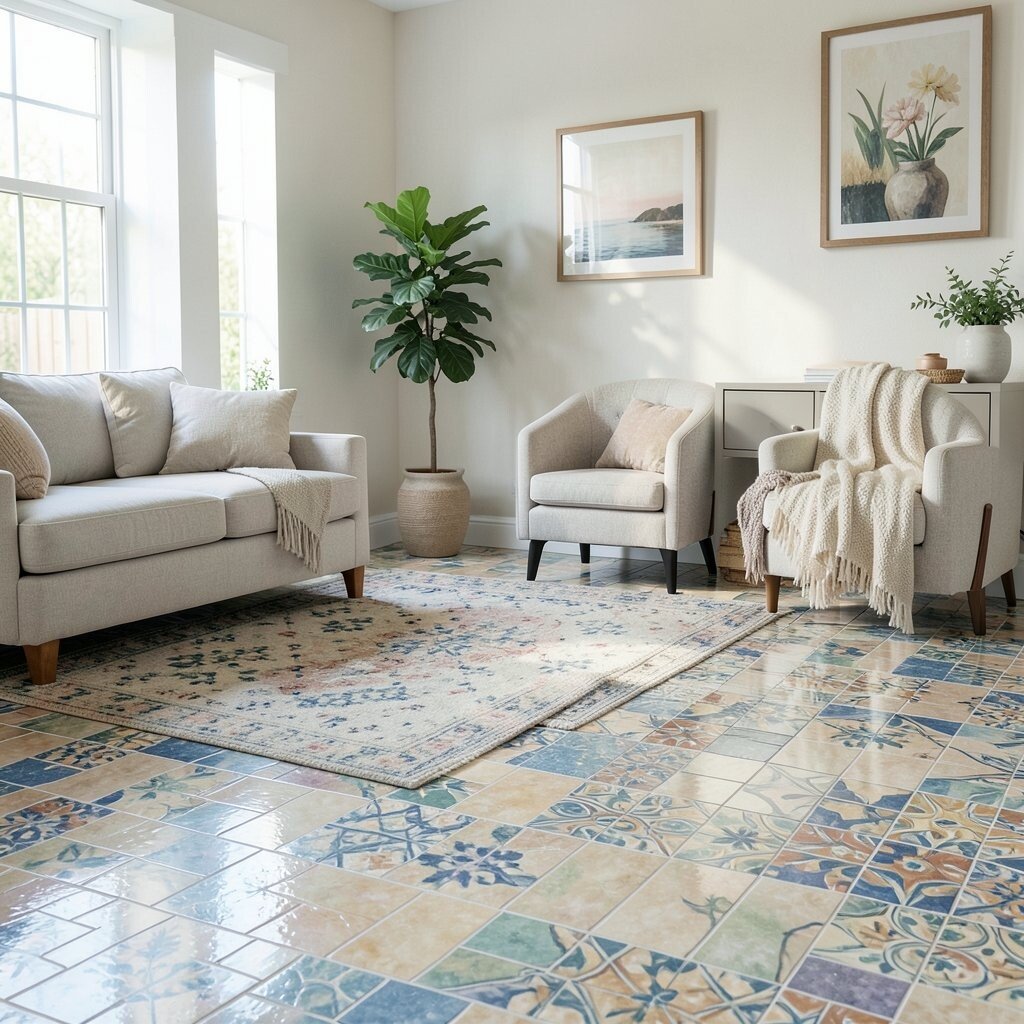
Tile style shapes the whole mood of a room. Big tiles can make a small space feel open, while tiny tiles can add charm and pattern.
Glossy tiles give a clean, bright look, while textured tiles add grip and character. Neutral shades are popular because they work with many furniture styles, but bold colors can make a floor feel playful and unique. If you want the space to feel more personal, choose a pattern or color that repeats in your rugs, wall art, or cabinets.
Current trends include stone looks, handmade-style edges, and soft natural colors. These styles feel fresh without looking too loud. They also age well, which can help the room stay pretty for years.
3. Measure Carefully Before You Buy
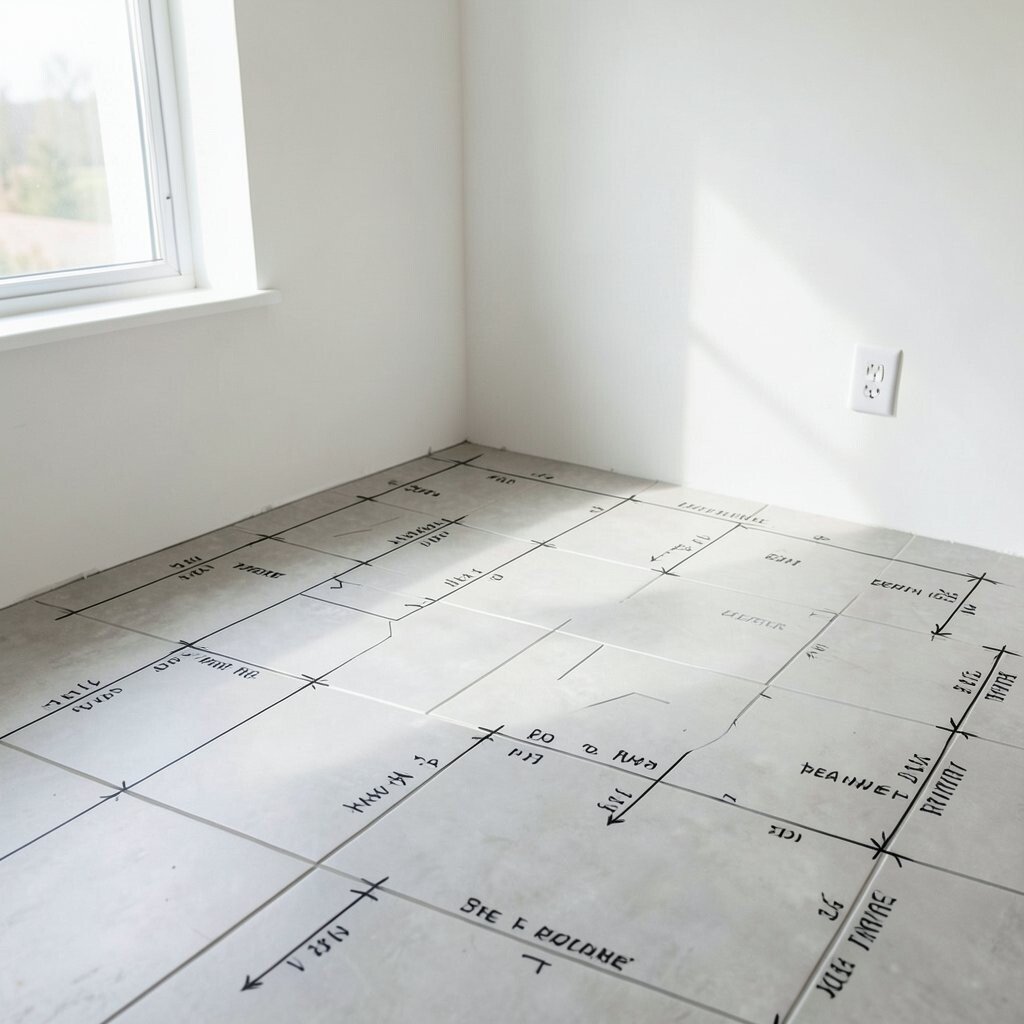
Good measurements save money and stress. A floor that seems simple can still need extra tile for cuts, mistakes, and future repairs.
Measure the room more than once and write everything down. It helps to sketch the space and mark corners, closets, and odd-shaped spots. When you shop, ask for extra boxes so the color and batch match if you need more later.
Tile prices can vary a lot, so exact counts matter. Buying too little can delay the job, and buying too much can waste cash. A little planning now can keep the whole project on track.
4. Check the Floor Underneath
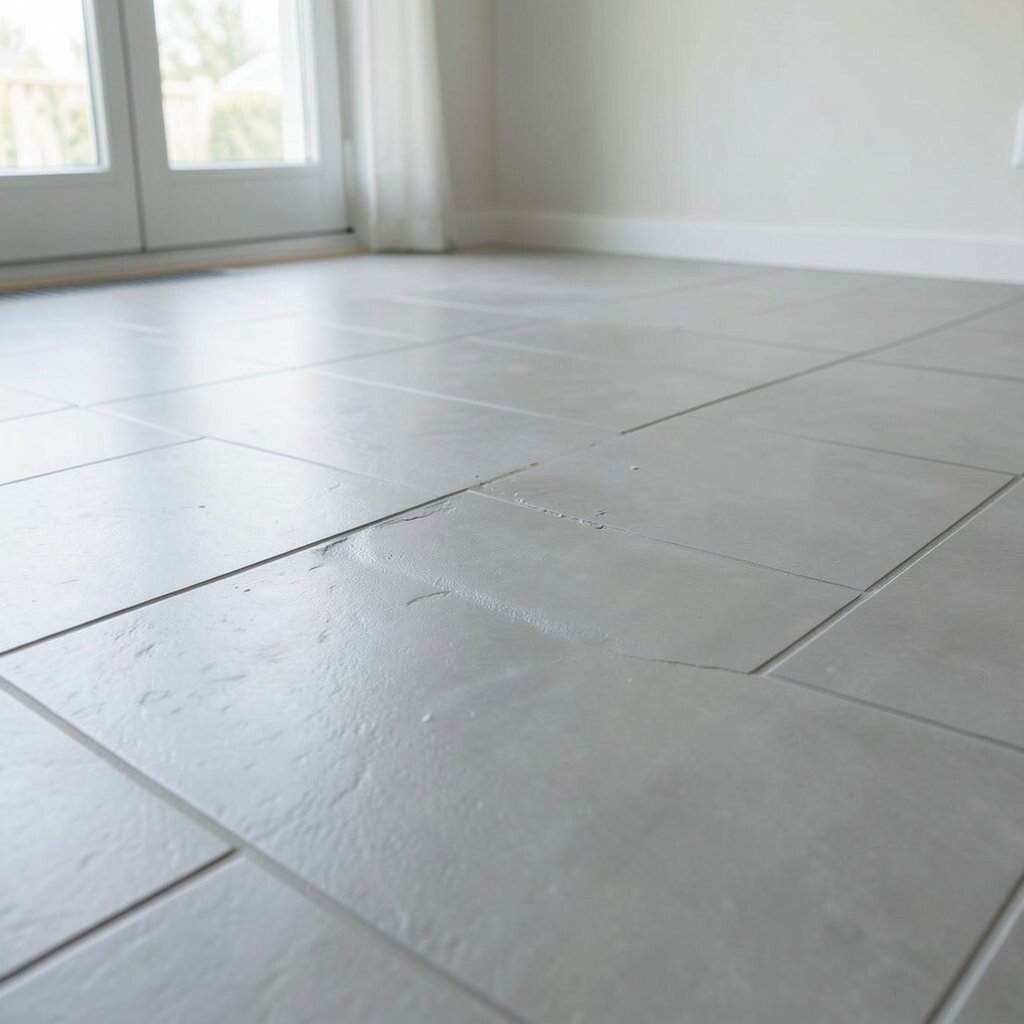
The surface below the tile matters just as much as the tile itself. If the base is weak or uneven, the finished floor can crack or feel bumpy.
Look for dips, soft spots, old glue, and loose boards. A smooth, solid base helps the tile sit flat and last longer. If the subfloor needs repair, fix it before any tile goes down.
This step can add to the cost, but it protects your investment. It also helps the room look neat and professional. A strong base is one of the best ways to make tile feel high-end.
5. Choose the Right Tile Material
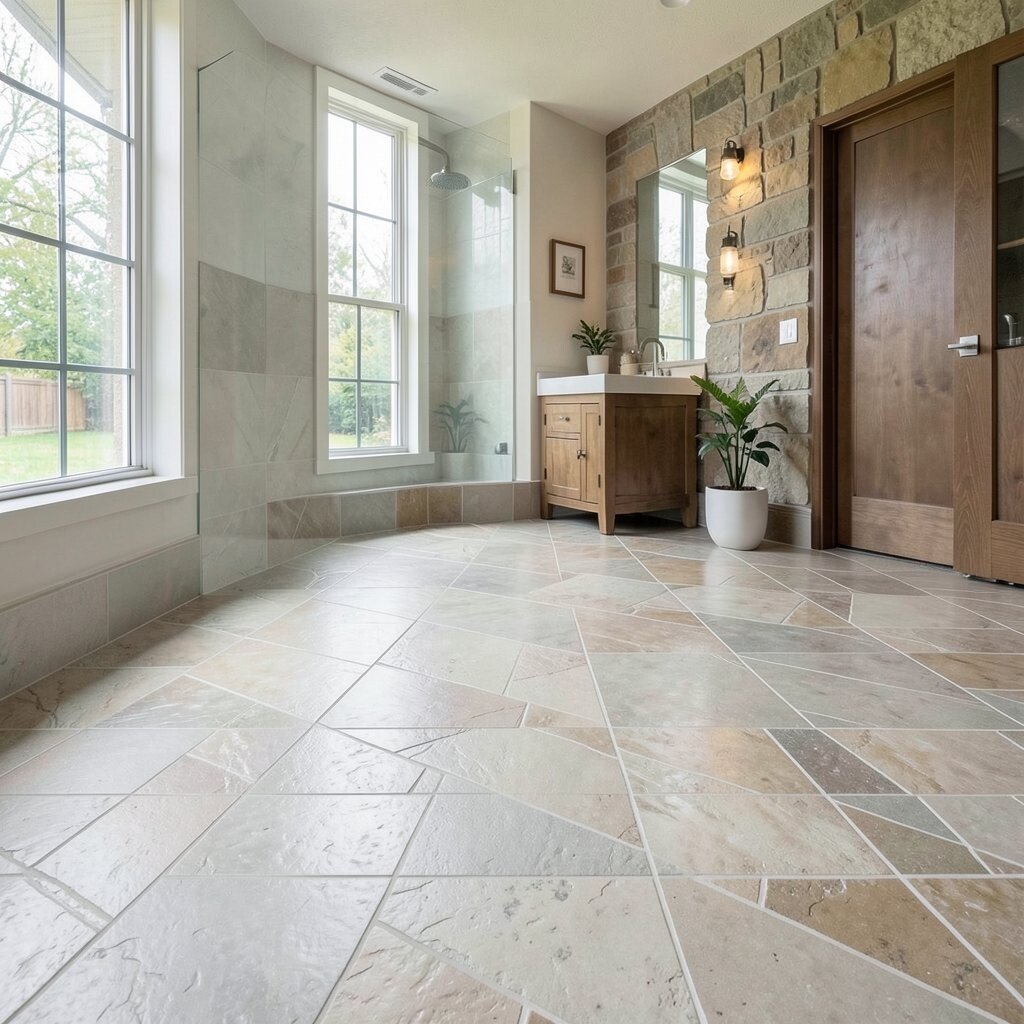
Not all tiles are built the same, and that changes how they look and work. Ceramic, porcelain, stone, and glass all bring a different feel to the room.
Porcelain is tough and often a top pick for busy homes. Ceramic can be easier on the budget and still look beautiful. Natural stone has a rich, one-of-a-kind look, but it may need more care and sealing.
If you want a custom feel, mix material styles in a way that suits your home. A stone-look porcelain tile can give you the charm of stone with less upkeep. That balance is a big reason many people choose it today.
6. Think About Tile Size and Shape

Tile size changes the whole look of the floor. Large tiles can make a room feel calm and open, while smaller tiles can add detail and movement.
Long plank tiles are very popular because they look like wood and feel modern. Square tiles give a classic look that works in many homes. If you want something special, hexagon or herringbone shapes can make the floor feel artistic.
Shapes also affect the cost of labor. Some layouts need more cuts and more time, which can raise the price. Pick a style that fits both your taste and your budget.
7. Plan the Layout Before Any Tile Is Set
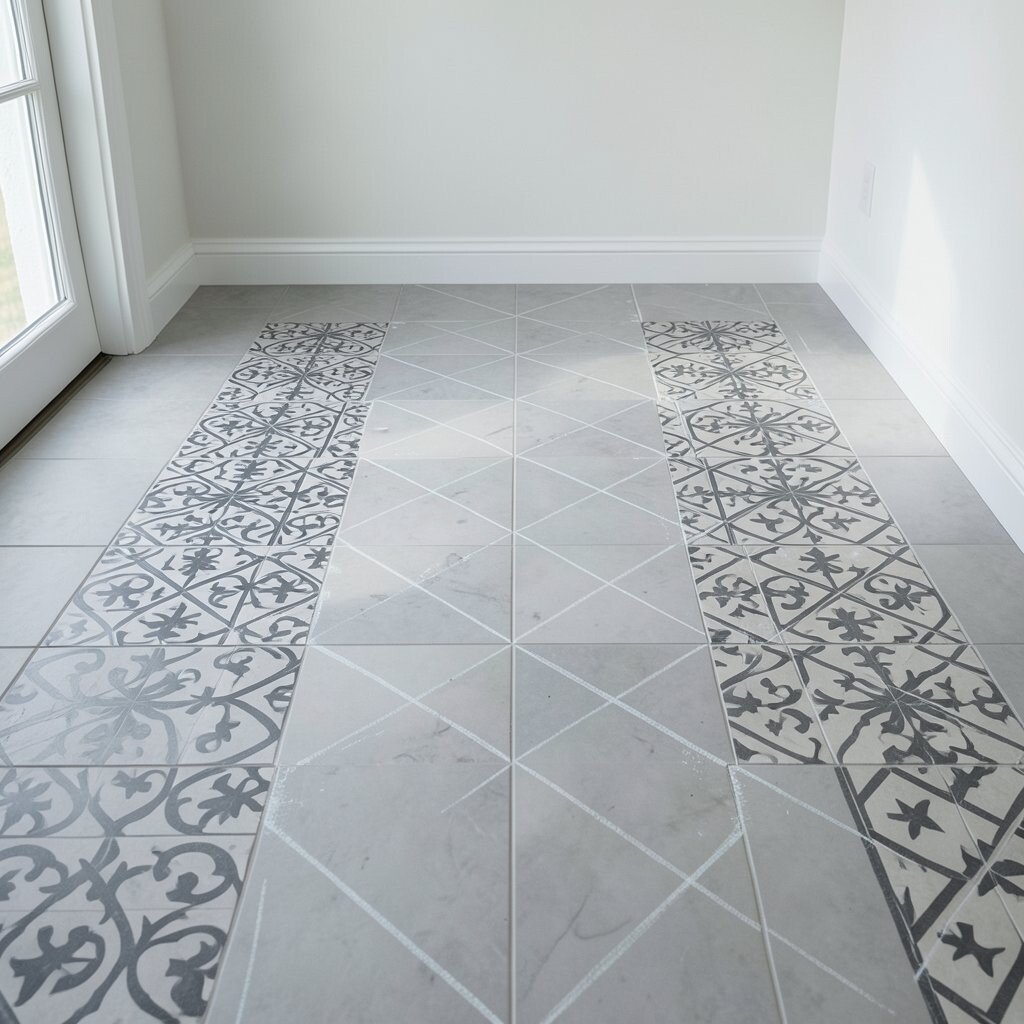
A floor looks best when the layout is thought out ahead of time. A rushed start can leave tiny slivers of tile at the edges, and those can look awkward.
Dry-lay a few tiles or mark the room with chalk lines. This helps you see where the cuts will land and how the pattern will flow. It also lets you center the design so the room feels balanced.
Some people like a straight grid for a neat look, while others prefer diagonal lines for more energy. Patterned layouts can feel bold and personal, but they may need more skill. A good layout makes even simple tile look special.
8. Pay Attention to Color and Light
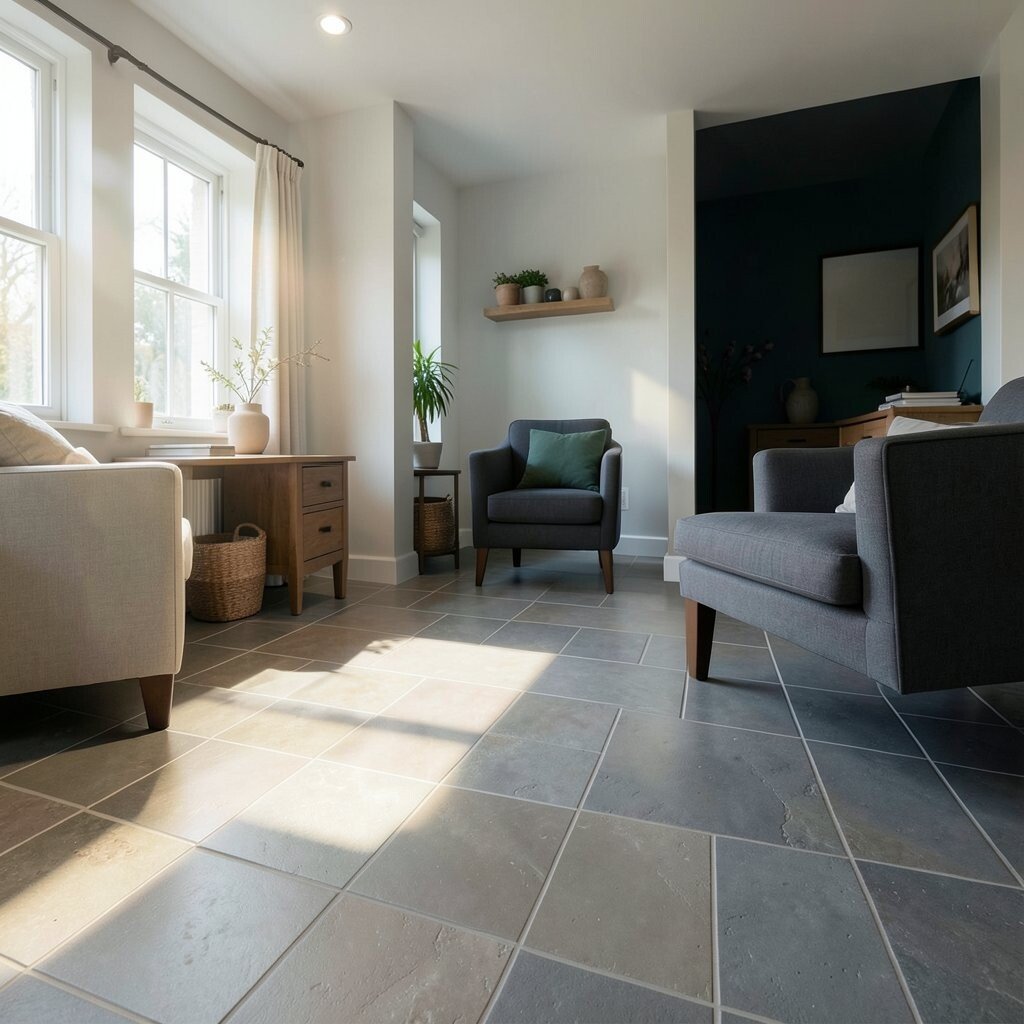
Tile color changes with the light in the room. A shade that looks soft in a store can look brighter or darker at home.
Bring samples into the room and look at them in morning light, afternoon light, and at night. This small step can save you from a color that feels wrong once it is on the floor. Light tiles can brighten a dark room, while deeper tones can hide dirt and add drama.
If you want a warm and welcoming space, try beige, sand, or soft gray. For a more striking look, charcoal, navy, or green can feel rich and modern. The best color is the one that fits your furniture, walls, and daily life.
9. Don’t Skip the Grout Plan
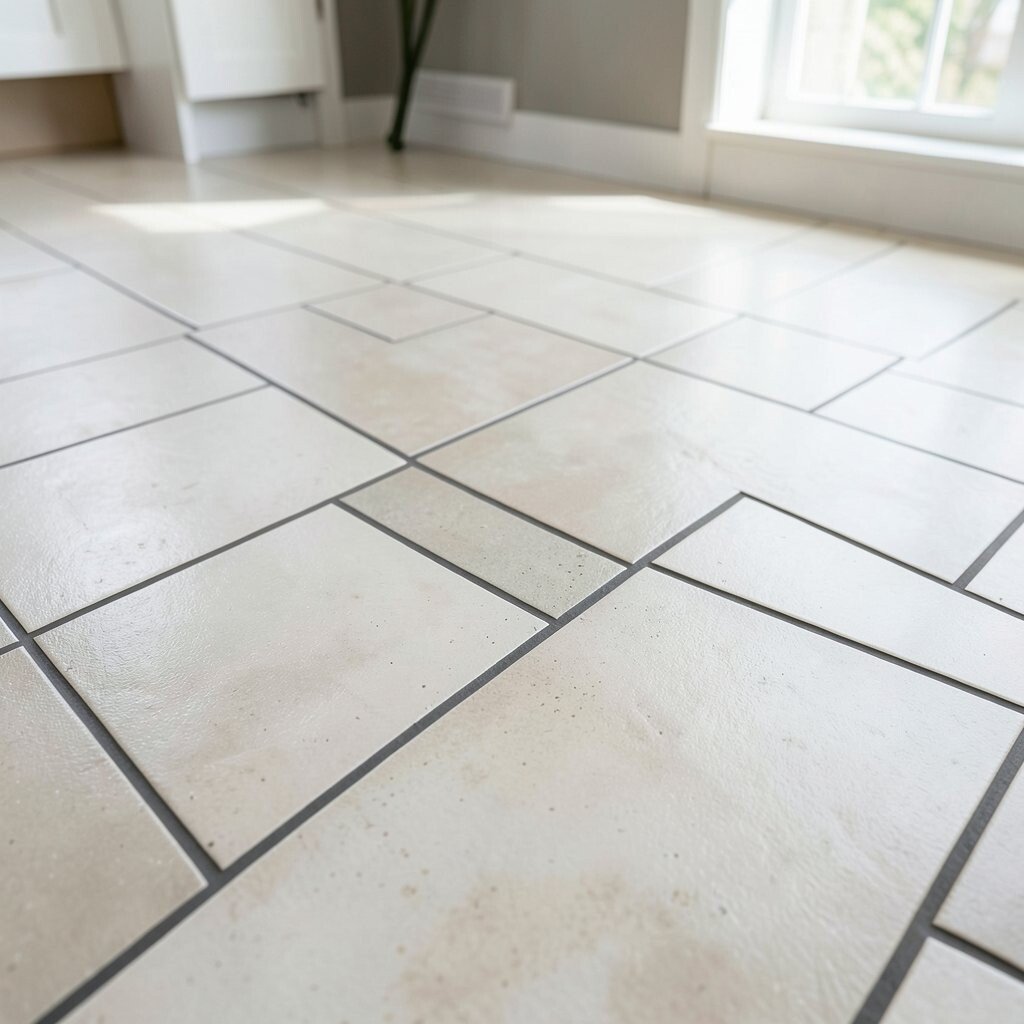
Grout is a small detail with a big impact. It changes both the look and the care of the floor.
Light grout can make tile lines stand out, while dark grout can create a smoother, bolder look. Wider grout lines may give a handmade feel, and thinner lines often feel more polished. The choice should match the tile style and the mood you want.
Grout color can also help with cleaning. In busy rooms, a mid-tone grout often hides stains better than bright white. If you want a custom touch, match the grout to the tile or use contrast for a more graphic style.
10. Make Safety Part of the Design
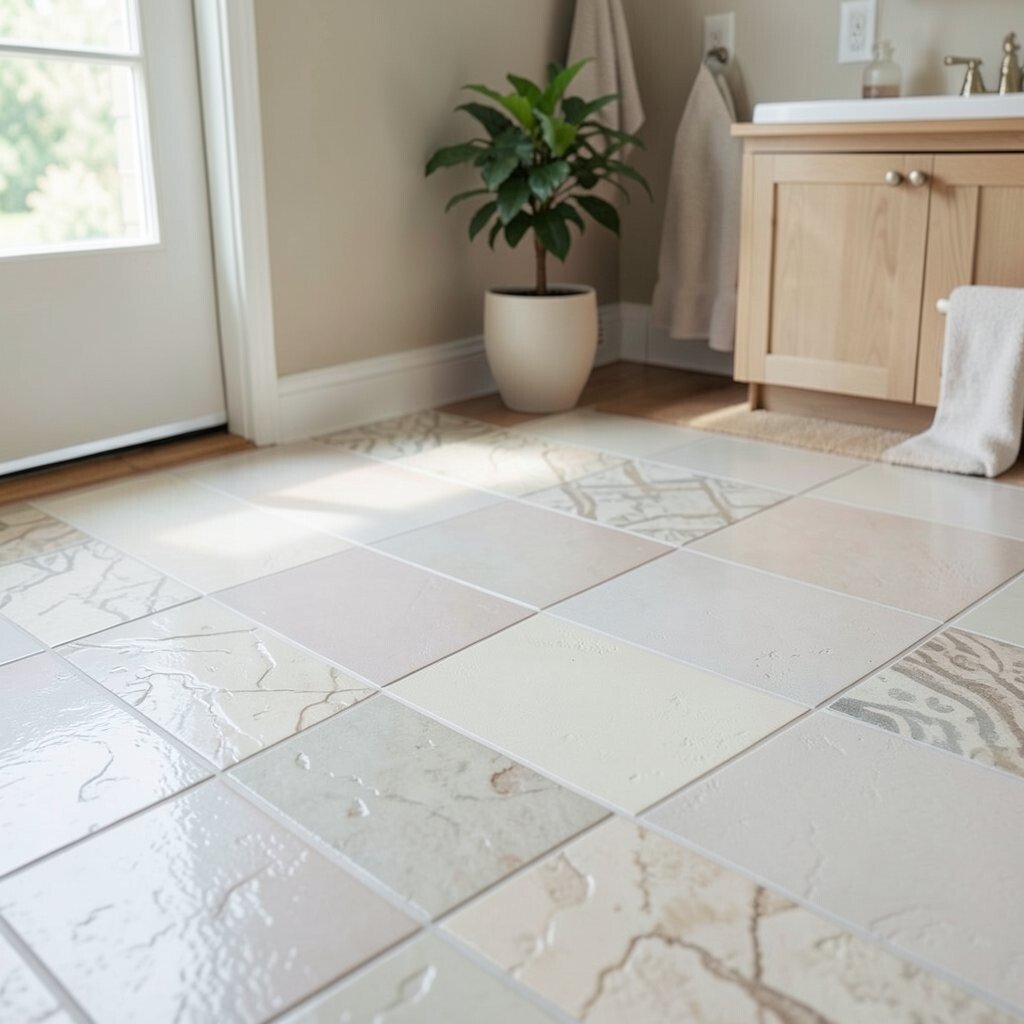
A pretty floor should still feel safe under your feet. Slippery tile can be a problem in kitchens, baths, and entryways.
Look for slip resistance, especially if the room may get wet. Textured or matte tiles can give better grip than very shiny ones. This is a smart choice for homes with kids, older adults, or pets.
Safety features do not have to look plain. Many modern tiles blend good grip with stylish color and pattern. That means you can keep the room attractive while making it easier to walk on.
11. Think About Comfort Underfoot
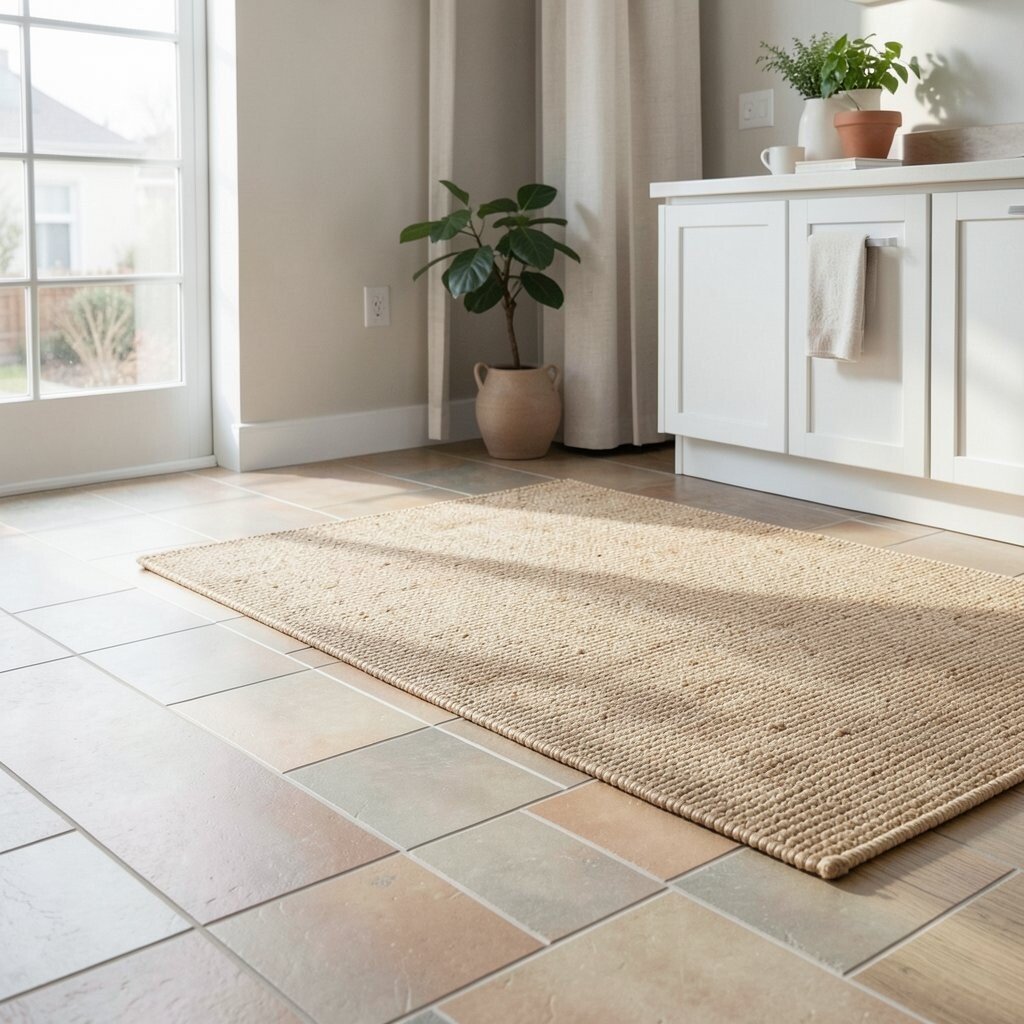
Tile can feel cool and hard, which is nice in hot weather but less cozy in winter. The feel underfoot matters if you stand in the room for long periods.
Kitchen workers often like tile because it is easy to clean, but they may also want rugs or cushioned mats. In colder spaces, radiant heat under tile can make a big difference. These comfort choices can raise the cost a bit, but they can also make daily life much nicer.
If you want a softer feeling, choose a tile with a warmer tone or pair it with a woven rug. Wood-look tile can bring a gentle, homey mood without the care that real wood needs. That mix of comfort and style is a big reason it stays so popular.
12. Compare Installation Costs, Not Just Tile Prices
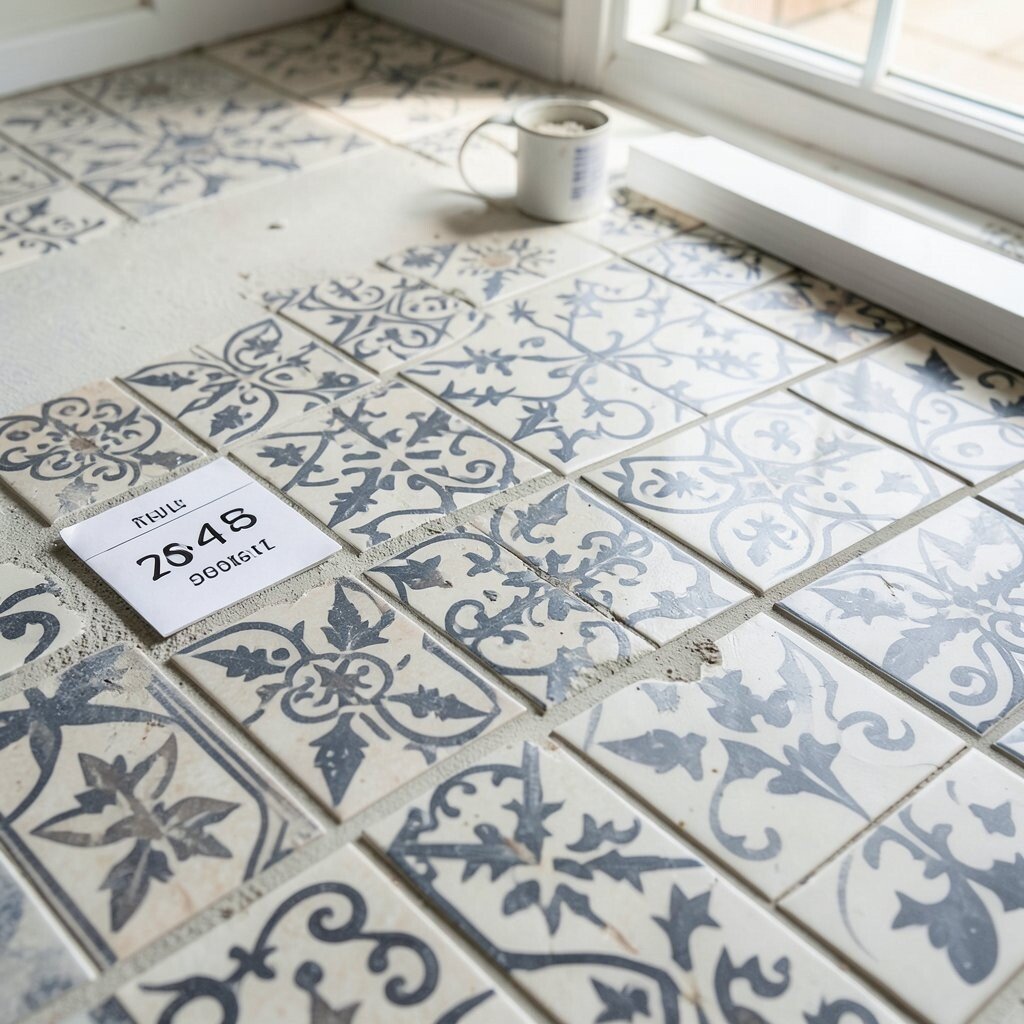
The price tag on the tile is only part of the full cost. Glue, grout, tools, underlayment, and labor can add up fast.
Some tile styles are easy to install, while others need more time and skill. Fancy patterns, small pieces, and uneven surfaces can raise labor costs. If you are hiring help, ask for a full quote so there are no surprises.
It helps to set aside extra money for waste and repairs. A budget with room for surprises feels safer and less stressful. Smart shopping can still leave space for a beautiful result.
13. Match the Tile to Your Lifestyle
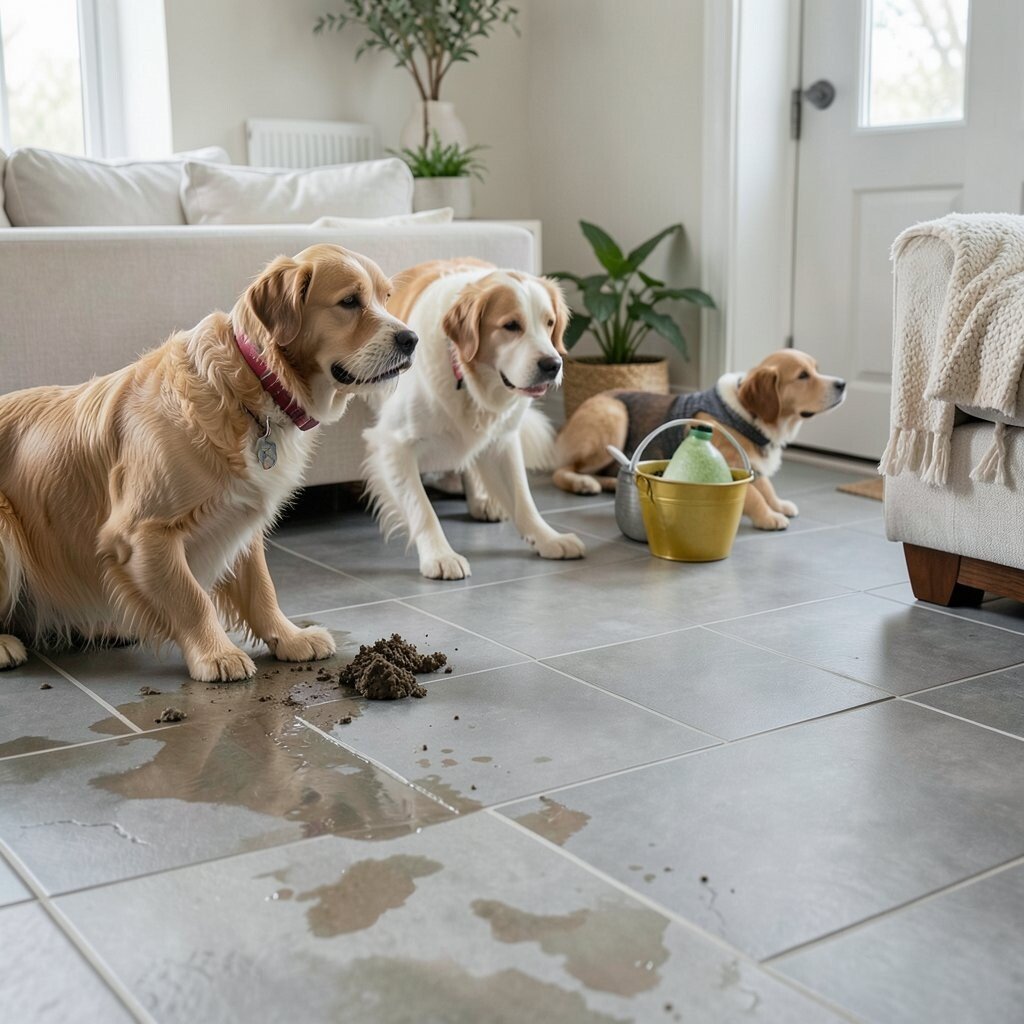
Your daily habits should guide your tile choice. A family with pets, spills, and muddy shoes needs a floor that can handle real life.
Busy homes often do best with strong, easy-care tile in medium shades. If the room is more formal, you can choose a more delicate look without worrying as much about wear. Personal style matters, but it should work with the way you live.
Think about cleaning time, too. Some tiles need sealing or special care, while others are simple to wipe down. The easiest floor is often the one that fits your routine best.
14. Ask How the Tile Will Age
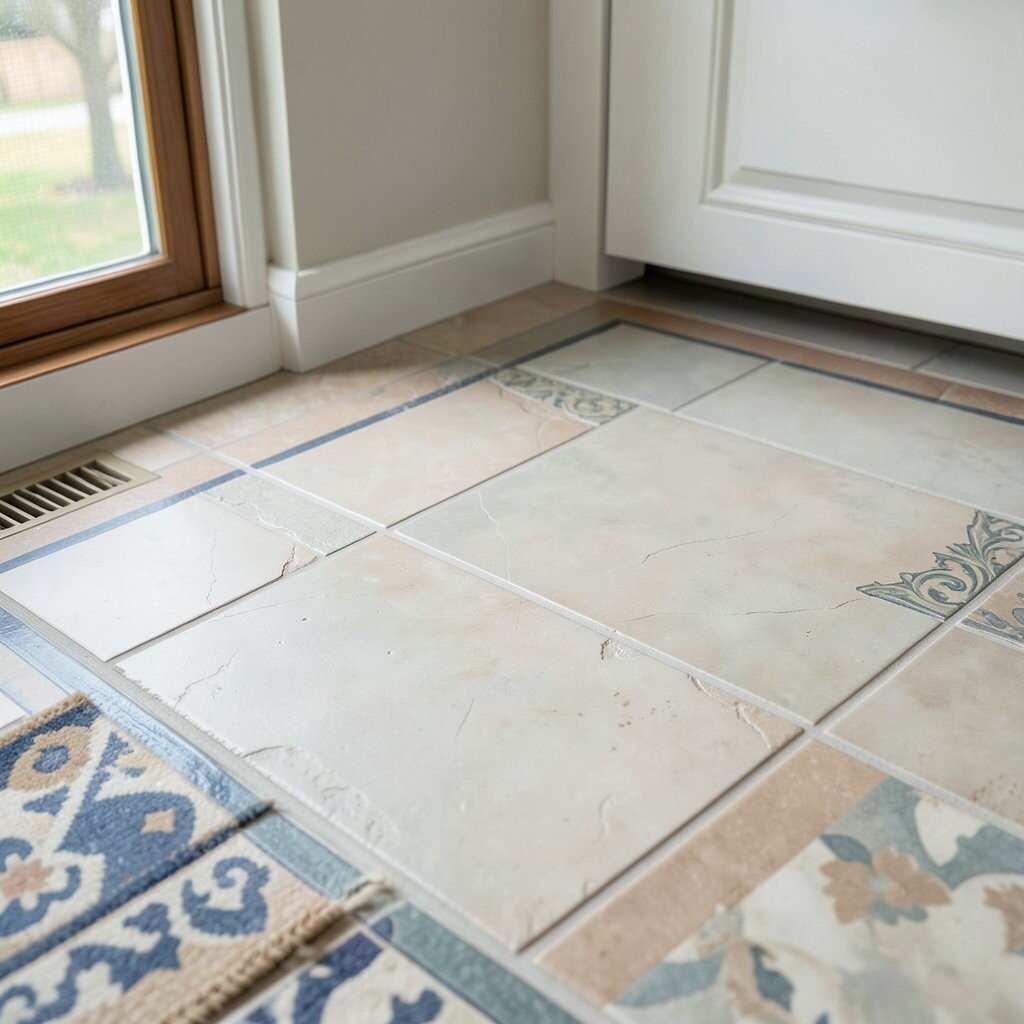
A floor should look good now and later. Some tiles age with charm, while others show scratches, chips, or fading more quickly.
Matte finishes often hide small marks better than glossy ones. Textured tiles can also mask wear in active rooms. If you want a floor that stays stylish for a long time, choose a look that feels calm and classic instead of too trendy.
Still, trends can be fun when used in small ways. A bold border, a patterned entry, or a unique color can add personality without taking over the whole house. That balance keeps the floor feeling fresh and lasting.
15. Decide Who Will Install It
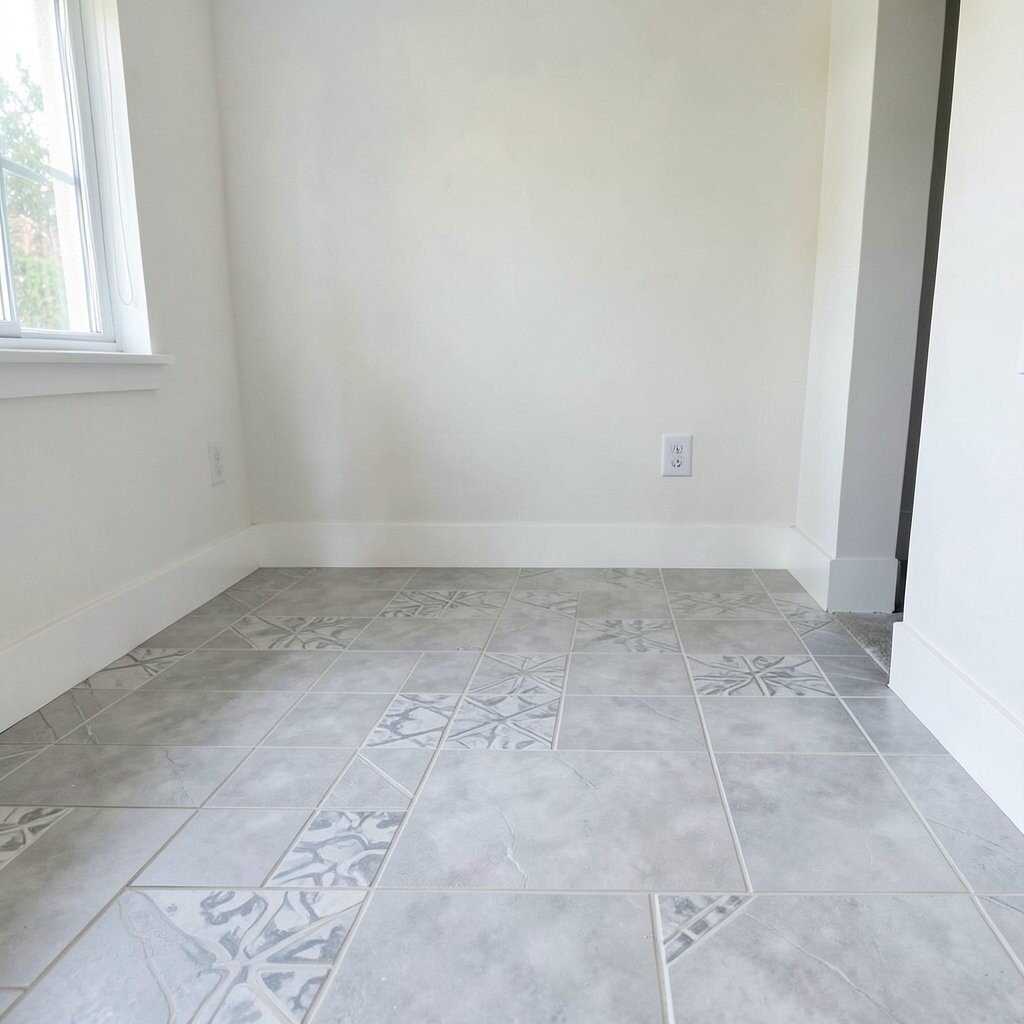
Some tile jobs are simple enough for a skilled do-it-yourself project. Others need an expert hand to make sure the lines stay straight and the floor stays strong.
If the room is small and simple, doing it yourself may save money. If the layout is tricky, hiring a pro can prevent wasted tile and costly mistakes. It is smart to compare your skill level with the job before you begin.
A good installer can also help with layout, pattern choices, and problem spots. That advice can be worth the price, especially in rooms where water or heavy use is a concern. A clean install often makes the whole room look more polished.
16. Save a Few Extra Tiles for the Future

Extra tile may seem like a small thing, but it can be a lifesaver later. If one tile cracks or a section needs repair, matching the old tile can be hard.
Keep a box or two after the job is done. Store it in a dry place with the label showing the style and batch number. This simple habit can save money and stress years from now.
It also helps if you want to expand the room or make a small fix. Having matching tile on hand keeps the floor looking neat and seamless. That little backup plan is one of the smartest parts of the whole project.