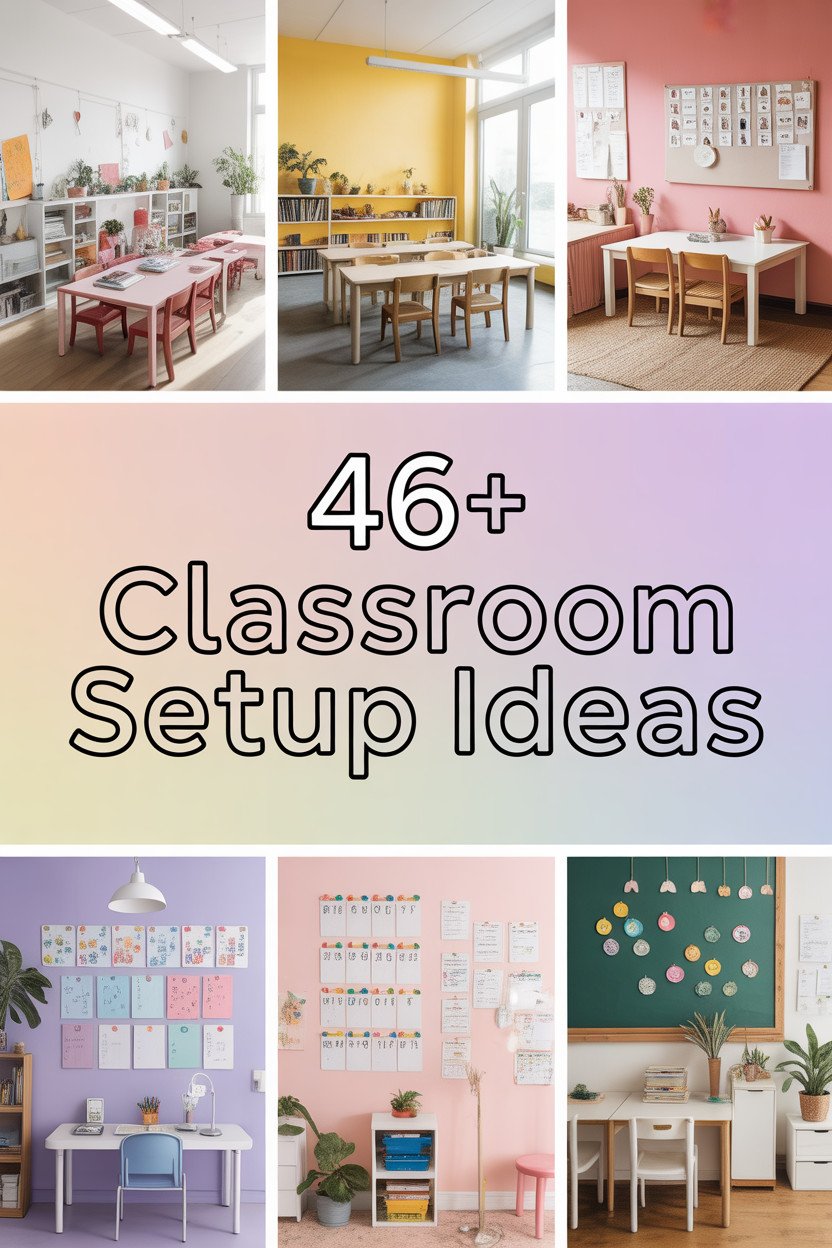
Imagine a room full of vibrant colors and endless possibilities. A place where ideas flow freely and creativity knows no bounds. Step inside this world of inspiration and see how simple changes can make a big difference.
1. Cozy Reading Nook
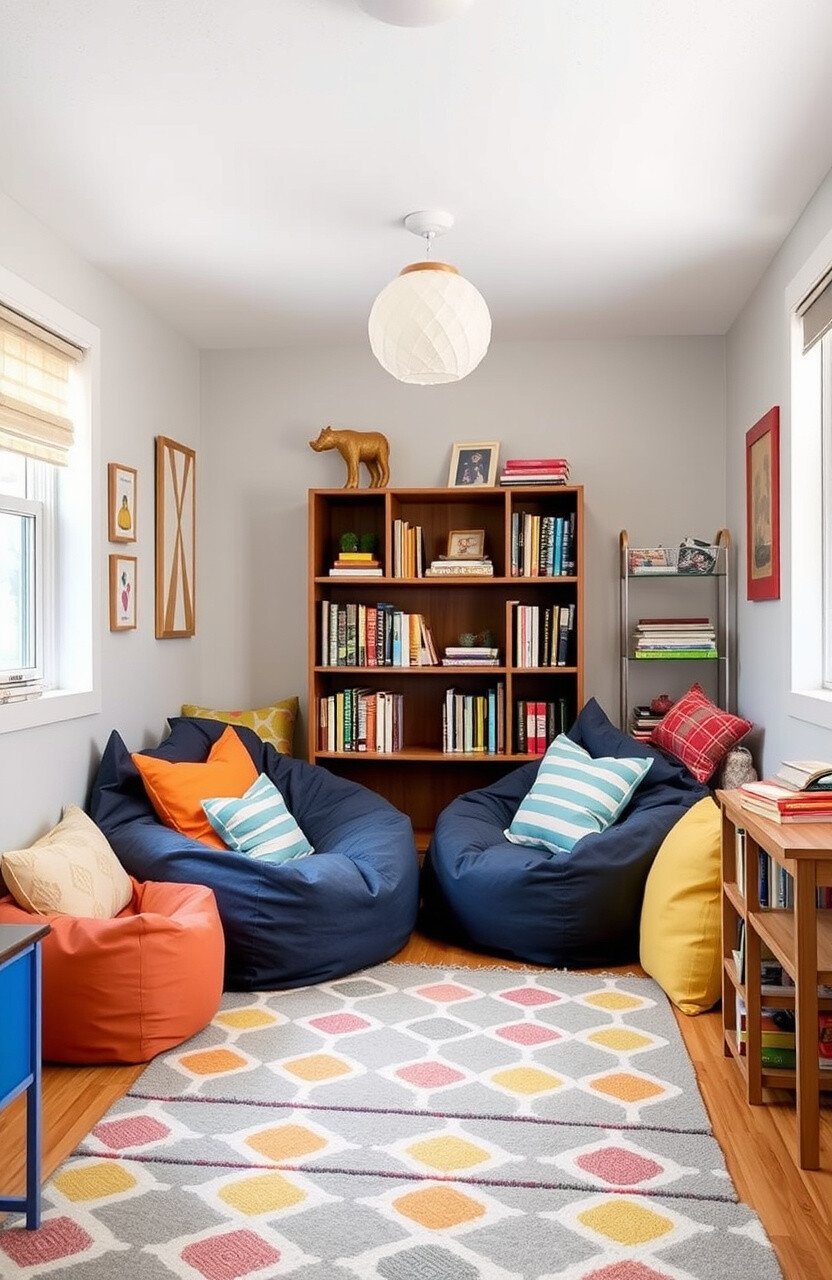
Picture a corner filled with bean bags and soft pillows. It’s like a mini escape for kids who love books.
This setup encourages a love for reading. It’s a cozy spot where imagination can run wild.
Use bright colors for the pillows to add a splash of fun. Personalize it with a small bookshelf.
Cost can be minimal with DIY pillows and thrifted books. It’s a small investment for huge creativity returns.
2. Art Gallery Wall
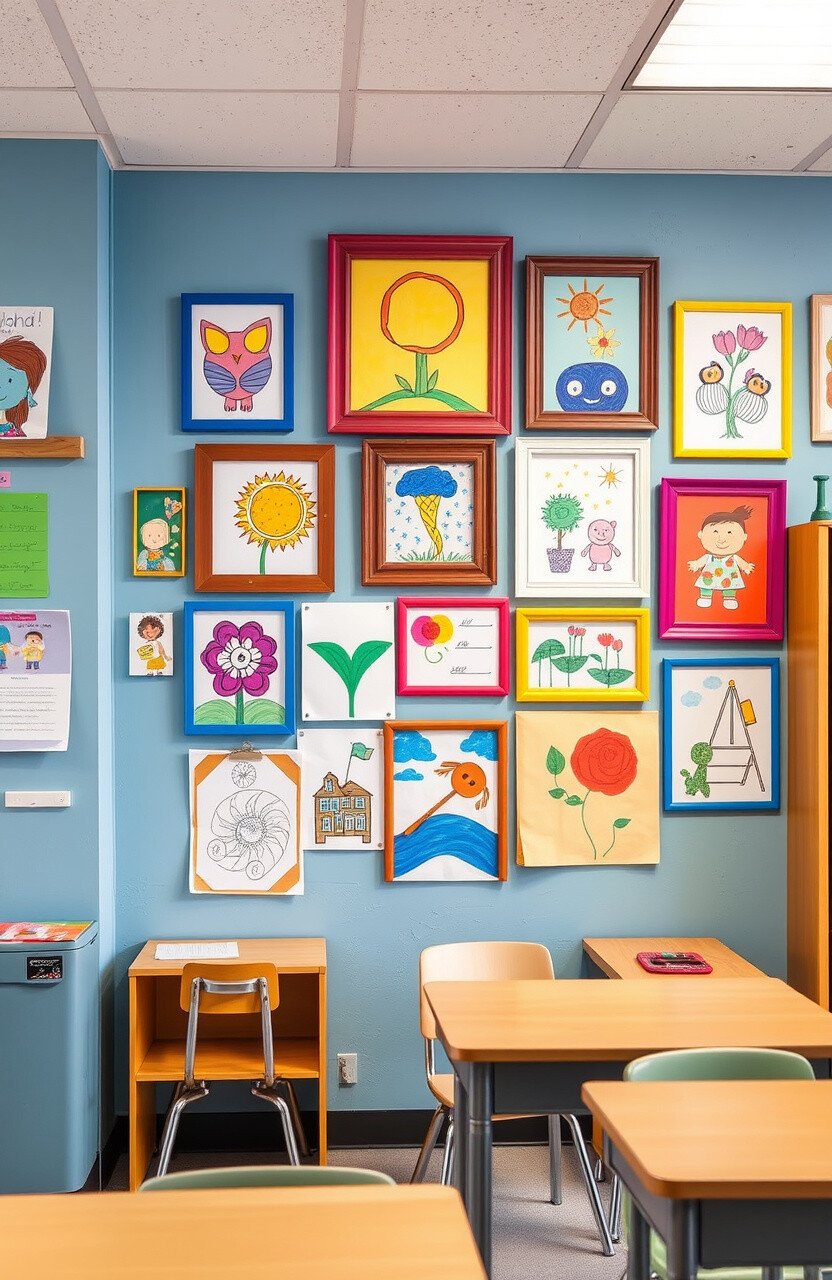
Display student artwork on a dedicated wall. It turns the classroom into a vibrant gallery.
Kids feel proud seeing their art on display. It sparks creativity and motivation for future projects.
Use colorful frames or washi tape for a fun border. Change the artwork regularly to keep it fresh.
This idea is budget-friendly. Frames or tape can be reused, keeping costs low.
3. Flexible Seating

Incorporate a mix of seating options like yoga balls, stools, and floor cushions. Kids love having choices.
This setup promotes comfort and focus. It accommodates different learning styles effortlessly.
Encourage students to try different spots each day. It keeps the classroom dynamic and engaging.
Consider thrift shopping for seating options. This keeps the cost manageable and fun.
4. Nature-Inspired Space
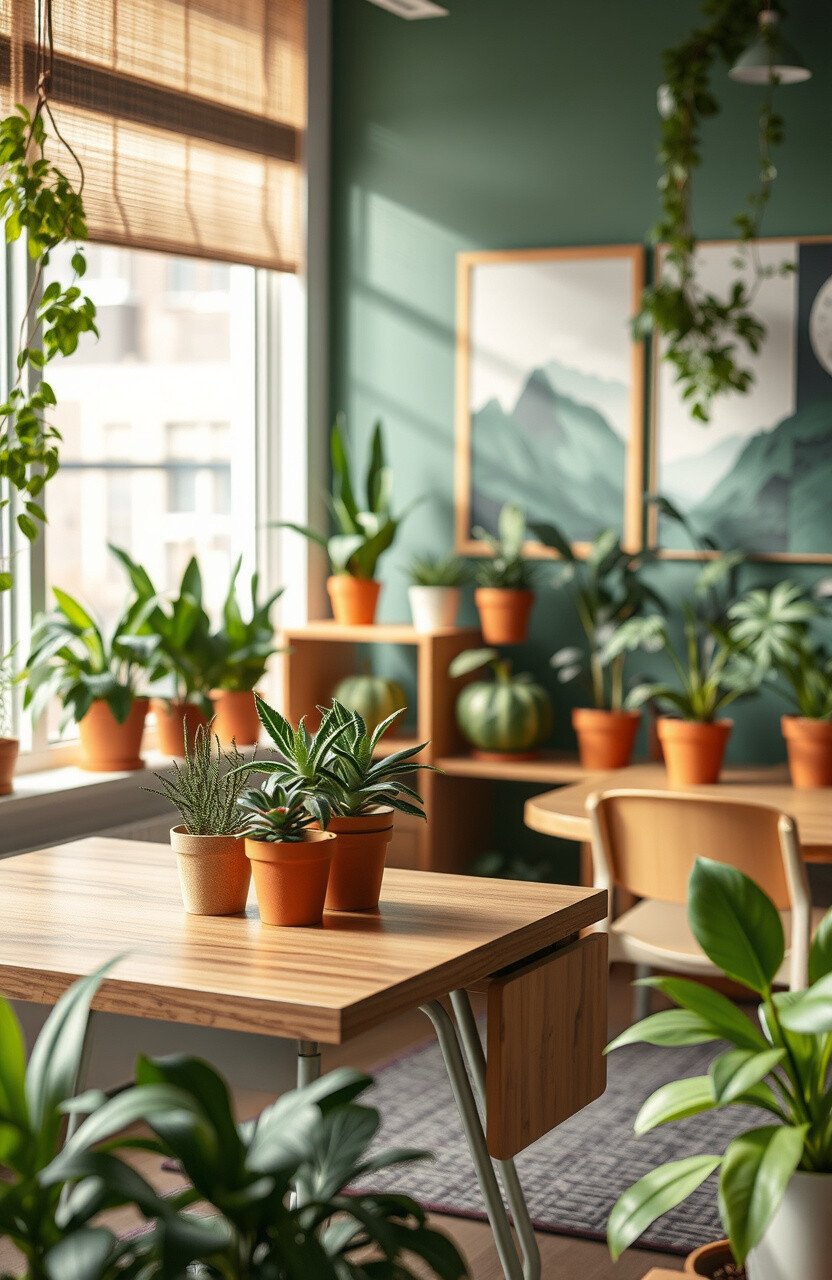
Bring the outside in with plants and nature-themed decor. It’s like a breath of fresh air.
Plants purify the air and boost mood. They create a calming and inspiring environment.
Choose low-maintenance plants like succulents. Add nature-themed posters or decals.
Plants can be affordable. Start with a few and watch your indoor garden grow.
5. Creative Bulletin Boards

Transform bulletin boards into interactive displays. It’s a fun way to showcase student work.
These boards can share important info creatively. They keep students informed and engaged.
Use themes for each board, like seasons or subjects. Involve students in the setup process.
Bulletin boards are cost-effective. Use recycled materials for a creative twist.
6. Themed Learning Stations

Create stations based on different themes or subjects. Kids love moving from one activity to another.
Stations make learning hands-on and exciting. They cater to various learning preferences.
Incorporate puzzles, games, and crafts at each station. Make it a surprise by changing themes weekly.
Use items you already have to keep costs low. Get crafty with DIY materials.
7. Interactive Whiteboard

Turn your whiteboard into a tool for interactive learning. It’s more than just a place for notes.
Students can draw, write, and solve problems together. It encourages teamwork and creativity.
Use colorful markers for a lively touch. Incorporate fun challenges and quizzes.
Markers are inexpensive, making this a budget-friendly option. Keep them organized with a DIY holder.
8. Mindfulness Corner

Create a calm space with soft mats and calming decor. It’s a sanctuary for stressed minds.
This corner teaches mindfulness and relaxation. It helps students focus and recharge.
Include simple breathing exercises or guided meditations. Keep the area clutter-free for tranquility.
Mindfulness decor can be simple and affordable. Use soothing colors and natural materials.
9. Technology Hub

Set up a tech corner with tablets and computers. It’s a gateway to digital learning adventures.
This hub promotes digital literacy. It prepares students for a tech-savvy world.
Incorporate educational apps and websites. Rotate devices to ensure equal access.
Utilize school resources to minimize costs. Seek donations for additional devices.
10. Collaborative Tables

Arrange desks into clusters for group work. It’s all about teamwork and collaboration.
Students learn from each other, and ideas flow freely. It fosters a sense of community.
Change seating arrangements to encourage new partnerships. Use name tags for a personal touch.
Rearranging existing furniture keeps this idea cost-free. It’s all about creativity with what you have.
11. Color-Coded Sections
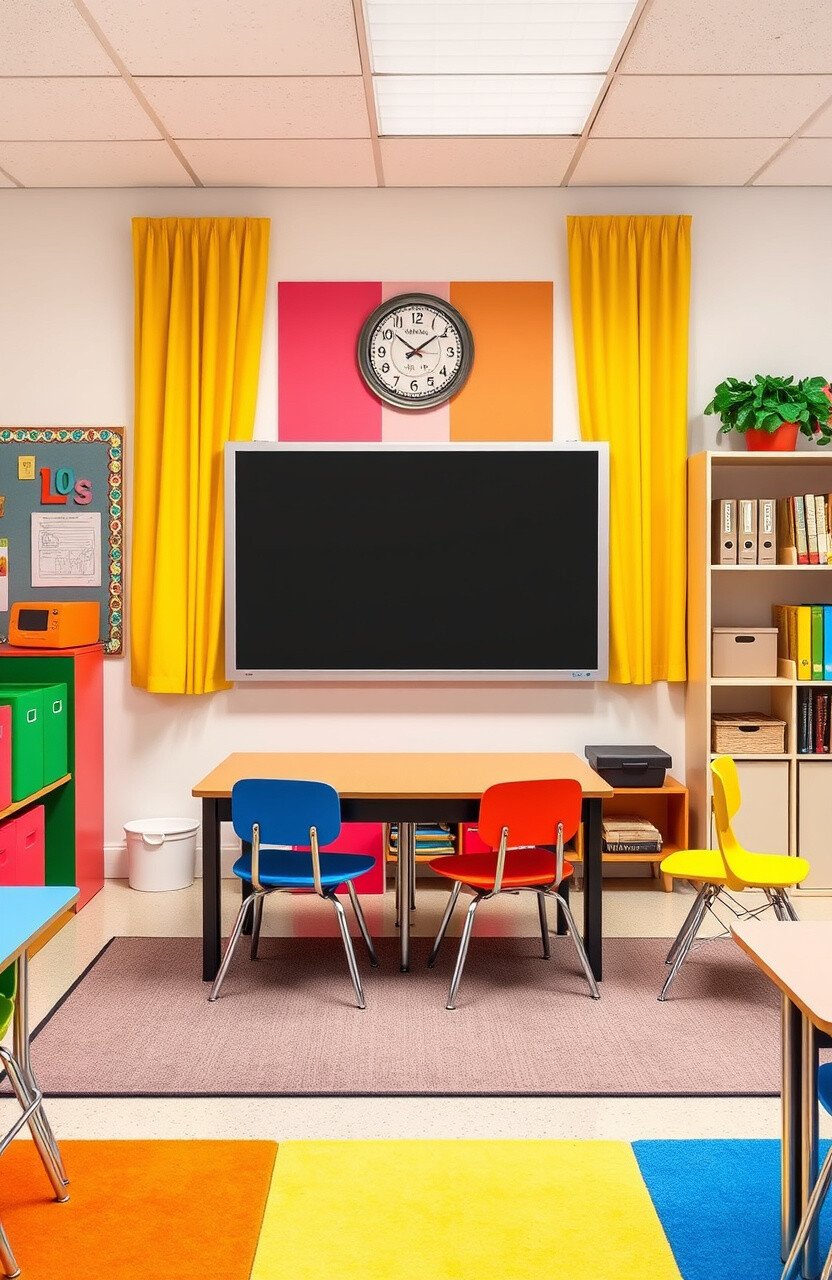
Divide the classroom into color-coded areas. It’s visually appealing and organized.
Each section can represent a different subject or activity. It helps students transition smoothly.
Use rugs, curtains, or furniture in different colors. It adds a pop of personality to the room.
Color coding can be done with items you already own. It’s an inexpensive way to organize.
12. Inspiring Quote Wall

Create a wall filled with motivational quotes. Words have the power to inspire and uplift.
Students can contribute their favorite quotes. It fosters a positive and encouraging atmosphere.
Use decorative fonts and colors for impact. Change quotes regularly to keep things fresh.
This idea is virtually cost-free. Use paper and markers you already have.
13. DIY Craft Area
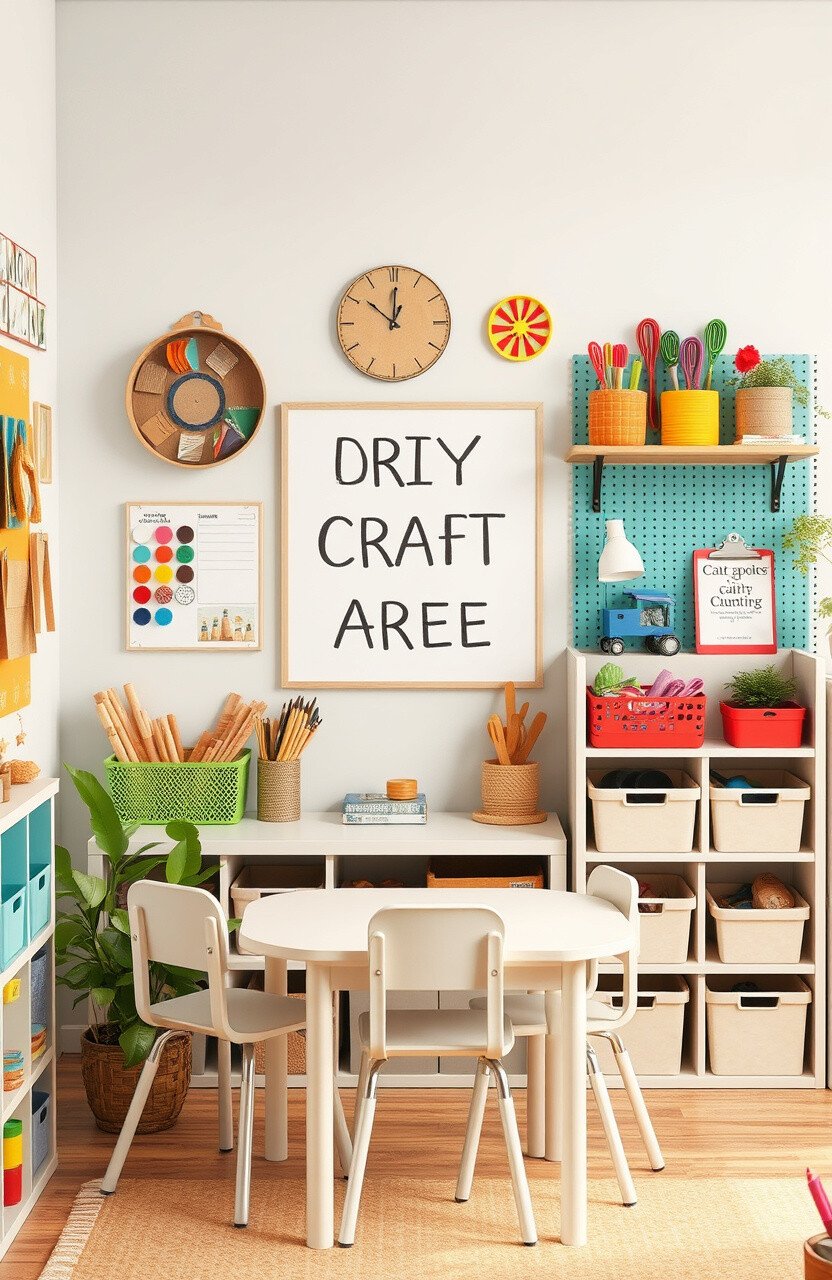
Set up a craft corner with supplies for creativity. It’s a space for imagination to come alive.
Kids can create projects and express themselves. It’s a fun and engaging way to learn.
Organize supplies in bins for easy access. Encourage students to share materials.
Use recycled materials to keep costs low. It’s environmentally friendly and budget-conscious.
14. Light and Bright Decor

Use lighting to create a welcoming atmosphere. A well-lit room feels open and cheerful.
Natural light is ideal, but lamps work too. It enhances mood and concentration.
Incorporate string lights for a whimsical touch. Use sheer curtains to let in more light.
Utilize existing light sources to save on costs. String lights are affordable and reusable.
15. Puzzle and Game Zone

Designate an area for puzzles and games. It’s a break from traditional learning.
Games boost problem-solving skills and teamwork. It’s a fun and interactive way to learn.
Rotate games to keep things exciting. Encourage friendly competitions for engagement.
Puzzles and games can be found at thrift stores. It’s a low-cost addition to any classroom.
16. Creative Supply Station

Organize supplies in a dedicated station. It’s all about accessibility and organization.
Students can find what they need easily. It encourages independence and responsibility.
Use labeled bins or jars for organization. Make it colorful and inviting.
Repurpose containers to save money. It’s a practical and affordable solution.
17. Sensory-Friendly Space
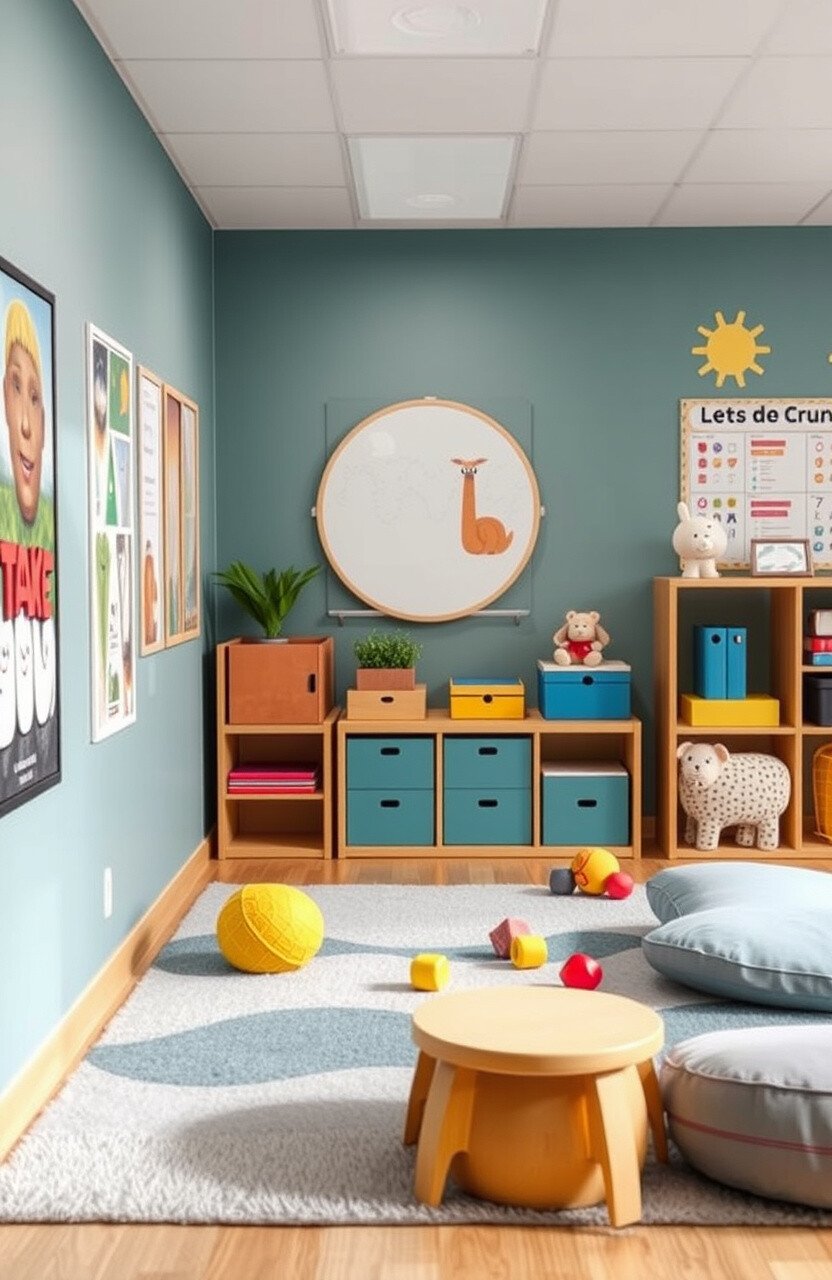
Include a sensory area with soft textures and calming visuals. It’s a haven for sensory-sensitive students.
This space promotes relaxation and focus. It’s tailored to individual needs.
Incorporate fidget tools and tactile materials. Use soft lighting for a soothing effect.
Sensory tools can be handmade or purchased. Keep costs low with DIY options.
18. Personalization Station

Create a station for students to personalize their space. It’s a way to express individuality.
Students feel a sense of ownership and pride. It’s their own little corner of the classroom.
Provide materials like stickers and markers. Encourage creativity and self-expression.
Personalization doesn’t have to be expensive. Use materials already available in class.
19. Themed Decor Days
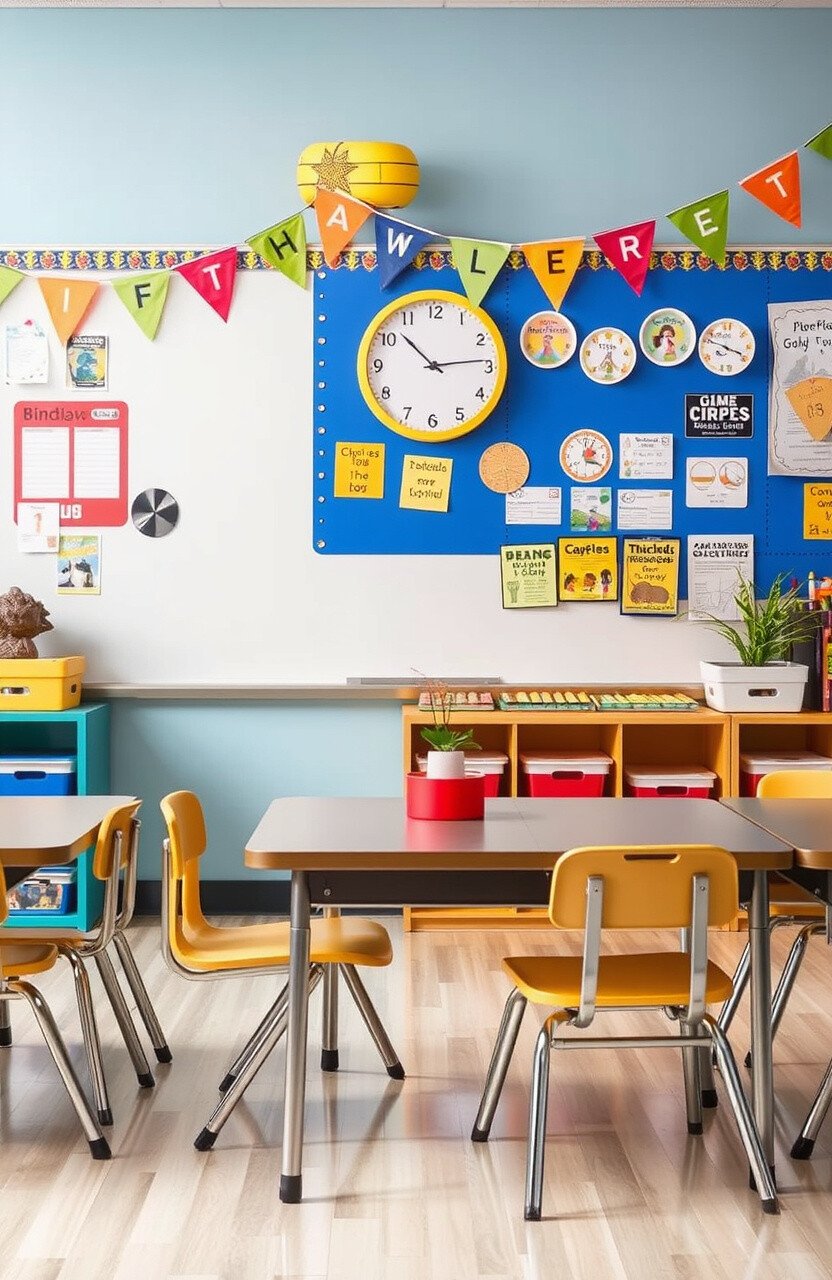
Dedicate days to specific themes or subjects. It’s a playful way to change things up.
Themed days keep learning exciting and fresh. They encourage participation and interest.
Use simple decor and costumes for effect. Rotate themes to cover a variety of topics.
This can be done with minimal expense. Creativity is the key to keeping costs low.
20. DIY Wall Murals

Create murals with student help. It’s a collaborative and artistic endeavor.
Murals brighten the room and tell a story. They’re a permanent reminder of teamwork.
Use paint, paper, or fabric for the mural. Include everyone’s input for a collective masterpiece.
Mural materials can be sourced affordably. Use donations or thrift finds to save money.
21. Storytelling Corner

Set up a space for storytelling with a comfy chair and props. It’s a theater of imagination.
Stories come alive, and listening skills improve. It’s a magical way to learn.
Incorporate puppets or costumes for fun. Encourage students to take turns telling stories.
Props can be homemade or thrifted. It’s a cost-effective way to inspire creativity.
22. World Map Wall

Display a large world map on a wall. It’s an invitation to explore the globe.
Maps teach geography and culture. They spark curiosity and global awareness.
Use pins or stickers to mark places studied. Encourage students to share travel stories.
Maps can be printed or purchased inexpensively. It’s a valuable educational tool.
23. Science Experiment Station

Dedicate a corner to science experiments. It’s a hands-on approach to discovery.
Experiments engage and educate. They make science fun and accessible.
Include simple experiments that are safe and easy. Rotate activities to keep interest alive.
Materials can be sourced from home or donations. Keep experiments simple to manage costs.
24. Interactive Word Wall

Create a wall with interactive words and definitions. It’s a playful way to build vocabulary.
Students learn new words visually and kinesthetically. It’s an engaging learning tool.
Use magnetic letters or sticky notes. Change the words regularly to expand vocabulary.
This can be done with inexpensive materials. It’s a dynamic and affordable setup.
25. Seasonal Decor Swaps

Change decor with the seasons. It’s a way to celebrate nature’s cycles.
Seasonal changes keep the environment fresh. They add excitement and variety to learning.
Use natural elements like leaves or flowers. Create crafts to reflect each season.
Nature provides free decor materials. Use what’s available to keep costs low.
26. Music and Rhythm Zone

Designate a space for music and rhythm activities. It’s a symphony of learning.
Music enhances memory and focus. It’s a joyful way to explore sound and rhythm.
Include instruments and rhythm games. Encourage students to create their own music.
Instruments can be made or borrowed. It’s a budget-friendly musical adventure.
27. Themed Carpet Spaces

Use themed carpets to define areas. They add color and interest to the floor.
Carpets create cozy and defined spaces. They’re perfect for group activities.
Choose themes like nature or shapes. Use carpets to mark reading or play areas.
Carpets can be sourced second-hand. It’s an affordable way to add warmth.
28. Student Art Supplies
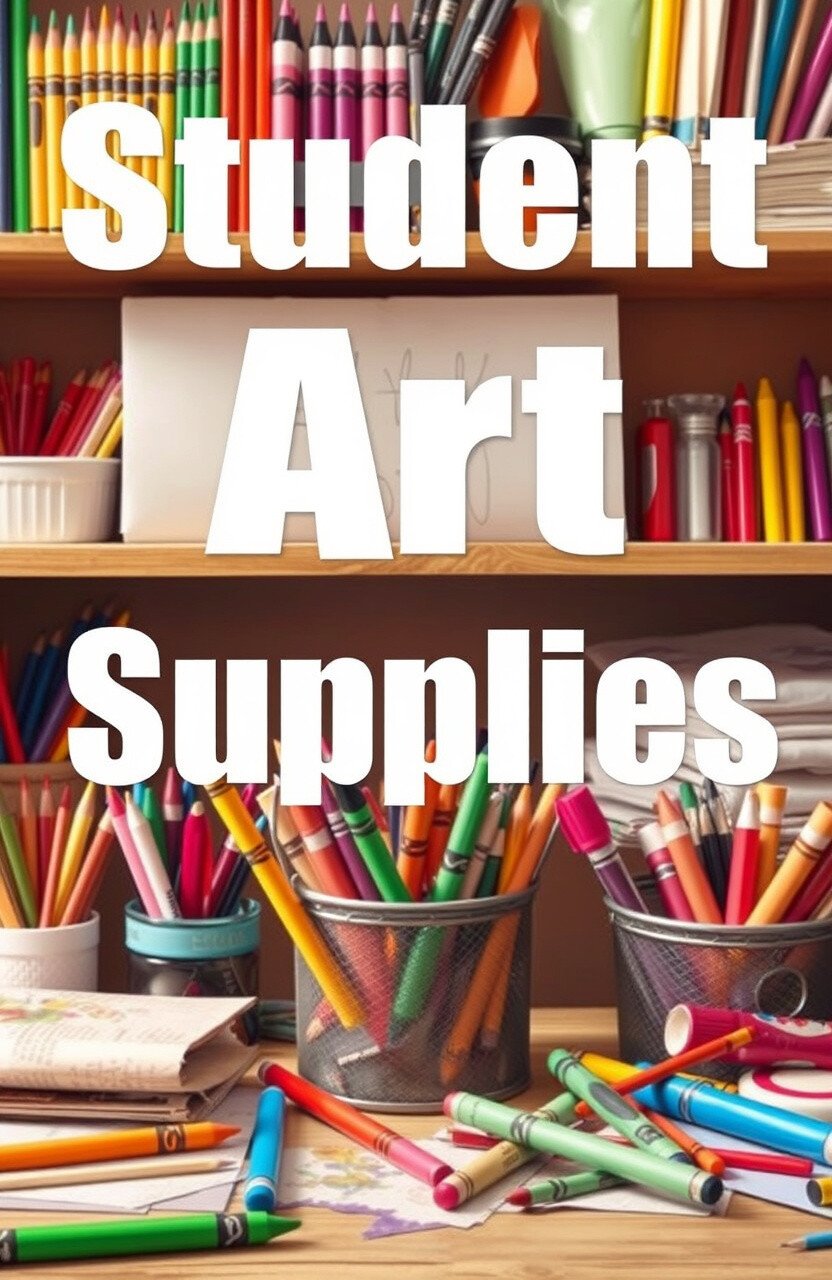
Provide personal art supply kits. Creativity is always within reach.
Kits encourage artistic expression. They promote responsibility and care for materials.
Include basics like crayons and paper. Encourage personalization of kits.
Art supplies can be economical. Buy in bulk to save on costs.
29. Imagination Wall

Leave a section of wall for free expression. It’s a canvas for creative minds.
Students can draw or write freely. It’s a no-rules zone for imagination.
Use chalkboard paint or dry-erase markers. Encourage regular contributions from students.
This idea is budget-friendly. Reusable surfaces keep costs down.
30. DIY Bookmarks
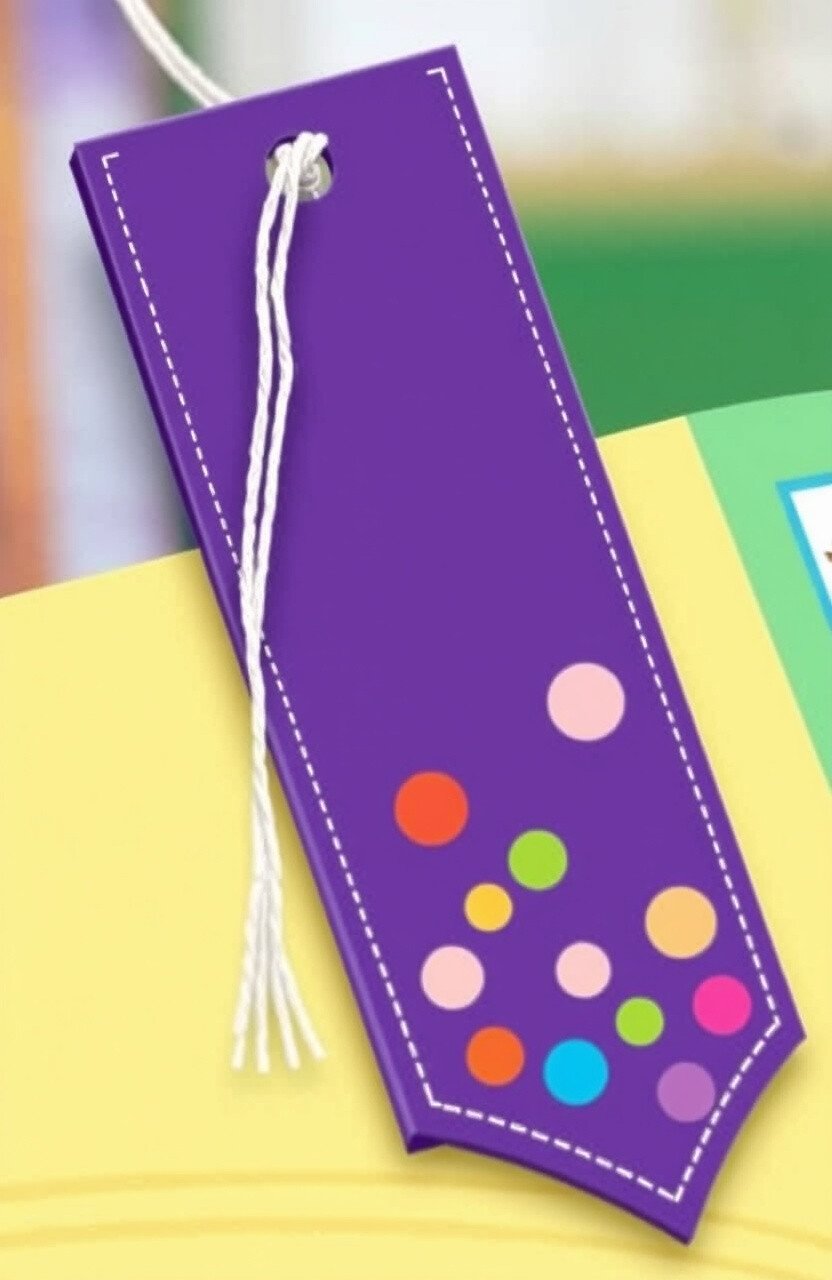
Have a station for creating bookmarks. It’s a fun and functional craft.
Bookmarks inspire reading and creativity. They’re personal and practical.
Use paper, string, and stickers. Encourage students to make and trade bookmarks.
Materials are inexpensive or free. It’s a simple yet delightful activity.
31. Creative Writing Zone

Set up a space dedicated to writing. It’s an area where stories come alive.
Writing zones inspire creativity and expression. They’re a quiet place for reflection.
Include prompts and notebooks. Encourage sharing of stories and poems.
Writing materials are low-cost. Use donated or recycled paper.
32. Outdoor-Inspired Decor
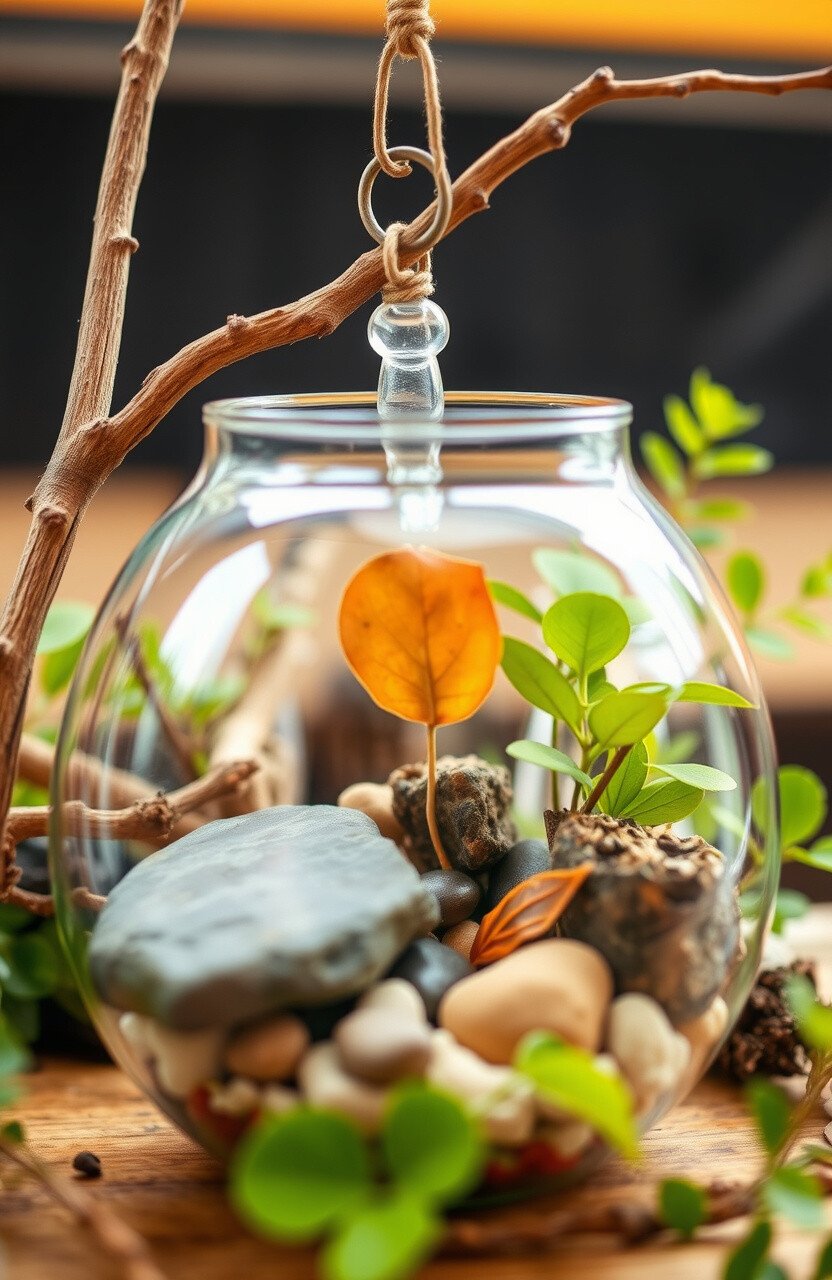
Bring outdoor elements inside. It’s like a classroom camping trip.
Nature decor inspires exploration and learning. It’s a breath of fresh air indoors.
Use branches, rocks, and leaves. Create a nature display or terrarium.
Nature provides free decor. It’s an economical way to enhance the classroom.
33. Fun Floor Decals

Use decals to create paths or games. It’s a playful addition to the floor.
Floor decals make movement fun. They’re perfect for transitions and breaks.
Choose themes like hopscotch or mazes. Change them periodically for variety.
Decals are affordable and reusable. They add fun without breaking the bank.
34. Cozy Blanket Fort
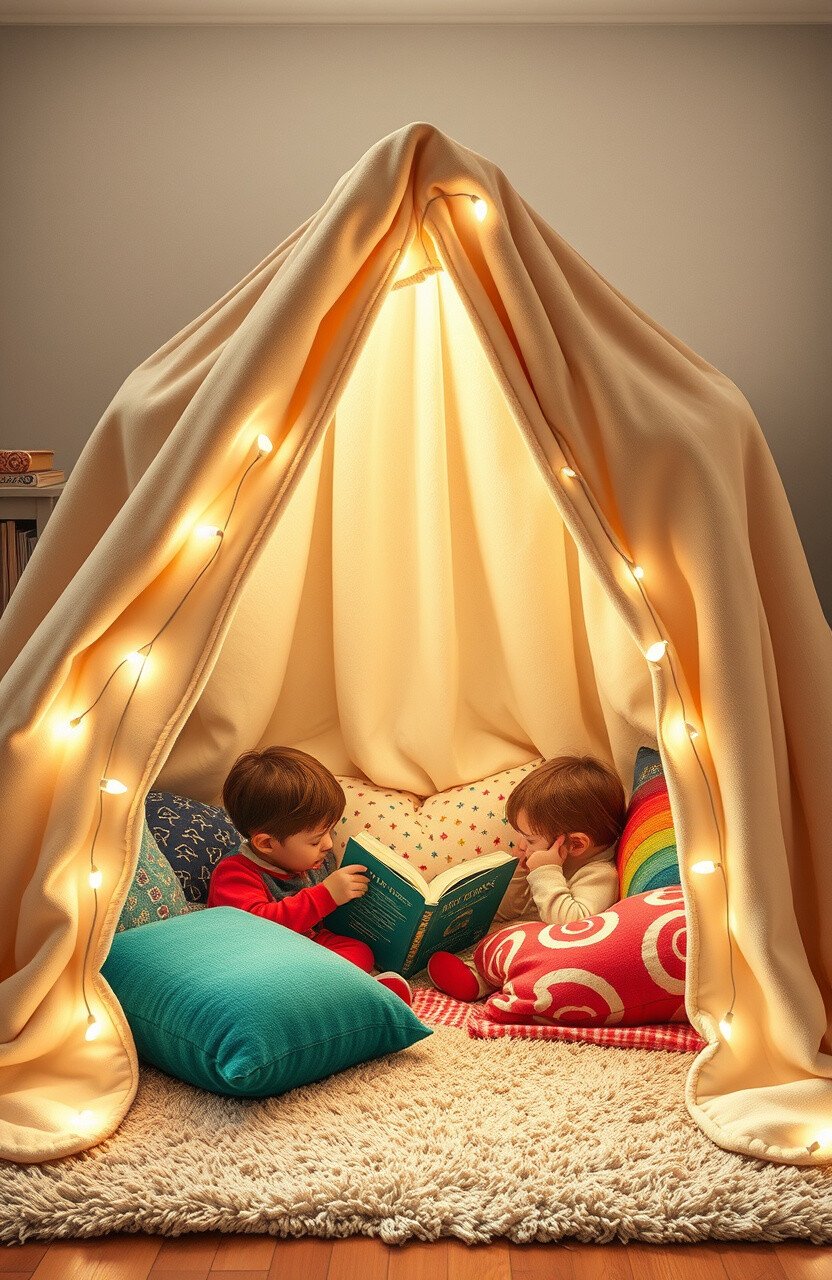
Create a reading fort with blankets and pillows. It’s a magical hideaway.
Fort spaces are cozy and inviting. They make reading feel like an adventure.
Use sheets or fabric to build the fort. Encourage reading sessions inside.
Blankets and pillows can be borrowed. It’s a low-cost, high-fun idea.
35. Personal Desk Decor

Allow students to decorate their desks. It’s a personal touch to their space.
Desk decor promotes ownership and pride. It’s a reflection of personality.
Provide supplies like stickers and frames. Encourage creativity and self-expression.
Use materials already available. It’s a budget-friendly way to personalize.
36. Themed Door Decor
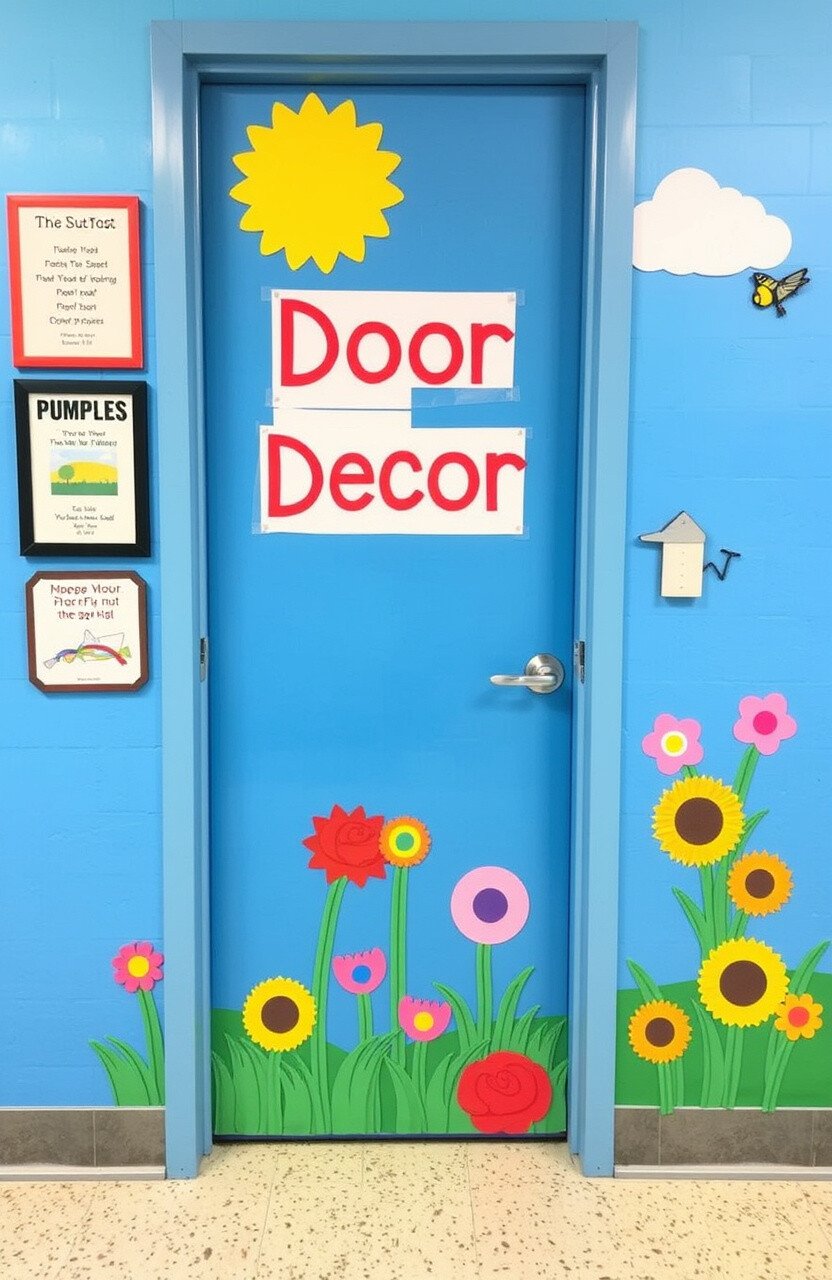
Decorate the classroom door with themes. It’s the first impression of the room.
Door decor sets the tone for learning. It’s an inviting and fun entrance.
Use seasonal or subject themes. Change decor regularly to keep it exciting.
This can be done with simple materials. Creativity keeps costs low.
37. Quiet Zone Nook
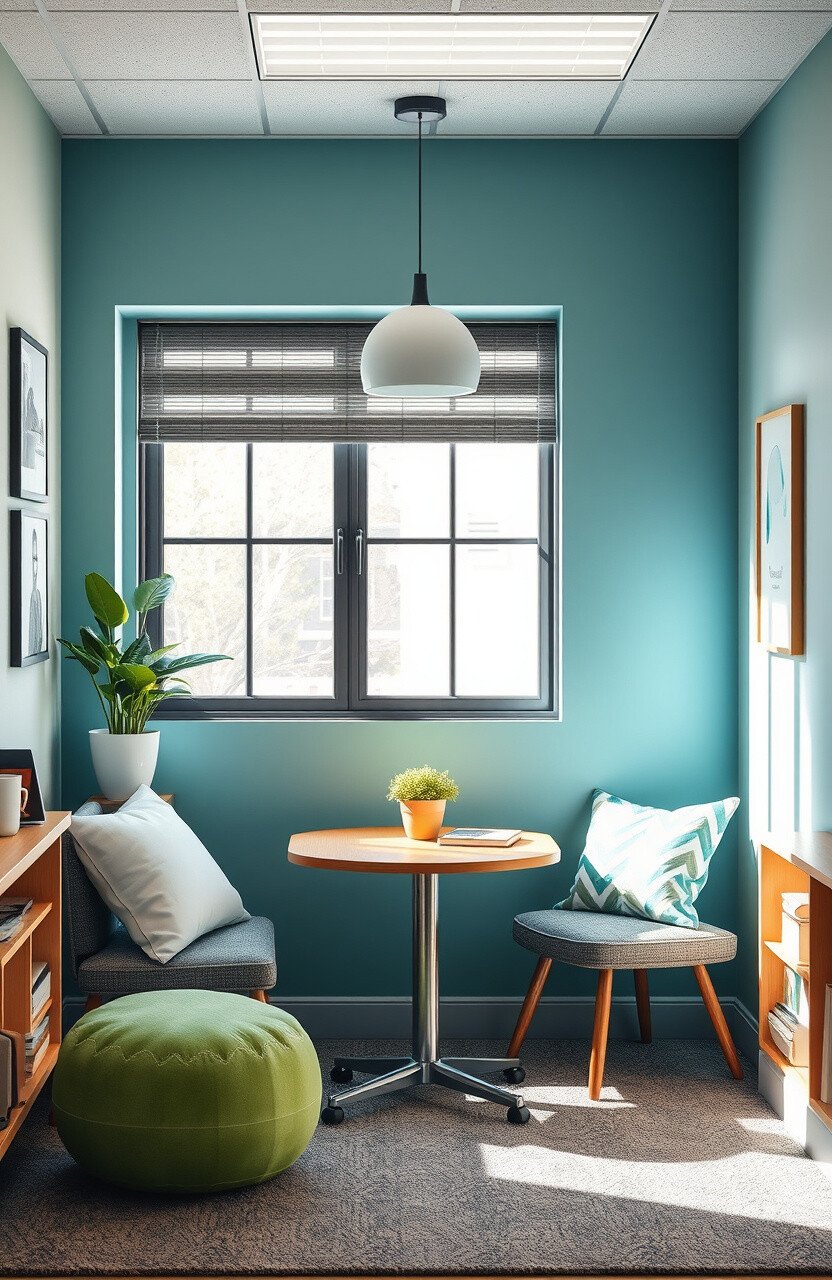
Create a nook for quiet reflection. It’s a sanctuary for peace and focus.
Quiet zones improve concentration and calm. They’re perfect for downtime.
Use soft seating and calming decor. Encourage mindful moments in the nook.
Nooks can be created with existing items. It’s a cost-effective way to enhance learning.
38. Cultural Corner

Set up a corner celebrating different cultures. It’s a passport to the world.
Cultural corners teach diversity and respect. They’re a celebration of global heritage.
Include artifacts, books, and decor. Encourage students to share their culture.
Items can be borrowed or donated. It’s a meaningful and affordable setup.
39. Brain Break Area

Create a space for brain breaks. It’s a place for rest and recharge.
Break areas boost focus and productivity. They’re essential for mental health.
Include puzzles, seating, and stress relief tools. Encourage short, mindful breaks.
Materials can be sourced inexpensively. It’s a small investment for big benefits.
40. Interactive Math Wall

Set up a wall for math challenges. It’s a playground for numbers.
Interactive walls make math fun and engaging. They’re a hands-on learning tool.
Use puzzles, games, and problems. Change challenges regularly for interest.
This can be done with simple supplies. It’s an affordable way to enhance math skills.
41. DIY Project Display

Showcase student projects on a dedicated wall. It’s a gallery of creativity.
Displays build pride and confidence. They’re a testament to hard work.
Use shelves or bulletin boards for display. Rotate projects to keep it fresh.
Materials can be repurposed. It’s a cost-effective way to celebrate achievements.
42. Fun Fact Corner

Designate a spot for fun facts and trivia. It’s a treasure trove of knowledge.
Fun facts spark curiosity and learning. They’re a playful addition to the room.
Use posters or a chalkboard to share facts. Change them regularly for variety.
Facts can be sourced from books. It’s an inexpensive way to engage students.
43. Student Choice Board

Create a board for student choice activities. It’s a menu of learning options.
Choice boards foster independence and interest. They give students ownership of learning.
Include a variety of activities and themes. Rotate options to keep it exciting.
Materials can be reused. It’s a budget-friendly way to personalize learning.
44. Inspirational Ceiling Decor

Hang decor from the ceiling for a whimsical touch. It’s a sky full of inspiration.
Ceiling decor adds dimension and interest. It’s a surprise element in the room.
Use stars, clouds, or paper crafts. Change decor seasonally for freshness.
Materials can be homemade. It’s a creative and affordable decoration.
45. Buddy Reading Space
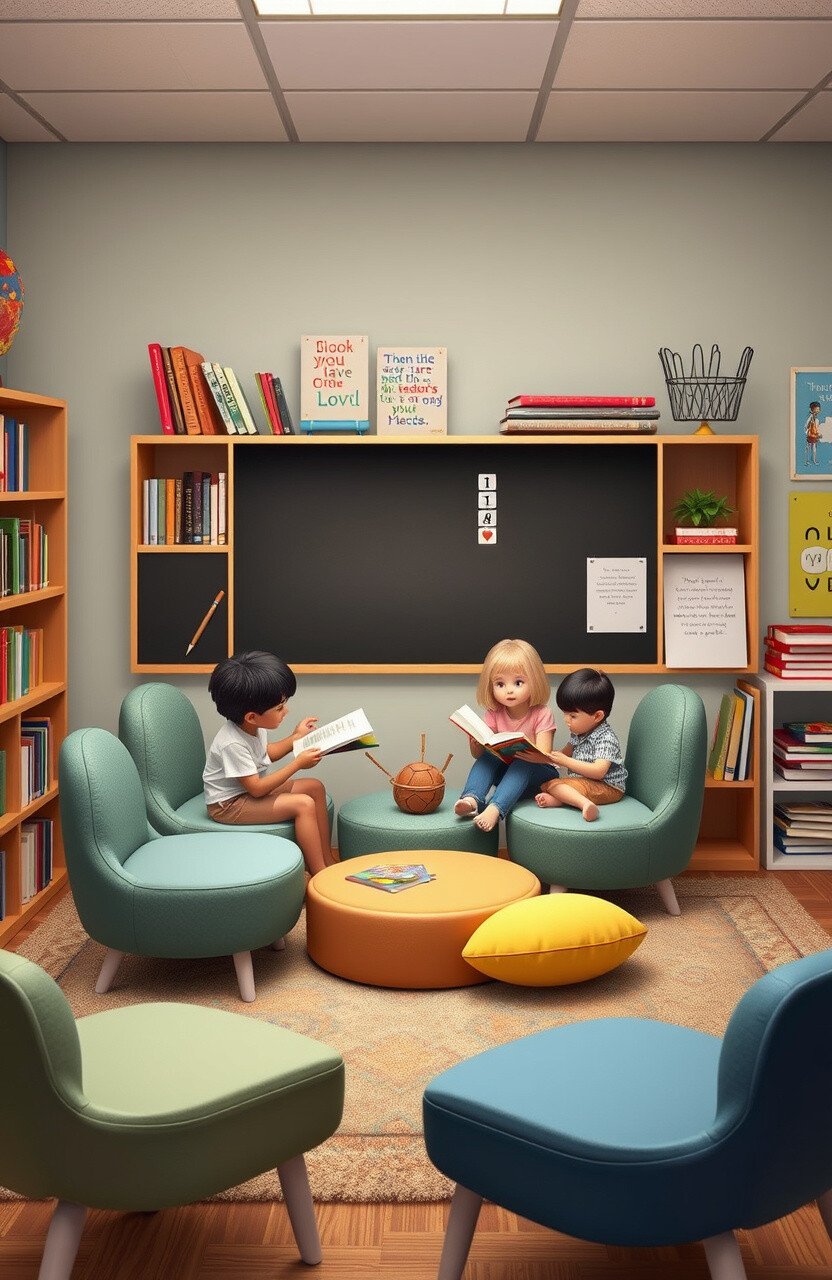
Create a cozy space for buddy reading. It’s a shared journey through books.
Buddy reading promotes teamwork and literacy. It’s a fun and social activity.
Use seating for pairs and book selections. Encourage regular buddy reading sessions.
Materials are already in the classroom. It’s a no-cost way to foster friendships.
46. Interactive History Wall
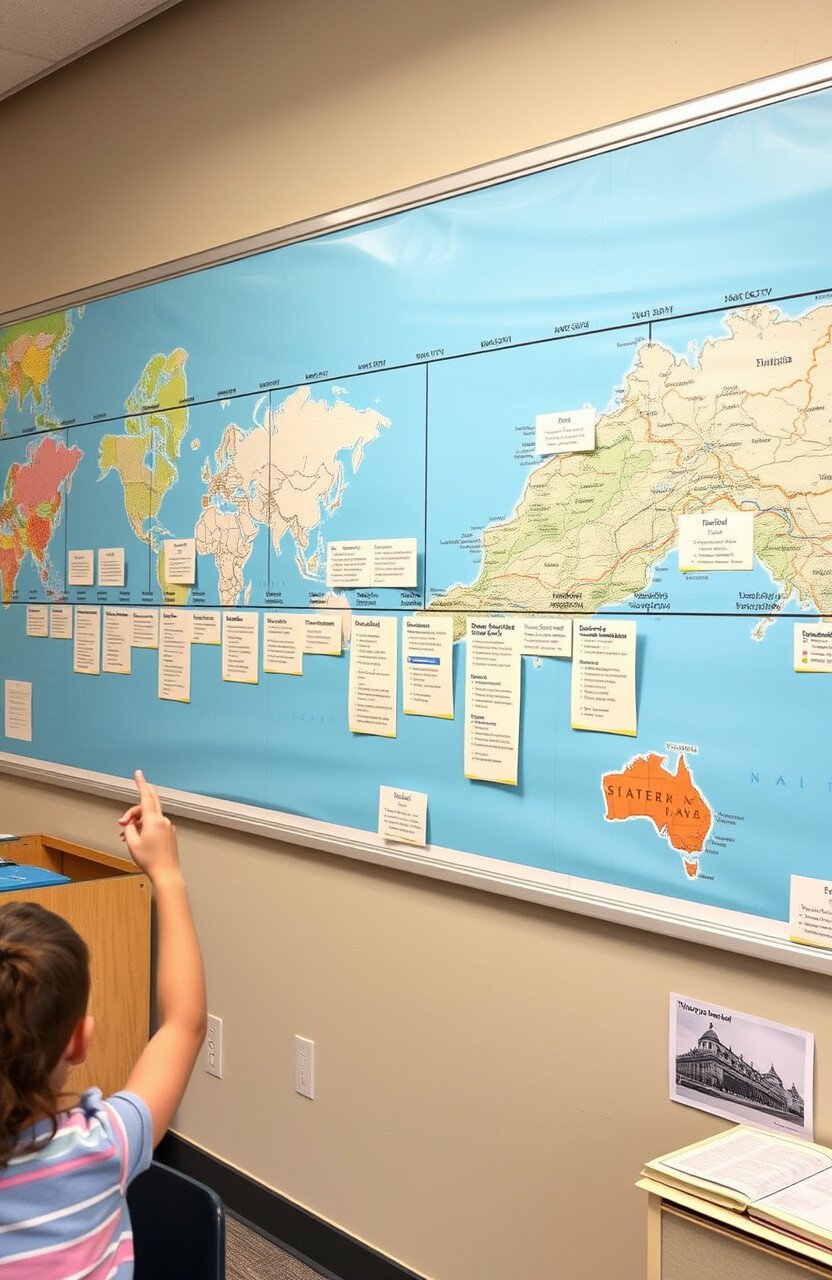
Set up a wall with historical timelines. It’s a journey through time.
History walls make learning visual and engaging. They’re a dynamic way to teach history.
Use maps, dates, and events. Change focus regularly to cover different eras.
Materials can be printed or drawn. It’s a budget-friendly educational tool.
47. Mystery Box Station
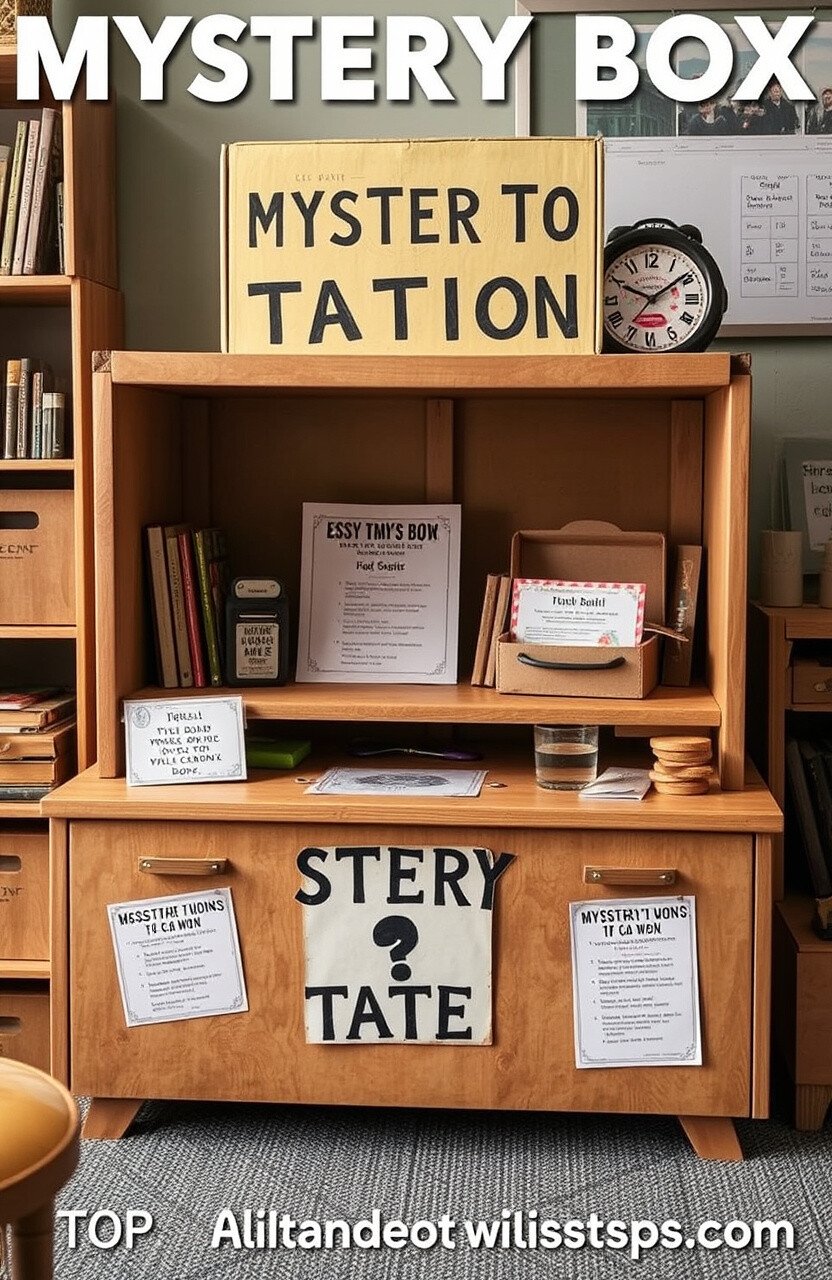
Create a station with mystery boxes. It’s a surprise waiting to be uncovered.
Mystery boxes enhance curiosity and problem-solving. They’re a fun and interactive tool.
Include clues or puzzles inside. Change contents regularly for excitement.
Boxes can be made from recycled materials. It’s an affordable and engaging setup.