Toys have a sneaky way of spreading everywhere. A smart playroom can make cleanup feel calm and quick.
1. Doorway Drop Zone
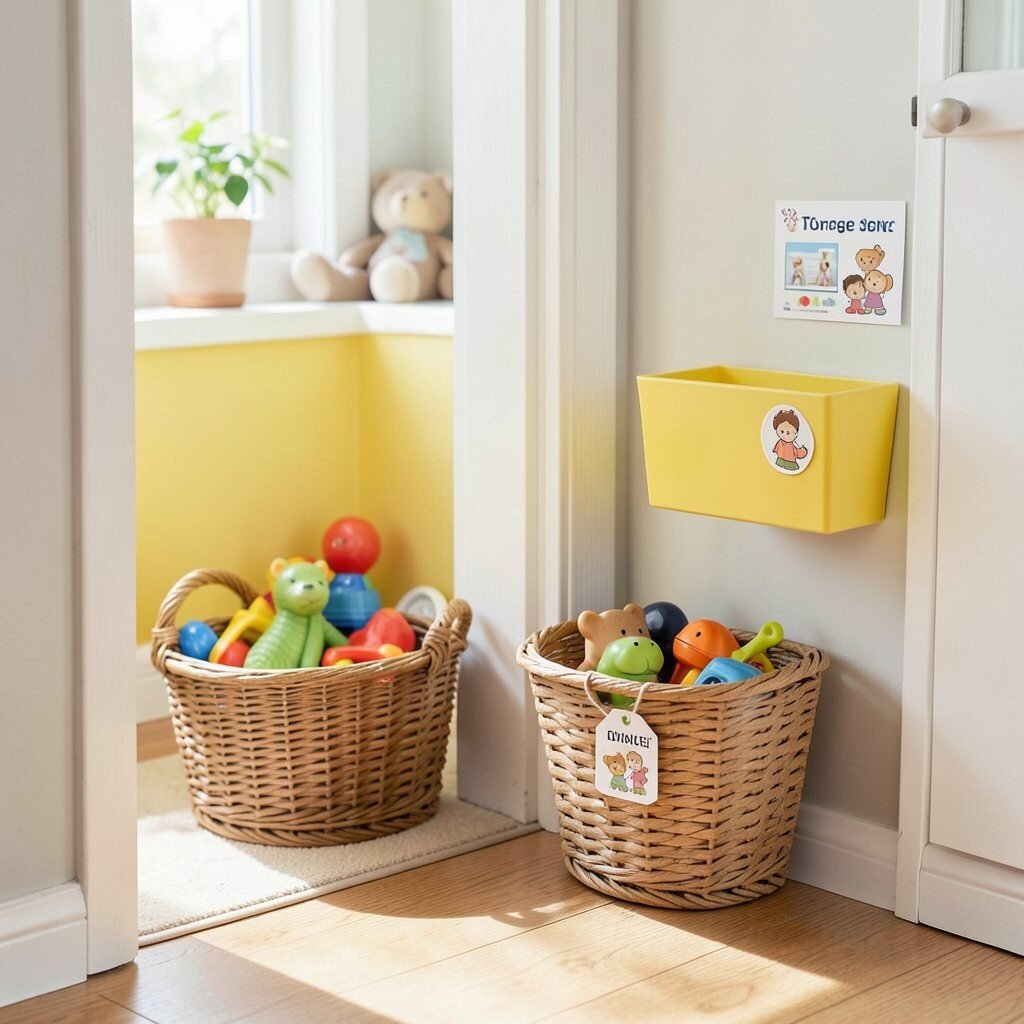
A doorway drop zone gives toys a first stop right when kids walk in. It can look like a small basket, a shallow bin, or a wall pocket in a bright color.
This spot helps stop clutter before it spreads across the room. Add a name tag, a picture label, or a favorite sticker so kids know exactly where things go. Low-cost baskets work well here, and a woven look is popular right now because it feels warm and cozy.
2. Rolling Cart Zone
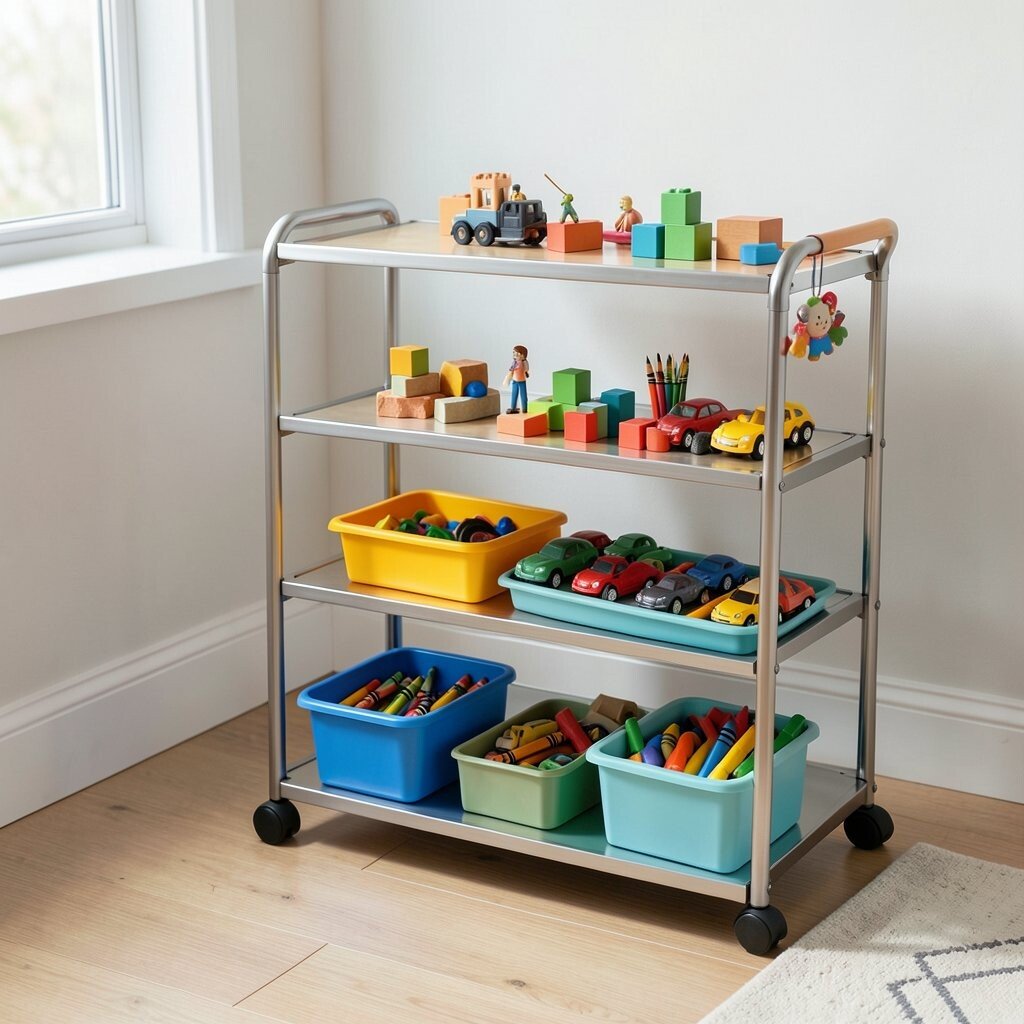
A rolling cart makes toys easy to move from one place to another. It often looks neat and slim, with open shelves that show off blocks, crayons, or tiny figures.
This zone is great for shared rooms because it can roll out during play and tuck away later. Use bins in different colors to sort art supplies, cars, and building pieces. If you want a personal touch, let your child pick the cart color or add a fun handle charm.
Metal carts can cost more, while plastic ones are usually budget friendly. Many families like these carts because they fit the modern trend of flexible storage that changes with the day.
3. Stuffed Animal Nest
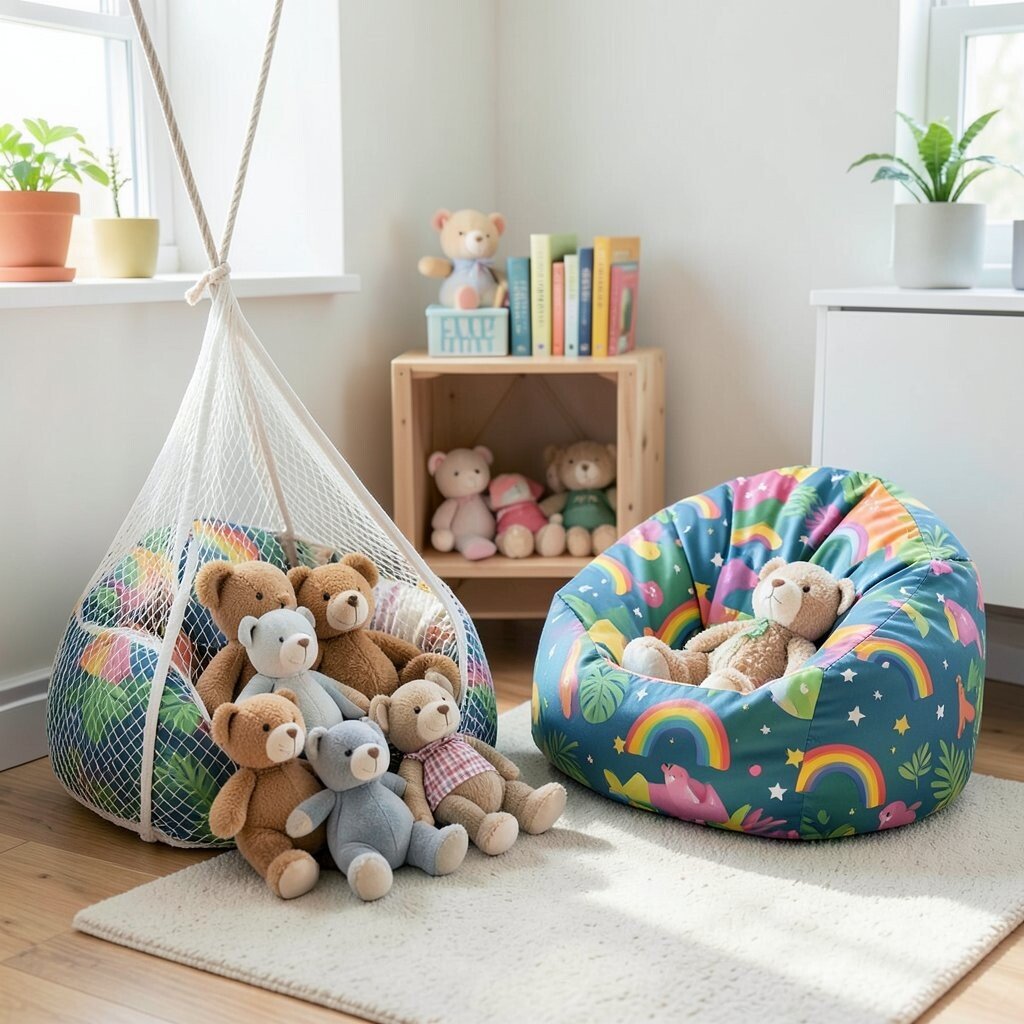
A stuffed animal nest gives plush friends a cozy home instead of a pile on the floor. It can be a hammock, a big mesh bag, or a soft corner bean bag with a zipper.
This zone makes the room look playful and full of character. Kids can still see their favorite animals, which makes it easier to choose one at bedtime. For a special touch, match the fabric to the room theme, like stars, rainbows, or jungle leaves.
Some nests are very low cost, while custom ones may be pricier. A hanging mesh bag is a smart pick if you want a light, airy look that is popular in small rooms.
4. Building Block Bay
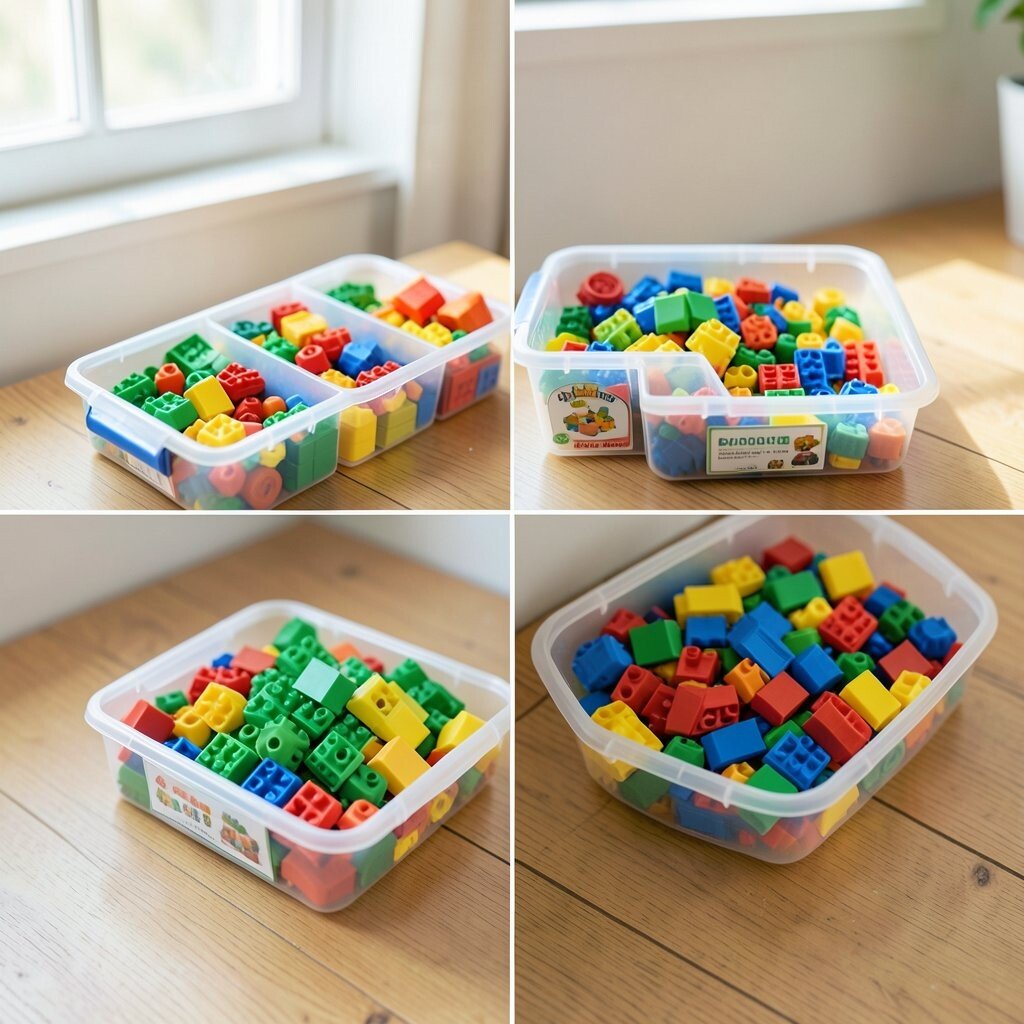
A building block bay is a home for bricks, tiles, and pieces that like to mix together. Clear bins or open trays work well because kids can spot the right pieces fast.
This zone helps save time and keeps tiny parts from getting lost. Sort by color, size, or set so cleanup feels simple and even a little fun. A label with a picture of blocks can help younger children put things away on their own.
5. Dress-Up Corner Closet
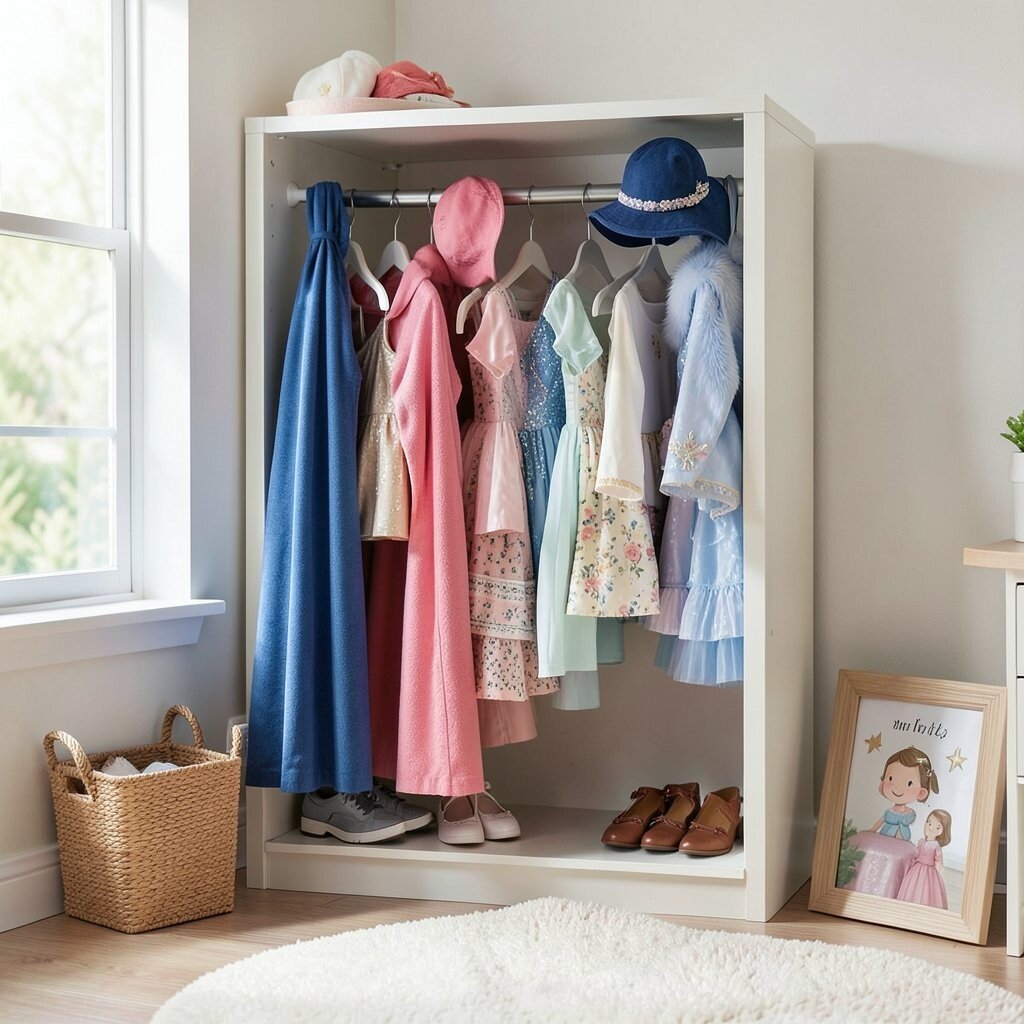
A dress-up corner closet brings costumes into one neat and cheerful spot. It may look like a tiny clothing rack, a curtain-covered shelf, or a small cubby with hooks.
This zone makes pretend play feel special because outfits are easy to reach. Hang capes, hats, and costumes at kid height so little hands can dress up without help. You can add a mirror, a soft rug, or a themed sign to make the corner feel magical.
Simple racks are often affordable, while custom closet kits cost more. Open dress-up storage is a big trend because it shows off the costumes like a tiny boutique.
6. Art Supply Shelf
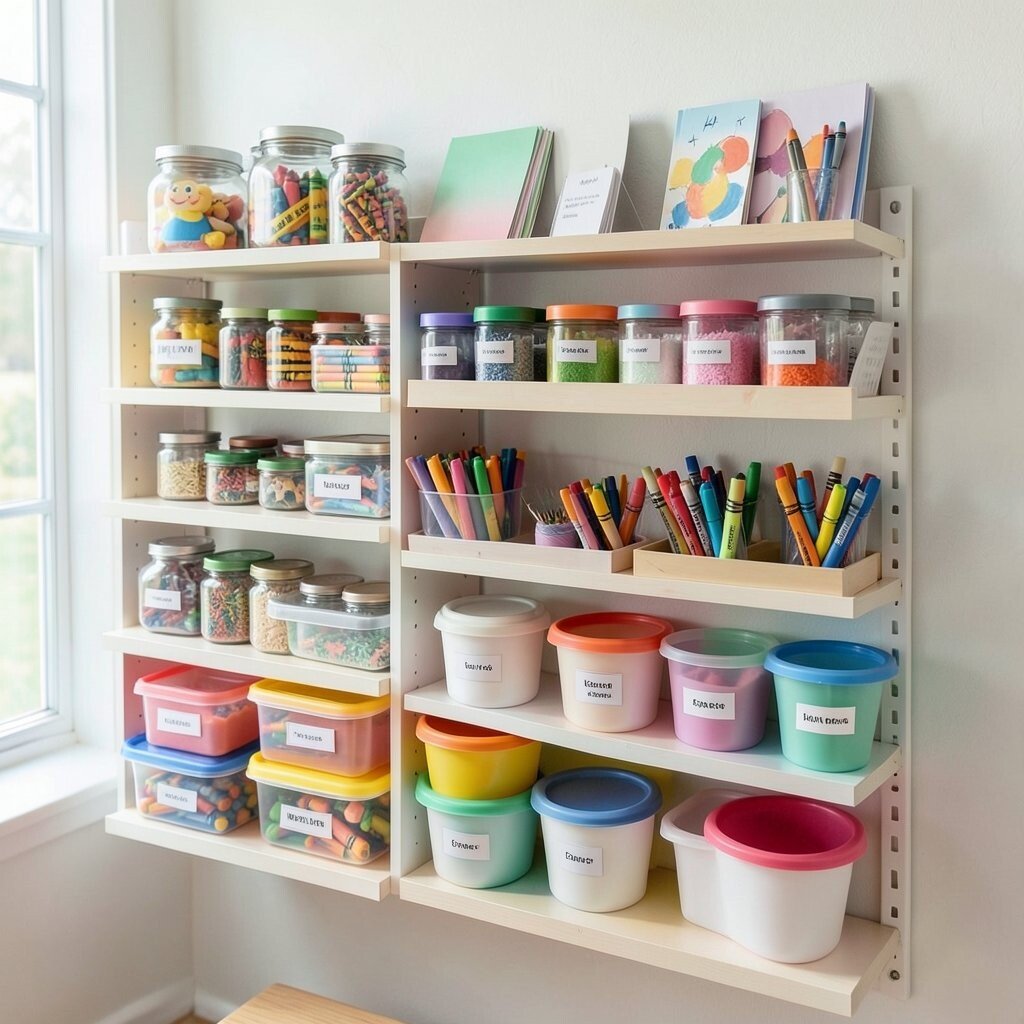
An art supply shelf keeps crayons, paper, markers, and glue in one bright spot. It often looks clean and cheerful, with jars, trays, and small bins lined up in rows.
This zone helps creative time stay ready and easy. Kids can grab what they need without tearing apart the whole room. Try clear containers for quick viewing, or use color-coded cups if you want a playful look.
Many families like this setup because it can be very low cost. A simple wall shelf with labeled cups fits the current trend of tidy, reachable craft stations.
7. Book Nook Bin Wall
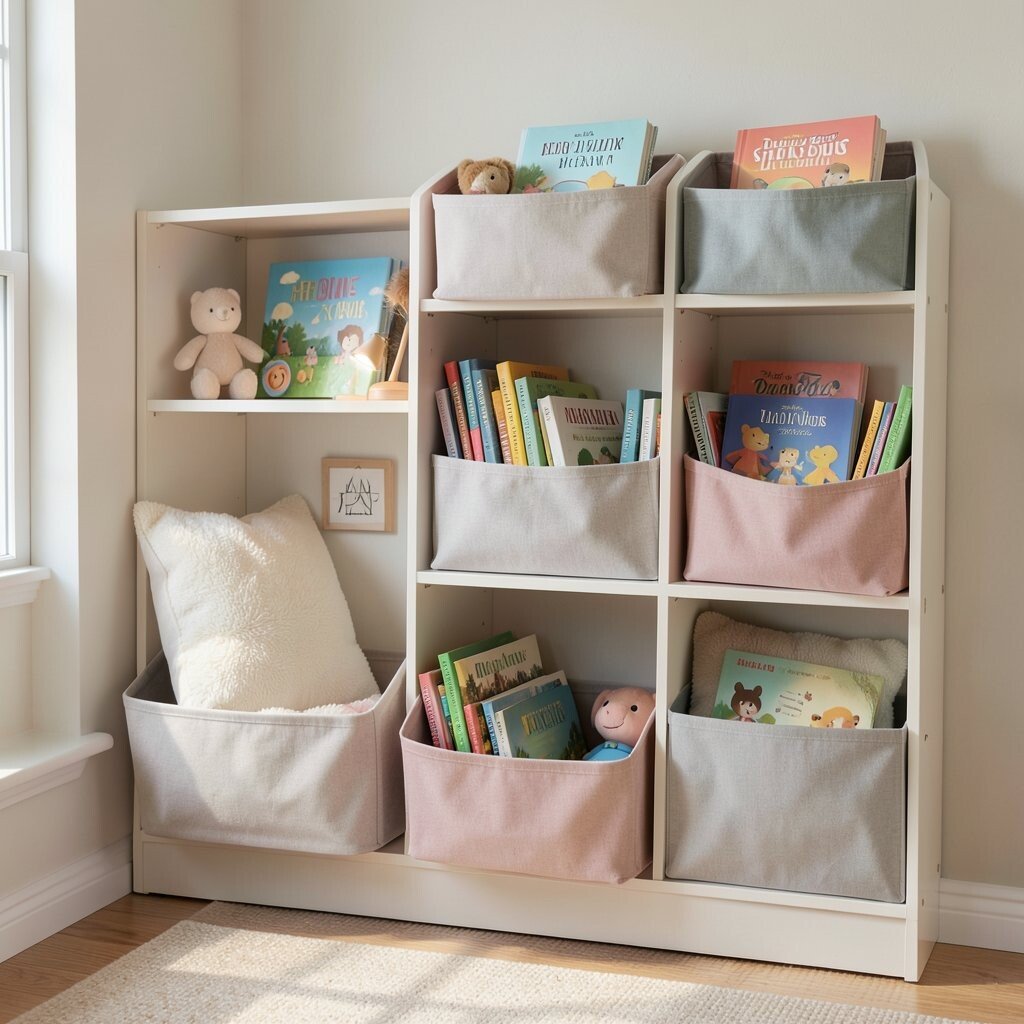
A book nook bin wall gives stories a cozy home and can make reading feel extra inviting. It may use fabric bins, front-facing shelves, or slim baskets mounted low on the wall.
This zone keeps books from getting bent or buried under toys. Front-facing storage lets kids see the covers, which makes choosing a book much easier. Add a soft pillow, a tiny lamp, or a reading sign to make the nook feel warm and personal.
Fabric bins are usually budget friendly, while built-in shelves cost more. Front-facing book display is still a favorite trend because it looks pretty and helps kids read more often.
8. Puzzle Station Drawer
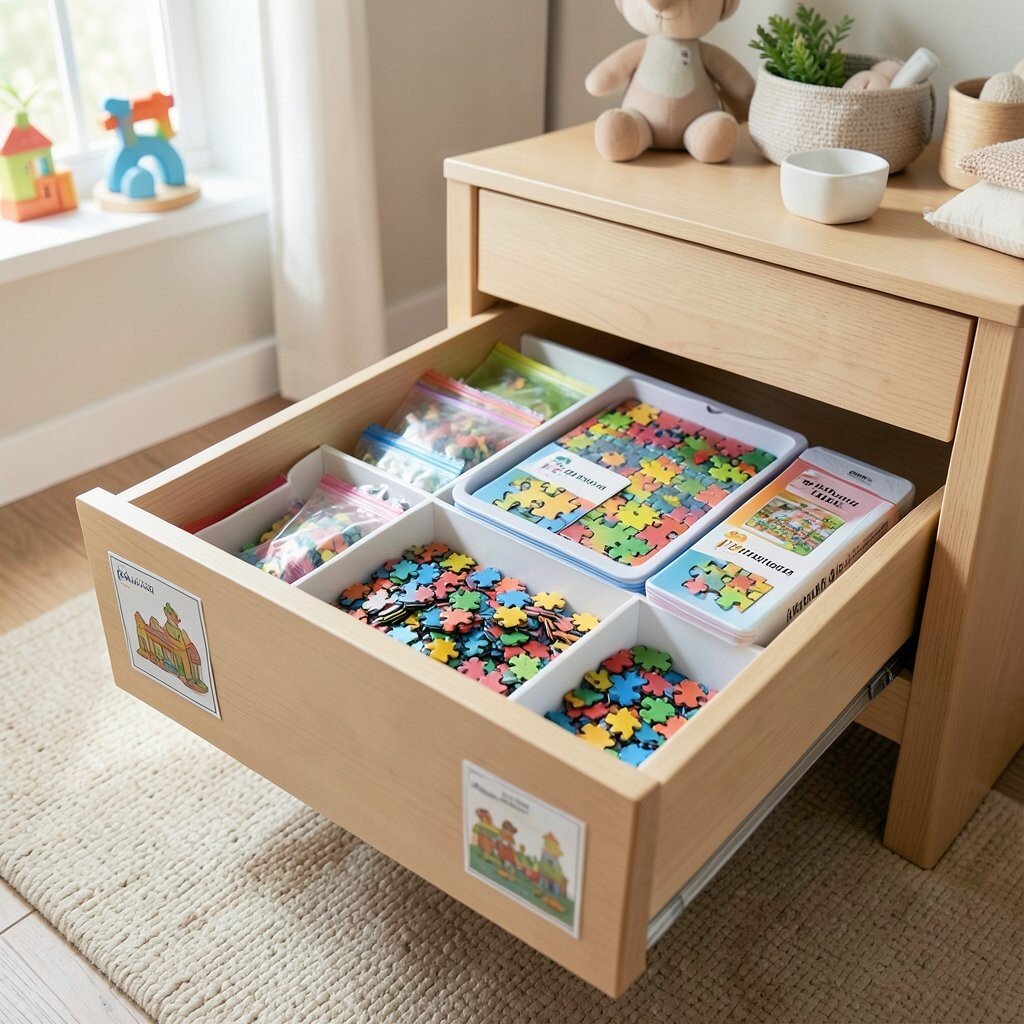
A puzzle station drawer keeps matching pieces together instead of scattered across the floor. It can be a low drawer, a shallow tray, or a stack of slim boxes with picture labels.
This zone makes puzzle time smoother because each set has its own home. Use zip bags or divider trays to stop pieces from mixing. A small photo of the finished puzzle on the front can help kids know what belongs inside.
Drawer dividers are usually inexpensive, and they work well in almost any room. Many parents like this hidden storage style because it keeps the playroom looking calm.
9. Block Tower Shelf
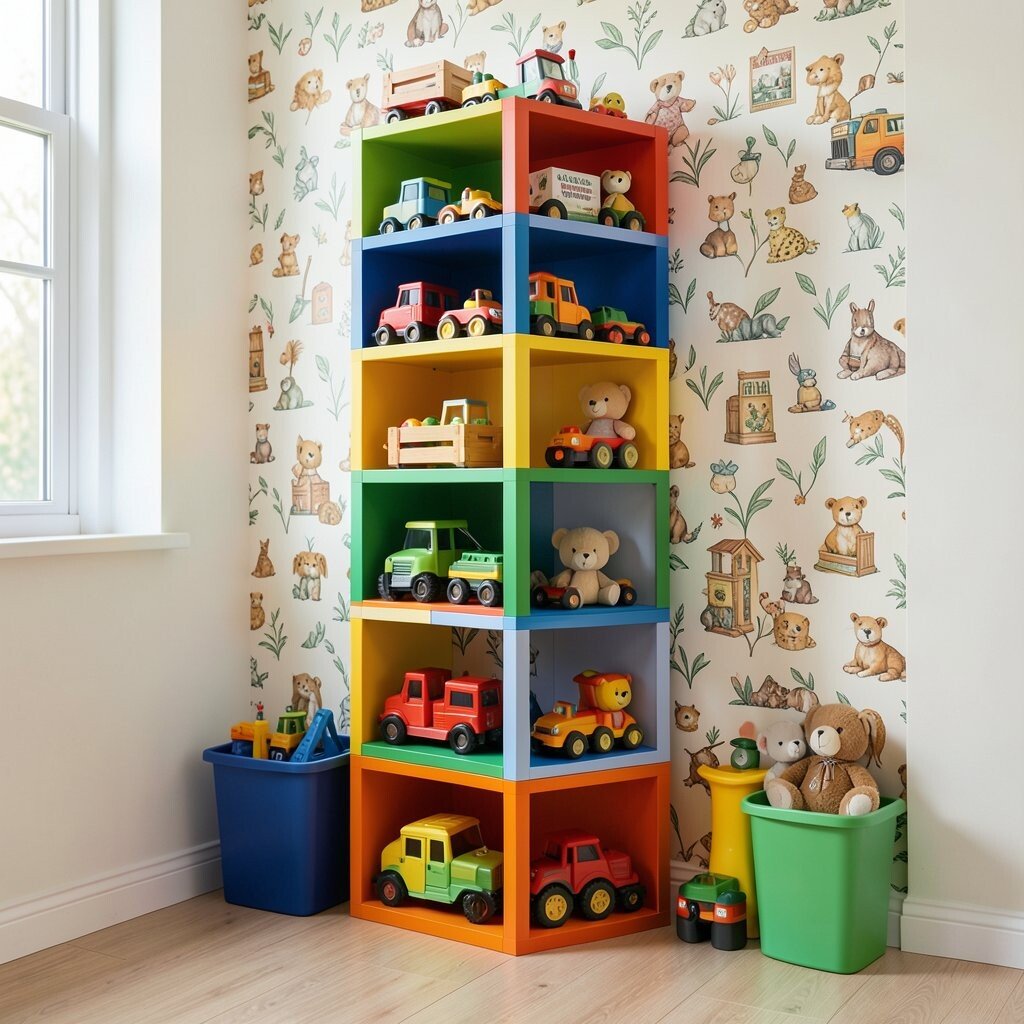
A block tower shelf stacks toys upward in a way that looks neat and fun. It may use cube shelves, open crates, or tall bins that stand like little towers.
This zone saves floor space and makes the room feel taller. Store large toys on the bottom and lighter items on top for easy reaching. You can paint the shelf in a bold color or add wallpaper to the back for a custom look.
Cube shelves can cost more than simple bins, but they last a long time. Tall open shelving is a current favorite because it feels modern and easy to use.
10. Game Shelf Spot
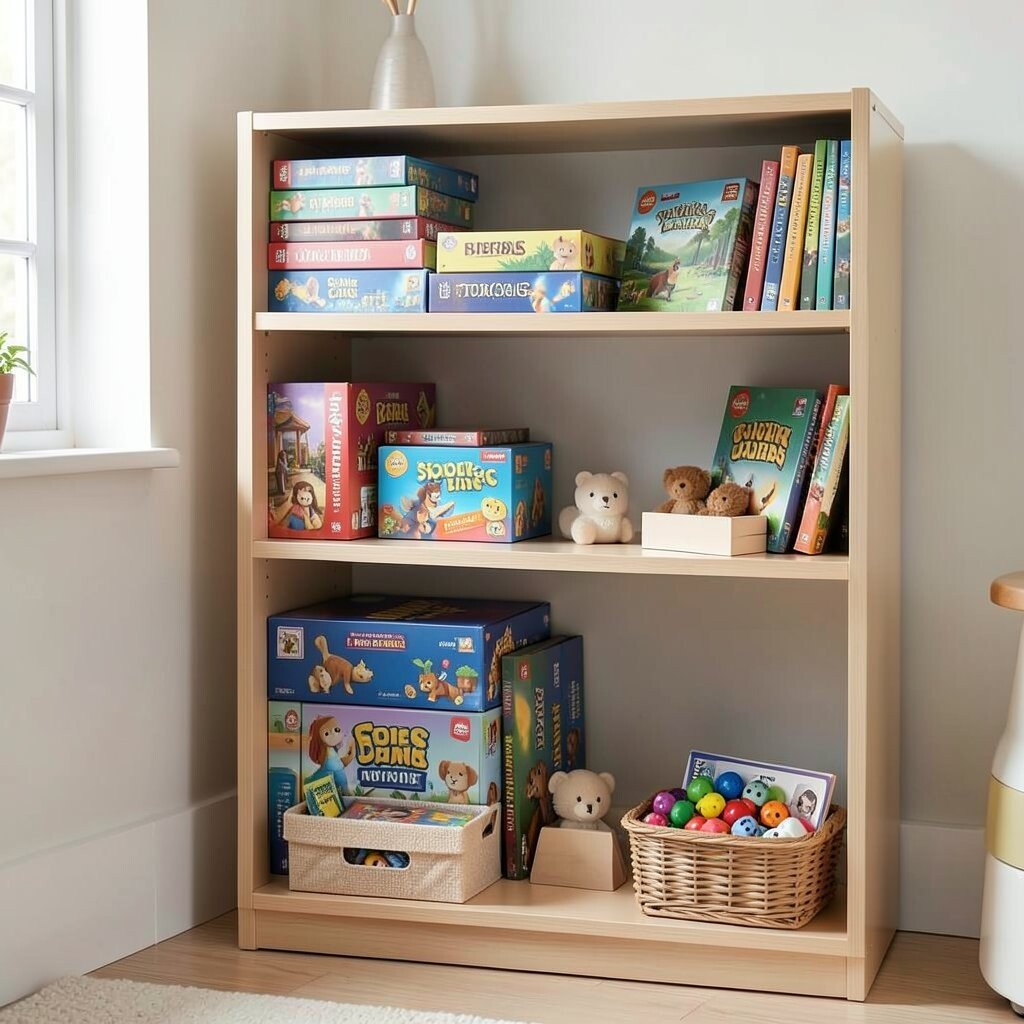
A game shelf spot gives board games and card games a clear place to live. It often looks tidy with matching boxes stacked like books on a shelf.
This zone helps keep game pieces together so nothing goes missing. Place heavier boxes on lower shelves and smaller games within kid reach. Add a label basket for loose dice, spinners, and score pads.
Some families use inexpensive bookends to keep games upright. A clean shelf with neat rows is a simple trend that works in both small and large playrooms.
11. Sensory Bin Corner
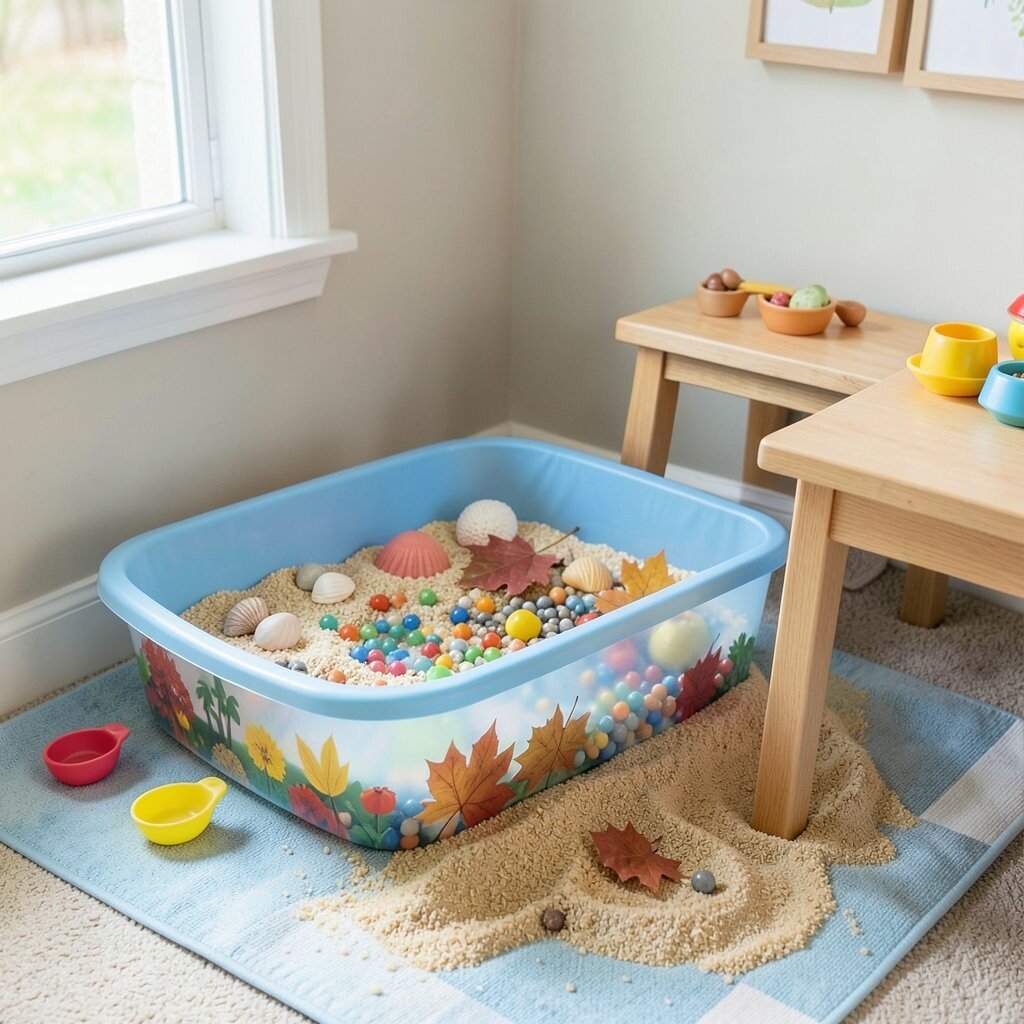
A sensory bin corner is a playful zone for rice, sand, water beads, or textured fillers. It can look bright and inviting with a covered tub and small scoops nearby.
This area supports hands-on play and helps kids stay busy in a focused way. Keep a mat under the bin to catch spills and make cleanup easier. You can change the bin theme with seasons, like shells in summer or leaves in fall.
Basic plastic tubs are low cost, while wooden sensory tables cost more. Rotating sensory play is a trend that keeps the room fresh without buying lots of new toys.
12. Car Garage Shelf
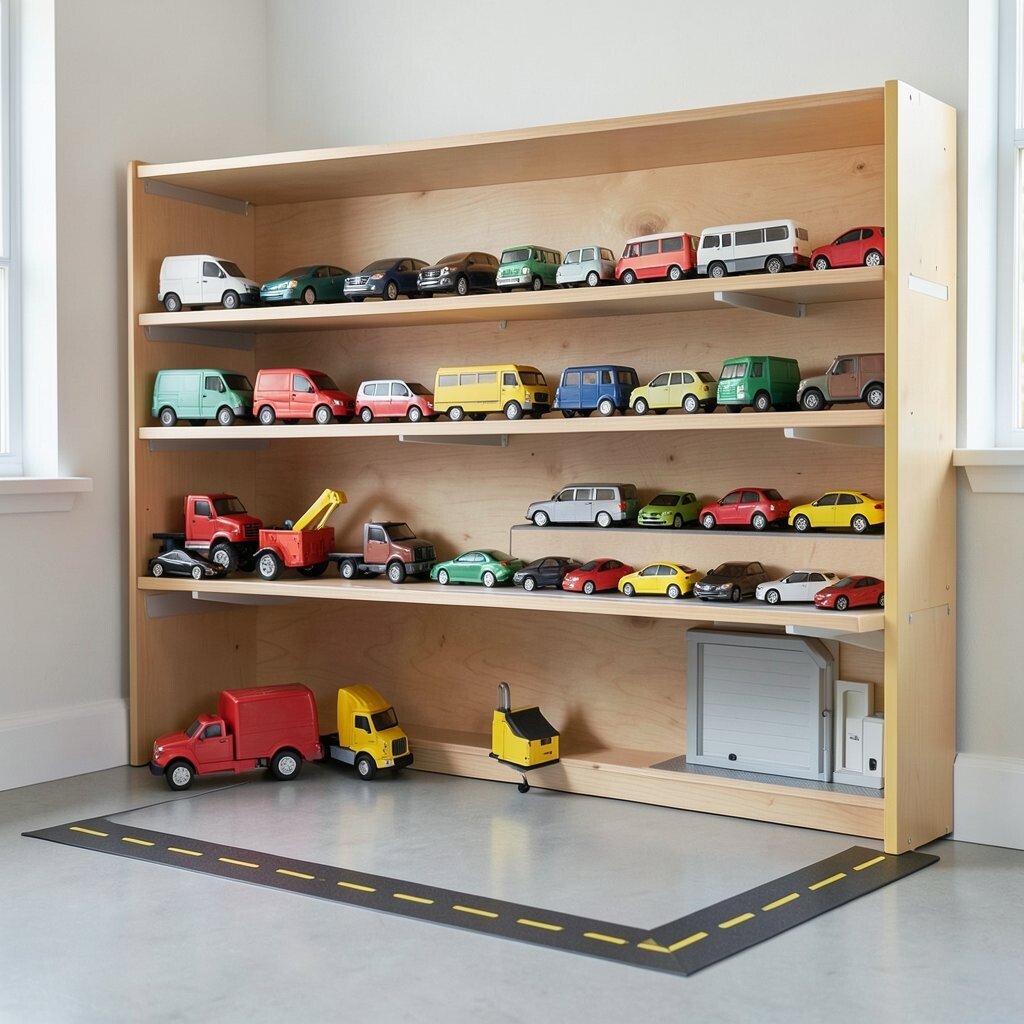
A car garage shelf gives toy cars, trucks, and buses a tiny parking place. It may look like a shelf with rows, a wall-mounted rack, or a painted wooden garage with slots.
This zone makes vehicle play feel organized and exciting. Kids can line up cars by size, color, or type, which turns cleanup into a game. Add road tape on the floor nearby for a fun scene that feels like a mini city.
Painted wood garages can cost more, but simple shelf bins are easy on the wallet. Vehicle storage with a display look is popular because it keeps toys visible and ready.
13. Doll Wardrobe Zone
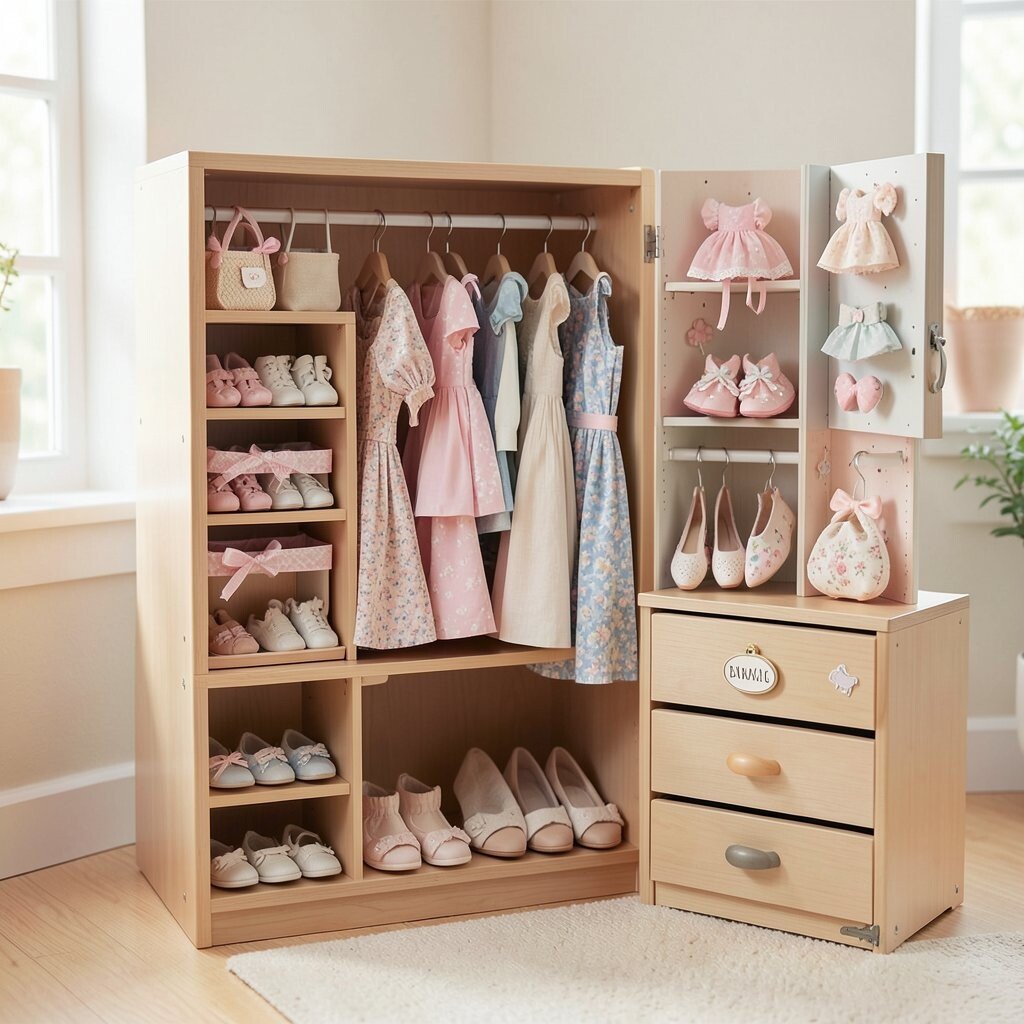
A doll wardrobe zone gives dolls, clothes, and tiny shoes a proper home. It can look like a mini closet, a hanging organizer, or a small trunk with drawers.
This zone keeps tiny outfits from disappearing into the toy pile. Use small dividers, pouches, or hanging hooks to sort dresses, shoes, and accessories. A child can personalize it with ribbon, stickers, or a name plate on the front.
Small organizers are usually affordable, while doll furniture sets cost more. Tiny wardrobe storage is a sweet trend because it feels like a real room for pretend friends.
14. Magnetic Wall Zone
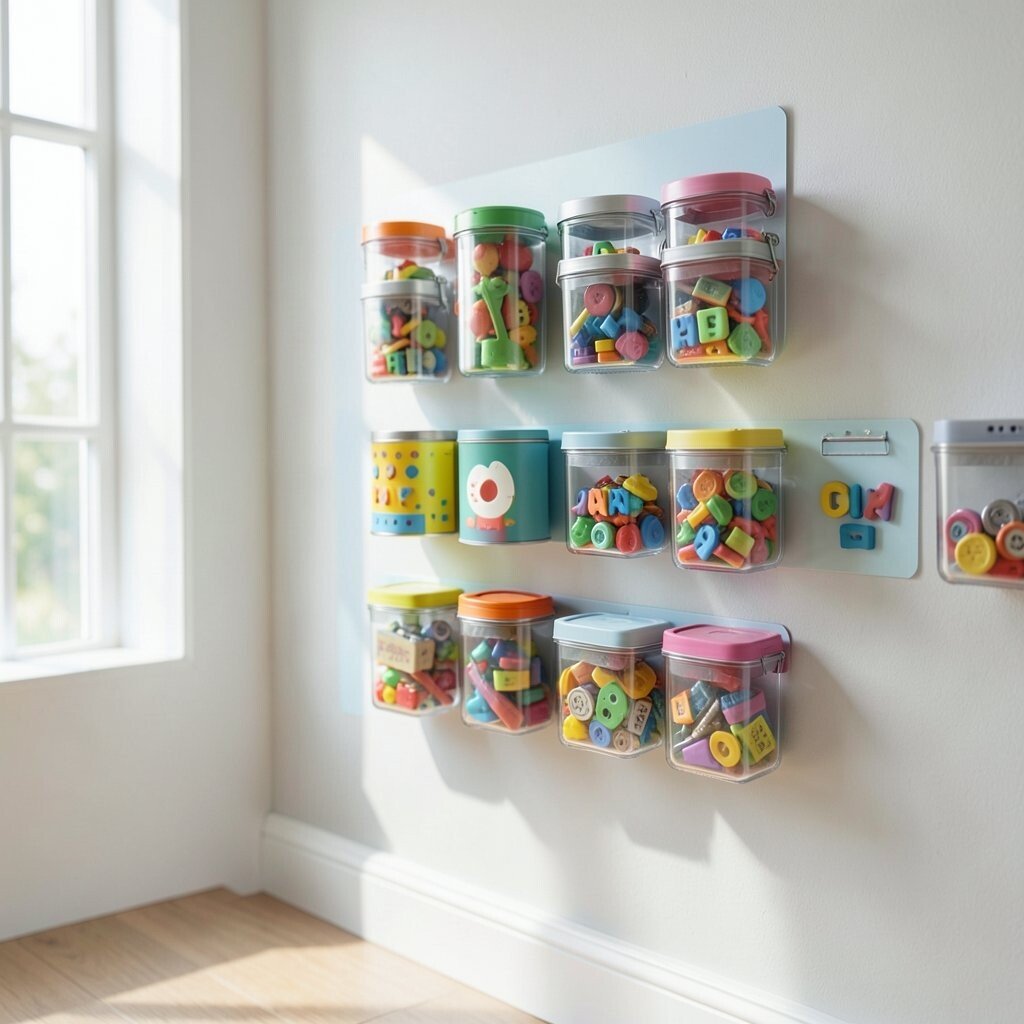
A magnetic wall zone turns a plain surface into a smart toy home. It can hold metal tins, magnetic letters, or small pieces in clear containers with magnetic backs.
This zone saves floor space and adds a cool, modern look. It works well for tiny items that are easy to lose, like game tokens or small art tools. Choose bright tins for a cheerful style, or use matching containers for a calm look.
Magnetic strips and tins can be low cost, but custom wall systems are more expensive. Wall storage is a strong trend for families who want a neat room without bulky furniture.
15. Dress-Up Hat Hooks
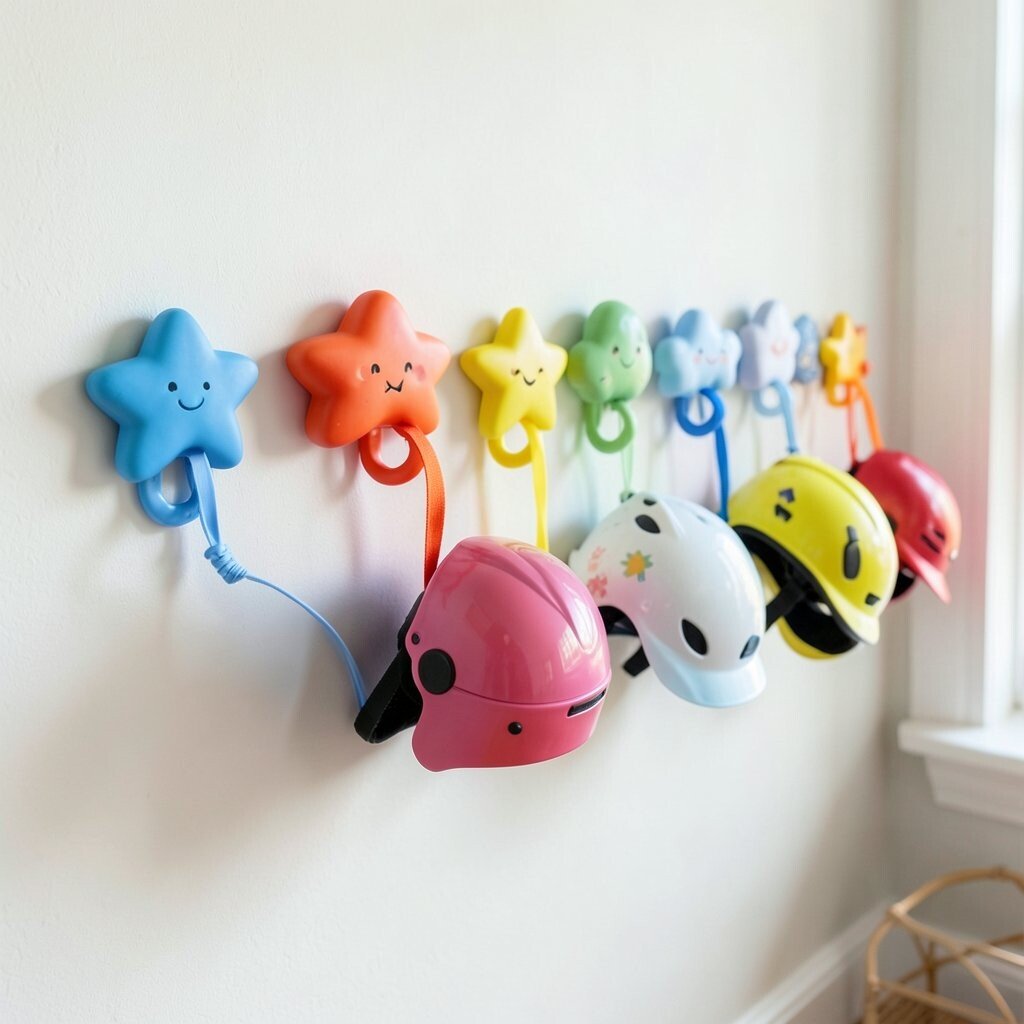
Dress-up hat hooks keep crowns, helmets, and silly hats in plain sight. The wall can look like a row of colorful hooks that feels playful and easy to use.
This zone helps special items stay wrinkle-free and ready for pretend adventures. Hang items at a kid-friendly height so children can grab them on their own. You can mix hook shapes, like stars or clouds, to match the room theme.
Hooks are one of the cheapest storage ideas, which makes them a smart choice. Open wall hooks are trendy because they save space and make the room feel cheerful.
16. Soft Toy Hammock
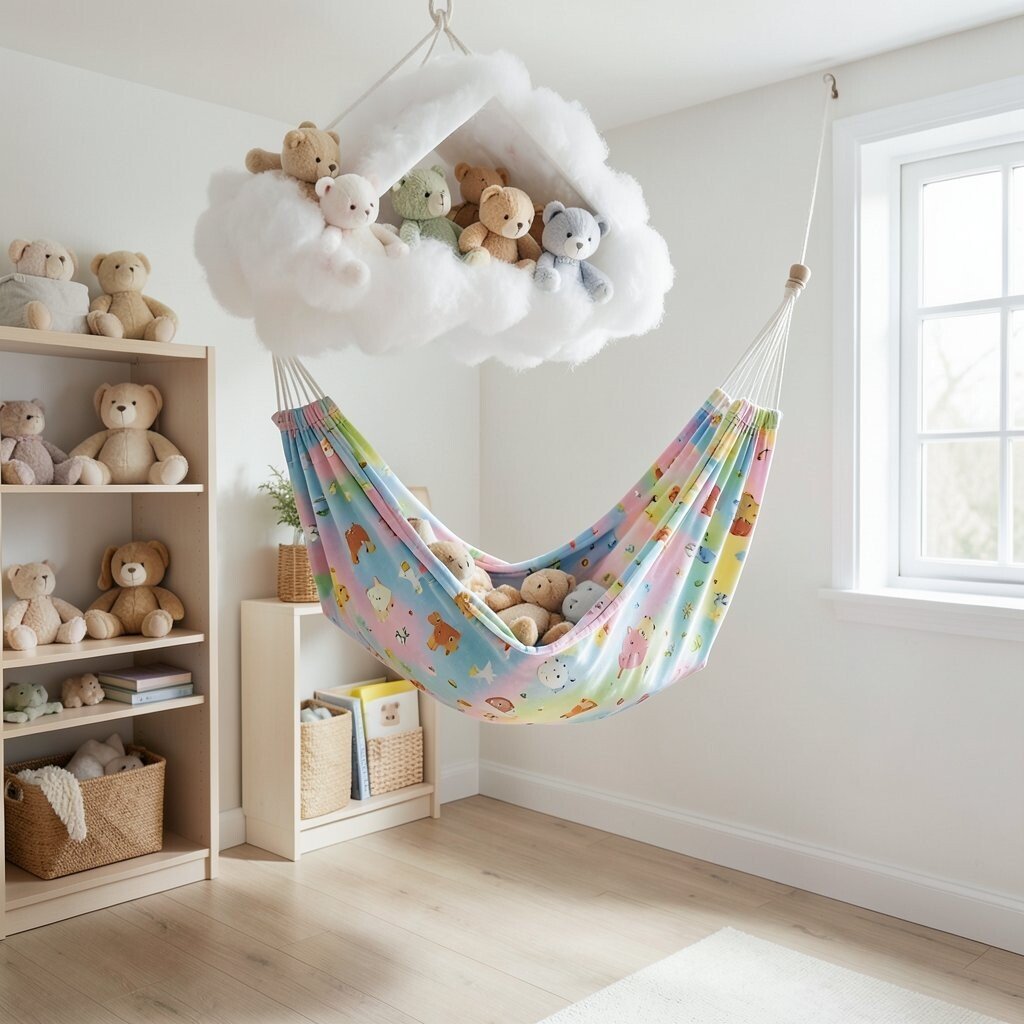
A soft toy hammock gives stuffed toys a floating home near the ceiling. It looks light and airy, almost like the animals are resting in a cloud.
This zone clears floor space fast and adds a fun visual touch. It works best for plush toys that are light and easy to stack. If you want a personal feel, choose a hammock in your child’s favorite color or pattern.
Hammocks are usually inexpensive and simple to hang. They fit the current trend of using vertical space in small rooms.
17. Train Track Tray
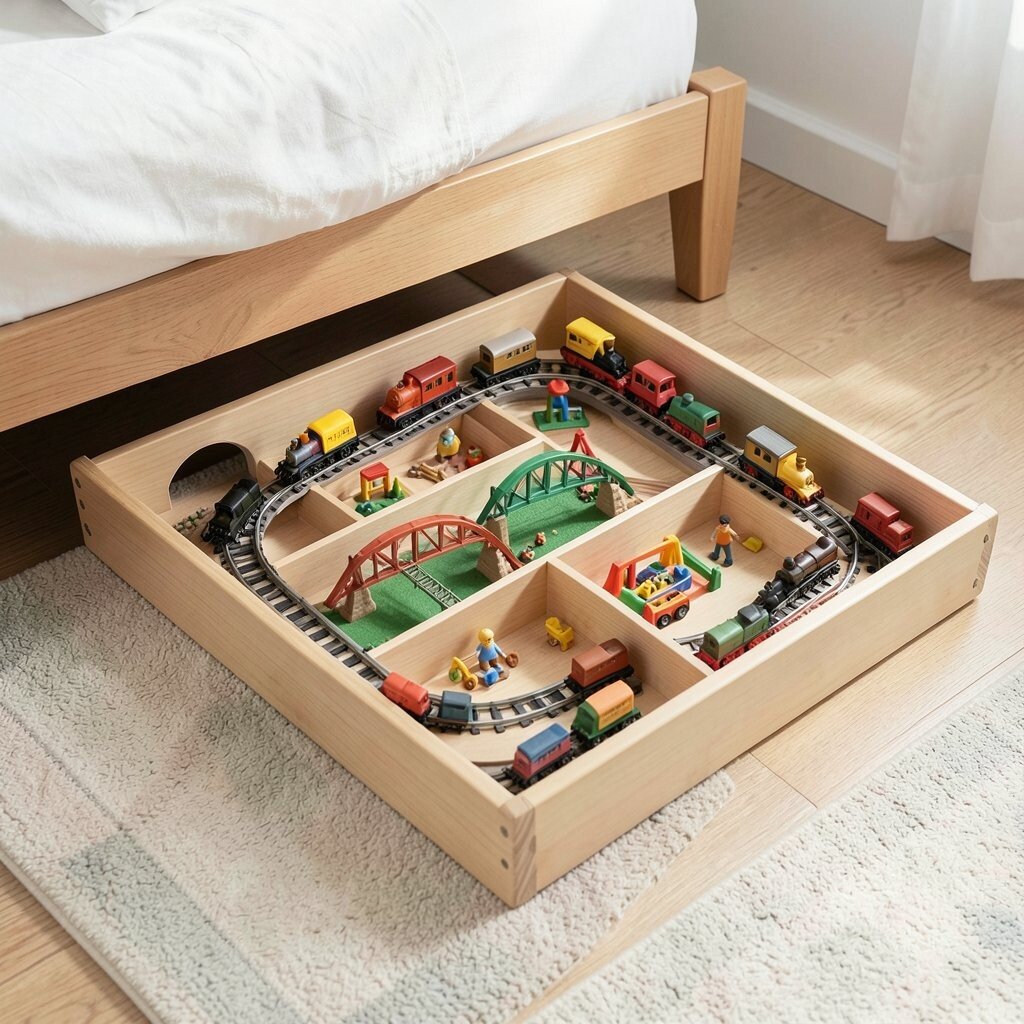
A train track tray keeps tracks, engines, and little people together in one place. It often looks like a low tray or a shallow bin with separate sections.
This zone makes set-up faster and helps kids keep their track pieces sorted. A tray can slide under a bed or onto a shelf when playtime ends. You can label each section with pictures for bridges, tracks, and trains.
Plastic trays are very budget friendly, while wooden trays feel more polished. Organized play trays are popular because they support quick play without a big mess.
18. Pretend Kitchen Pantry
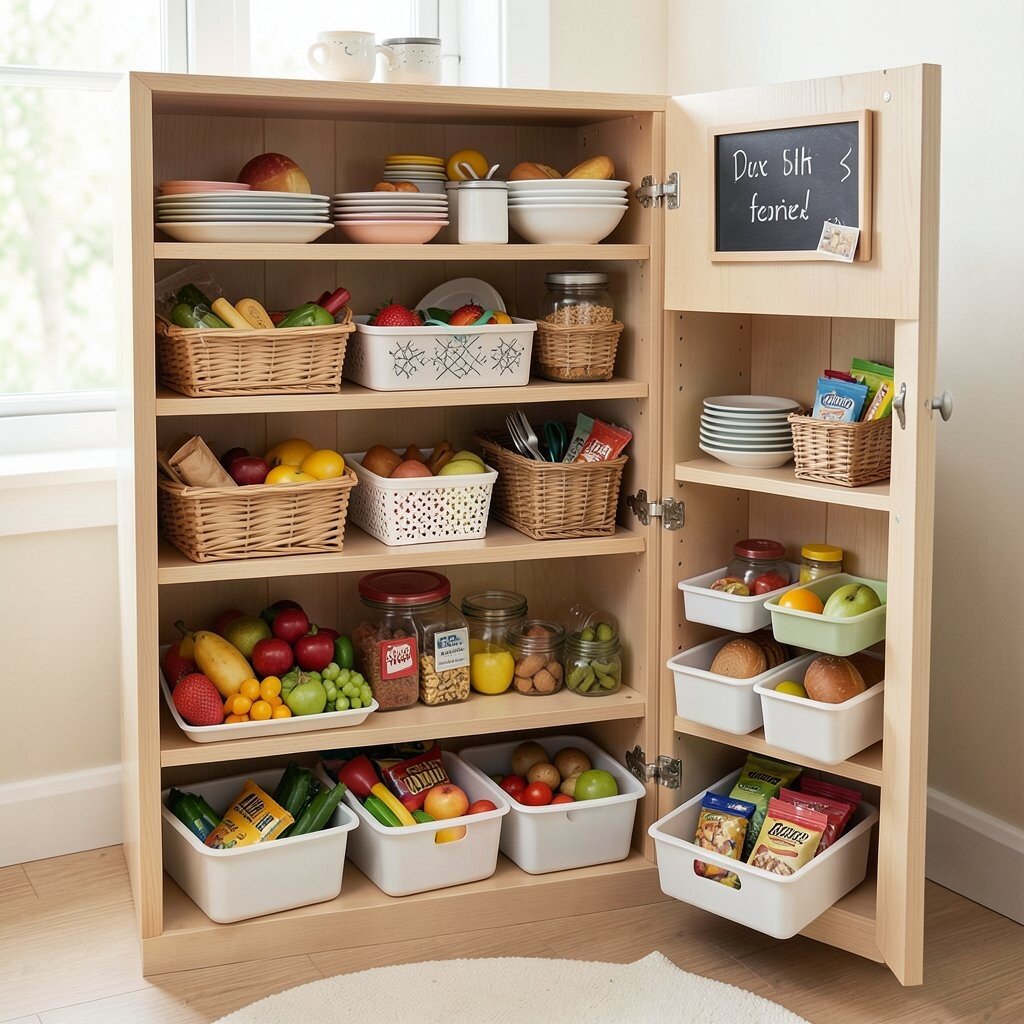
A pretend kitchen pantry stores toy food, dishes, and play utensils in a neat, pretend-friendly way. It can look like a mini pantry shelf, a basket tower, or a cupboard with open bins.
This zone makes pretend cooking feel more real and more fun. Sort food by type, such as fruit, snacks, and baking items, so kids can cook with ease. Add a chalkboard label or tiny menu card to make the space feel special.
Simple bins are low cost, and they work well for growing collections. Pantry-style play storage is a current favorite because it blends pretend play with a clean look.
19. Puzzle Mat Roll-Up Zone
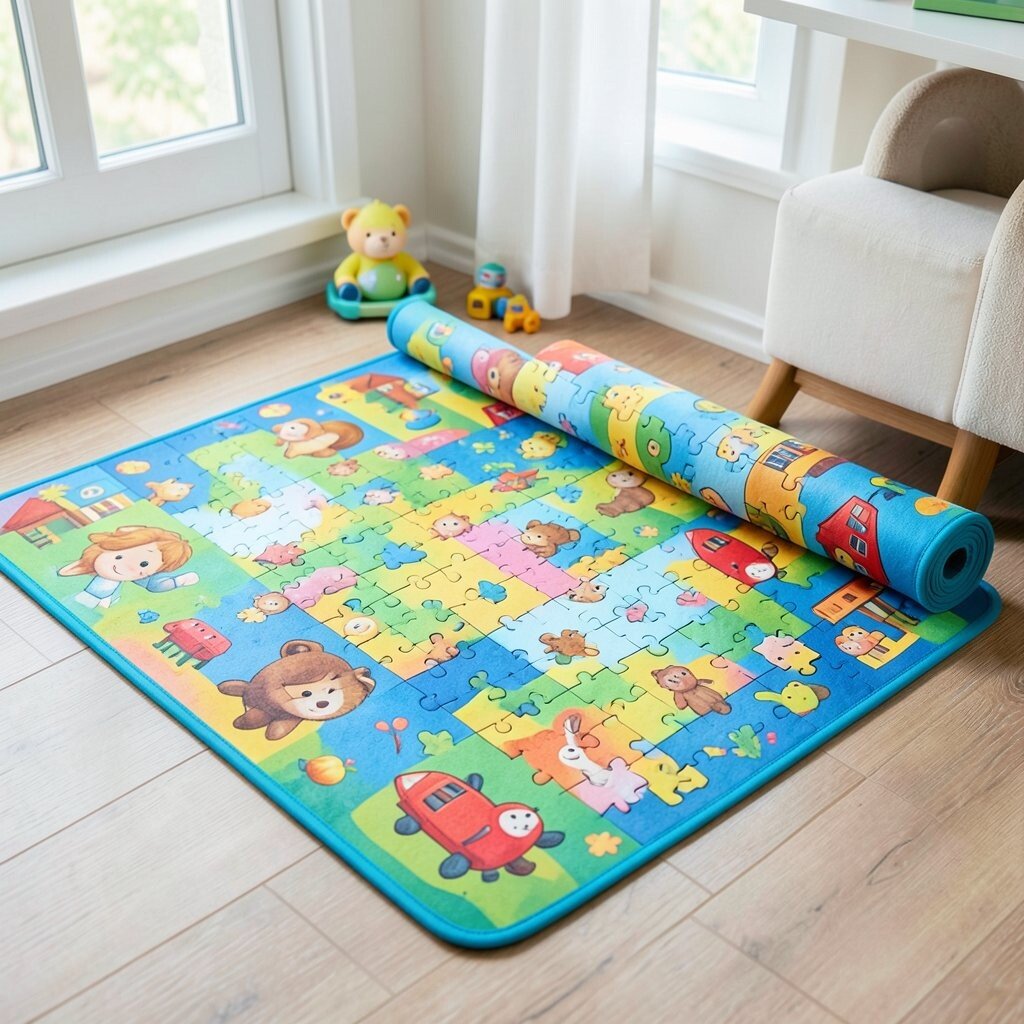
A puzzle mat roll-up zone gives big puzzles a safe resting place. It may be a felt mat, a foam board, or a roll-up tube that keeps pieces secure.
This zone is helpful when kids want to pause a project and come back later. It stops puzzle pieces from getting mixed up or swept away. Choose a mat with bright edges or a fun pattern to make it feel more special.
Roll-up mats can cost a little more than basic trays, but they save unfinished work. This style is useful for families who like flexible, low-clutter play.
20. Music Corner Crate
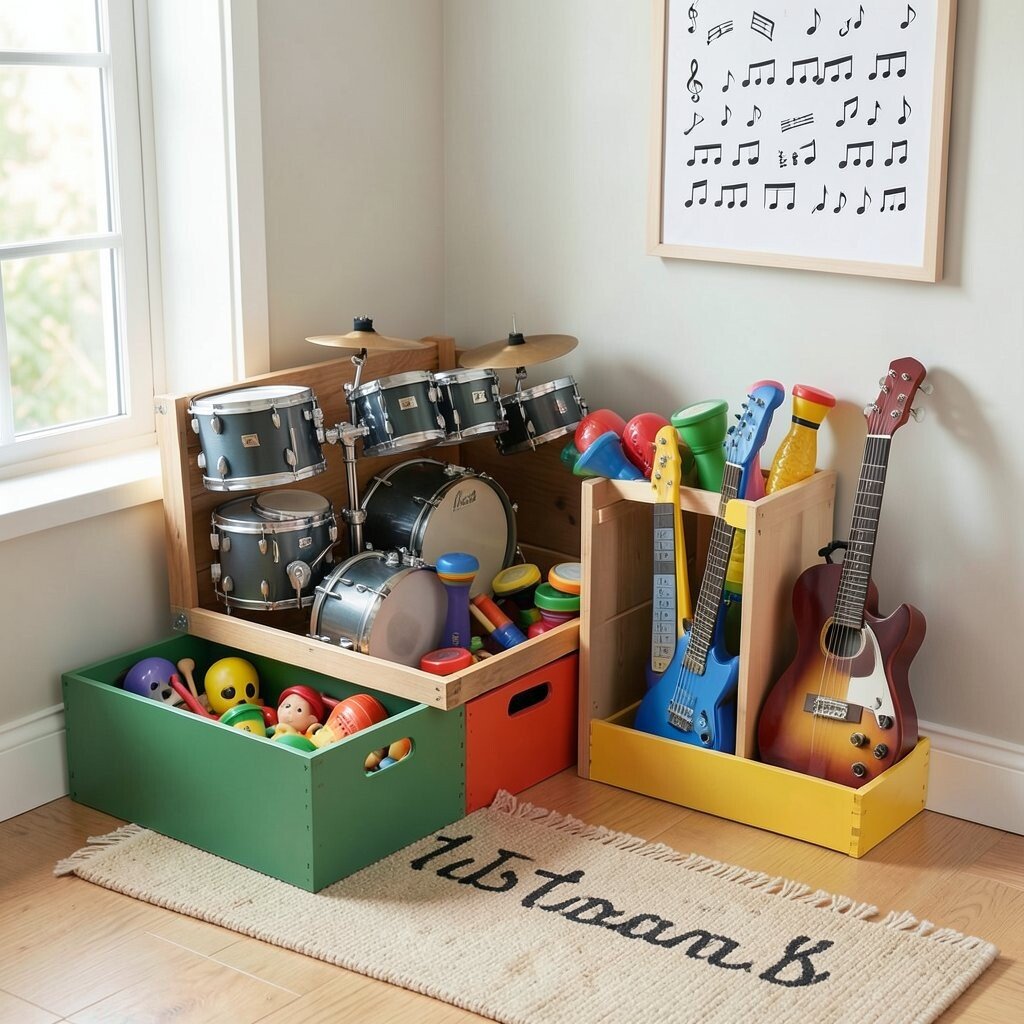
A music corner crate stores drums, shakers, tambourines, and other noisy fun. It can look lively with open crates and a few instruments standing upright.
This zone keeps music toys easy to reach and easy to put away. Group loud toys together so they do not get mixed with quiet toys. A rug or wall art with notes can make the corner feel like a tiny stage.
Crates are usually affordable, and they can be painted for a custom look. Music corners are trendy because they bring energy to the room without needing much space.
21. Animal Habitat Shelf
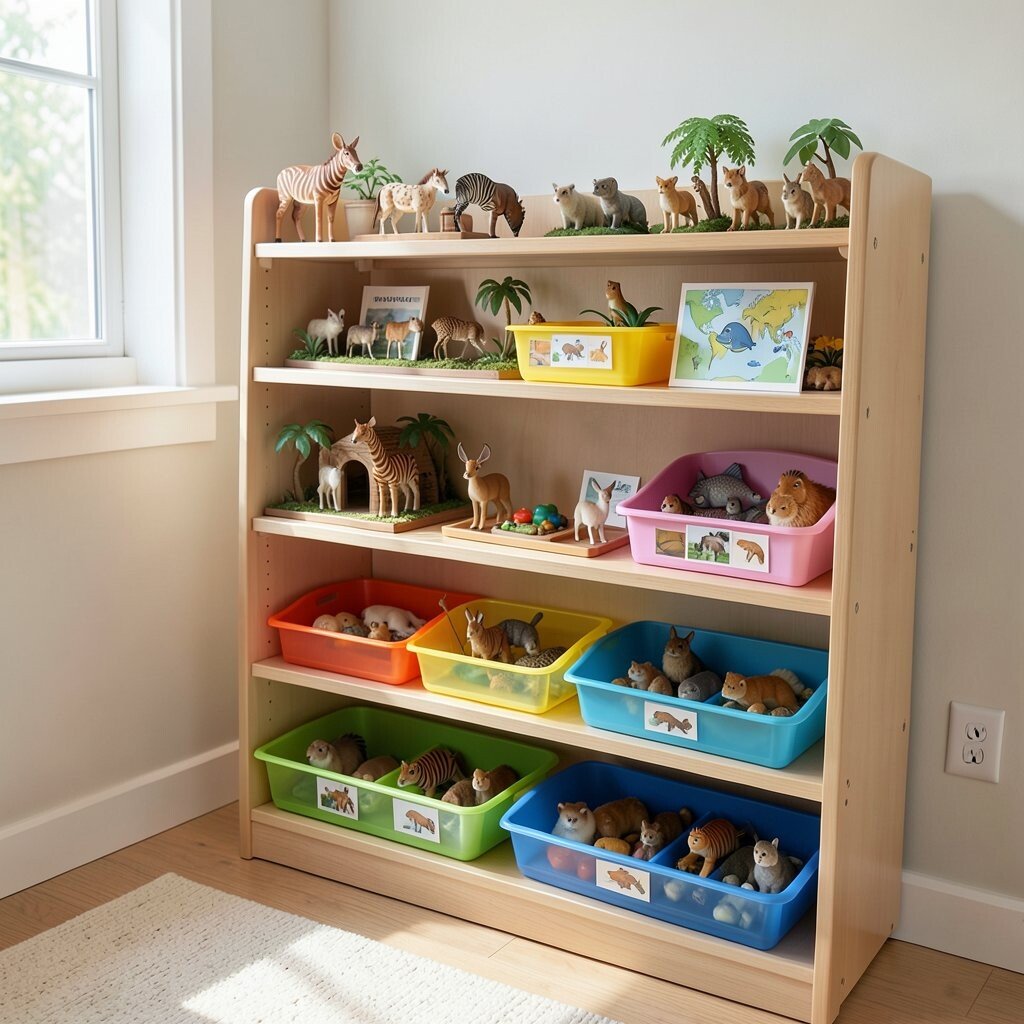
An animal habitat shelf gives toy animals a home that feels like a little zoo. It might include bins for farm animals, jungle animals, and sea creatures.
This zone helps kids sort animals by world, size, or color. It also makes pretend play easier because the right animals are easy to find. Add small signs or printed pictures to show where each group belongs.
Open bins are often a low-cost choice, while themed shelves can cost more. Animal sorting is a fun trend because it turns storage into a game.
22. Hidden Bench Bin
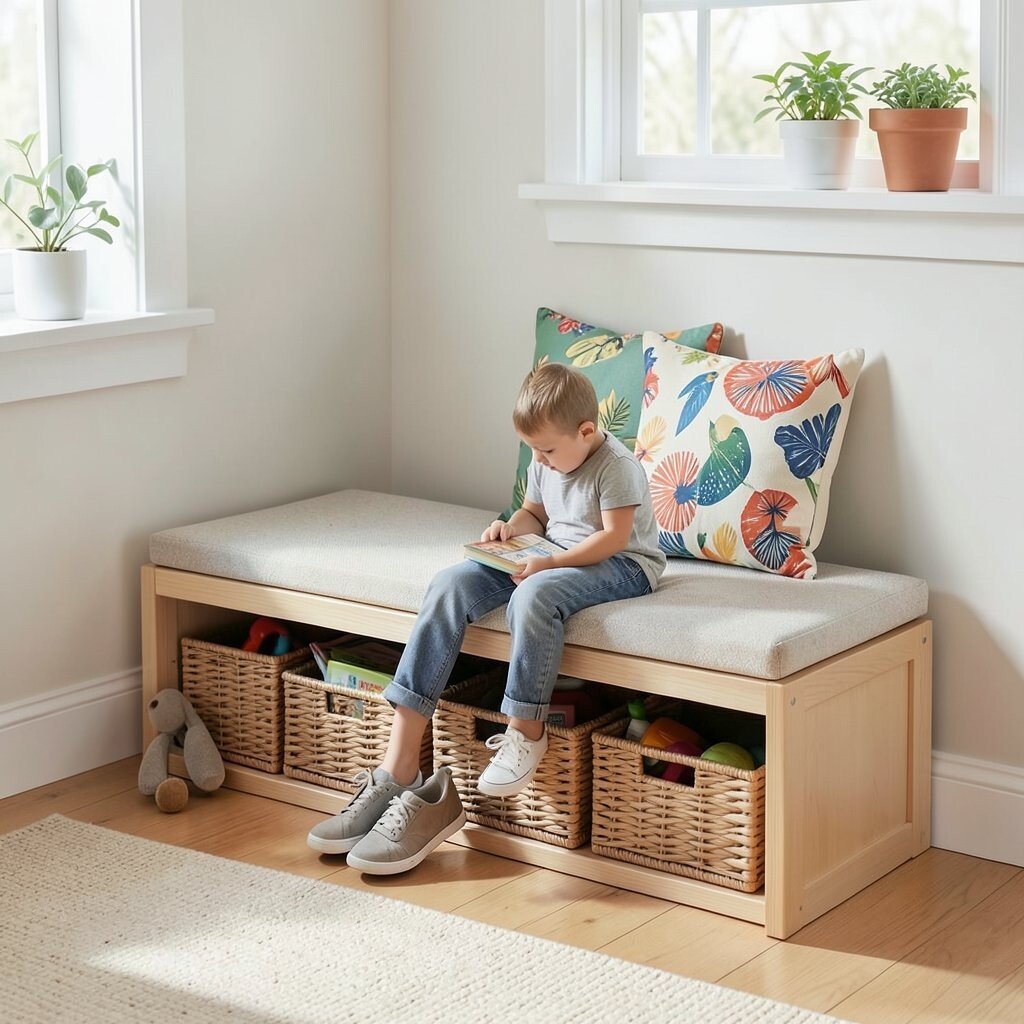
A hidden bench bin gives the room a seat and a storage spot at the same time. It can look like a cozy bench with a lid, or a cushioned seat with baskets underneath.
This zone saves space and makes the room feel calm and finished. Kids can sit to put on shoes, read a book, or help with cleanup. Choose a soft cushion in a bold print if you want the bench to stand out.
Simple storage benches can be a smart middle-cost choice. Built-in bench seating is a stylish trend that works well in tidy, family-friendly rooms.
23. Wall Pocket Zone
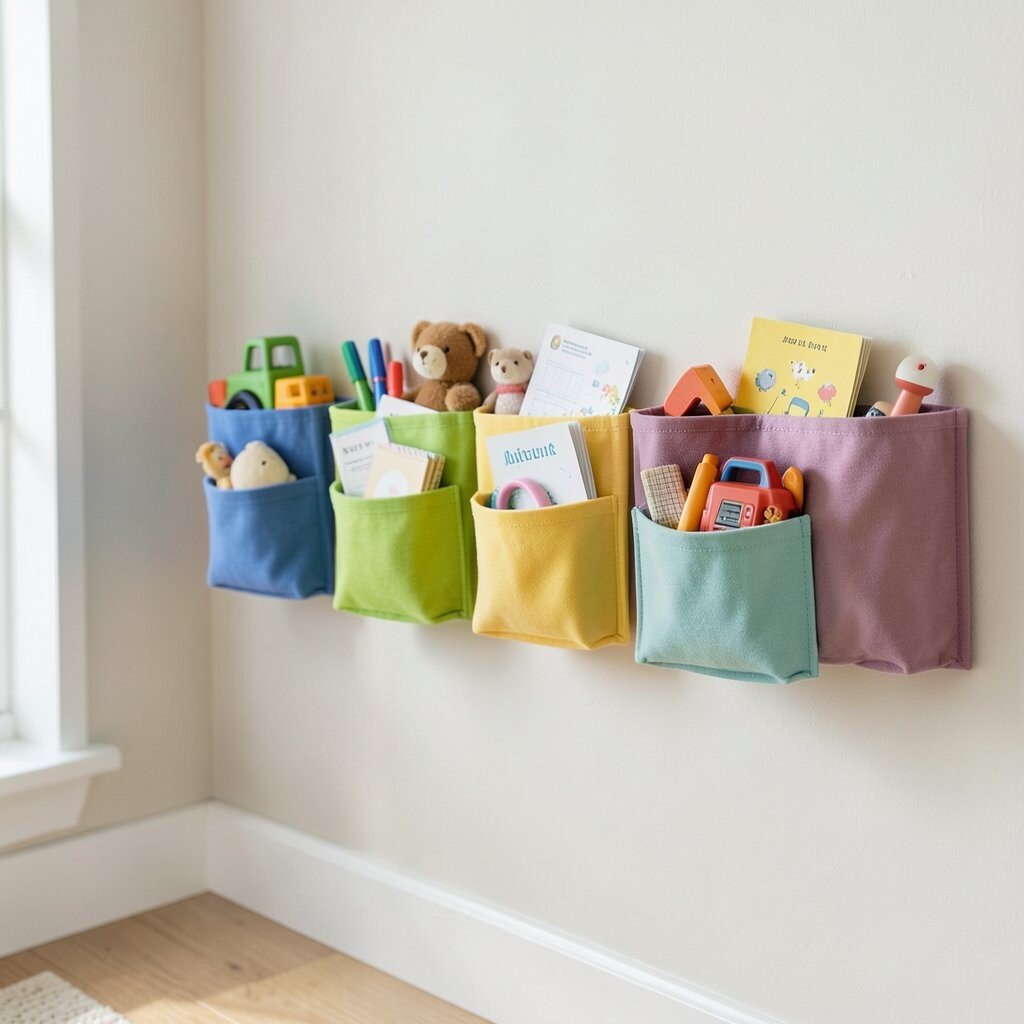
A wall pocket zone uses hanging pockets to hold small toys, papers, and craft bits. It looks slim and neat, almost like a row of little fabric envelopes on the wall.
This zone is great for tiny items that would otherwise get lost. Kids can sort things by pocket, which makes it easy to grab and return them. Pick pockets in bright colors for a cheerful feel, or go with soft neutrals for a calmer room.
Fabric pocket organizers are usually inexpensive and easy to hang. Wall pockets are a smart trend for small playrooms because they use space that often goes unused.
24. Memory Display Cubby
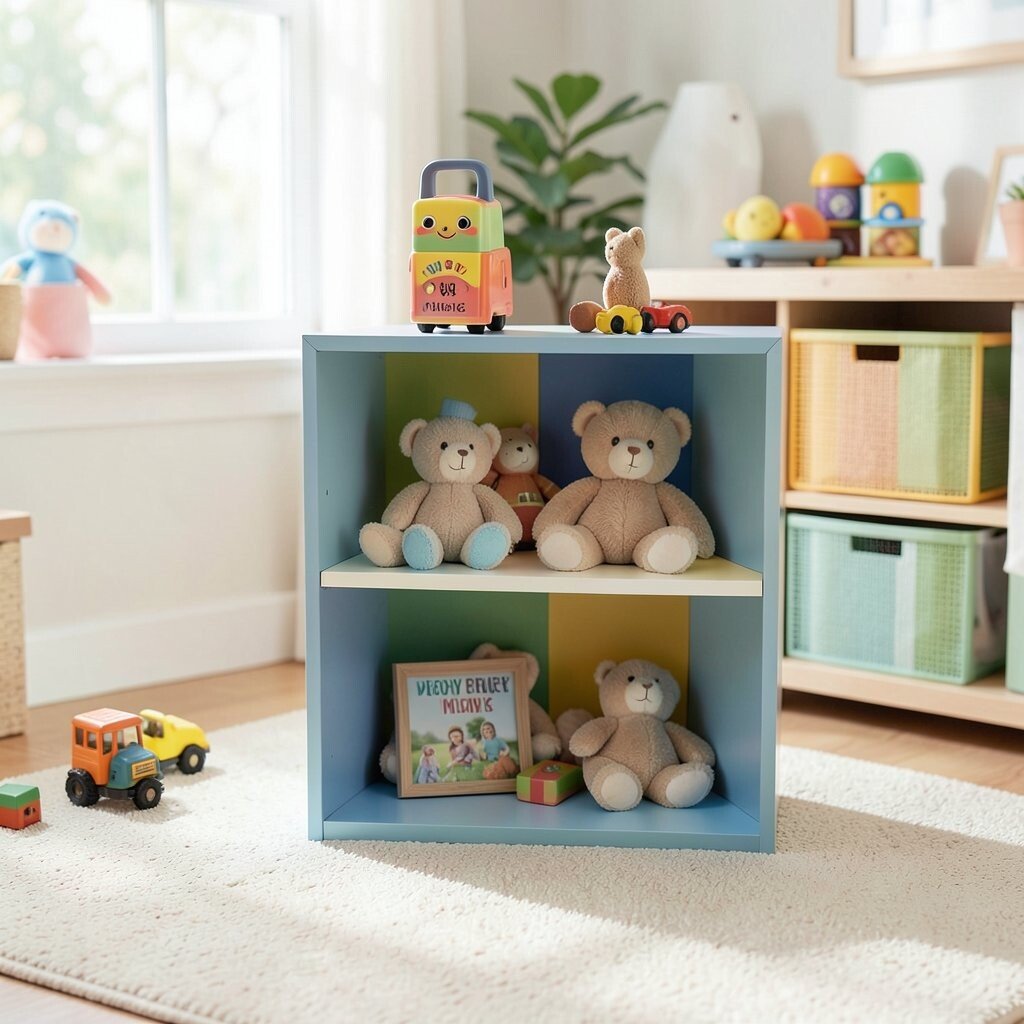
A memory display cubby gives special toys a place to shine instead of hiding them away. It can hold favorite stuffed animals, handmade toys, or keepsakes in a small open cube.
This zone adds heart to the playroom and helps the room feel personal. Rotate the items now and then so the display stays fresh and meaningful. A child can choose the cubby color, add a photo, or place a tiny sign on the front.
Simple cubbies are often easy on the budget, while custom built-ins cost more. Display-style storage is a lasting trend because it mixes beauty with everyday order.