
Some doors do much more than open and close. Their placement can change how a room feels in a big way.
A small shift in location can make a home look smarter and more stylish. It can also make daily life easier in ways people often miss.
1. A Door Set at the End of a Hallway
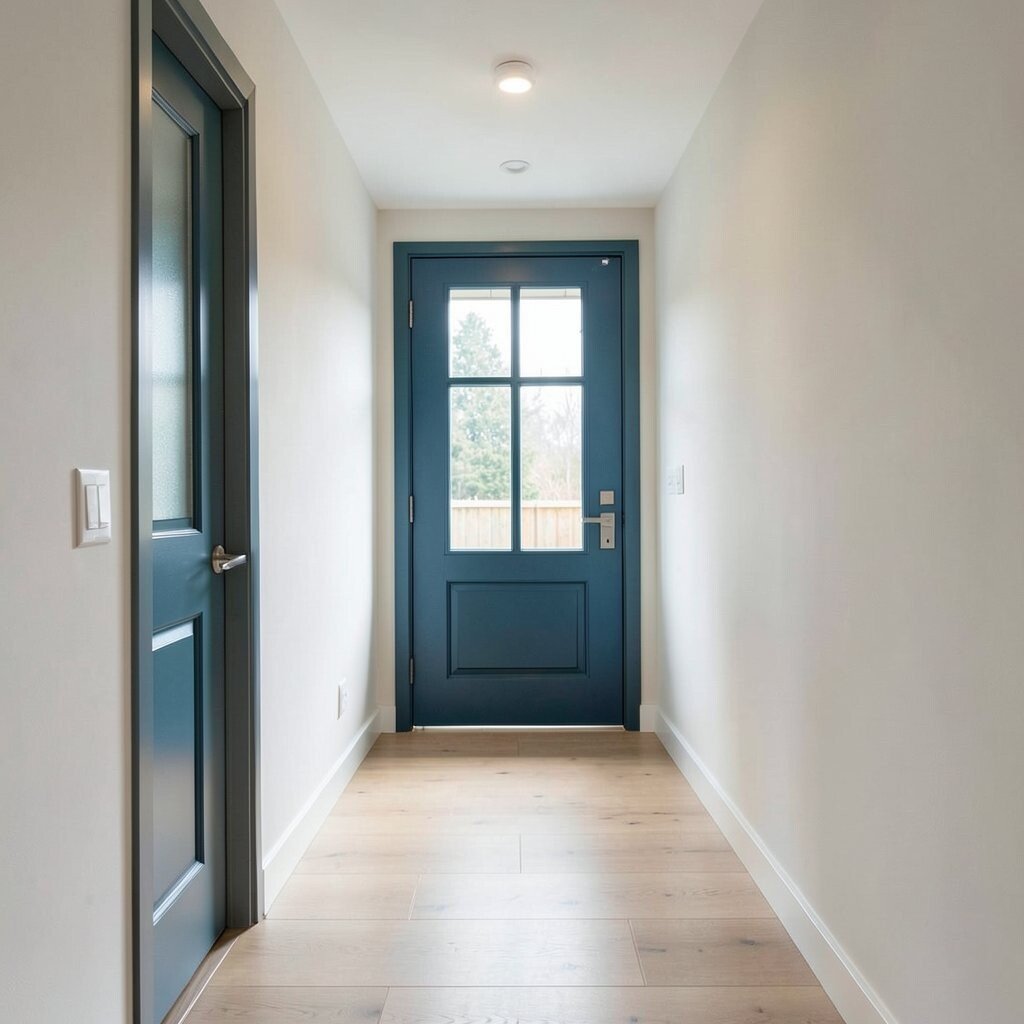
A door at the far end of a hallway creates a strong visual line. It pulls the eye forward and makes the space feel longer and more graceful.
This setup works well in homes that need a little drama without extra decor. It can also make a plain corridor feel more planned and polished. For a custom look, paint the door a bold color or add glass panels that catch light.
2. A Door Hidden Beside Built-In Shelving
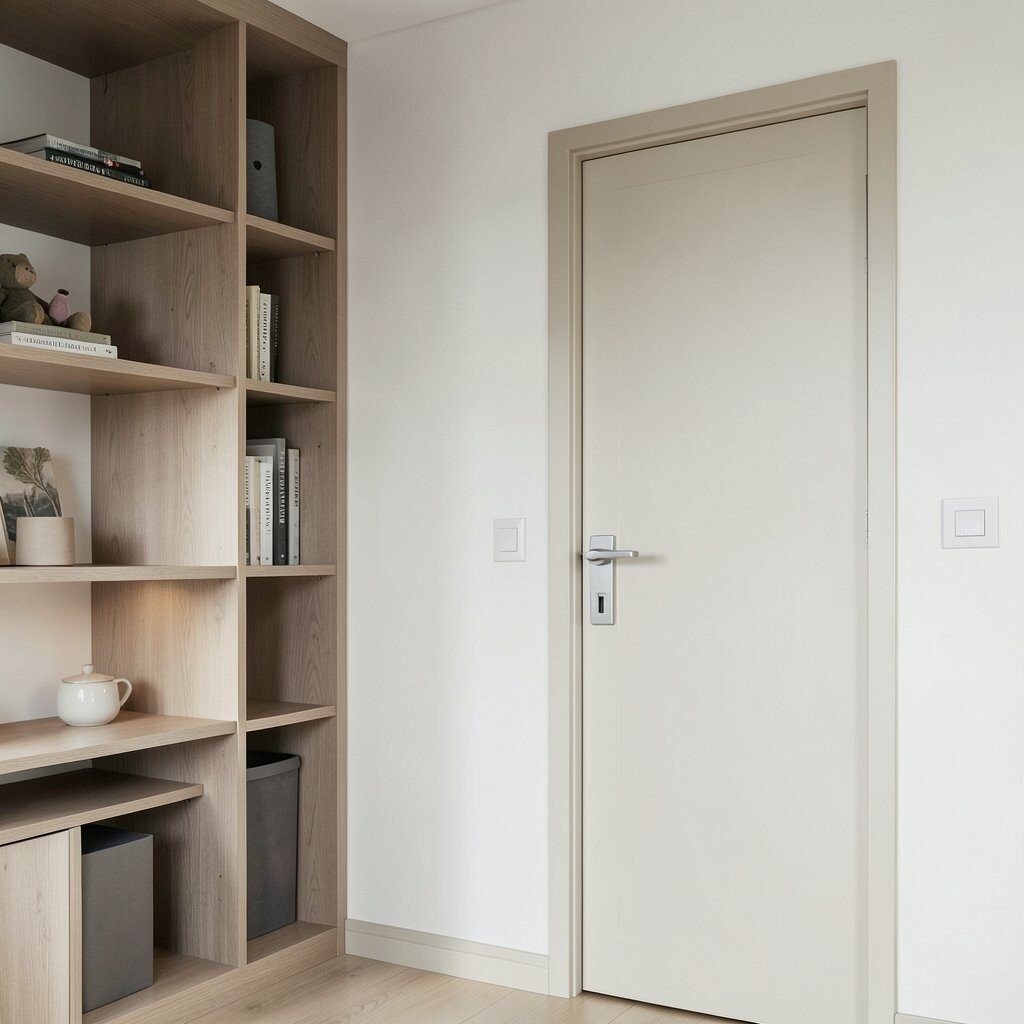
A door tucked into shelving looks clever and calm. It can blend into the wall and make a room feel neat and secret in a good way.
This idea is great for offices, playrooms, and storage areas. It helps keep clutter out of sight while still giving easy access.
Many people like this look because it feels custom without being too flashy. The cost can stay reasonable if the shelves are simple and the door uses the same finish as the wall. Add matching hardware or a push-latch system for a smoother look.
3. A Door Placed at an Angle
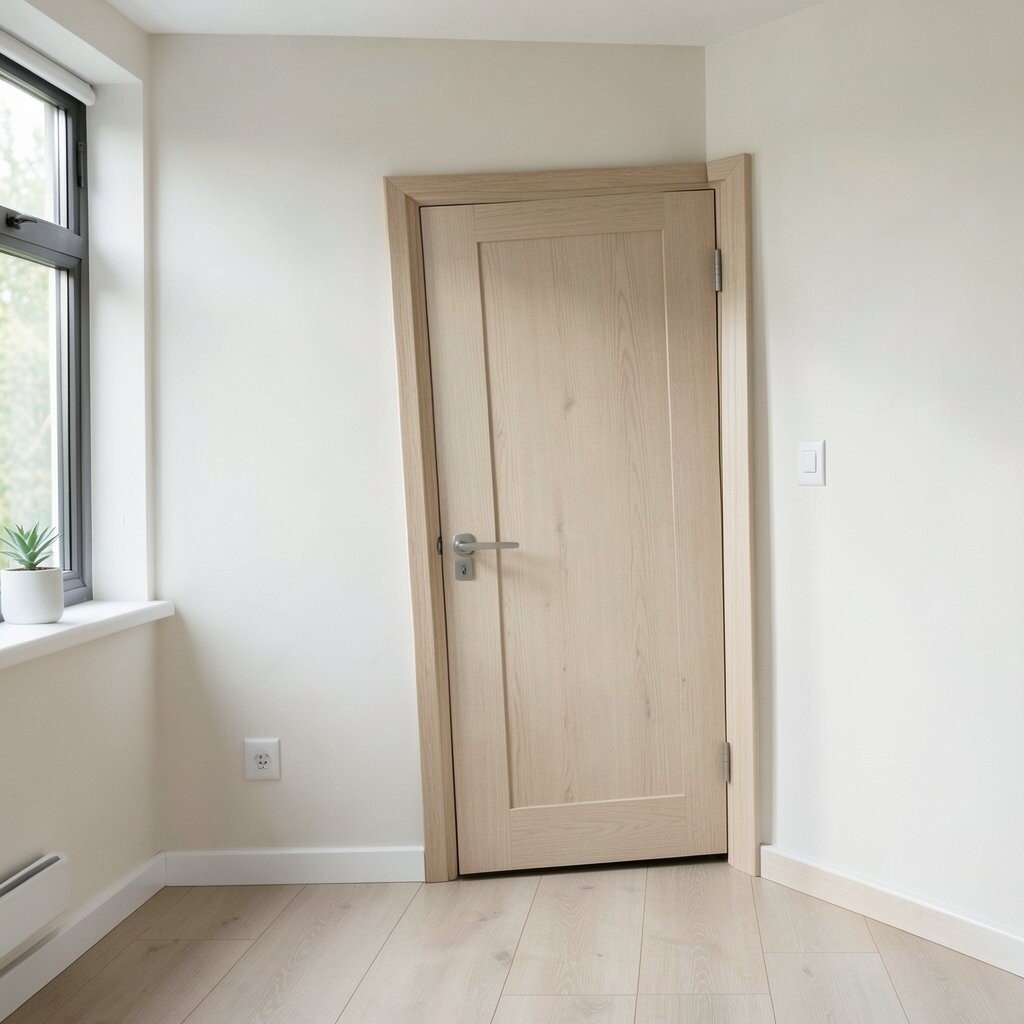
An angled door gives a room a fresh and unexpected shape. It can make a small layout feel more dynamic and less boxy.
This choice is especially useful in awkward corners or older homes with odd wall lines. It can also help guide foot traffic in a more natural way. If you want a softer feel, use light wood and simple trim so the angle stands out gently.
Angled doors are popular in modern and custom homes because they feel artistic. They may cost more than a standard setup if framing changes are needed. Still, the result can make the whole room feel designed with care.
4. A Door That Opens Into a Room Divider
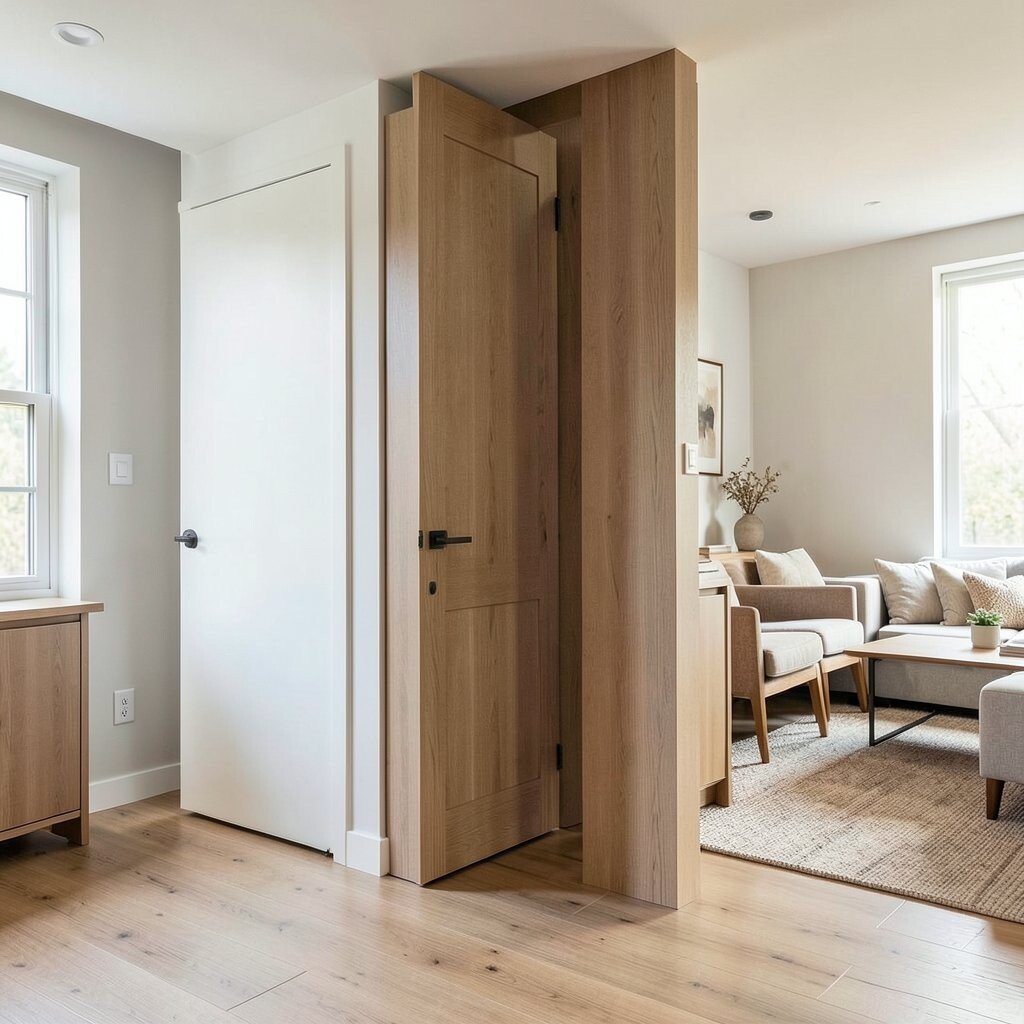
A door built into a room divider creates a smart split between spaces. It can make one large room feel more useful without building a full wall.
This is a strong choice for open-plan homes that need privacy now and then. It also gives the room a layered look that feels warm and flexible.
5. A Door Near the Ceiling Line in a Tall Space
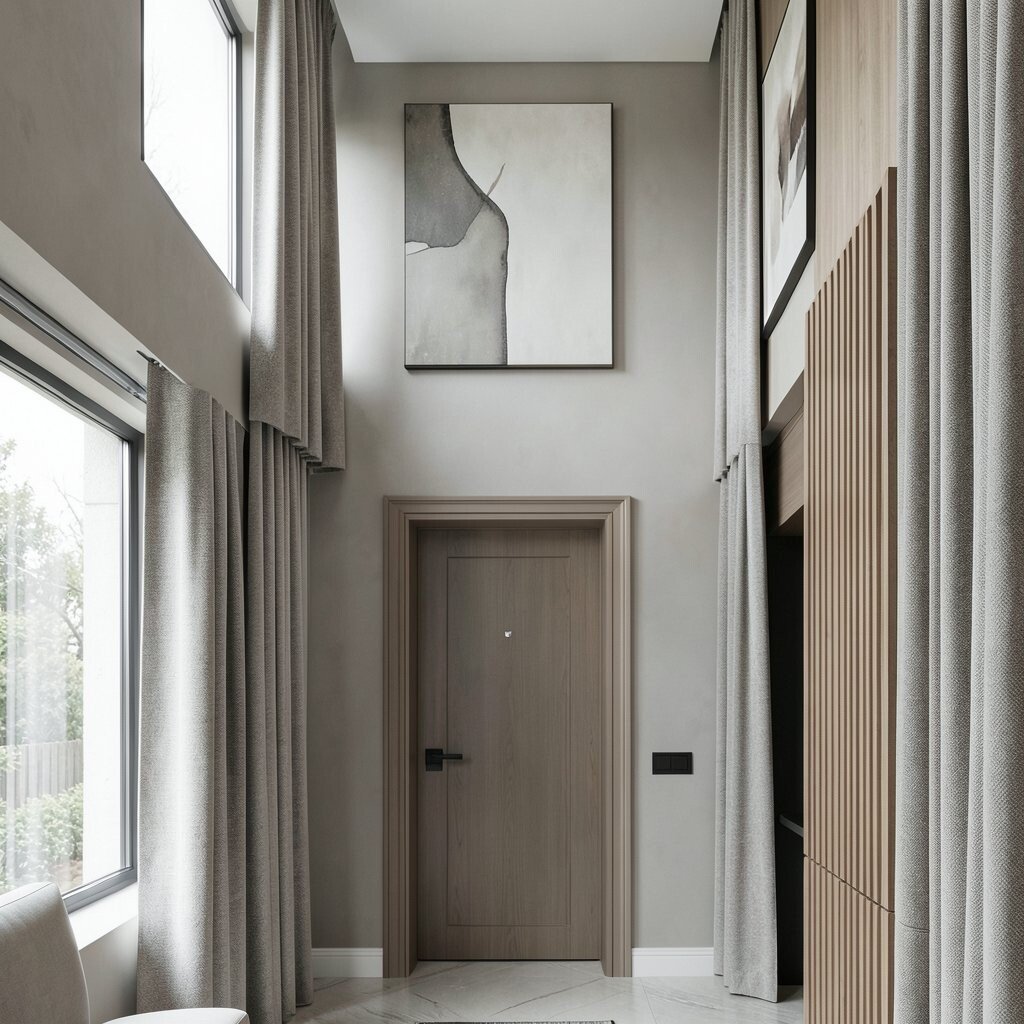
A tall room can handle a door placed higher in the visual field. This adds a bold look and helps the wall feel even more grand.
The door itself may not move upward, but tall trim or a raised frame can create that effect. It works well with high ceilings, lofts, and dramatic entry walls.
To make it feel balanced, use long curtains, tall art, or vertical wood panels nearby. This style is often tied to current luxury trends, but it can still be done with simple materials. Keep in mind that custom trim can raise the price, so plan the finish early.
6. A Door Between the Kitchen and Pantry at a Side Wall
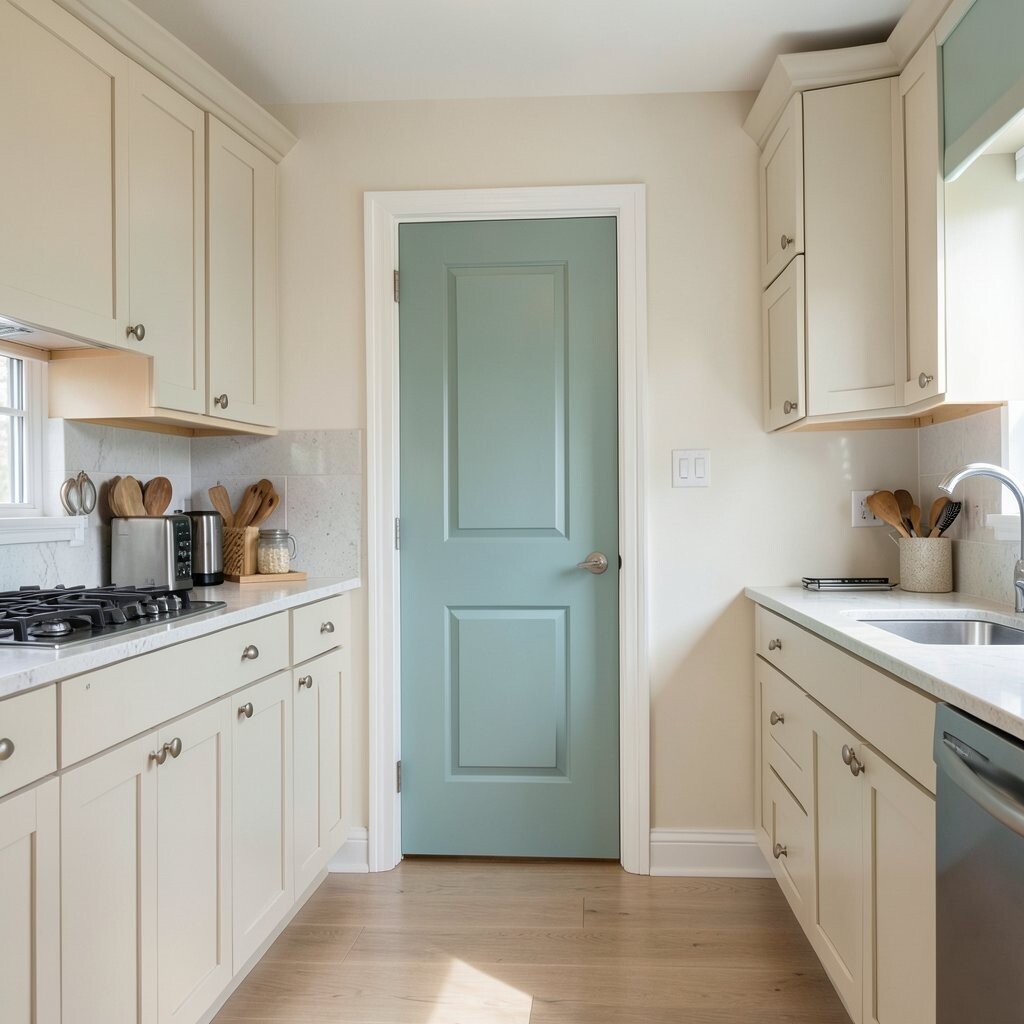
A side-wall pantry door keeps the kitchen front clean and tidy. It also makes food storage feel like part of the design instead of an afterthought.
This placement is useful when the main kitchen wall is busy with cabinets or appliances. It can make traffic flow easier during cooking and cleanup.
Many homeowners like to match the pantry door to the cabinets for a seamless look. Others choose a bright color to make the pantry feel fun and lively. If budget matters, a standard slab door with updated paint can still look very stylish.
7. A Door Tucked Under a Staircase

A door under the stairs makes smart use of space that often goes to waste. It can turn a tricky spot into storage, a powder room, or a small office nook.
The look feels cozy and a little surprising. It also helps keep the main living area open and less crowded.
Because under-stair spaces can be tight, careful measuring is important. The door may need custom sizing, which can affect cost. Add a simple handle and light paint to keep the area bright and easy to use.
This idea works well in small homes and city apartments. It gives you extra function without needing a bigger footprint. A hidden or flush design can make the space feel even more modern.
8. A Door Centered on a Feature Wall
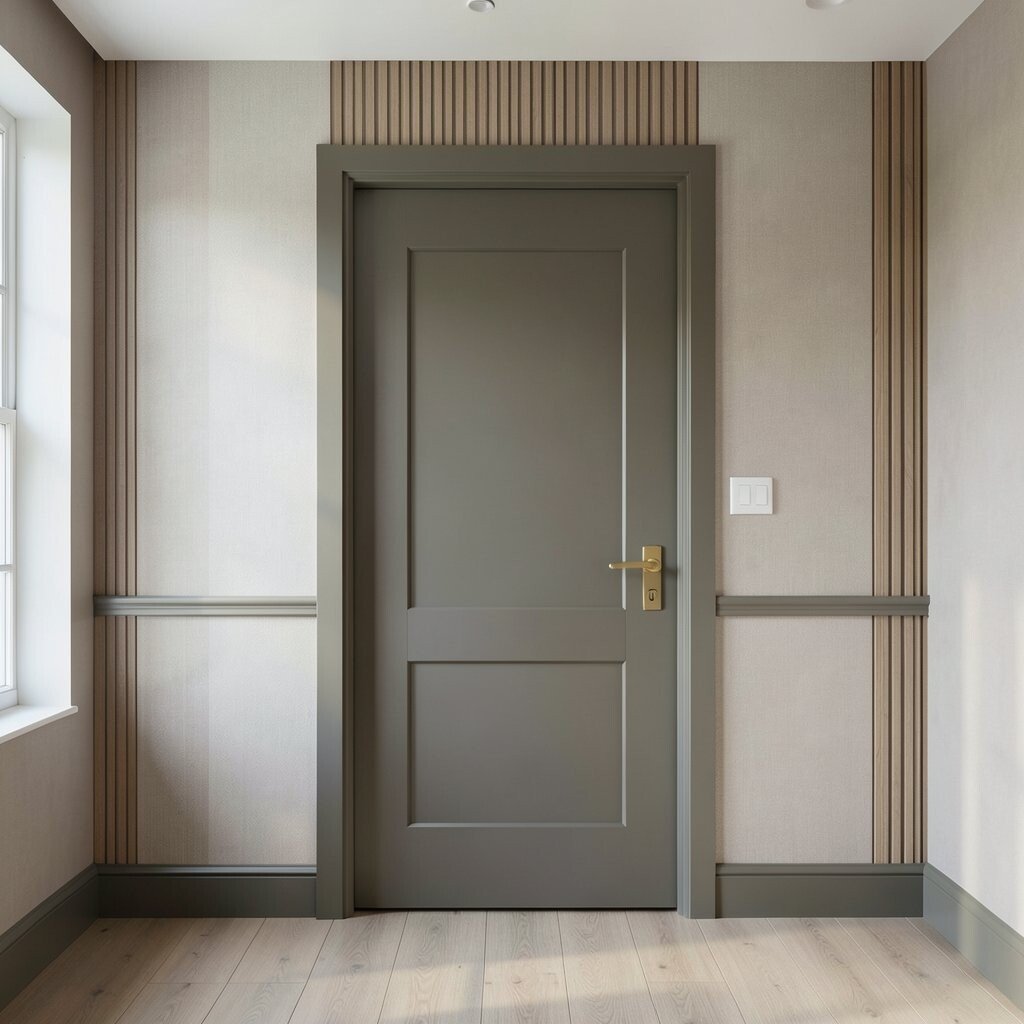
A centered door can act like a focal point on a feature wall. It looks neat, balanced, and very intentional.
This placement pairs well with wallpaper, wood slats, or painted panels. The wall becomes a full design moment instead of just a place to hang art.
You can personalize the effect with matching trim, brass hardware, or a colored door face. Current design trends often favor this kind of symmetry because it feels calm and rich. If the wall treatment is simple, the cost can stay friendly while still looking high-end.
9. A Door at the Back of a Closet Room
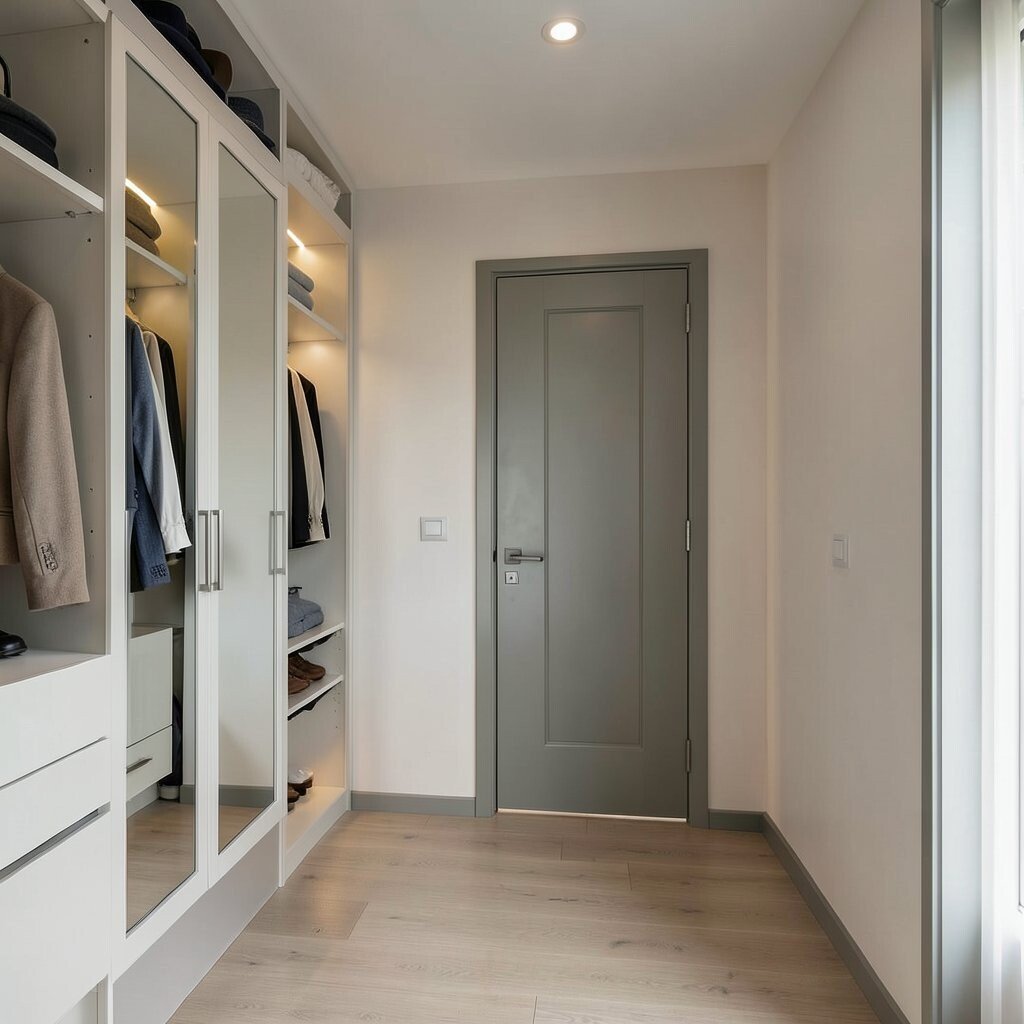
A door at the back of a closet room can create a fun secret path. It makes the space feel larger and more useful than a normal closet setup.
This layout works well for dressing rooms, guest rooms, and shared bedrooms. It can also help separate noisy or busy areas from quiet ones.
For a personal touch, use mirrored panels or a painted door that matches the wardrobe style. If you want a more luxurious feel, add soft lighting around the doorway. Costs can vary based on framing, but the payoff is a room that feels special and smart.
Small changes matter here. Even a slim door with simple trim can make the space feel custom. The surprise of the placement is part of the charm.
10. A Door Placed Off Center in a Bedroom
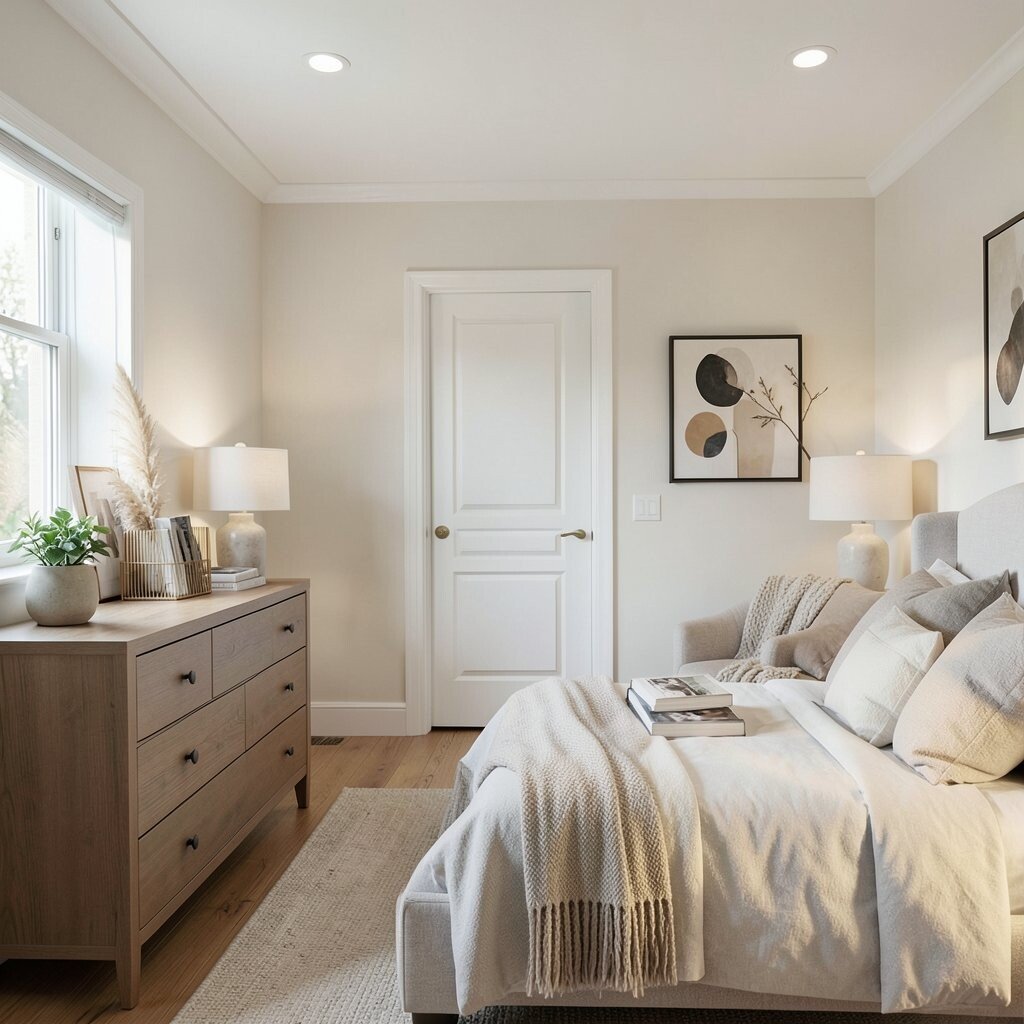
An off-center bedroom door can make a room feel more relaxed and less formal. It breaks up the usual layout in a way that feels fresh.
This is helpful when furniture placement is tricky. It can give you better wall space for a bed, dresser, or reading chair.
Many designers now like off-center layouts because they feel casual and lived-in. You can make the door feel intentional with art, lamps, or a headboard that balances the room. If a wall opening needs to move, costs may be higher, so it helps to plan before finishing the room.
11. A Door Built Into a Kitchen Island End
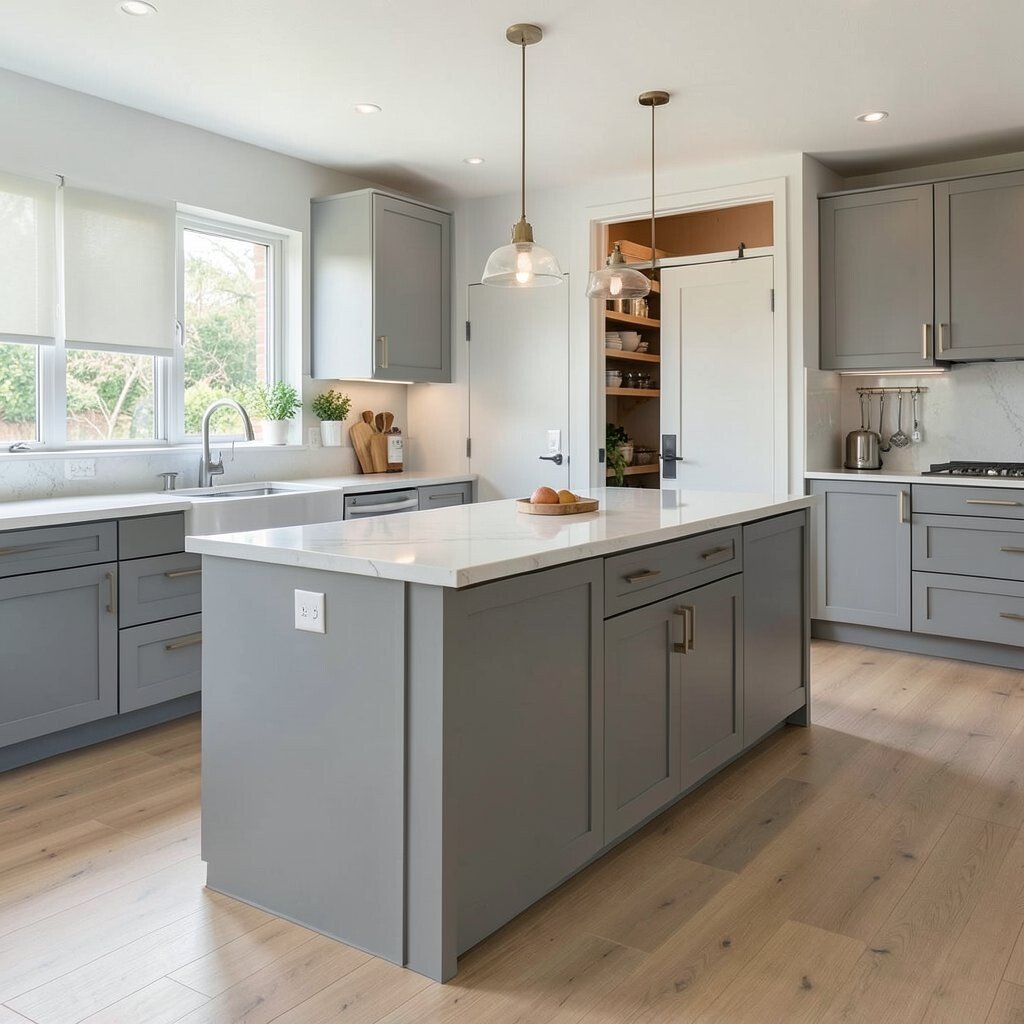
A door at the end of a kitchen island feels bold and useful. It can lead to a pantry, utility room, or hidden prep space.
This setup keeps the kitchen working area efficient while making the island do more than one job. It also gives the room a custom look that feels very current.
People often use this trick in larger kitchens that need a little extra flow. A matching panel door can make the island look smooth from every angle. Because island work may involve plumbing or electrical changes, the cost can climb, but the result can be worth it.
12. A Door in a Bathroom That Faces the Vanity Sideways
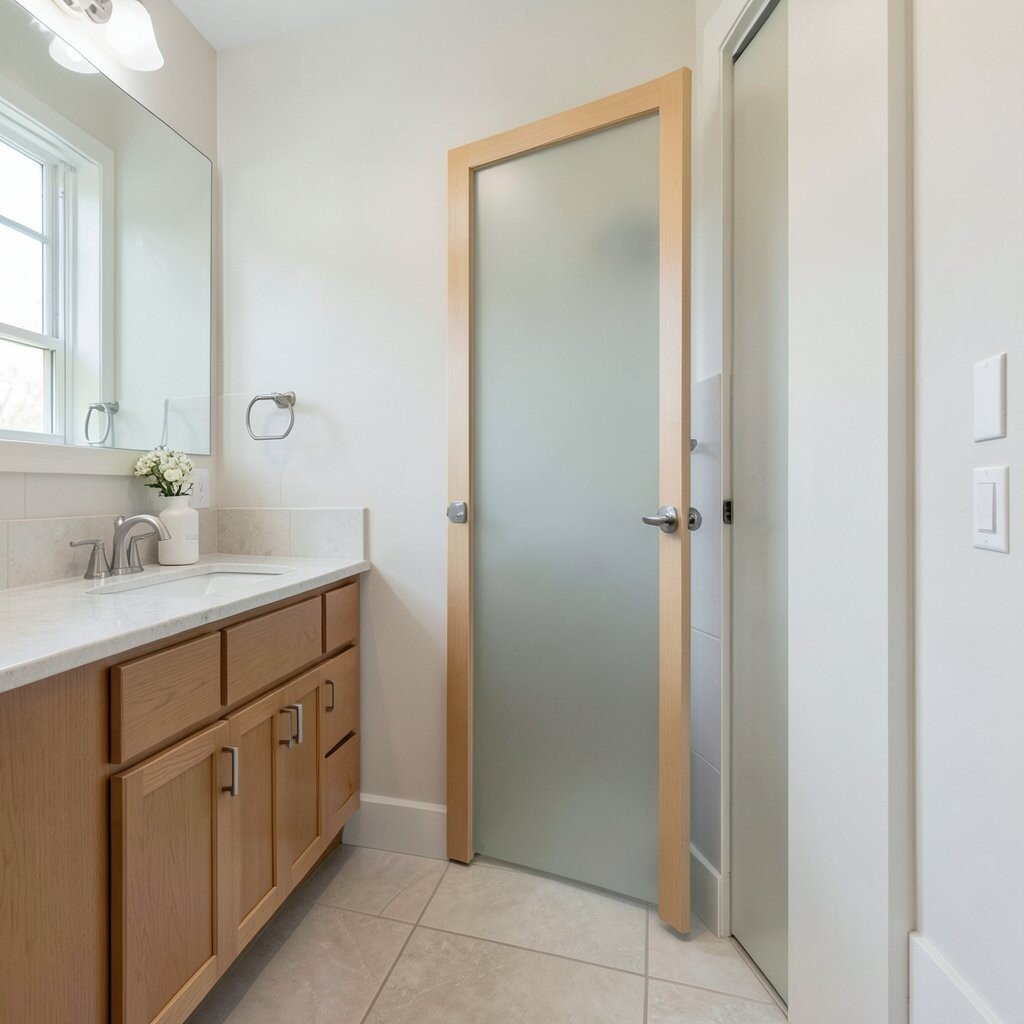
A sideways bathroom door can improve privacy and make the room feel less cramped. It also keeps the sink area from being the first thing you see.
This is a smart choice for small baths or shared family spaces. It can create a cleaner path and make the room feel more pleasant to use.
Try a frosted glass insert or a painted finish to make the door feel light and modern. This kind of layout is often used in new homes that aim for better function in tight spaces. If you are changing the opening, ask about framing costs before starting the project.
The visual effect is subtle but helpful. It can make a plain bathroom feel calmer and more private. That small upgrade often makes daily routines easier.
13. A Door Leading From a Laundry Room to a Mudroom
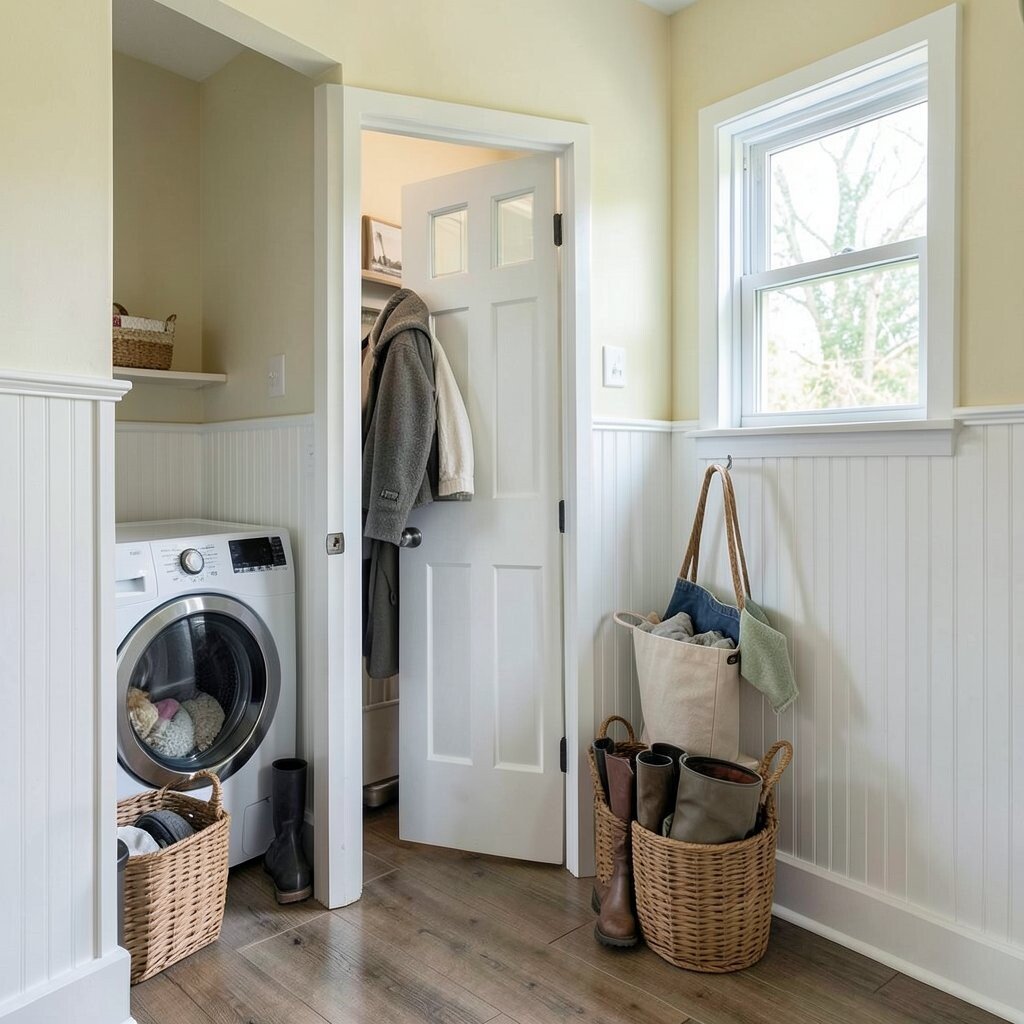
A laundry-to-mudroom door creates a handy work zone between outdoor mess and indoor calm. It helps boots, coats, and baskets move through the house in a smoother way.
This placement is great for families, pet owners, and busy homes. It keeps dirt and clutter from spreading into main living spaces.
You can make it feel cheerful with beadboard, bright paint, or a simple window insert. Many people like this setup because it supports a more organized lifestyle. Standard doors keep costs lower, while custom storage nearby can add a little more expense.
14. A Door at the Corner of a Living Room
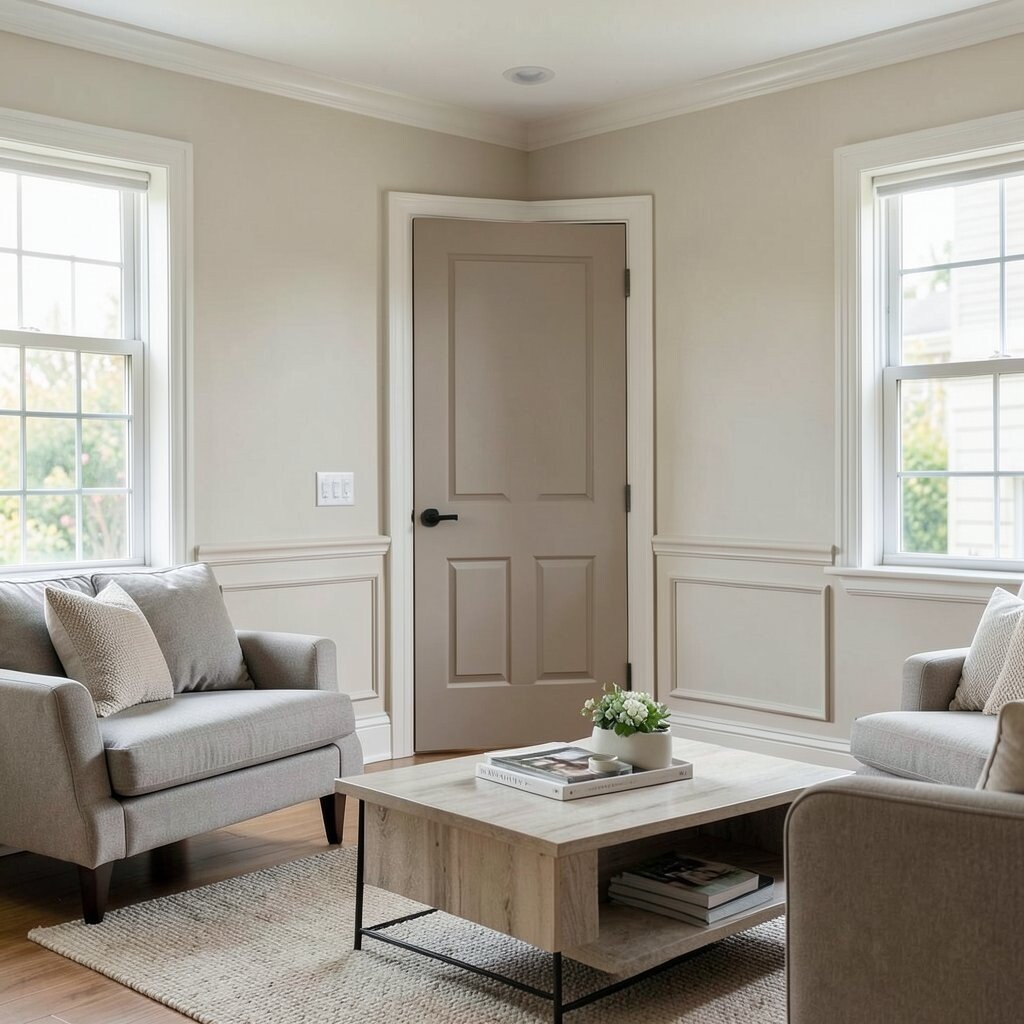
A corner door can make a living room feel less predictable. It opens up the center of the room and gives furniture more freedom.
This is a smart fix when the room has many windows or a fireplace that limits wall space. It can also make the room feel larger because the main sightline stays open.
To make the corner feel stylish, use a trim package that matches the baseboards or the mantel. Soft neutral colors work well, but a bold door can turn the corner into a feature. Current trends favor layouts that feel airy and flexible, which makes this idea even more appealing.
15. A Door Inside a Hallway Niche
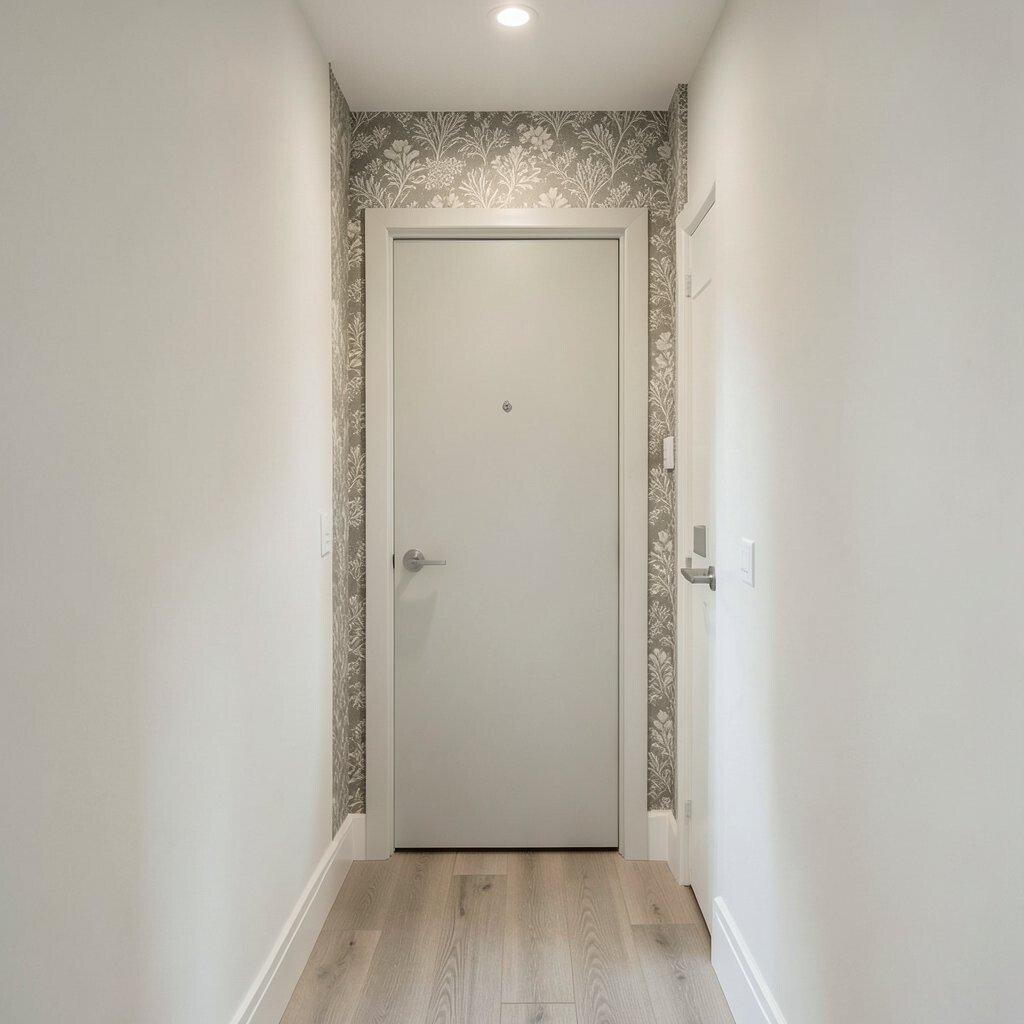
A hallway niche door can turn a dead spot into a useful little moment. It looks neat and can hide storage, a study nook, or a small utility space.
This placement is especially good in narrow homes where every inch matters. It helps keep the hallway from feeling crowded while adding purpose to a blank section of wall.
For a personal touch, line the niche with wallpaper, paint, or a small light fixture. You can also use a flush door so the opening blends in and feels sleek. Costs stay lower when the niche already exists, which makes this a practical upgrade too.
Many people like this idea because it feels thoughtful and tidy. The door becomes part of the hallway instead of a random break in it. That subtle design choice can make a home feel more finished.
16. A Door Leading From a Bedroom to a Private Balcony Corner
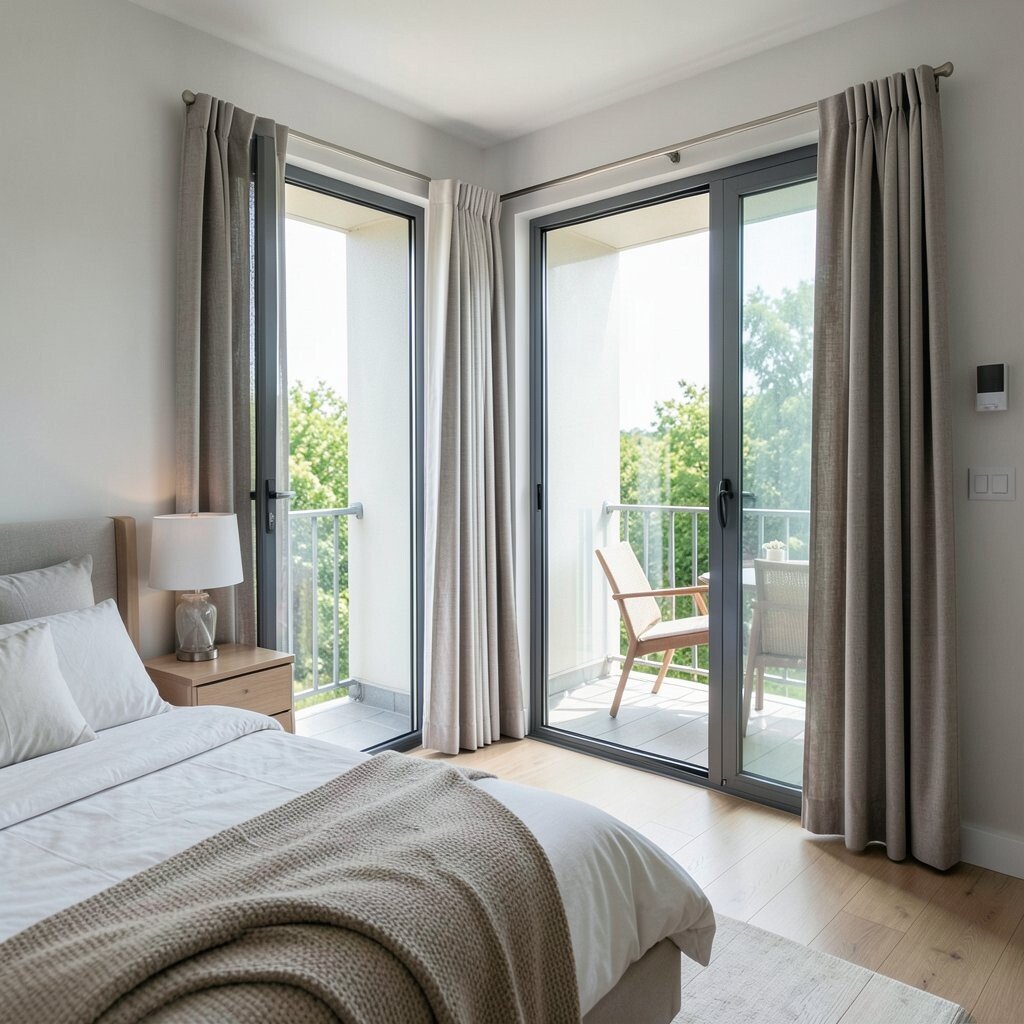
A bedroom door that opens to a private balcony corner brings in light and a calm outdoor view. It can make the room feel like a quiet retreat.
This placement works best when the balcony is small but useful. It gives you a place for fresh air, a chair, or a morning coffee spot without needing a huge outdoor area.
Glass doors are a popular choice here because they keep the room bright and open. If you want more privacy, use curtains, blinds, or frosted panels that still let in some light. The cost can vary a lot based on materials and weatherproofing, but the added comfort often makes it a favorite upgrade.