New pet care can feel like a tiny adventure with fur, feathers, or fins. Small changes can make a big difference fast.
1. Put a Soft “Welcome Spot” in One Corner
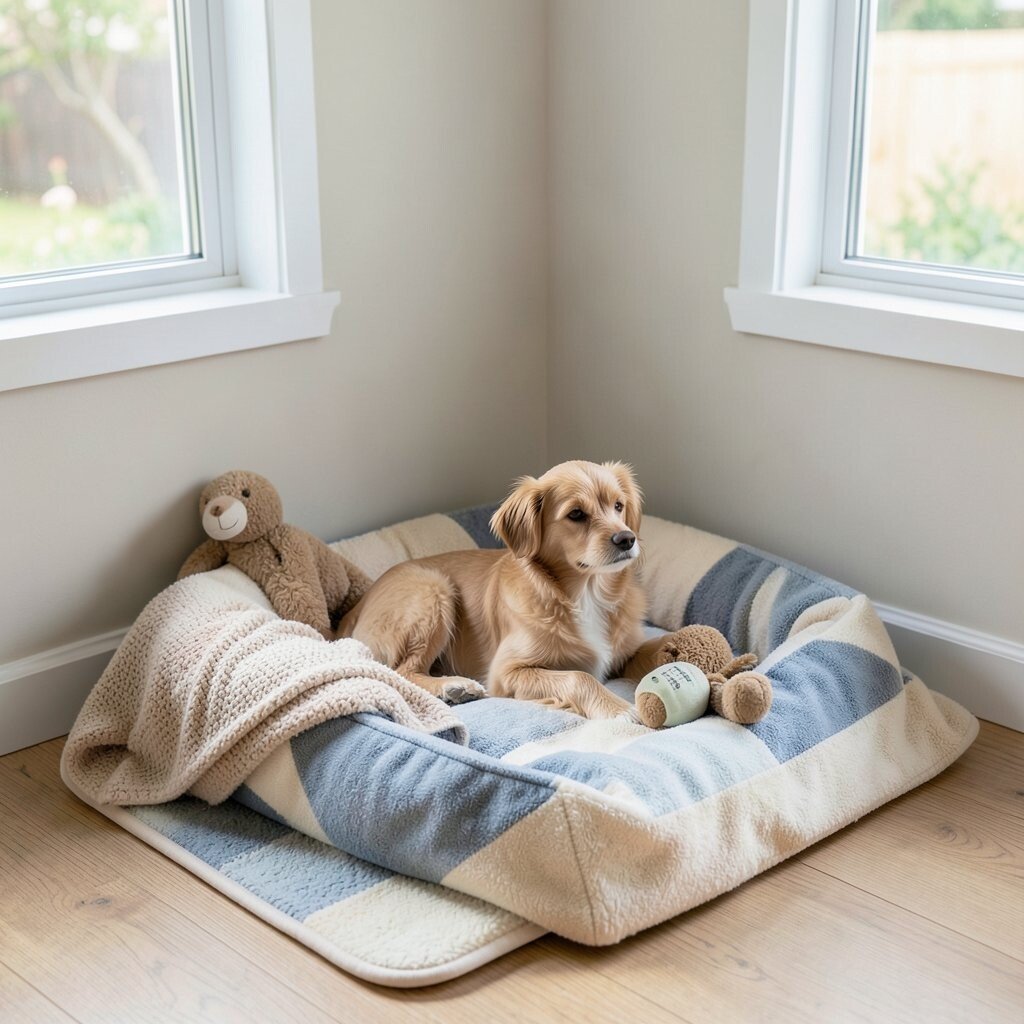
Create one cozy spot with a blanket, bed, or mat before your pet comes home. A calm corner helps your pet feel safe and gives you a clear place to start.
Choose colors and textures that match your home, but keep the setup simple and easy to wash. Many first-time owners like washable covers because they save money over time. You can also add a toy or a small scent item from the breeder, shelter, or foster home to make the spot feel familiar.
2. Use a Short Daily Photo Check
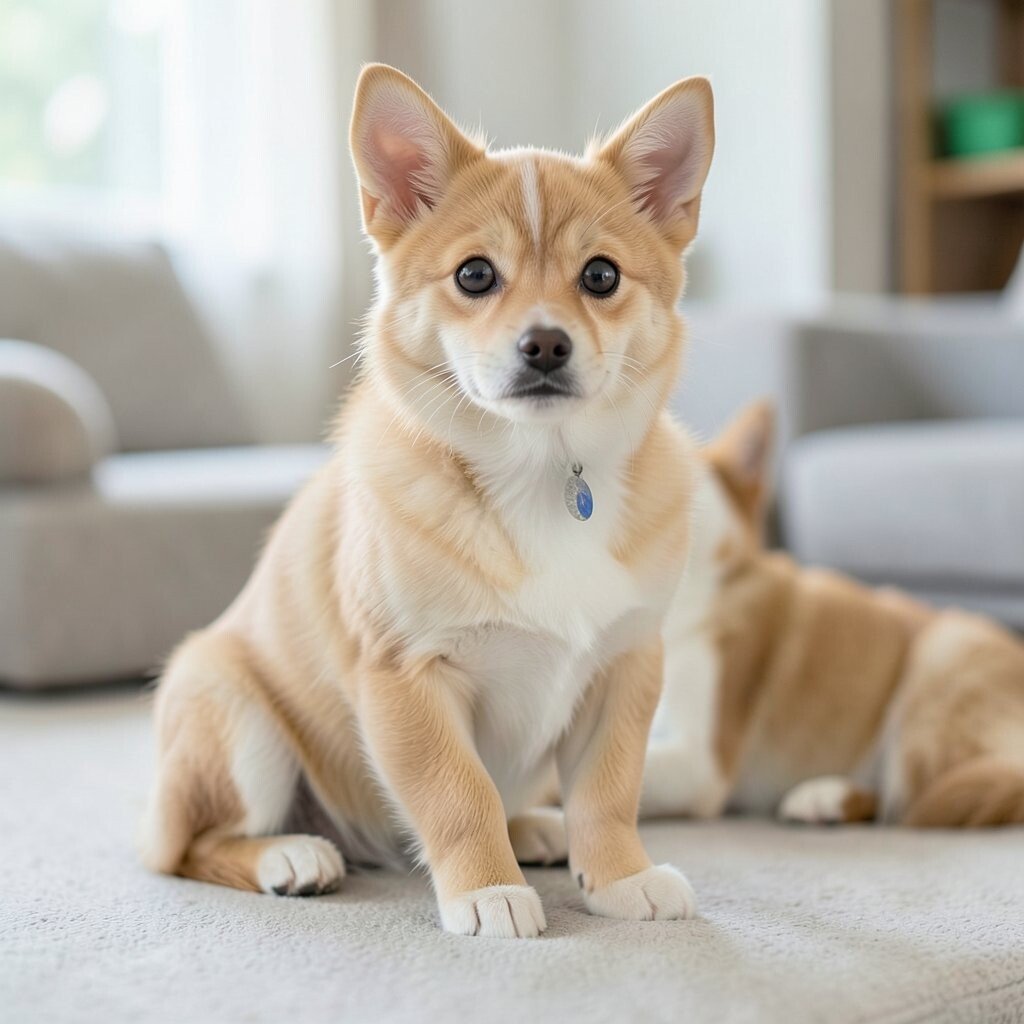
Take one quick photo of your pet each day in the same light and place. This makes it easier to spot changes in posture, coat shine, body shape, or mood.
The photos can also become a sweet memory book later. If you like modern pet trends, a simple phone album or shared cloud folder works well and costs almost nothing. You can even add notes about food, sleep, and play so patterns become easy to see.
Over time, the photo habit can help you notice tiny health clues before they become big problems. It is a simple tool, but it can feel very smart.
3. Keep Treats in Tiny Jars Around the House
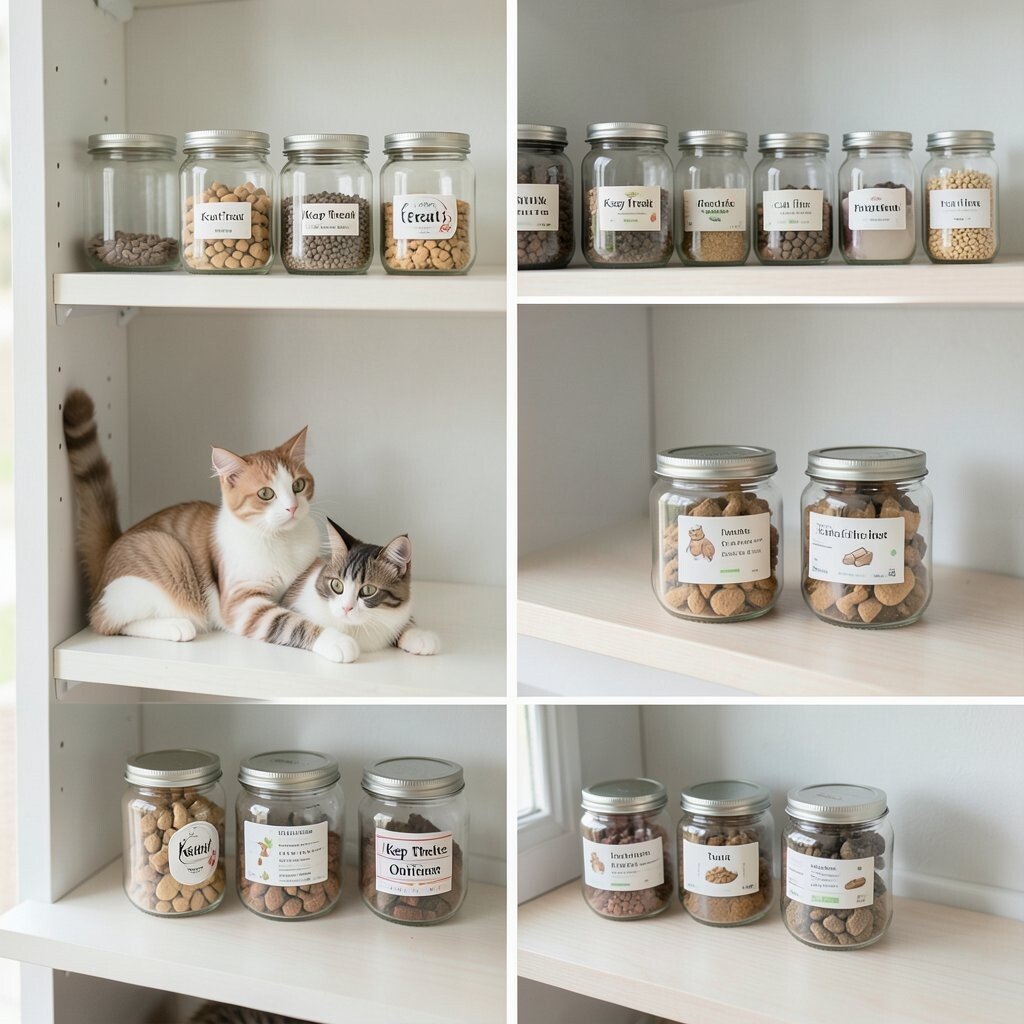
Place small treat jars in a few safe spots so good behavior can be rewarded right away. This helps with training and makes praise feel more fun.
Clear jars look neat on shelves and let you see when you are running low. Buying treats in larger bags can cost less, but portioning them into jars helps you avoid waste. You can also label jars for training, calm time, or special tricks to keep things personal.
Many pet owners now use treat stations near doors or training areas. That setup saves time and makes your home feel ready for learning.
4. Try a “Sniff Walk” Instead of a Fast Walk
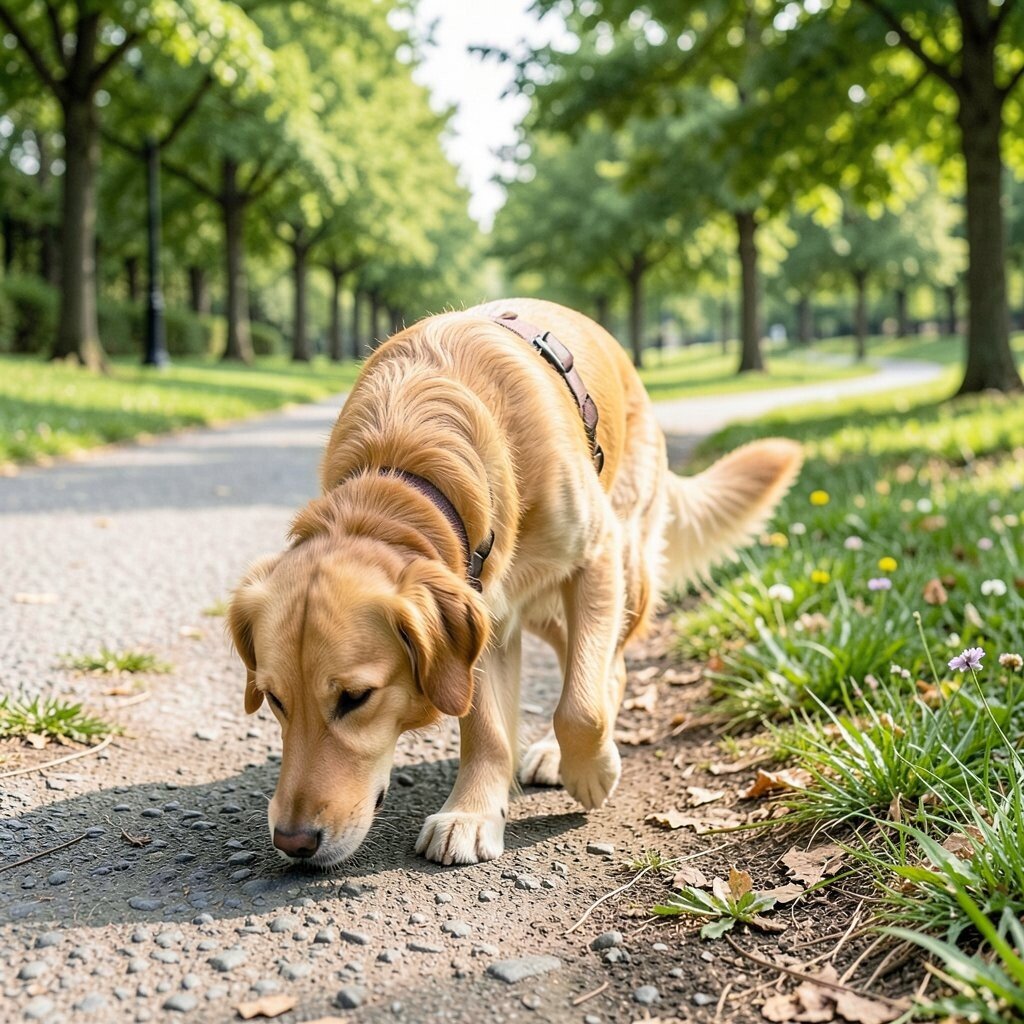
Let your dog stop and sniff more often during walks. Sniffing gives the brain a workout and can make a short walk feel rich and exciting.
A dog that smells the world often comes home calmer. The only real cost is a little extra time, which is free but important. You can make each walk feel special by choosing a new route, a quiet park, or a safe path with different smells.
5. Rotate Toys Instead of Leaving Them All Out
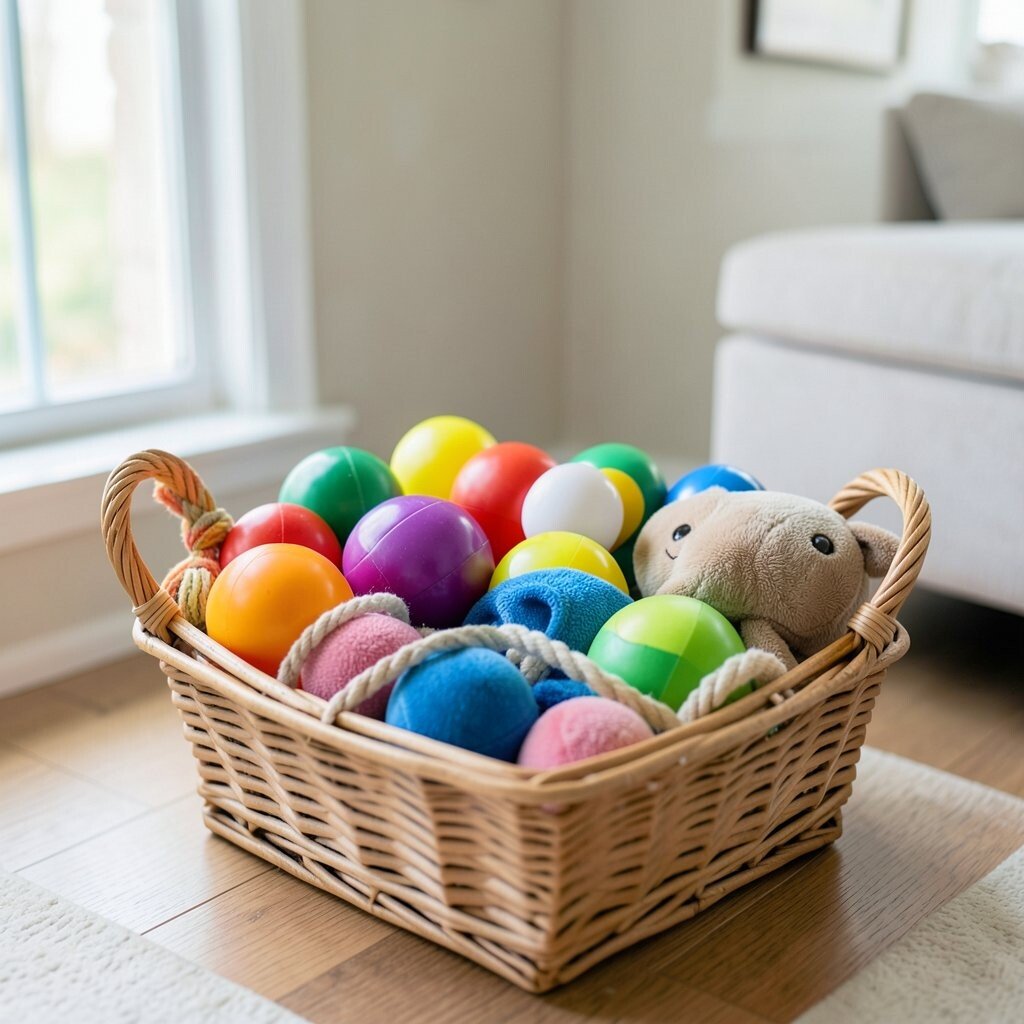
Keep some toys hidden and swap them every few days. This makes old toys feel new again and keeps your pet interested.
A basket with bright balls, rope toys, or soft toys looks cheerful in a room. Rotating toys can save money because you may not need to buy new ones so often. If your pet has a favorite shape or texture, you can build a toy mix that matches that style.
Many owners like this trend because it cuts clutter and boosts play. It also helps you notice which toys are safe, loved, and worth replacing.
6. Make a Simple “Sound Map” for Your Home
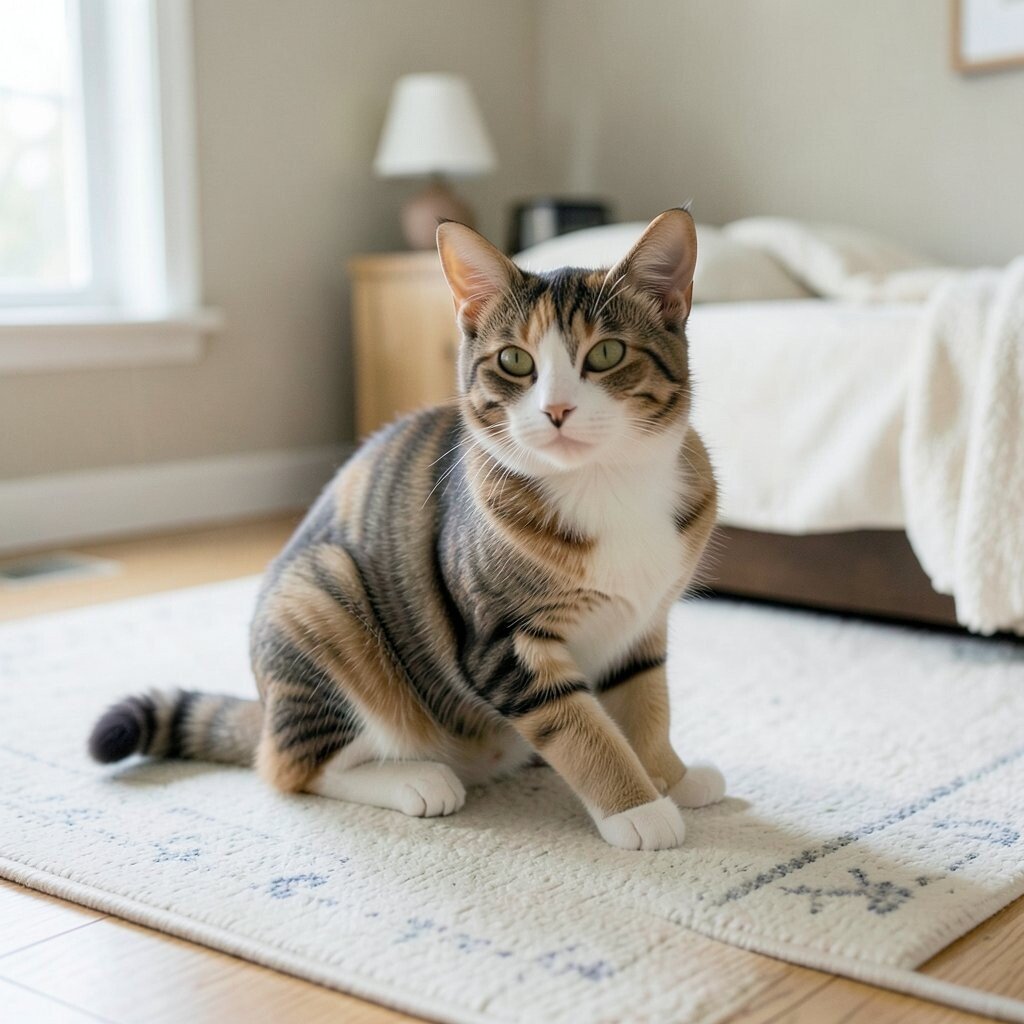
Pets hear many sounds that people ignore, like a fan, a toaster, or footsteps in the hall. A sound map helps you learn which noises calm your pet and which ones cause stress.
Watch your pet’s ears, tail, and body when each sound happens. Then you can lower volume, move a bed, or close a door to make life easier. This kind of home tuning costs little and can be very personal.
You may also notice that some pets like white noise or soft music. That small trend can help create a peaceful room during naps or storms.
7. Use a Towel Test for New Grooming Tools
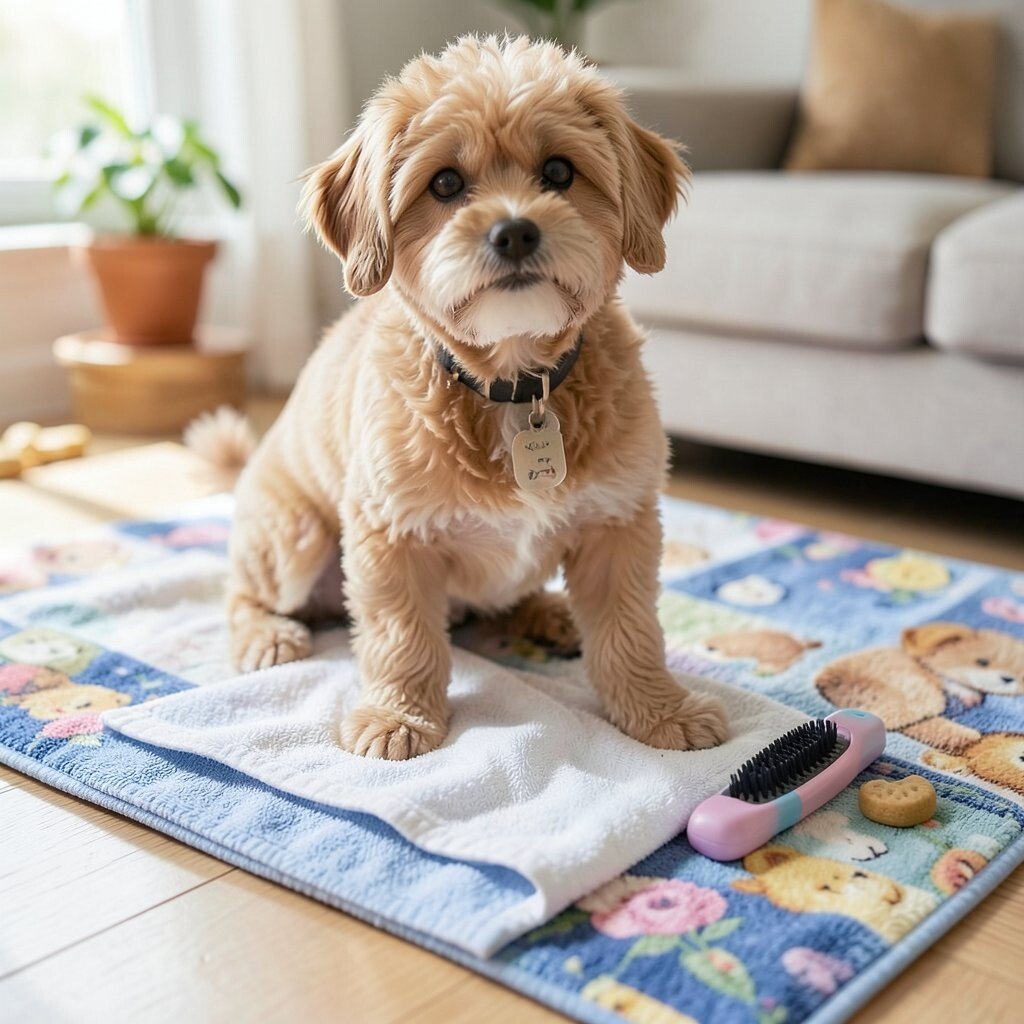
Before using a brush, nail clipper, or wipe, try it on a towel first. This helps you learn the feel and speed before touching your pet.
The towel test can keep grooming calmer and safer. It also helps you compare tools without wasting money on ones that feel awkward. If your pet is shy, you can keep the tool near treats so the object starts to mean good things.
Personalize the routine by using a favorite blanket as the grooming mat. That small touch can make the whole task feel less scary.
8. Feed Some Meals by Hand at the Start
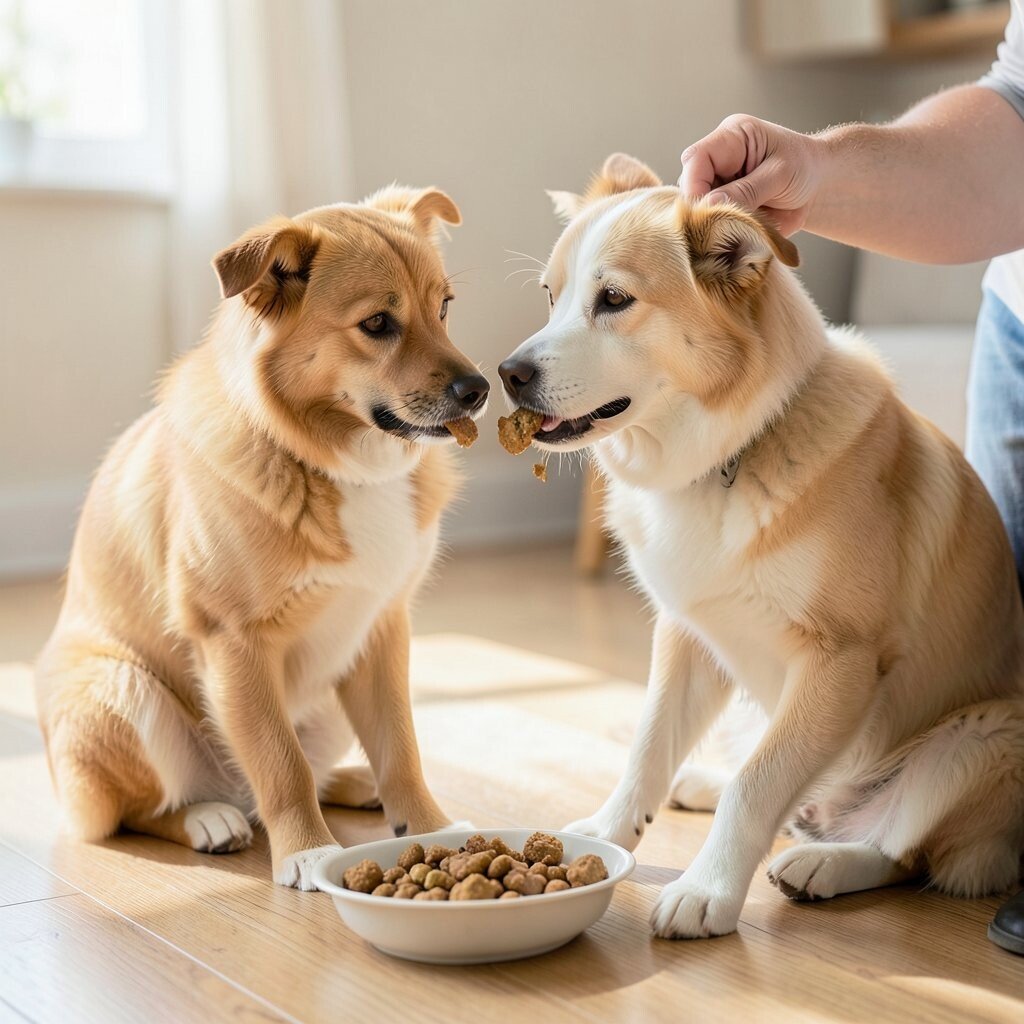
Hand-feeding a few bites can build trust with a new pet. It is also a gentle way to teach name response and simple manners.
Your pet will see your hand as a source of good things, not just a place for grabbing. The cost is the same food you already planned to use, so there is no extra expense. You can make the moment unique by using a calm voice and sitting on the floor at your pet’s level.
This trend works well for nervous pets and busy homes alike. It turns mealtime into a tiny bonding ritual.
9. Keep a “Busy Box” for Rainy Days
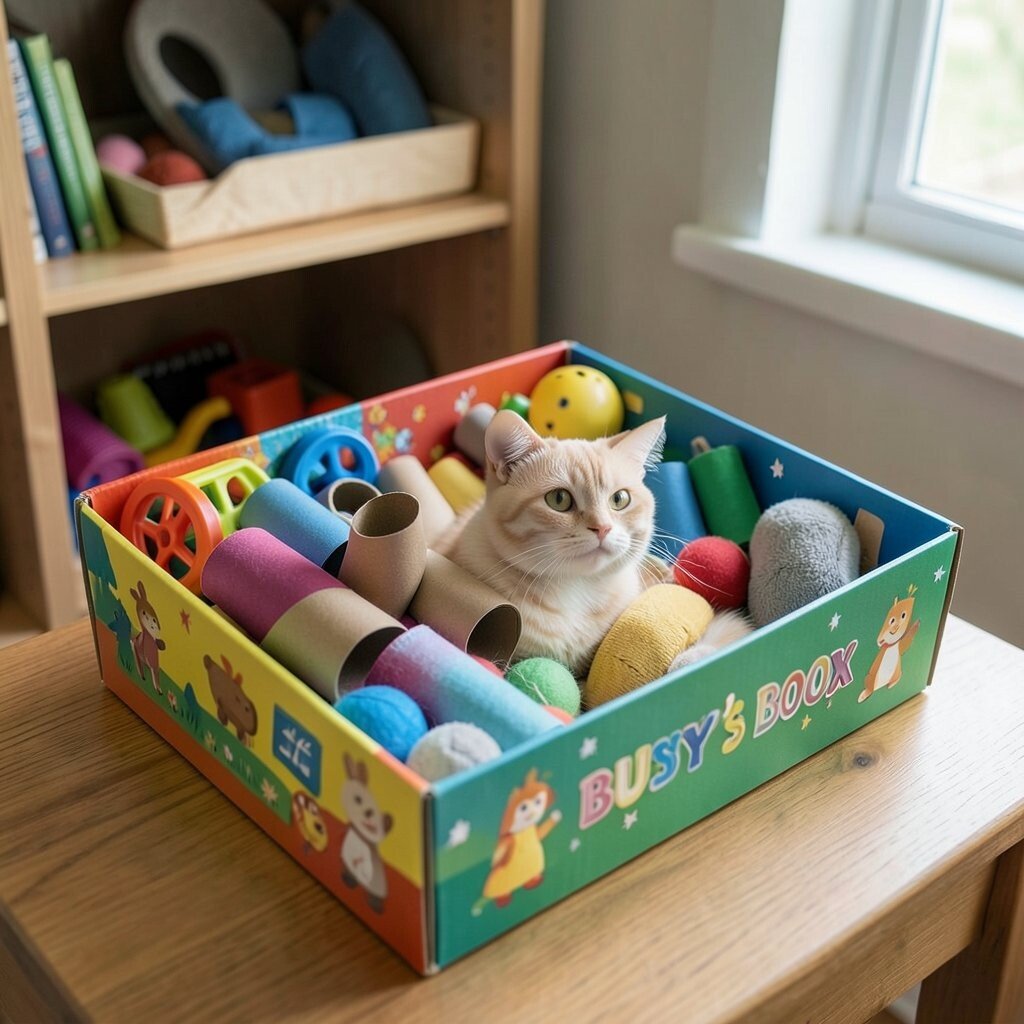
Set aside a box with puzzle toys, paper tubes, soft balls, and safe chew items. On boring days, the box gives your pet a fresh mental challenge.
A colorful box can sit in a closet or under a table without taking much space. Many of these items are cheap or even free if you reuse safe household materials. You can change the box theme each month to match seasons, holidays, or your pet’s favorite colors.
Busy boxes are a big trend because they fight boredom in a simple way. They also help reduce chewing, barking, or restless pacing.
10. Put a Mat Near the Door for Mud Control
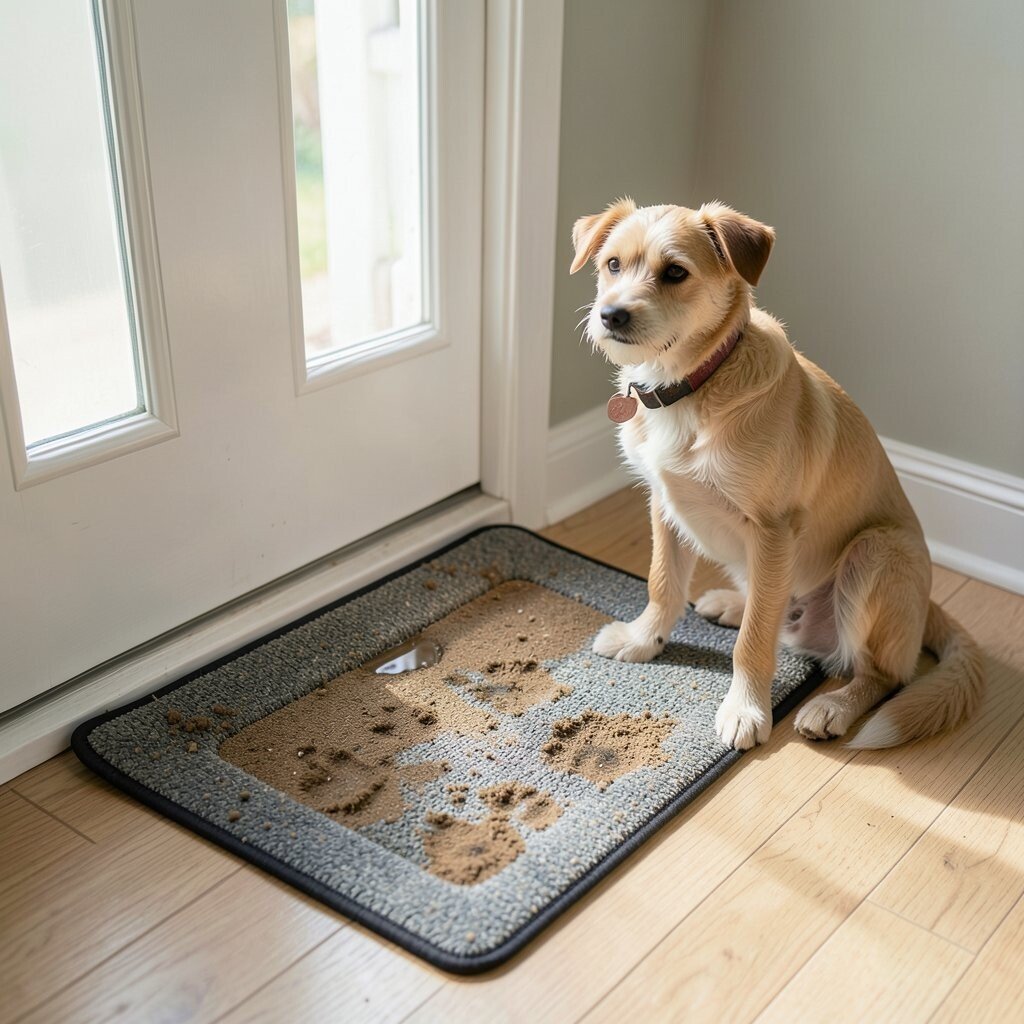
A strong mat near the door can catch dirt before it spreads through the house. It also gives your pet a clear place to pause after coming inside.
Choose a mat with a texture that traps water and grit. Washable mats may cost a bit more at first, but they often last longer and save cleaning time. You can pick a color that hides paw prints and fits your style.
Some owners even teach “wait on the mat” as a house rule. That little habit can make entry time much smoother.
11. Use Different Textures in the Rest Area
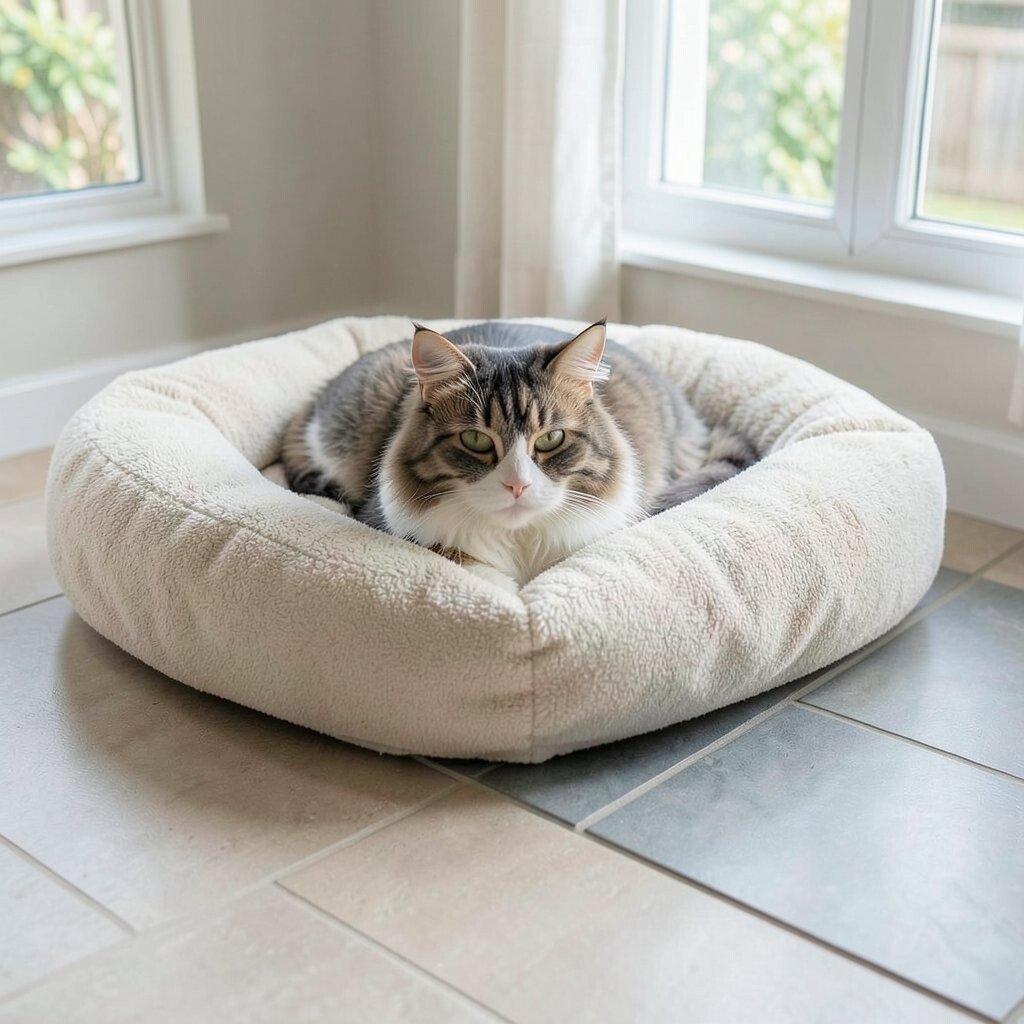
Mix a soft bed, a smooth floor area, and a cool tile spot if possible. Pets often enjoy choosing where to rest based on how they feel that day.
This gives your pet more control and can lower stress. It does not cost much if you already have blankets, rugs, or mats at home. You can make the space feel special by placing the bed where your pet can watch the room without feeling crowded.
Texture-based comfort is a quiet trend in pet-friendly homes. It works well because pets like simple choices.
12. Keep a Tiny Health Notebook
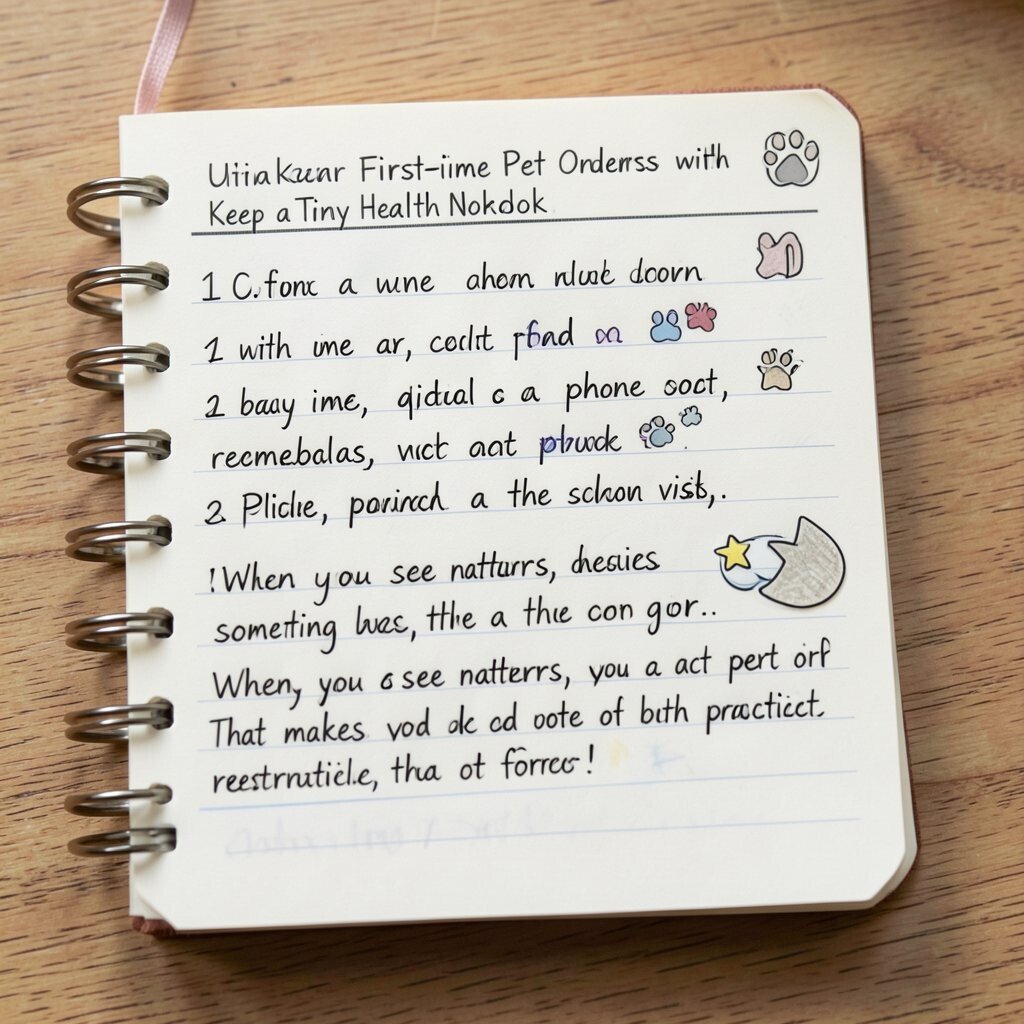
Write down food, water, bathroom habits, play time, and anything odd you notice. A small notebook can help you remember details that are easy to forget.
The pages do not need to be fancy, and a basic notebook is very cheap. If you like digital tools, a phone note or pet app can do the same job. You can also add little personal marks, like a paw sticker for a good day or a star for a vet visit.
When you see patterns, you can act sooner if something changes. That makes the notebook both practical and reassuring.
13. Let Cats Watch the World from High Places
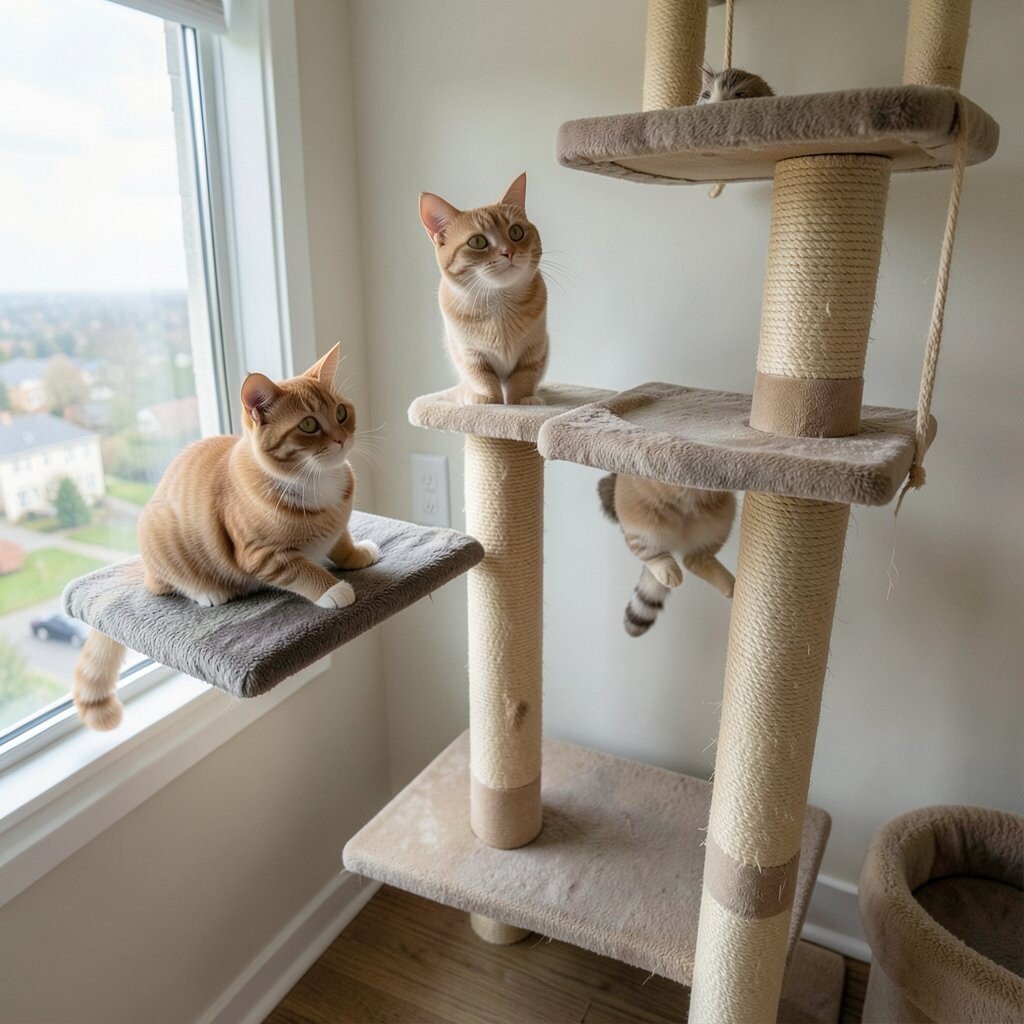
Many cats feel safer when they can look down from a shelf, perch, or cat tree. A high view can make a room seem bigger and more interesting.
Cat trees can cost a lot, but a sturdy shelf or window perch may be a cheaper start. Make sure every climbing spot is safe and steady before use. You can also match the perch with a blanket or cushion that fits your home colors.
This is a popular trend because it gives cats exercise and confidence. A happy cat often looks more relaxed, with ears forward and eyes bright.
14. Teach a “Quiet Time” Cue with a Blanket
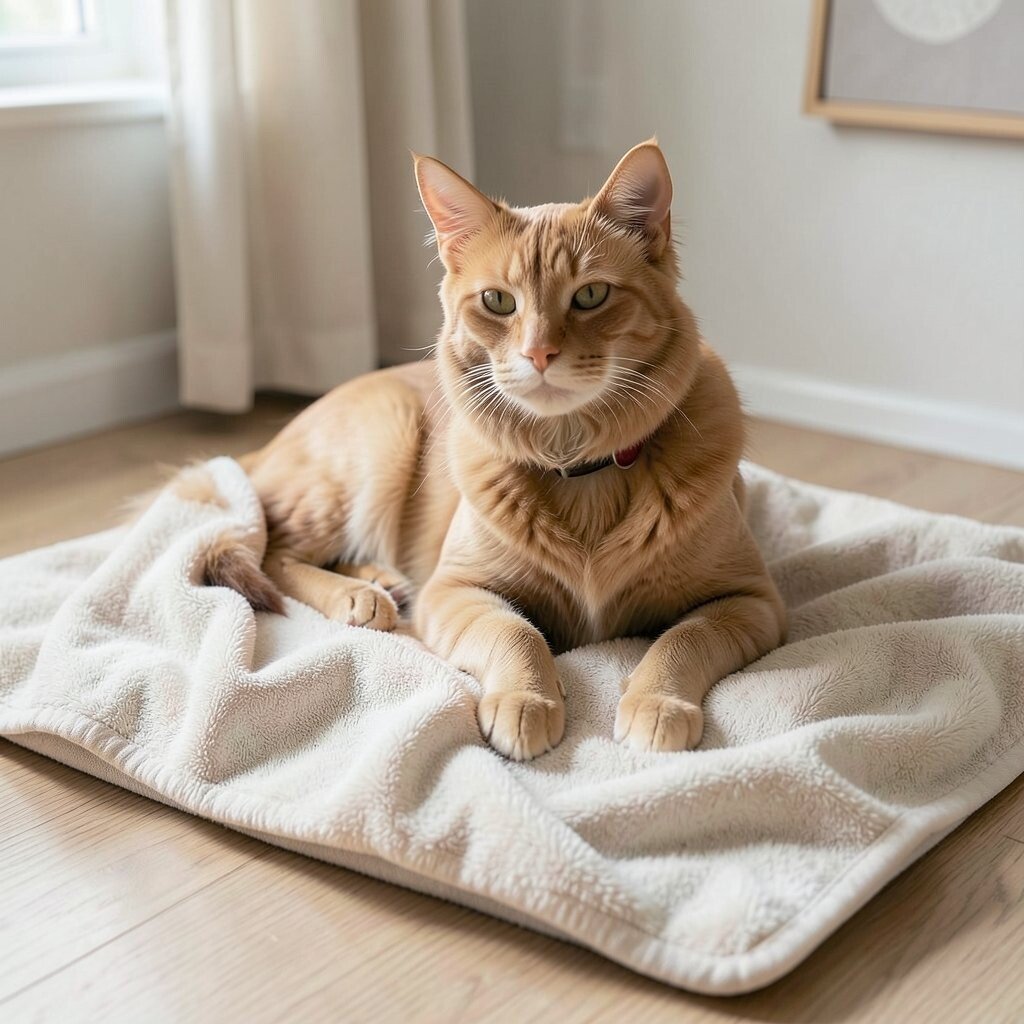
Pick one blanket or mat and use it only for calm time. Soon, your pet may connect that object with rest and stillness.
Place the blanket in a low-traffic spot with soft light. You can keep the setup low-cost by using a washable throw you already own. If your pet likes scents, a familiar laundry smell can make the blanket feel even safer.
This idea works well for homes that are busy or noisy. It gives your pet a clear signal that it is time to slow down.
15. Offer Ice Cubes or Chilled Toys on Hot Days
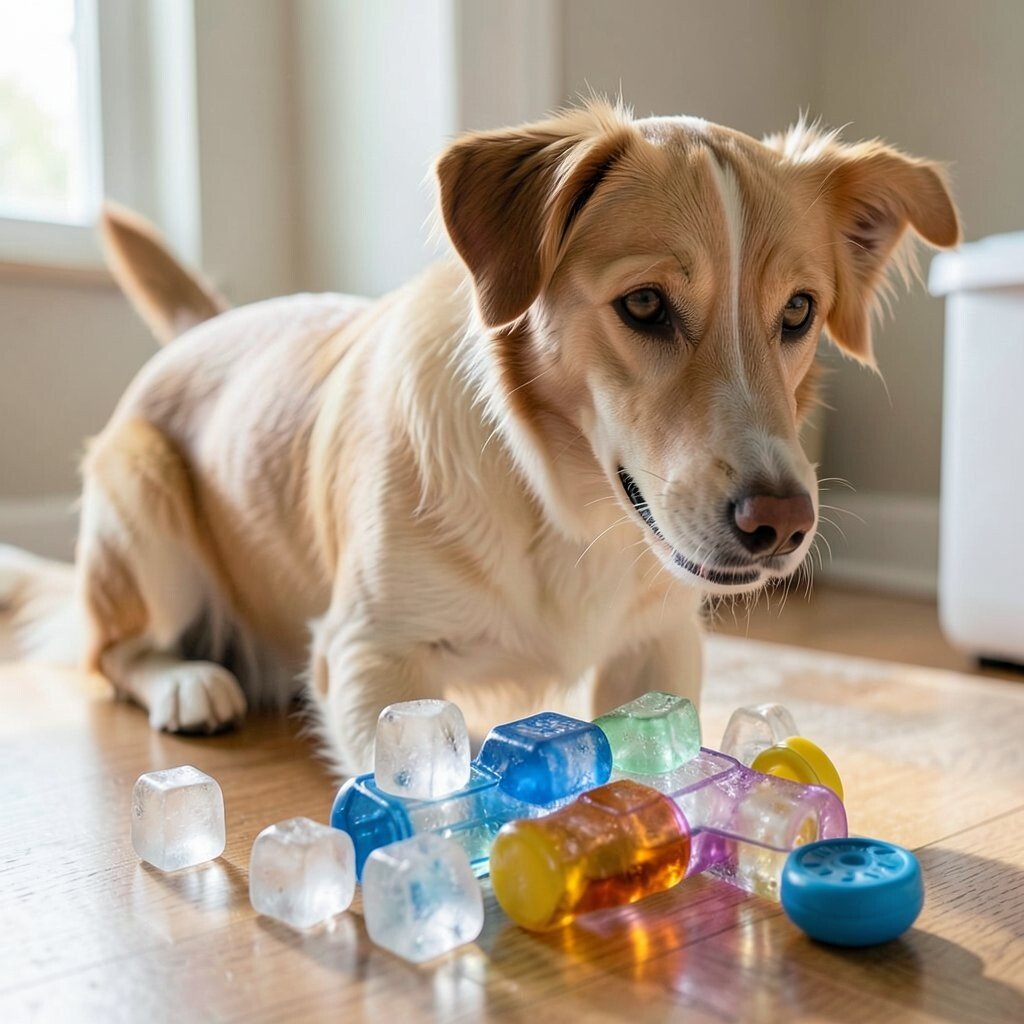
Cool treats can help pets feel better when the weather gets warm. Some dogs enjoy ice cubes, and some pets like toys that have been chilled safely.
Use only pet-safe items and watch your pet while they play. This tip is low cost because ice is cheap, and a freezer can do most of the work. You can make it more fun by freezing a little broth or water inside a toy if your vet says it is safe.
Cool play has become a handy warm-weather trend. It can help with comfort while adding a bit of novelty.
16. Keep a Brush by the Sofa, Not Just in a Drawer
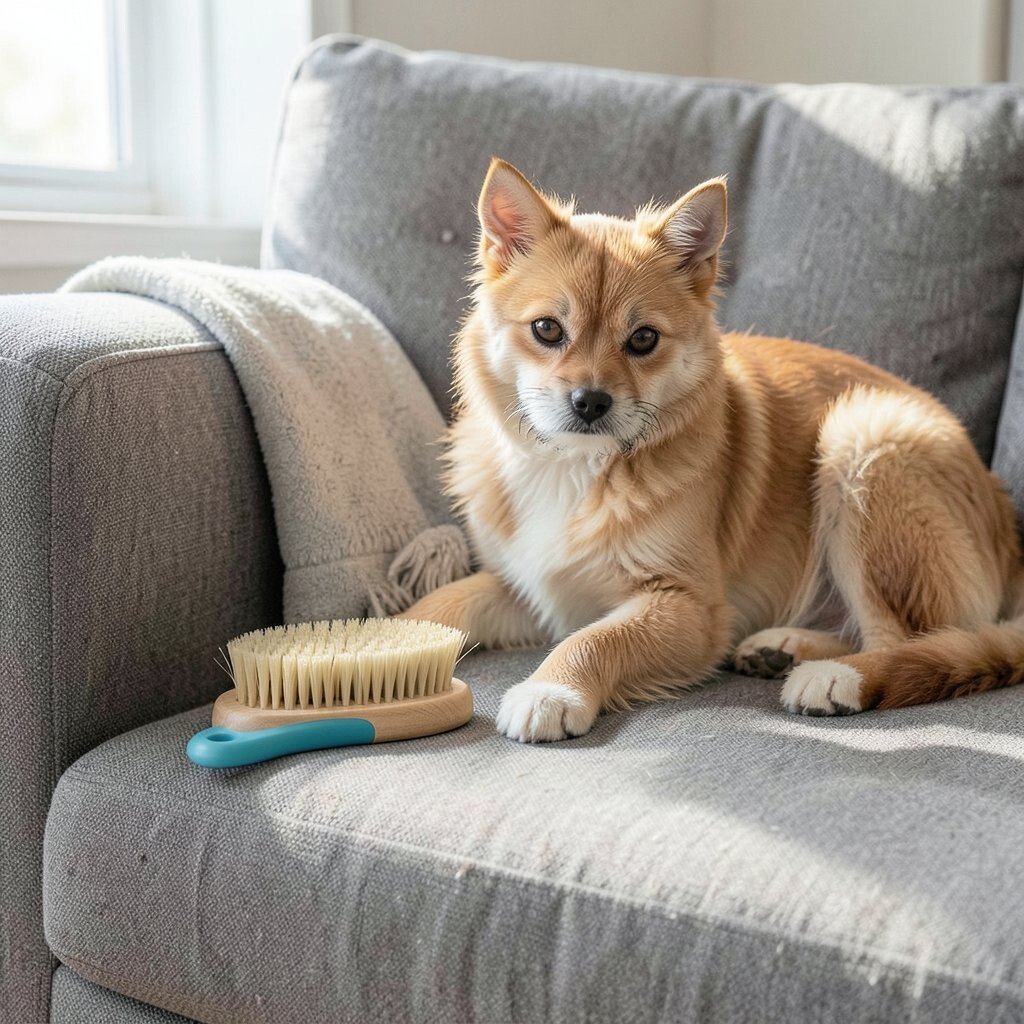
If a brush is easy to reach, you are more likely to use it often. Short grooming moments can be better than rare big sessions.
A brush near the couch also helps you catch loose fur before it spreads. Many brushes are affordable, and a simple one often works just fine. You can choose a handle color or style that feels nice in your hand, which makes the task more personal.
Frequent brushing can reduce shedding, matting, and hair on clothes. It may also become a calm bonding habit your pet begins to enjoy.
17. Set Up a “No-Stare” Greeting Rule
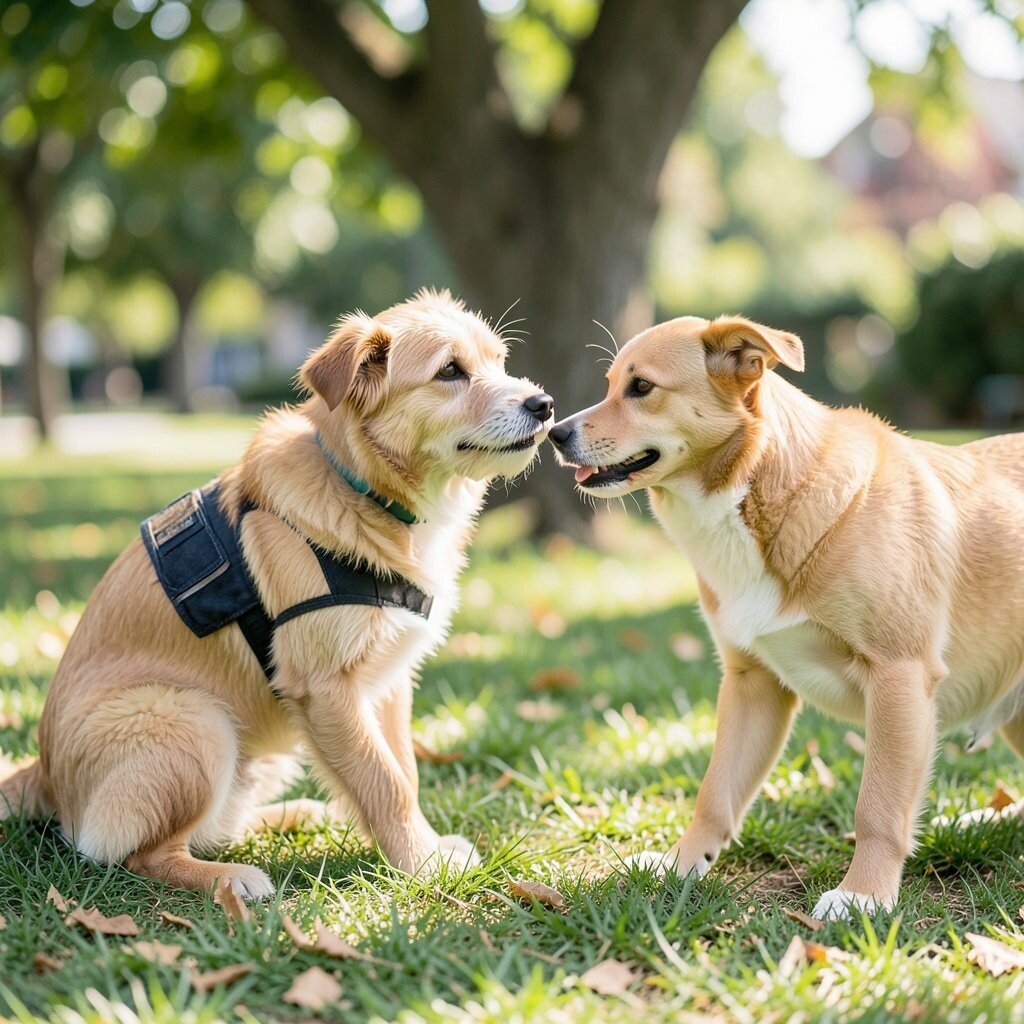
Some pets get nervous when people lean in and stare right away. A softer greeting can help them feel more in control.
Try turning your body a little sideways and letting the pet come closer first. This costs nothing and can make a huge difference for shy animals. You can teach children and guests the same rule so your pet gets a kinder welcome every time.
Many trainers now focus on calm greetings because they reduce stress. It is a small change with a big comfort payoff.
18. Use a Water Bowl That Shows Dirt Fast
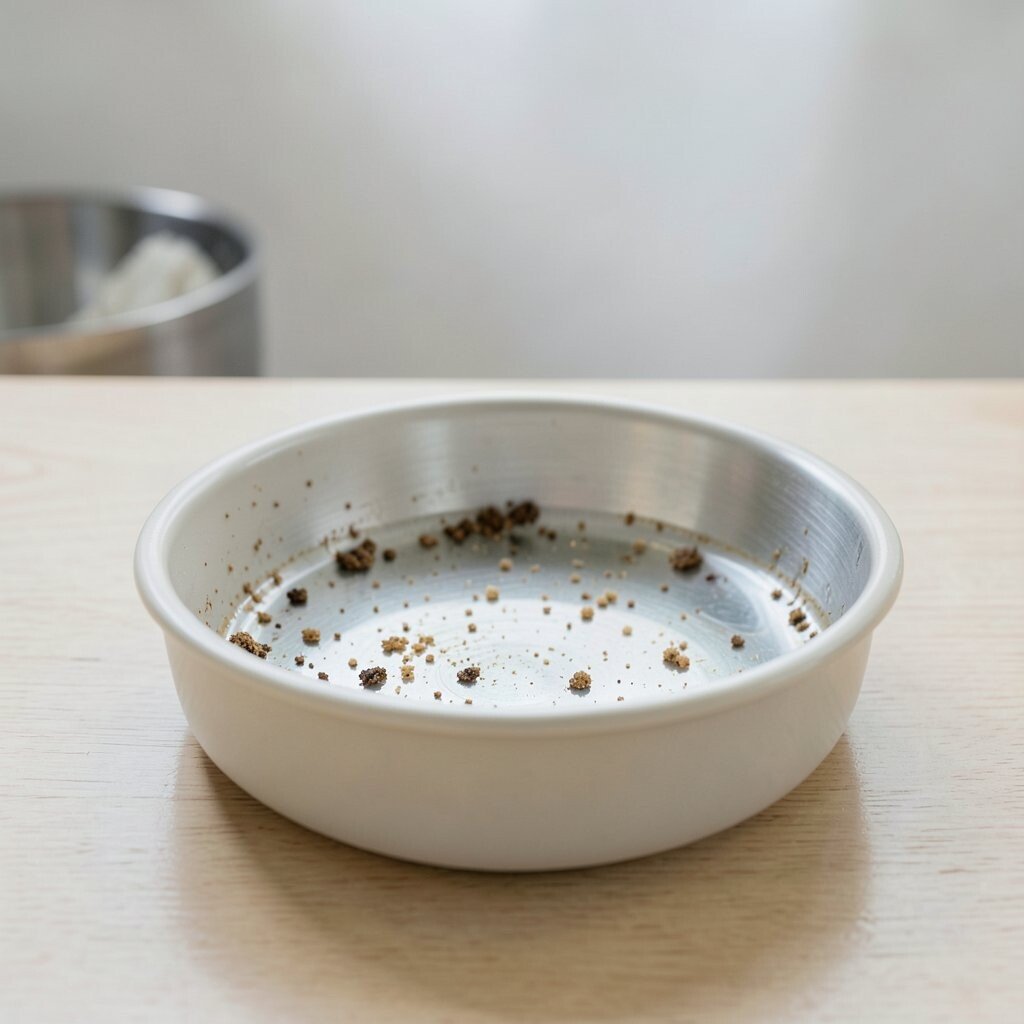
Choose a light-colored bowl or clear bowl so you can see crumbs and slime quickly. Clean water looks better and may encourage more drinking.
Fresh water helps with energy, digestion, and overall health. The bowl itself does not need to be expensive, and simple stainless steel or ceramic options often work well. You can place the bowl in a quiet spot away from food to make the area feel neat and intentional.
Some owners now use fountain bowls because moving water can attract pets. That trend can be helpful, but a regular clean bowl is still a strong choice.
19. Make a Mini “Vet Bag” Before You Need It
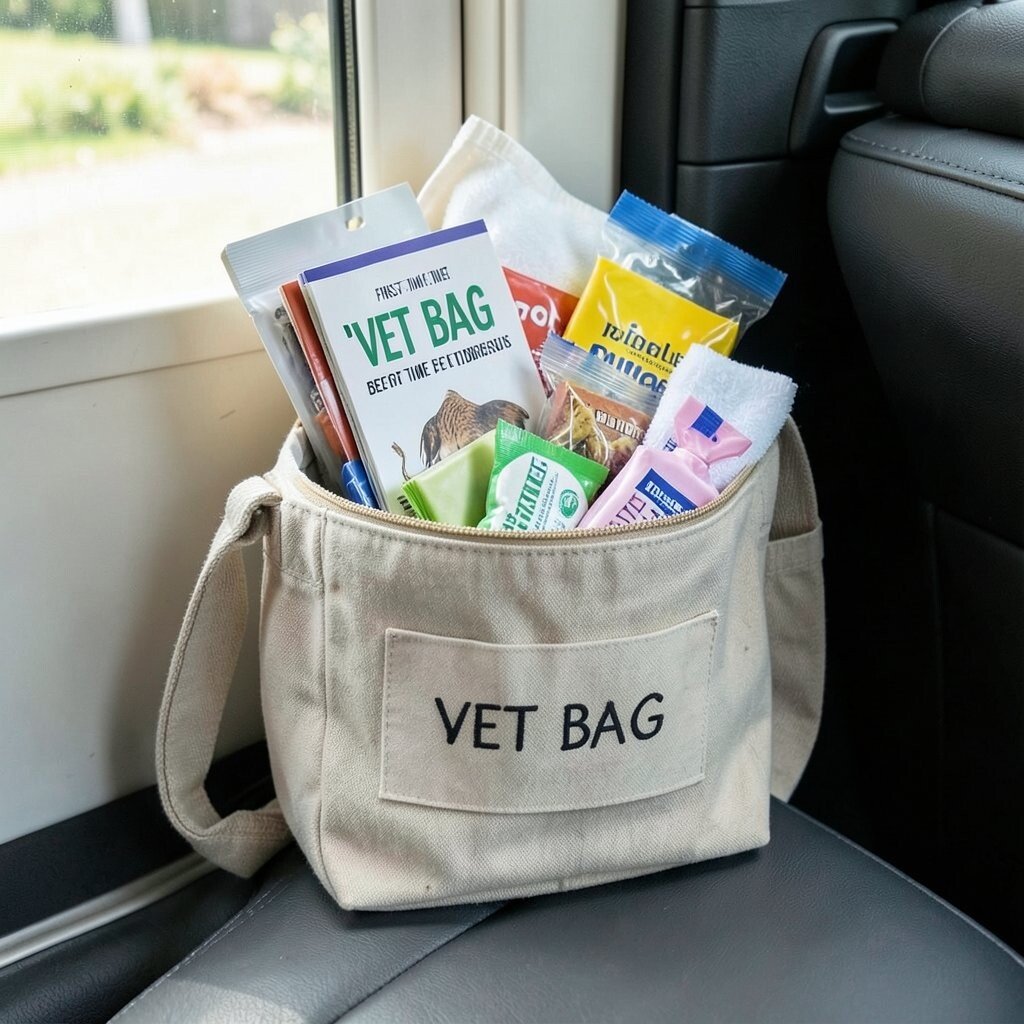
Pack a small bag with records, a leash, wipes, treats, and a spare towel. Having it ready can save stress during a sudden trip.
The bag can live by the door or in the car, so you are not hunting for items later. A basic tote or backpack works fine and keeps costs low. You can label it with your pet’s name to make it feel special and easy to grab.
This simple habit is popular with organized pet owners. It turns an emergency into a more manageable moment.
20. Try Scent Swaps for Comfort
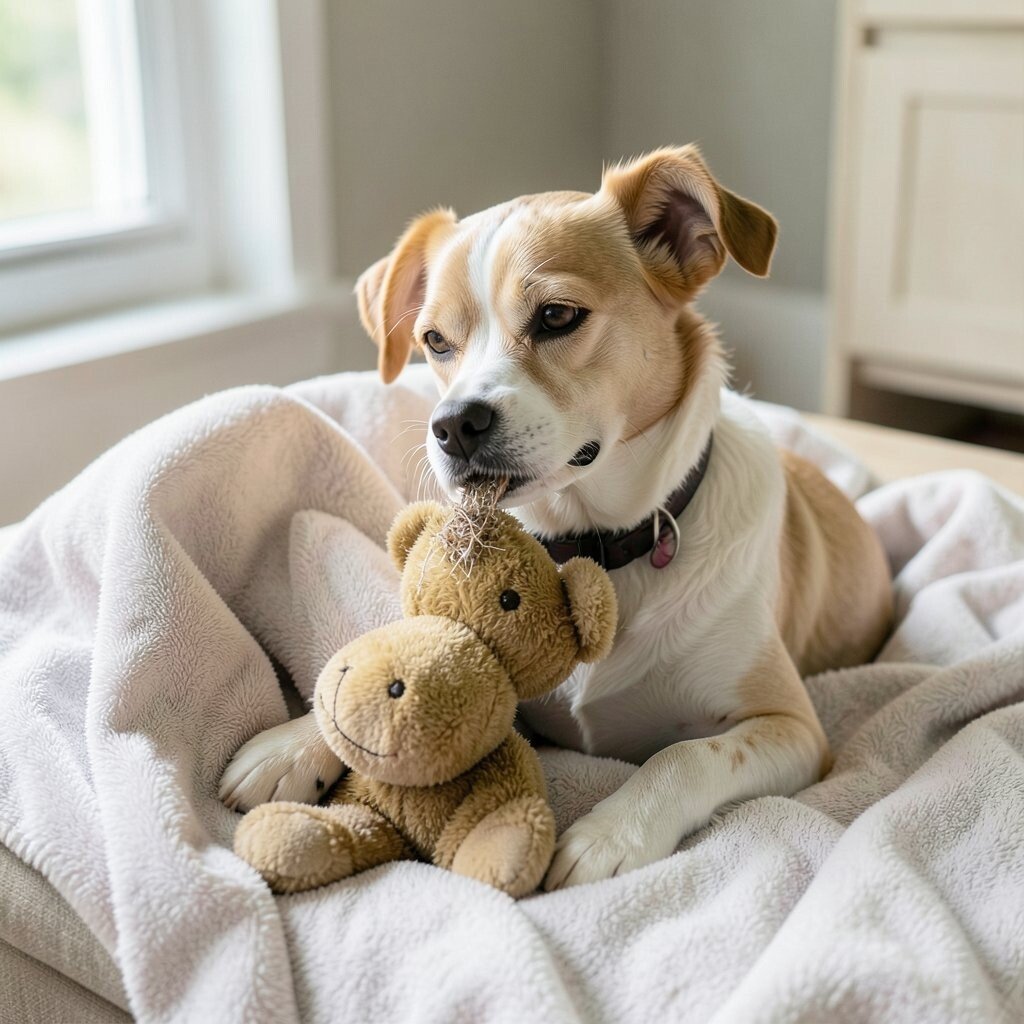
Pets use smell to understand the world, so familiar scents can be very soothing. A blanket from home or a toy with a known smell can help during travel or new routines.
Keep scent items clean and safe, and avoid strong perfumes. This tip is almost free if you use items you already own. You can personalize the scent setup by choosing a blanket that stays in one room or a towel that travels with your pet.
Scent comfort is a gentle trend because it respects how pets naturally think. It can be especially helpful for newly adopted animals.
21. Create a “Window Watch” Spot
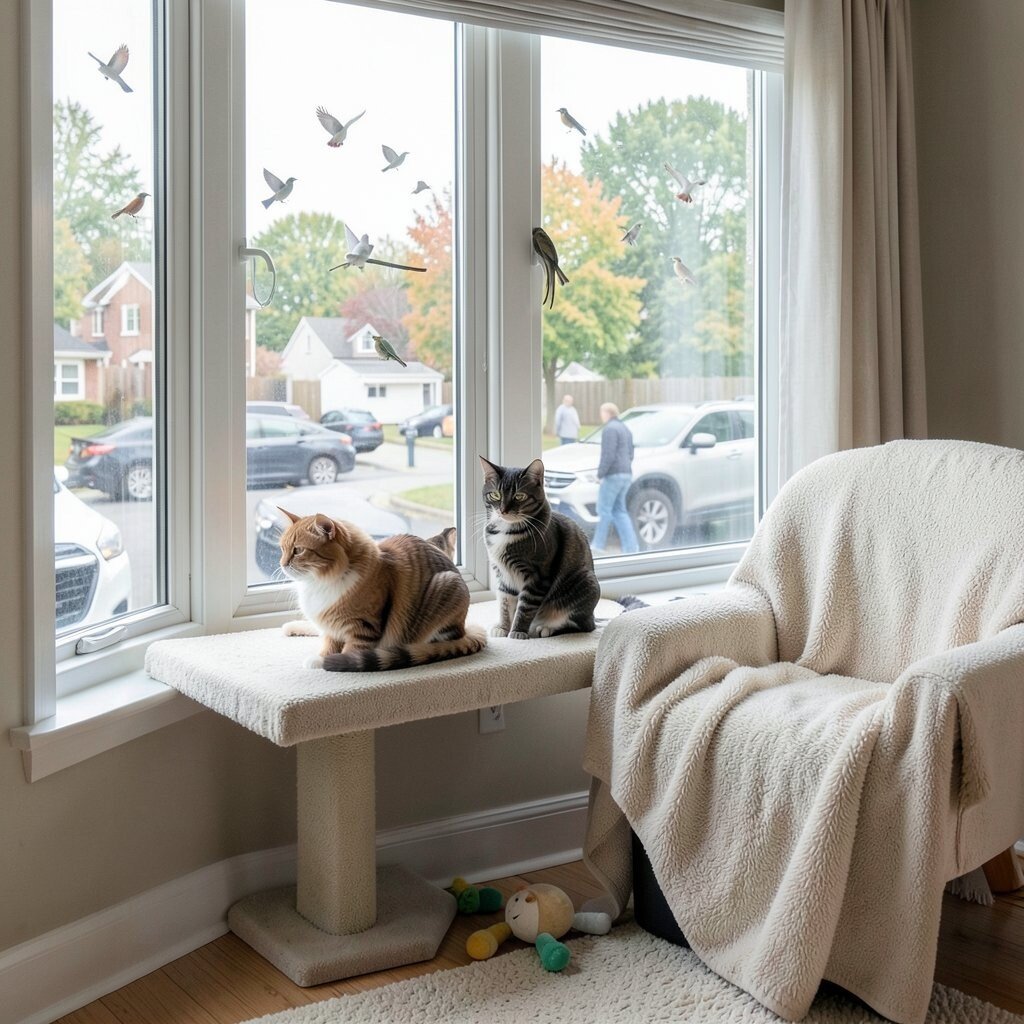
A safe window spot can give your pet a daily show of birds, cars, or people. The changing scene can keep the mind busy in a good way.
Use a stable perch, cushion, or chair placed securely under the window. Window spots do not have to cost much if you already have furniture that fits. You can make the area more inviting with a blanket that matches the room and a toy nearby for after-watching play.
Many homes now include pet viewing spots because they help with boredom. They also make a room feel more lively and pet-friendly.
22. Keep Training Sessions Very Short
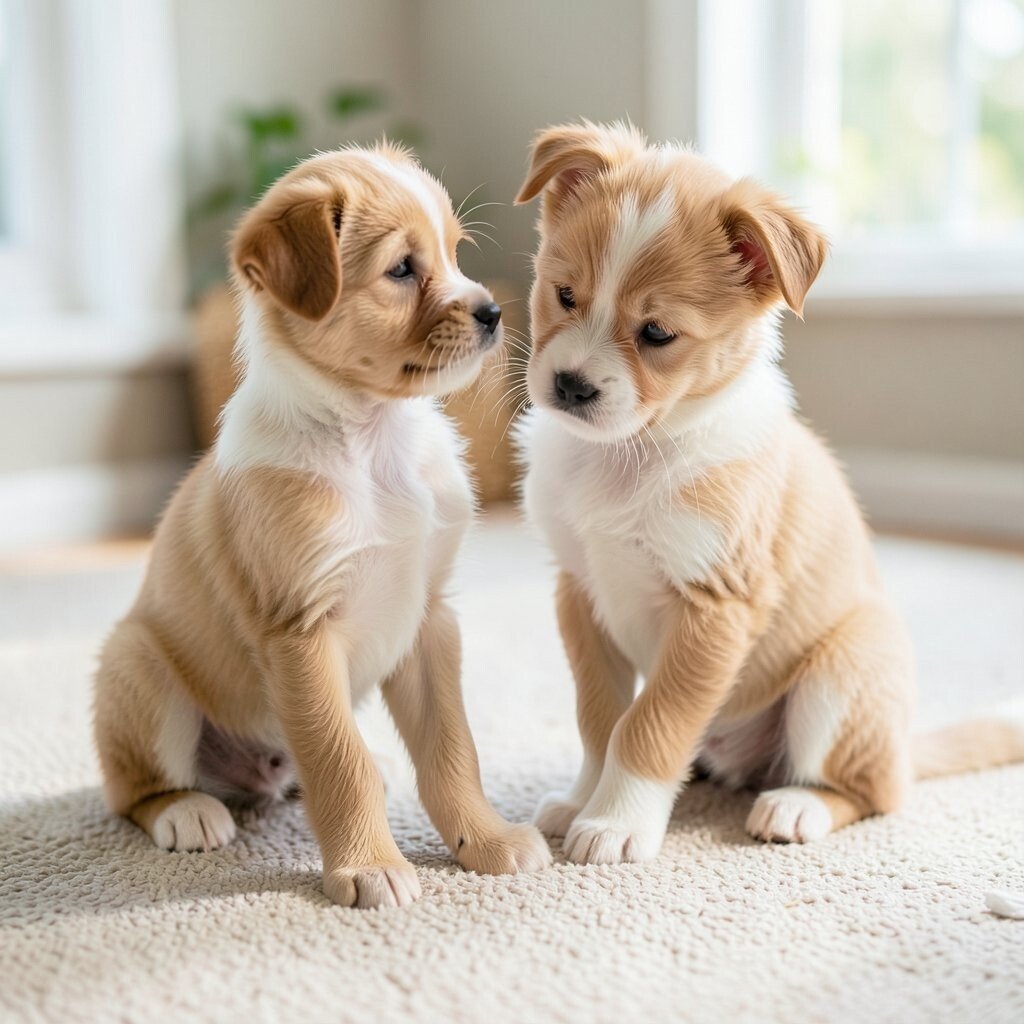
Short sessions often work better than long ones, especially for young or new pets. A few minutes of practice can feel fun instead of tiring.
Use one skill at a time, like sit, come, or touch. This keeps the cost low because you only need patience, treats, and a clear plan. You can end each session with praise or play so your pet remembers it as a good game.
Many first-time owners like this trend because it fits busy days. It also helps pets stay focused and confident.
23. Add a “Paw Wipe” Station
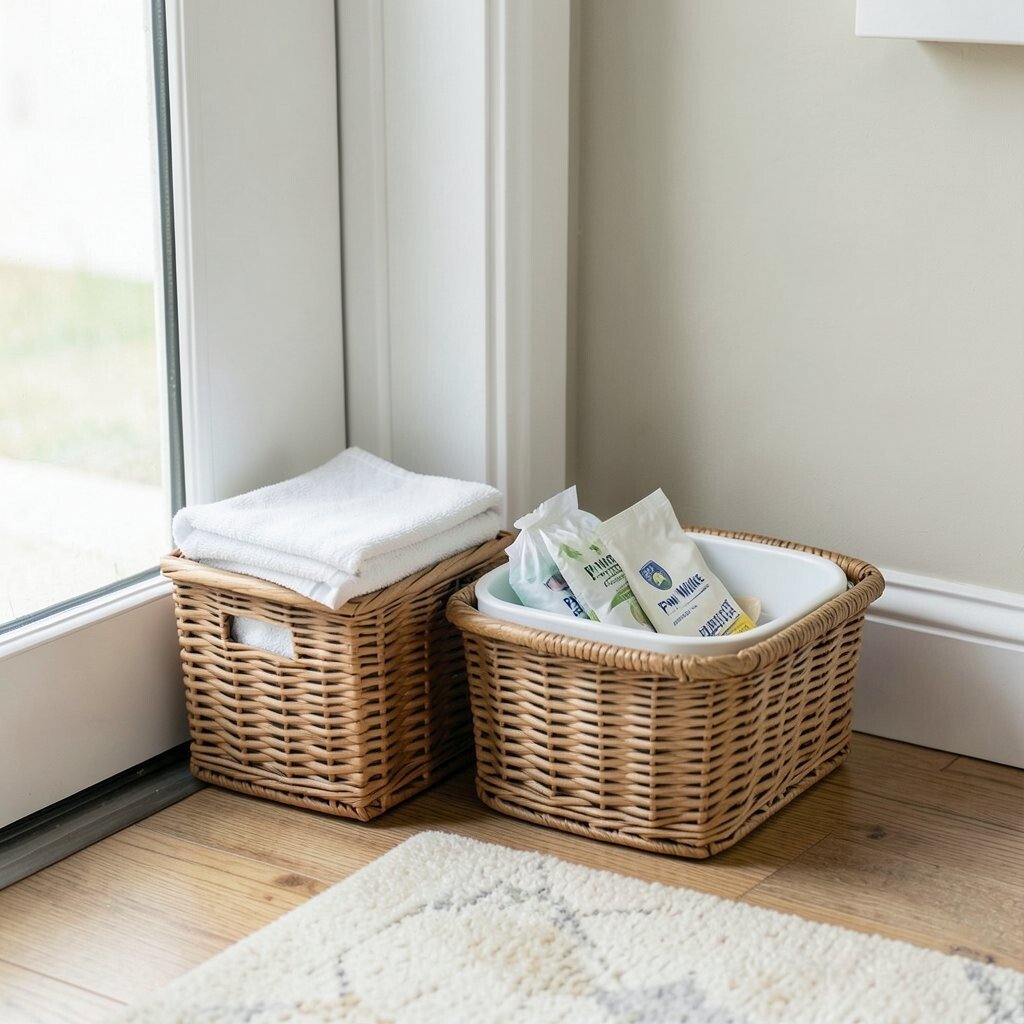
Set a small basket by the door with a towel, wipes, or a shallow wash basin. Cleaning paws right away can keep floors cleaner and protect carpets.
The station can look tidy if you use a woven basket or neat tray. Most of the supplies are low cost, and towels can be washed and reused. You can even pick a basket color that matches your entryway so the station feels like part of the home.
Many pet homes now use simple cleanup stations because they save time after walks. It is a neat, practical habit that feels very useful.
24. Put a Chew Option in Each Favorite Room
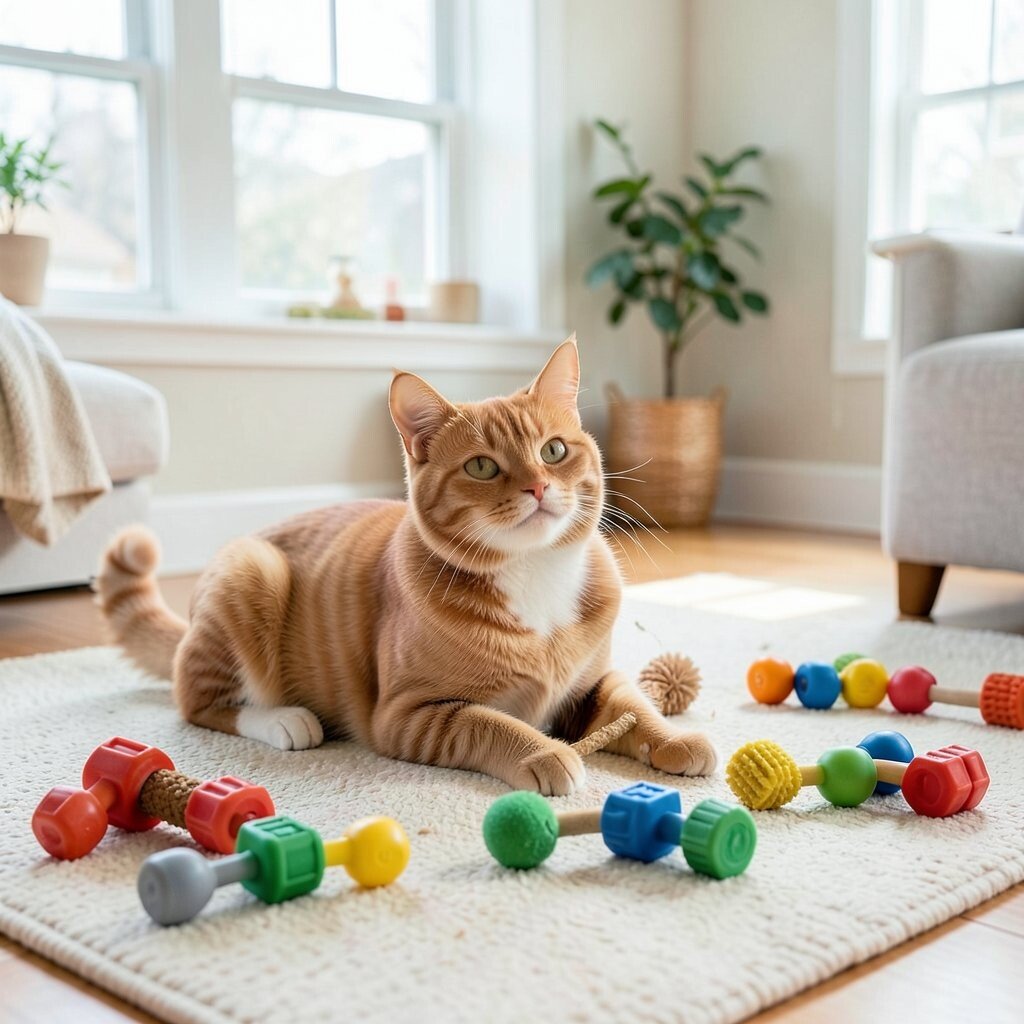
Some pets chew out of boredom, teething, or stress. Having a safe chew item nearby can redirect that energy in a better way.
Spread a few chew toys around the rooms where your pet spends the most time. That way, you do not need to run across the house every time chewing starts. Chew toys come in many price ranges, so you can pick what fits your budget and your pet’s size.
Choose textures and shapes that match your pet’s style. A pet that likes soft items may need something very different from one that loves hard rubber.
25. Use a Small Fan for Gentle Air Movement
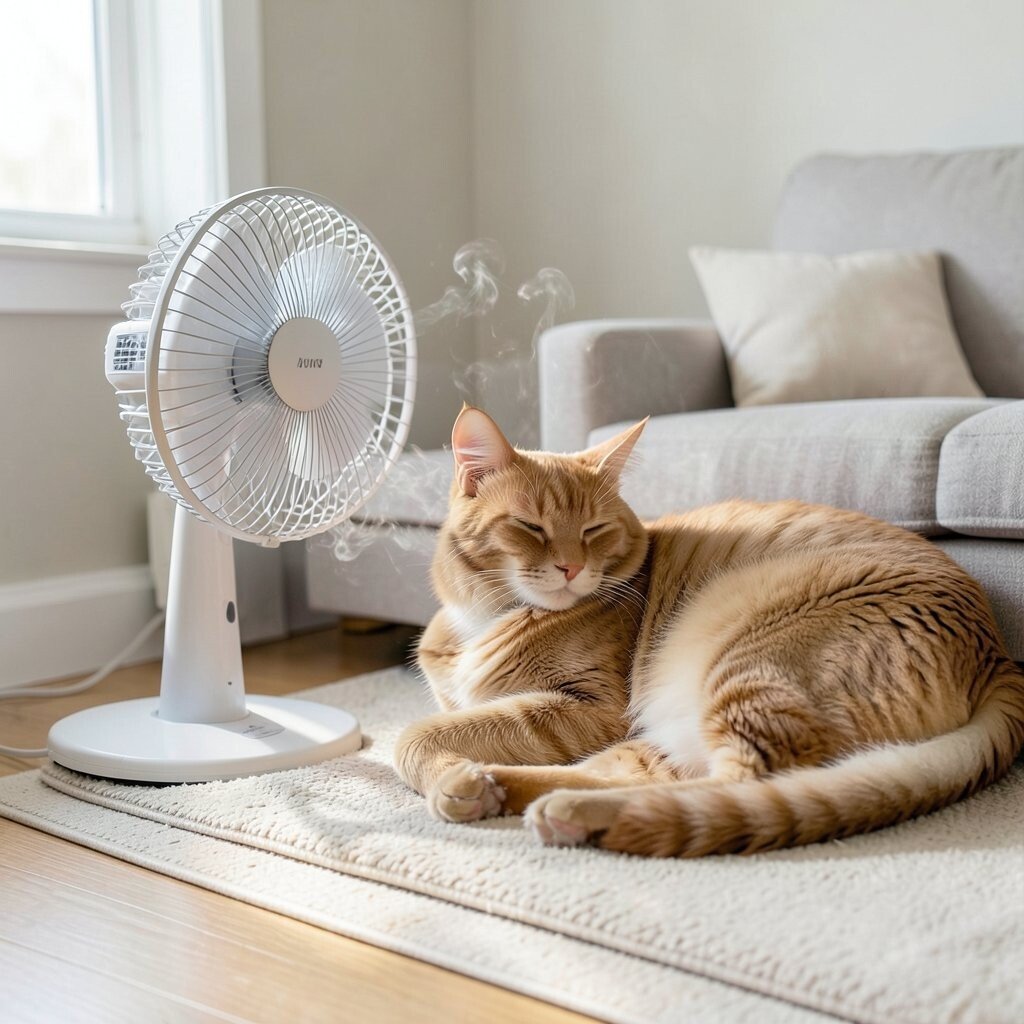
A quiet fan can make a room feel fresher and help reduce stuffy air. Some pets also relax when they feel a soft breeze.
Keep the fan out of reach and make sure cords are safe. Fans can be cheaper than many pet gadgets, which makes them a smart budget choice. You can place the fan near a resting area without blowing directly on your pet’s face.
This simple comfort trick is especially nice in warm seasons. It can also help with smells and overall room comfort.
26. Make a “First Day” Routine Card
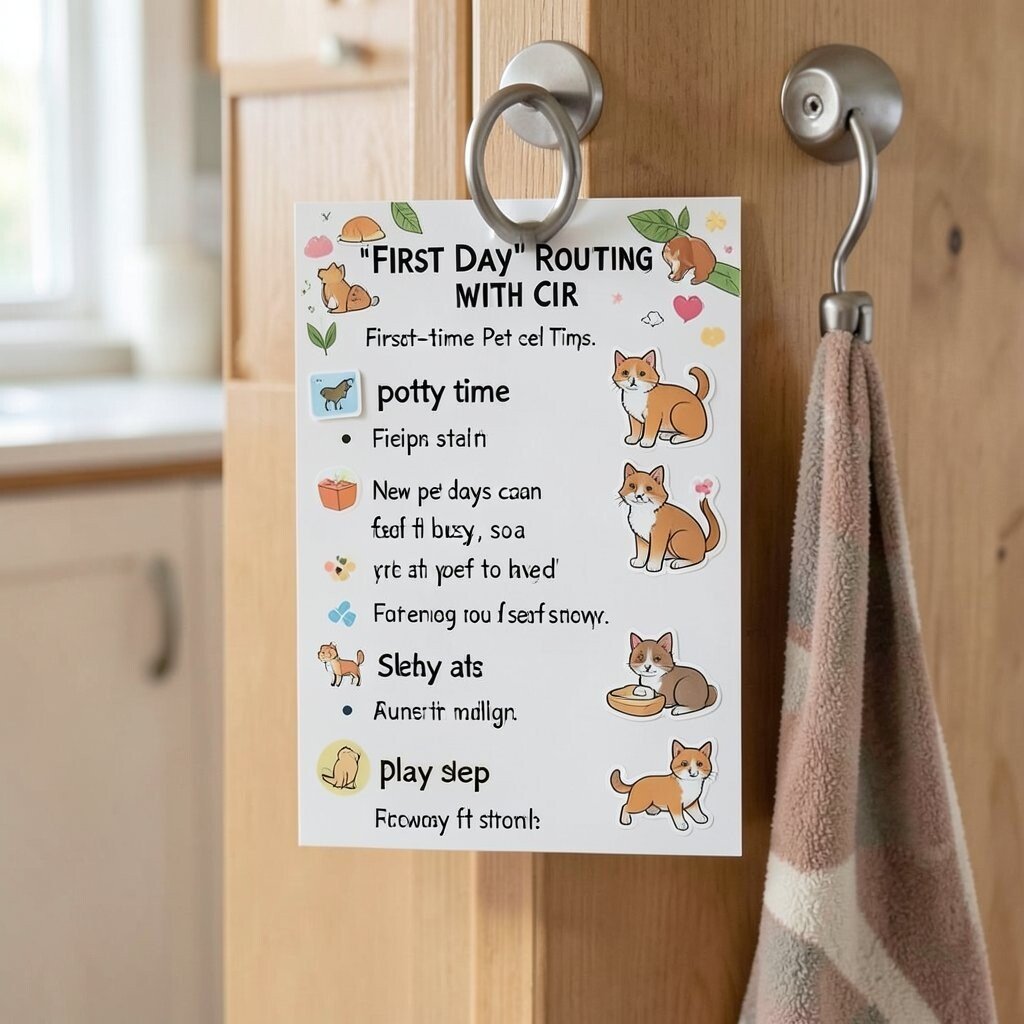
Write down the steps for feeding, potty time, play, and sleep on a small card. New pet days can feel busy, so a card helps you stay steady.
Keep the card in the kitchen or near the leash hook where you will see it often. It costs almost nothing to make, but it can save you from forgetting important steps. You can decorate it with stickers, colors, or your pet’s name to make it feel personal.
This kind of routine support is a growing trend for busy families. It brings order to a day that may still feel new and wobbly.
27. Give Your Pet a “Yes Space”
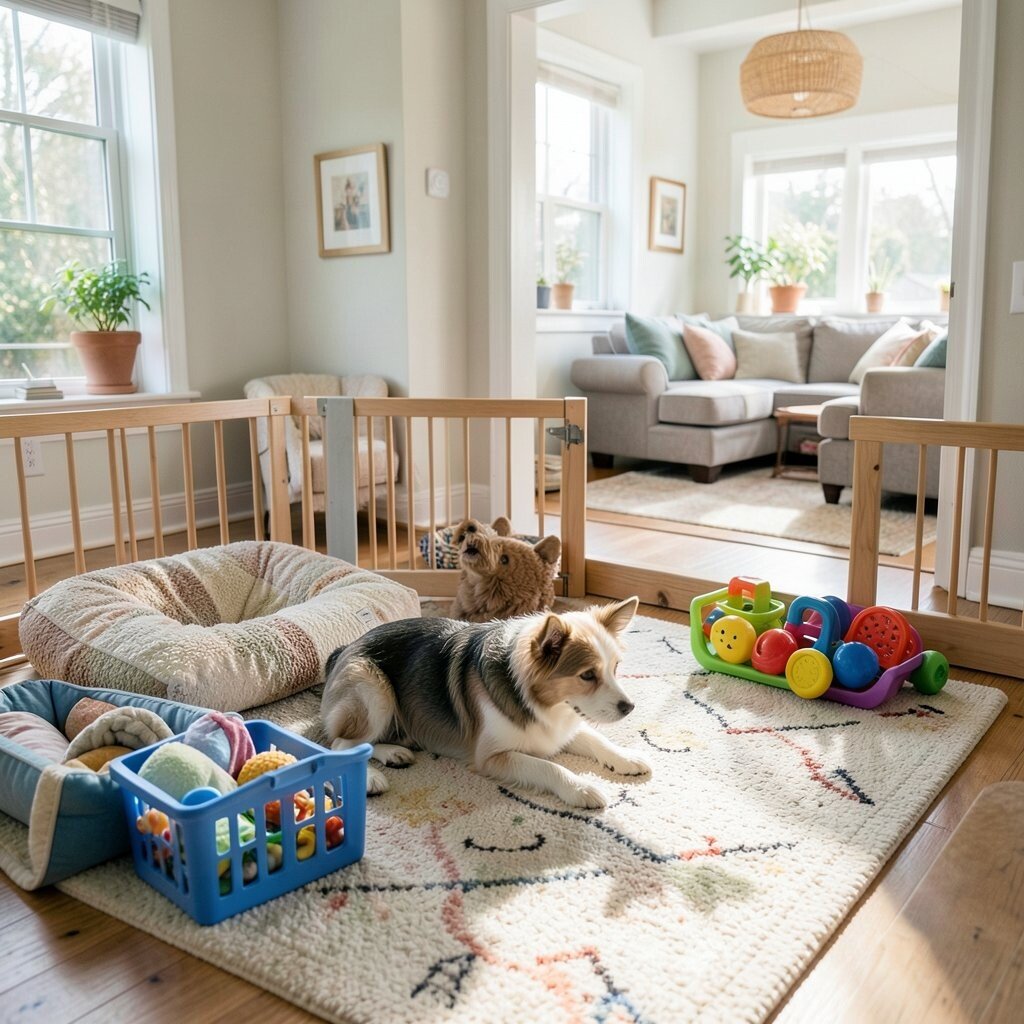
A yes space is a safe area where your pet can move, rest, and play without too many rules. It helps your pet learn what is allowed instead of hearing “no” all day.
Use gates, rugs, or furniture placement to shape the area. The cost can stay low if you work with what you already have. You can make the space feel unique by adding a favorite bed, a toy bin, and a view of the family room.
This approach is popular because it lowers stress for both pets and people. It also helps first-time owners feel more confident at home.
28. Watch for the “Happy Tired” Look
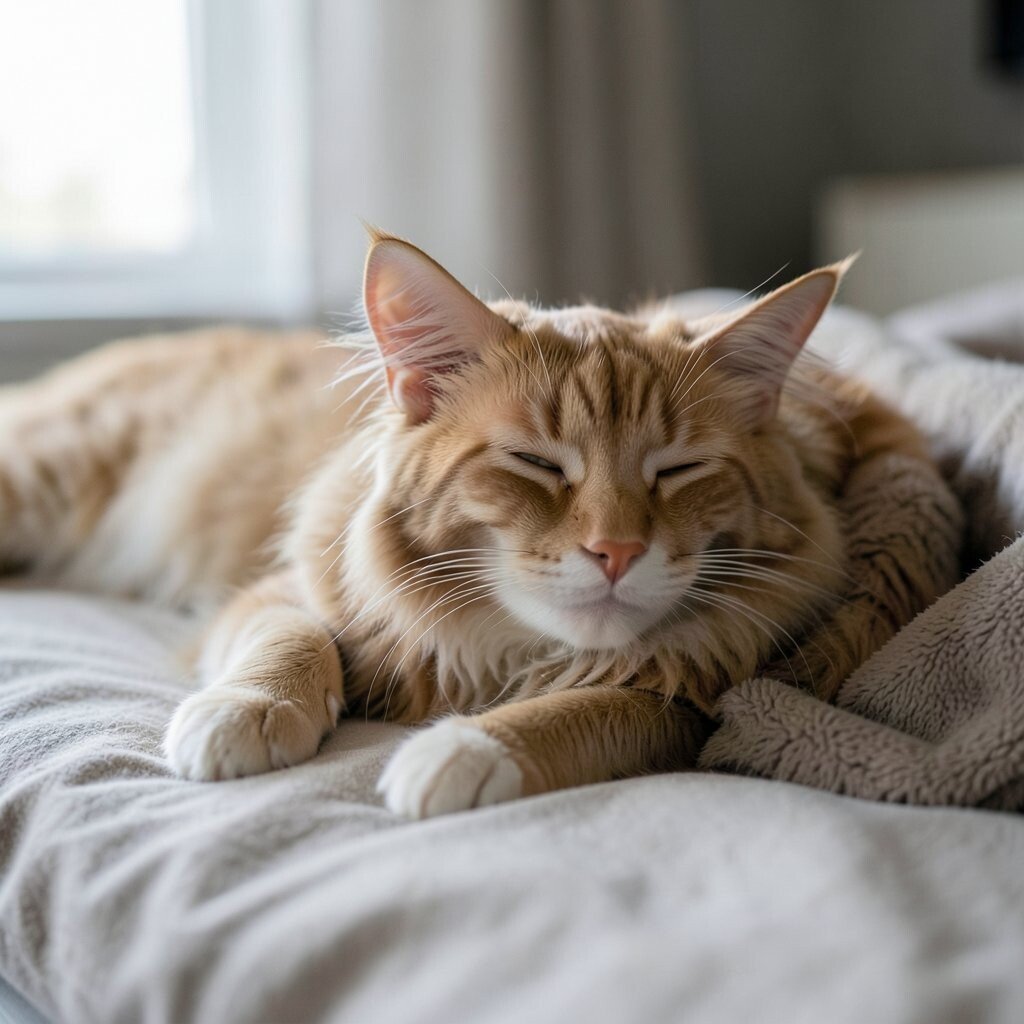
Pets can act wild when they are actually tired, not playful. Learning the signs of happy tiredness can help you stop before a meltdown starts.
Look for slower movement, softer eyes, and less interest in toys. Rest is cheap, powerful, and often the best fix. You can build a bedtime routine with dim lights, a calm voice, and the same sleep spot each night.
Many owners are paying more attention to pet sleep now because it affects behavior so much. A rested pet often seems easier to train and live with.
29. Create a Tiny Celebration for Good Behavior
When your pet does something well, mark it with a happy word, a treat, or a short play burst. Small celebrations help your pet understand what you love.
Keep the reward simple so it stays fast and clear. The cost can be very low if you use praise, a scratch behind the ears, or part of a normal meal. You can make each win feel special by using the same cheerful phrase every time.
Many pet owners now focus on positive habits because they build trust. It makes the bond feel warm, personal, and full of little victories.