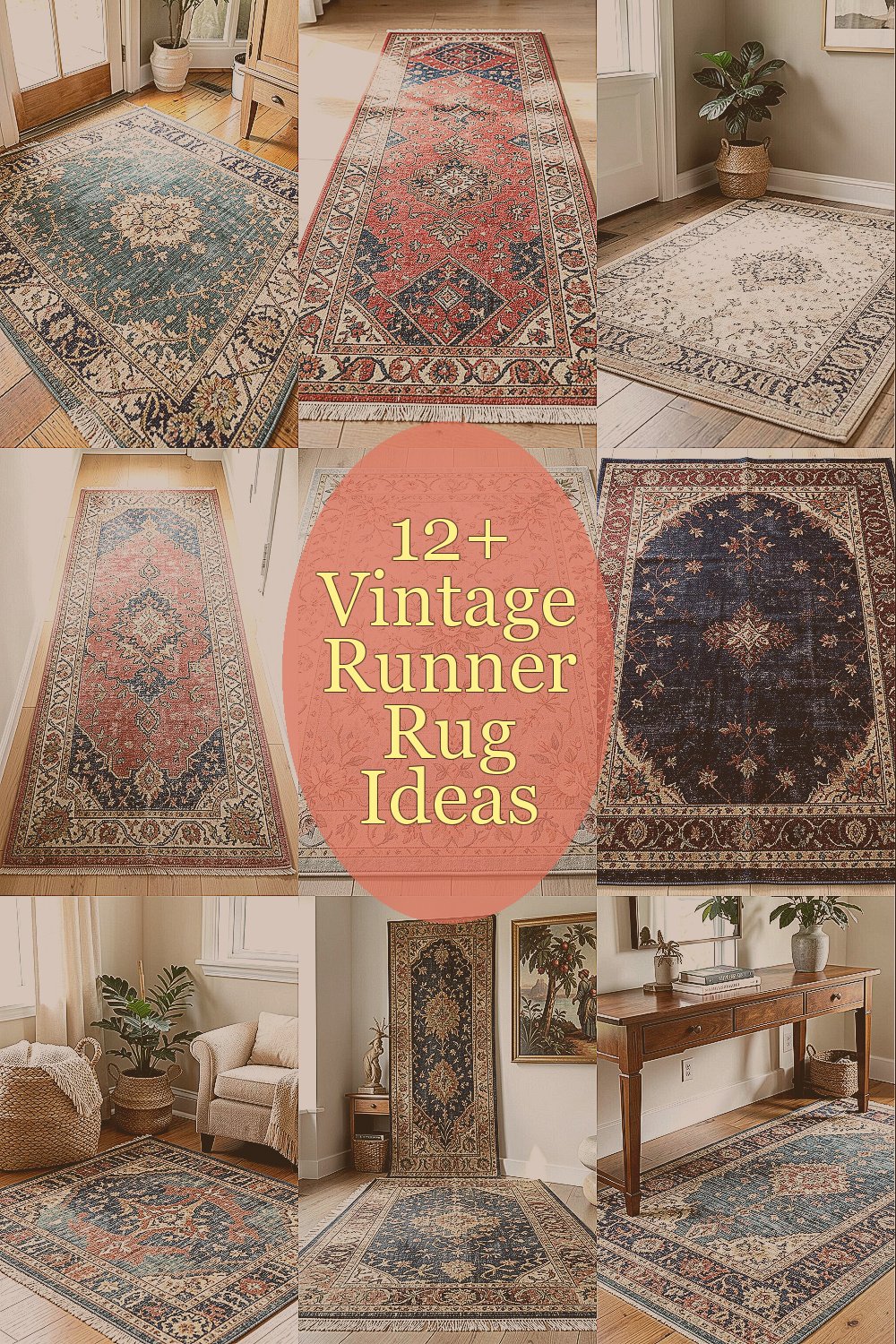
That old-world charm can make a hallway feel like home. A vintage runner rug brings warmth, rhythm, and personality to everyday routes through your space.
Once you start noticing the texture, color, and story in each pattern, it becomes easier to pick the right style for your room.
1. Layer a Runner Along Your Entry Path
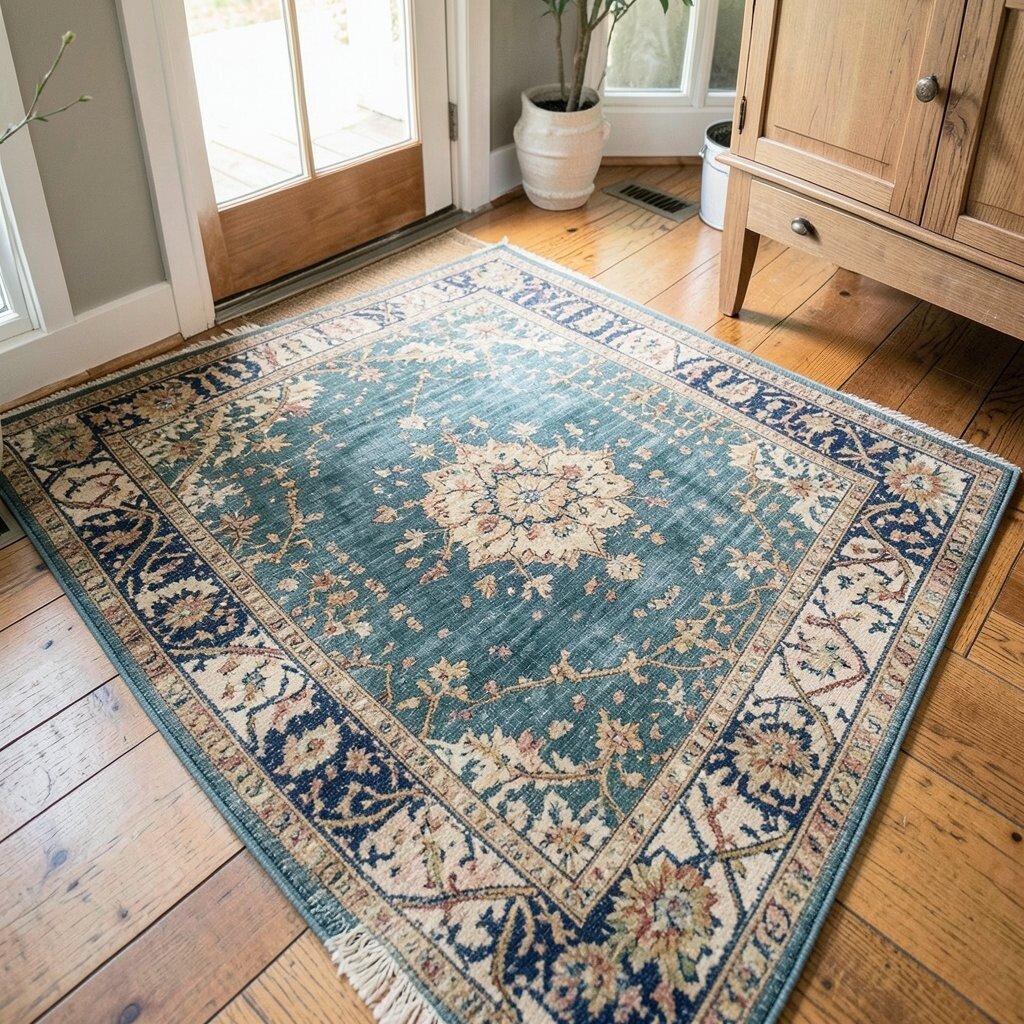
Picture a narrow hallway where every step feels softer and slower, thanks to a vintage runner with a muted red, cream, and faded blue palette. The pile catches light in a gentle way, so the rug looks lively without being loud.
Place it where shoes and bags usually land, and you instantly gain comfort underfoot. A runner also helps define the entry zone so the space looks intentional, even in smaller homes.
2. Use a Moroccan-Style Runner for Instant Pattern Energy
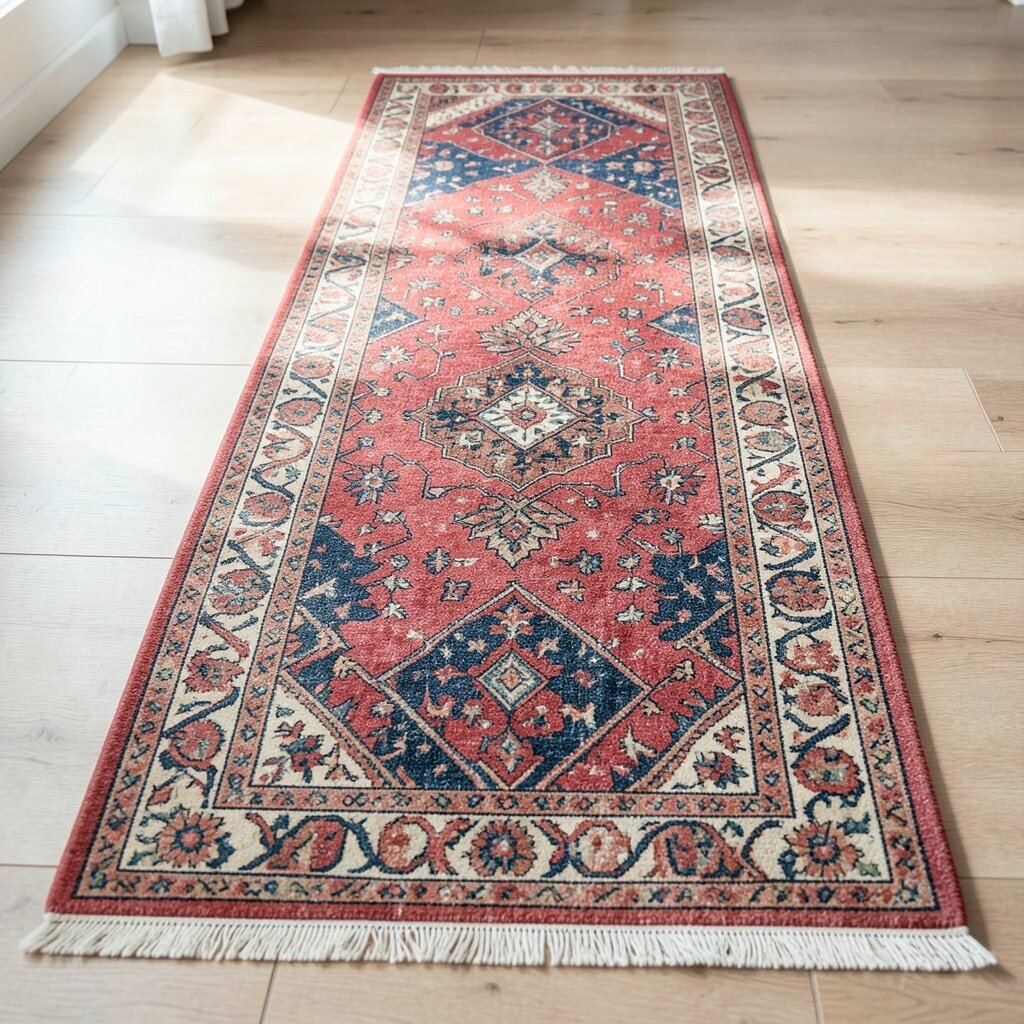
A Moroccan-style vintage runner often features geometric motifs that feel crisp yet cozy. When you hang pendant lights or add a mirror, the pattern makes the reflections look more vibrant.
Try centering the rug under a console or beneath a framed artwork. This simple layout makes the hallway feel designed, not accidental.
Choose a size that reaches most of the walking area, and keep a little border showing for that classic, finished look. If you worry about wear, rotate the rug seasonally so traffic gets spread out over time.
3. Match Warm Neutrals for a Calm, Cozy Hall
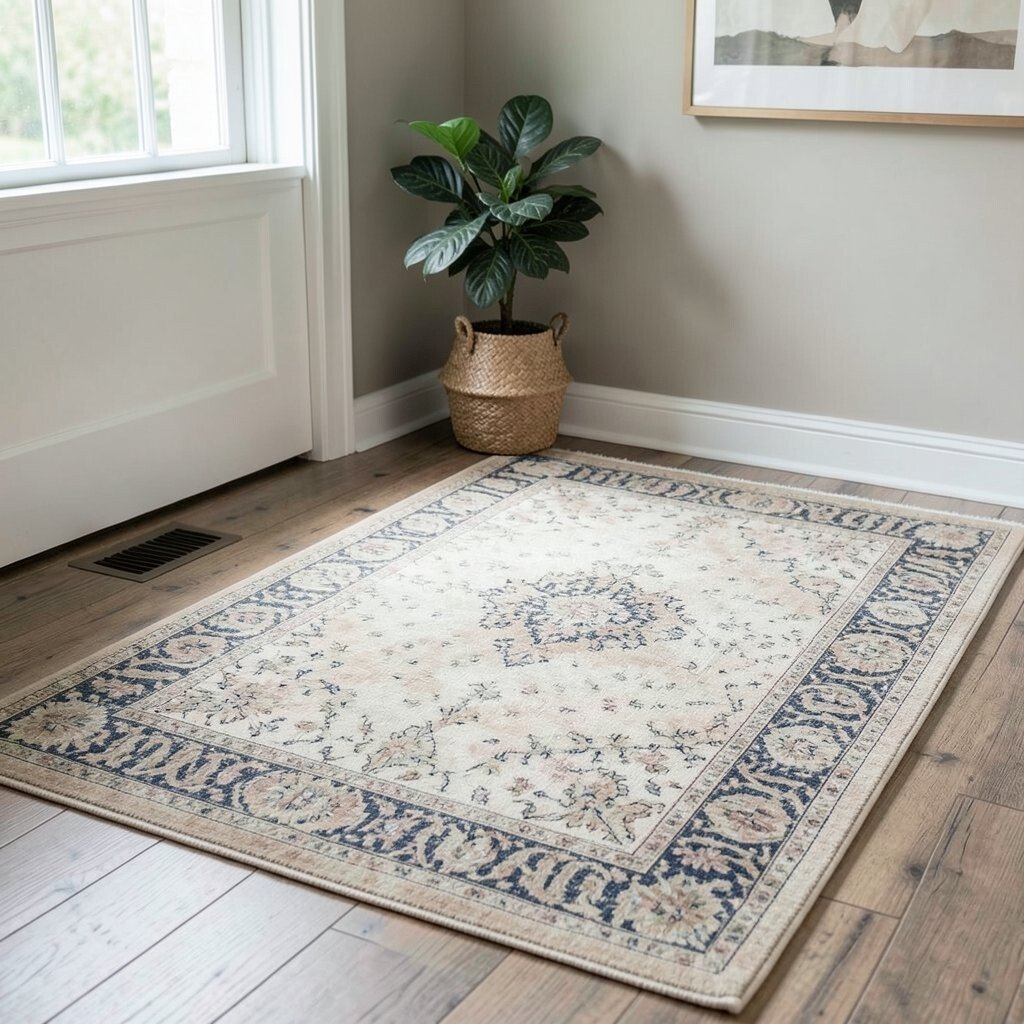
Look for vintage runners with sandy beige, oatmeal, and soft ivory tones. The subtle color shifts feel like sunlight on textured fabric.
Pair the rug with light wood, linen curtains, and matte metal hardware to keep the mood relaxing. This works especially well when your hallway gets a lot of daily movement.
For practical styling, aim for a runner that hides minor dust and footprints, since lighter patterns can still show wear depending on the weave. If you have kids or pets, consider a tightly woven vintage option that cleans up more easily.
Budget-wise, you can often find warm-neutral runners at thrift stores or estate sales, and the right one can look designer. Keep an eye out for rugs with intact edges, because that is where quality usually shows.
4. Frame the Rug with Symmetry in a Narrow Space
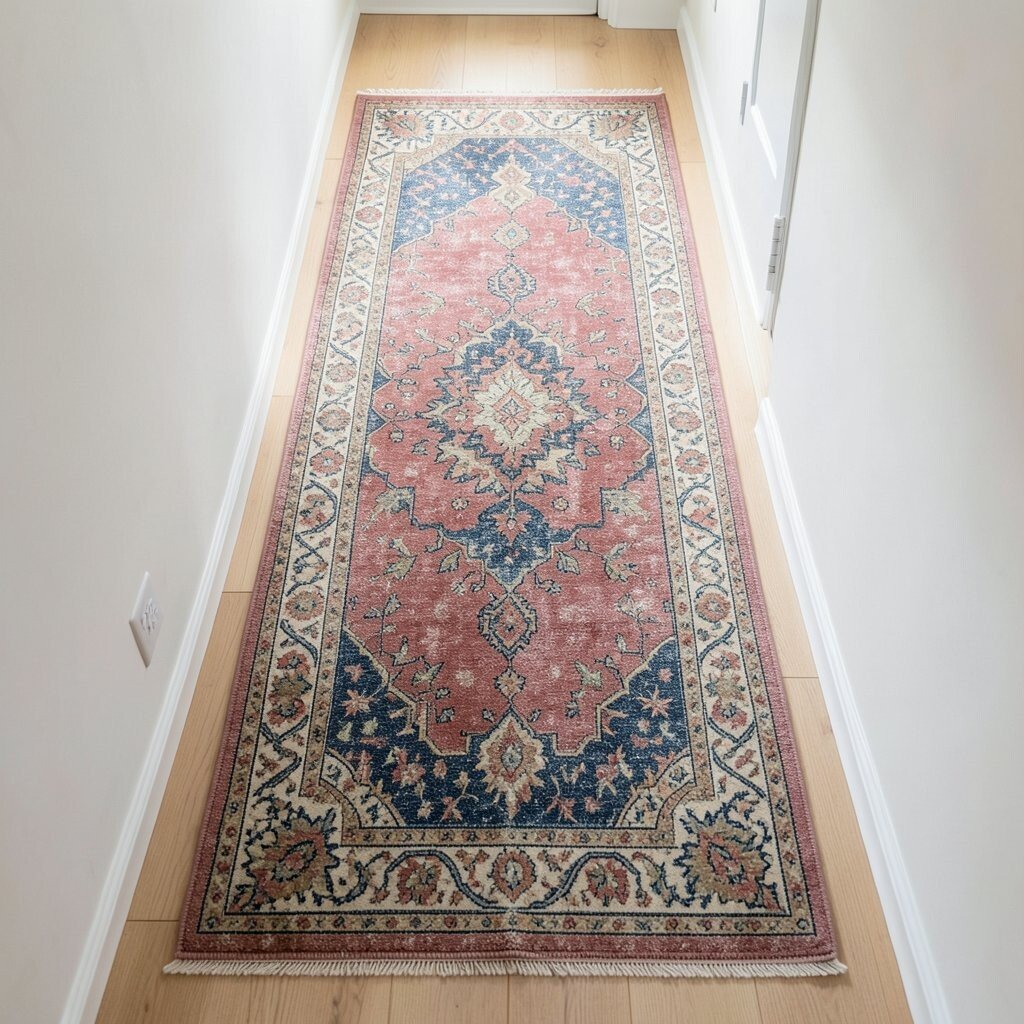
Vintage runners look especially great when the layout feels balanced. If your hallway is long and narrow, place matching lamps, wall sconces, or identical picture frames along both sides.
Lay the runner straight so the pattern lines guide your eye down the corridor. This kind of visual order makes the whole space feel more spacious.
5. Choose Faded Florals for a Soft Feminine Touch
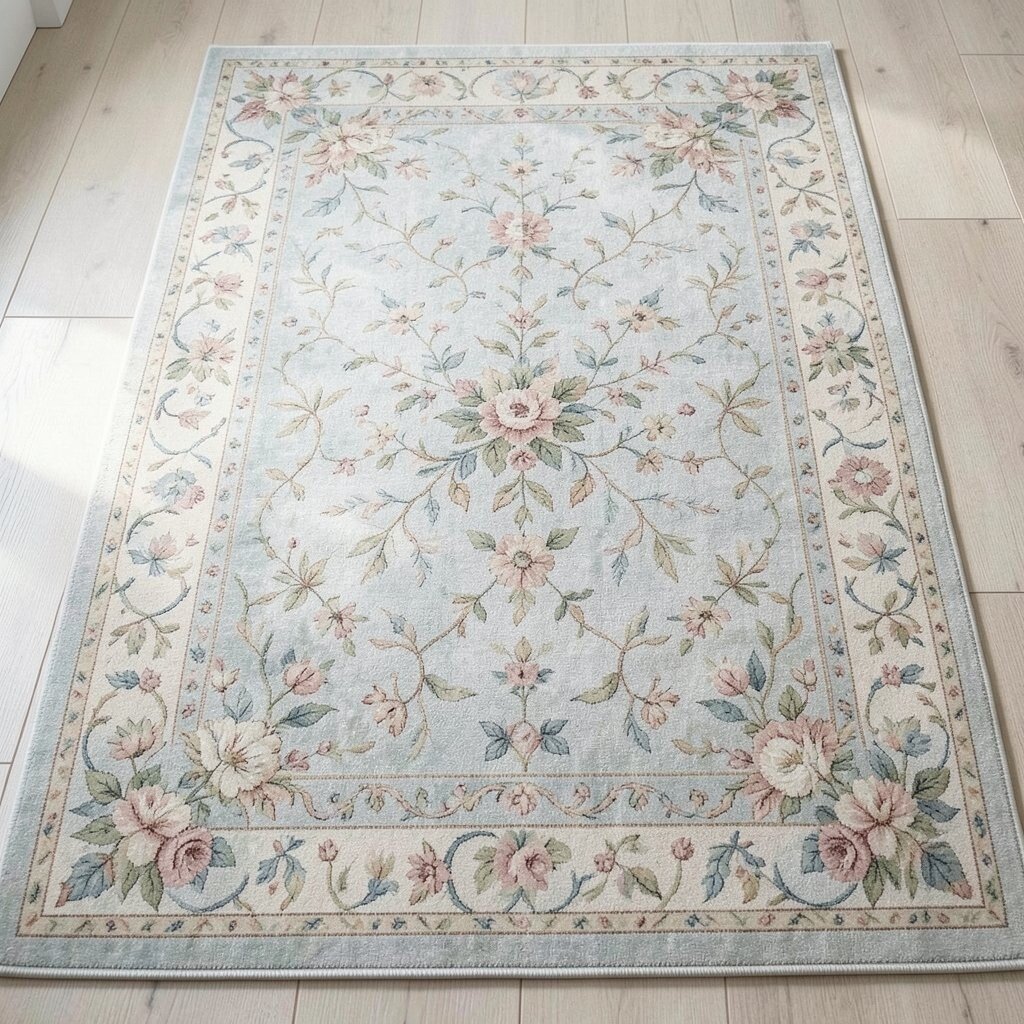
Faded floral vintage runners can feel like a gentle garden that follows you from room to room. The muted rose, dusty green, and worn gold tones look relaxed, not overly decorative.
Put one beside a reading nook or along the edge of a breakfast area to add warmth to quieter zones. Even when the rug is not the main focus, it makes the room feel more lived-in.
Pick a floral pattern that matches at least one color already in your decor, like the throw blanket, curtains, or ceramic dishware. For practical care, blot spills right away and vacuum with a soft brush to keep the fibers from fraying.
6. Go Bold with a Deep Navy or Burgundy Runner
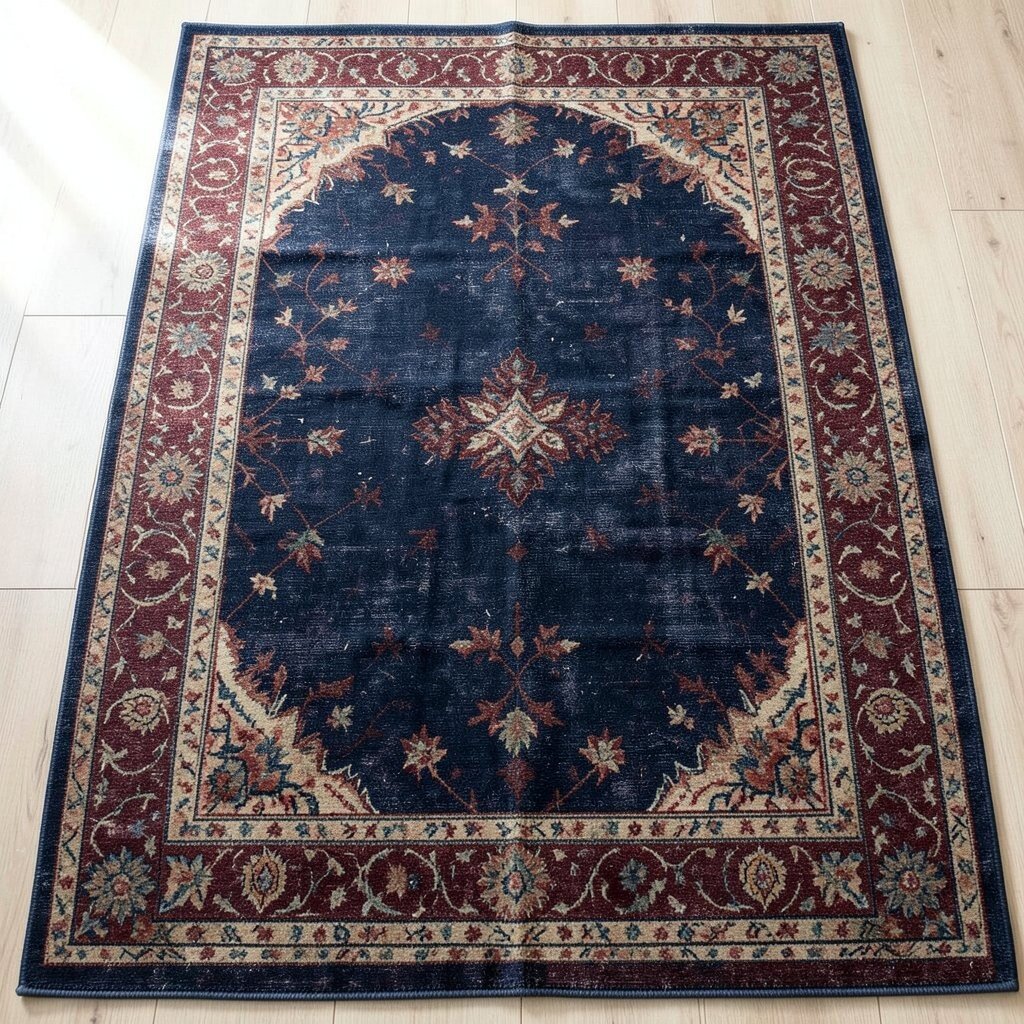
When you choose a vintage runner in deep navy or burgundy, the hallway instantly feels more grounded. The rich color stands out against white walls and light flooring, so the rug becomes a focal point without needing bold furniture.
Style it with black iron fixtures, brass accents, or dark wood frames for a pulled-together look. This trend of deeper, moody tones is showing up more often in modern interiors, especially in transitional spaces.
If you are watching cost, start with a runner that has strong color contrast because the visual impact stays high even when the pattern is simpler. Also consider a shorter length if your space is tight, since a bold runner can still feel complete when properly aligned.
To keep it feeling practical, use a rug pad for comfort and to reduce slipping. That small upgrade can make the rug wear better and feel safer in daily use.
7. Anchor a Boho Corner with a Textured Vintage Runner
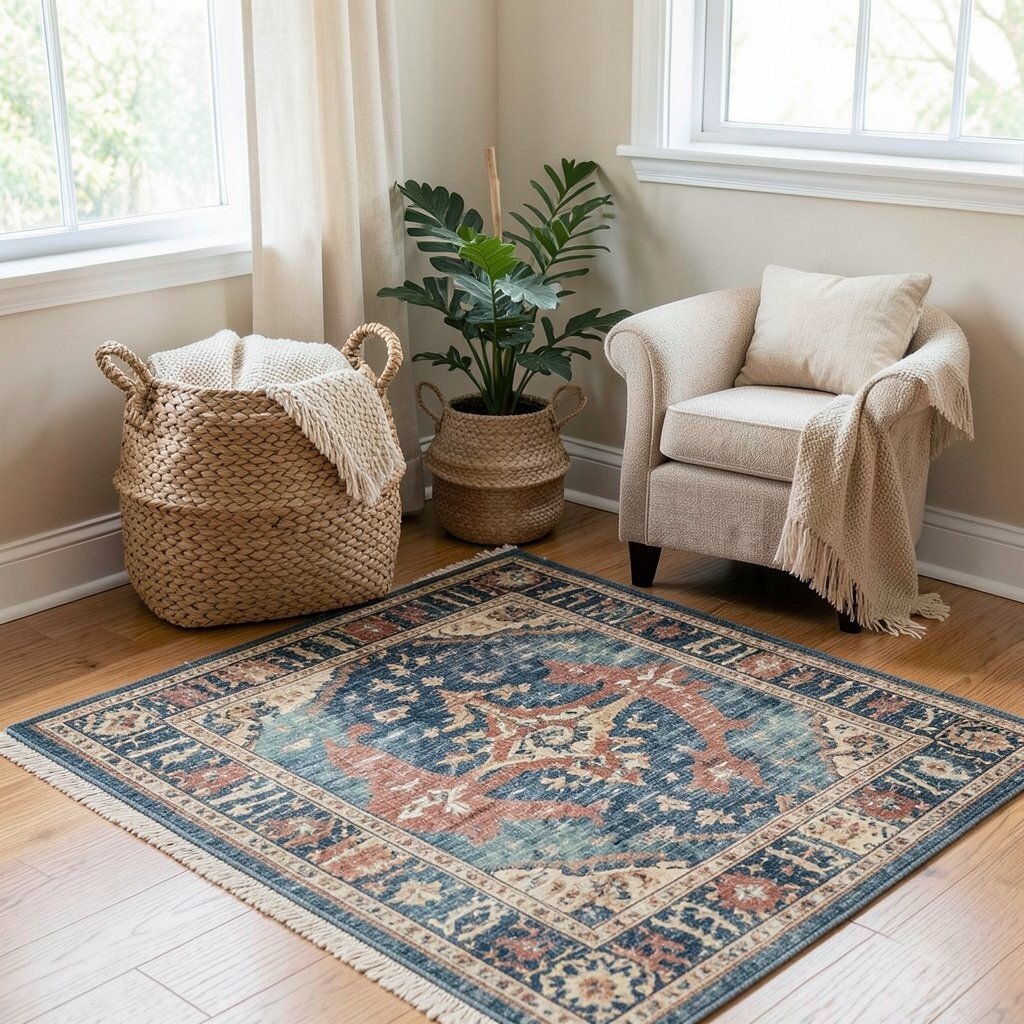
Boho spaces thrive on layers, and a vintage runner can do that job beautifully. Look for one with subtle fringe, a slightly worn border, or a pattern that blends warm and cool tones.
Place the runner under a small lounge chair, a low table, or even a plant cluster to create a mini gathering area. The texture adds softness to the floor, which makes the corner feel more inviting.
For personalization, match the rug colors to your pillow covers, macramé wall hangings, or woven baskets. You can also add a second small woven rug nearby, but keep the runner as the main grounding piece.
8. Create a Gallery Look with a Runner and Artwork Alignment
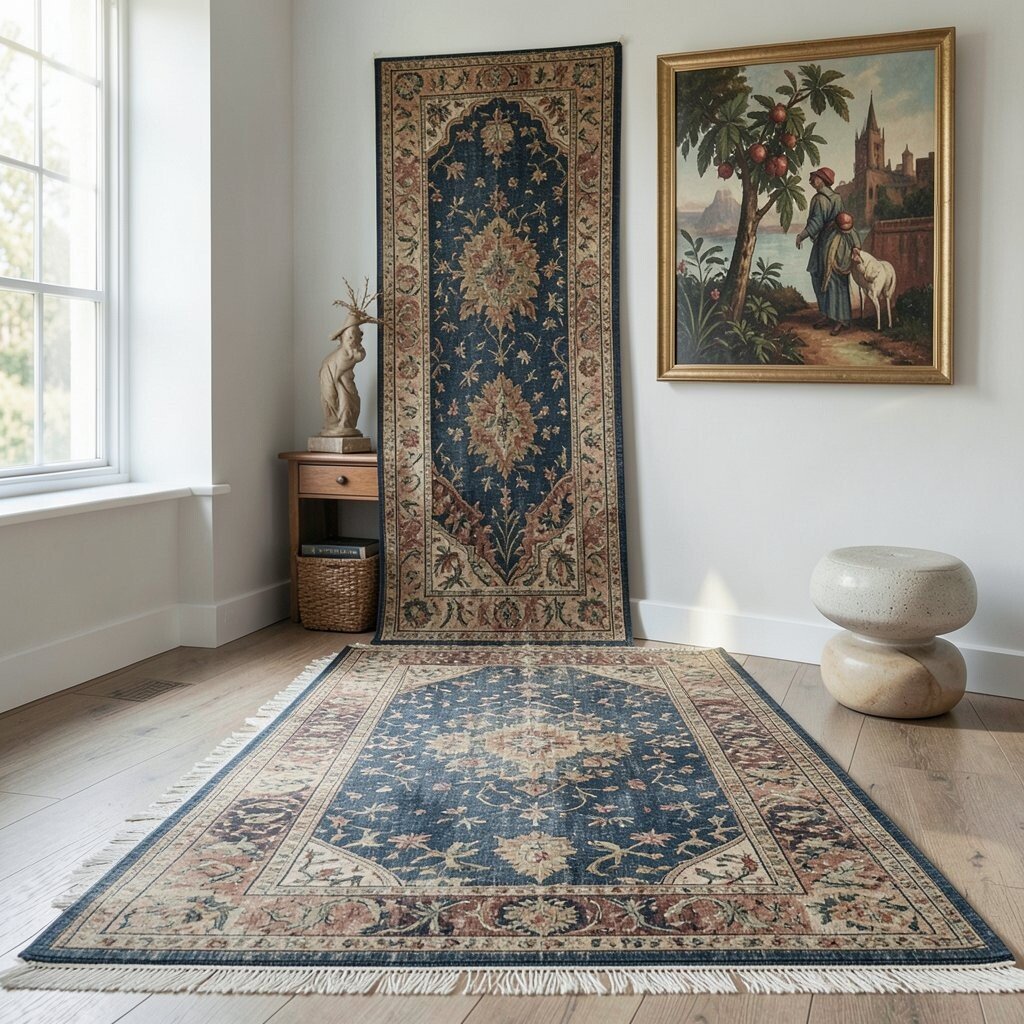
Try lining up the runner’s design with your wall gallery so the space feels curated. A vintage border pattern can act like a visual guide, especially in a hallway with framed prints or photos.
Hang artwork at eye level and choose frames in wood, black, or brushed brass that echo the rug’s tones. When everything lines up, the hallway feels like a boutique corridor, not just a pass-through.
To make this practical, use a runner that fits the length from door to door, then leave consistent spacing at each end. If your home has frequent foot traffic, vacuum regularly and spot-clean quickly to keep the pattern crisp.
9. Style It Under a Console Table for a Polished Finish
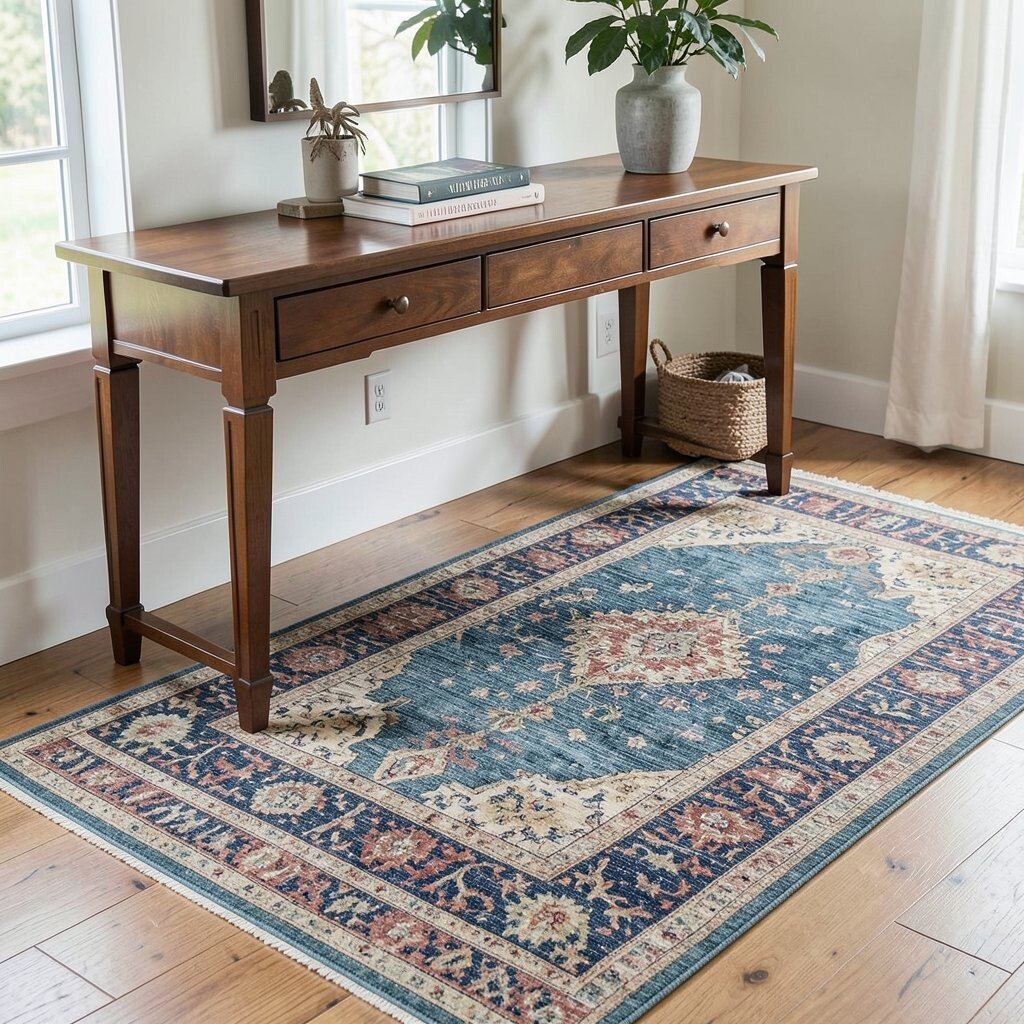
A vintage runner under a console table looks instantly polished because it adds a soft landing where people naturally walk. Choose a runner with a border that feels tidy, so the top edge looks neat against the furniture legs.
This placement helps protect the floor and also reduces the echoing sound that can happen on hard surfaces. Over time, you will appreciate the comfort when keys land in a tray or when you straighten items before leaving.
For personalization, add a runner-friendly color cue by styling the console with ceramics that pick up the rug’s dominant shade. Even a single matching vase or small tray makes the whole scene feel connected.
10. Use a Runner to Separate Living and Dining Without Walls
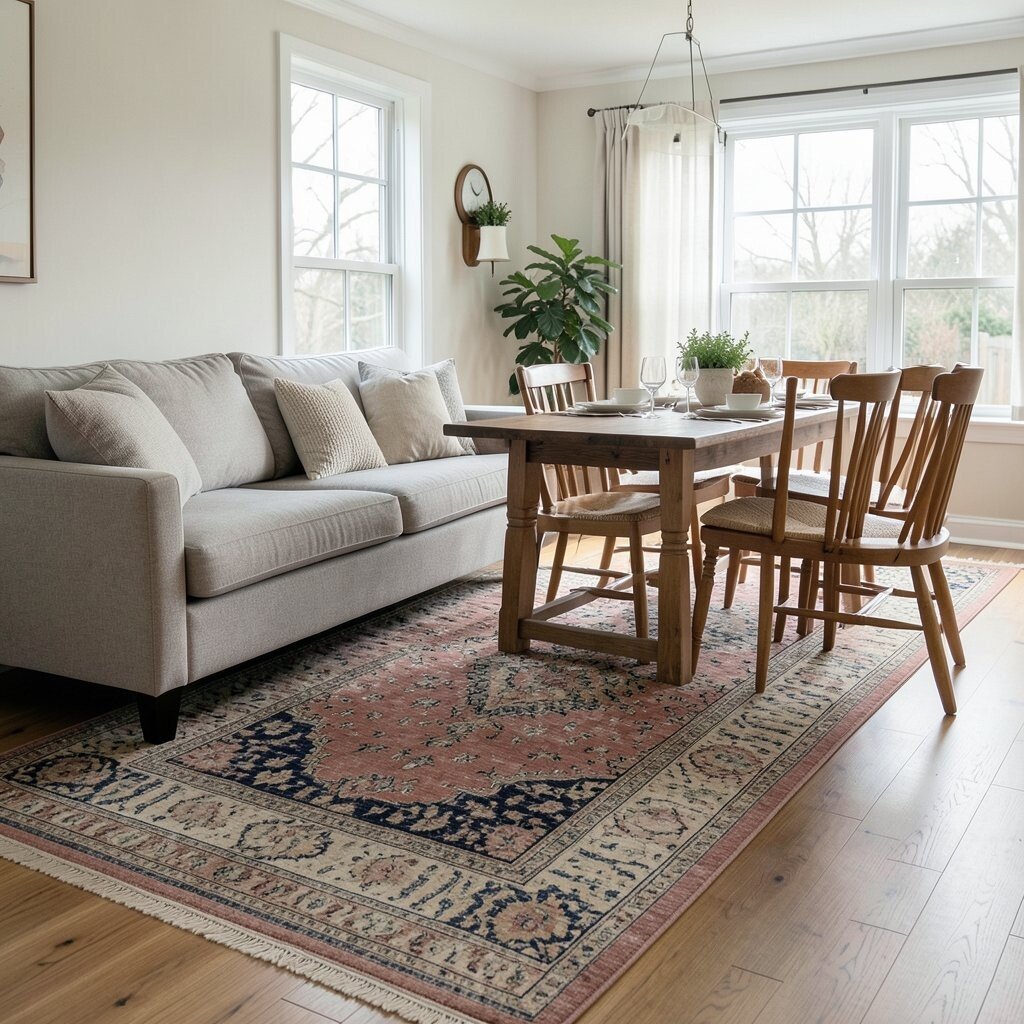
In open-plan rooms, a vintage runner can act like a gentle divider. A long patterned rug helps define where the living area ends and where the dining path begins.
Pick a runner that echoes the style of your larger rugs or upholstery, so it does not fight for attention. This is a current trend because many people are moving toward flexible, layered zoning instead of adding walls.
Measure carefully so the runner reaches into both zones enough to feel intentional. A runner that is slightly off-center will still work, but a well-centered placement usually looks more high-end.
For cost, choose a mid-priced vintage runner and spend the rest on a good pad and a professional cleaning once a year. That combination often beats buying a new rug that you replace sooner.
11. Choose a High-Contrast Pattern for a Small Space Boost
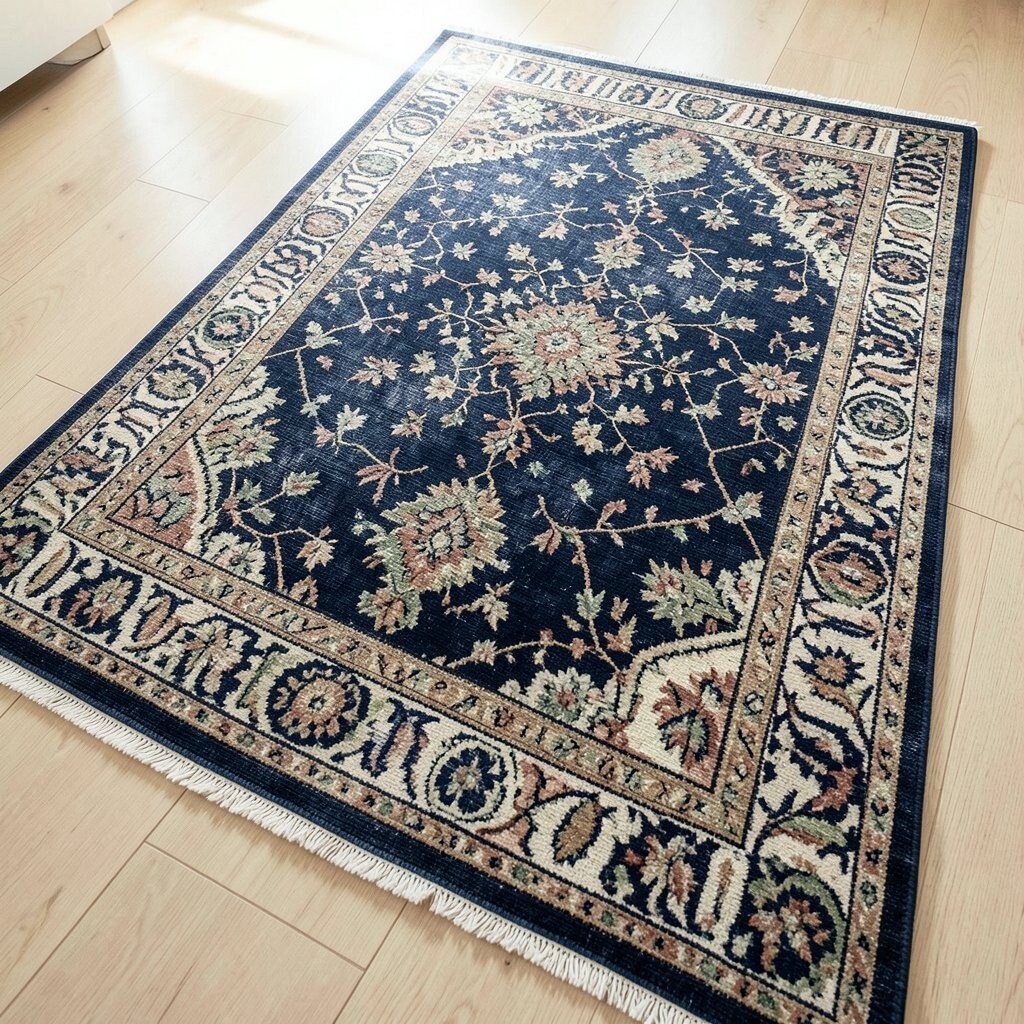
If your hallway feels cramped, a vintage runner with high contrast can make it look longer and brighter. A light ground with dark motifs or a dark ground with pale accents creates a clear path for the eye.
Keep the surrounding decor simple so the pattern can lead. You can still personalize with one or two touches, like a colorful bowl or a small plant, but let the rug do most of the heavy style lifting.
When it comes to practical tips, ensure the runner edges are secure and consider corner tacks or a rug gripper if it slips. That way the rug stays comfortable and safe through everyday movement.
If you are shopping smart, focus on condition and craftsmanship more than rare patterns. A well-made rug in a bold palette can look just as inspiring as an expensive one.
12. Bring in Rust and Terracotta for a Warm Seasonal Mood
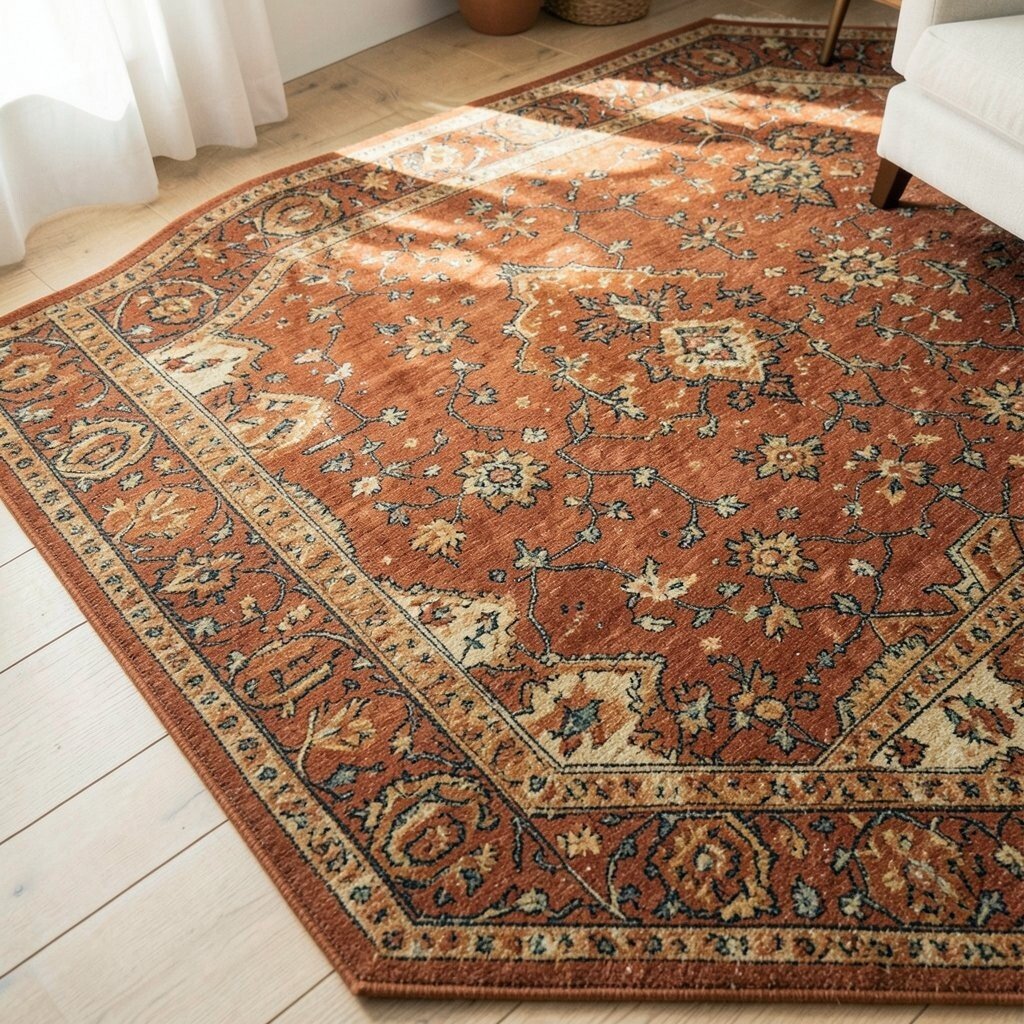
Rust and terracotta vintage runners feel like a warm hug for floors. The colors look especially good near wood furniture, woven baskets, and cream-toned textiles.
Use this runner to connect your fall decor with the rest of the year, because these tones often stay stylish beyond a season. Add a throw in rust, and you will notice how the hallway or kitchen path feels instantly cohesive.
If you want personalization without buying new, style the area with items you already own in similar shades. A candle set, a pottery vase, or a simple tray can tie the rug into the rest of your home.
For cost considerations, look for vintage runners that have a consistent pattern repeat, since that usually hides small wear. Also check the backing and edges, because repairing fringes can add up quickly if the rug is damaged.
13. Care for It Like a Treasure, Then Style It for Years
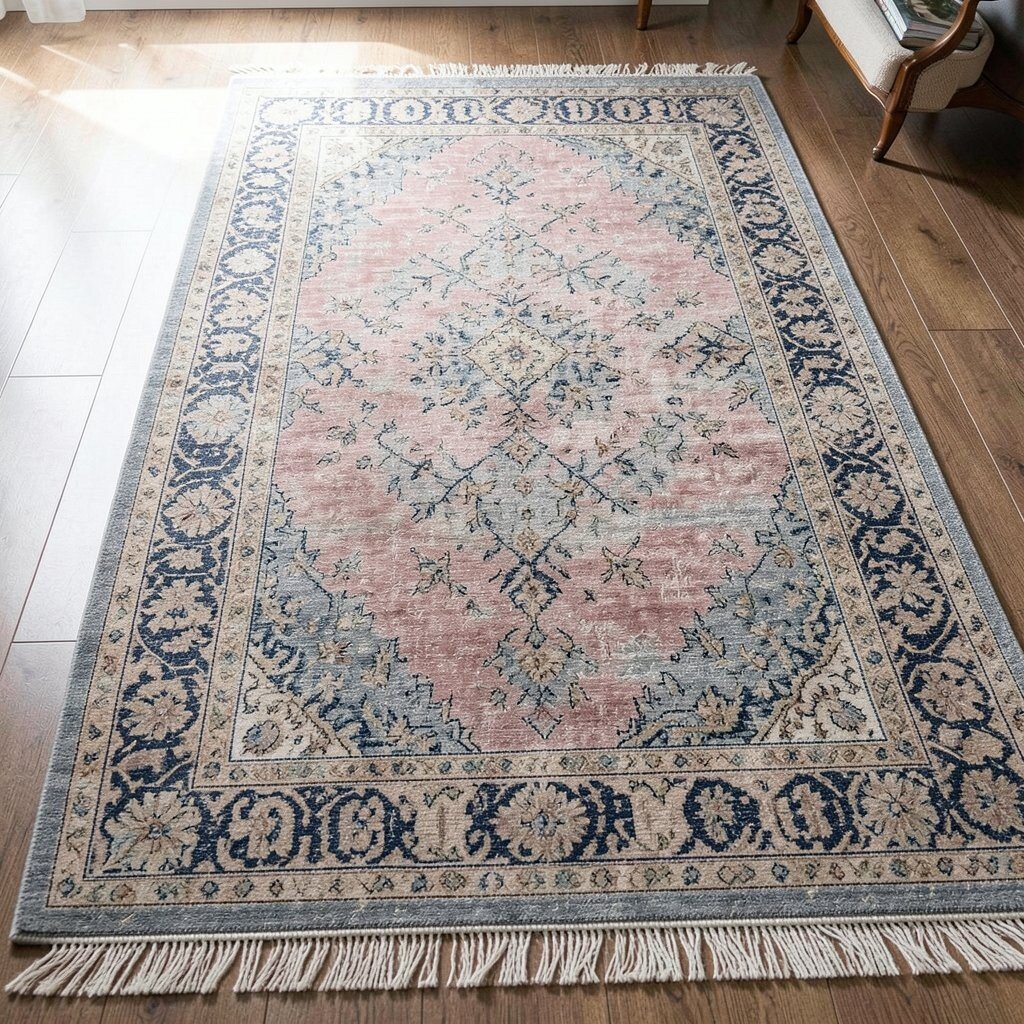
Vintage runners do best when they are treated gently, because the fibers and dyes are part of what makes them special. Shake or vacuum regularly to keep grit from settling into the weave.
When you spot a spill, blot instead of rubbing, and use a mild cleaner that does not leave residue. This simple routine helps the colors stay rich, so your runner keeps looking inspiring instead of dull.
For long-term personalization, rotate the rug and switch small decor around it instead of replacing the rug. You can change pillow colors, wall art, or seasonal accents while the runner remains your steady foundation.
If you are choosing your runner now, ask yourself how it will fit future changes in your home. A timeless pattern scale, sturdy edges, and a palette that matches more than one room usually make the best investment.
And yes, trends matter, but comfort matters more, too, because you will notice the rug every day. When the runner feels good underfoot and looks right in your space, it earns its place permanently.