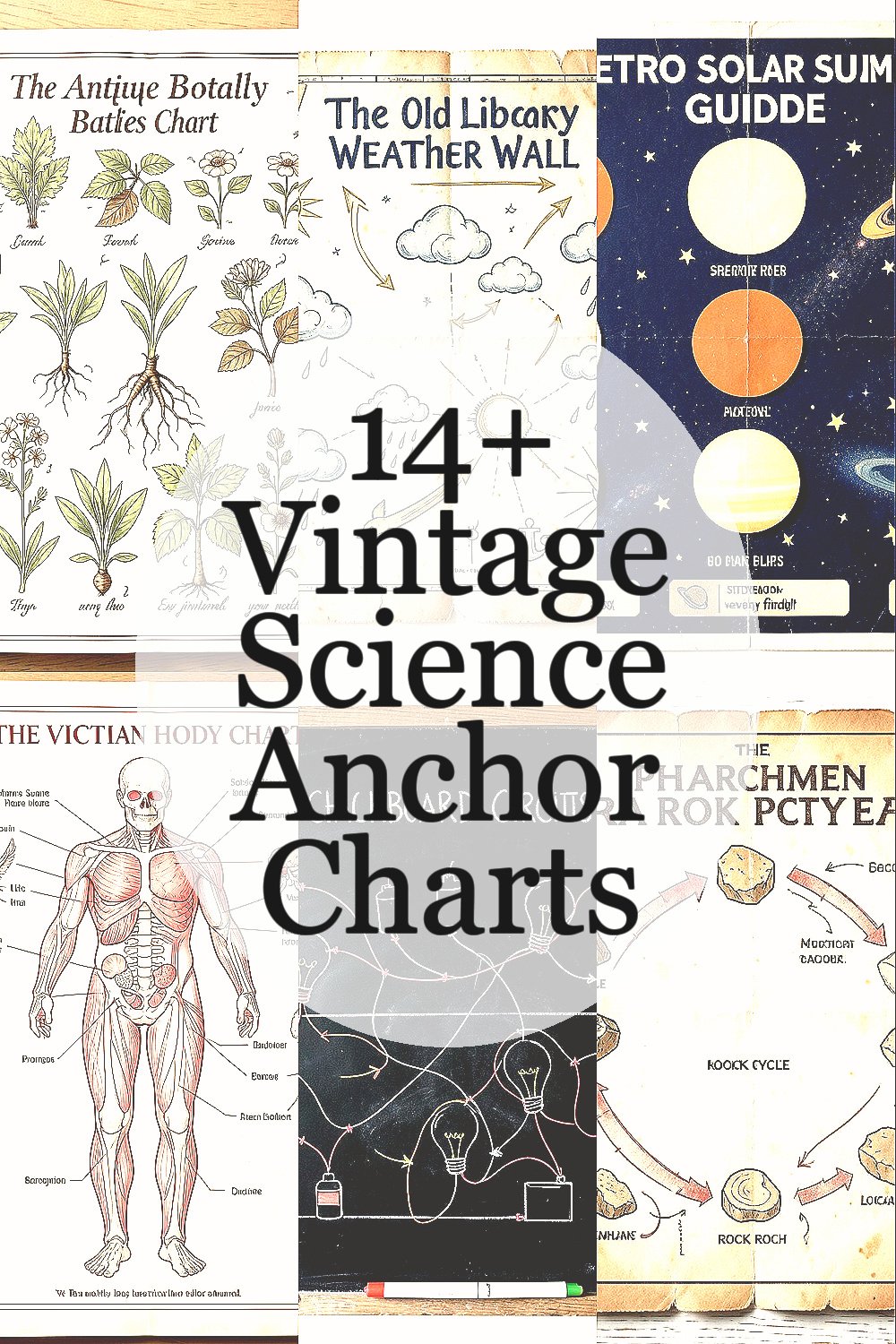
Old-school science style has a special charm that feels smart, warm, and full of wonder. A vintage anchor chart can make your classroom wall look like a tiny museum of ideas, where every poster invites curious eyes to stay a little longer.
1. The Antique Botany Basics Chart
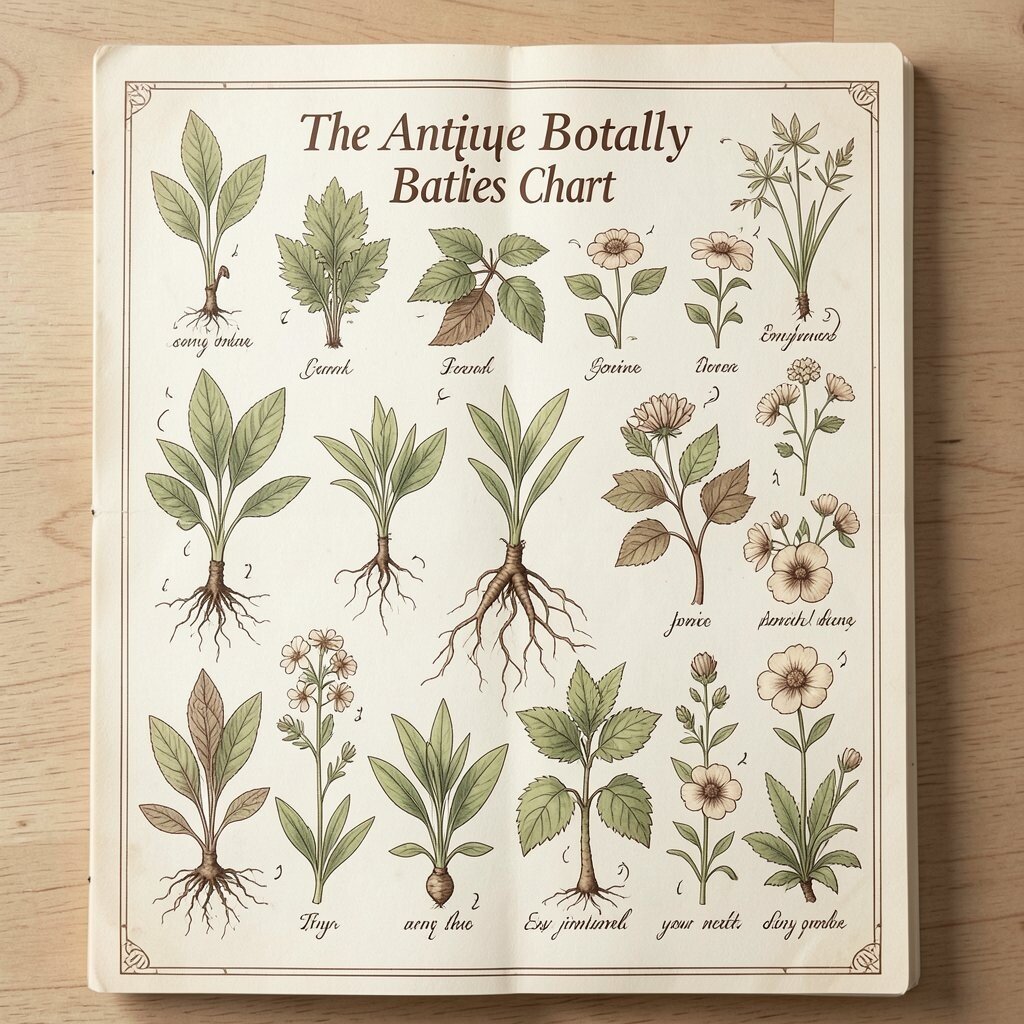
This chart can look like a page from an old field guide, with hand-drawn leaves, roots, and flowers in soft green and brown tones. Add labels in curly script and tiny sketch marks around each plant part for a classic, storybook feel.
It works beautifully because kids can see plant parts in a simple, pretty way. The vintage style feels calm and tidy, and it helps the room look thoughtful instead of busy.
Try using cream paper, sepia ink, and pressed-flower images for a lovely old-fashioned touch. You can personalize it with local plants from your area, and it is easy to make on a low budget with printed pictures and a few markers.
2. The Old Library Weather Wall
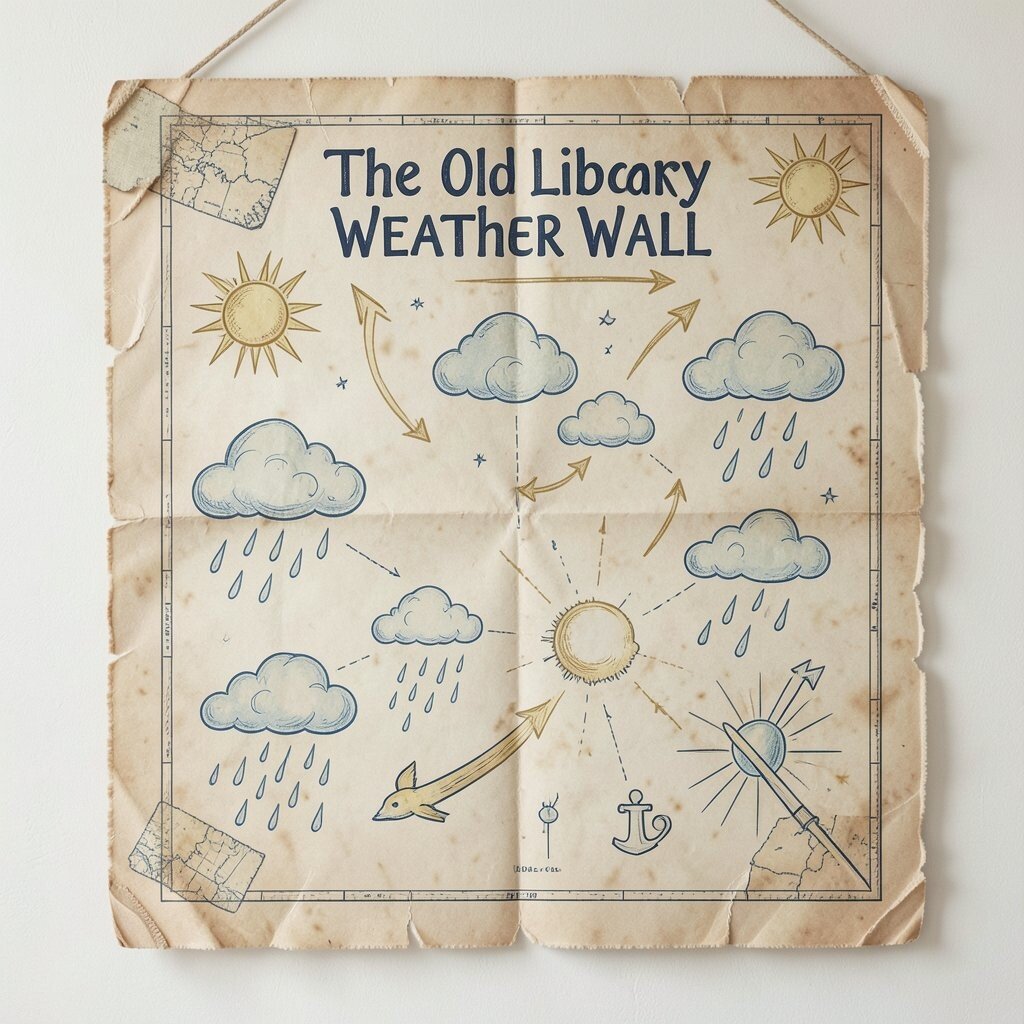
This anchor chart can look like a weather page from a dusty school atlas, with suns, clouds, rain, and wind symbols in faded blue and gold. A hand-lettered title and little arrows for temperature and wind direction make it feel extra charming.
Students love weather charts because they connect science to the world outside the window. The vintage look gives the chart a cozy, collected feel, almost like it has been hanging in the room for years.
You can add fabric trim, torn-paper edges, or tiny vintage map pieces to make it feel special. If you want a current trend, use a mix of old-style art and simple classroom icons, and keep the cost low by drawing the symbols yourself.
3. The Retro Solar System Guide
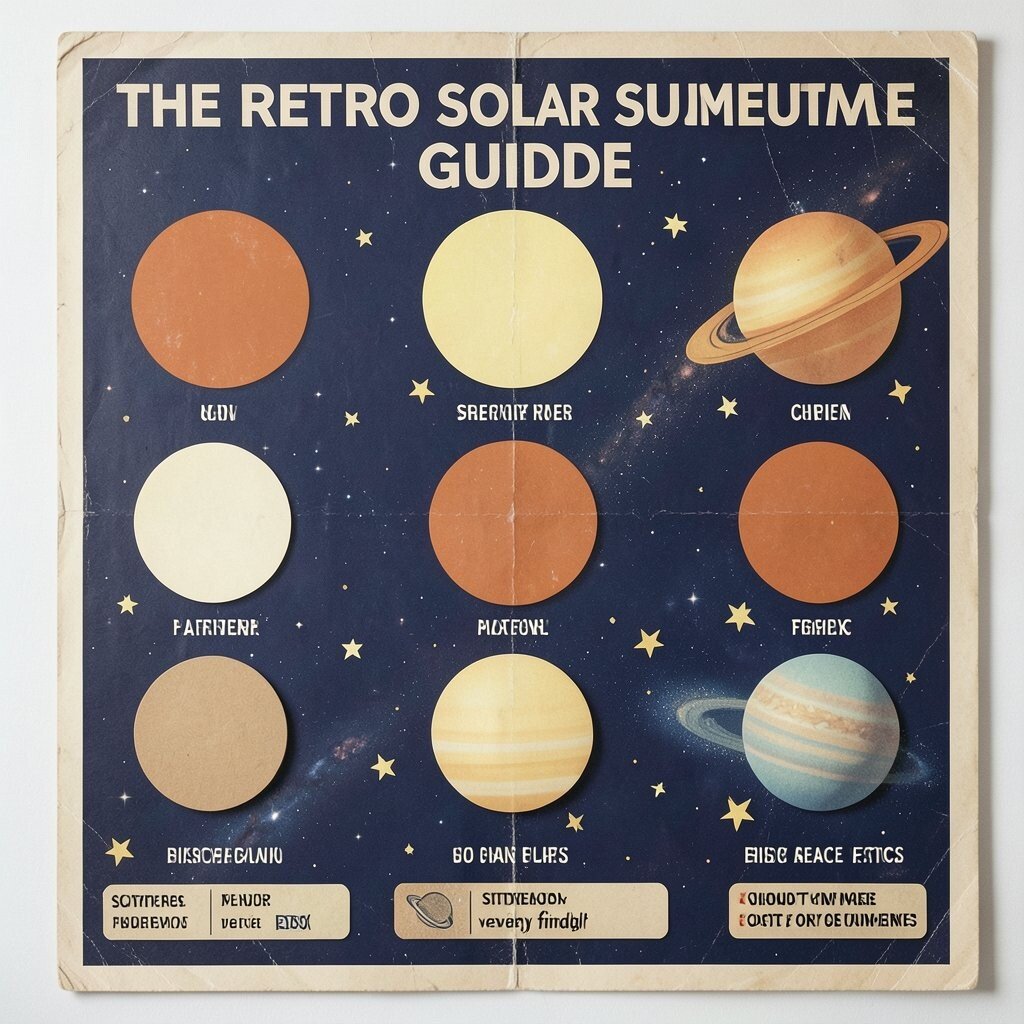
This chart can feature planets in bold circles, like an old space poster from the golden age of science. Use deep navy, rusty orange, and pale yellow to give it that cool retro glow.
It is great for helping kids remember planet order and basic space facts. The unique look makes science feel exciting, and the big shapes are easy to read from across the room.
For a personal touch, add tiny star stickers or student-made planet facts below each planet. Foam circles, recycled cardboard, and printed labels can keep the cost very friendly while still looking polished.
4. The Victorian Human Body Chart
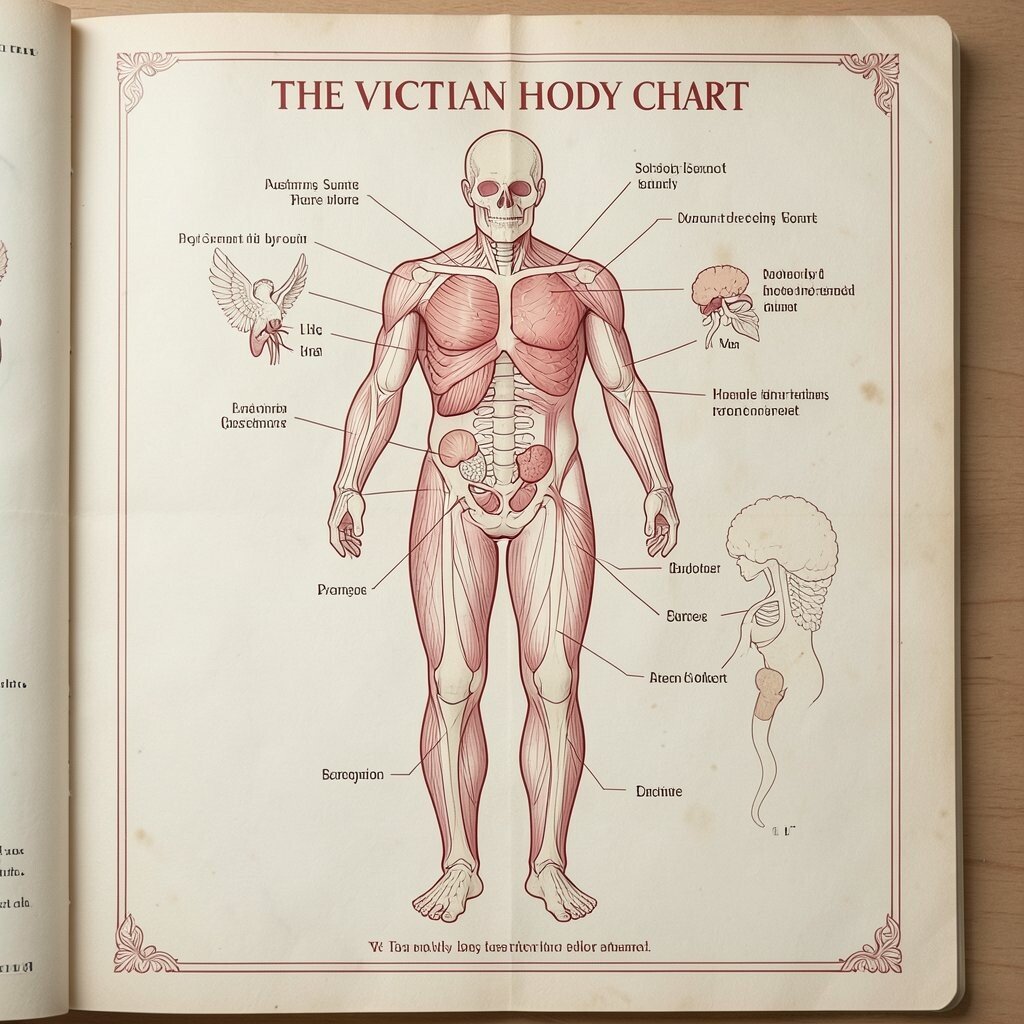
This one can be styled like an old anatomy print, with neat lines, careful labels, and soft red and beige colors. Instead of making it scary, keep it clean and elegant, like a page from a fancy science book.
It helps students learn body systems in a calm and clear way. The vintage style feels a little fancy, which can make the topic feel more important and memorable.
Use a large outline of the body and add small tags for organs, bones, or muscles. You can make it personal by matching it to your current science unit, and the price stays low if you print the outline and color it by hand.
5. The Chalkboard Circuits Chart
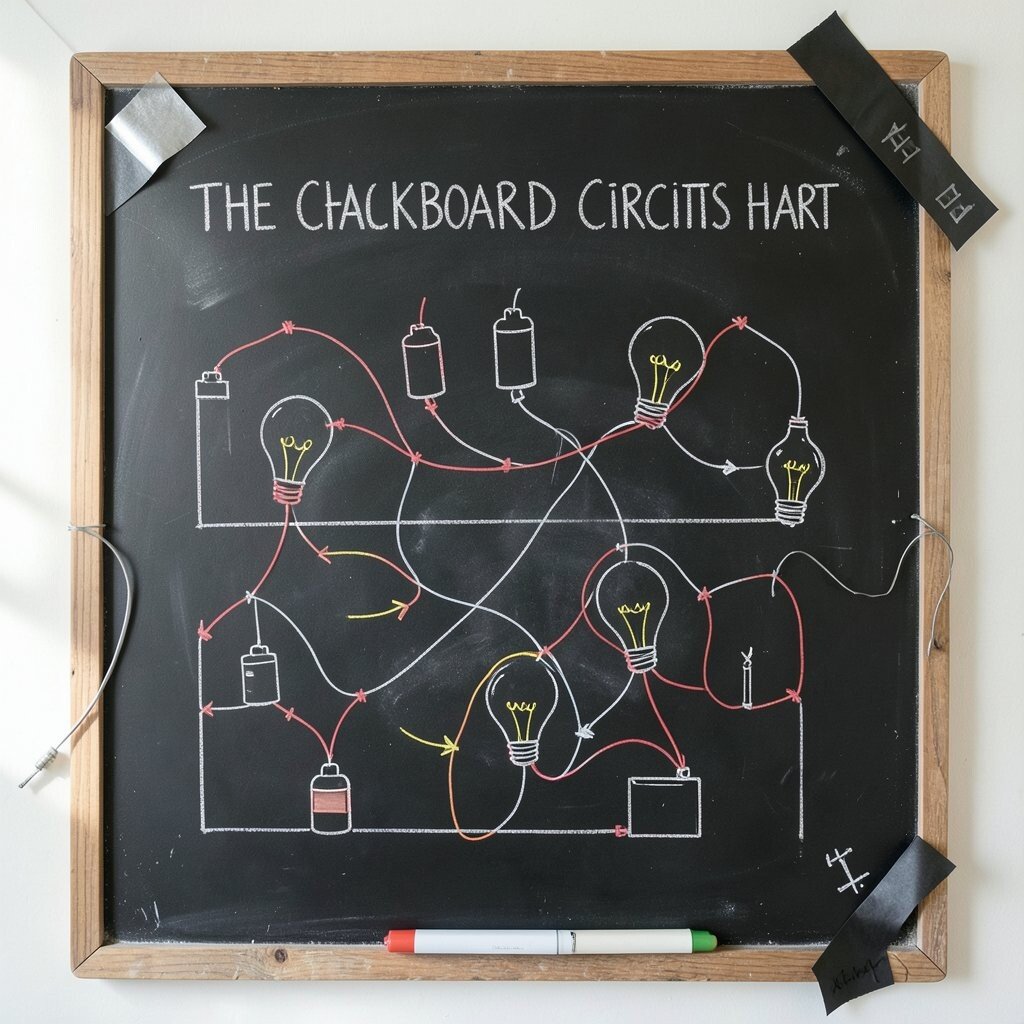
This chart can look like a blackboard from an old science lab, with white chalk lines and tiny bright pops of red and yellow. Simple drawings of batteries, bulbs, and wires give it a smart, hands-on feel.
It is useful because electrical ideas can seem tricky, but a clean chart makes them easier to follow. The chalkboard style is timeless and works well with almost any classroom theme.
Try adding real wire pieces or metallic tape for a fun texture. A few student initials or mini notes in the corner can make it feel personal, and chalk markers or black paper keep the cost low.
6. The Parchment Rock Cycle Poster
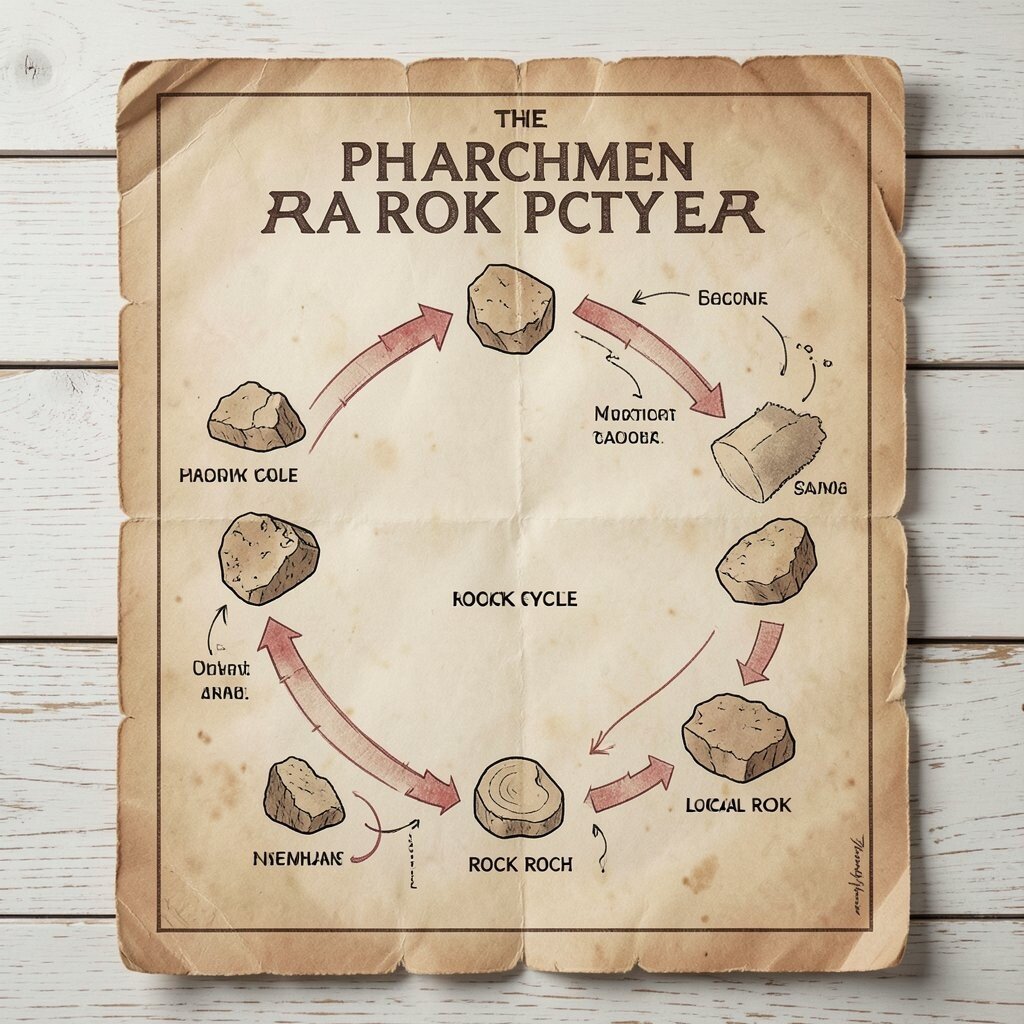
This anchor chart can look like an old treasure map mixed with a science page, with earthy browns, sandy tan, and faded red arrows. The rock cycle becomes more interesting when it is shown on a paper that looks aged and adventurous.
It helps students see how rocks change over time in a simple loop. The vintage parchment style makes the chart feel special and a little mysterious, which is perfect for science kids who love hidden stories.
You can add tiny rock sketches and hand-drawn arrows to keep the look playful. For personalization, include local rock names or samples, and use kraft paper to save money while keeping the style rich.
7. The Elegant Insect Study Chart
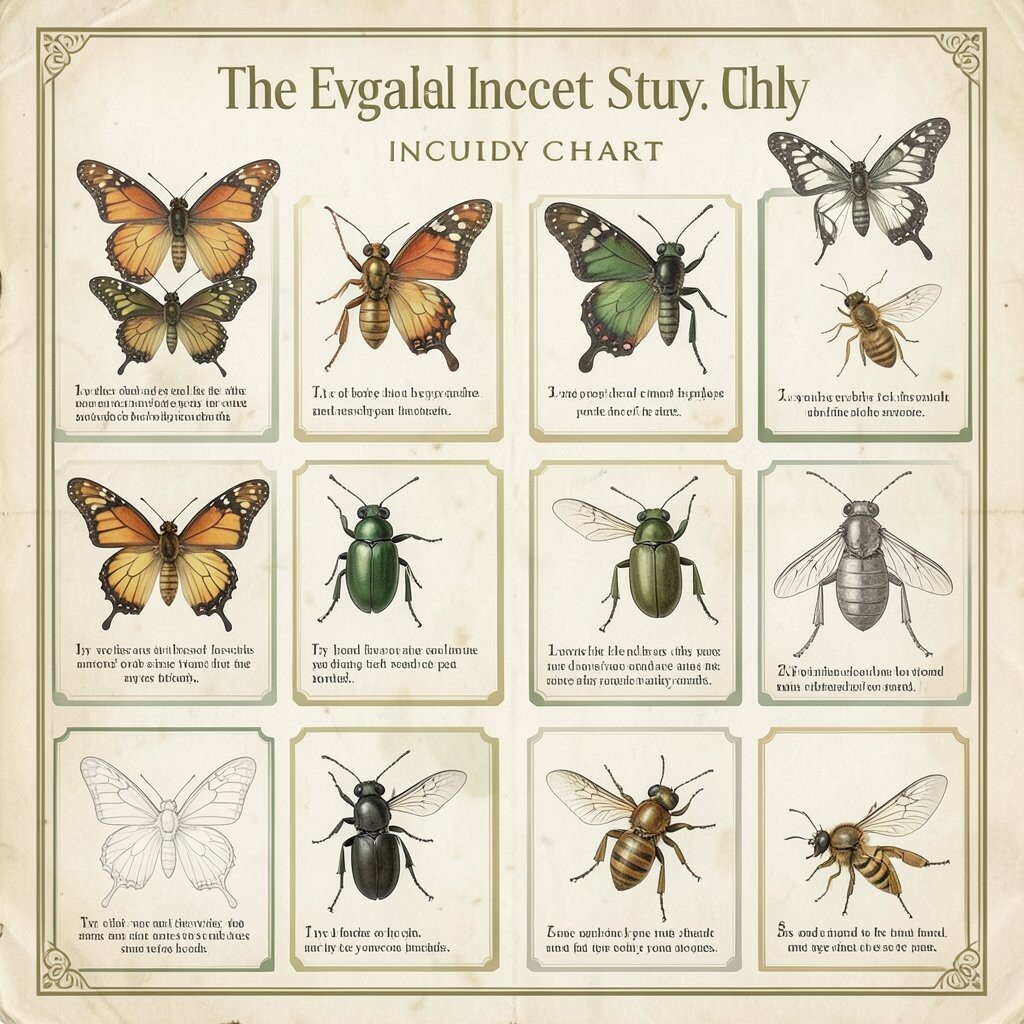
This chart can feature butterflies, beetles, and bees drawn like old specimen cards, with neat labels and delicate lines. Soft gold, moss green, and faded cream make the whole chart feel graceful and classic.
It is a wonderful way to teach body parts and life cycles in a way that feels calm and clear. The unique vintage look makes insects seem less scary and more like tiny works of art.
Try adding small bordered boxes for each insect with facts underneath. You can make it personal by using insects found near your school, and the cost can stay low with free outline drawings and colored pencils.
8. The Classic States of Matter Board
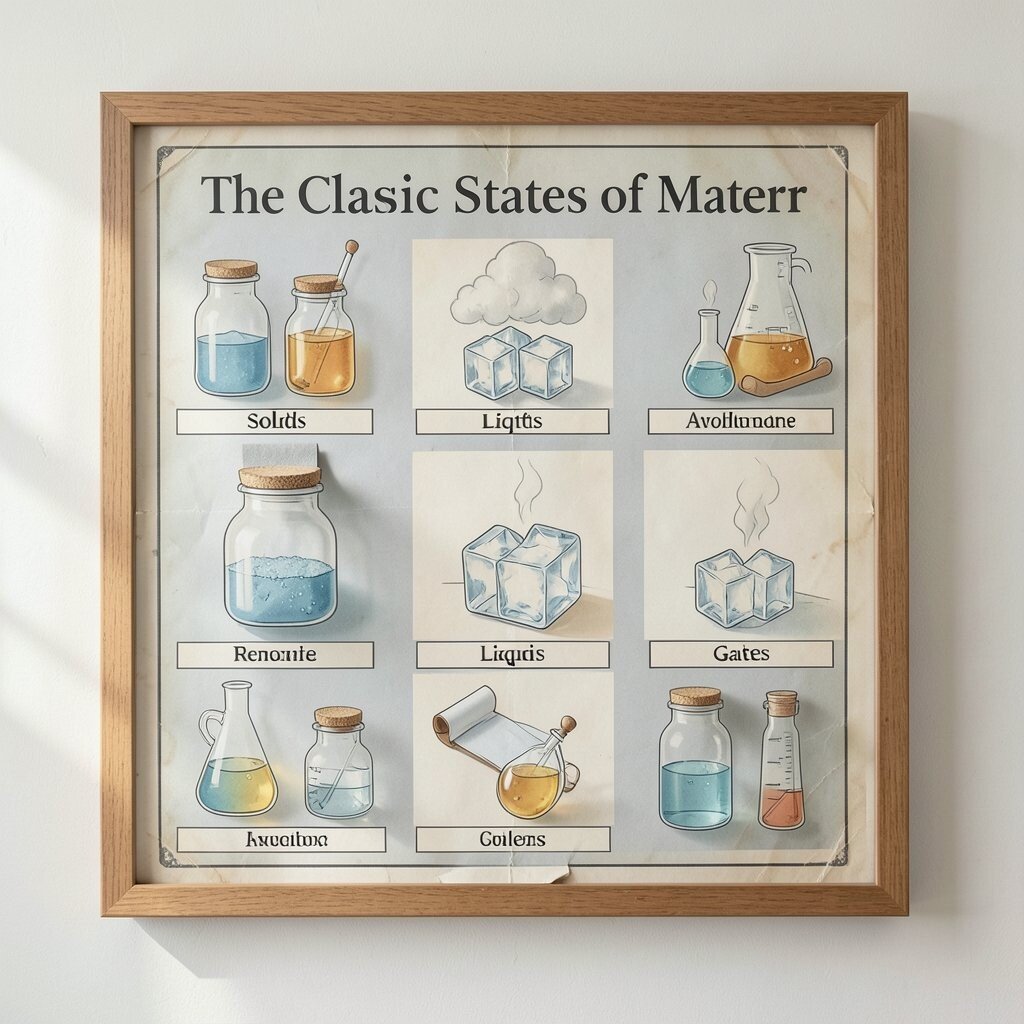
This chart can look like an old chemistry display, with neat jars, ice cubes, steam clouds, and little labels in a clean serif font. Use soft gray, pale blue, and amber tones to keep it looking polished and old-school.
It helps students remember solids, liquids, and gases without feeling overwhelmed. The vintage style gives the topic a museum-like feel, which makes it stand out on the wall.
You can add flaps, lift-up tabs, or mini pockets for extra interaction. A few handmade icons and simple paper cutouts make it easy to customize, and the cost is friendly if you use scrap paper and markers.
9. The Old-Time Weather Instruments Chart
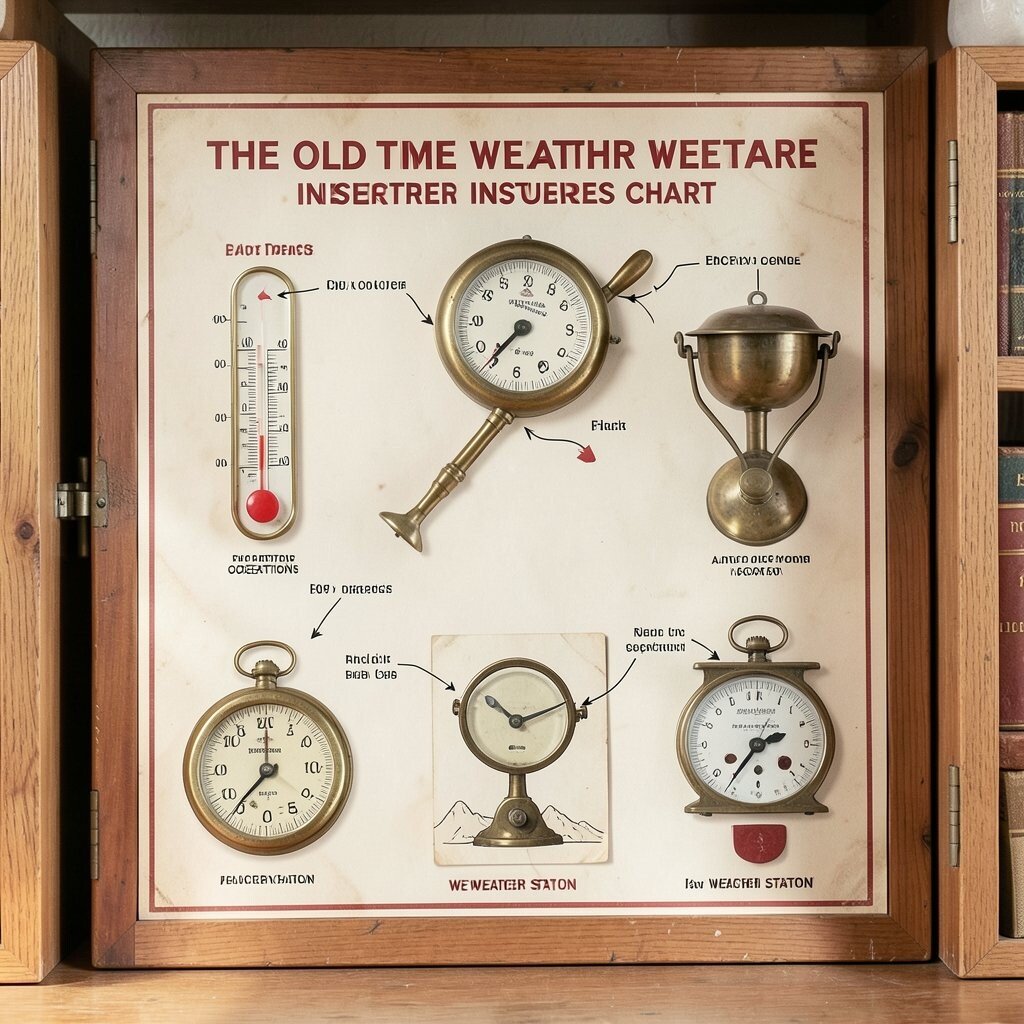
This anchor chart can show thermometers, barometers, and rain gauges in a style that feels like an old classroom science cabinet. Use faded reds, brass tones, and cream backgrounds for a warm, collected look.
It is useful because kids can connect each tool to real weather observations. The vintage style makes the chart feel like part of a bigger science story, not just a list of facts.
Try adding tiny labels with arrows pointing to each part of the instrument. You can personalize it with a class weather station, and simple printed images keep the cost low and easy.
10. The Retro Electricity Safety Chart
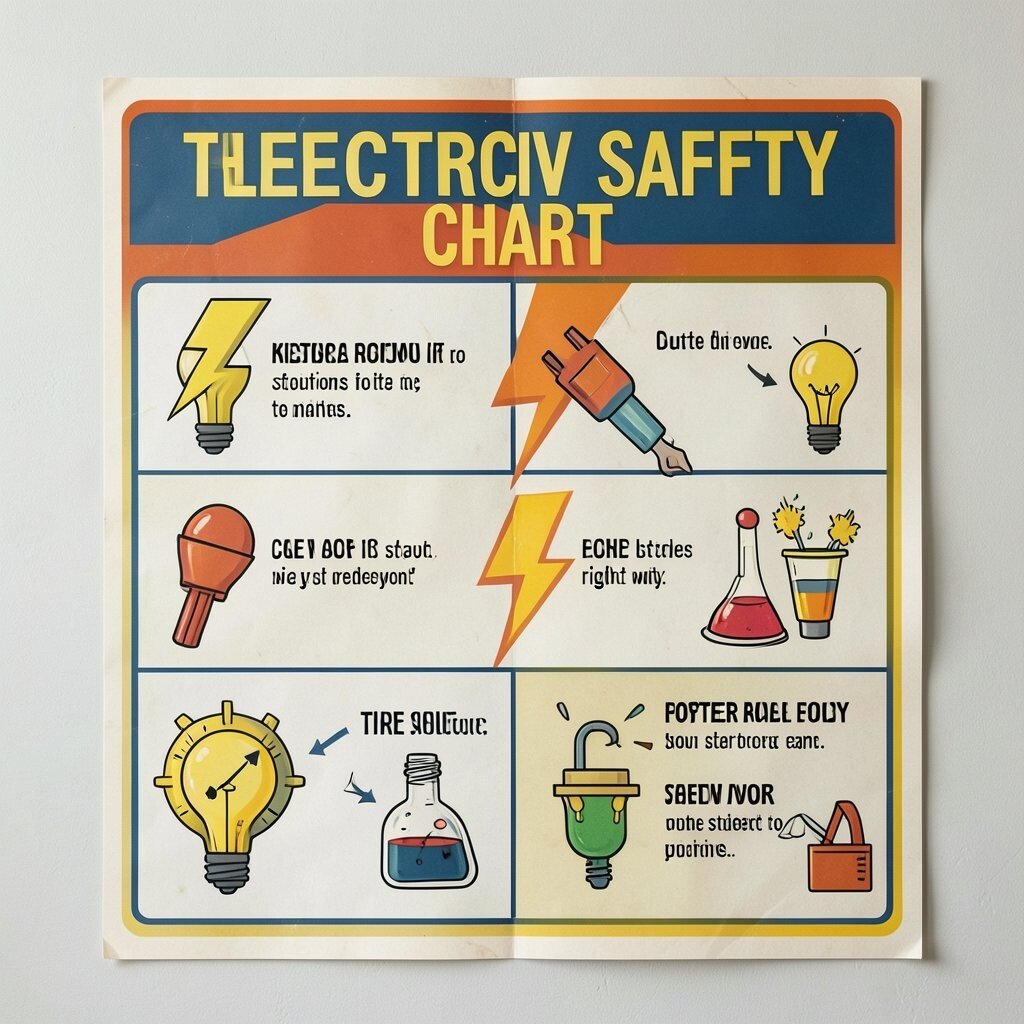
This chart can have a 1950s poster vibe, with bold shapes, bright warning colors, and clean icons. Think lightning bolts, plug shapes, and neat safety reminders with a little mid-century flair.
It helps keep science activities safe and easy to remember. The unique retro style gives the chart a strong voice, so students notice it right away.
Use short safety phrases and large symbols to make it quick to read. You can personalize it with your classroom rules, and the cost stays low if you make it with poster board and simple paint markers.
11. The Vintage Fossil Finder Chart
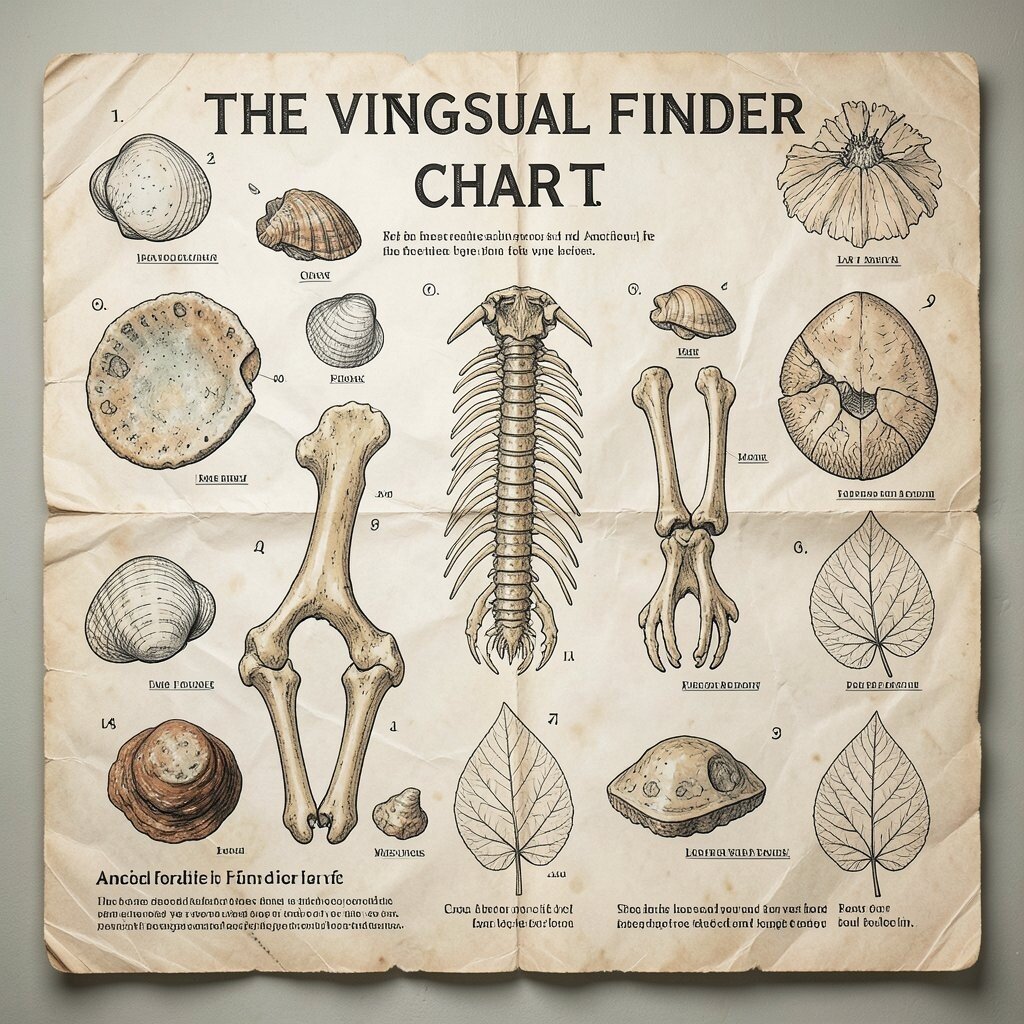
This chart can look like an old museum fossil display, with stone colors, sketchy lines, and tiny label tags. Add shells, bones, and leaf prints to make it feel like a real collector’s wall.
It helps students understand fossils and ancient life in a fun, visual way. The vintage look makes each fossil seem like a little treasure, which adds excitement to the lesson.
Try using textured paper or crumpled paper backgrounds for a rock-like effect. You can personalize it with fossils from your region, and the cost can be very low if you print black-and-white images and color them in.
12. The Botanical Parts of a Flower Chart
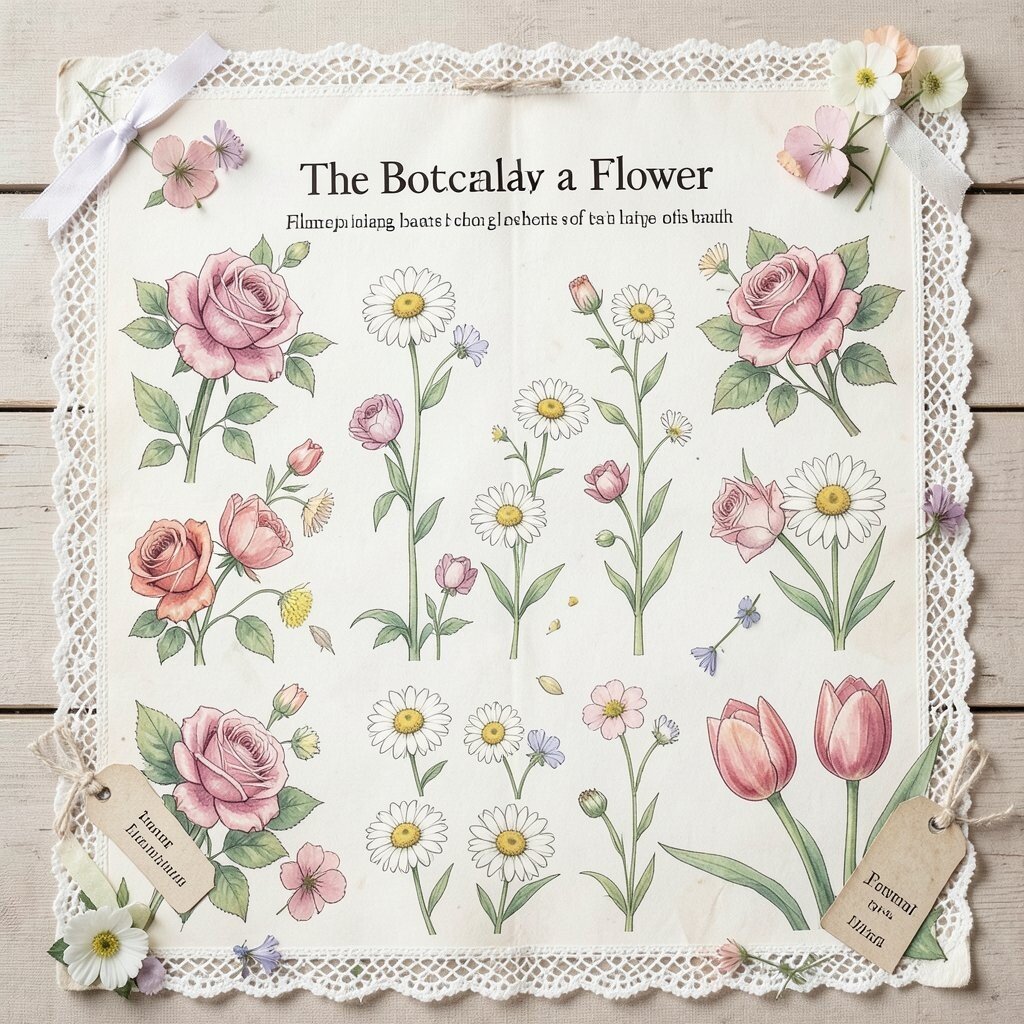
This chart can have a gentle old-garden style, with roses, daisies, and tulips drawn in soft watercolor shades. The labels can look like little seed packets or garden tags, which gives the whole piece a sweet vintage feel.
It is helpful because flower parts are easier to learn when they are shown in a pretty and organized way. The style is unique because it feels both scientific and decorative, like classroom art with a purpose.
Try adding lace paper, ribbon, or tiny pressed flowers for extra charm. A personalized flower chart can match your class theme or season, and it is budget-friendly with hand-drawn art and simple supplies.
13. The Old-School Energy Types Chart
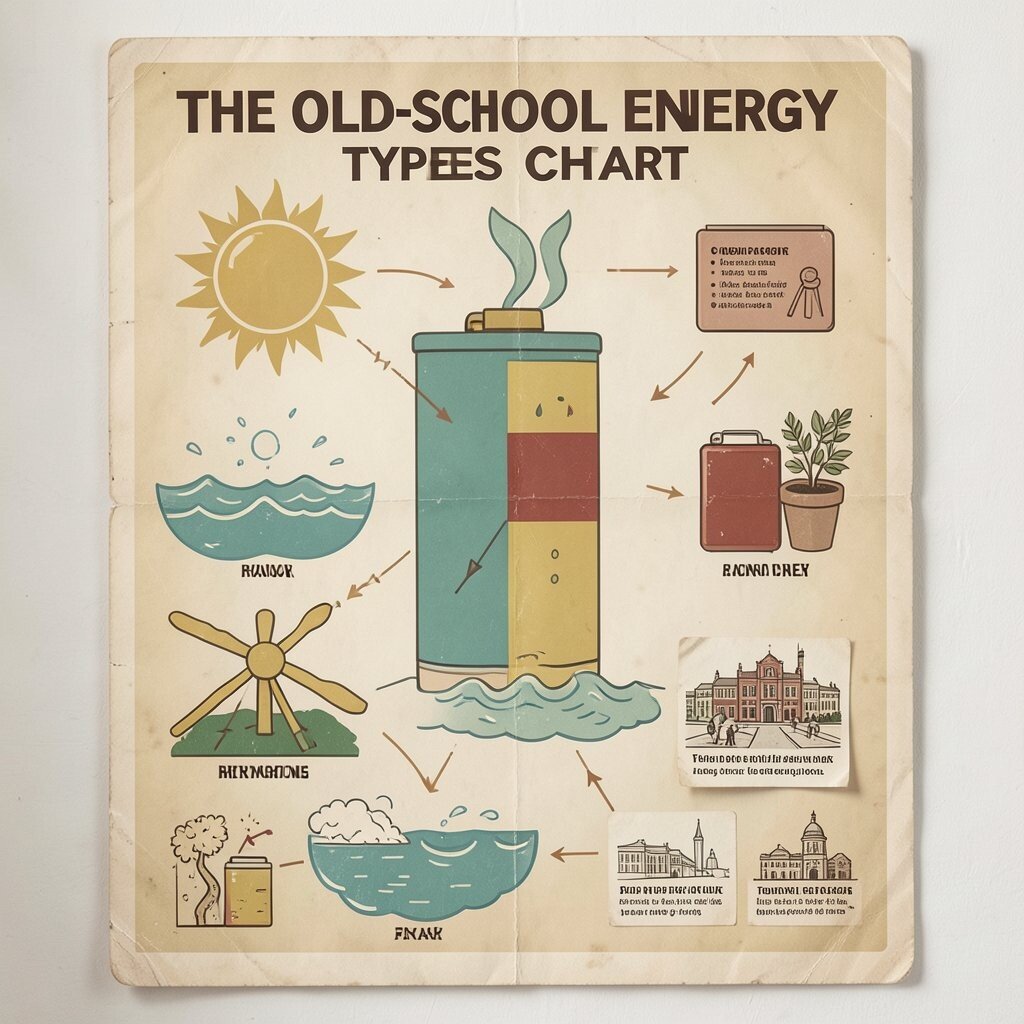
This chart can look like a classic educational poster, with sun, wind, water, and battery symbols in bold but faded colors. Use a mix of mustard yellow, teal, and brick red for a warm retro feel.
It helps students compare energy sources in a clear, friendly way. The vintage design makes the chart feel smart and stylish, almost like it belongs in a classic science hall.
You can add small arrows, mini fact boxes, or simple icons to make it more useful. For a personal touch, include examples from your town, and keep the cost low by using magazine cutouts or drawn symbols.
14. The Hand-Drawn Animal Adaptations Chart
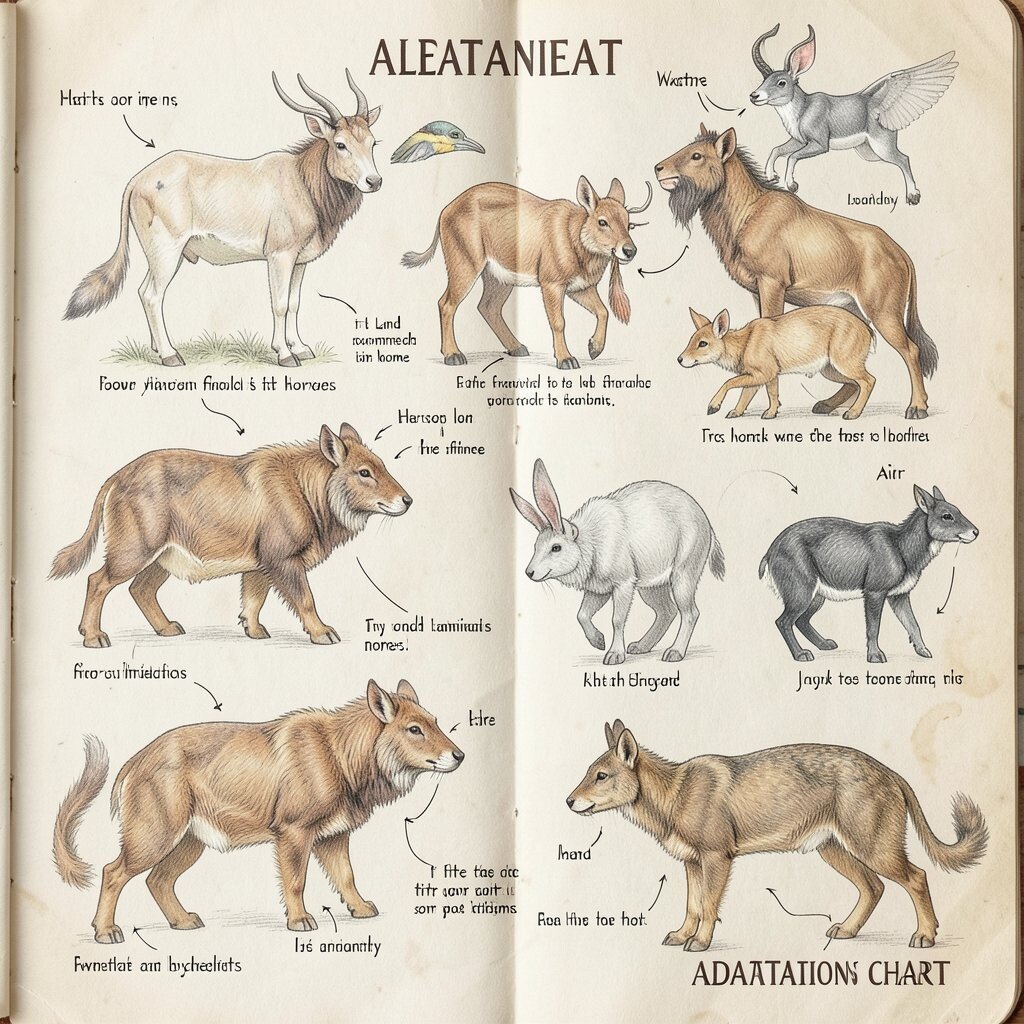
This anchor chart can feel like an old sketchbook page, with animals drawn in careful pencil lines and soft earth colors. Add little notes near the beak, paws, fur, or tail to show how each animal fits its home.
It is a helpful way to teach science because kids can connect body parts to survival in a simple way. The vintage style makes it feel thoughtful and special, like a page from a natural history journal.
Try using a mix of animals from land, water, and air to keep the chart lively. You can personalize it with favorite animals from your students, and the cost stays low with plain paper and colored pencils.
15. The Classic Lab Safety Rules Chart
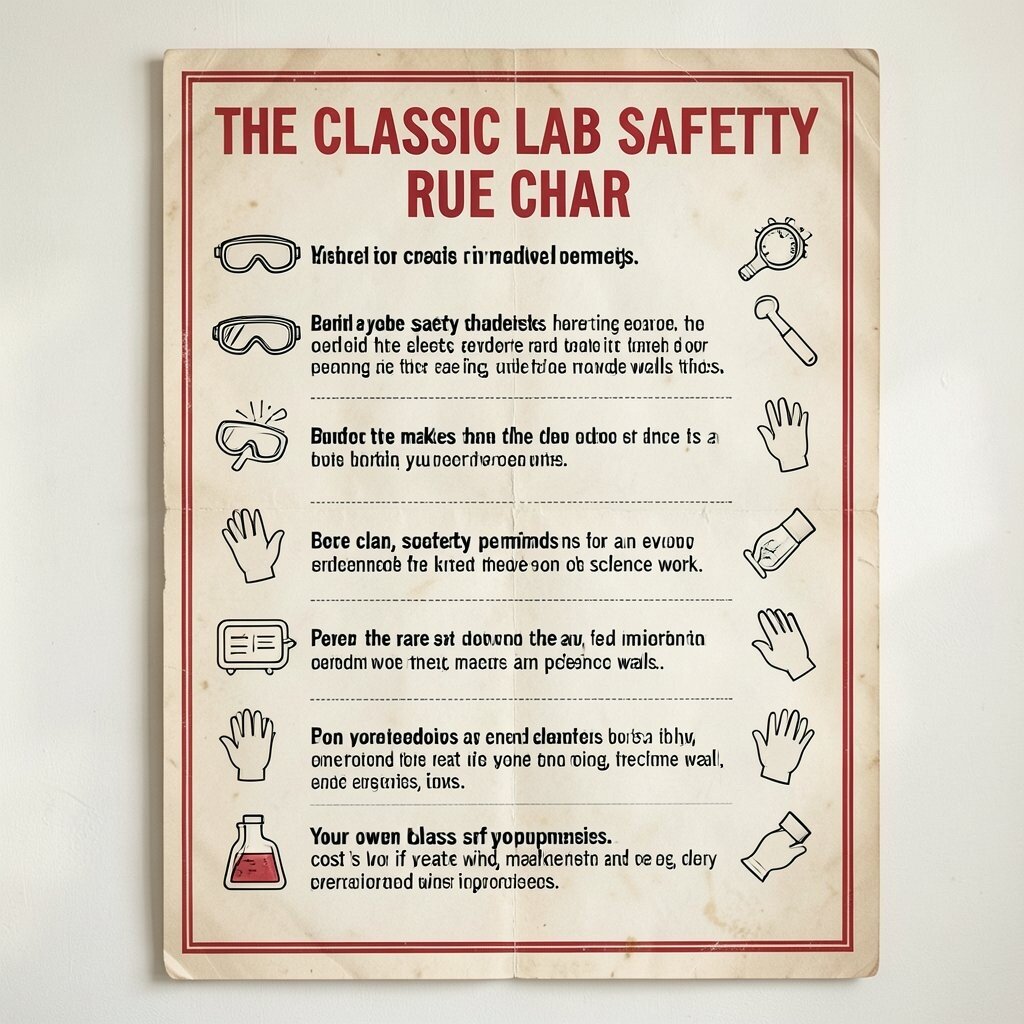
This chart can look like an old science lab poster, with neat borders, bold headings, and tiny icons for goggles, gloves, and hand washing. Use red, black, and cream to give it a serious but still charming vintage look.
It is important because students need clear safety reminders before any hands-on science work. The unique style makes the rules feel important without looking boring, which is a big win for classroom walls.
Try adding simple symbols next to each rule so even young readers can understand quickly. You can make it personal by including your own class safety promises, and the cost is very low if you create it with paper, markers, and a few printed icons.