
Your floors take the biggest daily hits. The right vinyl plank setup can keep them looking fresh and feeling solid.
From busy hallways to entryways that never stop moving, you can design comfort that lasts. With smart choices in layout, underlayment, and maintenance, your home can handle the rush.
1. Choose a Commercial-Grade Wear Layer for Busy Zones
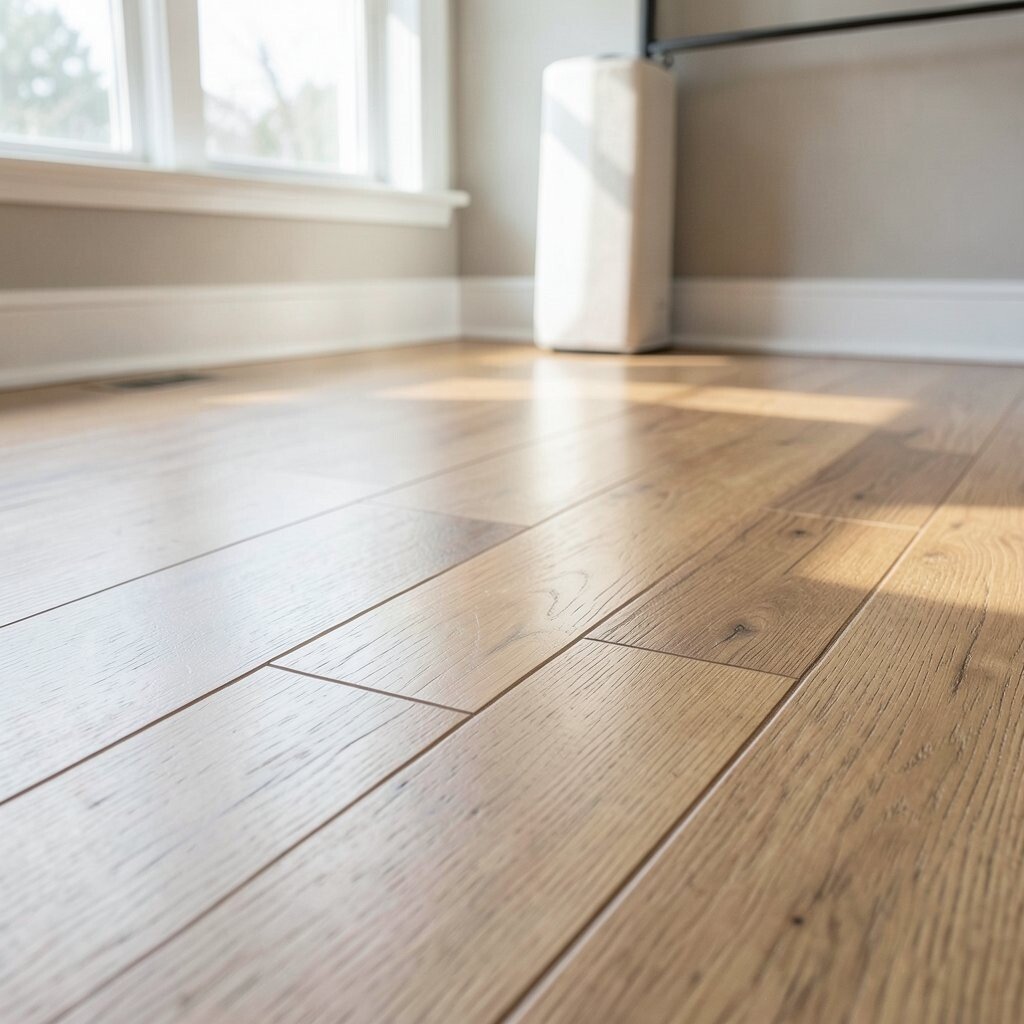
Look for vinyl plank with a thicker wear layer when the space gets heavy foot traffic. In high traffic areas, this choice helps the surface resist scuffs and dulling over time.
You’ll notice how the planks keep their color and texture even after months of regular use. Picking a wear layer meant for commercial settings often feels like giving your floor a stronger “top coat” that stays tough. If you have pets or kids, this durability can reduce the need for frequent repairs and spot replacements.
2. Pick Textures That Hide Everyday Marks
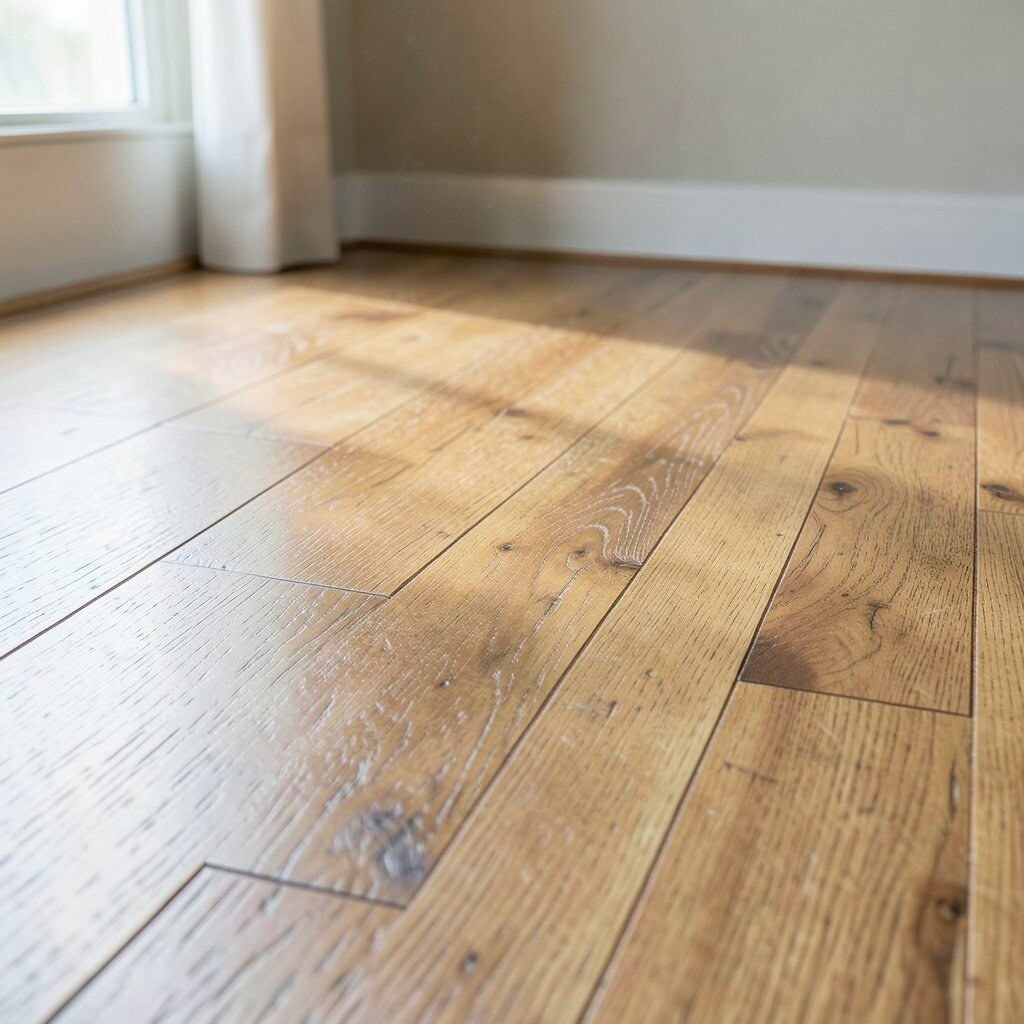
Opt for embossed or hand-scraped textures that blend small scratches and footprints. A slightly varied grain can look more natural, especially in light that changes throughout the day.
Visually, textured vinyl reads like real wood and makes the floor feel warmer. It also makes regular cleaning easier because minor scuffs are less noticeable. When you choose a finish that looks great up close, you won’t feel like every day is a test.
To personalize, match the texture style to your home’s mood, like rustic for cozy spaces or smoother looks for modern rooms. If you often wear shoes inside, prioritize a finish that holds up to grit and reduces visible wear spots. Consider testing a few sample boards in your lighting before committing.
3. Install with an Underlayment for Quieter Walking
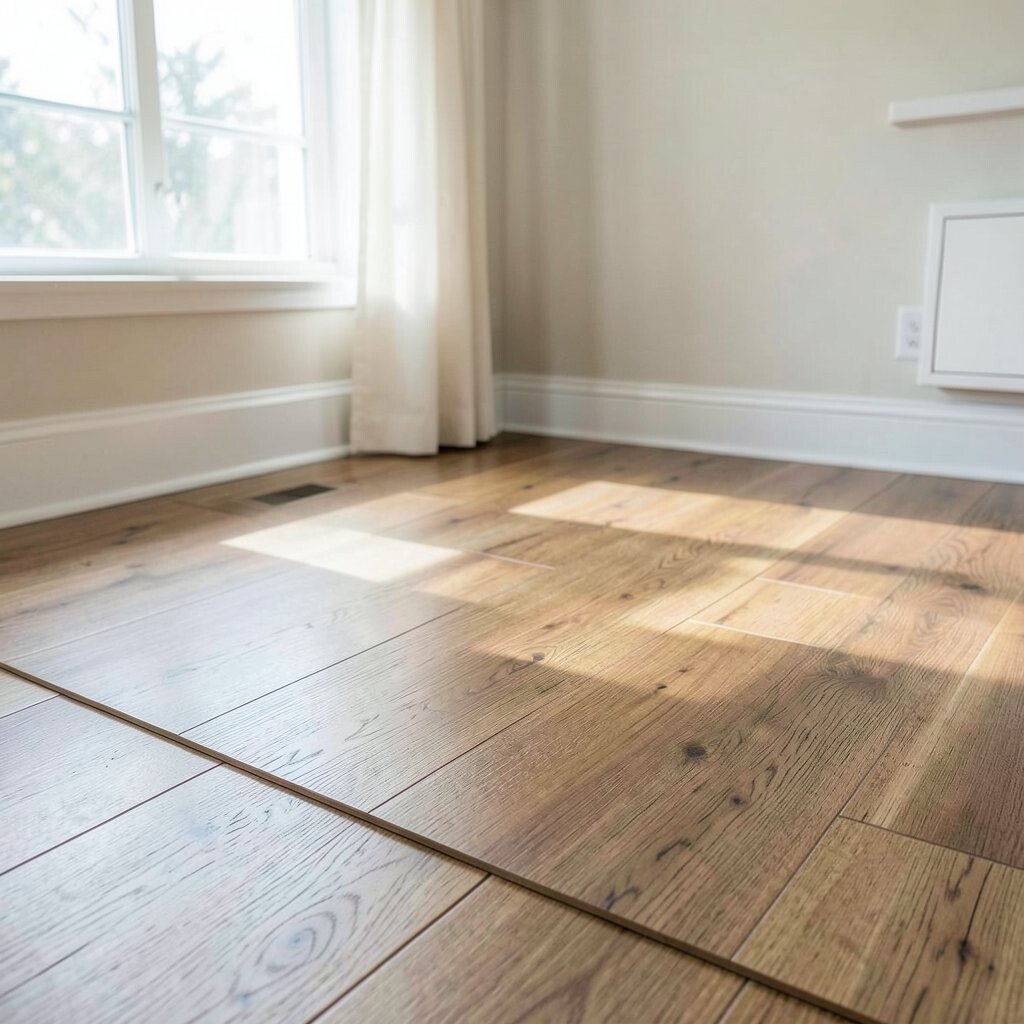
High traffic doesn’t just wear floors, it also creates noise. A good underlayment can soften footsteps and help the floor feel more comfortable.
You’ll likely notice the difference right away, especially in upstairs hallways or rooms near bedrooms. Quiet flooring can make a home feel calmer even when people are moving fast. Many underlayments also add small insulation benefits, which can help rooms feel more even in temperature.
For practical setup, keep the subfloor clean and flat before you lay the planks. If you want extra sound control, choose an underlayment rated for impact noise. Personalize the comfort level by selecting a thickness that fits your door clearance needs.
If your area is prone to moisture, choose an underlayment with moisture protection built in. This can help the floor stay stable and reduce issues that often appear in entryways. Even small preparation steps can save you time later.
4. Use a Herringbone or Diagonal Pattern in Hallways

A standard straight layout is classic, but a diagonal or herringbone look adds energy in long hallways. The angled lines guide the eye and help the floor feel less repetitive.
Visually, this pattern makes small spaces feel more designed, and it can hide tiny uneven spots because the lines draw attention away from seams. It also gives you a unique look that stands out without needing major changes. Choose planks with good locking edges so the pattern stays crisp as you cut around corners.
5. Seal the Edges in Moisture-Prone Entryways

Entryways and mudrooms often get wet and dirty, so edge protection matters. Vinyl plank can handle moisture well, but sealing seams can add extra peace of mind.
When water and snow melt get tracked inside, well-sealed edges help prevent small gaps from forming. You’ll also find it easier to wipe away grime without worrying about liquid creeping beneath the floor. This is especially useful when the room connects to tile or another surface.
To personalize, pick a sealant that works with your plank type and follow the manufacturer steps carefully. If you’re unsure, ask the store staff about compatibility before buying. Spending a little time on edge sealing can reduce long-term maintenance costs.
6. Match Plank Width to the Room Size
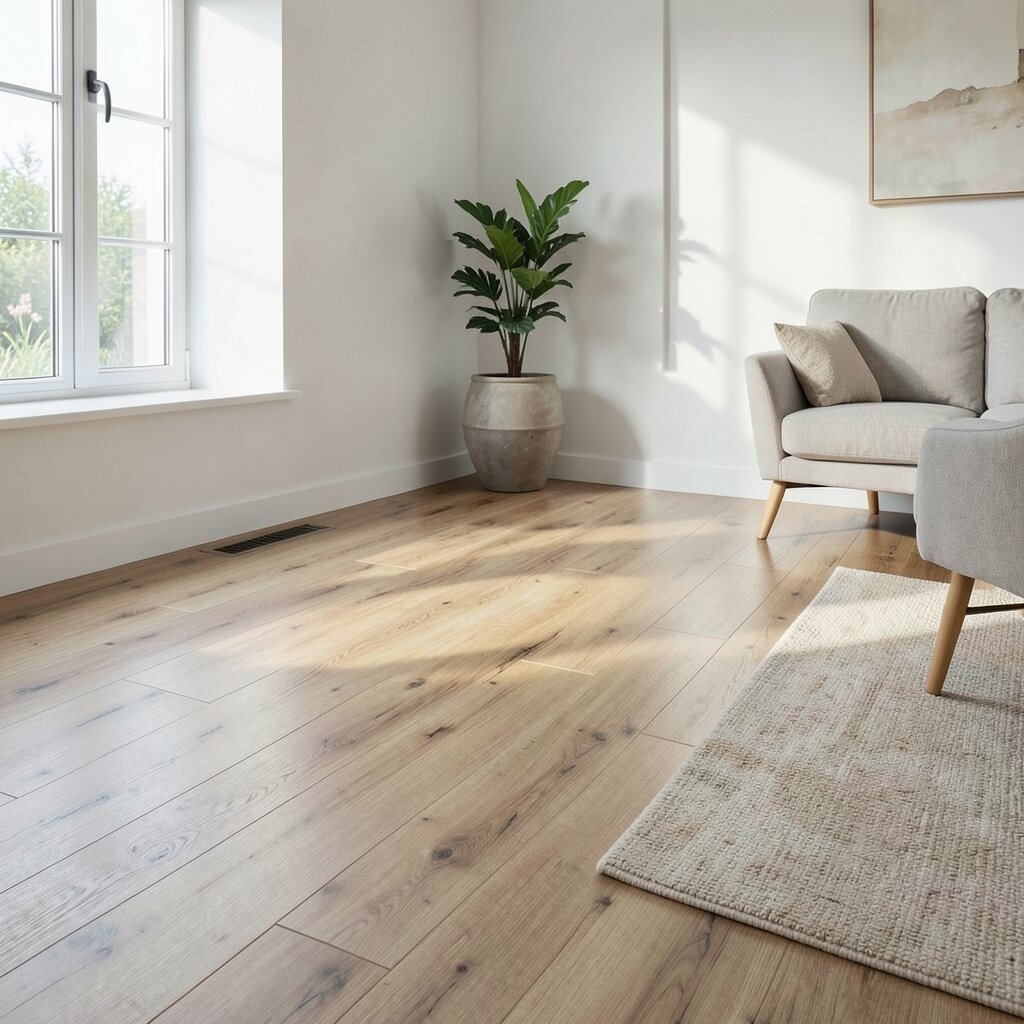
Wide planks can make a room feel open, while narrower ones can add a cozy, detailed look. In busy areas, the right width also affects how noticeable seams become.
For a practical visual trick, choose planks that suit the hallway length and the way people walk through it. Wider boards can reduce the total number of joints, which may help the floor feel more seamless. Smaller spaces often look balanced with narrower planks that create gentle visual breaks.
If you want a personalized vibe, coordinate the plank width with your existing trim and baseboards. People often overlook how strongly width impacts perceived width and height. Take measurements, then compare to samples in the actual room lighting.
7. Create a Drop Zone Near Back Doors and Garages
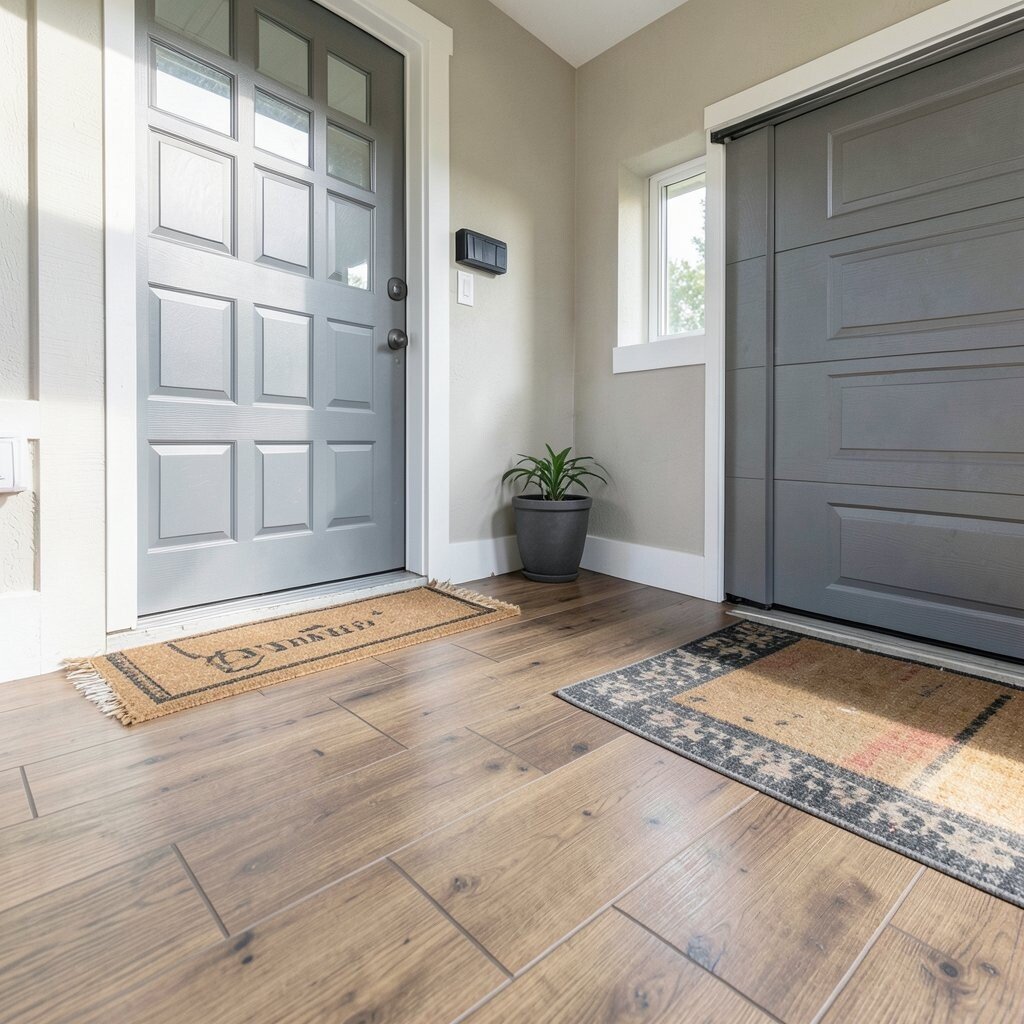
Back doors and garage entries attract the most grit, so it helps to plan for it. Consider setting the vinyl plank layout to create a defined drop zone where shoes and bags land.
Visually, you can use a slightly different direction of the planks or a subtle border by pairing two tones. This makes the area look intentional, not like a random wear spot. It also supports daily habits, since people naturally slow down when they see a clear landing zone.
Practical add-ons like a durable mat can further protect the plank surface in the messiest pathway. When cleaning time comes, you can focus on that zone instead of the whole room. This reduces wear and can lower replacement costs later.
8. Choose a Waterproof Core for Maximum Peace of Mind

Waterproof vinyl plank cores are popular for a reason, especially in active households. They help the floor resist water damage better than less protected options.
You’ll feel the difference when spills happen, or when rain boots come in damp. Waterproof flooring can also help you feel more confident with mopping routines in high traffic zones. It’s a smart fit for kitchens, entryways, and homes with pets.
9. Add Floor Protection Mats for Heavy-Shoe Areas
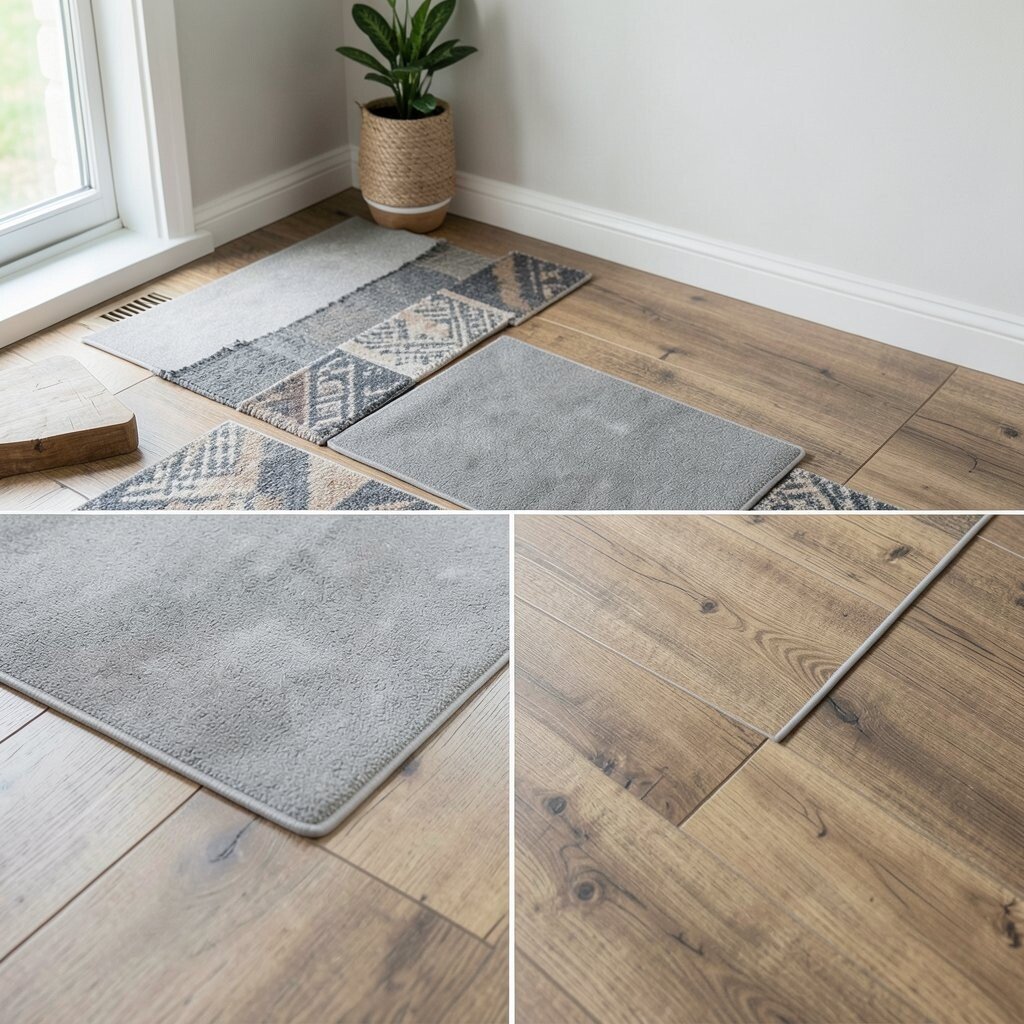
Even the toughest vinyl plank needs help in the spots that get the most abuse. Durable mats in entryways and around kitchen work areas take the hit instead of your floor.
Choose mats with a solid backing that won’t slip, and aim for materials that can handle constant cleaning. This kind of protection keeps grit from sanding the finish into dull patches. You’ll also notice how the mats can improve comfort when people stand for longer tasks.
To personalize, match mat colors to your rug tones so everything feels cohesive. If you rotate mats seasonally, you can reduce uneven wear and keep the look fresh. It’s one of those small purchases that can make a big difference over time.
10. Use a Starter Row and Plan for Expansion Gaps
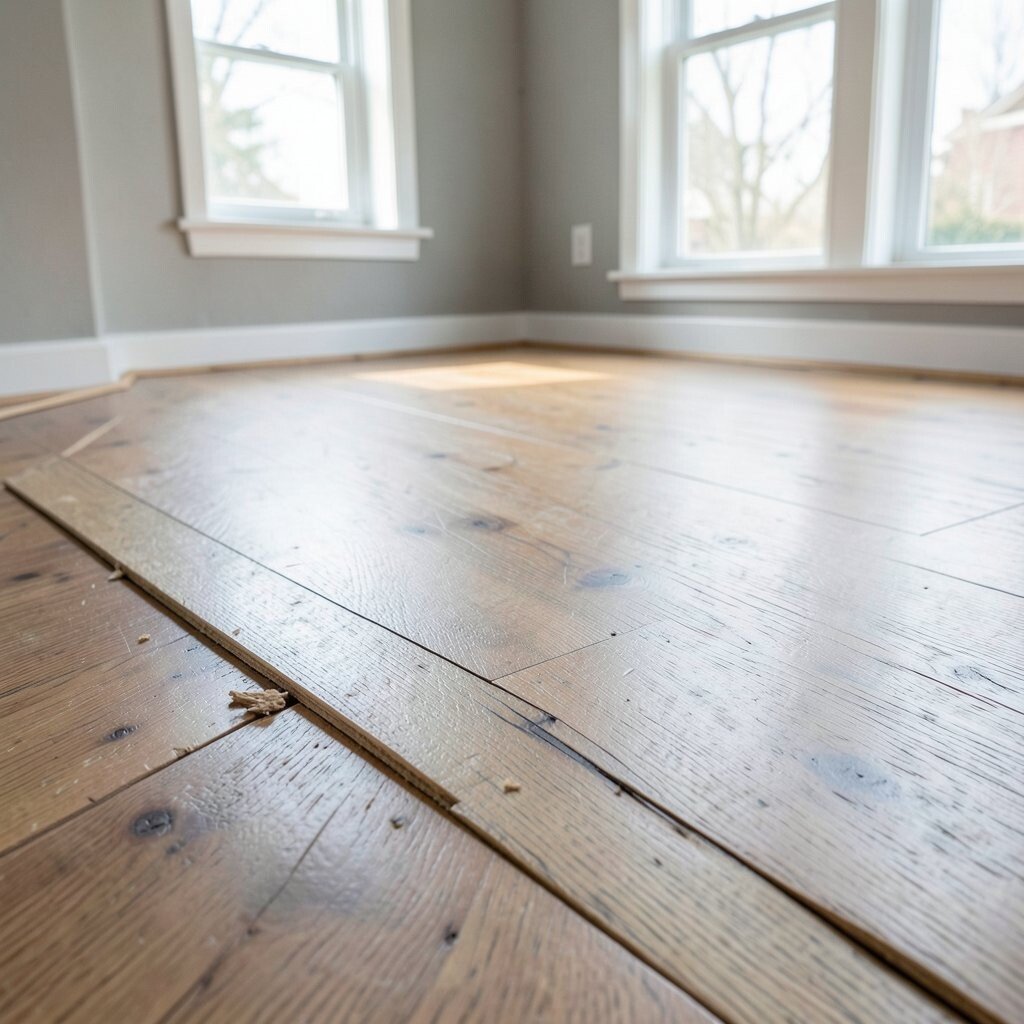
Proper installation helps high traffic floors stay level, locked, and comfortable. When you plan for expansion gaps, the floor can flex with temperature changes.
Visually, careful spacing keeps edges straight and reduces the chance of gaps showing up as the floor settles. This matters most in wider spaces where people keep walking from many directions. A strong layout plan also makes seams line up more neatly, which always looks better.
For practical tips, measure your room length and check the recommended gap size from your plank packaging. Dry fit the starter row so you can adjust before locking the entire floor. Taking a little extra time during installation can save you from repairs that cost more later.
11. Pick Colorways That Work with Your Home’s Everyday Lighting

Color choice affects how wear shows up, so picking the right tone helps the floor stay attractive. Warm grays, honey oaks, and natural browns often hide scuffs better than very pale shades.
When the lighting shifts in the morning and evening, you want the floor to stay flattering. A color that looks good under both natural light and indoor bulbs makes the whole room feel more consistent. This is a simple way to personalize without changing anything you own.
To keep costs realistic, consider mid-range tones that avoid the high contrast of super dark or very light colors. Samples are worth it because you’ll see the real undertone and how it matches your walls. A good match can reduce the chance you’ll want to replace the floor sooner.
12. Blend Planks with Existing Tile Transitions
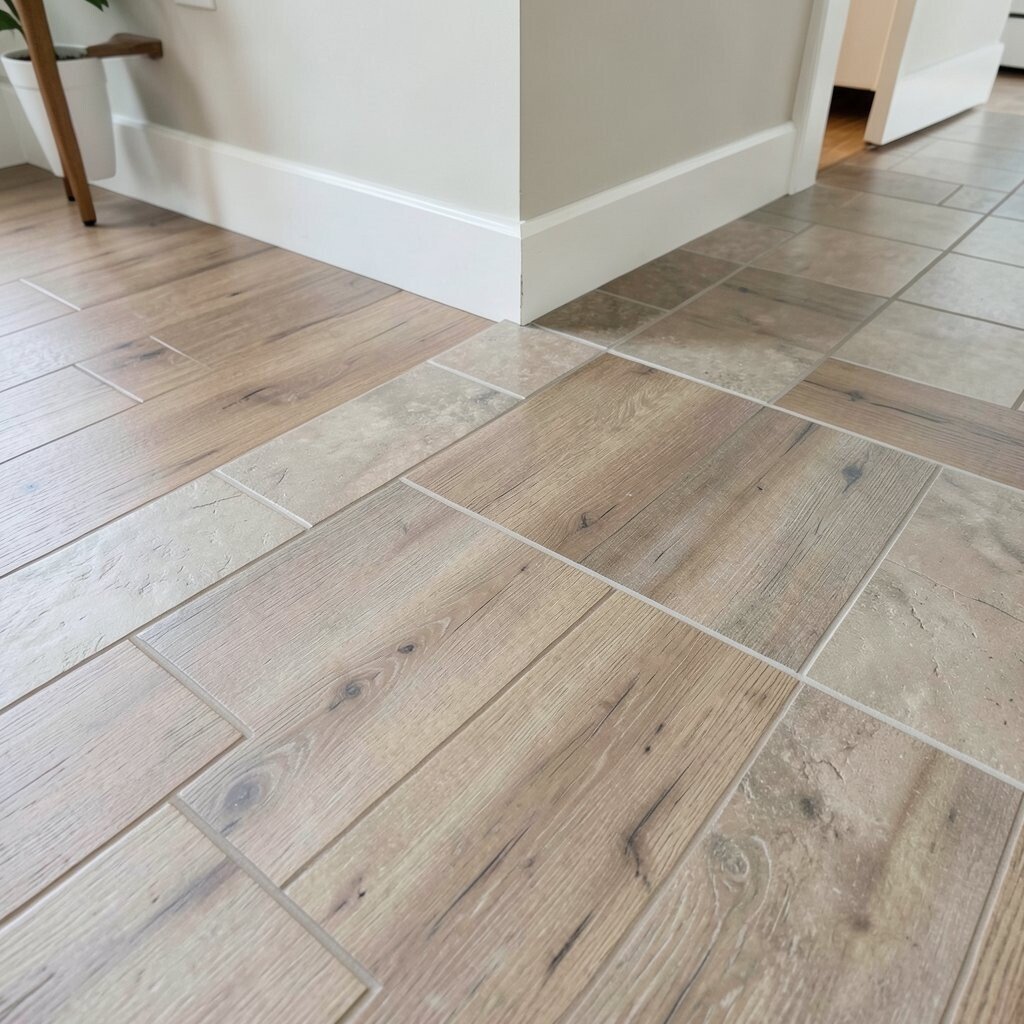
Many homes have tile near entries, bathrooms, or kitchens, and transitions matter in daily traffic. Thoughtful planning at those edges makes the floor feel smooth and intentional.
Visually, aligning plank length with tile grout lines can create a polished look. It also helps people walk without catching toes on uneven spots. Use transition strips designed for vinyl plank when the heights differ, because that detail improves both safety and appearance.
For personalization, choose a metal finish that matches your hardware, like brushed nickel or matte black. This small decision can make the whole space feel coordinated. It’s also a practical way to manage different flooring types without creating costly redo work.
13. Maintain with the Right Cleaner and a Soft Mop
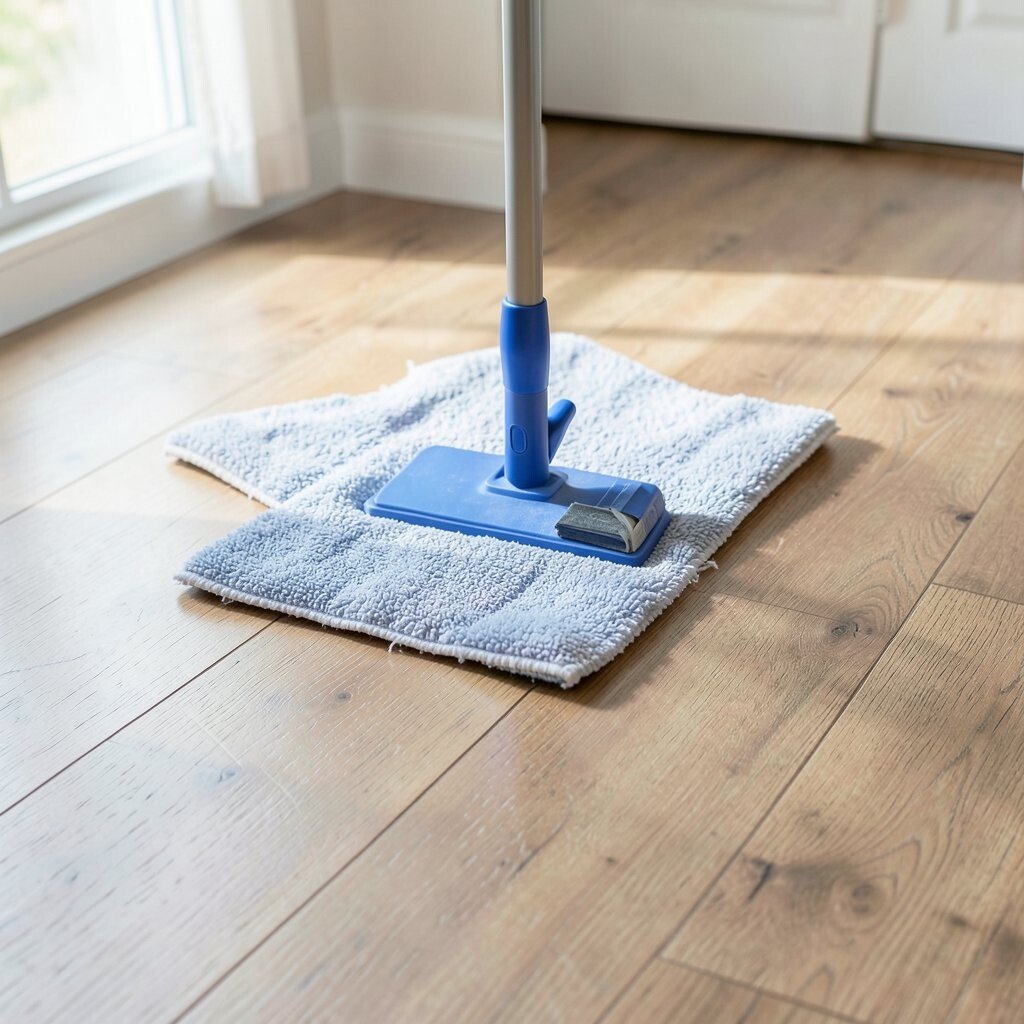
High traffic flooring earns its keep every day, so cleaning needs to be consistent. Use a cleaner made for vinyl floors, and stick to a soft mop that won’t scratch.
You’ll preserve the sheen and keep dust from building up in seams. When grime is left behind, it can act like tiny sandpaper and slowly dull the surface. A gentle routine also reduces the need for harsh spot treatments that can be risky.
For personalization, set a quick weekly schedule that matches your lifestyle, like a Friday refresh after the busiest days. Cost-wise, using the right cleaner can be cheaper than replacing a worn finish. Keep a small caddy of microfiber pads so you’re more likely to follow through.
14. Install Strategically Under Frequently Moved Furniture Paths
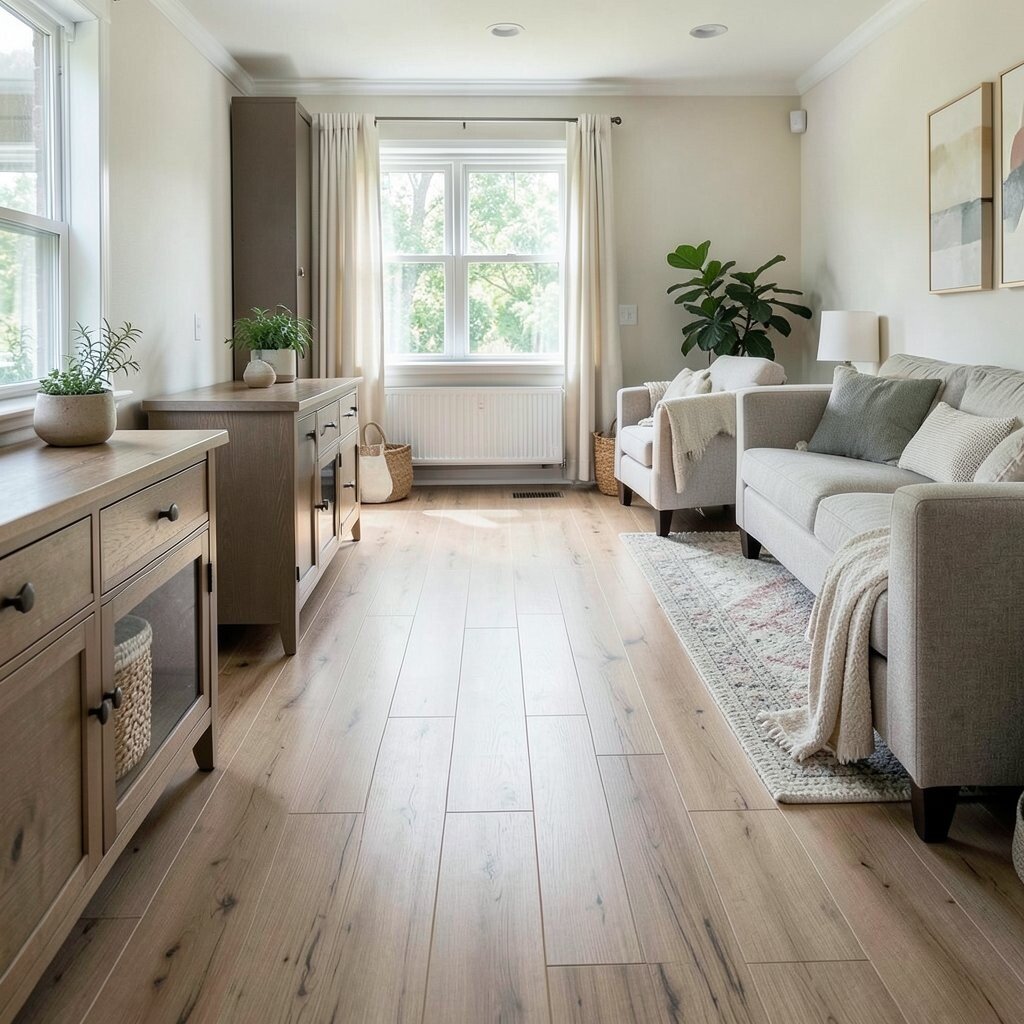
People don’t always walk in the same way, so furniture tracks can create unexpected wear patterns. If you know a couch, chair, or dining set gets moved often, plan your floor protection and layout with that in mind.
Visually, you can keep the flooring direction aligned with the main walking path, so the floor looks steady instead of scattered. Practical steps like felt pads on chair legs help reduce scuffs that show up in high traffic zones. This also supports comfort because furniture won’t scrape when you rearrange.
When possible, install heavier items after the floor is set so you can avoid pinching seams. That careful sequence can make the install last longer. It’s a small planning choice that can keep maintenance costs down.
15. Consider Longer Plank Lengths for Fewer Seams
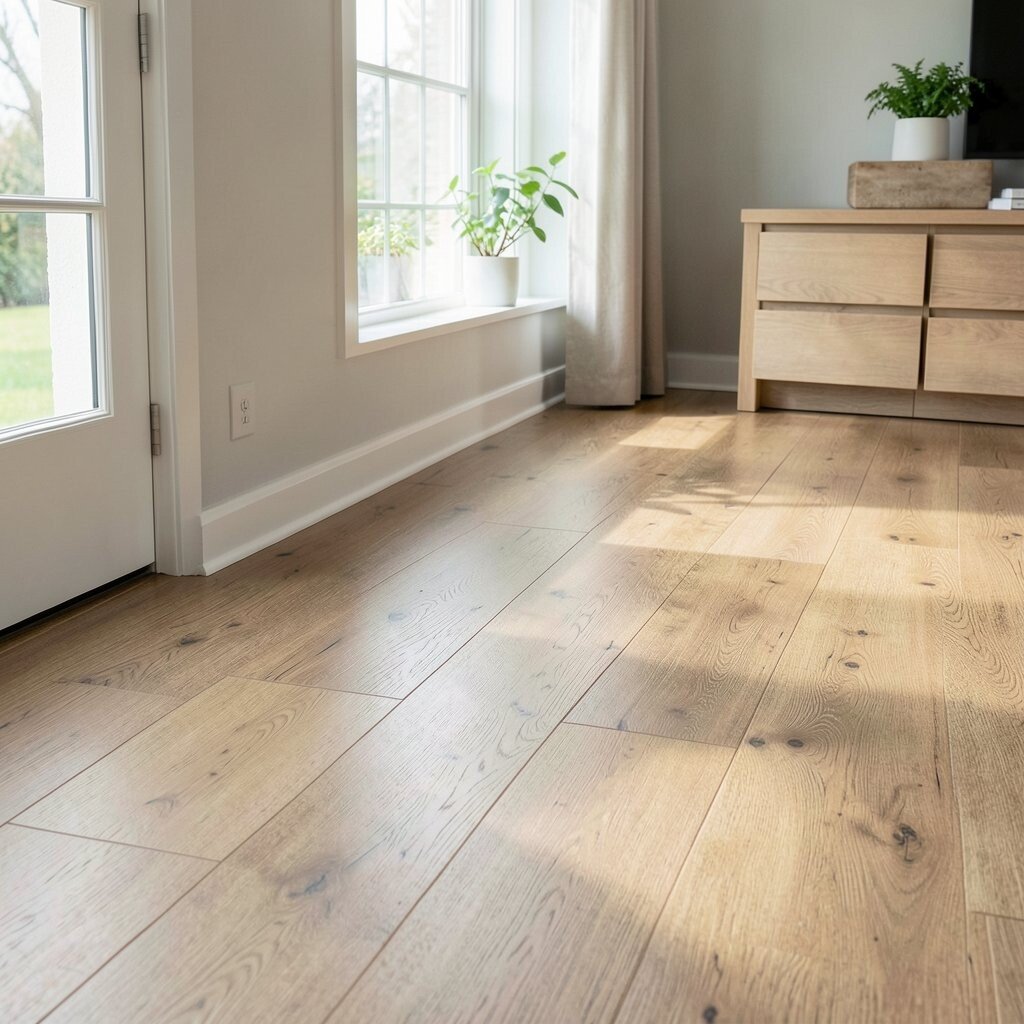
Longer planks reduce how often seams appear, and seams are where wear can gather. In busy areas, fewer joints can mean fewer chances for dirt buildup.
Visually, longer planks create long, continuous lines that make the room feel more open. They can also look like real hardwood because the boards read as larger pieces. For practical installation, long boards may require extra measuring and careful cutting around corners, but the payoff looks great.
To personalize, pick a length that matches your typical furniture layout so seams don’t land under chair wheels or heavy foot landings. If you choose longer planks, be ready with a solid underlayment and a careful base prep. That extra diligence helps your floor stay sturdy through daily use.
16. Use Color-Blocked Borders for a Custom Look
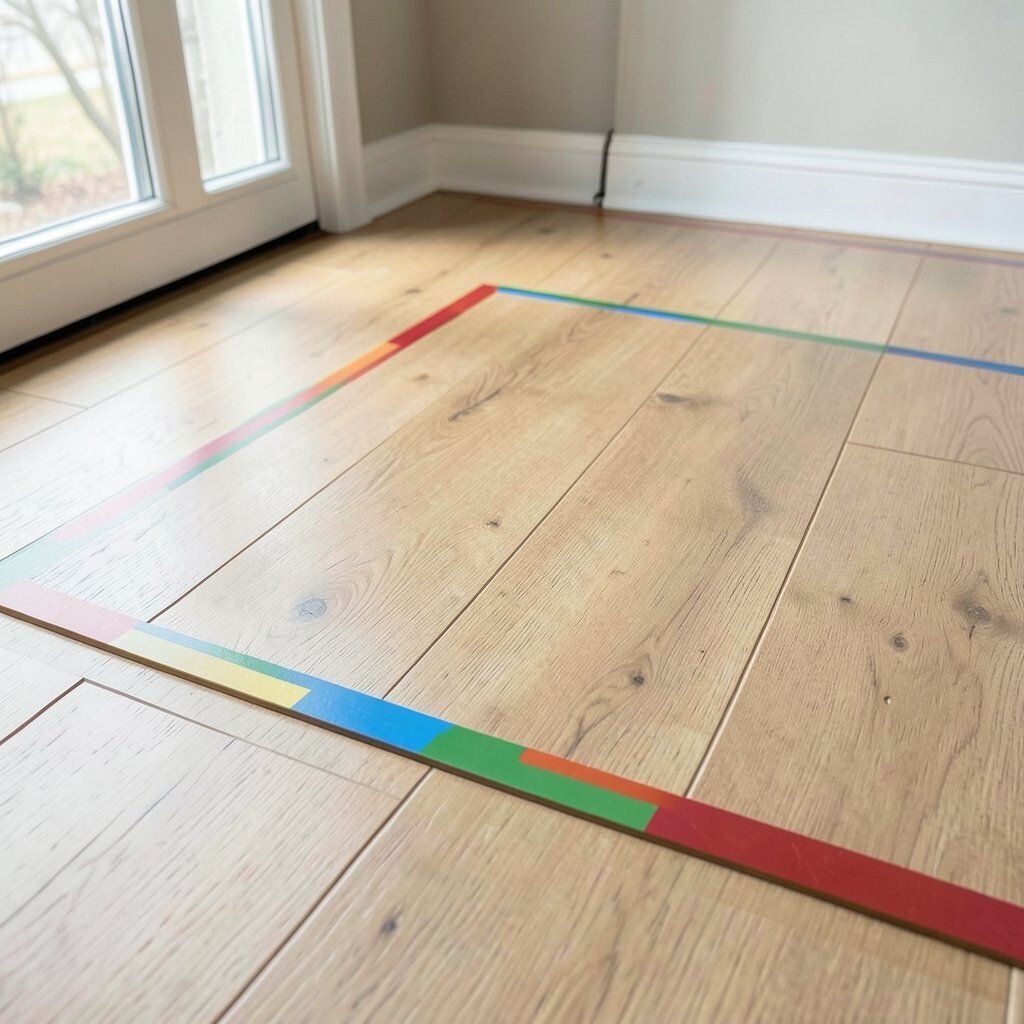
Sometimes a small design change can turn a tough room into a standout feature. A border using a contrasting plank color can define zones and add style where wear is expected.
Visually, a border creates structure, so busy areas look designed instead of “just” functional. It can also hide minor scuffing because the eye focuses on the patterned edge. If you like personalization, match the border to your wall trim or to accents like door hardware.
Cost considerations are important, since border planks add material, but it can be worth it when it lets you use a durable central plank tone. You can also reduce waste by planning cuts carefully. With good planning, you get a custom look without unnecessary extra cost.
17. Choose a Click-Lock System for Faster, Tighter Installs
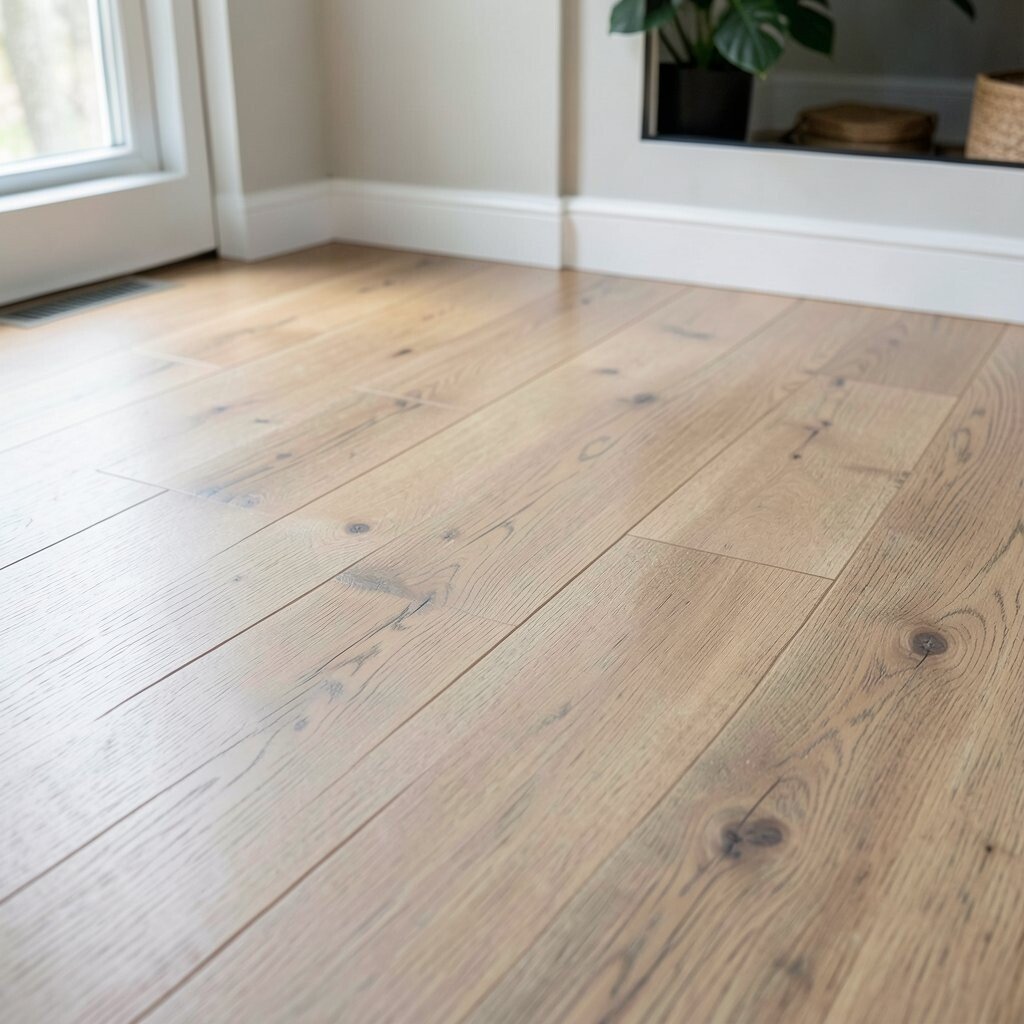
Click-lock vinyl plank floors are popular because they install with less fuss and can create a snug fit. In high traffic areas, a tight connection helps the floor resist shifting.
You’ll appreciate how the planks lock cleanly, especially along long hallway runs. A stable installation can reduce squeaks and keep seams aligned as people walk across the space. For practical setup, follow the locking instructions exactly and avoid forcing pieces together.
To personalize, consider the style and grain direction so it matches your room’s design flow. If you’re doing a DIY project, click-lock systems can help you finish sooner, which may lower labor costs. Just remember that a good base still matters, because even the best locks need a solid subfloor.
18. Plan a Shoe-Off Strategy with Stylish Landing Rugs
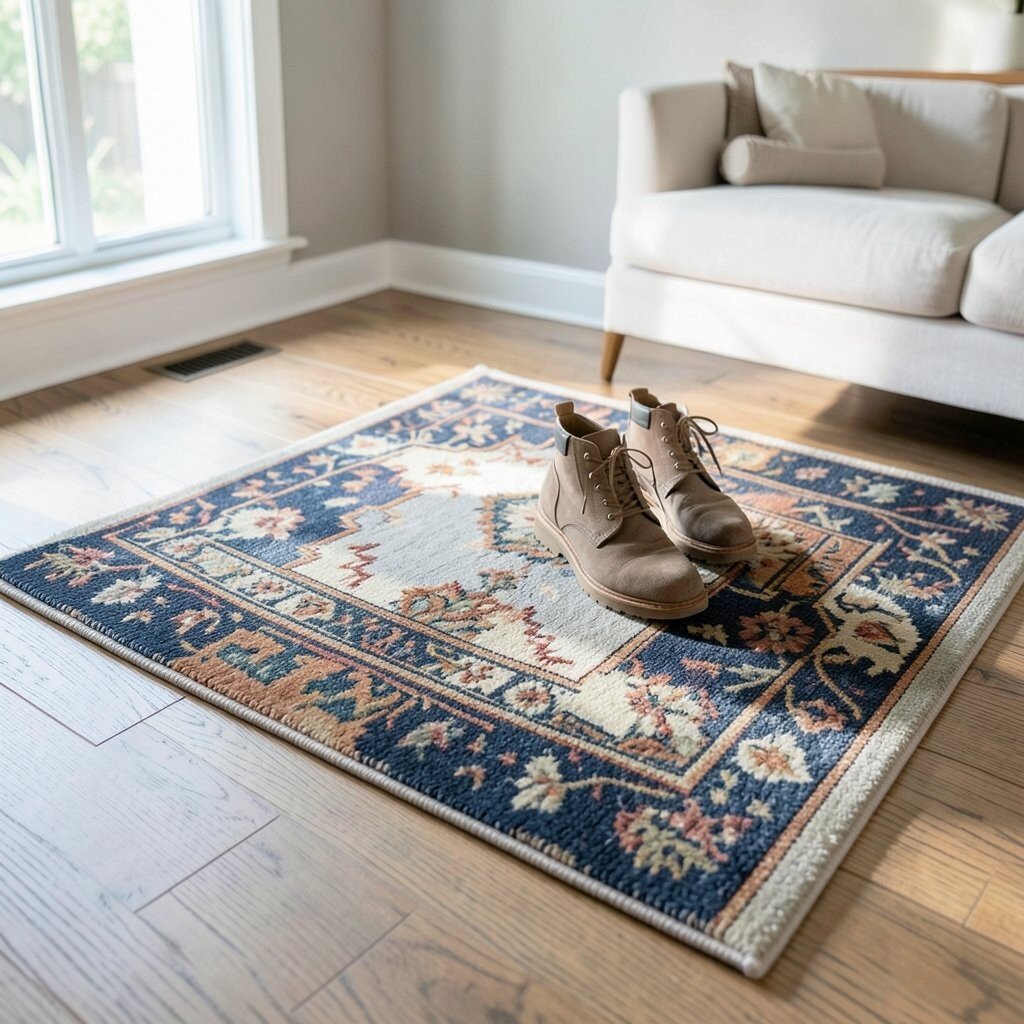
Even with durable floors, tracking grit keeps showing up in high traffic areas. A shoe-off habit works best when the entry looks welcoming and comfortable.
Choose a rug that feels good underfoot and has a backing that won’t slide. Visually, a patterned rug can hide dirt while adding warmth that vinyl alone can’t provide. Pair it with vinyl planks by selecting a rug color that complements the floor undertones.
Personalize the routine by placing a small bench or basket so people have a clear spot for bags and shoes. Cost-wise, rugs wear out, but they’re cheaper to replace than floors, and that’s the smart trade-off. Regular washing of the rug can keep your entry clean without harsh floor scrubbing.
19. Keep Furniture Wheels in Check with Non-Marking Accessories
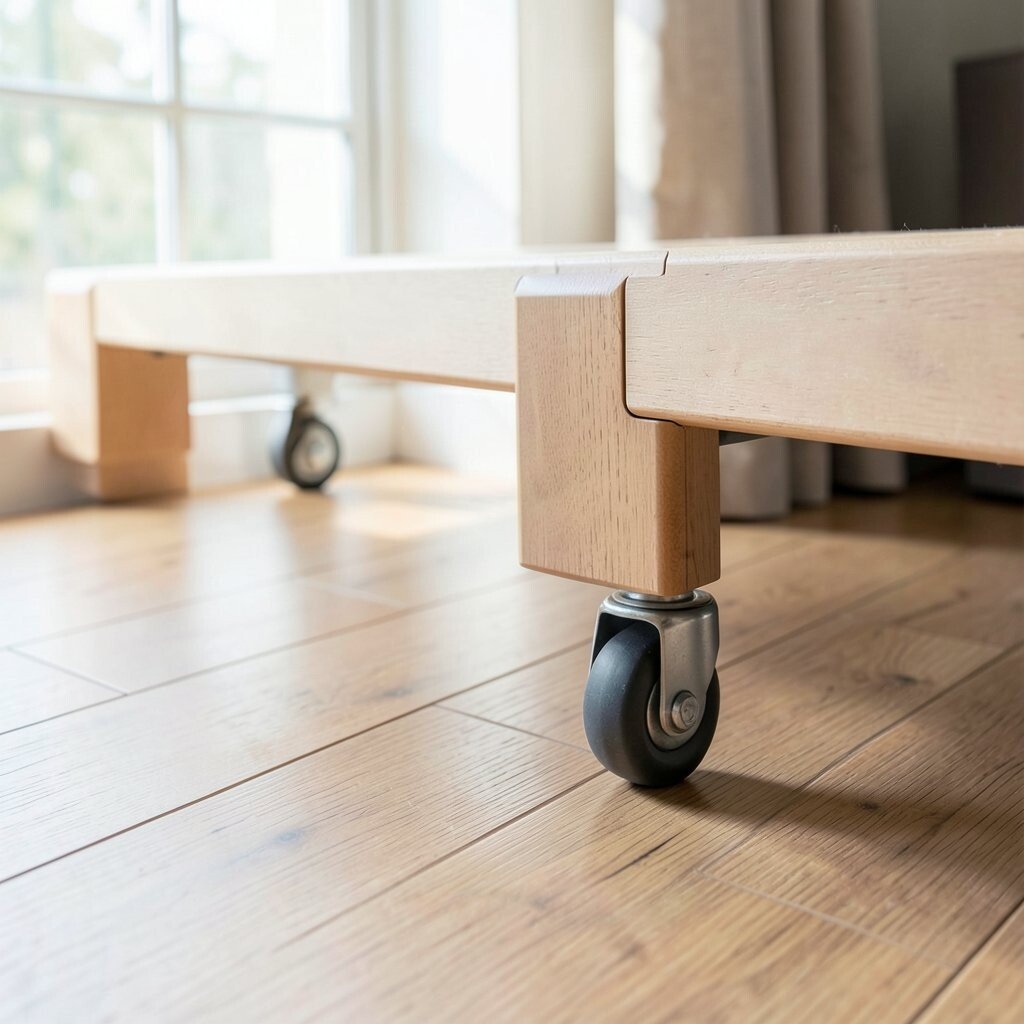
If you use office chairs, rolling stools, or mobile carts near your vinyl plank, wheel type matters. Non-marking, soft wheels help protect the surface from tiny gouges.
You’ll notice smoother movement and fewer scuff trails where wheels often drag. This is especially helpful in kitchens and home offices where traffic is constant. Pair wheels with chair mats in the busiest areas for an extra layer of protection.
To personalize, choose chair mats that match your room style, like clear mats for a light look or textured mats for grip. That way, the protective layer doesn’t feel out of place. Spending a bit on better wheels can be far cheaper than replacing worn plank sections later.
20. Pair Vinyl Planks with Modern Warmth Trends Like Radiant-Ready Setups
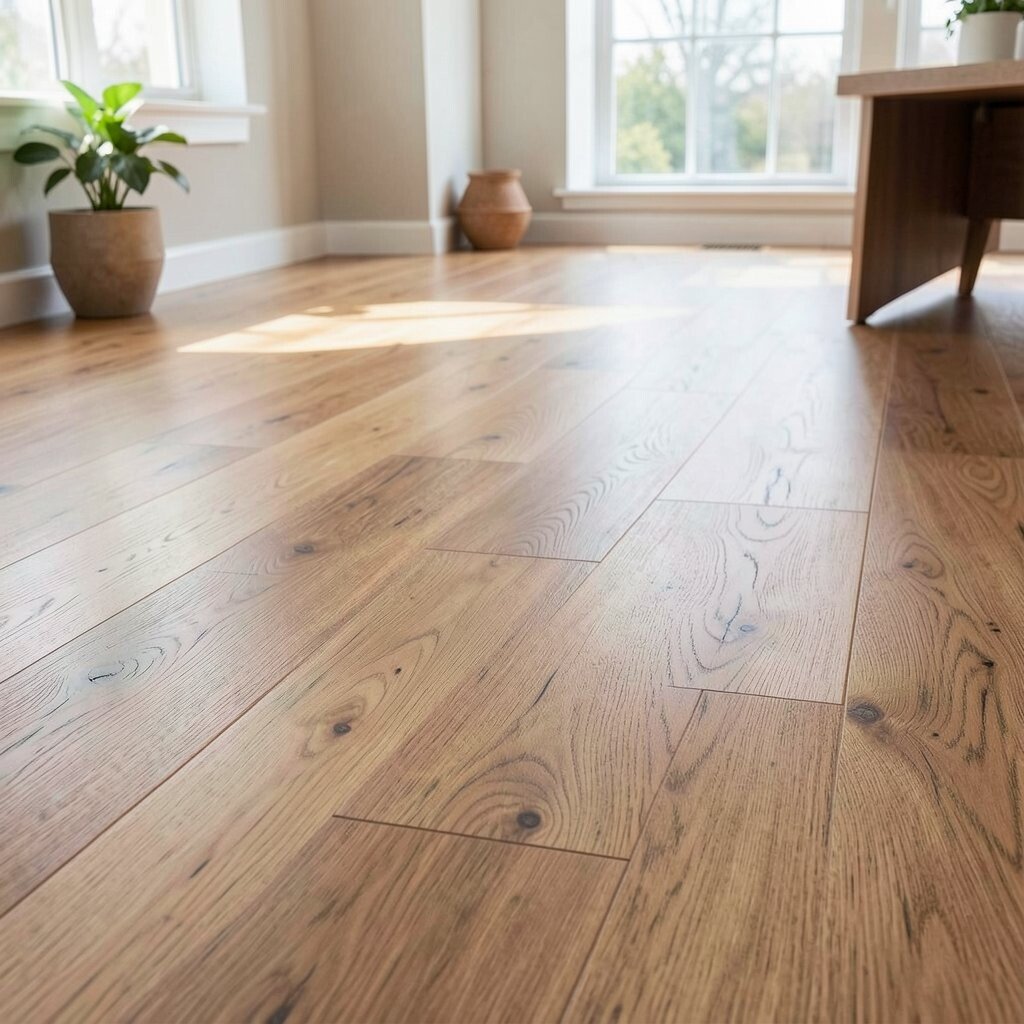
People want flooring that looks great and feels cozy, and current trends lean toward warmth and comfort. Vinyl plank choices that are compatible with radiant or comfort underlays can help meet that goal.
Visually, the floor stays clean and modern while your rooms feel more inviting. Practically, warmth can reduce cold spots in entryways and main walk paths, which makes daily movement more comfortable. If your home already has heating options, check compatibility before buying to avoid wasted money.
Personalize your results by choosing plank styles that mimic popular wood tones, like lighter natural oak or classic walnut shades. Cost considerations depend on the system, but compatibility checks can prevent costly rework. With the right plan, you get a floor that supports how people actually live and move through the space.
As trends shift toward comfort-first homes, durable vinyl plank becomes even more useful in high traffic spots. When you pair durability with comfort, the floor feels like an upgrade, not just a cover. A thoughtful setup today can keep the everyday rush from showing up tomorrow.