The best communities feel like they belong to everyone. When spaces work for wheelchairs, they quietly support far more than mobility.
Small changes can make daily life feel lighter, safer, and more welcoming. Here are community ideas that turn good intentions into real, visible progress.
1. Sidewalk Stories With Wayfinding Art
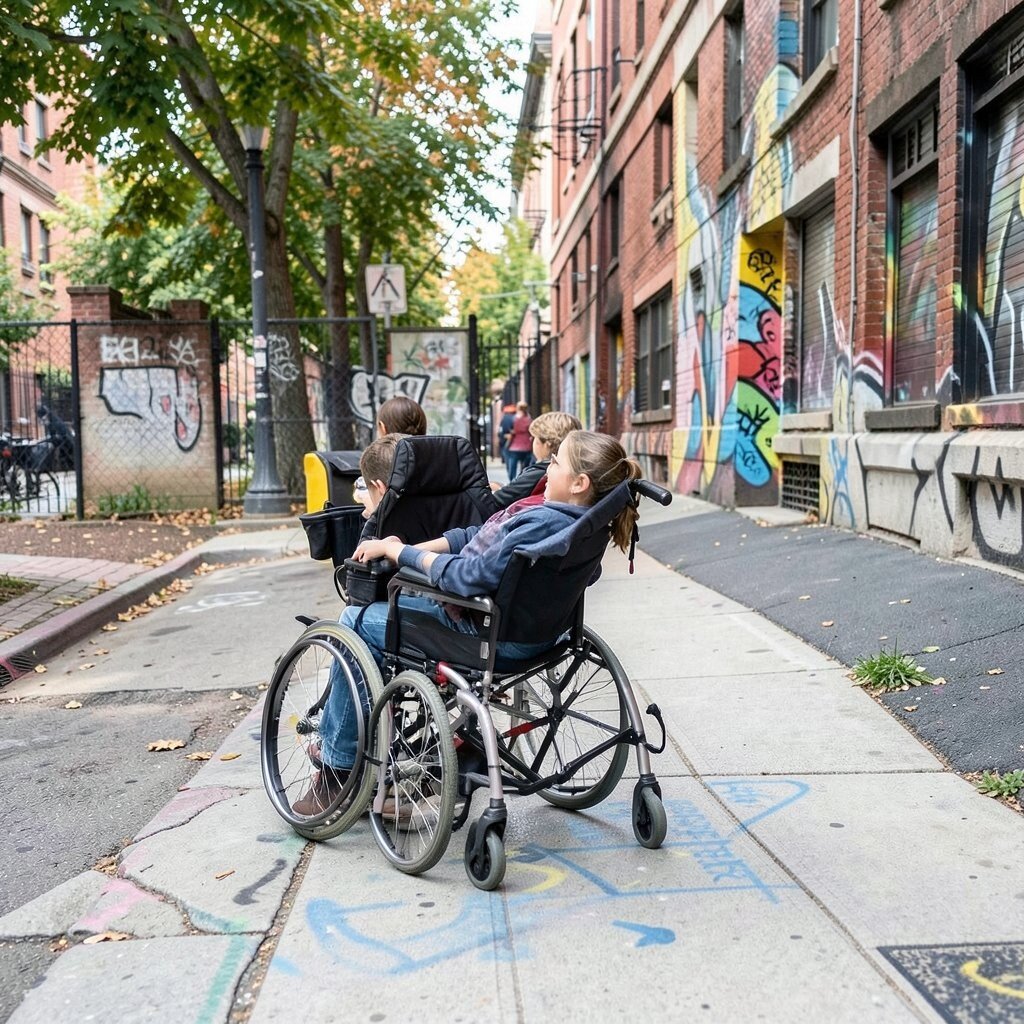
Picture a neighborhood where curbs, crossings, and doors are marked by friendly artwork. Bright arrows, simple icons, and high-contrast lines guide people without needing to ask for help.
Place tactile paving where possible and pair it with clear visual cues near common destinations. This supports wayfinding for wheelchair users, people with low vision, and families pushing strollers, too. Keep it easy to personalize by letting local artists collaborate with disability advocates on spacing, colors, and symbol clarity.
2. Curb Cuts That Feel Like Invitations
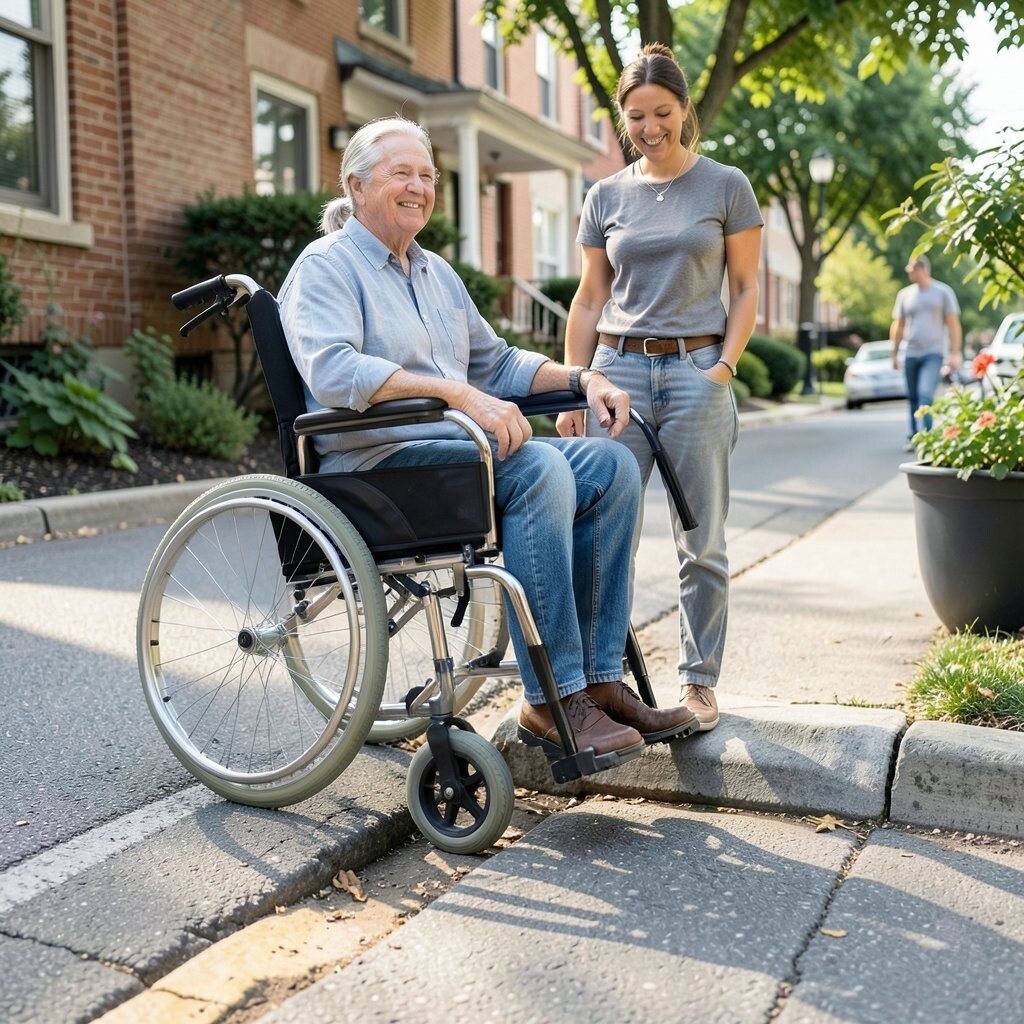
Every curb cut is a small doorway into the wider world. When ramps are smooth, wide enough, and maintained, the route from home to the park becomes calm instead of stressful.
Audit sidewalks near bus stops, libraries, and schools and prioritize routes that connect multiple places. Pair physical improvements with practical tips like adding anti-slip texture and keeping vegetation trimmed. Budget-friendly work can still matter, especially when the community schedules upgrades in phases.
3. Community Seating Zones Designed for Wheelchairs
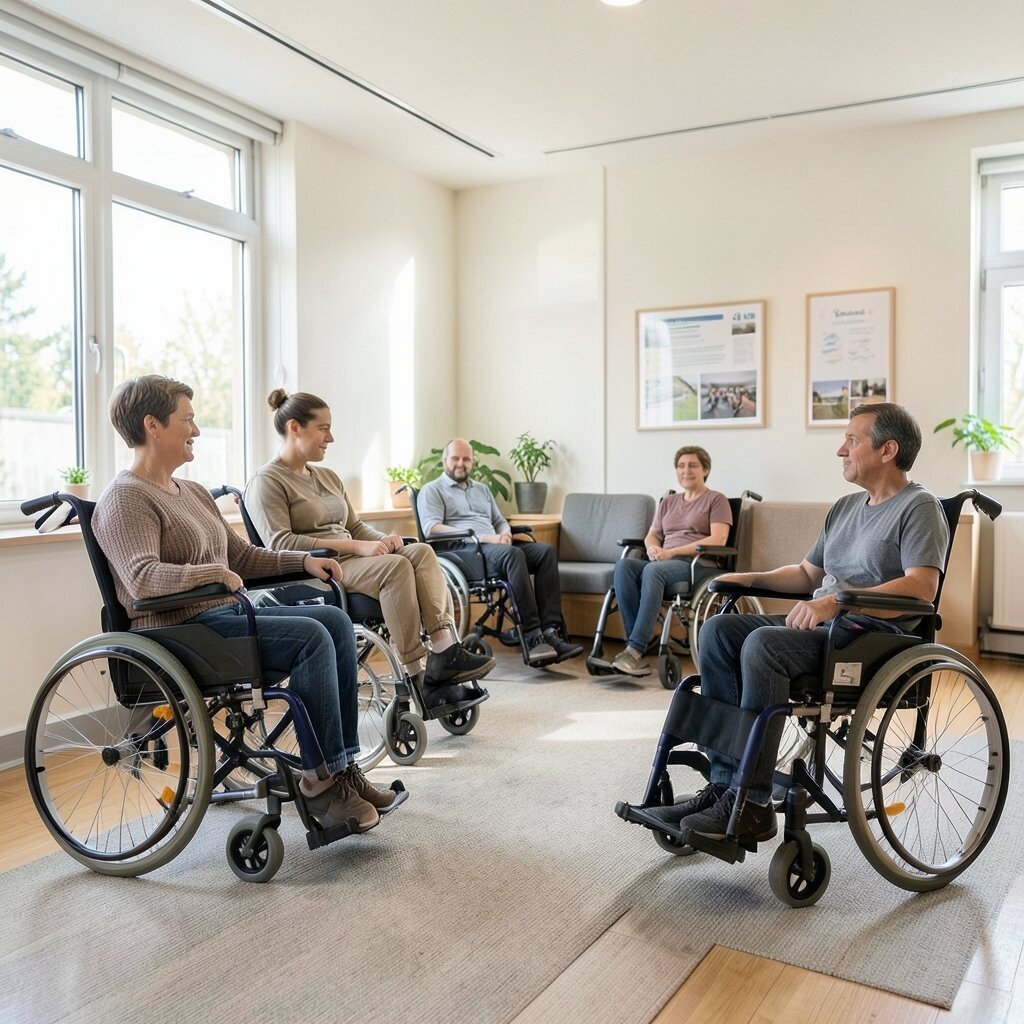
Imagine a plaza with benches that actually fit real bodies and real chairs. Some spots let you roll up close, with armrests spaced for easy transfers and shaded areas that don’t force a long detour.
Use a mix of seating heights, including low tables and wide bench sections, so everyone can join conversations. Add practical details like clear turning space and paths that avoid narrow choke points. Consider personalizing the zones with seasonal color themes and community photos to make the area feel like “our spot.”
These changes can be cost-effective when you repurpose existing furniture during events and upgrade only the most-used locations. They also reflect a current trend toward inclusive public space planning and universal design in city projects.
4. Accessible Event Routes With Quiet Checks
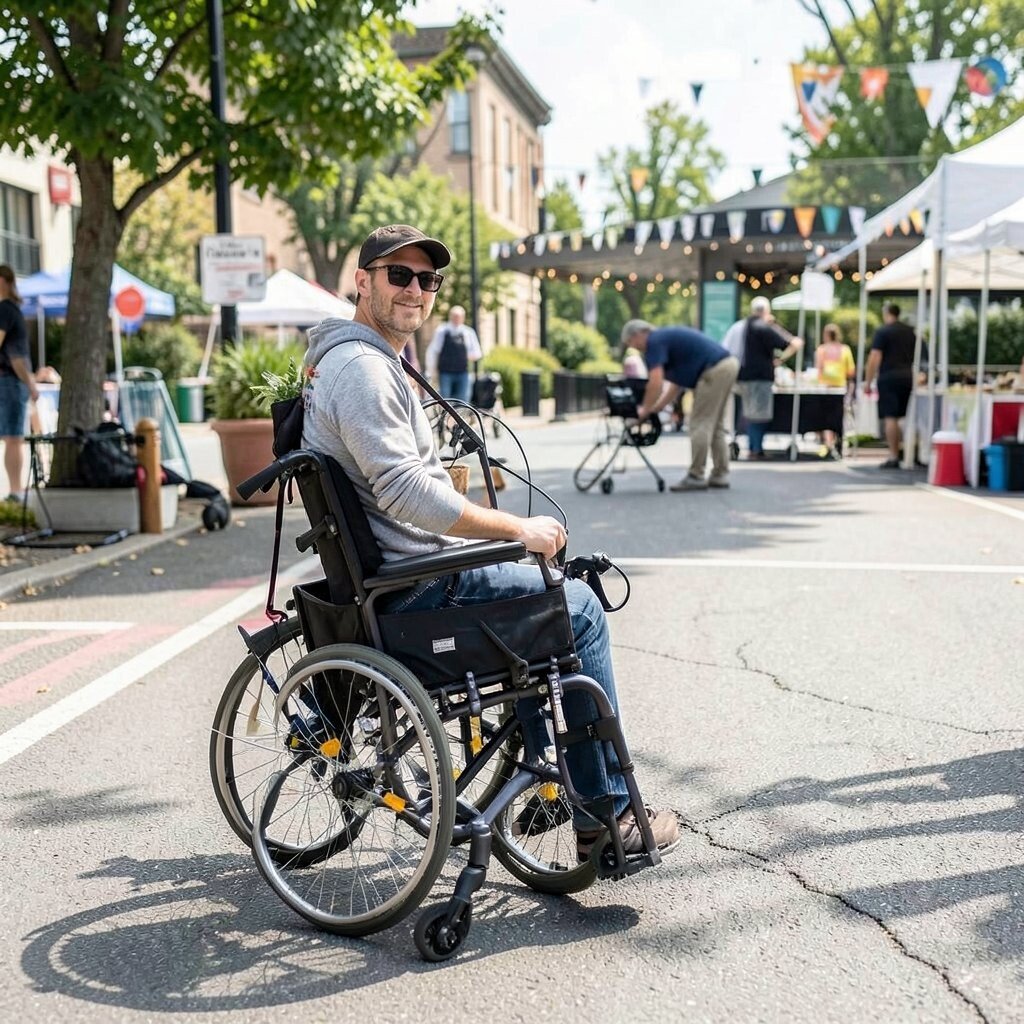
Visualize an outdoor festival where the accessible path is obvious from the start. Clear entry points, leveled ground, and marked detours help wheelchair users join without guessing.
Before each event, do quick “quiet checks” by walking the route with a chair user and a volunteer who watches for obstacles like cords, wet mats, and uneven turf. Add practical tips such as keeping vendor loading zones out of main pathways and using removable ramps when needed. Personalize the route with signs that match the event theme while staying high-contrast and readable.
5. Pay-As-You-Can Community Mobility Workshops
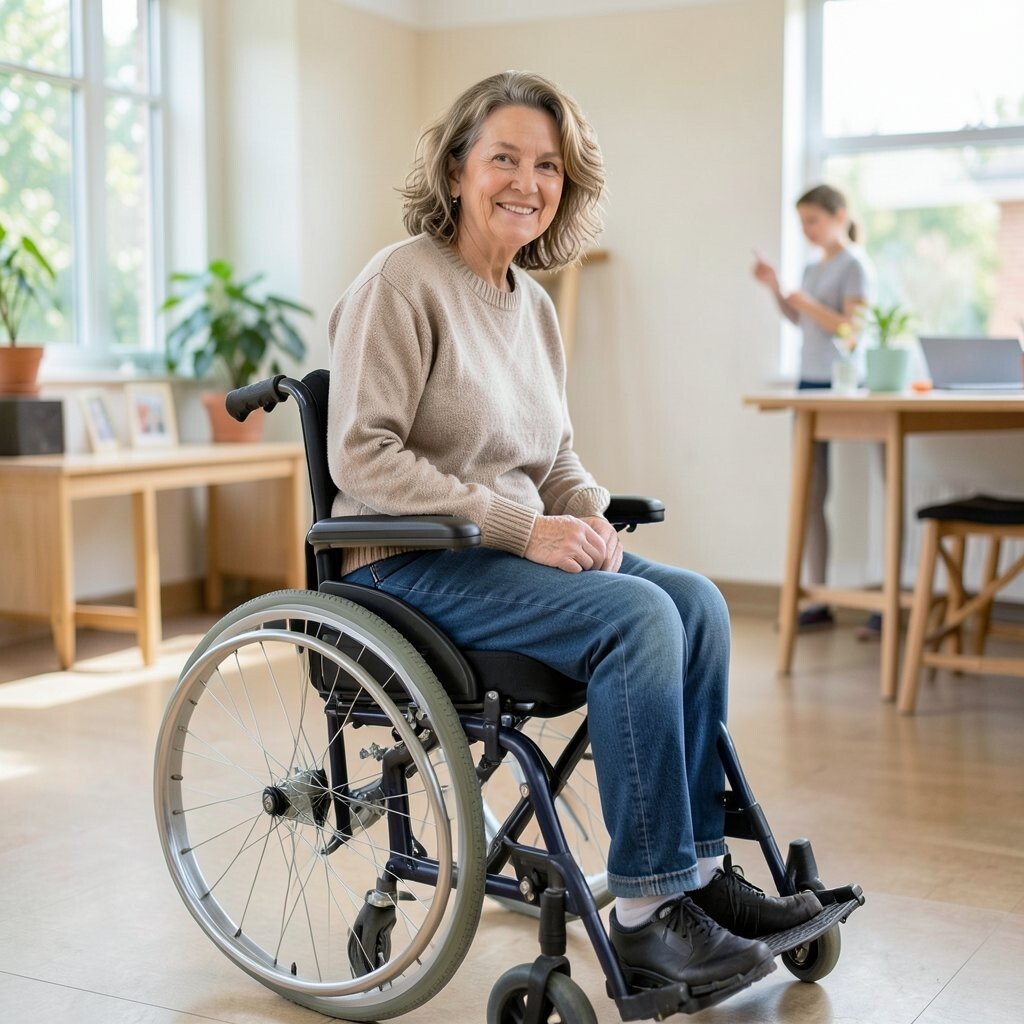
Think about a neighborhood that hosts friendly sessions where people learn together. Workshops can cover how to navigate curb cuts, manage basic maintenance, and choose everyday accessories that fit different lifestyles.
Offer scholarships so cost never becomes a barrier, and invite local occupational therapists, rehab techs, and experienced wheelchair users to co-teach. Make it practical by giving hands-on time for joystick positioning, tire checks, and transfer practice with consent and privacy. Personalize by letting participants share their routes, goals, and comfort needs so each session feels relevant.
This kind of peer-led learning matches a growing trend toward practical, community-based support rather than one-time lectures. It builds confidence, reduces friction, and helps people feel seen.
6. Library Programs With Step-Free Discovery Paths
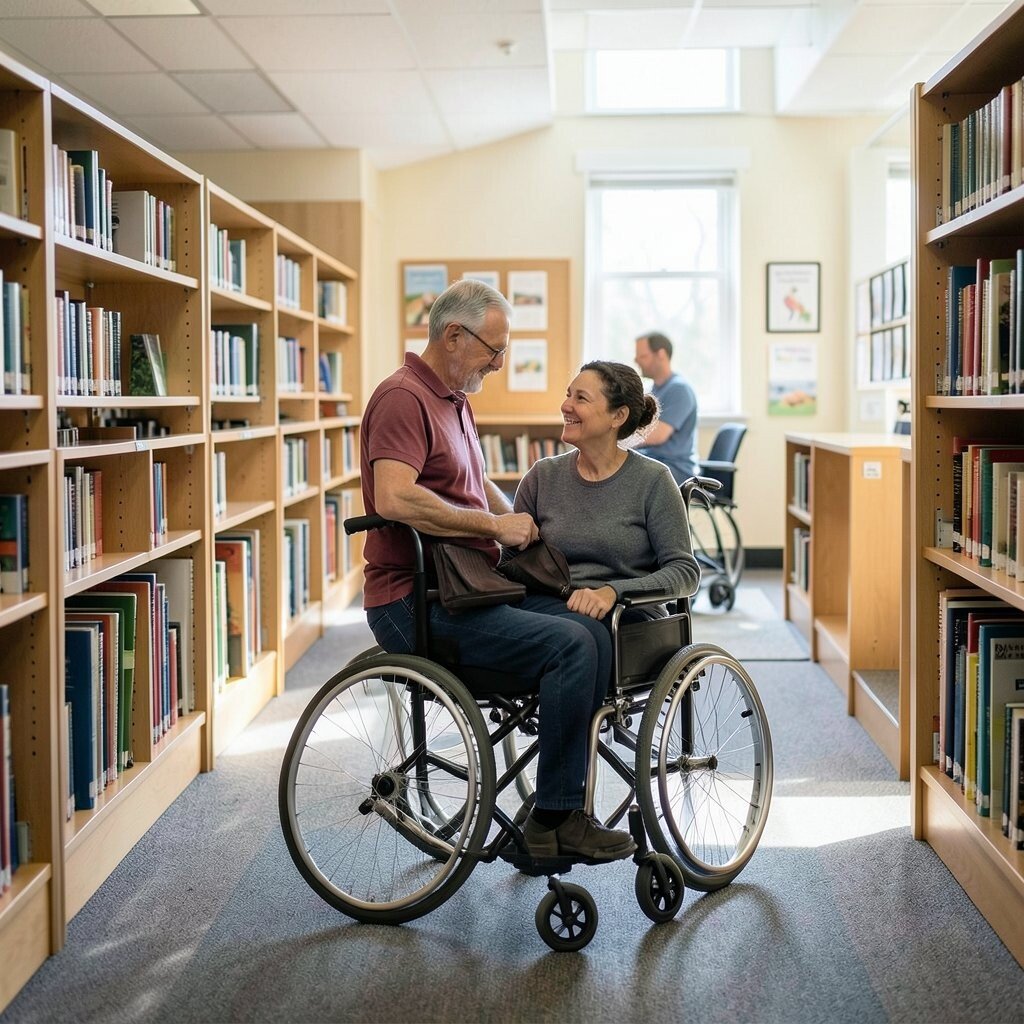
Picture a library where story times, tech help, and club meetings are reached by smooth, step-free routes. Seating is arranged so wheelchairs can roll into the circle, not into the corner.
Choose accessible activity times and keep aisles wide, with shelves designed so browsing doesn’t require risky reaching. Add practical tips like training staff to greet and guide calmly, not hurriedly. Personalize reading corners with softer lighting, noise-reducing rugs, and comfortable floor seating nearby for families and caregivers.
7. Inclusive Sports With Adaptive Equipment Sharing
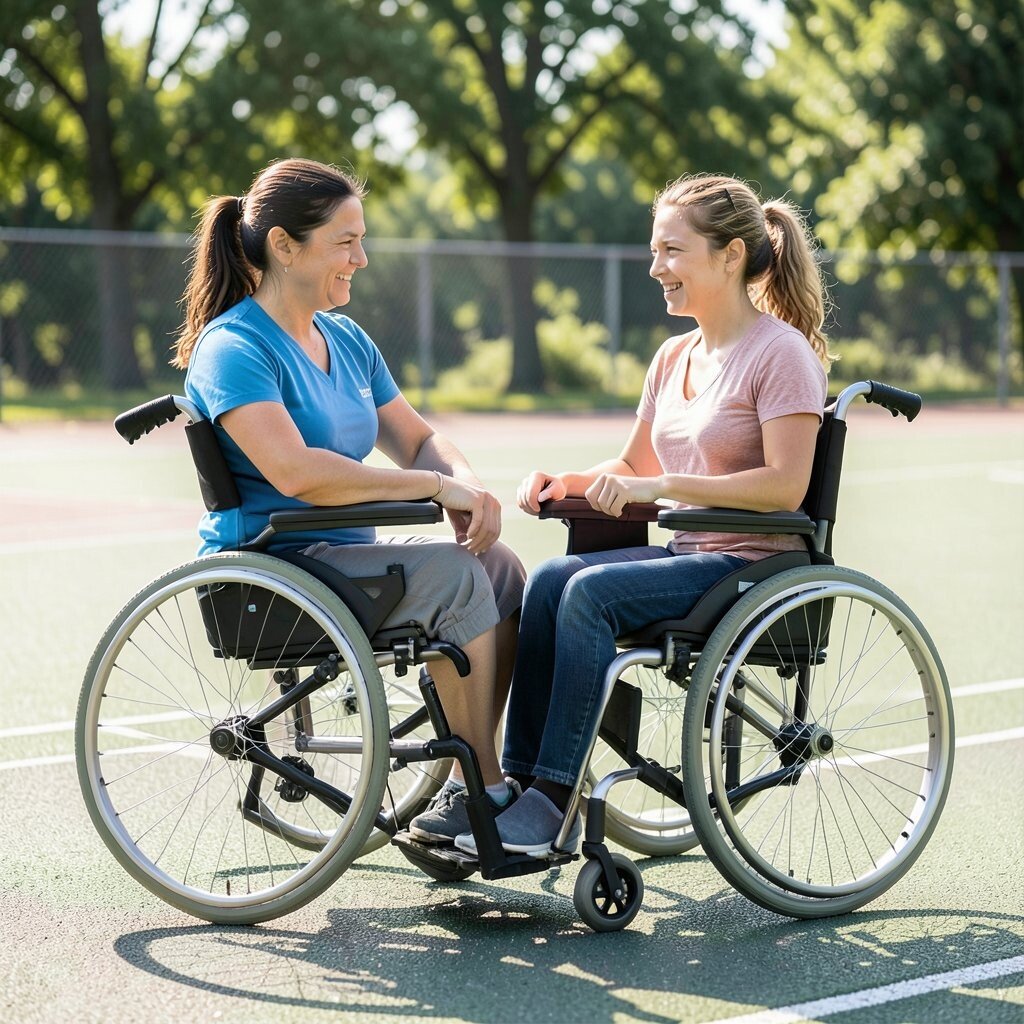
Imagine basketball practice where the court lines are easy to see and the energy is welcoming. Wheelchair users can join with the same excitement because adaptive rules and equipment are already available.
Create an equipment lending system that includes sport wheelchairs, adaptive balls, and straps with safety checks. This benefits the whole community by lowering the cost of trying a new activity and reducing barriers for newcomers. Make it unique by hosting “swap days” where local users teach setup and care, so everyone learns the safe way.
That aligns with a current trend toward community sport hubs and shared gear libraries. Personalize by matching equipment to skill levels and making the sign-up process friendly and short.
8. Local Businesses With Accessible “Door to Service” Maps
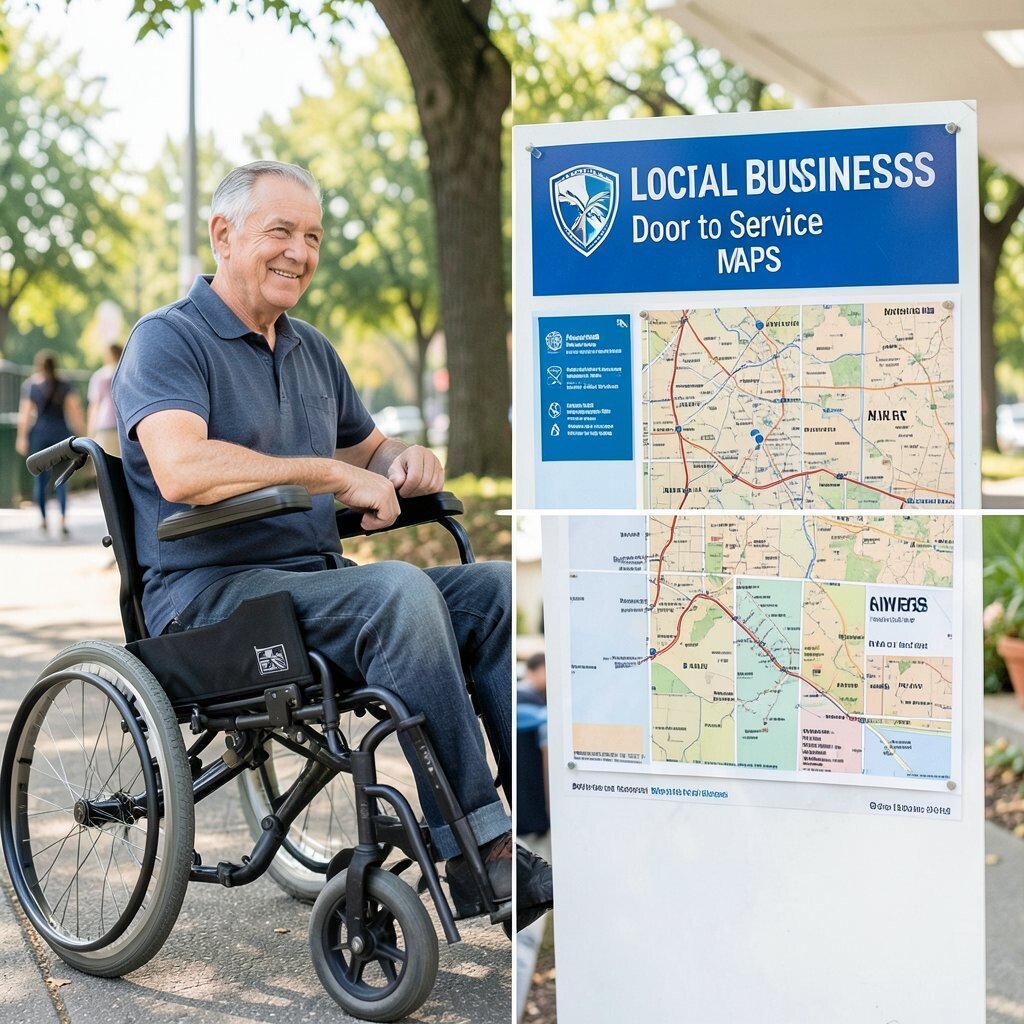
Picture a small shop where the accessible entrance is clearly marked and the path to checkout is smooth. A simple map shows where to park, where to roll, and where staff can assist without fuss.
Ask businesses to test routes in real time and adjust for thresholds, door width, and turning radius. Provide practical tips like placing a phone or QR code near the entrance for quick help, plus clear hours for support availability. Personalize the maps with photos of real landmarks so people feel oriented right away.
9. Bus Stop Upgrades That Prioritize Everyday Routes
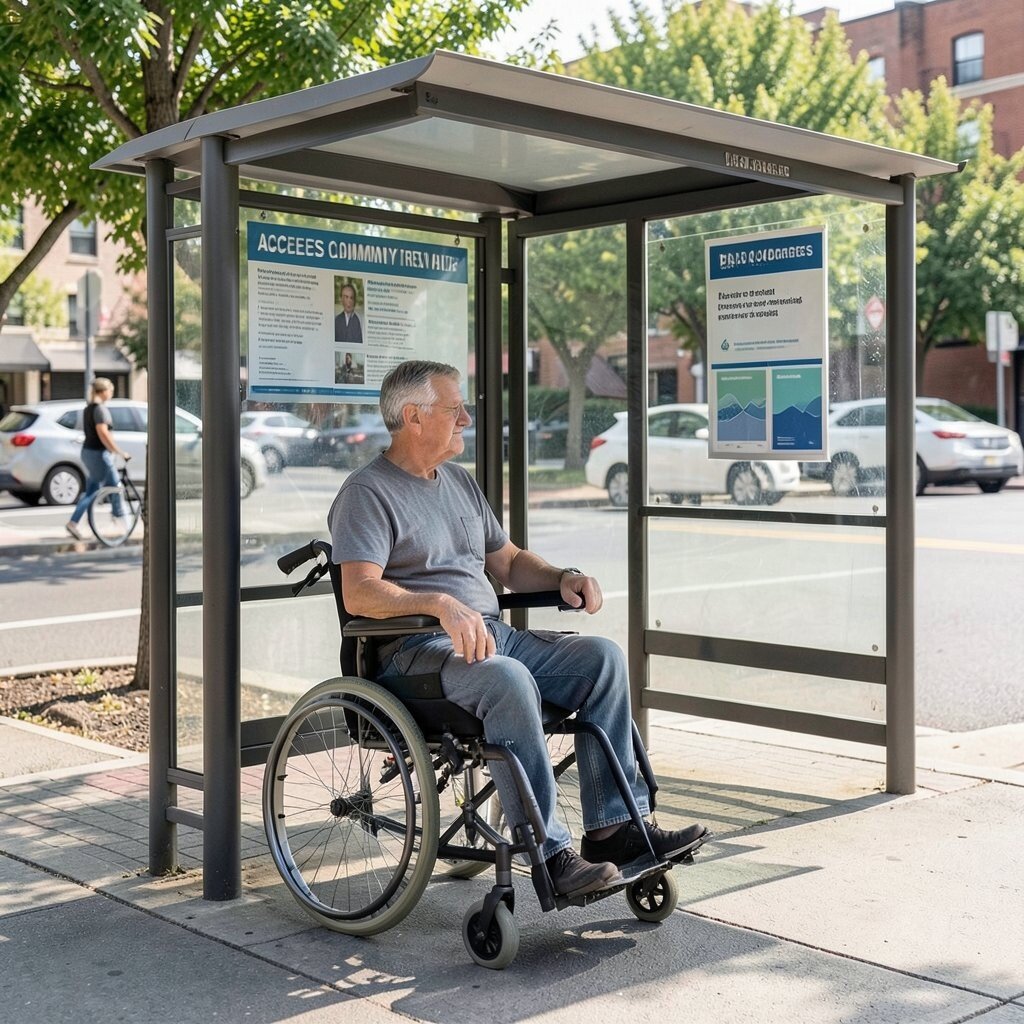
Imagine waiting at a bus stop that feels safe and predictable. A level boarding area, good lighting, and nearby seating help riders focus on getting where they need to go.
Coordinate with transit partners to improve the most-used stops first, especially where transfers happen. This benefits wheelchair users by reducing transfer stress and helps everyone by making boarding easier in bad weather. Keep costs in mind by seeking grants, prioritizing fast repairs, and using phased construction when full rebuilds aren’t possible.
Personalize the experience with shelters designed for different needs, including protected waiting space and clear route information.
10. Community Gardens With Raised, Reachable Beds
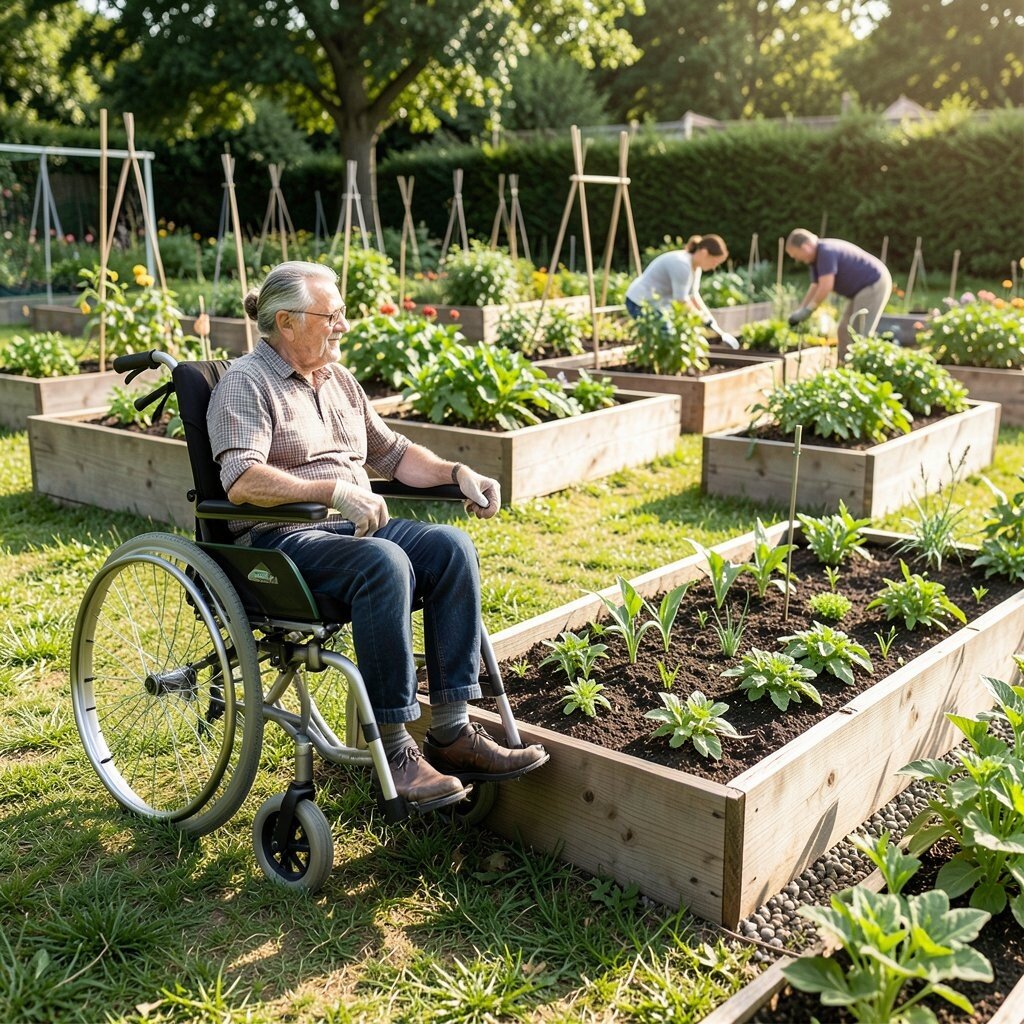
Picture a garden where plants are easy to reach from a wheelchair. Raised beds sit at comfortable heights, with wide paths that feel like smooth sidewalks made of dirt and mulch.
Use visual cues like bright labels, contrasting soil borders, and low fencing so people can navigate confidently. Benefits show up when everyone can plant, water, and harvest without strain. Add practical tips like adding accessible tool stations and storing lightweight tools where they are naturally reachable.
This is unique because the garden becomes a shared classroom, not a “view only” place. Personalize by letting members choose crops that match local tastes and by scheduling volunteer days that include rest breaks and transfer-friendly spaces.
11. Side Door Seating at Community Meetings
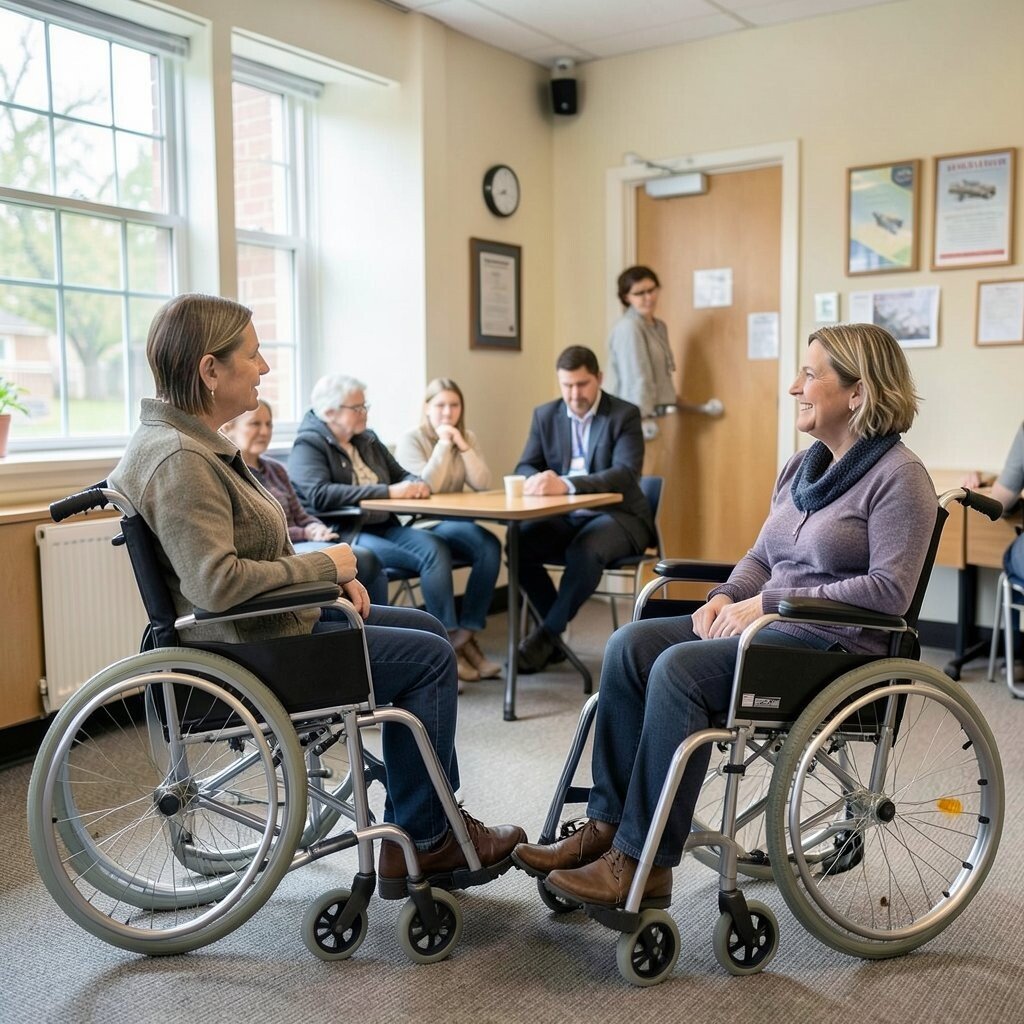
Imagine community meetings where participation feels easy, not exhausting. When desks and chairs are arranged with open space for wheelchairs, people can join without trying to squeeze into the margins.
Set up meeting rooms with clear entry paths, reachable microphones, and seating clusters that invite conversation. This benefits everyone by improving sightlines and making it easier for interpreters, caregivers, and youth helpers to move around. For practical tips, keep the room layout the same every time and post a simple step-free route in advance.
12. School Partnerships For Safe Inclusive Playgrounds
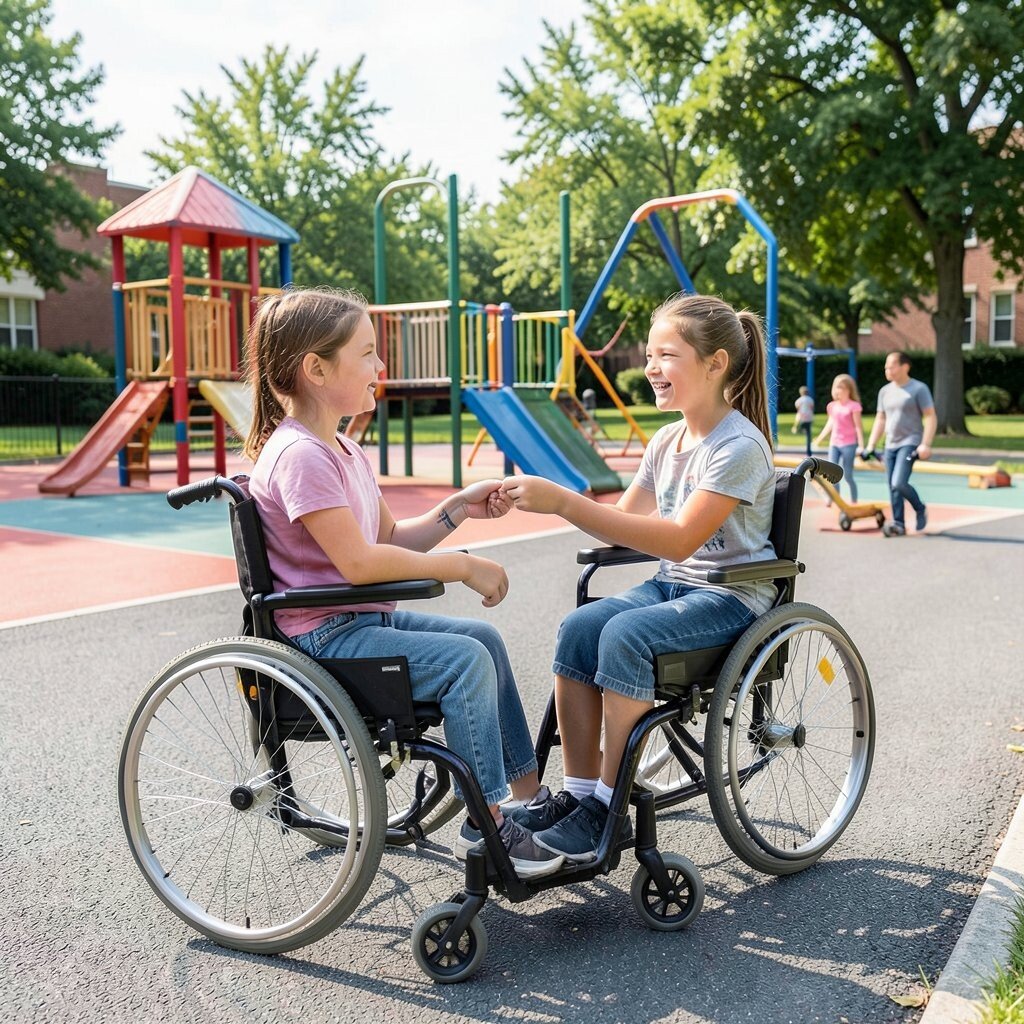
Visualize a playground where ramps and surfaces make play feel fair. Inclusive swings, transfer platforms, and sensory areas help children and teens join together.
Partner with schools and parks departments to share the planning process and gather feedback from families who use wheelchairs. This benefits students by supporting confidence and friendships, not just physical access. Add practical tips like selecting surfaces that drain well, maintaining equipment regularly, and using clear signage for accessible entrances.
Keep costs manageable by starting with one “must-have” zone and expanding as funding grows. Personalize the playground with local art and rotating themes so it feels special, not generic.
13. Neighborhood “Buddy Blocks” For Real-Time Assistance
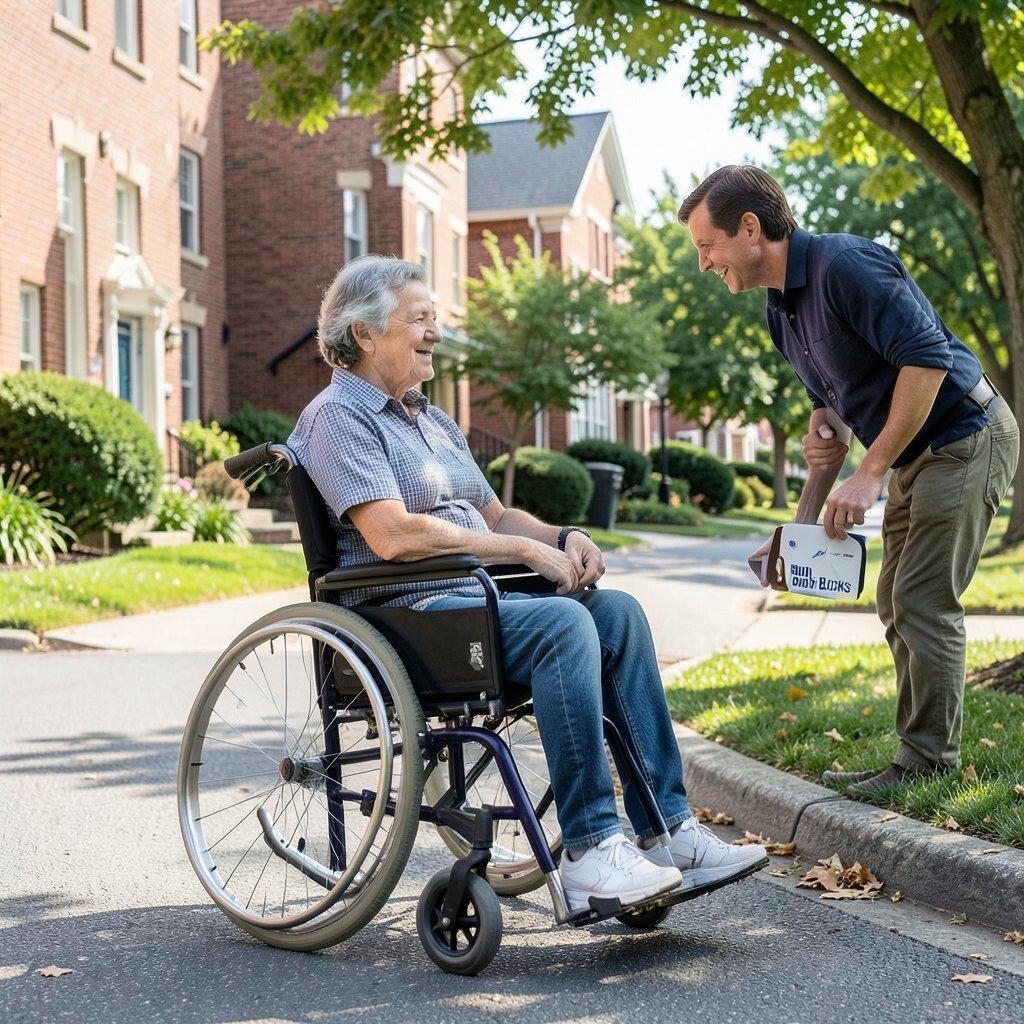
Picture a community where help is normal and friendly, not awkward. A buddy system pairs volunteers with wheelchair users for specific events, appointments, or route support.
This benefits people by turning stressful moments into smooth experiences and by building trust between neighbors. For practical tips, set clear boundaries, plan how long support lasts, and train volunteers on respectful communication and safe movement. Personalize the program by matching buddies by interests, such as markets, libraries, or sports events.
14. Community Kitchens With Accessible Counter Heights
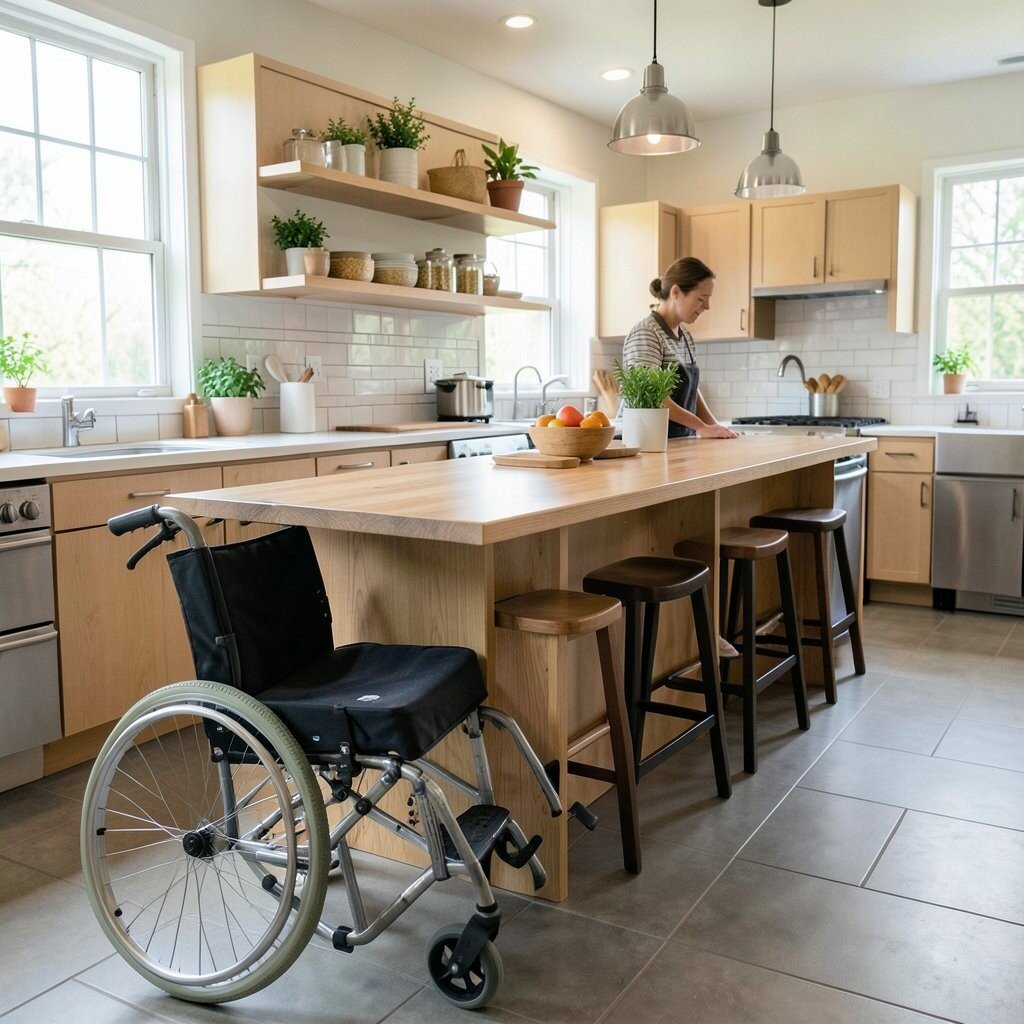
Imagine a shared kitchen where cooking feels comfortable from a seated position. Counters, sinks, and stovetops are arranged so wheelchair users can reach ingredients without risky stretching.
Choose kitchens that support multiple heights and create storage solutions like lower shelves and pull-out bins. This benefits everyone by making tasks faster and reducing clutter. Add practical tips like using lightweight pots, labeling frequently used items at eye level, and ensuring there’s space for a chair to roll under working stations.
Keep costs in mind by making upgrades in small steps, such as adding adjustable organizers and using affordable height-friendly carts. Personalize classes by offering recipes that match local culture and dietary needs.
15. Accessible Restrooms With Clear, Non-Judgmental Signage
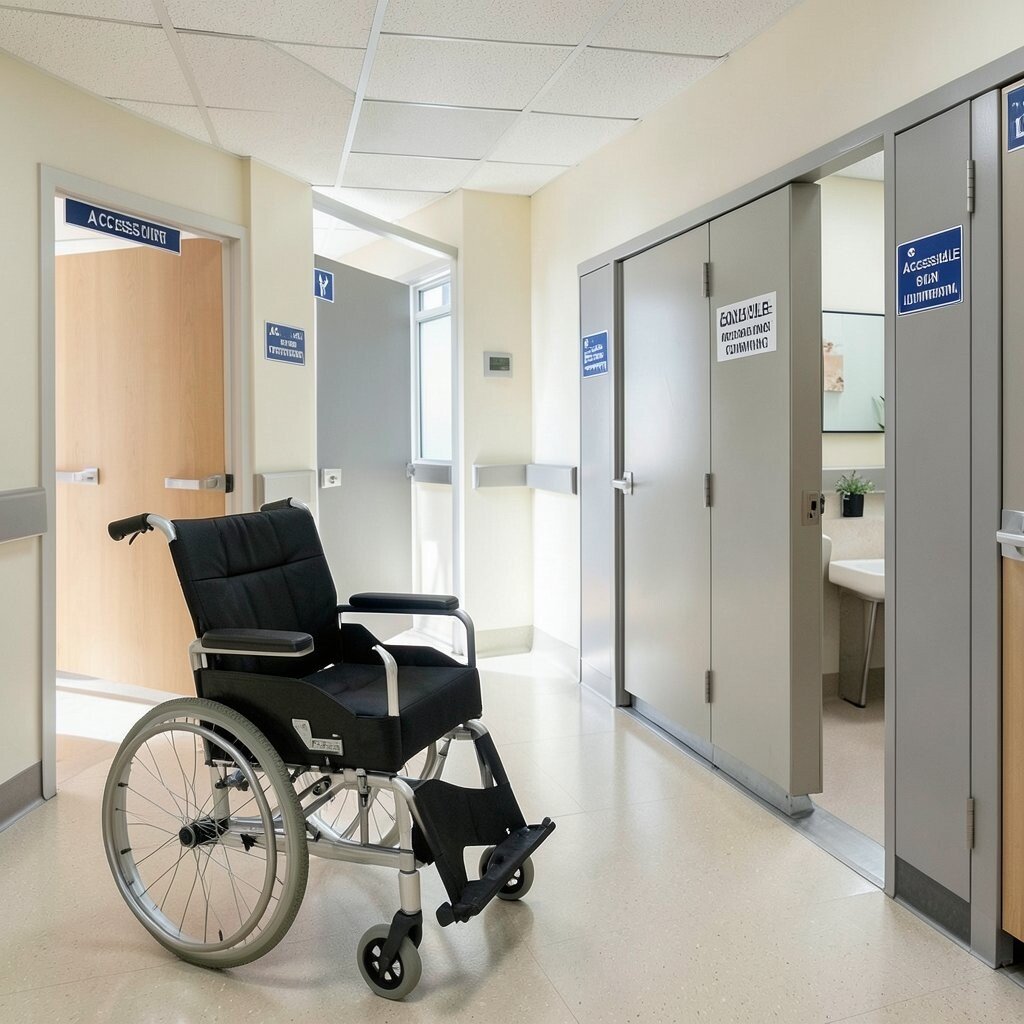
Picture public restrooms where the accessible option is obvious, clean, and easy to reach. A clear route reduces the embarrassment that some people feel when they can’t find what they need.
Work with venues to improve door widths, turning space, and the placement of grab bars at reachable heights. This benefits wheelchair users, people with limited stamina, and anyone needing step-free support. Practical tips include training staff to offer assistance discreetly and making sure signage is high-contrast and readable from a distance.
Make it unique by adding friendly language on signage that respects dignity and privacy. Personalize the approach by collecting feedback after events and adjusting layouts when issues appear.
16. Community Grant Drives For Quick Fixes That Matter
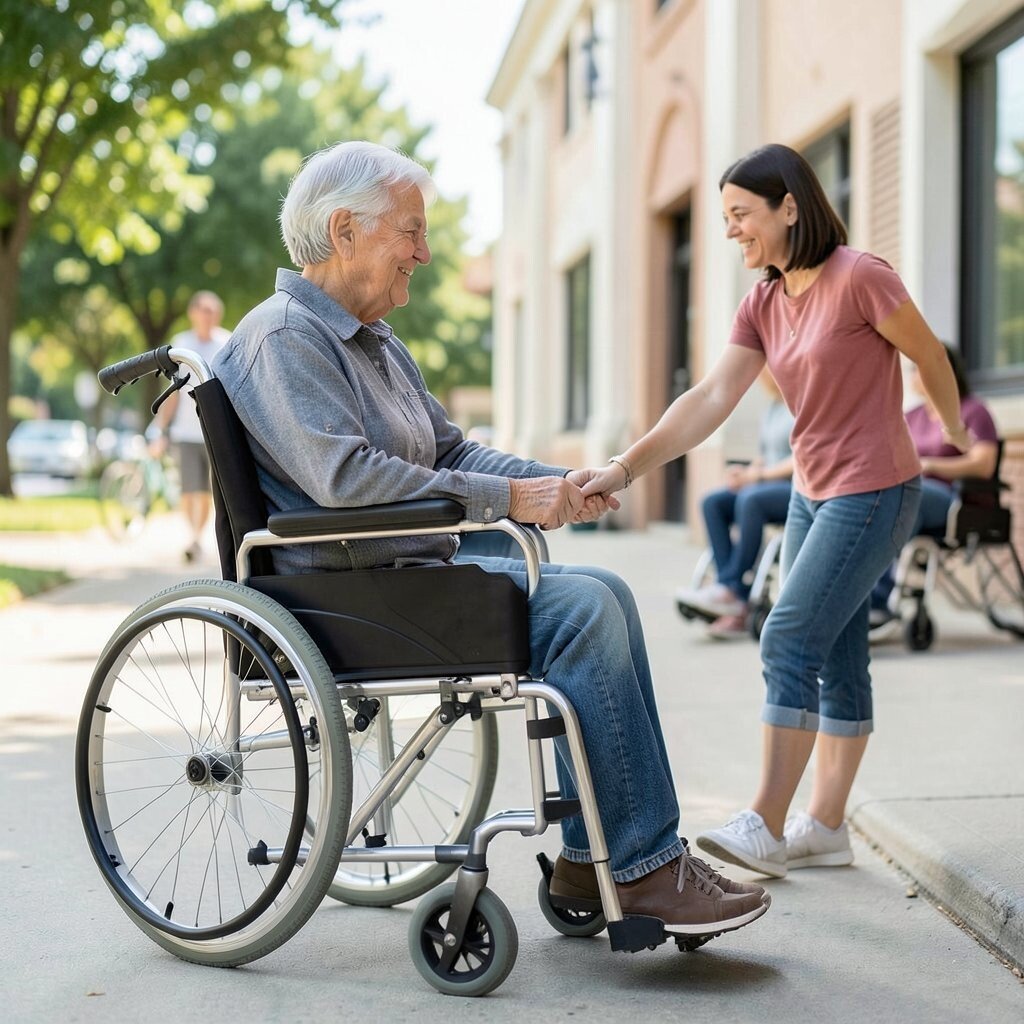
Imagine a neighborhood that funds the small changes that prevent big problems. Quick fixes like curb paint, temporary ramps, and barrier removal help people move immediately while bigger projects are planned.
Organize mini-grants with transparent goals and community voting on the highest-impact needs. This benefits the whole area by speeding up improvements and increasing trust in how resources are used. Keep costs realistic by prioritizing items that can be installed quickly and by partnering with local companies for in-kind support.
Personalize the grant themes around seasons, like winter traction supplies or summer route signage. This matches a current trend toward community-led funding and local stewardship.
17. Multi-Sensory Community Events With Calm Access
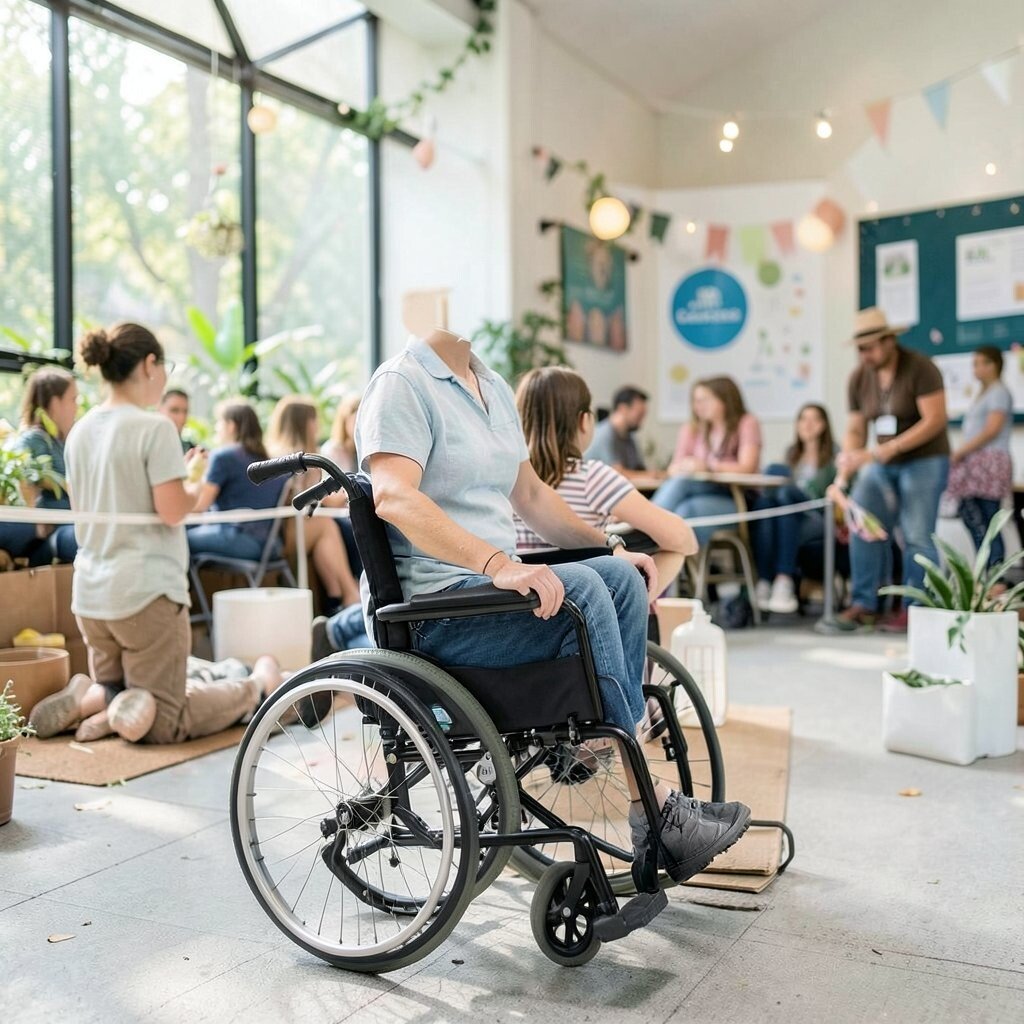
Picture a community event where noise, lighting, and crowds are managed with care. When spaces are calmer and routes are clear, wheelchair users and many others can enjoy the day more easily.
Add practical tips like reserving seating areas with more space, providing quiet zones, and using bright but soft visual cues for navigation. Benefits show up as lower stress and smoother movement, especially for people with sensory needs. Personalize experiences by offering multiple ways to participate, such as art stations, seated performances, and sensory-friendly games.
This uniqueness comes from treating access as more than ramps, and it matches a growing focus on inclusive event design. Keep training volunteers so support feels steady, kind, and consistent.
18. Fitness For Everyone With Inclusive Modifications
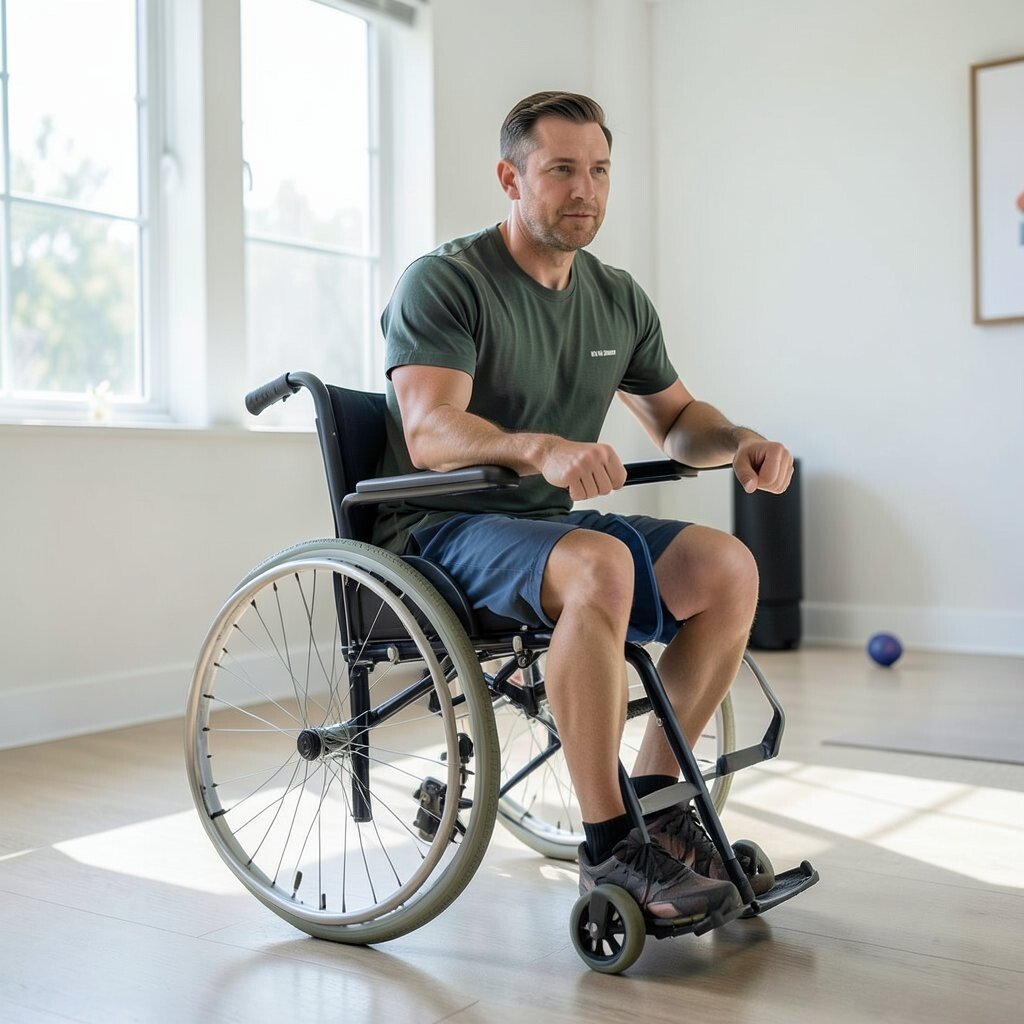
Imagine a community workout class where the instructor speaks in ways that fit every body. Chairs, bands, and seated options let people participate without feeling like they are watching from the sidelines.
Invite wheelchair users as co-instructors or guest trainers so movements are matched to real needs and real techniques. This benefits the group by improving safety and confidence for beginners and experienced participants alike. Practical tips include keeping pathways clear, using stable equipment that doesn’t shift, and placing water stations within easy reach.
Personalize classes by building variety, like seated cardio, strength routines, and gentle mobility sessions that fit different comfort levels. Costs can stay low by using shared equipment, community spaces, and sliding-scale fees.
19. Accessible Arts Studios With Adaptive Tools
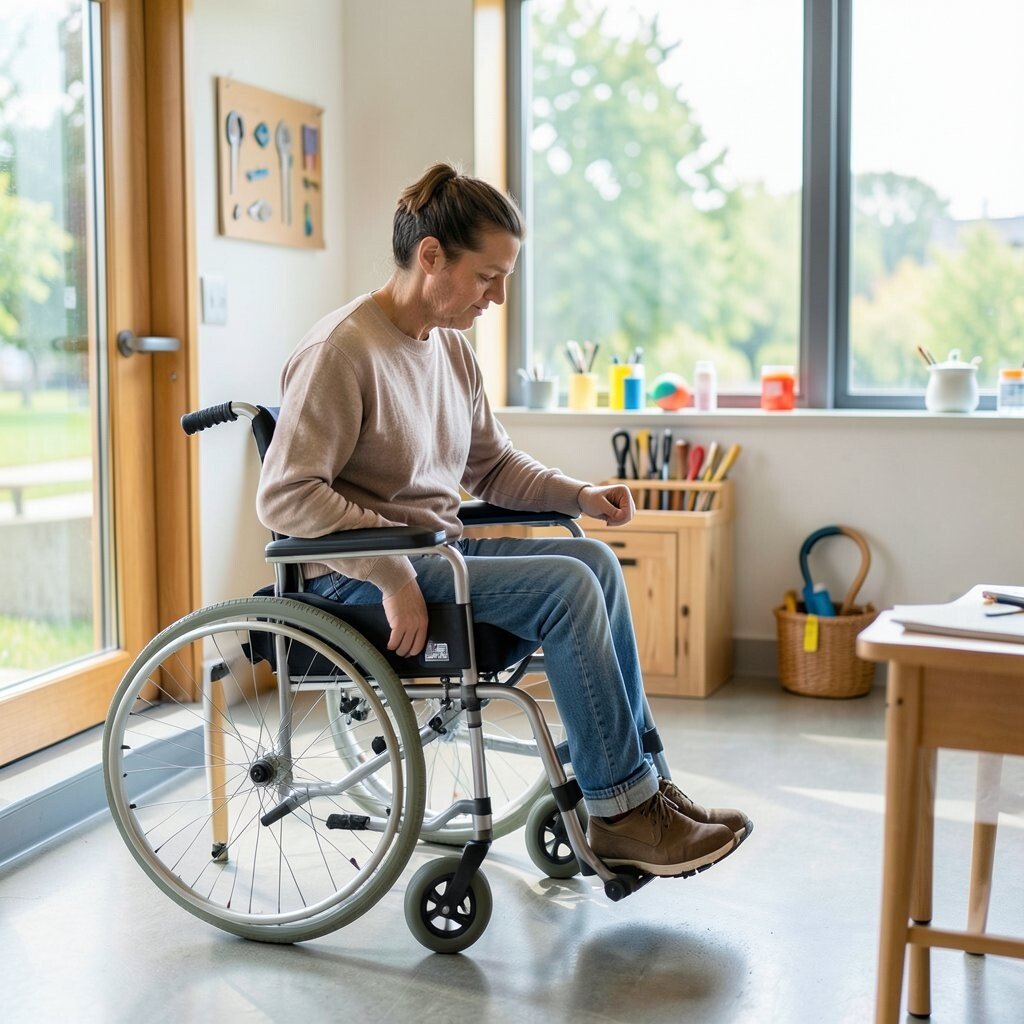
Picture an arts studio where creating feels smooth, not blocked by equipment. Art desks and easels adjust for comfort, while adaptive grips and tools make textures fun to handle.
Provide practical tips like setting up adjustable stands, labeling materials clearly, and using stable, easy-to-reach storage. This benefits wheelchair users by supporting independence, and it benefits the whole class by making supplies easier to find. Personalize projects by letting participants choose mediums that match their energy, such as painting, collage, or clay-friendly activities.
Make it unique by hosting “artist circles” where people share techniques and teach one another. Keep costs manageable by using reusable materials, borrowing tools, and building relationships with local makerspaces for shared resources.
20. Community Feedback Loops That Actually Change Things
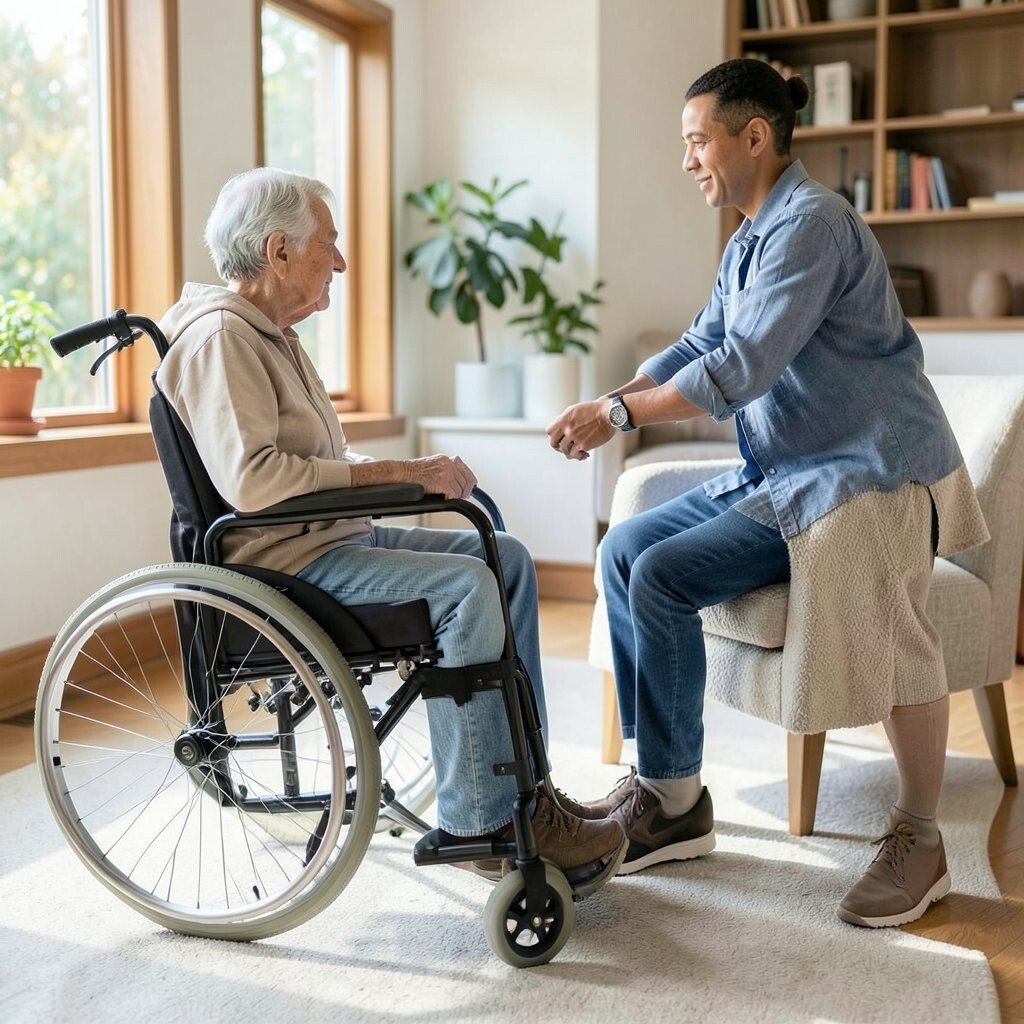
Imagine a neighborhood where concerns lead to results, not silence. A simple, ongoing feedback loop helps track barriers and celebrate fixes that make daily life easier.
Create a shared system for reporting access issues, then schedule regular reviews with wheelchair users and community members. This benefits everyone because problems get handled earlier, before frustration builds. Practical tips include using clear timeframes for responses, publishing what was fixed, and asking for suggestions on the next improvements.
Personalize the process by offering multiple ways to share input, like in-person conversations, forms at libraries, or event-based check-ins. This matches a current trend toward accountability in accessibility planning, and it builds long-term trust.