Whiteboard markers can do far more than write on a board. They can spark fresh thinking in a fun and simple way.
1. Color-Coded Idea Clouds
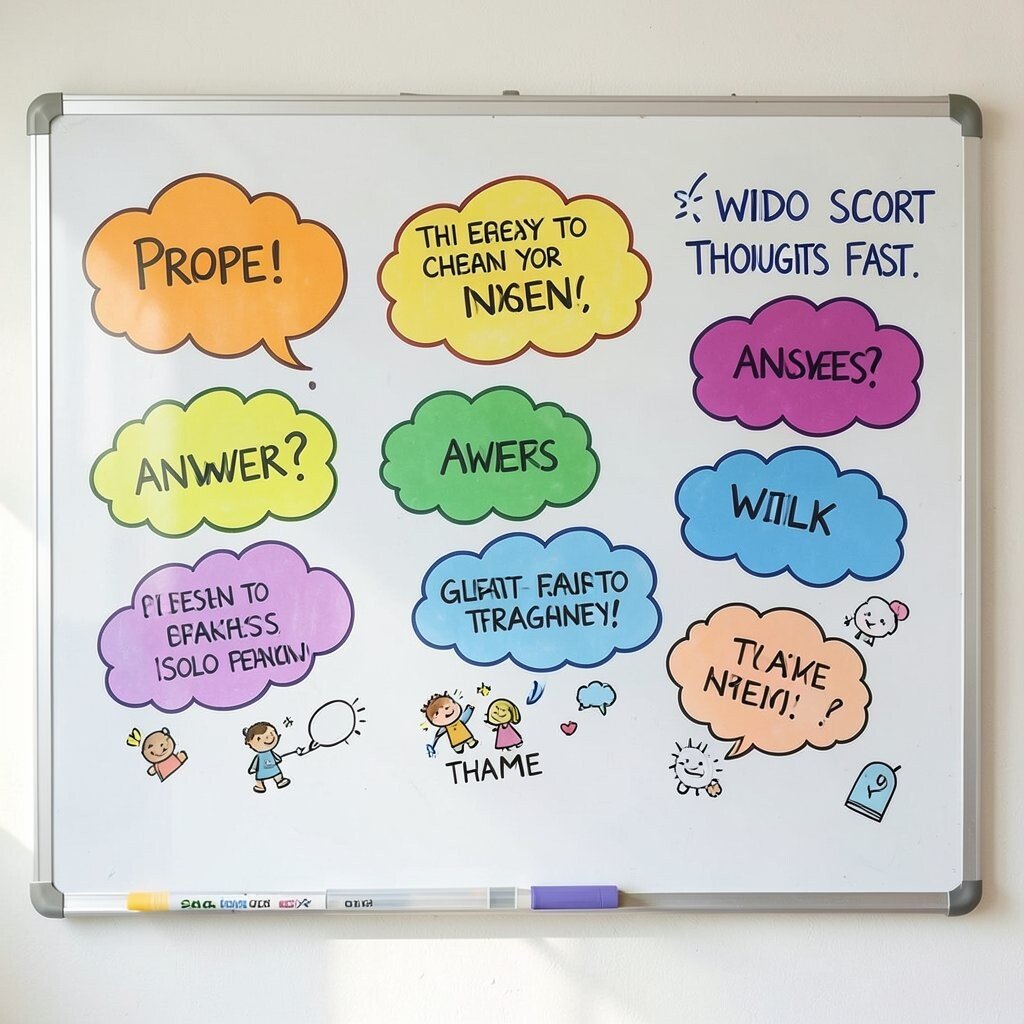
Fill a whiteboard with idea clouds in different marker colors. The bright shapes make the board feel lively and help your brain sort thoughts fast.
Use one color for problems, one for answers, and one for wild ideas. This setup is easy to change, cheap to start, and great for kids, teams, or solo planning. Try adding your name, a theme, or tiny doodles to make it feel personal.
2. Quick Sketch Storyboards
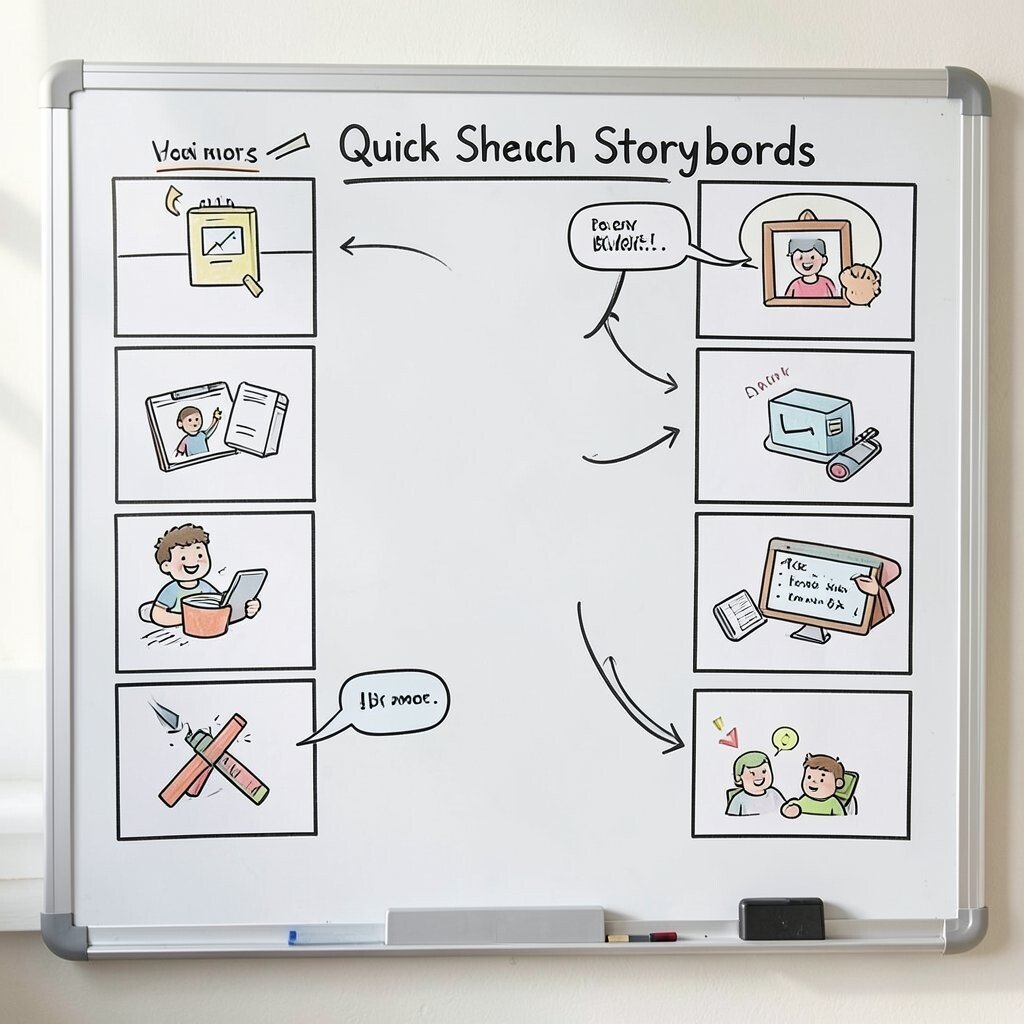
Turn a blank board into a comic-style story map. Simple boxes and marker drawings can make an idea feel real in minutes.
This works well for class projects, video plans, and product ideas. It is low-cost because you only need markers and a board, and the rough look can make people feel less scared to share. Add speech bubbles, arrows, or favorite colors to give each board its own style.
Many people now use fast sketch boards for meetings and content planning because they are clear and easy to update. Keep the drawings simple so the message stays strong. A few bold lines can say more than a long note.
3. Mood Map Walls
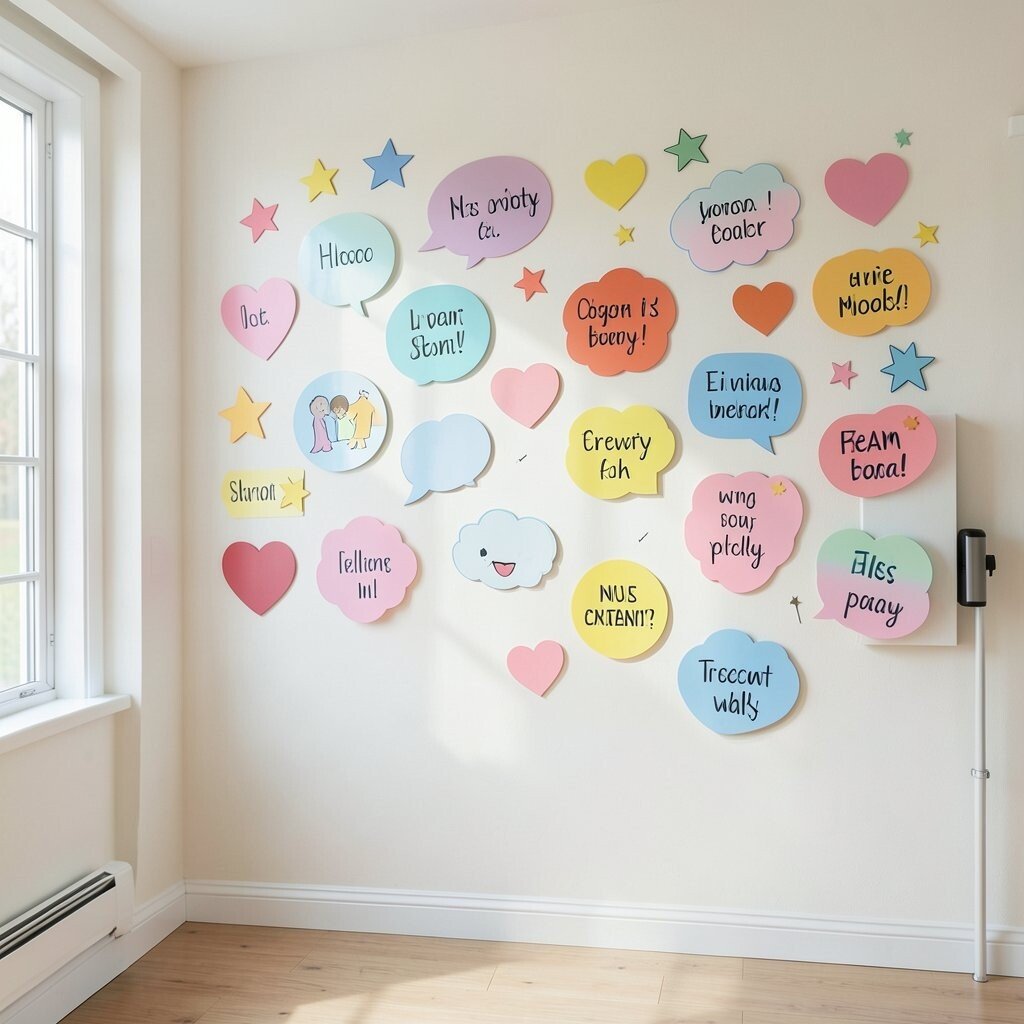
Create a wall of feelings, colors, and words that match your mood. The mix of shapes and shades can make the space feel warm and alive.
This idea helps with self-checks, art prompts, and team talks. It costs little, works with any marker set, and can be changed every day. Personal touches like stars, hearts, or favorite phrases make the wall feel special.
Try using soft colors for calm ideas and bright colors for bold ideas. That small choice can guide the mood of the whole room. It is a simple way to make creativity feel more personal.
Some people use mood walls as a daily habit before school or work. The board becomes a safe place to name feelings without pressure. That can help ideas flow more freely.
4. Timer-Based Brain Bursts

Set a timer and fill the board with fast marker notes before time runs out. The quick pace can wake up sleepy ideas and keep the mind moving.
This method is great for solo work or group games. It costs almost nothing, needs only markers and a board, and gives everyone a fair chance to add ideas. Use different colors for each round to make the board look active and easy to read.
5. Personal Symbol Boards
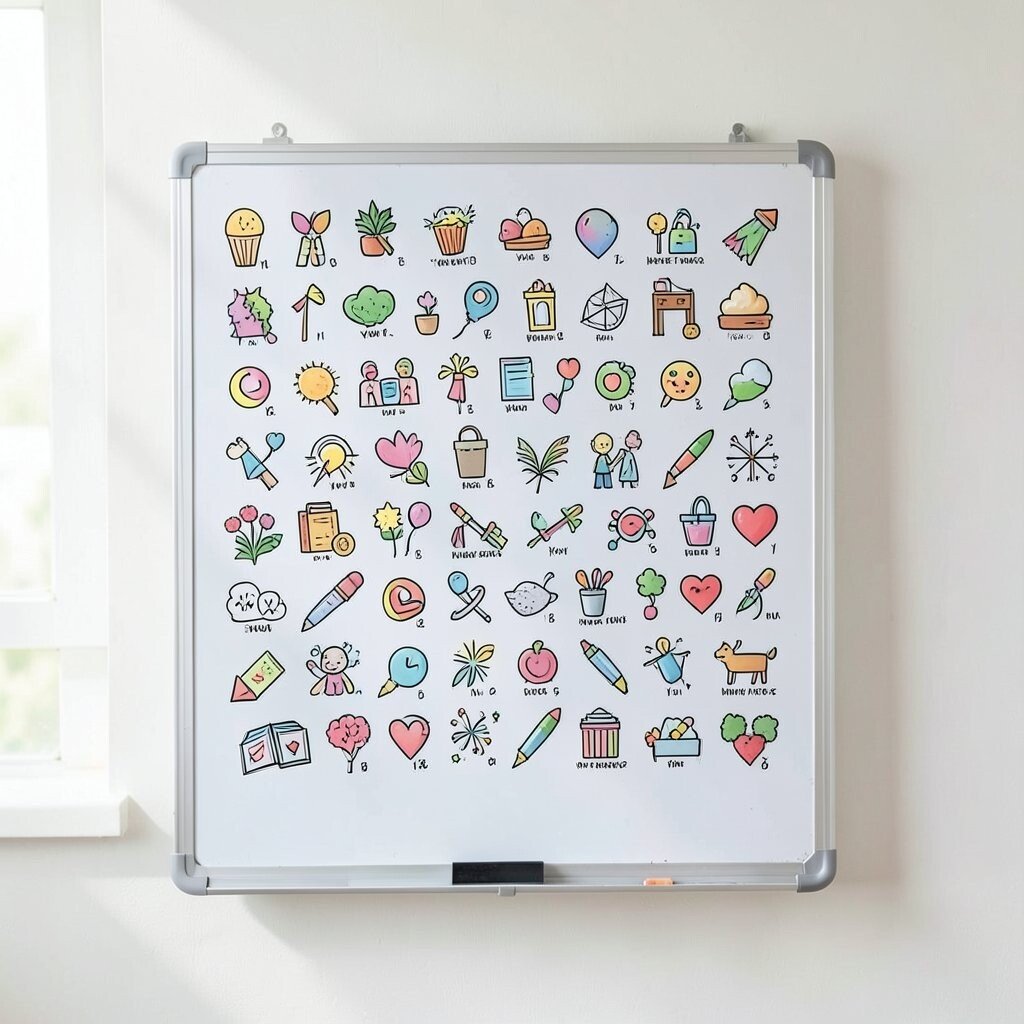
Draw symbols that stand for your goals, dreams, or favorite things. A board full of signs can feel like a secret map made just for you.
This is a fun way to make ideas stick in your mind. It works with simple markers, so the cost stays low, and no art skill is needed. Add your initials, favorite colors, or tiny icons to make the board truly yours.
Symbol boards are popular because they feel both playful and useful. They can sit on a desk, hang in a room, or help plan a project. The best part is that every symbol can mean something only you understand.
6. Branching Thought Trees
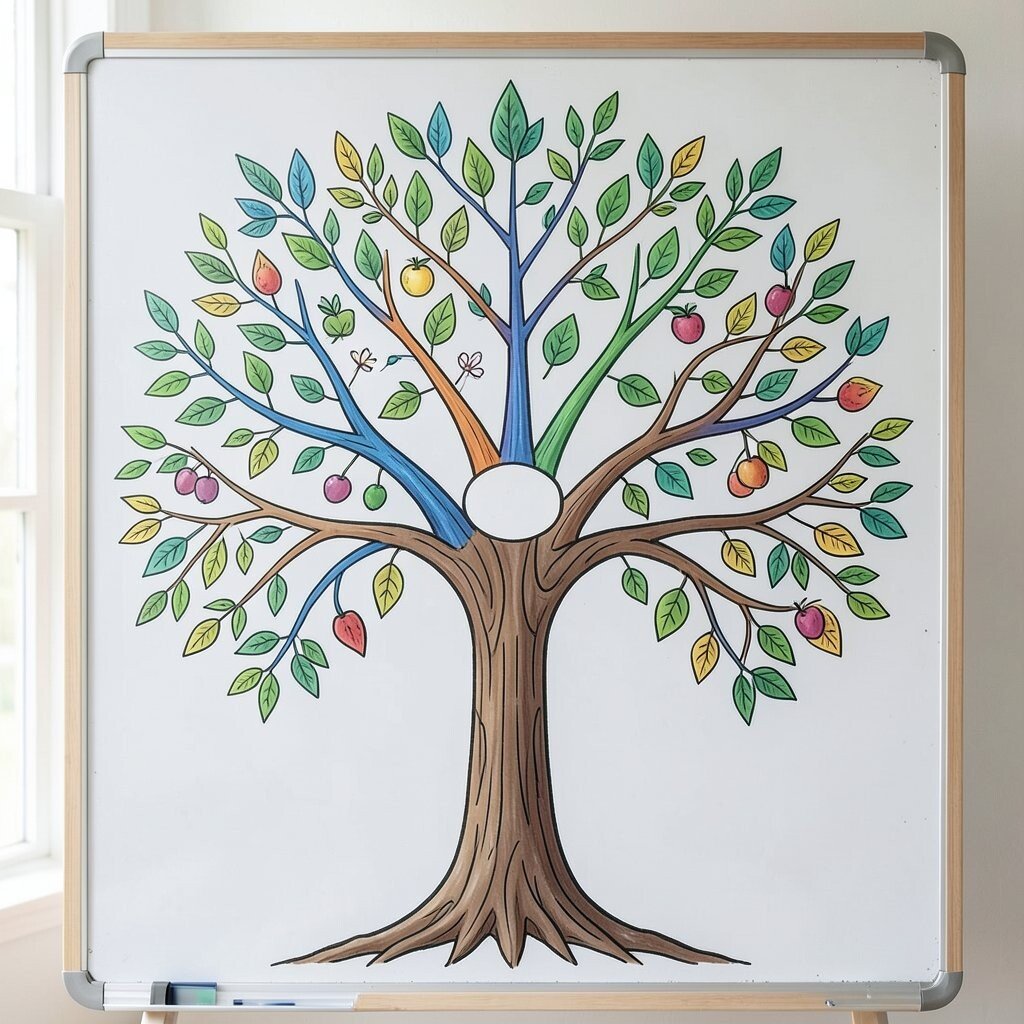
Start with one main idea in the center and draw branches that spread out. The tree shape makes big thoughts feel neat and easy to follow.
This style is helpful for homework, planning, and group chats. It costs very little, and the clear lines make the board look smart without feeling stiff. You can add leaves, fruit, or tiny notes to make the tree more fun and personal.
Try using one marker color for main branches and another for smaller details. That contrast makes the board easier to read from far away. It also gives the whole idea map a fresh, modern look.
Many people like thought trees because they show growth. One idea can lead to many more, and that can feel exciting. It is a strong choice when you want to build on a single spark.
7. Mini Challenge Grids
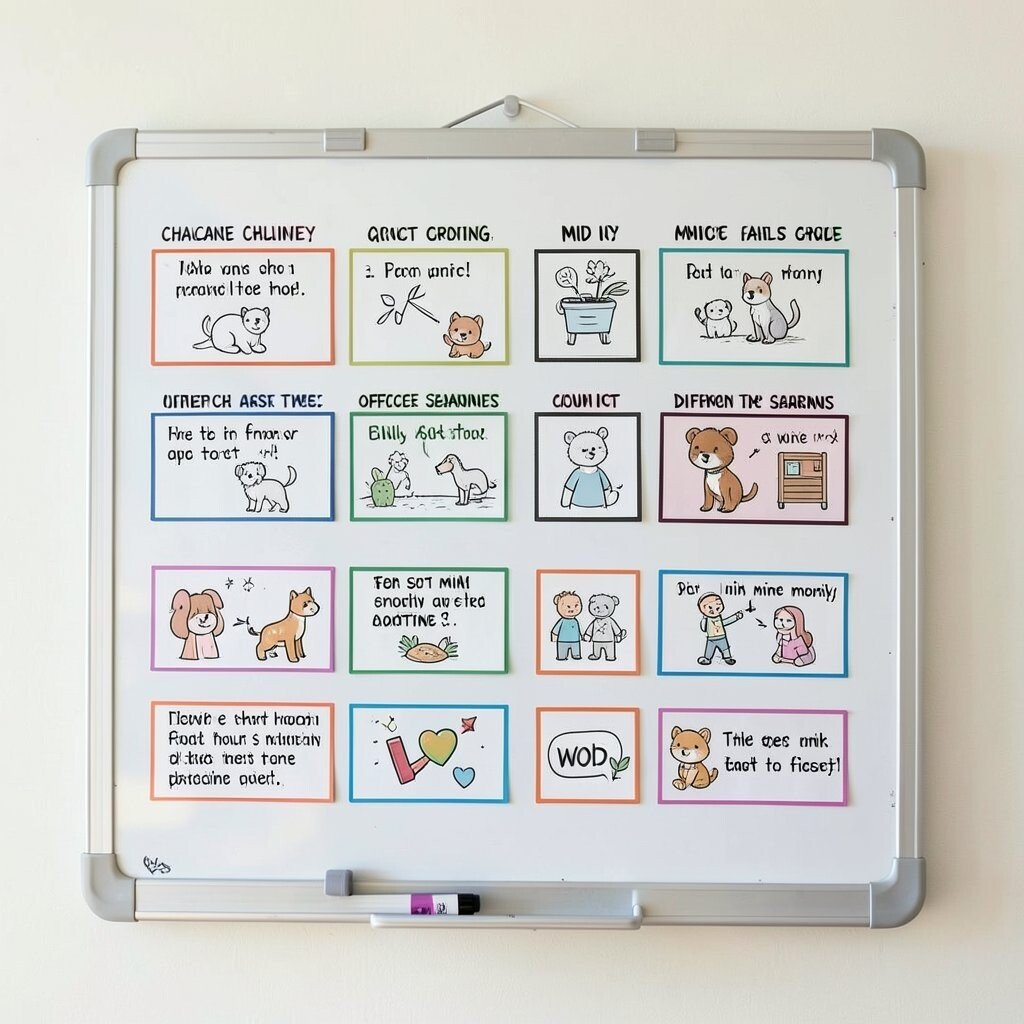
Draw small boxes for quick creative tasks. Each box can hold a prompt, a sketch, or a word to get the mind moving.
This is useful for classrooms, offices, and family game time. The setup is cheap, easy to repeat, and simple to personalize with themes like animals, seasons, or favorite shows. Different marker colors can help each box stand out and keep the board cheerful.
Challenge grids fit well with today’s fast idea style. People like short tasks that feel fun and quick to finish. A board like this can keep energy high without much effort.
8. Quote and Doodle Mixes
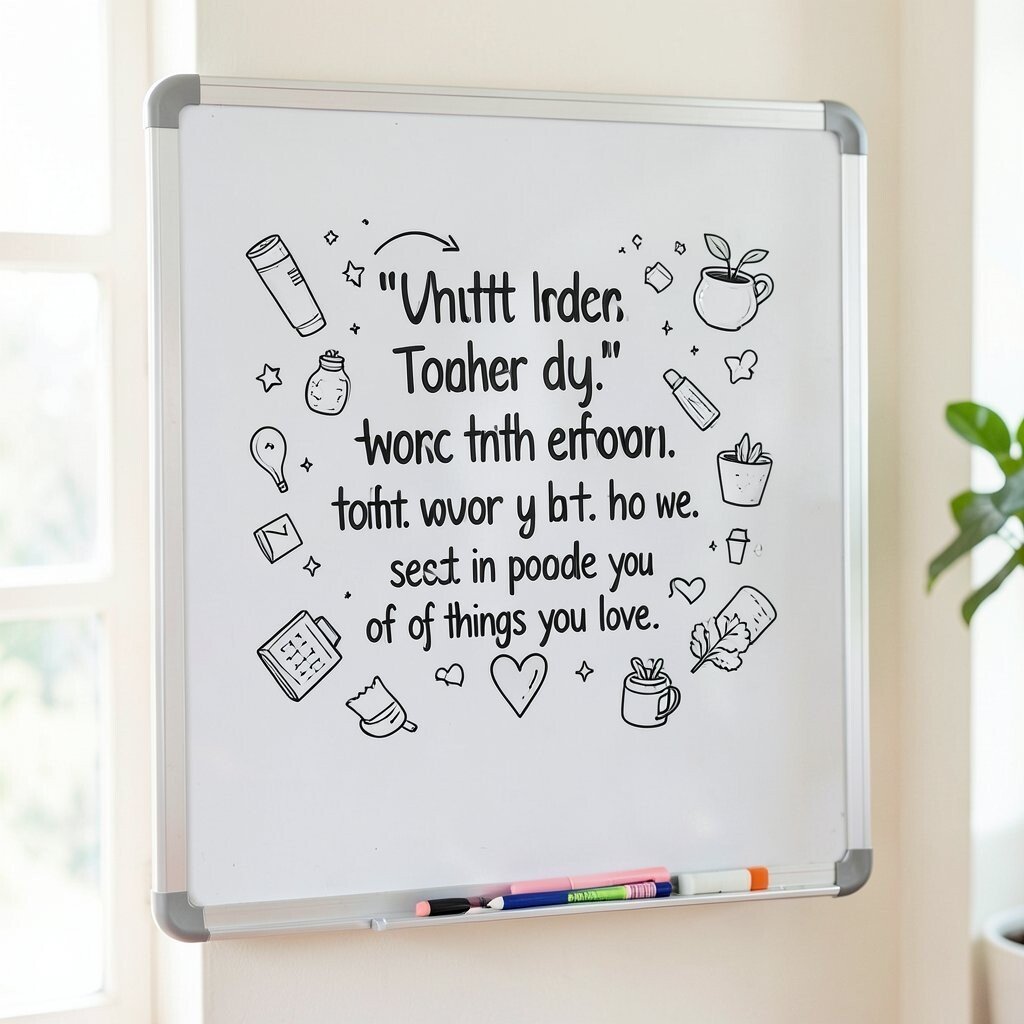
Write a short quote and surround it with doodles. The mix of words and art makes the board feel bright and friendly.
This idea can lift your mood and help a space feel more alive. It is low-cost, easy to change, and perfect for people who enjoy both writing and drawing. Make it personal by using quotes that matter to you or doodles of things you love.
Use thick marker lines for the main words and thin lines for the little art. That contrast helps the quote stand out right away. It also gives the board a polished look without much work.
Many people use quote boards in home offices and study spots. They can add a calm or playful touch, depending on the words you choose. A simple phrase can set the tone for the whole day.
9. Color Path Planning
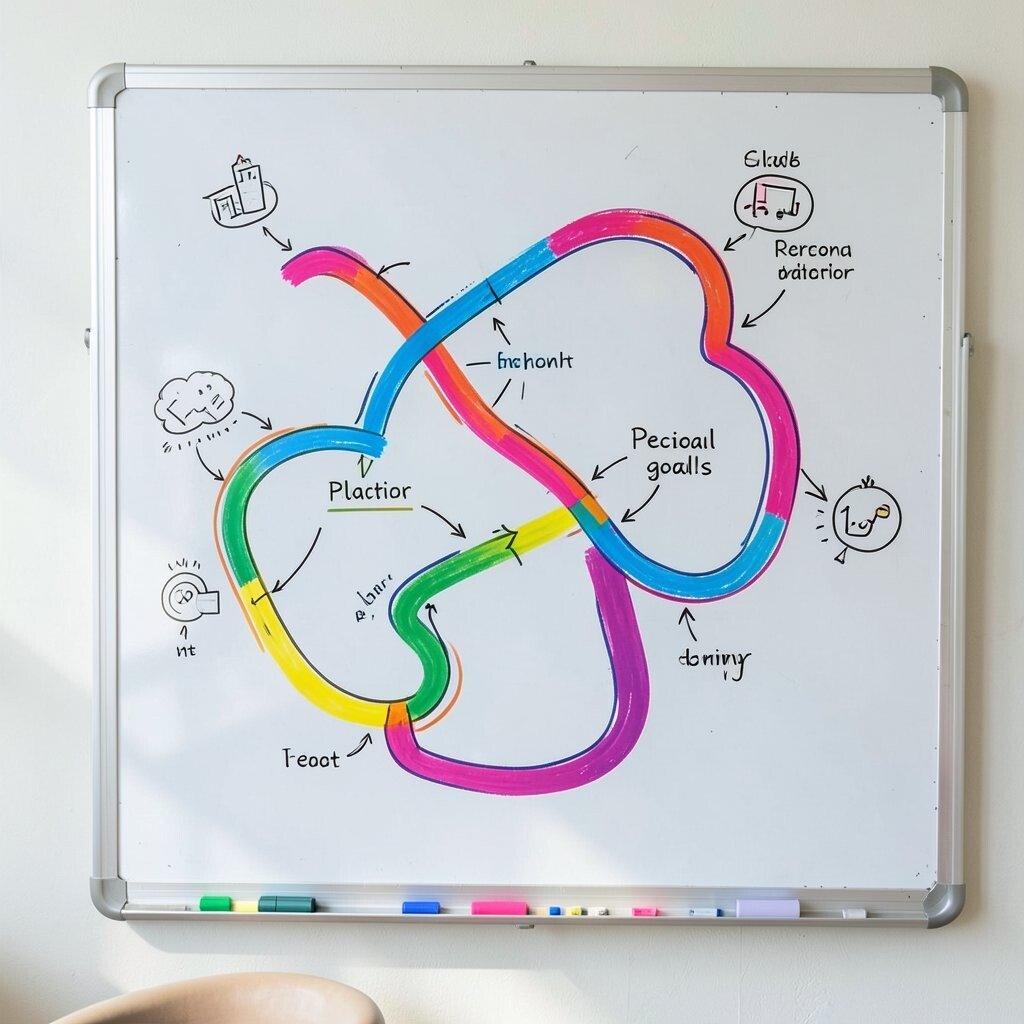
Draw a path across the board that shows steps, choices, or goals. The path can twist, split, or loop, which makes planning feel more like a game.
This works well for project maps and personal goals. It is affordable because markers and a whiteboard are enough, and the path can be erased and redrawn at any time. Add signs, arrows, or small icons to make the route fit your style.
Bright path boards are a nice fit for current visual planning habits. People like seeing progress in a clear and colorful way. A path can make a big job feel smaller and more doable.
10. Shared Team Canvas
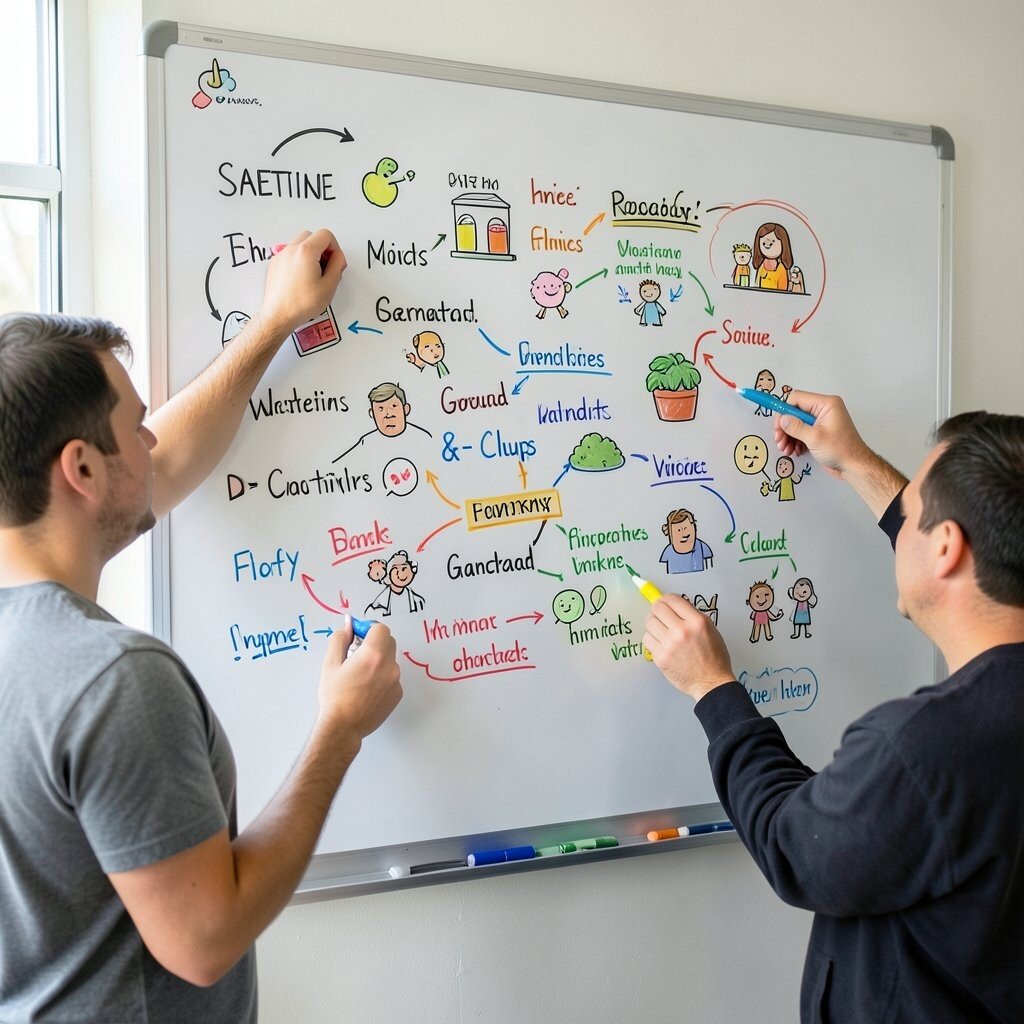
Give each person a marker color and let the board grow as a group. The mix of styles can make the canvas feel full of energy and teamwork.
This idea is strong for meetings, clubs, and class work. It costs little, encourages sharing, and helps each person feel seen. Personal names, shapes, or small drawings can make each voice easy to spot.
Try setting a simple rule so the board stays neat. For example, each person can add one idea, one doodle, and one note. That small structure keeps the canvas open but not messy.
Shared boards are popular because they support fast group thinking. They also make it easy to compare ideas at a glance. When everyone adds a touch of color, the board feels like a team project from the start.
11. Pattern Play Panels
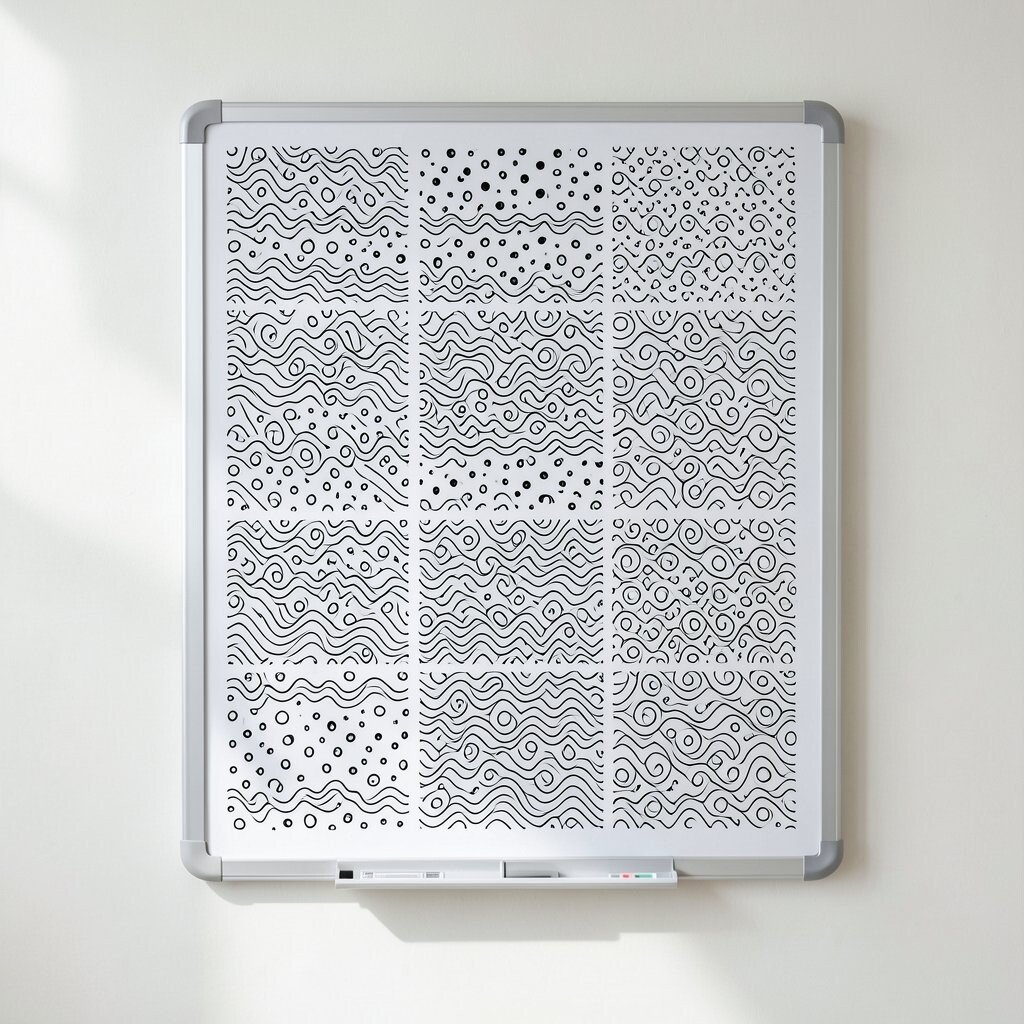
Fill a board with repeating lines, dots, loops, and waves. The patterns can calm the mind and still keep it busy in a good way.
This is a nice choice for stress relief and art warmups. It is very cheap, since even one marker can work, and the finished board can look bold and stylish. Add your own pattern mix to make it feel different from a regular drawing.
Pattern panels fit well with today’s love of simple design. Many people enjoy clean lines and neat shapes that look good in any room. You can make the panel soft, sharp, busy, or smooth based on your mood.
Try changing marker pressure to make thin and thick lines. That small trick adds depth without extra tools. It also helps the board feel more creative and less flat.
12. Idea Ladder Steps
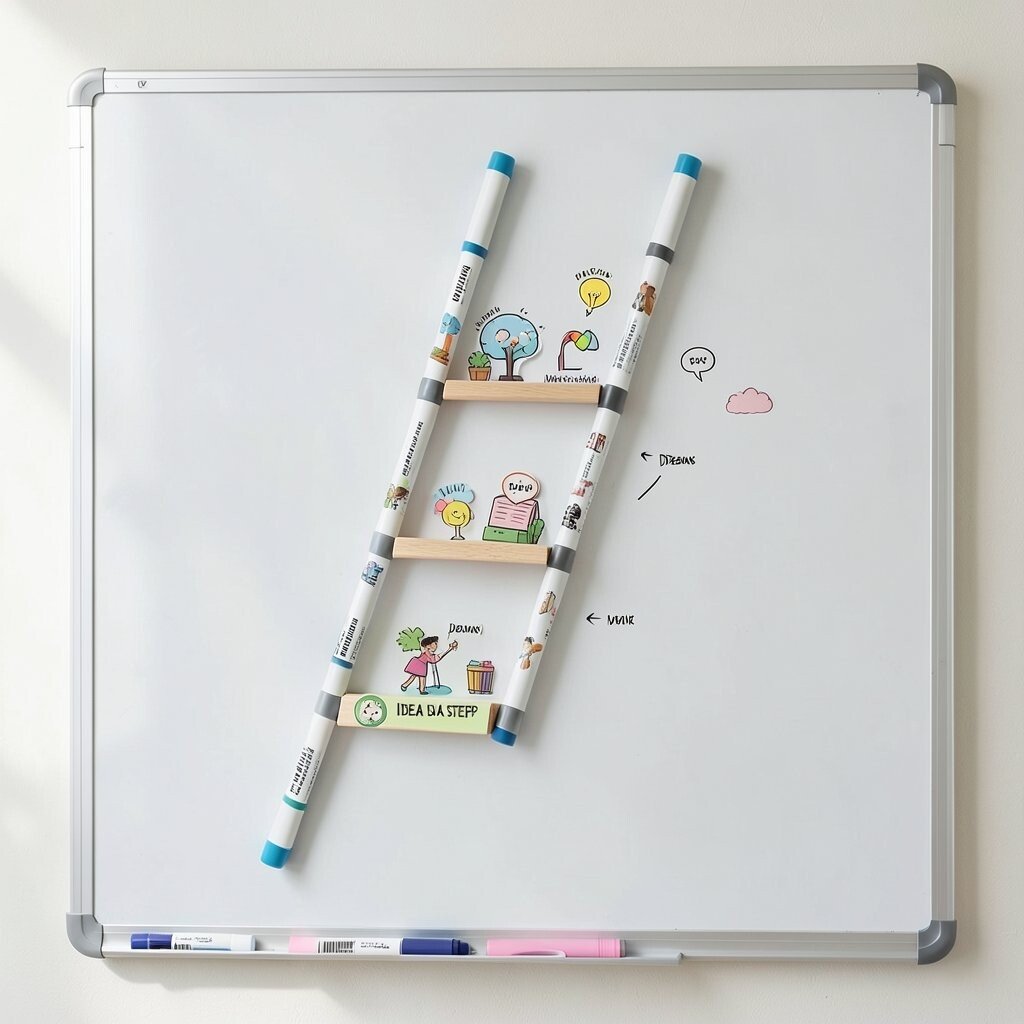
Draw a ladder and place one idea on each rung. The shape makes progress easy to see and gives the board a strong sense of movement.
This is useful for goal setting, lesson plans, and step-by-step tasks. It costs very little and can be updated fast as ideas grow. Add colors, stickers, or tiny icons to make each step feel like a win.
Idea ladders can be personal too. You might label the rungs with habits, dreams, or small daily tasks. That makes the board feel like a private guide instead of just a list.
Many people like ladder layouts because they show how one step leads to the next. The shape also makes it easy to notice what comes before and after. That can help people stay focused and keep moving.
13. Theme Swap Boards
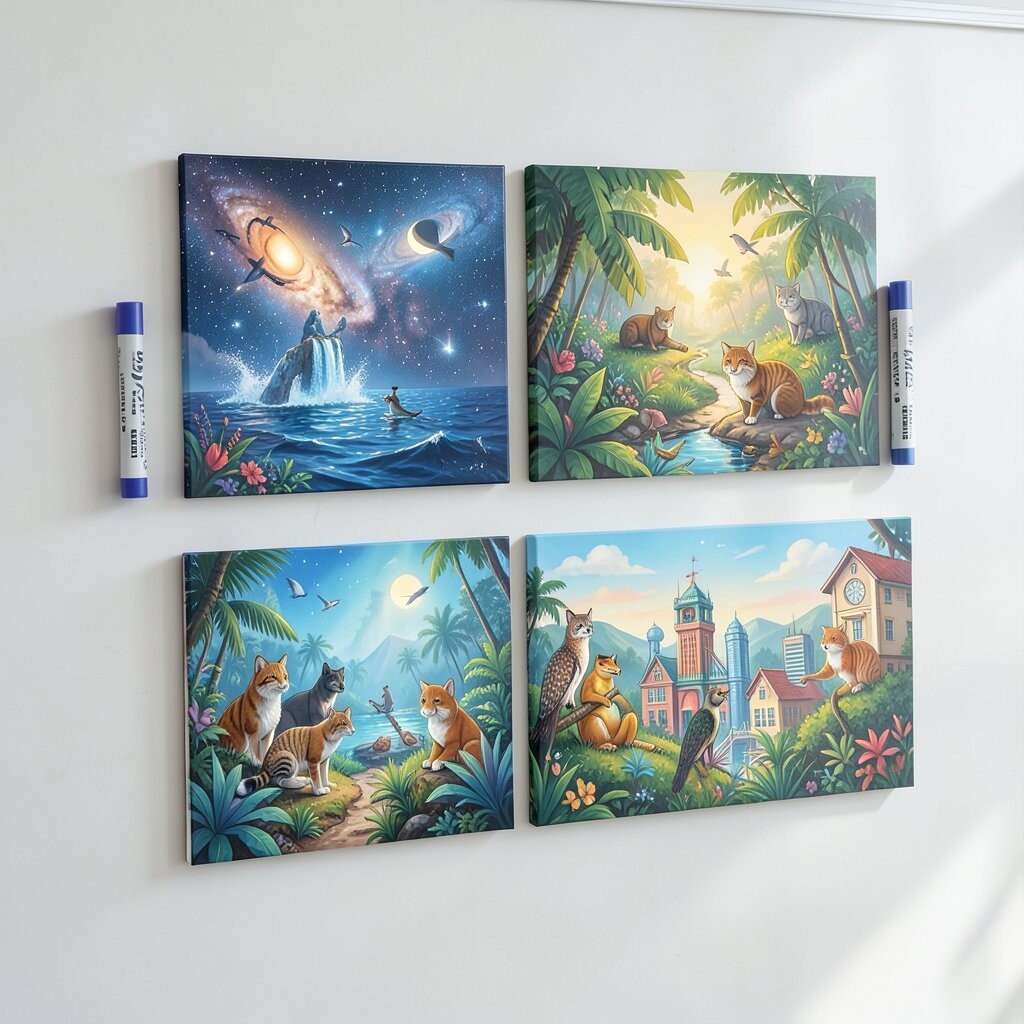
Pick one theme and change it often, like space, ocean, jungle, or city life. The board becomes a fresh scene each time, which keeps ideas from feeling stale.
This is a fun way to match seasons, school topics, or events. It is budget-friendly because the same board and markers can be used again and again. Personal touches like favorite animals or colors make each theme feel special.
Theme swap boards fit today’s love of quick refreshes. People enjoy changing the look of a space without buying much. A new theme can make old ideas feel exciting again.
Try using one main color family for each theme. That helps the board feel united and easy on the eyes. It also makes the whole setup look more polished with very little effort.
14. Question Spark Zones

Write bold questions in large marker letters and leave space around them. The open areas invite answers, sketches, and new thoughts to appear.
This approach helps with brainstorming and class talks. It is low-cost, simple to set up, and easy to personalize with questions that matter to your life. Use different colors for each question so the board feels active and clear.
Question zones work well when you need fresh thinking fast. They can turn a blank board into a lively idea space. A strong question can open the door to many answers.
Try adding small hint words under each question. Those hints can guide shy thinkers without taking away freedom. The result is a board that feels open, kind, and useful.
15. Tiny Box Memory Maps
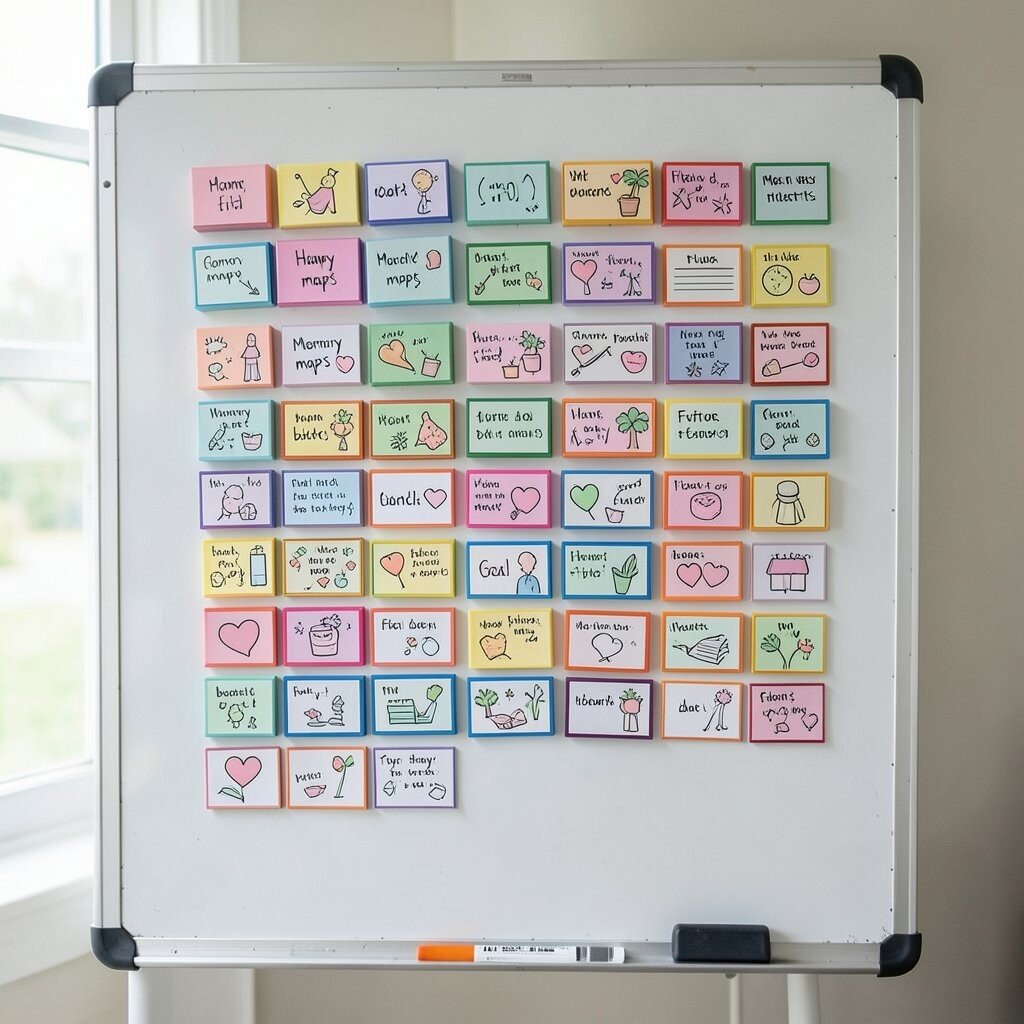
Draw a grid of tiny boxes and fill each one with a memory, goal, or fun moment. The small spaces make it easy to start, even when the mind feels crowded.
This idea is great for journaling, planning, and creative reflection. It costs almost nothing, works with any marker set, and can be made more personal with dates, names, or little symbols. Different colors can help separate happy memories from future ideas.
Memory maps are a gentle trend because they mix art with thought. People like seeing life in small pieces that feel easy to hold. Each box can tell a tiny story without needing a lot of words.
Try making one box a day and watching the board fill over time. That slow build can feel rewarding and calm. It also turns the whiteboard into a living record of ideas and moments.
16. Wild Card Marker Mashups
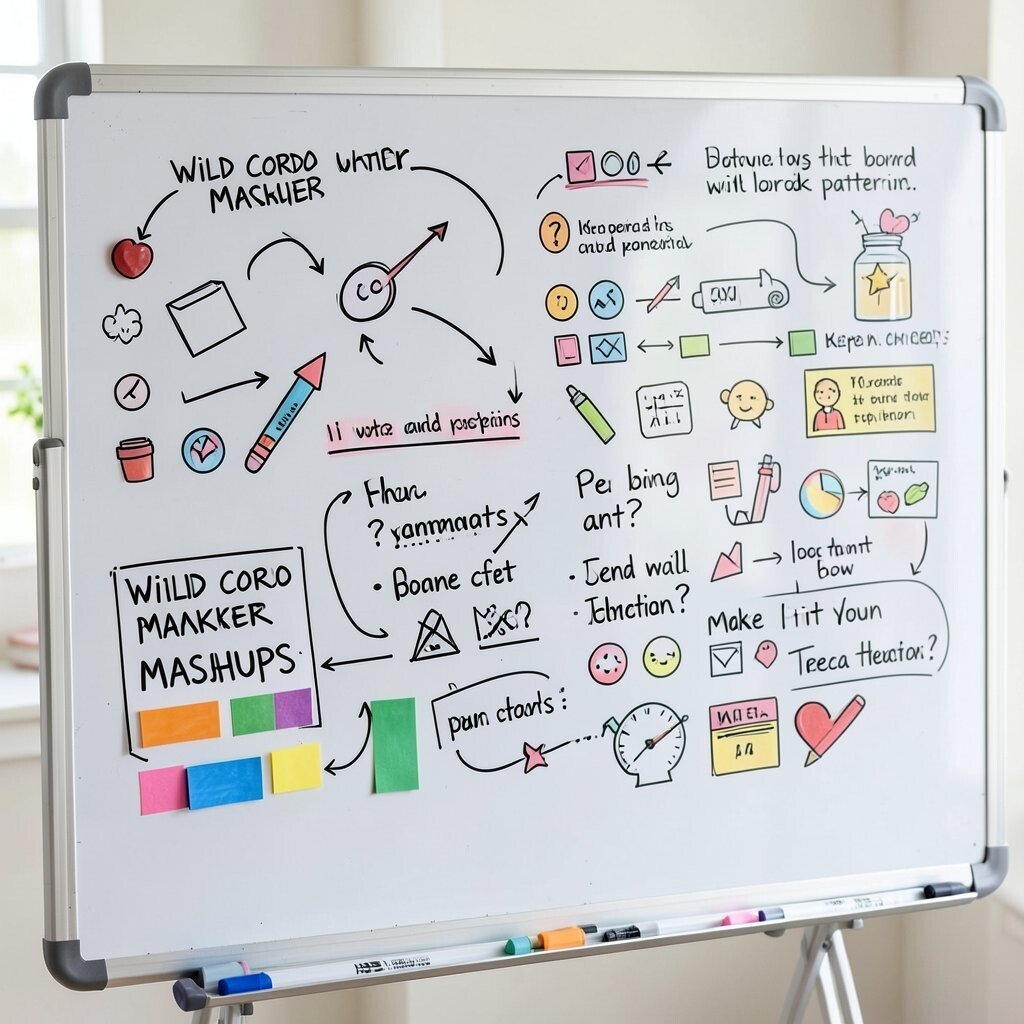
Mix several whiteboard marker ideas on one board and make your own style. A mashup can include sketches, questions, arrows, symbols, and color blocks all at once.
This is the most personal option because no two boards will look the same. It is still affordable, since you only need markers and a board, and it gives you room to try current visual styles like bold outlines and simple icons. Start with one small section and keep building until the board feels alive.
Marker mashups are perfect for people who do not want to follow one fixed pattern. They can show mood, plan, art, and teamwork in a single place. The best part is that you can change the board anytime and make it fit your own creative flow.