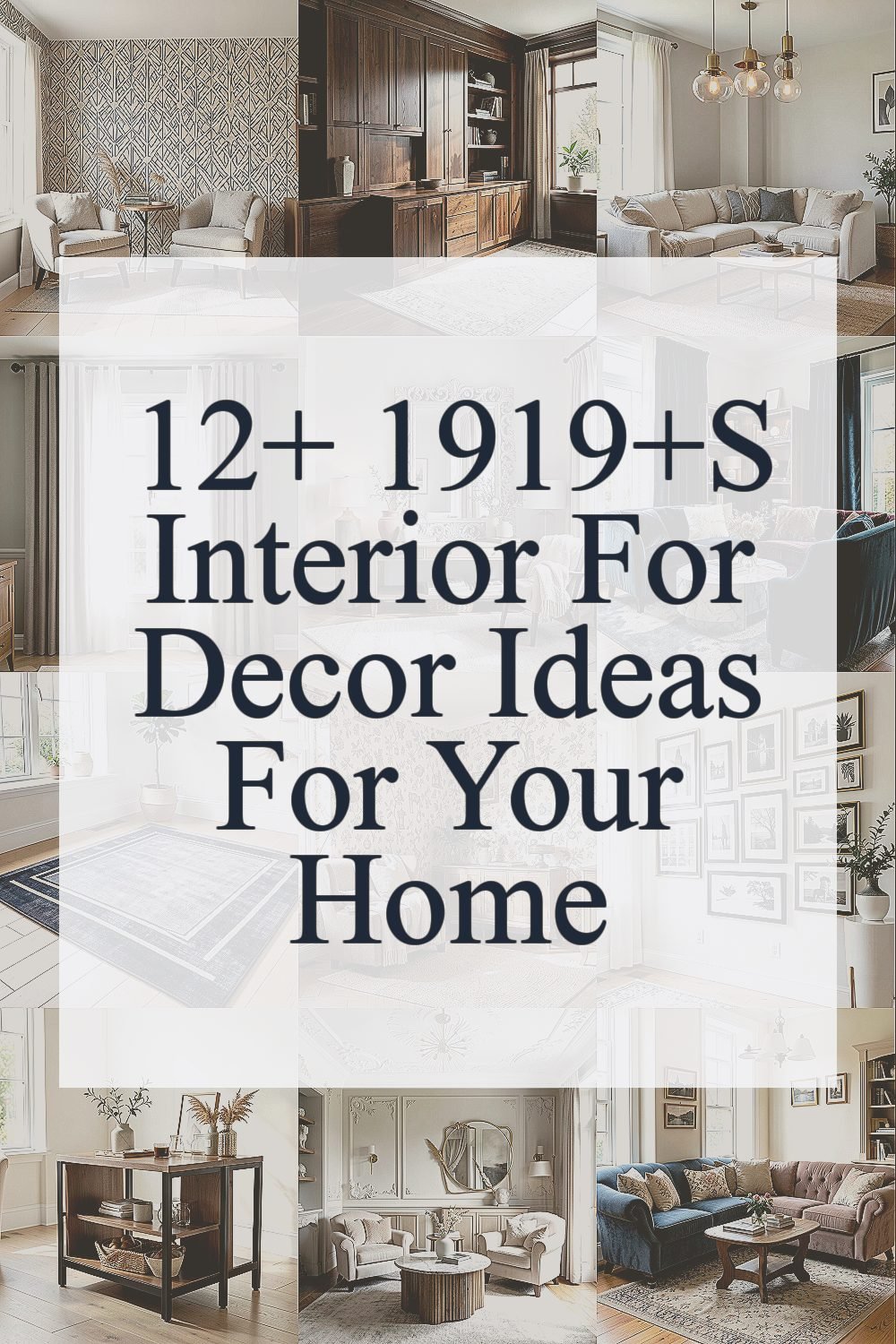
Step into rooms that feel like a silent movie set, yet still live beautifully today. Vintage choices can be playful, bold, and surprisingly practical.
From glimmering details to cozy corners, these ideas help you shape a home with that lively 1920s spirit. Use what fits your life, skip what doesn’t, and enjoy the process.
1. Add Art Deco Geometric Patterns to Your Walls
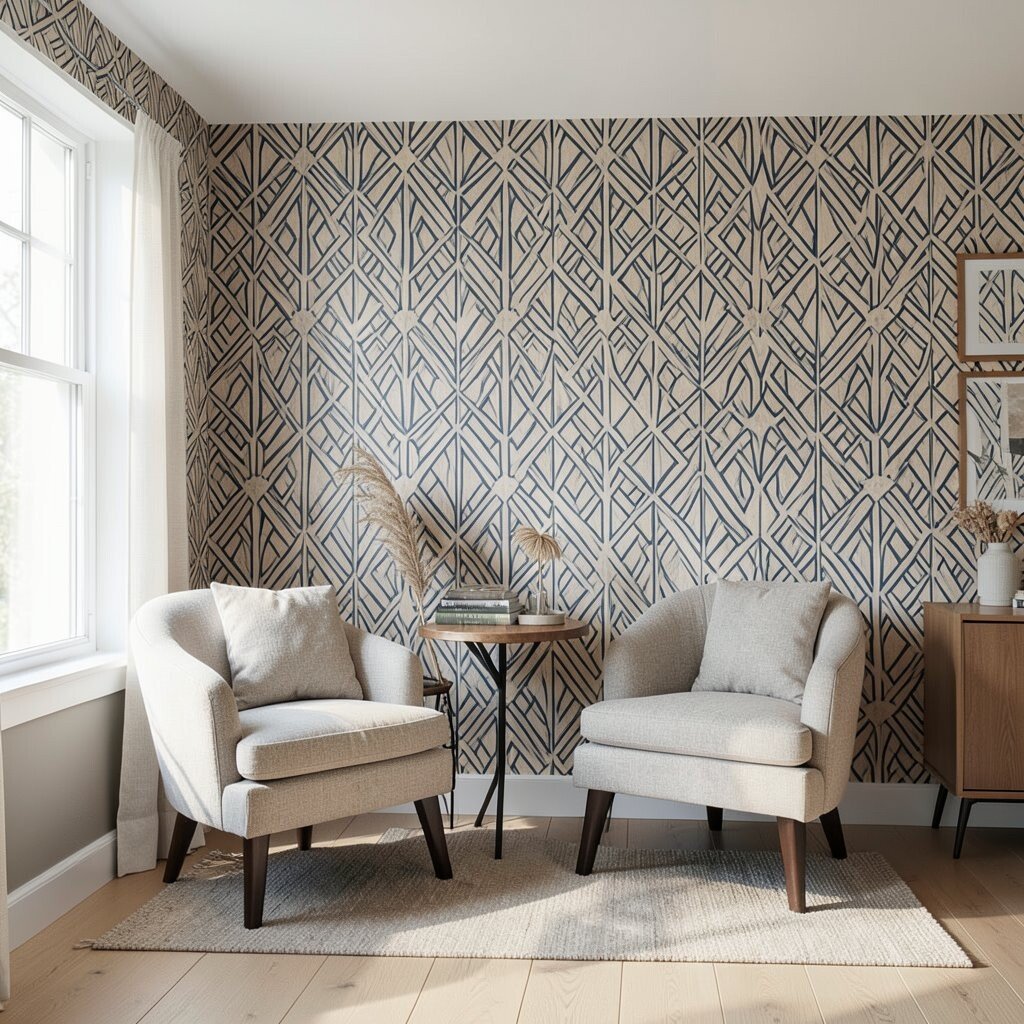
Sharp lines and repeating shapes instantly bring the 1920s mood into a room. Think of sunbursts, chevrons, and fan motifs that feel confident and bright.
Choose one feature wall to keep the look balanced and easy to live with. Peel-and-stick wallpaper or removable decals make this step affordable and renter-friendly. Pair the pattern with simple paint on the other walls so your furniture can shine without visual stress.
2. Choose Dark-and-Warm Wood Tones for Instant Character

Rich walnut, mahogany, and polished oak make a space feel grounded and elegant. Even a small table or bookshelf can change the mood when the color feels deep and warm.
Look for finishes that show subtle grain instead of heavy gloss. You can often refresh old pieces with gentle sanding and a stain that matches your style. This approach gives you uniqueness without needing a full room makeover.
To keep it practical, mix one darker wood item with lighter accents like linen curtains or off-white rugs. That contrast helps the room feel welcoming instead of heavy. When budgeting, shop for one hero piece first, then build the rest around it.
3. Style Your Lighting with Brass, Glass, and Soft Shine
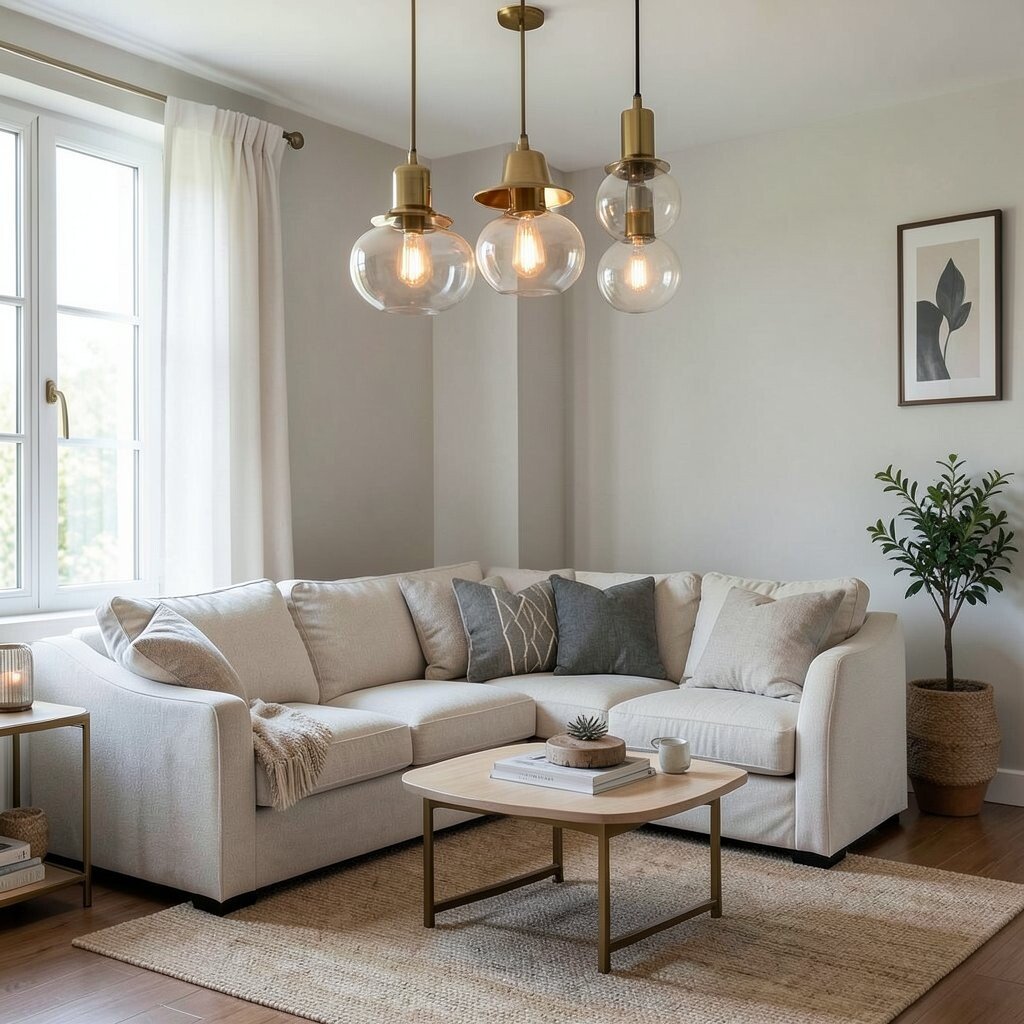
Lighting sets the mood faster than almost anything else. Brass finishes, frosted glass, and warm bulbs create that gentle glow you associate with grand evenings.
A floor lamp with a geometric shade can read as both stylish and useful for daily life. If you love sparkle, add a chandelier or a small pendant over a dining area to make the center feel special. The glow will make even plain walls look more finished and tailored.
For cost-smart planning, start with one statement lamp and then add two matching table lamps later. Choose warm white bulbs so the shine feels cozy, not harsh. If you collect vintage items, just check that wiring is safe and up to code before you use them.
When you want personalization, pick shades in cream, ivory, or muted gold to suit your furniture colors. This keeps your home feeling like you, not like a showroom.
4. Hang Drapery with Clean Lines and a Classic Shape
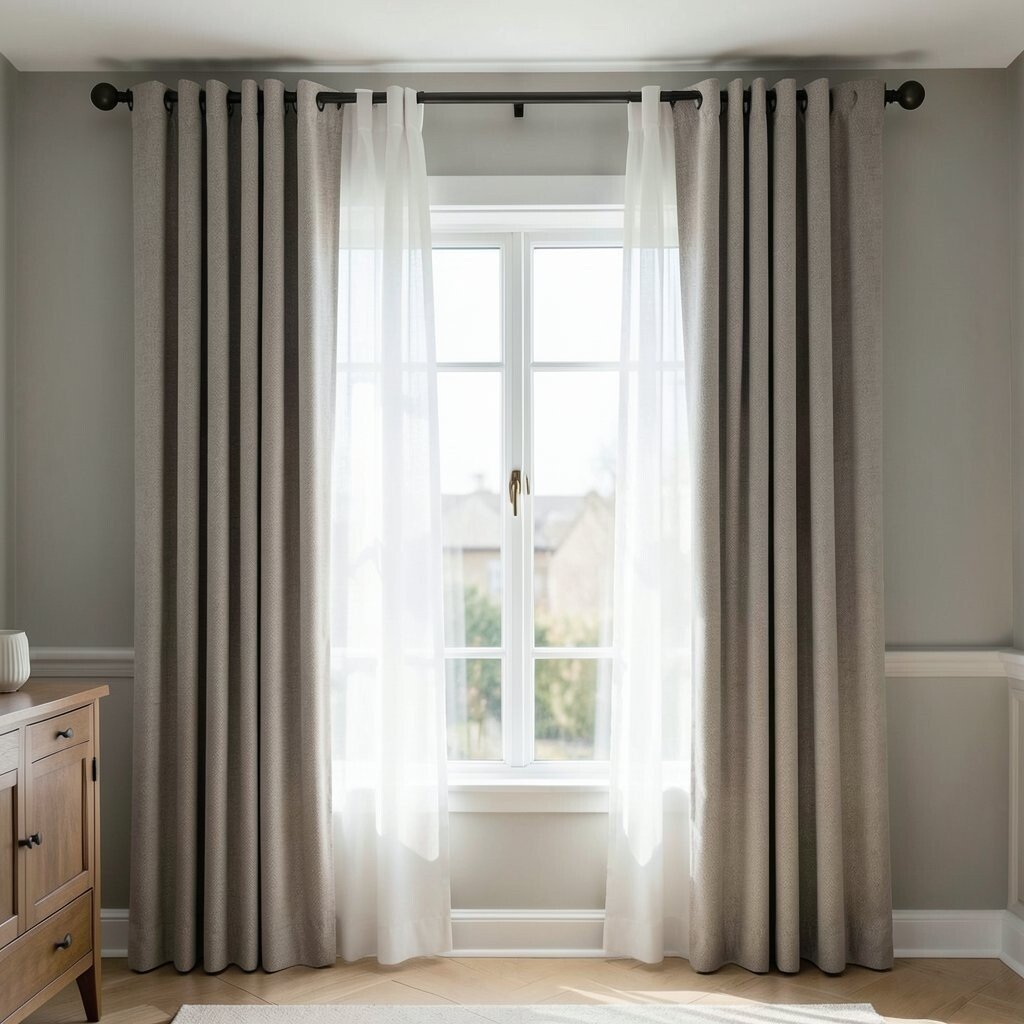
Long drapes give a room that dressed-up, hotel-lobby feeling from the start. In the 1920s style, look for panels with neat vertical lines and fabric that drapes smoothly.
Sheer layers plus thicker curtains add depth and let you control light for comfort. A rod placed close to the ceiling makes windows look taller and rooms feel more airy. Choose muted tones such as warm gray, champagne, or deep green to keep the vibe timeless.
5. Pick a Statement Mirror to Make Spaces Feel Bigger

Mirrors were a favorite way to bounce light and add elegance. A framed mirror with an arched top or geometric edges can instantly lift a hallway or living room.
Look for details like etched glass, mirrored panels, or a brass-like frame. You can place it across from a lamp so the light looks warmer and more flattering. This gives you a real benefit for everyday life, since brighter rooms feel easier to enjoy.
If you want to keep cost in check, search for mirrors at thrift stores or online resale markets. Just clean the glass well and make sure the frame is solid. For personalization, paint a plain frame in a metallic tone that matches your hardware and lighting.
6. Use Velvet and Satin Textures for Cozy Glam
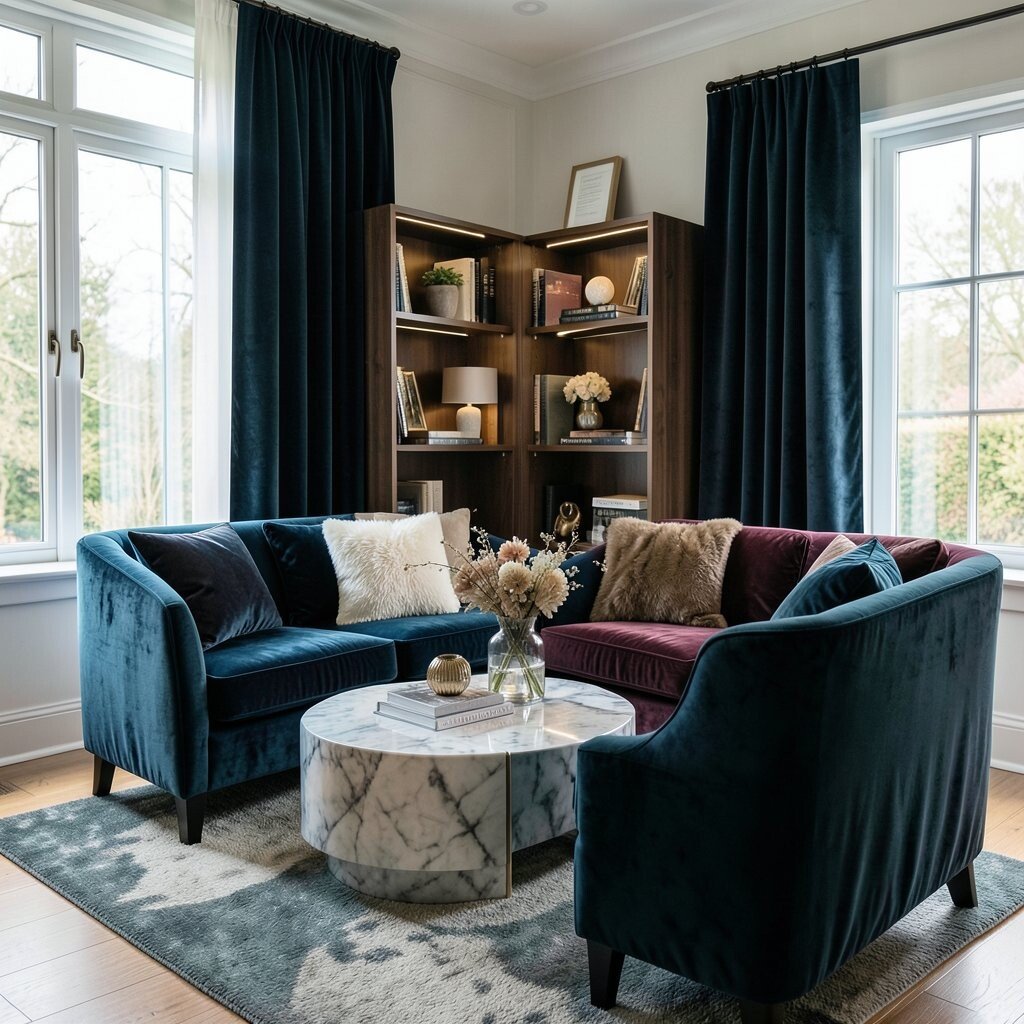
Soft fabrics make a home feel inviting, even when the style is bold. Velvet chairs, satin cushions, or plush throws add a gentle touch of luxury.
Try a velvet accent on one piece only, like an armchair or ottoman, so the room stays balanced. Pair it with simple cotton or linen to avoid too much shine at once. This mix feels authentic and comfortable, not overdone.
If you’re working with a budget, choose one fabric upgrade that is easy to swap later. A few decorative pillows or a throw blanket can deliver the look without major spending. When you shop, check durability for daily use, since upholstery needs to hold up to real life.
7. Style Your Rug with Bold Borders and Clean Centers

A patterned rug can carry the whole theme across a room. In the 1920s spirit, try rugs with strong borders, geometric medallions, or artful symmetry.
Place the rug so the front legs of your sofa and chairs rest on it. That small placement trick helps the room feel neatly organized. If your space is smaller, choose a rug with a lighter background to keep it open and bright.
For practical personalization, match the rug colors to your curtains or a piece of art. This makes the room look planned even when you add items slowly over time. When shopping, measure carefully so you avoid buying something that overwhelms your layout.
8. Add Vintage-Inspired Wallpaper on a Smaller Scale

Wallpaper can feel risky, but small-scale placement makes it much easier. A powder room, entry nook, or the inside of a closet door can become your style stage.
Choose a pattern that hints at jazz-age glamour, like fan shapes or layered geometric bands. These designs look neat and intentional, especially when paired with simple trim. If you want a low-cost option, removable wallpaper lets you try the look without committing.
To keep maintenance easy, consider washable materials for high-traffic zones. When you personalize, repeat one color from the wallpaper in a lamp base or picture frame so the whole room feels connected. That detail makes your decor look thoughtfully curated.
9. Create a Gallery Wall with Black-and-Gold Frames
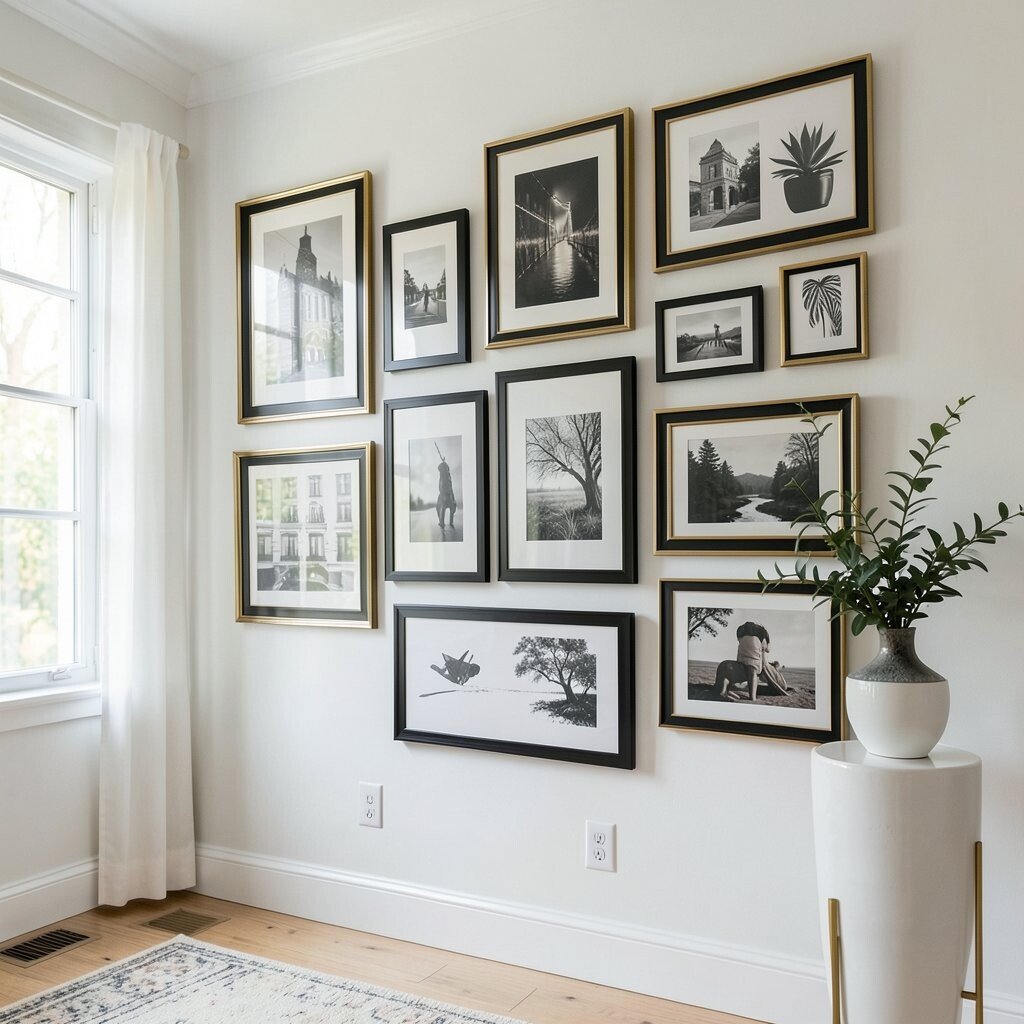
A gallery wall can make your home feel alive and personal. Frames in black, brass, or thin gold edges echo the 1920s love for clean contrast.
Mix artwork types such as vintage-style prints, family photos, and a few bold illustrations. Keep matting consistent so the wall looks tidy and polished. This creates a benefit you can feel right away because the wall becomes a daily visual anchor.
For budgeting, print your own designs or use inexpensive vintage posters, then update frames to match. Arrange pieces on the floor first so spacing feels right before you hang anything. When you personalize, select images that match your color story, like warm sepia, cream, deep green, or muted gold.
10. Choose a Modern Bar Cart or Serving Station
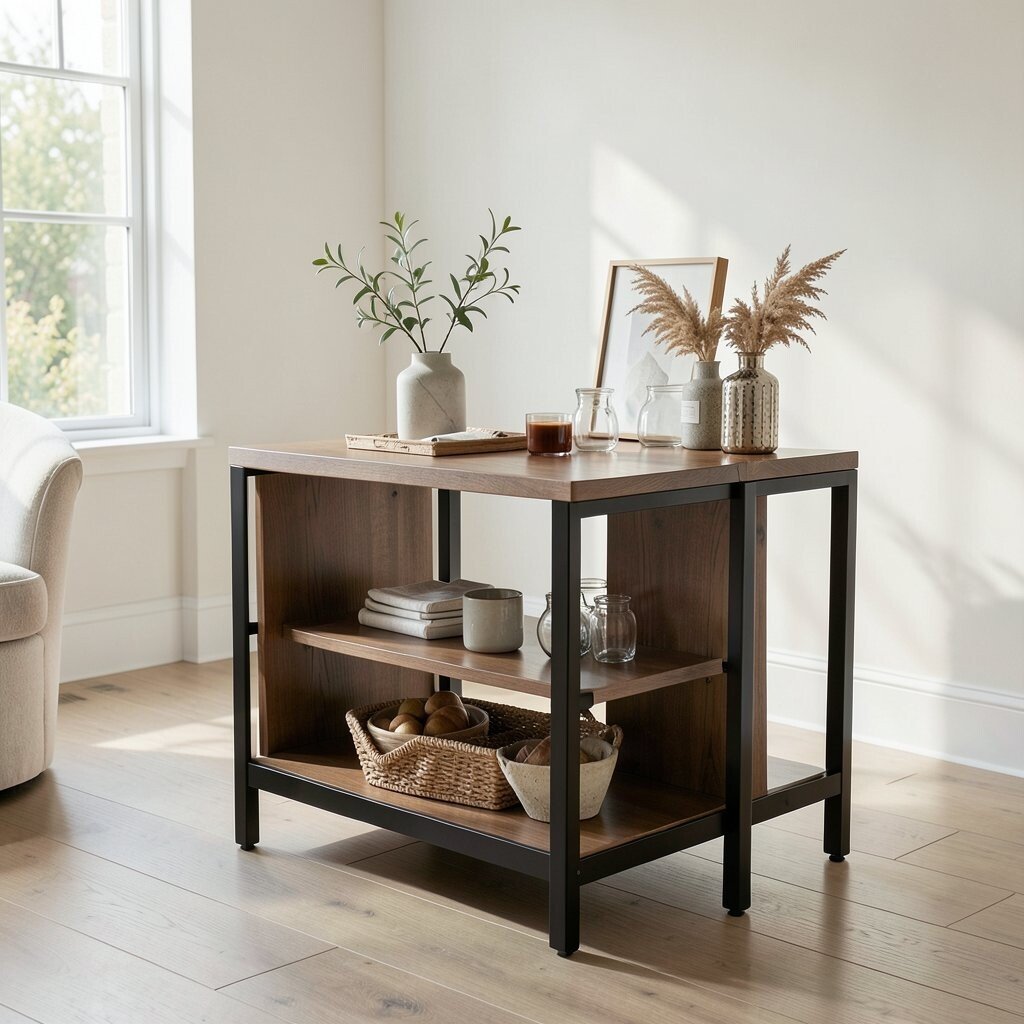
Even if you don’t host parties often, a bar cart adds charm and function. The 1920s vibe fits perfectly with glassware, decanters, and neat trays.
Pick a cart with metalwork or mirrored surfaces for that sparkling look. Use it as a serving station for guests, and as a display for everyday items like tea cups or small plants. This gives you uniqueness because it becomes your routine, not just decor.
To keep costs reasonable, start with a sturdy tray and a couple of glass pieces. Look for sales on small items and build the set over time. When you personalize, add one family heirloom or a color-coordinated set of coasters that matches your room.
11. Bring in Fan Shellac Accents and Decorative Plaster Details

Small decorative accents can make a room look more detailed without being overwhelming. Fan-shaped ornaments, shellac-like finishes, and subtle plaster textures echo the jazz-age love for ornament.
Use these details near doorways, mantelpieces, or the tops of bookcases. They catch light and add depth, especially when your wall lighting is warm. If you want a simple approach, choose one accent per room and repeat a similar shape in another place.
For cost considerations, look for affordable trim kits, picture rails, or peel-and-stick moldings that mimic vintage plaster. Paint them in a creamy tone or metallic shade so they stand out. When you personalize, coordinate the accent color with your lighting hardware for a cohesive look.
These choices are practical because they don’t require replacing major furniture, yet they make spaces feel finished.
12. Style Your Seating with Updated Vintage Curves

1920s interiors often feel elegant because curves soften the room. Think rounded armchairs, curved backs, and arched details on side tables.
Pick one seating piece with a gentle shape, then keep the rest slightly simpler. A curved chair with a patterned cushion can become the focal point of a living room. This creates a benefit for everyday comfort since rounded forms feel cozy and inviting.
To keep the look grounded, use neutral upholstery and add bold accents through pillows or a throw. If you’re updating on a budget, recover a chair cushion instead of buying an entirely new seat. You’ll still get the unique feel of the era without paying for a full set.
13. Add Pops of Color with Teal, Emerald, and Deep Burgundy
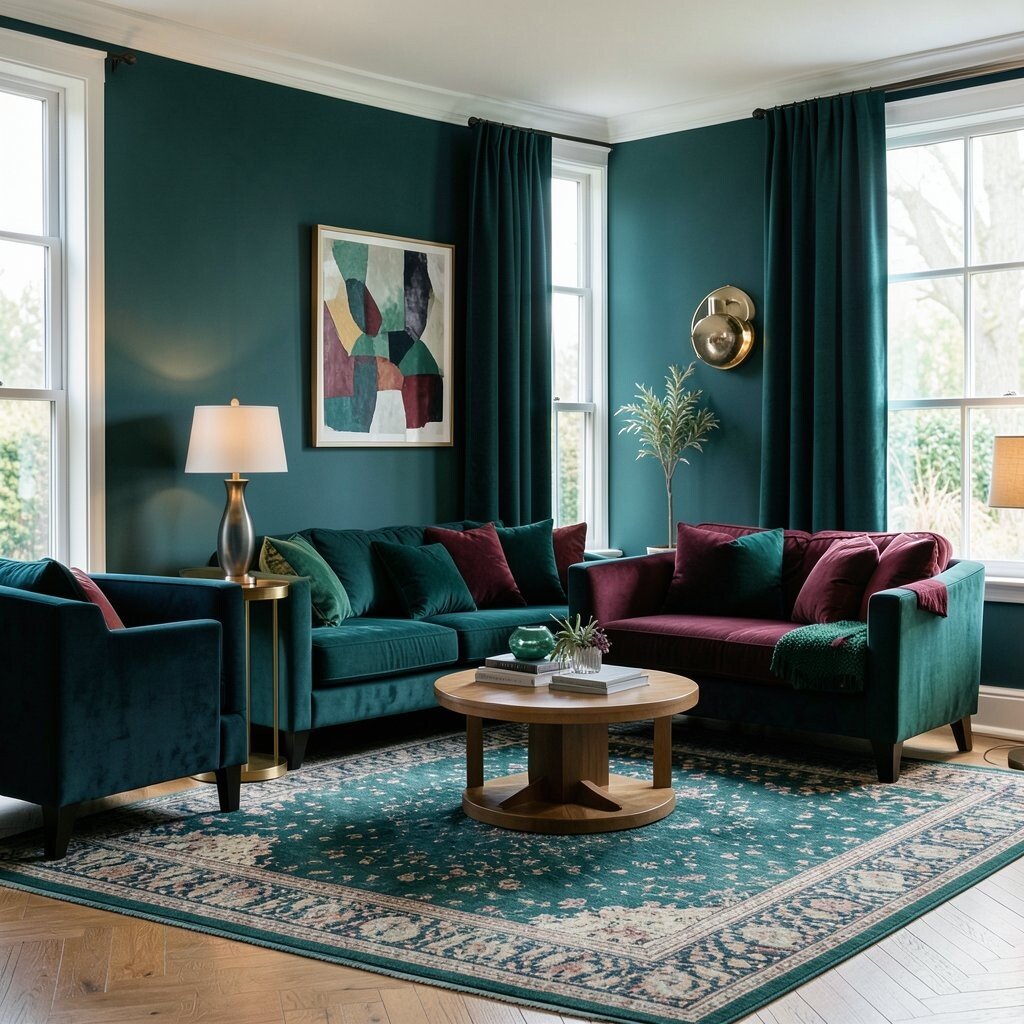
Color is where the 1920s style really wakes up. Deep teal, emerald greens, and burgundy tones add drama while still feeling rich and wearable.
Use these colors through small items like cushion covers, a vase, a lampshade, or a piece of art. That way you can adjust the look as trends and your tastes change. For cost-smart decorating, swap seasonal pillows instead of repainting walls.
When you want personalization, repeat one accent color in at least three places so it looks intentional. Add gold or brass touches to connect the colors to the metallic shine found in the era’s design. If you’re following current trends, you’ll notice rich jewel tones are still popular because they feel modern but also comforting.
Keep the rest of the room calm with cream, warm gray, or soft tan, so your color accents stay the stars. This balance makes the whole space feel stylish, not busy.