The room you have now is already telling you a story. If you pay attention, you can shape the next chapter without wasting time or money.
Start with a clear eye and a gentle plan, and the change will feel exciting instead of stressful.
1. Start With a “Walk-Through” Snapshot
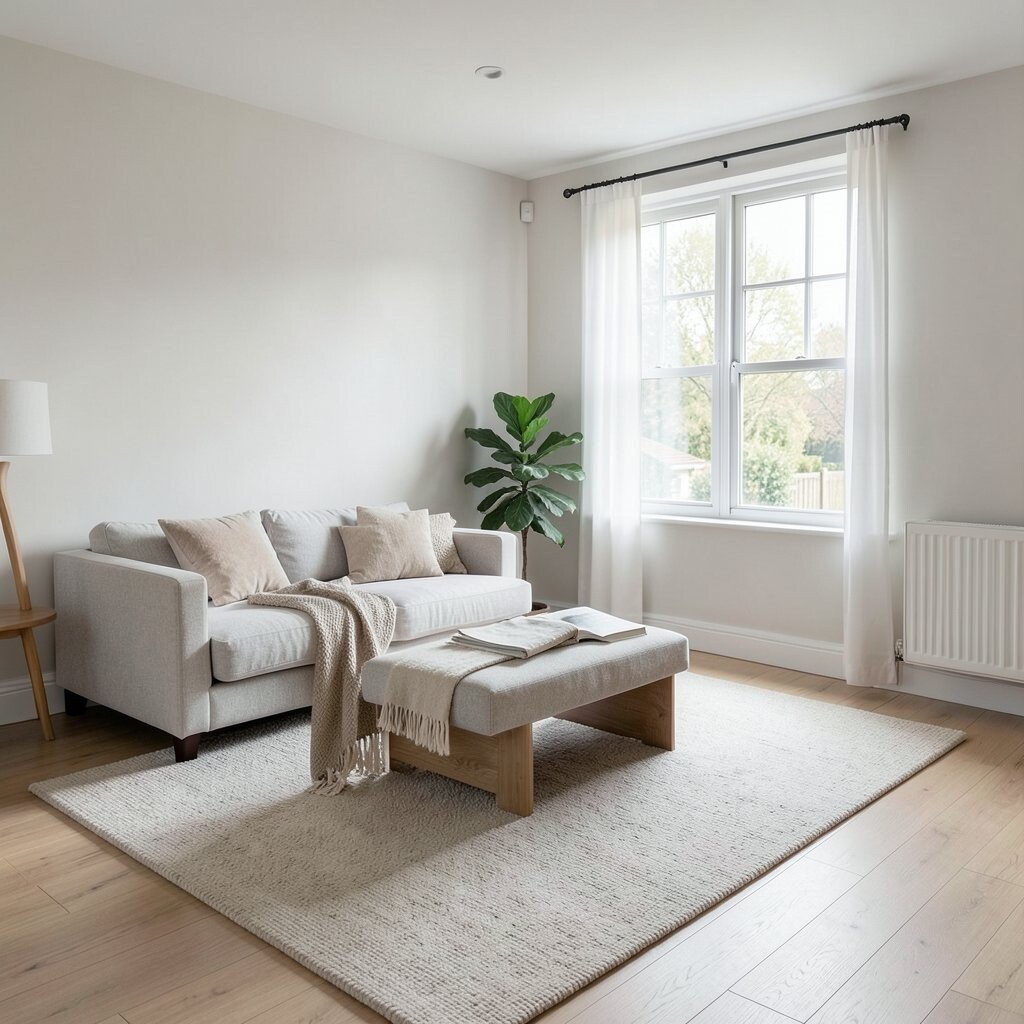
Before buying anything, walk through your room slowly and notice what catches your eye first. Then look again from the doorway, the couch, and the spots where you stand most often.
Write down the moments that feel bright and the moments that feel cluttered, and keep a phone photo of each view. This quick snapshot helps you choose upgrades that match your real daily habits, not just what looks good online.
2. Choose One Clear Style Thread
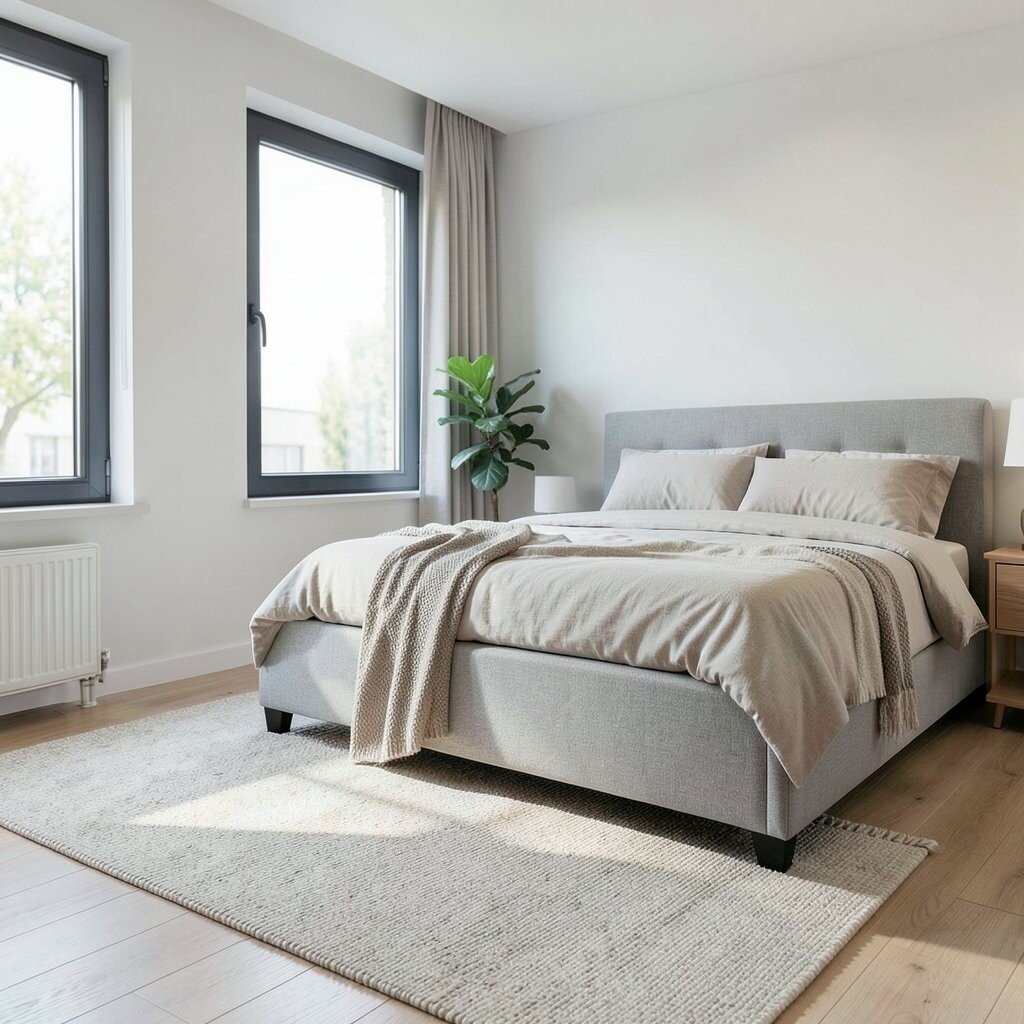
Pick a style thread that feels like you, like warm modern, soft farmhouse, or tidy Scandinavian. When your choices share a vibe, your room looks calmer and more finished.
Look at your favorite items you already own and see what they have in common, like color warmth, shape, or texture. Keep new purchases close to that thread so you do not end up with mixed pieces that never quite fit together.
Once you narrow the vibe, you can reuse it for curtains, bedding, art, and even lighting, which saves time and avoids guesswork.
3. Measure the Room and Plan the “Traffic Paths”
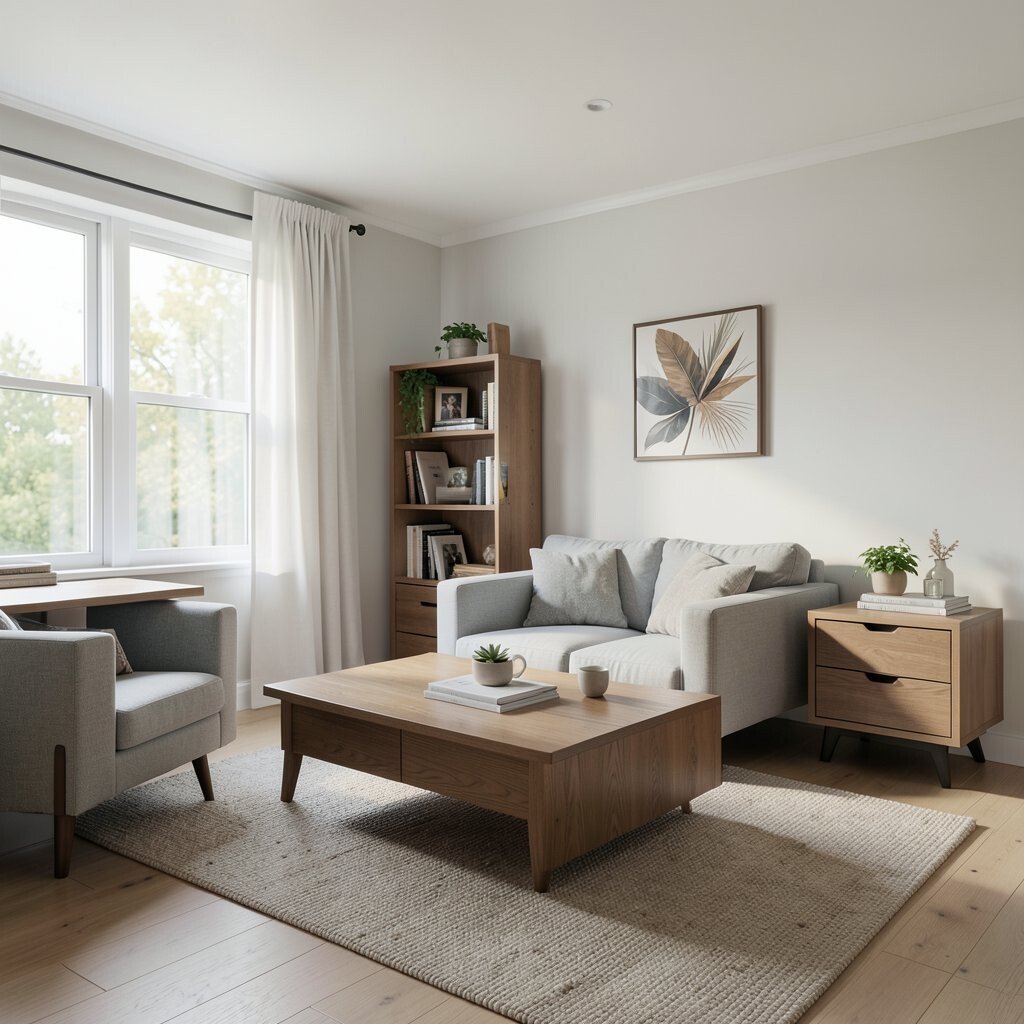
Grab a tape measure and plan how people move around the room during real life. You want clear paths from the door to the main seating and from the bed to the closet area.
Mark where furniture edges land, and test the fit using painter’s tape on the floor. This makes it easier to avoid awkward gaps and cramped corners that can ruin the look.
After you set the paths, you will see the best spots for a rug, a chair, and storage, and the room will feel natural the moment you step inside.
Consider leaving breathing space near walkways, especially if the room is small or shared, because comfort matters as much as style.
4. Upgrade Lighting With a Layered Approach
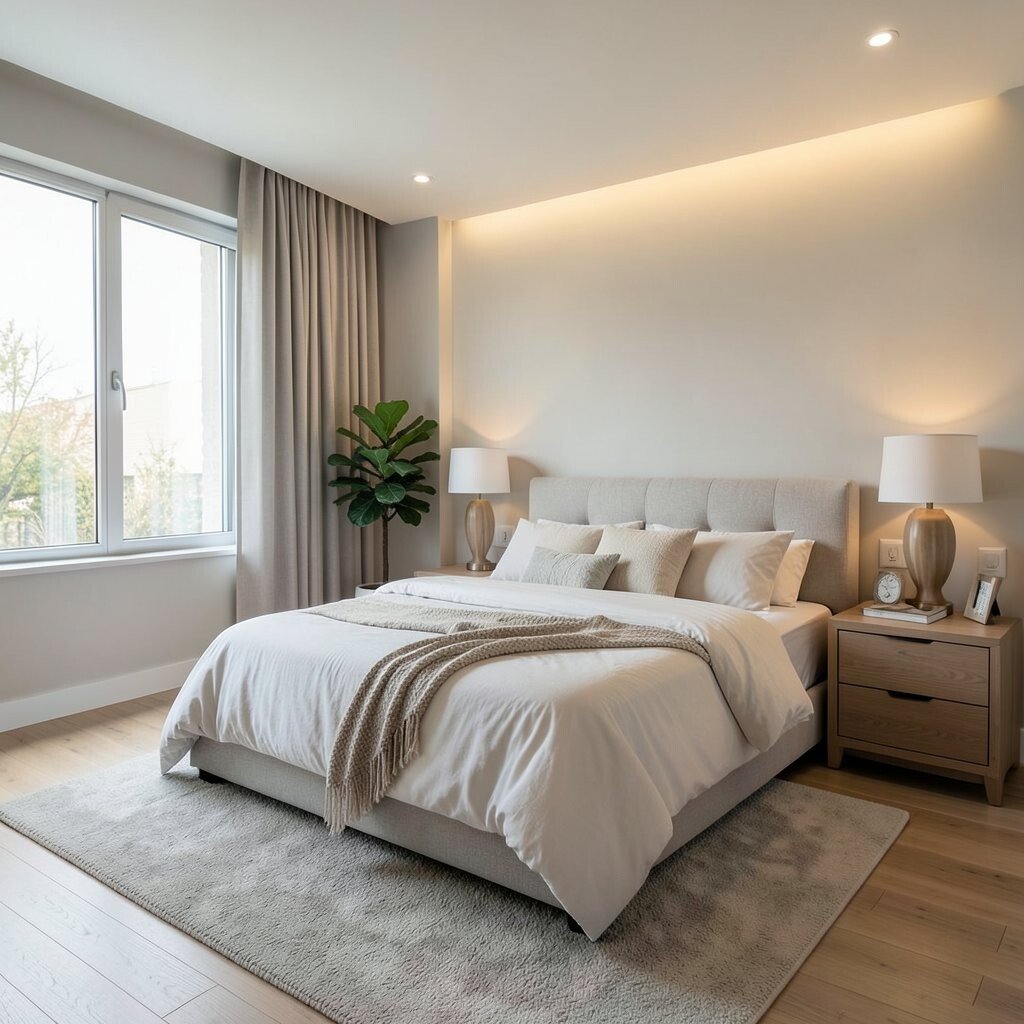
Lighting changes a room faster than almost anything else, especially at different times of day. You will love how a layered setup can make corners cozy and reduce harsh shadows.
Combine overhead light with one or two lamps, plus something that adds warmth like a dimmable bulb or a shaded fixture. For a reading corner, aim for light that feels soft on the page, and for a dining area, use light that flatters faces.
5. Pick a Rug That “Anchors” the Whole Space
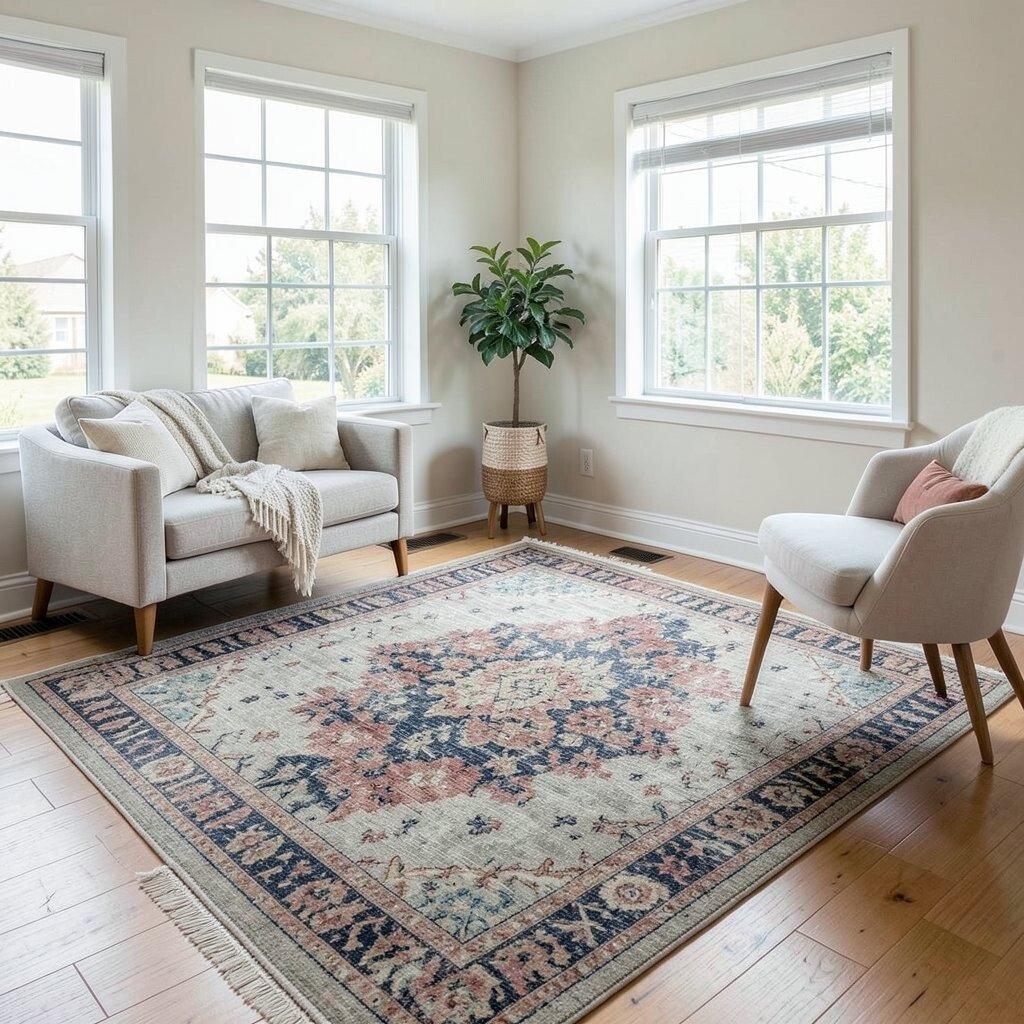
A rug can visually hold the room together, even if your walls are plain. When the rug fits the seating area, everything feels more intentional and easier to style.
Choose a size that lets the front legs of your main furniture sit on it, and pick a pattern that matches your level of daily mess. A subtle texture hides wear, while bold prints bring personality right away.
If you want a trend look, try modern neutral tones with a gentle pattern, but add one splash of color through cushions or wall art.
6. Refresh Walls With Color or Texture

Walls set the mood, so even small changes can make your room feel newer. You can go for a soft paint shade, or add texture with peel-and-stick panels, wood slats, or a fabric wall treatment.
When picking a color, test it on a small section and watch how it looks in morning light and evening light. Warm shades help spaces feel welcoming, while cooler tones can make things feel crisp and clean.
If you rent, try removable wallpaper in a single accent zone, like behind a bed or a desk, for a big impact without a long commitment.
Texture is also a smart option because it adds depth without requiring major demolition.
7. Use Storage That Matches Your Style
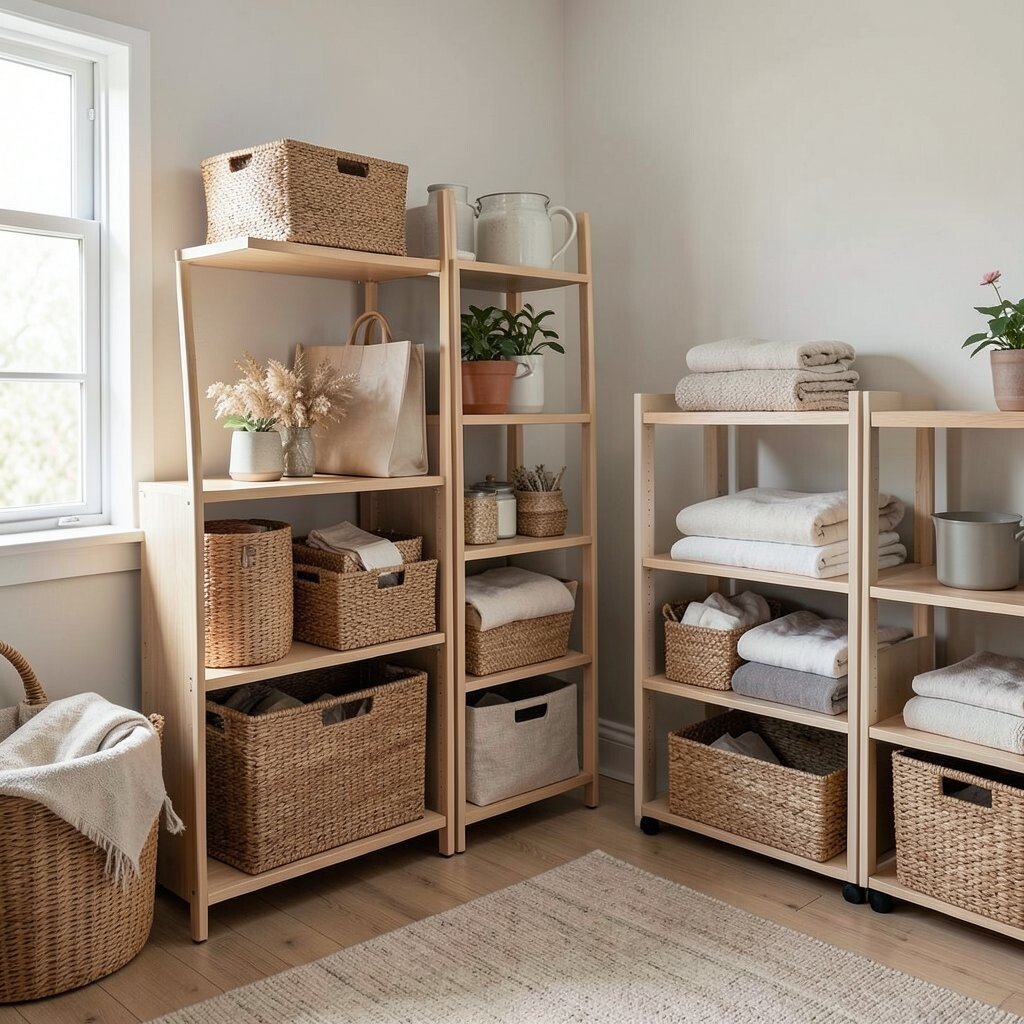
Clutter hides under “almost tidy” setups, so storage should look like part of the design. A pretty cabinet, a woven basket system, or sleek bins can keep daily life smooth.
Sort items by how you use them, like keep charging cords near where you relax and stash extra throws where you grab them. When storage is easy to reach, people put things away more naturally.
Consider open shelves for display and closed drawers for everyday mess, and mix both so your room stays functional and visually balanced.
8. Create a Focal Point You Can Feel From Any Angle
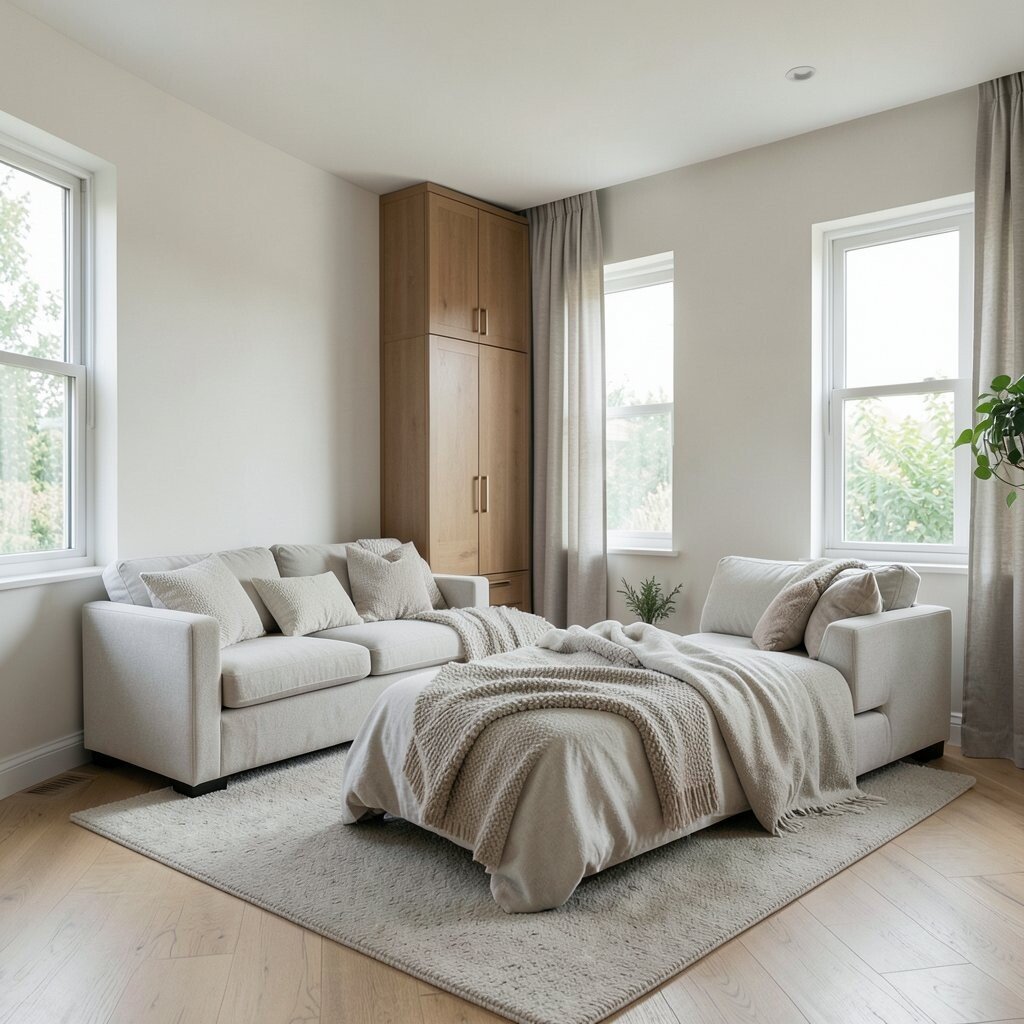
Every room needs a main moment, like a statement wall, a large mirror, or a standout piece of furniture. When you choose one focus, the rest of the space feels easier to arrange.
Try a large art piece above a sofa, a bold headboard behind the bed, or a gallery wall with consistent frames. Mirrors can also be powerful because they bounce light and make the room look bigger.
For personalization, pick something meaningful, like a framed map of a place you love or a photo collection with matching mat colors.
9. Plan Window Treatments for Both Style and Comfort
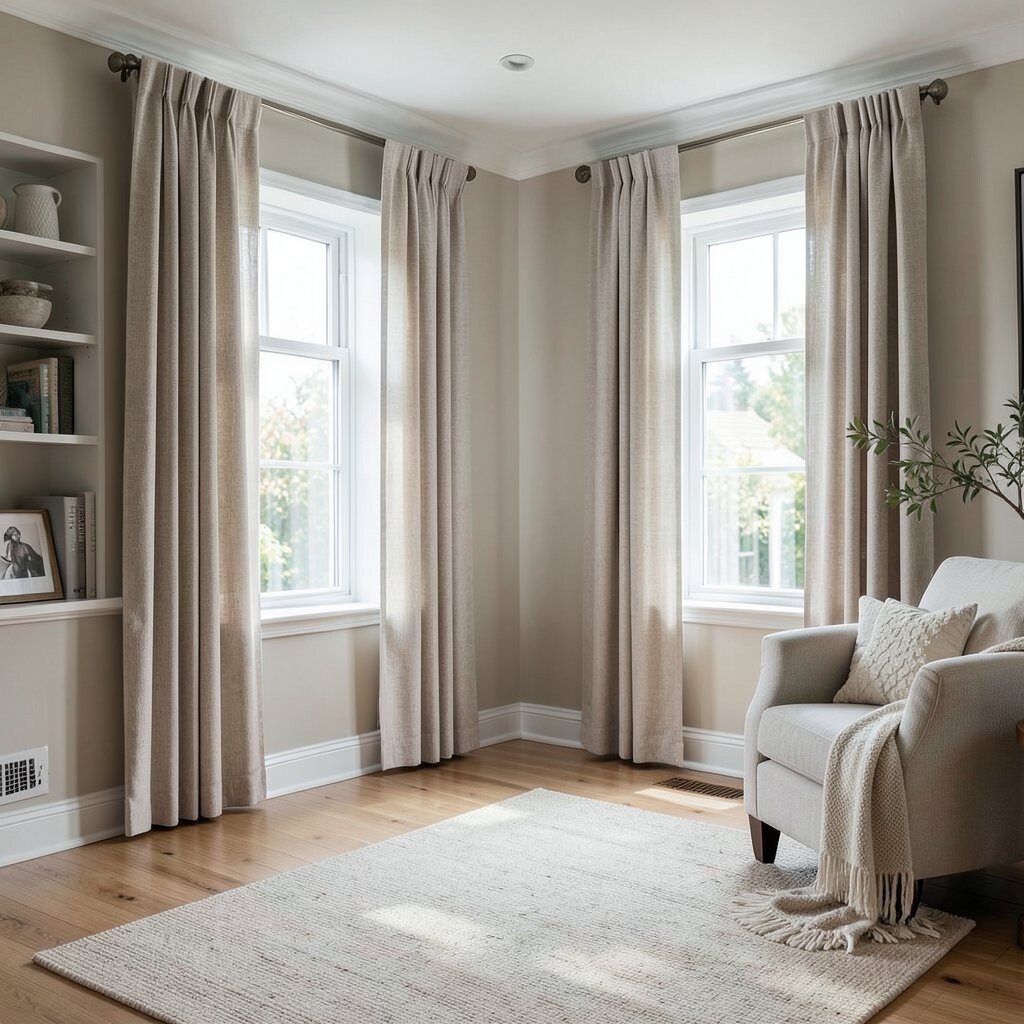
Window coverings change how warm or cool the room feels, and they affect privacy too. If your curtains are too short, the room often looks unfinished even when everything else looks great.
Choose curtains that reach close to the floor and add weight, because heavy fabric drapes more smoothly. Sheer layers can soften daylight, while blackout options help with sleep and reduce glare.
For trend energy, consider layered looks with a sheer panel plus a longer solid curtain, using a color that works with your rug and bedding.
10. Rework Your Seating Layout for Better Relaxing
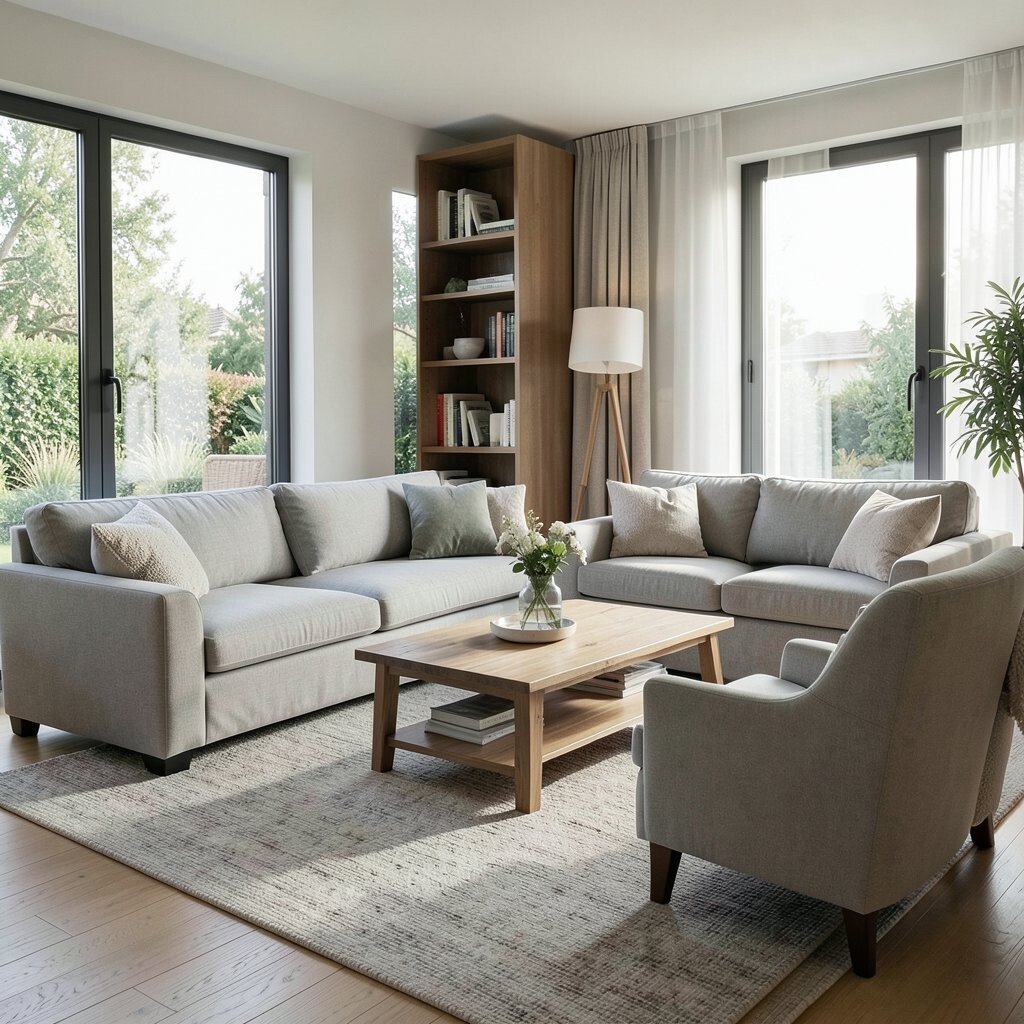
Moving seating around can make the room feel instantly more inviting. Think about where you actually sit, talk, read, and unwind each day.
Try pulling furniture slightly away from walls to create a more open feel, then angle chairs toward the conversation area. If your room is small, use a loveseat or a compact chair and keep the center open so it feels breathable.
Comfort upgrades matter too, so add a supportive pillow mix and a throw that matches your color thread. When seating looks cozy and works well, people naturally spend more time there.
11. Add Texture Through Soft Goods and Materials
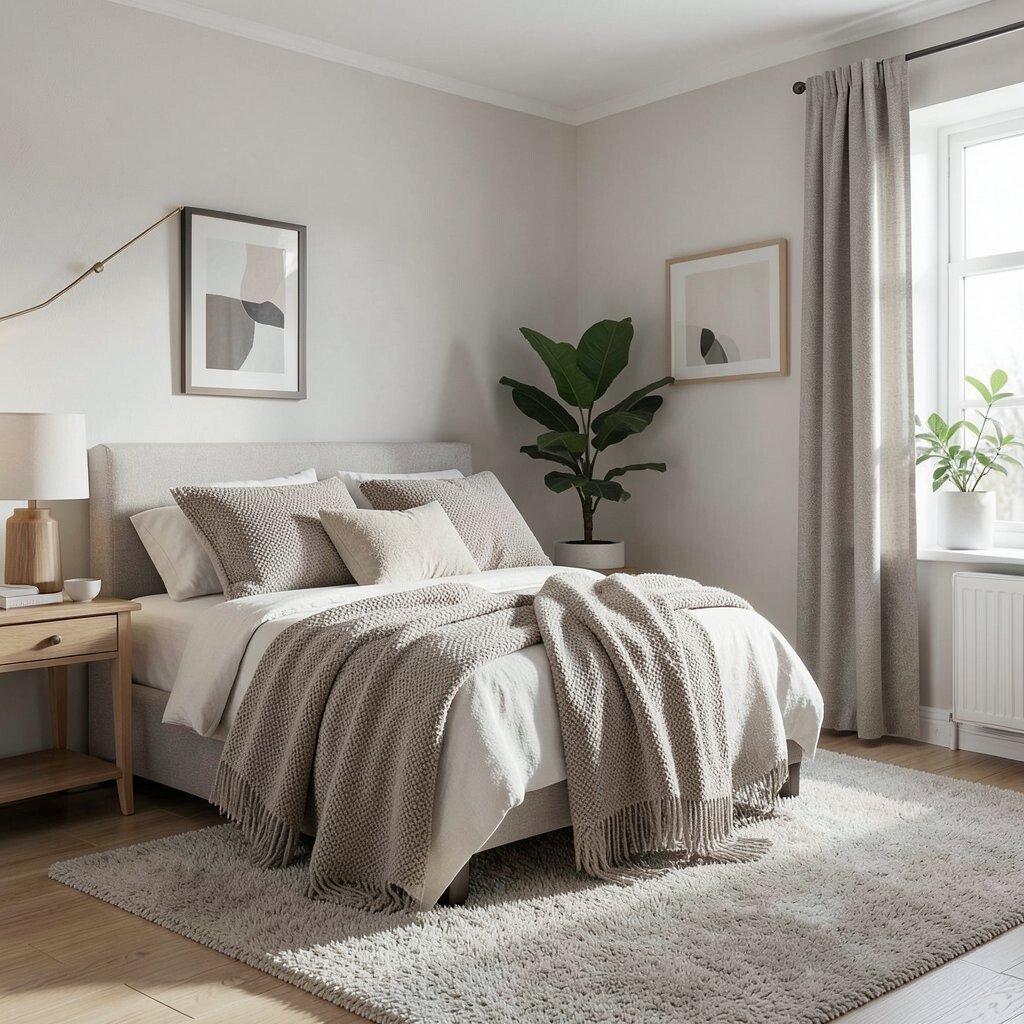
Texture is what makes a room feel rich, even if you are using mostly neutral colors. Swapping in new cushions, a chunky knit throw, or linen curtains can add instant comfort.
Mix materials in a balanced way, like smooth leather with soft fabric, or matte ceramics with a glossy vase. You can follow the “one rough, one smooth” idea so the room feels layered without looking messy.
For practicality, choose fabrics that are easy to clean, especially if you have pets or kids. This way you can keep the look fresh without constant stress.
When you match textures to how you want the room to feel, it becomes more personal and less generic.
12. Make Wall Art Feel Intentional With Spacing
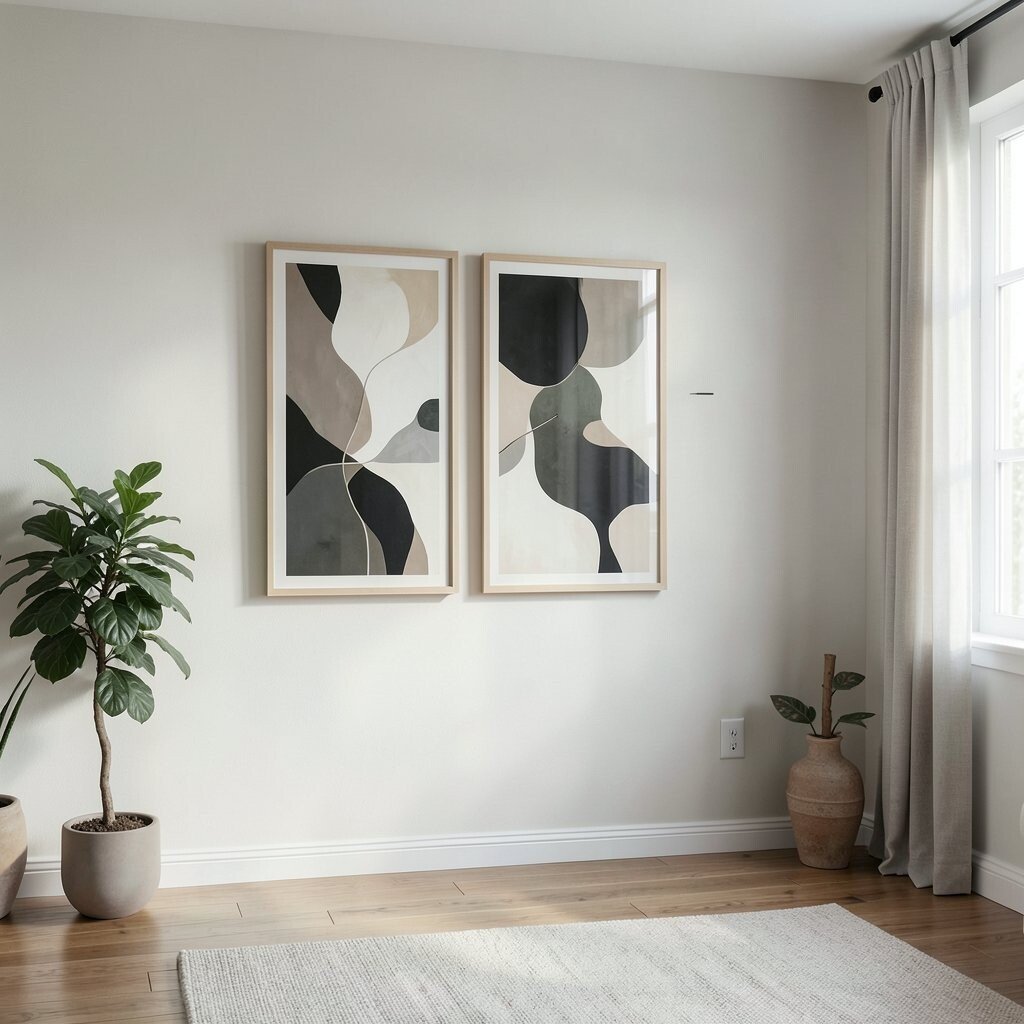
Wall art can look random when pieces hang too high, too low, or too far apart. A simple spacing plan makes your wall look styled, not accidental.
Center art at eye level and leave enough space so the frame feels grounded and balanced. If you use multiple pieces, keep frame colors consistent or pick a matching mat tone to tie them together.
To stay on trend, use one larger statement piece or a clean grid of smaller frames in similar sizes. Add personality by mixing in one personal item, like a favorite print or a hand-me-down frame that has history.
13. Set a Budget That Guides Every Purchase
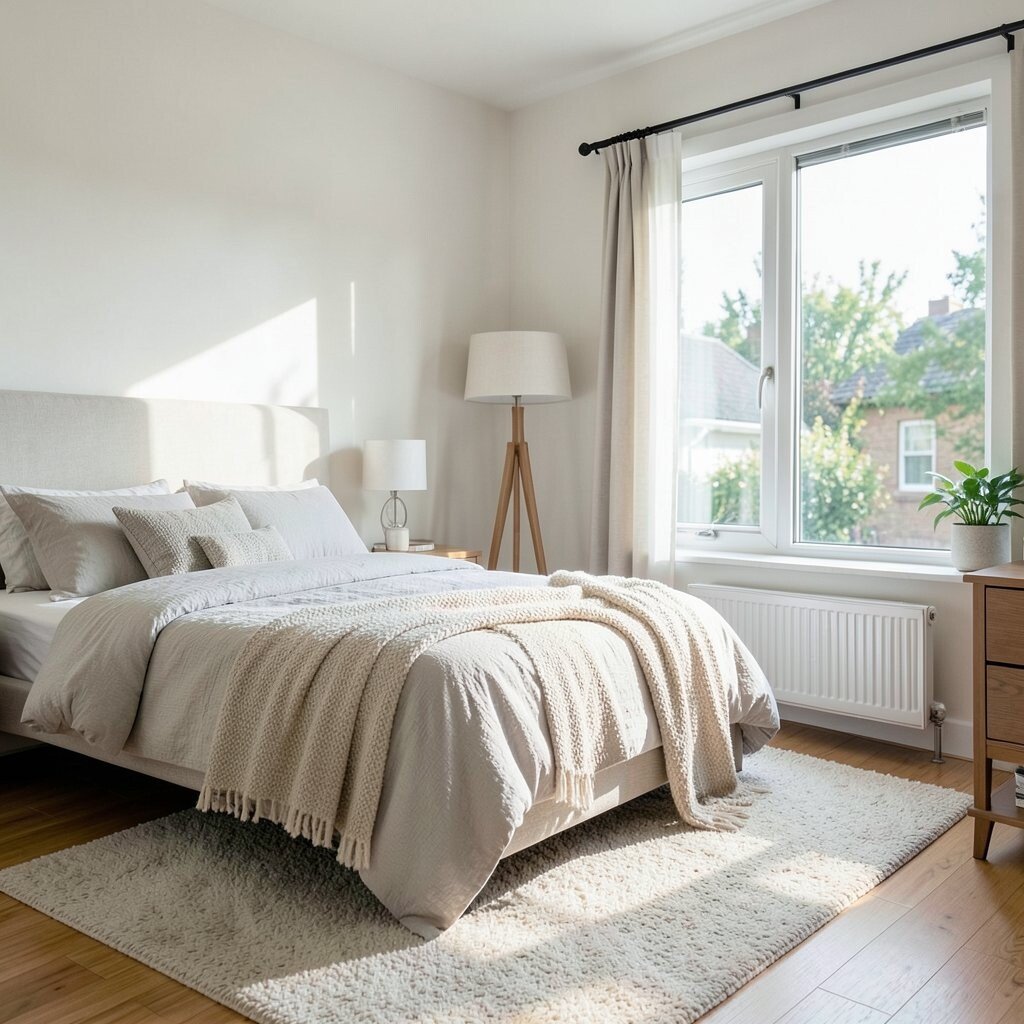
A budget is not about limiting fun, it is about directing it. When you decide what matters most, you can spend confidently and skip things that will not make you happy long-term.
Start by ranking what you need first, like lighting, storage, or a rug that fits your layout, then match each priority to a realistic cost range. Search sales, compare similar items, and check return policies so you can shop smarter instead of rushing.
If you want a satisfying transformation without spending too much, focus on high-visibility upgrades like paint, curtains, art, and lighting, and keep big furniture choices last. You can also refresh existing furniture with new hardware, a slipcover, or a coat of paint, which often looks surprisingly custom.
As you shop, keep your style thread in mind so each purchase feels like part of the same story.