Your home can feel like a gallery of happy memories. Bold design choices help your space show your personality with confidence.
Even small changes can make your rooms look layered, lively, and inviting. If you love color, texture, and character, maximalism is your friend.
1. Color-Blocking With Confidence
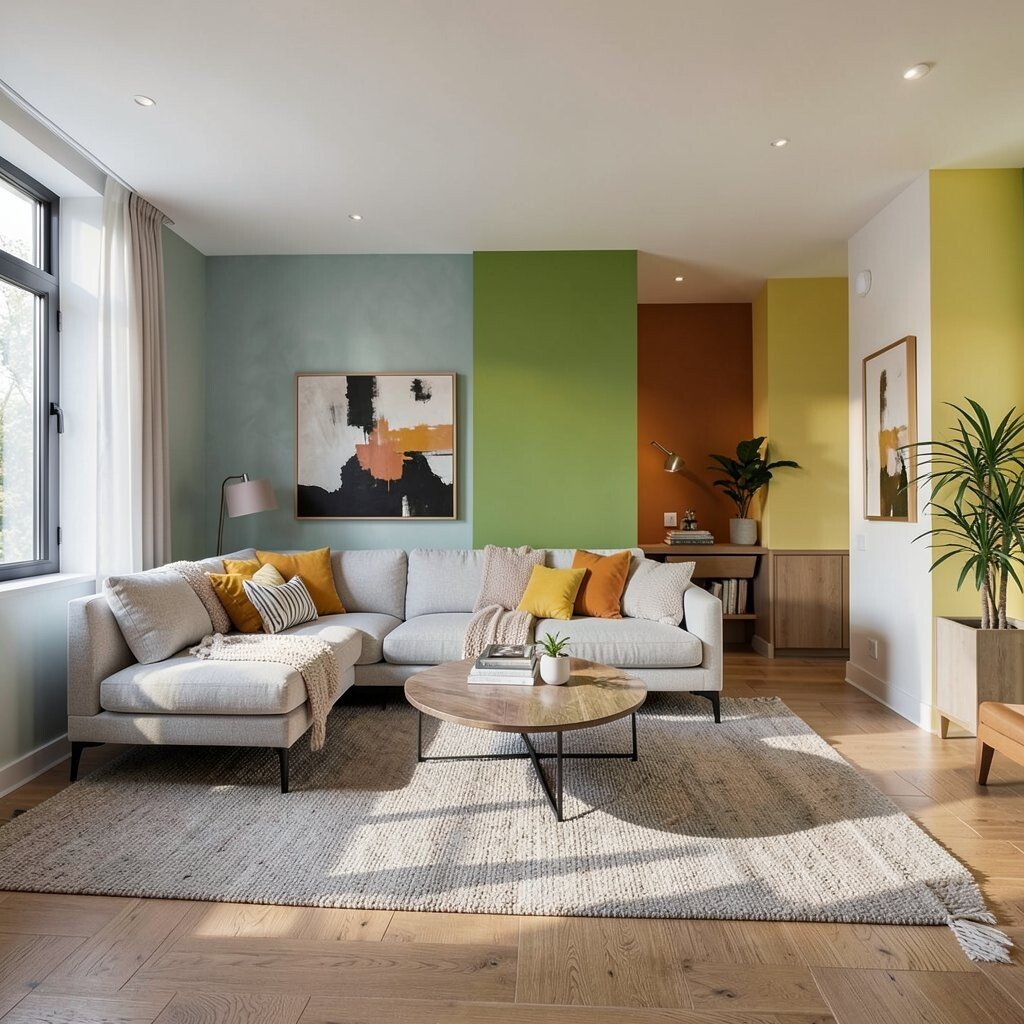
Start by picking a few big color blocks that feel like a friendly conversation. Paint one wall in a strong shade and keep the rest coordinated, so the room looks intentional.
For example, a warm terracotta wall paired with deep teal accents can make a living room feel cozy and energetic. Add a patterned rug that ties both colors together, then choose curtains in one of the main tones. The benefit is instant impact, and the look stays fresh because you can swap accessories without repainting.
2. Layered Pattern Stacking
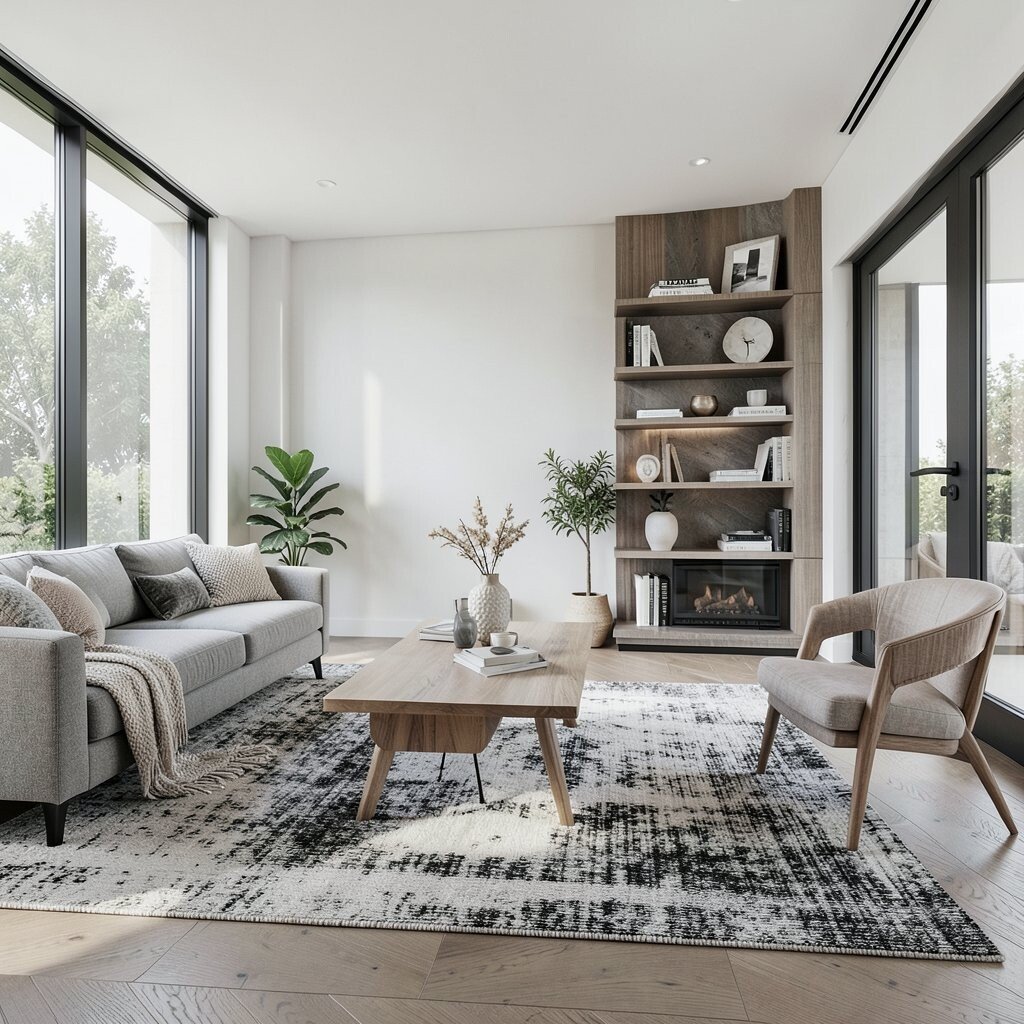
Mix prints the way you would mix playlists, with a few shared notes that keep everything together. Try pairing stripes with florals, or polka dots with geometric shapes, as long as the colors overlap.
Use one “anchor” fabric, like a sofa cover in a solid or subtle pattern, then build from there with throw pillows and a blanket. If you’re worried about going too far, keep the scale different by using one large print and several small ones. This creates a rich, curated vibe without looking messy, and it’s a great way to personalize your space.
For cost control, shop for pillow covers or removable wallpaper instead of redoing the whole room. A thrifted frame or a budget-friendly curtain panel can also add pattern without draining your wallet.
3. Gallery Walls With Real Life Energy
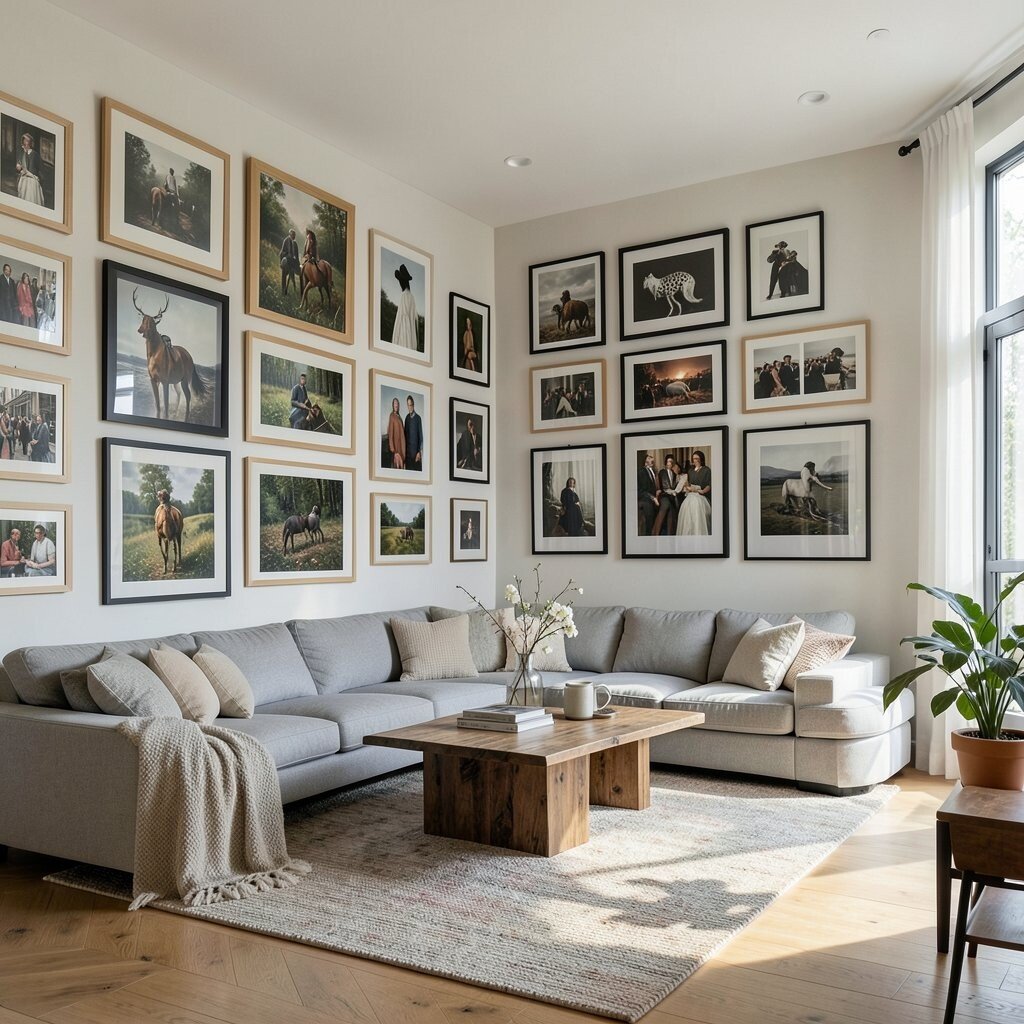
Choose frames you actually love, then arrange them like a friendly collage. Mix sizes, swap in photos and prints, and let a few frames lean slightly for that lived-in feel.
Include one or two bold statement pieces, such as a colorful illustration or a dramatic black-and-white portrait. Surround them with smaller works so your eye keeps moving across the wall. The result is a unique home story that feels like you, not like a showroom.
For practical setup, lay the frames on the floor first and take a quick photo to compare. If you rent, use adhesive hooks and test placement before you commit.
To keep the gallery cohesive, stick to a color theme like warm woods and brass accents, or choose one repeating tone such as cobalt or dusty rose.
4. Maximalist Lighting That Feels Like Jewelry
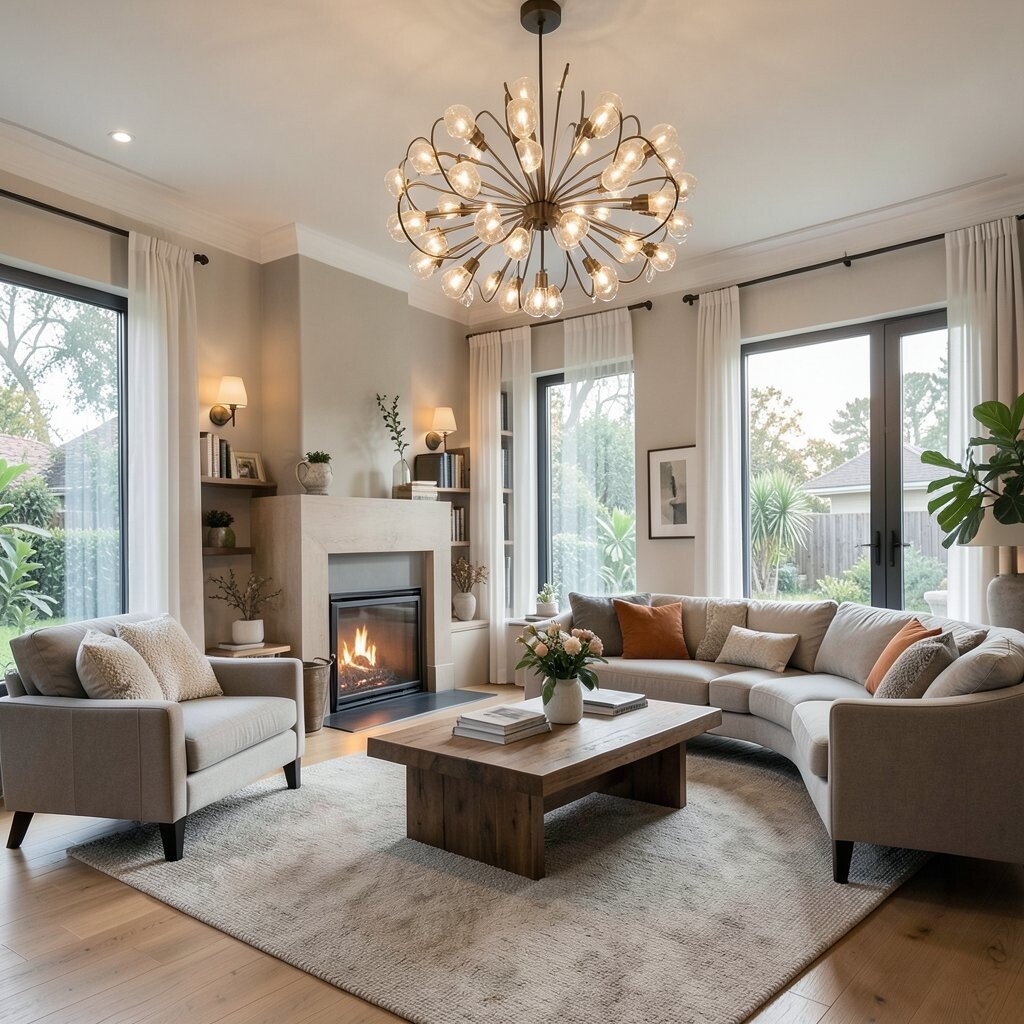
Lighting can turn a plain room into a mood. Choose lampshades with texture, like velvet or woven linen, and add a statement fixture that feels a little dramatic.
Try a chandelier with warm metallics, then balance it with a floor lamp in the corner so the room feels layered from all angles. This adds comfort because shadows look softer and the room feels more welcoming.
5. Textured Walls Without Full-Scale Renovations
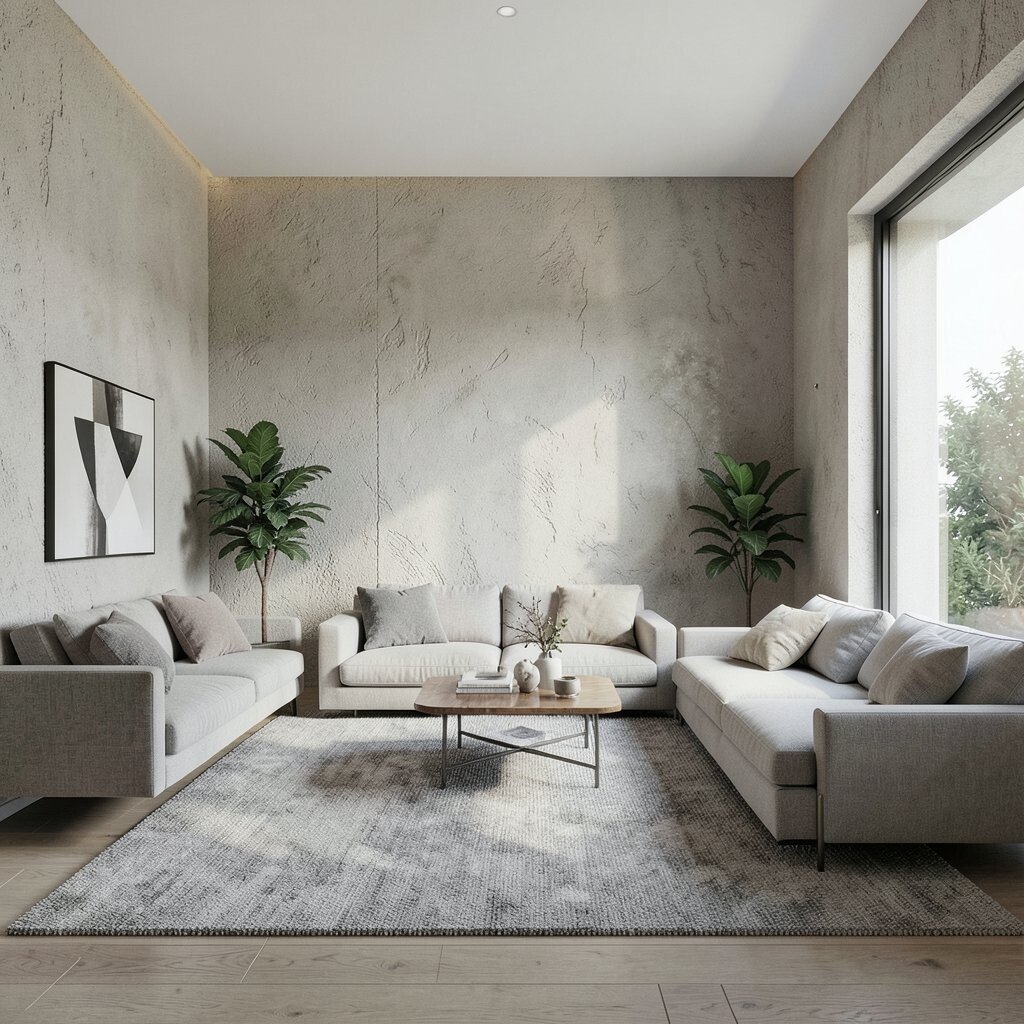
If you want depth, go beyond flat paint and add touchable texture. Try limewash effects, faux plaster, or an accent wall with peel-and-stick texture panels.
Textured walls look rich in daylight and under lamp light, which makes every corner feel designed. You can personalize with color-washed finishes, like a warm gray with creamy undertones, so it matches your furniture.
For cost and effort, start with one wall or even just behind a reading chair. Make sure the texture works with your decor so it doesn’t fight your patterns.
6. Statement Curtains That Do the Most
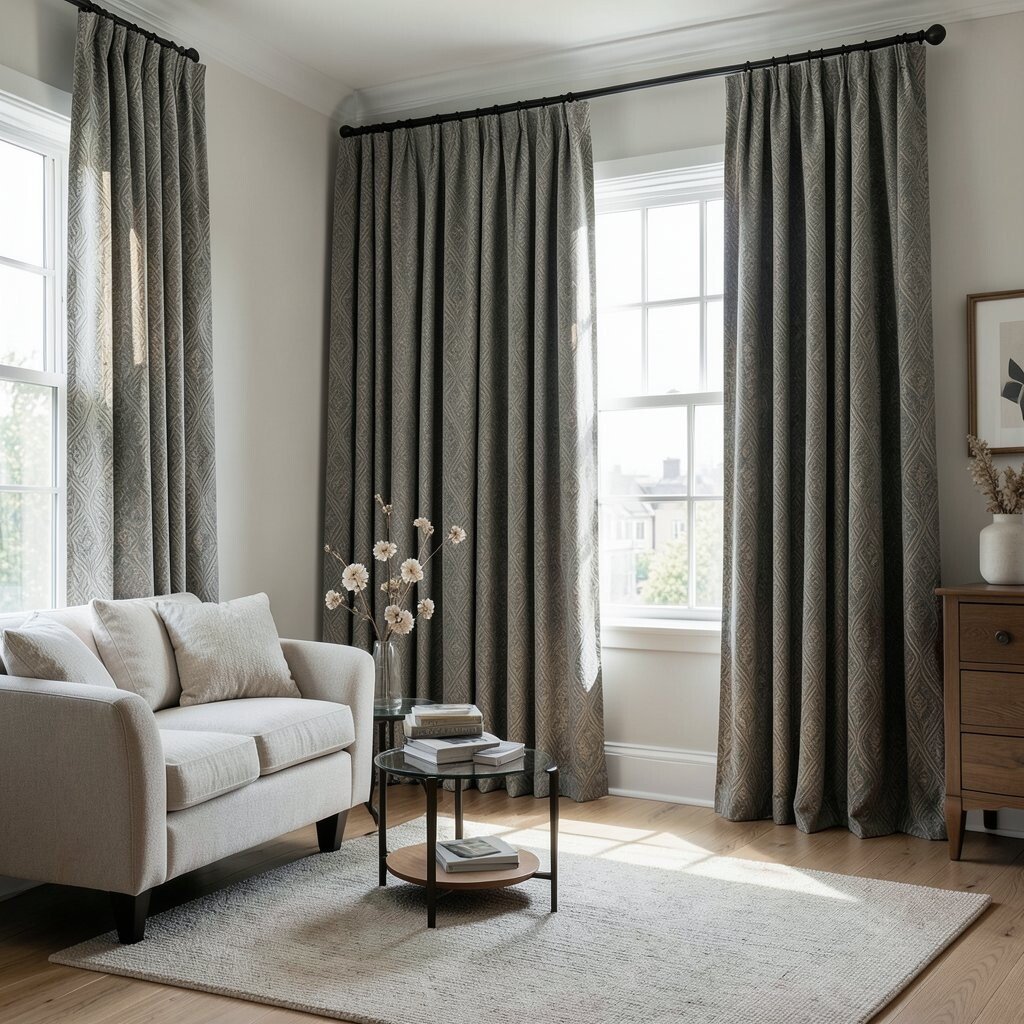
Hang curtains higher and wider than you think, and your windows will instantly look grand. Choose fabric with body, like heavy cotton, faux silk, or thick linen blends.
Then pick a color that plays well with your room’s main tones, even if it’s bold. Layer them with a sheer panel underneath for softness, so your maximalism still feels cozy and not harsh.
This is a practical win because curtains are easy to swap seasonally. You can update the vibe for less money than buying new furniture, which makes it great for long-term personalization.
7. A Colorful Ceiling Moment
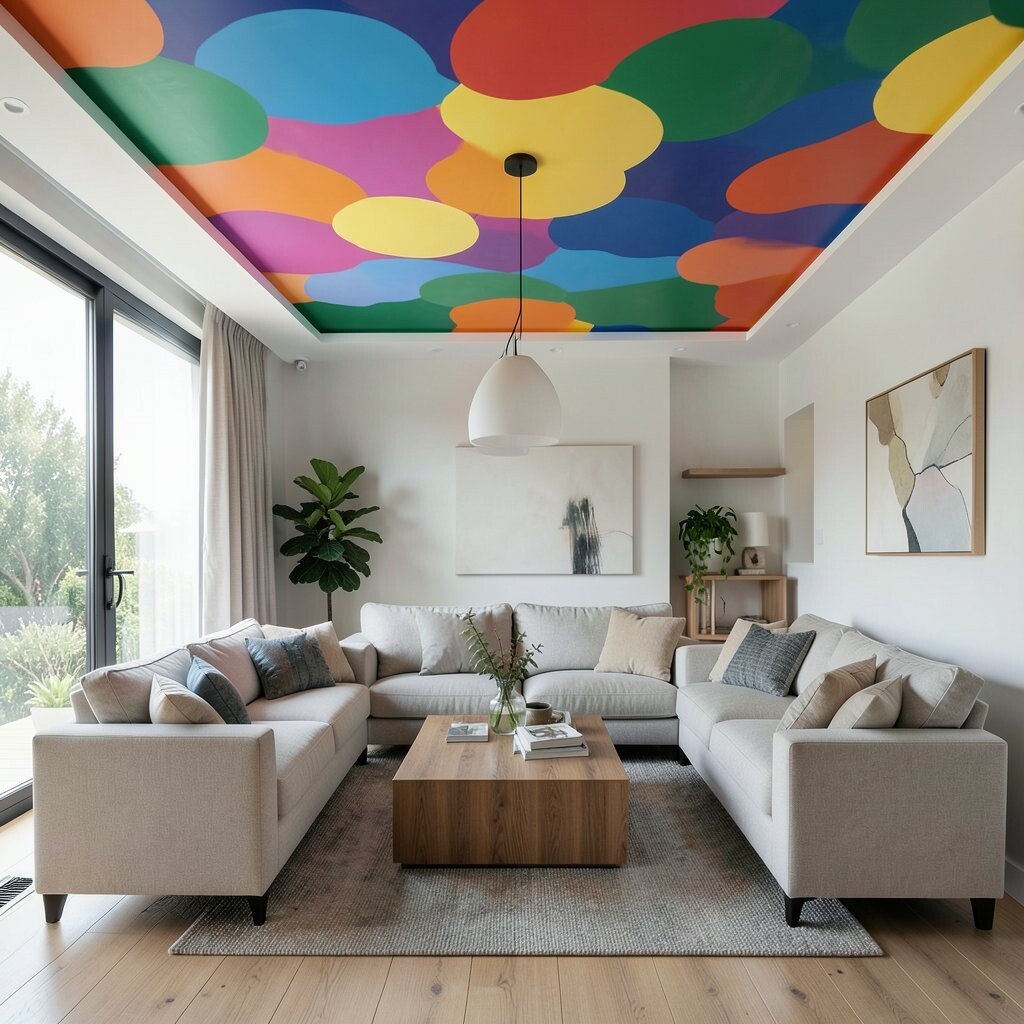
People forget the ceiling, but maximalists love using every surface. Paint it a saturated color or add a bold pattern so the room feels wrapped in personality.
Try a deep navy ceiling for a grounded look, or a playful mural style that makes you smile when you look up. Pair it with simple wall art so the ceiling becomes the star without overwhelming everything else.
If painting feels like too much, use removable wallpaper or a fabric canopy effect with tension rods. This lets you test a trend without major commitment, and it’s an easy personalization tool for renters.
Keep ceiling lighting bright so the color feels vibrant instead of gloomy.
8. Curated Clutter With a Purpose
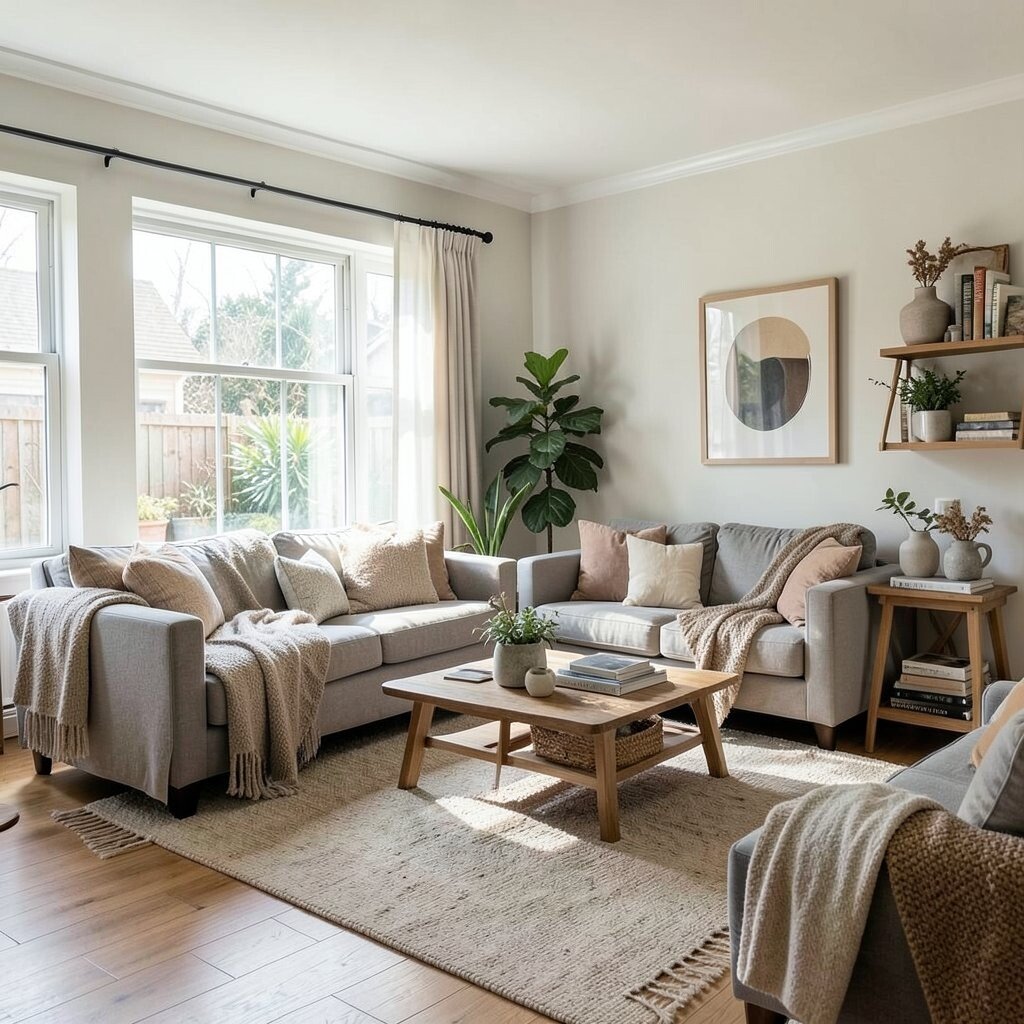
Maximalism doesn’t mean chaos; it means intentional variety. Pick a few categories to repeat, like ceramic vases, brass trays, and books with matching spines.
Style surfaces in small clusters, such as a stack of art books next to a tall vase, plus a candle and a framed photo. This creates visual rhythm and helps the room feel comfortable rather than crowded.
9. Mixing Metals Like a Pro
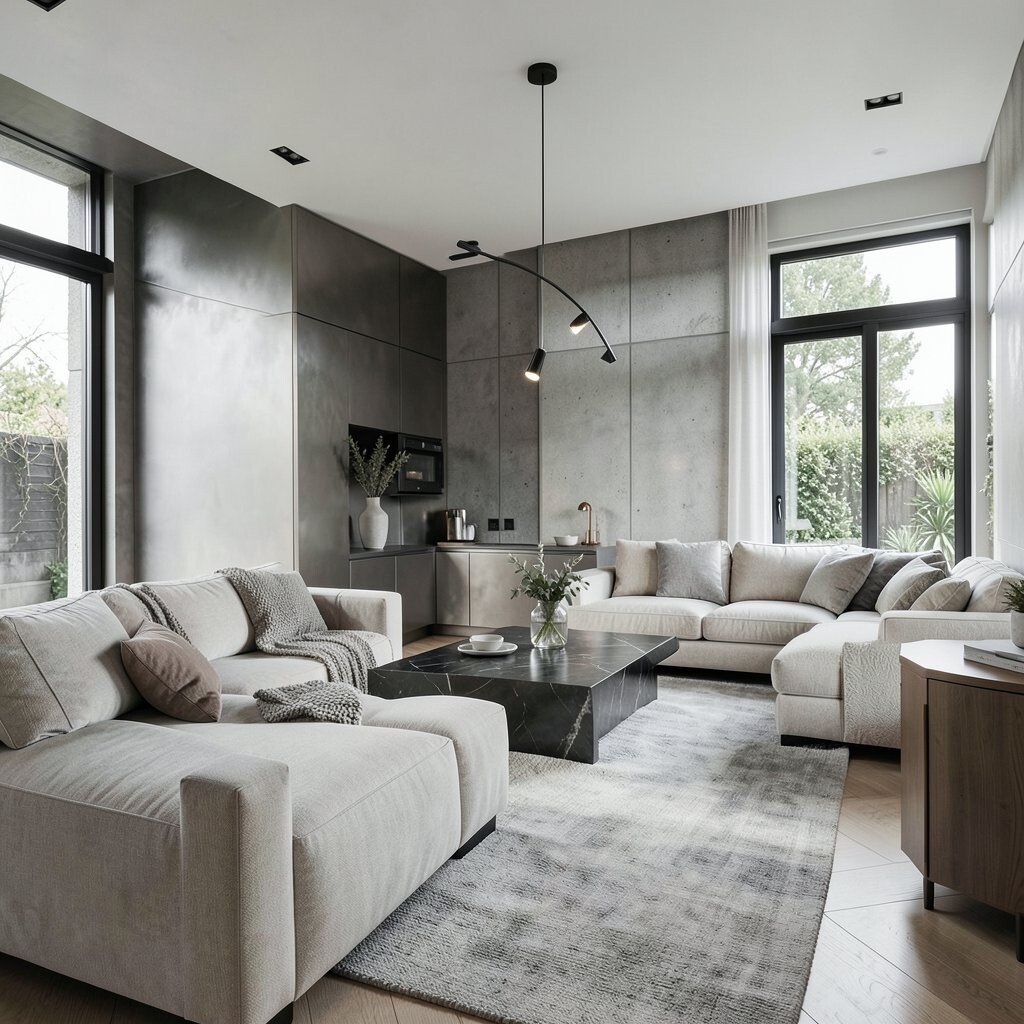
Gone are the days when every piece must match exactly. Blend brass, blackened steel, and warm copper for a look that feels collected and current.
Start with one metal you like most, then repeat it in at least two places, like cabinet hardware and a picture frame. Add a second metal in smaller accents, like a lamp base or a mirror border.
This approach keeps your home unique while still feeling cohesive. For a budget-friendly twist, spray-paint thrift finds in metal tones and update the details without replacing everything.
When you’re unsure, aim for a consistent finish, such as brushed instead of shiny, so the metals feel like they belong together.
10. Patterned Rugs That Anchor the Room
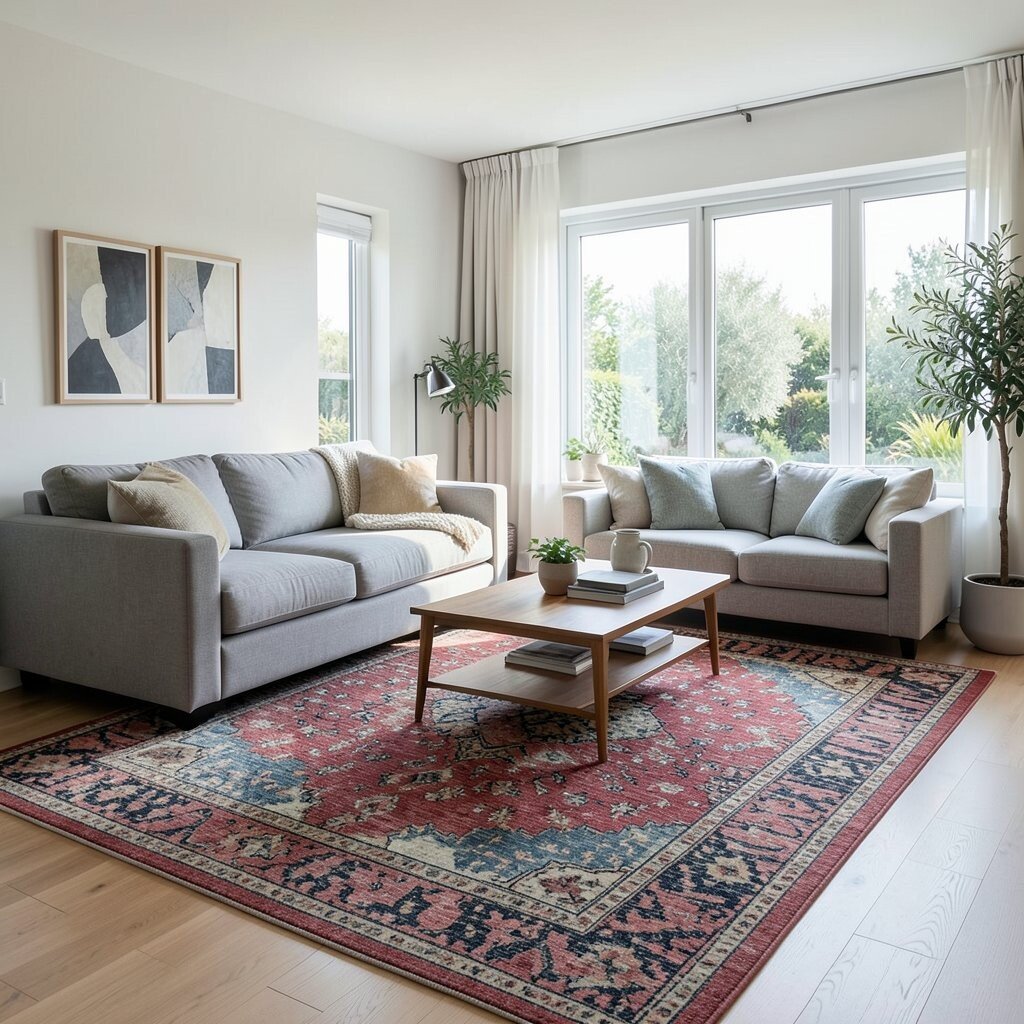
A maximalist rug is like a foundation for the whole outfit of the room. Choose one with strong pattern and rich color, then let it guide your pillow and art palette.
Make sure the rug size fits the space so furniture sits on it comfortably. A good anchor gives you benefits like easier styling and a more polished feel, even when you add many other elements.
11. Bookcases as Decorative Art
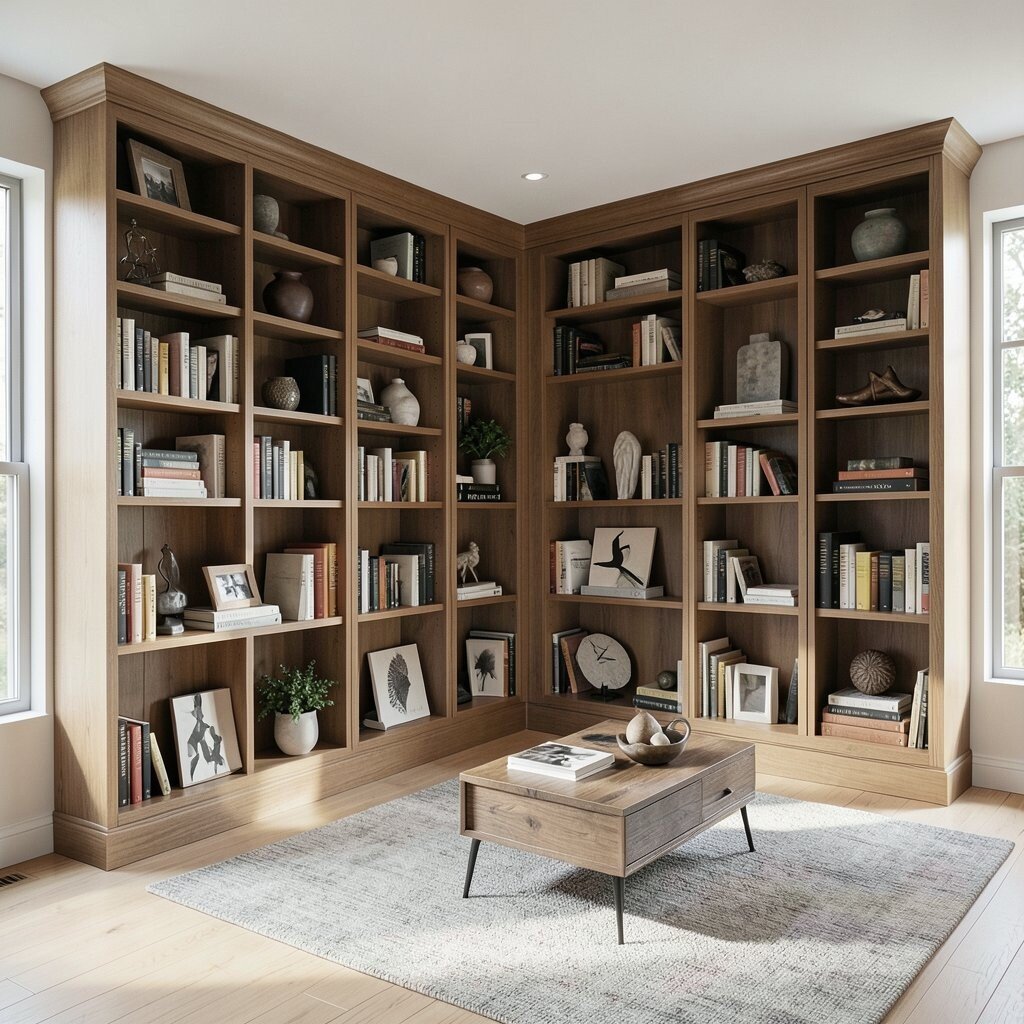
Turn shelves into a living mood board by mixing books with decorative objects. Place a few tall books upright, then add stacked paperbacks horizontally for variety.
Use small framed photos, ceramic planters, and patterned boxes to add texture. This makes your home unique because your shelf arrangement becomes a personal signature, not a copy of someone else’s style.
If you want a current look, mix neutral covers with one pop of color, like a bright spine that draws the eye. For cost considerations, thrift books with interesting covers or use older favorites you already own.
12. Bold Wallpaper Panels in Unexpected Spots
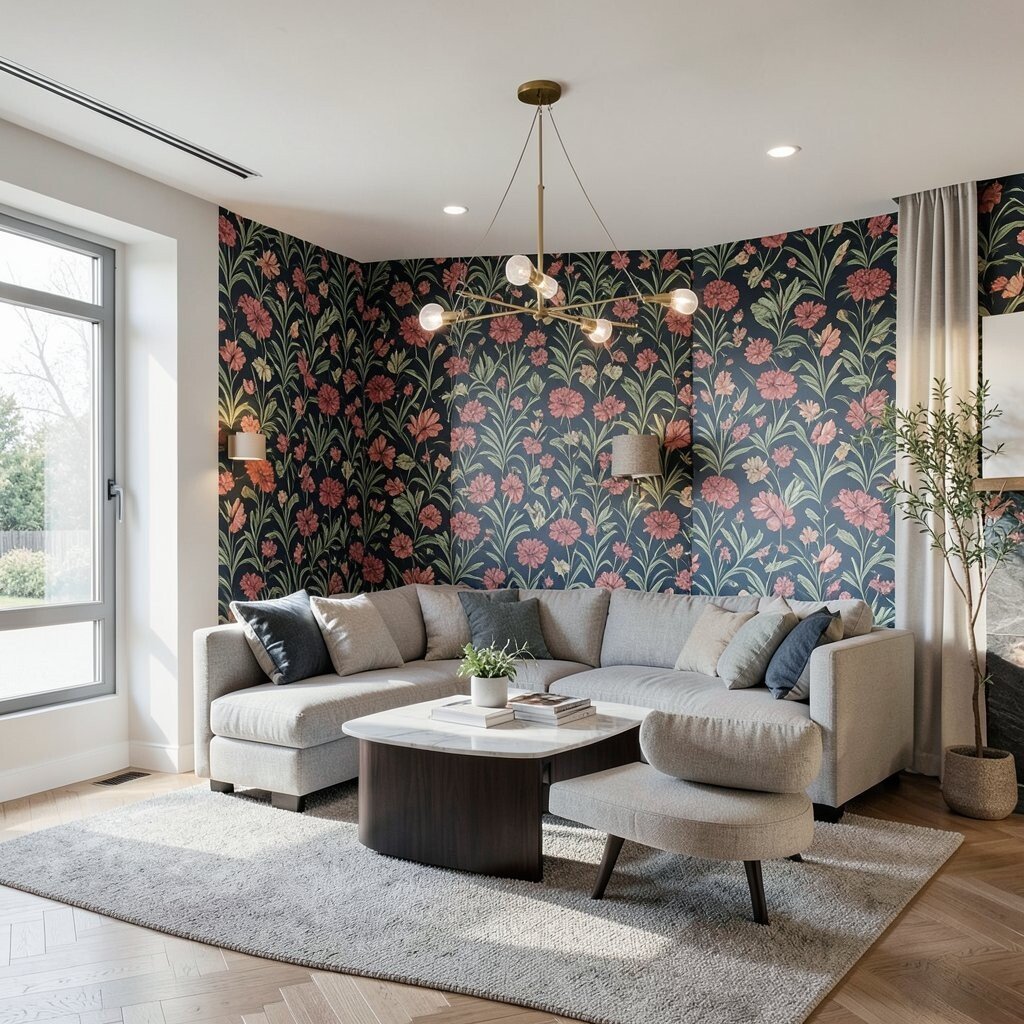
Wallpaper can feel maximalist even when you use it sparingly. Try it behind a bar cart, on the back of open shelving, or on the inside of a closet door.
Choose a pattern with movement, like botanical vines or abstract swirls, so the space feels lively. This gives you a practical benefit because you get big visual energy without redoing an entire room.
For personalization, match the wallpaper palette to your accessories, like a rug or throw. Peel-and-stick options help with renting and allow you to change the trend vibe over time.
13. Layered Mirrors for Depth and Drama
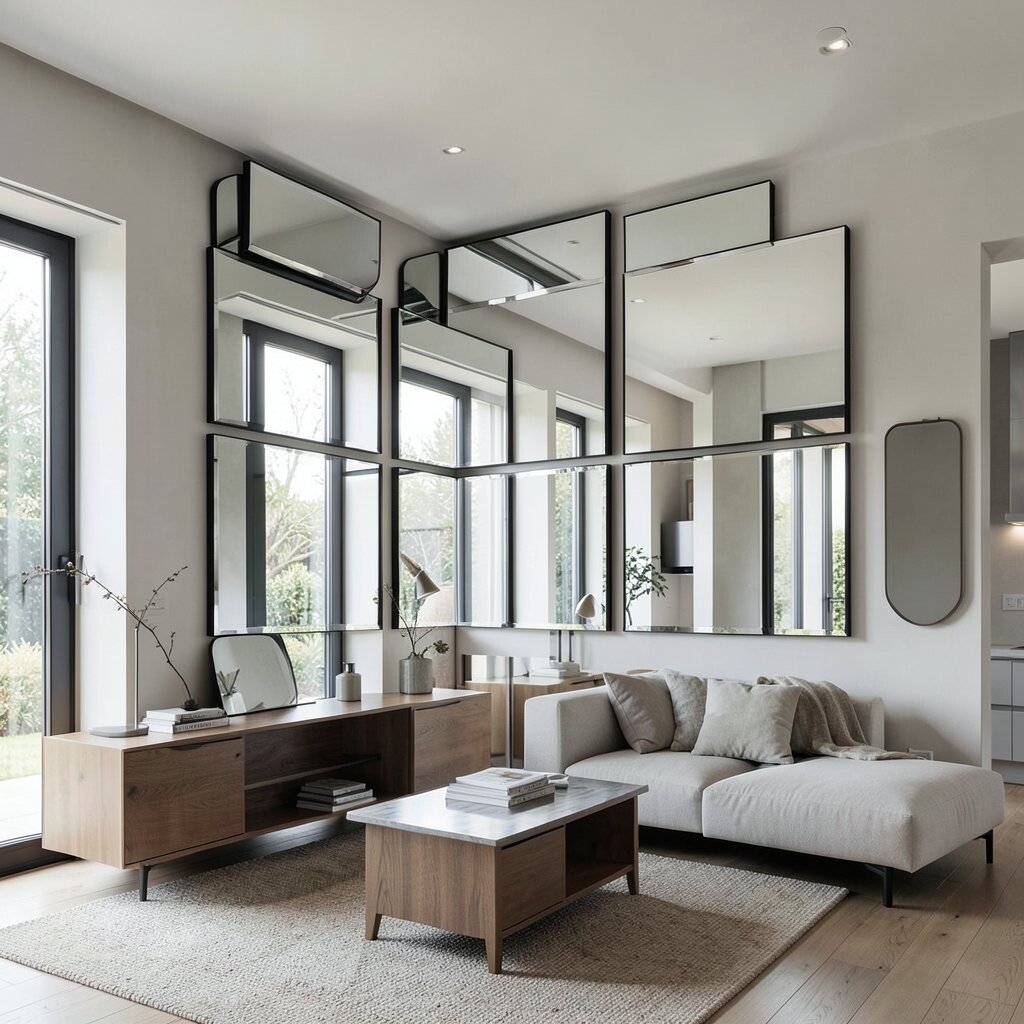
Mirrors are a maximalist cheat code because they add light and make rooms feel bigger. Pick frames with bold shapes, like scalloped edges or ornate details, and hang them at slightly different heights.
Use mirrors to reflect art, plants, or a textured wall so the room looks deeper. This adds benefits like brighter corners and an effortless, high-end look.
To keep it cohesive, choose a consistent color family for the frames, such as warm wood and gold accents. A budget-friendly option is shopping secondhand mirrors and refinishing the frames with paint or stain.
14. Plants With Personality and Big Shape
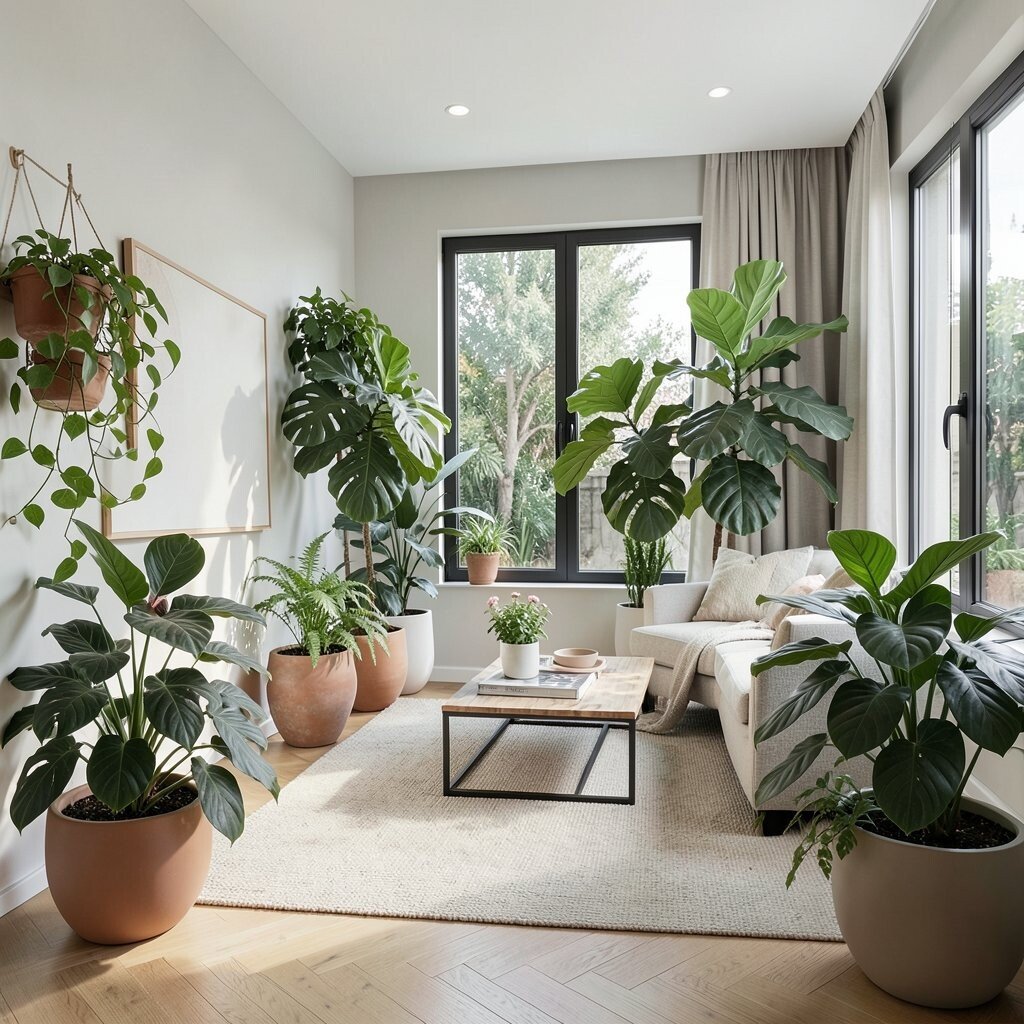
Maximalism loves life, and plants bring both color and movement. Go beyond small desk plants and choose a few statement sizes like a tall fiddle-leaf fig or a trailing pothos.
Pair them with textured pots in different colors so the plant area feels like a styled corner. This boosts the room’s comfort because greenery softens strong patterns and adds a calm contrast.
For personalization, match pot tones to your decor palette, then mix plant heights so you get a layered effect. If you want cost control, propagate cuttings from friends or start with hardy plants that fit your light levels.
Make watering easier by using a saucer system and grouping plants with similar care needs.
15. Art That Scales Up Emotionally
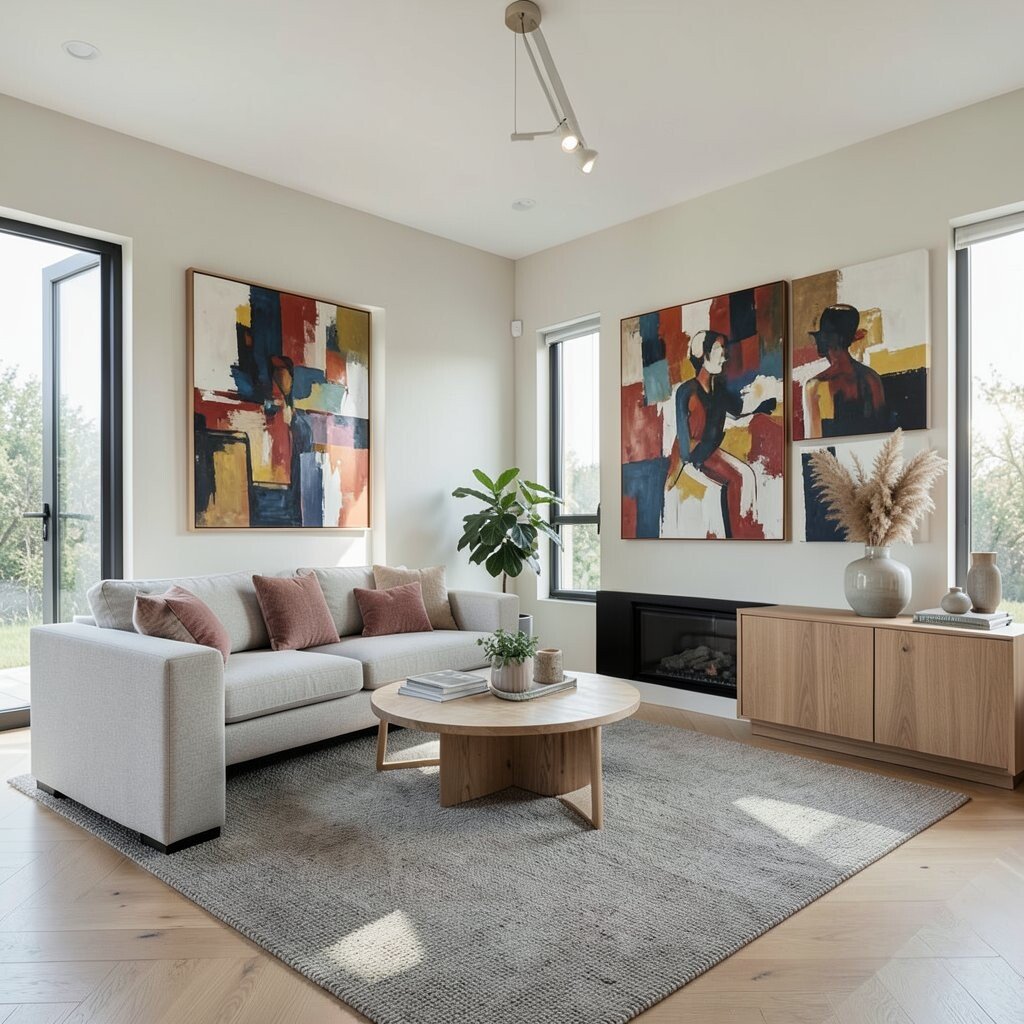
Choose artwork that makes you feel something, then go larger than you normally would. A big abstract piece can carry the whole room’s energy, especially in a maximalist setup.
Pair the art with smaller frames nearby so your wall doesn’t feel one-note. Look for pieces that share colors with your rug or curtains, and the room will feel unified without being boring.
This is a unique way to personalize because your choices reflect your taste, not a cookie-cutter trend. For cost considerations, print high-quality reproductions or use museum-style frames to make affordable art look special.
16. Seasonal Swaps That Keep It Fresh
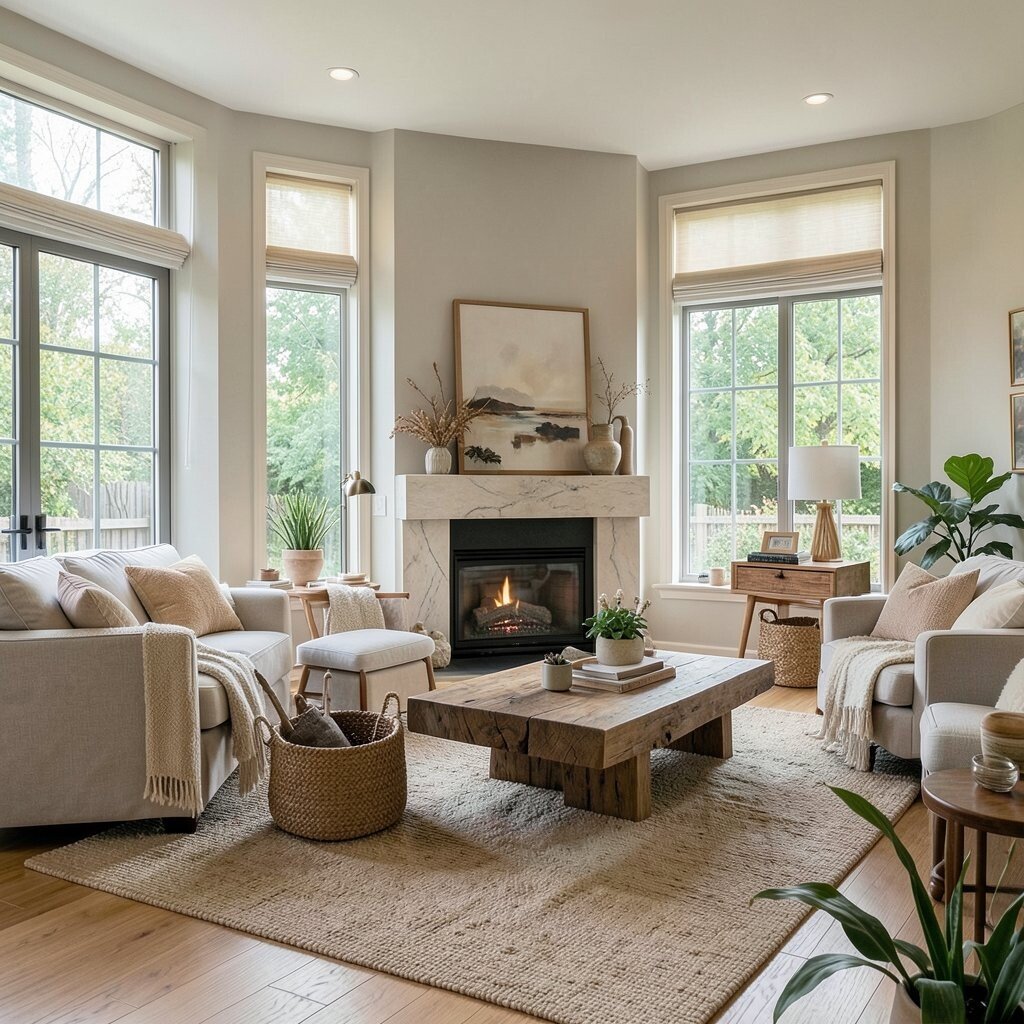
Maximalist homes thrive when you update details instead of starting over. Keep a storage box for seasonal textiles, like a new throw blanket, pillow covers, and table styling accents.
In fall, add warm tones and heavier textures, and in spring, swap in lighter colors and fresh patterns. This gives you benefits like a continually renewed space and a fun reason to shop your home for what’s already working.
If you want a practical approach, create a simple color plan each season that matches your main room palette. For personalization, add one handmade element each year, like a painted frame or a holiday centerpiece that reflects your traditions.
As trends shift, you can follow the vibe through accessories, so your home stays current without constant big spending.