A good homeschool area can make learning feel calm and exciting. The right space can also help your child focus and enjoy the day.
1. Create a Bright Study Corner
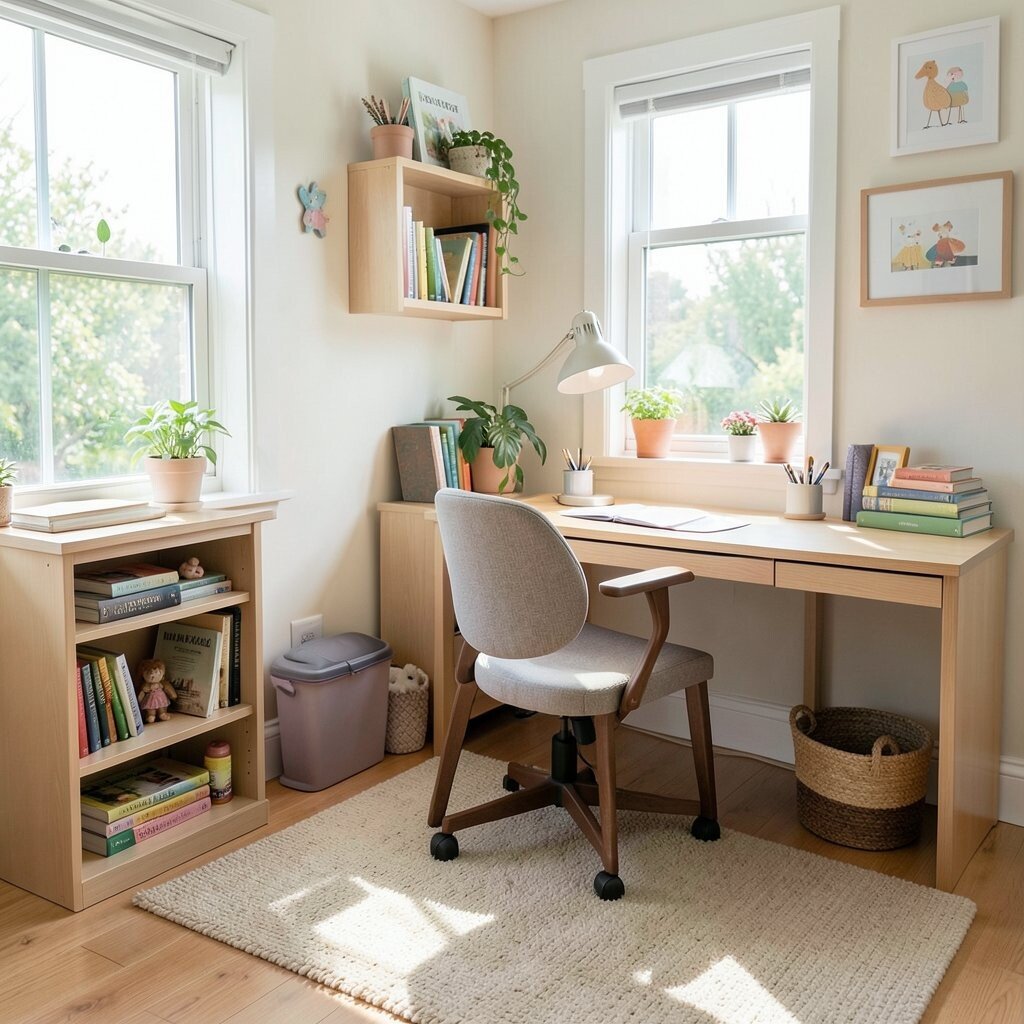
A bright study corner can make the whole room feel cheerful and ready for learning. Sunlight, light walls, and a clean desk can turn a plain spot into a space that feels open and friendly.
This kind of setup helps kids stay alert and feel less sleepy during lessons. A small table, a comfy chair, and a few simple shelves can keep costs low while still looking neat, and you can make it feel special with a favorite lamp or a colorful mat.
2. Use a Rolling Supply Cart
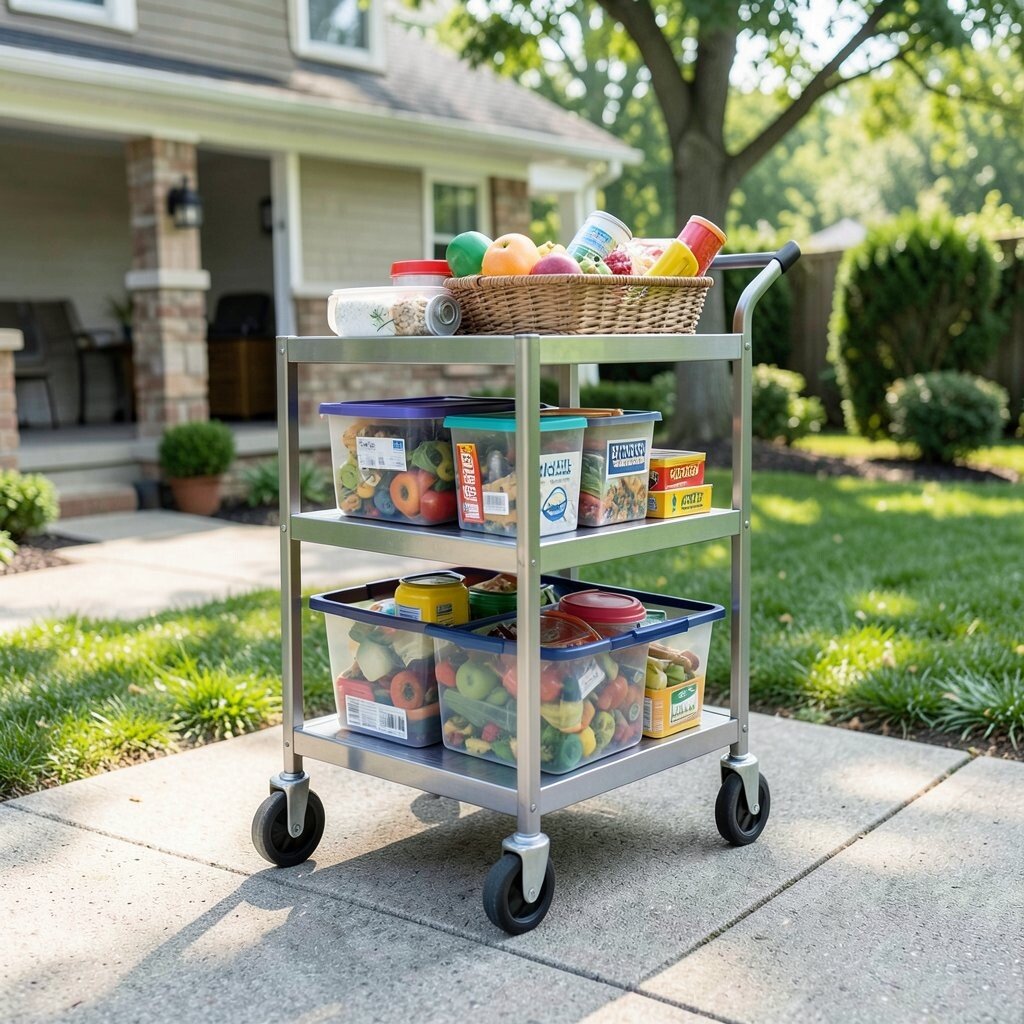
A rolling supply cart gives you a movable spot for crayons, papers, markers, and other school tools. It can look tidy and modern, especially when each shelf has a clear purpose and a few bright labels.
This idea saves time because supplies stay close by and can move from room to room with ease. It works well for small homes, and you can personalize it with baskets, stickers, or a paint color that matches the room.
Many families like this trend because it keeps clutter off the table and makes cleanup faster. A budget cart from a discount store can work just as well as a fancier one if you keep it organized with bins and trays.
3. Set Up a Cozy Reading Nook
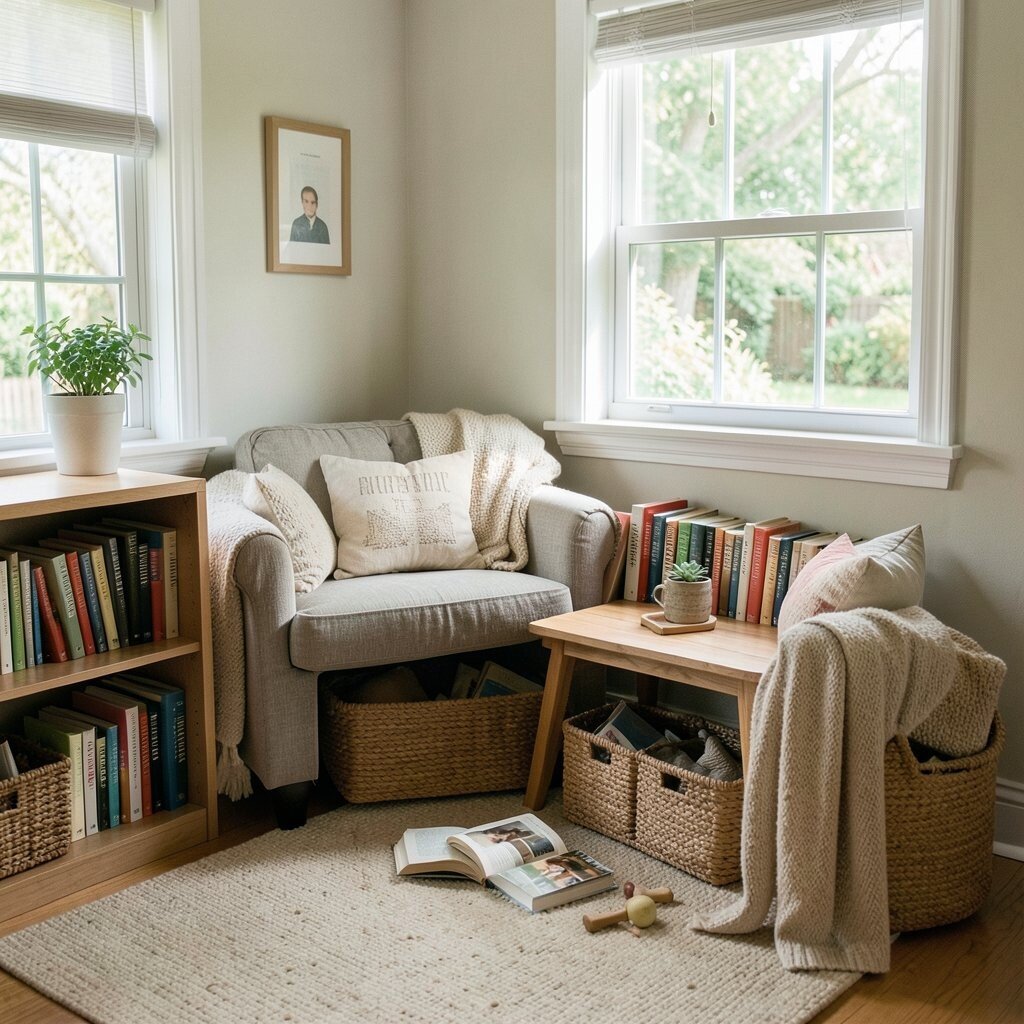
A cozy reading nook can make books feel warm and inviting. Soft pillows, a small rug, and a basket of favorite stories can create a calm corner that looks like a tiny retreat.
This kind of space can help children spend more time reading without feeling rushed. Add fairy lights, a canopy, or a beanbag chair to give it a unique feel, and choose low-cost items from around the house to keep it simple and personal.
Reading spots are very popular right now because they make learning feel gentle and fun. You can shift the style with the seasons by swapping blankets or adding book covers that match a theme your child loves.
4. Add a Wall of Learning Displays
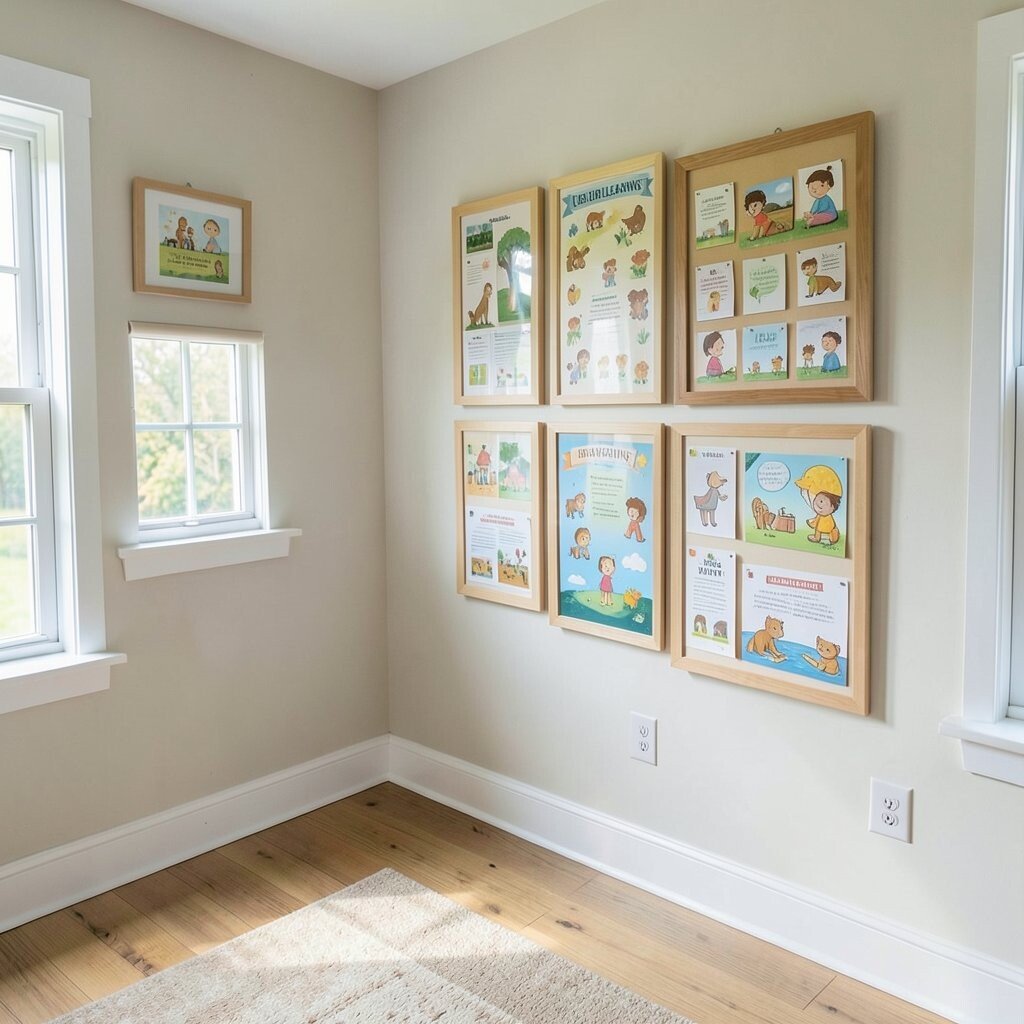
A wall of learning displays can turn blank space into something useful and fun. Posters, maps, alphabet charts, and kid-made art can give the room a colorful look that feels full of purpose.
This setup helps children remember lessons because they can see important ideas every day. You can keep the cost down by printing items at home, and you can make the wall feel personal with family photos, handwriting samples, or a chart in your child’s favorite colors.
5. Bring in a Big Floor Workspace
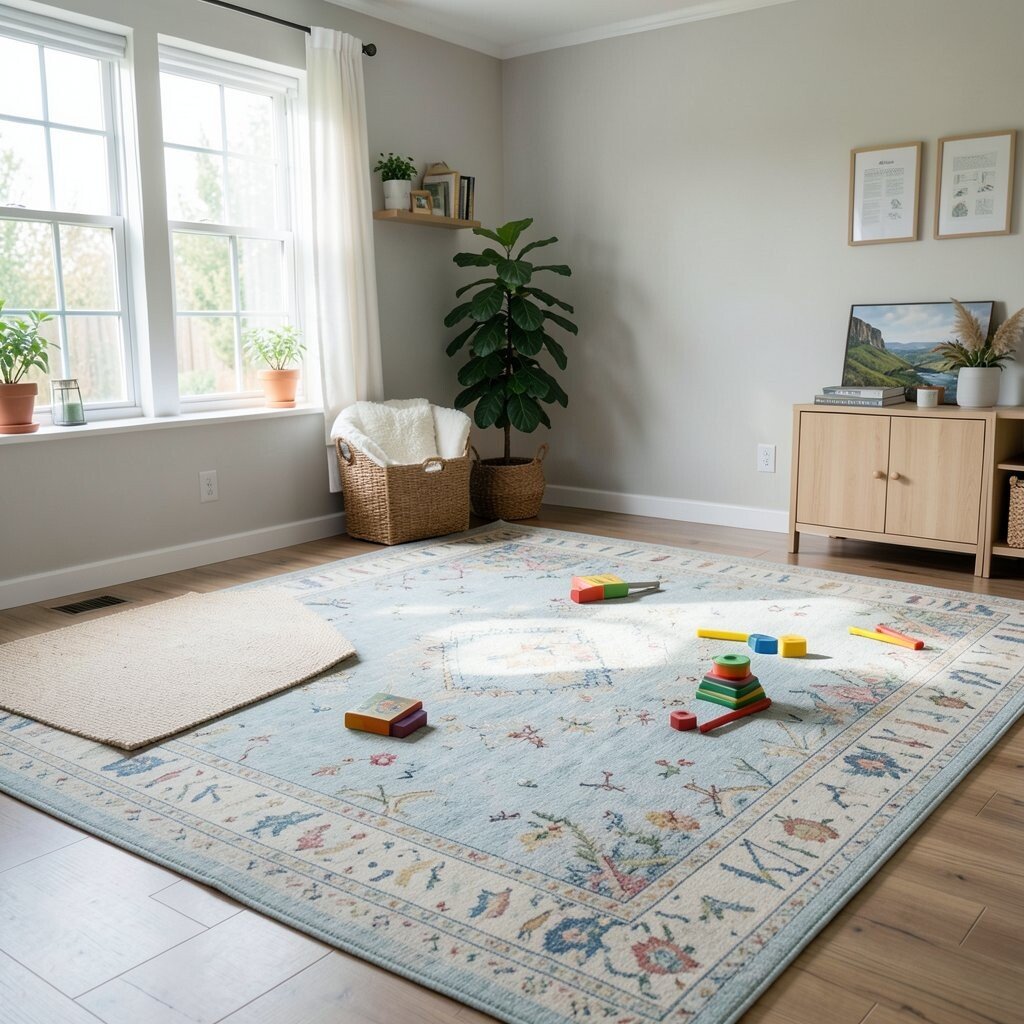
A big floor workspace can make learning feel relaxed and open. A washable rug, a foldable lap desk, and some cushions can create a spot that looks playful while still helping kids stay focused.
This setup is great for puzzles, building projects, and read-aloud time. It can also be very affordable if you use a blanket, a tray, or pillows you already own, and you can change the look with theme colors, patterns, or soft storage baskets.
Many families enjoy floor learning because it feels less stiff than a desk and can work well for younger children. It also fits current homeschool style trends that mix comfort with simple organization.
6. Make a Nature-Inspired Space
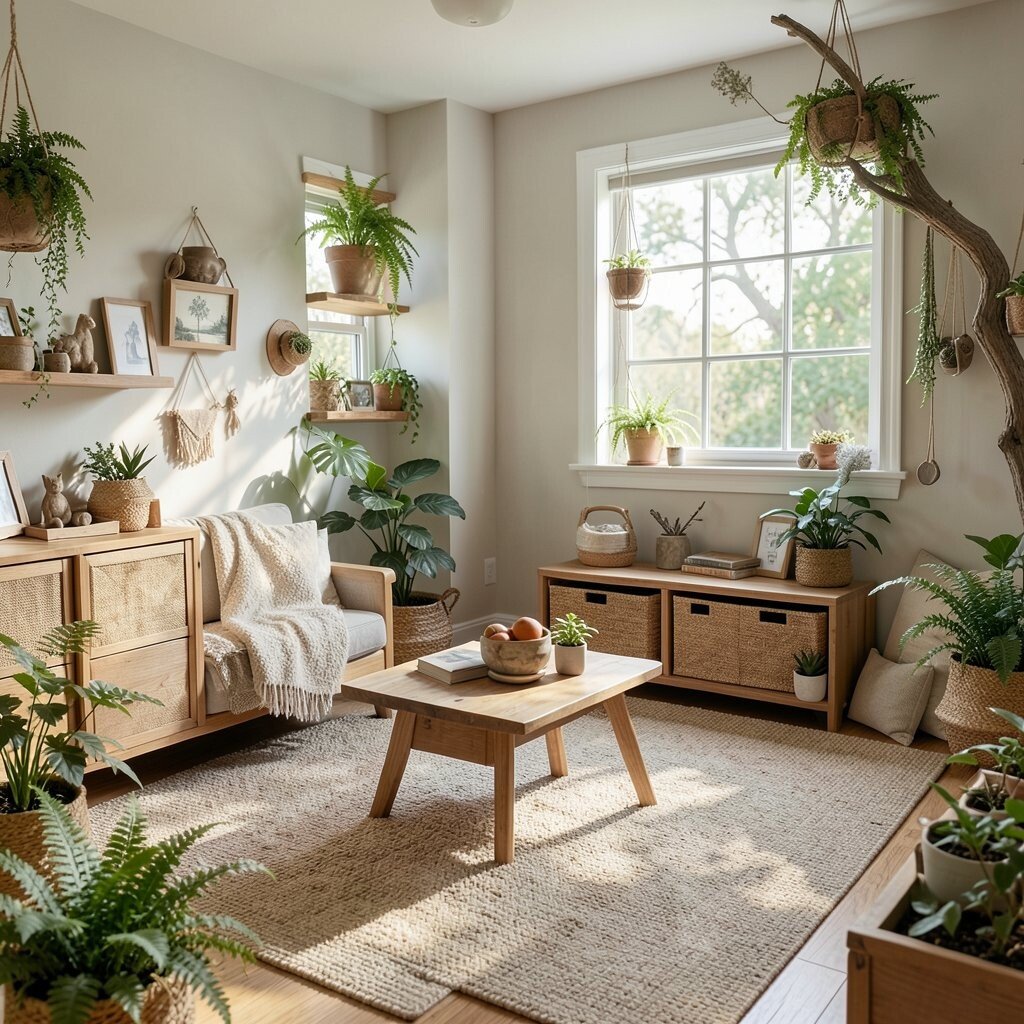
A nature-inspired space can feel fresh and peaceful. Wood tones, plants, baskets, and natural light can create a room that looks calm and full of life.
This kind of area may help children feel more relaxed and ready to learn. A few potted plants, leaf prints, or stone-colored bins can add uniqueness without costing much, and you can personalize it with rocks, shells, or items from a family walk.
Nature themes are popular because they feel soft, timeless, and easy to keep neat. If real plants are hard to care for, even simple fake greenery or nature photos can bring the same look at a lower cost.
7. Build a Desk Zone With Clear Boundaries
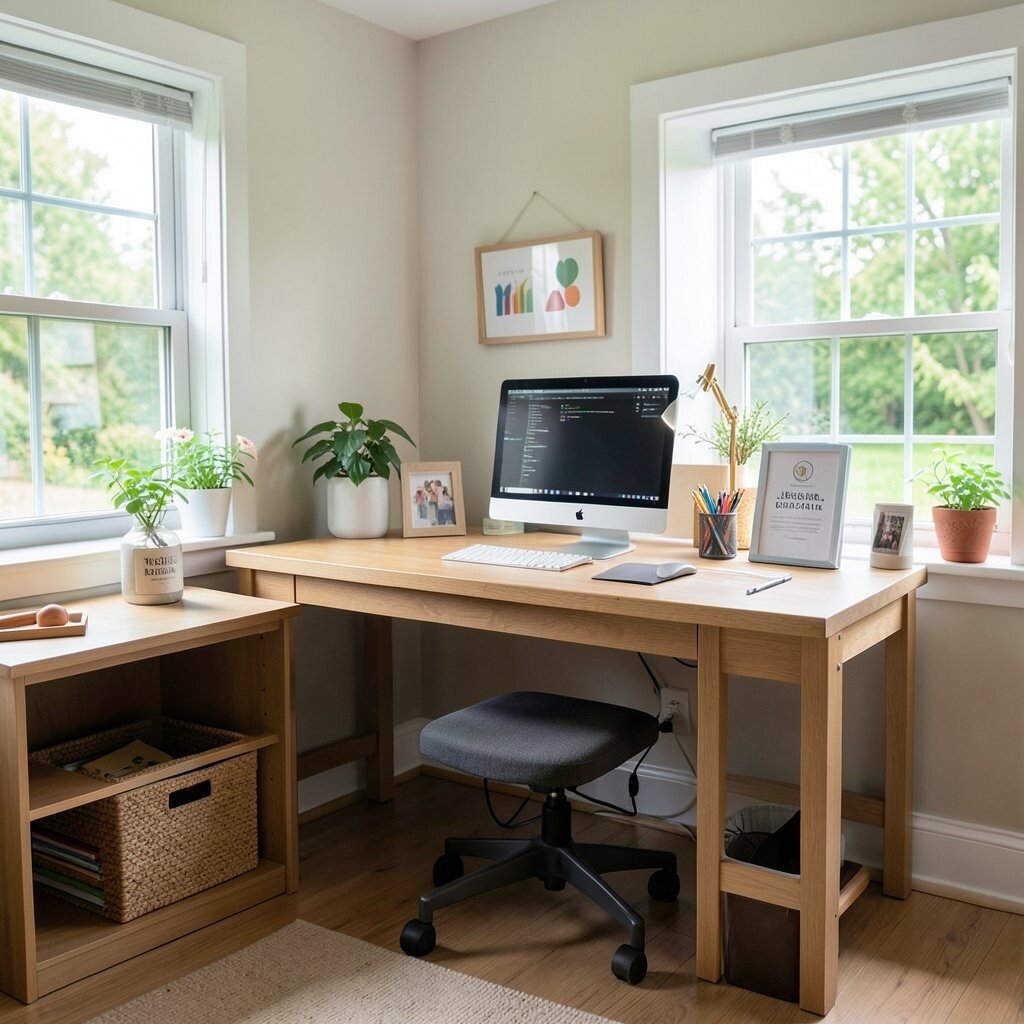
A desk zone with clear boundaries can help a child know where school time begins. A small desk, a lamp, and a shelf nearby can make the area look focused and tidy.
This setup supports better attention because it feels like a special work spot. You can keep the cost reasonable with a secondhand desk, and you can add personal touches like a name sign, a favorite pen cup, or a small drawing on the wall.
Many families like this simple style because it works well for writing, math, and computer work. It also fits current trends that use calm colors and clean lines for a less distracting learning space.
8. Use Color to Guide the Room
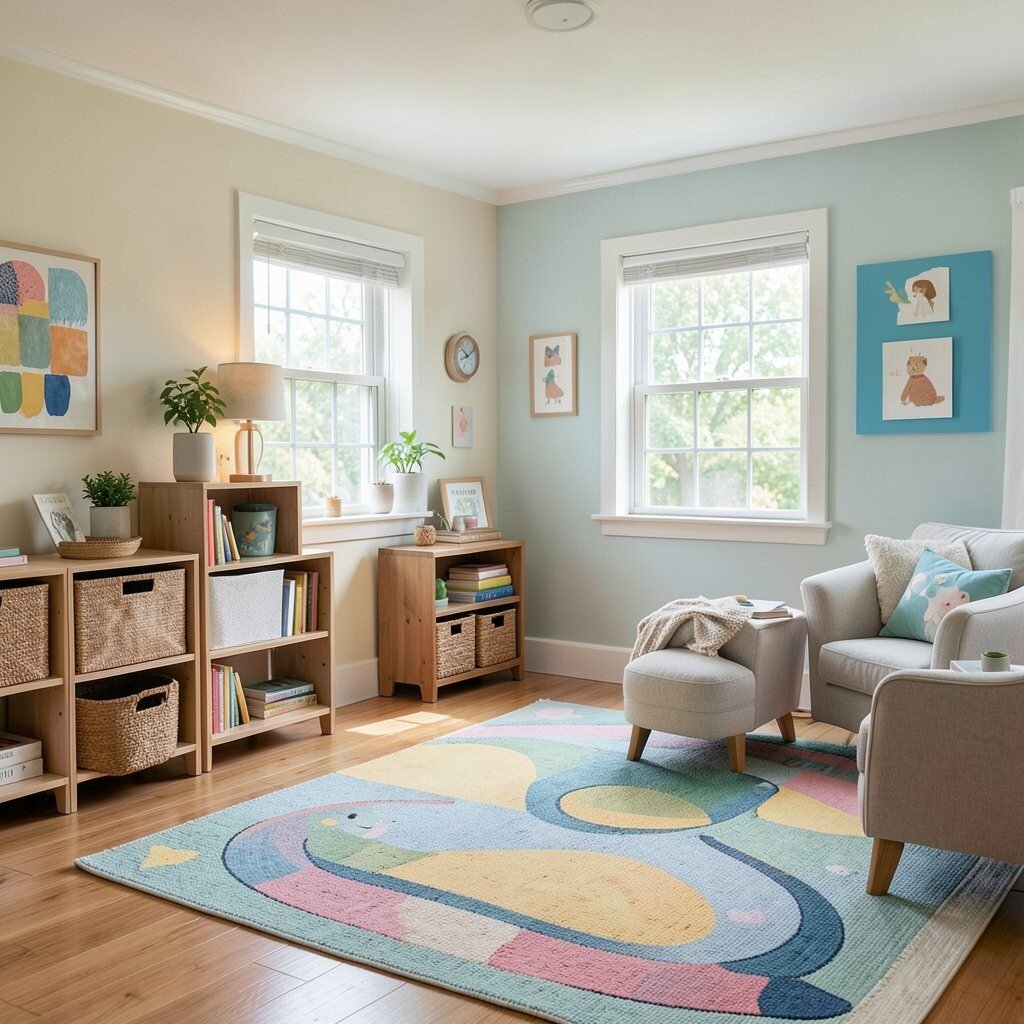
Color can change how a homeschool area feels right away. Soft blues, sunny yellows, or fresh greens can make the space look lively, warm, or calm depending on what your child needs.
Color can also help organize the room by giving different spots different looks. You can use low-cost paint, tape, bins, or folders to make the space feel personal and easy to use, and the whole room can look more special without much work.
This idea is useful because it helps children remember where things belong. Bold colors are still trendy, but soft and cozy shades are also popular for families who want a peaceful learning mood.
9. Make Storage Part of the Decor
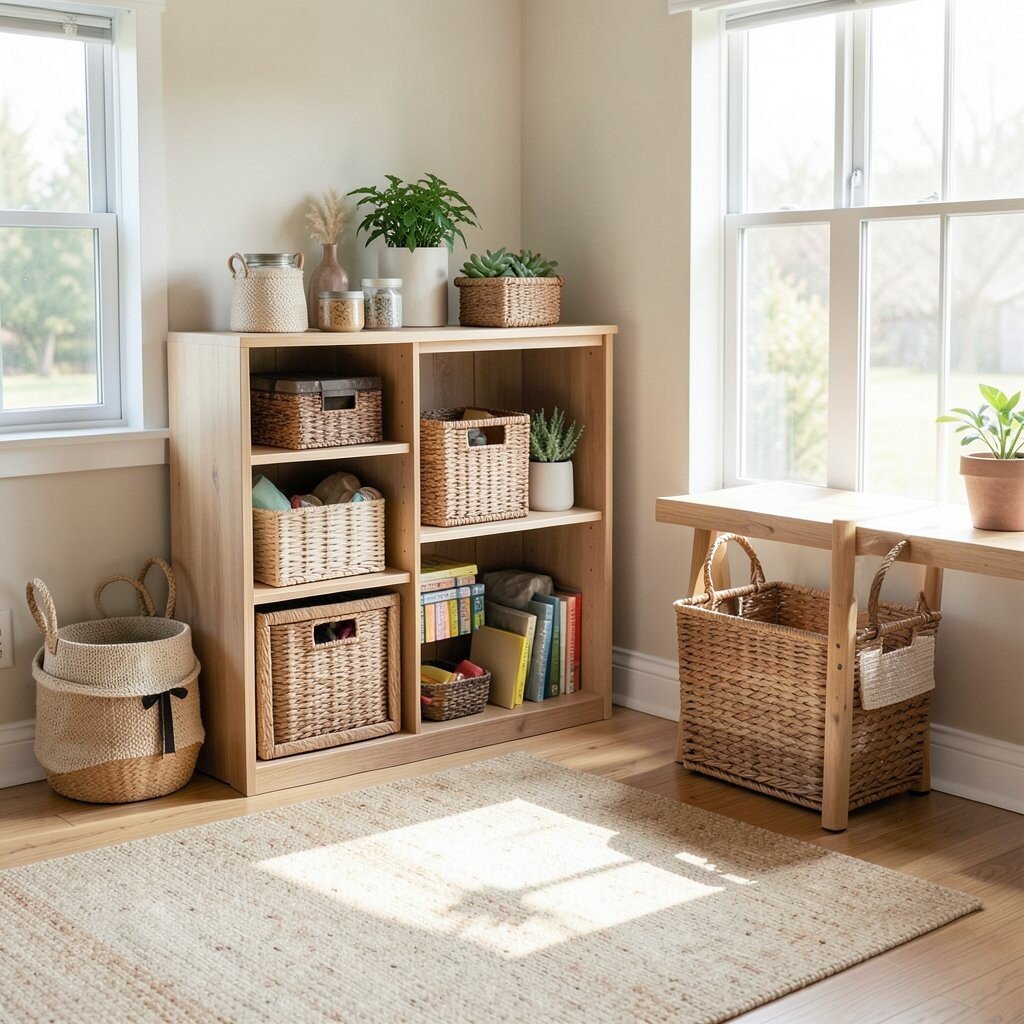
Storage can look pretty when it is chosen with care. Woven baskets, clear jars, and labeled bins can make shelves feel neat while adding texture and charm.
This approach helps keep the homeschool area from getting messy too fast. It can be budget-friendly if you reuse boxes or baskets from home, and you can make it unique by mixing materials, colors, and shapes that match your style.
When storage looks nice, children are more likely to put things away. That small habit can save time every day and make the space feel more peaceful for everyone.
10. Add a Hands-On Creation Table
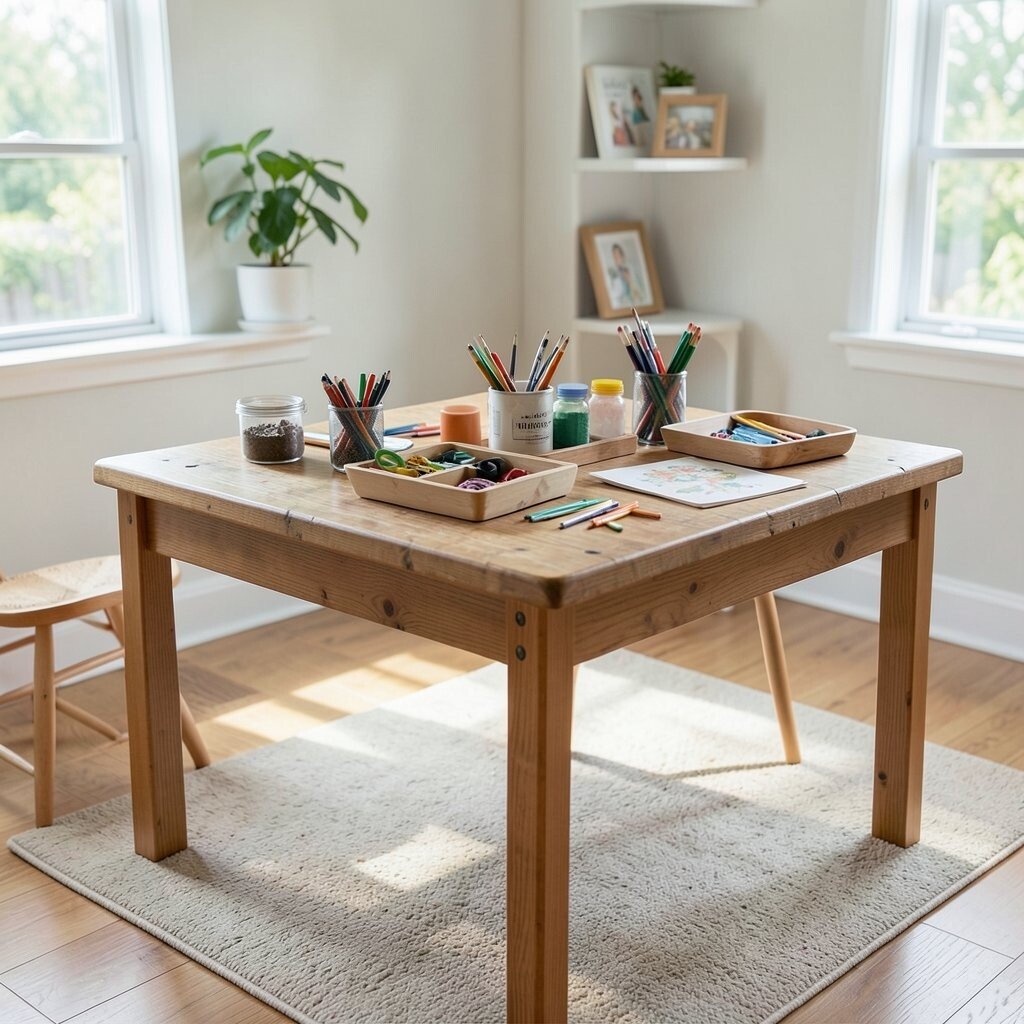
A hands-on creation table gives children a place to build, paint, cut, and make. It can look busy in a good way, with jars of supplies, drying art, and little tools that spark creativity.
This kind of table supports learning through movement and making. You can keep it affordable with a basic table and simple containers, and you can personalize it with craft paper, a color theme, or a rotating display of finished work.
Families often like creation spaces because they make lessons feel active and fun. The trend toward maker learning is still strong, and it works well even in a small room if you keep supplies simple and easy to reach.
11. Set Up a Quiet Focus Spot
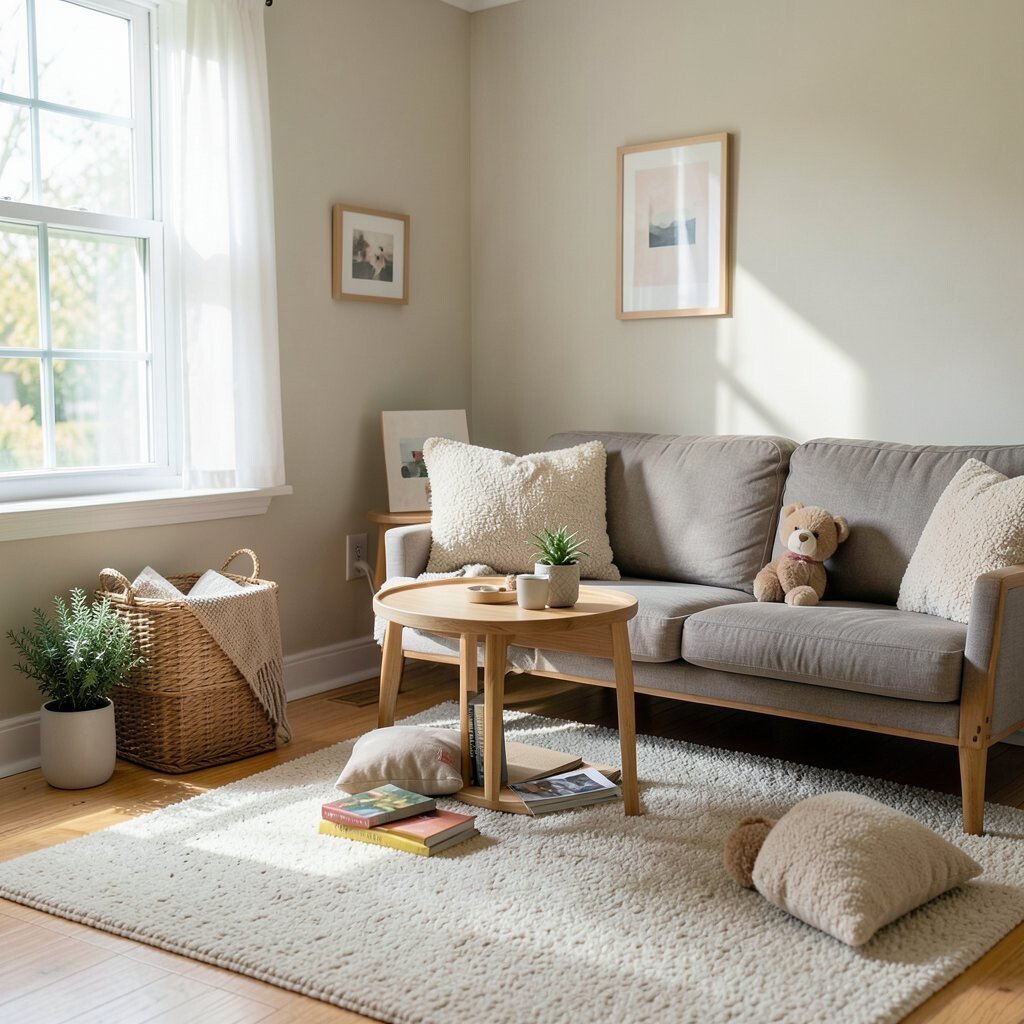
A quiet focus spot can help when a child needs less noise and fewer distractions. A small chair, a desk divider, or even a corner with soft curtains can make the area feel calm and private.
This setup is helpful for reading, tests, and tricky subjects that need extra attention. It does not have to cost much, and you can make it feel unique with a favorite blanket, a special timer, or a few calm pictures on the wall.
Quiet corners are a smart choice for homes with many kids because they give each learner a place to settle down. They also match the current trend of building calm spaces that support focus without feeling cold or plain.
12. Use a Fold-Away Learning Station
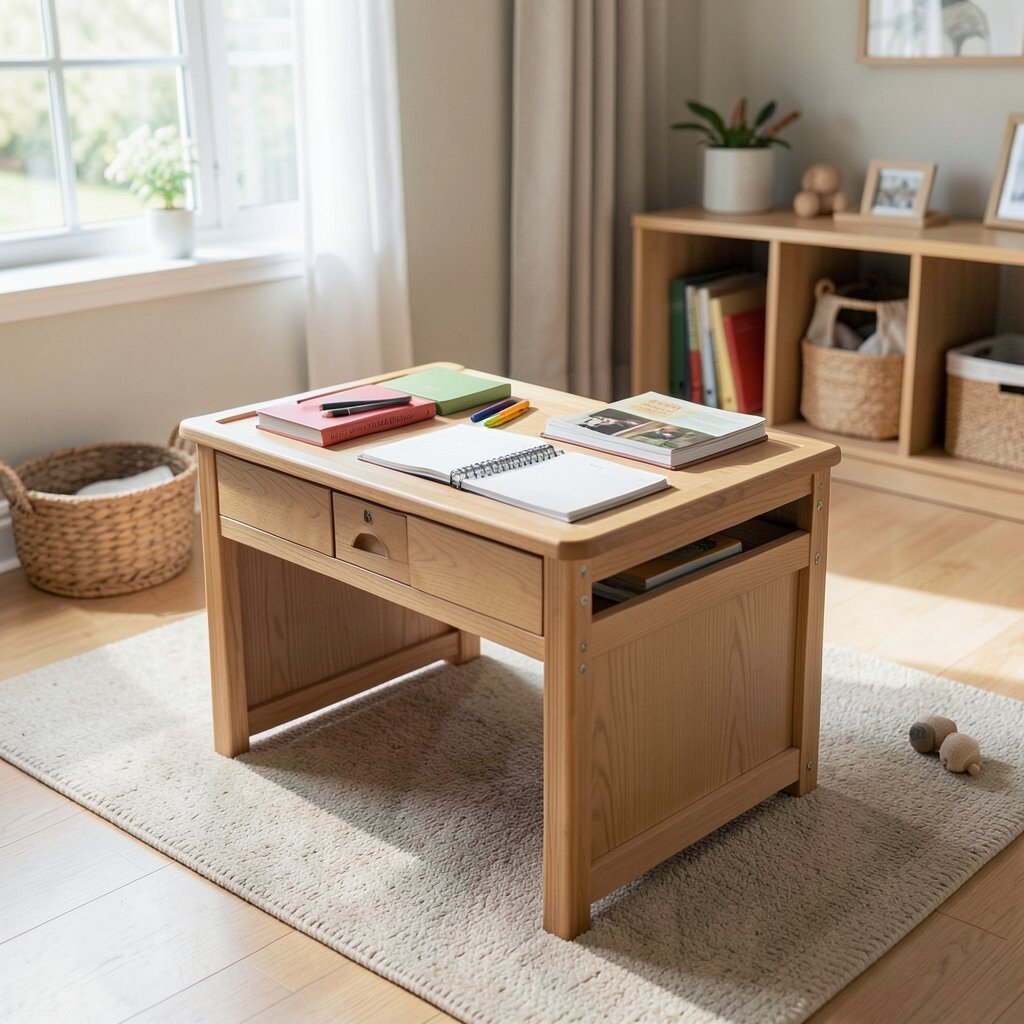
A fold-away learning station can be a lifesaver in a small home. When the school day ends, the area can close up and the room can feel open again.
This idea keeps the homeschool space from taking over the whole house. A wall-mounted desk, a fold-down table, or a cabinet that hides supplies can help save money and space, and you can make it feel personal with pretty paper, a magnet board, or a favorite set of colors.
Fold-away setups are a strong trend because they work well in apartments and busy family rooms. They also make cleanup faster, which can reduce stress for both children and adults.
13. Add a Game Shelf for Learning Play
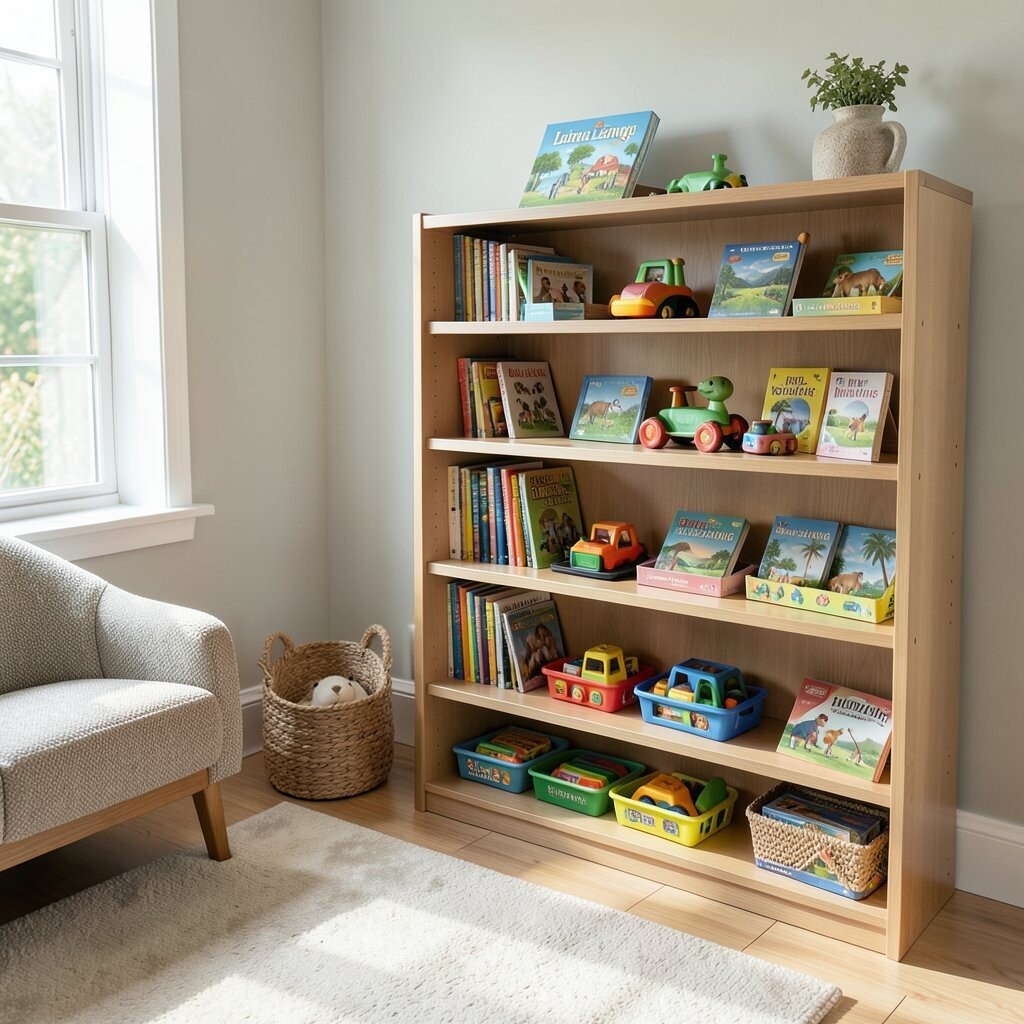
A game shelf can make learning feel like playtime. Board games, card games, math games, and puzzles can sit in one clear place and look bright and inviting.
This kind of space helps children learn skills while having fun. It can be low cost if you shop secondhand or use games you already own, and you can personalize the shelf with baskets, name tags, or a picture of your child’s favorite game.
Game-based learning is a trend many families enjoy because it keeps lessons active and social. A tidy shelf also makes it easy for kids to pick an activity on their own and put it back when they are done.
14. Make Room for Science Fun
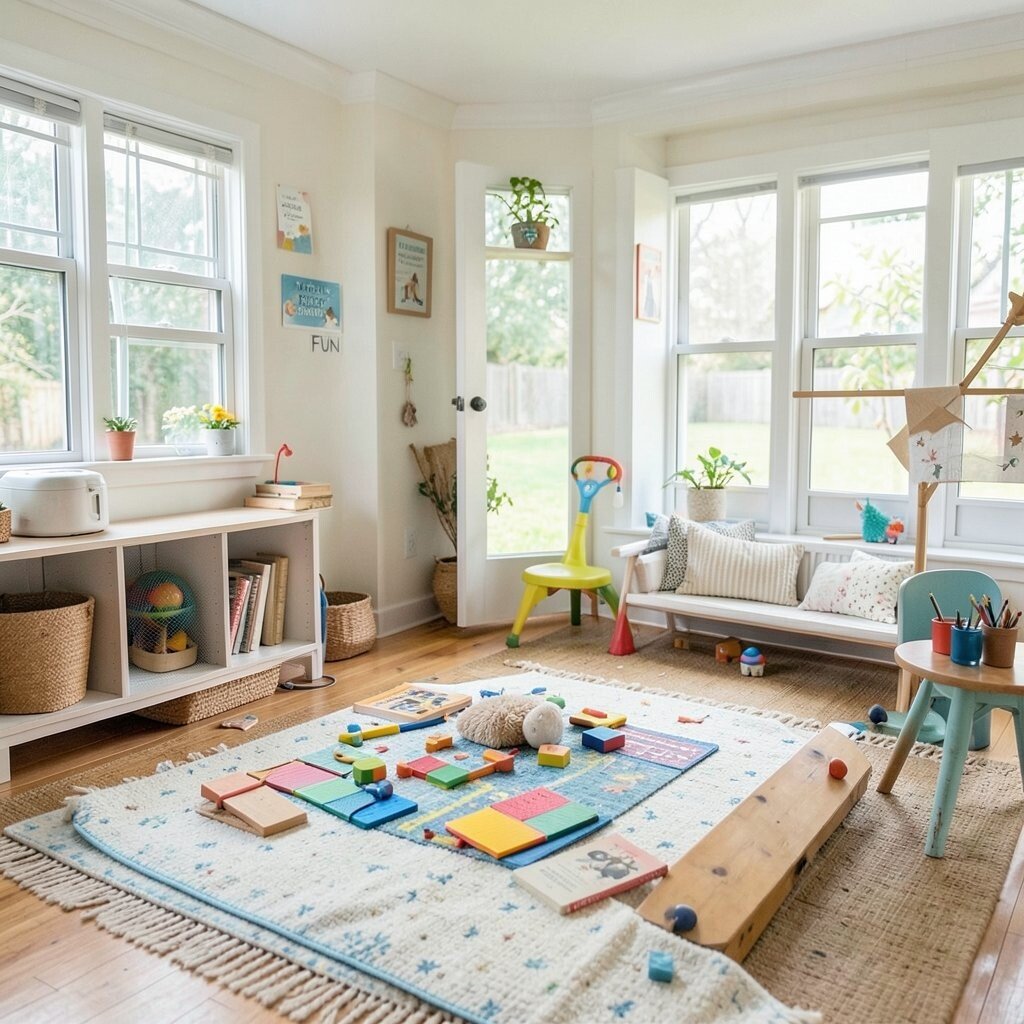
A science fun area can make experiments feel exciting instead of messy. Clear tubs, safety glasses, measuring tools, and a table cover can turn a corner of the home into a mini lab.
This setup helps children ask questions and try new ideas with confidence. It can be built on a small budget using simple household items, and you can make it unique with jars of natural objects, space posters, or a display for finished projects.
Many homeschool families like hands-on science because it keeps kids curious. The current style often leans toward simple lab kits and reusable tools, which can look neat and save money over time.
15. Use a Bulletin Board for Kid Work
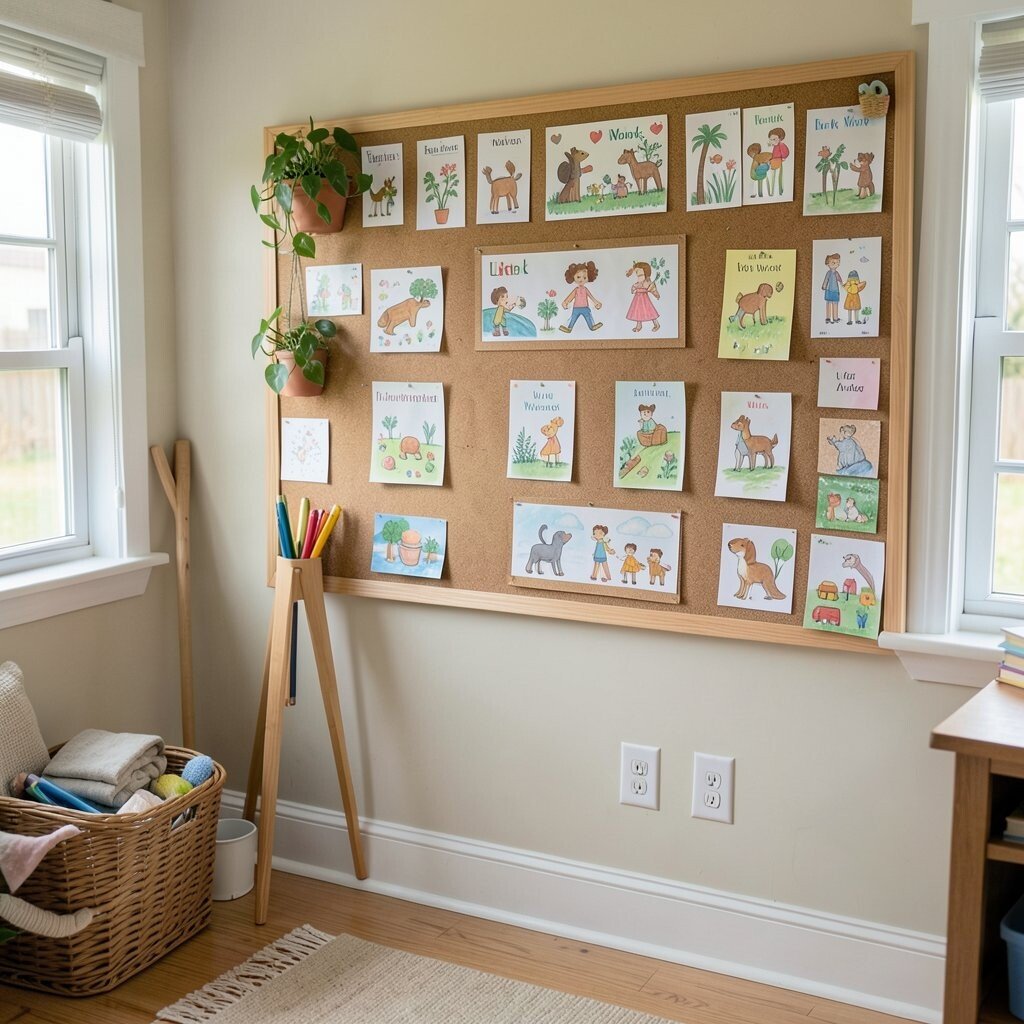
A bulletin board can turn finished work into part of the room’s design. Bright borders, clipped papers, and photos of school projects can make the wall look lively and proud.
This idea gives children a sense of ownership over their learning space. It is also easy on the budget if you use cork, foam board, or a simple string line, and you can personalize it by swapping in your child’s artwork, weekly goals, or favorite quotes.
Seeing their work on display can help children feel motivated. Many families enjoy this because it keeps the homeschool area from feeling plain and gives the room a changing, homey look.
16. Make a Calm Sensory Corner
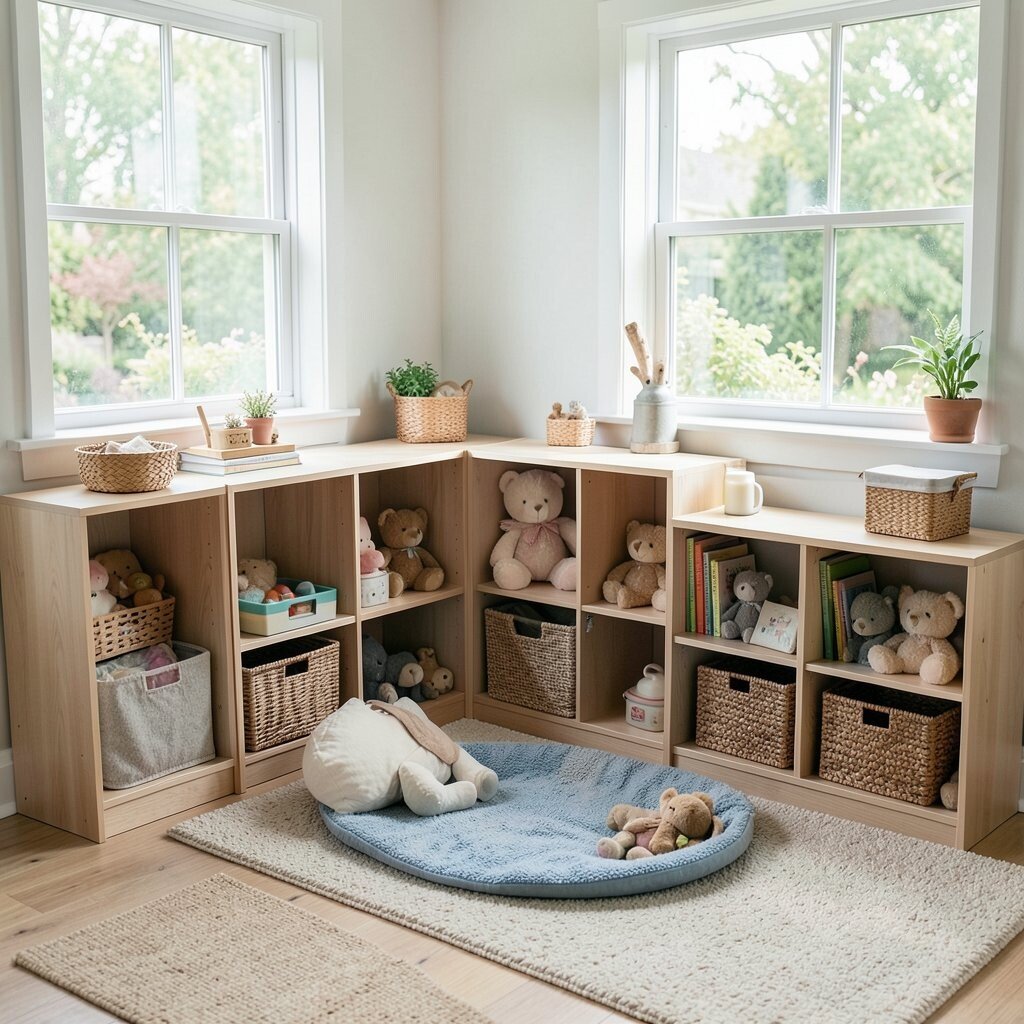
A calm sensory corner can help children reset when they feel restless. Soft textures, a squeeze ball, a weighted pillow, and gentle colors can make the corner look soothing and inviting.
This space can support better moods and smoother school days. It does not need expensive items, and you can personalize it with a favorite stuffed animal, a small tent, or a jar of calming cards that fit your child’s needs.
Sensory spaces are very useful for many learners, and they are a strong current trend in homeschool rooms. They can be tucked into a small corner and still make a big difference in comfort and focus.
17. Include a Family Learning Wall
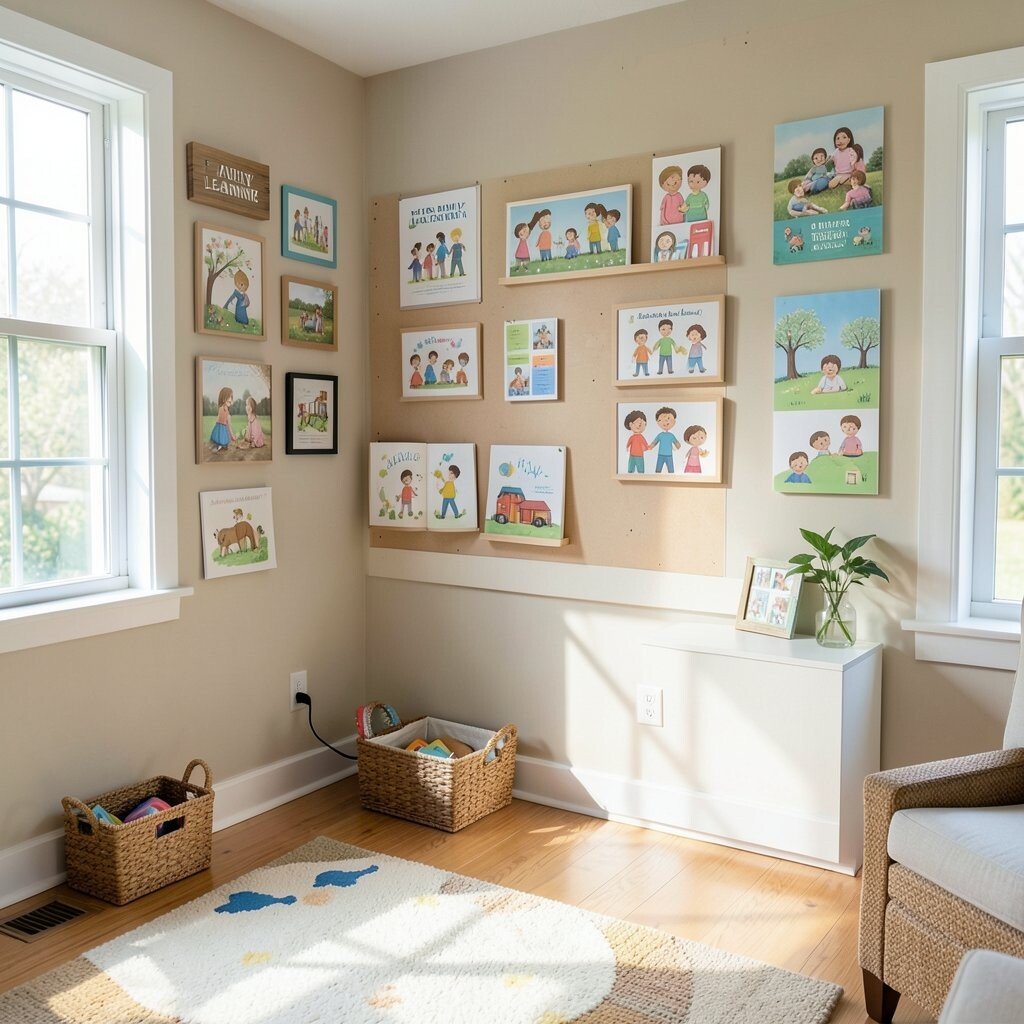
A family learning wall can bring everyone into the homeschool space. Charts, calendars, photos, maps, and daily plans can make the wall feel full of life and help the day run more smoothly.
This setup keeps the whole family on the same page. You can build it at low cost with paper, tape, and a few frames, and you can make it unique by adding special events, memory cards, or a family goal board.
Many homes now use shared planning walls because they help busy families stay organized. The wall can also be updated often, which keeps the room feeling fresh without needing a full makeover.
18. Try a Theme That Fits Your Child
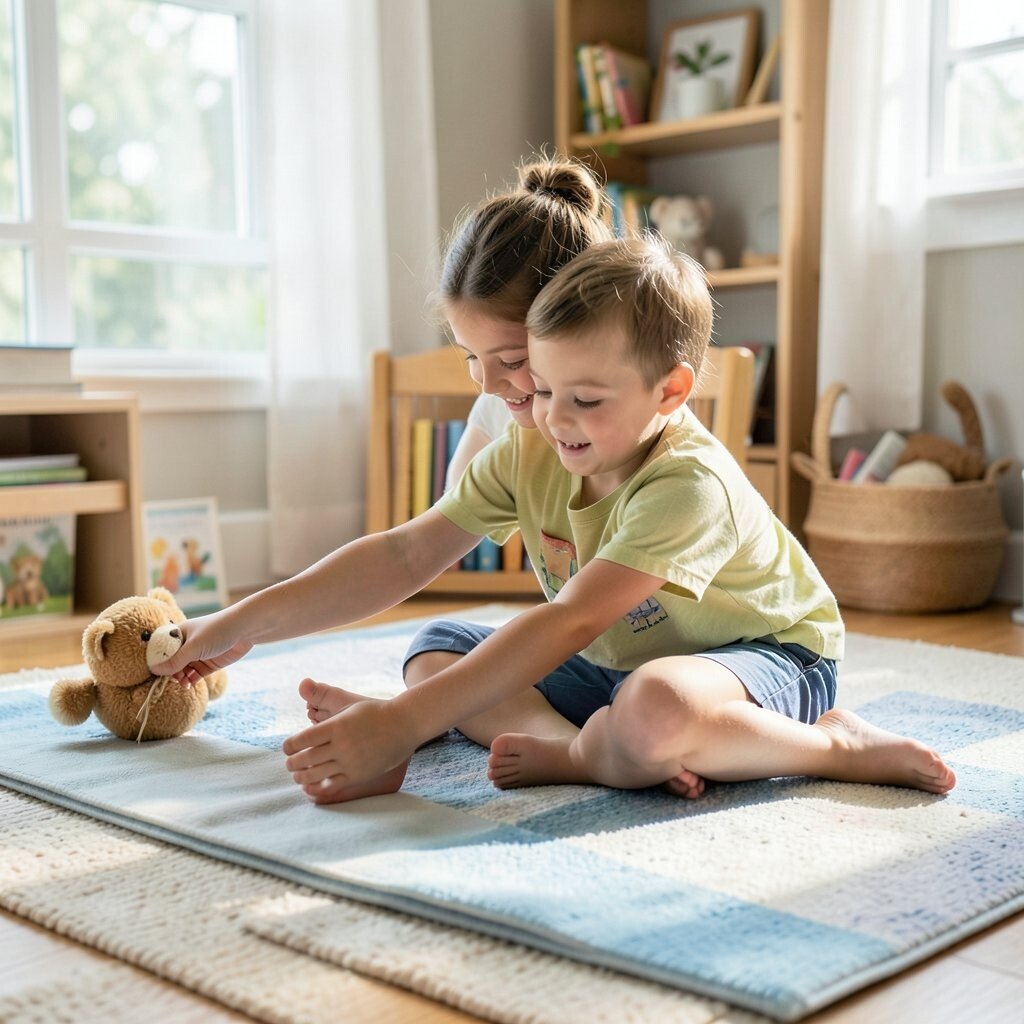
A theme that fits your child can make the homeschool area feel one of a kind. Space, ocean, animals, sports, or fairy tales can all shape the colors, decor, and supplies in a fun way.
This kind of design can help a child feel excited to spend time in the space. It can be as affordable as themed printouts, a few matching bins, or handmade decorations, and you can change it over time as interests grow and shift.
Personal themes are popular because they make learning feel special and personal. A room built around a child’s interests can also encourage more time at the table because the space feels made just for them.
19. Keep It Flexible for Real Life
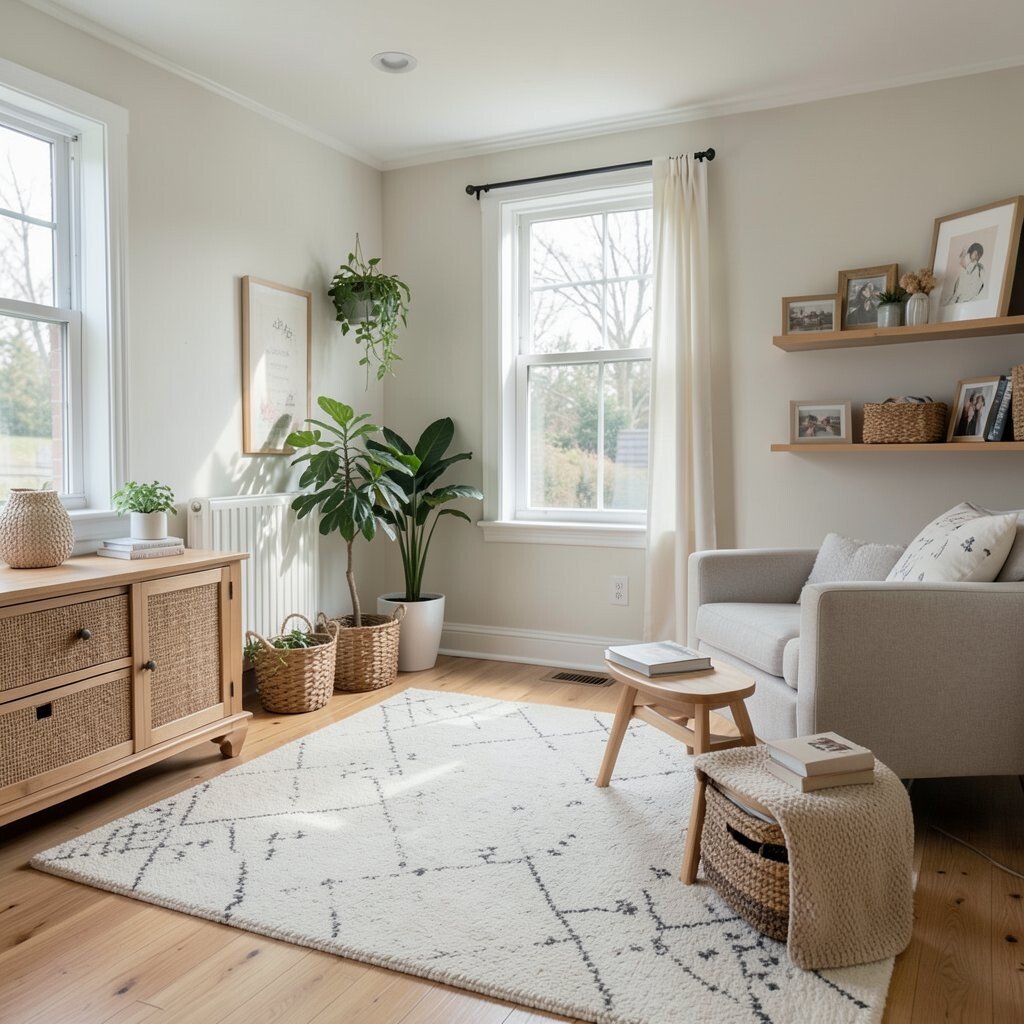
A flexible homeschool area can change with your family’s day. A moveable table, stackable chairs, and easy-to-shift storage can make the room look ready for anything.
This kind of setup is useful because homeschool life often changes from reading time to art time to snack time. It can keep costs lower by letting one space serve many jobs, and you can personalize it with pieces that are easy to move, clean, and rearrange.
Flexibility is a big trend because families want rooms that work hard without feeling crowded. When the space can adapt, it stays useful, attractive, and comfortable for the long run.