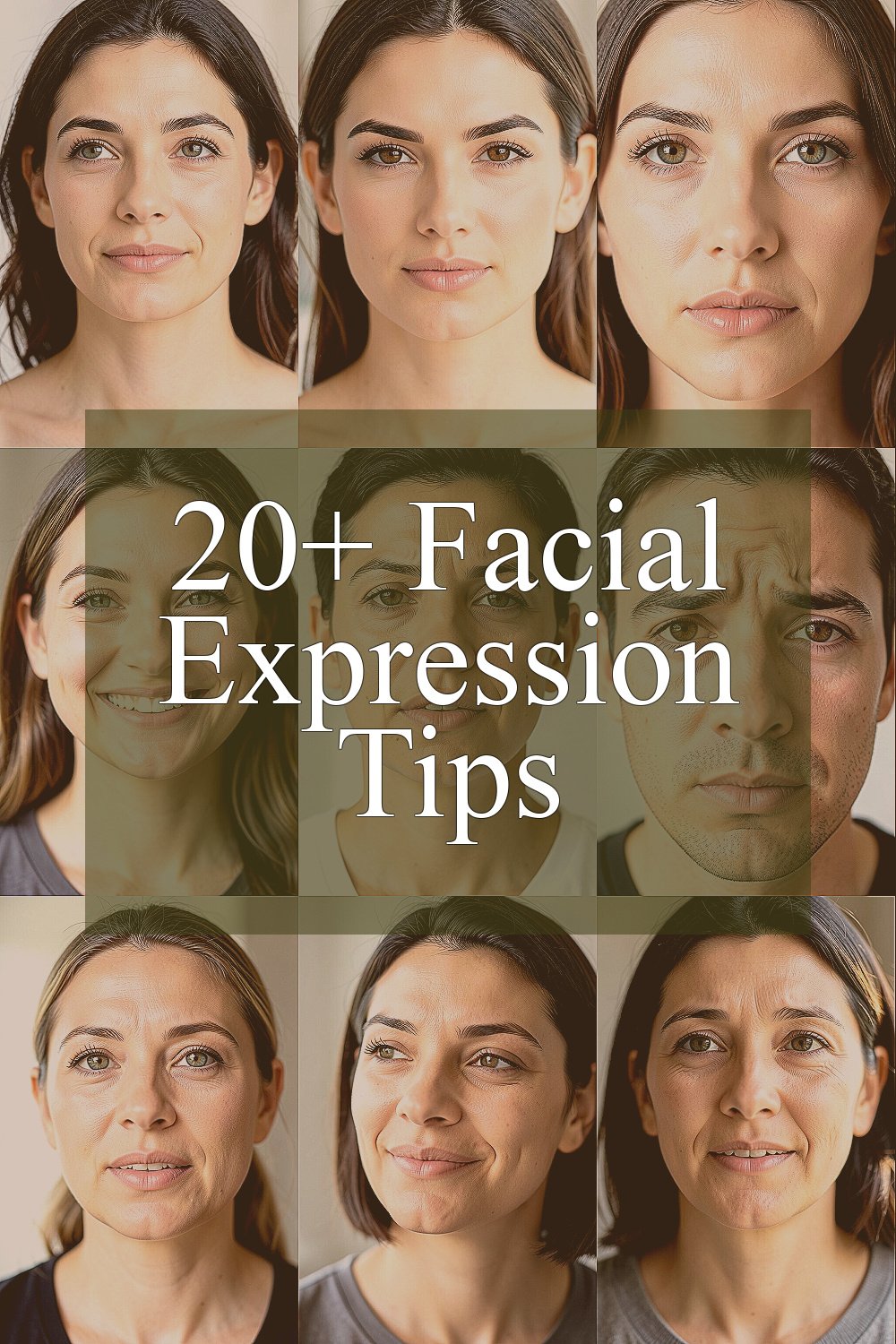
Your face can speak before your mouth does. Small shifts can make a big scene feel real.
That is why facial expression practice matters for actors, speakers, teachers, and anyone who wants to seem warm and clear. It can help you look more honest, stand out in photos and video, and fit the mood of the moment without needing fancy gear or a big budget.
1. Relax Your Whole Face First
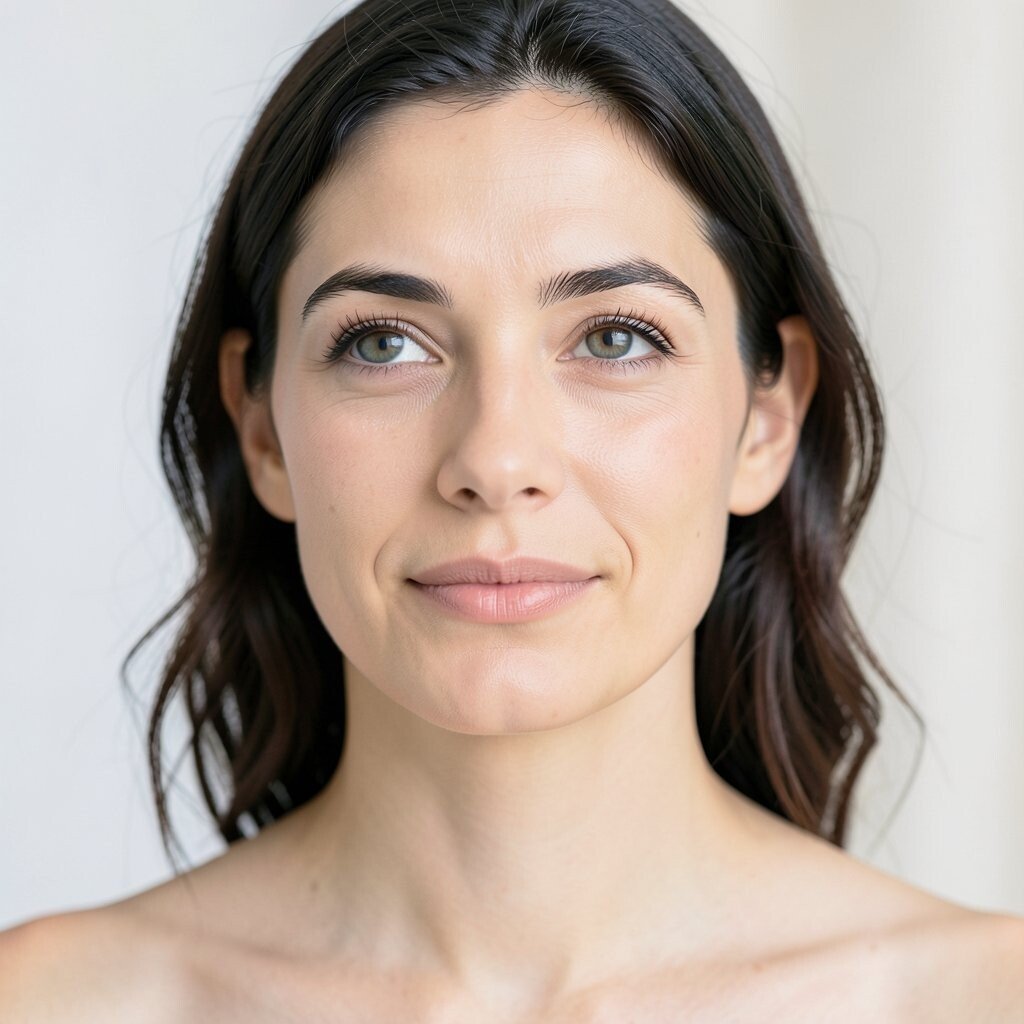
A calm face often looks more open and ready for emotion. When your brow, jaw, and cheeks are loose, feelings can show up in a clean and natural way.
Try a soft breath, then let your jaw hang a little and smooth your forehead. This works well for video calls, selfies, and stage work, and it costs nothing to practice in a mirror or on your phone.
2. Lift the Eyebrows With Care

Raised eyebrows can show surprise, interest, or worry in a very clear way. The look is easy to spot, so it often reads well from far away and in short clips.
Use only a small lift if you want a real-looking face instead of a cartoon one. Many people like this style in modern online content because it feels friendly, and it can be changed to fit shy, playful, or excited moods.
It helps to test your eyebrow shape in soft light so you can see how it changes your whole face. A quick mirror check is free, and it can save you from using too much movement when a small signal would work better.
3. Shape the Eyes Before the Mouth
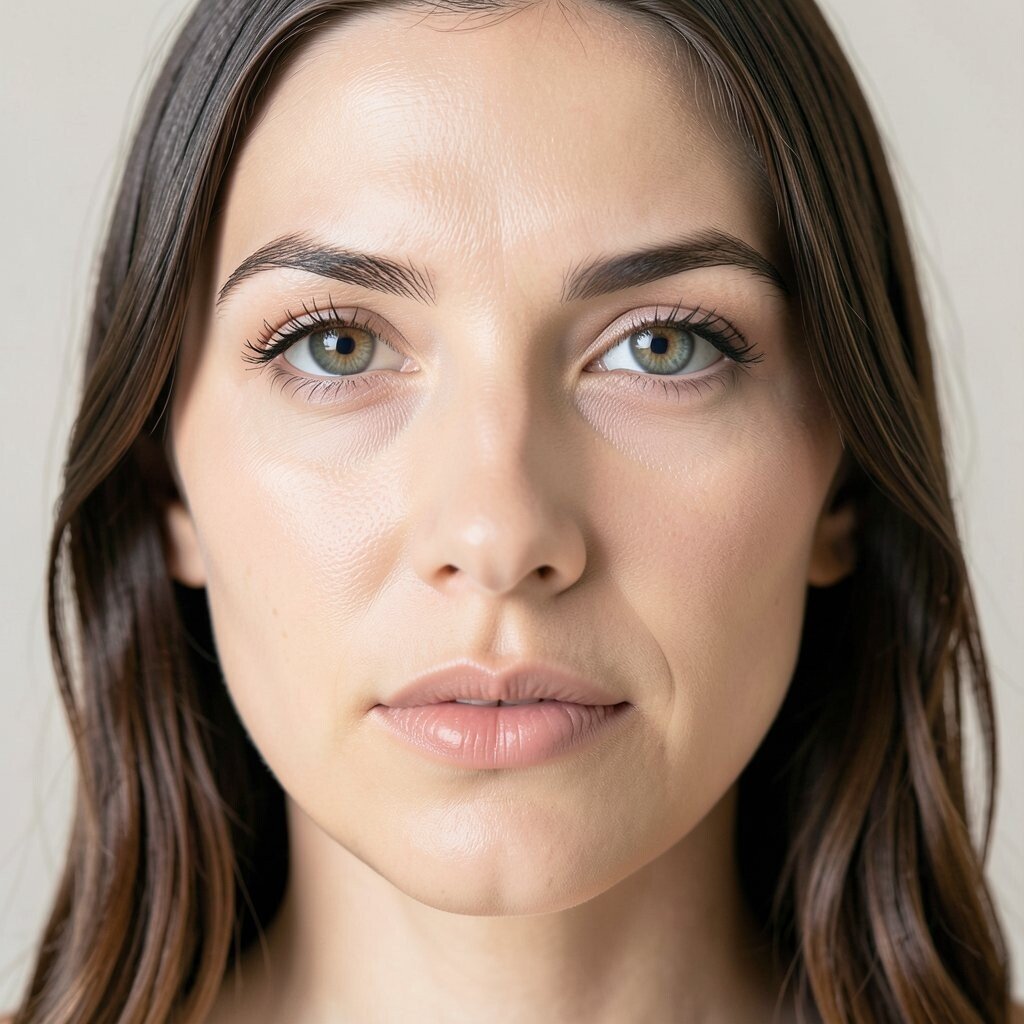
Eyes often tell the first part of the story, even before a smile begins. A wide look can show surprise, while a gentle squint can show joy, thought, or doubt.
Practice making the eyes match the feeling you want, then let the mouth follow. This makes your face look more unique because the emotion starts in a more honest place, and it helps in photos where the mouth alone may not carry the scene.
If you use glasses, bright screens, or stage lights, your eyes may need a little more care to stay clear. You do not need special tools, but better lighting can help you see your real eye shape and avoid paying for extra photo edits later.
4. Smile With the Cheeks, Not Only the Lips

A real smile usually changes the whole mid-face, not just the mouth. The cheeks rise, the eyes soften, and the face looks warm instead of pasted on.
Think about a happy memory and let that memory pull the cheeks upward. This is useful for family photos, friendly branding, and social posts, and it gives your face a more personal touch than a plain mouth smile.
5. Match the Mouth Shape to the Feeling
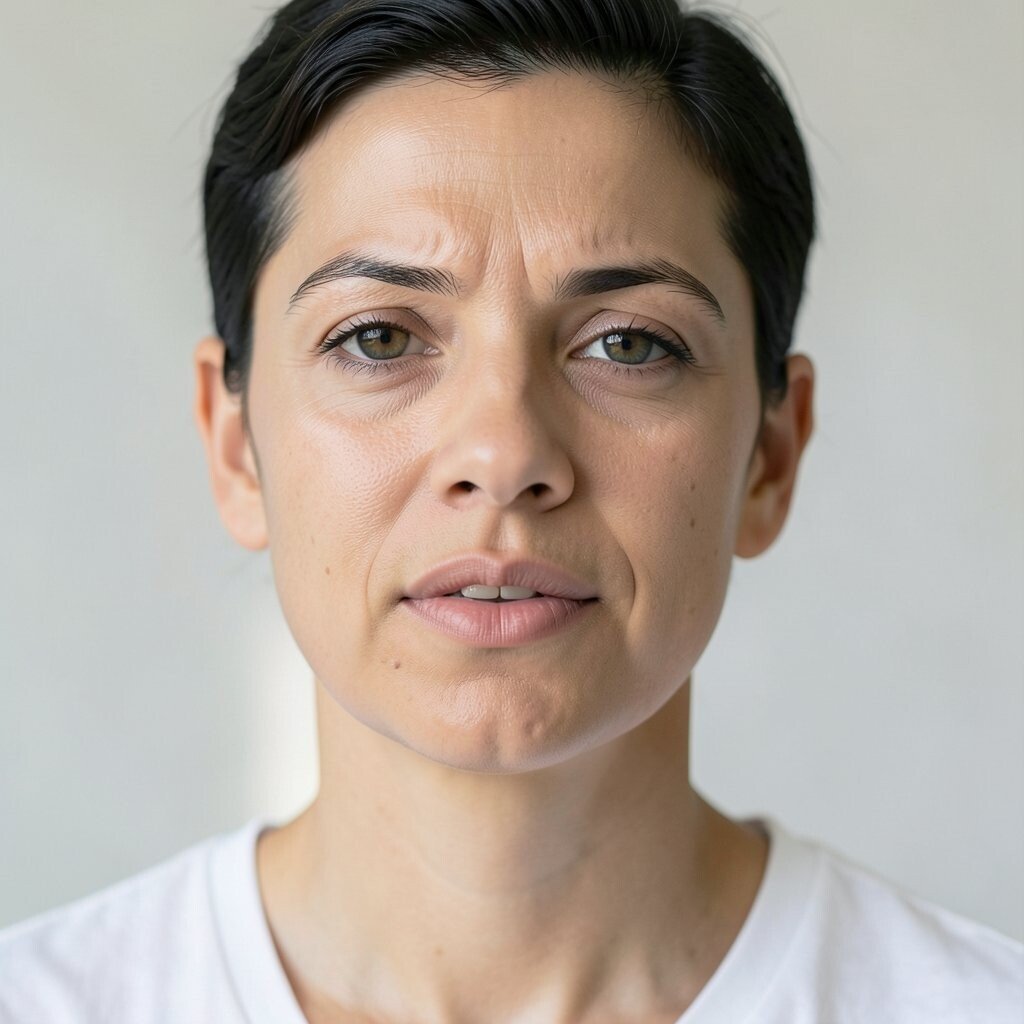
The shape of the mouth can show fear, wonder, happiness, or calm in a very fast way. A small open mouth feels different from a tight line or a full grin.
Practice changing the mouth without forcing it so the look stays believable. This approach is popular in short-form video and live streams because viewers notice mouth shape quickly, and it does not require any costly props or makeup.
You can make the look your own by keeping the same emotion but changing the size of the movement. Some people prefer a big style that reads on camera, while others like a soft, quiet version that feels more private and subtle.
6. Use the Forehead to Show Thought

The forehead can add worry, focus, or confusion with just a small change. A tiny line between the brows can make a face feel serious without making it harsh.
Try thinking through a question while looking in a mirror, and notice how the upper face reacts. This helps in acting, teaching, and speaking, and it can be done at home without spending money on classes or gear.
When used well, this area gives your face more depth and helps viewers read what you mean. It also lets you personalize your look, since some faces need very little movement while others show thought best with a stronger brow line.
7. Keep the Jaw Loose and Ready
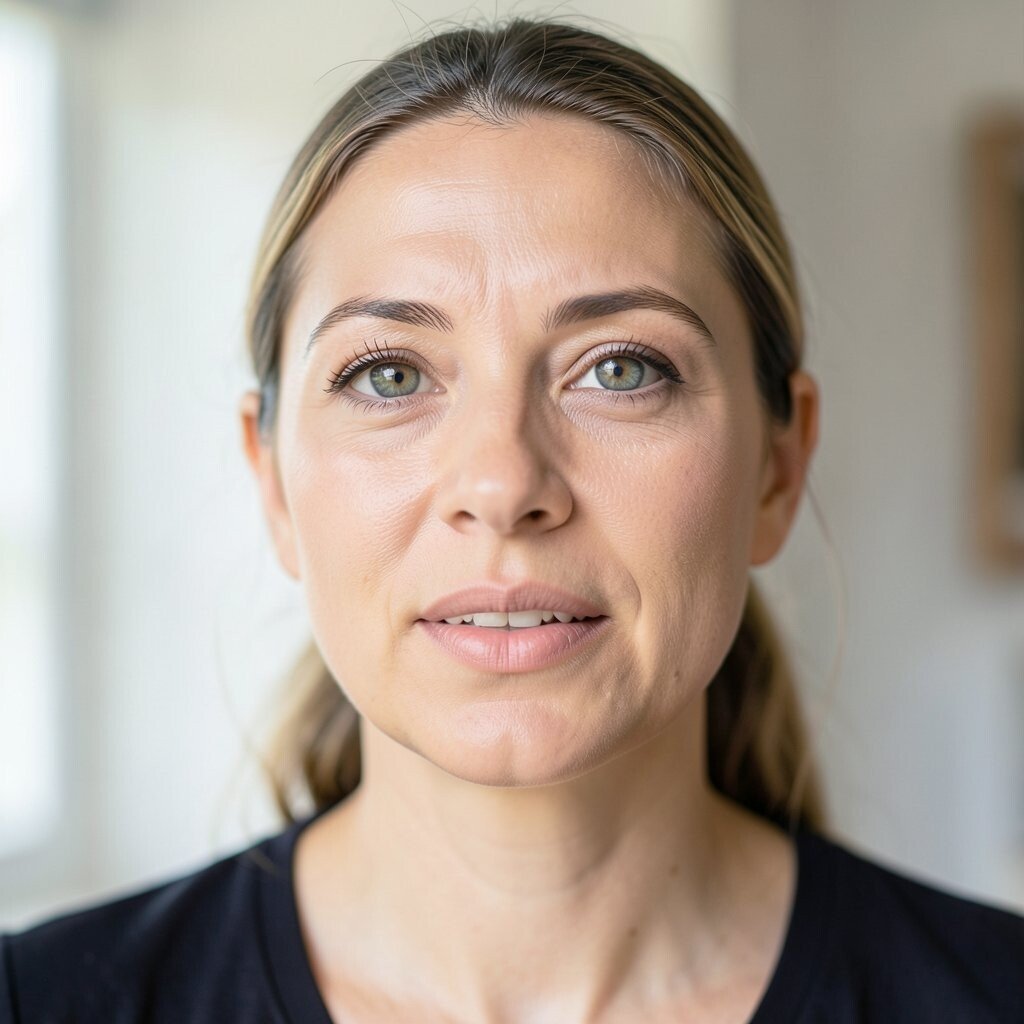
A stiff jaw can block emotion and make the face look tense. A loose jaw gives your expressions room to move and makes anger, joy, and worry feel more alive.
Before speaking or posing, open and close the mouth once, then rest the teeth apart a little. This simple habit is trendy in video work and social media because it makes the face look less frozen, and it costs nothing at all.
8. Mirror the Mood With the Head Tilt

A head tilt can change the whole feeling of a face. A slight lean can make you seem kind, curious, playful, or unsure.
Try a small tilt and pair it with the eyes and mouth so the full face agrees with the emotion. This works well in portraits, dating photos, and casual content, and it is easy to adjust so your own style still shines through.
If you are aiming for a fresh look, keep the tilt light and natural rather than dramatic. The best part is that you can test it for free, and you may find a shape that flatters you better than the straight-on pose you always use.
9. Breathe to Keep Expressions Alive

Breathing changes the face more than many people notice. A held breath can make the face look tense, while calm breathing helps the skin and muscles settle into a real emotion.
Take slow breaths before a photo, speech, or scene, and let the exhale soften your mouth and eyes. This is a useful trick for anyone who wants a relaxed look, and it can also make long photo shoots feel easier on the body.
10. Practice Micro-Expressions

Small changes can say a lot when the moment is quiet. A tiny eye shift or a brief lip press can show doubt, sarcasm, or surprise without needing a huge face.
Work on quick feelings in a mirror and try to catch them before they grow too large. These small looks are popular in modern acting clips and short videos, and they are free to practice while still giving your face a special edge.
Micro-expressions can be personalized to fit your style, since some people are naturally subtle and others are naturally bold. If you know your face tends to move fast, you can slow it down a little so the feeling stays clear to others.
11. Let One Side Lead
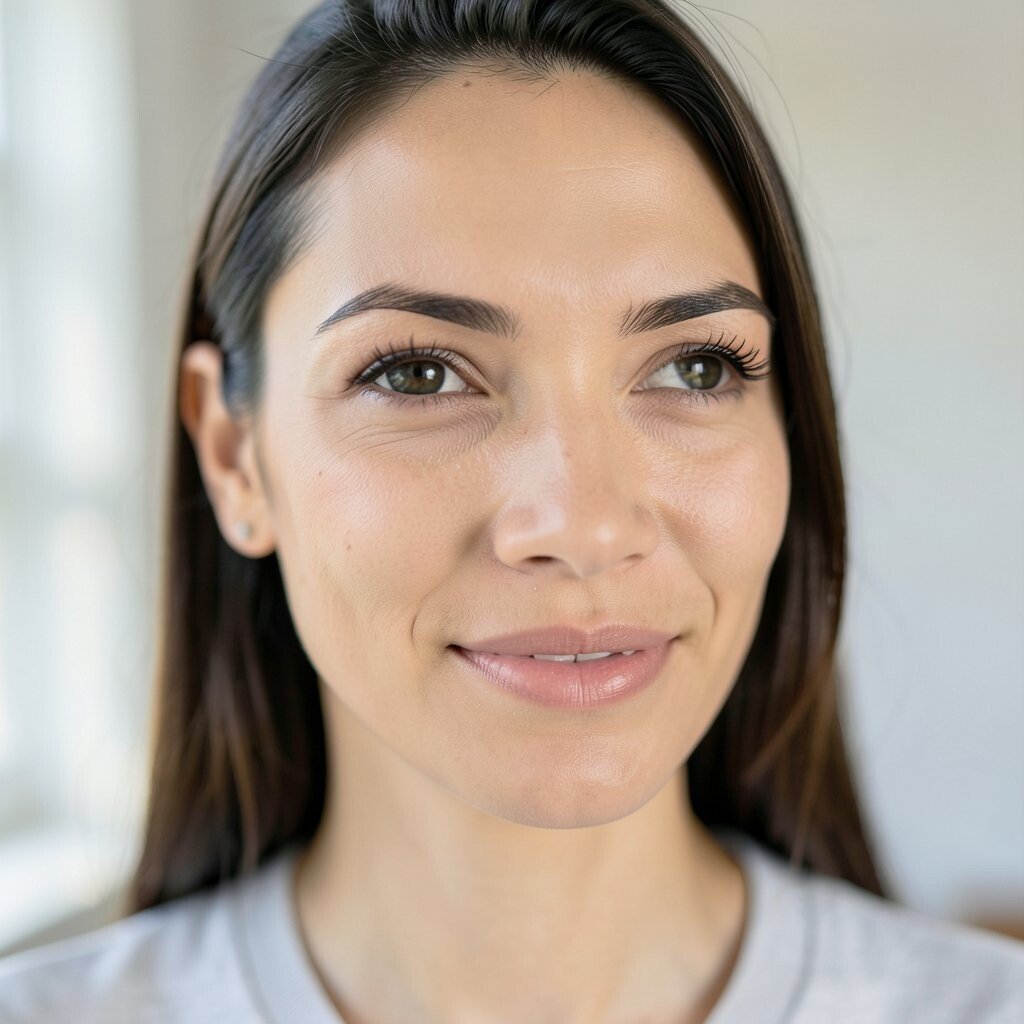
Faces often look more alive when both sides do not move in the exact same way. A small pull on one side of the mouth or one eyebrow can create a natural, human feel.
Try testing each side in a mirror and see which side looks softer, stronger, or friendlier. This can help with profile photos, character work, and brand images, and it does not cost anything to learn from your own face.
Many current portrait styles enjoy this kind of asymmetry because it feels less stiff and more real. You can make the effect your own by choosing the side that matches your best angle, your mood, and the story you want to tell.
12. Use the Nose and Upper Lip Area

The space under the nose can help show disgust, doubt, or a tiny laugh. A slight wrinkle or lift there can add a lot of feeling to an otherwise calm face.
Practice this gently so it supports the mood instead of stealing the whole scene. It is a useful tool in comedy, acting, and candid photos, and it can help your face look more expressive without needing makeup or special tools.
13. Keep the Eyes Focused on Something Real
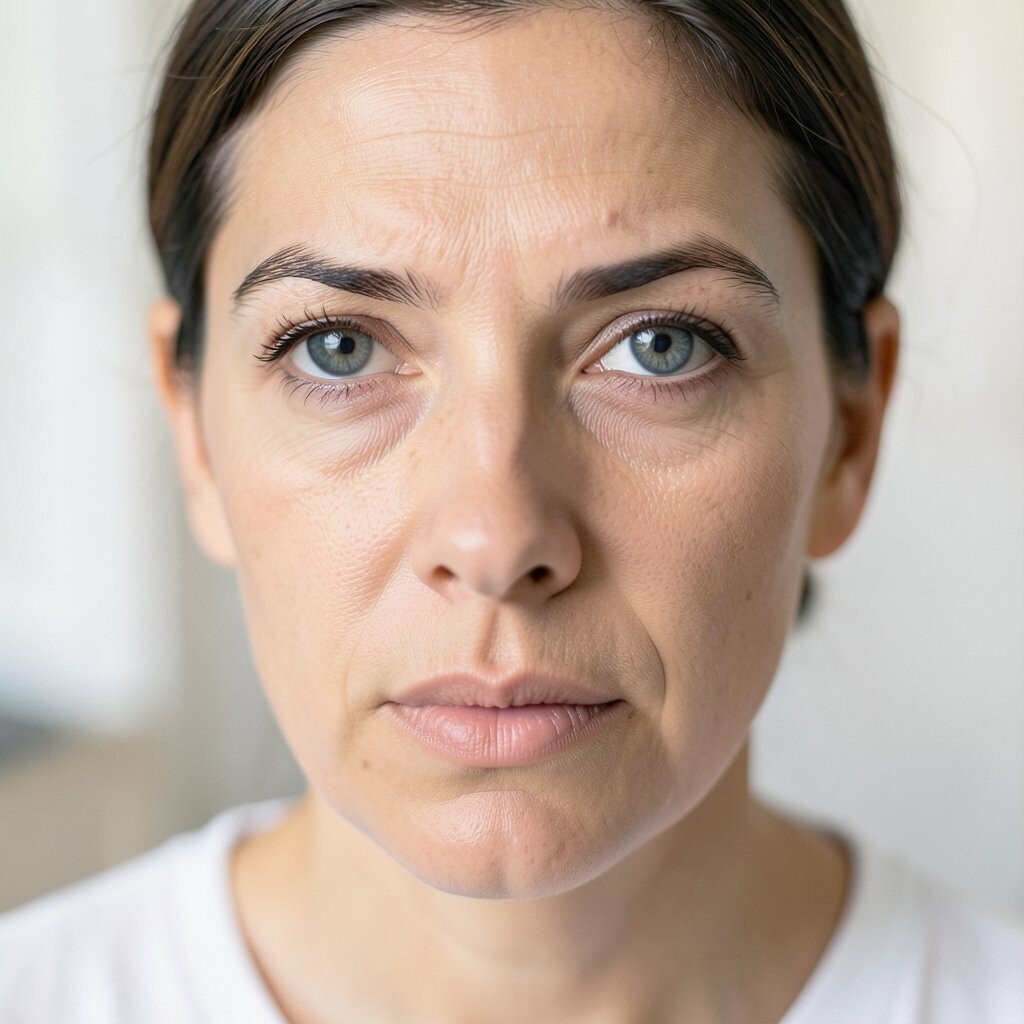
Expressions often look strongest when the eyes have a real target. A true focus point gives the face purpose and stops it from looking empty.
Think of a person, object, or memory while you hold the expression, and let the eyes stay connected to it. This can make your face look more believable in photos and video, and it is a simple way to personalize each pose.
People using phones, cameras, or live streams often get better results when they choose a clear focus point instead of staring nowhere. It costs nothing, yet it can improve the whole mood of the face in a very fast way.
14. Try a Soft Smile for Warmth

A soft smile is often more useful than a big grin. It can show calm, welcome, or gentle joy, and it works in both casual and polished settings.
Let the corners of the mouth rise a little while the eyes stay easy. This look is trendy in profile photos and everyday content because it feels kind and modern, and it fits many face shapes without much effort.
15. Make Anger Look Controlled

Anger does not always need a wild face to feel strong. A tight mouth, focused eyes, and lowered brows can show power in a cleaner and more mature way.
Practice a firm look that still feels under control so it reads as serious rather than messy. This is useful for acting, debate, and stage work, and it helps you keep the face unique by choosing your own level of intensity.
If you want the emotion to feel believable, add a tiny shift in the jaw or nostrils instead of squeezing every feature at once. That method often costs nothing to practice and can look better on camera than a face that is pushed too hard.
16. Show Sadness With the Whole Face

Sadness often works best when the mouth, eyes, and brows all agree. A soft downturn in the lips plus a heavier eyelid can create a gentle and honest look.
Think of a quiet moment rather than trying to force tears or a huge frown. This helps photos and scenes feel more real, and it gives you room to personalize the sadness as calm, tired, thoughtful, or heartbroken.
17. Use Surprise Without Going Too Far

Surprise can be easy to overdo, yet a clean version often looks better. Open eyes, lifted brows, and a small open mouth can say a lot without looking fake.
Try making the first reaction quick, then let it settle a little so the face still feels human. This style is helpful in reaction videos and stage acting, and it matches the current trend of more natural, less extreme expressions.
You can shape the surprise to fit your own face by choosing how wide the eyes open and how far the mouth drops. That flexibility makes the look feel personal, and it can be practiced at home without any spending.
18. Pay Attention to the Neck and Shoulders
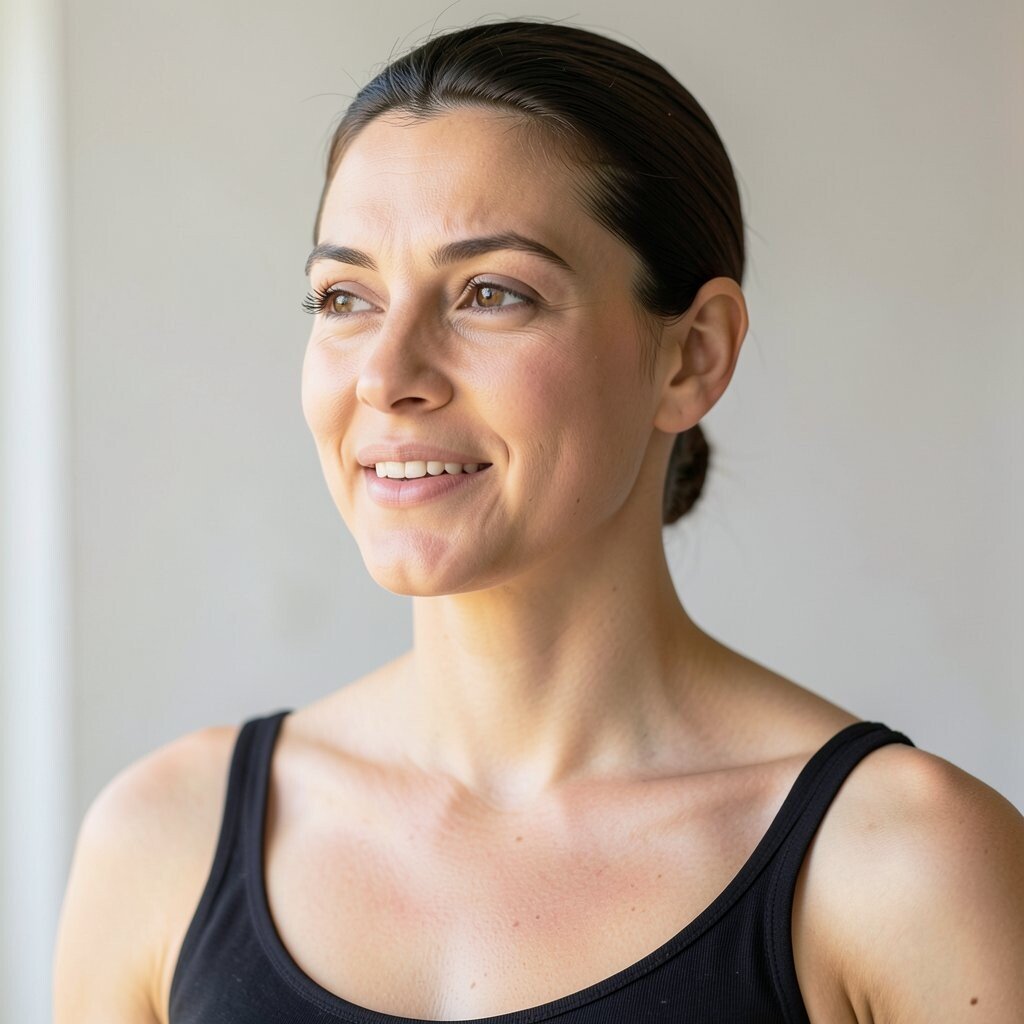
The face does not work alone, because the neck and shoulders can support or weaken the feeling. A raised shoulder may show fear or tension, while a relaxed neck can make a smile feel easy and open.
Check your upper body in the mirror while practicing expressions so everything matches. This is helpful in photos, interviews, and video calls, and it can save you from spending money on retakes caused by a stiff pose.
Some of the best modern portraits look strong because the face and body tell the same story. You can make that story your own by choosing a posture that fits your mood, your outfit, and the kind of image you want people to remember.
19. Work With Lighting for Better Readability

Good light can make small expressions easier to see. Shadows can hide the eyes or mouth, while soft light can show every subtle change in the face.
Face a window, use a lamp, or move a little until your features look clear and balanced. This is a smart and low-cost way to improve portraits, selfies, and video, and it can make your expressions feel more polished right away.
Bright side light is trendy for dramatic looks, while soft front light is popular for friendly and clean images. You can choose the style that matches your goal, and a small change in position may do more than any expensive edit.
20. Build a Few Go-To Expression Shapes
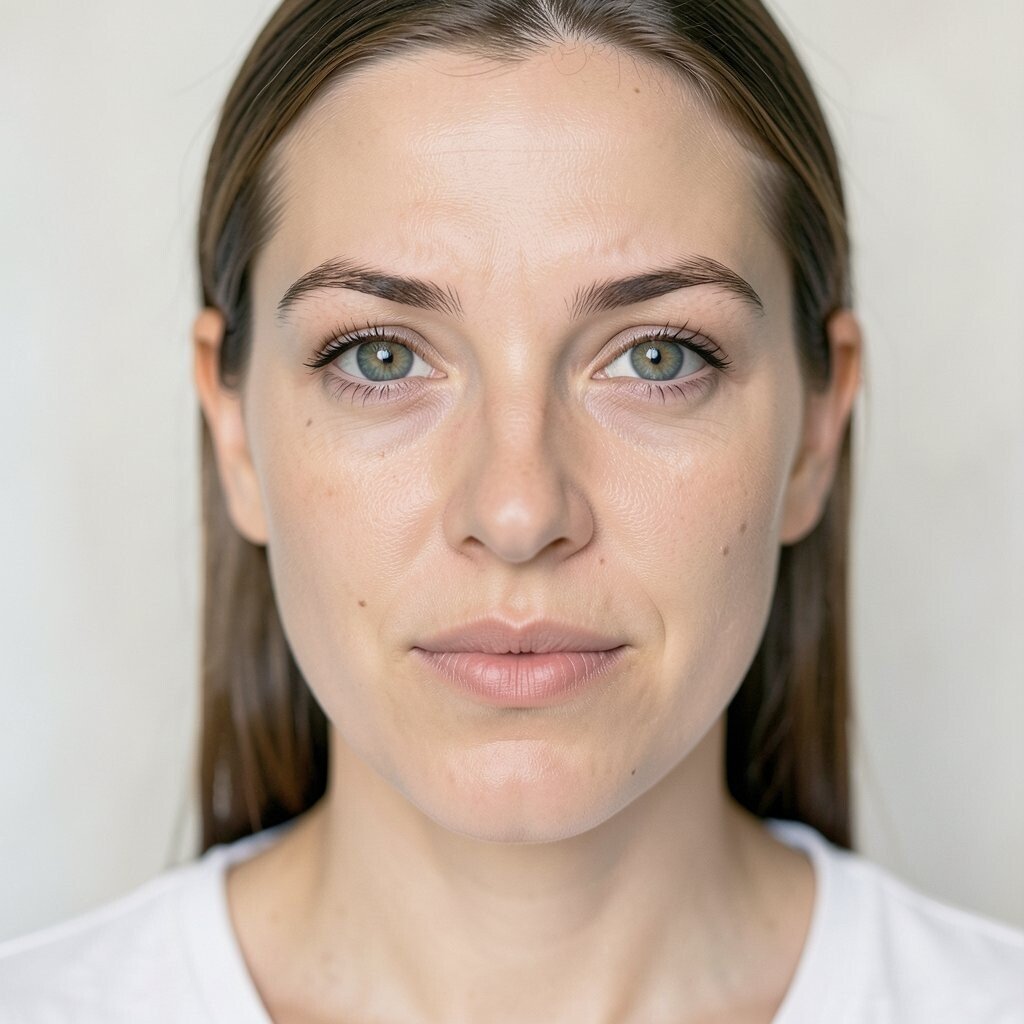
Having a small set of reliable faces can make you feel ready for any setting. A warm smile, a curious look, and a serious stare can cover many everyday needs.
Practice each one until you know how it feels in the eyes, mouth, and brow. This saves time during photos or filming, and it lets you keep each version unique by adjusting the energy for each moment.
You do not need a paid coach to begin, although classes or feedback can help if you want faster growth. Many people start with mirror practice and phone video, which costs little and still gives clear results that you can personalize over time.
21. Record, Review, and Refine

Your camera can show things a mirror may miss. A short recording helps you see which expressions look clear, which feel flat, and which parts of your face do the most work.
Watch your clips with a kind eye and notice the moments that feel strong or awkward. This habit is useful for acting, content creation, and speaking, and it gives you a private way to improve without buying new tools.
As you review, look for small ways to make the face more natural, more readable, or more personal. The best part is that this process can fit any budget, and it helps you build expressions that feel like your own instead of copied from someone else.