Some days feel louder than others. A simple board can steady the whole room.
1. Morning Focus Reset
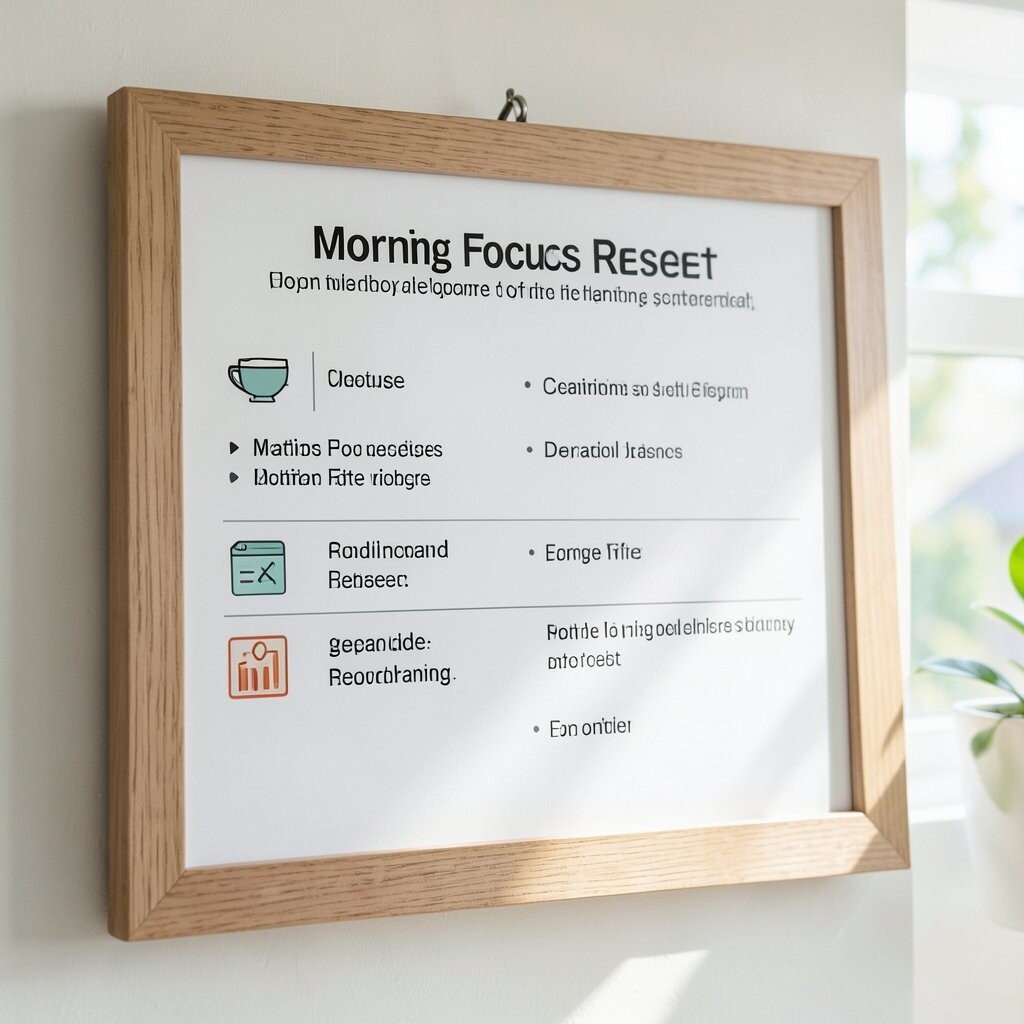
A daily objective board by the door or on a desk can greet you with a calm, clear look every morning. A whiteboard, corkboard, or magnetic sheet works well, and a small frame or strip of washi tape can make it feel special without much cost.
This idea is great because it turns a messy start into a simple plan. You can write one work goal, one home goal, and one self-care goal, then use bright markers or sticky notes to make the board feel personal and easy to change.
2. Family Chore Guide
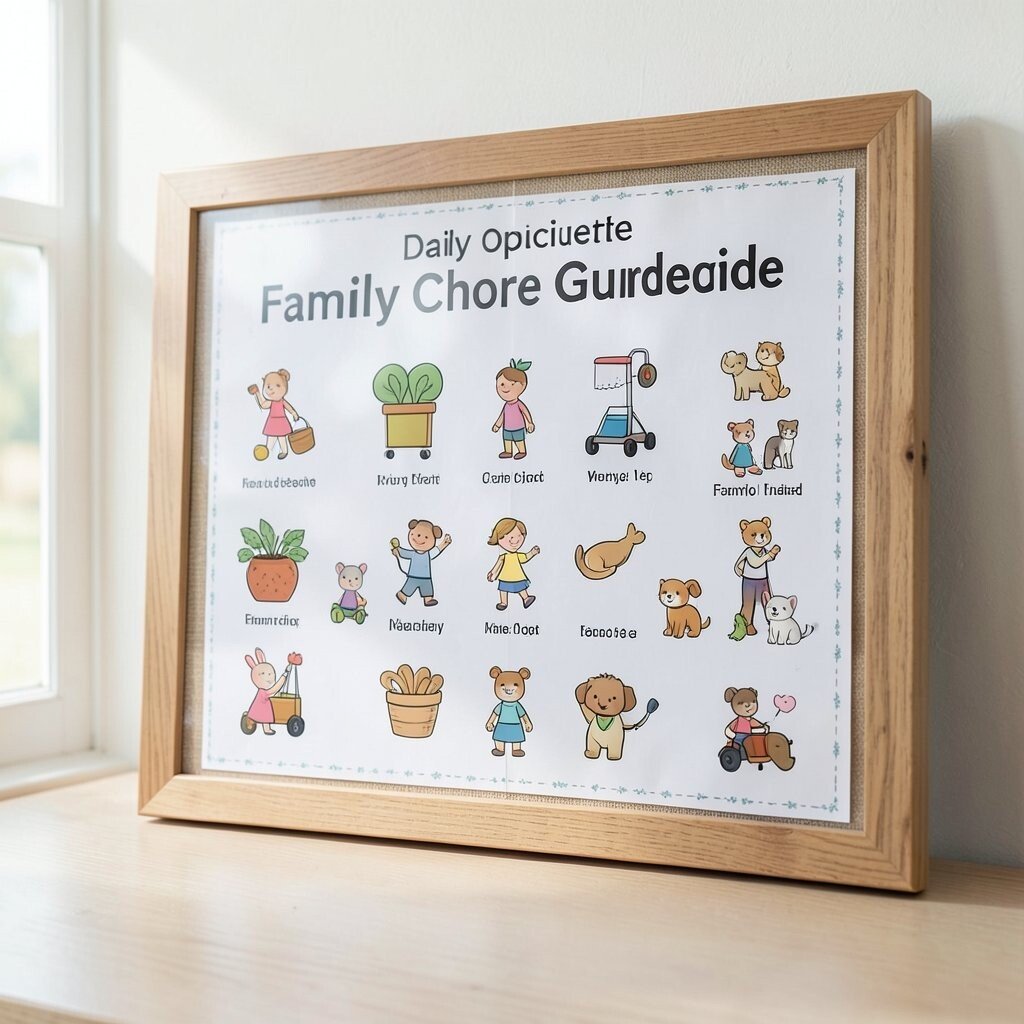
A board in the kitchen can show what each person needs to do before the day ends. The visual setup is easy to read, and colored magnets or paper icons make it feel fun instead of bossy.
This helps everyone know their part without a lot of reminders. It is also flexible, so you can switch names, swap chores, or add a reward sticker system, and the low cost makes it friendly for busy homes.
Many families like boards that use simple current trends like clean lines, neutral colors, and reusable supplies. A hand-drawn style can feel warmer and more personal if you want the board to match your home.
3. Work Desk Priority Map
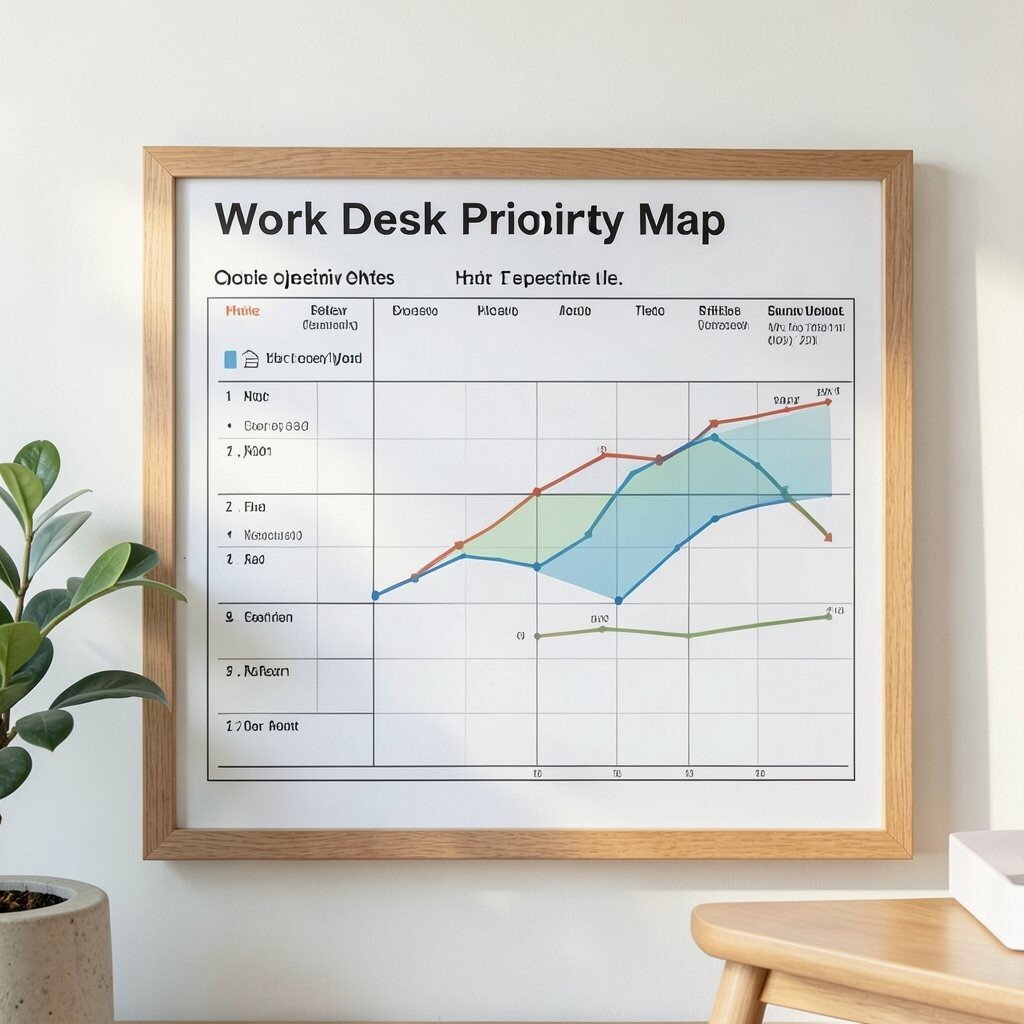
A daily objective board beside a laptop can keep your workday neat and focused. A slim acrylic board or small pegboard looks modern, and it can fit even on a crowded desk.
This idea saves time because the most important tasks stay in view all day. You can personalize it with your own work categories, and if you want a budget option, a simple sheet of paper in a frame works just fine.
People often enjoy this setup when they want less screen clutter and more visual order. A soft color palette or bold marker style can match your taste and make the board feel like part of your workspace.
It is a small change, but it can make each task feel more real and easier to start. You can also move notes around as plans change, which gives the board a useful, flexible feel.
4. Mood and Mindset Corner
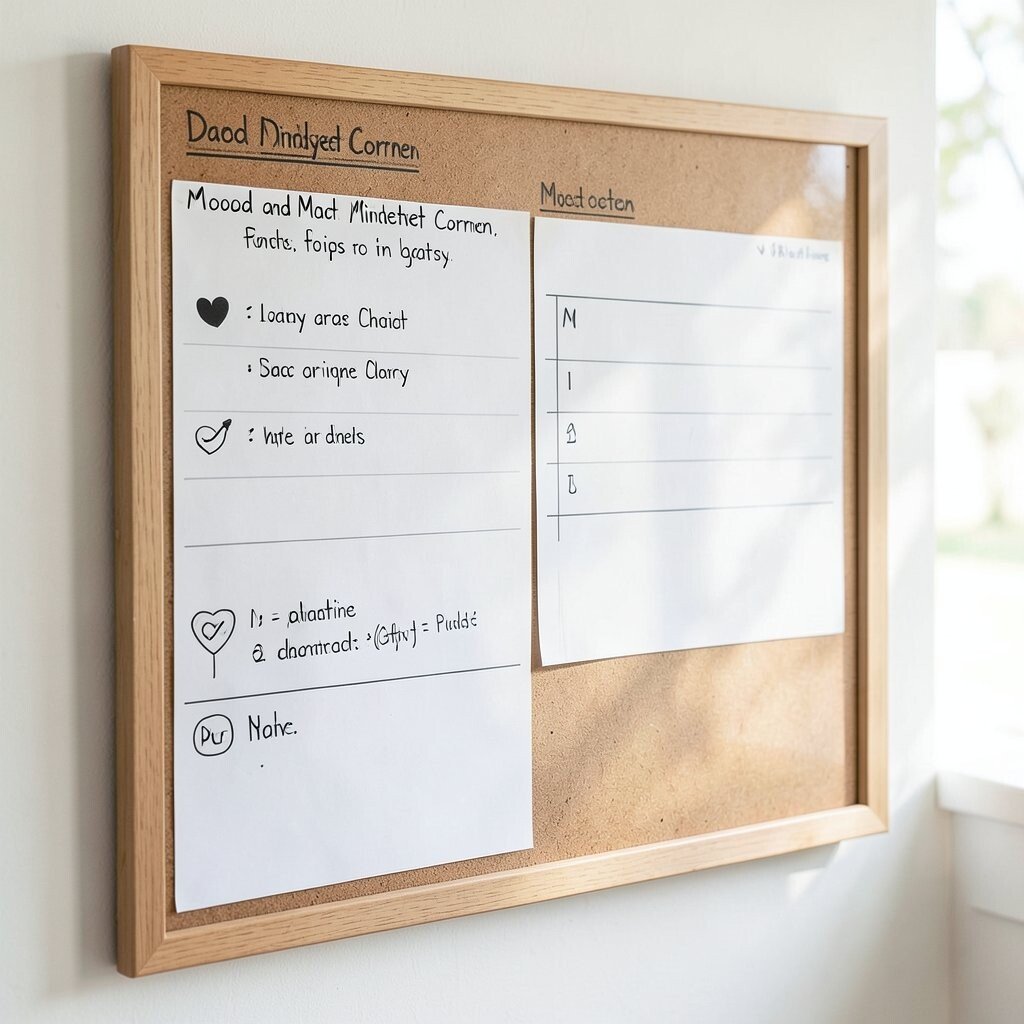
A daily objective board can hold one goal for the body and one for the mind. Soft colors, calm drawings, and a few uplifting words can make the board look peaceful and welcoming.
This is helpful when you want your space to support good habits, not just tasks. You can add a favorite quote, a tiny doodle, or a photo that reminds you why the goal matters, and the supplies can be very cheap if you already own paper and markers.
5. Student Study Plan
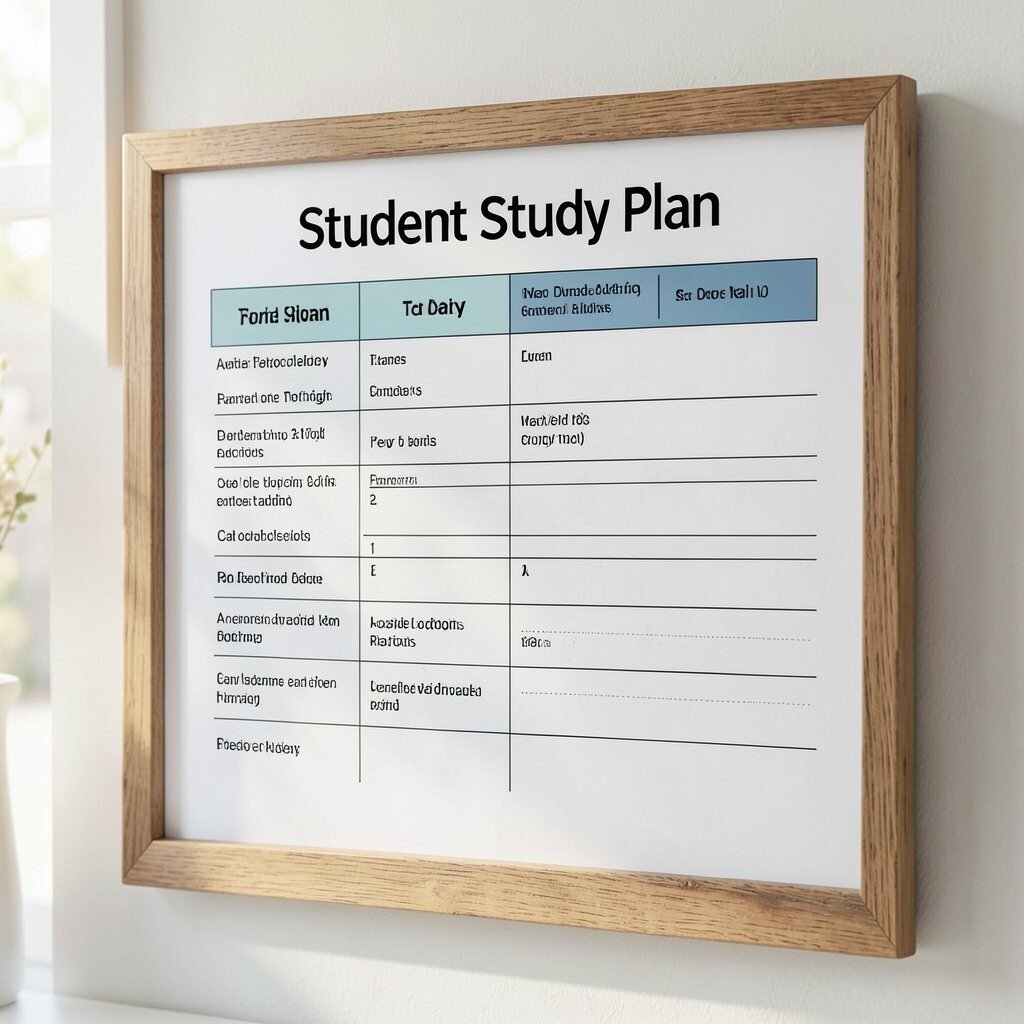
A board in a study space can keep homework goals easy to see. A bright background with sticky notes or check boxes makes the plan feel clear and simple, even on a busy day.
This helps students break big school work into small parts. You can change the board for each subject, add a weekend goal, and use stickers or colored pens to make it more fun and more personal.
Many students like this approach because it feels less heavy than a long planner page. A small dry-erase board is usually low cost, and it can be reused all year.
It also fits current trends that focus on simple routines and cleaner desks. A neat board can help a student feel ready without needing fancy tools or a lot of setup.
6. Fitness Encouragement Board
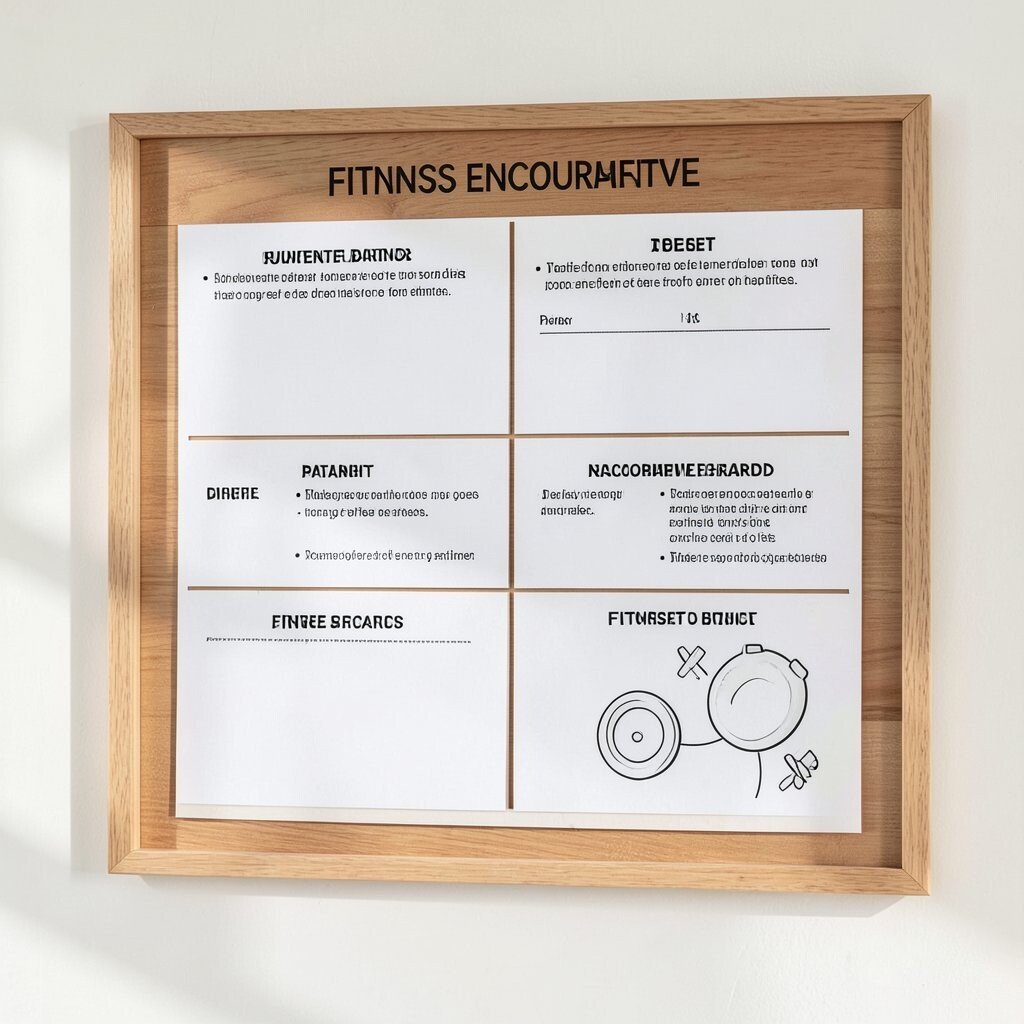
A daily objective board near workout shoes or a water bottle can give your exercise routine a clear shape. Bold lettering, small icons, and a strong color like green or blue can make it look active and fresh.
This setup works well because it keeps movement goals in sight. You can write short goals like a walk, a stretch break, or a full workout, and you can personalize it with your own pace so it feels possible instead of stressful.
It does not need to cost much, since a clipboard, index cards, or a poster board can do the job. People often like to add a tracker strip for steps or water, which is a simple trend that keeps the board useful.
7. Creative Project Spark Board
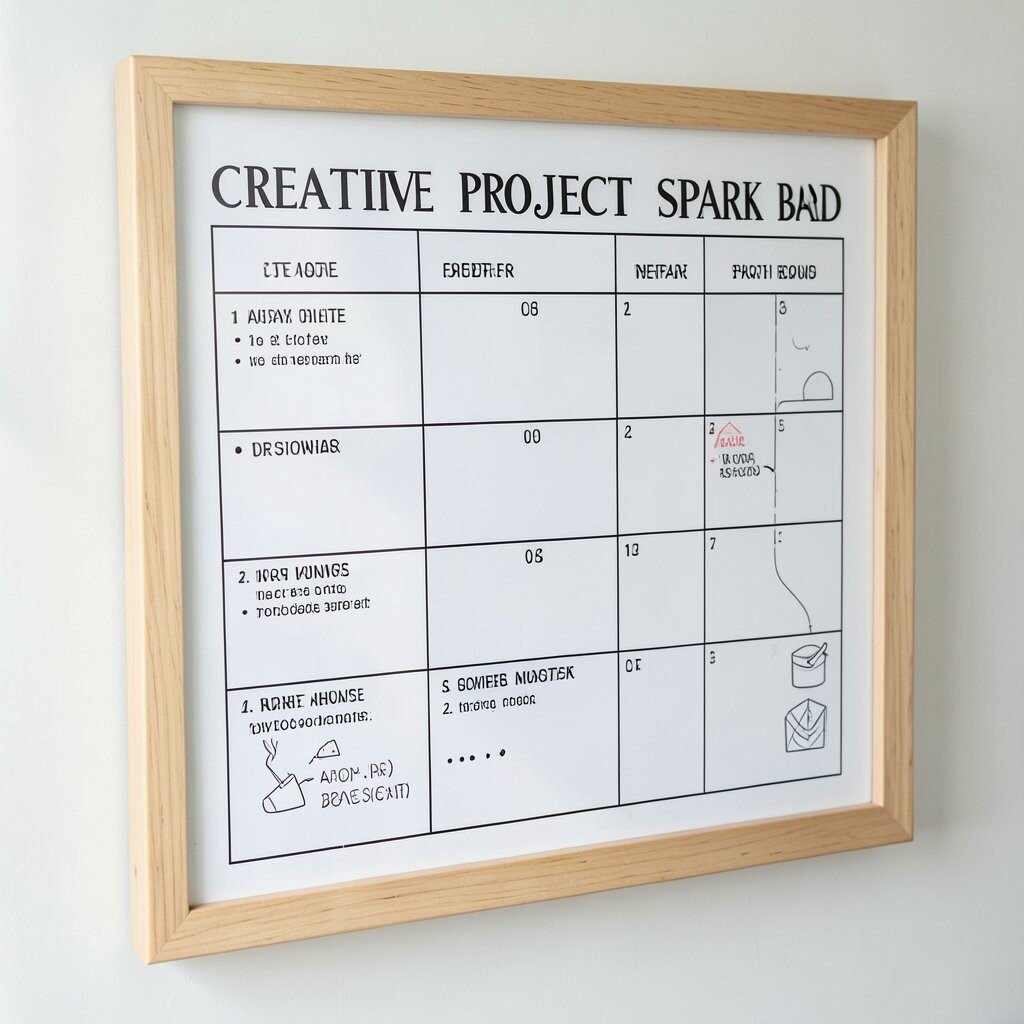
An art corner board can hold ideas for writing, drawing, music, or crafts. A mix of sketches, photos, and paper samples gives the board a lively look that feels full of energy.
This is useful when your mind is busy and you want a quick place to store inspiration. You can pin color swatches, add a theme for the week, and swap out pieces anytime, which keeps the board fresh and very personal.
The best part is that it can be made with low-cost supplies from home or a craft store. A handmade board often feels more unique than a store-bought one because it shows your own style and interests.
If you like current design trends, you can try a simple gallery look with clean spacing. That style makes the board feel modern while still leaving room for playful ideas and rough drafts.
8. Kitchen Meal Goal Board
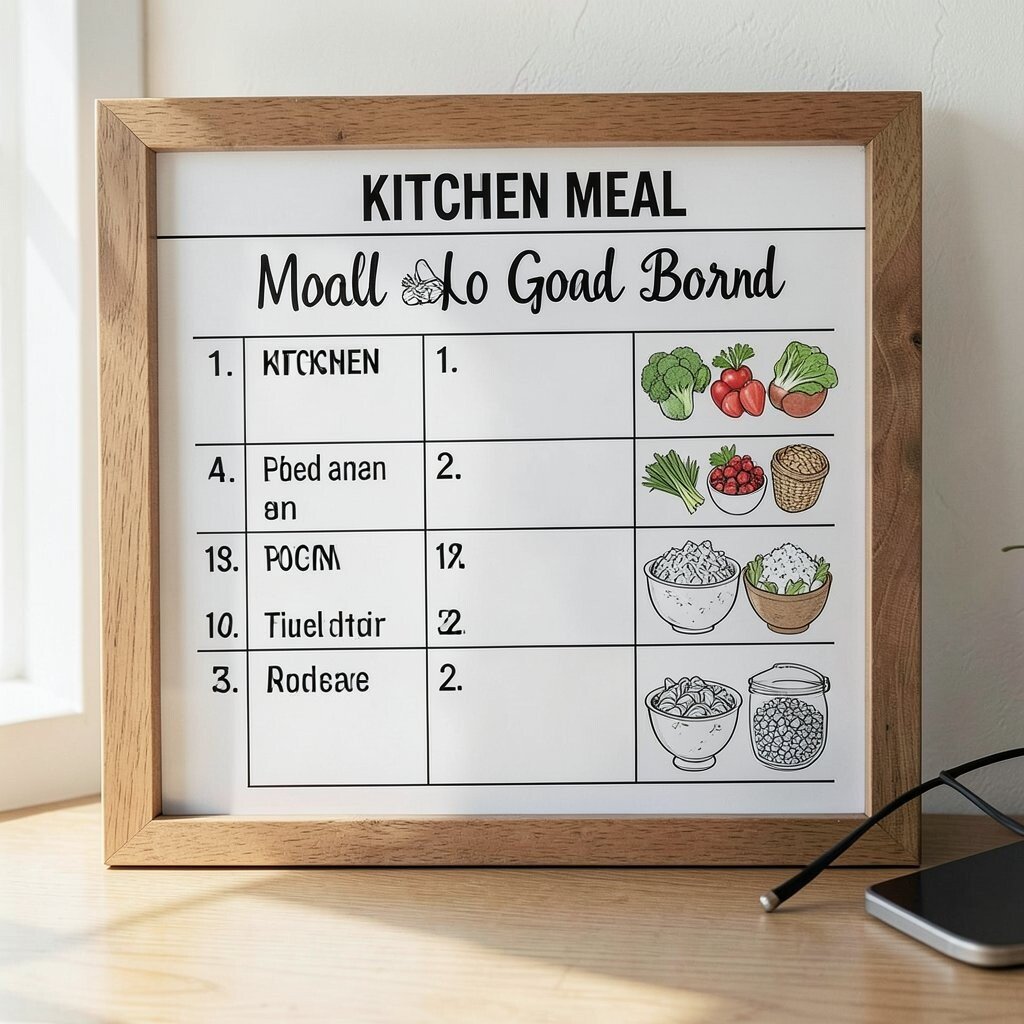
A kitchen board can show what you want to cook, eat, or prep each day. It looks tidy when paired with little cards, dry-erase writing, or a magnet strip on the fridge.
This idea helps cut down on last-minute food choices and repeated grocery runs. You can keep it personal by adding family favorites, budget-friendly meals, or a theme like meatless Monday, and that makes planning easier to follow.
It also saves money because fewer ingredients go to waste. Simple supplies are usually enough, so the board can look nice without becoming expensive.
9. Entryway Welcome Reminder
A daily objective board in the entryway can set the tone for the whole house. A framed note, a rustic wood board, or a sleek black board can make the space look warm and polished.
This works well because it gives a quick reminder before everyone heads out. You can list the day’s main goal, weather notes, or a family message, and you can switch styles for holidays or seasons to keep it feeling special.
It is a nice low-cost way to make a small area feel more intentional. Many homes use simple neutral tones now, so even a plain board can fit current style trends with ease.
A tiny plant, hook, or basket nearby can make the board even more useful. That little extra touch helps the whole entryway feel organized and ready.
10. Weekend Fun Planner
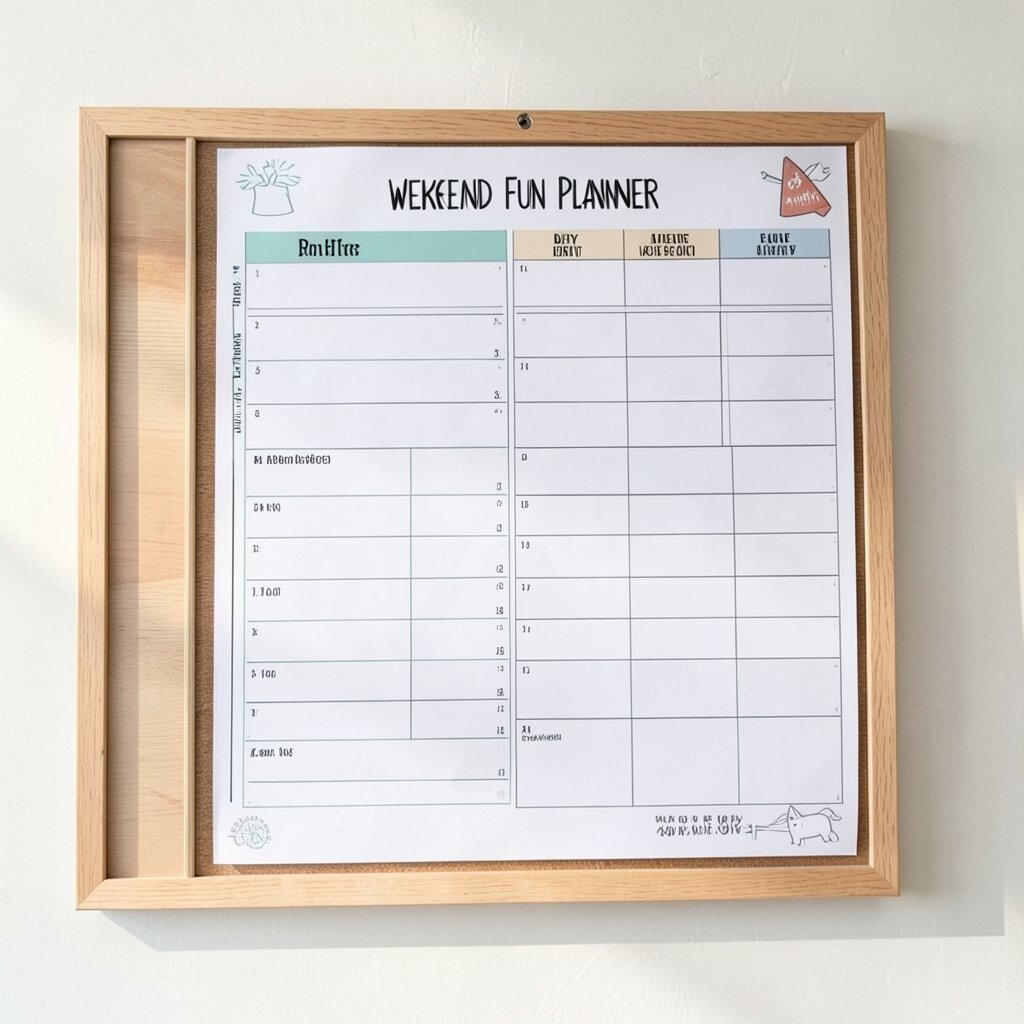
A board for weekend plans can make free time feel exciting and easy to enjoy. A colorful layout with a few spaces for activities gives the board a bright and playful look.
This idea helps everyone agree on what to do without lots of back-and-forth. You can add movie nights, park trips, or home projects, and you can personalize it with family traditions or solo rest time.
It does not take much money to set up, since paper cards and tape can work well. A board like this can also reduce wasted time by helping you choose plans before the weekend gets away from you.
11. Gratitude and Goal Mix
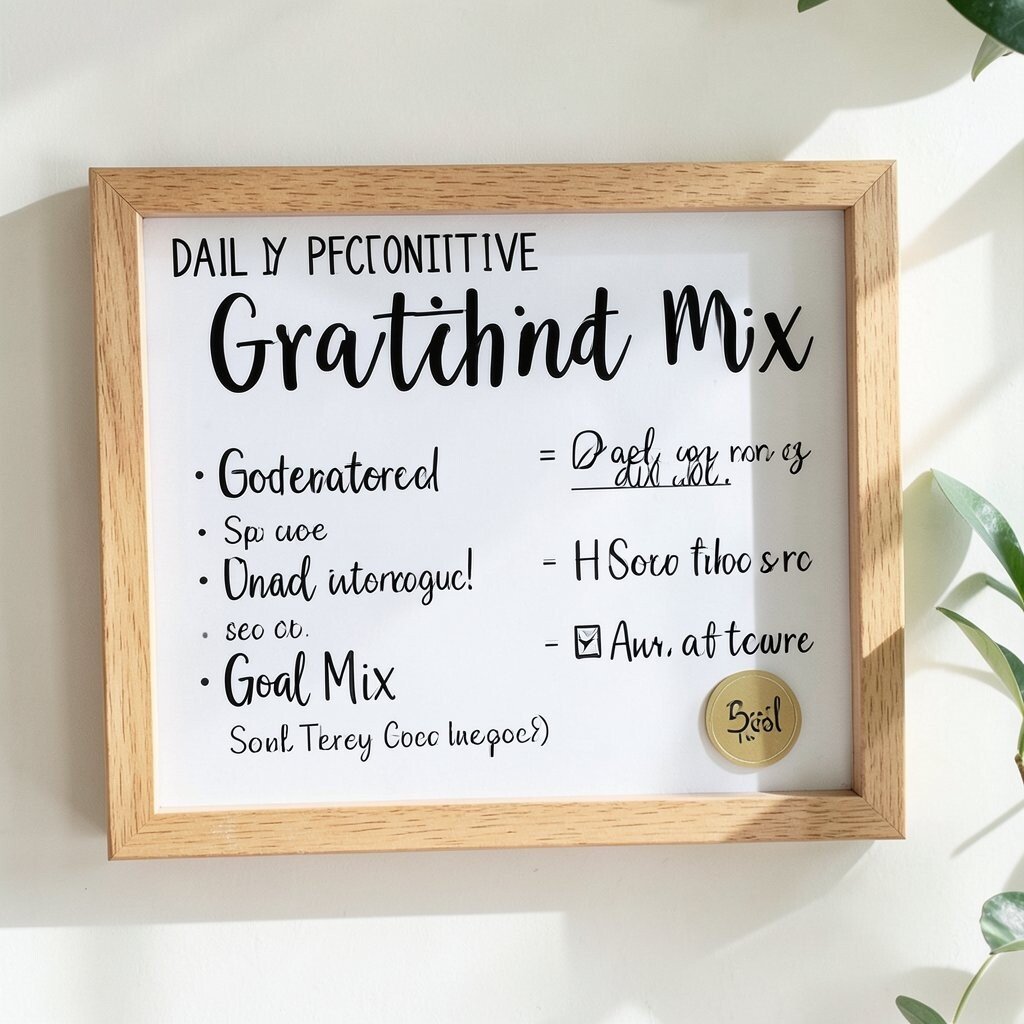
A board that blends thanks and goals can feel gentle and inspiring at the same time. Soft colors, handwritten notes, and small photos can make it look heartfelt and calm.
This is special because it keeps your attention on progress, not pressure. You can write one thing you are thankful for and one thing you want to finish, which makes the board both caring and useful.
The setup can be very simple and still feel lovely. If you want, use a cheap corkboard with pretty pins or a printable sheet inside a frame for an easy personal touch.
Many people like this kind of board because it fits a calmer way of living that is still focused. The mix of gratitude and action is a gentle trend that works in bedrooms, offices, and family spaces.
12. Remote Work Boundary Board
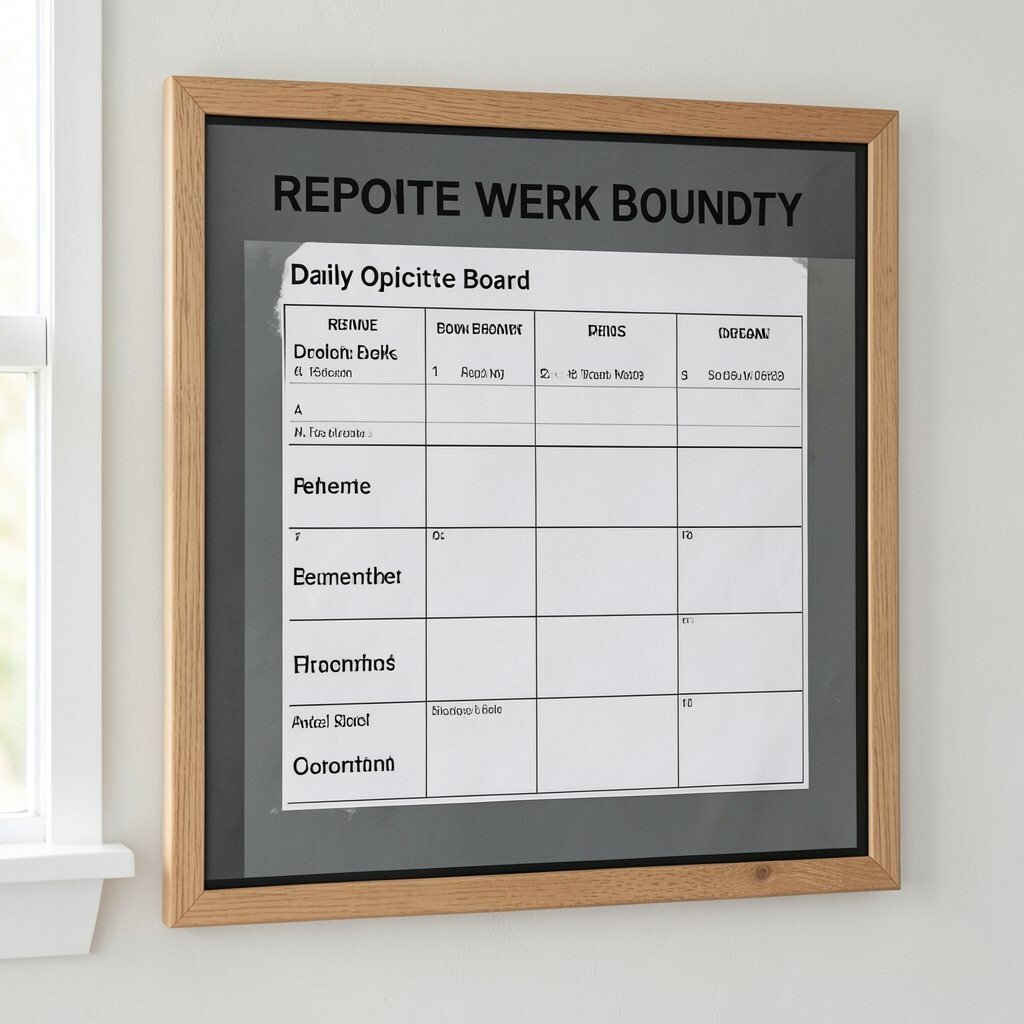
A daily objective board can help mark the line between work time and home time. A clean board with two zones, one for tasks and one for shut-down steps, looks neat and professional without feeling cold.
This is helpful when work and home are in the same room. You can add a personal work start rule, a break reminder, and a closing note for the end of the day, and those small details can make the routine feel easier to follow.
A modest budget is enough, since a clipboard or whiteboard can do the trick. People often like adding a calm color scheme because it looks current and keeps the space from feeling too busy.
13. Kids’ Responsibility Board
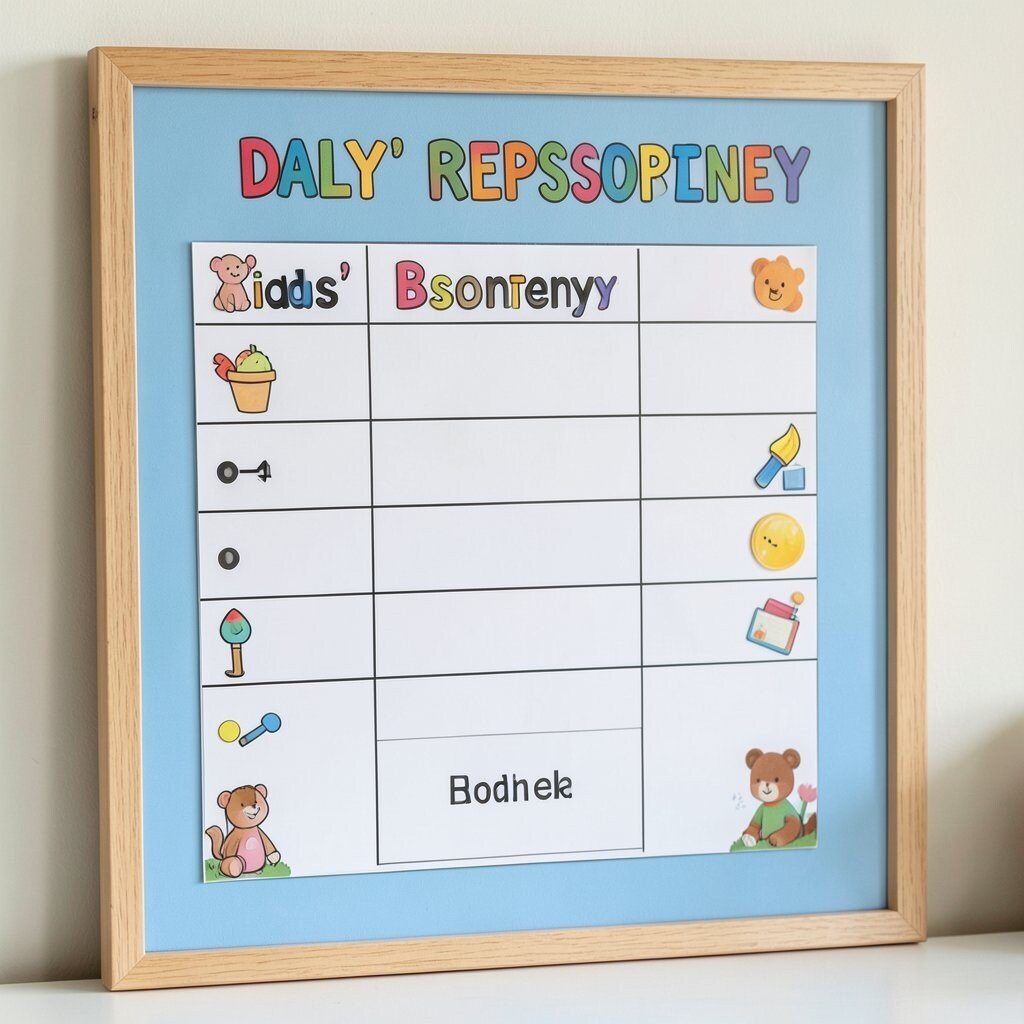
A child-friendly board can turn daily tasks into something playful and easy to understand. Bright shapes, big letters, and picture icons make the board cheerful and simple to read.
This idea is useful because it helps kids feel proud of what they finish. You can make it personal with their favorite colors, a name card, or small reward spots, and the whole setup can be made with very low-cost materials.
It also supports steady habits without needing a big lecture. Many families like to update the board each morning so children can see the day’s plan right away.
Current trends in kids’ spaces often use softer colors and simple designs, so the board can stay fun without looking too crowded. A few magnets or clothespins can add a hands-on touch that children enjoy.
14. Bedroom Calm Board
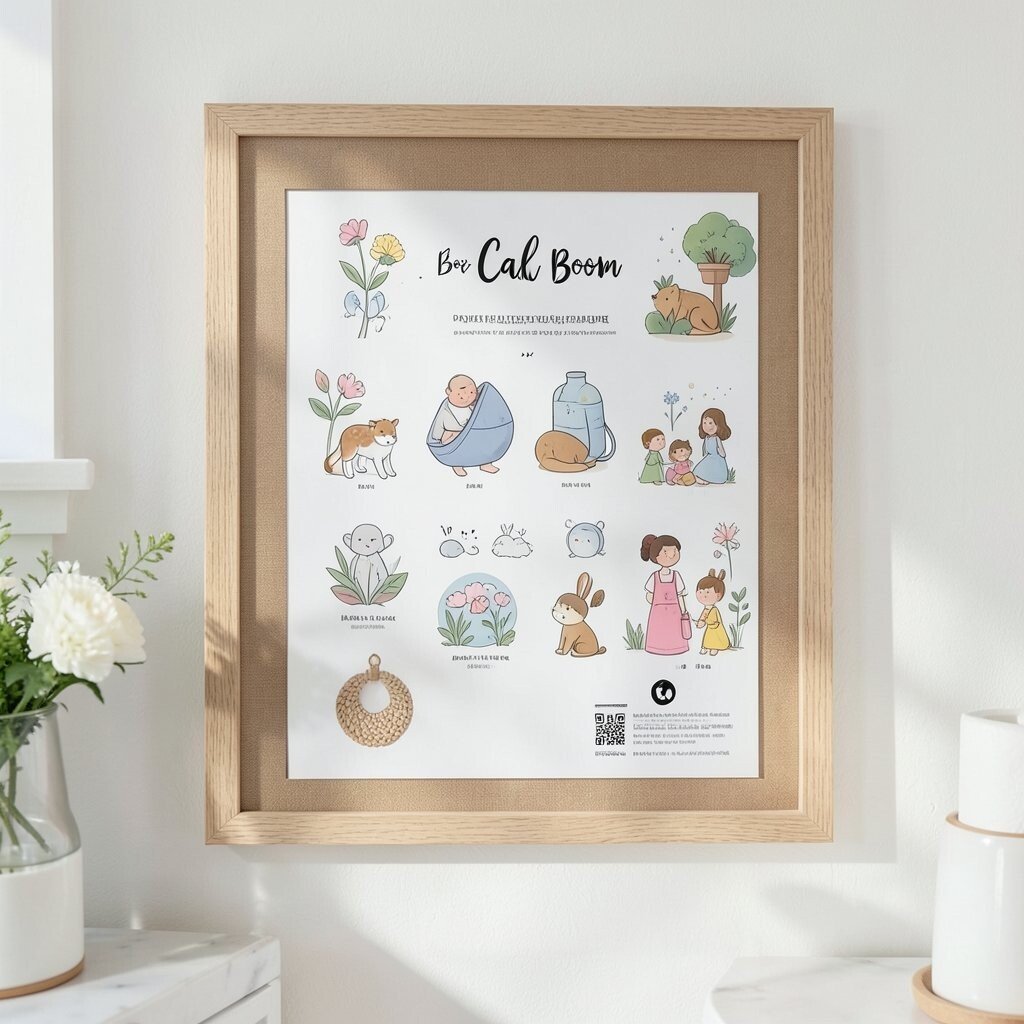
A board in the bedroom can hold one quiet objective for the day and a calming thought for the night. A soft fabric board or pale corkboard can blend in with the room and still look pretty.
This is a nice way to keep goals close without making the room feel busy. You can personalize it with a favorite poem line, a small photo, or a color that makes you feel safe and relaxed, and the materials can be very affordable.
People often like this kind of board because it gives structure without noise. A minimal look is a current trend, and it works especially well in bedrooms where rest matters most.
15. Travel Countdown Board
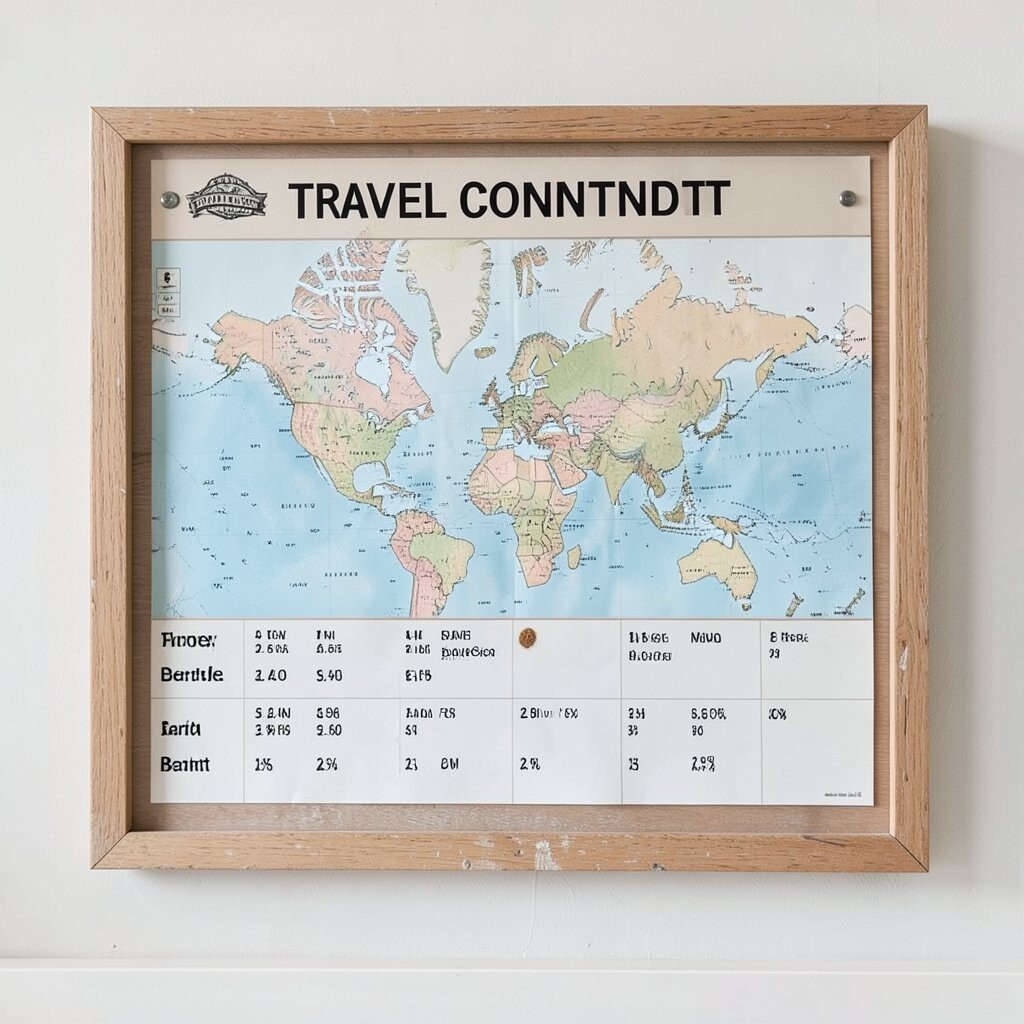
A daily objective board can also count down to a trip or event. A visual design with dates, tiny icons, and a map pin or suitcase image can make the board feel exciting and bright.
This helps build happy anticipation and keeps packing or planning tasks in view. You can add a check list for what still needs to be done, and you can personalize the board with the trip color theme or a photo from the place you are going.
It can be made from low-cost supplies like paper, string, and sticky notes. The board stands out because it feels both useful and fun, which makes it a little different from a plain calendar.
Many people enjoy adding simple photo strips or postcard art, which is a popular trend in personal boards. Those little details make the countdown feel more special and more memorable.
16. Reading Habit Board
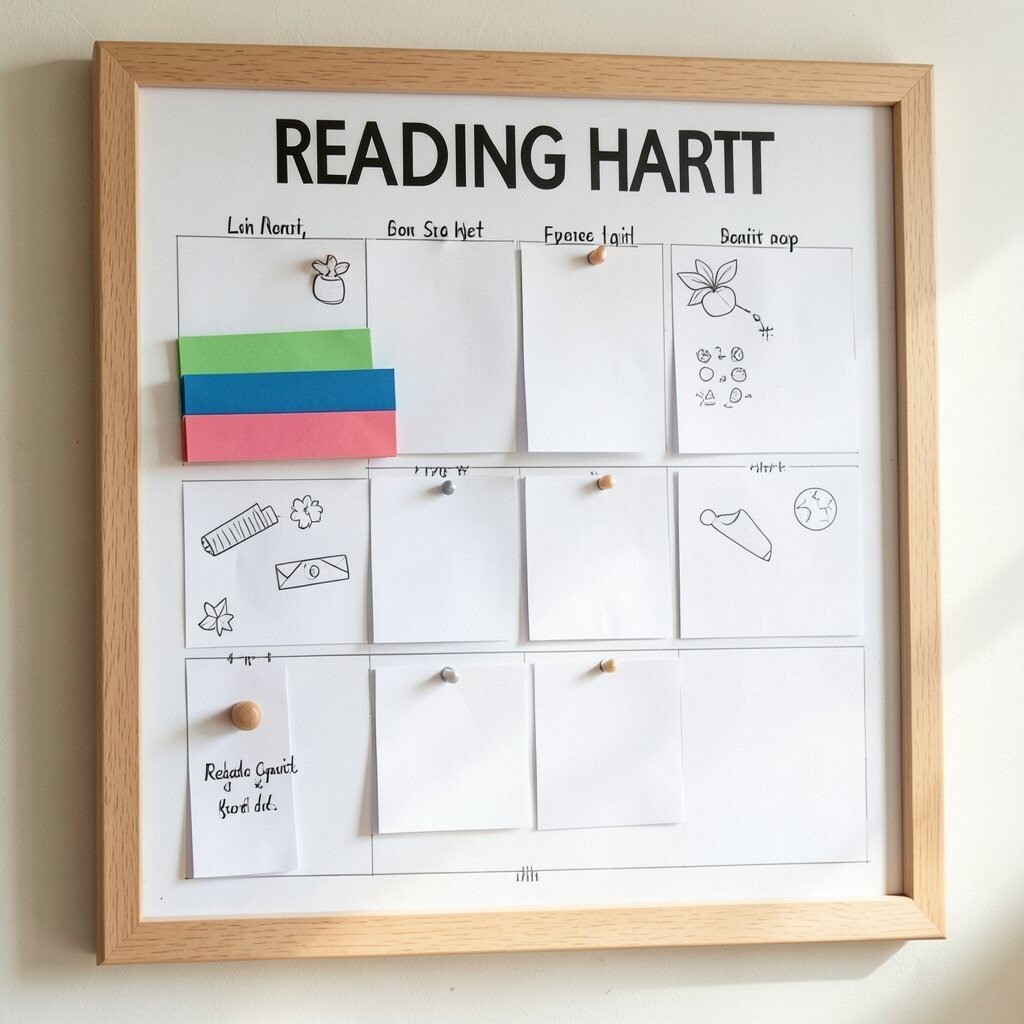
A board for reading goals can make books feel inviting every day. A shelf nearby, a few book cover images, or a cozy paper design can give the board a warm, library-like look.
This works well because it turns reading into a visible habit. You can write the current book, a page goal, or a quiet reading time, and you can personalize it with genres you love so it feels like your own space.
The cost can stay low if you use printed pages, old magazine pictures, or a simple dry-erase frame. A reading board also fits a current trend of making homes feel cozy, thoughtful, and slow-paced.
17. Home Improvement Idea Board
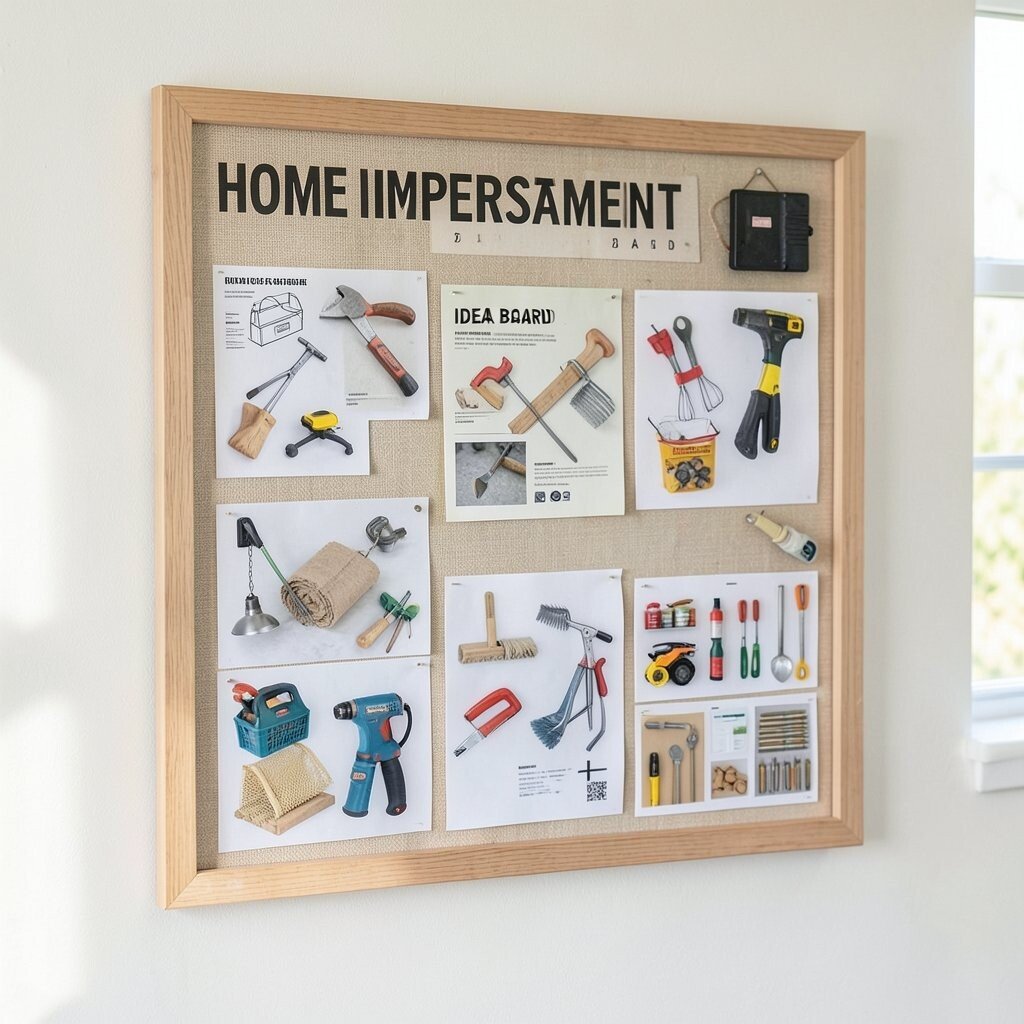
A daily objective board for house projects can keep repair and decorating plans from getting lost. A clean grid with photos, paint chips, and short notes gives the board a very clear and helpful look.
This is useful because home jobs often get delayed when they stay in your head. You can rank small jobs, add a weekend target, and personalize the board with the rooms you care about most, which makes it feel more doable.
It does not need to be fancy or expensive. Simple materials can still look strong and neat, and many people use this style now because it feels organized without being stiff.
18. Self-Care Check-In Board
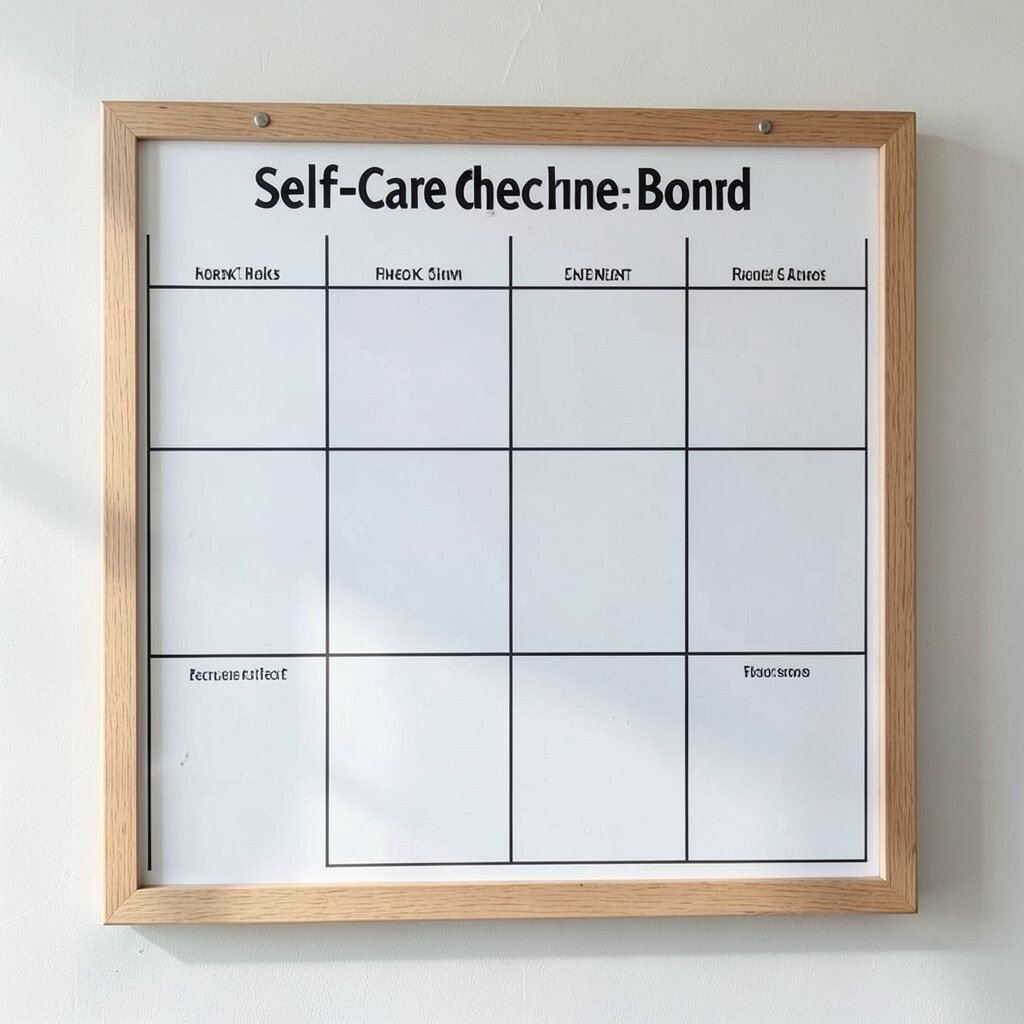
A board for daily care can remind you to drink water, rest, stretch, and breathe. A soft pastel design or a smooth wooden board can make the space feel kind and calm.
This idea is valuable because it puts small healthy acts in front of you. You can keep it personal by adding your own comfort habits, and you can use stickers or sliders to mark what you did, which makes the board feel interactive.
It is easy to build on a small budget with paper, markers, or a small whiteboard. People often like this style because it supports well-being in a gentle way, which fits the current move toward slower, more mindful routines.
It can sit on a nightstand, bathroom shelf, or desk without taking much room. That flexibility makes it simple to use in real life, not just in a picture.
19. Team Meeting Starter Board
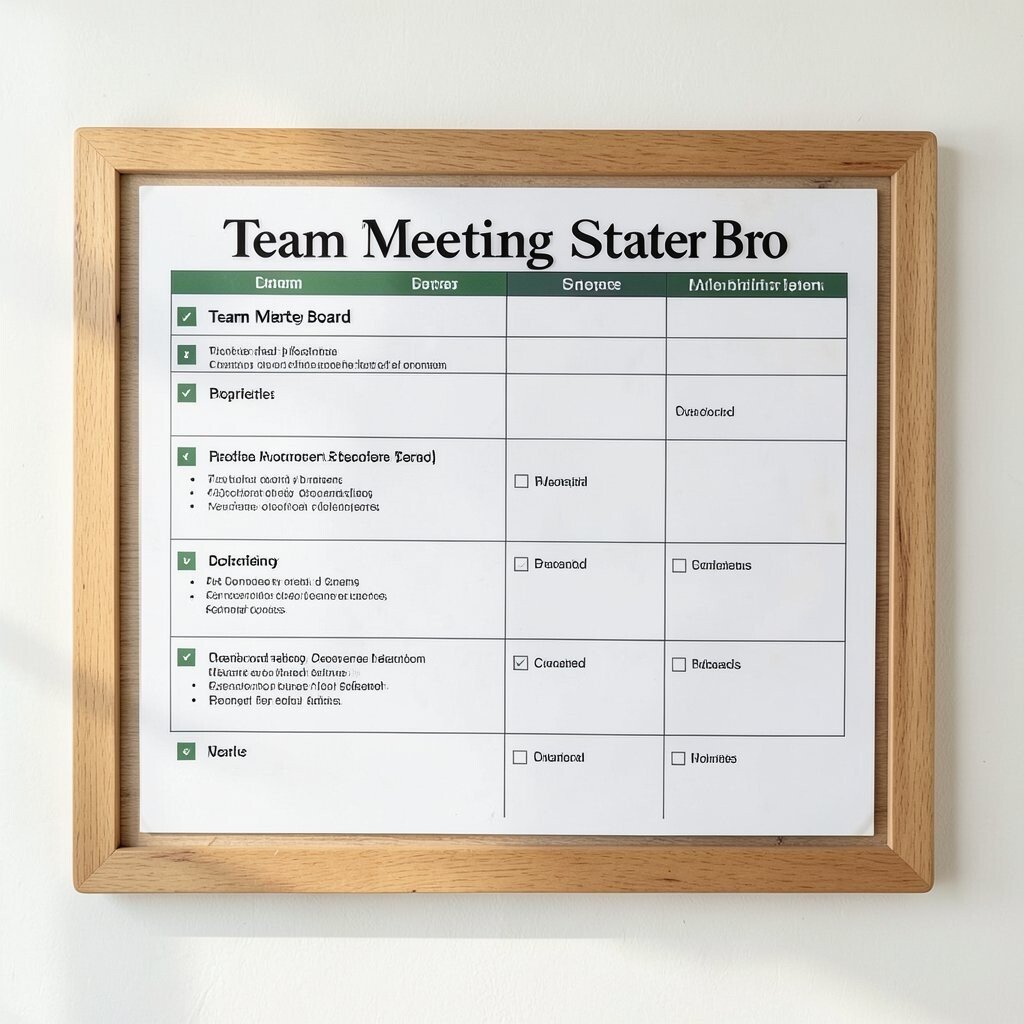
A board in a shared office or study area can set up the day’s group goals. A neat layout with names, tasks, and simple symbols looks clear and professional while still feeling friendly.
This helps teams stay on the same page before the work begins. You can adjust it for each meeting, add a small personal note from the leader, and keep the materials low cost by using a reusable board and dry-erase markers.
Many workplaces like visual tools that reduce confusion and save time. A modern, uncluttered look is common right now, and it can make even a small team space feel sharper and more organized.
20. Seasonal Inspiration Board
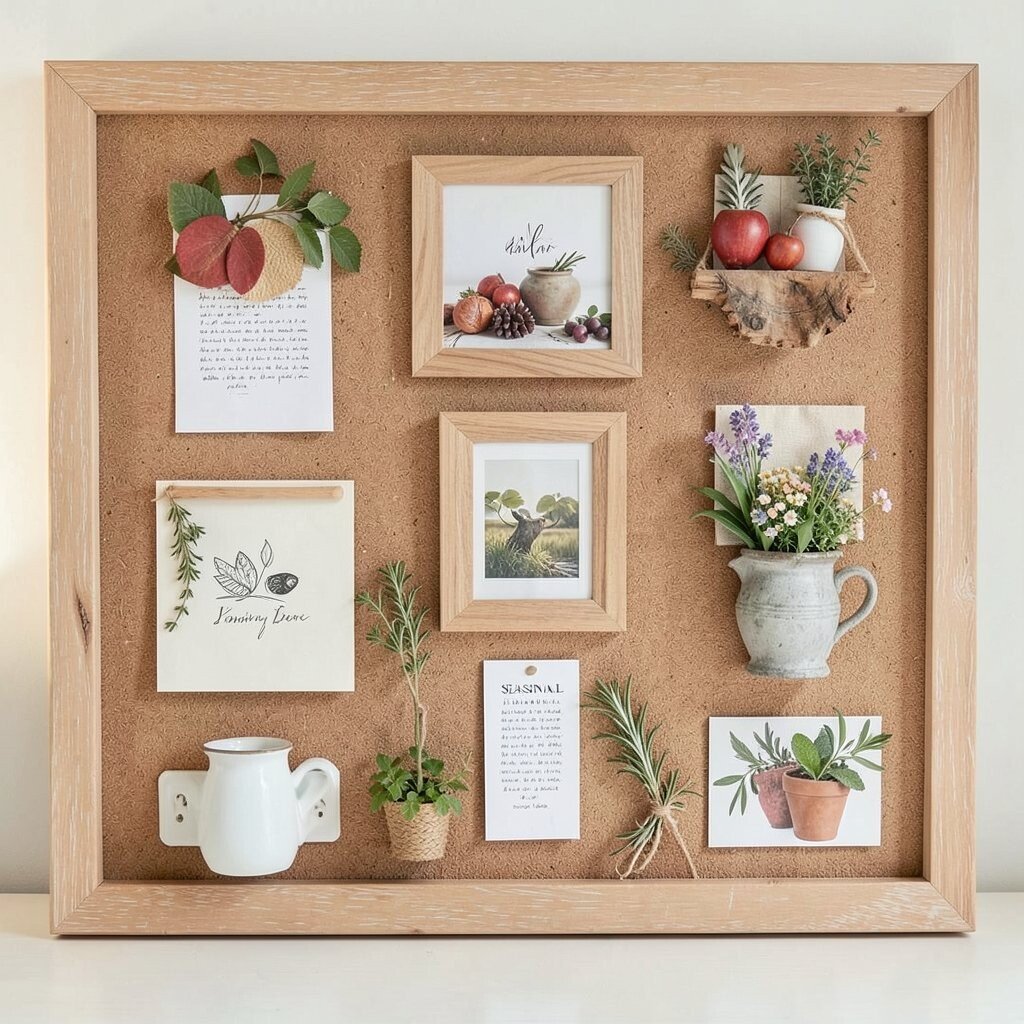
A seasonal board can keep your daily objectives tied to the time of year. Warm leaves, snowflakes, flowers, or beach colors can give it a fresh and lively feel.
This is a fun way to keep your board from feeling stale. You can switch the design every few months, add seasonal goals, and personalize it with family events or favorite traditions, which makes the board feel different each time.
The cost can stay small if you reuse the same board and only change the paper pieces. Many people enjoy this approach because it follows current home style trends that favor easy updates and simple decor swaps.
21. Hobby Progress Board
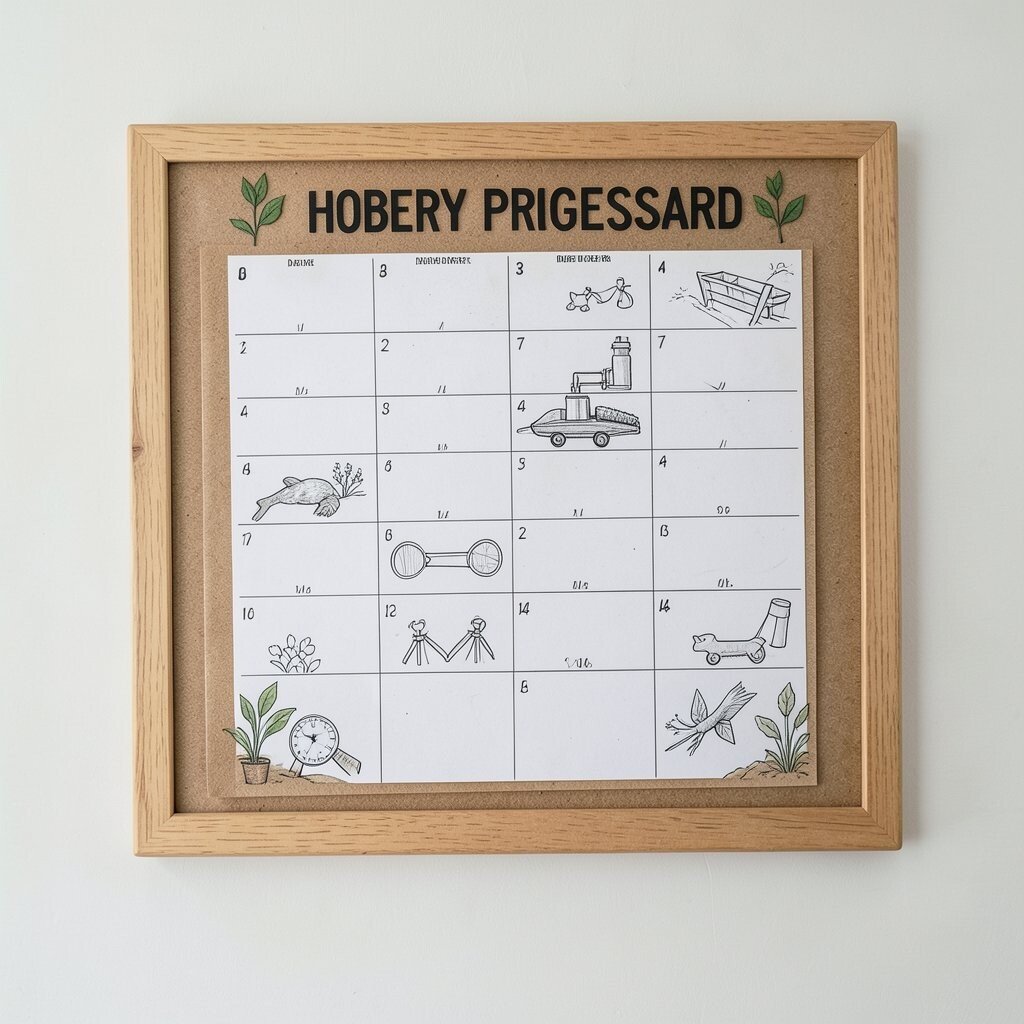
A board for hobbies can show what you are learning and what you want to try next. Photos, swatches, samples, or tiny sketches can give the board a lively and hands-on look.
This works well because hobbies often grow best when progress is visible. You can set a small goal for painting, baking, sewing, gaming, or gardening, and you can make the board very personal by using tools or colors from the hobby itself.
The board can be built on a budget with scraps, tape, and printouts. A handmade look often feels more unique than a polished one because it shows your real process, not just the finished result.
22. Nightly Reset Board
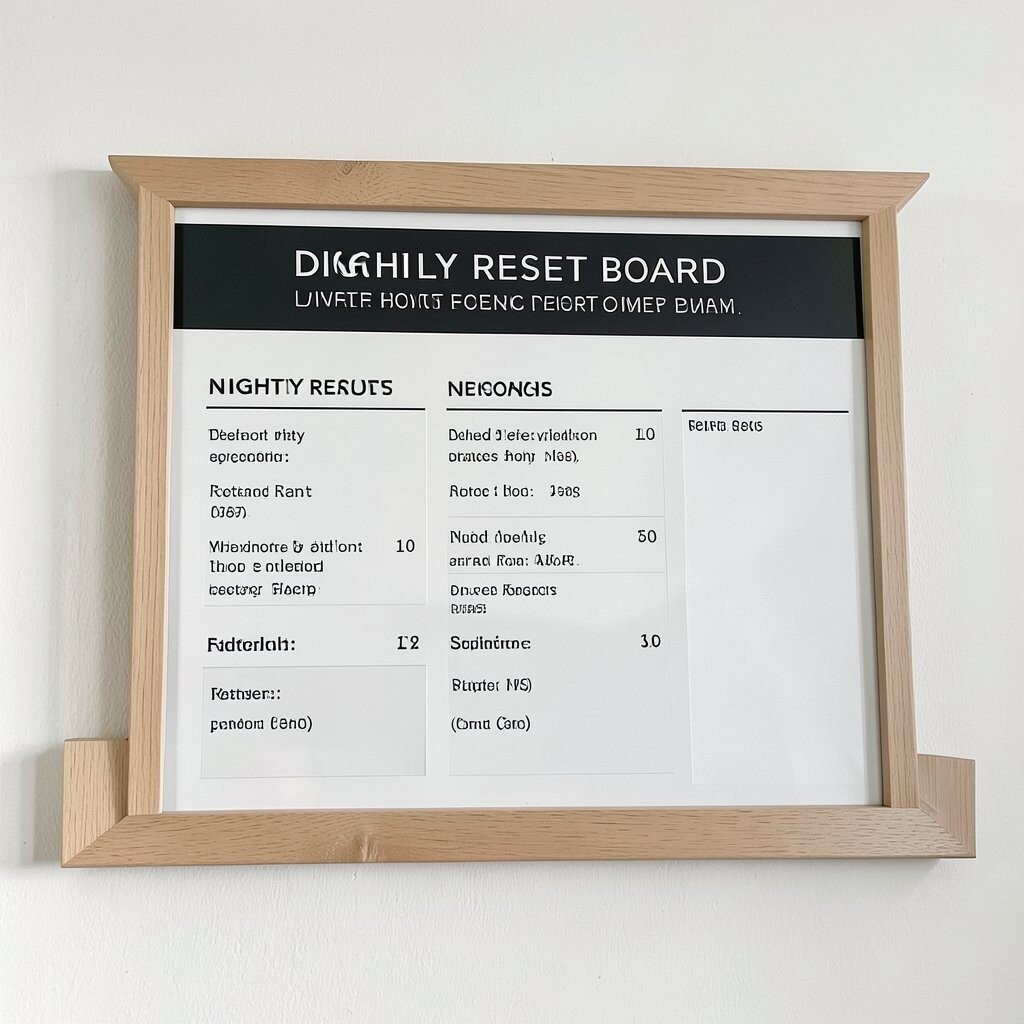
A daily objective board for the evening can help close the day with calm. A dark background, soft writing, and a few glowing accents can make it look peaceful and clear in low light.
This idea is helpful because it gives you a place to name tomorrow’s first step before bed. You can keep it personal with a short reflection, a top goal, or a reminder to rest, and that simple habit can make the next day feel easier to begin.
It also works well with low-cost supplies, especially if you reuse a board you already own. People often like this style because it fits the growing trend of evening routines that feel slow, tidy, and thoughtful.
With a small lamp nearby, the board can become part of a soothing night setup. That gentle visual cue can make your room feel ready for sleep while still holding a little inspiration for the morning ahead.