The right yard plan can make every day feel better. A few smart design choices can give your home a fresh look and a calmer mood.
1. Cottage Garden Pathway
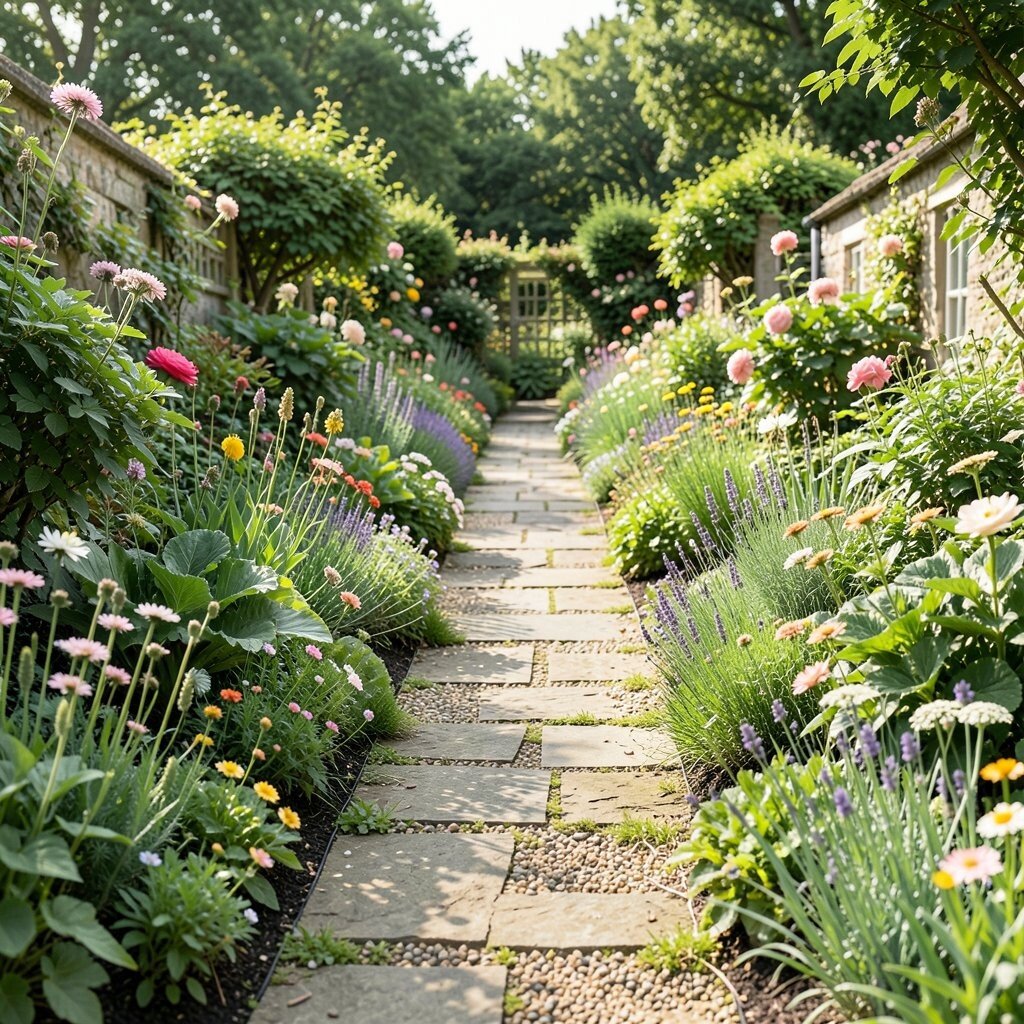
A winding path with soft edges can make your yard feel like a cozy storybook. Choose curvy stepping stones set in grass, then flank them with easy perennials for color that changes all season.
For a natural look, keep the plants slightly taller in the middle of each side and shorter near the path. This design helps people slow down as they walk, which makes the whole space feel welcoming and tidy.
2. Modern Geometric Planters
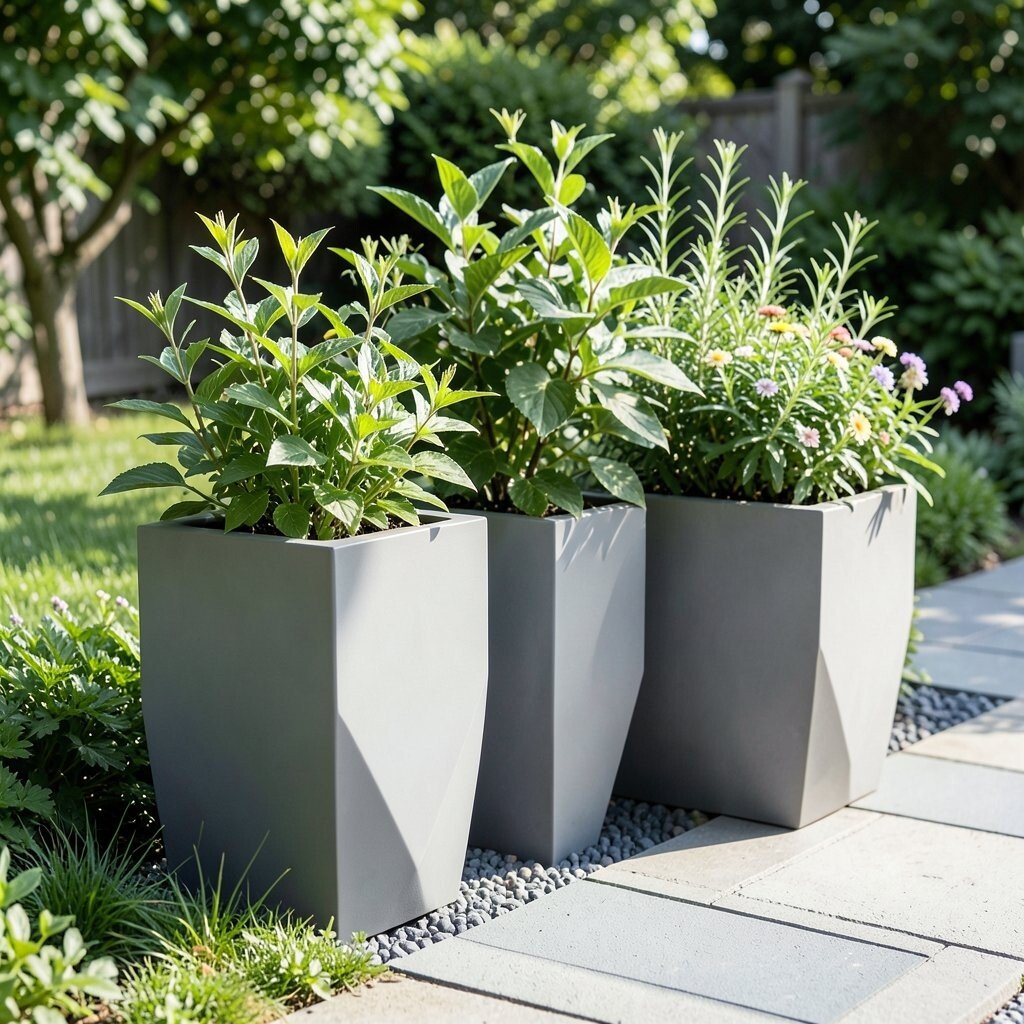
Sleek, clean lines can look amazing, even in a small yard. Use rectangular or square planter boxes and repeat shapes across the space for a crisp, modern feel.
Mix grasses with bold foliage plants so the layout stays interesting from every angle. Keep watering simple by placing each planter close to a hose bib, and consider drip lines for steady moisture.
If you want a budget-friendly approach, start with fewer planters and add more over time. Painting the planters in matte colors can make them look custom without paying for expensive stone or metal.
3. Pollinator-Friendly Flower Border
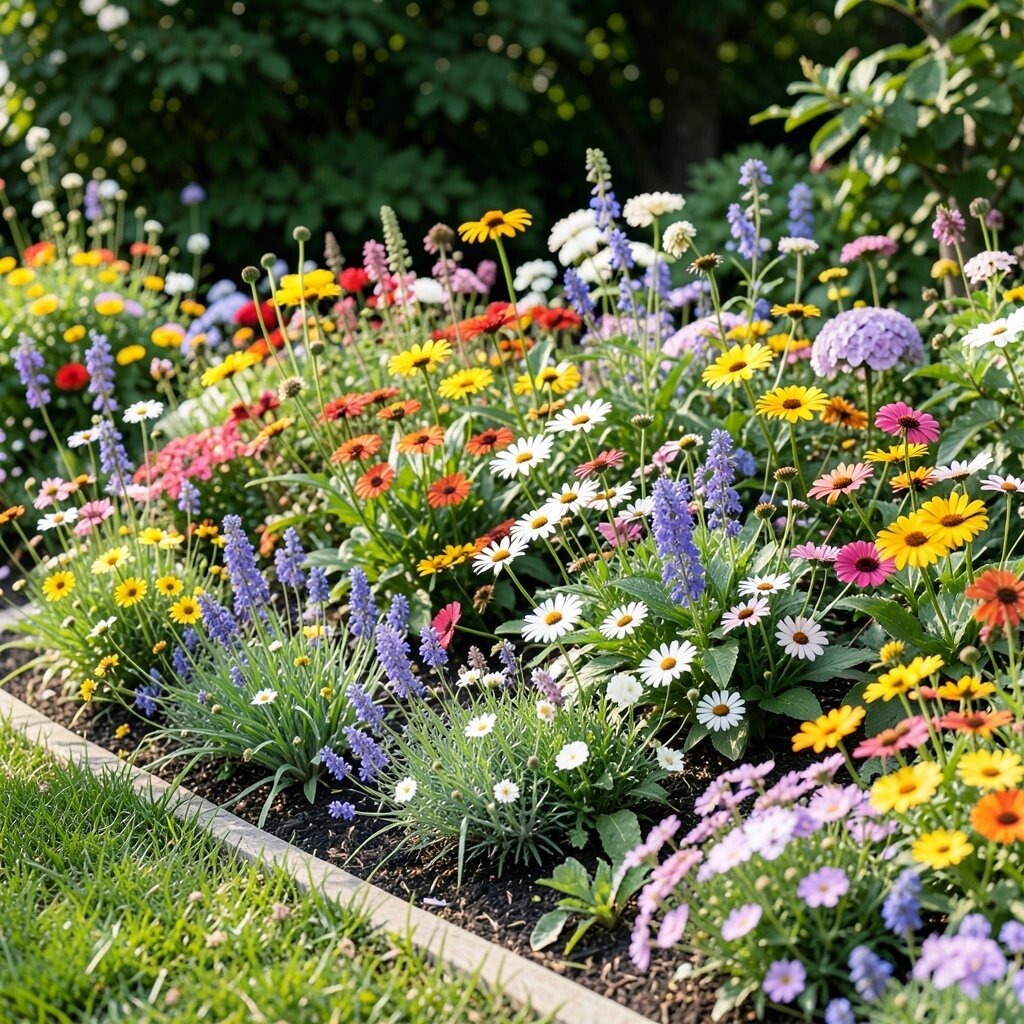
A flower border full of blooms can turn your yard into a busy, beautiful place. Think of layers of colors like purple, yellow, and red, planted in groups so the view feels bold and clear.
Pollinators love plants with nectar and open flowers, so you get more butterflies and bees around your home. A thicker border also helps cover bare soil, which reduces weeds and keeps your yard looking cared for.
For practical success, pick plants that match your sun level and your area’s climate. Add a small water dish near the flowers in hot months, and keep deadheading light so new blooms keep coming.
4. Raised Bed Vegetable Garden With Decorative Edging
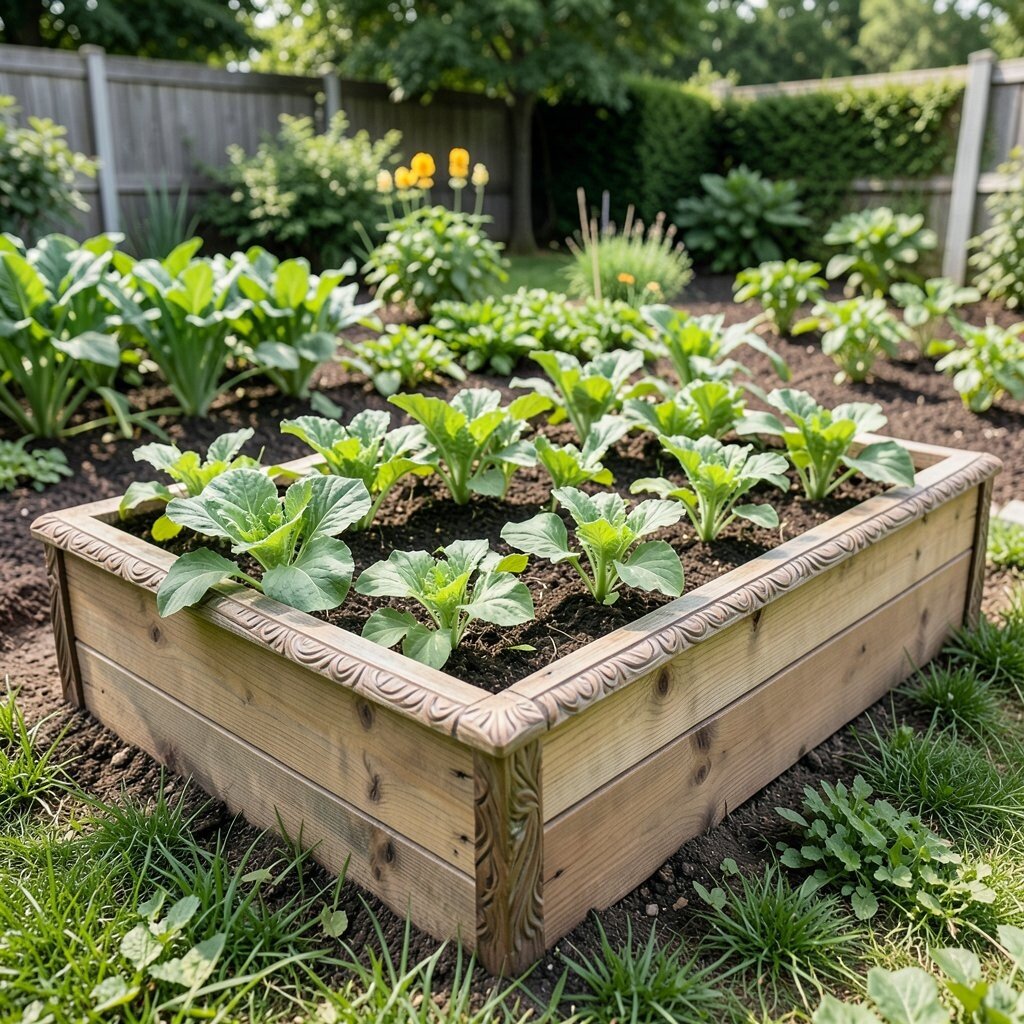
Raised beds can be pretty enough to sit right in the front of your home. Build them with wood, composite, or stone blocks, then add decorative edging that matches your walkway or porch rail.
When you grow herbs and vegetables, you get fresh food and a vibrant yard at the same time. Raised beds warm up faster in spring, drain better after rain, and make it easier to weed without bending so much.
Choose a width that lets you reach the center comfortably. If cost matters, start with two beds, then expand once you feel confident with watering and soil mix.
5. Zen Stone and Moss Retreat

Minimal stone arrangements can feel calming and clean, like a quiet breath for your yard. Use smooth stones grouped in flowing lines, then add patches of moss or low groundcover between them.
This style can reduce visual clutter by keeping the palette simple and the layout intentional. It also works well in shaded spots where grass struggles, giving those areas a purposeful look.
To keep it looking neat, rake stone lines gently and remove fallen leaves before they pile up. Choose moss-friendly areas and mist occasionally if the weather gets dry.
6. Tiered Terraces for Sloped Yards
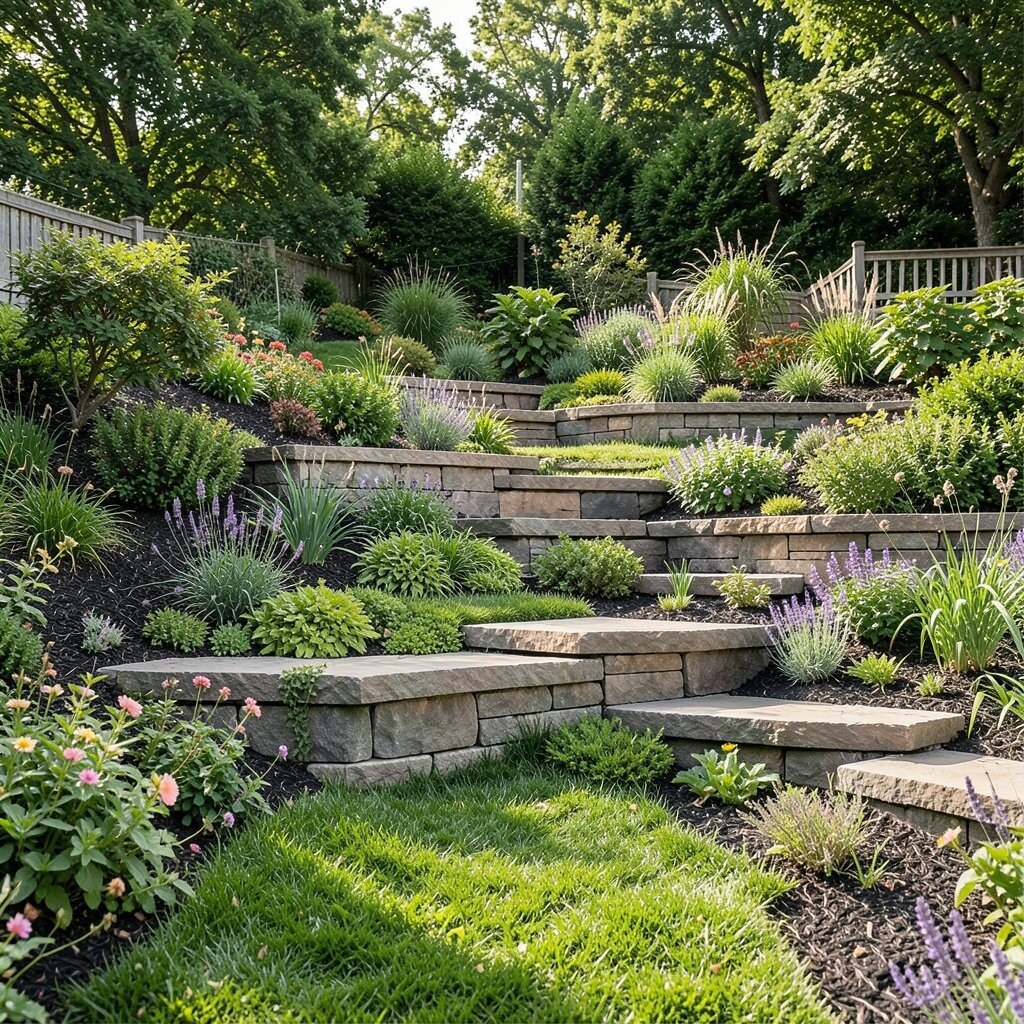
Slopes can become an advantage when you build terraced planting areas. Layer stone or timber steps, then plant each level with flowers, shrubs, and groundcover that matches the sun.
Terraces help prevent erosion and make mowing easier because the ground becomes flatter and more organized. You also get a “wow” effect, because visitors naturally notice the changes in height as they move through the yard.
7. Water Feature With Simple Sound
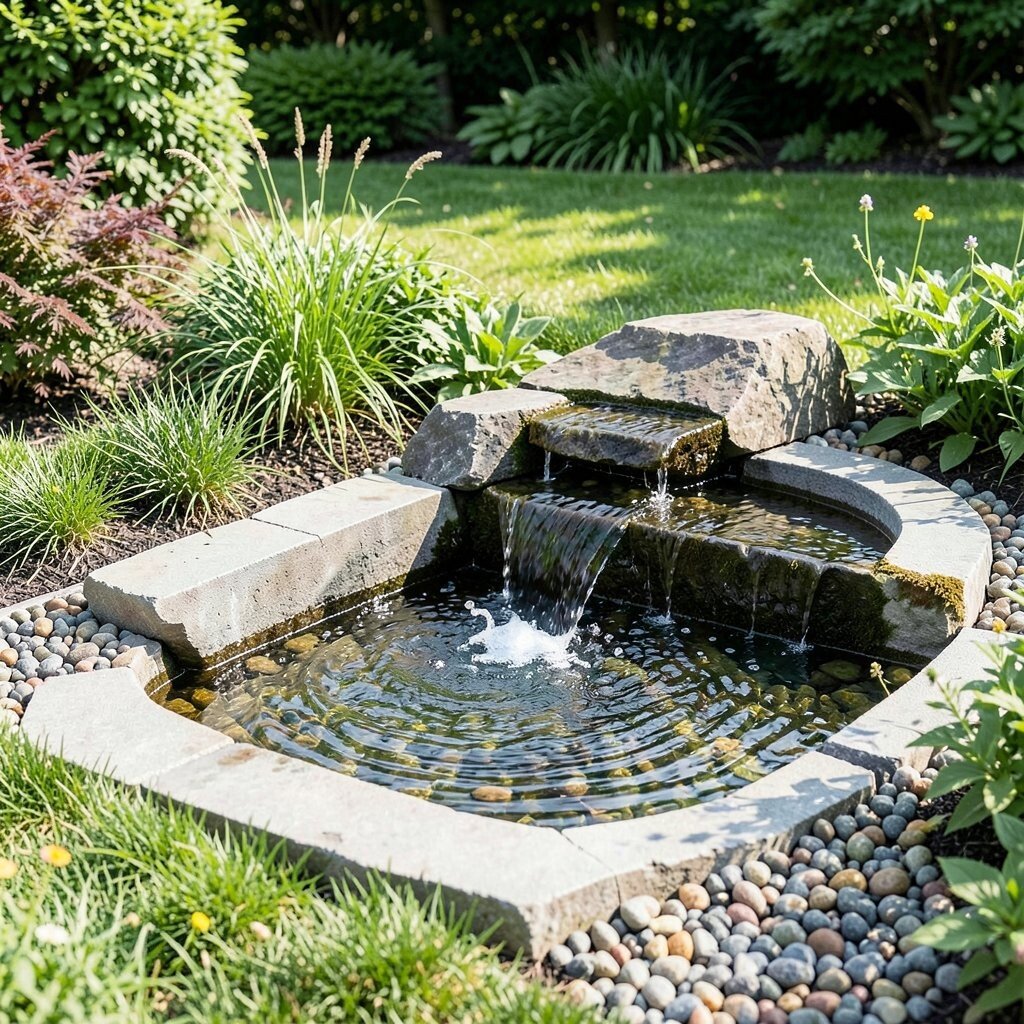
A small fountain or bubbling pot can add a relaxing soundtrack to your outdoor time. The sight of water moving in sunlight makes even a plain patio look alive.
Water features can also attract birds, which gives your yard more activity and joy. For practical planning, choose a size you can maintain, and place it where you can hear it from a door or patio chair.
To keep costs under control, consider a recirculating pump system with a basin that fits your space. Use local stones or slate for a natural finish, and plan access to the pump so cleaning doesn’t feel like a chore.
8. Statement Entryway Shrub Wall
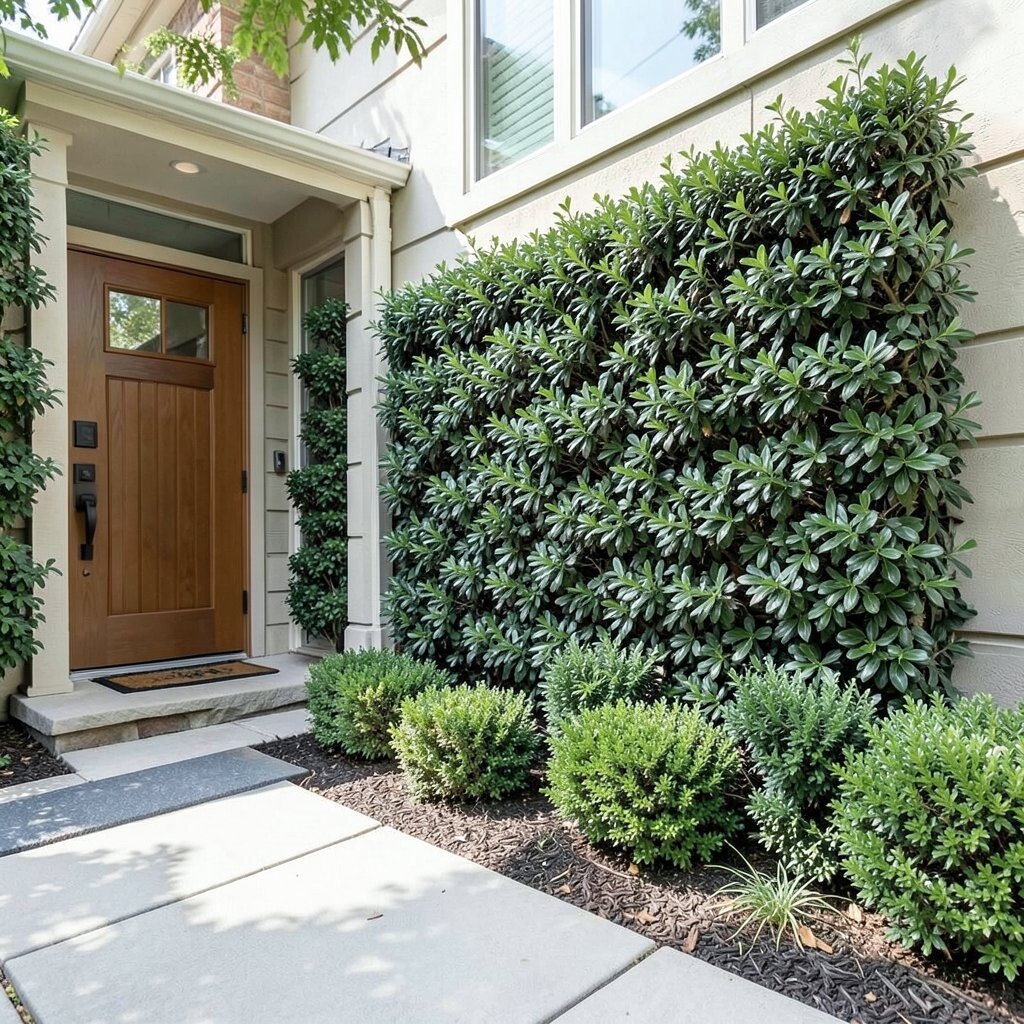
Your front entry can look more stylish when you frame it with shrubs arranged like a living wall. Plant evergreens for steady structure, then weave in flowering shrubs for seasonal interest.
This design boosts curb appeal by making the doorway feel centered and important. It also gives privacy and can reduce wind, which helps delicate plants near the entry stay happier.
9. Layered Privacy Planting With Texture
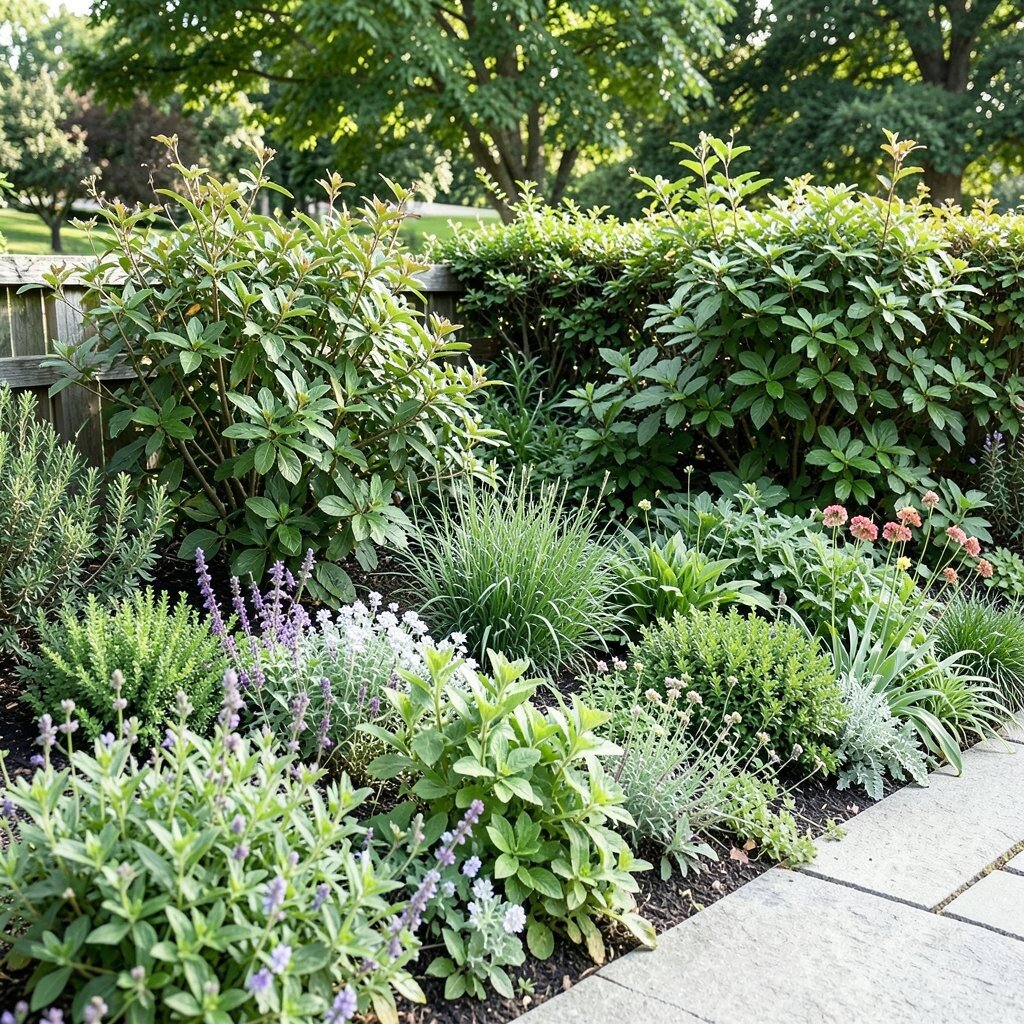
Privacy doesn’t have to mean one flat row of the same plant. Choose shrubs with different leaf shapes, plus a few tall grasses to add soft movement in breezes.
When textures vary, the yard feels richer and more natural, even from a distance. It also helps hide fences or utility areas while still leaving enough airflow to reduce mildew.
For best results, space plants so mature sizes won’t crowd each other. If you want to personalize the look, pick a color theme like warm greens with chartreuse accents or cool greens with silvery leaves.
10. Outdoor Lighting for Evening Charm
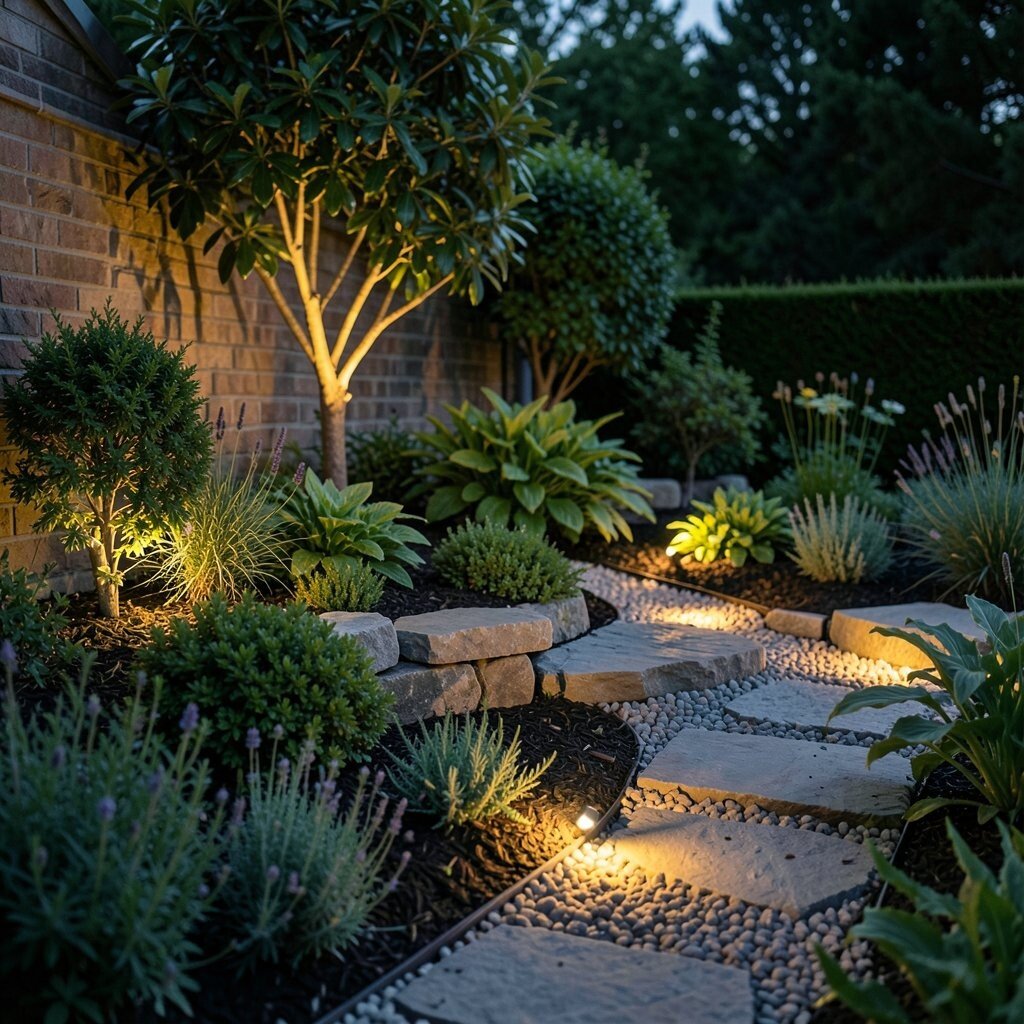
Lighting can make your yard feel magical after sunset. Use low-voltage path lights, small spotlights for trees, and warm string lights for a soft glow around seating areas.
This upgrade improves safety by guiding steps and walkways, and it also highlights the best parts of your landscaping. In today’s yards, warm white tones are popular because they look cozy rather than harsh.
For a practical approach, start with lights along your main path first, then add layers later. You can often save money by using solar lights for low-priority areas, though wired options give more consistent brightness.
11. Brick or Gravel Fire Pit Patio

A fire pit patio gives your yard a clear gathering spot. Use brick pavers or compact gravel, then surround the pit with stones that can handle heat.
This design invites you outside more often, which makes your landscaping feel like a daily lifestyle feature. It also helps define the yard’s “room,” so everything looks more connected.
12. Vertical Garden on a Fence or Wall
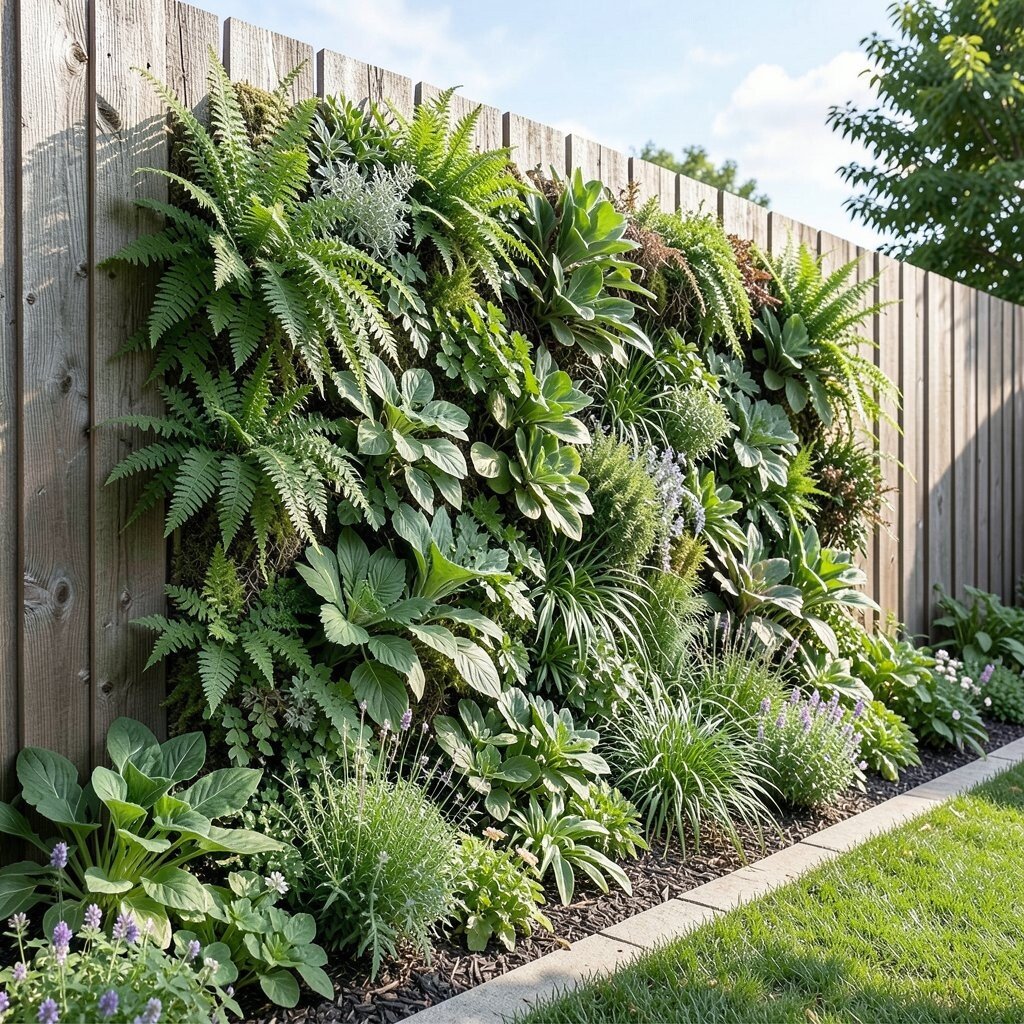
When floor space is limited, vertical gardening can be a game changer. Attach pockets, trellises, or slim planters to a fence and grow climbing vines, herbs, or flowering plants upward.
This approach creates a living backdrop and can hide plain fence boards in a stylish way. It also uses less ground area, which can reduce weeding and keep the yard more manageable.
To personalize the look, mix plant textures like trailing flowers with upright herbs. If you want a cost-friendly build, repurpose sturdy containers and add a simple trellis, then guide vines gently as they grow.
13. Wildflower Meadow for a Natural Look
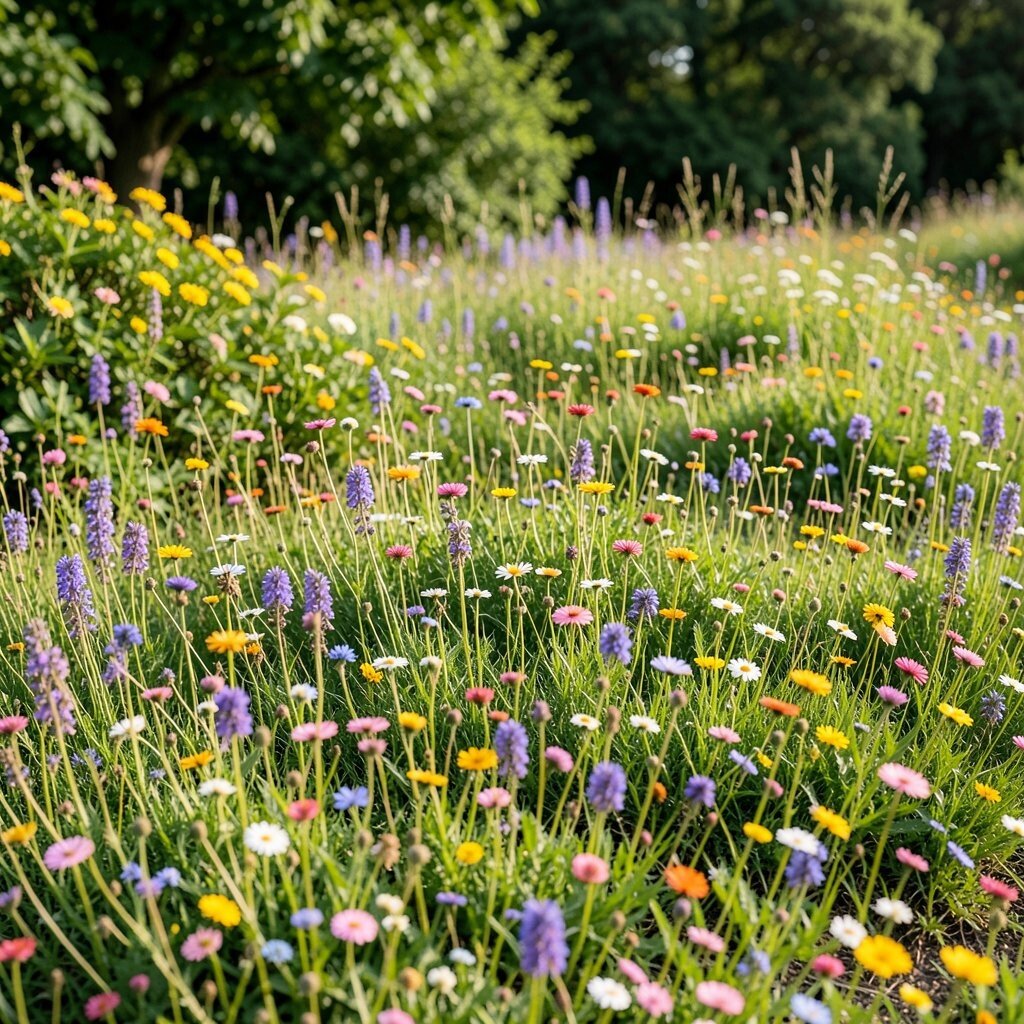
A wildflower meadow can make your yard feel like the countryside. Choose a mix of native blooms and sow them in a prepared patch, then let it grow with a light touch.
This design looks great from spring through fall and supports local pollinators. The soil cover also reduces bare spots that often become weeds.
For practical upkeep, mow once or twice at the right times and leave some stems for insects when seasons change. If you have a smaller yard, keep the meadow area compact and blend it with tidy edging for a clean boundary.
14. Water-Permeable Walkway With Plant Borders
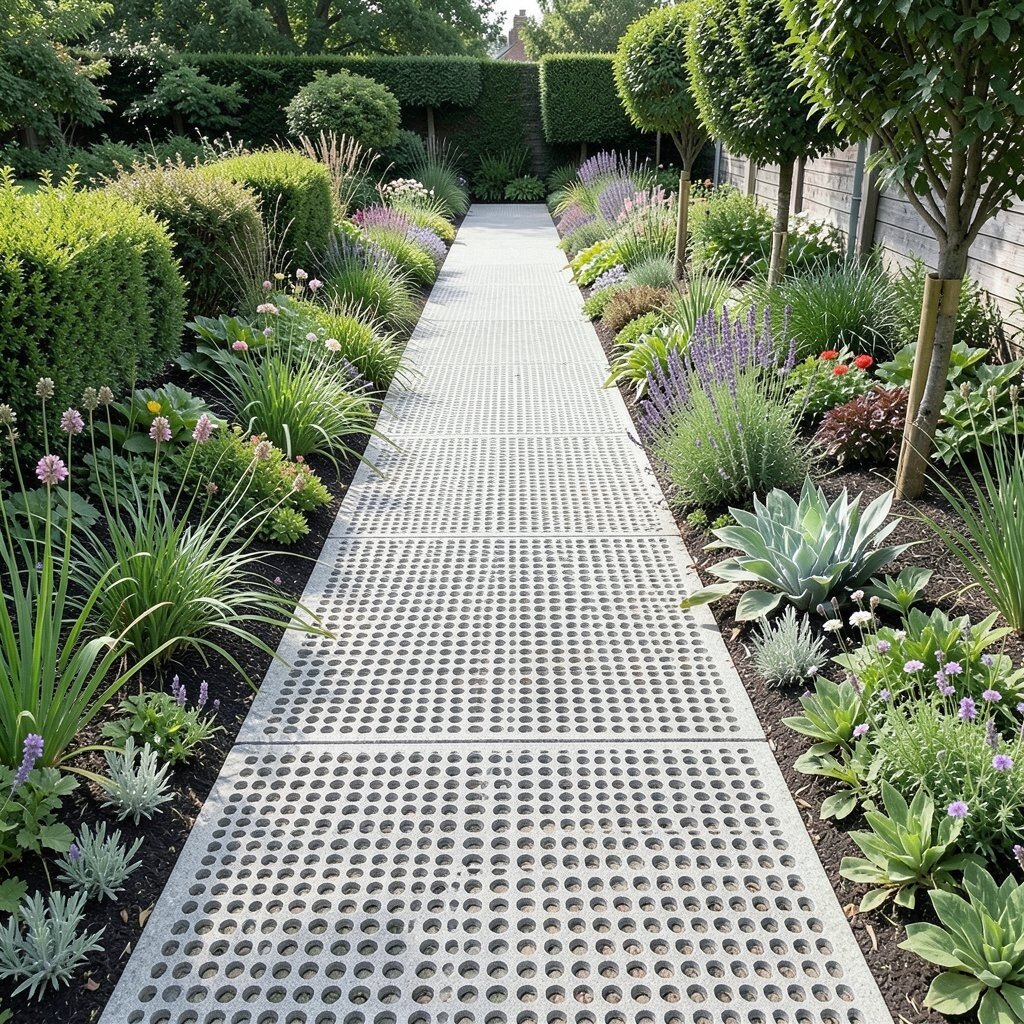
A walkway that lets water soak in can make your yard healthier. Use permeable pavers, gravel with a stable base, or stepping stones set in soil, then frame the edges with low plants.
This design reduces puddles and helps prevent runoff that can damage soil and plant roots. It also makes walking safer because the surface drains better after rain.
When planning, check your local drainage needs and choose materials that suit your foot traffic. For personalization, add repeating plant clumps that match your house colors, like soft blues near cool-toned siding or warm yellows near brick.
15. Modern Raised Planter Wall for Patios
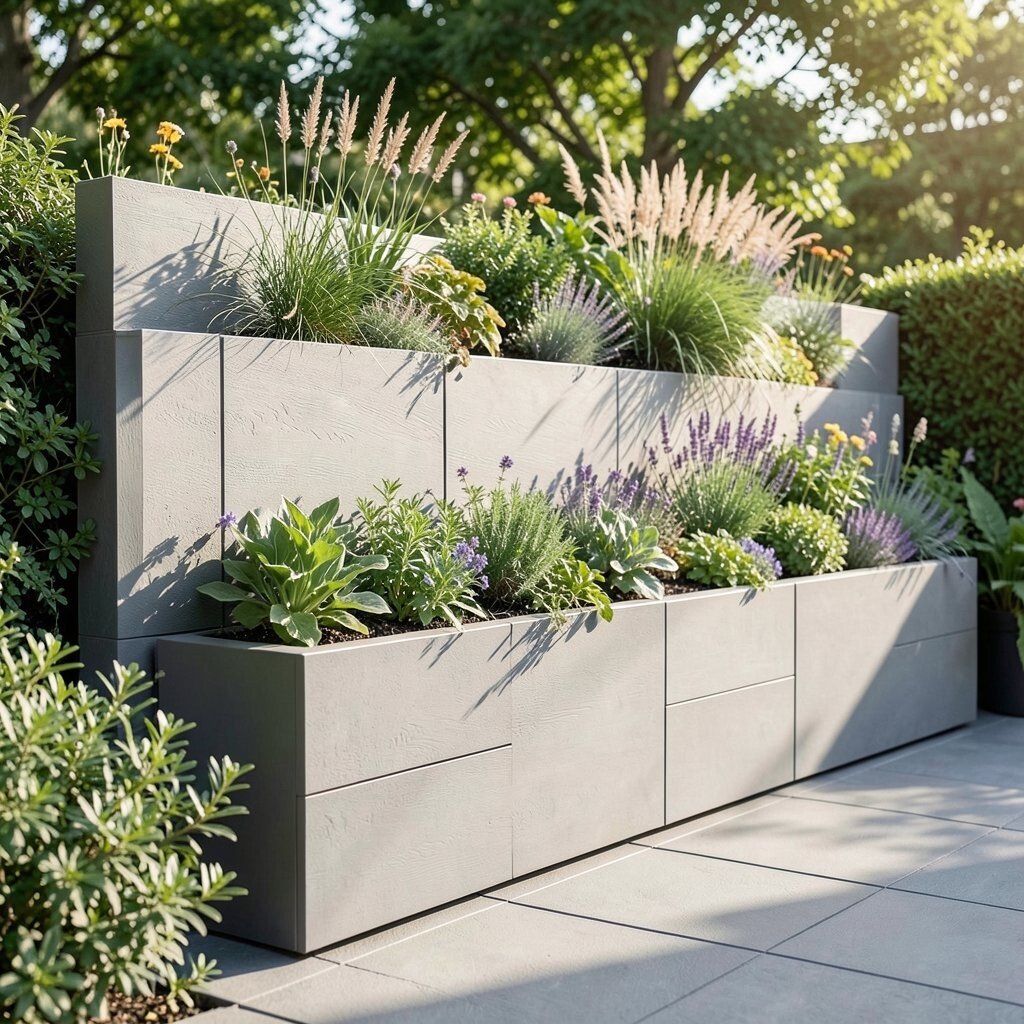
A planter wall can turn a blank patio edge into a stylish green backdrop. Use long rectangular containers stacked or lined along a fence, then plant them with trailing vines and upright forms.
This creates a strong visual frame and makes the patio feel designed instead of accidental. It also gives you more planting options without digging into the ground, which is helpful for renters or homeowners with tough soil.
To keep maintenance realistic, pick plants that tolerate your sun and watering schedule. Use a quality potting mix and consider self-watering planters if you travel or forget to water during busy weeks.
16. Curved Border With Seasonal Color Swaps

Curved planting borders can soften the edges of your yard and guide the eye naturally. Plant a repeating curve in a butterfly-like shape, then fill it with flowers that bloom at different times.
This design feels cheerful because the yard changes as the seasons change. You can also personalize it by choosing a color story, like pink and lavender for a gentle mood or orange and red for bold energy.
For practical care, group plants by water needs and use mulch to keep soil steady. If you want to save money, plant perennials as the base and add annuals only for the peak color weeks.
17. Artful Path Lighting With Solar Accent Spots

Small solar lights placed thoughtfully can create a subtle, stylish path effect. Scatter accent lights near key plants or along the outside edge of stepping stones for gentle evening guidance.
This keeps your yard safer and more inviting without the cost of a full electrical layout. In many modern designs, people like low-profile lights because they add charm while keeping the landscape looking natural.
To make solar lights work better, place them where they get strong daylight and avoid deep shade. If you want a personalized look, choose colored glass covers or consistent warm tones that match your outdoor decor.
18. Shadow Box Garden With Groundcover Layers
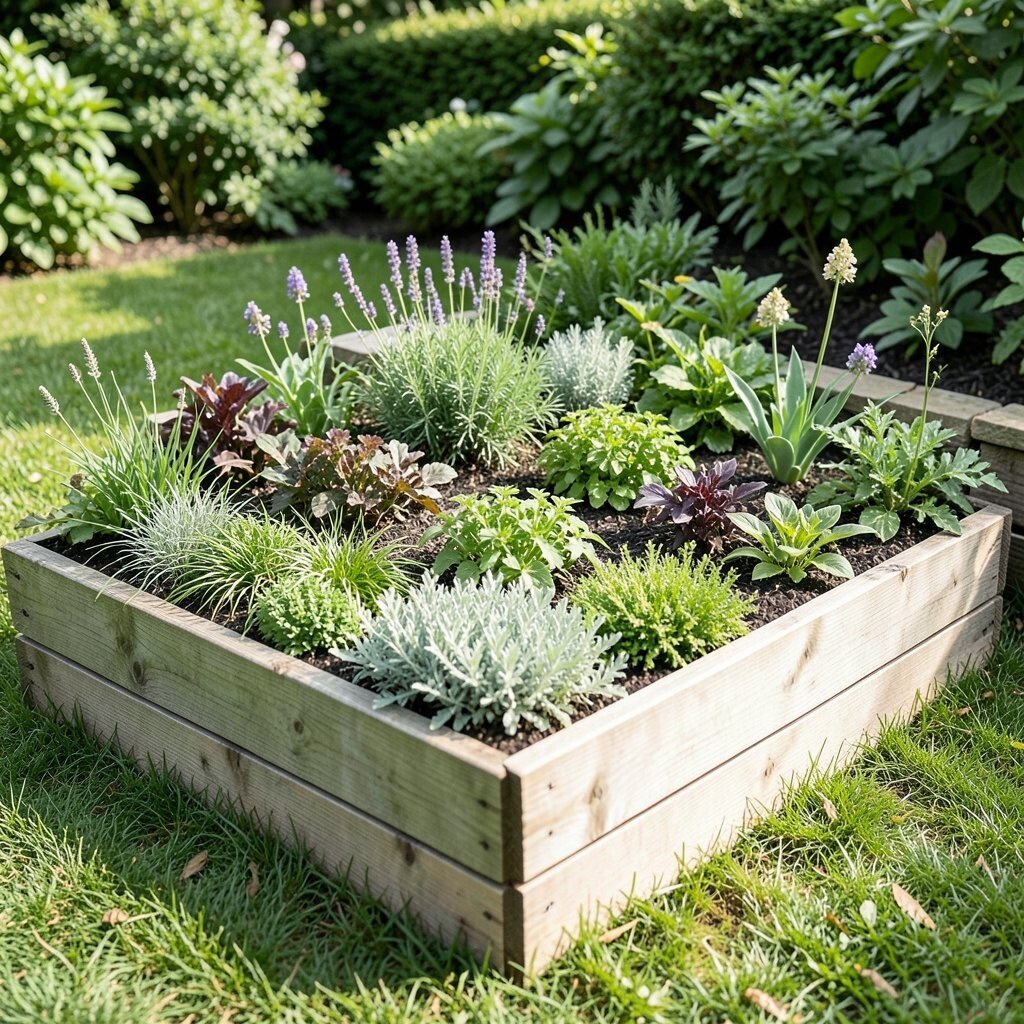
A shadow box garden uses a contained frame to keep plants neat and focused. Build a simple border with metal edging or wood, then fill it with layered groundcovers and small shrubs.
This works especially well for narrow areas beside paths or driveways where grass would be hard to maintain. Layering also helps block weeds because the ground stays covered and shaded.
When selecting plants, mix quick cover with slower-growing accents so the area looks full without spreading too fast. If you want uniqueness, choose groundcovers with different leaf colors like bronze, green, and chartreuse to add depth.
19. Cozy Seating Nook With Shade and Framing
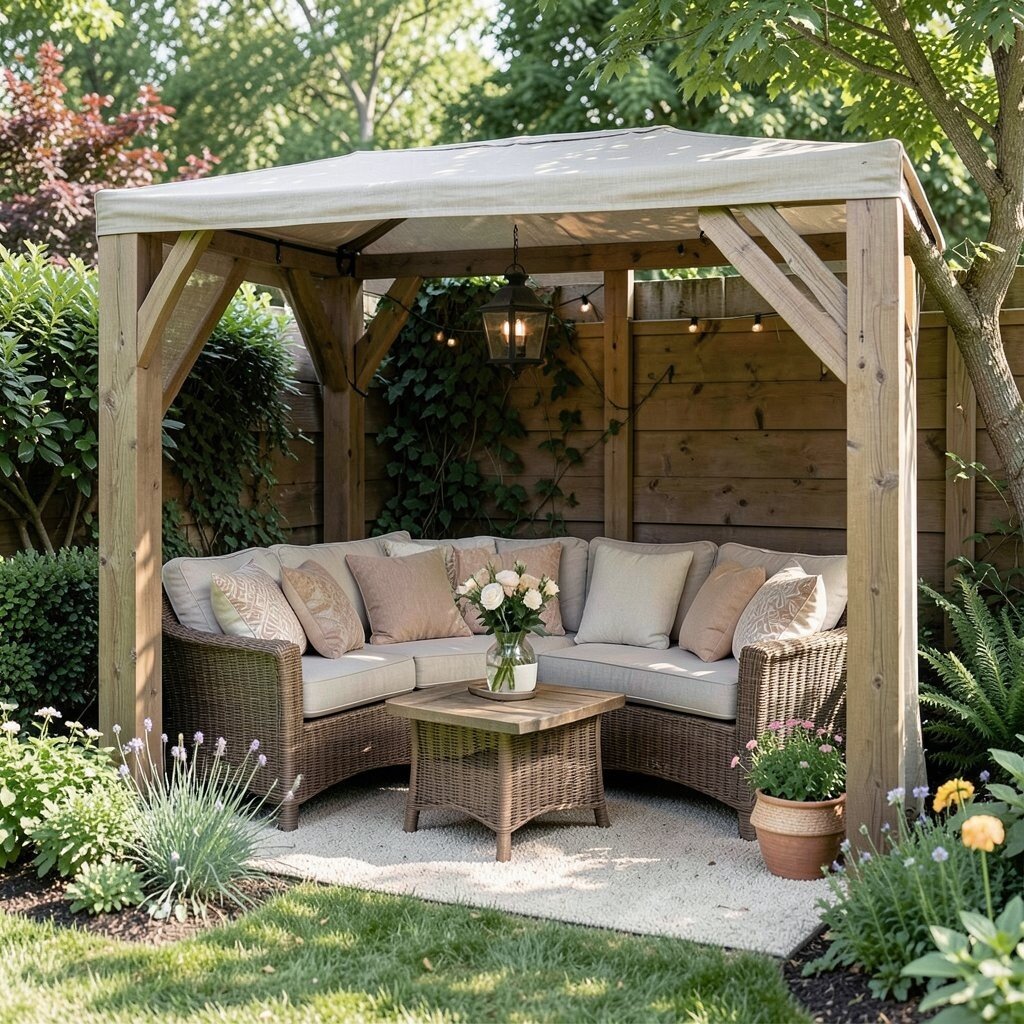
A seating nook can be the best part of your yard when it feels private and comfortable. Place a bench or loveseat near a pergola, tall shrub, or tree canopy, then frame the space with planters on both sides.
This design helps you create a “destination” that makes the yard feel like more than just open space. It also supports relaxation by adding shade and visual walls that reduce wind and outside noise.
For personalization, weave climbing plants through the pergola and choose outdoor textiles that match your flower colors. To manage cost, start with structure and simple plantings, then add seasonal containers for extra flair during warmer months.
20. Driveway Border With Low Maintenance Landscaping
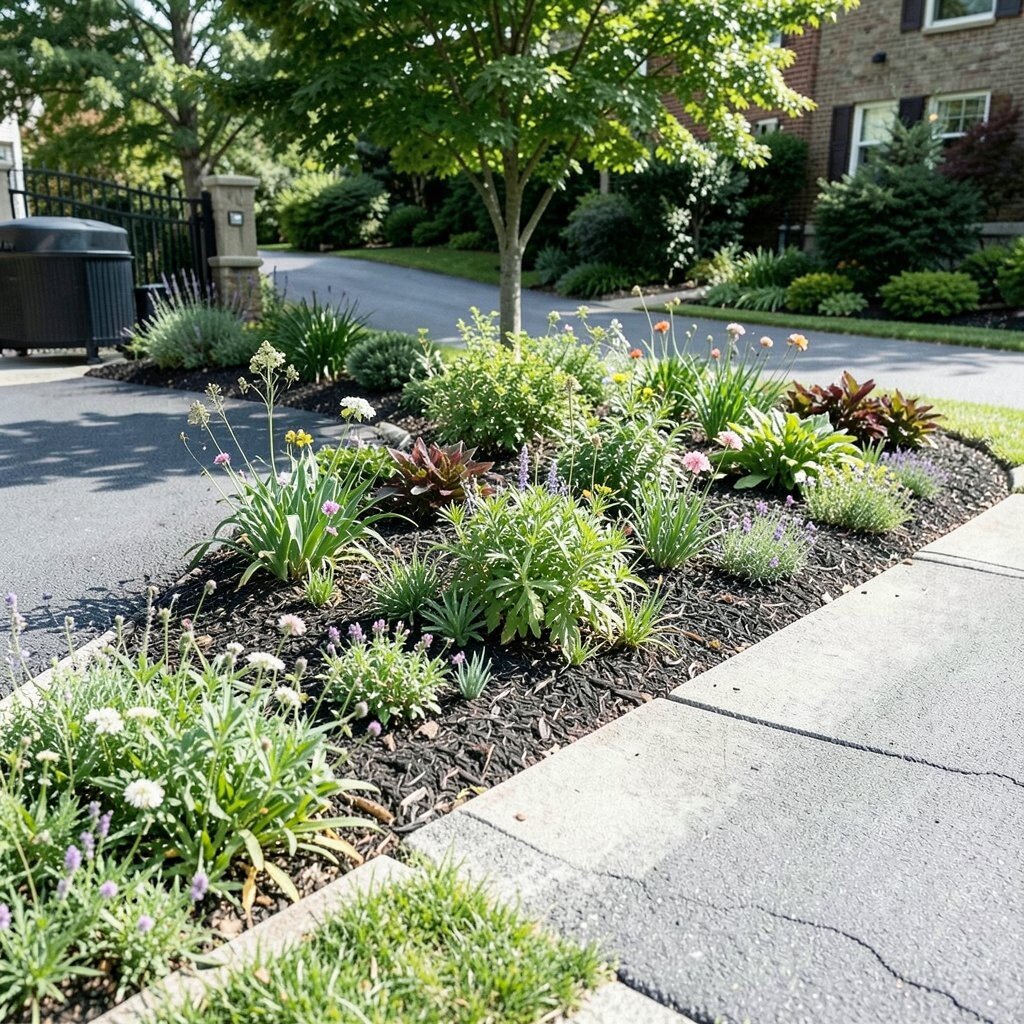
Your driveway edges take a lot of visual pressure, so low-maintenance design helps keep things looking sharp. Use a strip of hardy shrubs with small, tidy groundcover to create a consistent border from street view.
This style improves curb appeal by keeping your home framed without constant trimming. It also helps reduce weeds and splash marks by stabilizing the soil along the edge.
Pick plants that handle heat, reflected sun, and occasional drought, since driveways can be harsher than lawns. If you want something unique, add one taller focal shrub near the garage or a small clump of decorative ornamental grass for movement.
21. Seasonal Container Garden With Repeat Themes

Containers are one of the easiest ways to keep your yard looking fresh. Use matching pots in different heights, then fill them with seasonal plants like mums, ornamental peppers, or spring bulbs.
This design is unique because you can change the look whenever you want, without redoing the whole yard. It also gives you a practical planting option for areas with poor soil or tricky light levels.
For cost control, reuse sturdy containers year after year and refresh only the plants. To personalize the style, repeat a color theme across pots and add a trailing plant to soften the edges for a more natural finish.