The right lighting can change how every room feels, fast. With smart controls, you can make it feel like your home is always ready for the moment.
From cozy evenings to focused mornings, these ideas help you set the mood with less effort. You will find practical ways to upgrade your space without turning your life into a wiring project.
1. Layer Light Like a Pro for Every Mood
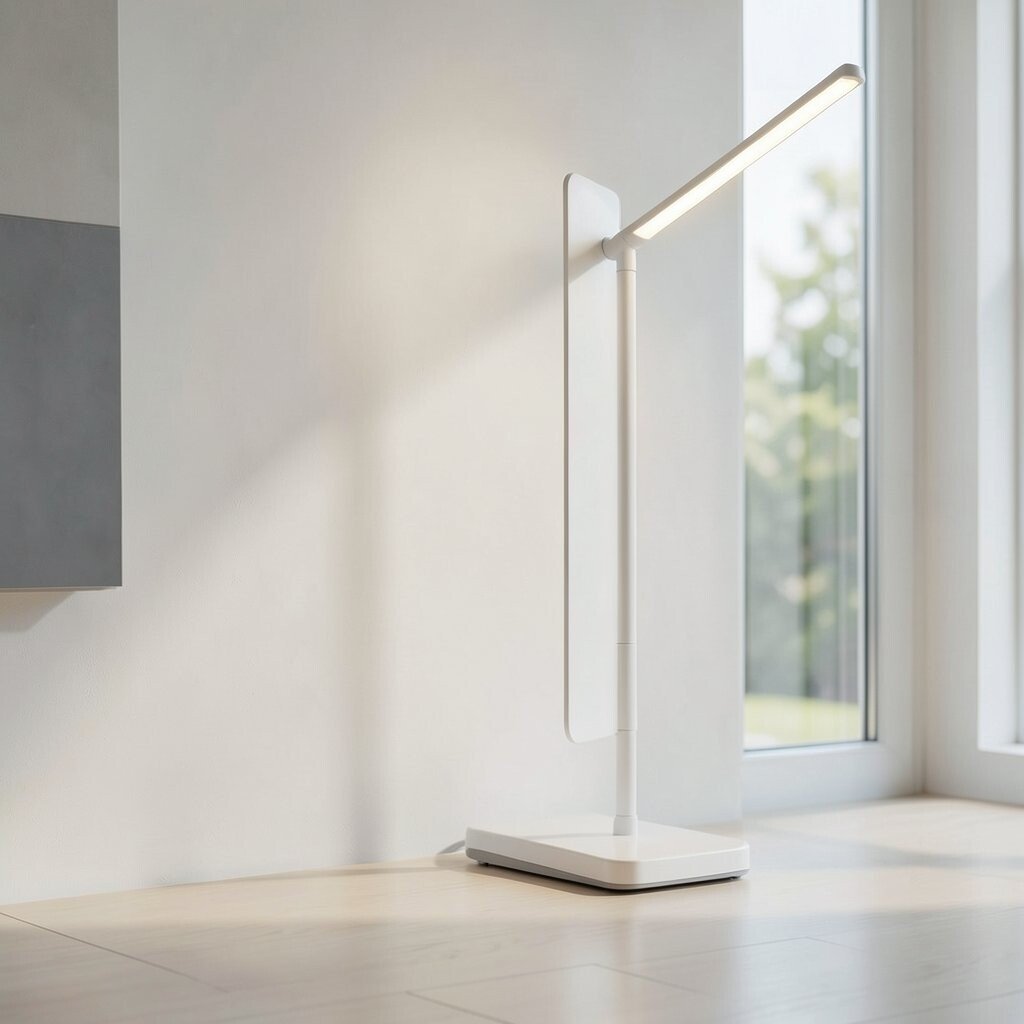
When you add more than one kind of light, the whole room looks balanced and warm. Think of soft overhead light mixed with a gentle lamp glow so the shadows stay friendly instead of harsh.
Smart bulbs and smart plugs make it easy to set layers for different times of day. Use warm tones for winding down and cooler tones for mornings so your space feels like it has a plan. If you want the best results, try placing one light near where you sit or move most so the path feels bright but not glaring.
2. Let Scenes Match Your Daily Rhythm
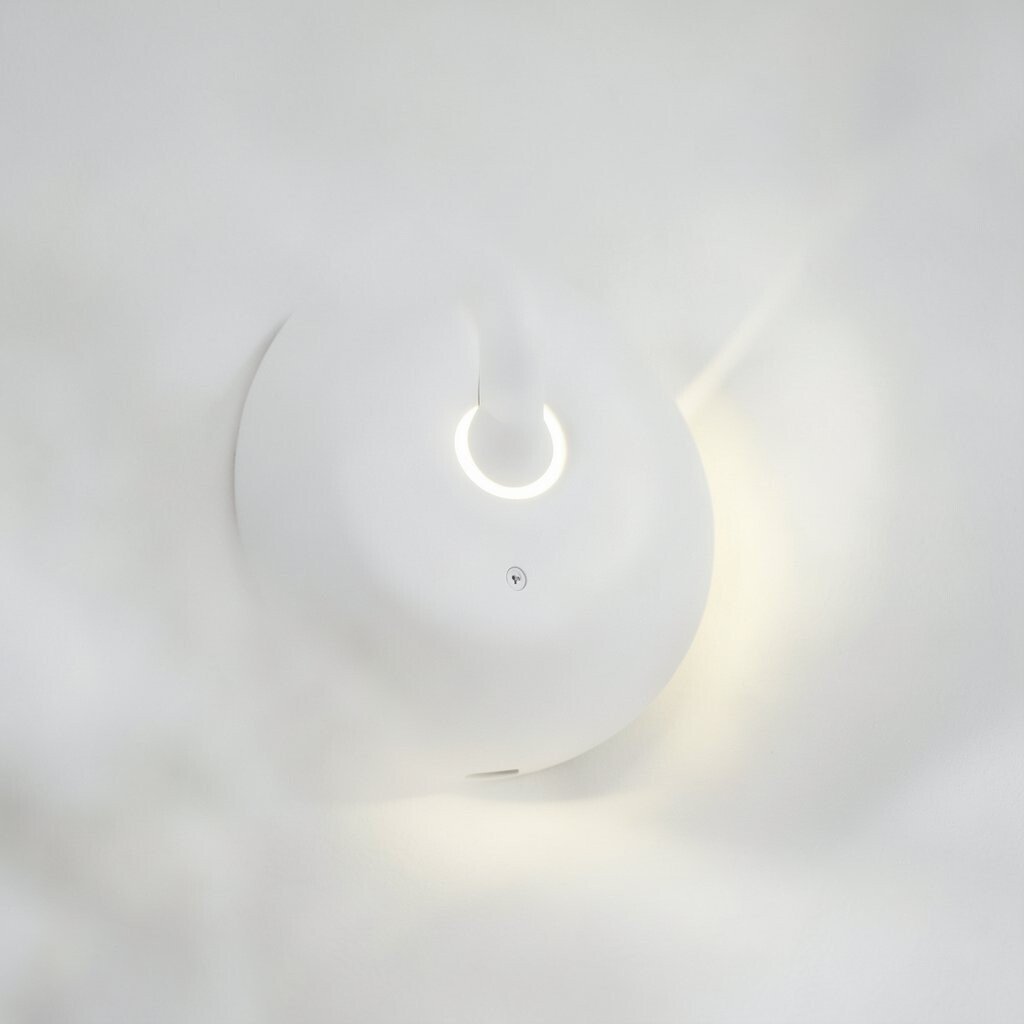
Scenes are like pre-made mood buttons for your home. One click can bring a “movie time” vibe with dimmer lights, while another click can brighten your kitchen when you start cooking.
Many systems let you group bulbs by room so each scene feels intentional. You can schedule scenes for wake-up, work, dinner, and bedtime so you do less remembering. Start simple with two scenes, then add more once you notice what you actually use.
3. Use Motion Sensors for Hands-Free Comfort
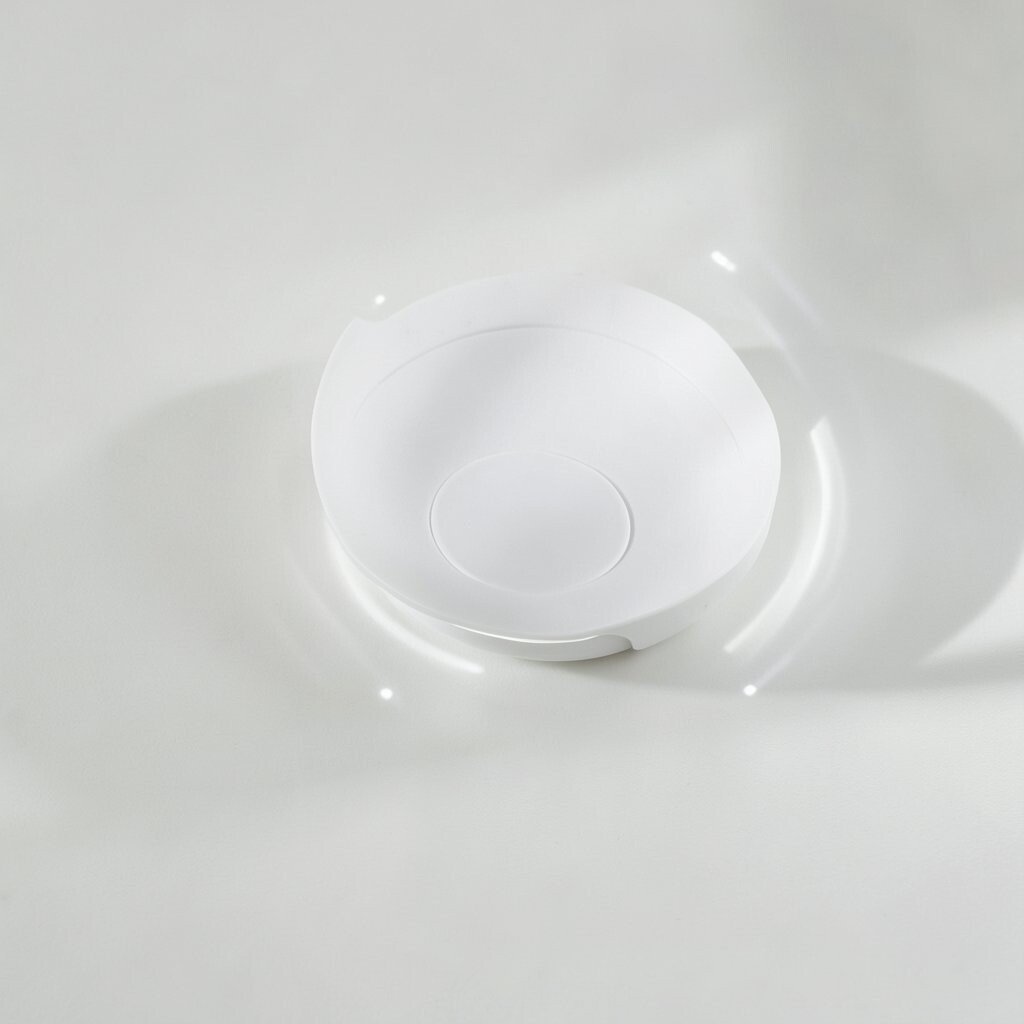
Motion lighting makes hallways and bathrooms feel effortless. Imagine walking in at night and seeing warm light fade on just as you need it.
Smart motion sensors also help you avoid the “Did I leave the lights on?” worry. Place sensors where your footsteps naturally pass, like near stairs, closets, or the entryway. For comfort, set them to turn off after a short time and choose a soft brightness so you do not get blasted with full power in the dark.
If you have pets, look for sensor settings that reduce false triggers. It can be worth spending a bit more on sensors that handle movement angles well. Personalize the behavior by adjusting sensitivity so the lights respond to you, not to every flutter of curtains.
4. Add Dimmers to Make Light Feel Softer
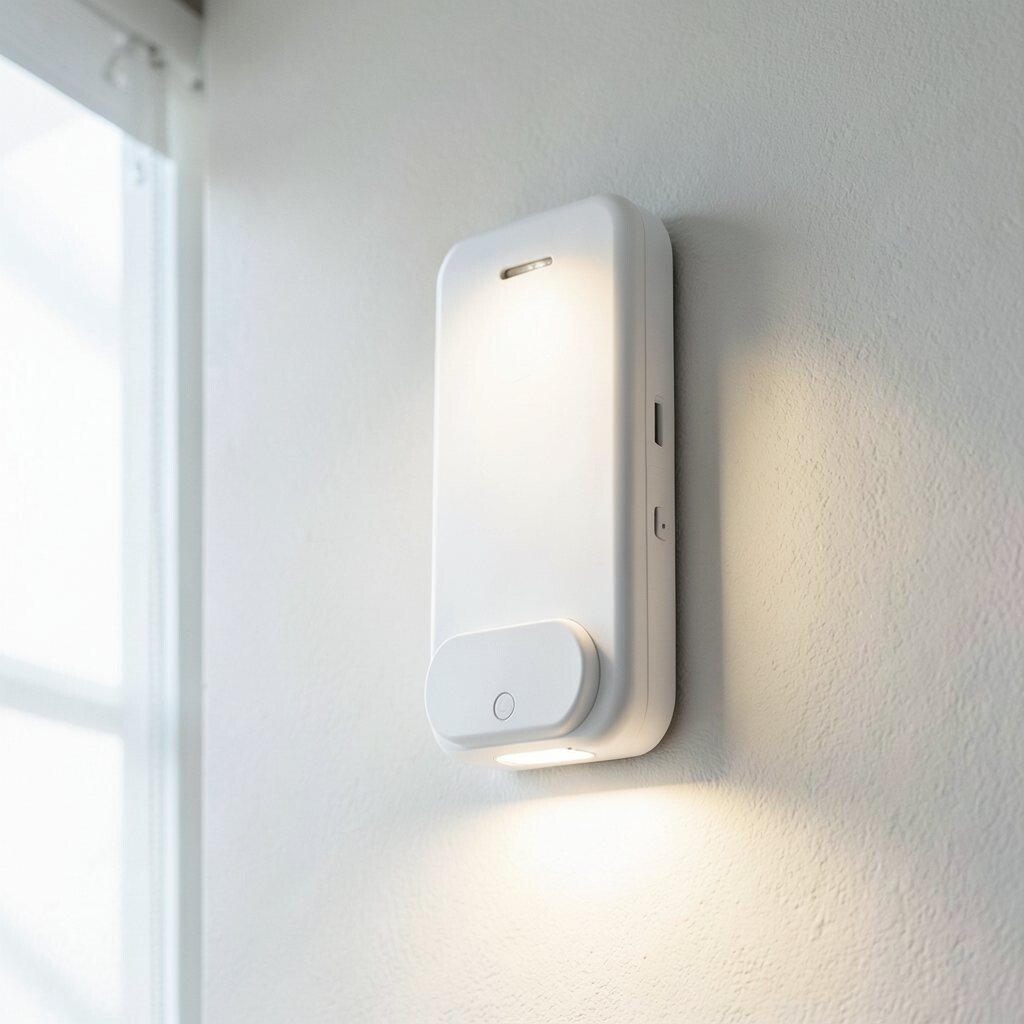
Dimmers let you control brightness smoothly instead of relying on on and off switches. A gradual glow feels more natural and makes living spaces look calmer.
With smart dimmers, you can automate brightness based on time or even what you are doing. Set the living room to be bright while you clean, then gently lower it for reading. If you are worried about cost, pick one or two key rooms first, like the bedroom or the main hangout space.
5. Highlight Art and Shelves for Instant Style
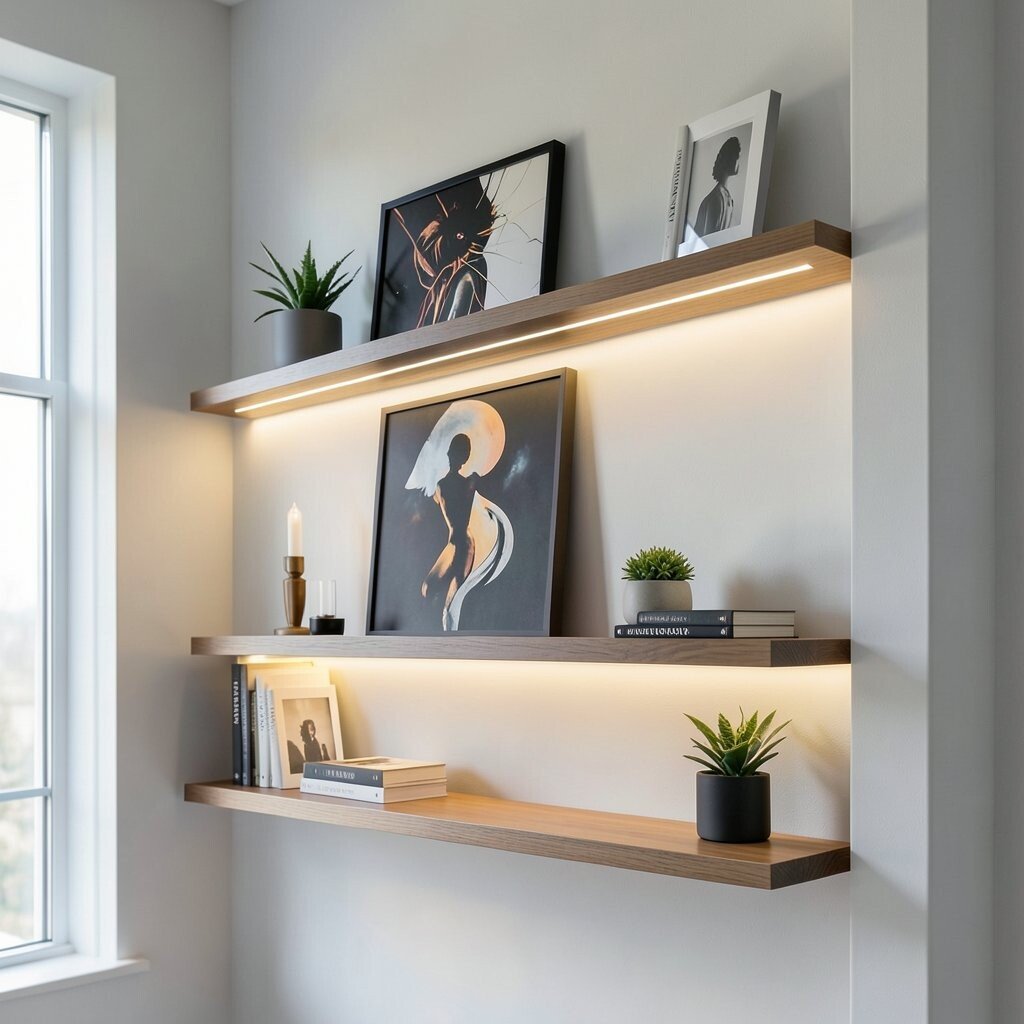
Accent lighting turns your favorite photos and shelves into something you can actually enjoy daily. A small beam can make colors pop and add depth to a wall.
Smart LED strips or track lights make it easy to aim light exactly where you want it. Try a warm white for artwork so it feels rich, not washed out. You can also create a unique look by setting different colors for holidays or themed parties.
To keep it practical, mount strips with good adhesion or use track systems that can be repositioned. This kind of upgrade often costs less than major renovations because you are working with existing walls. Personalize the intensity so your displays look good during the day and also at night.
6. Choose Color Temperature That Matches Your Activities
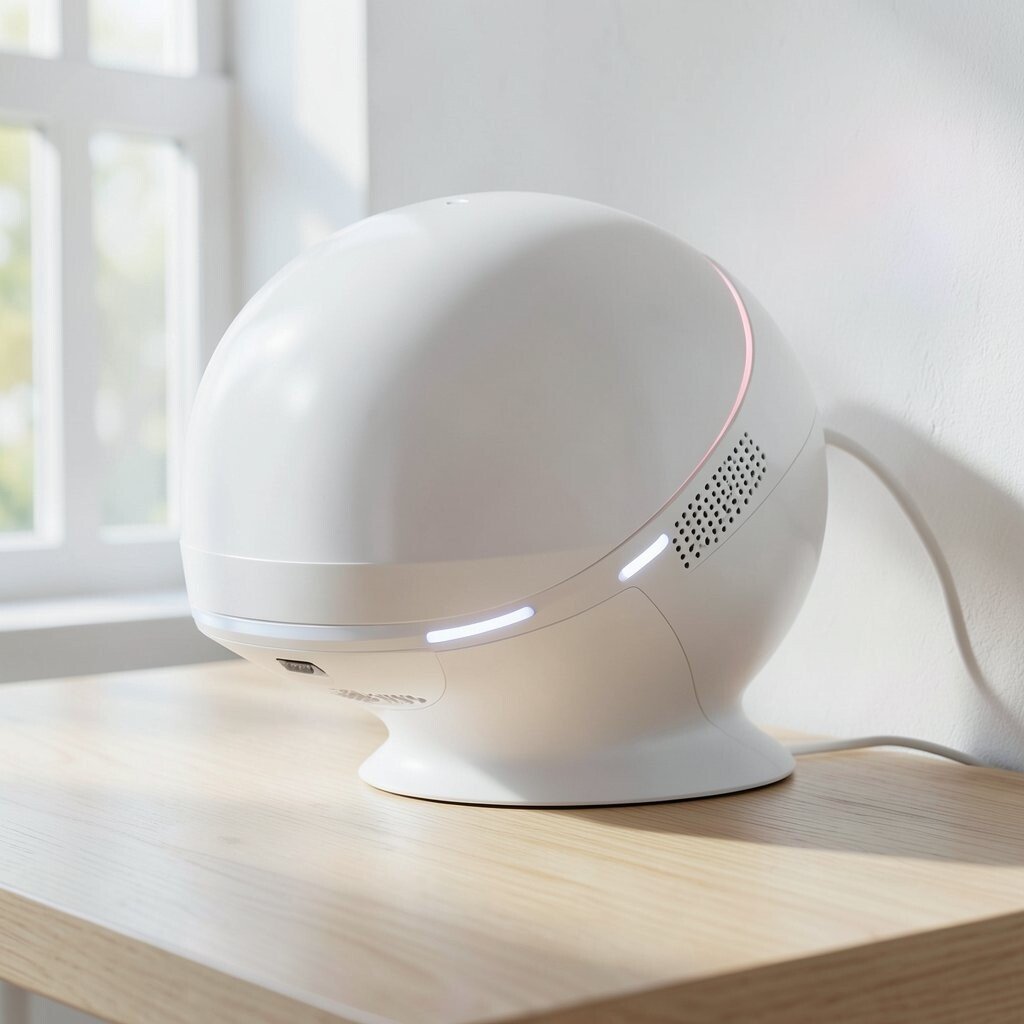
Different rooms benefit from different color temperatures. Cooler light can feel crisp for tasks, while warmer light can feel cozy for rest.
Smart bulbs let you switch between warm and cool tones without swapping hardware. Use brighter, cooler settings in the kitchen or home office so your space feels focused. In bedrooms and reading corners, lean toward warm tones to help your eyes relax.
7. Put Lights on a Schedule for Better Routine
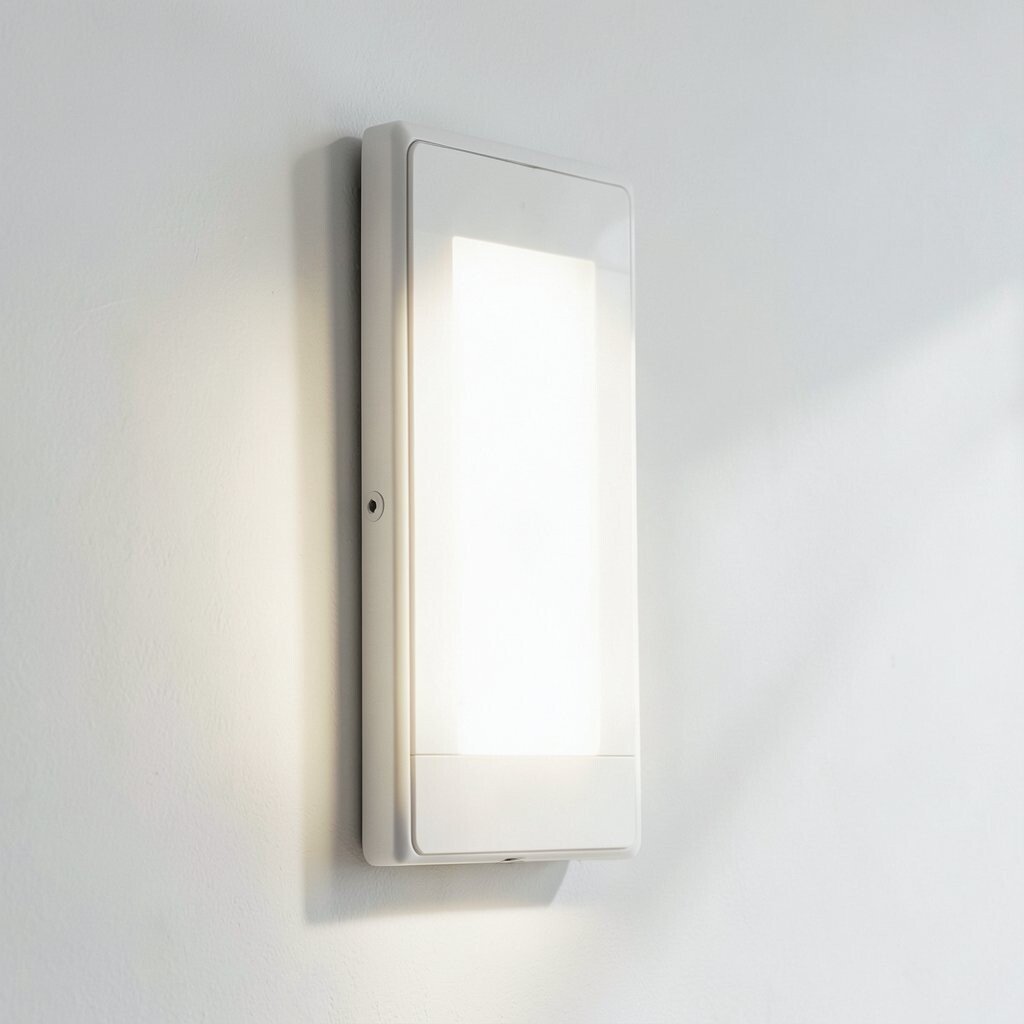
Scheduled lighting helps your home feel steady, even when your day is busy. It can brighten in the morning, soften in the evening, and dim at bedtime.
Automation also supports a calmer routine because lights do the “thinking” for you. Set your foyer to wake up before you arrive and set your living room to ease down when it is time to relax. If you want to keep costs reasonable, start with smart plugs for lamps before you buy whole-room bulbs.
For personalization, match schedules to your actual habits, not generic suggestions. If your evenings start late, delay the dimming so it fits your life. People often notice the biggest payoff when the schedule reduces late-night fumbling for switches.
8. Use Smart Switches to Keep Everything Consistent
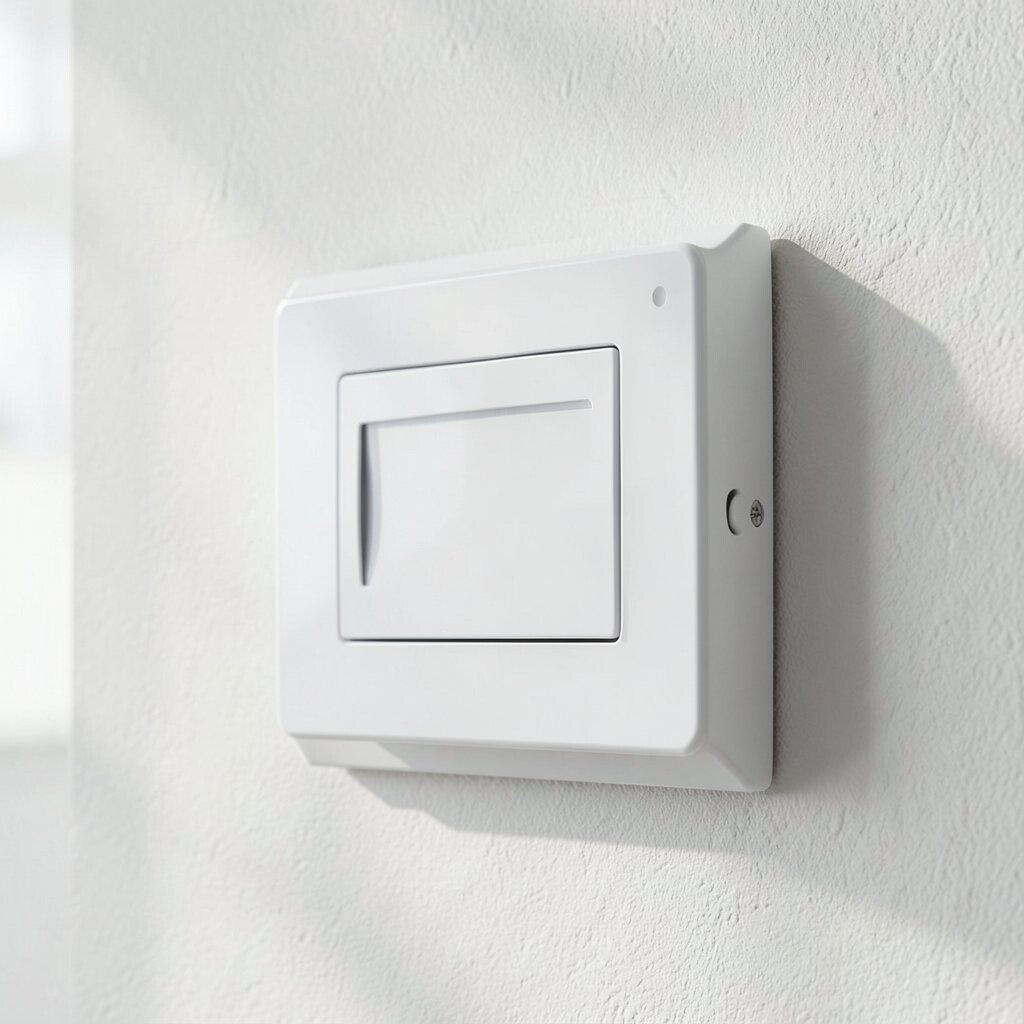
Sometimes the simplest upgrade is replacing a switch with a smart one. Then every time you flip the switch, the room follows your preferred settings.
Smart switches can sync with existing fixtures like ceiling lights and fans so you do not have to rely only on lamps. They also help if you have guests, because the control stays familiar and clear. When considering cost, think about how many switches you truly need to replace first to avoid overspending.
To make it feel personal, program the switch to turn lights on at a comfortable brightness instead of full power. You can even pair it with scenes so one switch can mean “start the evening” or “begin cooking.” This kind of consistency makes smart lighting feel effortless instead of complicated.
9. Create a Cozy Entryway Glow to Welcome You Home
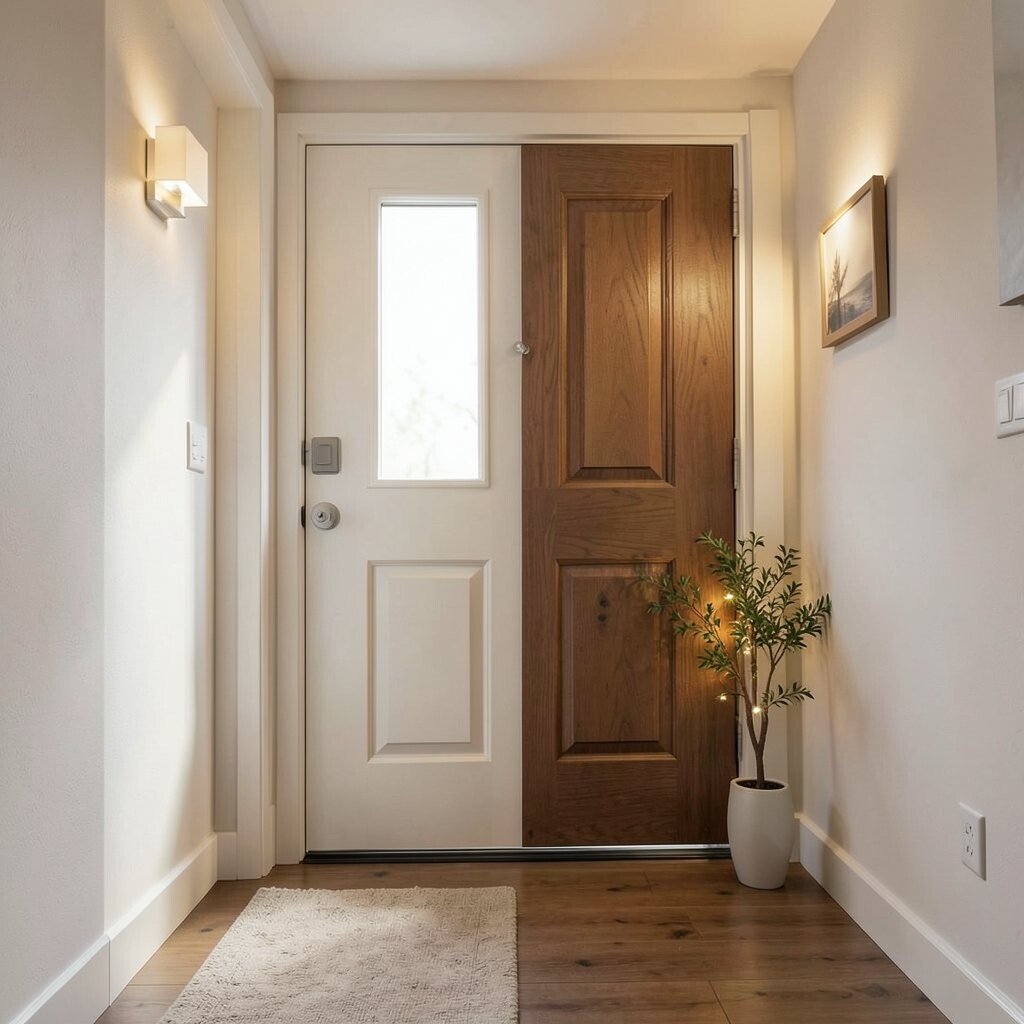
Your entryway sets the tone the second you step inside. A warm, gentle light can make the space feel inviting instead of cold or empty.
Use smart bulbs in a wall sconce or a ceiling fixture, then set a welcome scene that brightens gradually. For a practical touch, put lights on an automation that triggers at sunset. If you want an extra layer, add a small path light near the front steps so you feel safe at night.
Cost-wise, this can be a budget-friendly upgrade because you only need a few fixtures. Personalize the glow by choosing colors that match your style, like soft amber tones for a classic look. When guests arrive, the lighting can make your home feel cared for right away.
10. Build a Reading Corner with Focused Task Lighting
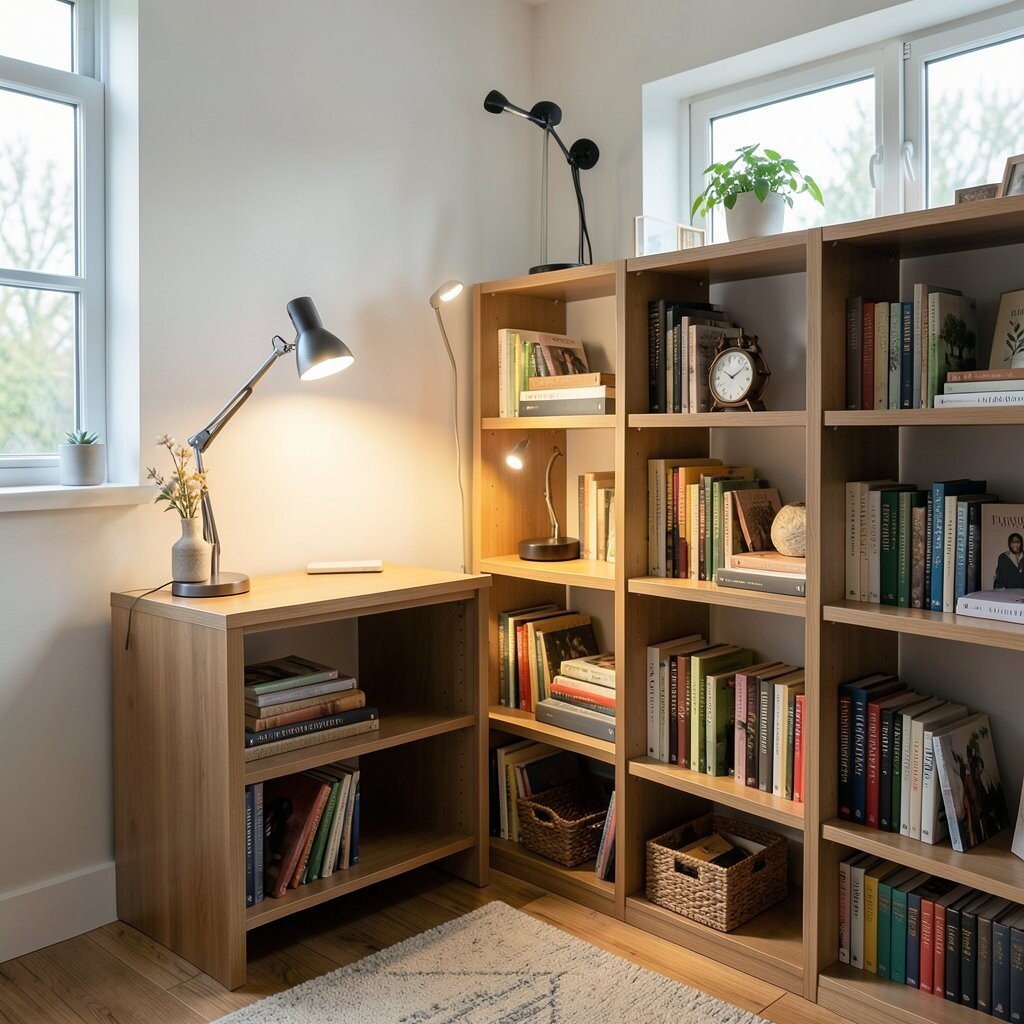
A reading corner should feel like a small pocket of calm. Bright enough to see clearly, but soft enough to feel relaxing.
Smart lamps with adjustable brightness and direction help you aim light at the page, not at the walls. Try a warm white for comfort, and dim it slightly when you switch from reading to winding down. To keep it practical, choose bulbs or lamps that pair well with your smart app so you can set a one-tap “reading” mode.
11. Install Smart Outdoor Lighting for Safer Walkways
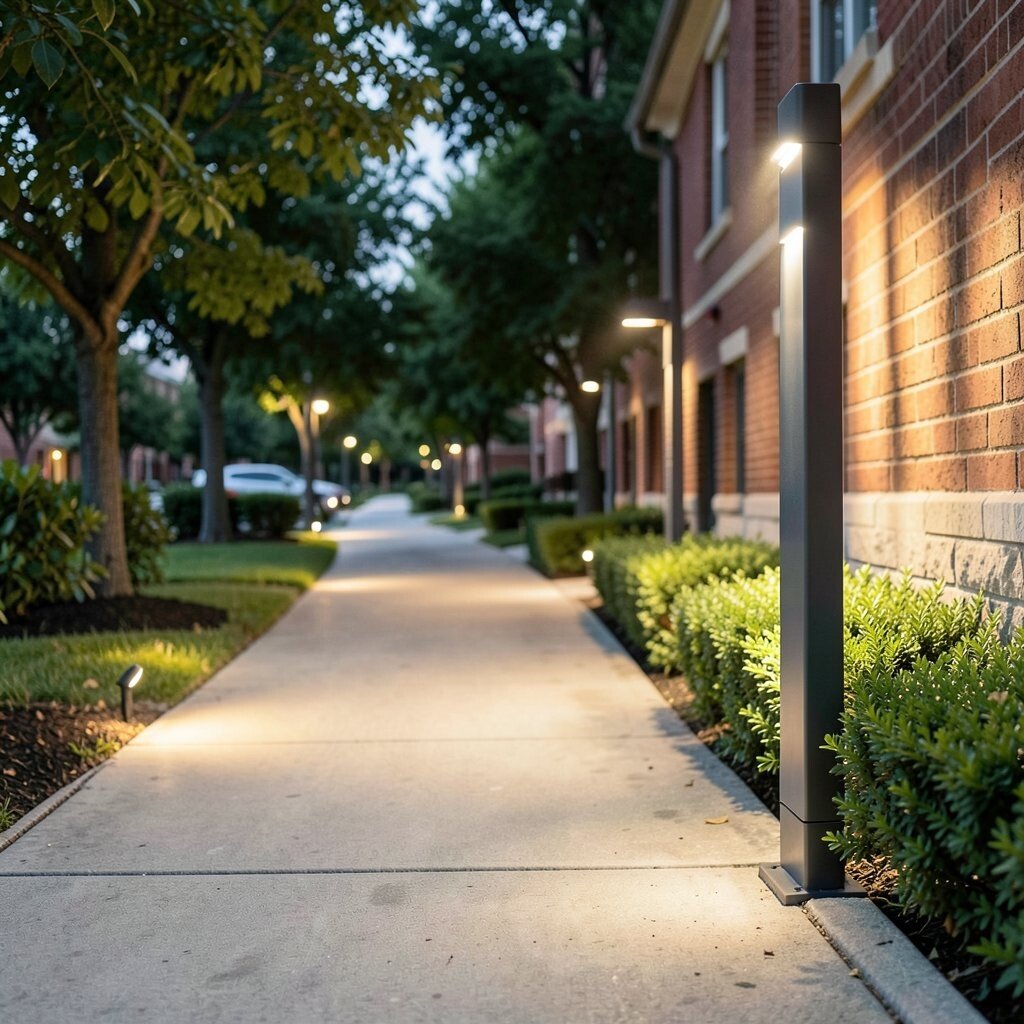
Outdoor smart lighting does double duty by boosting safety and making your home look cared for. Lights near steps, pathways, and doors help you move confidently at night.
Many systems support motion detection and scheduling, so the lights rise when you arrive and fade when you are settled. Use warm, moderate brightness for walkways so it feels friendly rather than harsh. For cost considerations, prioritize the areas you use most, like the front steps and the path to the garage.
For uniqueness, add accent lighting to plants or a short string of smart outdoor lights along a fence line. You can set seasonal colors while keeping the main path consistently visible. Personalize the timing so the light does not turn on at the wrong hours during the day.
12. Use Smart LED Strips for Fun, Flexible Character
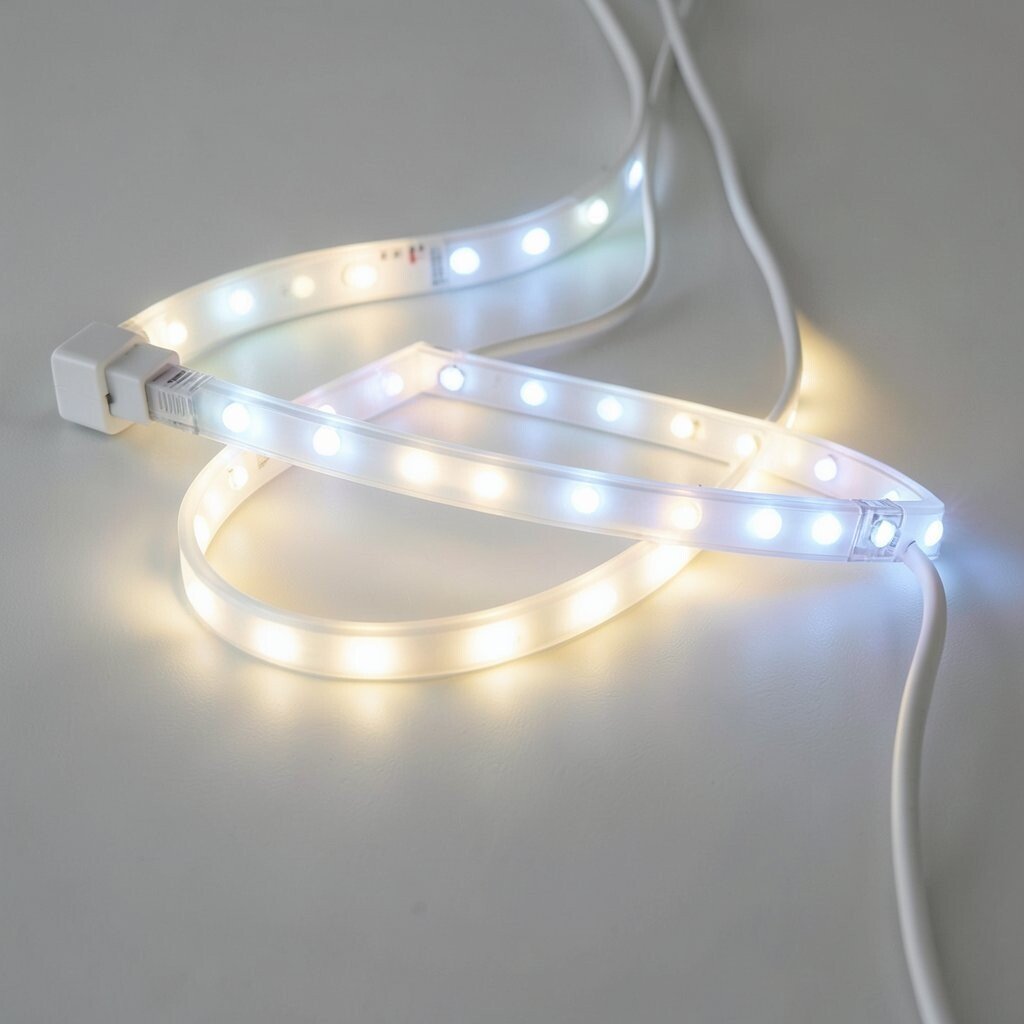
LED strips can make any space feel modern and playful without remodeling. They can highlight the underside of shelves, the edge of a media console, or the top of a wall.
Smart LED strips often support color changes, so you can switch moods for game nights or quiet evenings. For practical use, set the strips to a steady warm tone for everyday comfort and save the colors for special moments. If your budget is tight, start with one strip in a high-impact spot like a living room accent wall.
Uniqueness comes from where you place them, not just what color they are. Try aiming the light toward a surface that already has texture, like a brick wall or a wood panel, so it looks richer. Personalize brightness so you can go subtle during the day and more noticeable at night.
13. Add Voice Control or App Control for Quick Changes
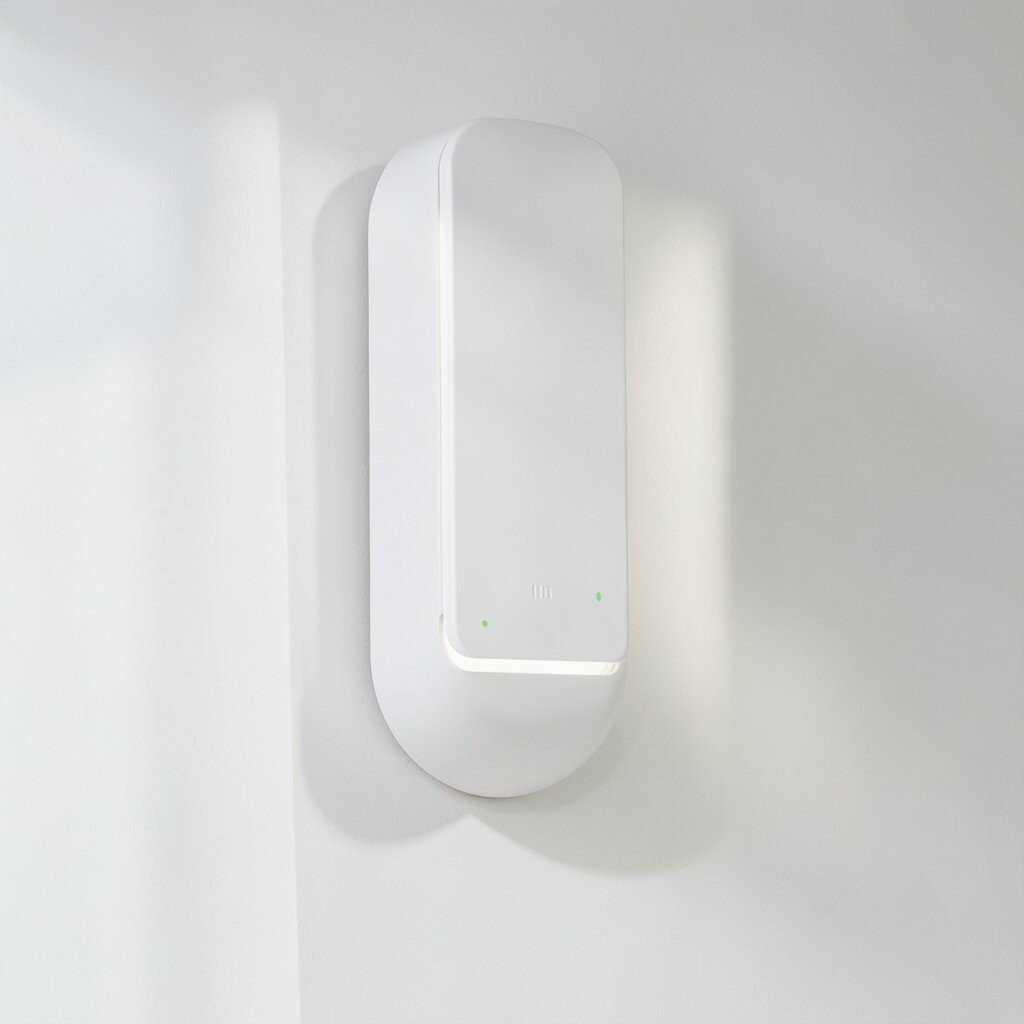
Voice control and app control make lighting feel responsive to you. You can adjust brightness or switch scenes without hunting for a switch in the dark.
It is also helpful when you want to keep one light on while another turns off for comfort. Many smart lighting apps let you create custom rooms and favorite settings so the experience feels personal. To manage cost, use smart bulbs where control is most valuable first, like in the living room and bedroom.
For best results, check compatibility with your existing smart home setup before buying. When everything works smoothly, lighting upgrades feel like convenience rather than extra tasks. Personalize how your system responds so it matches your habits, such as turning lights down when you start a wind-down routine.
14. Protect Your Setup with Reliable Automation Habits
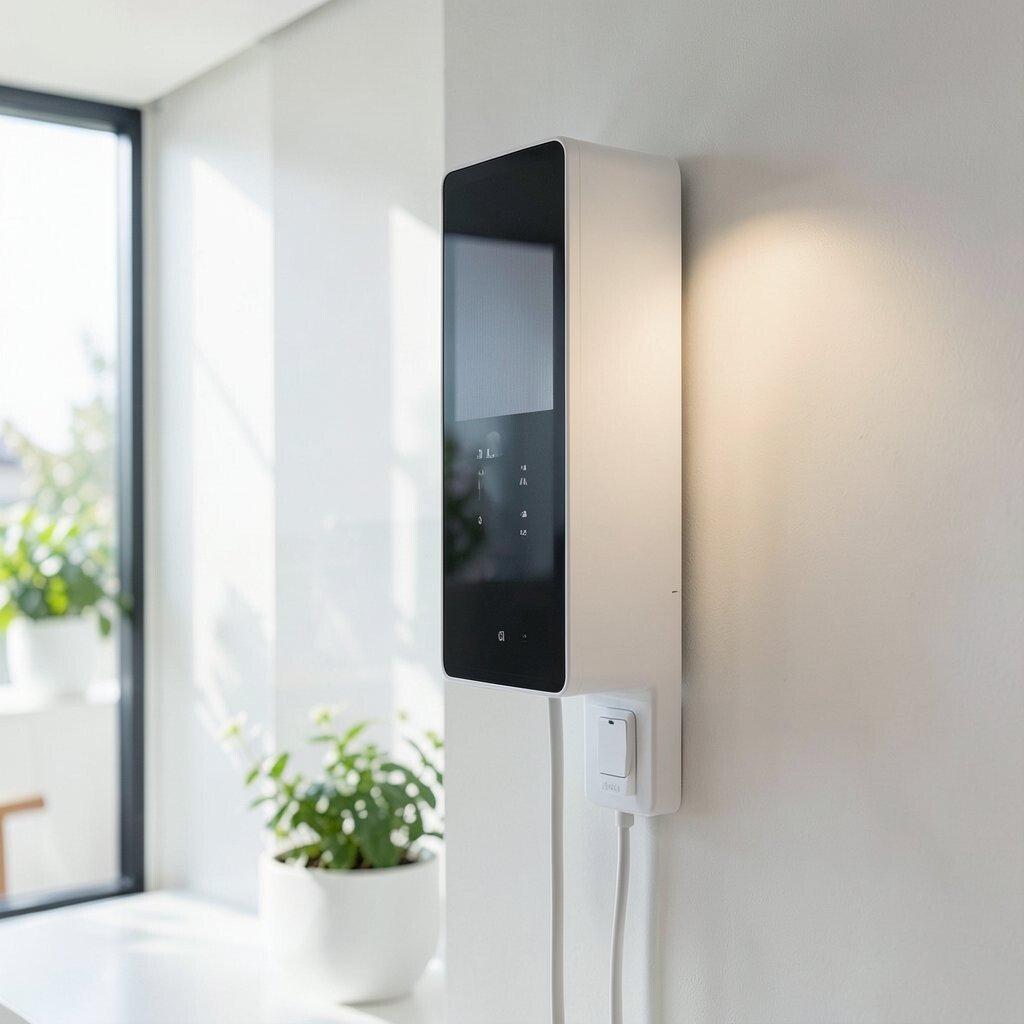
Smart lighting works best when your system stays stable and predictable. Simple habits, like avoiding too many random schedules, can keep the experience smooth.
Choose settings that reduce surprises, such as making lights follow consistent routines instead of constant updates. If your home has frequent power interruptions, consider using bulbs and controllers known for reliable recovery behavior. For cost planning, invest in a quality hub or bridge if your system requires one, since it can prevent annoying disconnects.
To keep it unique, you can still personalize the experience with small touches like gentle startup brightness after turning everything on. Trends in lighting right now focus on energy savings, easy automation, and scene-based comfort. When you align your choices with how you live, your smart lighting will look great and feel even better.