A workplace can feel alive in small ways. Little shifts in color, sound, and space can change the whole mood.
1. Brighten the Space with Natural Light
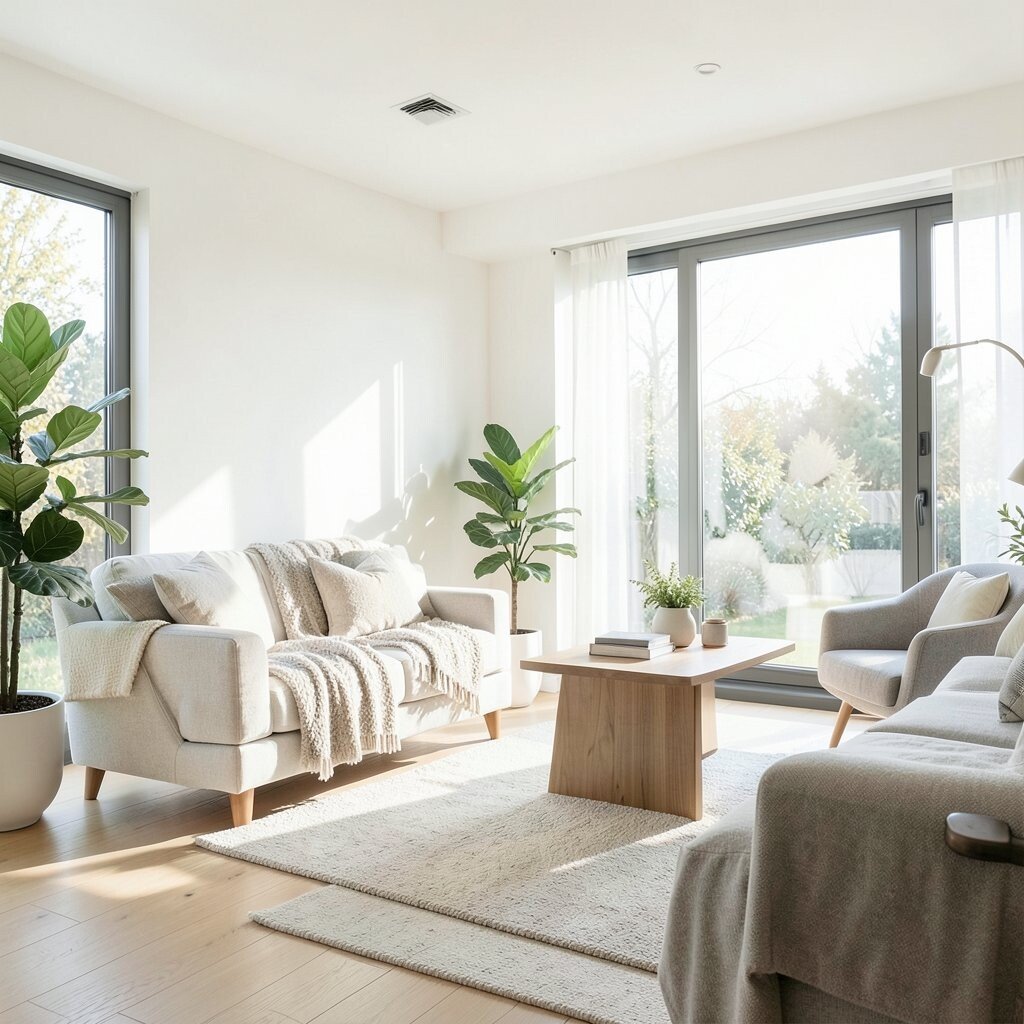
Natural light can make a room feel open, calm, and fresh. A sunlit desk area also helps people feel more awake and less boxed in.
Try moving work tables near windows or using light curtains that soften glare without blocking the view. This simple change often costs very little, and it can make the room look cleaner and more modern right away. People also enjoy a more personal touch when they can choose a seat near the light they like best.
2. Add Flexible Seating Choices
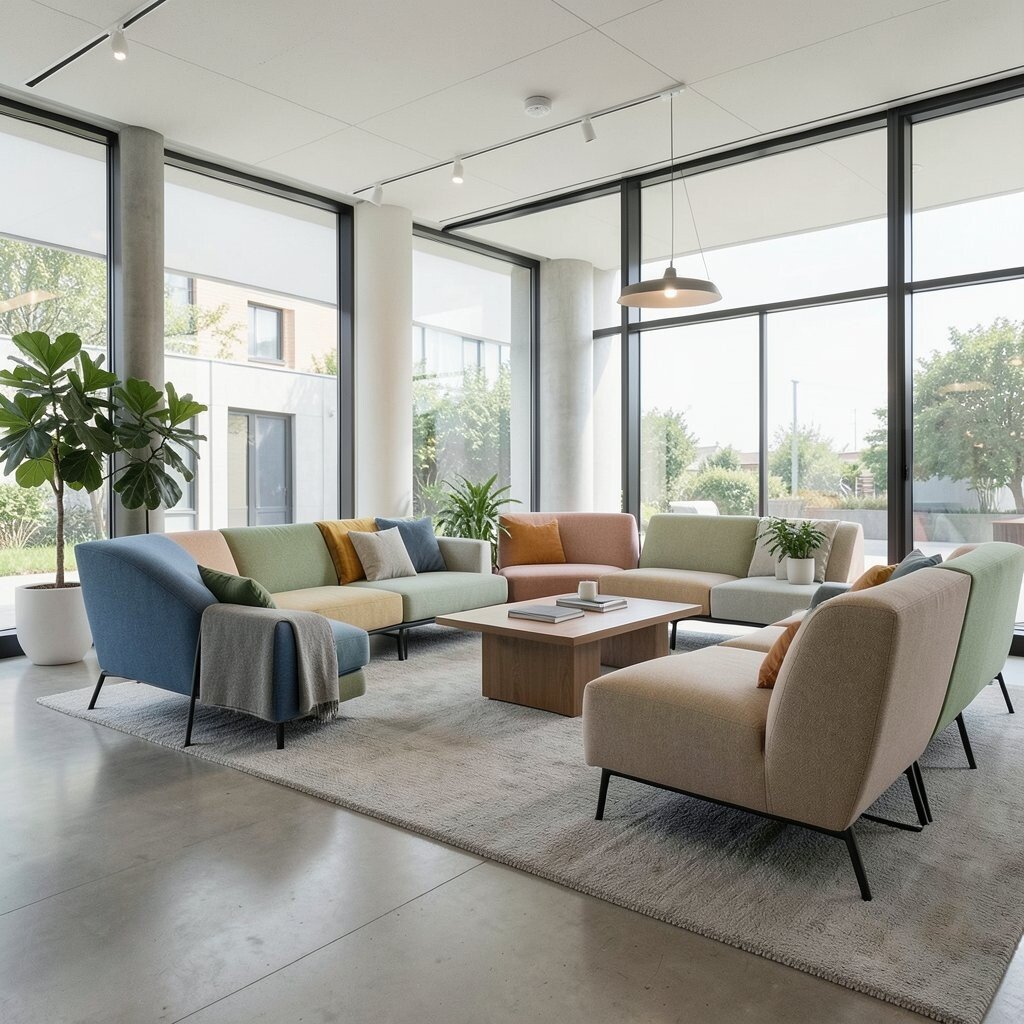
Different people work best in different spots, and that makes flexible seating a smart idea. A mix of chairs, stools, couches, and standing desks can give the room a lively look.
This setup helps teams feel more comfortable and can support longer focus during the day. It stands out because it gives people freedom instead of one stiff setup. You can keep costs in check by starting with a few movable pieces and adding more later based on what people use most.
Many workplaces now favor easy-to-shift furniture because hybrid work has changed how people use office space. Letting workers choose where they sit can also make the office feel more personal and less like a set of rules.
3. Use Color with Purpose

Color can shape mood in a big way, even when the changes are small. Soft greens, warm blues, and cheerful accent walls can make a plain room feel more inviting.
Paint is usually one of the lowest-cost ways to refresh a space, and it gives fast results. A bold wall behind a meeting area can add character, while calmer shades in focus zones can help people settle in. Many teams like to match colors to their brand or pick shades that feel unique to the kind of work they do.
When colors are chosen with care, the whole office feels more thought out. A few well-placed color accents can make a space feel personal without making it busy.
4. Create Small Quiet Zones
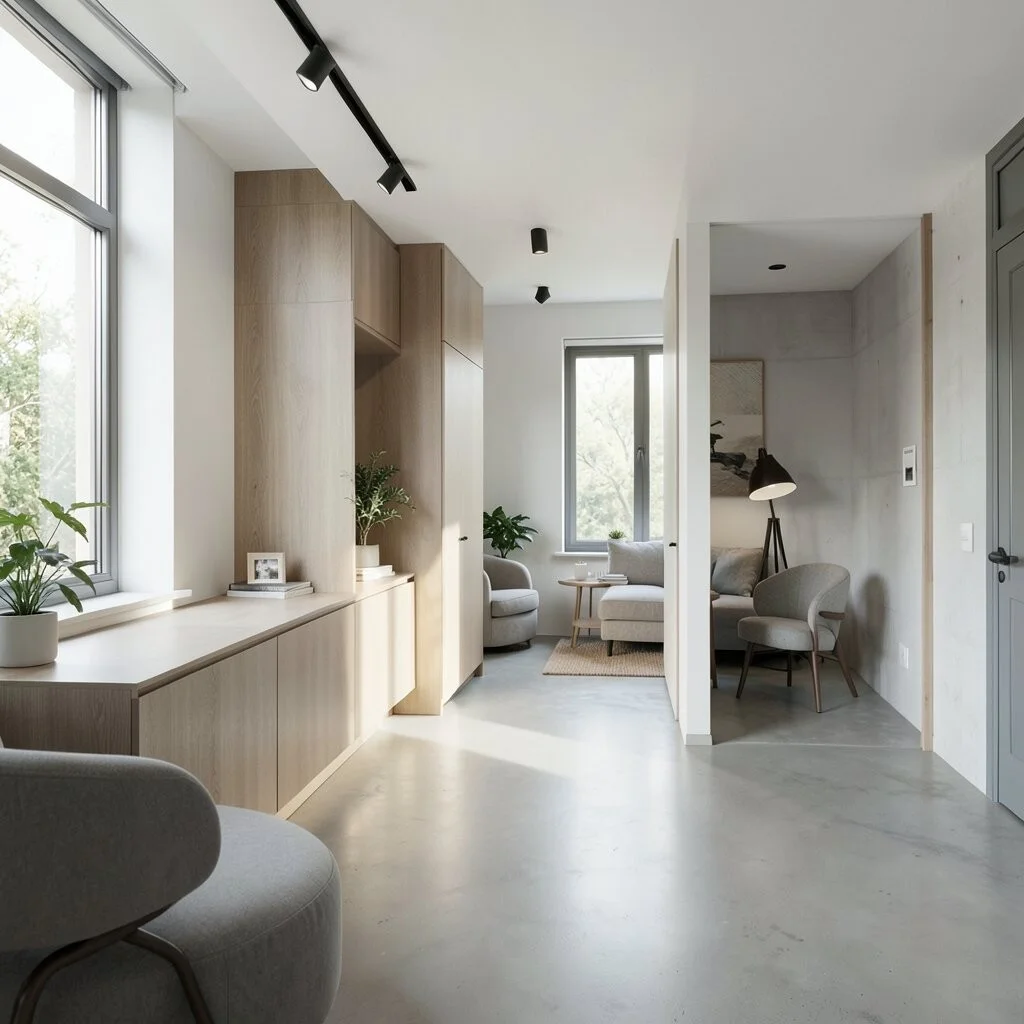
Not every task needs an open, social setting, and quiet zones give people room to think. A small nook with soft chairs, plants, and a warm lamp can feel peaceful and special.
These spaces help with focus, reduce stress, and give people a break from noise. They do not need to be expensive if you use screens, rugs, or simple room dividers already on hand. Some teams are also adding quiet pods and phone booths because remote and hybrid habits have made private space more valuable.
5. Bring in More Plants

Plants can soften hard edges and make a workplace feel more human. A desk with a leafy plant or a corner full of greenery can brighten the whole room.
They also help people feel calmer and can make the air seem fresher. This idea is unique because it blends beauty with comfort in a simple way. You can start with low-cost plants that need little care, and team members can even pick the kind that fits their desk style or light level.
Many offices now lean into biophilic design because people want spaces that feel less stiff. A mix of tall floor plants, hanging pots, and tiny succulents can add variety without crowding the room.
6. Set Up Creative Collaboration Corners
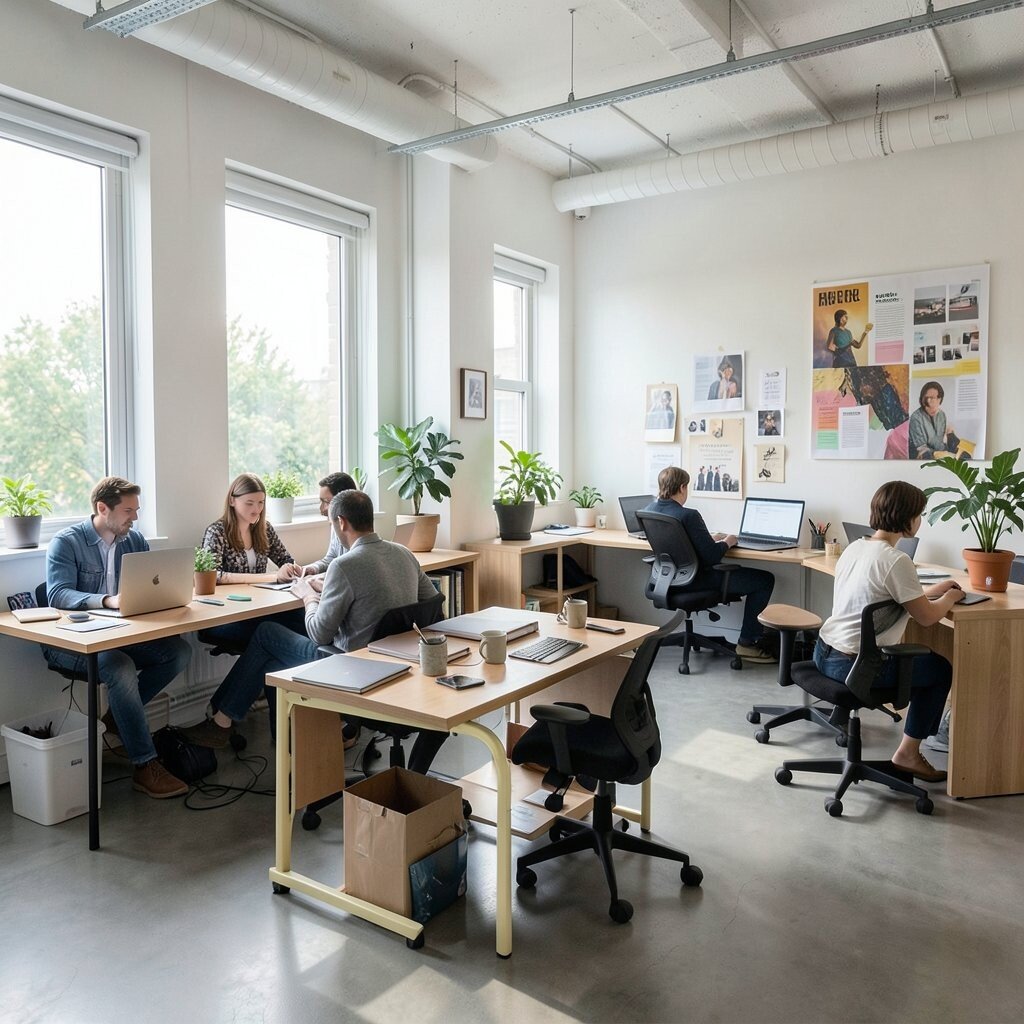
A small area made for quick teamwork can change how people share ideas. A whiteboard wall, sticky notes, and a round table can make the corner feel active and useful.
These spots work well for planning, sketching, and fast problem-solving. They are practical because they turn empty space into a useful tool. The cost can stay low if you use simple supplies, and the look can be made personal with team colors, sketches, or framed wins from past projects.
Collaboration corners also support a more current way of working, where ideas move fast and teams jump in and out of meetings. When the space feels easy and playful, people are more likely to speak up.
7. Add Movement-Friendly Features
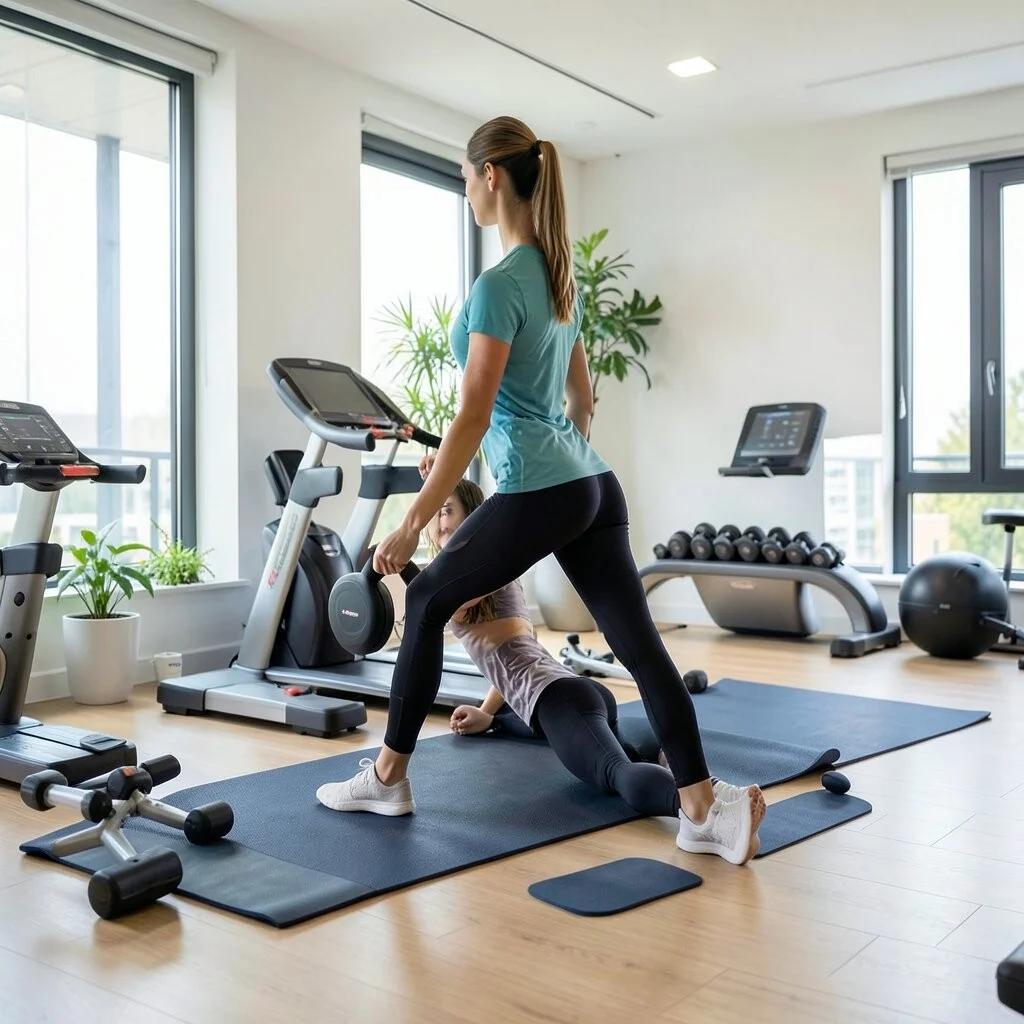
People feel better when they can move during the day. Small features like stretch spaces, balance balls, or standing desks can make the office feel more active.
This kind of setup supports energy, posture, and focus. It can also give the workplace a fresh look that feels less stiff than rows of plain desks. You do not need a huge budget to begin, because a clear open corner and a few simple tools can be enough.
Some teams now build short movement breaks into the day, especially in offices where screen time is heavy. A space that supports motion can feel more personal because people can use it in the way that suits them best.
8. Make Room for Personal Touches
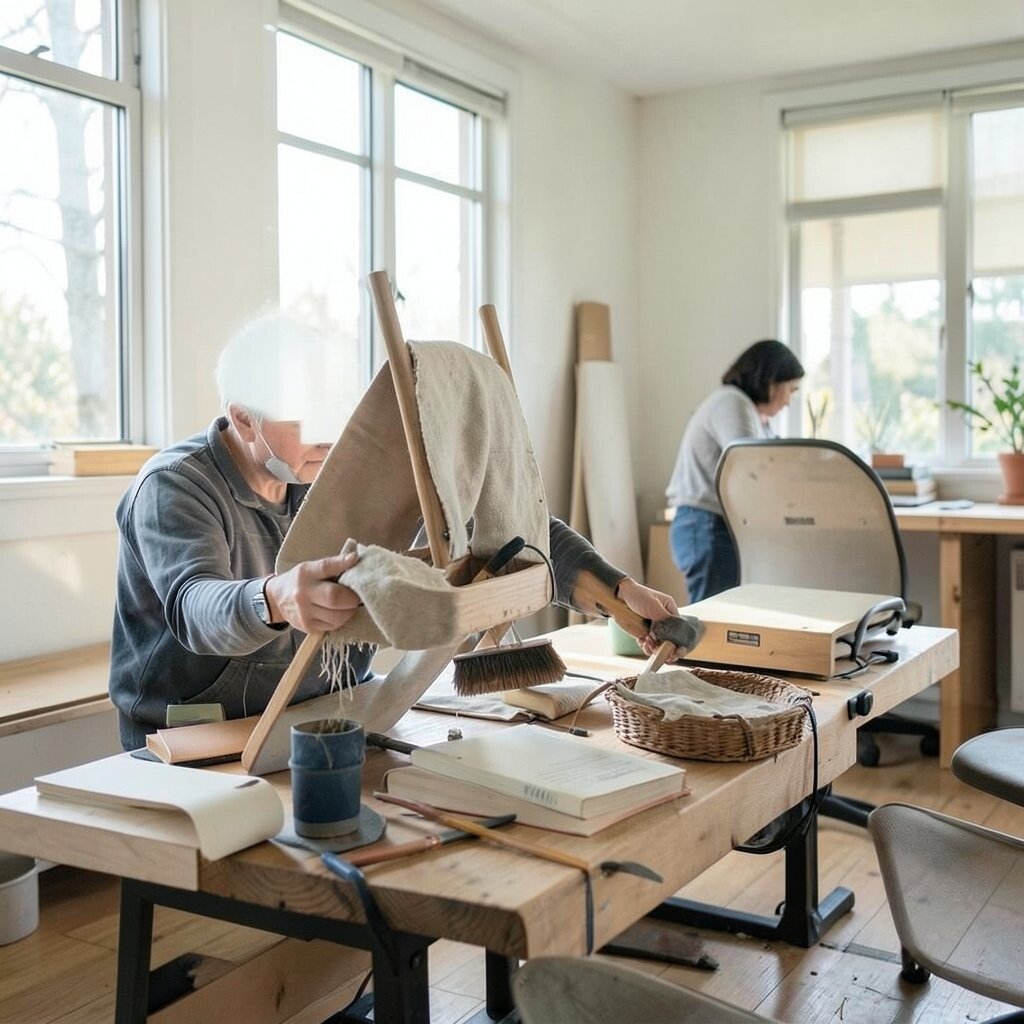
When people can add small items from home, the office feels warmer right away. A photo, a mug, a sketch, or a favorite notebook can make a desk feel like it belongs to someone real.
This kind of freedom helps people feel trusted and comfortable. It is also a simple way to make each work area look unique without spending much. You can set gentle space rules so desks stay neat while still leaving room for personal style, which keeps the whole area looking clean and friendly.
Modern offices often feel better when they stop looking too polished and start looking lived in. Personal items help tell the story of the people who work there.
9. Use Sound to Set the Mood
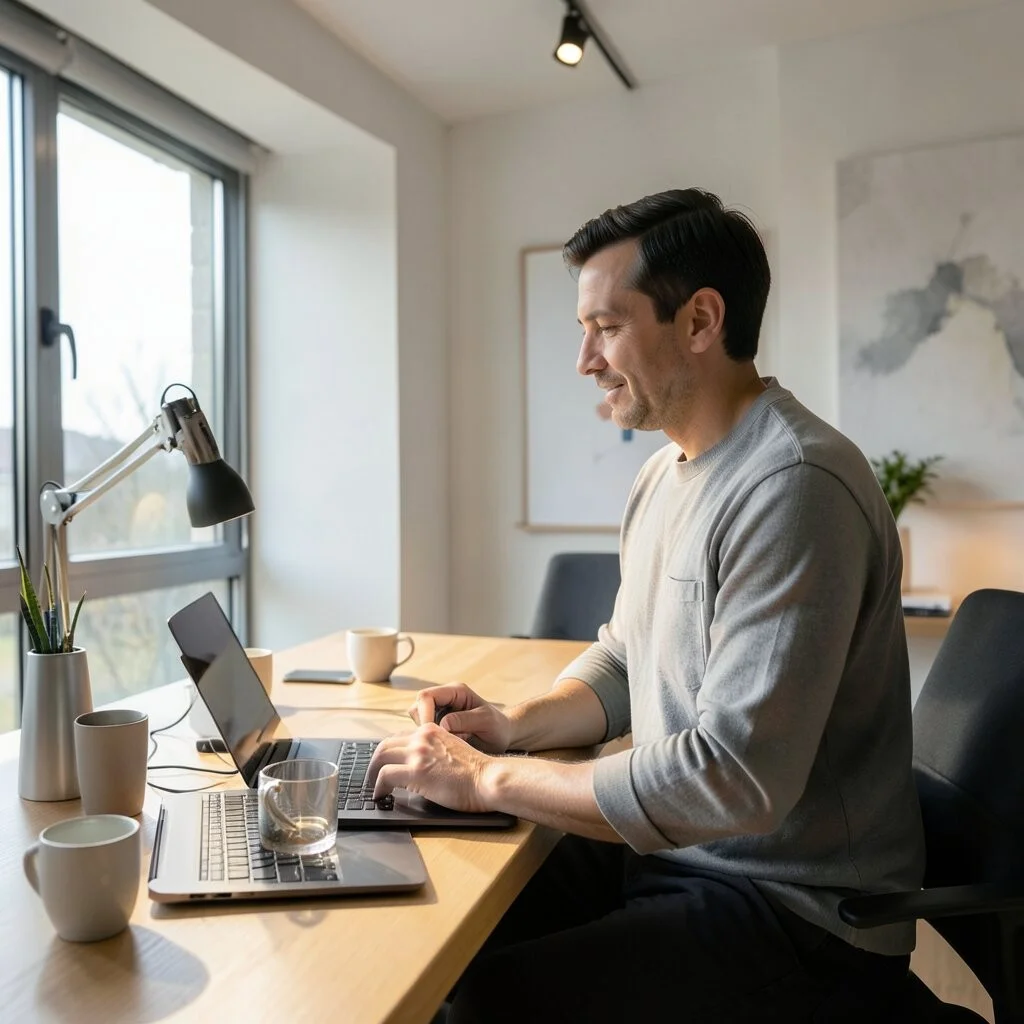
Sound can change the feel of a space as much as color or light. Soft background music, sound panels, or quiet zones can make the room easier to enjoy.
Good sound control helps people focus and reduces stress during busy hours. It also makes meetings easier to hear and lowers the sharp feel of a noisy room. Some sound fixes cost little, like rugs and fabric panels, while more custom tools can be added later if needed.
A workplace that sounds balanced often feels more caring and modern. Teams can also personalize music choices in social areas so the space feels welcoming without becoming distracting.
10. Build a Strong Snack and Drink Area
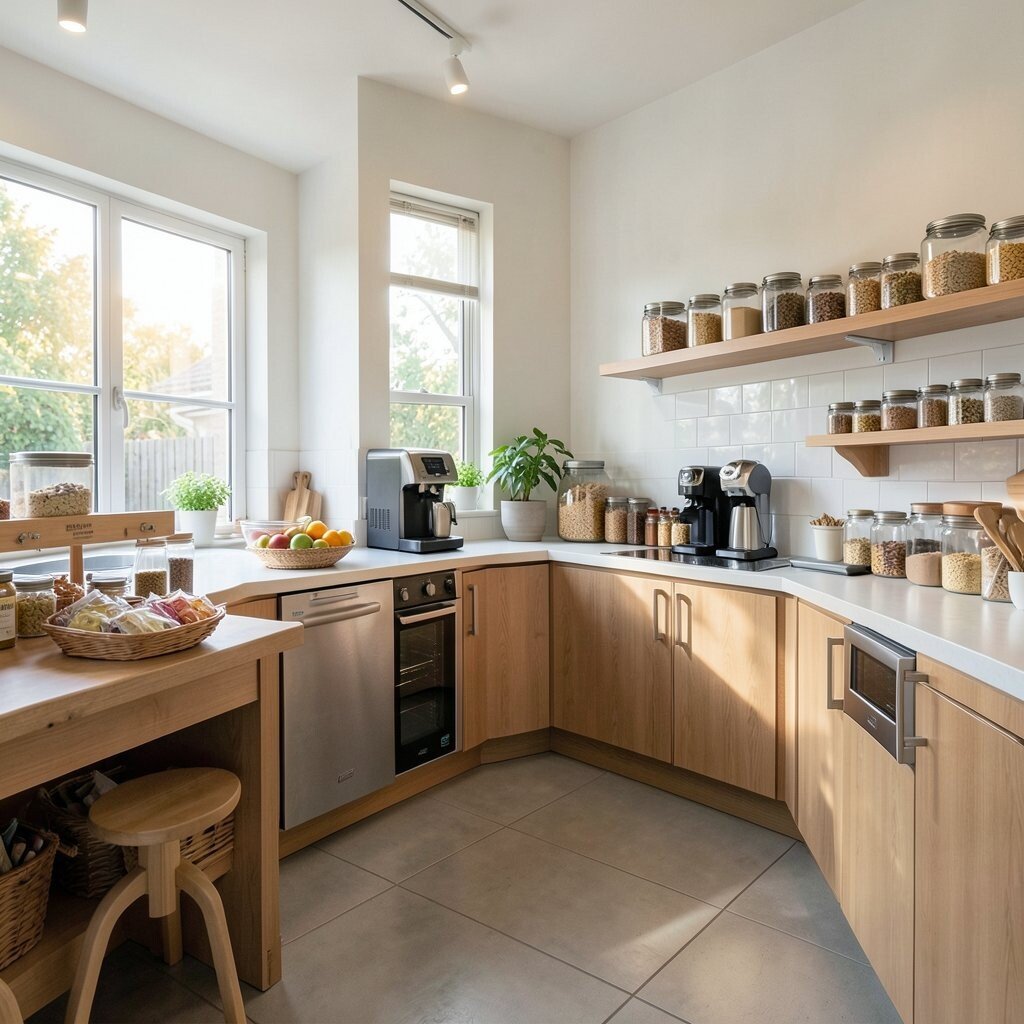
A well-stocked break area can become a bright spot in the day. Shelves with tea, fruit, and snacks can make the space look inviting and cheerful.
This setup gives people a quick reset and can help keep energy steady. It is also a simple way to show care in a way that feels practical and real. The budget can stay flexible, since you can choose low-cost basics or add nicer items for special days and team wins.
Some offices now make break areas more like small cafes because people like spaces that feel relaxed and social. A few colorful stools or a personal mug shelf can make the area feel special without much effort.
11. Display Team Wins and Progress
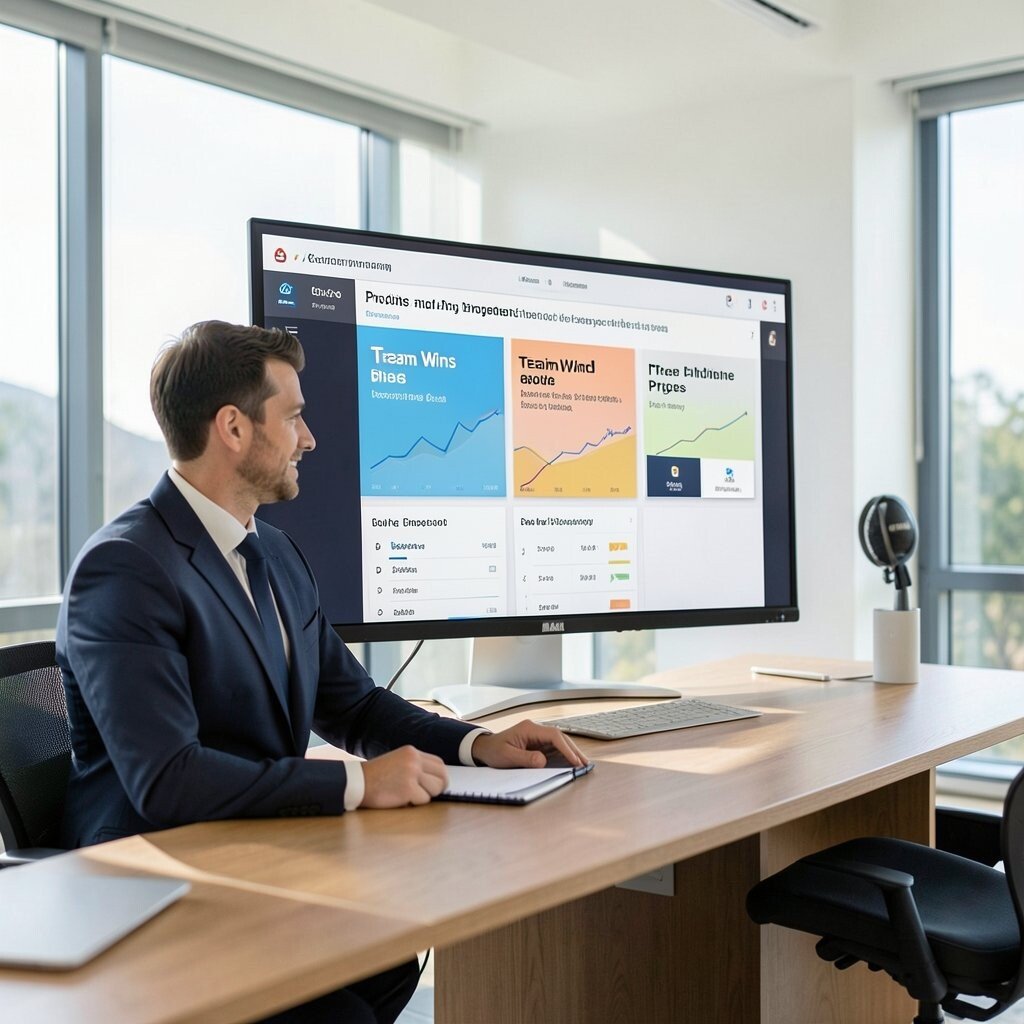
Seeing progress on the wall can lift a team’s energy. A clean display of goals, wins, or photos from finished projects gives the space a sense of motion.
This idea can make people feel proud and remind them that their work matters. It also creates a unique look because the wall changes as the team grows. You can keep the cost low with printed pages, frames, or a digital screen, and you can update the display to match the season or current goals.
Many workplaces are using progress walls to keep hybrid teams connected to the bigger picture. A shared visual record helps the office feel active and full of purpose.
12. Make Meeting Rooms More Welcoming
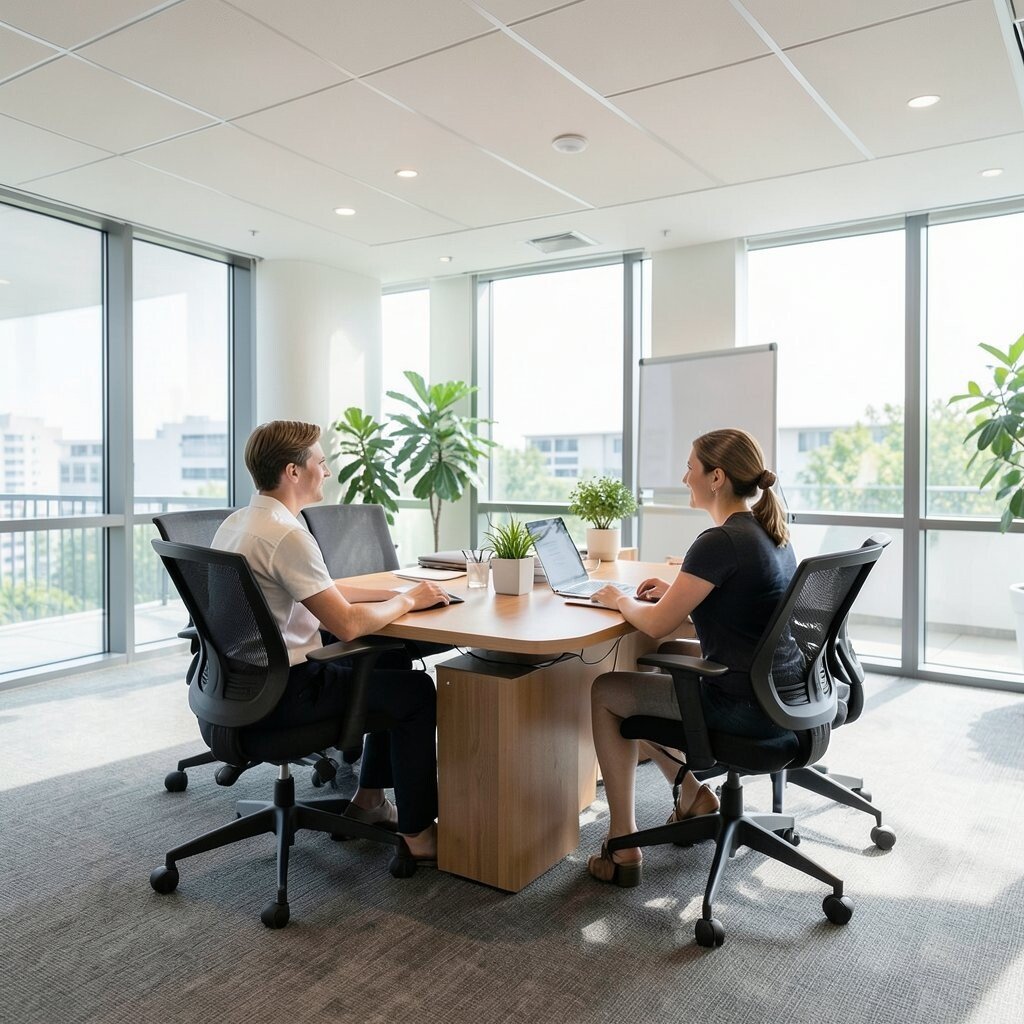
Meeting rooms do not need to feel cold or stiff. Warm chairs, soft lighting, and a simple art piece can make them feel more open and friendly.
This helps people speak more freely and stay focused during talks. A room with a clear style also feels more unique than a plain box with a table. Costs can stay manageable if you change a few key pieces instead of rebuilding the whole room, and you can choose art or decor that matches your team’s style.
More offices now use meeting rooms for both in-person and video calls, so good lighting and clean backgrounds matter more than ever. A small shift in comfort can make meetings feel less tiring and more useful.
13. Bring in Local Art and Maker Pieces
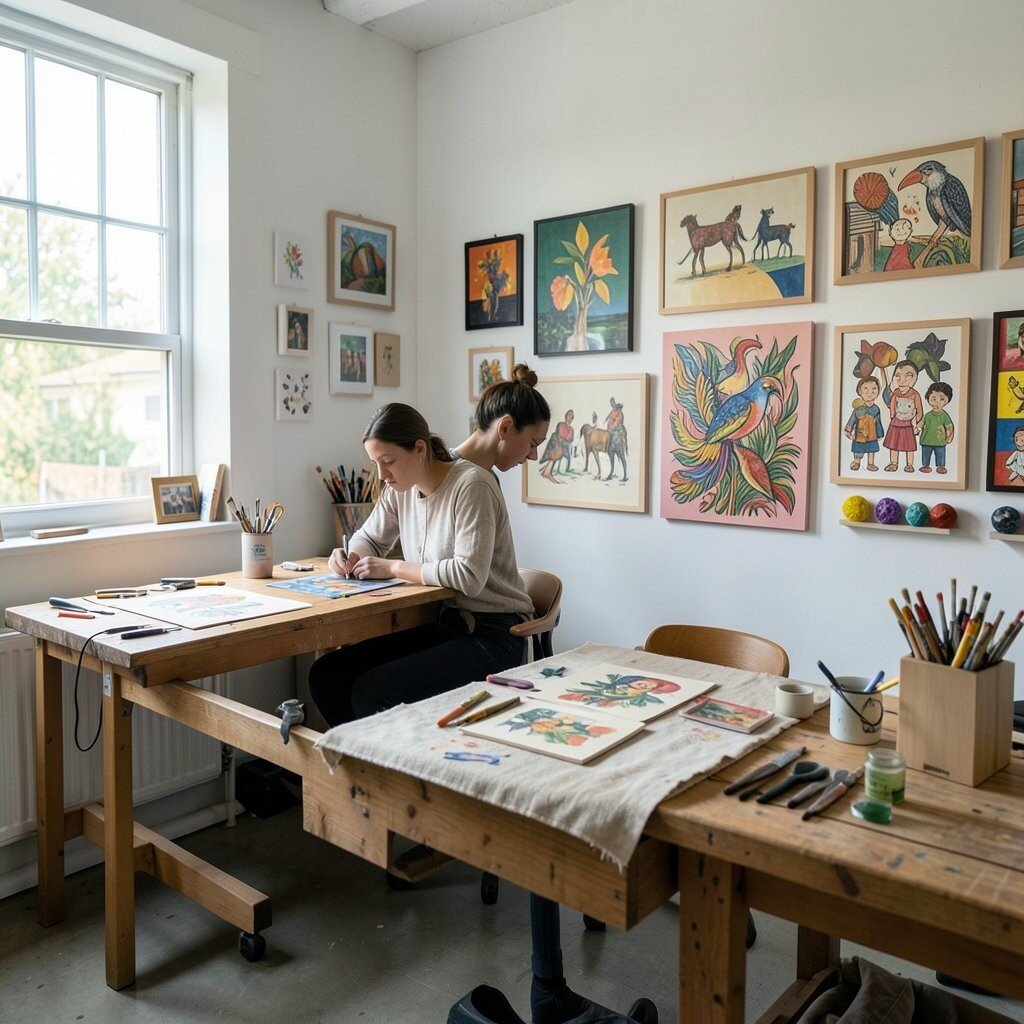
Art can give a work environment a strong voice. Local prints, handmade pottery, or wood pieces can make walls and shelves feel rich and full of character.
This choice supports nearby artists and gives the office a look that is hard to copy. It can also make the space feel more personal because the items often have a story behind them. Costs can range a lot, so many teams start with one or two pieces and grow the collection over time.
Current workplace design often leans toward spaces that feel less generic and more human. Handmade items fit that trend well because they add warmth and texture without making the room feel crowded.
14. Offer Different Work Modes in One Space
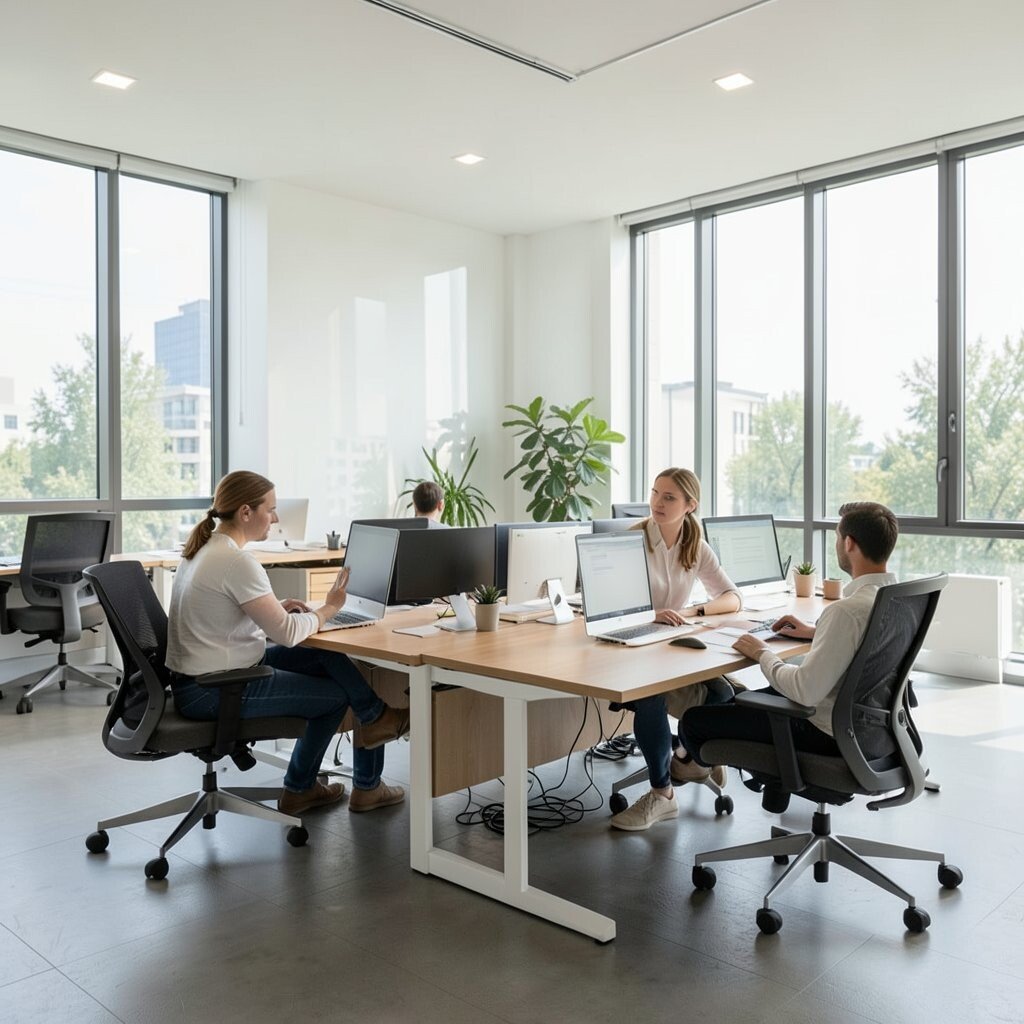
A dynamic workplace gives people more than one way to work. A room can include quiet desks, team tables, soft seats, and spots for quick calls all in one place.
This setup is useful because it supports different tasks without forcing people to move far. It also makes the office feel modern and thoughtful, since workers can pick the setting that fits their job at the moment. You can build this idea slowly by using movable furniture and simple signs or layout changes instead of buying a whole new office plan.
People often like this approach because it feels personal and flexible. It also saves money over time by helping the office do more with the space it already has.
15. Add a Fun Rest Area
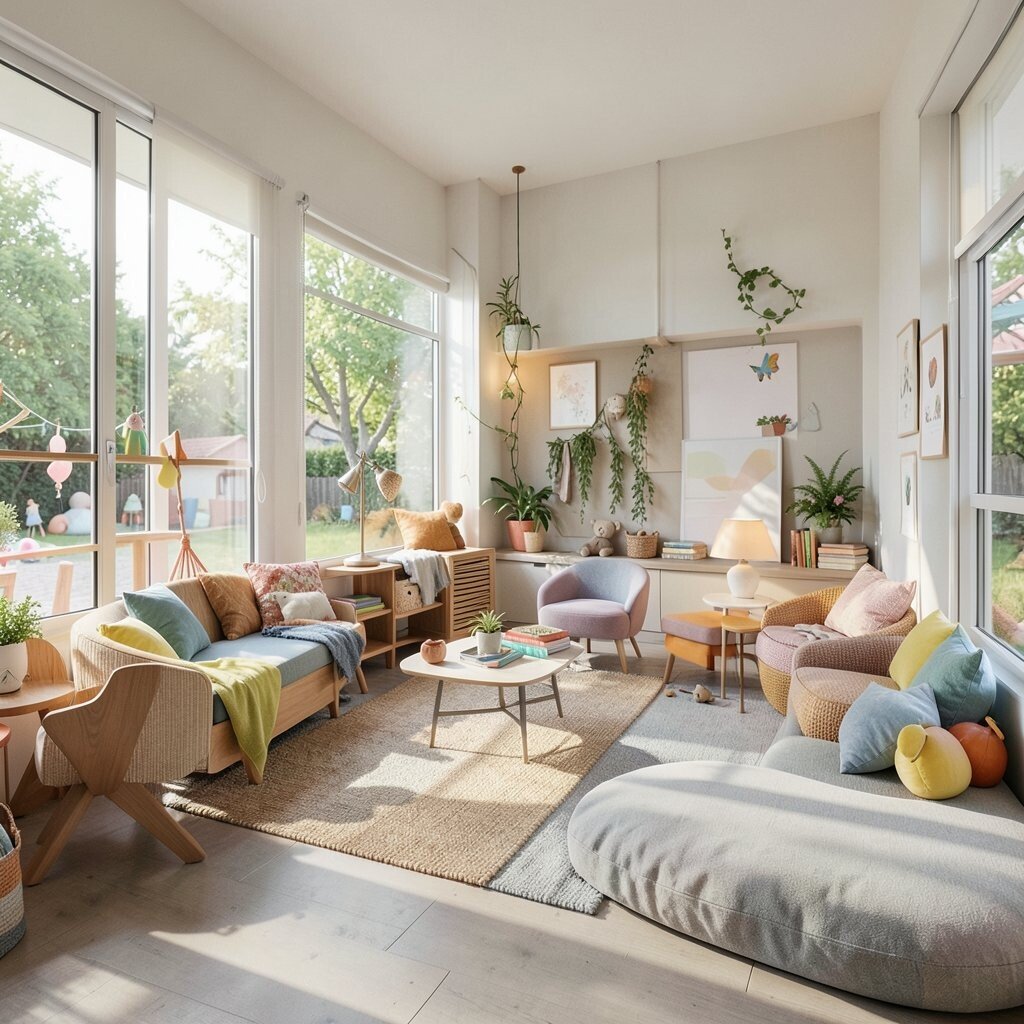
A rest area can bring a little joy to the middle of the workday. A cozy chair, a game shelf, a puzzle table, or a reading corner can make the room feel playful and alive.
This kind of space supports breaks, lifts mood, and can even help people return to work with better focus. It stands out because it shows that rest is part of good work, not a waste of time. The cost can stay low if you use simple items already on hand and let the team help choose what belongs there.
Some offices now include wellness corners because people want places to reset without leaving the building. A rest area can also reflect the team’s personality, which makes the office feel more welcoming and less formal.
16. Keep Tech Easy to Use
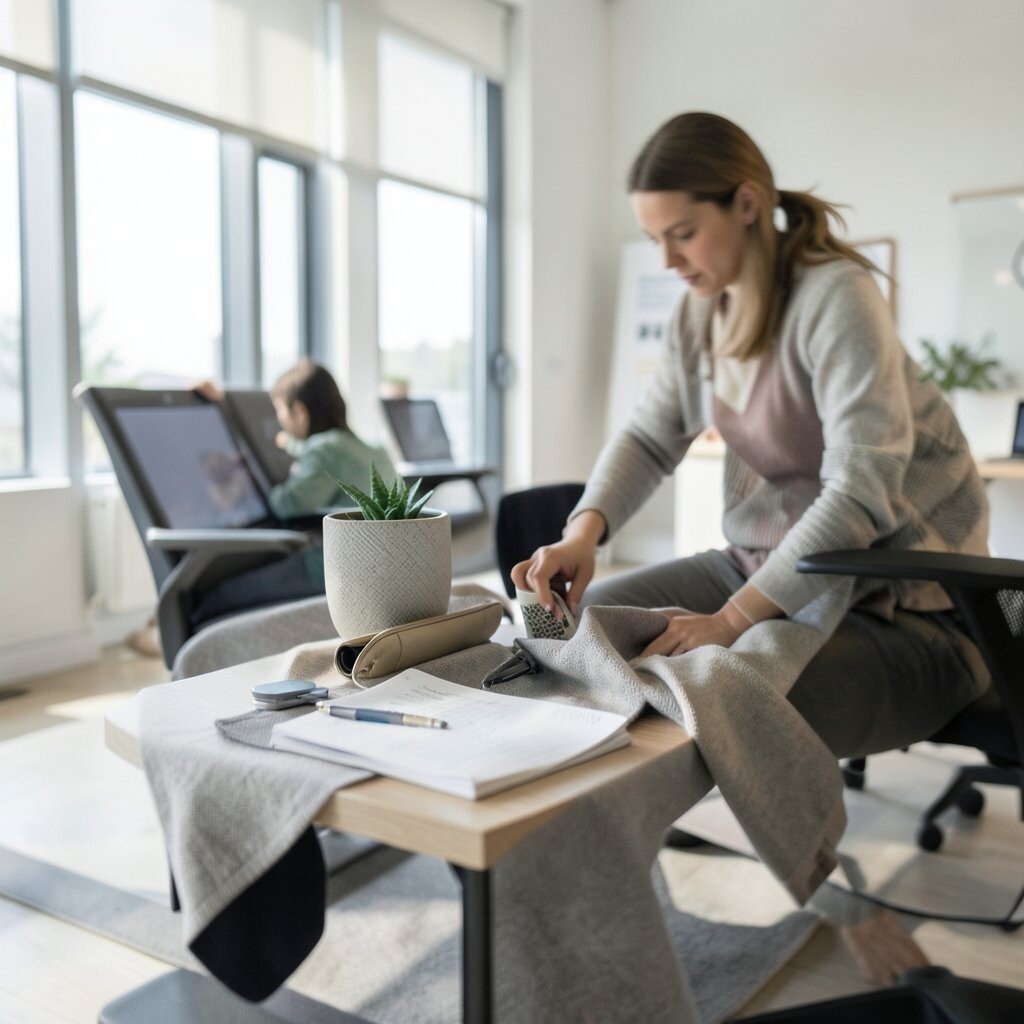
Tech should help the day move along, not slow it down. Clean cable storage, shared charging spots, and easy video tools can make a room feel tidy and smooth.
When tech works well, people waste less time and feel less stress. It also keeps the space looking neat, which matters a lot in a busy office. Many teams now choose simple wireless tools and shared screens because they fit current work habits and cut down on clutter.
You can personalize tech zones with labels, color coding, or storage that matches the room’s style. Most of these upgrades can be done at a modest cost if you focus on the tools people use most often.
17. Celebrate a Culture of Small Changes
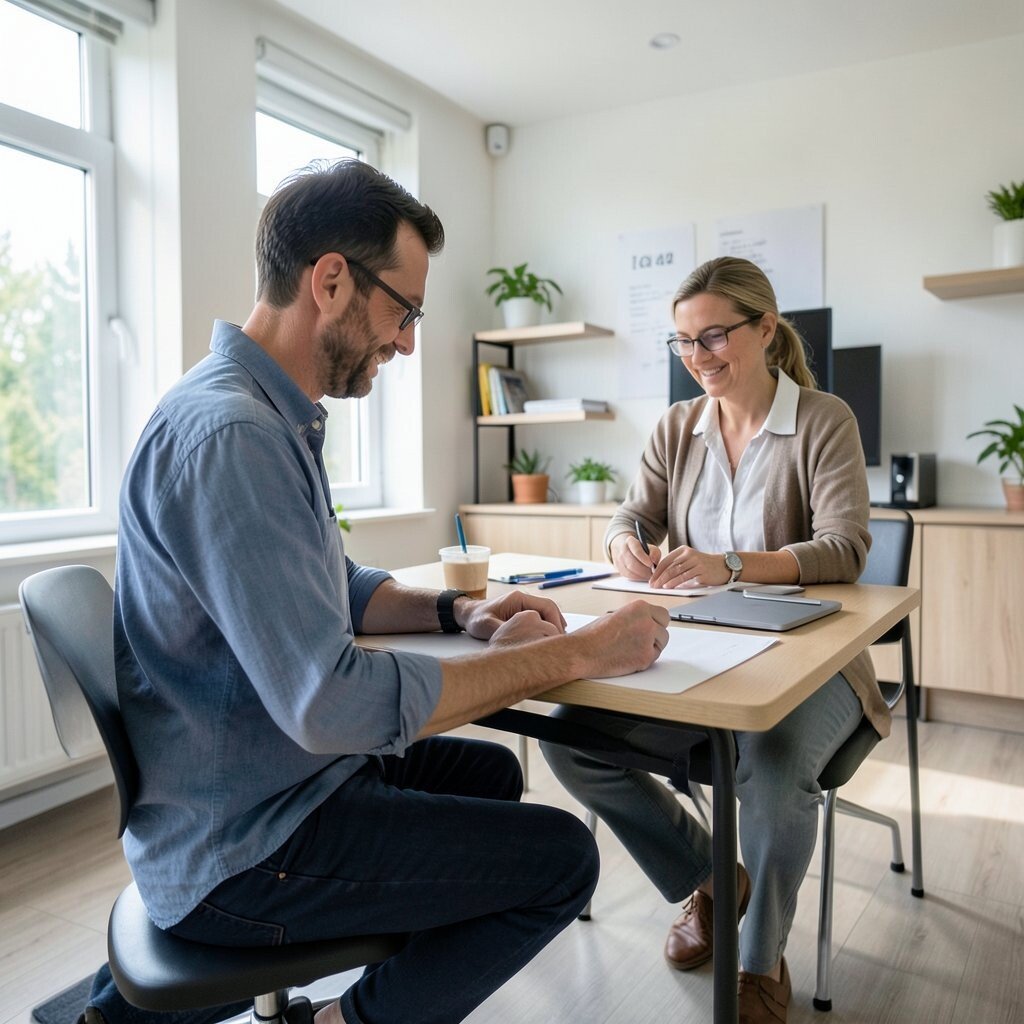
A dynamic work environment does not need one huge makeover. Small changes spread over time can keep the office feeling fresh, lively, and ready for new ideas.
This approach works well because it lets the space grow with the team. It is also unique, since the office becomes a living reflection of what people need right now. You can ask workers what they want, test one change at a time, and keep the budget under control by choosing the ideas that bring the most value.
Many of the best offices today feel current because they keep adapting instead of staying frozen. When people help shape the room, the result feels more personal, more useful, and more inspiring every day.